Mercia: Exploring the Heartland of Saxon England and Its Lasting Influence

Having written more books than I probably should about the Saxon kingdom of Mercia, and with more planned, I’ve somewhat belatedly realised I’ve never explained what Mercia actually was. I’m going to correct that now.

Having grown up within the ancient kingdom of Mercia, still referenced today in such titles as the West Mercia Police, I feel I’ve always been aware of the heritage of the Midlands of England. But that doesn’t mean everyone else is.

Where was Mercia?

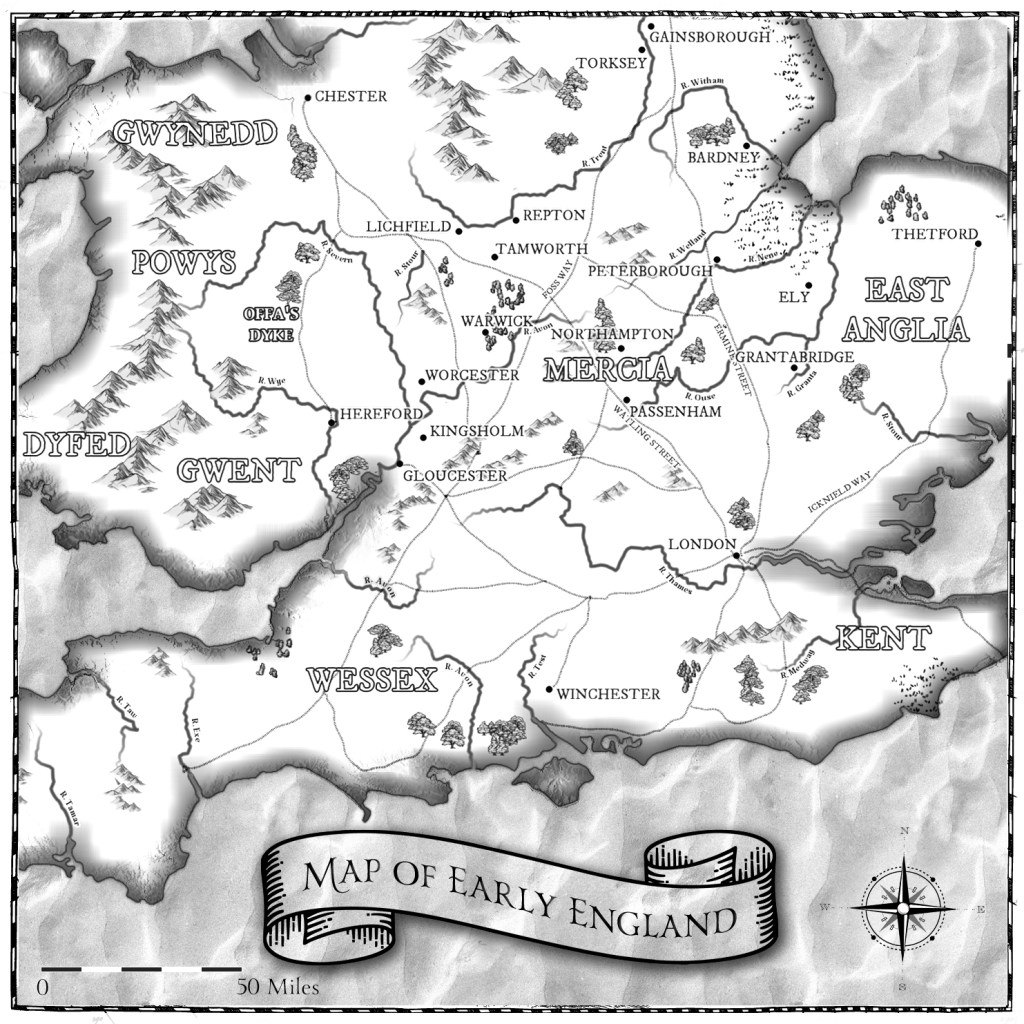
Simply put, the kingdom of Mercia, in existence from c.550 to about c.925 (and then continuing as an ealdordom, and then earldom) covered the area in the English Midlands, perhaps most easily described as the area north of the River Thames, and south of the Humber Estuary – indeed, nerdy historians, and Bede, call the area the kingdom of the Southumbrians, in contrast to the kingdom of the Northumbrians – do you see what Bede did there?

While it was not always that contained, and while it was not always that large, Mercia was essentially a land-locked state (if you ignore all the rivers that gave easy access to the sea), in the heartland of what we now know as England.

Map of Early England, showing the location of Mercia for the post What was the ancient kingdom of Mercia?

What was Mercia?

Mercia was one of the Heptarchy—the seven ancient kingdoms that came to dominate Saxon England – Mercia, Wessex (West Saxons), the East Angles, Essex (East Saxons), Sussex (South Saxons) and Kent.

Map showing the settlement of England in about the year 600, showing Mercians, Angles, Saxons and Kent
User:Hel-hama, CC BY-SA 3.0 <http://creativecommons.org/licenses/by-sa/3.0/&gt;, via Wikimedia Commons

In time, it would be one of only four to survive the infighting and amalgamation of the smaller kingdoms, alongside Northumbria, the kingdom of the East Angles, Mercia, and Wessex (the West Saxons).

The End of Mercia?

Subsequently, it has traditionally been said to have been subsumed by the kingdom of Wessex, which then grew to become all of ‘England’ as we know it.

This argument is subject to some current debate, especially as the king credited with doing this, Athelstan, the first and only of his name, might well have been born into the West Saxon dynasty but was potentially raised in Mercia, by his aunt, Lady Æthelflæd, and was, indeed, declared king of Mercia on the death of his father, King Edward the Elder in July 924, and only subsequently became king of Wessex, and eventually, king of all England.

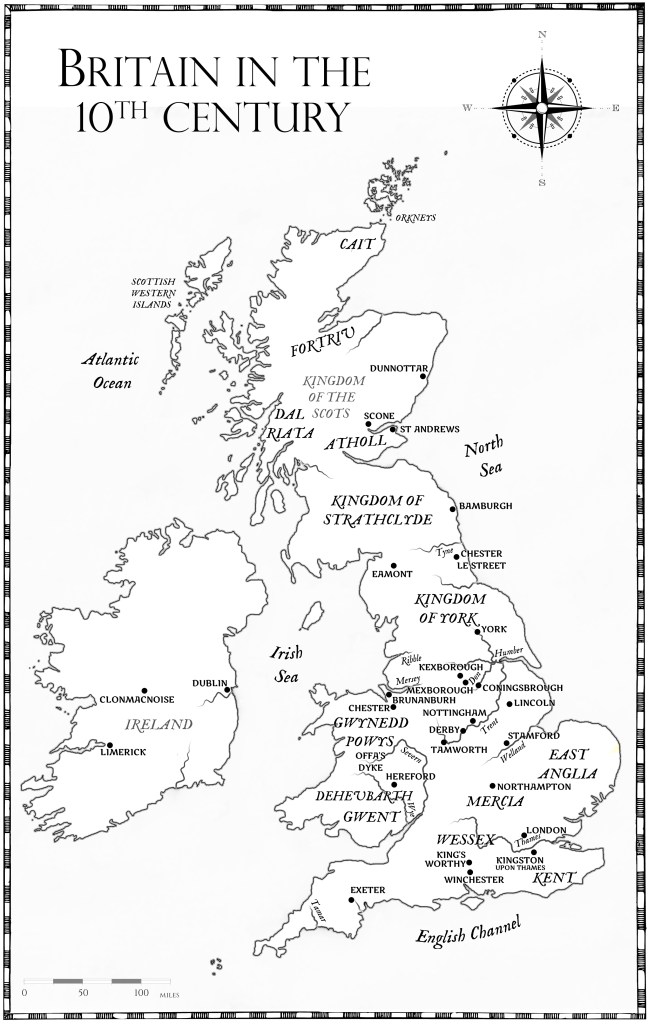
Map of Britain in the tenth century, showing Mercia, Wessex, Kent and the kingdom of York.

Mercia’s kings

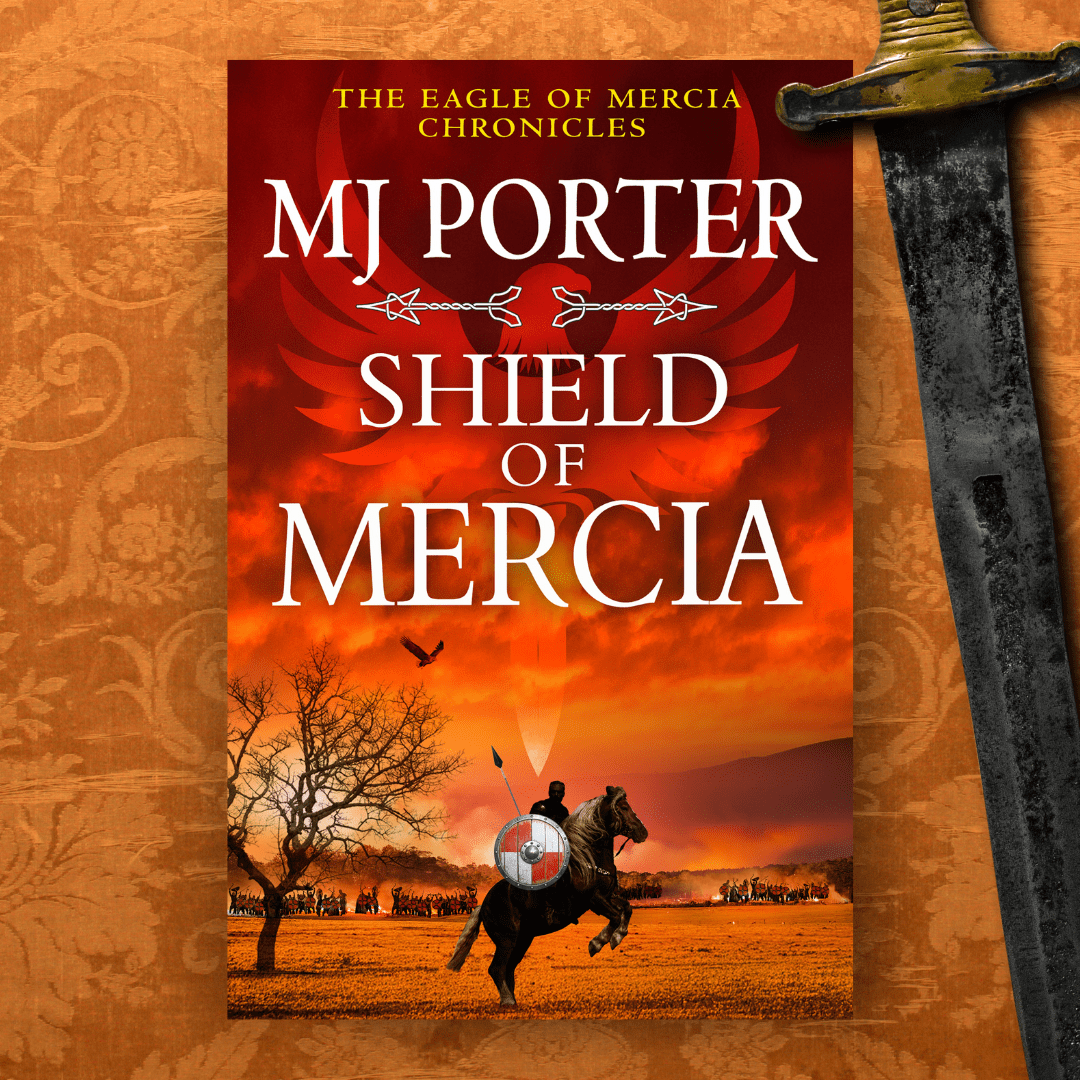
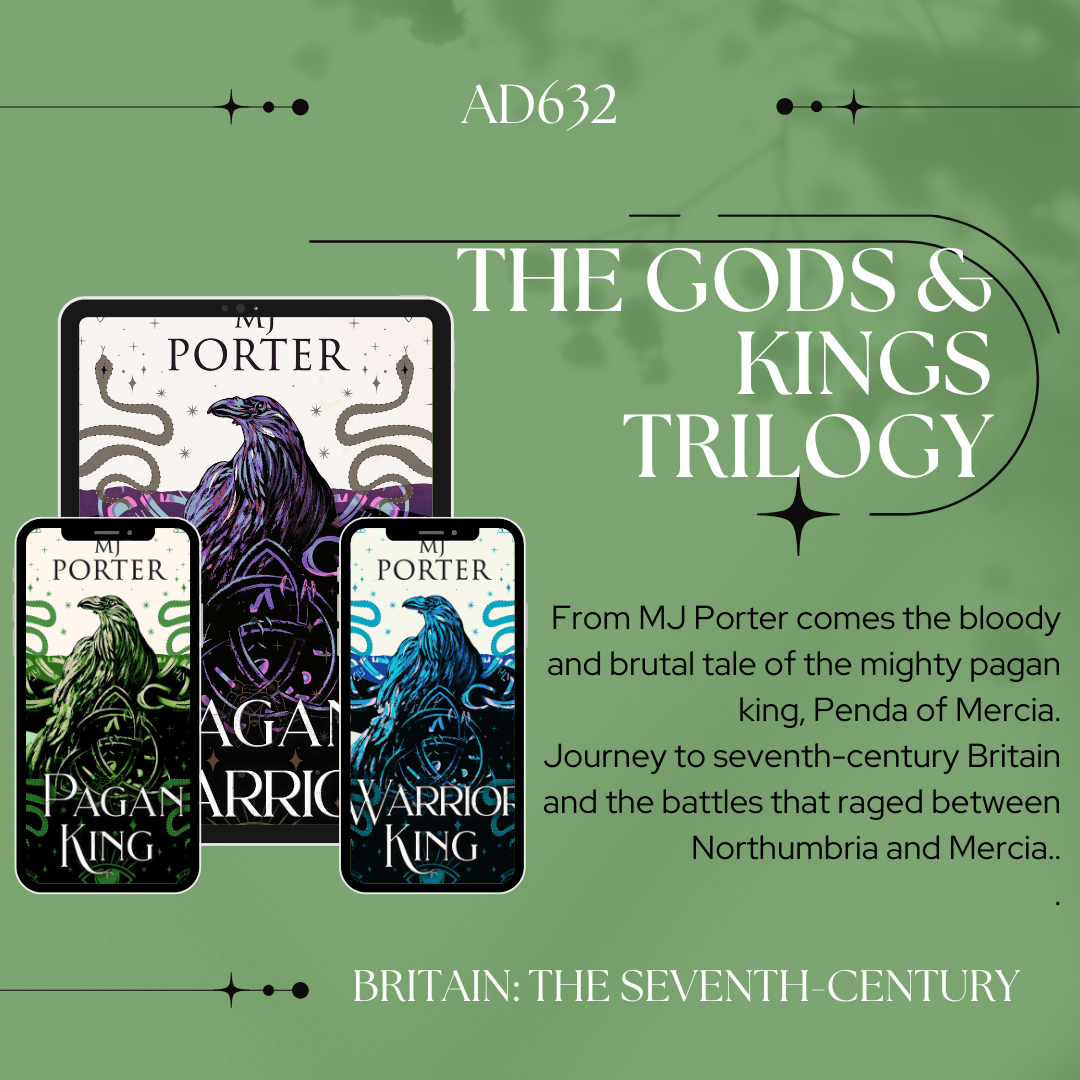
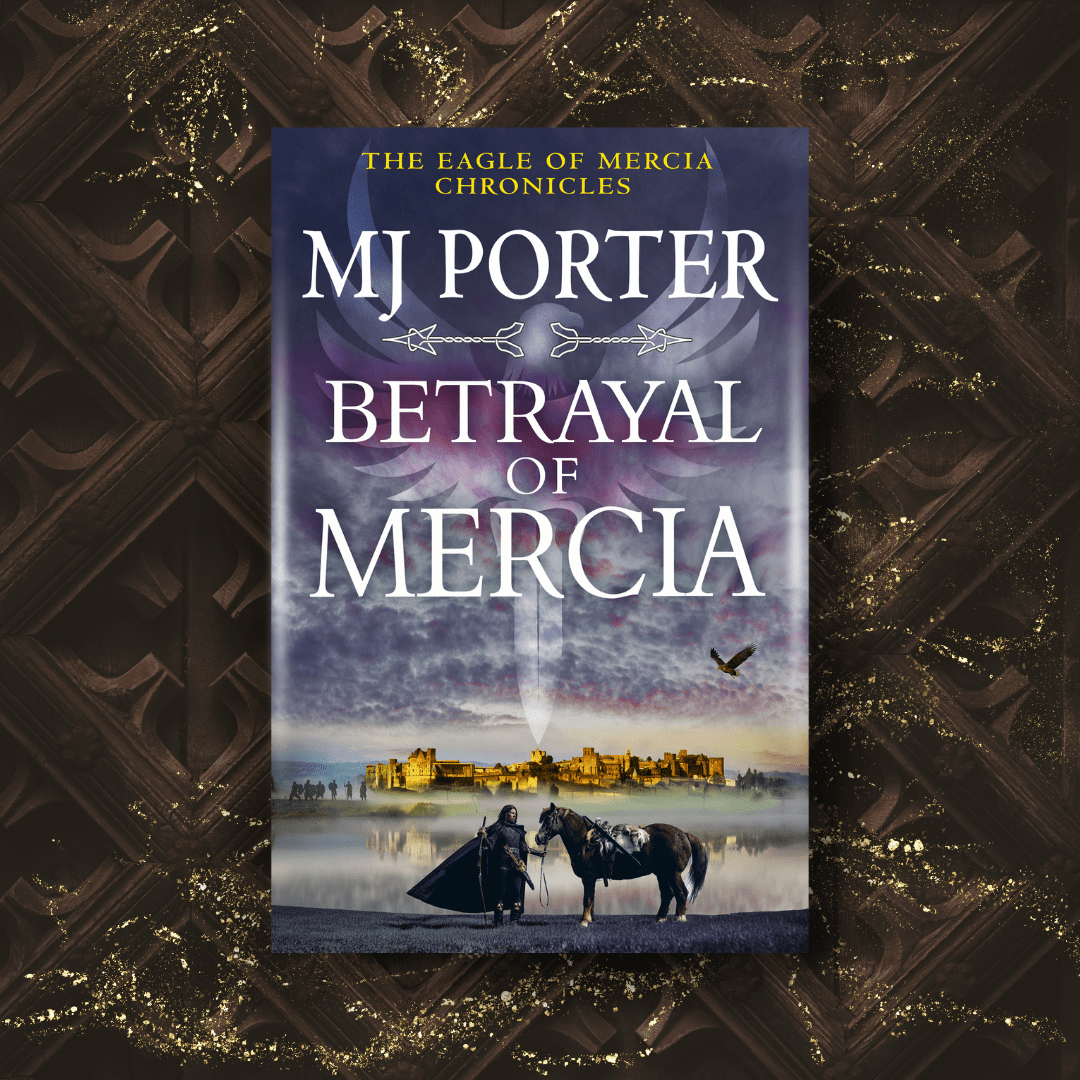
But, before all that, Mercia had its own kings. One of the earliest, and perhaps most well-known, was Penda, in the mid-7th century, the alleged last great pagan king. (Penda features in my Gods and Kings trilogy). Throughout the eighth century, Mercia had two more powerful kings, Æthelbald and Offa (of Offa’s Dyke fame), and then the ninth century saw kings Wiglaf and Coelwulf II (both of whom feature as characters in my later series, The Eagle of Mercia Chronicles and the Mercian Ninth Century), before the events of the last 800s saw Æthelflæd, one of the most famous rulers, leading the kingdom against the Viking raiders.

The Earldom of Mercia

And even when the kingdom itself ceased to exist, it persisted in the ealdordom and earldom of Mercia, (sometimes subdivided further), and I’ve also written about the House of Leofwine, who were ealdormen and then earls of Mercia throughout the final century of Saxon England, a steadfast family not outmatched by any other family, even the ruling line of the House of Wessex.

In fact, Mercia, as I said above, persists as an idea today even though it’s been many years since the end of Saxon England. And indeed, my two Erdington Mysteries, are also set in a place that would have been part of Mercia a thousand years before:) (I may be a little bit obsessed with the place).

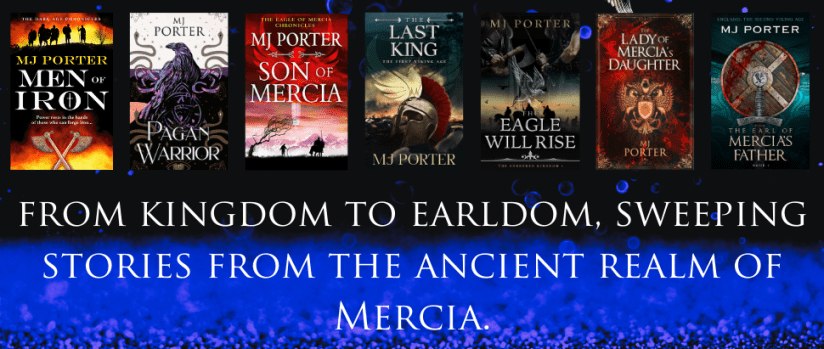
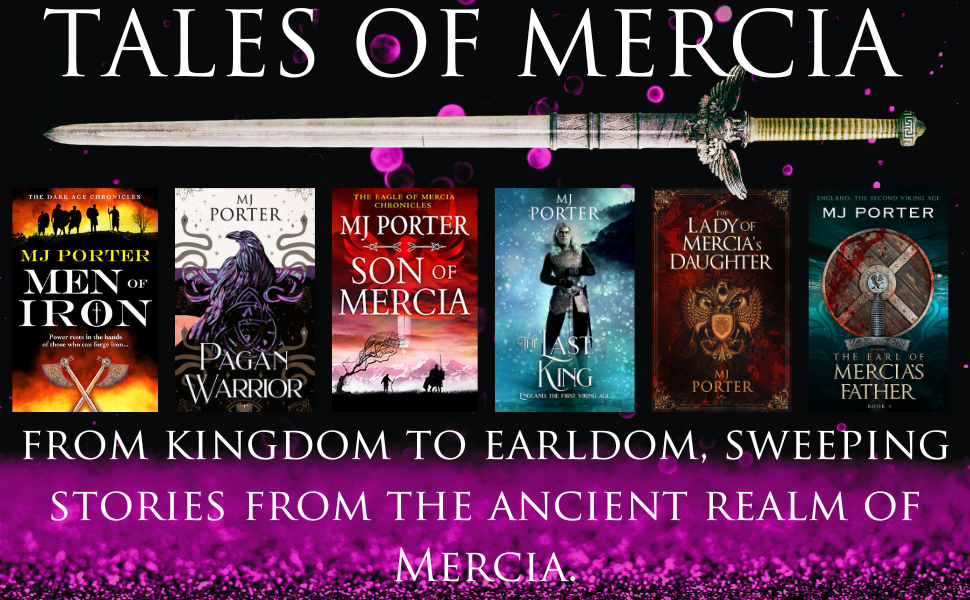
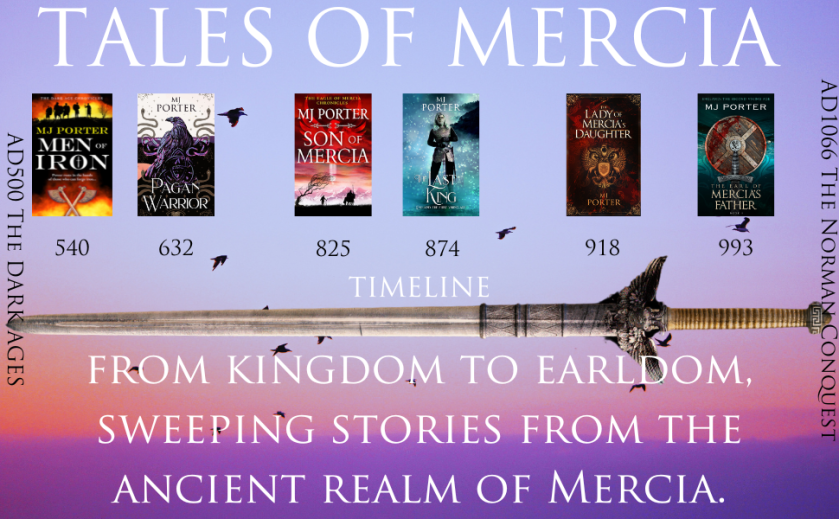
Image shows the 6 book cover titles in the Tales of Mercia series of interconnected tales by historical fiction author MJ Porter
The Tales of Mercia
Timeline of MJ Porter's Tales of Mercia series, starting with the Dark Age Chronicles and ending with The Earl of Mercia's Father

Posts

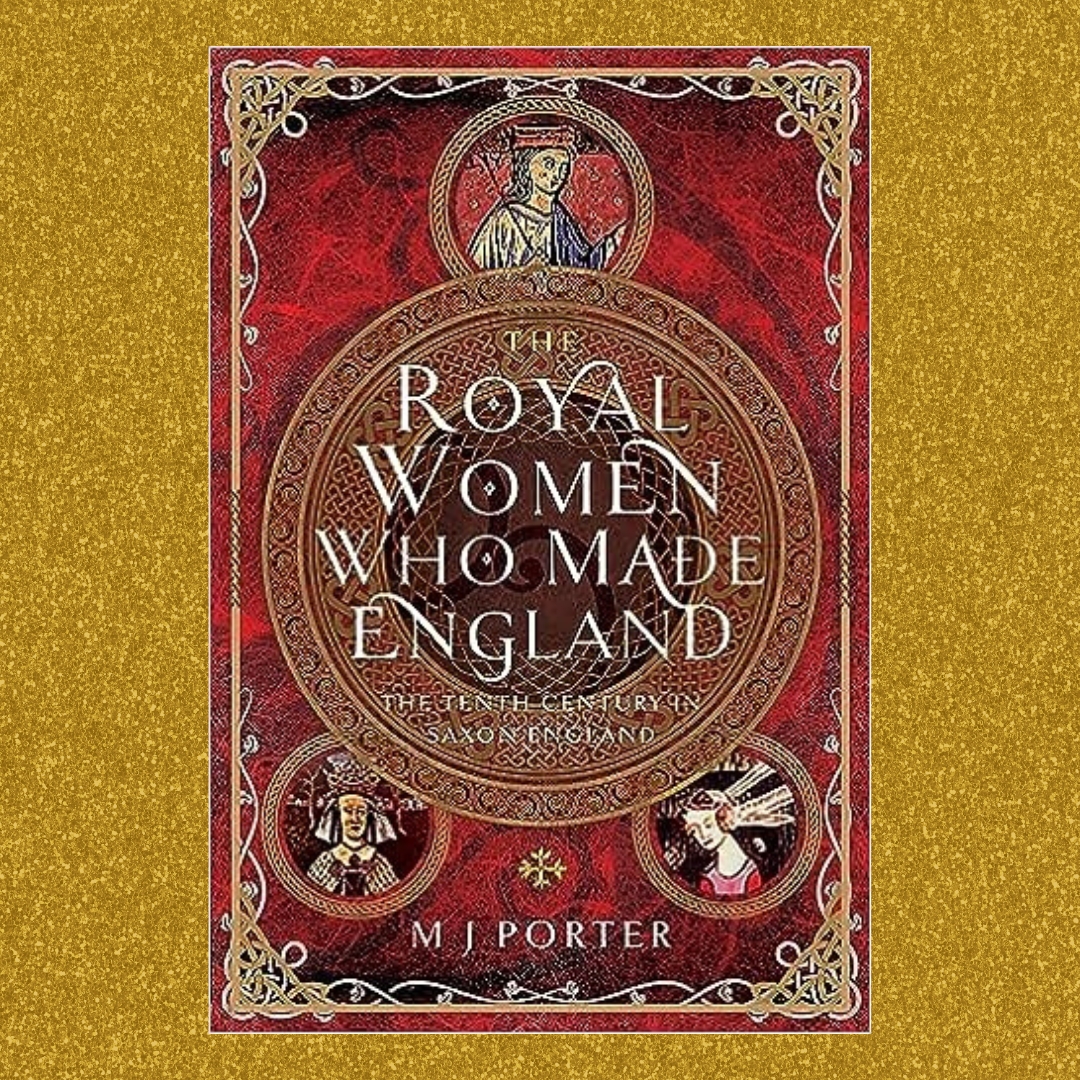
Happy (UK) Release Day to The Royal Women Who Made England, my first non-fiction book #newrelease #non-fiction

It feels like I’ve been talking about this book forever, but the day is finally upon us. The Royal Women Who Made England is available in hardback in the UK from today. It will be released in the US in March.

If you’ve been hiding from me for the last few months, you might be wondering what this is all about. So here goes.

Throughout the tenth century, England, as it would be recognised today, formed. No longer many Saxon kingdoms, but rather, just England. Yet, this development masks much in the century in which the Viking raiders were seemingly driven from England’s shores by Alfred, his children and grandchildren, only to return during the reign of his great, great-grandson, the much-maligned Æthelred II.

Not one but two kings would be murdered, others would die at a young age, and a child would be named king on four occasions. Two kings would never marry, and a third would be forcefully divorced from his wife. Yet, the development towards ‘England’ did not stop. At no point did it truly fracture back into its constituent parts. Who then ensured this stability? To whom did the witan turn when kings died, and children were raised to the kingship?

The royal woman of the House of Wessex came into prominence during the century, perhaps the most well-known being Æthelflæd, daughter of King Alfred. Perhaps the most maligned being Ælfthryth (Elfrida), accused of murdering her stepson to clear the path to the kingdom for her son, Æthelred II, but there were many more women, rich and powerful in their own right, where their names and landholdings can be traced in the scant historical record.

Using contemporary source material, The Royal Women Who Made England can be plucked from the obscurity that has seen their names and deeds lost, even within a generation of their own lives.

https://amzn.to/3OlRydn

https://ww…ck/p/24395

So, who were these royal women? While some of us will know Æthelflæd, the Lady of Mercia, either because I think she is one of THE most famous Saxon women, or because of The Last Kingdom TV series and books, but she is merely one of many.

I’ve fictionalised Elfrida and her contemporaries, Eadgifu, the third wife of Edward the Elder and also some of his daughters, as well as Ælfwynn, the daughter of Æthelflæd. My first non-fiction title is me sharing my research that these stories are based upon.

I’ve also ‘found’ many other women of the period who have left some sort of physical reminder, mostly in charters or because their wills have survived.

In total, I discuss over twenty women directly involved with the royal family, either by birth or marriage, and also a further forty, who appear in the sources. I also take a good look at what these sources are and how they perhaps aren’t always as reliable as we might hope. I make an attempt to ‘place’ these women in the known historical events of the period. And draw some conclusions, which surprised even me.

You can find some of my blog posts about these women below.

Æthelflæd

Lady Eadgifu

Ælfwynn

The daughters of Edward the Elder.

The other daughters of Edward the Elder

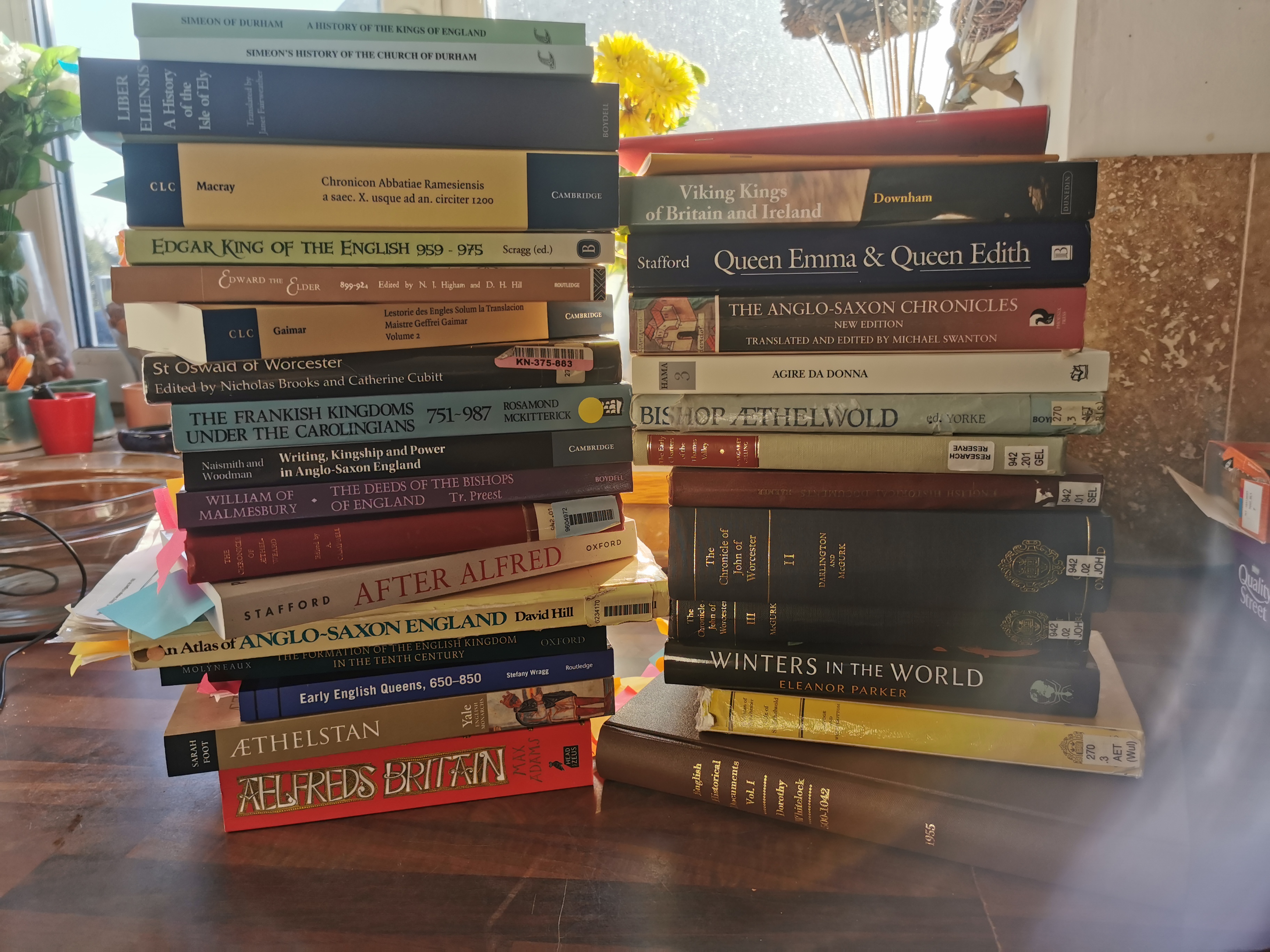
A collection of research books I used while writing The Royal Women Who Made England

Listen to me talk about the Chronicon of Æthelweard (about 6 minutes).

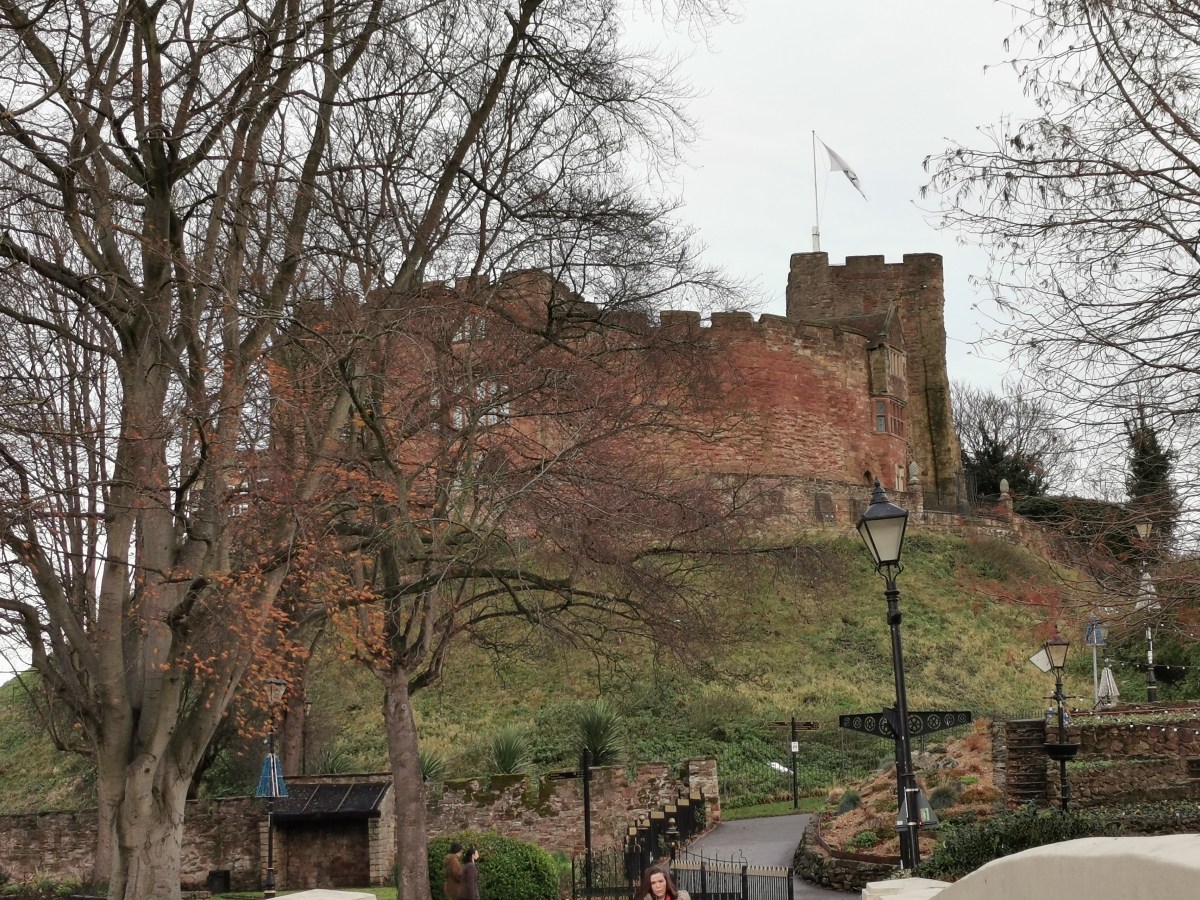
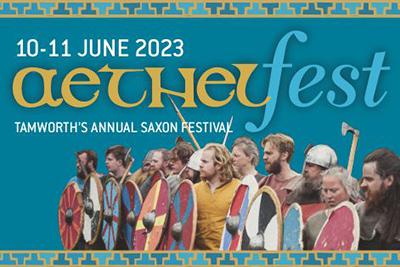
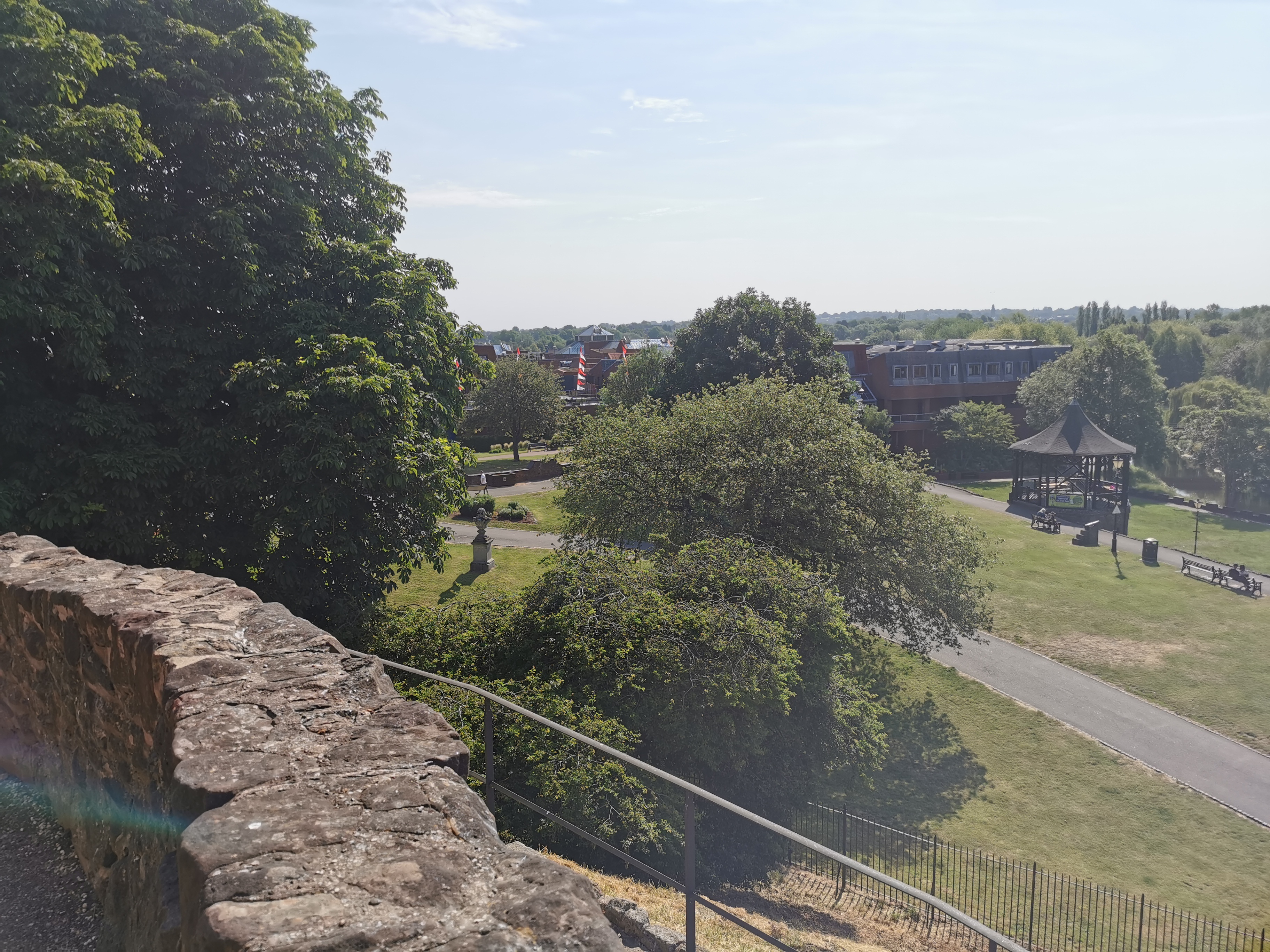
Æthelfest 2023 and a trip to Tamworth, in the heart of Mercia

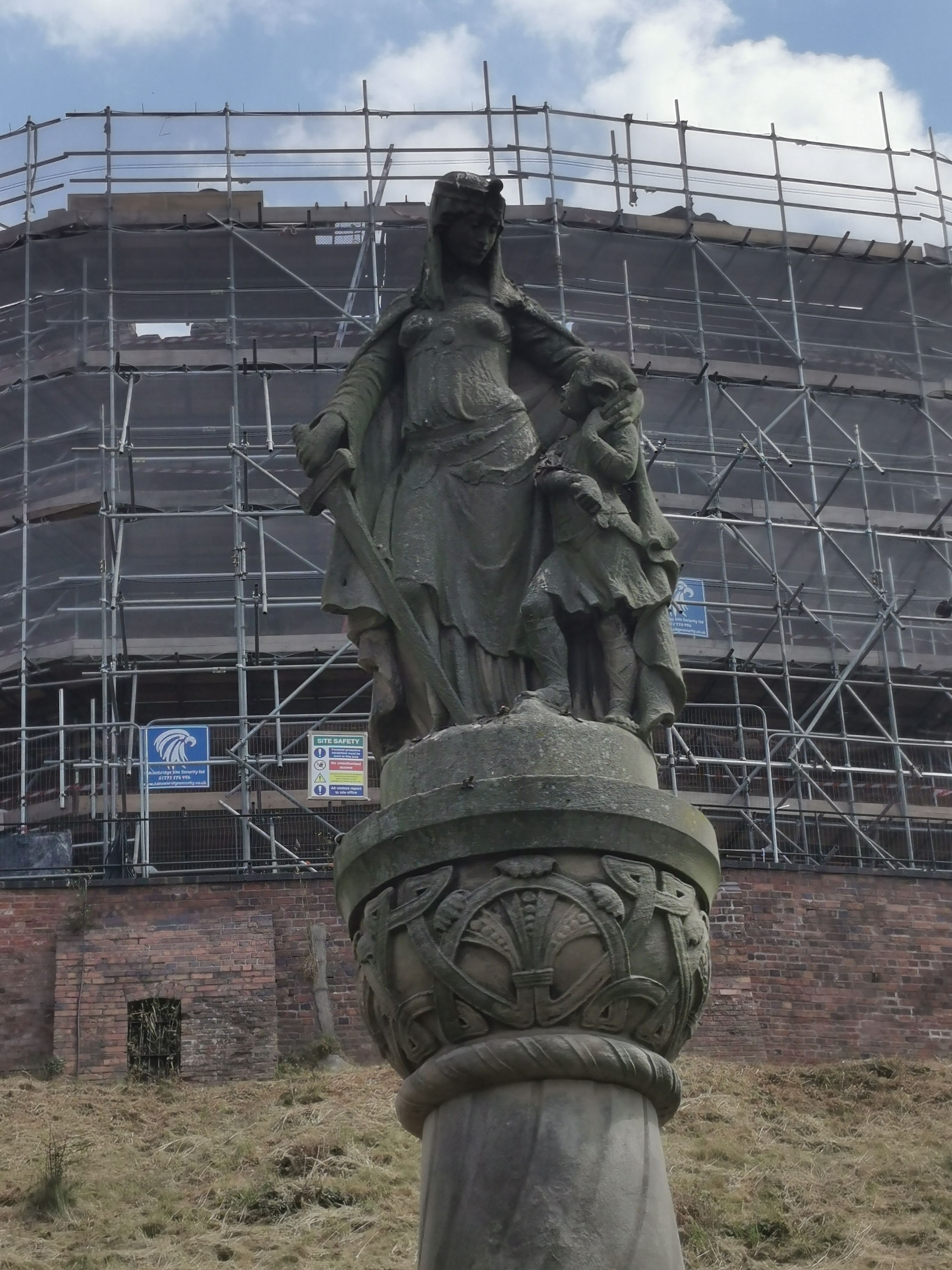
The statue of Æthelflæd and a young Athelstan, the future king of England, at Tamworth Castle

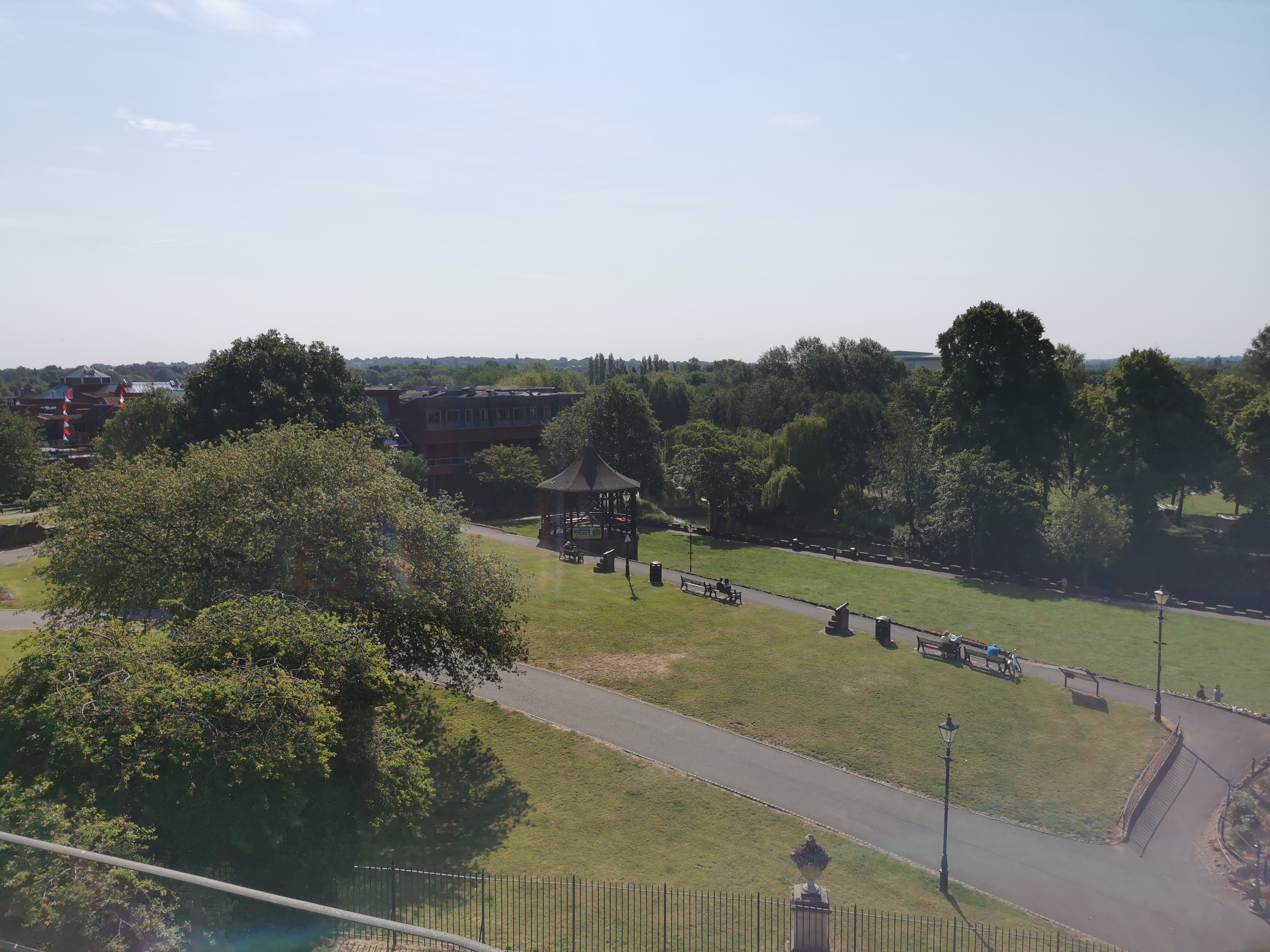
It is possible that I couldn’t have picked a hotter weekend to venture from my coastal location to the heart of the former Mercian kingdom, but that didn’t stop the event from being fantastic.

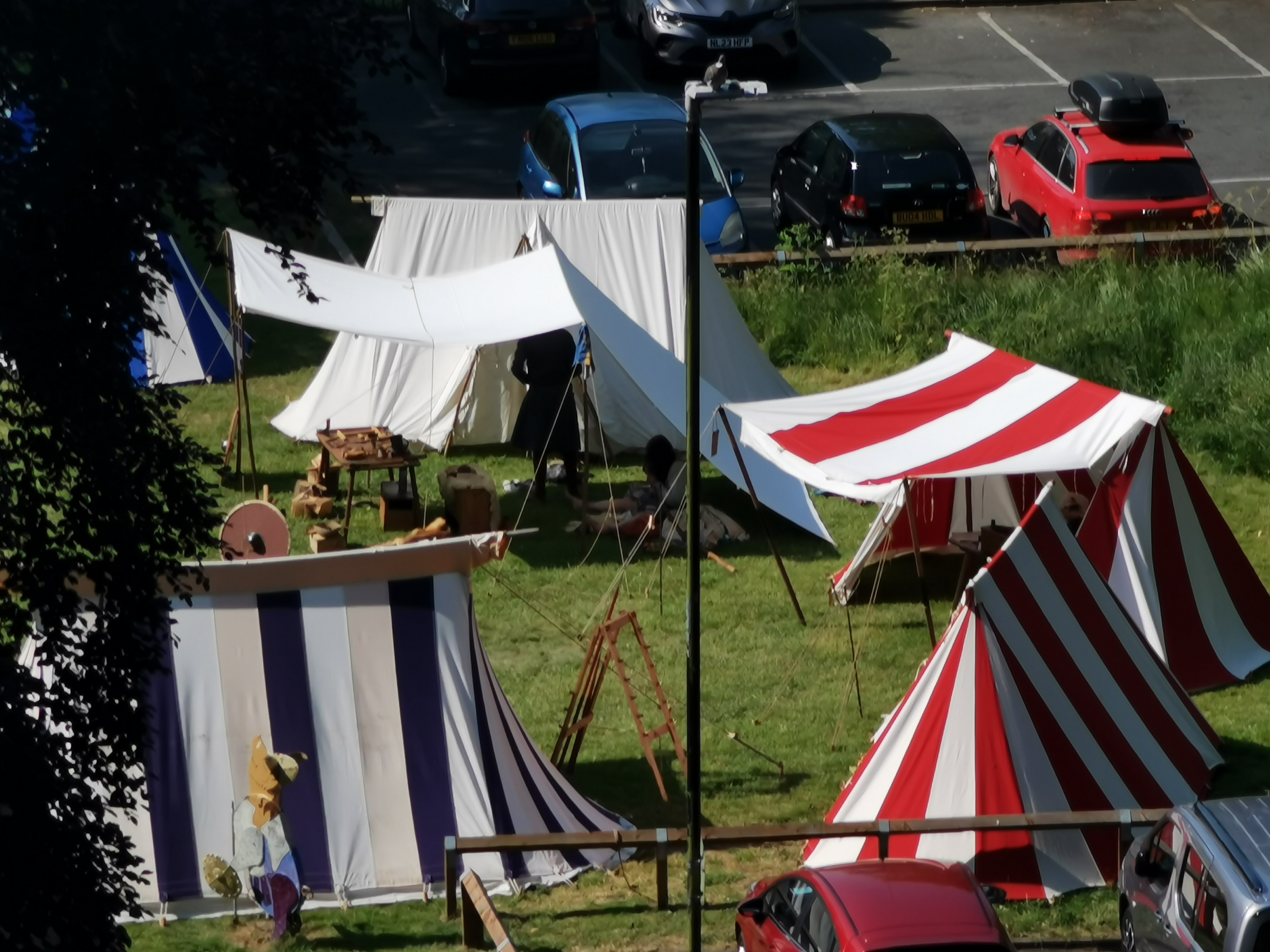
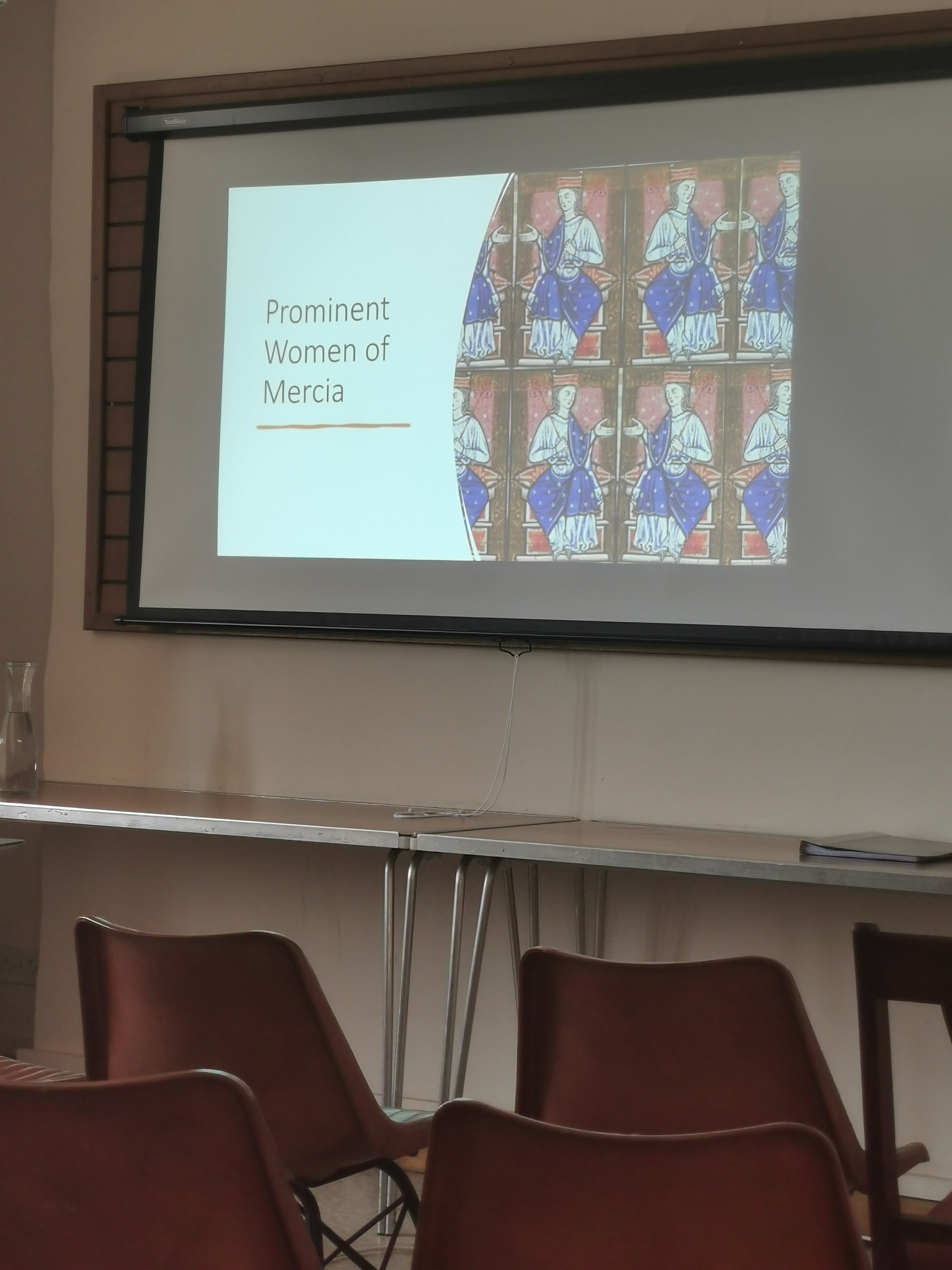
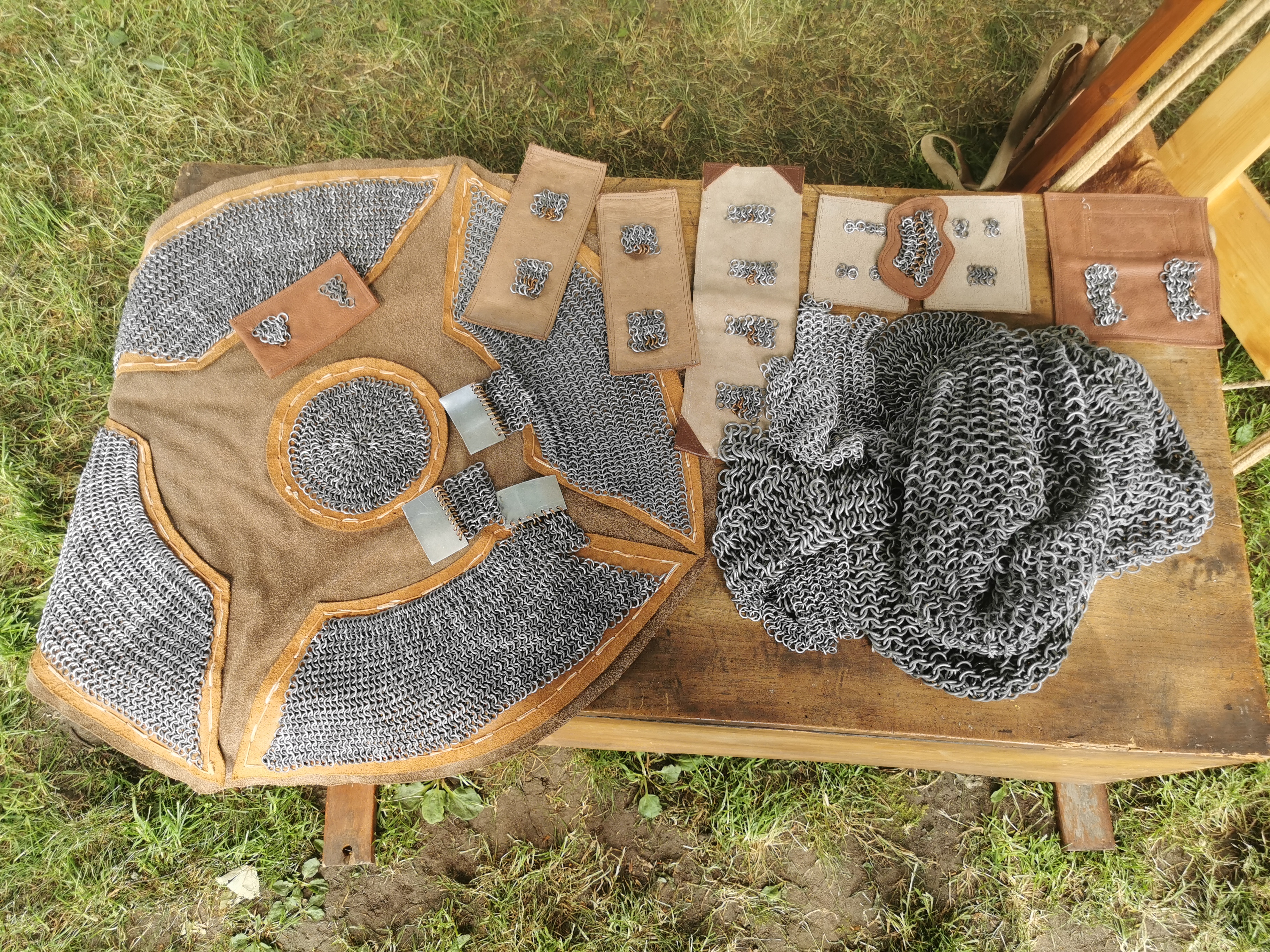
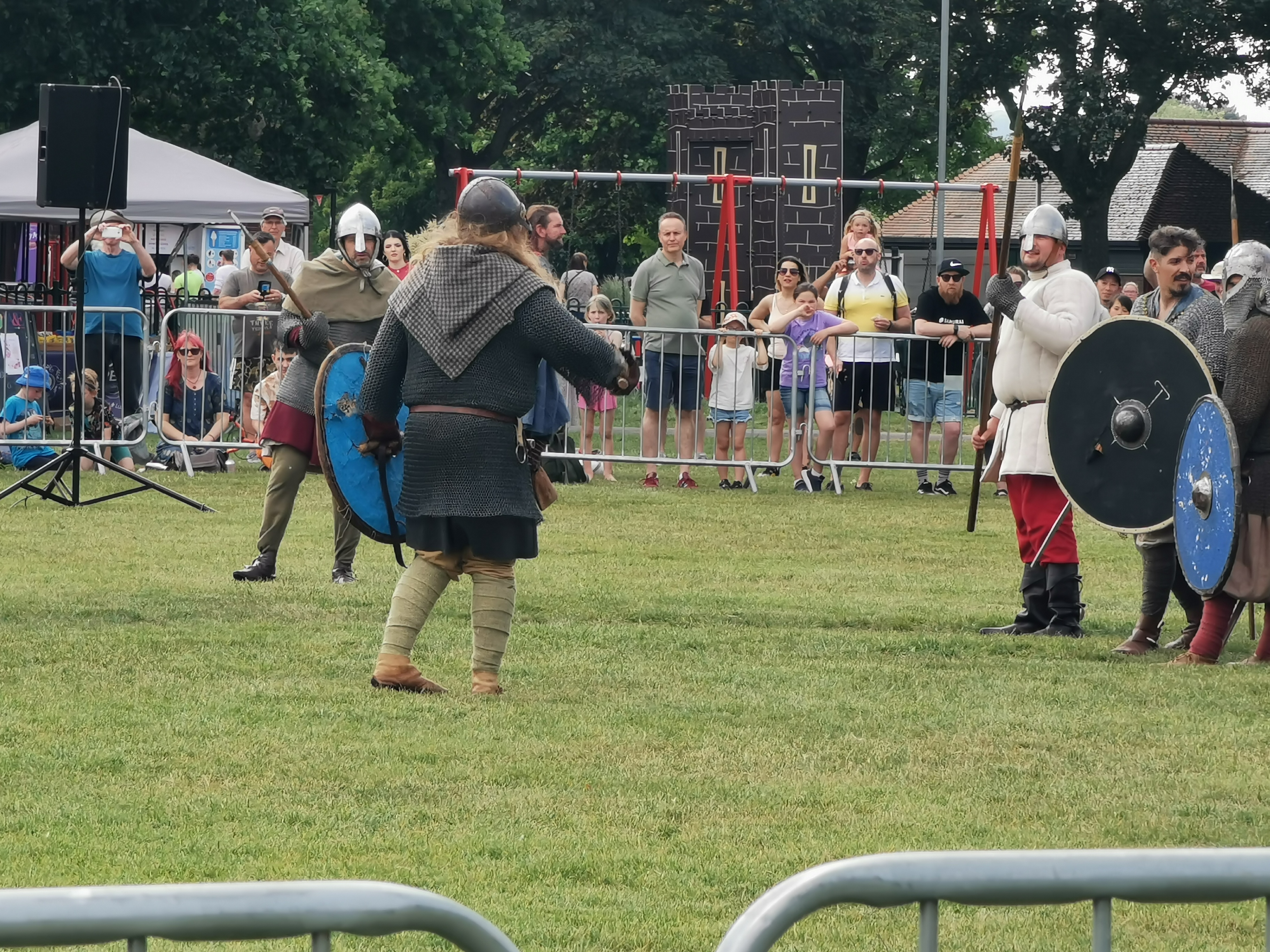
Æthelfest, a celebration of all things Saxon, with an emphasis on Æthelflæd, the lady of Mercia, and the anniversary of her death, which occurred on 12th June 918, included author talks (of which I gave one), a reenactment camp, music in the bandstand, and even some ‘have a go archery’, of which I was brilliant – of course. I met Annie Whitehead, who also writes about Mercia, and managed to snag a place on one of her very popular talks.

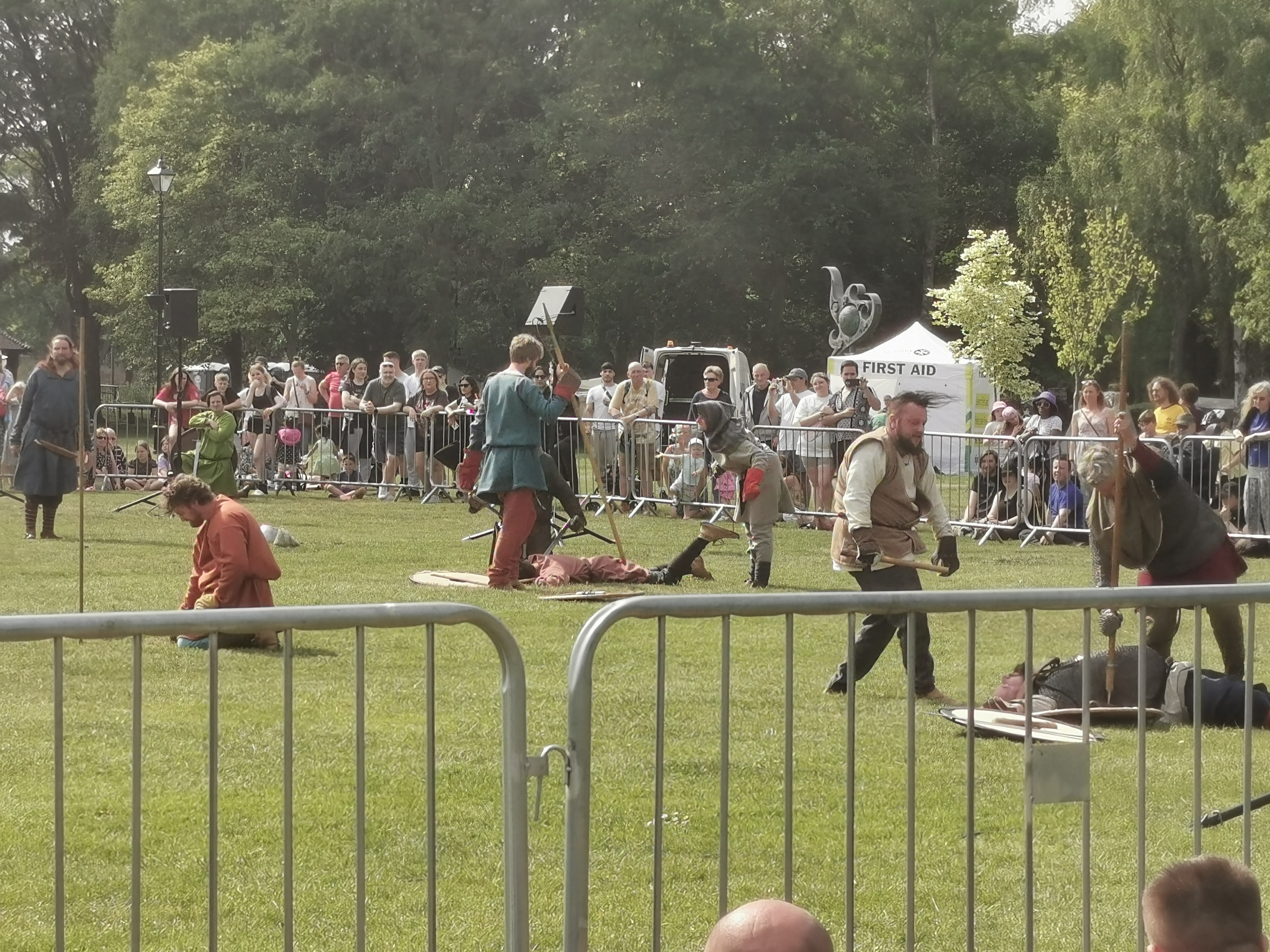
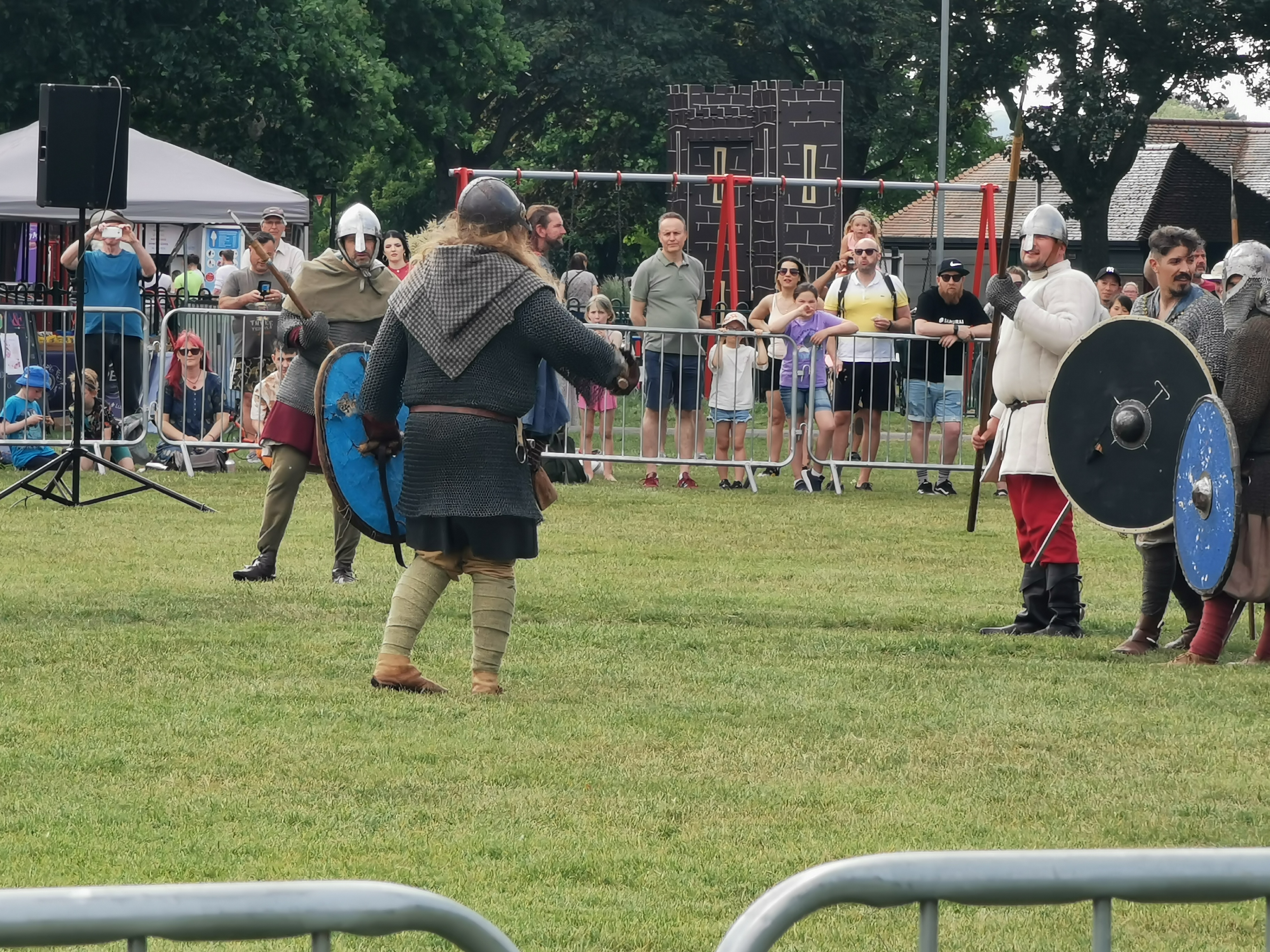
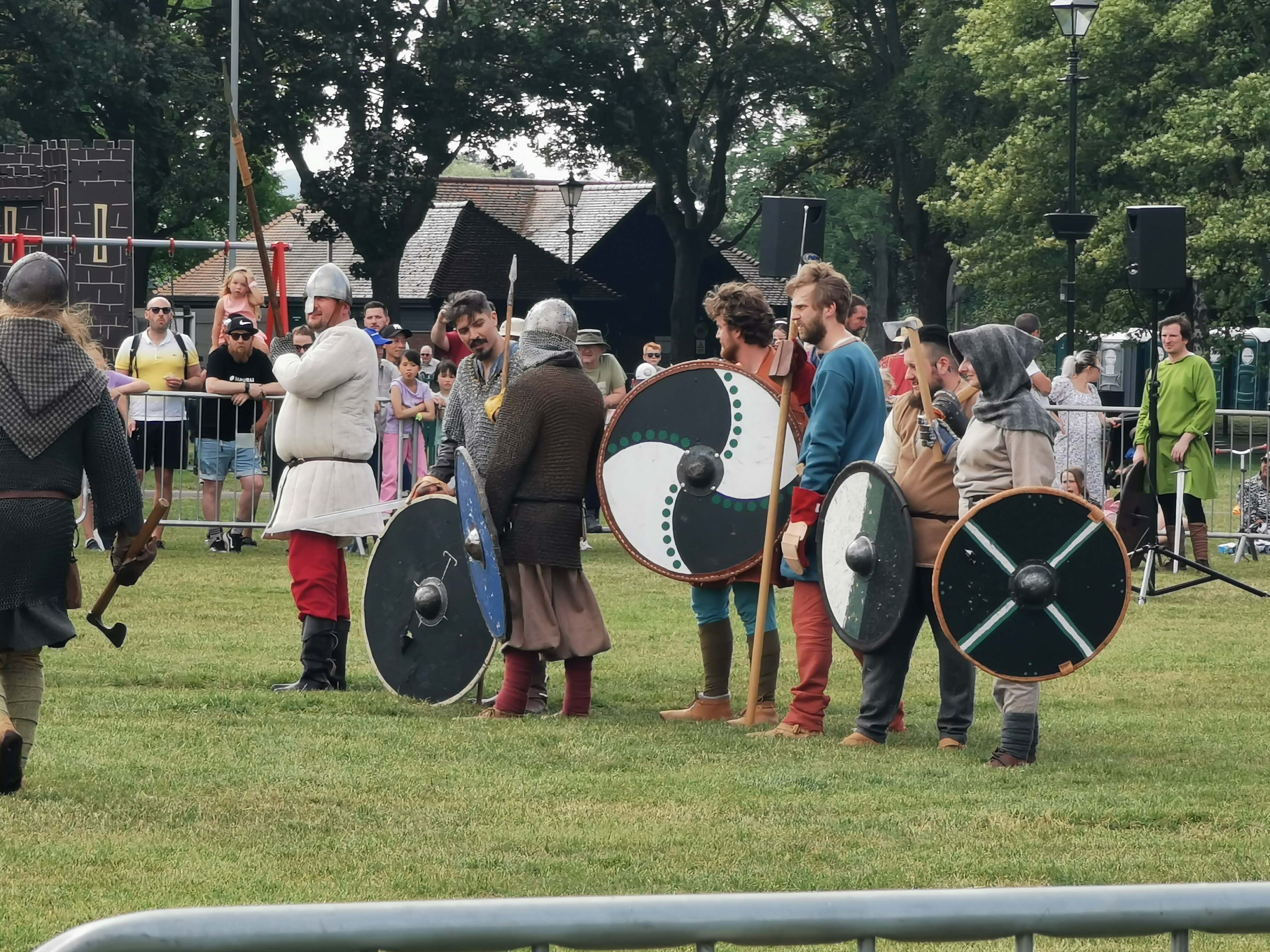
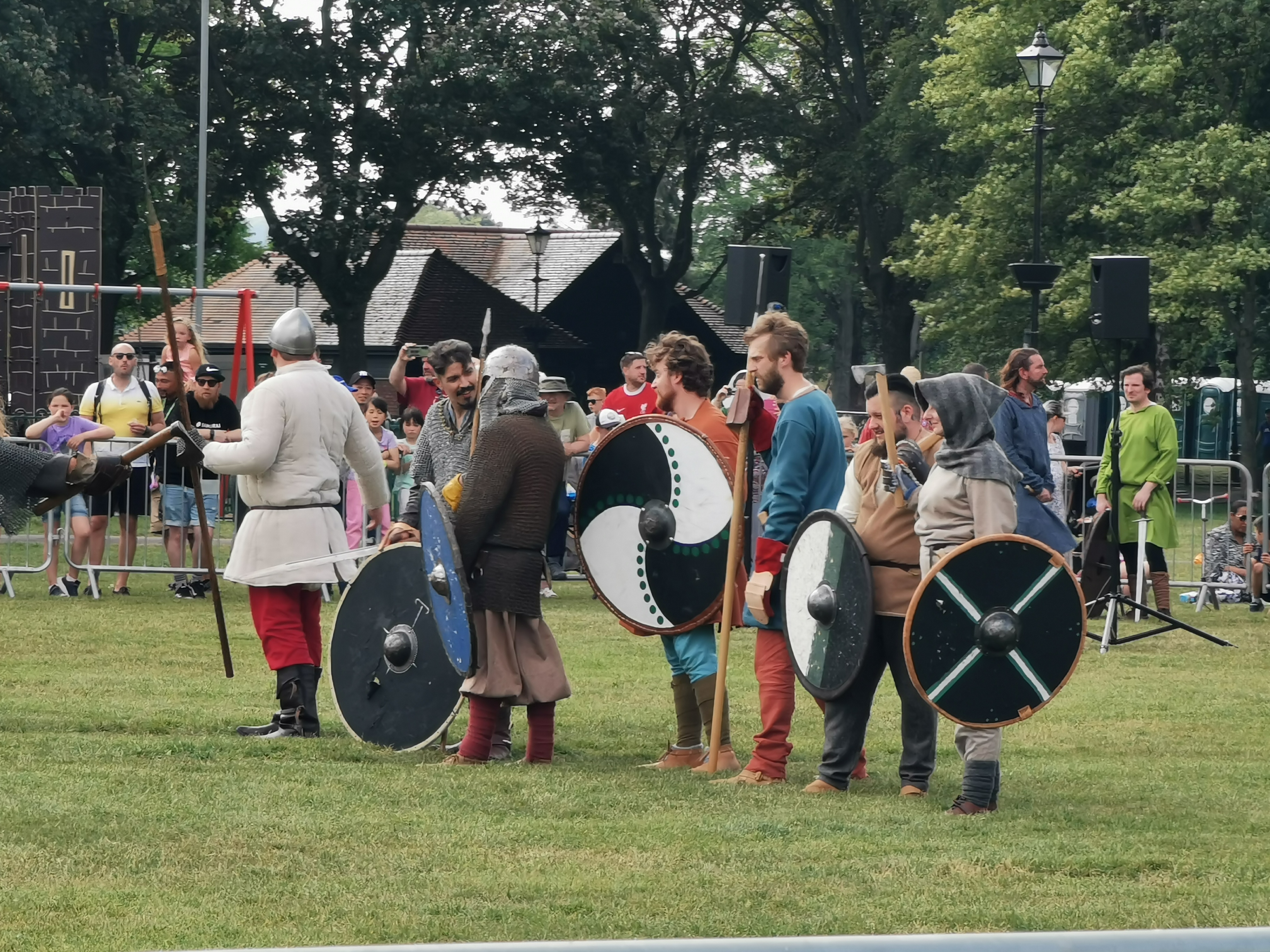
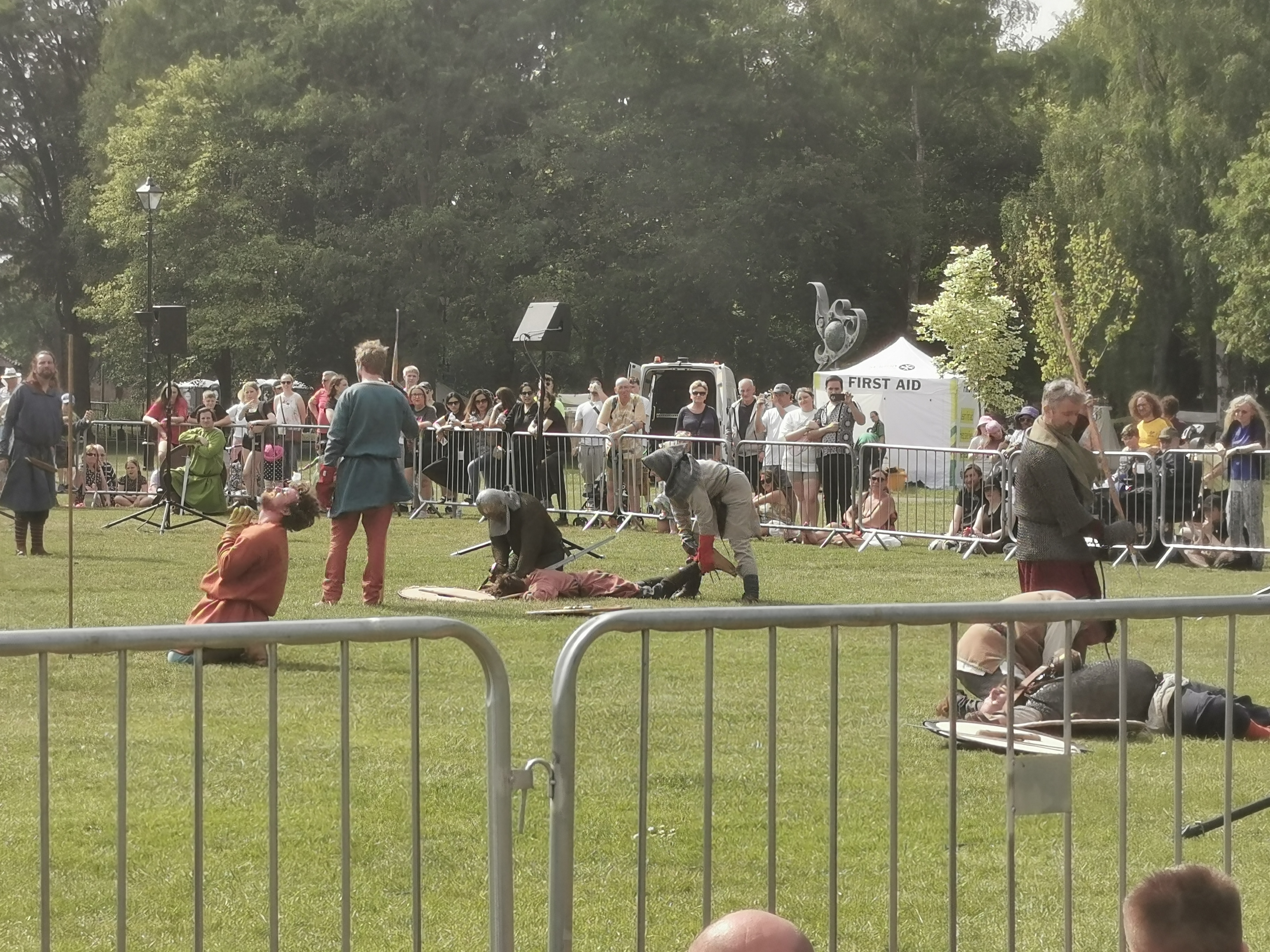
Regrettably, it was super toasty while I was there, and so I massively applaud the re-enactors who even managed to have a battle with all their equipment on.

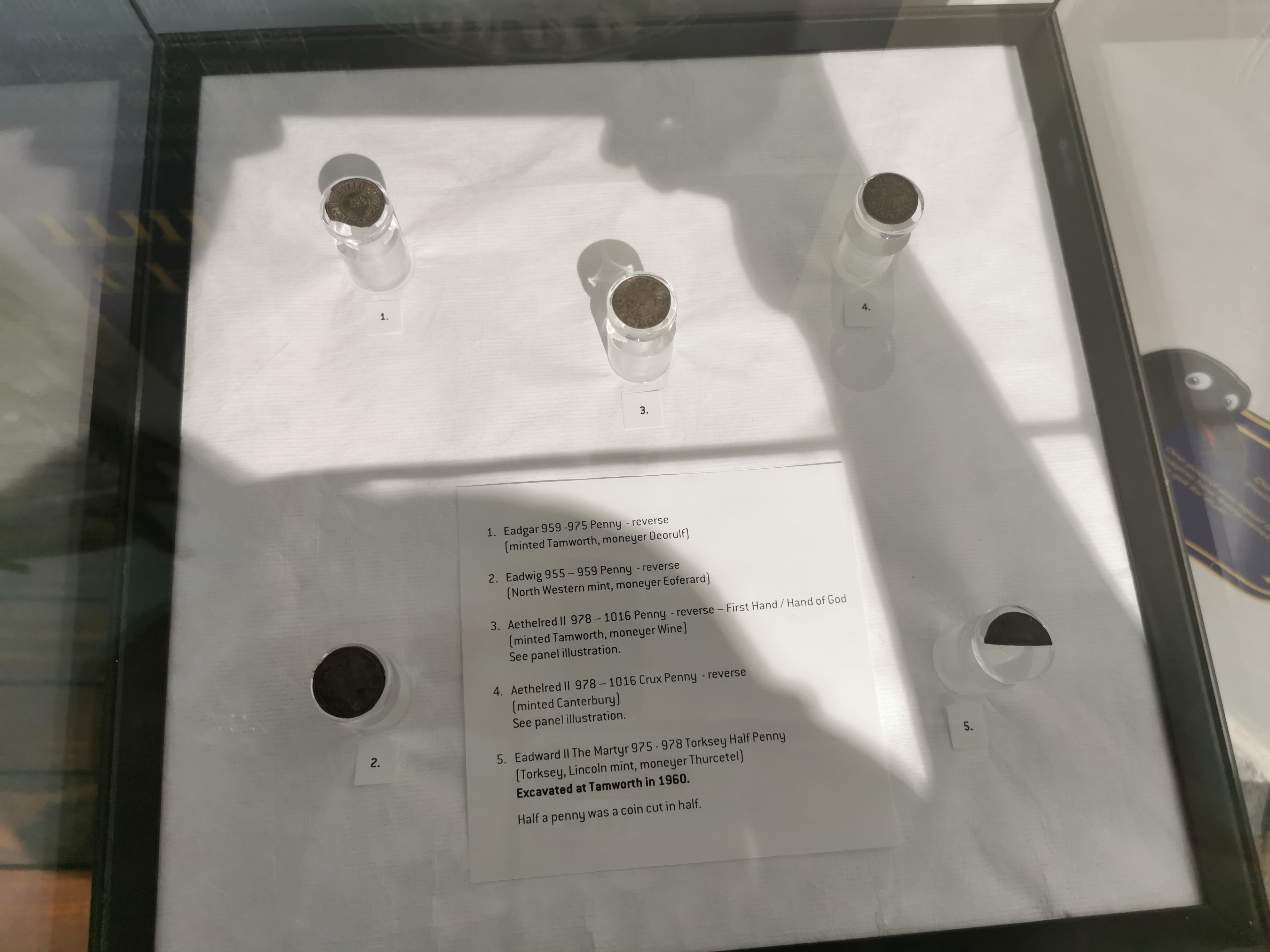
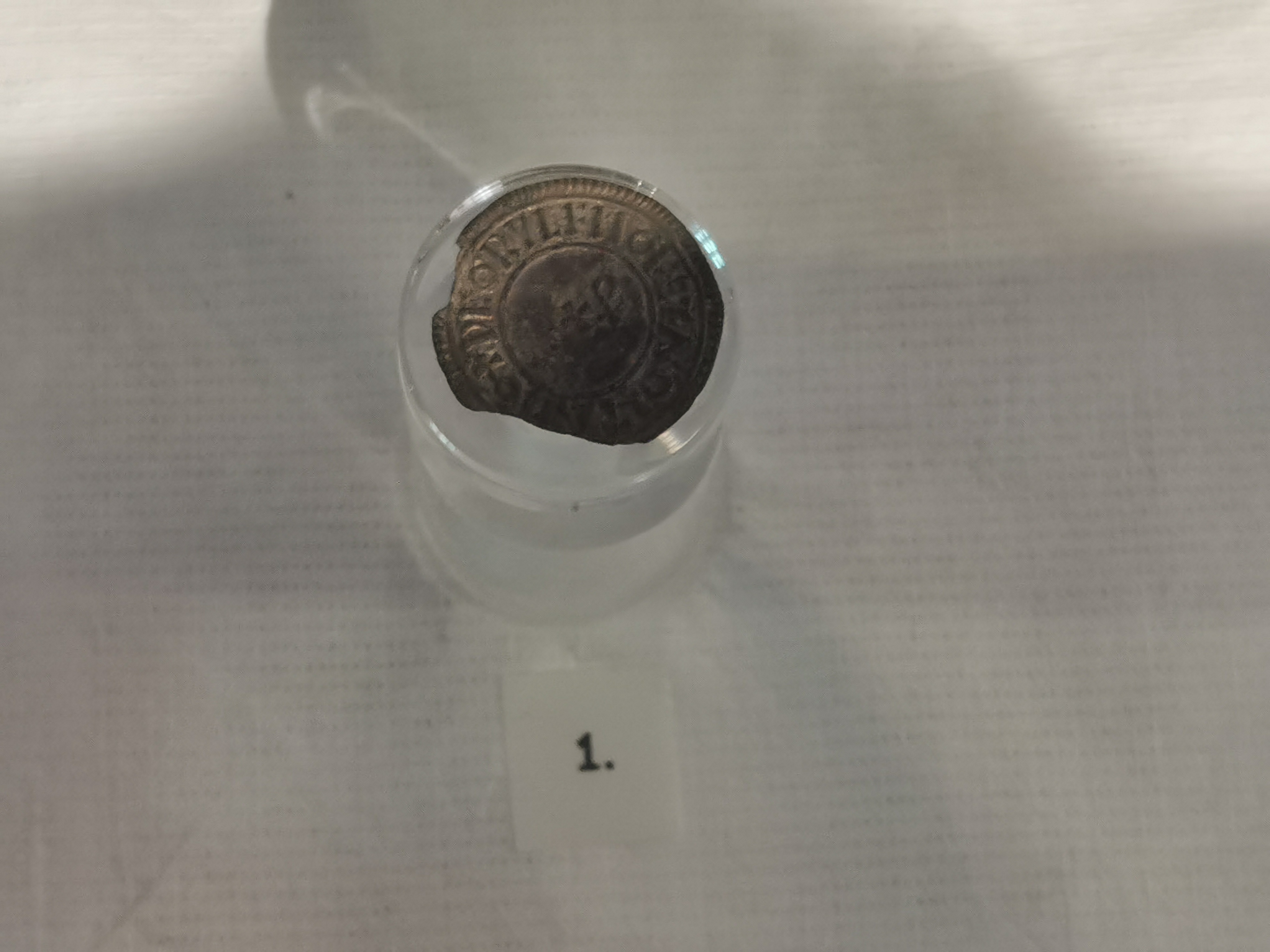
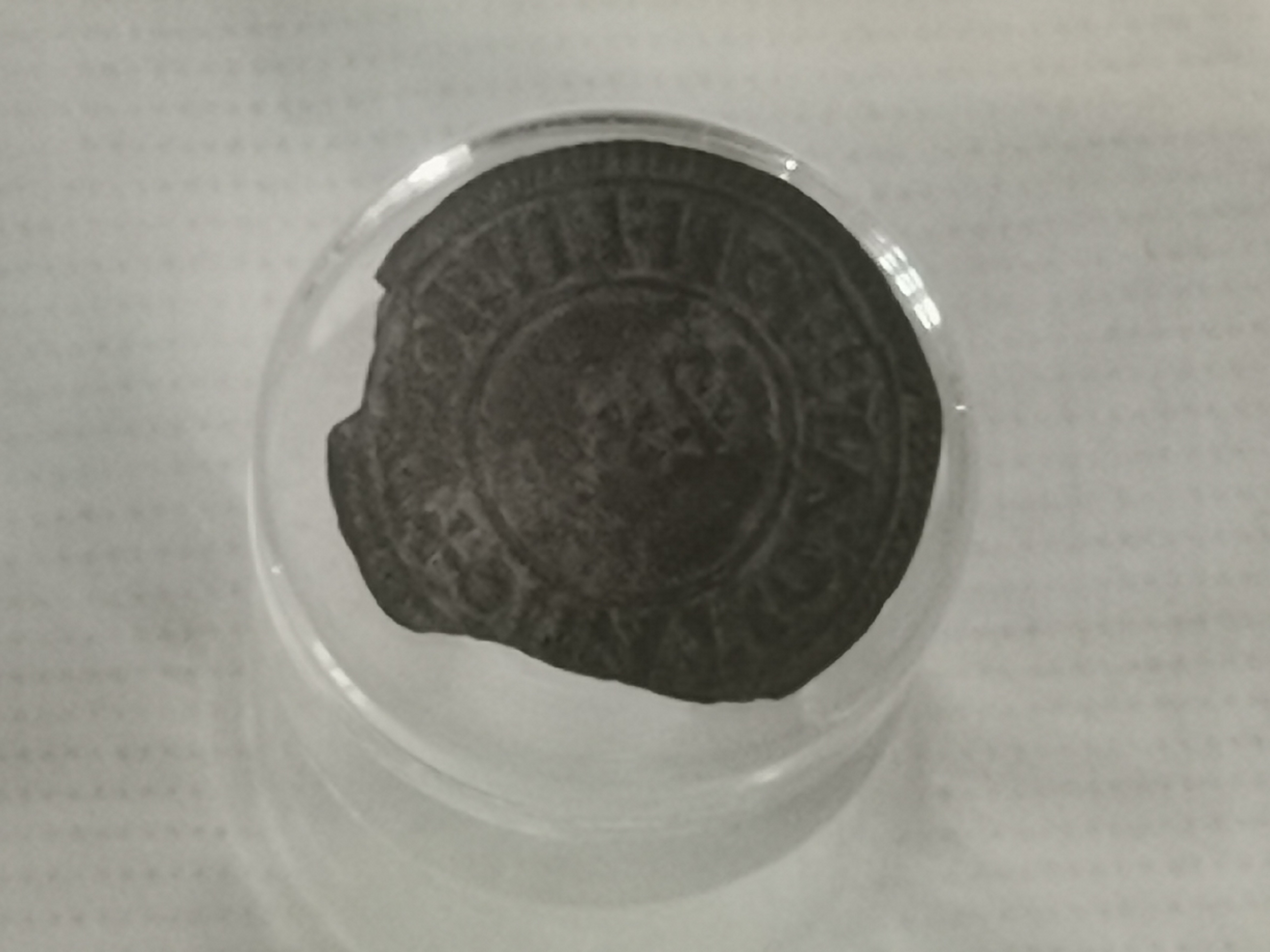
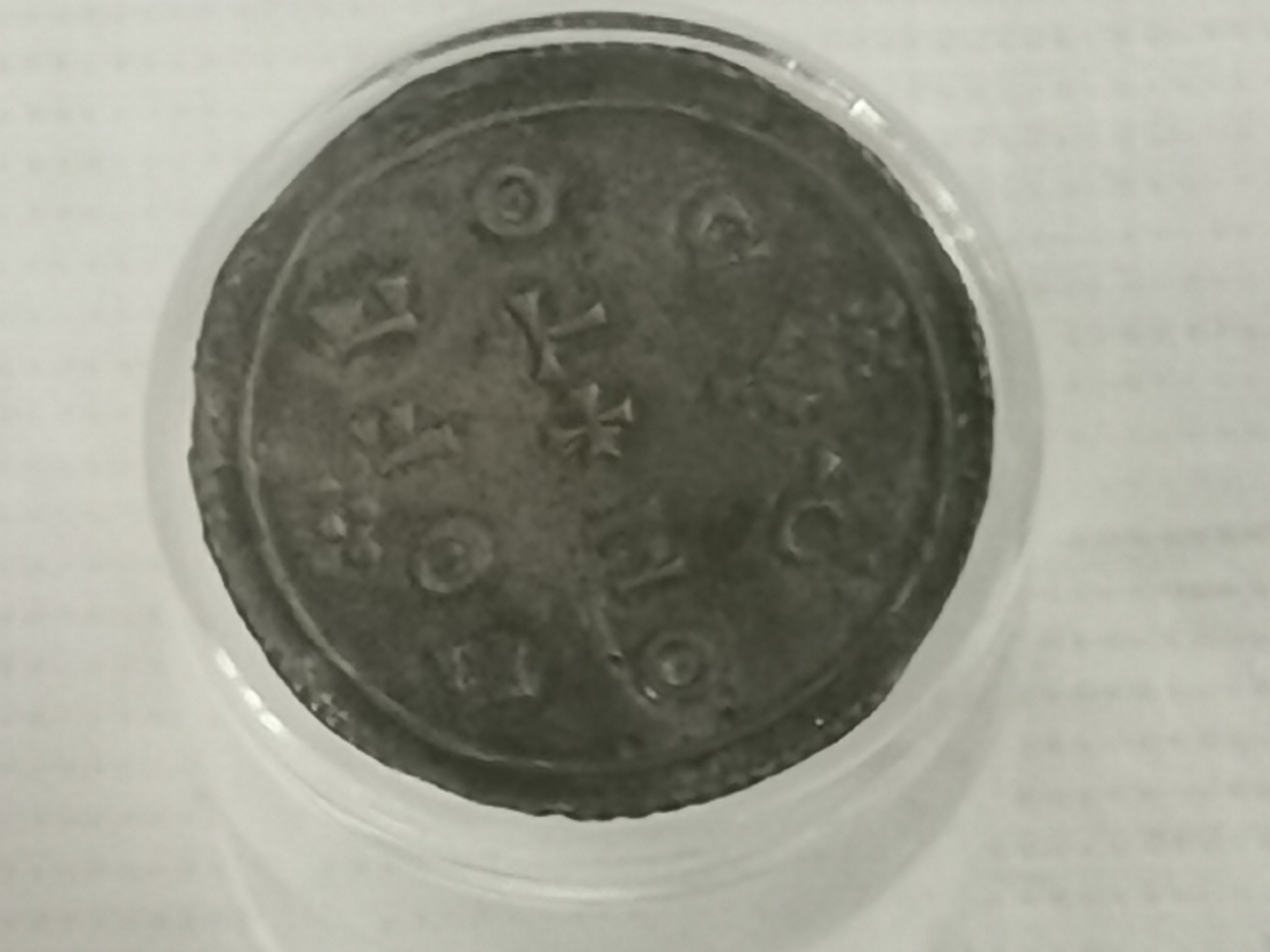
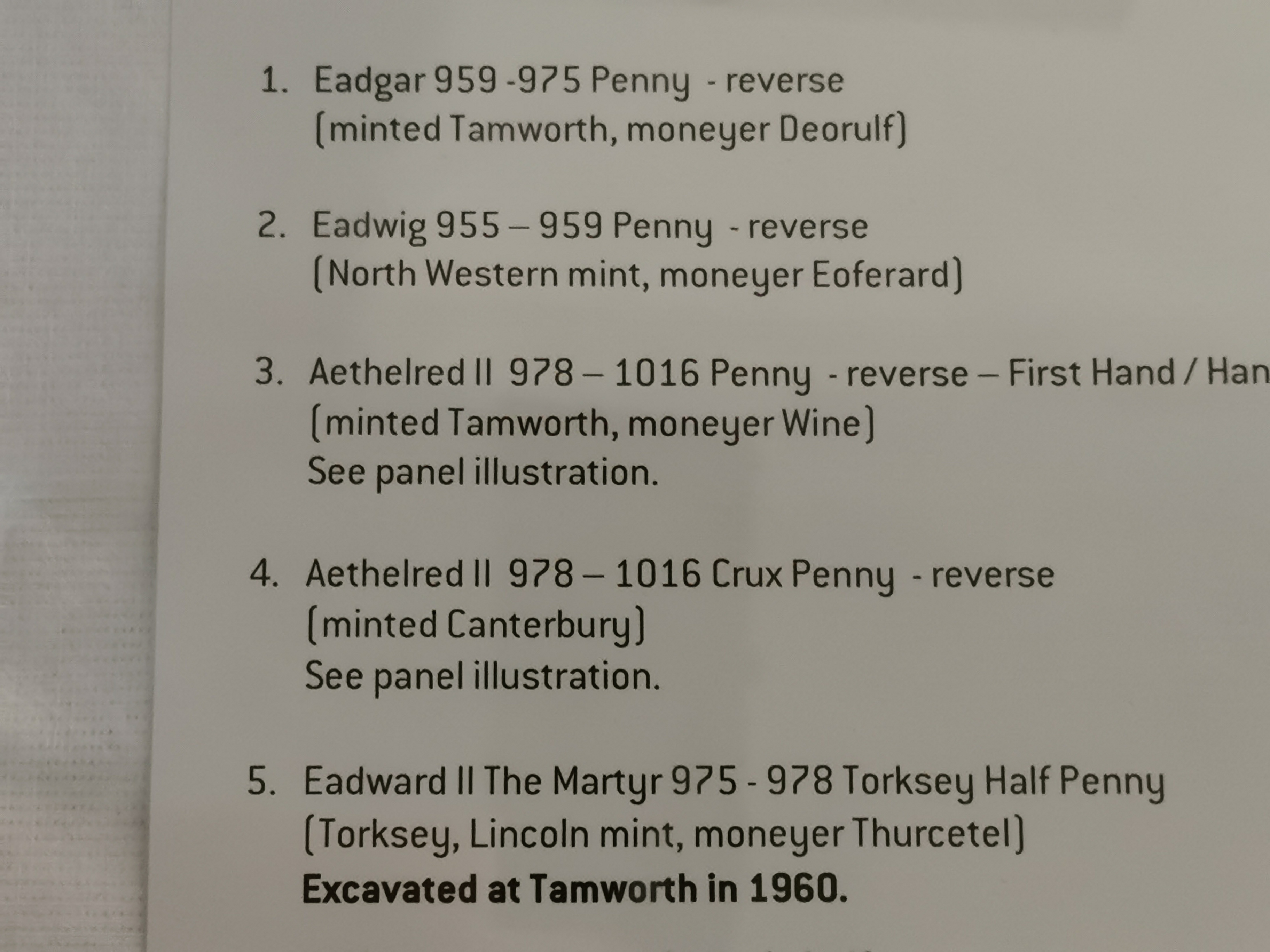
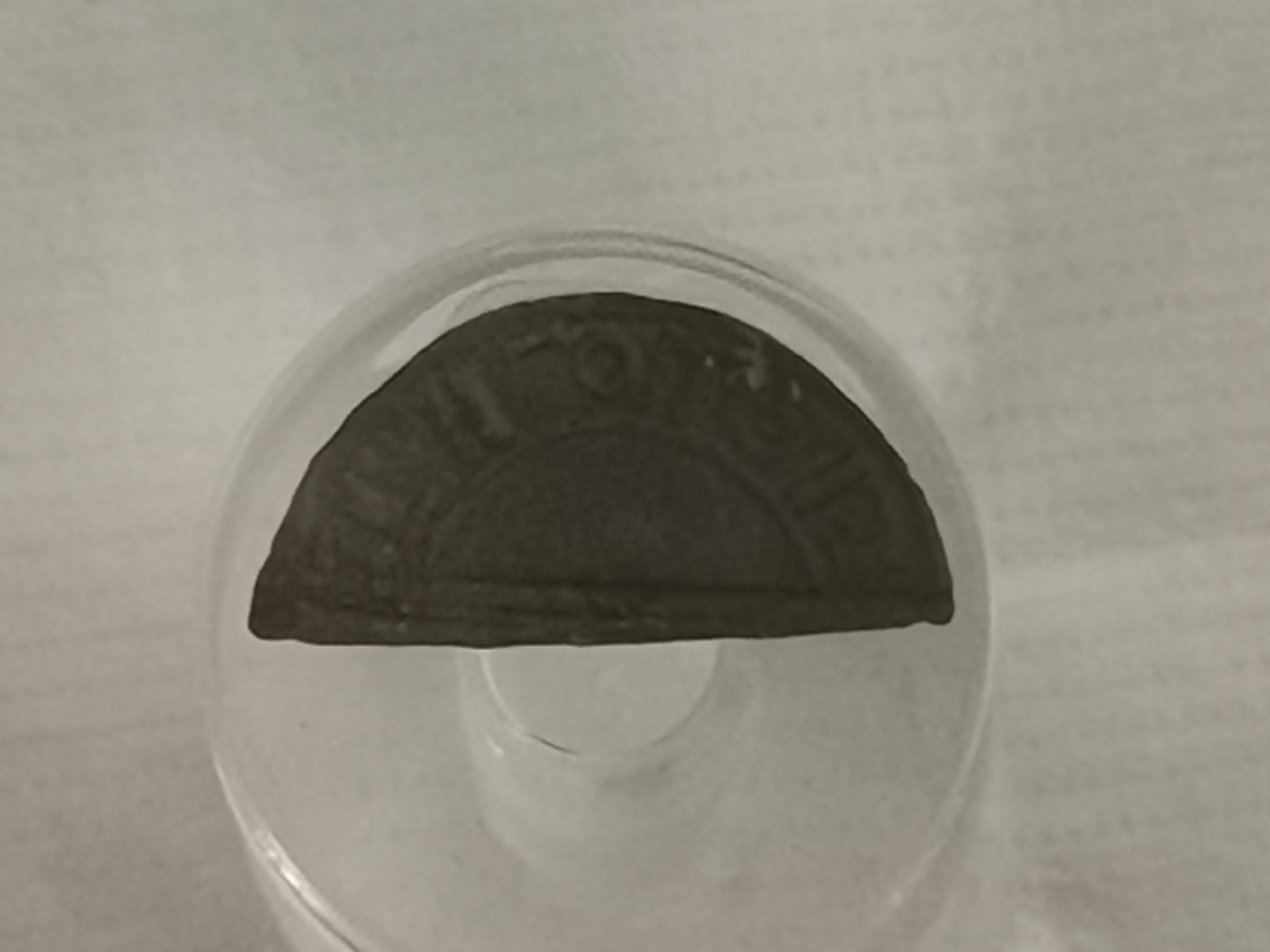
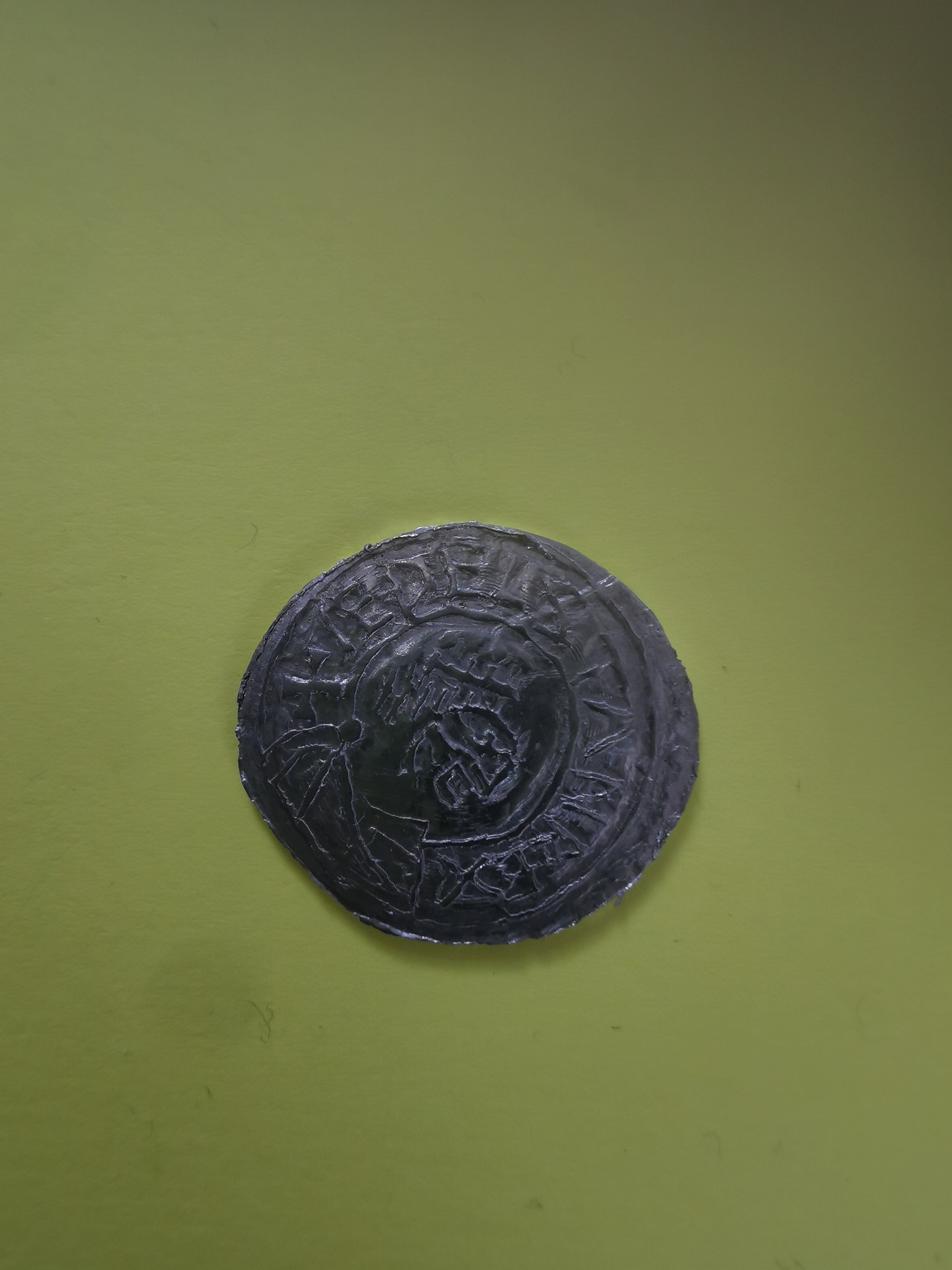
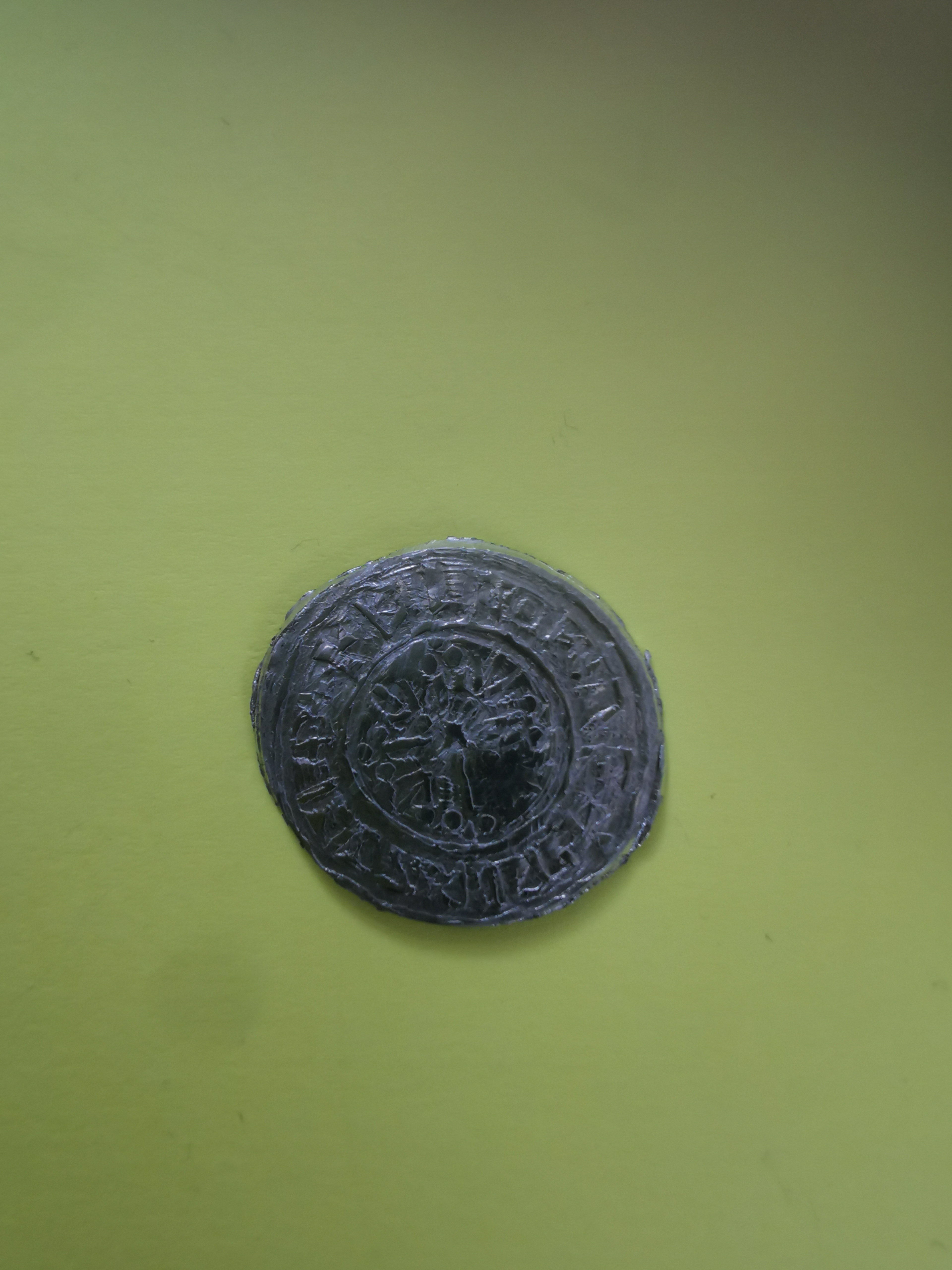
Tamworth Castle currently houses some of the Staffordshire Hoard, and it was great to see it in all its shining glory, although I didn’t take any photos of it. But, I did get some snaps of the coins they have in the museum and also had an Athelstan coin struck by the re-enactors.

It’s to be hoped that the event proved popular and will be repeated.

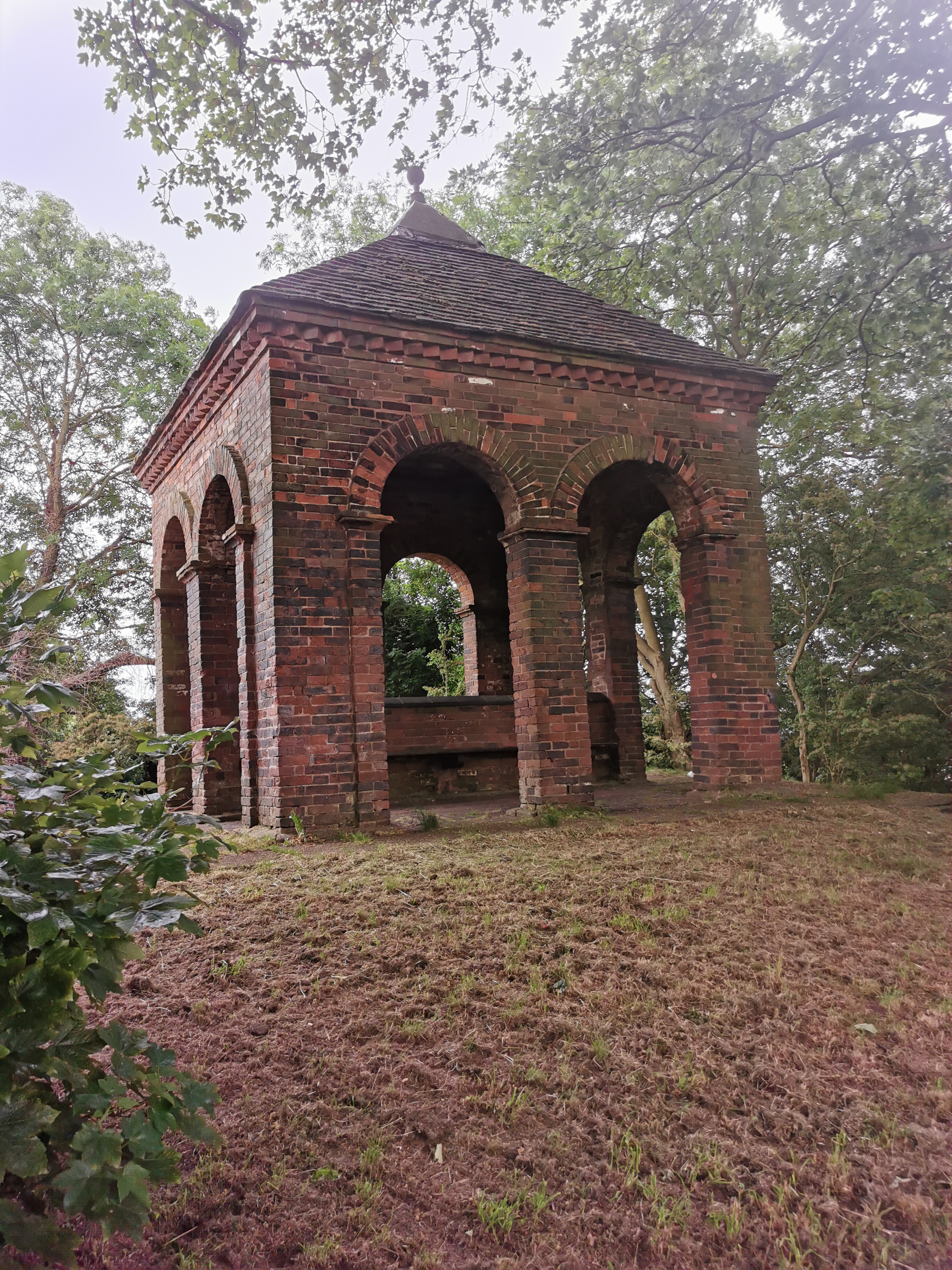
While I was there, I also took the opportunity to visit the ‘strange little building’ close to where I grew up, and which has been so instrumental in my desire to write about Saxon England, and particularly Mercia.

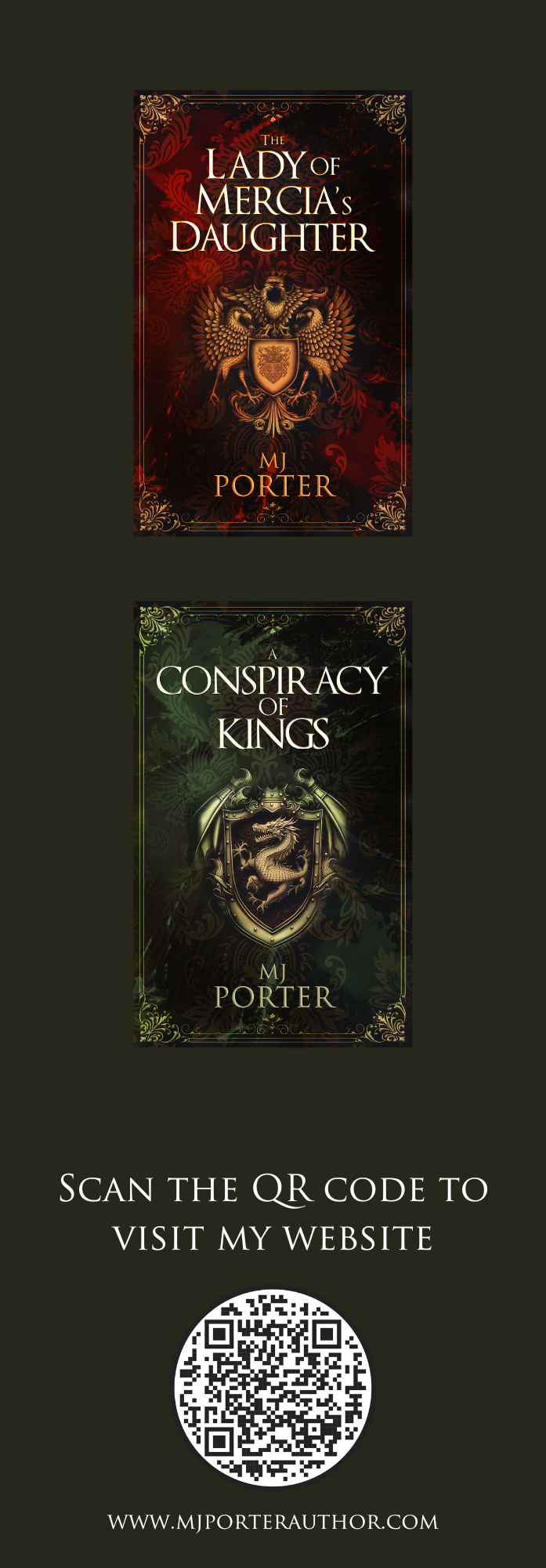
While I’ve not written about Lady Æthelflæd (yet), I have written about her daughter and the events immediately after her mother’s death, when Lady Ælfwynn succeeded to the kingdom of Mercia, but only for a short amount of time, in The Lady of Mercia’s Daughter and A Conspiracy of Kings – which feature on my bookmark below:)

If you fancy checking out the books, you can find The Lady of Mercia’s Daughter here.

A huge thank you to Tamworth Castle for inviting me to the event. And if I met you there, do please say hello.

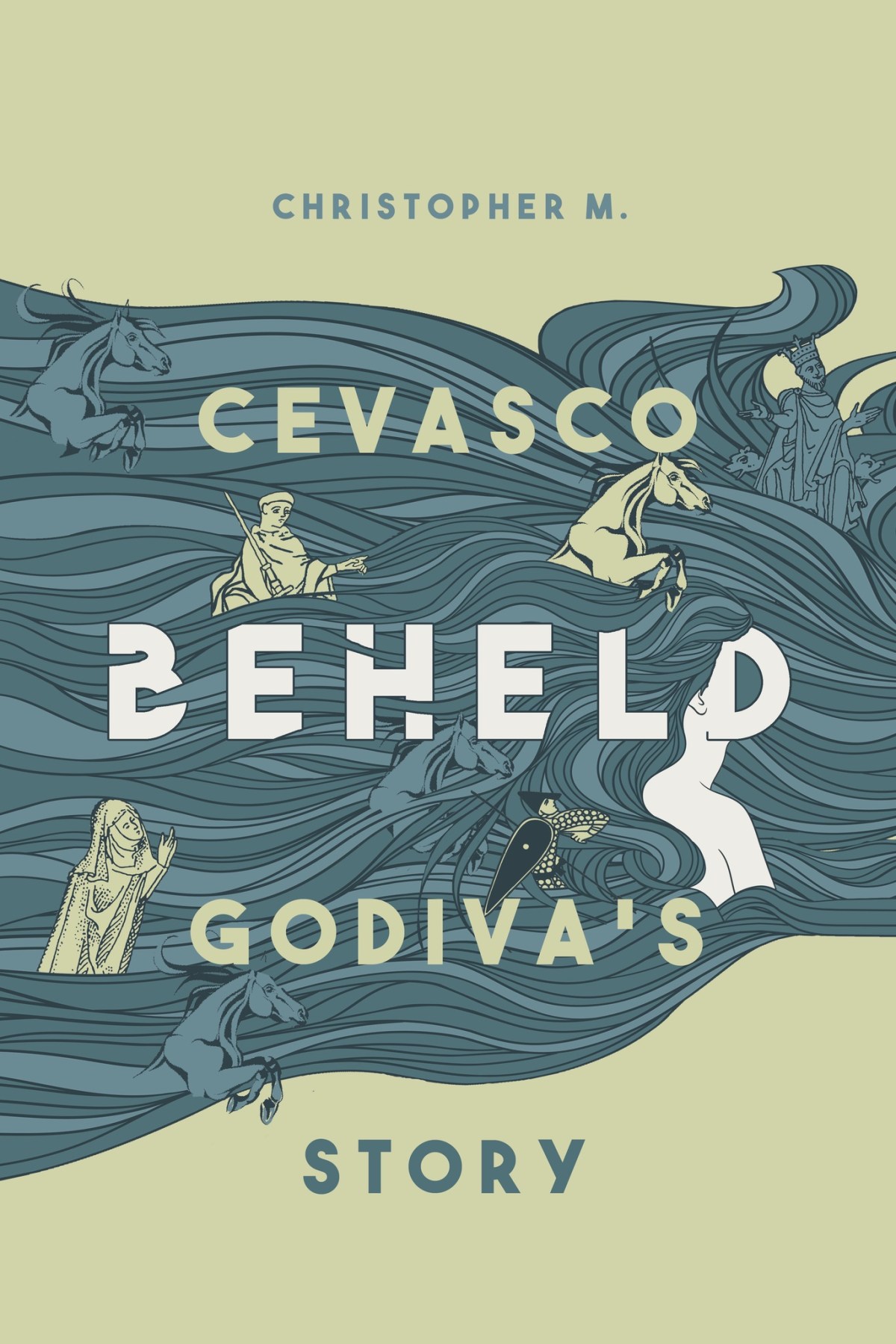
I’ve been asking fellow historical fiction author, Christopher M Cevasco, some questions about his love of Saxon England following the release of his new book, Beheld: Godiva’s Story

Today, I’ve been asking fellow historical fiction author, Christopher M Cervasco, some questions about his love of Saxon England

Can you explain, if possible, why you’re so fascinated by the tenth and eleventh centuries in Saxon England?

It’s a period of tumultuous change filled with a wide cast of colorful characters, beginning with the children of Alfred the Great seeking to push forward the process of English unification and lasting through the Norman Conquest. Along the way, there’s a long stretch of conquering Danish rule in England under King Cnut’s line. We also see major monastic reforms during this period that radically changed the way religious houses operated in England. And throughout these two centuries, we witness such watermark moments as the murder of King Edward the Martyr (one of history’s great unsolved mysteries), the Battle of Maldon (immortalized in the Old English poem), the St Brice’s Day massacre, frequent Viking raids, and then of course the fascinating series of events that took place in 1066, arising from the succession crisis after Edward the Confessor’s death and culminating in the Battle of Hastings. 

Weaving in and out of these events or in some cases existing on their periphery are such memorable individuals as Ealdorman Byrhtnoth (who fell at Maldon), the historical Macbeth, Svein Forkbeard, the Norman William the Conqueror, the Norwegian King Harald Hardrada (whose adventurous life spanned all the way to Constantinople), Harold Godwineson and his brother Tostig (the tragedy of their falling out is epic in its proportions), and the English resistance fighter Hereward the Wake, just to name a handful. Notably, these centuries also give us such fascinating and powerful women as Alfred’s daughter Æthelflæd (Lady of the Mercians), Ælfthryth (mother of Æthelred the Unready and the first wife of an English king known to have been anointed as queen), Emma of Normandy (queen to both King Æthelred and King Cnut), Godwin’s formidable wife Gytha Thorkelsdóttir, and of course Lady Godiva herself! 

To me it’s always seemed that no matter where I look in 10th- and 11th-century England, I uncover some fascinating tidbit, memorable figure, or an event that demands my attention and makes me want to dig deeper and find out more. I suppose to some extent this is true of any period, but these two centuries in England just feel particularly ripe.

Could you explain to me what came first, the desire to tell Lady Godiva’s story, or wanting to use the resource of Earl Leofric’s visions? Or was it just happy coincidence?

Godiva and her story definitely came first.  The legendary tale of her naked ride is of course sensational and lurid, but beyond that, Godiva was one of the most powerful and influential women to have lived during that period. She was married to Leofric, a powerful earl of Mercia during both the Danish occupation of England under King Cnut’s line and during the subsequent return of the royal English bloodline under King Edward the Confessor. Her own life spanned the periods before, during, and after the Danish conquest and she was alive to witness the Norman Conquest. 

The more I delved into this period, the more it became clear to me that Godiva and her husband were very key figures behind the scenes of all of these events. And yet, while we do know a good many details about Godiva’s public life, very little survives in the historical record to tell us about her personal life. I wanted to remedy that by filling in the blanks and connecting the dots. It was while doing that, and in particular while researching Godiva’s husband, that I came across the Old English manuscript known as Visio Leofrici (“The Visions of Leofric”), which dates from the 11th Century and recounts a series of holy visions supposedly experienced by Earl Leofric. As a novelist, that source just called out to me, and I made sure to find a way to incorporate much of its substance into my story. In some ways it was my attempt to come to terms with what was really going on in that primary source that led to the fraught and somewhat tragic character arc I ended up developing for Leofric as I told the story of Godiva.

I notice during the book, hopefully no spoilers, that you also choose to have King Edward as a very uneasy ally of the Godwin family. I too have opted for that explanation in my books, but do you believe it’s historically likely, or is it just wishful thinking on our part?

It always seemed to me that Edward’s relationship with Earl Godwin’s family must have been uneasy and complicated. Yes, he married Godwin’s daughter and made her his queen, and yes the English nobles endorsed Godwin’s son Harold as Edward’s named successor after Edward’s death, but neither of these two facts was particularly straightforward. There was a period when Edward briefly more or less imprisoned his wife in a nunnery coincident with a time when he actually exiled Godwin and the rest of Godwin’s family from the kingdom on charges of treason. And it seems hard to believe that Edward would ever have forgotten the fact that decades earlier, Godwin had helped to blind and murder Edward’s younger brother Alfred. 

As for Harold, while I do personally believe Edward wished at the end for Harold to succeed him, his naming of Harold was anything but straightforward, with Harold having to engage in all sorts of political maneuvering (including an arranged marriage to Lady Godiva’s granddaughter) in order to secure the support of the English nobles. And of course William maintained (with the backing of the papacy) that Edward had in fact promised the English throne to him—not to Harold—and that Harold was merely an oath-breaker and usurper. None of these complications would have arisen, I feel, if Edward’s relationship with the Godwin clan had been purely amicable. So yes, I too ran with the idea that they were only ever uneasy allies.

Do you plan on writing more books in Saxon England?

I’m currently working on a round of final revisions to a war-time resistance thriller set among the English rebels who opposed Norman rule using guerrilla tactics and sabotage in the years immediately following the Battle of Hastings in 1066. After that, I’ll be turning my attention to a new book in which I’ll seek to unravel the mystery surrounding the 978 murder of Edward the Martyr.

I’m looking forward to the murder mystery! Thank you so much for sharing your love of Saxon England. It’s good to know I’m not the only one:)

Here’s all the details for Beheld: Godiva’s Story

A darkly twisted psychological thriller exploring the legend of Lady Godiva’s naked ride.

Having survived a grave illness to become one of 11th-century England’s wealthiest landowners, Godgyfu of Coventry (Lady Godiva) remains forever grateful to the town whose patron saint worked such miracles. She vows to rebuild Coventry’s abbey and better the lives of its townsfolk. But the wider kingdom is descending into political turmoil, and her husband, Earl Leofric, starts to break under the strain. Godgyfu finds her own plans unravelling the moment she meets Thomas, a Benedictine novice with perverse secret desires. Three lives become dangerously entangled in a shocking web of ambition, voyeuristic lust, and horrid obsession. Can Godgyfu escape the monk’s menacing wiles and Leofric’s betrayals to secure her future in a changing kingdom? Perhaps, but first she faces a dark test of wills leading her perilously closer to a legendary ride…

Trigger Warnings:
Sexual situations, psychological abuse, violence, brief references to suicide.

Universal Amazon Link

Barnes and Noble

Lethe Press

Check out my review for Beheld, and the blog tour for Beheld.

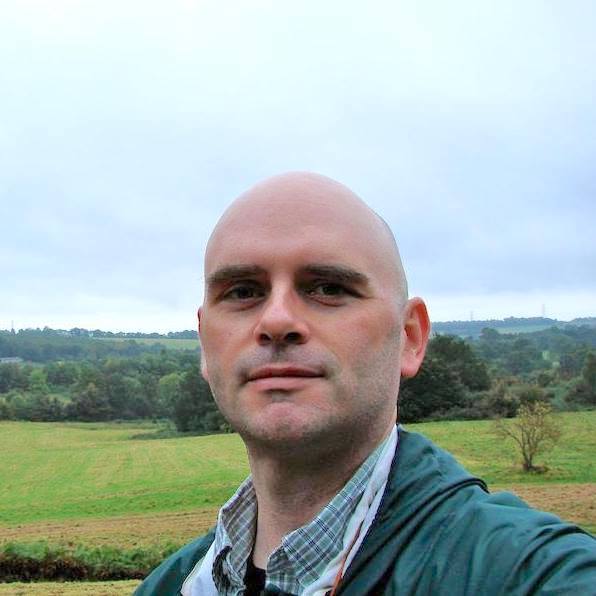
Christopher M Cevasco

Christopher M. Cevasco was born in New Jersey and spent a memorable decade in Brooklyn, New York, but he feels most at home in medieval England, Normandy, Norway, and Greenland. A lifelong passion for history and fiction led him to earn degrees in Medieval Studies and English and later to embark upon a writing career that merges these two loves. 

Chris was the founding editor of the award-winning Paradox: The Magazine of Historical and Speculative Fiction from 2003 to 2009. His own short stories appear in such venues as Black Static, Beneath Ceaseless Skies, Distant Echoes(Corazon Books, UK), and the Prime Books anthologies Shades of Blue and Gray: Ghosts of the Civil War and Zombies: Shambling Through the Ages
A long-time member of the Historical Novel Society, Chris currently serves on the society’s North American conference board as registration chair for the upcoming 2023 conference in San Antonio, Texas. 

Chris lives with his wife and their two children in Myrtle Beach, South Carolina.

WebsiteTwitterFacebook

Amazon Author PageGoodreads