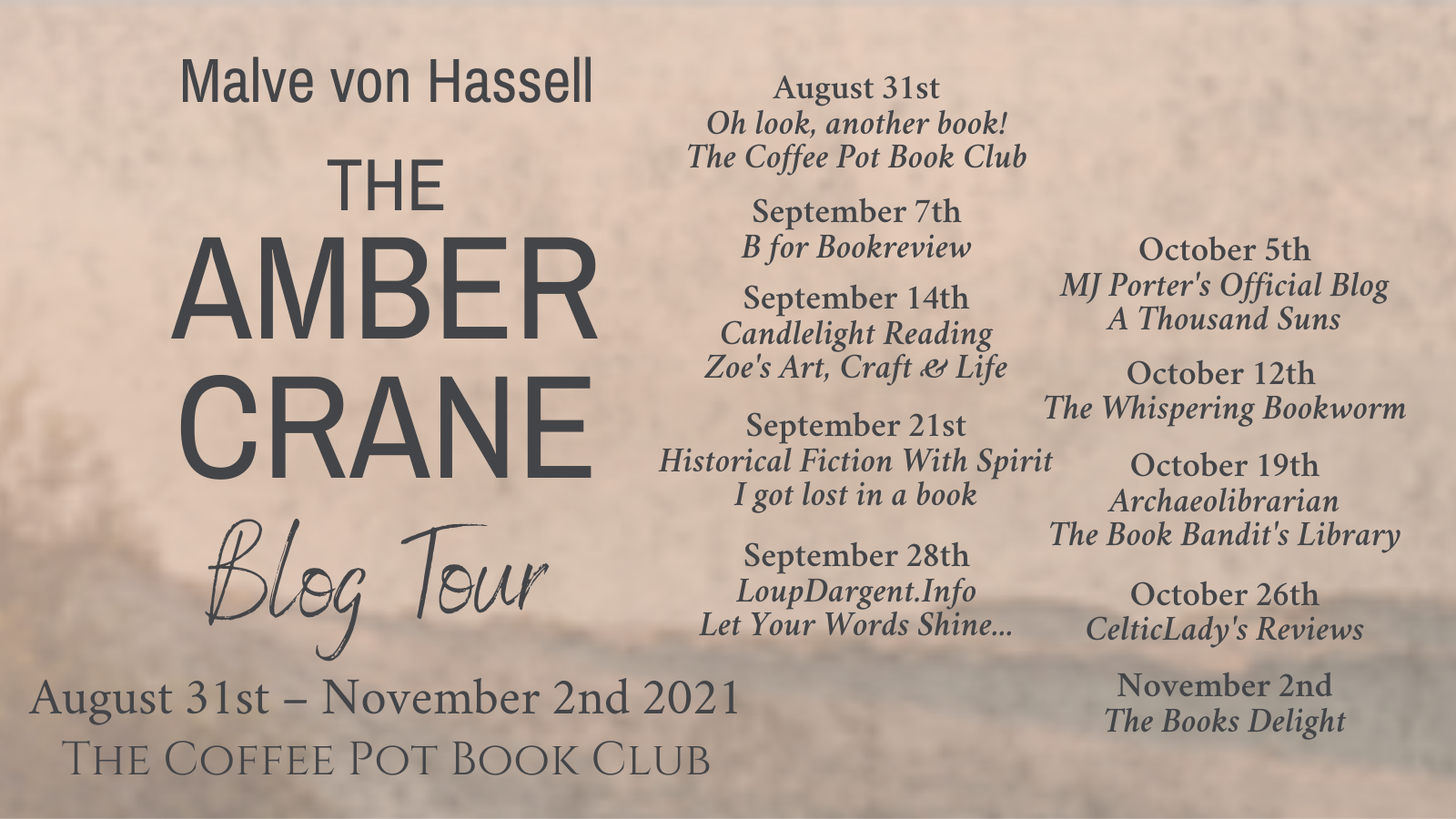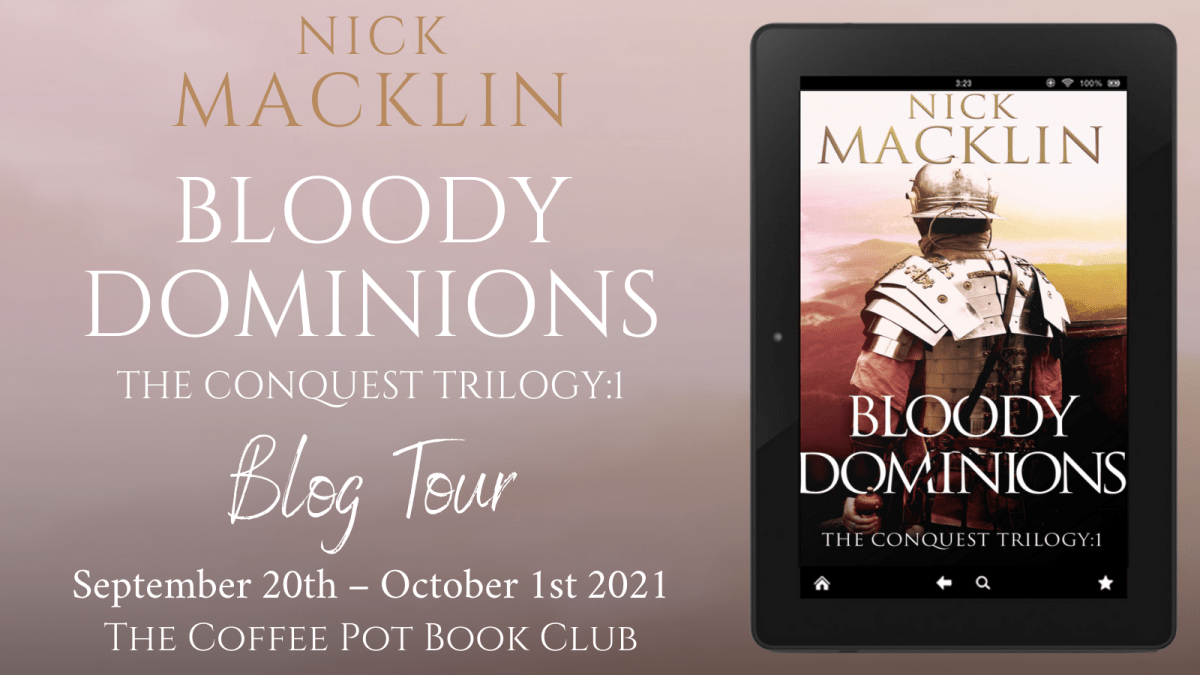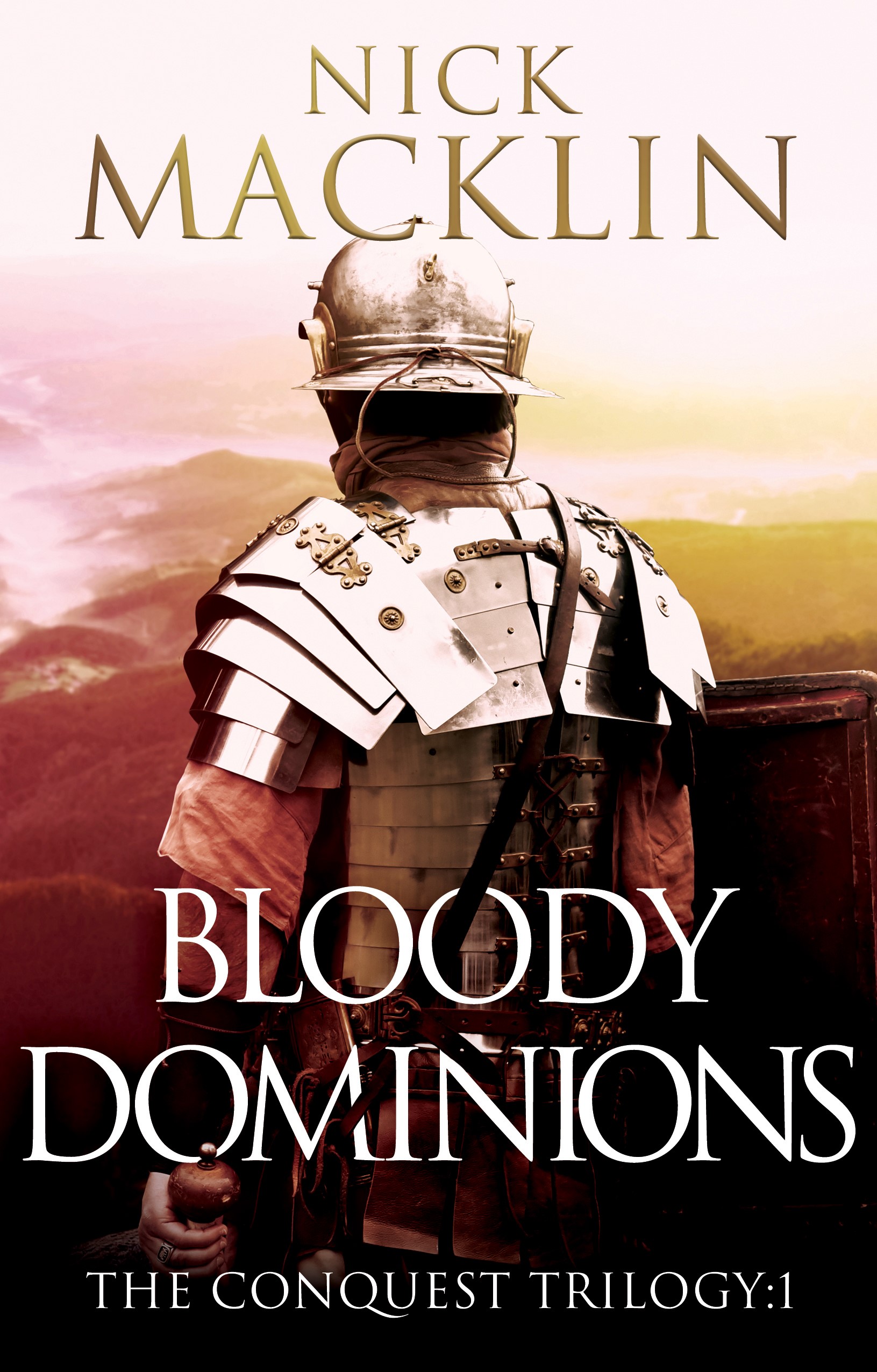


Check out my review for The Fort by Adrian Goldsworthy (Roman historical fiction) #blogtour #histfic #Romanhistfic

Here’s the blurb:

AD 105: DACIA

The Dacian kingdom and Rome are at peace, but no one thinks that it will last. Sent to command an isolated fort beyond the Danube, centurion Flavius Ferox can sense that war is coming, but also knows that enemies may be closer to home.

Many of the Brigantes under his command are former rebels and convicts, as likely to kill him as obey an order. And then there is Hadrian, the emperor’s cousin, and a man with plans of his own…

Gritty, gripping and profoundly authentic, The Fort is the first book in a brand new trilogy set in the Roman empire from bestselling historian Adrian Goldsworthy.

The Fort by Adrian Goldsworthy is good ‘Roman’ era fiction.

Set in Dacia in AD105, it is the story of ‘The Fort’ under the command of Flavius Ferox, a character some will know from Goldsworthy’s previous trilogy that began with Vindolanda.

Mistakenly thinking this was an entirely new trilogy with all new characters, it took me a while to get into the story. Everyone seemed to know everyone else apart from me. But Ferox is a good character, and he grounded me to what was happening in the immediate vicinity of the Fort, and apart from once or twice, it didn’t really matter what had gone before.

This is a story of suspicions, ambition and lies, and it rumbles along at a good old pace. This isn’t the story of one battle, but rather many, a slow attrition against the Romans by the Dacians.

Overall, this was an enjoyable novel, and some of the fighting scenes were especially exciting. Those with an interest in Roman war craft will especially enjoy it, although, I confess, I don’t know my spatha from my pilum (there is a glossary, fellow readers, so do not fear.)

About the author

Adrian Goldsworthy has a doctorate from Oxford University. His first book, THE ROMAN ARMY AT WAR was recognised by John Keegan as an exceptionally impressive work, original in treatment and impressive in style. He has gone on to write several other books, including THE FALL OF THE WEST, CAESAR, IN THE NAME OF ROME, CANNAE and ROMAN WARFARE, which have sold more than a quarter of a million copies and been translated into more than a dozen languages. A full-time author, he regularly contributes to TV documentaries on Roman themes.

Adrian Goldsworthy , Author , Broadcaster , Historical consultant .

Follow Head of Zeus:

Twitter: Instagram: Facebook: Website:
Buy the book.

AmazonKobo: Google Play:

iBooks: Waterstones: Bookshop.org:

Don’t forget to drop by the other stops on The Fort Blog Tour.

The Last King is a year old today – thank you to everyone who’s read and reviewed the book

I’m really quite bad at remembering all the publication dates of my books, but The Last King has certainly stuck in my mind. What started quite inauspiciously, with a few die-hard fans preordering the book, has become my most popular series, and most popular book to date.

Perhaps I shouldn’t be so surprised, but I am. The book, a few years in development, burst from me in a flurry of excitement early in 2020, when I opted for a ‘harder’ character, a man who is simply so good at what he does, he doesn’t understand that others can’t do what he can. It’s not arrogance. It’s confidence.

So, why the hesitation? It takes a lot to stomp, and I mean, stomp all over a time period made so famous by another giant of the field – Bernard Cornwell with his Uhtred, or The Last Kingdom books. And yet, I couldn’t move away from the temptation of the little known Coelwulf, and the story of Mercia which has never been told.

Yet, I needed to do it in a different way to BC. I remember handing the first few chapters to my critique partner and editor and saying ‘is this edgier?’, ‘would a warrior speak like this?’ It came back with a ‘yes’ and also some pencil marks and a bit more swearing added in, and a comment that if I was going to cauterise a wound, then I needed to do it properly, gore and all.

I’d previously written what I thought would be an opening scene, while sitting in hospital for an appointment with lots of different bits to it – but while that gave me the characters, it didn’t give me quite what I was looking for. Still, you can read ‘A Meeting of Equals‘ over on my author platform on Aspects of History.

And that was almost it (apart from a dose of my own confidence drawn from watching The Gentlemen by Guy Ritchie – which truly made me think ‘anything goes,’ and gave me the idea for the opening scene – if you’ve read the book you’ll know what I mean.) Coelwulf reared his head, and so too did a cast of characters that are unique, complex, enjoyable to write about, and often a bit pushy.

There’s a sample below – remember, it’s Coelwulf, it’s going to be pretty full-on from the word go. (18 rated)

So thank you to all my readers and reviewers, to my beta readers (you know who you are), and to the people I’ve collaborated with on ensuring the word gets out about Coelwulf.

Here’s to many more such anniversaries.

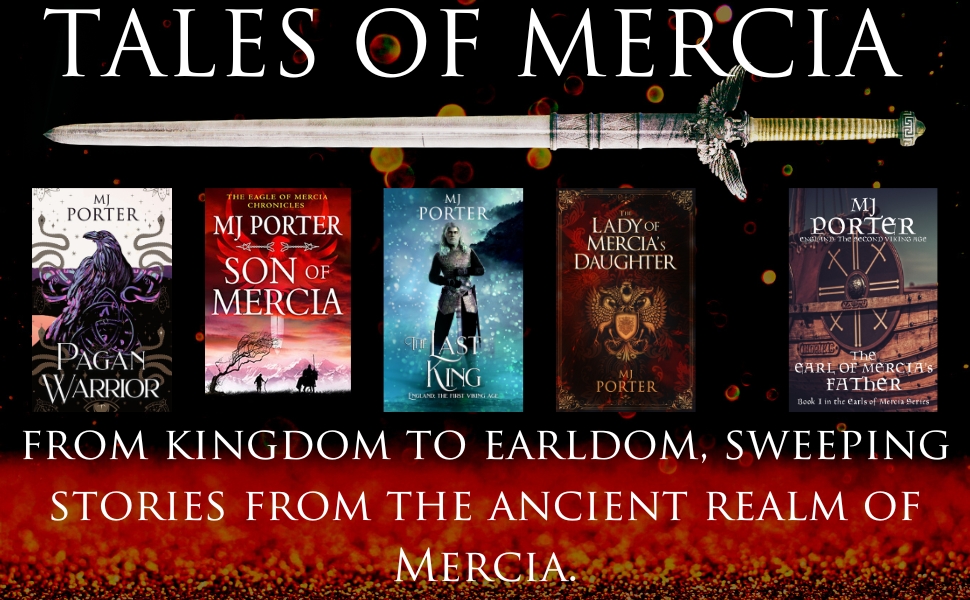
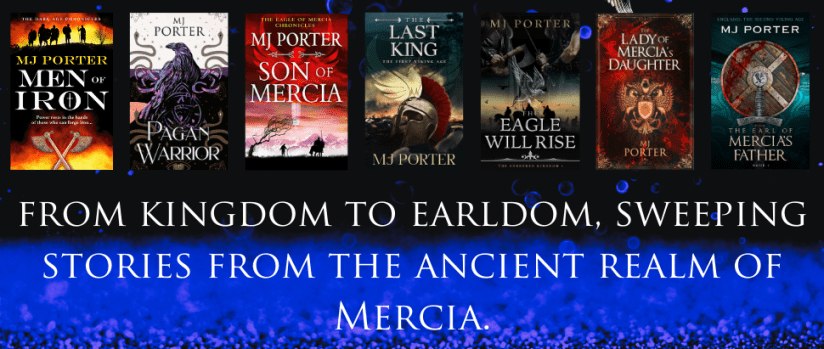
The first eight covers for The Last King series by MJ Porter
The Last King/The Mercian Ninth Century

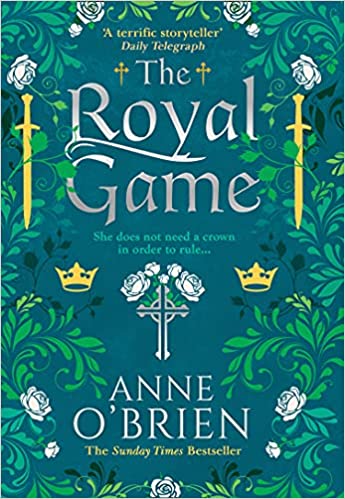
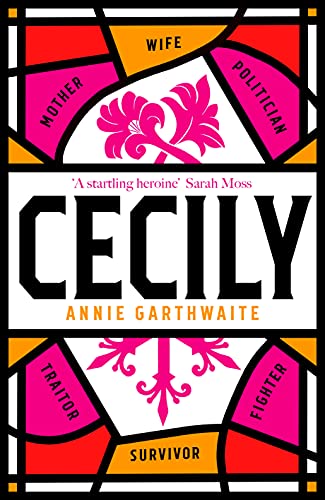
Book Review – The Queen’s Rival by Anne O’Brien – historical fiction – highly recommended

Here’s the blurb;

“One family united by blood. Torn apart by war…

England, 1459: Cecily Neville, Duchess of York, is embroiled in a plot to topple the weak-minded King Henry VI from the throne. But when the Yorkists are defeated at the Battle of Ludford Bridge, Cecily’s family flee and abandon her to face a marauding Lancastrian army on her own.

Cecily can only watch as her lands are torn apart and divided up by the ruthless Queen Marguerite. From the towers of her prison in Tonbridge Castle, the Duchess begins to spin a web of deceit – one that will eventually lead to treason, to the fall of King Henry VI, and to her eldest son being crowned King Edward IV.

This is a story of heartbreak, ambition and treachery, of one woman’s quest to claim the throne during the violence and tragedy of the Wars of the Roses.”

The Queen’s Rival is a stunning look at the ‘later’ life of Cecily Neville from 1459 until 1483. This is not a ‘quiet’ period of history and to cover the tumultuous events, the author adopts the technique of recording the letters of the main protagonists, either from the pen of Cecily or from those who write to her.

It does take a little while to get used to the technique, but the reader is quickly drawn into the story, not perhaps by the events taking place, but rather by the relationship between Cecily and her two sisters, Anne, Duchess of Buckingham and Katherine, Dowager Duchess of Norfolk. The words they share with each other are just what sisters might well say to each other, especially when they’re not likely to see each other soon.

More importantly, the sisters, while fiercely loyal to their Neville inheritance, are not of one mind about who should rule England, and who has the right to rule England. It highlights just how destructive the War of the Roses was, and is a genius way of quickly ensuring the reader appreciates that families were ripped apart by the protracted war.

This is the story of the women of the later 15th century. It’s their voices that we hear, as they try and come to terms with the rises and falls all of them experience. There are moments when the narrative is hard to read, either because you know what’s going to happen, or just because you really feel for Cecily and don’t want her to experience the tribulations than she does.

I am a huge fan of Anne O’Brien and the ‘forgotten’ women of the medieval period in England. While the author may stress that Cecily is not really a forgotten woman, I was not really aware of her before reading this book. The mother of two kings, the grandmother of future kings, and yet she could also have been queen herself. What an interesting life she led.

I highly recommend this book. And you can find my review here for A Tapestry of Treason.

Thank you to the publisher and Netgalley for my review copy.

The Queen’s Rival is released in ebook and hardbook on 3rd September 2020. (What a stunning cover.) It is released in paperback today, 15th April 2021.

Celebrating release day for The Custard Corpses – a delicious 1940s mystery #histfic #mystery

Say what?

I know, but there you have it. 2020 was a strange year and out of it grew The Custard Corpses. I really, really hope you will take a chance on it, and enjoy something a little (okay, a lot) different from this historical fiction author.

Here’s the blurb;

A delicious 1940s mystery.

Birmingham, England, 1943.

While the whine of the air raid sirens might no longer be rousing him from bed every night, a two-decade-old unsolved murder case will ensure that Chief Inspector Mason of Erdington Police Station is about to suffer more sleepless nights.

Young Robert McFarlane’s body was found outside the local church hall on 30th September 1923. But, his cause of death was drowning, and he’d been missing for three days before his body was found. No one was ever arrested for the crime. No answers could ever be given to the grieving family. The unsolved case has haunted Mason ever since.

But, the chance discovery of another victim, with worrying parallels, sets Mason, and his constable, O’Rourke, on a journey that will take them back over twenty-five years, the chance to finally solve the case, while all around them the uncertainty of war continues, impossible to ignore.

Check out the Erdington Mysteries series page for information about the series and where to purchase direct from me.


Posts

Introducing The Custard Corpses, and the first Chapter #histfic #mystery #quirky

Here is it, a book I never thought I’d write – not only a mystery, but one set nearly a thousand years after most of the books I write, and one which began with a series of adverts.

Here’s the blurb;

A delicious 1940s mystery.

Birmingham, England, 1943.

While the whine of the air raid sirens might no longer be rousing him from bed every night, a two-decade-old unsolved murder case will ensure that Chief Inspector Mason of Erdington Police Station is about to suffer more sleepless nights.

Young Robert McFarlane’s body was found outside the local church hall on 30th September 1923. But, his cause of death was drowning, and he’d been missing for three days before his body was found. No one was ever arrested for the crime. No answers could ever be given to the grieving family. The unsolved case has haunted Mason ever since.

But, the chance discovery of another victim, with worrying parallels, sets Mason, and his constable, O’Rourke, on a journey that will take them back over twenty-five years, the chance to finally solve the case, while all around them the uncertainty of war continues, impossible to ignore.

The Custard Corpses cover showing a bow holding a cricket bat in front of some stumps.

As this is something completely new to me, I’m going to share a snippet.

Chapter 1

Erdington, October 1943

Sam bit back the cry of pain, coming to an abrupt stop. The pavement was shaded with the colour of the advancing night, but even so, he knew where the uneven step was. He really shouldn’t have kicked it. Not again. Would he never learn?

He blinked the tears from his eye and lifted his right hand to rub it over the ache of his lower back. All these years, and still it hurt. It would never stop. He knew it, and yet sometimes, he forgot, all the same, only to be rudely reminded when he overbalanced or attempted to take a step that was just too wide.

There was a reason he was here and not on one of the many front lines of this terrible war, the second in his lifetime. There was a reason he was here while his son, John, fought in his place.

His breath rasped through his suddenly tight chest, and yet the thin shard of light from behind the tightly closed curtains encouraged him on. Inside, there was companionship, and it drove him onwards, made him quest to be a better man. Despite the fact he knew it wasn’t true.

“Come on,” he urged himself, and although it was going to ache, he forced his legs to move, left, then right, then left, and his hand reached up to push the welcoming door open.

Appetising smells greeted him, and he dredged a smile to his face, turning to hang his hat on the waiting peg and to shrug the overcoat from his thin shoulders, revealing his policeman’s uniform beneath. The blue so dark; it was almost black. He hooked his gas mask above his overcoat. There in case he should require it. But no bombs had fallen for half a year now. He hoped none ever would again. No voice was raised in greeting to his noisy arrival. It never was.

With the door closed and locked behind him, he slipped his feet from his black shoes, using one foot to force down the ankle and then doing the same in his socked-feet. It was better than being forced to bend when his back was so painful, even if it was destroying the back of his shoes, as his wife complained whenever she witnessed it. He’d taken to hiding his work shoes behind the boots he wore to the allotment. Better that Annie did not see them.

Opening the door that led into the heart of his home, he paused, just watching her for a heartbeat.

“Evening, love.” He bent to place a kiss on his wife’s head, refusing to notice the thinning brown hair, the streaks of grey making up more and more of it as the years passed. A skeletal hand reached up to grip his, and he squeezed tightly, settling beside her at the table.

A single lamp afforded the only light in the small kitchen, a warm fire burning in the hearth in the sitting room as he settled beside her. His wife didn’t so much as look at him. Sam considered that she didn’t want to see the ruin of her husband. 

Time hadn’t been kind to either of them and yet he couldn’t help but be grateful for the years they’d had together. It could have been so different. So many of his brothers-in-arms lost fighting over two decades ago. They would have loved to live long enough to see the ravages of time etched into their skin and characters, to grow weary with aches and pains, to learn the experiences that only time could afford.

A flurry of movement from Annie, and a plate was placed on the table before him, the lid swept aside. The steam took only a moment to clear, and he suppressed his rumbling stomach. It was a meal as any other day, not particularly appetising, and yet, food all the same. He was grateful for the potatoes, harvested from their garden, and the gleaming orange carrots, if not for the small sausages. Gravy pooled around the meat, and he closed his eyes, imagining a feast fit for a king, before meticulously cutting, eating and savouring every mouthful.

His wife didn’t speak, and neither did he. No doubt, she was as caught up in her thoughts as he was in his.

He considered reaching for his newspaper, but instead, his eyes were fixed by the bright image that lay open on the magazine discarded on the table before him. The Picture Post. Was there ever a magazine more filled with stories that titillated while offering little or no actual facts?

Not that he ever complained. Not anymore. If she enjoyed the stories and bright images of the adverts, then why should he? Anything that distracted her from the constant worry about their son. Anything.

Now, he found a smile tugging on his lips, and his mind cast him back to when his son had been a small boy. John had delighted in such simple antics as that on display. The custard advert enticed all parents to part with their hard-earned ration coupons. He couldn’t see that a liberal dollop of the sugary, creamy mixture would help any child become an athlete, professional cricket player or ballerina, but what did he know? He was just an old man, with a job that kept him busy and an ache in his heart where his youth had once been.

Sam reached for the folded newspaper, the smirk still playing on his lips.

“Don’t.” His wife’s voice shocked him, sounding more formidable than he’d heard for the last few years, ever since their son had left to fight Britain’s fresh battles against the might of Hitler and Germany.

He lifted his eyes to find hers boring into his.

“Don’t,” and now there was more softness, but it was too late. His eyes had alighted on what she’d been trying to keep from him.

Once more, he felt an unbidden tear form in the corner of his eye as he gazed at the hazy black and white photograph. Not that he didn’t know it intimately. He did. He’d stared at that image, and others besides, until they were emblazoned on his very soul, overriding even the final images of his lost comrades from the Great War, the war to end all wars. How wrong they’d been.

He swallowed, the burn making it feel as though it were cardboard and not the remnants of his dinner that he evacuated from his mouth.

“Again?” he felt the need to say something.

“Again,” she replied, and there was understanding and sorrow in that look, and he didn’t want any of it. He didn’t want to add to her fears and worries with his own.

“It was a long time ago,” he tried to reassure, reaching for her hand and encasing it within his. It was no longer soft but instead forged in iron, the wiry strength surprising him, even though it shouldn’t, not after all this time.

“It rolls around too quickly, these days,” a hint of a smile on her thin lips, blue eyes glistening with sorrow, and he realised that she was trying to reassure him. He hated it that she felt the necessity.

“And still, there’s no closure for the family.”

“No. But they’re not alone in that. Not anymore.” Her voice trailed off as she spoke, and he turned to gaze into the glow from the table lamp, allowing it to haze in front of him. She was right in that, as well. Many would never hold the knowledge of what exactly happened to their loved ones. Yet, there was a world of difference between adults and children. It was the fact he’d been a child that cut the deepest. 

His mind returned to that terrible day. How could it not? He’d been a young man, wounded and broken after his time at The Front, but at least he’d still breathed. Not like the splayed body found in the undergrowth close to the church hall, eyes forever staring. Somehow, the rigour mortis of a smile on that cherubic face, so that anyone could be forgiven for thinking the boy was merely caught in the act of playing hide and seek.

But the face had been blue and white, the eyeballs rimmed with the grey haze of death that he’d come to know so well during his time in the trenches before his injury had ensured he need never revisit the place.

In the faded light of the lamp, he watched the scene, as though he’d been a bird, able to watch from above. His eyes alighted, not on the corpse, but rather on his chief inspector, the man who’d made him who he was today, and yet who’d been broken by the failure to solve the death of the boy.

Sam found a soft smile playing around his lips. Fullerton had been a meticulous man, with his long mackintosh and tightly wedged police hat covering the tendrils of greying hair showing beneath it and in the sideburns that snaked down to meet the dark moustache quivering over his lips. Many would have been forgiven for thinking he had no compassion for the corpse. But no, he’d had more than most, but he had desired to solve the case, to bring the perpetrator to justice. It was a source of unending disquiet that it had never been possible.

It had marked him from that day he’d found Robert’s body to the day of his death.

It hadn’t been Sam’s first case, far from it, but it had felt like it. He’d learned so much, and yet it had never been enough. Not for young Robert McFarlane and his family.

He swallowed once more, his keen memory fastening on the scene. Or rather, on the way that the body had been presented. The murderer hadn’t killed young Robert beside the church hall behind the High Street. In fact, they’d never found the place the murder had truly taken place, only where the body had been found.

Sam thought of Mrs McFarlane, her tear-streaked face, her shaking shoulders. Her oldest son, taken from her, just as her husband had been by the enemy’s bullets during the Great War. There’d been so much grief and loss in the years during and after the war, if not dead on some far-flung battlefield, then carried away by the terrible Spanish influenza. It had all seemed never-ending. And then, the spark of an untainted future when all had seemed calmer, taken between one breath and the next.

Sam had never seen grief festoon someone so entirely. As Chief Inspector Fullerton had told her the news, she’d aged before their eyes. It had taken his quick reflexes to ensure she didn’t collapse to the floor on the bright red doorstep, her young daughters, wide-eyed and sobbing as they watched their mother, hands clasped tightly together, as though they could hold their mother up with such an act.

There’d been a time when Sam had wished Chief Inspector Fullerton hadn’t told Mrs McFarlane in such a way, his words hard and unfeeling, and yet, he’d come to appreciate that there was no right and wrong way to impart such terrible news. It was almost a kindness to say the words, ‘your son is dead,’ as quickly as possible. There was no need to use superfluous words, to offer sympathy, to say anything but the facts.

Her accusing eyes had followed him through the years. Why they’d said that day and many days since, is my son dead, while yours yet lives?

It was not Mrs McFarlane who’d marked the anniversary of her son’s death, each and every year for the last twenty years, but rather, her daughter. The older one, Rebecca, had taken on the responsibility for ensuring that no one ever forgot her brother when her mother sadly passed away, worn down by grief and loss, by the need to survive in a world turned upside down, with nothing but a war pension to ease the burdens. 

It was Rebecca who routinely sent letters asking for updates on the case. It was Rebecca that he tried to avoid at all costs when he saw her at church, on the tram or along the High Street. It was Rebecca who’d broken Chief Inspector Fullerton, in a rare show of emotion that shocked him to recall, even now. He’d never seen Fullerton like that. He’d never imagined Fullerton could be so very emotional that tears would run from his brown eyes, that he’d tear at what remained of his hair in frustration. 

Chief Inspector Fullerton had retired a few years ago, but he’d not lived long enough to enjoy it. Sam shook his head. One murder and so many lives destroyed, and still, the murderer was out there, perhaps hiding, perhaps luxuriating in what he’d managed to get away with, or maybe, he was dead as well, getting away with his crime for all time. Twenty years was a long time.

Sam was snapped from his reveries by a bowl appearing before him. Somehow, he’d become so lost in the past; he’d not even heard his wife stand at the stove for the last many minutes.

A cheeky smile from her, driving away the wrinkles and the grey streaks in her hair, making her look twenty years younger, and he looked down at the bowl before him.

“Custard?” he asked, enjoying the unusual light-hearted look on her face.

“I know it’s your favourite. There’s even some apple in there, somewhere, and some blackberries, picked from the country lane on my walk yesterday afternoon to Pipe Hayes Park.”

“How did you get it?” he asked, eagerly spooning the sweet mixture into his mouth.

“I’ve been saving my packets. I didn’t tell you. I know you wouldn’t be able to wait.”

“Then you have my thanks,” he grinned, fully returning to the present. He couldn’t do anything about the past. No matter how much he wished he could.

“This is delicious,” he complimented his wife, leaning back, hand on his full belly.

“Well, now you just need to wait another year, and then you can have more.” But there was a lightness to her voice when she spoke, and the flash of joy in her eyes cheered him. There was so much wrong with the world at the moment, and yet here, beside his wife, in their cosy front room, everything was well. Even if only for now.

Intrigued? The Custard Corpses is available here.

Check out The Erdington Mysteries series page.


Posts

The Earls of Mercia Series – what possessed me? #histfic

The Earls of Mercia Series – what possessed me?

I decided it was time to take a hard look at myself, and why my very first historical fiction project is proving to be the longest so far.

The Earls of Mercia inspiration

The last century of Early England is a place well-trodden by non-fiction and historical fiction authors, so why did I choose to tell it through the eyes of a handful of people who almost slip through the historical record unnoticed because of the ‘giants’ of the period?

History is filled with those who get swept aside because other events overtake their achievements, and so it is with the Earls of Mercia. They were a family who ‘ruled’ continually from 993 to 1066 – a feat not even achieved by the Wessex royal family, begun by King Alfred, during the same time period. In the annals of the time they’ve been pushed to the side by the likes of Eadric Streona, King Cnut and the family of Godwine, by the events of both 1016 and 1066, and also by the fact that when the family married into royalty, it was destined to be short-lived.

I ‘discovered’ my first character – Ealdorman Leofwine – while meandering down the aisle in a university library. By rights, I shouldn’t have been there, not in that section, and equally, I shouldn’t have gone on to write my dissertation about him, but I did, but only after I’d made him into a fictional character. So just what was it that made him so appealing as a character?

As I read about the family, in Stephen Baxter’s, The Earls of Mercia, Lordship and Power in Late Anglo-Saxon England, I was flabbergasted that this character existed and yet hadn’t been put to good ‘use.’ Ealdorman Leofwine, his sons, grandsons, and great-grandchildren were witnesses to all of the events I’ve mentioned above. Not only did they witness them, but they were involved as well. I remember picking up and reading Frank Barlow’s book on the Godwines and being disgusted that Ealdorman Leofwine, Earl Leofric, Earl Ælfgar and his sons and daughter get little more than the odd mention. The desire to tell a story only about the Godwines excluded the perfect foil for them. I couldn’t allow that to stand.

But, how to tell the story of a century, of four generations? Initially, my idea was to tell a retrospective story, through the eyes of the great-grandson who did survive the tumultuous events of 1066, using the idea of a scribe writing down the family’s history while he was imprisoned at the request of William the Bastard for well over a decade. I still have the words I first wrote. But, that was not the route I eventually went down. No, I wanted to make Ealdorman Leofwine more than just someone’s ancestor, I wanted to make him a person in his own right, even if I do harbour the suspicion that he might have been retrospectively given greater influence than he might have claimed. 

And that is the path that I’ve continued to tread. My overarching ambition is to tell the story of the years from 993-1066, but each player must have their own story, they must all be allowed to live, before they die; they must all be people in their own right. And now, as I begin to retell the story that so many are familiar with, that of the reign of Edward the Confessor and the events that led to 1066, I’m pleased by my decision to ensure the Earls of Mercia have their own story to tell – and also by the fact that because of that, other historical characters are also having their story retold a little – the oft-forgotten or misunderstood characters, and that means kings as well as earls and great ladies. 

I’m pleased that people who read about the Earls of Mercia are able to consider that the Godwines were not quite the ‘top-dogs’ they might appear to be from such a distance. Not that it doesn’t involve playing around with what some might call the ‘facts’ but that is the joy of historical fiction – in getting to know my characters, in playing around with the information that we do have, I can find other possibilities, and they are not quite as far-fetched as it might be believed.

I began writing the first book in the Earls of Mercia series in 2011. Since then, I’ve been slowly working my way backward through Early England and slightly forward through Denmark. This has meant that the first two books in the series have undergone some subtle changes as they’ve been rereleased in paperback and the copyright returned to me by my publisher. So, for those who haven’t started the books yet, starting with book 1 or even book 2 isn’t necessary. You can jump in at book 3, Northman Part 1, or at The Earl of Mercia’s Father, book 6, or even with Viking King, The English King, or The King’s Brother – yes, you might miss some back story but you’ll be able to enjoy the main story.

Enjoy.

Check out the Earls of Mercia series page on the blog for more information.

Posts

The Windsor Knot by S J Bennett – Book Review – Contemporary Murder Mystery

Here’s the blurb;

The first book in a highly original and delightfully clever crime series in which Queen Elizabeth II secretly solves crimes while carrying out her royal duties.

It is the early spring of 2016 and Queen Elizabeth is at Windsor Castle in advance of her 90th birthday celebrations. But the preparations are interrupted when a guest is found dead in one of the Castle bedrooms. The scene suggests the young Russian pianist strangled himself, but a badly tied knot leads MI5 to suspect foul play was involved. The Queen leaves the investigation to the professionals—until their suspicions point them in the wrong direction.

Unhappy at the mishandling of the case and concerned for her staff’s morale, the monarch decides to discreetly take matters into her own hands. With help from her Assistant Private Secretary, Rozie Oshodi, a British Nigerian and recent officer in the Royal Horse Artillery, the Queen secretly begins making inquiries. As she carries out her royal duties with her usual aplomb, no one in the Royal Household, the government, or the public knows that the resolute Elizabeth will use her keen eye, quick mind, and steady nerve to bring a murderer to justice.”

So, this isn’t quite historical fiction, but it’s mainly set at Windsor Castle, so I’m going with it. The Windsor Knot was in the Kindle sale for 99p, and I decided to try it out on a whim, and I’m pleased I did. What I initially thought to be a cosy-mystery is a bit more than that and the plot becomes more and more complex as the queen wades through the information available to her.

What I really enjoyed was the way the author managed to move the queen through the duties of her day to day business and still find time for her to be thinking more than the people at MI5.

Set in 2016, just before her 90th birthday, this book is very much centred around the queen, and the people she trusts who have far more freedom than she does to get to the people and places she needs information about. There are no end of false leads and the two main characters, that of the queen and her personal secretary, Rosie, are well-constructed and engaging. And, although he only makes the odd appearance – Prince Phillip is a delight as well.

If you’re looking for a (reasonably) light-hearted murder-mystery that’s well-grounded in today’s world, then I would recommend this, and for 99p, it’s an absolute steal. Not my usual read but a delight all the same.

The Windsor Knot is available now.

(This post contains some Amazon Affiliate links)

A Writing Year in Review – 2020

It’s been a funny old year, I think we can all agree on that. While, at times, I’ve really struggled to focus to write, I’ve also been lucky to chance upon a good number of characters that I really enjoy writing about – Coelwulf and his comrades – not that it makes it easy, but it makes it enjoyable, sometimes in a sick and twisted way. So here goes, a review of just what I’ve been up to during the weirdest year in living memory.

For the first time with any great degree of consistency, I’ve tried to track what I’m doing on a day to day basis. It’s been intriguing, but only lasted for about a third of the year, you’ll see why as we go.

I finished A Conspiracy of Kings, the sequel to The Lady of Mercia’s Daughter in January, ready for release in February. I’m really pleased I returned to Lady Ælfwynn because it moved my mind onto the project I’d been considering writing for a few years – about King Coelwulf of Mercia. I think that if I’d not written A Conspiracy of Kings, Coelwulf might still be waiting for me to start his story. But luckily, I did start to write about him in January, with a scene that has still to make it into any of the books, and in February I started with how I hoped to begin the story. Looking at my notes for the year, once I’d started writing the first book, it was all a bit of a whirlwind and a first draft was completed by the end of the month. One day I wrote 10,000 words. It seems he was really in my head. Those two years of thinking about writing about him, had paid off with a great character just waiting to come out of my imagination.

I’ve said elsewhere that there were quite a few influences on The Last King, the film, The Gentlemen directed by Guy Ritchie, the one that really made me think I should do anything I wanted with the storyline – make it bloody, make it brutal, make it sweary, and give it the ‘hook’ at the very beginning of the book. Another influence was the idea of a sportsperson at the height of their game – someone so good that they don’t really consider it anymore, and in fact, are a bit surprised that others aren’t there with them – that was the sort of warrior I wanted Coelwulf to be – already fully-formed with no backstory to wade through before getting on with the story of ‘right now.’

After finishing The Last King, I immediately pressed on with the follow-up, which became The Last Warrior. By now, it was March, and my part-time job as an exam invigilator was about to be suspended for the rest of the year – and of course, we were about to be plunged into Lockdown Part One. I had Coelwulf and pals to keep me going – and keep me going they did. By 8th April, my diary states that the first draft of The Last Warrior was complete, and I’d placed The Last King on Netgalley because I was really curious to see what people thought about it. I’d also reached out to a few people and given them advanced copies to read. The response was overwhelmingly positive as reviews started to trickle in throughout April. But now I turned my mind to Lady Estrid, and the eleventh century in Denmark.

Map by Flintlock Covers

Again, Estrid was a character I’d considered writing about for some time. She was a bit part character in my Earls of Mercia books, but she seemed to me the perfect vehicle for writing about comparable events in Denmark, as opposed to England, in the eleventh century.

I am fascinated by all of the Scandinavian countries in the ‘Viking’ Age, and beyond. But, I’m certainly no expert on what was happening.

My diary says I started writing the book on April 9th, but I know I’d written about 5000 words in February (to enter a competition that I didn’t win:)). I gave myself about two weeks of working on Lady Estrid, a breather as it were, and then went back to the edit for The Last Warrior. I know some people wait months between a finished draft and an edit, but I don’t like to wait quite that long, although I do think even a little bit of ‘distance’ can help the process. At this point, with very little else to do due to Lockdown, my notes become really detailed about editing and words added, but I won’t bore with those little details. Suffice to say, I’m normally someone that adds words rather than deletes them throughout the first edit – I tracked the words added, but not deleted, and how many pages I edited in a day.

At this point, I was also hoping to do a quick edit, and finish off my NaNoWriMo project from the previous November. Throne of Ash is a historical fantasy, and goodness me, it has bedevilled my year. So much so that I have it to thank for the number of books I’ve written about Coelwulf. At the moment, it just doesn’t ‘work’ and I know it just doesn’t ‘work’ and I still can’t quite work out how to make it ‘work’ but it will. Eventually. Or it won’t, and it will just continue to drive me a bit bonkers. But hey, I’ll share a mock-up cover all the same. (I like to have the cover designed before I start a book.)

The Last King was released on 23rd April. The next day, I began work on book 3 – which at the time I was calling The Last Lord, which quickly changed to The Last Sword, and then became The Last Horse. Throne of Ash was pushed aside, and so too was Lady Estrid. The women in my life, (Throne of Ash’s main character is a woman) were giving me grief. Coelwulf, Rudolf, Edward, Pybba and Haden were much easier going – the banter, the fighting, the ‘scenario’ – it all just fit what I was able to write at that time.

I know what you’re thinking – I was slightly over-achieving at this point – don’t worry, it’s all about to come to an abrupt stop because Lockdown was about to change. I’d had a month where not much had been any different, (I’m a writer, I write, I spend most of my time at home anyway) but now my other-half was furloughed and now began the great ‘walk,’ which I’ve also spent much of the year doing (a walk almost everyday building up to the point where I now go for my walk, rain or shine, sleet or snow.) Now my routine really suffered, and would continue to do so for months. It’s not a complaint, but I’m aware that I need my routine to accomplish all the tasks I set myself. I was still trying to write every day but my word count was down to 1000-2000. But, at least the story still wanted to be told.

By the middle of June I was doing a final edit on The Last Warrior, and the book was released on 25th June, just as The Last Sword had become known as The Last Horse, and I was happy that the first draft was complete. By 1st July, I’d noted in my diary that The Last Horse was ‘completed.’

People were really enjoying The Last King, and by the time The Last Warrior was released at the end of June I had three times as many preorders as I’d had for my ‘new’ series.

By now, some of the restrictions had been removed because Lockdown had ‘allegedly’ come to an end, but I remained local, although this was when my weekly, and now twice-weekly, walks at Cragside began. This was also when I attended (virtually) the International Medieval Congress hosted by Leeds University. I spent an enjoyable week attending so many talks and really reconnecting with my love of academic history. I purchased many, many books on my time period, and really hope they do the same next year, as it meant I could keep up with my almost daily walks.

I was also back to Lady Estrid, and editing The Last Horse, both must have been finished in August, but there’s a note on 11th August saying that Lady Estrid was ‘finished.’ (It wasn’t, but that’s a story for later on – I thought it was finished.) I turned my mind back to the next book about Coelwulf.

But, big things were happening for The Last King throughout the summer months. I’d managed to get an international BookBub deal for it and I’d taken the book on tour with The Coffee Pot Book Club (check here for details of the posts) and was also running a promotion on The History Quill in August.

The Last Horse was released on 27th August, and now I’d had more than double the preorders that I’d had for The Last Warrior, which had been triple the preorders I’d had for The Last King. I think my readers liked Coelwulf – and so did I.

The Ninth Century Mercian series covers for all 9 books

By now I’m into September, and I had to have day-surgery to remove half of my thyroid, so again, things slowed down a bit – although I used the experience when writing The Last Enemy. And I was also into Tier 3 restrictions. By now, my notes have become really sporadic and I can’t track what I was doing to any degree of accuracy as earlier in the year. I think everything was coming off the rails a little bit – two difficult books, surgery, which knocked me more than I thought it would, and Lockdown. It wasn’t easy going with the writing and it was started to frustrate me – I needed my routine back but it was to be a few more months before it returned.

I’d spent my time pummelling Lady Estrid into submission. It had taken a great deal of time to edit, and I’d also written many more words from when I’d so confidently stated it was ‘finished’ in August. The ending was changed, the beginning was changed and I added to many more of my characters. I think in the edit I added about 15k words, and removed some of the elements that were giving me bother.

At some point, I finished The Last Enemy, and was back to editing it, and Lady Estrid, making use of Netgalley and The History Quill, was about to be released to a mixture of feedback – a bit of a Marmite book but one I was really pleased with. It had been a hard slog, over six months of thinking and writing about it, and with a bit of inspiration from Anne O’Brien’s The Queen’s Rival, I hoped I’d accomplished what I’d set out to do – a history of Denmark from the 1020s to 1050 – through the eyes of Lady Estrid, and her large, and extremely influential, far-flung family.

Civer image for Lady Estrid by MJ Porter

And then to November and NaNoWriMo once more. Did I think about finishing last year’s abandoned project? I didn’t, not at all, but instead took myself to the 1940s for a project I’m calling The Custard Corpses, and also a return to the Earls of Mercia books. Throughout November, I got my ‘routine’ back. I remembered all the restrictions I needed to place on myself to achieve what I wanted to achieve, the fact I prefer to write in the morning, and the knowledge that I can easily write at least 2000 words a day, even when I don’t really want. (I take part in NaNoWriMo every November and have done since 2013. I can’t stress how good it is for reinforcing all the things I know, but often forget, and because I always allow myself to step aside from my usual writing projects, how freeing it can be.)

At 50k, I put The Custard Corpses to one side, and powered through The English King – another story that took a while to find its way – but which did with enough ‘routine.’ The Last Enemy was released at the end of November, and the number of preorders continued to exceed my expectations, as did the number of people reading and reviewing and rating. Thank you to you all.

And to top the year off, I’ve also had the copyright restored to me for the second Earls of Mercia book. It’s a long and tedious story, but suffice to say, it was all reedited and rewritten during 2019 but I only had the paperback rights, and now I can release it in ebook as well. So, The Danish King’s Enemy is mine once more – a new name, a big section rewritten, a new cover, but still the same old Ealdorman Leofwine. If you’ve read one of the previous incarnations, please consider popping a review on the new one. It would be a huge help. And if not, it is in Kindle Unlimited, and it’ll be on special offer at the end of January 2021 too.

Cover image for The Danish King's Enemy by MJ Porter

I can’t say I’m unhappy with what I’ve written in 2020, but it has been a challenge – not just because of events in the wider-world but also because my characters didn’t always behave – I’m looking at you Lady Estrid, and Throne of Ash.

Cover image for The English King by MJ Porter

But, 2020 has been fantastic in terms of the readers and reviewers that I’ve met along the way. I couldn’t have done it without them encouraging me on – demanding to know ‘what next’ for Coelwulf. I’m grateful to have been able to interact with them, and it’s shown me how powerful Netgalley can be, if the book finds a willing audience. I’ve also discovered a huge array of non-fiction books that I’ve been using to help me with my works in progress – and for that I’m grateful to the VIMC in Leeds. Without that my passion wouldn’t have been reignited and without that, I wouldn’t have powered myself through Lady Estrid, and she might well be mouldering in a corner, like other, abandoned projects.

For those thinking that I’ve written too much this year, remember, it has been Lockdown for nearly nine months, in my head, if not in others. I’ve only had my characters to distract me from the wider world. As a comparison, I released seven books in 2019, two of which were largely written in 2018. In 2020 I released six books, one of which was written in 2019, and another book which is ready for January 2021. I’ve managed about the same workload – I have suffered with my routine, and my motivation, but have taken great joy in the response my books have received.

And so to 2021. I have three books to edit and finish, and then I’ll return to the world of Coelwulf. I hope you, as my readers, will stay with me, but if not, thank you for spending 2020 with me. I hope I’ve managed to distract you from events outside our own front doors, and I will continue to try and do so. If you want to follow me, I have a newsletter which can be joined here.

Stay safe, people. I hope 2021 will be ‘better’, although I think for many of us ‘better’ is not quite what we once thought it would be.

(This page contains some Amazon Affiliate links, and some Booklinker links)

To celebrate the release of The Last Enemy in 2020, my interviewer unexpectedly caught up with Rudolf, a member of the king’s warband.

Ere, what you up to?

Oh, hello, I’m here to interview King Coelwulf about his latest book.

Really, I wouldn’t think he’d do that. He’s make some excuse about having no time, or some such. Oh wait, did Lady Cyneswith set this up?

Yes, she did, and I’ve already spoken to her. But tell me, do you know the king? You seem to know who everyone is.

Of course I do. I’m Rudolf. His old squire, and now member of his warband. Why?

Would you like to talk to us about his latest book?

Well, I suppose I have the time. If you’re quick, and I don’t get caught. I’m supposed to be showing young Hiltiberht the ropes, and Haden can be a real handful.

Tell me, what’s King Coelwulf like? As a warrior?

Bloody lethal. You don’t want to be facing off against him. I’ve never seen anyone kill so quickly. And the moves he can do? I wish I had even half of his skill. I mean, he says I’m a good warrior and all, but I make up for my lack of skill with speed. And he doesn’t have that because he’s so bloody …. Um, because he doesn’t need to do that. Sometimes, I swear the enemy make it look so easy it’s as though they’re falling onto his seax or sword.

He’s quite good then?

Better than good. I’ve never seen anyone fight the way he does. Well, apart from Icel, and Edmund, and maybe Hereman. But, certainly, the Raiders stand no chance against him.

I hear he even camps in the woodlands and forests? It’s not really the sort of thing a king should do, is it?

Now, you see here. He was a warrior long before he was king. King Coelwulf only has one aim, to kill all the Raiders. To drive them from Mercia and make sure they don’t come back. He’s not into all that fancy clothes, and court etiquette, or sleeping in a bed of silk sheets. They’d be too damn cold, anyway. He’s told me. No, the king of Mercia is a damn warrior, and the only man capable of defeating the Raiders, and the Welsh, if it comes to it. 

And, have you read the new book?

Got no time for reading. I’m sure King Coelwulf told you that, and he’s right. I’d like a good night’s sleep without interruption more than I’d like to read a book. Maybe a scop could tell the tale. But, that would be Edmund and I’d have to listen to him tell the tale. He’s good, of course he’s good, but he probably wouldn’t mention me as much as I might like.

To all the young lads who do read the book, what would your advice be? How could they get into King Coelwulf’s warband?

Well, they should probably have joined it a while ago, and at the moment, there’s a few squires that need training up, so there’s no room, not for a while. So, I’d tell them to wait, and while they’re waiting, learn a few things, like how to clean saddles and seaxs. It’s a mucky job, but someone’s got to do it. And with King Coelwulf, you’ve got to earn his respect first. And then, well, once you’ve got it, you’ve got to keep it. A hard man, but a great man. Mercians should be pleased with their king. He’ll keep them safe, or he’ll die trying. You didn’t find the old king doing that. Far from it in fact. He’s scuttled off to Rome, or somewhere like that. Gone to pray for his soul. He’s got a lot to need forgiveness for, abandoning his kingdom like that.

Oh, sorry, I’ve got to go. 

And there you have it. A few words from Rudolf, King Coelwulf’s old squire. I hear he fights incredibly well, and offers some important advice for any would be members of the king’s warband.

If you haven’t read my earlier interview with King Coelwulf, then you can find it here. And I also interviewed his Aunt, which can be found here.

The Ninth Century Mercian series covers for all 9 books

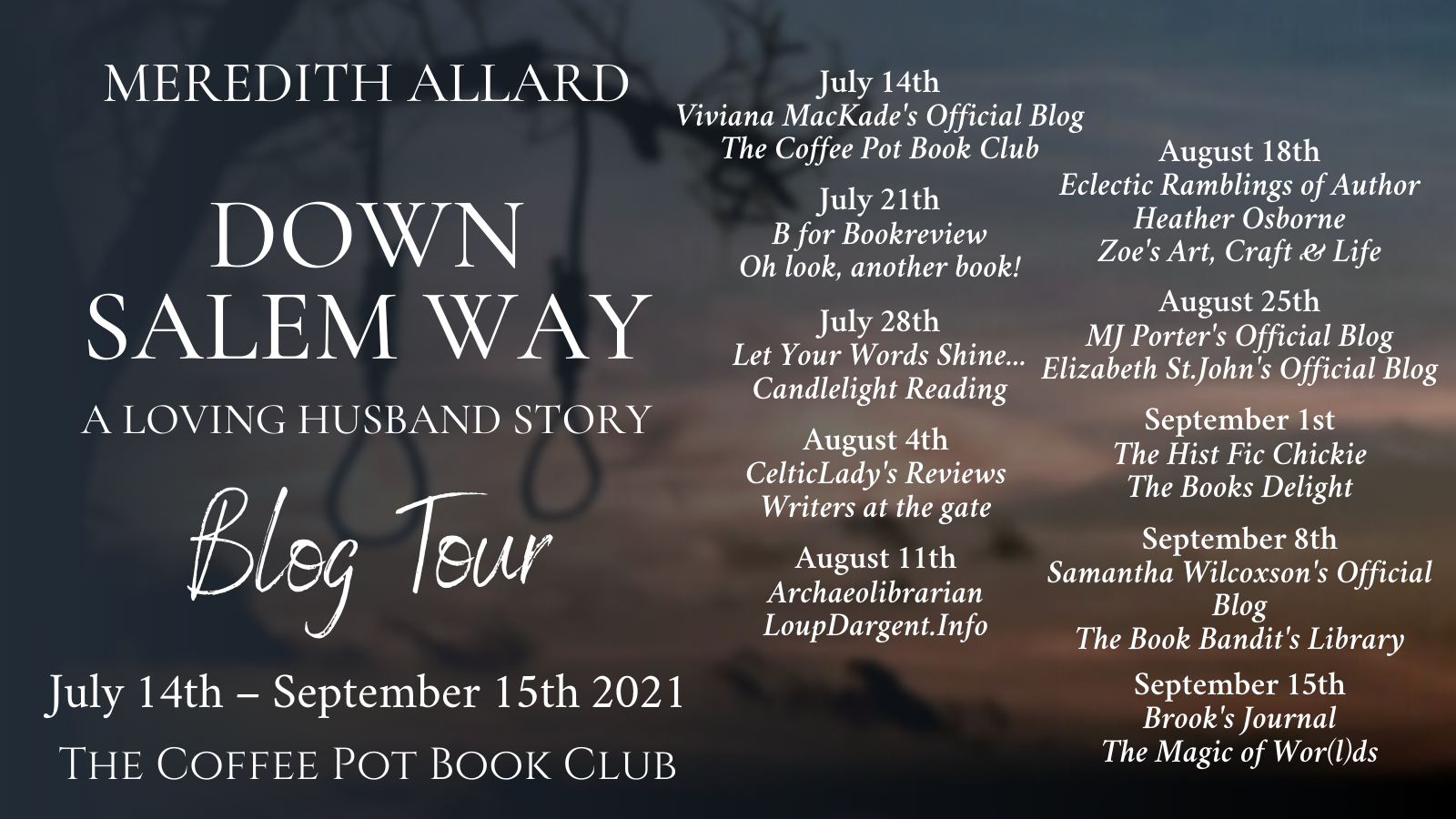
Lady Estrid is on ‘tour’ with the Coffee Pot Book Club – check out the posts so far

Lady Estrid has taken herself on tour with the fabulous Coffee Pot Book Club. She what she’s been up to, and thank you to everyone for hosting her, and the Coffee Pot Book Club for arranging.

November 2nd Mary’s Tavern (Excerpt)

November 9th Gwendalyn’s Books (Review)

November 16th Judith Arnopp’s Official Blog (Excerpt)

November 23rd Brook Allen’s Official Blog (All about the historical Lady Estrid)

November 30th Sylv.Net (Excerpt)

December 7th Madwoman in the Attic (Review)

December 14th Elizabeth St John’s Official Blog (Interview)

December 21st Let the Words Shine (Five facts you didn’t know about me)

December 28th Candlelight Reading (Excerpt)

January 4th The Writing Desk (Letter writing in the eleventh century)

Lady Estrid is available now in ebook and paperback.

Thank you to all the hosts for allowing Lady Estrid onto their blogs, and to The Coffee Pot Book Club for being so, so, so good at organising everything. Thank you.

(This post contains Amazon affiliate links, which means that at no cost to you, Amazon rewards me.)