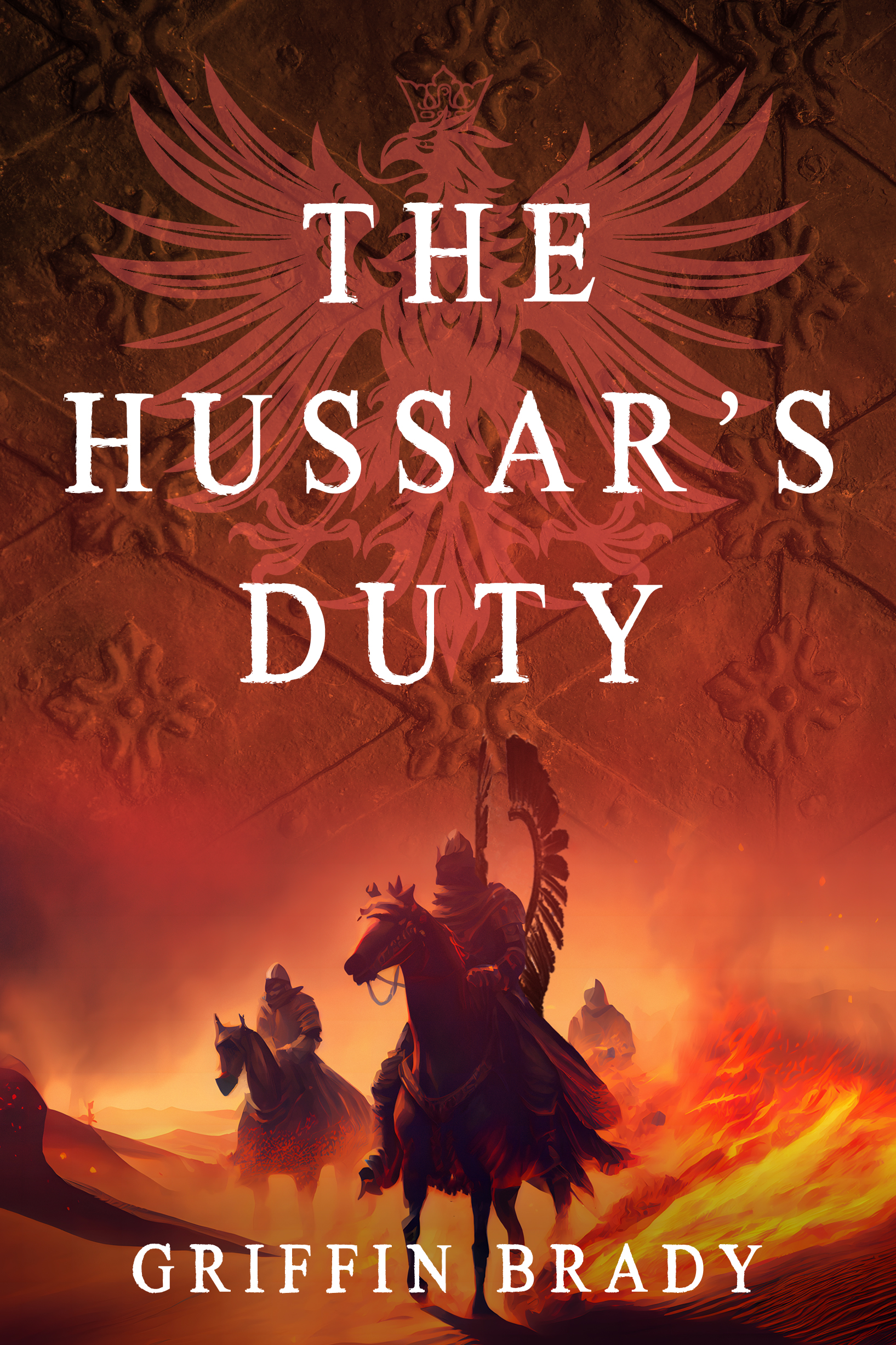
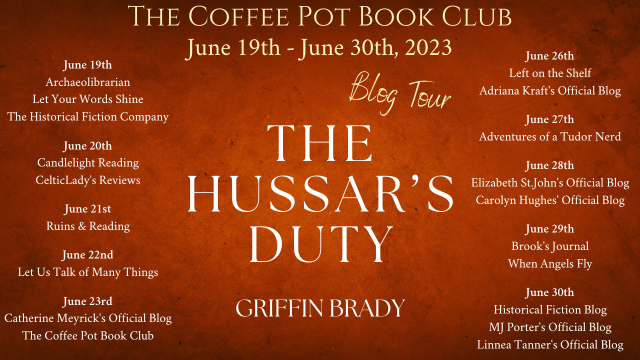
Today I’m delighted to share an excerpt from The Hussar’s Duty by Griffin Brady #HistoricalFiction #WingedHussars #BlogTour #TheCoffeePotBookClub

Today I’m delighted to share an excerpt from The Hussar’s Duty by Griffin Brady.

Chapter 23 – Tremors

Oliwia had donned her cloak and exited the castle walls, making for St. Lawrence’s vaulted vestibules, black-and-white marble tiled floors, and high windows that threw down prismed light. She should have arranged for a male escort, but said males in her party were engaged in the tiltyards. Besides, Nadia walked beside her, they were within the walls of the city, and the sun was high in the early afternoon sky.

They scurried across Viche Square into the welcoming embrace of the cathedral’s walls. Nerves that had been jangling off and on for days suddenly calmed as she dipped her fingers in the font’s cool water, genuflected, and crossed herself under the watchful eyes of the archangels high above the glorious altar. She had come to love those angels. 

The place was stunning … and mostly empty, which gave her an opportunity to linger as long as she pleased. She lit candles for each of her children, her brother, and Jacek, before selecting a pew close to the front. Kneeling, she bent her head over her hands clasped in prayer, dimly aware that Nadia sat several pews back.

Mary, Mother of God, I beseech you, please protect …

How long her prayers ran on and how much she repeated them, she could not say. When she lifted her head, shadows moved across the high windows. Glancing over her shoulder, she glimpsed Nadia sitting, rather than kneeling, and the maid seemed to be asleep. Oliwia suppressed a smile and sent one last prayer heavenward. She made to rise, but her knees and lower legs had gone numb. Eyes cast downward, she rearranged herself and grasped the pew to heave herself to her feet. A looming shadow, followed by a rank smell, had her eyes flying fully open. A man she did not recognize stood beside her, broadside to the altar so that he faced her side.

He crowded her. “Ain’t this a fortunate coincidence?” Breath fouled with the smell of decaying teeth and spirits blasted her, and his raspy voice sent alarm bells clanging in her head. She knew that voice! She turned to run, but a viselike grip clamped down on her arm. “Such a fine, fine lady. I have been dreaming of you ever since our encounter, my pet. Let’s go somewhere quiet where we can become better acquainted and tend to our unfinished business.”

My pet?

Terror seized her, and she kicked out, landing a blow to the man’s inner thigh. She had missed her mark, but he howled nonetheless, giving her a split second to whirl and run to the main aisle. Nadia startled to life and took off in the opposite direction toward one of the chapels. Behind Oliwia, the man thumped his way along the pew, though his steps were clumsy, uneven.

Finally unhampered by the pew, Oliwia ran shrieking down the aisle. “Help! Highwayman! Help!”

A stunned priest and several worshippers were congregated in a portal. The priest shouted for a guard, and Oliwia slowed enough to look over her shoulder. Her would-be attacker was headed for the sanctuary with all haste, but Nadia … Where was Nadia?

Here’s the blurb

Poland’s most valiant winged hussar is called to fight in a campaign ripe for disaster. But he must also protect those he loves from jackals waiting to pounce. How does he choose between duty and devotion when death is on the line?

When Sultan Osman II sends Poland’s envoy packing, the Commonwealth must prepare for war against one of the largest armies the Ottomans have ever assembled. Tasked with repelling the invasion is Grand Hetman of the Crown Stanisław Żółkiewski, and he knows who to turn to: Jacek Dąbrowski, the Commonwealth’s most valiant Polish winged hussar.

Jacek has been idle far too long, and the call to arms is a siren’s song he can’t resist. But he has built a life far from the battlefield with his wife, Oliwia, and their children. If he pursues his quest for glory, who will safeguard them?

Oliwia knows her husband is restless. In fact, she’s been sending Jacek on cross-country errands for years in the hopes of quelling his lust for battle. When she realizes her efforts are futile, she resolves herself to letting him go—after hatching a scheme to accompany him.

Honor. Obligation. Devotion. These forces push and pull Jacek in different directions. His country needs him, but so does his family. Where does his duty lie? His choice will cause catastrophic ripples no matter which path he follows … and could very well bring the loss of his loved ones or his life.

Will the cost of defending king and country prove too steep for this warrior?

This is a standalone continuation in The Winged Warrior Series.

Buy Links: 

This title is available to read on #KindleUnlimited. 

Universal Link

Amazon USAmazon UKAmazon AUAmazon CA

Meet the author

Griffin Brady is an award-winning historical fiction author with a keen interest in the Polish Winged Hussars of the 16th and 17th centuries. She is a member of the Historical Novel Society and Rocky Mountain Fiction Writers. Her debut novel, The Heart of a Hussar, was a finalist for the 2021 Chaucer Early Historical Fiction Award and a 2021 Discovered Diamond. 

The proud mother three grown sons, she lives in Colorado with her husband. She is also an award-winning bestselling romance author who writes under the pen name G.K. Brady.

Connect with the author

WebsiteTwitterFacebook

Book BubAmazon Author PageGoodreads

Follow The Hussar’s Duty blog tour with The Coffee Pot Book Club

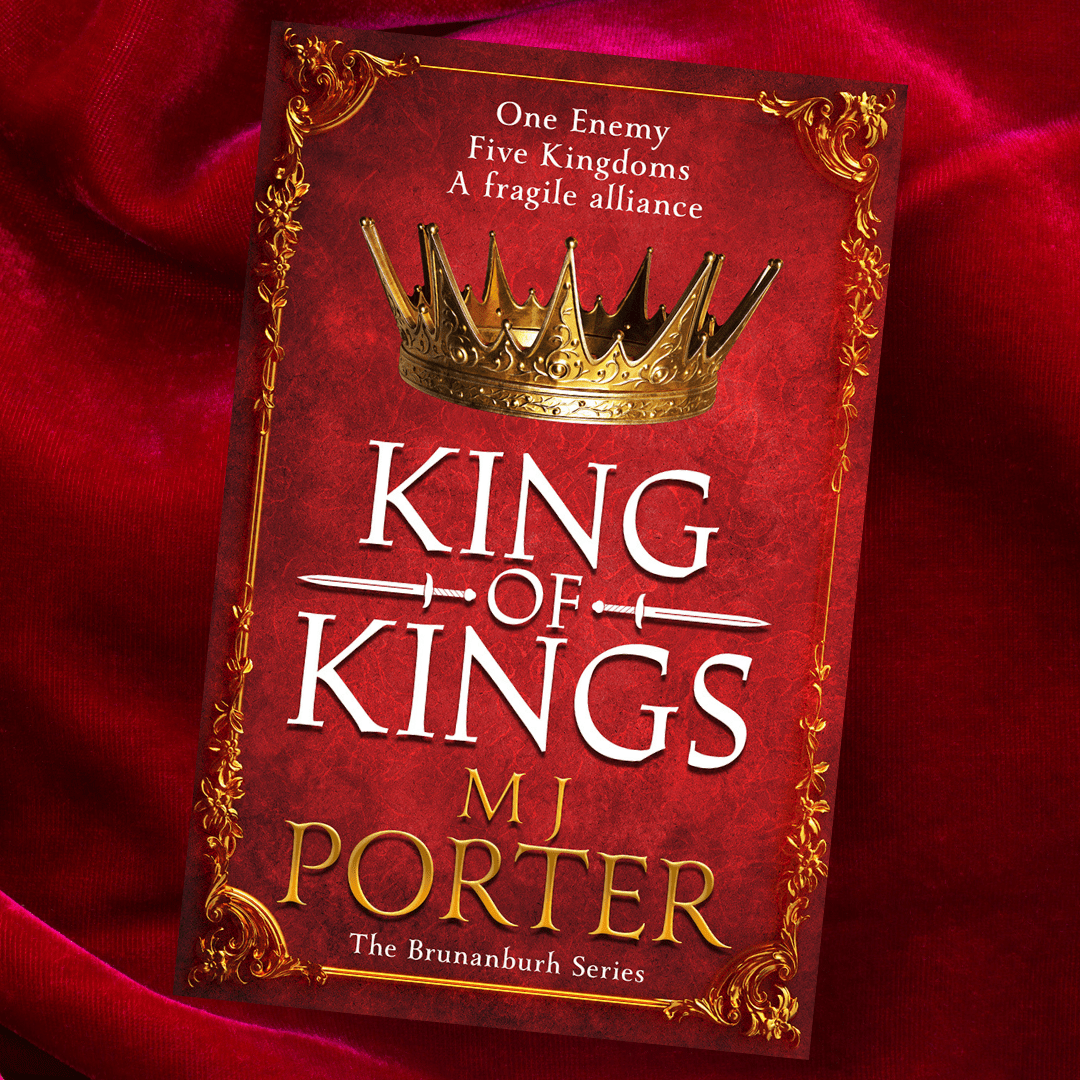
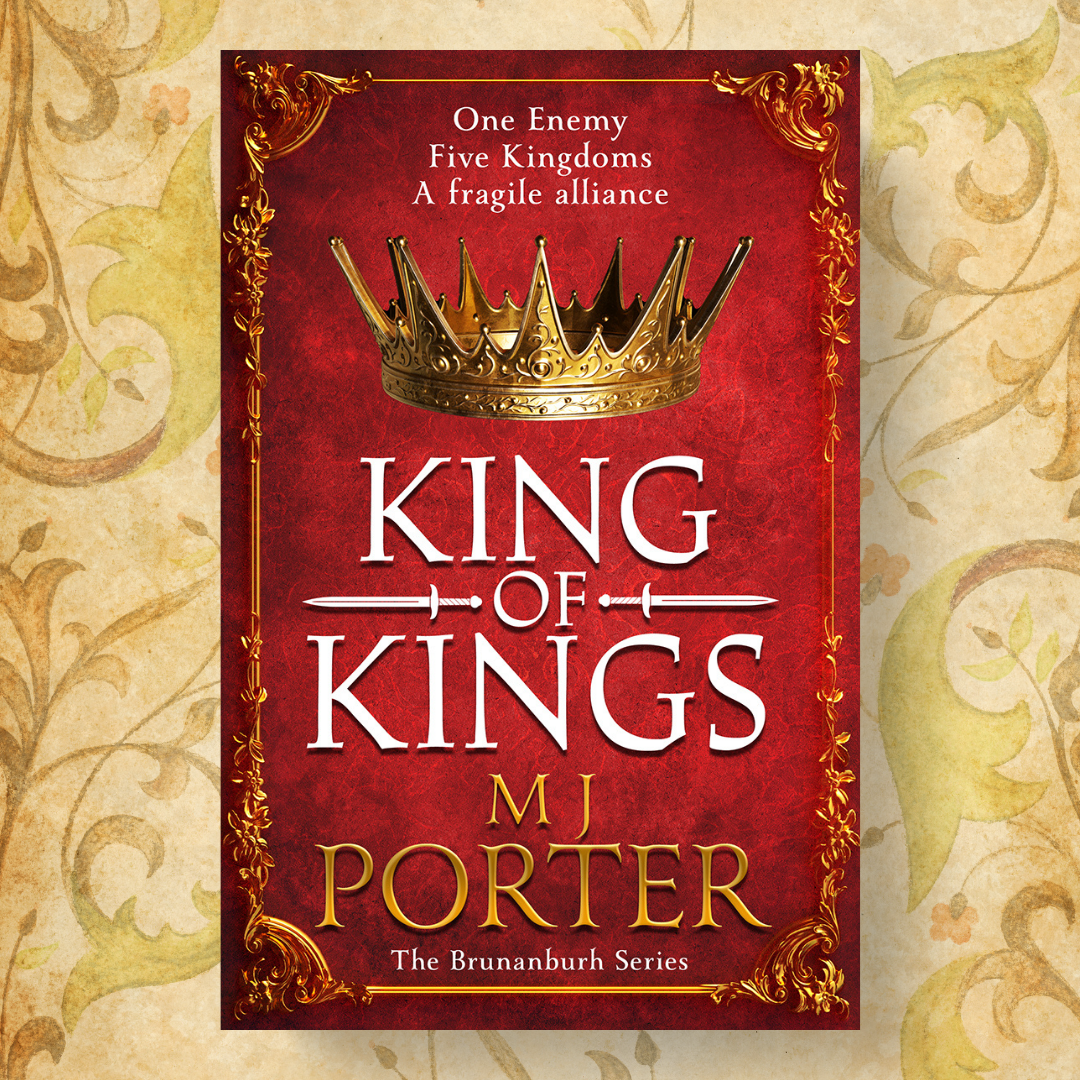
King of Kings is currently just 99p/99c on Amazon Kindle/Kobo in the UK/Canada and in Australia it’s $1.99

Here’s the blurb

‘An epic tale of the birth of a nation. Truly mesmerising. Game of Thrones meets The Last Kingdom’ – Gordon Doherty

In the battle for power, there can be only one ruler.

AD925
Athelstan is the king of the English, uniting the petty kingdoms of Wessex, Mercia, the Danish-held Five Boroughs and York following the sudden death of his father, King Edward.
His vision is to unite the realms of the Scots and the Welsh in a peace accord that will protect their borders from the marauding threat of the Norse Vikings.
Whilst seemingly craving peace and demanding loyalty with an imperium over every kingdom, Athelstan could dream of a much bigger prize.
But danger and betrayal surround his best intentions, namely from his overlooked stepbrother, Edwin, who conspires and vies for what he deems is his rightful place as England’s king.
As ever, powerful men who wish to rule do not wish to be ruled, and Constantin of the Scots, Owain of Strathclyde, and Ealdred of Bamburgh plot their revenge against the upstart English king, using any means necessary.
An epic story of kingsmanship that will set in motion the pivotal, bloody Battle of Brunanburh where allies have to be chosen wisely…

‘MJ effortlessly draws you into early Medieval England with this fascinating tale.’ – Donovan Cook


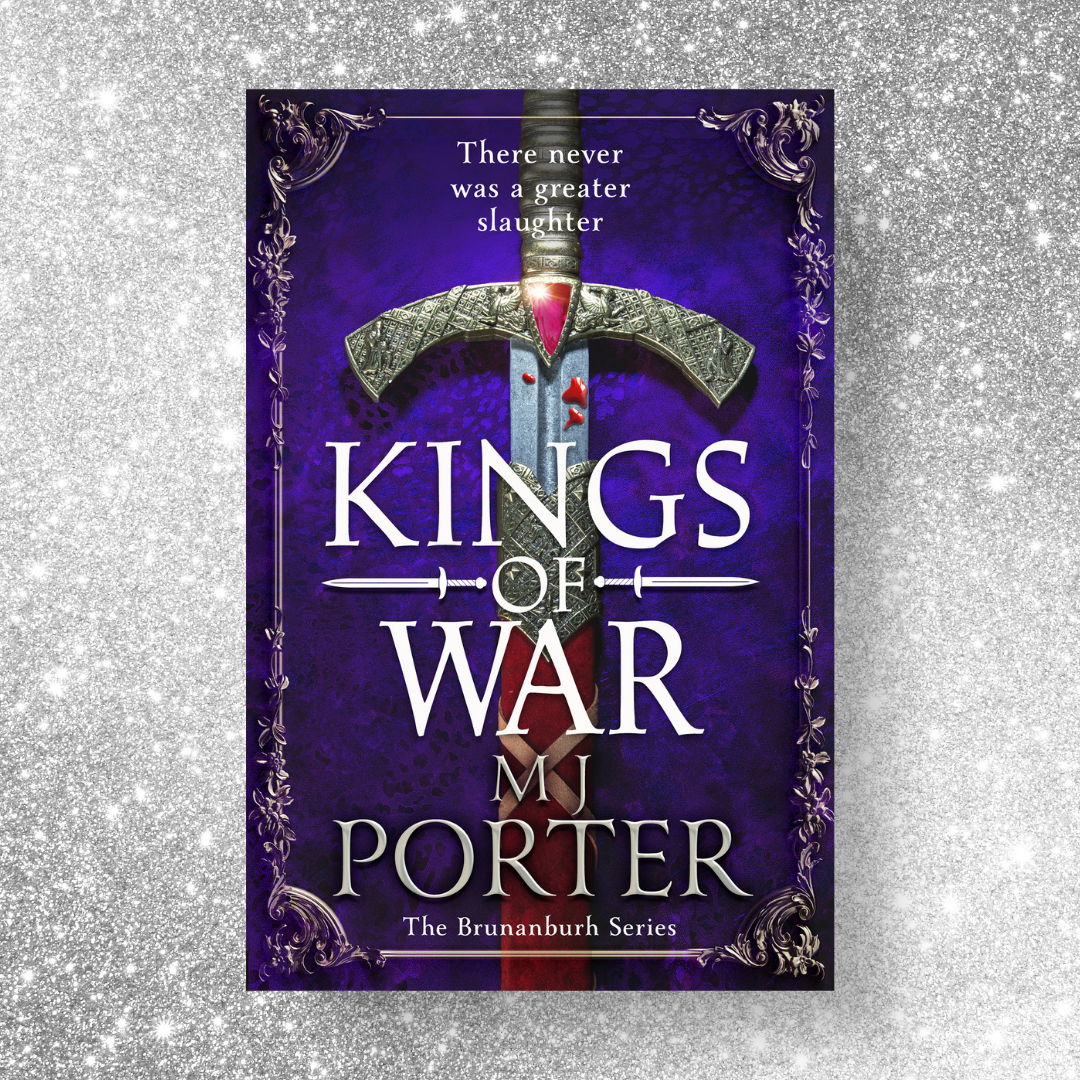
Yep, you’ve read that right. King of Kings is currently reduced in select territories, and select platforms, to just 99p/99c/$1.99 and equivalent. With book 2, Kings of War, and its fabulous cover, due for release next month, now is the perfect time to grab book 1.

Did you watch Seven Kings Must Die? Then this is the series for you. This is my retelling of the famous battle of Brunanburh, in all its complex political machinations and quest to be ‘king’ over all of Britain, not just England.

The tale began life in 2014 – long before anyone knew (perhaps other than Bernard Cornwell) that the Uhtred tales would culminate in the battle of Brunanburh. It’s my attempt to give a ‘wide’ view of the build-up and the battle, and to tell a story of Great Britain in the 920s and 930s instead of just picking a side.

These ambitious men tried to rewrite the map of Great Britain, and wow, they caused some carnage along the way.

I’ve written some blog posts to help everyone know who the characters are, and to give an idea of what was happening in what would be England, Scotland, Wales and Ireland at the time. Check out the posts from the main Brunanburh Series page on my blog. Enjoy:)

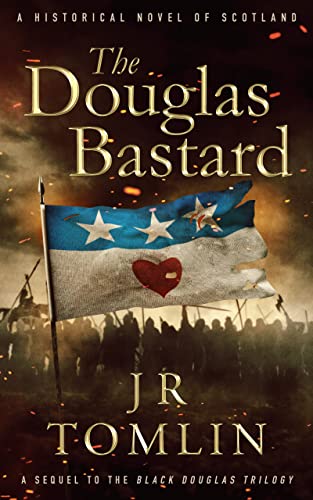
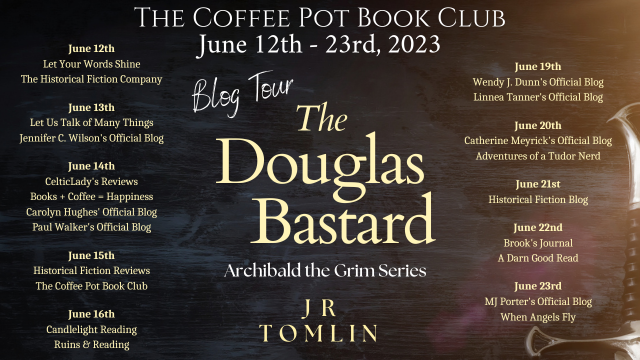
I’m delighted to welcome J R Tomlin to the blog to tell us all about the historical background to The Douglas Bastard #HistoricalFiction #MedievalScotland #BlogTour #TheCoffeePotBookClub

I’m delighted to welcome J R Tomlin to the blog to tell us all about the historical background to The Douglas Bastard.

The Second War of Scottish Independence is a war that should never have happened. (Admittedly, that is true of quite a few wars) It happened simply because England’s King Edward III was pissed off at the Scots.

Remember that the famous Battle of Bannockburn was not the end of the First War of Scottish Independence, although many think it was. The Scots launched numerous chevauchees into England, believing the destruction of the north of England would force the English to the peace table. It did not work. The war continued for another decade, with the English forced out of Scotland but refusing to sign a peace treaty or recognise Scotland’s status as an independent kingdom.

However, in 1326, the rebellion by Queen Isabella and her lover Mortimer overthrowing King Edward II changed England’s political landscape. In June of the next year, James, Lord of Douglas, Thomas, Earl of Moray, and Donald, Earl of Mar, gathered a large force, as many as 10,000 men, and led a chevauchee across the border into England. They carried no supplies but lived off the land as they moved across a wide swathe of northern England. Perhaps in order to bring legitimacy to the new regime, Mortimer and the sixteen-year-old newly crowned King Edward III assembled an even larger army, much better equipped than the Scots, and led it north. They probably believed they could defeat the Scottish force in England, leaving Scotland undefended so they could go into Scotland.

It was a long and complex campaign in which the Scots outran the English, who quickly ran low on food and supplies. The Scots also had an unassailable position on a rocky height overlooking the fast-flowing River Weir. They even took an English scout prisoner and sent him with their position since the English seemed incapable of catching up with them. On the last day of July, the English army arrived on the other side of the Weir. They sent heralds, inviting the Scots to abandon their position and engage in battle. The Scottish leaders replied (and this sounds like James Douglas) that they were happy where they were, and if the English King and his council were unhappy with their lands being burnt before them, they should cross the river and do something about it. Mortimer and the young king refused. Crossing the Weir would allow their vanguard to be attacked before the rest of the army could cross, so they were certainly right to refuse.

The standoff lasted for three days before the Scots moved during the night to an even more unassailable position within an area known as Stanhope Park. At daylight, the English shifted their position but still dared not cross the Weir. Although the Scottish position was unassailable, it also appeared to have the Scots trapped with no way of resupplying. The English believed all they had to do was starve the Scots out, and they would win.

On the night of the 4th of August, James Douglas led a night attack, penetrating to the very centre of the English camp. They rode in, cutting guy ropes and firing tents. There was panic in the camp. Douglas himself collapsed the King’s tent with the terrified king inside, his confessor killed protecting him. By that time, the English were organising for defence, so the Scots returned, untouched, to their own camp.  

The next day, a Scot allowed himself to be taken prisoner to give the English word that the Scots would try to cut their way free the following night. The English, believing the story, spent the night in their armor with bonfires lit to see during the supposed coming battle. And the Scots retreated, picking their way through what the English had believed was an impenetrable marsh. 

The English King wept in fury and humiliation. 

He also never forgave the Scots. He was even more angry when his mother and Mortimer negotiated a peace treaty with Scotland which he and King Robert the Bruce signed in March 1328.

Only four years later, King Edward repudiated the treaty he had signed, backing an invasion by the pretender to the Scottish throne, Edward Balliol. Then began the totally useless Second War of Scottish Independence, which cost countless lives on both sides and eventually gained England nothing. 

It did, however, provide stories of treachery, battle, bravery, defeat, and triumph that beg to be told.  

Thank you so much for sharing the background to your new book. It sounds fabulous.

Here’s the blurb

Young Archibald, the Black Douglas’s bastard son, returns from exile to a Scotland ravaged by war. The war-hardened Knight of Liddesdale will teach him what he must learn. And with danger on every side, he must learn to sleep with one eye open and a claymore in his hand because even their closest ally may betray them…

Buy Links

The Douglas Bastard

Universal Link

Amazon UK Amazon US Amazon CA Amazon AU

Barnes and Noble Kobo iBooks Google Play

Archibald the Grim Series on Amazon

Amazon UK Amazon US

Meet the author

J R Tomlin is the author of twenty historical novels.

Her historical novels are mainly set in Scotland. You can trace her love of that nation to the stories of Robert the Bruce and the Black Douglas that her grandmother read her when she was small and to her hillwalking through the Scottish Cairngorms where the granite mountains have a gorgeous red glow under the setting sun.

In addition to having lived in Scotland, she has traveled in the US, mainland Europe and the Pacific Rim. She now lives in Oregon.

Connect with the author

Website  Twitter

Book Bub Amazon Author Page Goodreads 

Follow The Douglas Bastard by JR Tomlin blog tour with The Coffee Pot Book Club

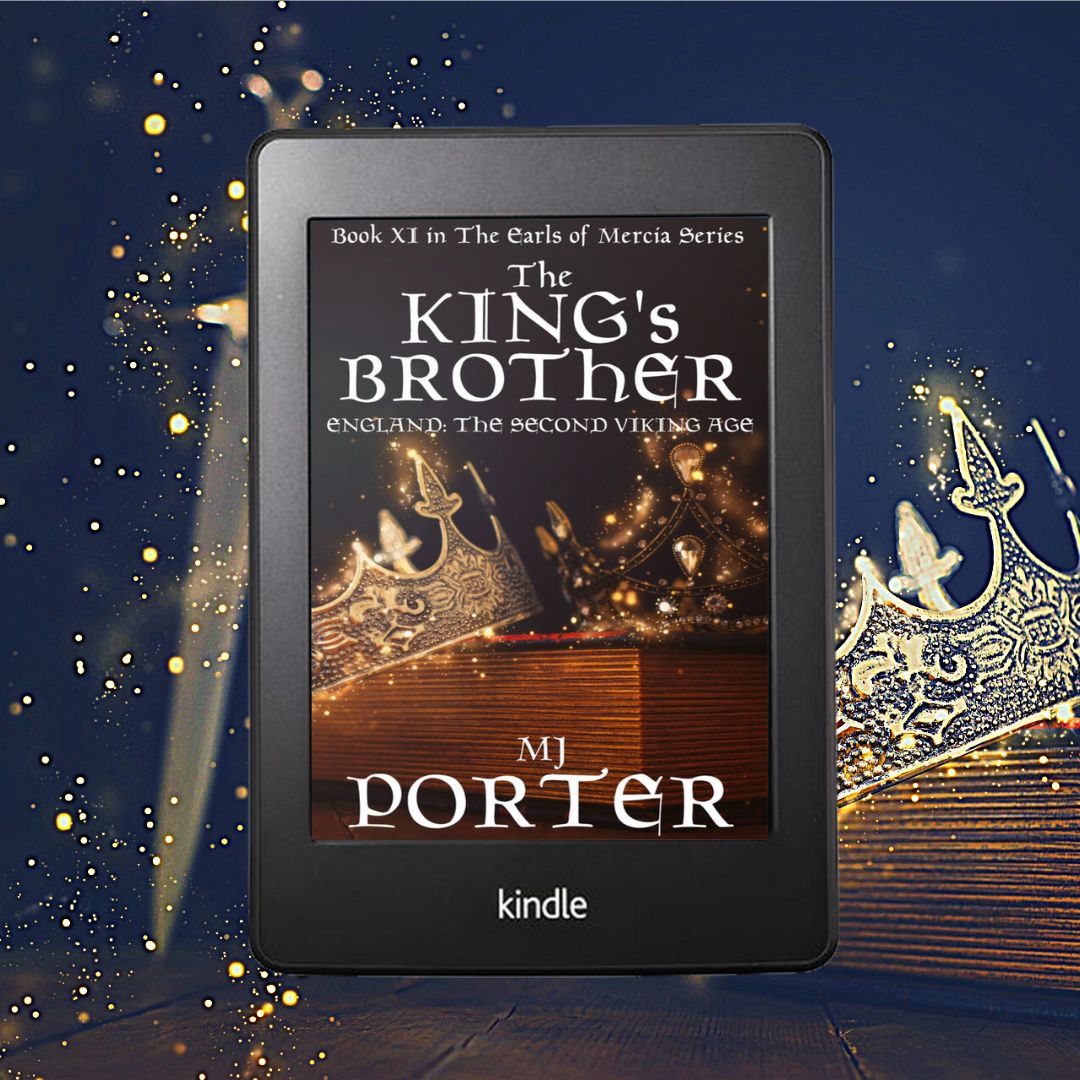
The King’s Brother Research book dump

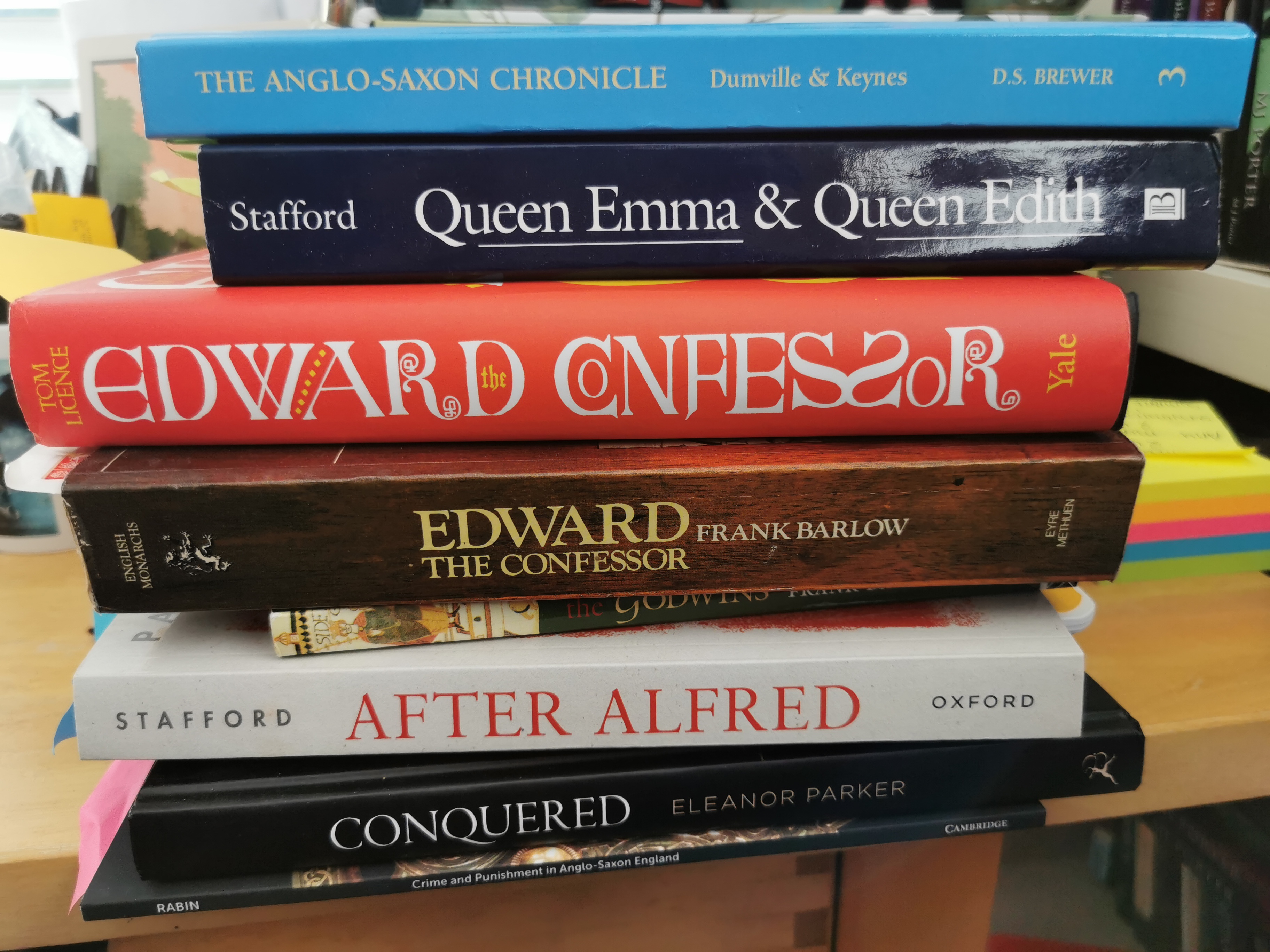
I always like to share my research with my readers. Here’s a small pile of the books that I’ve specifically used in the last few weeks while finalising the little details in The King’s Brother.

As always, there are resources not shown here. The two primary online resources that I will NEVER tire of sharing are

PASE https://pase.ac.uk

Electronic Sawyer https://esawyer.lib.cam.ac.uk/about/index.html

My two versions of The Anglo-Saxon Chronicle not shown here have also proved invaluable, my preferred version by Michael Swanton, and the version found in English Historical Documents Vol. 1 by Dorothy Whitlock, although I’ve discovered I have a first edition, and there was a subsequent second edition, which is the one most often used – mind my first edition was substantially cheaper than a second edition. (I dare you to click on the link and see how much it costs:))

Of course, I would never have started this mad, crazy journey of chronicling the lives of the earls of Mercia without the work of Stephen Baxter, The Earls of Mercia, Lordship and Power in Late Anglo-Saxon England.

Some of these books are more academic than others. For those looking for an introduction to the period, I highly recommend The Death of Anglo-Saxon England by Nick Higham which is stuffed with images and can be found quite cheaply second-hand.

books2read.com/TheKingsBrother

The families of the Earls of Mercia series

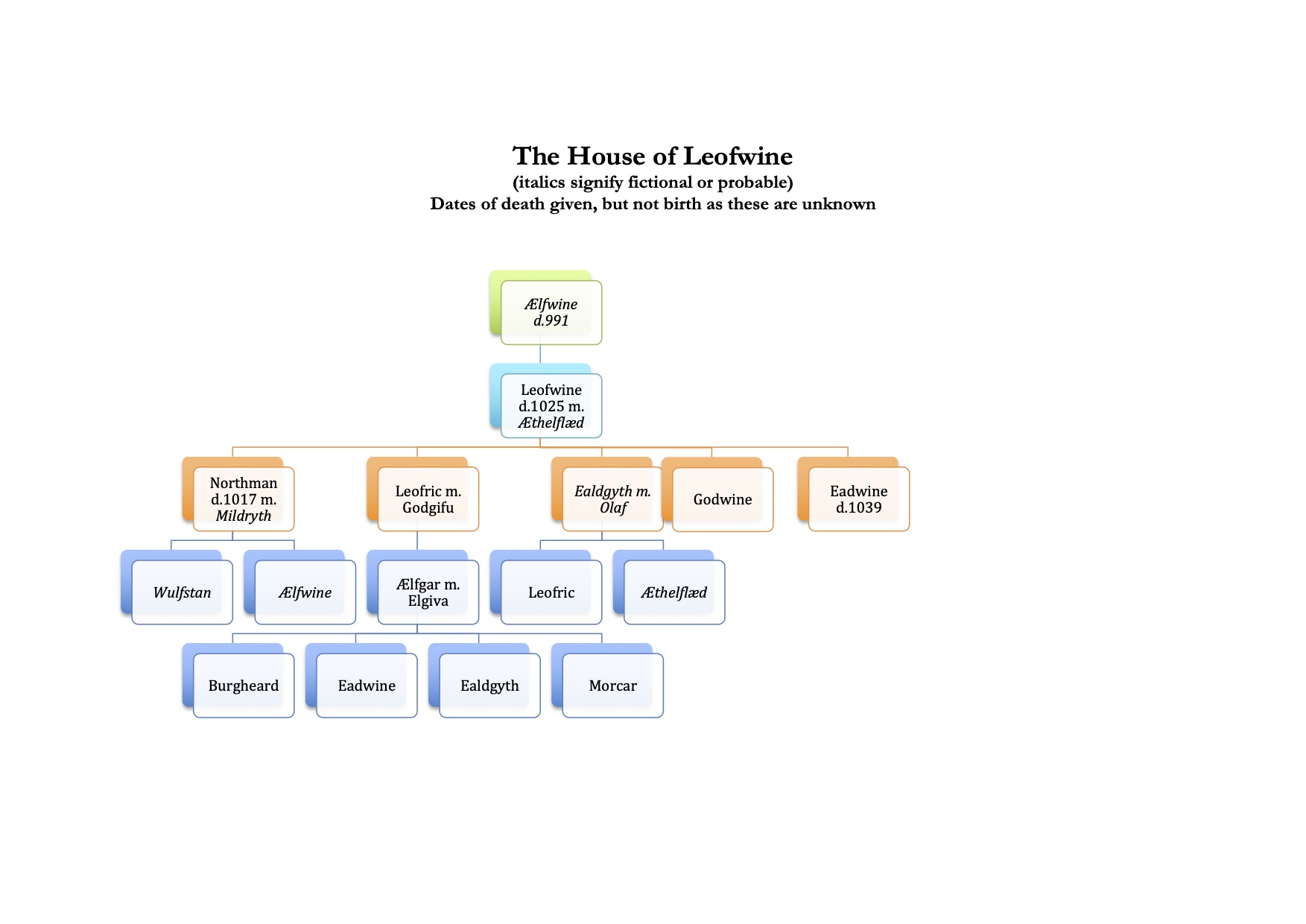
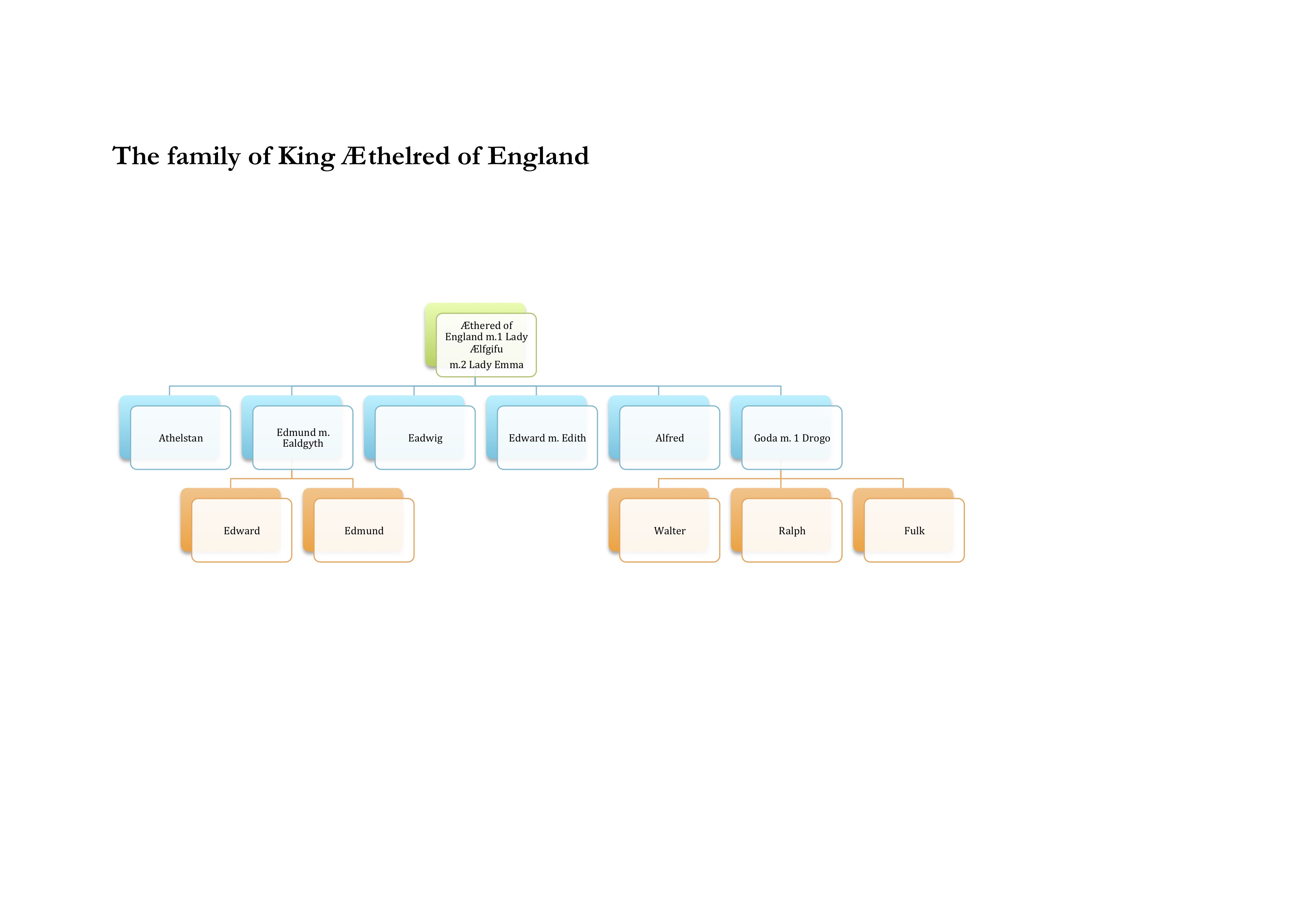
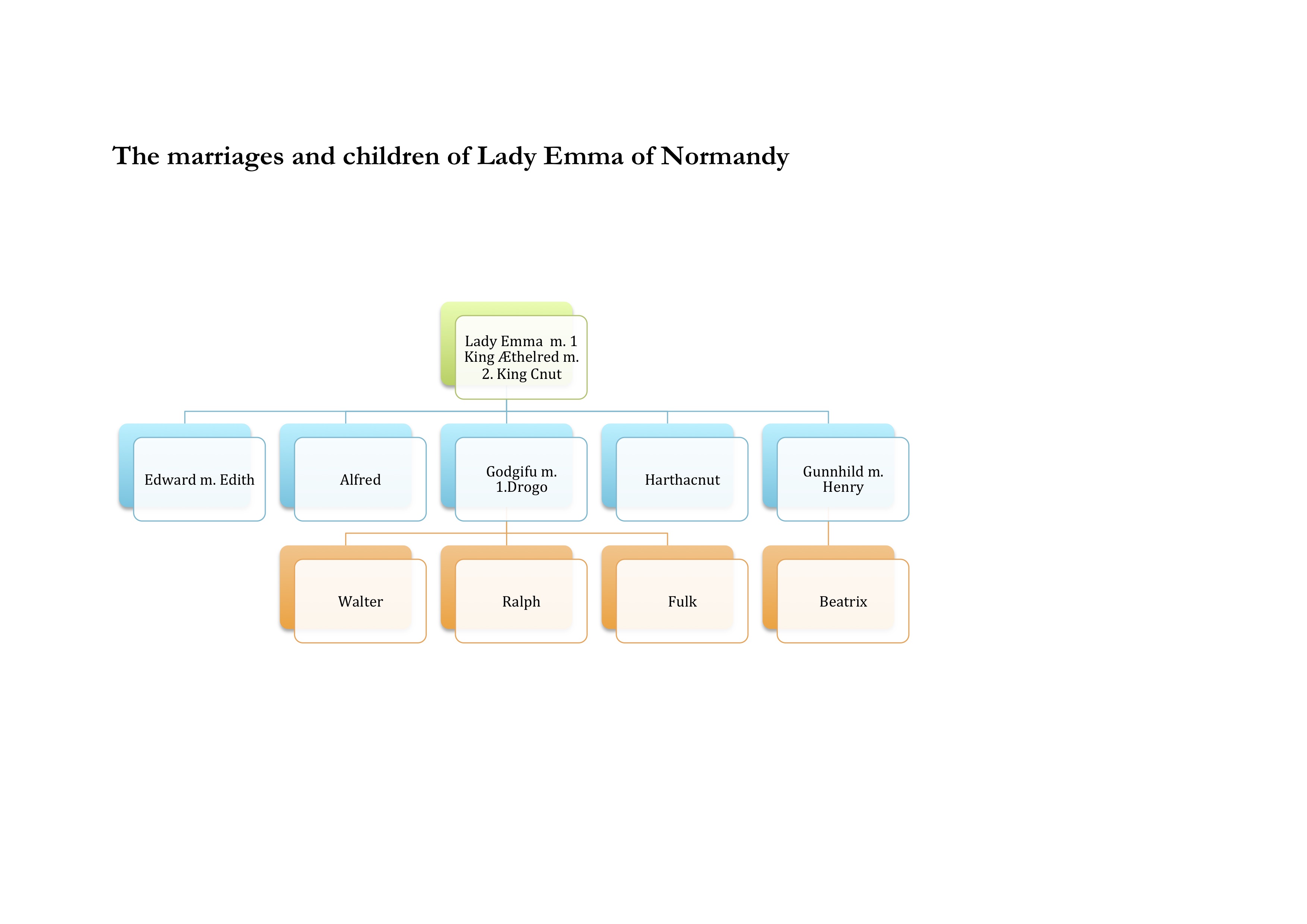
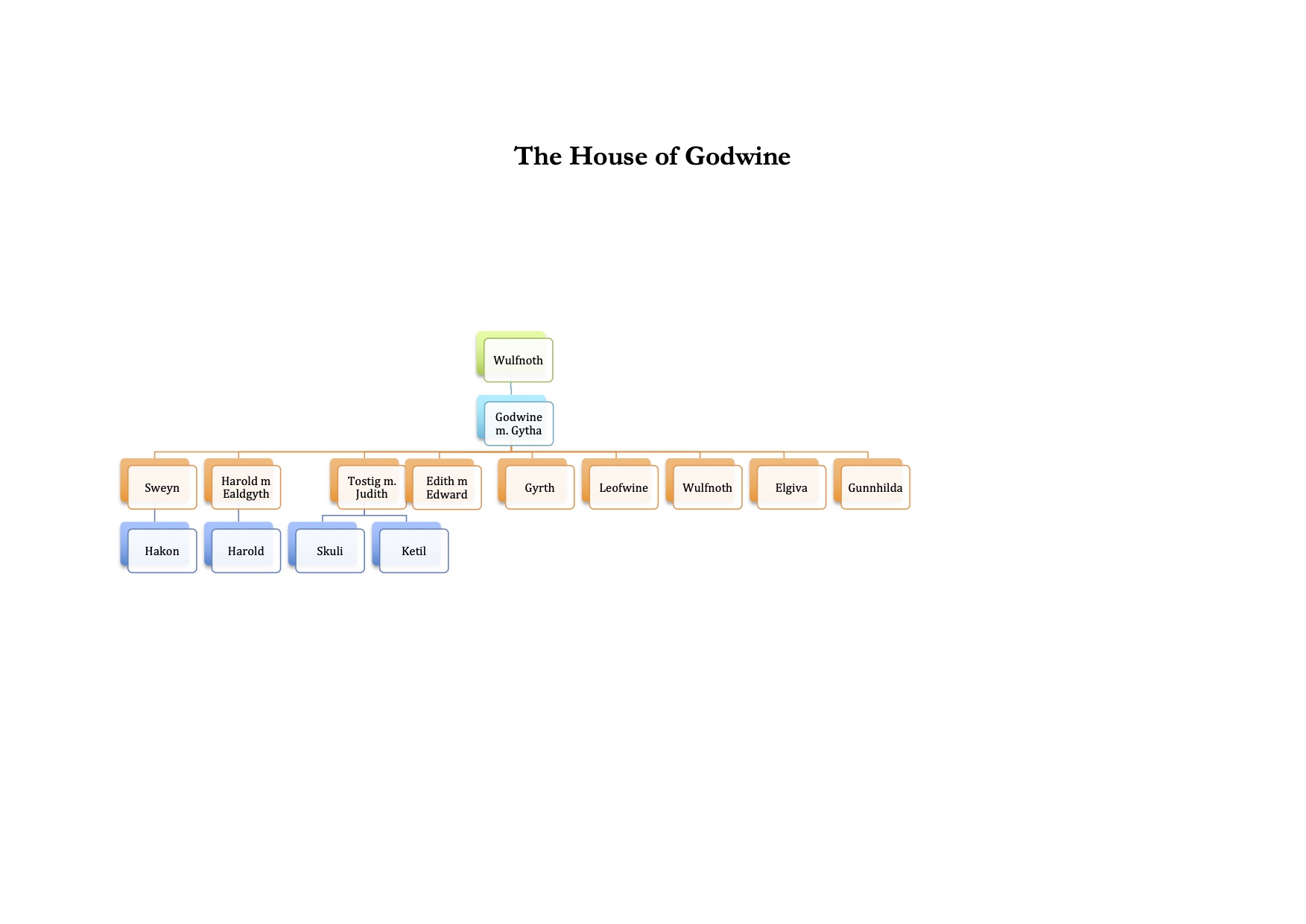
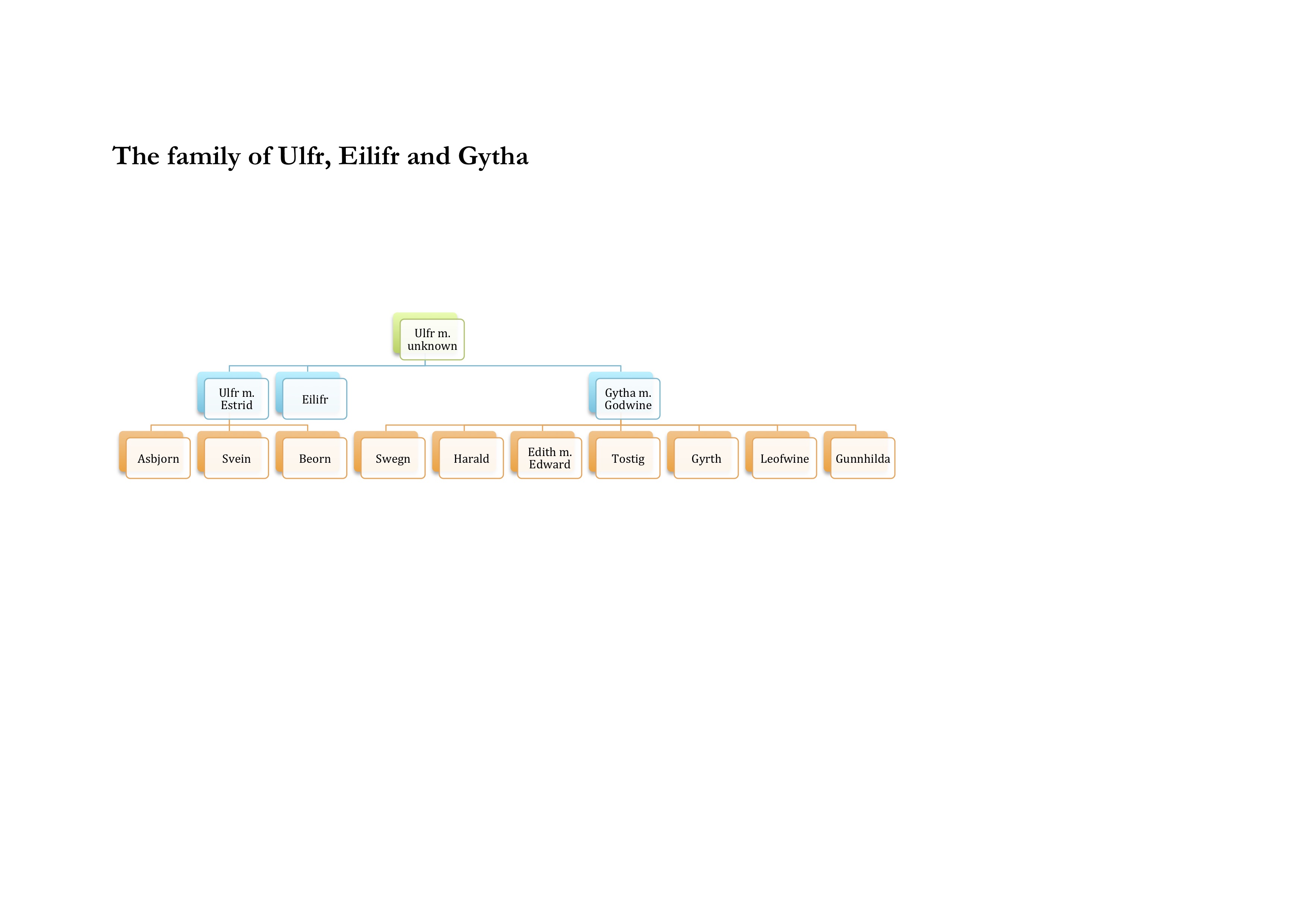
I thought a little refresh might be in order with the release of The King’s Brother, so I’m resharing some genealogy tables I put together when working on The English King and Lady Estrid. These will, hopefully, point you in the right direction for the somewhat complex family dynamics in The King’s Brother.

The House of Leofwine

The family of King Æthelred II.

The children of Lady Emma, twice England’s queen.

The House of Godwine.

The family of Gytha, wife of Earl Godwine

I hope that helps. You can click on the tables to increase their size.

Don’t forget to check out The King’s Brother and also visit The Earls of Mercia page on my blog.

Posts

I’m delighted to be reviewing and sharing some fabulous details about A.J. Lyndon’s new book, The Tawny Sash, available now

AJ Lyndon writes about her new book, The Tawny Sash.

The walls of Warwick Castle, England are ten feet (3.04 metres) thick. For hundreds of years they kept enemies out and prisoners in. If you screamed, no one would hear you. Australian novelist AJ Lyndon found this out the hard way a few years ago when, during a visit to the UK she was accidentally locked in a room at the top of the spiral staircase in Guy’s Tower. It was the culmination of an exciting day of research, gathering material from the castle’s archivist and visiting the dungeons where ‘witch trials’ were in progress, before her guide showed her the real one! ‘It was a creepy hole in the ground,’ Lyndon says. ‘I didn’t go in!’

It was late in the afternoon, and visiting school parties were heading back to the entrance, when Lyndon’s guide took her into Guy’s Tower, where guest accommodation became prison cells for captured Royalist officers during the English Civil War. Two of Lyndon’s fictional characters in her first novel, The Welsh Linnet were imprisoned there for months after being captured at the (real) Battle of Edgehill in 1642.

‘I had already written the first draft of the novel,’ Lyndon says, ‘But it became a compulsion to visit the actual rooms, and the governor’s quarters in the gatehouse. The guide took me from one locked room to another while I filmed. There are lots of graffiti carved into the walls. The prisoners obviously got bored. One is signed “Edward Disney 1643”!’ When I finished filming in the last of the tower rooms, the guide turned the door handle but nothing happened. “That’s funny,” he said.

And that’s how Lyndon discovered how thick the walls were and that mobile phones don’t work inside Guy’s Tower! Fortunately the guides carry radios for such situations and Lyndon’s incarceration lasted no more than ten minutes.

‘It was the highlight of the visit,’ she laughs. ‘One of the French school kids going round had slid the bolt.’

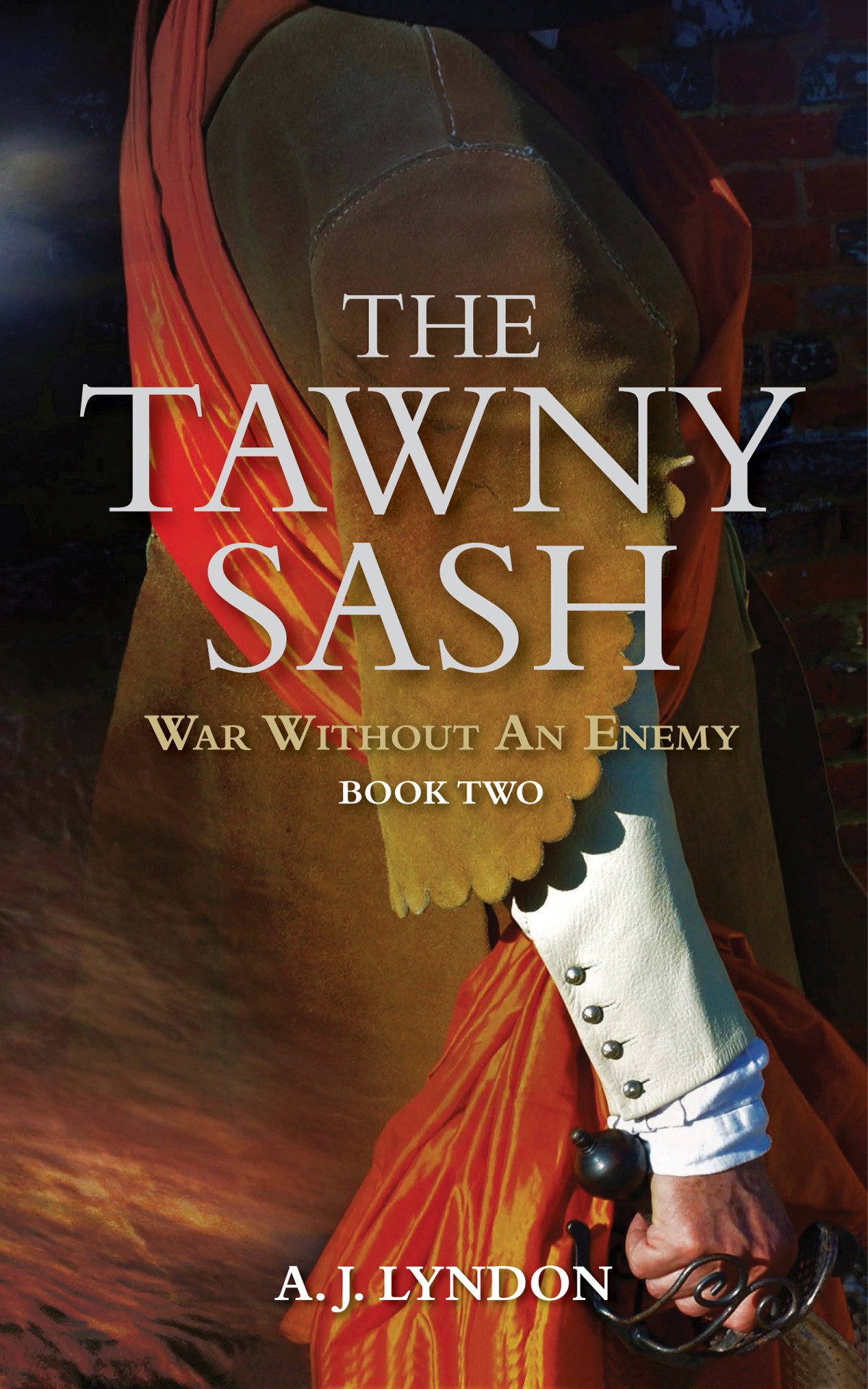
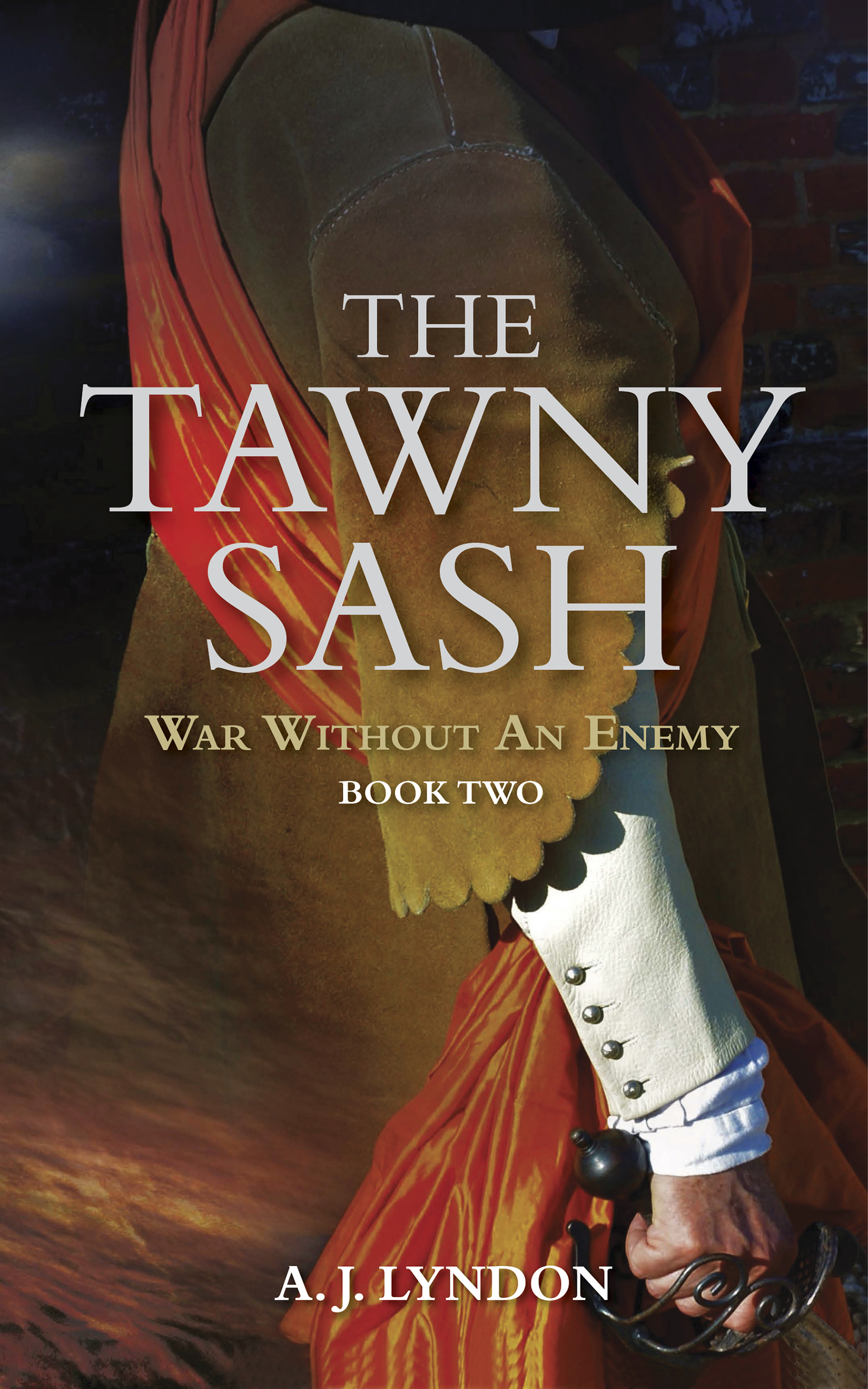
After the first novel came Covid, making research trips to England impossible. Lyndon had managed one more trip before the world locked down. She walked the battlefields of southeast Cornwall where King Charles I’s Cavaliers trapped the Roundheads with nothing but the sea at their backs. A whole army surrendered; and many of the foot soldiers died of starvation on the hard slog back to London. The orange-tawny sash (seen on the cover of the book) was how the southern Parliamentarian (Roundhead) armies showed their allegiance. Northern Parliamentarians wore blue sashes, the colours of the Fairfax family. Uniforms as we know them did not exist, which made life on the battlefield a bit interesting. Red coats were first introduced by Oliver Cromwell for his New Model Army about a year after the action in this book takes place.

Lyndon says she couldn’t have completed The Tawny Sash without Zoom. ‘The pandemic was a world-wide tragedy, but there were side-benefits. Historical societies in the UK such as the Battlefields Trust began holding their historical lectures on Zoom.’ Now overseas members like Lyndon can tune in, providing they don’t mind getting up early. ‘I hate the winter though,’ Lyndon laughs. ‘Lectures in London or Manchester at 8pm are 5am Melbourne time. I set the alarm and switch my camera on with a sweatshirt hastily pulled over my PJs.’

Lyndon, who lives in the Victorian Central Highlands, has been obsessed with history and historical fiction since high school. ‘Everyone knows about the Tudors, King Henry VIII and his six wives, but far fewer people have read books set during the time of the Stuarts. The ill-fated Stuart monarch Charles I was executed by Parliament after a trial and civil war that sent shock waves through Europe and across the Atlantic to the American colonies, where it set the stage for the American revolution.

Her second novel The Tawny Sash follows the further adventures of the Vaughan and Lucie families. Captain Gabriel Vaughan has been released from Oxford Castle prison on the authority of an order bearing the signature and family seal of Sir Henry Lucie. The problem is the order wasn’t signed by him but by his eldest son Will who stole the seal. Now Sir Henry wants revenge. Gabriel and Will are on the run from a court martial amidst the chaos of civil war, trying to clear their names before Sir Henry’s hired spy can find them. The hunt for the two men follows the course of the war from Oxford to Cornwall; and features treachery, kidnappings, daring escapes and of course sword fights.

The Tawny Sash is available now. 

Here’s the blurb

Book 2 in the War Without An Enemy series. Historical novel set in England 1644 during the English Civil War between King Charles I and the English Parliament. Sequel to ‘The Welsh Linnet‘.

Welsh gentleman Gabriel Vaughan and his brother-in-law Will Lucie are on the run from the vengeful Sir Henry Lucie and the threat of a court martial. The two cavalry captains must clear their names before Sir Henry’s hired spy can find them.

But then Gabriel, a follower of the outlawed Catholic faith, becomes embroiled in religious infighting at King Charles I’s most important fortress, Basing House and when a plot to betray the garrison is hatched, Gabriel is implicated.

The Tawny Sash continues the story of the Vaughan and Lucie families in the third year of the English Civil War. The bitter war has intensified and ‘quarter’ may no longer be given to those captured on the blood-drenched battlefields of Cheriton, Cropredy Bridge and Lostwithiel. When the royalists trap the threadbare, starving Roundhead rebel army at the tip of Cornwall, Gabriel and Will face further dangers and a terrible dilemma.

My Review

The Tawny Sash is an engrossing tale of the English Civil War, when families were pitched against one another, and religious division sundered England.

For all the complicated politics, religious divide, and military endeavours that take place throughout the book, I found it to be so well written that I never floundered. The English Civil War is outside my area of expertise. I know of it, but not about it. AJ Lyndon has brought the era to life by making it about personal relationships while the wider war rages all around them. There is time for love, and hatred, all played out against a backdrop of monumental change.

A fabulous story that I highly recommend. I will have to check out book 1 in the series.

Purchase Link

https://amzn.to/3IMZr97

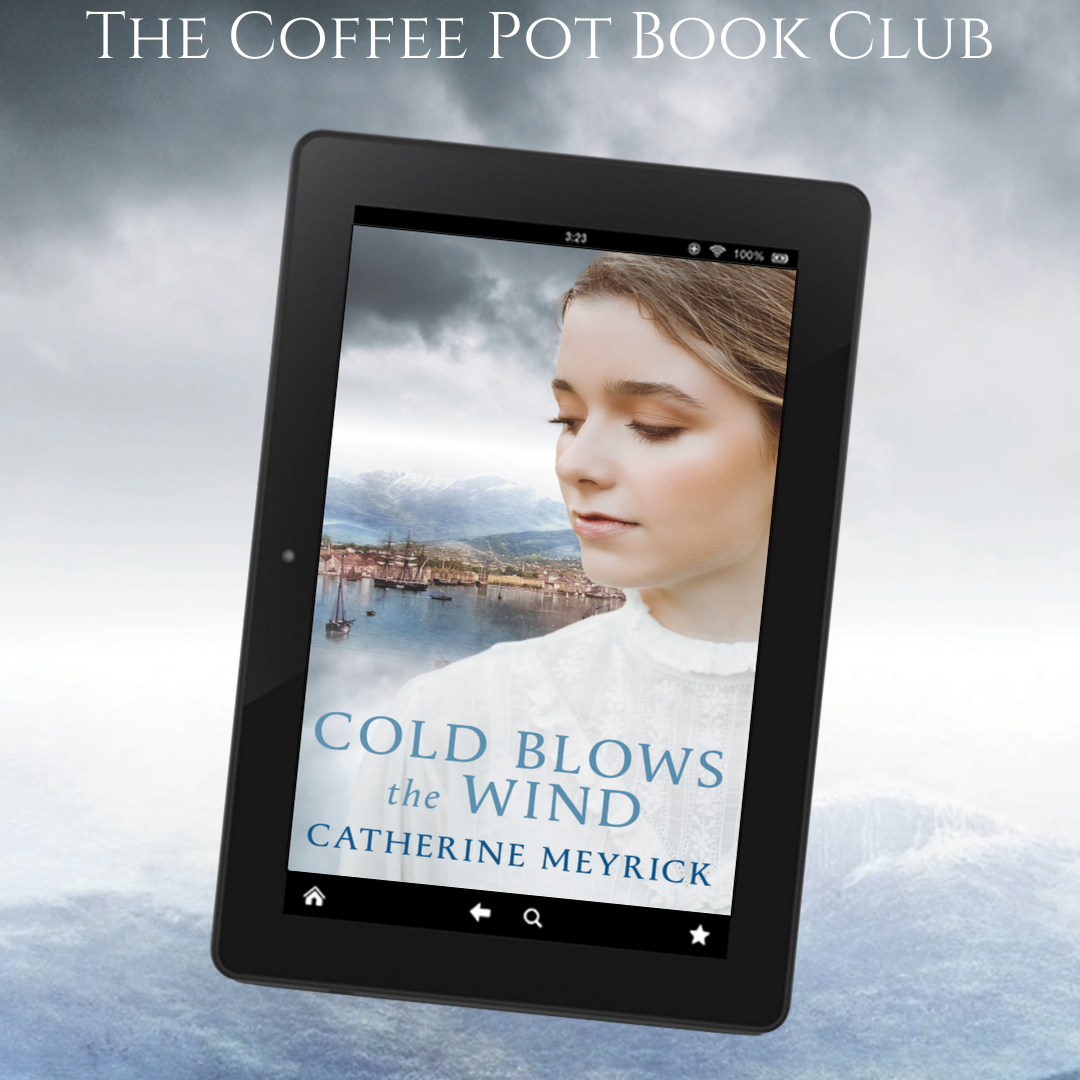
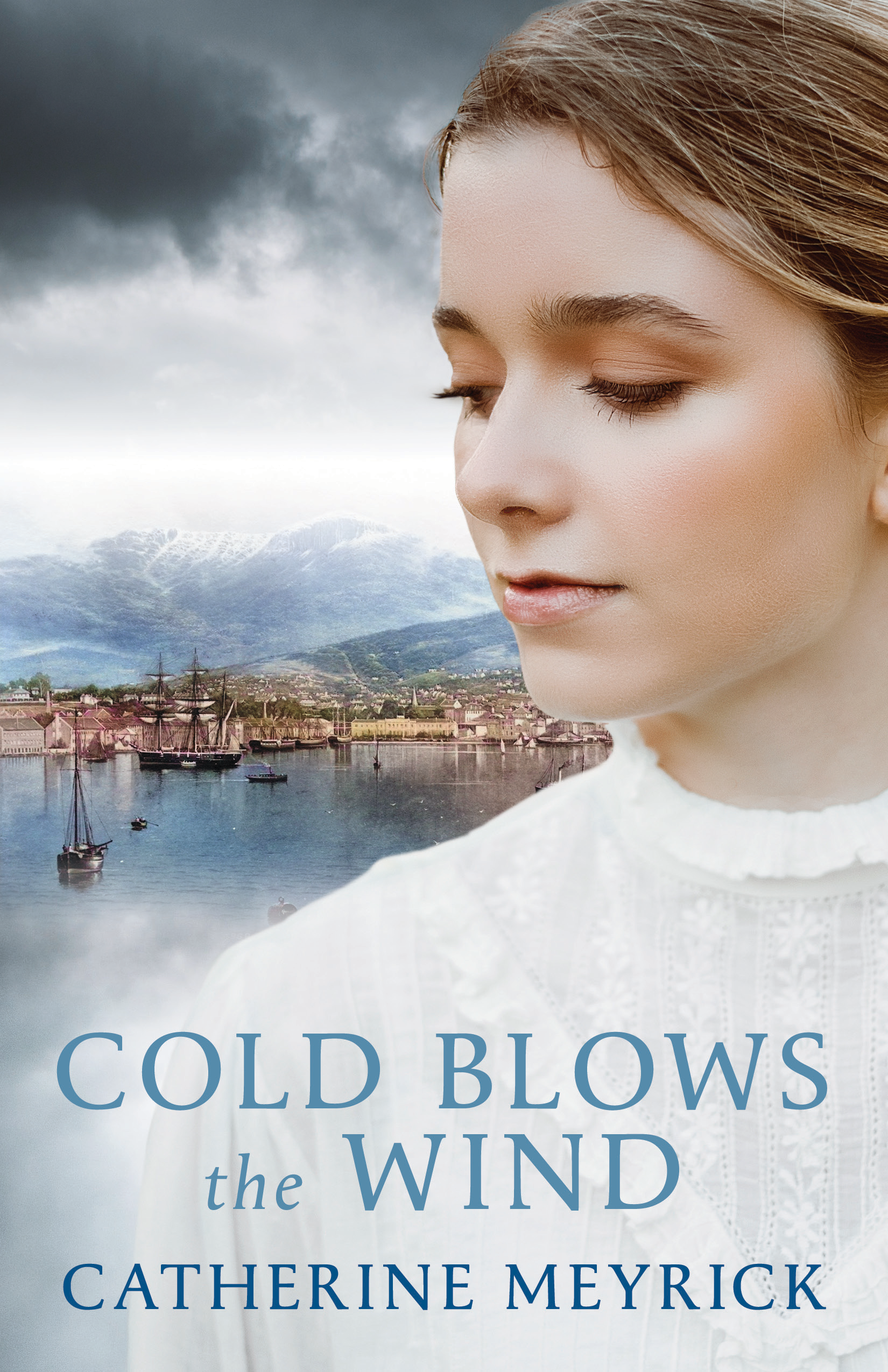
I’m delighted to feature Catherine Meyrick and her new book, Cold Blows the Wind on the blog today #blogtour

I’m delighted to sharan excerpt from Catherine Metric’s new book, Cold Blows the Wind.

The meal was served almost immediately, a hearty stew with bread and butter. The whole family sat close around the table on an assortment of stools, benches and chairs, Billy on Ellen’s knee. He fought to get the spoon from her as she tried to feed him. When she thought he had eaten enough, she surrendered the spoon. As much went into his hair and across his cheeks as into his mouth. He happily burbled away as he played with the spoon.

Harry was hoeing into the meal with as much relish as George and polished off the gravy with the bread. He swallowed the last of his bread and said, ‘That was delicious, Mrs Thompson, just like my grandmother used to make.’

Mary Ann stood and went to the stove, pouring water from the kettle into the teapot standing on the hob. Jane collected the empty plates and placed them beside the washing tub on the bench beneath the kitchen window.

Ellen lifted Billy off her lap and handed him to Alice. ‘There’s cake as well.’

‘Take a big slice, Harry,’ Dad said. ‘Ellen baked the cake specially for you.’

She brought the pound cake out of the pantry cupboard. It had turned out perfectly, a lovely golden brown on top, sprinkled with sugar.

‘Don’t be silly, Dad.’ Ellen concentrated on cutting the slices evenly, trying to ignore the heat rising up her neck. ‘I often make a cake on Sundays.’

Mary Ann, busy pouring the tea, snorted and tried to cover it with a cough.

Alice, holding Billy and attempting to wipe the remains of his meal from his hands and face, opened her mouth, ‘But …’ A jab in the ribs from Jane silenced her.

Mam sat back, warming her hands around her teacup. ‘So you’re staying with old Mrs Hennessy.’

‘Yes, on weekdays. I go up the mountain on Saturday afternoon, back by Sunday night.’

‘No time for play,’ Dad said.

‘No, unfortunately. I need to keep an eye on the old folk.’

‘I’ve seen you striding along towards the Huon Road on a Saturday.’ George stretched back in his chair. ‘Too fast for me to catch up. I’d started to wonder if you were avoiding me.’

Harry shook his head. ‘I need to be quick, don’t want to be climbing up the track in the dark.’

‘Summer is on its way, longer days.’ George put his empty teacup down. ‘Time for a beer, I think.’ He went to the sideboard and opened one of Harry’s bottles of beer. Glasses were passed to all but the younger girls, and, drinks in hand, the questioning began.

‘Where was your father from?’ Dad asked.

‘England.’

‘But where? It’s a big place.’

Harry shrugged. ‘Cheltenham I think it’s called, wherever that is.’

Dad nodded. ‘About eighty or so miles south of Stoke on Trent, where I was. Pretty place, from what I’ve heard.’

‘And, Mrs Thompson, are you from there too?’

Before Mam could answer, Dad said, ‘Beth here is English or Scottish depending on her fancy on the day.’

Mam rolled her eyes. ‘We moved around the border. My parents were Scottish, but I were sent here from Carlisle.’

His hazel eyes intent on Harry, Dad asked, ‘Now, young feller, what did you do in Perth?’

‘This and that. I’ll turn my hand to whatever makes a penny.’

Ellen frowned. Why was he being vague? Was he hiding something? Perhaps he had been in gaol. It might not be a problem, depending on his crime.

George clearly thought the same. ‘Ever been in gaol, Harry?’

Harry sat up in his chair, his mouth open, as if he was shocked by the suggestion. ‘No.’ He paused, frowning, perhaps trying to work out why he had been asked. ‘My grandfather had a farm. I worked on that for a few years,’ he finally said. ‘Then did a bit of wandering, joined a party exploring the interior, tried my hand at fishing.’

Ellen listened as he talked of the country he had travelled through—the scenery, the sheer rock walls, the great boulders in all manner of reds and browns, the floods, the wildflowers bursting into bloom as the waters receded. The way Harry described it all, it was as good as the stories Dad read out from the paper.

‘Later I worked on the East-West Telegraph line.’

Harry spoke of the heat and the sand, the scarcity of fresh water, the transport of logs by sea, hauling them ashore and through the coastal scrub to the route of the telegraph line, the raising of the poles and the stringing of the wires overhead, the cheering as the two lines, from Perth and from Adelaide, were finally joined at Eucla. Although, his descriptions were not as vivid as before, Ellen thought they seemed more real.

‘You didn’t think to come and visit your father when you were younger?’ Mam said.

‘It never crossed my mind. There was plenty to do in Western Australia.’

‘Your father said he was a shoemaker in England,’ Dad said.

‘Just like you.’ Ellen smiled at her father.

‘He didn’t do much of it in Western Australia. It was mostly fencing, shingle splitting, a bit of carpentry and hunting ducks and kangaroos.’

‘You must have been young when Mr Woods came here.’ Mam stared straight at him, a line between her brows.

Ellen wondered if she was concerned at the thought of a little boy left without his father or puzzling out his age.

Harry nodded. ‘I was.’ He added nothing more.

‘And your mother?’

‘Dead.’ His terse response brought an end to the interrogation.

Here’s the blurb

Hobart Town 1878 – a vibrant town drawing people from every corner of the earth where, with confidence and a flair for storytelling, a person can be whoever he or she wants. Almost.

Ellen Thompson is young, vivacious and unmarried, with a six-month-old baby. Despite her fierce attachment to her family, boisterous and unashamed of their convict origins, Ellen dreams of marriage and disappearing into the ranks of the respectable. Then she meets Harry Woods.

Harry, newly arrived in Hobart Town from Western Australia, has come to help his aging father, ‘the Old Man of the Mountain’ who for more than twenty years has guided climbers on Mount Wellington. Harry sees in Ellen a chance to remake his life.

But, in Hobart Town, the past is never far away, never truly forgotten. When the past collides with Ellen’s dreams, she is forced to confront everything in life a woman fears most.

Based on a period in the lives of the author’s great-great-grandparents, Sarah Ellen Thompson and Henry Watkins Woods, Cold Blows the Wind is not a romance but it is a story of love – a mother’s love for her children, a woman’s love for her family and, those most troublesome loves of all, for the men in her life. It is a story of the enduring strength of the human spirit.

Buy Links

Universal Link

Amazon UKAmazon USAmazon CAAmazon AU

Barnes and NobleWaterstones:   KoboApple:

Meet the author

Catherine Meyrick is an Australian writer of romantic historical fiction. She lives in Melbourne but grew up in Ballarat, a large regional city steeped in history. Until recently she worked as a customer service librarian at her local library. She has a Master of Arts in history and is also an obsessive genealogist.

When she is not writing, reading and researching, Catherine enjoys gardening, the cinema and music of all sorts from early music and classical to folk and country & western. And, not least, taking photos of the family cat to post on Instagram.

Connect with Catherine

WebsiteTwitter

FacebookInstagramPinterest

Book BubAmazon Author PageGoodreads:
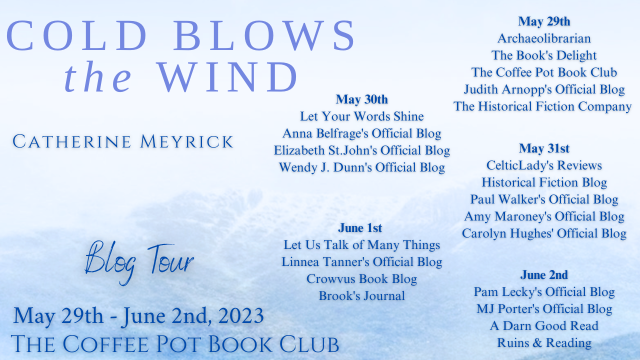
Follow the Cold Blows the Wind blog tour with The Coffee Pot Book Club

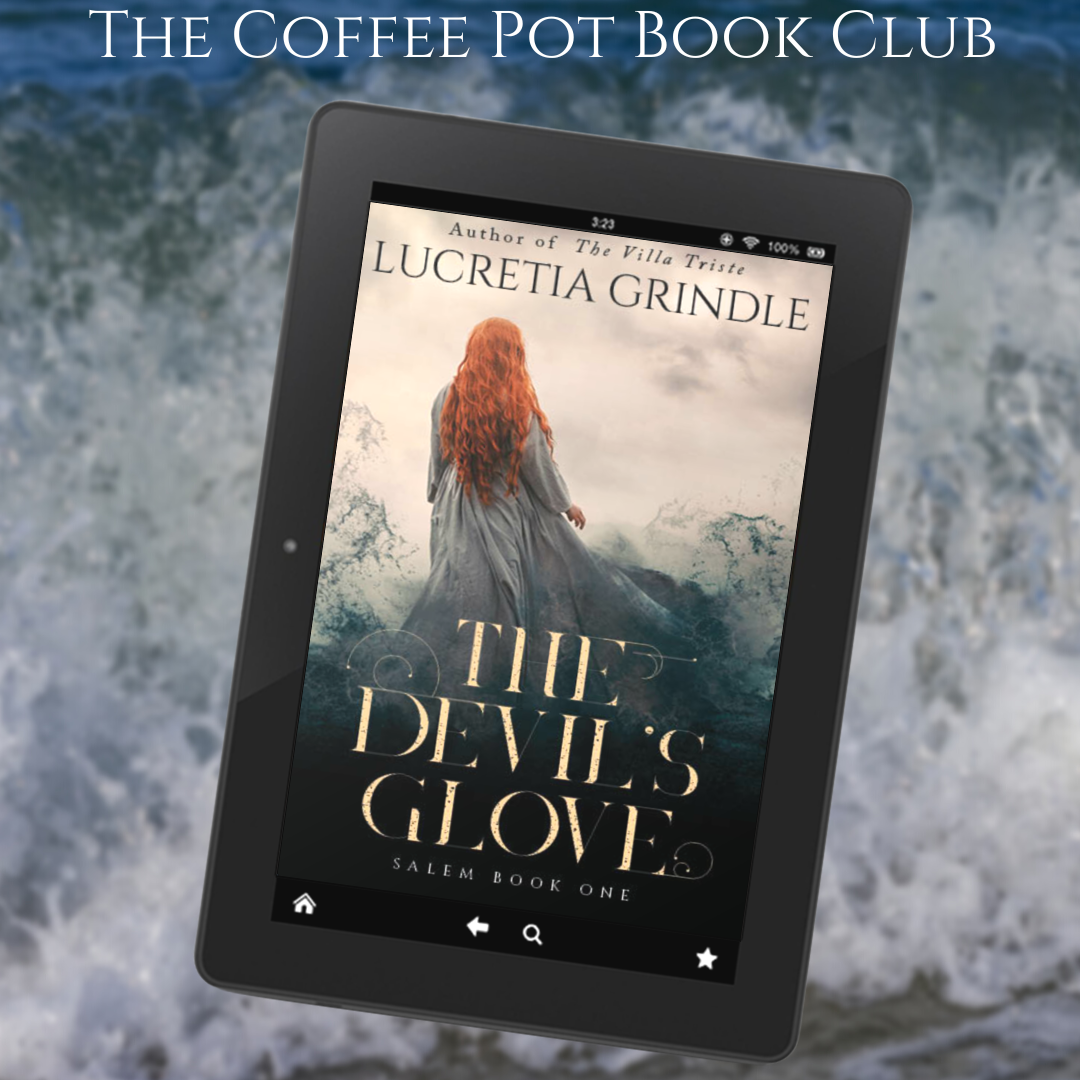
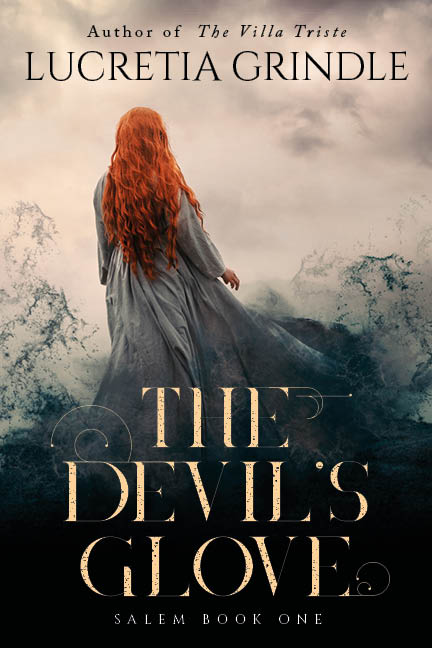
Today, I’m welcoming Lucretia Grindle to the blog with a fascinating post about the historical women in her new novel, The Devil’s Glove #blogtour

Guest Post by Lucretia Grindle on the Histroical Background to the Women in The Devil’s Glove

As I began to think about the Salem witchcraft trials, I was struck by what a distinctly female episode Salem was. Sure, you’ve got the Mathers, father and son, and the magistrates – all men. But this was a furor that was whipped up and powered by women, some of them very young women. And, while six men were executed (five hanged and one pressed to death) fourteen women were hanged. Because other women accused them. 

All of which led me to consider the roles women played in 17th century New England. As I began to contemplate The Devil’s Glove, I knew that my central character would be female, and so it seemed important to try to get past preconceptions and really understand the scope of possibility as well as the limitations on women’s lives in that time and place. What were they able to do, and not do? How did they fit, and not fit into the power structure of society? 

Salem certainly seemed a ‘fracture’; an incident when teen-aged girls, some of them orphaned, most of them servants and dependents – in other words those who would usually be the most un-empowered – wielded extraordinary power. A power they used to attack some of the most powerful female figures in the Massachusetts colony. Established and respected matrons like Rebecca Nurse. Women of wealth and social standing like Mary English. Women who would normally be politically untouchable, like the governor’s sister, Anne Phipps. What other ‘fractures’ might I find, if I went looking?

One of the greatest pleasures of writing history, and historical fiction in particular, is the way in which you begin thinking you know about something, only to discover facets of a world that are a complete surprise. So as I settled into archives and began to peel back layers, I was thrilled to find a complex and unexpected past peopled with an astonishing array of women. Resolve Hammond and her mother, Deliverance, are fictional characters. But the circumstances and possibilities of their lives are based on real women, some of whom appear in The Devil’s Glove, and many of whom will appear in the second and third books of the trilogy. These are a few of their stories.

Early in The Devil’s Glove we discover that Resolve and her mother spent the bloody years of King Philip’s war (1675-1678) sheltered among the tribe led by the female sachem, Ashawonks. This is based on a true episode. I placed the Hammonds with Ashawonks specifically, both because I wanted to bring her into the story and because she is Deliverance’s mentor, and her guide – the door through which Deliverance, and thus Resolve, enter the Native world. So, who was she? 

Female sachem, or saunkskwa of the Sakonnets, a tribe whose lands bordered the southern edge of the Plymouth settlement on Narragansett bay, Ashawonks was unique, not just because she was a women – there were several female sachems at the time – but because she became leader not via inheritance, but because of her formidable diplomatic skills. Her position would be challenged throughout her life, not only by the Anglo-Europeans who tried to push her off her lands, but also from within her own tribe. None of them succeeded. Instead, Ashawonks managed to walk a dangerous tightrope, keeping alliances – or at least relations – with Anglo-Europeans, while not openly alienating fellow sachems and tribes. She was especially close to the powerful militia commander, Benjamin Church, whom she often met and spoke with at length, using him as both a sounding board and conduit to The Powers that Were in Massachusetts. Thanks to skill, nerve, and an uncanny ability to read situations, Ashawonks  piloted her people, and those under her protection, through one of the most dangerous episodes in early American colonial history.

At about the same time Ashawonks was steering a course through a bloody war, another extraordinary woman gave birth to a daughter in Salem, Massachusetts. The daughter would become Mary English, who appears at the end of The Devil’s Glove and is a central to book II of the Salem trilogy. But it was her mother, Elinor Hollingworth, whose life suggested to me what the realistic possibilities might be for Deliverance Hammond. 

Elinor’s family arrived in Salem as part of The Great Migration, an influx of something in the area of 20,000 immigrants, primarily from the British Isles and mostly from England, who arrived in New England between approximately 1630 and 1640. At seventeen, Elinor married William Hollingworth, a sea captain and general all-round trader who wasn’t particularly good at either. His not very thrilling career came to an end when he went overboard and drowned, leaving Elinor with three small children and a mountain of debt. 

There were more eligible men than marriagable women drifting around New England at the time, and Elinor might well have re-married, as most widows did. But she wasn’t having any of it. Once was apparently enough. Instead, Elinor Hollingworth went to work. Petitioning the court to gain control of what was left of her husband’s business, she set about clearing his debts. 

In England at the time, women in naval cities like Bristol and Portsmouth were banding together to negotiate with the British Navy about pay and conditions while their husbands were at sea. Taking a leaf out of the same book, Elinor set herself up as a broker negotiating pay deals for working seamen in Salem, many of whom were illiterate, while taking a cut in return. She so successful that she rapidly became a sort of mini working seaman’s merchant bank.

 At the same time, Elinor saw an opportunity in the wives they left behind. Harnessing their domestic labor, inviting them to produce surplus butter, beer, biscuit, shirts, shoes and other supplies needed to outfit Salem’s growing merchant fleet, she became a ship’s chandler – the person captains went to for all the supplies they needed as soon as they knew they were going to sea. Within a few years, she not only paid off all of William’s accrued debt, but also acquired The Blue Parrot tavern, a seedy drinking den down on the waterfront that she made her headquarters.

Riding the tide of Salem’s exploding maritime trade, Elinor Hollingworth became so successful, and powerful, that when she was accused of witchcraft in 1672 by a neighbor she had annoyed, she merely shrugged it off, saying she was far too busy to be a witch. Twenty years later, her daughter tried essentially the same approach, with vastly different results. 

By then, Mary was married to Philip English, and they were the wealthiest tax payers in Salem, joint owners of a shipping empire that owned more than twenty vessels and included, among other things His and Hers warehouses. Mary received her warehouse from her mother as a wedding present. Elinor had not only made sure that her daughter was exceptionally well educated, she thought so much of her ability that she bypassed her son, and handed her entire business empire directly to her daughter. Philip English shared his mother in law’s esteem. Throughout their marriage, he and his wife owned their business jointly.

Along with the warehouses and the wharf and the ships, Mary and Philip English owned and inhabited a house in Salem so grand that it was known simply as The Great House. It had three stories, and housed not only their family, but also the shipping company’s counting house and a luxury goods shop which Mary oversaw and ran. And it was staffed by fifteen domestic servants, many of them indentured.

Indenture, the practice of contracting labor for a period of years in return for food and keep, and often passage to The New World was a relatively common practice, and part of the Englishes’ business. They arranged and brokered indenture contracts for a large number of, mostly young, people who came to New England from the island of Jersey. Many of them were single young women. One was called Judah White, and is Resolve’s best friend in The Devil’s Glove.

Indenture was not an easy life. You had little say over who you were indentured to, and there was no way out except to work out the years of the contract, or somehow find enough money to buy it out. But it was also a way for young men, and young women, from the lower classes to have a chance at starting a new life in The New World. For women in particular, this was otherwise close to impossible. Here was a way to take at least some of your destiny into your hands. Many made the leap, exhibiting an independence that defies common presumptions about women in the 17th century.

Ashawonks, Elinor, Mary and Judah are only some of the women I encountered while researching The Devil’s Glove. In each case, their circumstances and lives were unexpected. I hope you enjoy getting to know them as much as I did.

Here’s the blurb

Northern New England, summer, 1688.
Salem started here.

A suspicious death. A rumor of war. Whispers of witchcraft.

Perched on the brink of disaster, Resolve Hammond and her mother, Deliverance, struggle to survive in their isolated coastal village. They’re known as healers taught by the local tribes – and suspected of witchcraft by the local villagers.

Their precarious existence becomes even more chaotic when summoned to tend to a poisoned woman. As they uncover a web of dark secrets, rumors of war engulf the village, forcing the Hammonds to choose between loyalty to their native friends or the increasingly terrified settler community.

As Resolve is plagued by strange dreams, she questions everything she thought she knew – about her family, her closest friend, and even herself. If the truth comes to light, the repercussions will be felt far beyond the confines of this small settlement.

Based on meticulous research and inspired by the true story of the fear and suspicion that led to the Salem Witchcraft Trials, THE DEVIL’S GLOVE is a tale of betrayal, loyalty, and the power of secrets. Will Resolve be able to uncover the truth before the town tears itself apart, or will she become the next victim of the village’s dark and mysterious past?

Praise for The Devil’s Glove:
“From its opening lines this historical novel from Grindle (Villa Triste) grips with its rare blend of a powerfully evoked past, resonant characters, smart suspense, and prose touched with shivery poetry.” 

~ BookLife Reviews Editor’s Pick

Buy Links

This title is available to read on #KindleUnlimited.

Universal Link:  https://books2read.com/u/4EN58l

Amazon UKAmazon USAmazon CAAmazon AU

Meet the author

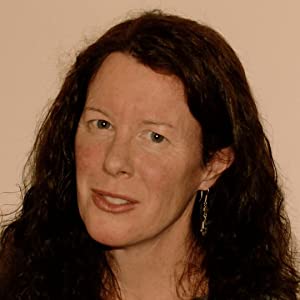
Lucretia Grindle grew up and went to school and university in England and the United States. After a brief career in journalism, she worked for The United States Equestrian Team organizing ‘kids and ponies,’ and for the Canadian Equestrian Team. For ten years, she produced and owned Three Day Event horses that competed at The World Games, The European Games and the Atlanta Olympics. In 1997, she packed a five mule train across 250 miles of what is now Grasslands National Park on the Saskatchewan/Montana border tracing the history of her mother’s family who descend from both the Sitting Bull Sioux and the first officers of the Canadian Mounties.

Returning to graduate school as a ‘mature student’, Lucretia completed an MA in Biography and Non-Fiction at The University of East Anglia where her work, FIREFLIES, won the Lorna Sage Prize. Specializing in the 19th century Canadian West, the Plains Tribes, and American Indigenous and Women’s History, she is currently finishing her PhD dissertation at The University of Maine. 

Lucretia is the author of the psychological thrillers, THE NIGHTSPINNERS, shortlisted for the Steel Dagger Award, and THE FACES of ANGELS, one of BBC FrontRow’s six best books of the year, shortlisted for the Edgar Award. Her historical fiction includes, THE VILLA TRISTE, a novel of the Italian Partisans in World War II, a finalist for the Gold Dagger Award, and THE LOST DAUGHTER, a fictionalized account of the Aldo Moro kidnapping. She has been fortunate enough to be awarded fellowships at The Hedgebrook Foundation, The Hawthornden Foundation, The Hambidge Foundation, The American Academy in Paris, and to be the Writer in Residence at The Wallace Stegner Foundation. A television drama based on her research and journey across Grasslands is currently in development. THE DEVIL’S GLOVE and the concluding books of THE SALEM TRILOGY are drawn from her research at The University of Maine where Lucretia is grateful to have been a fellow at the Canadian American Foundation. 

She and her husband, David Lutyens, live in Shropshire.

Connect with the author

WebsiteFacebookLinkedIn

InstagramAmazon Author PageGoodreads

Follow the blog tour for The Devil’s Glove with The Coffee Pot Book Club

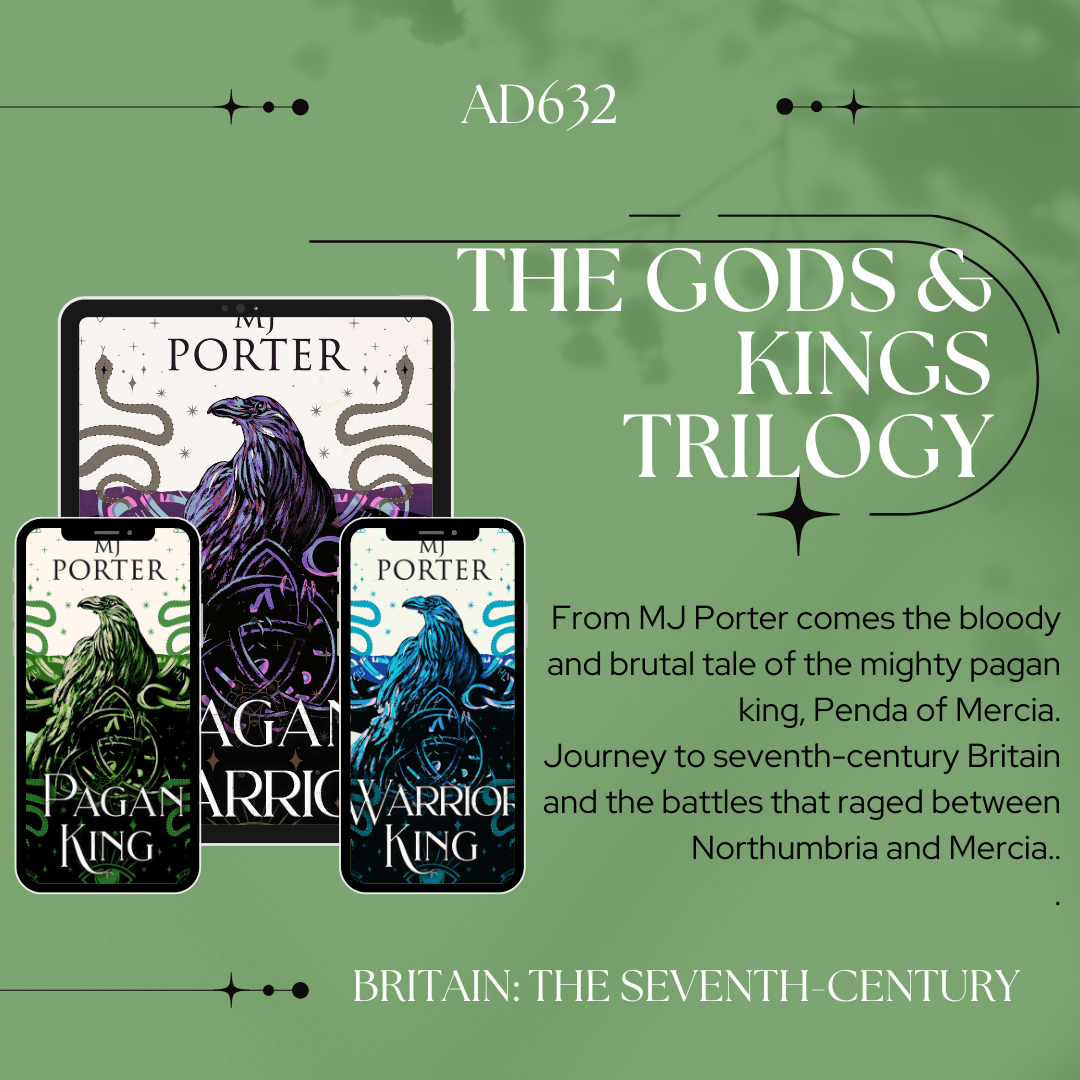
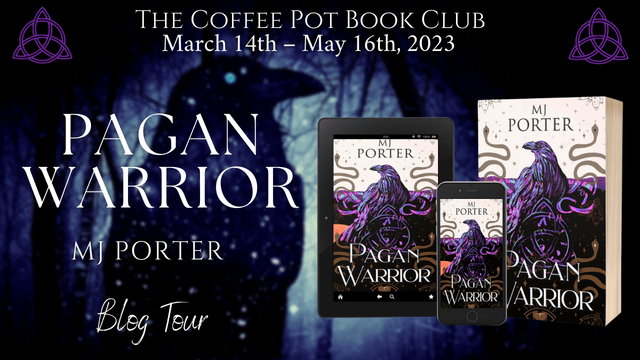
Pagan Warrior is on blog tour with The Coffee Pot Book Club #blogtour – check out the posts for the final day and enter the competition to win the paperbacks

It’s the final day of the Pagan Warrior blog tour with The Coffee Pot Book Club, and to celebrate I am running a competition to win a signed set of the trilogy in paperback.

To enter, either sign up for my newsletter here (and receive a free short story set after the events of the trilogy), or if you’ve already signed up, drop me a quick email (mjporterauthor@gmail.com), and let me know you want to enter the competition. I will post worldwide and the competition will run until May 19th 2023, at which point, I will contact the winner, and announce them (if they are happy for me to do so) on my social media channels. Good luck everyone.


Pagan Warrior is the story of the battle of Hædfeld, fought in the seventh century between the Northumbrians, and you got it, the Mercians – or rather, Cadwallon of Gwynedd but with Penda of Mercia as his firm ally. You can find more details here.

A quick shout out to thank all the blog hosts and Cathie at The Coffee Pot Book Club for organising.

For May 16th, check out a review for Pagan Warrior on

Linnea Tanner’s Official Blog

and a guest post about Mercia’s legacy over on

The Coffee Pot Book Club

For May 9th, check out

The Book Delight

An excerpt on

The Celtic Lady Reviews

For May 2nd, check out the review on

Stuart Rudge’s Official Blog

And a guest post on who King Edwin of Northumbria was over on

When Angels Fly

For April 25th, check out a post about Penda of Mercia.

The Magic of Word(l)ds

Read an excerpt featuring Eowa, Penda’s brother on

Judith Arnopp’s Official Blog

And, read an excerpt featuring Penda on

Carolyn Hughes Official Blog

For April 18th, I answered Paul Walker’s questions on his blog

Paul Walker’s Official Blog

There’s an except over on Wendy J Dunn’s Official Blog featuring King Edwin

Wendy J Dunn’s Official Blog

And a fabulous review on Ruins and Readings

Ruins and Readings

For April 11th, read a guest post about how we know, what we know, about the seventh century.

Deborah Swift’s Official Blog

And a fabulous author interview over on

The Writing Desk

For April 4th, read an excerpt on

Elizabeth St John’s Official Blog

And read about warfare in the Saxon period on

Brook Allan’s Official Blog

For March 28th, check out a fabulous review on

https://gwendalynbooks.wordpress.com/2023/03/28/pagan-warrior/

A guest post about Mercia in the later eighth century on the Historical Fiction Blog.

https://historicalfictionblog.com/pagan-warrior-guest-post/

And, the post that perhaps gave me the most fear to begin will but which was fun when I remembered all the little details, five fun facts about writing the trilogy.

maryannbernal.blogspot.com

For March 21st check out a post about two of the royal residences of Bernicia at the time, Bamburgh and Ad Gefrin (Yeavering). (There are lots of photos, thank you to Helen Hollick for uploading them all).

Let Us Talk of Many Things

And a review from

Candlelight Reading

From March 14th, check out my author interview over on Archaeolibrarian.

Archaeolibrarian

I’m sharing an excerpt over on The Historical Fiction Company.

The Historical Fiction Company

I’ve written a piece about the historical background on Pam Lecky’s official blog.

Pam Lecky’s Official Blog

Pagan Warrior is on blog tour with The Coffee Pot Book Club #blogtour – check out the posts for day 9

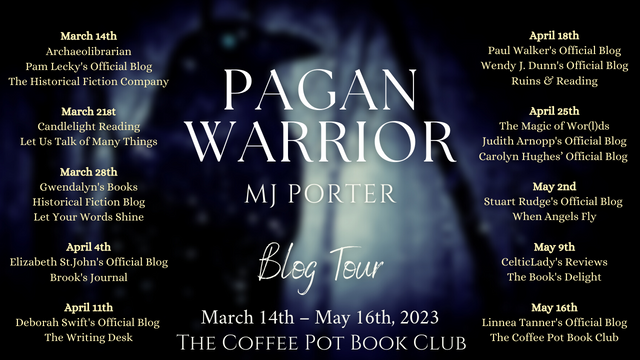
I’m really excited to share the details of the Pagan Warrior blog tour with The Coffee Pot Book Club.

Pagan Warrior is the story of the battle of Hædfeld, fought in the seventh century between the Northumbrians, and you got it, the Mercians – or rather, Cadwallon of Gwynedd but with Penda of Mercia as his firm ally. You can find more details here.

I might have written this book many years ago, but it’s had a refresh, and is now available in audio, narrated by the fabulous, Matt Coles, as is the second book, Pagan King. Warrior King will be coming later this year in audio.

Now that all three books have been ‘refreshed’ you can read in ebook or paperback, and the books are available from all good ebook/paperback sellers. Check out my latest tiktok video to see Warrior King in paperback:)

You can follow the blog tour, and I’ll be sharing posts here as well. A quick shout out to thank all the blog hosts and Cathie at The Coffee Pot Book Club for organising. Next Tuesday is the final day, and I’m going to be running a competition so pop back and see what’s happening.

For May 9th, check out

The Book Delight

An excerpt on

The Celtic Lady Reviews

For May 2nd, check out the review on

Stuart Rudge’s Official Blog

And a guest post on who King Edwin of Northumbria was over on

When Angels Fly

For April 25th, check out a post about Penda of Mercia.

The Magic of Word(l)ds

Read an excerpt featuring Eowa, Penda’s brother on

Judith Arnopp’s Official Blog

And, read an excerpt featuring Penda on

Carolyn Hughes Official Blog

For April 18th, I answered Paul Walker’s questions on his blog

Paul Walker’s Official Blog

There’s an except over on Wendy J Dunn’s Official Blog featuring King Edwin

Wendy J Dunn’s Official Blog

And a fabulous review on Ruins and Readings

Ruins and Readings

For April 11th, read a guest post about how we know, what we know, about the seventh century.

Deborah Swift’s Official Blog

And a fabulous author interview over on

The Writing Desk

For April 4th, read an excerpt on

Elizabeth St John’s Official Blog

And read about warfare in the Saxon period on

Brook Allan’s Official Blog

For March 28th, check out a fabulous review on

https://gwendalynbooks.wordpress.com/2023/03/28/pagan-warrior/

A guest post about Mercia in the later eighth century on the Historical Fiction Blog.

https://historicalfictionblog.com/pagan-warrior-guest-post/

And, the post that perhaps gave me the most fear to begin will but which was fun when I remembered all the little details, five fun facts about writing the trilogy.

maryannbernal.blogspot.com

For March 21st check out a post about two of the royal residences of Bernicia at the time, Bamburgh and Ad Gefrin (Yeavering). (There are lots of photos, thank you to Helen Hollick for uploading them all).

Let Us Talk of Many Things

And a review from

Candlelight Reading

From March 14th, check out my author interview over on Archaeolibrarian.

Archaeolibrarian

I’m sharing an excerpt over on The Historical Fiction Company.

The Historical Fiction Company

I’ve written a piece about the historical background on Pam Lecky’s official blog.

Pam Lecky’s Official Blog