Author of Saxon historical fiction and non-fiction, 20th-century historical mysteries, and Norse-inspired historical romantasy. Book reviewer and blog host.
I’m really excited to share the details of the Pagan Warrior blog tour with The Coffee Pot Book Club.
Pagan Warrior is the story of the battle of Hædfeld, fought in the seventh century between the Northumbrians, and you got it, the Mercians – or rather, Cadwallon of Gwynedd but with Penda of Mercia as his firm ally. You can find more details here.
I might have written this book many years ago, but it’s had a refresh, and is now available in audio, narrated by the fabulous, Matt Coles, as is the second book, Pagan King. Warrior King will be coming later this year in audio.
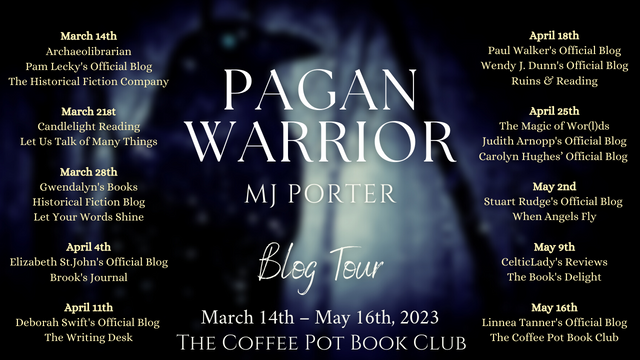
You can follow the blog tour, and I’ll be sharing posts here as well. A quick shout out to thank all the blog hosts and Cathie at The Coffee Pot Book Club for organising.
For April 25th, check out a post about Penda of Mercia.
And, the post that perhaps gave me the most fear to begin will but which was fun when I remembered all the little details, five fun facts about writing the trilogy.
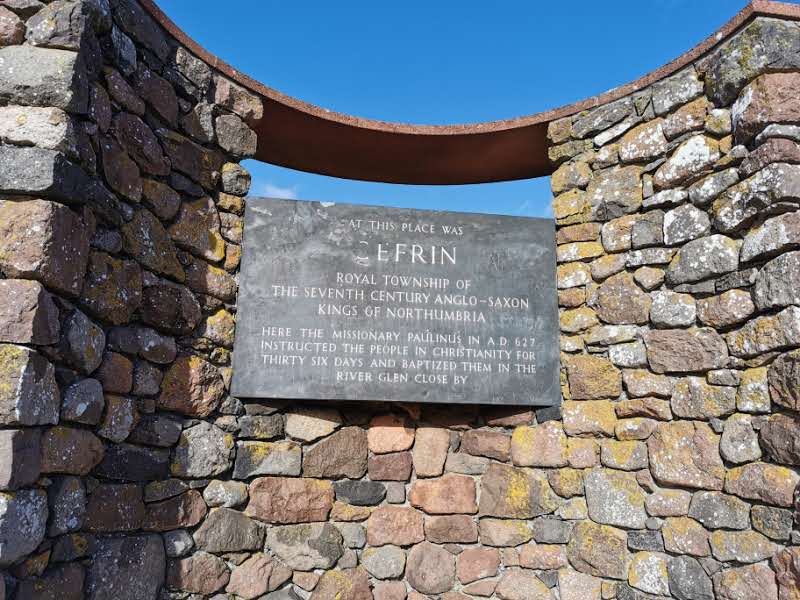
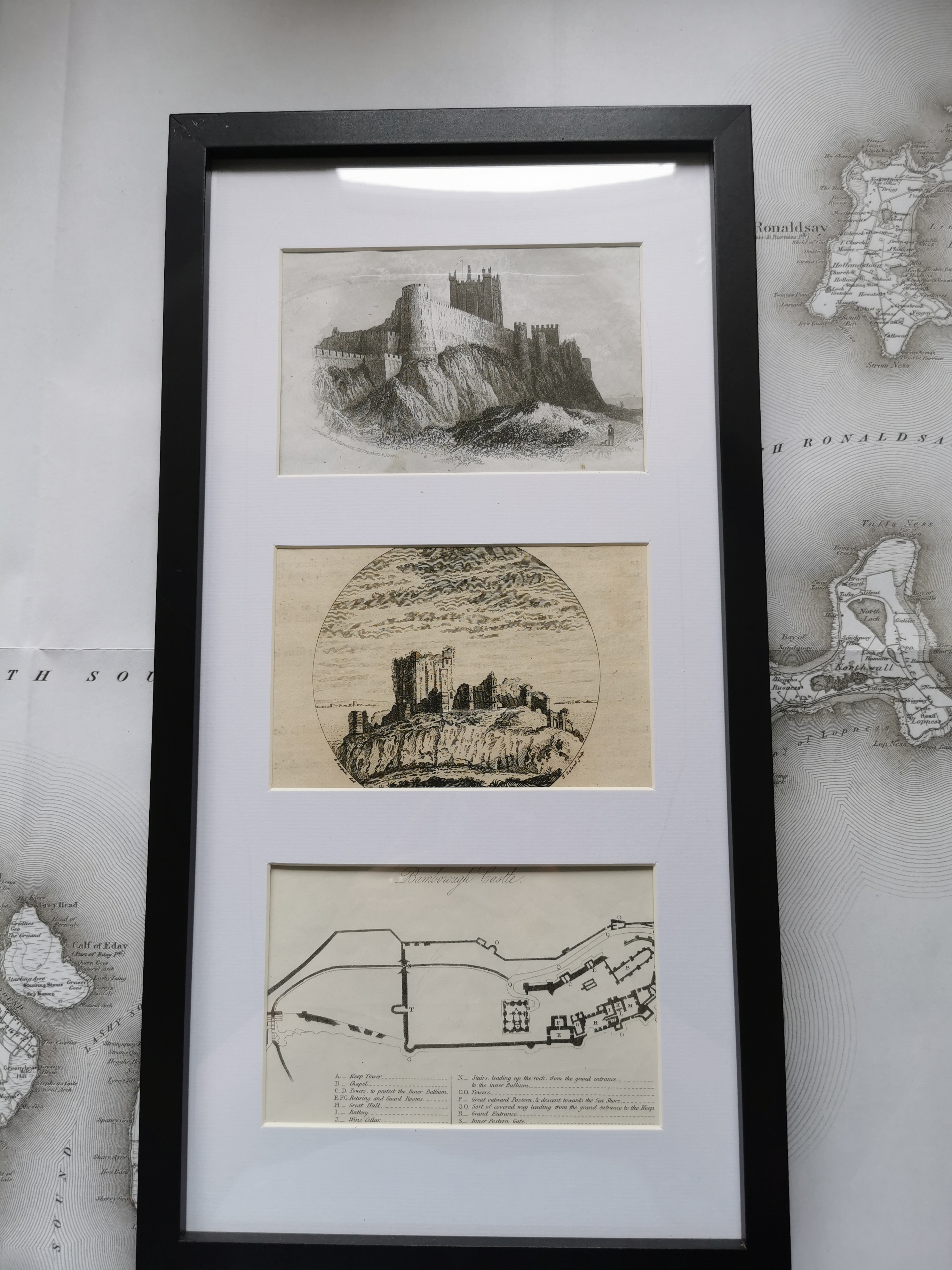
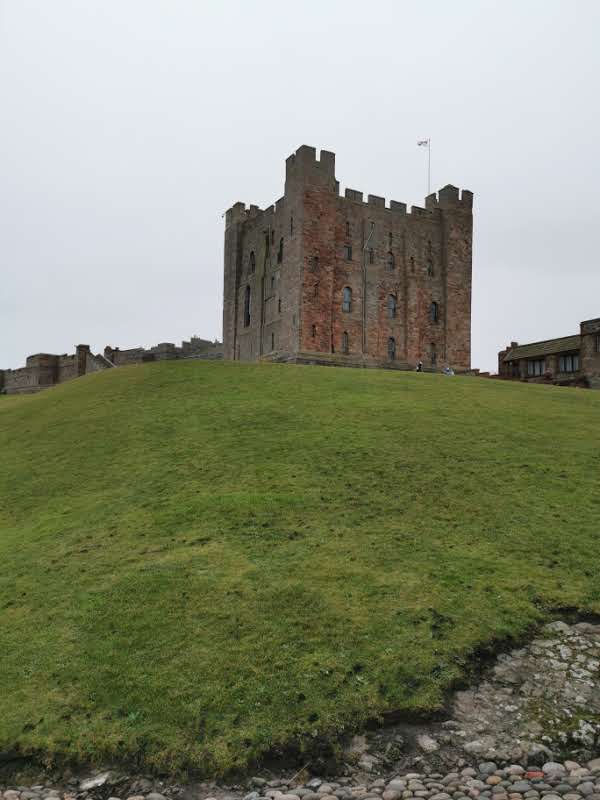
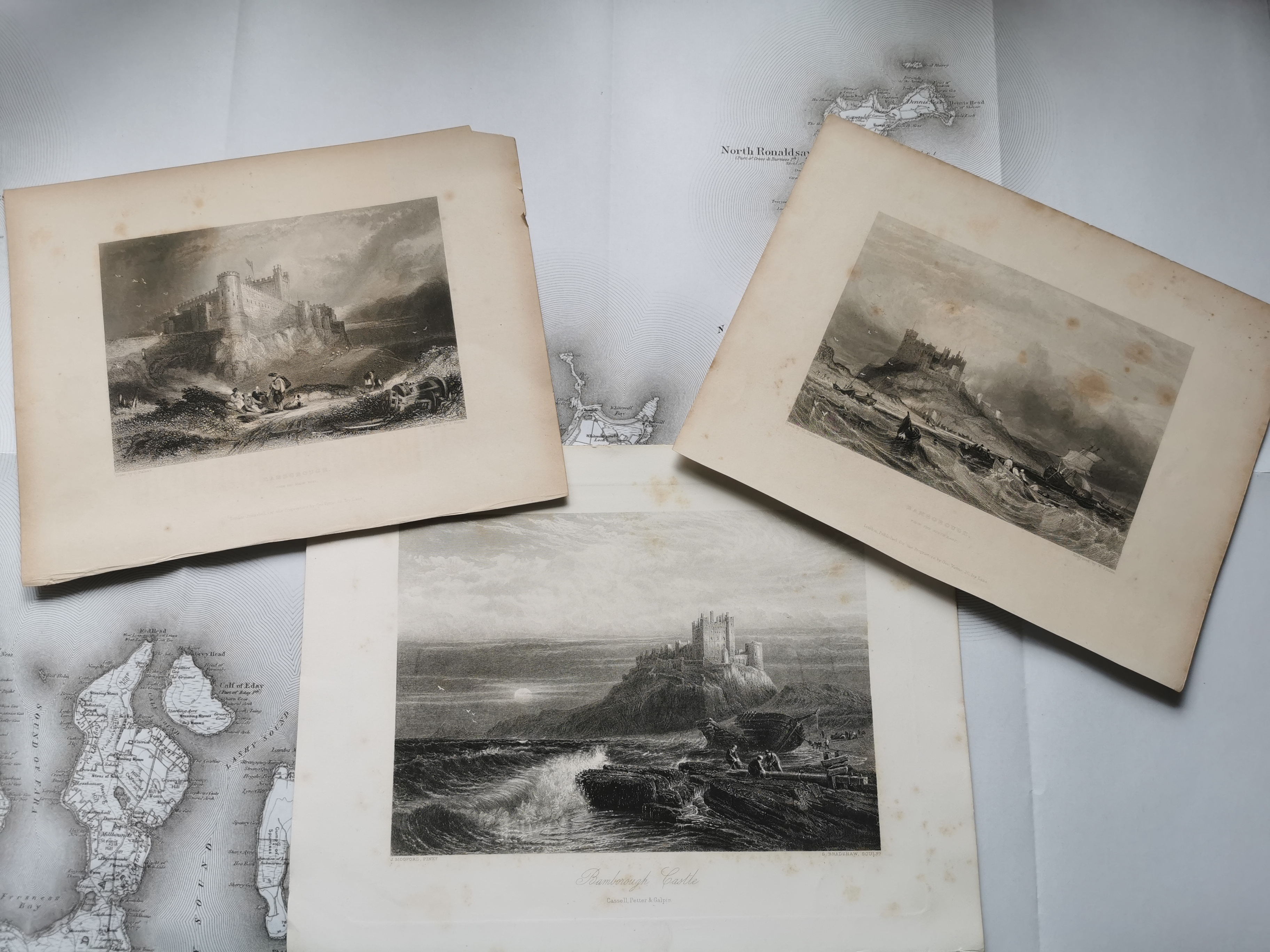
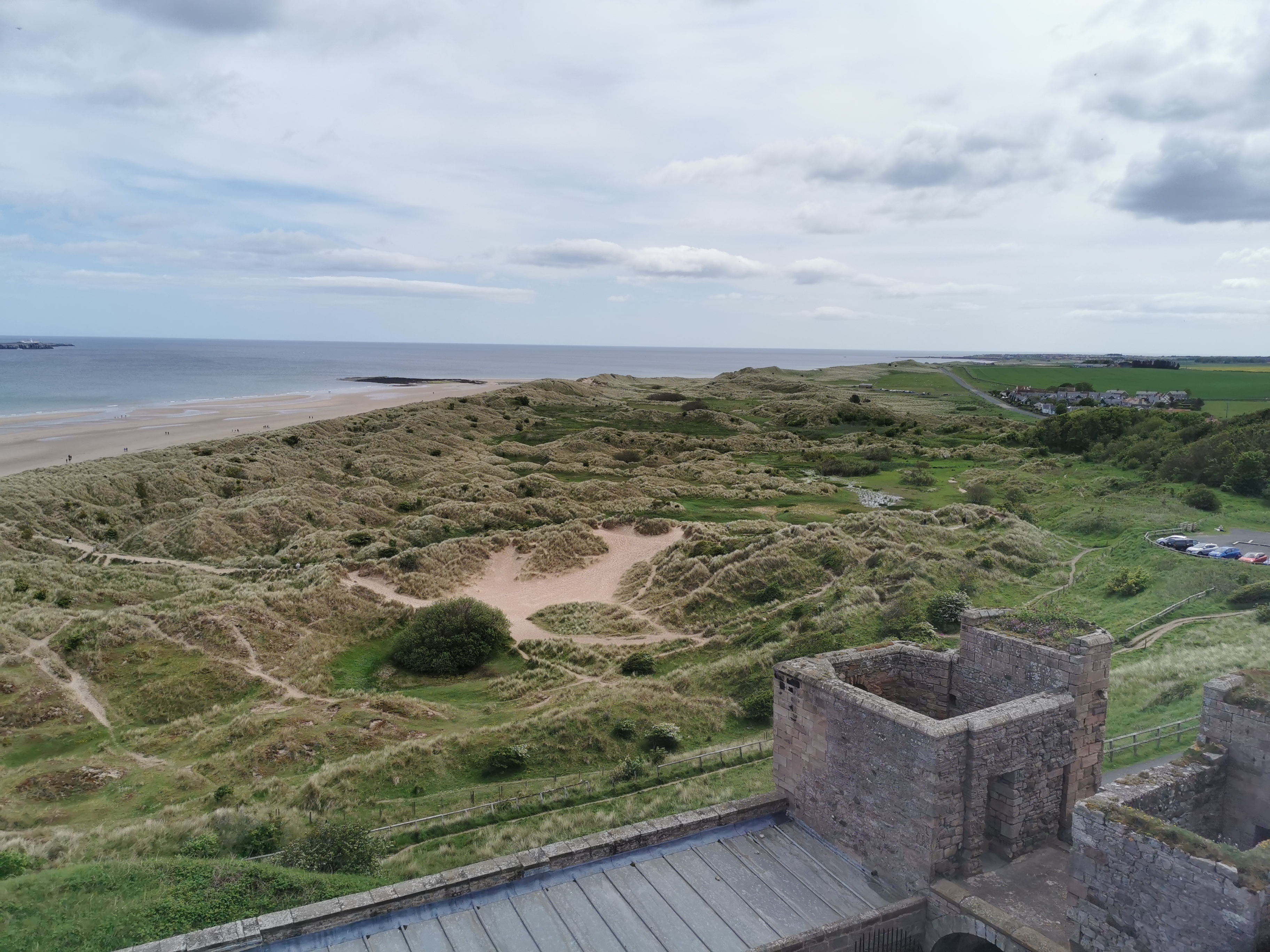
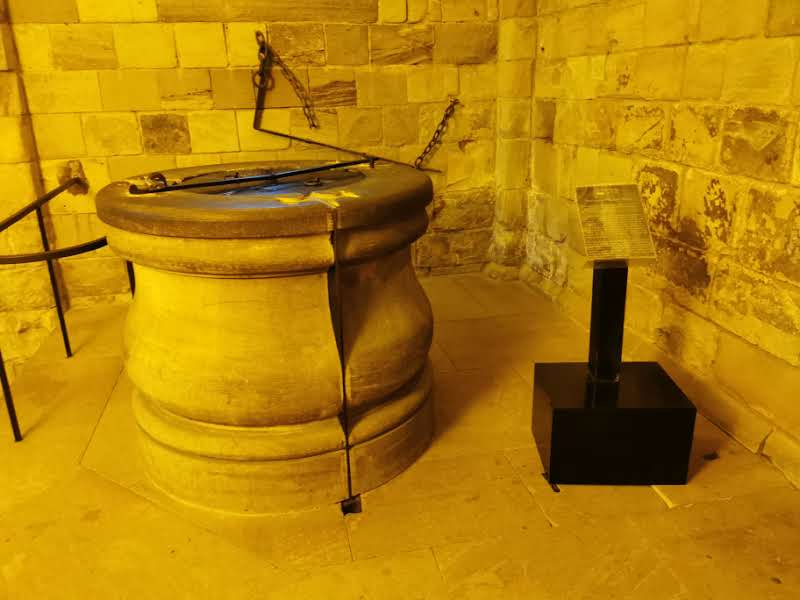
For March 21st check out a post about two of the royal residences of Bernicia at the time, Bamburgh and Ad Gefrin (Yeavering). (There are lots of photos, thank you to Helen Hollick for uploading them all).
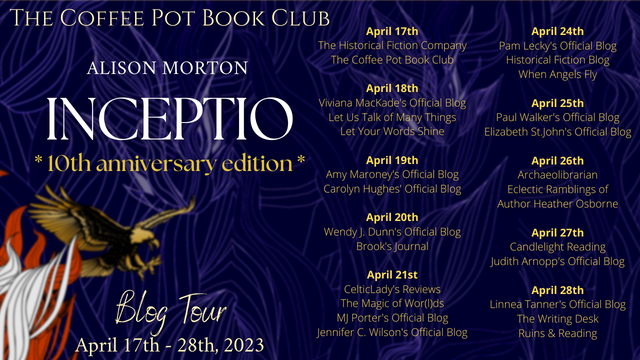
Today, I’m delighted to welcome Alison Morton to the blog to celebrate the 10th Anniversary edition of INCEPTIO.
Why Roman alternative history?
An avid reader of spy, thriller and crime stories from childhood and a life-long devotee of all things Roman, I yearned to write a Roman thriller with a true-hearted heroine imbued with Roman virtue but a tendency to go off-piste. Lindsey Davis does this beautifully with Flavia Albia, Falco’s daughter and to a certain extent with Helena Justina, Falco’s wife. However, I wanted women to run this New Rome. Yes, I had also read a lot of science fiction including wonderful stories by Anne McCaffery where women were equal if not leading their society. But I didn’t want to write space opera.
There was only one solution: I stayed on Planet Earth and brought my Roman stories up to the 21st century.
A fascination with the ‘what if’ idea
Perhaps it’s something all kids speculate about: suppose I have the wrong parents, suppose I’m really a lost princess, what if I could fly, what if we were all rich? Later, as a student of history, I was always fascinated by the possibilities of the tiniest thing turning the huge wheel of history – “For want of a nail,” and so on. Then I learnt about the ‘butterfly of doom’ where one butterfly flapping its wings cascaded events in a different direction.
When I produced my first manuscript, I didn’t know I was writing in a genre called alternative history (“althist” for short). I was inspired by Robert Harris’s Fatherland, a tense, shocking and beautifully written thriller with a heart-wrenching ‘secret’. Twisting history was allowed and used by acclaimed writers such as Michael Chabon and Kingsley Amis as well as Harris!
Of course, a thriller must be exciting, intriguing and full of emotional punch, but althist stories have their own ‘rules’. The most important are to identify the moment where history as we know it veers off onto a different path forever, and to weave into the story to show how the alternative timeline has developed since that point of divergence.
Why Roman alternative history?
‘Rome’ lasted 1229 years in the West, which time span would take us back to AD 794 from today. It changed from a tiny community of tribal farmers to a confident military and trading empire boasting high culture, diversity, power, engineering and rule of law, eventually dwindling to a miserable rump kneeling before barbarians.
Rome had the dark side of all ancient and later cultures: slavery, rampant corruption, patriarchalism and scant regard for disabled and poor people. But Rome gave us systems, values, including civic-mindedness, cultural and engineering genius and literacy that are still firmly embedded in our psyches today. So it shrieked “explore me” very loudly!
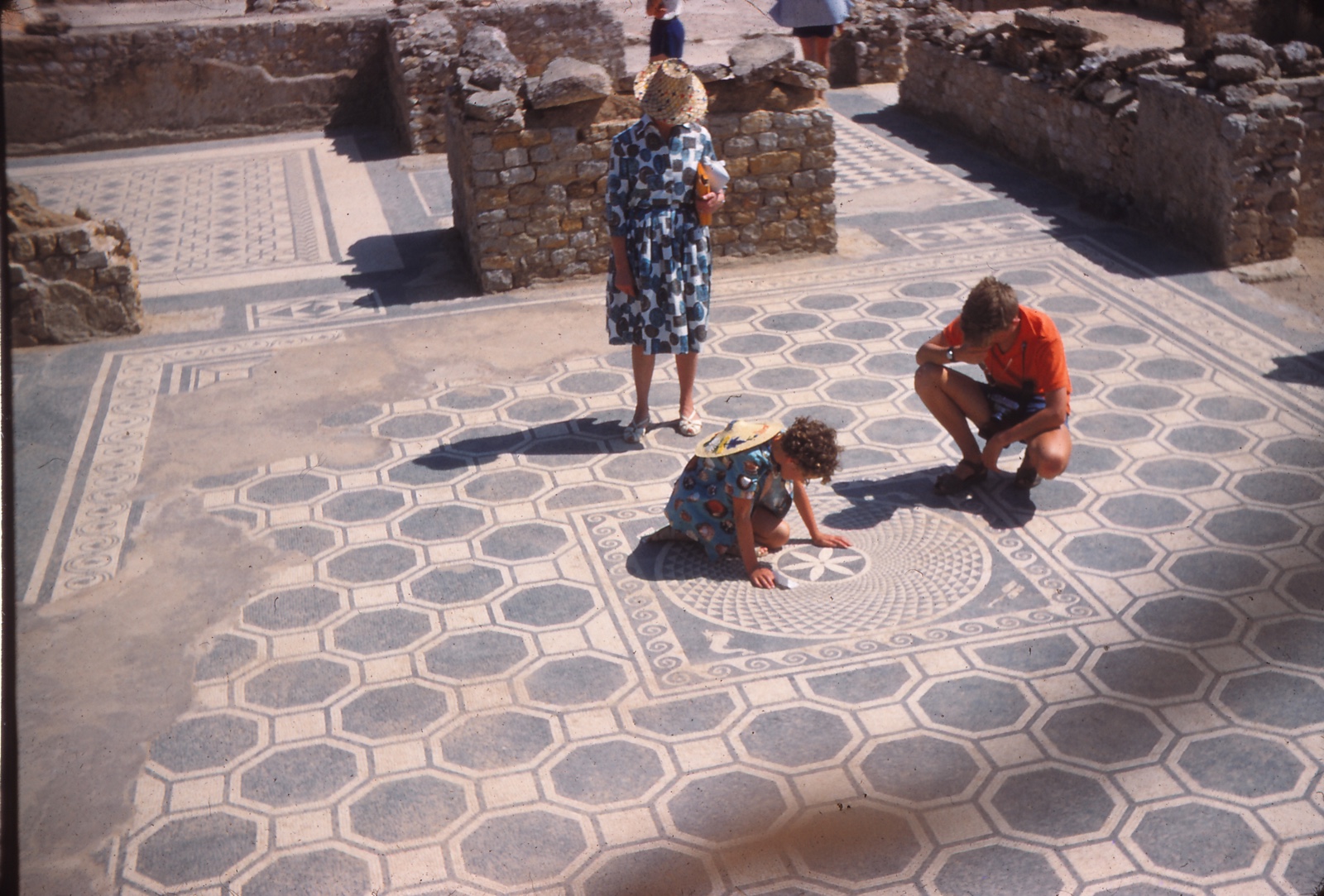
It goes back to a mosaic in Spain Standing on the beautiful floors in Ampurias, I asked my father, “What would it be like if Roman ladies were in charge, instead of the men?” Maybe it was the fierce sun boiling my brain, maybe early feminism peeping out or maybe just a precocious kid asking a smartarse question. But clever man and senior ‘Roman nut’, my father replied, “What do you think it would be like?”
Alison, age 11, and her mosaic
That childish vision grew and grew. When I was older, I realised I had to put in some proper research. The dissolution of the Roman Empire is fascinating and full of ‘what if’ and natural conflict:
The senatorial families at the end of the 4th century fiercely defended their tradition of worshipping the Roman gods despite ever encroaching Christianity. Led by former urban prefect of Rome and consul Quintus Aurelius Symmachus, they pleaded for religious tolerance, but by late 394 AD Emperor Theodosius made any pagan practice, even dropping a pinch of incense on a family altar in a private home, into a capital offence.
In its last fifty to seventy years the Western Roman Empire was dissolving into small enclaves, client states, cut off regions – the Domain of Soissons is one example.
Many former Roman territories retained their Roman administrative systems into the seventh and eighth centuries. Could one remote colony last even longer, say centuries?
Switching from a male Roman ethos to a feminist-lite one
I wanted a strong female character who drove the story, but not a harsh, excluding one, hence my heroine has some very human faults and characteristics. There was and perhaps still is a distinct lack of stories where two women have conversations beyond social or fashion issues and are not dependent on the male characters as wife, girlfriend, colleague. I use a technique called gender mirroring where I reverse the behaviour of the characters of a typical spy or action thriller. Think Jane Reacher or Jamie Bond in modern terms. A fascinating writing exercise!
So, I had to exercise the brain and apply some historical logic for Roma Nova. As the men defended the tiny new state of Roma Nova women worked in the fields, traded, sat on the council and managed the families. Consider the dynamic of only a few hundred men at the front especially during the Great Migrations. They simply ran out of male fighters to defend Roma Nova, so sisters and daughters from these pioneer families had to put on armour and heft weapons to defend their homeland and their way of life.
Fighting danger side-by-side with brothers and fathers reinforced women’s status and roles. And they never allowed the incursion of monotheistic paternalistic religions. In this way, women developed leadership roles in all parts of Roma Novan life over the next sixteen centuries.
Pulling in my own history
I served six years in the UK forces with active assignments all over the NATO area and beyond. It never occurred to me that women couldn’t serve in the military. I loved it! In the forces, you are only as good as your last job and you are promoted only on merit; both appealing ideas. Thus, my heroines serve in the elite forces in Roma Nova which fits in neatly with the traditional Roman military mindset.
Building the world
For credible alternative history (not Inglourious Basterds!), there is no easy ride such as making everything up. You need to research as thoroughly as for standard historical fiction, especially around the point in time when the timeline splits and leaves the standard one. For Roma Nova this was AD 395.
The twin guidelines of alternative history writing are plausibility and internal consistency. No country, real or imagined, can survive without a functioning government, an economic, social and political system, food, law and order and income. The basic skills of historical fiction writing apply in the same way: ability to research, respect for known facts (up to the point of divergence), a sense of historical setting, the avoidance of the information dump, and keeping speech, clothes and manners both consistent with and in the world you are describing. For example, in AD395, solidinot aurei, sestertii or denarii were coins used in the late empire, so Roma Nova Internet banking and credit cards in the 21st century are denoted in solidi.
The sources problem
Much of the historical record is missing from the late fourth century, the springboard for my book world. This complicates research. The big problem of records from antiquity is that they tend to contain the actions and thoughts of the elite and usually only of men. Symmachus, whom I mentioned above, was not only the urban prefect of Rome at one time but also a noted writer in a wide circle of intellectuals. Just under a dozen books of his letters and official dispatches have survived. Such fragments combined with finds from archaeological digs and the physical remains on the landscape help researchers build up a picture of life at the time. I’m always dropping into the British Museum, buying new books and searching online. It’s very much a case of putting the different pieces of a jigsaw together then filling in the gaps intelligently and with historical logic.
“It’s about Roman blood, survival and money. Mostly yours.”
In an alternative New York, Karen Brown is running for her life. She makes a snap decision to flee to Roma Nova – her dead mother’s homeland, the last remnant of the Roman Empire in the 21st century. But can Karen tough it out in such an alien culture? And with a crazy killer determined to terminate her for a very personal reason?
Stifled by the protective cocoon of her Roma Novan family, deceived by her new lover, she propels herself into a dangerous mission. But then the killer sets a trap – she must sacrifice herself for another – and she sees no escape.
A thriller laced with romance and coming of age, this first in series is Roman fiction brought into the 21st century through the lens of alternative history and driven by a female protagonist with heart and courage.
This 10th Anniversary hardback edition includes bonus content: Three character ‘conversations’, two short stories and the story behind INCEPTIO.
Buy links:
INCEPTIO 10th Anniversary special edition hardback:
Alison Morton writes award-winning thrillers featuring tough but compassionate heroines. Her ten-book Roma Nova series is set in an imaginary European country where a remnant of the ancient Roman Empire has survived into the 21stcentury and is ruled by women who face conspiracy, revolution and heartache but with a sharp line in dialogue. INCEPTIO starts the adventure…
She blends her fascination for Ancient Rome with six years’ military service and a life of reading historical, crime and thriller fiction. On the way, she collected a BA in modern languages and an MA in history.
Six full-length Roma Nova novels, including INCEPTIO, have won the BRAG Medallion, the prestigious award for indie fiction. SUCCESSIO, AURELIA and INSURRECTIO were selected as Historical Novel Society’s Indie Editor’s Choices. AURELIA was a finalist in the 2016 HNS Indie Award. The Bookseller selected SUCCESSIO as Editor’s Choice in its inaugural indie review. The Historical Novel Society recently selected JULIA PRIMA, the first Foundation story set in the 4thcentury, the accolade of Editors’ Choice.
Alison lives in Poitou in France, the home of Mélisende, the heroine of her two contemporary thrillers, Double Identityand Double Pursuit. Oh, and she’s writing the next Roma Nova story.
I’m really excited to share the details of the Pagan Warrior blog tour with The Coffee Pot Book Club.
Pagan Warrior is the story of the battle of Hædfeld, fought in the seventh century between the Northumbrians, and you got it, the Mercians – or rather, Cadwallon of Gwynedd but with Penda of Mercia as his firm ally. You can find more details here.
I might have written this book many years ago, but it’s had a refresh, and is now available in audio, narrated by the fabulous, Matt Coles, as is the second book, Pagan King. Warrior King will be coming later this year in audio.
You can follow the blog tour, and I’ll be sharing posts here as well. A quick shout out to thank all the blog hosts and Cathie at The Coffee Pot Book Club for organising.
For April 18th, I answered Paul Walker’s questions on his blog
And, the post that perhaps gave me the most fear to begin will but which was fun when I remembered all the little details, five fun facts about writing the trilogy.
For March 21st check out a post about two of the royal residences of Bernicia at the time, Bamburgh and Ad Gefrin (Yeavering). (There are lots of photos, thank you to Helen Hollick for uploading them all).
I’m really excited to share the details of the Pagan Warrior blog tour with The Coffee Pot Book Club.
Pagan Warrior is the story of the battle of Hædfeld, fought in the seventh century between the Northumbrians, and you got it, the Mercians – or rather, Cadwallon of Gwynedd but with Penda of Mercia as his firm ally. You can find more details here.
I might have written this book many years ago, but it’s had a refresh, and is now available in audio, narrated by the fabulous, Matt Coles, as is the second book, Pagan King. Warrior King will be coming later this year in audio.
You can follow the blog tour, and I’ll be sharing posts here as well. A quick shout out to thank all the blog hosts and Cathie at The Coffee Pot Book Club for organising.
For April 11th, read a guest post about how we know, what we know, about the seventh century.
And, the post that perhaps gave me the most fear to begin will but which was fun when I remembered all the little details, five fun facts about writing the trilogy.
For March 21st check out a post about two of the royal residences of Bernicia at the time, Bamburgh and Ad Gefrin (Yeavering). (There are lots of photos, thank you to Helen Hollick for uploading them all).
I’m really excited to share the details of the Pagan Warrior blog tour with The Coffee Pot Book Club.
Pagan Warrior is the story of the battle of Hædfeld, fought in the seventh century between the Northumbrians, and you got it, the Mercians – or rather, Cadwallon of Gwynedd but with Penda of Mercia as his firm ally. You can find more details here.
I might have written this book many years ago, but it’s had a refresh, and is now available in audio, narrated by the fabulous, Matt Coles, as is the second book, Pagan King. Warrior King will be coming later this year in audio.
And, if you read on Nook, I’ve created a special discount code just for Nook readers. Using code BNPPAGAN at checkout will get you 50% off all three titles, for a limited time.
You can follow the blog tour, and I’ll be sharing posts here as well. A quick shout out to thank all the blog hosts and Cathie at The Coffee Pot Book Club for organising.
And, the post that perhaps gave me the most fear to begin will but which was fun when I remembered all the little details, five fun facts about writing the trilogy.
For March 21st check out a post about two of the royal residences of Bernicia at the time, Bamburgh and Ad Gefrin (Yeavering). (There are lots of photos, thank you to Helen Hollick for uploading them all).
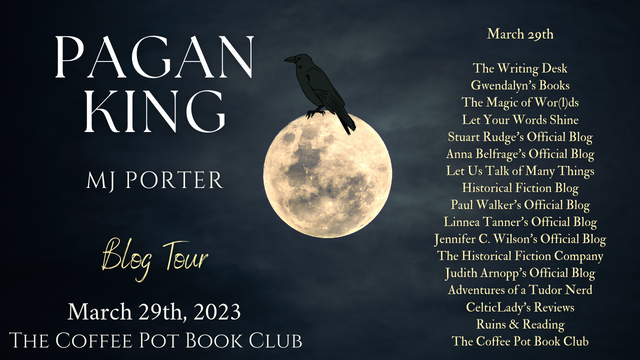
Not content with highlighting Pagan Warrior, Pagan King gets its own blog tour today. A huge thank you to Cathie at The Coffee Pot Book Club for organising, and to all the hosts for showcasing the second book in the Gods and Kings trilogy/ also known as The Seventh Century trilogy, on their blogs today.
You can follow the tour below.
And, you can find Pagan King on your retailer of choice here. It’s also available in audio format from Audible, Amazon and iTunes. Check it out below. Narrated by the fabulous Matt Coles.
I’m really excited to share the details of the Pagan Warrior blog tour with The Coffee Pot Book Club.
Pagan Warrior is the story of the battle of Hædfeld, fought in the seventh century between the Northumbrians, and you got it, the Mercians – or rather, Cadwallon of Gwynedd but with Penda of Mercia as his firm ally. You can find more details here.
I might have written this book many years ago, but it’s had a refresh, and is now available in audio, narrated by the fabulous, Matt Coles, as is the second book, Pagan King. Warrior King will be coming later this year in audio. For this third week, 27th March-2nd April, the ebook of Warrior King (book 3) is reduced globally to 99p/99c and equivalent. Follow the link below.
And, if you read on Nook, I’ve created a special discount code just for Nook readers. Using code BNPPAGAN at checkout will get you 50% off all three titles, for a limited time.
You can follow the blog tour, and I’ll be sharing posts here as well. A quick shout out to thank all the blog hosts and Cathie at The Coffee Pot Book Club for organising.
For today, March 28th, check out a fabulous review on
And, the post that perhaps gave me the most fear to begin will but which was fun when I remembered all the little details, five fun facts about writing the trilogy.
For March 21st check out a post about two of the royal residences of Bernicia at the time, Bamburgh and Ad Gefrin (Yeavering). (There are lots of photos, thank you to Helen Hollick for uploading them all).
I’m really excited to share the details of the Pagan Warrior blog tour with The Coffee Pot Book Club.
Pagan Warrior is the story of the battle of Hædfeld, fought in the seventh century between the Northumbrians, and you got it, the Mercians – or rather, Cadwallon of Gwynedd but with Penda of Mercia as his firm ally. You can find more details here.
I might have written this book many years ago, but it’s had a refresh, and is now available in audio, narrated by the fabulous, Matt Coles, as is the second book, Pagan King. Warrior King will be coming later this year in audio. For this second week, 20th March-25th March, the ebook of Pagan King (book 2) is reduced globally to 99p/99c and equivalent. Follow the link below.
I’ve also, finally, managed to get book three, Warrior King, uploaded to all good ebook platforms, and they will be going live during this week. Kobo have so far won the competition. Use this link, which I will be updating, or try the one above, and hopefully, Warrior King will be linked to Pagan King as well. It means Warrior King is also available in hardcover from Amazon.
You can follow the blog tour, and I’ll be sharing posts here as well. A quick shout out to thank all the blog hosts and Cathie at The Coffee Pot Book Club for organising.
For today (March 21st) check out a post about two of the royal residences of Bernicia at the time, Bamburgh and Ad Gefrin (Yeavering). (There are lots of photos, thank you to Helen Hollick for uploading them all).
(I’m re-sharing an old post which I’ve amended slightly, and added some new graphics).
England, Wales, Scotland, the smaller kingdoms of Mercia, Wessex, Northumbria, East Anglia, Kent, Powys, Gwynedd, Dal Riada – for the uninitiated (including myself) the sheer number of kingdoms and kings that peopled the period in British history before 1066 can appear as a bewildering display of names, places, times and events, and perhaps never more so than when a historian is trying to sell a book and so makes a statement in their title that applies to that particular king.
Map designed by Flintlock Covers
Phrases such ‘the Golden Age of Northumbria’, ‘the Mercian hegemony’, ‘the rise of Wessex’, they all mask so many events that I find the phrases very unhelpful and perhaps worse, misleading.
I think that Athelstan and his younger half brother, Edmund, probably deserve their titles as Kings of the English. And it’s not just my opinion either. There was, according to Sarah Foot in her book on Athelstan, a concerted effort by the king and his bishops to have him stand apart from his predecessors – to be something ‘different’ to them. They named him king of the English, not king of Mercia (a post he held briefly before another of his younger brothers died) and not king of Wessex, for all that he was both of those things.
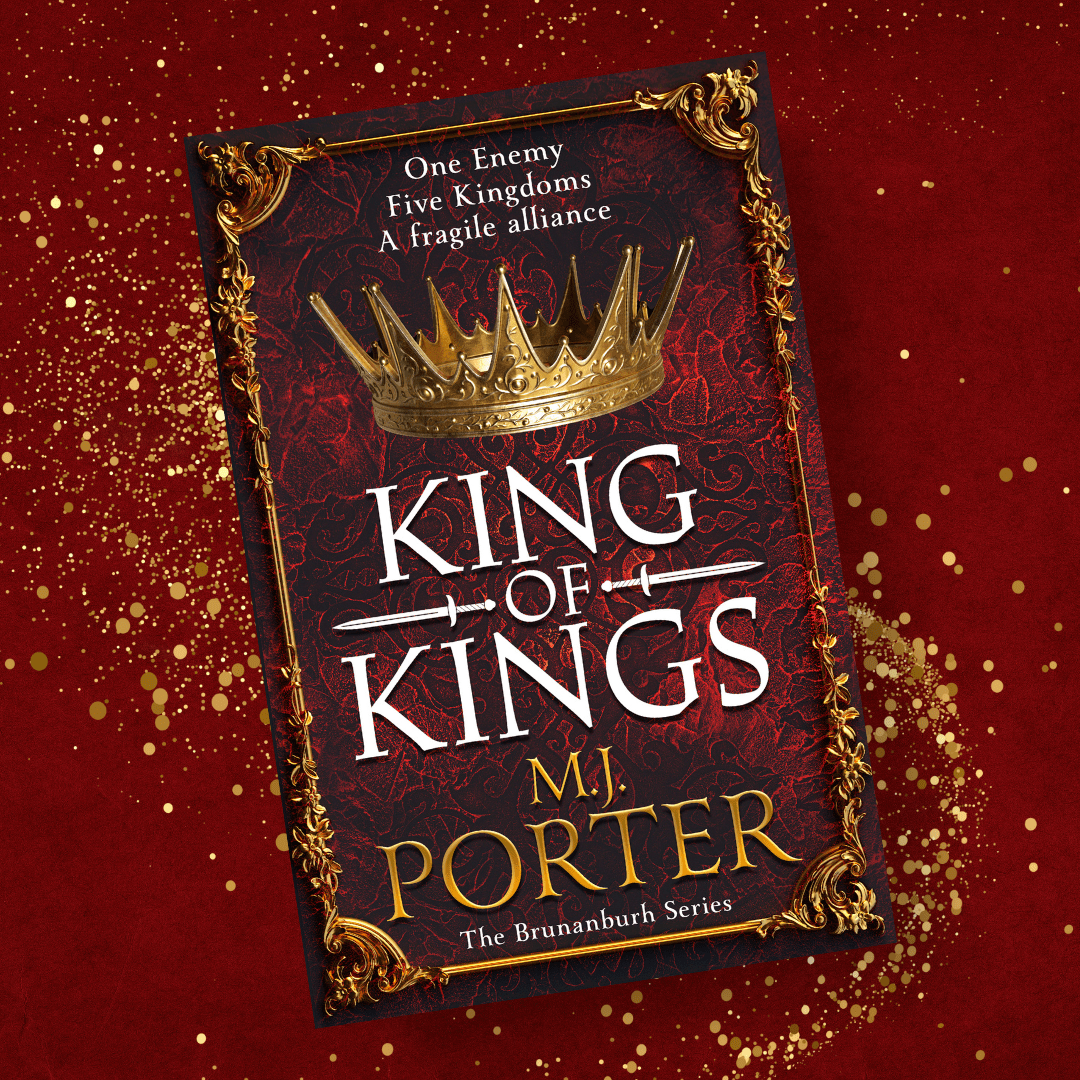
They changed his title, they crowned him with a crown, not a helmet. They wanted Athelstan to be something other than his grandfather, King Alfred, and his father, King Edward. It was a bold statement to make, and one they continued when Athelstan died too young and his half-brother, Edmund replaced him. He too was crowned using, it must be supposed, the same Coronation service. (For full details have a peek at Sarah Foot’s book on Athelstan – or read the first few chapters of King of Kings as the service appears in it as well).
So why the change? Essentially the old Saxon kingdoms, for all that they were preserved in the naming of the earls/ealdormens designations, had been swept aside by the Viking raiders. The old kingdoms had become a handy label to apply to certain geographic areas, and the kings of Wessex, whilst keen to hold onto their hereditary titles because of the permanence their own royal line had managed to acquire, were equally as keen to do away with regional boundaries. There was, it can’t be denied, a concerted and almost unrelenting urge to drive any Viking raider or Dane or Norwegian (the Norse) from British soil, and this is what Athelstan and then Edmund were tasked with doing.
Yet the idea of ‘English’ wasn’t a new concept. Why else would Bede have called his great piece of religious historical writing “The Ecclesiastical History of the English people’, if there hadn’t been a shared consciousness that the people in England, all be it in their separate kingdoms, didn’t have a shared heritage? Why the idea suddenly took flight under King Athelstan could be attributed to a new sense of confidence in Wessex and Mercia at the time. They were confident that they could beat the Viking raiders and they were convinced that England belonged to them.
Or perhaps it was more than that? The destruction wrought by the Viking raiders on the separate kingdoms must have been a stark reminder of just how insular the kingdoms had become, and the Viking raiders showed everyone just how easy it was to run roughshod over the individual kingdoms. Only in unity could the Saxon kingdoms of England survive another onslaught; only with unity could the Saxons hold onto their kingdoms they’d claimed about 500 years before.
It was a message that was learned quickly and taken to heart. Athelstan worked to reunite more of the Saxon kingdoms with the growing ‘England’, and he tried to do so by both diplomacy and through war. Yet, the Viking raiders hadn’t finished with England, and nor were they her only enemies. This also lies at the heart of Athelstan’s ‘masterplan’ his treaty of Eamont (if it truly happened – Benjamin Hudson in his Celtic Scotland is not convinced). Athelstan wanted to be a mighty king, but he also wanted England, and the wider Britain (also a concept already understood otherwise why else would that cantankerous monk – Gildas – have called his even earlier work than Bede’s “On the Ruin of Britain?”) to be united in their attempts to repel the Viking raiders. He was a man with a keen vision of the future and it was a vision that his brother continued, with slightly different direction and results.
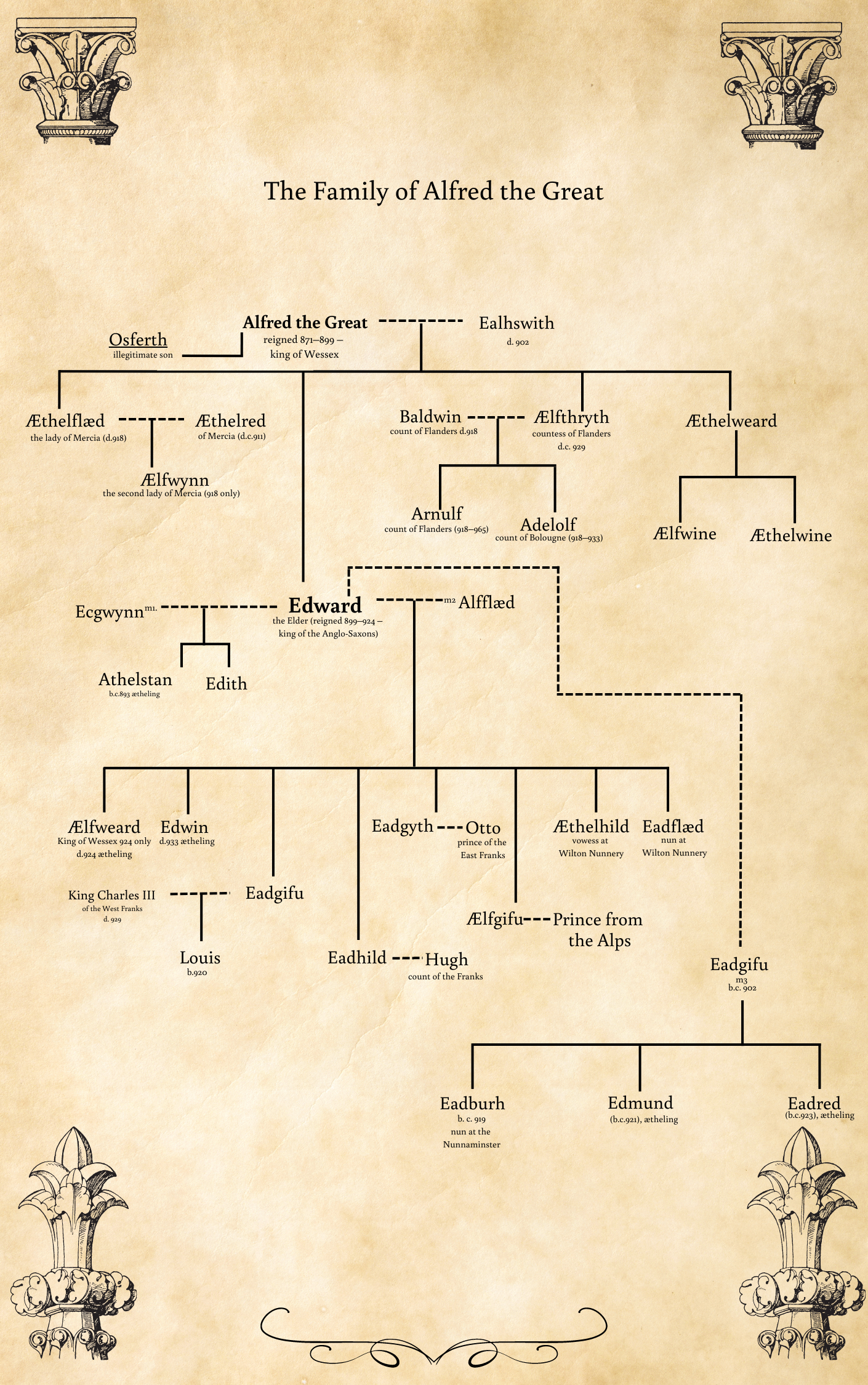
Family Tree designed by Boldwood Books
The ‘English Kings” saw safety in unity, and of course, an increase in the power they held went hand-in-hand with that.
Yet at no point during the Saxon period can it be said that the emergence of ‘England’ as we know it, was a given certainty. Throughout the period other great kings had tried to claim sovereignty over other kingdoms, but never with any permanence. The earlier, regional kings, were powerful within their own lifetimes and within their own regions. Few, if any, were able to pass on their patrimony complete upon their death. This was a time of personal kingship, and it was only under Athelstan and Edmund that the leap was taken away from this to a more permanent power base.
Not that it was a smooth transition and it did have the side-effect of allowing other men, those not related to the royal family, to evolve their own individual power bases in the old Saxon kingdoms. The ‘English’ kings had to do more than just rule their own kingdom, they had to rule their ealdormen and earls, their warriors, bishops and archbishops. The number of names of kings might start to deplete in the after math of Athelstan and Edmund’s kingship, but in their place spring up more and more powerful men, men that these English kings had to rely on.
Becoming King of the English was very much a mixed blessing, bringing with it new and greater responsibilities and more, it brought with it the need to expand personal government further, to have a greater persona to broadcast.