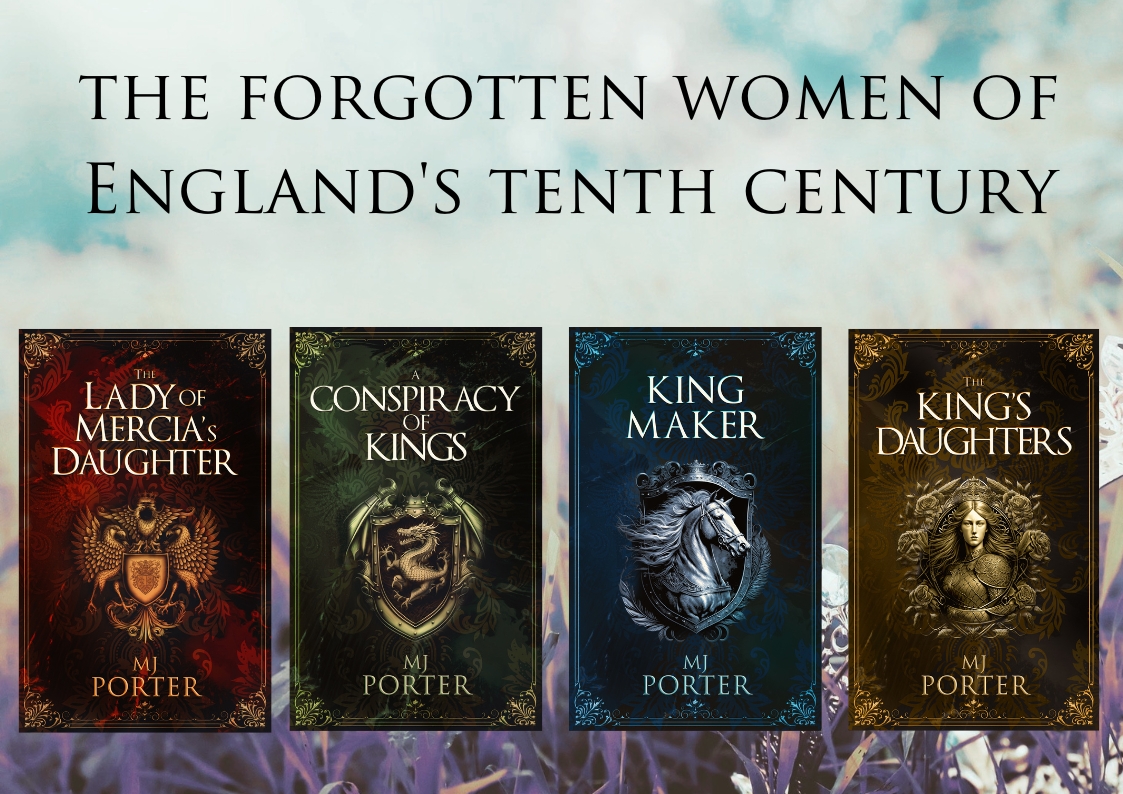

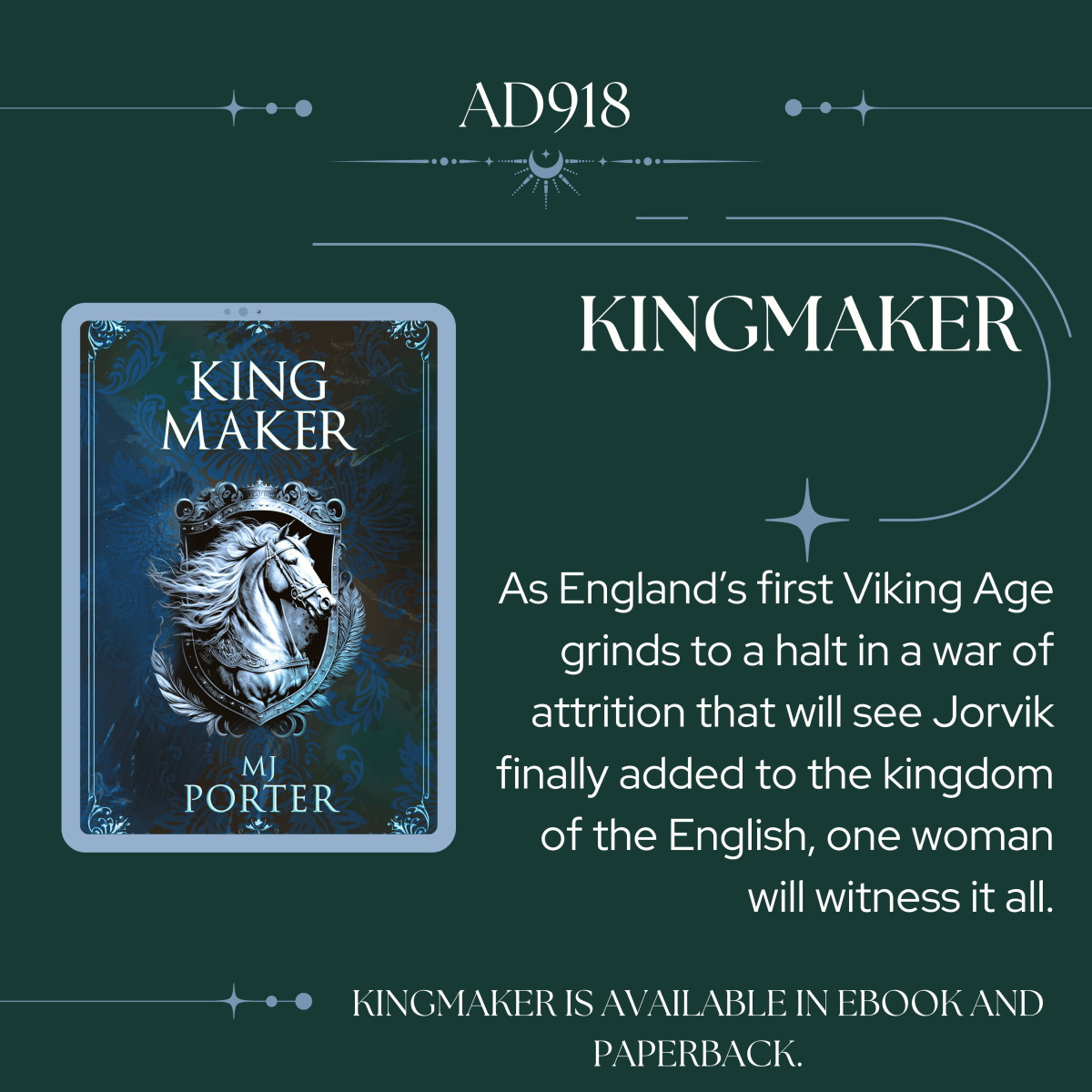
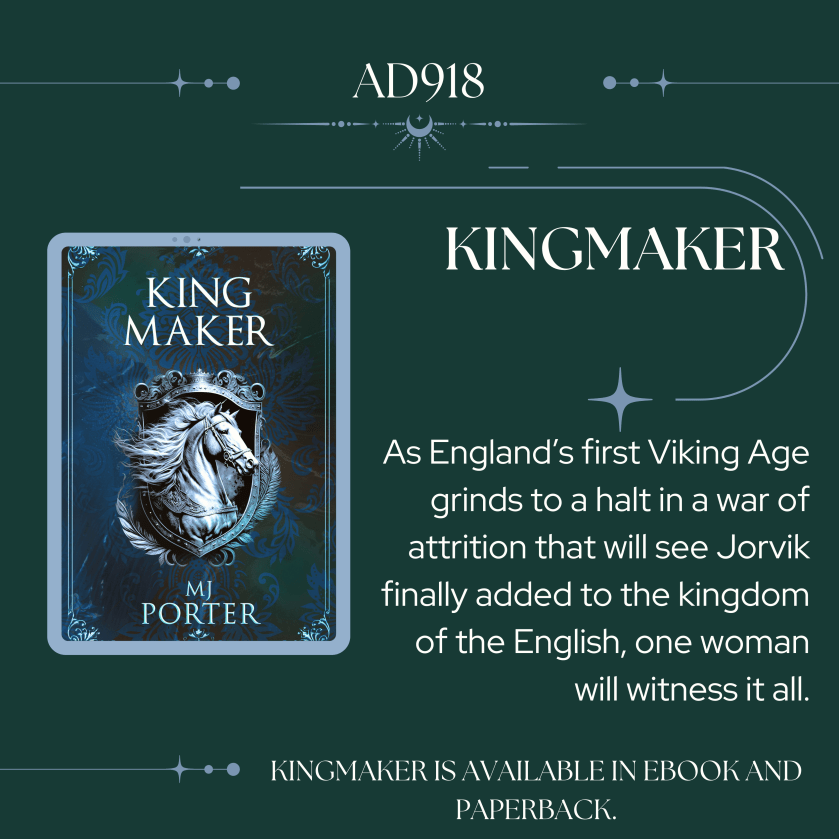
Why did I write about Lady Eadgifu, the main character in Kingmaker? #histfic #authorinspiration

Why did I write about Lady Eadgifu, the main character in Kingmaker? #histfic #authorinspiration

I don’t really know when I became a fan of historical fiction but I can take a good guess at who, and what, was to blame.

William Shakespeare and Macbeth.

When I was at school, we didn’t get ‘bogged’ down with grammar and spelling in English lessons, oh no, we studied stories, plays, words, and also the ‘motivation’ behind the use of those stories and those words. And it was Macbeth that first opened my eyes to the world of historical fiction.

Yes, Macbeth is a blood thirsty play, and it might be cursed, but more importantly, it’s based on Holinshed’s Chronicle of England, Scotland and Ireland.

Macbeth is nothing better than the first work of historical fiction that I truly read, and understood to be as such. And what a delight it was.

I remember less the story of Macbeth as presented by Shakespeare (aside from the three witches – “when shall we three meet again?” “well I can do next Wednesday,’ (thank you Terry Pratchett for that addition), than working out ‘fact’ from ‘fiction’ in his retelling of the story. And hence, my love of historical fiction was slowly born, and from that, stems my love of telling stories about ‘real’ people and the way that they lived their lives, looking at the wider events taking place, and trying to decide how these might, or might not, have influenced these people. 

Shakespeare chose the story of a little-known ‘Scottish’ monarch for his historical fiction; my latest subject is the third wife of King Edward the Elder, again someone that few people have heard of, but whose relative, many years in the future, would have interacted with Macbeth, or rather with Mac Bethad mac Findlaích.

Lady Eadgifu, the Lady of Wessex, lived through a tumultuous time.

Many people studying Saxon England know of King Alfred (died AD899), and they know of his grandson, Æthelred II (born c.AD 968), known as ‘the unready’. But the intervening period is little known about, and that is a true shame.

Lady Eadgifu, just about singlehandedly fills this gap. Born sometime before c.AD903 (at the latest), her death occurred in c.AD964/6. As such, she probably missed Alfred by up to 4 years, and her grandson, King Æthelred by about the same margin.

But what she did witness was the emergence of ‘England’ and the ‘kingdom of the English’ as we know it. And it wasn’t a smooth process, and it was not always assured, and it was certainly never, at any point, guaranteed that England would emerge ‘whole’ from the First Viking Age. 

And more importantly, rather than being one of the kings who ruled during this period, Lady Eadgifu was the king’s wife, the king’s mother, or even the king’s grandmother. She would have witnessed England as it expanded and contracted, she would have known what went before, and she would have hoped for what would come after her life. (I think in this, I was very much aware of my great-grandmother who lived throughout almost the entire twentieth century – just think what she would have witnessed).

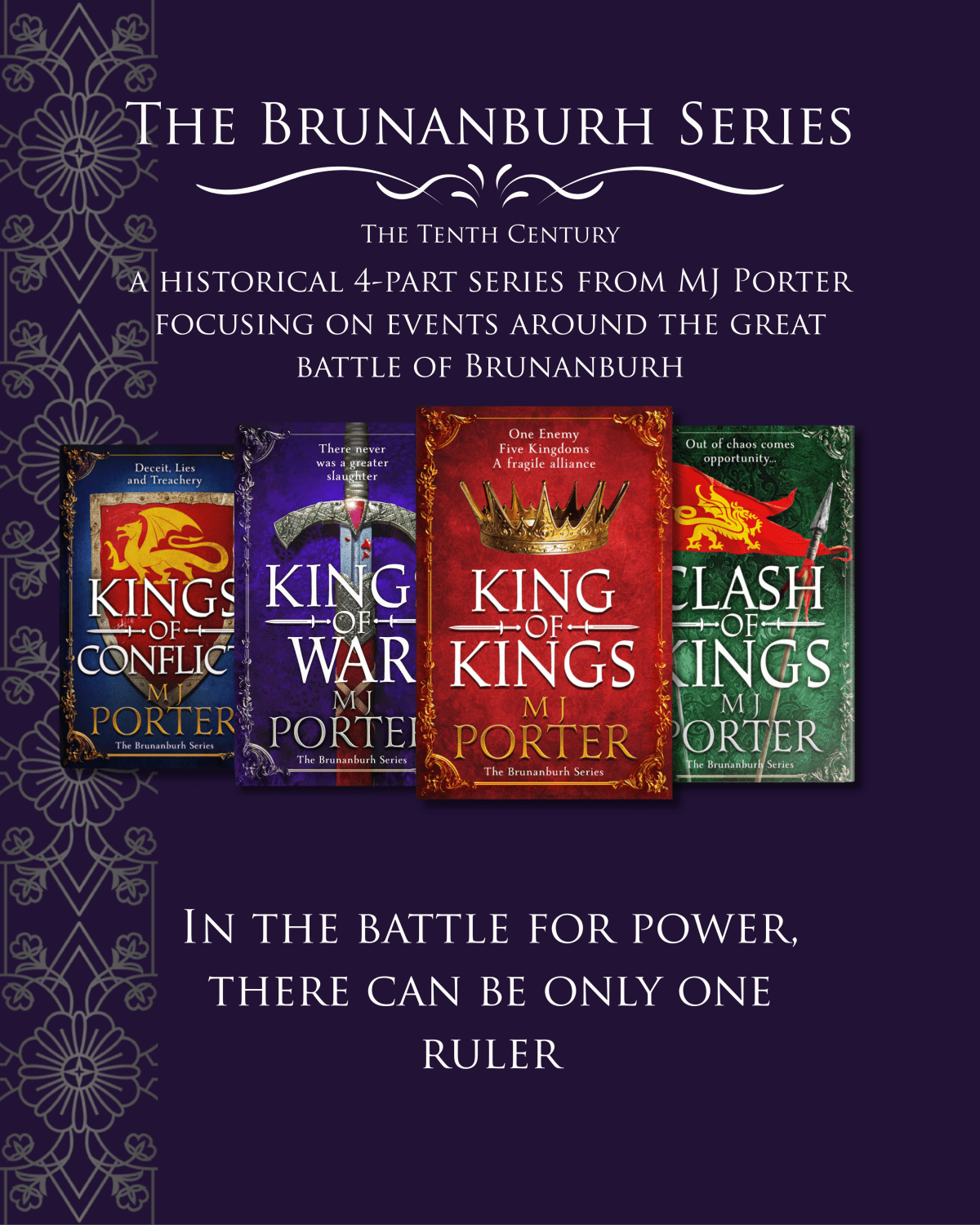
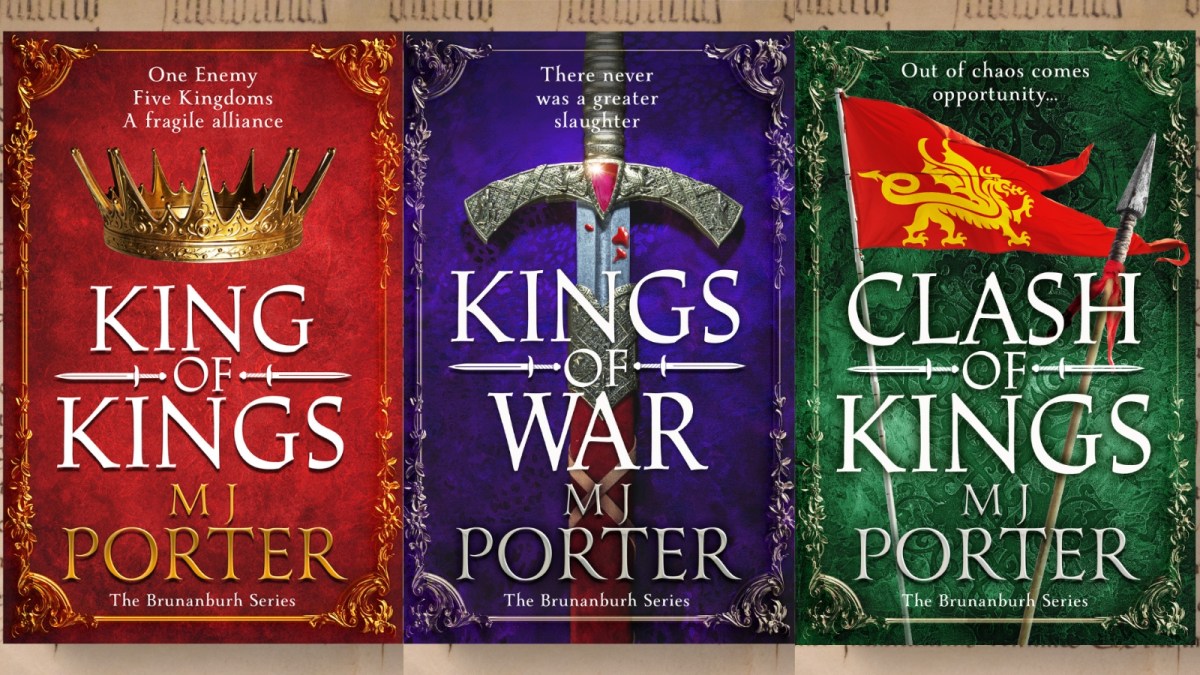
Lady Eadgifu was simply too good a character to allow to lie dormant under the one event that might well be known about from the tenth century – the battle of Brunanburh. She does also appear in my Brunanburh Series.

So, for those fans of Bernard Cornwell’s ‘Uhtred’ and for those fans of Lady Elfrida at the end of the tenth century, I hope you will enjoy Lady Eadgifu. She was a woman, in a man’s world, and because she was a woman, she survived when men did not. 
The family of Alfred the Great

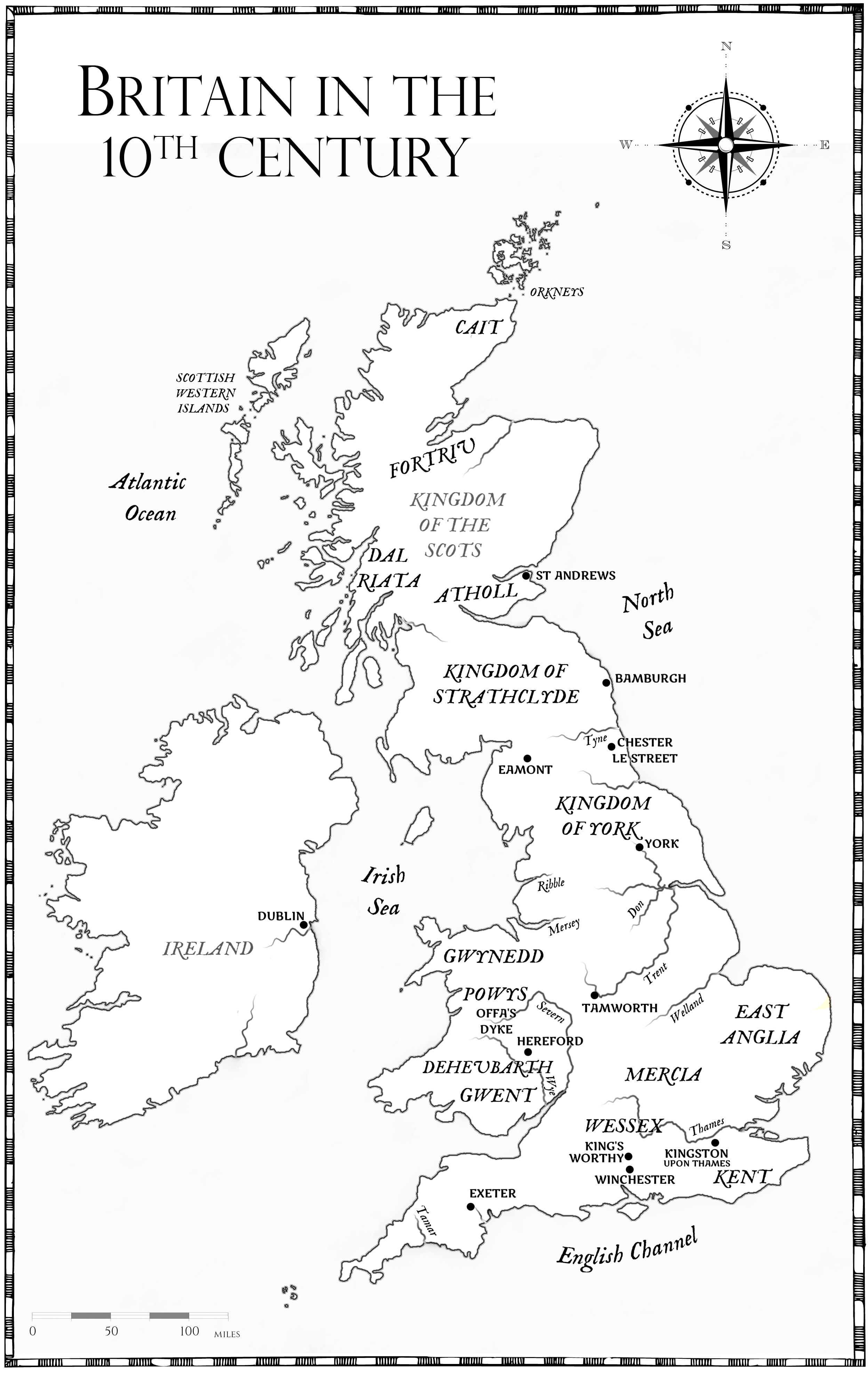
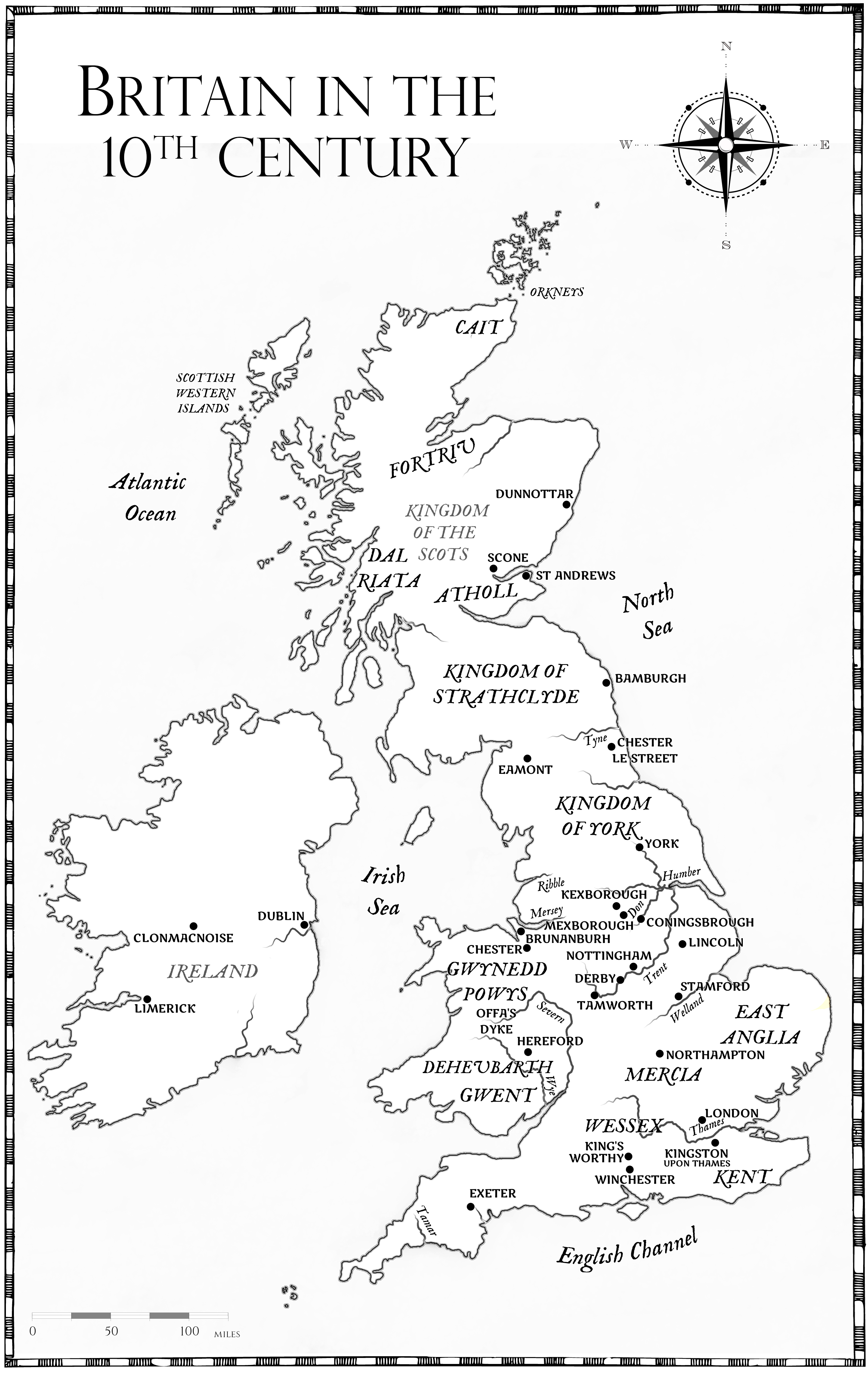
Map design by Shaun at Flintlock Covers

Check out The Tenth Century Royal Women page on the blog and this post about who the ‘real’ Lady Eadgifu was.

Curious? Read about the Royal Women of The Tenth Century in my nonfiction title.
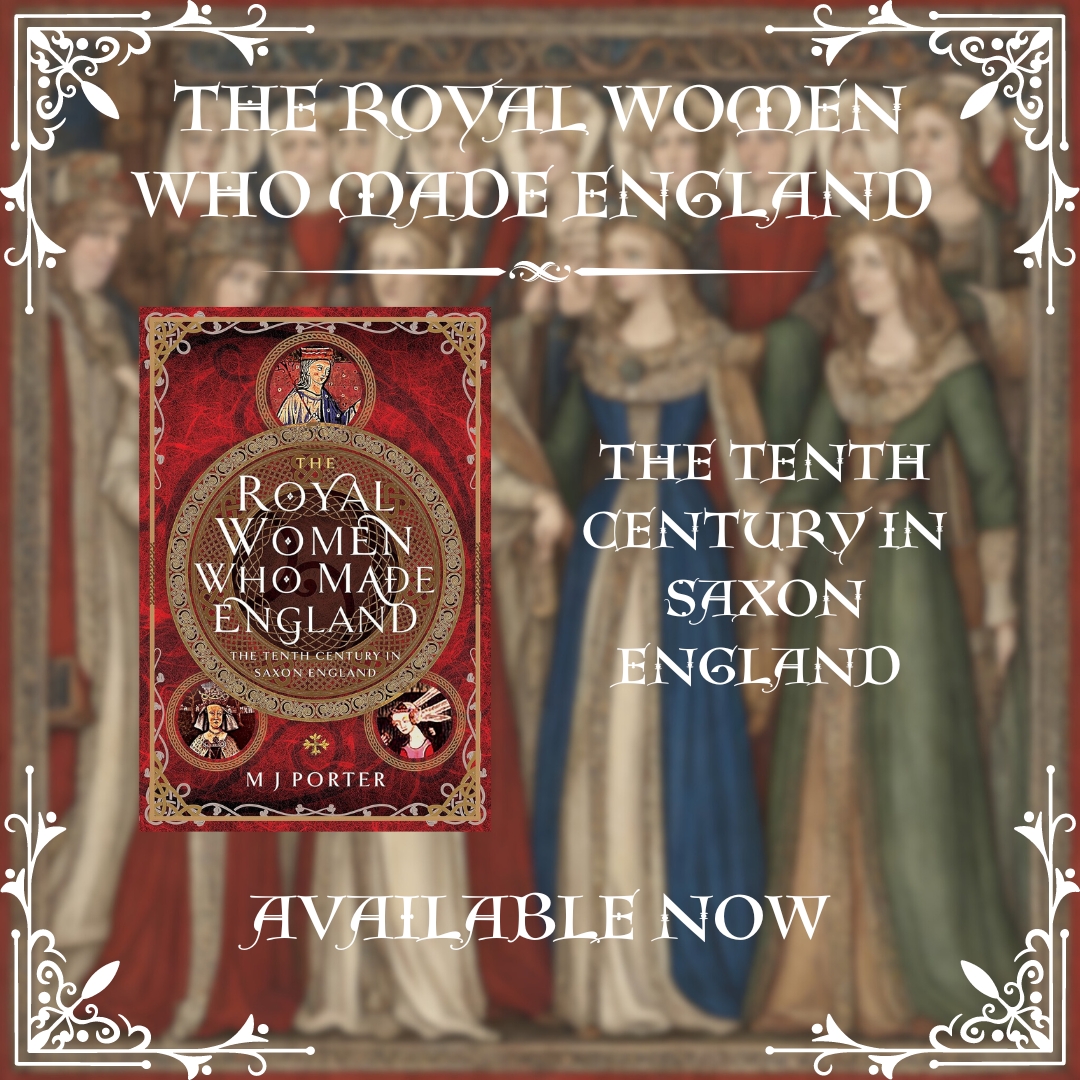
The Royal Women Who Made England cover

Posts

My new book, Clash of Kings, has a number of main characters. Meet Lady Eadgifu. #histfic #non-fiction #Brunanburh

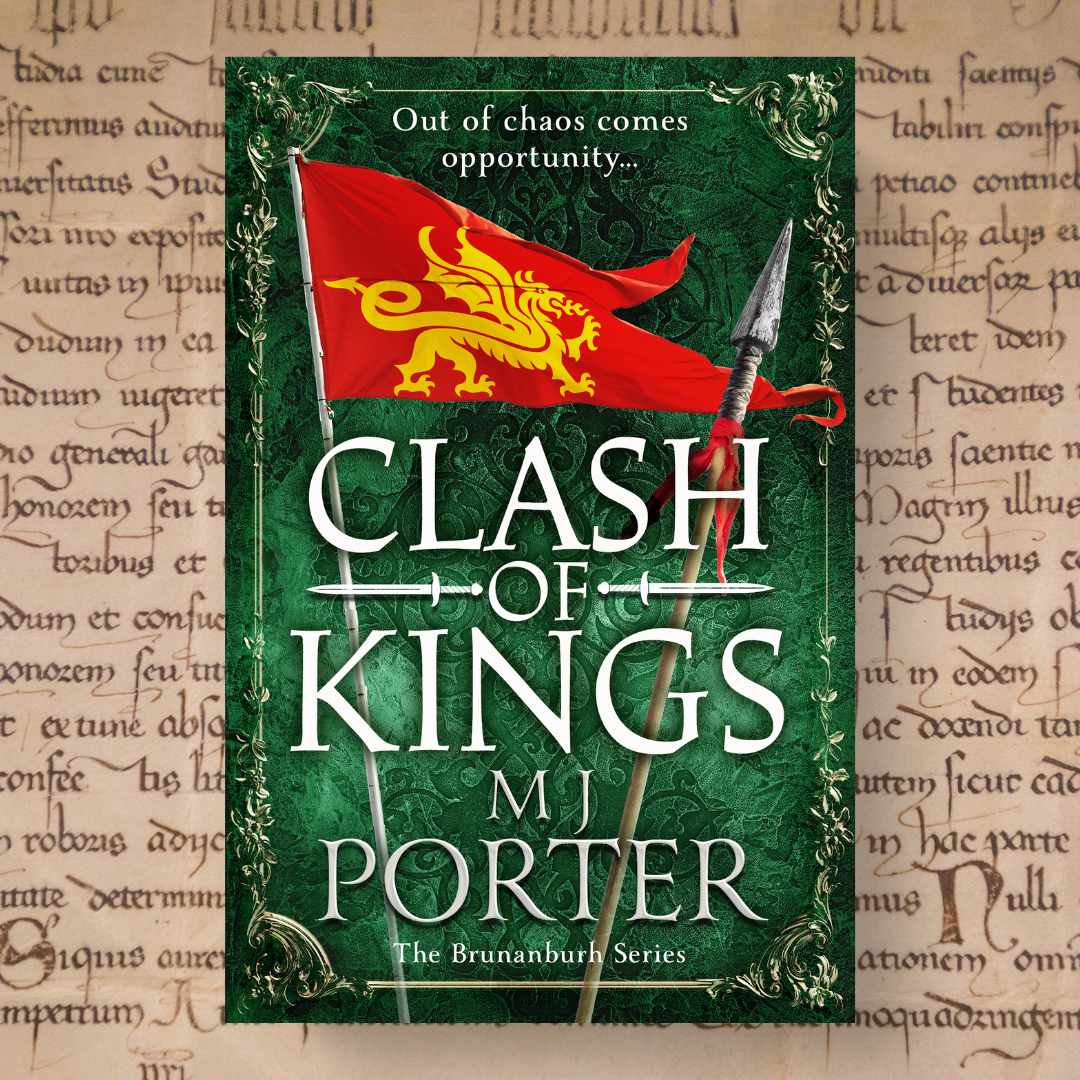
Clash of Kings has a number of characters, and some might be surprised to find Lady Eadgifu amongst them, but she was an incredibly important historical character, and I couldn’t leave her out of the narrative set at the English court.

Lady Eadgifu was the third wife of Edward the Elder (r.899-924), king of the Anglo-Saxons. Edward the Elder was the father of King Athelstan, and a whole host of daughters, as well as five sons. Lady Eadgifu would, it seems, have been young when she married the aging Edward the Elder, and that meant that she long outlived him, and also, that her three children (possibly four, but I’ve opted for three) were young when their father died. And two of these children were sons, Edmund (born c.921) and Eadred (born c.923). Her daughter, Eadburh, is thought to have been the oldest of the three children, born c.919.

While Lady Eadgifu, from what’s known (and it isn’t much, as there are few surviving charters from the end of Edward’s reign) perhaps had little role to play while her husband lived, other than wife and mother to the king’s children, following his death, she became increasingly significant. She was the daughter of an ealdorman, who perhaps died just before her birth, and her family are said to have had connections with Kent. Indeed, it’s often stated that she brought her husband Kent with their union. By that, what’s often meant, is the loyalty of the Kentish people. Remember, at this time, we’re still just before the creation of ‘England’ as we would now recognise it.

Sadly, very little is known about Lady Eadgifu (and she’s not alone in this – many of the royal women ‘disappear’ at points in the historical record, and on occasion, are entirely lost.) We know about a land dispute she was involved in, and also much more information for after Athelstan’s reign.

Indeed, it has been said that during Athelstan’s reign,

‘Nor is it surprising that Eadgifu, as the consort of the previous king, served little role in her stepson’s court.[i]

[i] Firth, M. and Schilling, C. ‘The Lonely Afterlives of Early English Queens’, in Nephilologus September 2022, https://doi.org/10.1007/s11061-022-09739-4p.7

However, Barbara Yorke believes that,

‘the enhanced position [of Lady Eadgifu] may also have been developed specifically for the widowed Eadgifu as part of an alliance with her stepson Æthelstan [Athelstan] in which she supported his position and he recognised her sons as his heirs.’[i]


[i] Yorke, B. ‘The Women in Edgar’s Life,’ in Edgar, King of the English, 959-975 Scragg, D. ed (The Boydell Press, 2008), p.146


And it is this option that I’ve decided to explore in the Brunanburh series. Lady Eadgifu was wife to a king. She would have known her worth, even when faced with a stepson as the king of the English, and another stepson, and stepdaughters, who perhaps didn’t share any love for their, potentially, younger stepmother.

Read Clash of Kings to discover her role in the aftermath of the victory for the English at Brunanburh.

Map design by Shaun at Flintlock Covers

books2read.com/King-of-Kings

books2read.com/kingsofwar

books2read.com/clashofkings


Read about all the characters from the Brunanburh Series.

Posts

I thought I’d share some of my frustrations with writing about the lives of the ‘lost women’ of the tenth century.

I thought I’d share some of my frustrations with writing about the lives of the ‘lost women’ of the tenth century.

The Tenth Century in Saxon England is often seen as heralding the triumph of Wessex to form England and to drive the Viking raiders far from England’s shores. That is both right and wrong, but it does mean that the names of the kings of the House of Wessex are well-known (comparatively speaking). The same can’t be said for the women who were wives, daughters and mothers of these kings. We can debate why this is but it doesn’t solve the problem of who these women were. For some of them, we don’t even know their names. We don’t know the name of King Athelstan’s mother, which astounds me. Equally, some of his half-sisters are quickly ‘lost’ in Continental Europe. Much of this is because they didn’t create huge dynasties to revere them after their death (apart from perhaps Eadgyth, who married Otto of the East Franks and whose sudden death deeply affected her husband). Of course, this problem is also compounded by the few surviving contemporary records.

Even those sources which do survive are not easy to access. Language barriers are a huge problem. The Anglo-Saxon Chronicles have been studied and translated into easily accessible volumes, but alas, only Ealhswith, wife of King Alfred, Æthelflæd of Mercia, her daughter Ælfwynn, and two unnamed sisters of Athelstan are actually mentioned in the ASC. We can find more names in Æthelweard’s Latin translation of the ASC known as the Chronicon but it is still not an exhaustive list of his own relatives. Æthelweard claimed descent from King Alfred’s brother, Æthelred I.

This situation doesn’t just apply to the tenth-century. The online resource, The Prosopography of Anglo-Saxon England (PASE), has a database of 33,981 male names listed for the entire period of Saxon England. Only 1460 female names are listed. As such, we know much more about the male members of Saxon England, than we do the females.

And, these women have received very little study. While there are academic books about the much better known eleventh-century queens, Emma of Normandy and Edith, the wife of Edward the Confessor, it’s not been possible to pick up a single title and learn about these lost women, aside from Elizabeth Norton’s monograph on Lady Elfrdia.

To begin with, I wished to fictionalise the life of Lady Elfrida, wife of King Edgar, thanks to the work by Elizabeth Norton. I then turned my mind to other women of the tenth century and, indeed, even to Lady Estrid, the sister of King Cnut. Time and again, I found that so little information had survived, the majority of it only a reference in relation to male members of the family, that much of their lives had to be reconstructed based on what is documented as happening at the time. There was certainly no tangible way to connect with these women, other than a possible surviving piece of embroidery which might have been stitched by King Edward the Elder’s second wife, and if not by her hand, then at her command, and which was found inside the tomb of St Cuthbert when it was opened in the early nineteenth century (1827).

I can’t help feeling this is how Æthelweard felt when he wrote his Chronicon. The passage of time has not made it any easier to uncover the names of the women, let alone their personalities.

https://amzn.to/421prHt

I have now written a non-fiction account of this period, and it is now available from Pen and Sword books – The Royal Women Who Made England. I hope, alongside the fictionalised accounts of their lives, that this will inspire more interest in them.

The Royal Women Who Made England cover image.

Posts

Who was Lady Eadgifu, the main character in Kingmaker?

Who was Lady Eadgifu?

Lady Eadgifu was the third wife of Edward the Elder (r.899-924), king of the Anglo-Saxons. Edward the Elder was the father of King Athelstan, and a whole host of daughters, as well as five sons. Lady Eadgifu would, it seems, have been young when she married the aging Edward the Elder, and that meant that she long outlived him, and also, that her three children (possibly four, but I’ve opted for three) were young when their father died. And two of these children were sons, Edmund (born c.921) and Eadred (born c.923). Her daughter, Eadburh, is thought to have been the oldest of the three children, born c.919.

The family of Alfred the Great

While Lady Eadgifu, from what’s known (and it isn’t much, as there are few surviving charters from the end of Edward’s reign) perhaps had little role to play while her husband lived, other than wife and mother to the king’s children, following his death, she became increasingly significant. She was the daughter of an ealdorman, who perhaps died just before her birth, and her family are said to have had connections with Kent. Indeed, it’s often stated that she brought her husband Kent with their union. By that, what’s often meant, is the loyalty of the Kentish people. Remember, at this time, we’re still just before the creation of ‘England’ as we would now recognise it.

Sadly, very little is known about Lady Eadgifu (and she’s not alone in this – many of the royal women ‘disappear’ at points in the historical record, and on occasion, are entirely lost.) We know about a land dispute she was involved in, and also much more information for after King Athelstan’s reign (her step-son, who was quite likely older than she was).

Indeed, it has been said that

‘Nor is it surprising that Eadgifu, as the consort of the previous king, served little role in her stepson’s court.[i]

[i] Firth, M. and Schilling, C. ‘The Lonely Afterlives of Early English Queens’, in Nephilologus September 2022, https://doi.org/10.1007/s11061-022-09739-4p.7

However, Barbara Yorke believes that,

‘the enhanced position [of Lady Eadgifu] may also have been developed specifically for the widowed Eadgifu as part of an alliance with her stepson Æthelstan [Athelstan] in which she supported his position and he recognised her sons as his heirs.’[i]


[i] Yorke, B. ‘The Women in Edgar’s Life,’ in Edgar, King of the English, 959-975 Scragg, D. ed (The Boydell Press, 2008), p.146


And it is this option that I’ve decided to explore in Kingmaker. Lady Eadgifu was wife to a king. She would have known her worth, even when faced with a stepson as the king of the English, and another stepson, and stepdaughters, who perhaps didn’t share any love for their, potentially, younger stepmother.

But the story doesn’t stop there. In later years, during the reigns of her sons, and her grandsons, Eadgifu would have been a powerhouse at the centre of English politics. Read her story, for it is, the story of England between the reigns of King Alfred, and King Æthelred II – allegedly, a century of peace between the English and the Norse. Read on to find out the truth of that assertion.

Map design by Shaun at Flintlock Covers

Check out The Tenth Century Royal Women page on the blog.

Curious? Read about the Royal Women of The Tenth Century in my nonfiction title.
The Royal Women Who Made England cover

Posts

My new book, King of Kings, has a number of main characters. Meet Lady Eadgifu. #histfic #nonfiction #Brunanburh

King of Kings has a number of characters, and some might be surprised to find Lady Eadgifu amongst them, but she was an incredibly important historical character, and I couldn’t leave her out of the narrative set at the English court.

Lady Eadgifu was the third wife of Edward the Elder (r.899-924), king of the Anglo-Saxons. Edward the Elder was the father of King Athelstan, and a whole host of daughters, as well as five sons. Lady Eadgifu would, it seems, have been young when she married the aging Edward the Elder, and that meant that she long outlived him, and also, that her three children (possibly four, but I’ve opted for three) were young when their father died. And two of these children were sons, Edmund (born c.921) and Eadred (born c.923). Her daughter, Eadburh, is thought to have been the oldest of the three children, born c.919.

While Lady Eadgifu, from what’s known (and it isn’t much, as there are few surviving charters from the end of Edward’s reign) perhaps had little role to play while her husband lived, other than wife and mother to the king’s children, following his death, she became increasingly significant. She was the daughter of an ealdorman, who perhaps died just before her birth, and her family are said to have had connections with Kent. Indeed, it’s often stated that she brought her husband Kent with their union. By that, what’s often meant, is the loyalty of the Kentish people. Remember, at this time, we’re still just before the creation of ‘England’ as we would now recognise it.
Sadly, very little is known about Lady Eadgifu (and she’s not alone in this – many of the royal women ‘disappear’ at points in the historical record, and on occasion, are entirely lost.) We know about a land dispute she was involved in, and also much more information for after Athelstan’s reign.

Indeed, it has been said that

‘Nor is it surprising that Eadgifu, as the consort of the previous king, served little role in her stepson’s court.[i]

[i] Firth, M. and Schilling, C. ‘The Lonely Afterlives of Early English Queens’, in Nephilologus September 2022, https://doi.org/10.1007/s11061-022-09739-4p.7

However, Barbara Yorke believes that,

‘the enhanced position [of Lady Eadgifu] may also have been developed specifically for the widowed Eadgifu as part of an alliance with her stepson Æthelstan [Athelstan] in which she supported his position and he recognised her sons as his heirs.’[i]


[i] Yorke, B. ‘The Women in Edgar’s Life,’ in Edgar, King of the English, 959-975 Scragg, D. ed (The Boydell Press, 2008), p.146


And it is this option that I’ve decided to explore in King of Kings. Lady Eadgifu was wife to a king. She would have known her worth, even when faced with a stepson as the king of the English, and another stepson, and stepdaughters, who perhaps didn’t share any love for their, potentially, younger stepmother. Will Lady Eadgifu work with or against Athelstan? Read on to find out.

Map design by Shaun at Flintlock Covers

books2read.com/King-of-Kings

Meet Owain, king of Strathclyde

Meet Athelstan, king of the English

Meet Constantin, king of the Scots

Meet Hywel, king of the West Welsh

Meet Ealdred, king of Bamburgh

Check out the Brunanburh Series Page

Posts

Meet Ealdred, King of Bamburgh, from King of Kings (The Brunanburh Series).

Who was Ealdred of Bamburgh?

King of Kings has a number of characters, and King Ealdred, or Lord Ealdred of Bamburgh is one of them. But who was he, and what was the independent kingdom of Bamburgh?

Now, I think we all ‘think’ we know about Bebbanburg (Bamburgh) thanks to Uhtred of Bebbanburg, Bernard Cornwell’s creation. But events in Bamburgh are complex and not easy to understand, even for someone who might think they know the period quite well.

What was Bamburgh?

So what was Bamburgh? Bamburgh is traditionally associated with the kingdom of Bernicia – the far northern Saxon kingdom, which was particularly prominent during the seventh century, so three hundred years before the events of King of Kings, and which was joined to the kingdom of Deira to form Northumbria. Check out my Gods and Kings trilogy for the some of the events of this period.

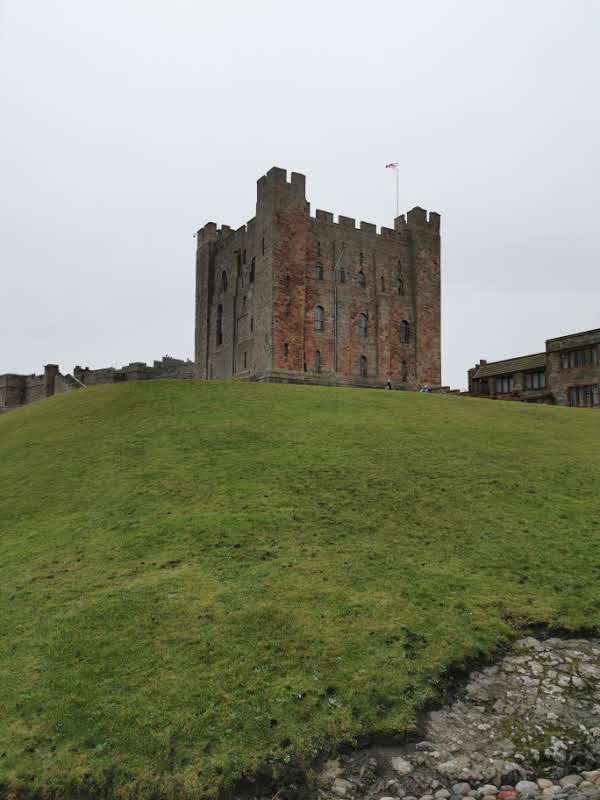
The iconic castle that stands today is a later building, the oldest part, the keep, dating to the end of the Saxon period, while much of what we see today is the later work of Lord Armstrong (who built Cragside), when he significantly repaired the remains. Indeed, the family still own Bamburgh Castle, although not Cragside, which is a National Trust property. (I’ve written a 1930s mystery set at Cragside).

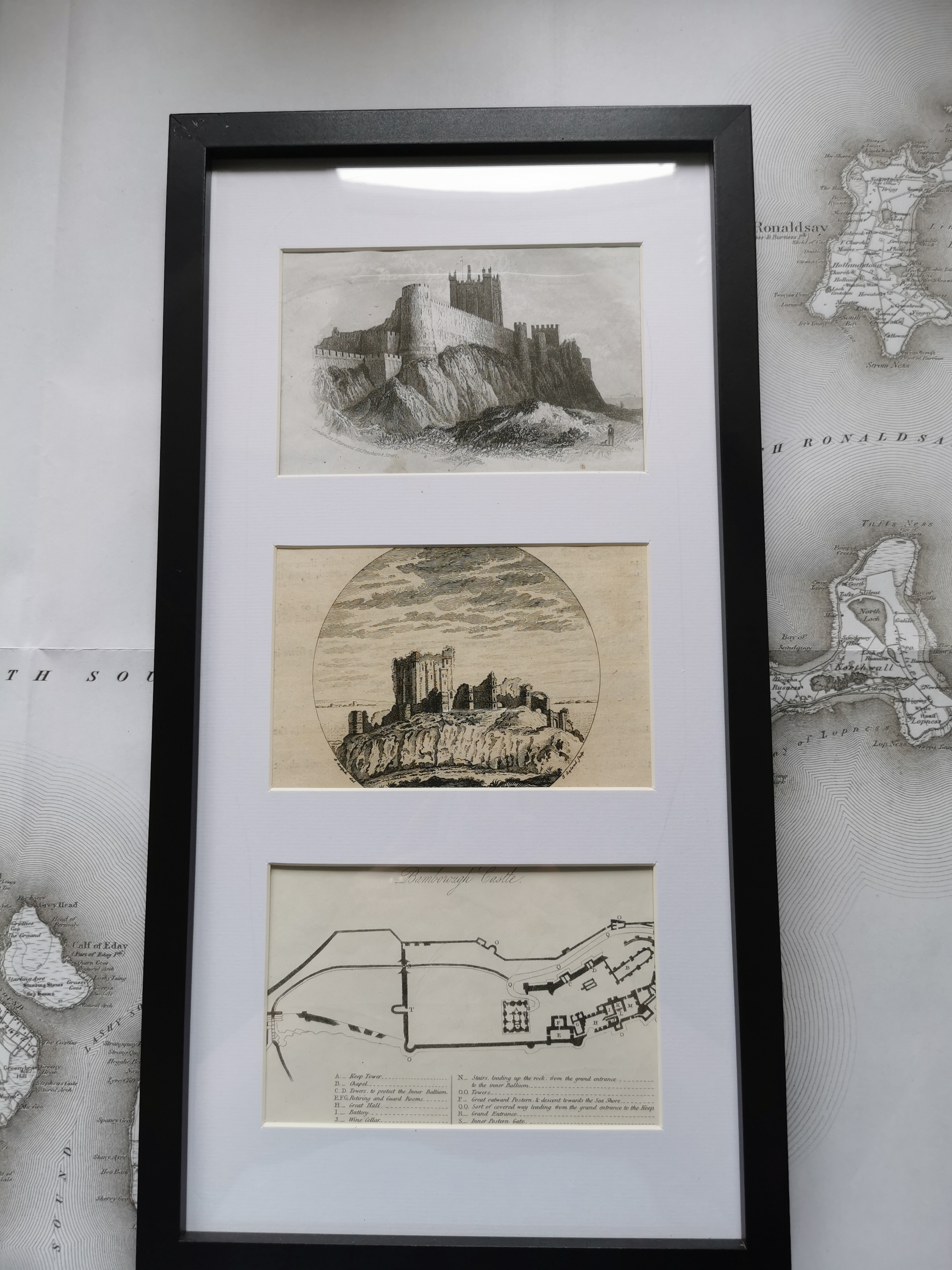
Bamburgh is slightly unusual in that there are old images of the castle before the 19th century work of Armstrong. I enjoy collecting these antique prints. We often find such buildings falling into ruin, not being ruined and the rebuilt.

Antique prints of Bamburgh Castle

And Bamburgh Castle and its environs are stuffed with archaeology. There were some very famous archaeological investigations undertaken in the 1960s, and there’s now a dedicated team unearthing the treasures hidden beneath the current building. You can follow the teams work at Bamburgh Research Project’s Blog. You might know about Bamburgh because of the seventh century bones discovered in the Bole Hole, and there’s a great book about this, Warrior by Edoardo Albert and Paul Gething – available from all good book sellers. You can also learn about where these bones now lie by checking out Bamburgh Bones.

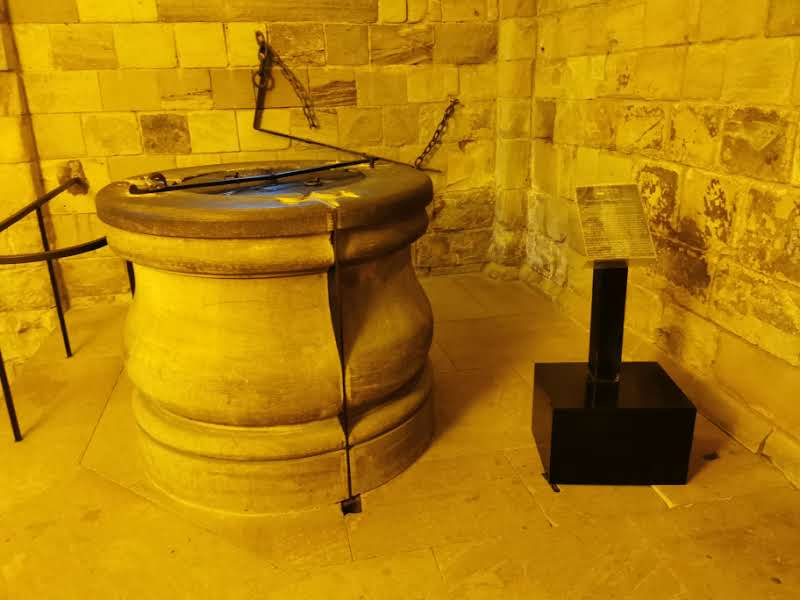
The well

The Tenth Century at Bamburgh

But, all this is before the events of the tenth-century (or after), as fascinating as it is. So, what was happening in the tenth-century? The easiest way I can describe this is that while York, and much of the Saxon kingdom of Northumbria was inundated with the Norse (Viking raiders if you will), Bamburgh was a bastion against this influx, wedged between the growing might of the kingdom of the Scots, ruled by Constantin, and the constantly changing affairs of York, and its string of Norse rulers, often associated with Dublin as well.

Ealdred’s father, Eadwulf is somewhat better attested, with the Annals of Ulster naming him as ‘king of the Saxons of the north.’ He died in c.913 and then Ealdred seems to have had a difficult time of it, his gaze more likely to turn to the Scots kingdom than the known Saxon rulers based in Mercia and Wessex when he was threatened by the Norse Viking raiders.

However, he joined an alliance with Edward the Elder, king of the Anglo-Saxons, in 920 (corrected from 924).

‘And then the king of Scots and all the nation of Scots chose him as father and lord; and [so also did] Reginald and Eadwulf’s sons and all those who live in Northumbria, both English and Danish and Norwegians and others; and also the king of the Strathclyde Britons and all the Strathclyde Britons.’

(Swanton, M. trans and edit The Anglo-Saxon Chronicles, (Orion Publishing Group, 2000 p.104 (A text )

This then takes us to the beginning of King of Kings. Will Ealdred continue his alliance with the new king of the Anglo-Saxons, or will he look elsewhere, especially now that the Viking raider, Sihtric, is lord of York/Jorvik?

What about Uhtred of Bebbanburg?

As to Uhtred himself, of The Last Kingdom fame, he’s even more shadowy than Ealdred, and for that reason, doesn’t feature at all in King of Kings, although there is an ealdorman Uhtred who will appear in subsequent books.

Map design by Shaun at Flintlock Covers
King of Kings cover on a black and glittery background.

books2read.com/King-of-Kings

Meet the other historical characters from King of Kings and the Brunanburh Series

Meet Hywel, the king of the West Welsh

Meet Constantin, the king of the Scots

Meet Athelstan, the king of the English

Meet Lady Eadgifu, queen of the Anglo-Saxons

Meet Owain, the king of Strathclyde