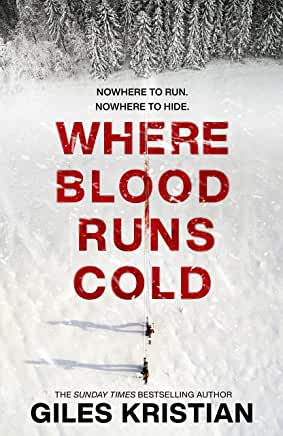
Erik Amdahl and his spirited daughter, Sofia, have embarked on a long-promised cross-country ski trip deep into Norway’s arctic circle. For Erik, it’s the chance to bond properly with his remaining daughter following a tragic accident. For Sofia, it’s the proof she needs that her father does care.
Then, far from home in this snowbound wilderness, with night falling and the mercury plummeting, an accident sends them in search of help – and shelter. Nearby is the home of a couple – members of Norway’s indigenous Sami people – who they’ve met before, and who welcome them in. Erik is relieved. He believes the worst is over. He thinks that Sofia is now safe. He could not be more wrong. He and Sofia are not the old couple’s only visitors that night – and soon he and Sofia will be running for their lives . . .
…and beneath the swirling light show of the Northern Lights, a desperate fight ensues – of man against man, of man against nature – a fight for survival that plays out across the snow and ice.
A story of endurance and of the desperate, instinctive will to survive, of a father’s love for his child, of knowing when to let go – and of a daughter’s determination to prove herself worthy of that love, Where Blood Runs Cold is a pulse-racing thriller from a master storyteller.
Review
Where Blood Runs Cold is a thrilling, snow-bound adventure set in northern Norway by Giles Kristian, an author I last encountered offering a retelling of some Arthurian Legends. Quite a sea-change to modern-day Norway,
I confess, the book starts a little awkwardly as there’s quite a bit going on for the main character, Erik, but I sat and read the first 25% in one setting, and the tension quickly ramps up and I was entirely hooked. It’s one of those books that draws you in and you’re immediately expecting all sorts of bad things to happen, and the author toys with the reader a little; some of your fears come true, and some of them don’t. But the reader is quickly rooting for the main character, and wondering how on earth anyone can survive outside when it’s so bitterly cold.
I particularly enjoyed the incorporation of the Sami into the narrative, and also the slightly otherworldly element. The brief discourses into how climate change is affecting the area are a sad reflection on how far it’s gone, and the effect it’s having on the local population.
The story built to an intriguing grand finale which was satisfying to the reader who’d been swept along, quite literally, by the raging winter storms and the compelling narrative.
I thoroughly enjoyed this book. It was a change to my normal read, just as it’s a change for the author, but it’s excellent. Thank you to the publisher and Netgalley for my review copy.
Where Blood Runs Cold is released today, 24th February, and is available from all good book sellers as well as Amazon.
MORTIFORDE’S FOOD FESTIVAL IS A RECIPE FOR MURDER.
Three butchers. Two deaths. One four-hundred-year-old grudge.
It’s Aldermaston’s first food festival as the Eighth Marquess of Mortiforde and it’s not going well. One butcher is missing. Another has been threatened. And the Vegetarian Society has been sent a meaty ultimatum.
Meanwhile, Lady Mortiforde desperately needs her husband to find some wild boar meat for her savoury pie entry into the festival’s Bake Off competition.
When the Council’s Chief Archivist disappears, along with the Food History Marquee’s star attraction, a seventeenth-century recipe book, Aldermaston has all the ingredients of a murder mystery that’s been marinating for over four hundred years.
Can he find the missing butchers before it’s too late? Will Lady Mortiforde avoid a soggy bottom in the Bake Off competition? And why do all the butchers take their pet pigs for a walk in the woods at night?
Review
Wow. Foraging for Murder is a fantastic book. It’s stuffed with some very British quirkiness, rival butchers, an obnoxious new Chief Executive for the local Council, and a slightly bumbling, but good-hearted, member of the nobility, his wife, his eminently competent butler, as well as his extremely eccentric brother.
Genuinely, I can’t recommend this book enough. It made me laugh out loud and was a joy to read.
The story is told from multiple perspectives, and each character is well sketched, and unique. It’s filled with all the sorts of little details that I love – it has a strong historical element running through it, and of course, an ancient manuscript. It’s also filled with quirky little details, the sort of eccentric characters that make up a small community and yet none of it feels overcooked. And the mystery is both complex enough, and realistic enough, that you’re not going to quibble with the eventual resolution, even if we, as the readers, get there before the cast do.
I have book 1 in the series ready to read and I really hope we get more books featuring this wonderful cast. And wow, book 1 has an amazing opening chapter. Thank you, thank you, thank you.
(I would just like to reassure that this book is not stuffed with animal butchery – in fact a few of the animals do get to star in it. There is some reference to parts of an animal when they’re no longer on that animal – if that makes sense. I don’t want to give anything away, but also, don’t want someone to stumble into the book unawares.)
For fellow readers, if you’ve read Skeltons Guide to Suitcase Murders then this will definitely appeal, even if it has a more modern setting. I’m so pleased I signed up for this book tour and had the opportunity to discover a wonderful book, and series, like this. As you can tell, I’m wildly excited about it.
Simon Whaley is an author, writer and photographer who lives in the hilly bit of Shropshire. Foraging for Murder is the second in his Marquess of Mortiforde Mysteries, set in the idyllic Welsh Borders – a place many people struggle to locate on a map (including by some of those who live here). He’s written several non-fiction books, many if which contain his humorous take on the world, including the bestselling One Hundred Ways For A Dog To Train Its Human and two editions in the hugely popular Bluffer’s Guide series (The Bluffer’s Guide to Dogs and The Bluffer’s Guide to Hiking). His short stories have appeared in Take A Break, Woman’s Weekly Fiction Special, The Weekly News and The People’s Friend. Meanwhile his magazine articles have delighted readers in a variety of publications including BBC Countryfile, The People’s Friend, Coast, The Simple Things and Country Walking.
Simon lives in Shropshire (which just happens to be a Welsh Border county) and, when he gets stuck with his writing, he tramps the Shropshire hills looking for inspiration and something to photograph. Some of his photographs appear on the national and regional BBC weather broadcasts under his BBC WeatherWatcher nickname of Snapper Simon. (For those of you who don’t know, they get a lot of weather in Shropshire.)
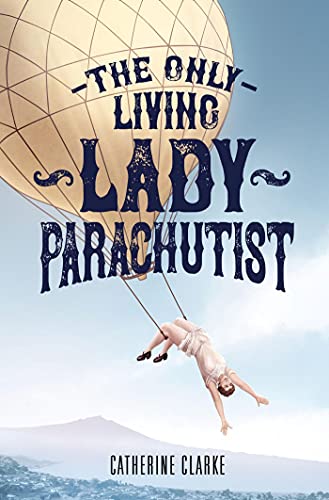
Today, I’m pleased to share my review for Catherine Clarke’s fabulous book, The Only Living Lady Parachutist. I was lucky enough to read this in beta with The History Quill and I absolutely loved it. I’m so pleased it’s now available for everyone to enjoy.
Here’s the blurb:
To test her courage, daredevil Lillian risks her life for fame and fortune by parachuting from a hot air balloon throughout Australia and New Zealand. But in the competitive 1890s era of charlatans, showmen, and theatrical hucksters, is she brave enough to confront the truth about her past? A story of courage and ambition, and the consequences of secrets and lies.
I really loved The Only Living Lady Parachutist. The author told a magnificent story that sucked me in, and I read it in three evenings. I was enthralled by the story of Lillian and her daredevil approach to life, and also by the wonderful reimagining of Australia and New Zealand at the time. (I’d not long finished watching The Luminaries so it tied it perfectly). The fact it’s based on ‘real’ people, as I discovered at the end, only added to my enjoyment of it, and I can appreciate how much fun the writer had in piecing together the story (and perhaps, how much heartache as well.)
The Only Living Lady Parachutist is available now on Kindle.
Connect with Catherine at her website or follow on twitter.
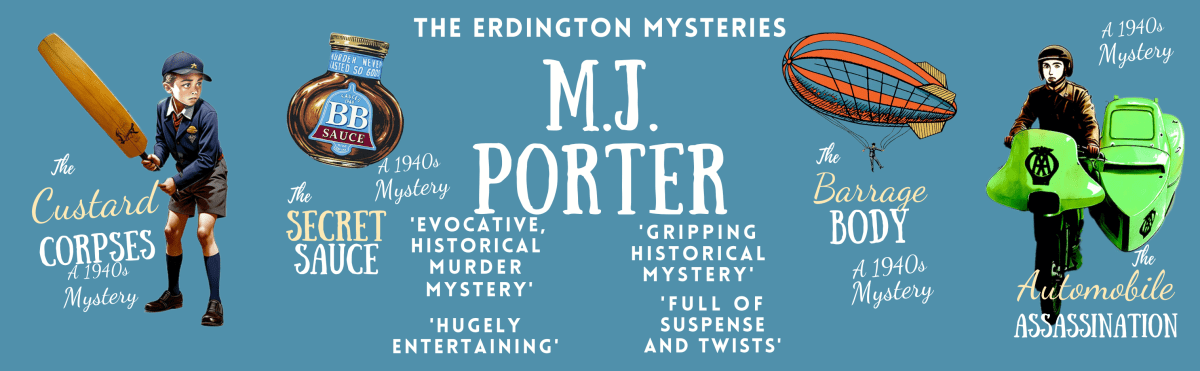
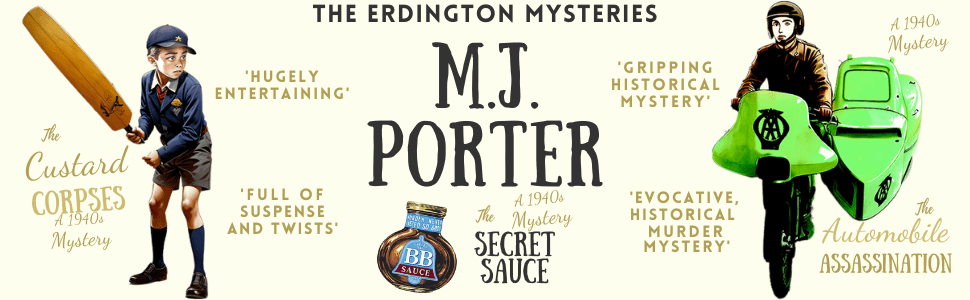
I’m taking The Custard Corpses on blog tour with Rachel’s Random Resources. 30 bloggers over 10 days will share their thoughts and reviews on the ebook, paperback and audiobook. Massive thanks to Rachel for organising such a huge tour. I’m really excited to find out what people think of my slightly twisty 1940s mystery.
For those who’ve not read The Custard Corpses yet, here’s the blurb;
A delicious 1940s mystery.
Birmingham, England, 1943.
While the whine of the air raid sirens might no longer be rousing him from bed every night, a two-decade-old unsolved murder case will ensure that Chief Inspector Mason of Erdington Police Station is about to suffer more sleepless nights.
Young Robert McFarlane’s body was found outside the local church hall on 30th September 1923. But, his cause of death was drowning, and he’d been missing for three days before his body was found. No one was ever arrested for the crime. No answers could ever be given to the grieving family. The unsolved case has haunted Mason ever since.
But, the chance discovery of another victim, with worrying parallels, sets Mason, and his constable, O’Rourke, on a journey that will take them back over twenty-five years, the chance to finally solve the case, while all around them the uncertainty of war continues, impossible to ignore.
The Custard Corpses is available as an ebook, paperback, hardback and audiobook (Thank you to Matt Coles for doing such a fabulous job with the narration). And, I’ve written a sequel too The Automobile Assassination. The Secret Sauce is also releasing in August 2025.
Huge thanks to Rachel at Rachel’s Random Resources for organising such a fantastic tour, and to all the tour hosts and reviewers for welcoming The Custard Corpses to their blogs.
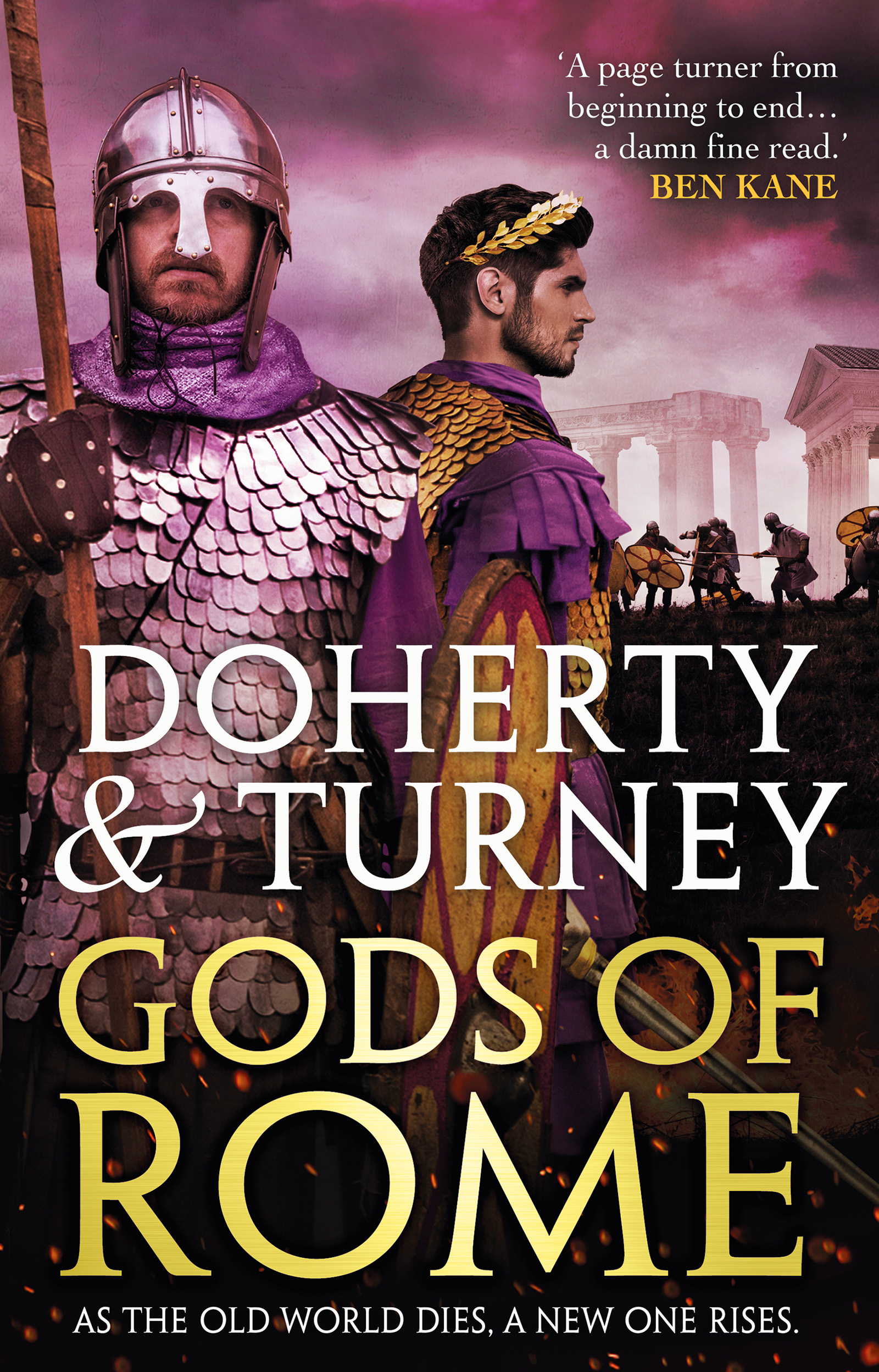
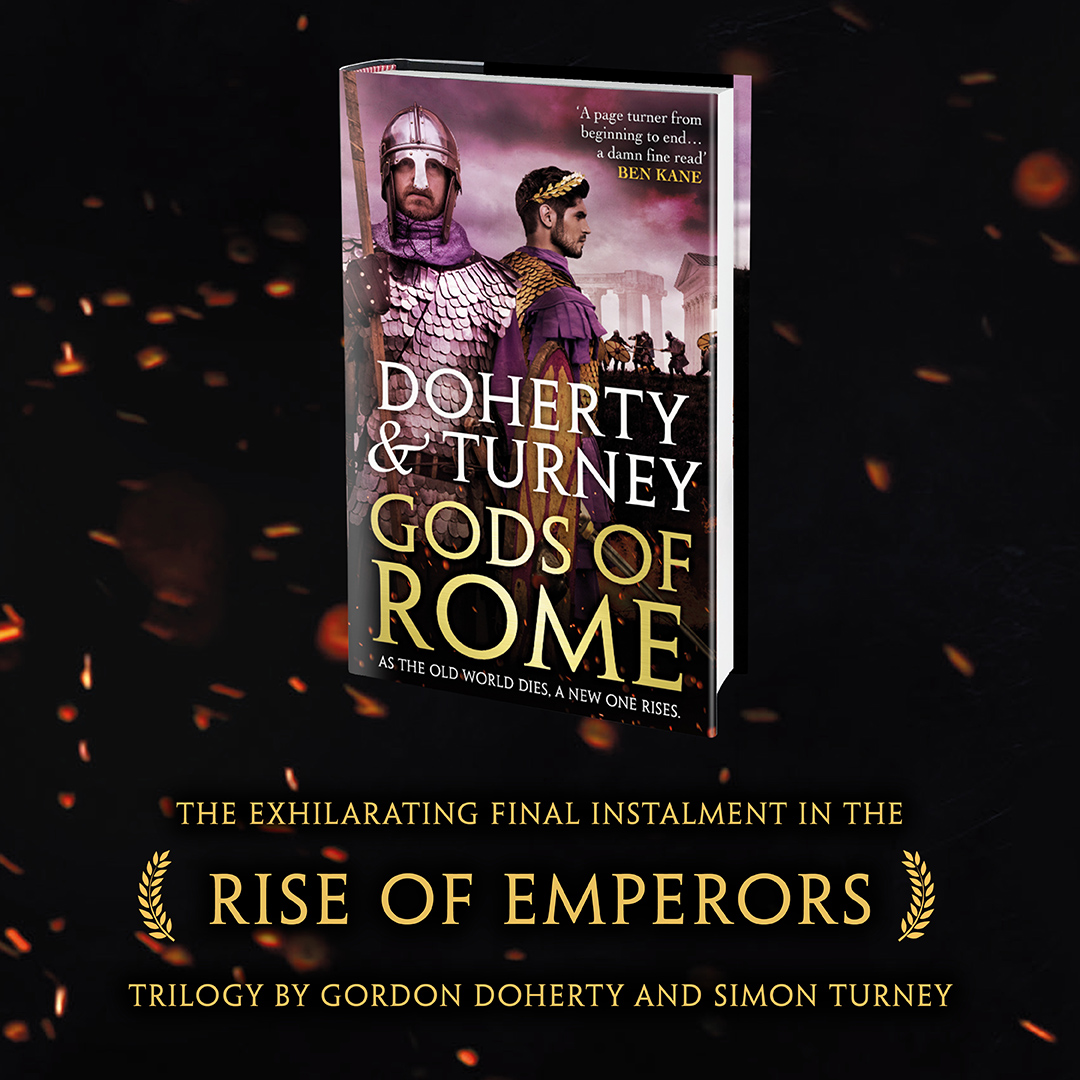
Cor, I’ve loved all three of these books. But before I get to the nitty gritty of the review for book 3, here’s the blurb:
For one to rule, the other must die.
312 AD is a year of horrific and brutal warfare. Constantine’s northern army is a small force, plagued by religious rivalries, but seemingly unstoppable as they invade Maxentius’ Italian heartlands. These relentless clashes, incidents of treachery and twists of fortune see Maxentius’ armies driven back to Rome.
Constantine has his prize in sight, yet his army is diminished and on the verge of revolt. Maxentius meanwhile works to calm a restive and dissenting Roman populace. When the two forces clash in the Battle of the Milvian Bridge, there are factors at work beyond their control and soon they are left with carnage.
There is only one way Constantine and Maxentius’ rivalry will end. With one on a bloodied sword and the other the sole ruler of Rome . . .
My Review
Gods of Rome is a stunning climax to the Rise of Emperors trilogy. The reader has followed the lives of Maxentius and Constantine in the two previous books, through their childhood friendship and adult rivalries, which have resulted in them being firm enemies. In this non-stop and thrilling climax, there is all to play for, and don’t Doherty and Turney manage to ramp up the tension to unbearable heights.
I’m no expert on Roman history, and certainly not on the period leading up to AD312, but the authors manage to convey the chaos of the ruling elite without ever getting bogged down in the minutiae of all the internal power struggles. It’s a light touch that I certainly appreciate. The focus is on Constantine and Maxentius, and the men and women who stand at their side. And this is a particular strength of the book. It would be quite easy to forget about the men’s wives as the book focuses so much on warfare but Fausta and Valeria are given their own storylines, standing firm beside their men, even if they don’t always approve of what they’re doing, and not above some treachery themselves.
Maxentius and Constantine are two very different characters, grappling for the same thing, and the reader never tires of their internal monologues as they goad themselves onwards.
From about 50% through the book, I had to force myself not to turn to the back to read the historical notes, and to find out what ‘truth’ this story was based on.
I have adored this trilogy of books. It is my type of historical fiction – people who lived and breathed, brought to life and made to live their lives as opposed to authors focusing on the inevitability of what would happen, and presenting it as a fait accompli.
I can only hope that Simon Turney and Gordon Doherty are able to collaborate once more. After all, they have a lot of Roman era history they could delve into. (Hint, hint, nudge, nudge).
About the authors
Simon Turney is the author of the Marius’ Mules and Praetorian series, as well as The Damned Emperor series for Orion and Tales of the Empire series for Canelo. He is based in Yorkshire.
Gordon Doherty is the author of the Legionary and Strategos series, and wrote the Assassin’s Creed tie-in novel Odyssey. He is based in Scotland.
1 CONSTANTINE The Cottian Alpes, 27th January 312 ad
We moved through the mountains like winter wolves. The ferocious blizzard sped southwards with us, carried on the famous bora winds, singing a dire song. For days we marched through that driving snow, seeing nothing but great white-clad peaks either side of us; rugged, inhospitable highlands which in these frozen months soldiers were not meant to cross. All around me the gale screamed, boots crunched endlessly through the successively deeper drifts of white, men’s teeth chattered violently, mules brayed, exhausted. It felt at times as if we were wandering, snow-blind, to our deaths, but I knew what lay ahead… so close now.
I called upon my chosen men and a handful of their best soldiers – a group of thirty – and we roved ahead of the army like advance scouts. The blizzard raked through my bear cloak, the snow rattling like slingshot against my gemmed ridge helm and bronze scales as I scoured the valley route. Yet I refused to blink. When the speeding hail of white slowed and the murky grey ahead thinned a little, I saw them: a pair of stone and timber watchtowers, northern faces plastered in snow. Gateposts watching this passage between two realms. I dropped to my haunches behind the brow of a snowdrift and my chosen men hunkered down with me. I gazed over the drift’s brow, regarding the narrow gap between the towers and the valley route beyond, on through the winter-veined mountains. Thinking of the land that lay beyond these heights, my frozen lips moved soundlessly.
Italia…
Land of Roman forefathers. Home of the man I had once considered my friend… but that territory was rightfully mine. Mine! My surging anger scattered when I spotted movement atop one of the two towers: a freezing Maxentian scout blowing into his hands, oblivious to our presence. Then the blizzard fell treacherously slack, and the speeding veil of white cleared for a trice. I saw his ice-crusted eyebrows rise as he leaned forward, peering into the momentary clarity, right at us. His eyes bulged, mouth agog.
‘He is here!’ he screamed to be heard over the sudden return of the storm’s wrath. ‘Constantine is h—’
With a wet punch, an arrow whacked into the man’s chest and shuddered there. He spasmed then folded over the edge of the timber parapet and fell like a sack of gravel, crunching into a pillowy snowdrift at the turret’s foot. I glanced to my right, seeing my archer nock and draw again, shifting his bow to the heights of the other tower, his eyes narrowing within the shadow of his helm brow. He loosed, but the dark-skinned sentry up there ducked behind the parapet, screaming and tolling a warning bell. At once, three more Maxentians spilled from the door at the base of that rightmost tower, rushing south towards a simple, snow-topped stable twenty paces away, in the lee of a rocky overhang. This was one of the few gateways through the mountains – albeit the least favoured and most treacherous – and it was guarded by just five men? Instantly, suspicion and elation clashed like swords in my mind. We had no time to rake over the facts. These watchmen could not be allowed to ride south and warn the legions of Italia. They had to die.
Check out my other reviews for Simon Turney/SJA Turney’s books
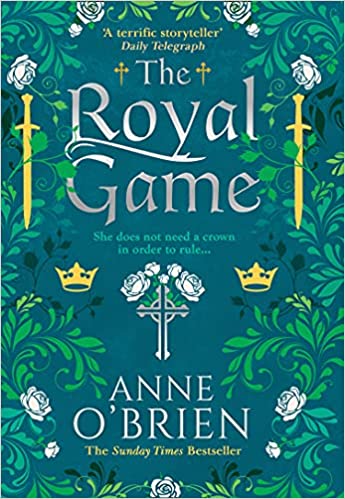
The inspirational story of the Pastons, a family who rose from obscurity to the very heart of Court politics and intrigue during the Wars of the Roses.
England, 1444. Three women challenge the course of history…
King Henry VI’s grip on the crown hangs by a thread as the Wars of the Roses starts to tear England apart. And from the ashes of war, the House of Paston begins its rise to power.
Led by three visionary women, the Pastons are a family from humble peasant beginnings who rely upon cunning, raw ambition, and good fortune in order to survive.
Their ability to plot and scheme sees them overcome imprisonment, violence and betrayal, to eventually secure for their family a castle and a place at the heart of the Yorkist Court. But success breeds jealousy and brings them dangerous enemies…
An inspirational story of courage and resilience, The Royal Game charts the rise of three remarkable women from obscurity to the very heart of Court politics and intrigue.
My Review
Anne O’Brien is one of my favourite authors. Every year, I wait with high anticipation to read her newest book and to see which ‘new’ unknown woman of history she’s brought to life for her readers.
With The Royal Game, Anne O’Brien has chosen not a powerful royal/noblewoman but instead three women who hunger to be considered as such. The majority of the story is told from the viewpoint of Margaret Paston, wife to John Paston, as property disputes amongst their landed estates escalate and are resolved only to escalate once more. This might sound a bit boring, but believe me, it’s not. I was shocked, genuinely shocked, by the level of violence that could be brought to bear against rival claimants and the state of lawlessness in East Anglia at the time is flabbergasting. It acts as a perfect way of showing just what the uncertainty of the Wars of the Roses brought about for those lower ‘noble’ families with the ebb and flow of prestige and royal denouncement as in the background, great battles are won and lost, and rival kings fall and rise.
Margaret is a wonderfully independently minded woman, and yet constrained by her position in life, and her sex so she can only do so much when trouble strikes, but she will do it to her upmost.
Alongside Margaret, we meet her sister in law, Eliza, who struggles to find a husband and emerge from beneath her mother’s less than motherly love. She manages to do just that only to find herself facing a life as beset with lawsuits as her brother and sister by marriage.
Our third Paston woman is Anne Haute, a cousin to Elizabeth Woodville. Her voice is that of a noblewoman without the dowry needed to hook herself a wonderful marriage, but who can tout her family connections to gain one.
This book is a stunning read – and more, an easy read – despite the vast number of Johns in it (I’ll leave that for you to discover because wow – that’s a weird thing to have done). I had to force myself to slow down and stop reading because I didn’t want it to be over. Now I have to wait for next year to read the second part of the story.
I highly recommend this book. If you know about the Wars of the Roses, all the better, but if you don’t, it will not lessen your enjoyment of the story of the three Paston women and their troublesome and litigious family at a time of intense political unrest.
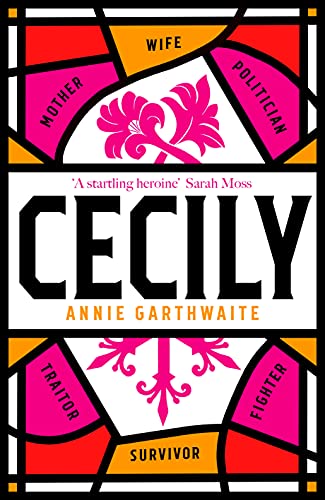
Rebellion?’ The word is a spark. They can start a fire with it, or smother it in their fingertips. She chooses to start a fire.
You are born high, but marry a traitor’s son. You bear him twelve children, carry his cause and bury his past.
You play the game, against enemies who wish you ashes. Slowly, you rise.
You are Cecily.
But when the king who governs you proves unfit, what then?
Loyalty or treason – death may follow both. The board is set. Time to make your first move.
My Review
Cecily, the story of Cecily Neville up to and including 1461, is a wonderful retelling of her story.
Having read Anne O’Brien’s The Queen’s Rival last year, which offers Cecily’s story from the late 1450s onwards, I feel that this unknown woman has now been brought to life in wonderful detail. (If you have only read one of these two books then do please try the other one – you won’t be disappointed.)
Cecily is told from Cecily’s point of view, as such, there are some things that she can’t know or witness, and the author manages this incredibly skillfully. We know what Cecily does, and we know other events when she knows them. It’s a perfect way to ensure the reader, even if they know the history of the time period, doesn’t get ahead of themselves.
Cecily is an engaging and headstrong woman. The author gives her a voice that we can understand, reflecting a quick intelligence and an ability to piece together events skillfully. Some scenes may feel rushed, and there is a refusal to dwell on the royal splendour of the court, but I think this added to the story. It is the interaction of the king, queen and the courtiers that’s important, not who was wearing what and eating what. This is absolutely my sort of historical fiction book.
Two sisters parted. Two women blamed. Two stories reclaimed.
For millennia, two women have been blamed for the fall of a mighty civilisation – but now it’s time to hear their side of the story . . .
As princesses of Sparta, Helen and Klytemnestra have known nothing but luxury and plenty. With their high birth and unrivalled beauty, they are the envy of all of Greece.
Such privilege comes at a high price, though, and their destinies are not theirs to command. While still only girls they are separated and married off to legendary foreign kings Agamemnon and Menelaos, never to meet again. Their duty is now to give birth to the heirs society demands and be the meek, submissive queens their men expect.
But when the weight of their husbands’ neglect, cruelty and ambition becomes too heavy to bear, they must push against the constraints of their sex to carve new lives for themselves – and in doing so make waves that will ripple throughout the next three thousand years.
Daughters of Sparta is that most wonderful of books – one that draws you in from the very first pages and won’t let go of you until the end. I read it in just over a day. I didn’t want to put it down.
The storytelling is engaging, the characters of Helen and her sister, beautifully sketched while everyone around them, apart from their mother, stays very much in the background. This is their story.
At times the reader will hate either or both of the sisters, at other times, the reader will understand their pain, their desire to be more than their birthright.
A beautifully evocative story that speaks of the loneliness of royal marriage, of the heavy and life-threatening expectations placed on young women to become mothers, and you will be swept along by a tale you think you know but might not.
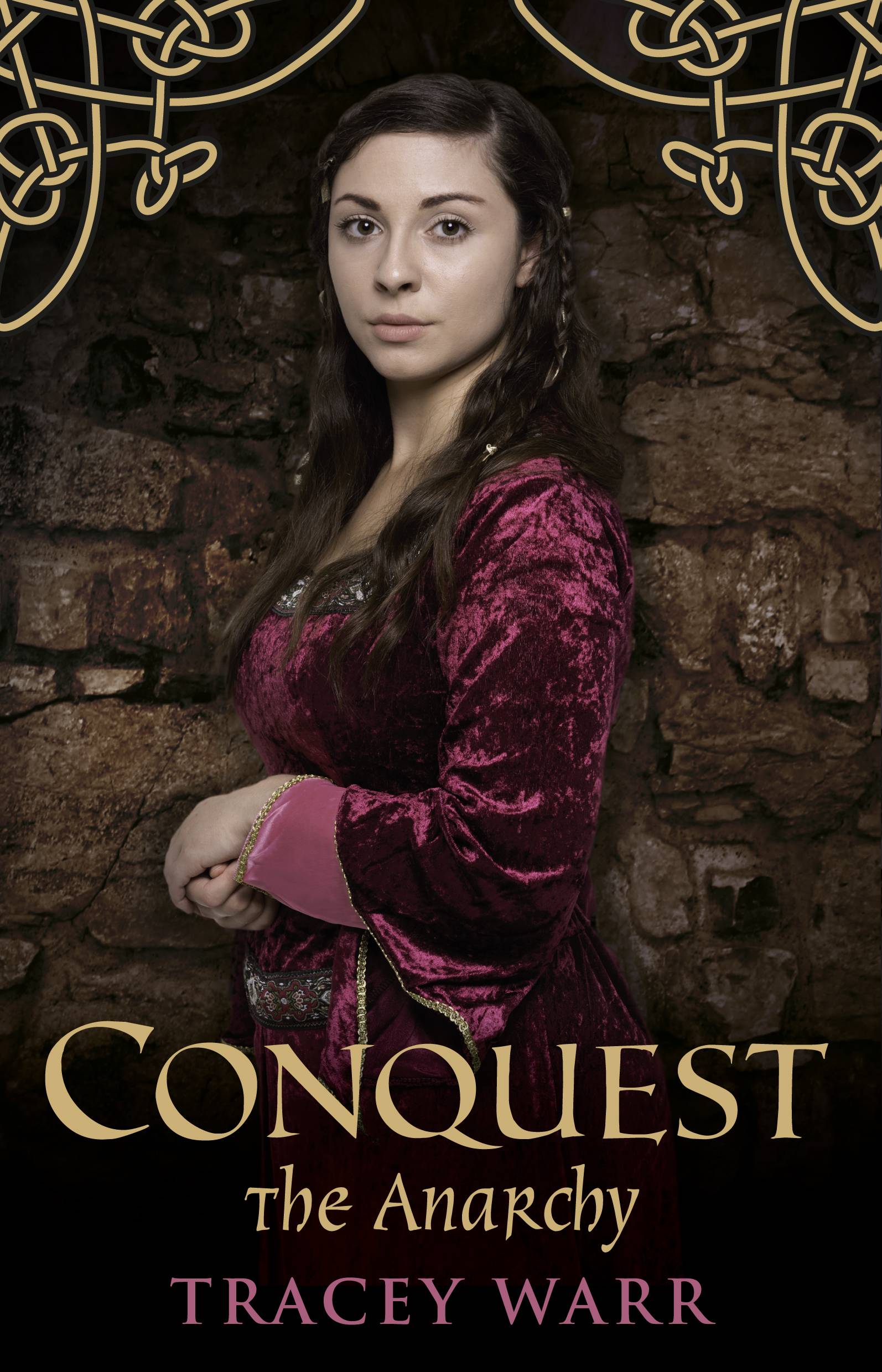
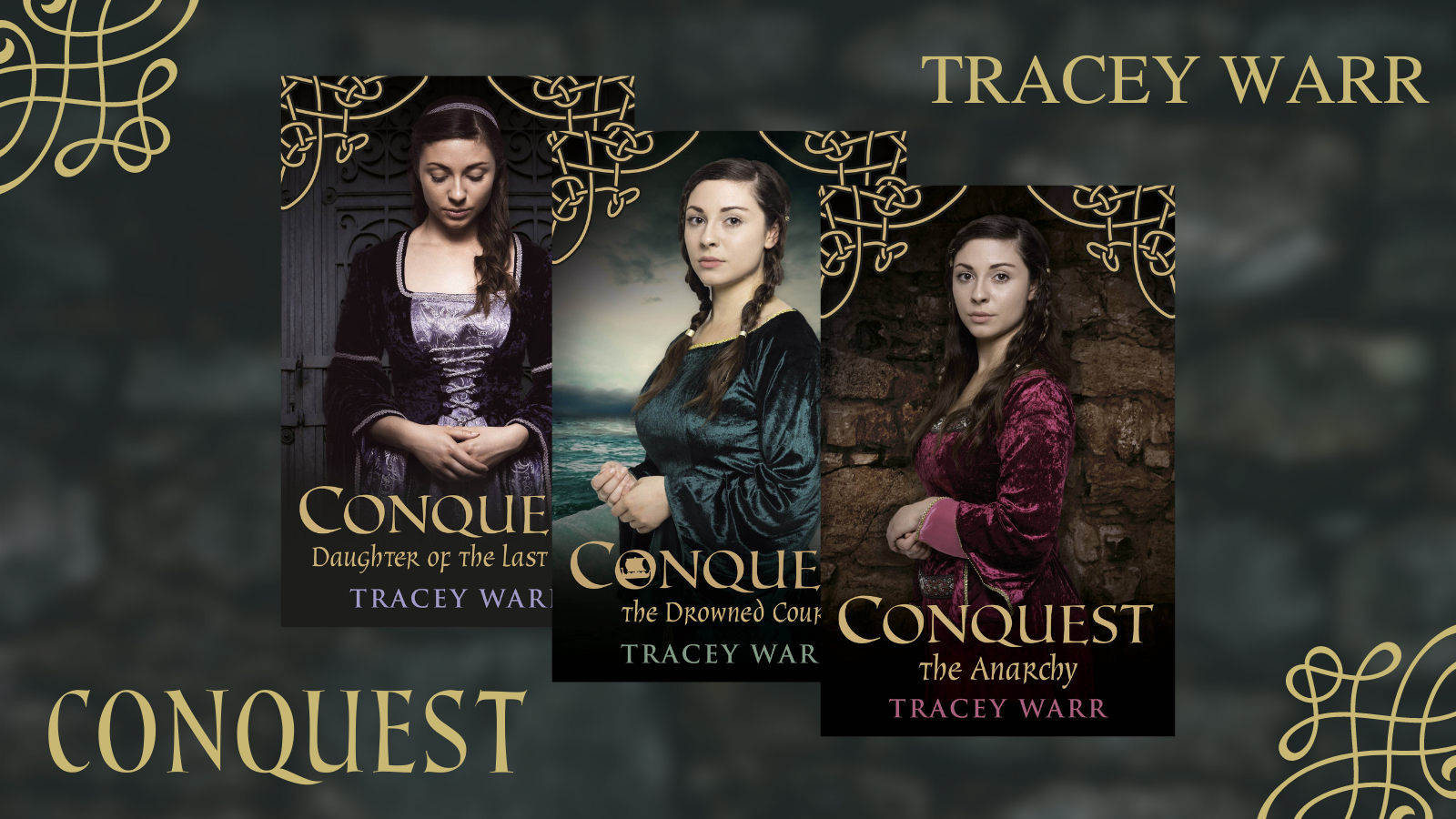
Welcome to the blog. Your book, The Anarchy, is set in a time period that I thoroughly enjoy and sounds absolutely fascinating. As a historian first and foremost, and then a writer, I’m always interested in how people research their historical stories.
Can you explain your research process to me, and give an idea of the resources that you rely on the most (other than your imagination, of course) to bring your historical landscape to life?
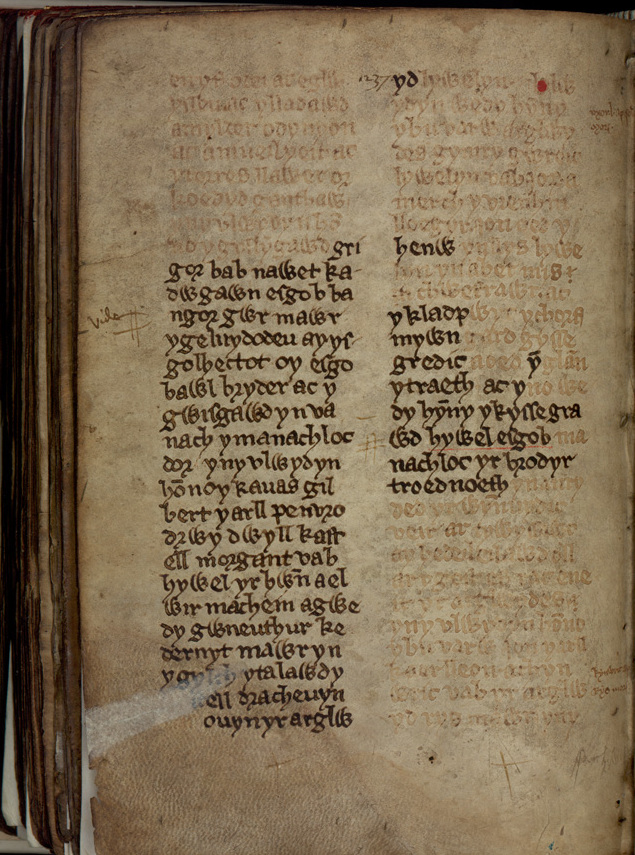
The Anarchy is set 1121–1139 and focuses on the later life of the Welsh noblewoman, Nest ferch Rhys. It is the final book in my Conquest trilogy telling the story of Nest’s turbulent life. Gwyneth Richards has argued that historiography has had a male bias ‘which has hitherto rendered women more invisible than is warranted by the available sources’ (2009, p. 24). Near-invisible women in the early middle ages are the territory of my historical fiction. I take the often very slight references to them in medieval chronicles and charters and imagine into the gaps. My first novel on an 11thcentury countess of Toulouse and Barcelona, Almodis de la Marche, came from a few sentences in the Chronicle of Ademar de Chabannes. My second novel came from a few more sentences in the same medieval chronicle on a different woman who was kidnapped by vikings. The Conquest trilogy derives from a couple of paragraphs on Nest ferch Rhys in Brut y Tywysogion (The Chronicle of the Princes)
Nest ferch Rhys was the daughter of the last independent king in Wales, Rhys ap Tewdwr. Her father and three of her brothers were killed by invading Normans and she was probably raised in the Norman court. She became the mistress of the Norman king, Henry I, and had a son with him. She was married to Gerald FitzWalter, the Norman steward of Pembroke Castle, which had been part of her father’s kingdom. The Welsh prince, Owain of Powys, abducted her from Gerald for a few years. After Gerald died, she was married to Stephen de Marais, the Norman constable of Cardigan Castle. The character Haith in my novel is based on Hait who is documented as the sheriff of Pembroke in the 1130 pipe roll, the records of the court (Green, 1986). Hait is presumed, from his name, to have been Flemish. It is my invention to make him a close friend of King Henry. According to Nest’s grandson, Gerald of Wales, Hait was the father of one of Nest’s sons.
Once I have a spark from a primary source such as the Brut y Tywysogion to set me off, I pursue several lines of enquiry to find out everything I can about my characters, their relationships with one another, and the contexts they lived in. The lines of enquiry I pursue are further primary sources, genealogical research, biographies, the literature and art of the time, objects in museums, maps, site research at places associated with the characters, and contextual research—finding out, for example what people in those times and places wore and ate, what games they played and what books they read. I do as much research as I can online and buy key books and then I spend days in the British Library poring over the more inaccessible sources.
Other primary sources I drew on for The Anarchy included William FitzStephen’s account of Norman London and the books written by Nest’s grandson, Gerald of Wales. The genealogical research gives me a sense of the relationships between people and, for instance, an idea of how many children my heroine had and when. One key resource I use for genealogical research is Charles Cawley’s Medieval Lands, which can be searched online (2014). Genealogies are often set out following the patriarchal line. I make an effort to perceive the matriarchal line too, as far as possible. Family and kin—on both sides—were extremely significant for medieval people.
Despite sometimes being described as the most famous early medieval Welsh woman, the historical record of Nest is slender. Her kidnap from her husband Gerald FitzWalter by Prince Owain Cadwgan, which probably occurred at Cilgerran Castle, is briefly described in Brut y Tywysogion (The Chronicle of the Princes). Nest is credited with advising Gerald to escape down the castle toilet chute, which let out onto the dungheap below, outside the castle walls. (See my earlier blogpost on the wily Gerald: https://englishhistoryauthors.blogspot.com/2016/11/a-norman-frontiersman-in-wales.html.)
Kari Maund and Susan Johns have both written important studies on Nest ferch Rhys. I also research the people around her and try to get a sense of the atmosphere of the Norman court that Nest found herself in. C. Warren Hollister and Judith Green’s biographies of King Henry I were invaluable and writing the character of the king in my novels was one of the most enjoyable parts of composing them. I also drew on David Crouch’s book on the Beaumont twins to think about the personalities and factions at court. Reading journal articles, such as Eleanor Searle’s study of the marriages of Norman conquerors to Welsh and Anglo-Saxon heiresses, often gives me key information or details to use.
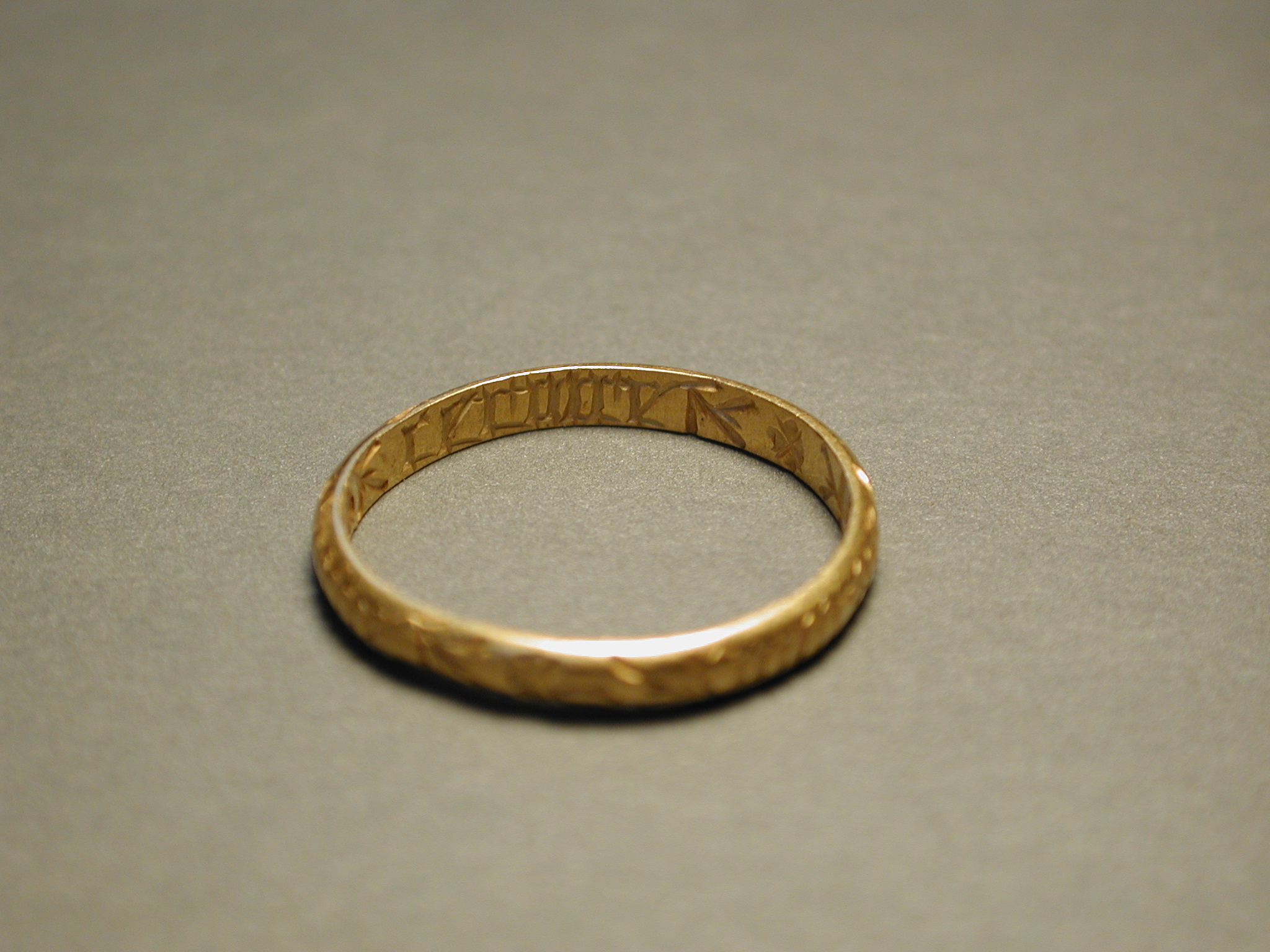
My research on the literature of the time, such as The Mabinogion and the poems of the Welsh bards, helps me find fragments of the authentic voice of that period that I can use. In The Anarchy, Breri the Welsh bard is a double agent, spying for both the Welsh and the Normans. Amanda Jane Hingst’s book on the medieval writer, Orderic Vitalis, also gave me valuable material. Vivid details of daily life can be drawn from manuscript illustrations and objects in museums, and I often use particular objects, such as goblet or a ring, as a significant motif in the story.
In the opening chapter of The Anarchy, Nest, has been widowed from one Norman and is married unwillingly to another, Stephen de Marais. After the ceremony, she absconds, leaving her wedding ring on the table in the great hall.
I walk the sites of the novel, visiting castle ruins. Even though there is rarely much to see surviving from the 12thcentury, site research gives me atmosphere, weather, birdsong, the lay of the land. I draw up my own chronology, genealogies, and maps to help me flesh out the fictional world of my characters so that it is imagined, but credible, built on a structure of recorded history.
(Historical references are listed below).
Brut y Tywysogion (Chronicle of the Princes). Written 681–1282. Thomas Jones transl. (1953) Caerdydd: Gwasg Prifysgol Cymru.
Ademar de Chabannes, Chronique, 3 vols., translated by Yves Chauvin and Georges Pon (2003) Turnhout: Brepols.
Crouch, David (2008) The Beaumont Twins: The Roots and Branches of Power in the Twelfth Century, Cambridge: Cambridge University Press.
FitzStephen, William, Norman London. Written around 1183. Essay by Sir Frank Stenton & Introduction by F. Donald Logan (1990) New York: Italica Press.
Gerald of Wales, The Itinerary Through Wales and the Description of Wales. Written 1191 and 1194. Lewis Thorpe, transl. (1978), Harmondsworth: Penguin.
Green, Judith A. (2009) Henry I King of England and Duke of Normandy, Cambridge: Cambridge University Press.
Hingst, Amanda Jane (2009) The Written World: Past and Place in the Work of Orderic Vitalis, Notre Dame, Indiana: University of Indiana Press.
Hollister, C. Warren (2001) Henry I, New Haven/London: Yale University Press.
Johns, Susan M. (2013) Gender, Nation and Conquest in the High Middle Ages: Nest of Deheubarth, Manchester: Manchester University Press.
Maund, Kari (2007) Princess Nest of Wales: Seductress of the English, Stroud: Tempus.
Richards, Gwyneth (2009) Welsh Noblewomen in the 13th Century, Lewiston, N.Y.: Edwin Mellen Press.
Searle, Eleanor (1980) ‘Women and the legitimization of succession’ in Brown, R. Allen, ed., (1981) Anglo-Norman Studies III: Proceedings of the Battle Conference, pp. 159-170.
Thank you so much for sharing your research with. It’s great to see all the resources you used. I also smiled because Kari Maund was one of my lecturers at university. Her books on the early Welsh period are wonderful.
Here’s the blurb:
Unhappily married to Stephen de Marais, the Welsh princess, Nest, becomes increasingly embroiled in her countrymen’s resistance to the Norman occupation of her family lands. She plans to visit King Henry in the hope of securing a life away from her unwanted husband, but grieving for the loss of his son, the King is obsessed with relics and prophecies.
Meanwhile, Haith tries to avoid the reality that Nest is married to another man by distracting himself with the mystery of the shipwreck in which the King’s heir drowned. As Haith pieces together fragments of the tragedy, he discovers a chest full of secrets, but will the revelations bring a culprit to light and aid the grieving King?
Will the two lovers be united as Nest fights for independence and Haith struggles to protect King Henry?
Tracey Warr (1958- ) was born in London and lives in the UK and France. Her first historical novel, Almodis the Peaceweaver (Impress, 2011) is set in 11th century France and Spain and is a fictionalised account of the true story of the Occitan female lord, Almodis de la Marche, who was Countess of Toulouse and Barcelona. It was shortlisted for the Impress Prize for New Fiction and the Rome Film Festival Books Initiative and won a Santander Research Award. Her second novel, The Viking Hostage, set in 10th century France and Wales, was published by Impress Books in 2014 and topped the Amazon Australia charts. Her Conquest trilogy, Daughter of the Last King, The Drowned Court, and The Anarchy recount the story of a Welsh noblewoman caught up in the struggle between the Welsh and the Normans in the 12th century. She was awarded a Literature Wales Writers Bursary. Her writing is a weave of researched history and imagined stories in the gaps in history.
Tracey Warr studied English at University of Hull and Oxford University, gaining a BA (Hons) and MPhil. She worked at the Arts Council, Institute of Contemporary Arts, Chatto & Windus Publishers, and edited Poetry Review magazine with Mick Imlah. She also publishes art writing on contemporary artists, and in 2016 she published a future fiction novella, Meanda, in English and French, as part of the art project, Exoplanet Lot. She recently published a series of three books, The Water Age, which are future fiction and art and writing workshop books – one for adults and one for children – on the topic of water in the future. She gained a PhD in Art History in 2007 and was Guest Professor at Bauhaus University and Senior Lecturer at Oxford Brookes University and Dartington College of Arts. Her published books on contemporary art include The Artist’s Body (Phaidon, 2000), Remote Performances in Nature and Architecture (Routledge, 2015) and The Midden (Garret, 2018). She gained an MA in Creative Writing at University of Wales Trinity St David in 2011. She is Head of Research at Dartington Trust and teaches on MA Poetics of Imagination for Dartington Arts School.
The Dacian kingdom and Rome are at peace, but no one thinks that it will last. Sent to command an isolated fort beyond the Danube, centurion Flavius Ferox can sense that war is coming, but also knows that enemies may be closer to home.
Many of the Brigantes under his command are former rebels and convicts, as likely to kill him as obey an order. And then there is Hadrian, the emperor’s cousin, and a man with plans of his own…
Gritty, gripping and profoundly authentic, The Fort is the first book in a brand new trilogy set in the Roman empire from bestselling historian Adrian Goldsworthy.
The Fort by Adrian Goldsworthy is good ‘Roman’ era fiction.
Set in Dacia in AD105, it is the story of ‘The Fort’ under the command of Flavius Ferox, a character some will know from Goldsworthy’s previous trilogy that began with Vindolanda.
Mistakenly thinking this was an entirely new trilogy with all new characters, it took me a while to get into the story. Everyone seemed to know everyone else apart from me. But Ferox is a good character, and he grounded me to what was happening in the immediate vicinity of the Fort, and apart from once or twice, it didn’t really matter what had gone before.
This is a story of suspicions, ambition and lies, and it rumbles along at a good old pace. This isn’t the story of one battle, but rather many, a slow attrition against the Romans by the Dacians.
Overall, this was an enjoyable novel, and some of the fighting scenes were especially exciting. Those with an interest in Roman war craft will especially enjoy it, although, I confess, I don’t know my spatha from my pilum (there is a glossary, fellow readers, so do not fear.)
About the author
Adrian Goldsworthy has a doctorate from Oxford University. His first book, THE ROMAN ARMY AT WAR was recognised by John Keegan as an exceptionally impressive work, original in treatment and impressive in style. He has gone on to write several other books, including THE FALL OF THE WEST, CAESAR, IN THE NAME OF ROME, CANNAE and ROMAN WARFARE, which have sold more than a quarter of a million copies and been translated into more than a dozen languages. A full-time author, he regularly contributes to TV documentaries on Roman themes.
Adrian Goldsworthy , Author , Broadcaster , Historical consultant .








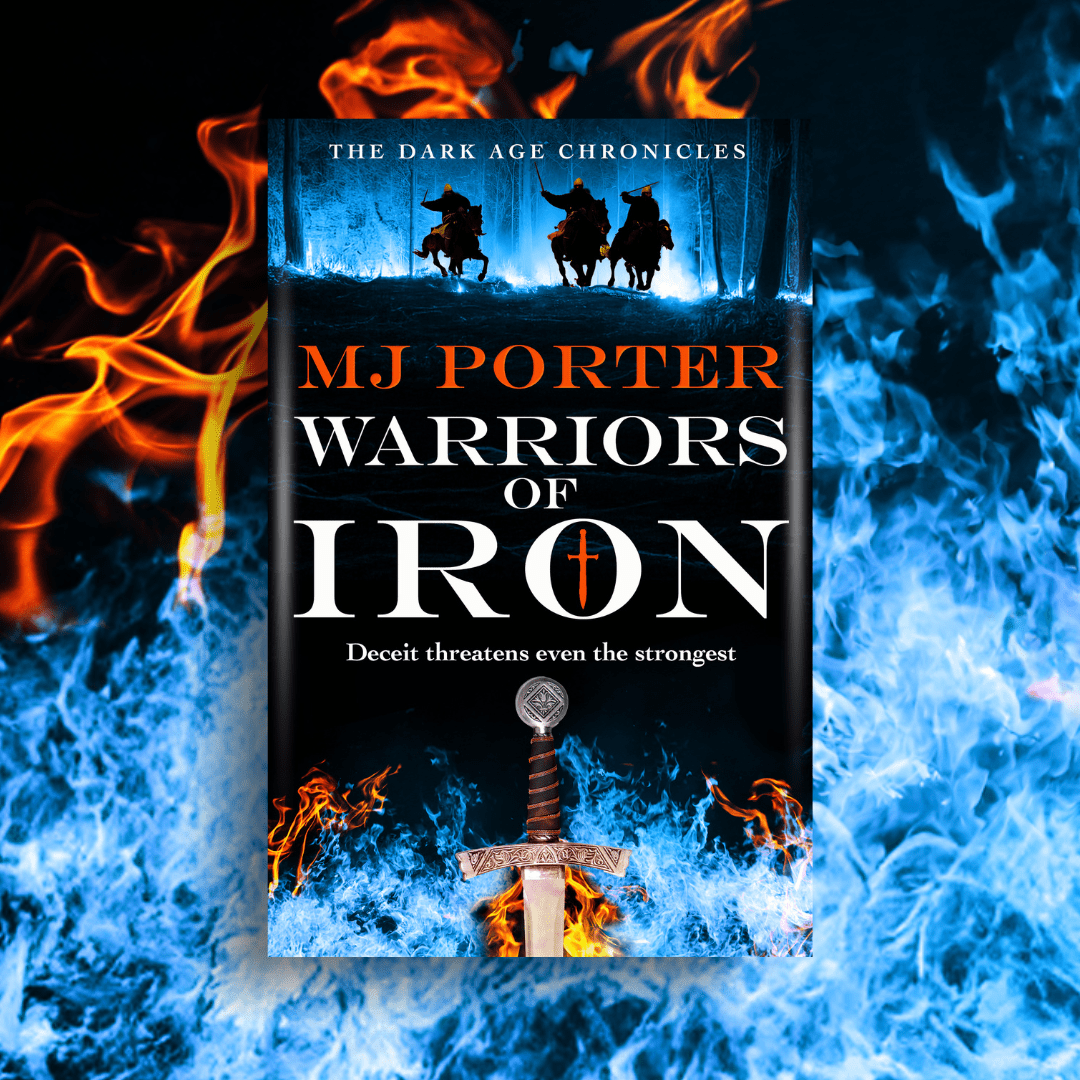
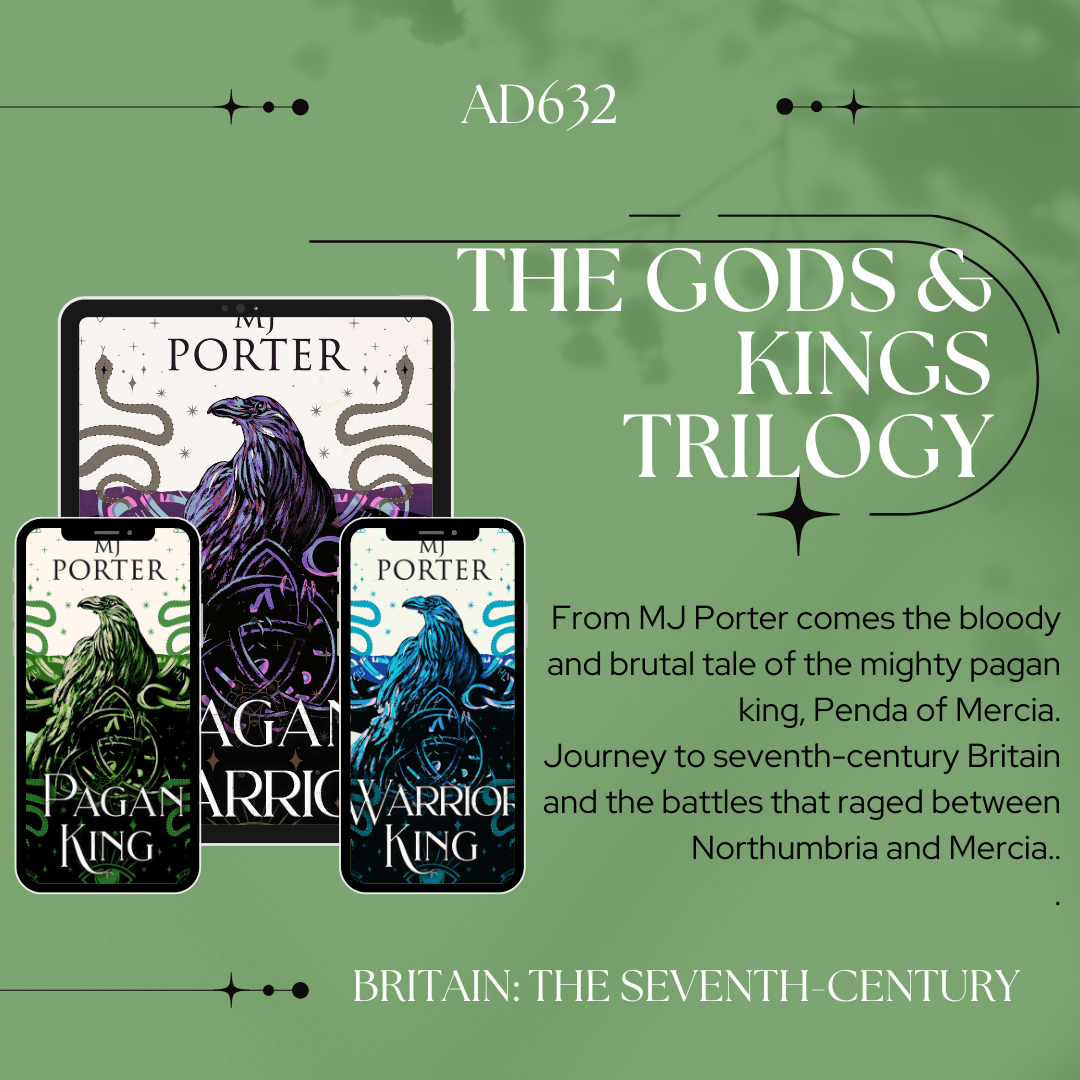
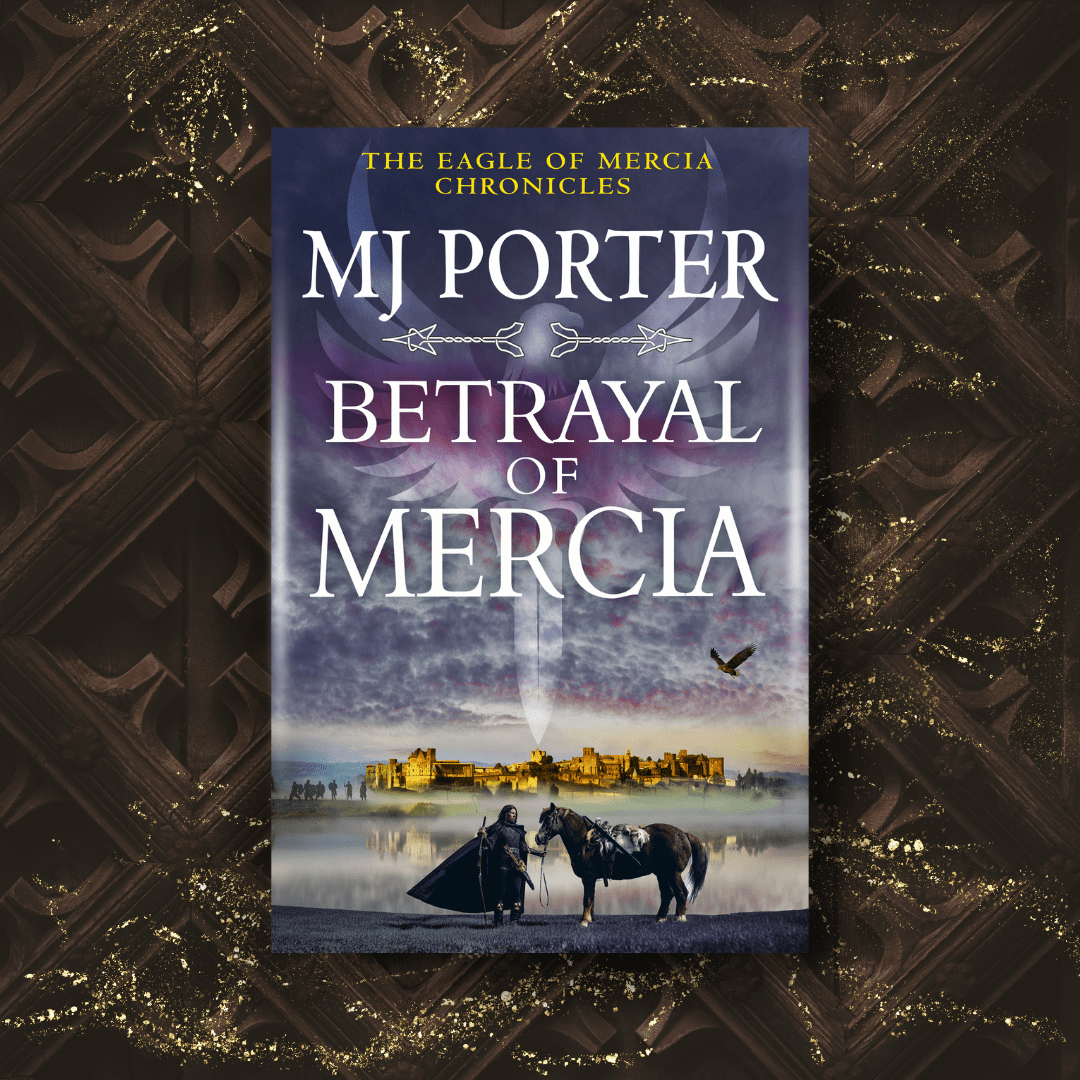





 MJ Porter
.jpg)
_(FindID_199291).jpg)