

The scop song that is so important to events in both King of Kings and Kings of War existed, although I have manipulated it to my purposes and changed some of the more obscure references within it. That said, the poem, Armes Prydein (The Prophecy of Britain) is itself fascinating and is believed to have been a Welsh response to the imperium of King Athelstan of the English, and Hywel’s, of the South Welsh, close connection to the English and Athelstan. It has been dated to about 940, although it might be slightly earlier or later.
In King of Kings and Kings of War, my version reads,
‘And after peace, commotion everywhere,
Brave, mighty men, in battle tumult.
Swift to attack, stubborn in defence.
Warriors will scatter the interlopers as far as Cait
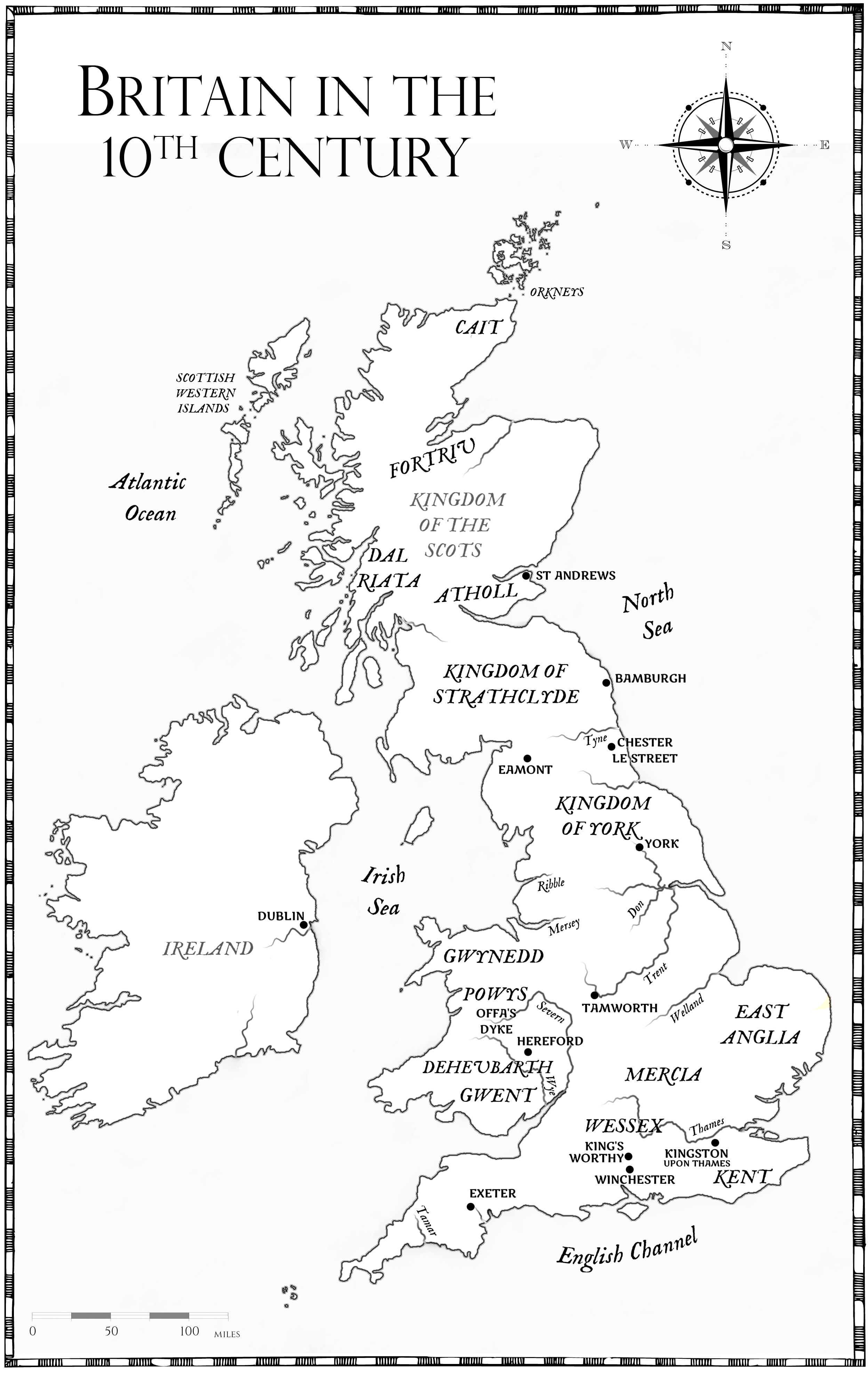
The Welsh and the men of Dublin, the Scots and the Norsemen,
Those of Cornwall and Strathclyde will reconcile as one.
Kings and nobles will subdue the interlopers, drive them into exile
Bring an end to the dominion, and make them food for the wild beasts.
There will be no return for the tribes of the Saxons.’
In its entirety, it foretells a uniting of the Welsh, with all the other kingdoms then in Britain, against the English, or Saxons, those people who had run roughshod over the island at some point between 400-600, when the Saxon kingdoms emerge with more clarity.
Somewhat similar to the legendary figures of Welsh literature, (although not Arthur at this stage) – Cynan and Cadwalladr ap Cadwallan are named – it was a call to arms to defeat the Saxons/English. (I’m going to share a post about Cynan as well).
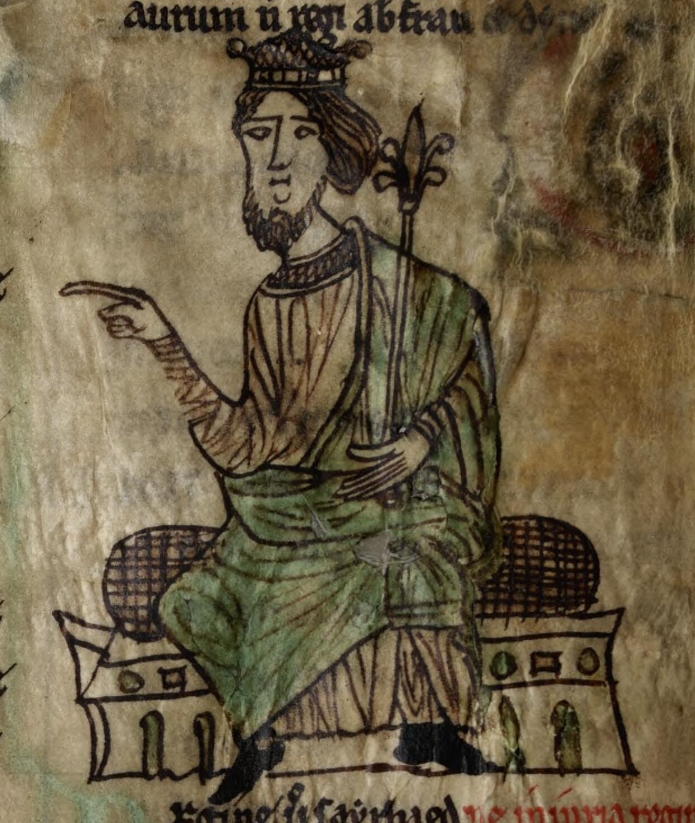
The poem survives in the Book of Taliesin, a fourteenth-century manuscript, although it’s believed the contents have an origination in the tenth century. The manuscript can be viewed online here https://www.library.wales/discover-learn/digital-exhibitions/manuscripts/the-middle-ages/book-of-taliesin#?c=&m=&s=&cv=7&xywh=-852%2C-1%2C3896%2C3020
You can find the poem in its entirety, in Welsh, here https://web.archive.org/web/20180130062458/http://www.maryjones.us/ctexts/t06w.html
And here, in translation into English.
http://www.maryjones.us/ctexts/t06.html#1
It’s been nearly a decade since I first conceived of this storyline, but reading it all over again, and adding a whole host of new details, I confess, I feel pretty proud of myself for weaving the poem into my story of Britain in the 920s and 930s, and appreciate that the suggestion the poem dates from this period does indeed make perfect sense, even if there are also other suggestions about its origins.
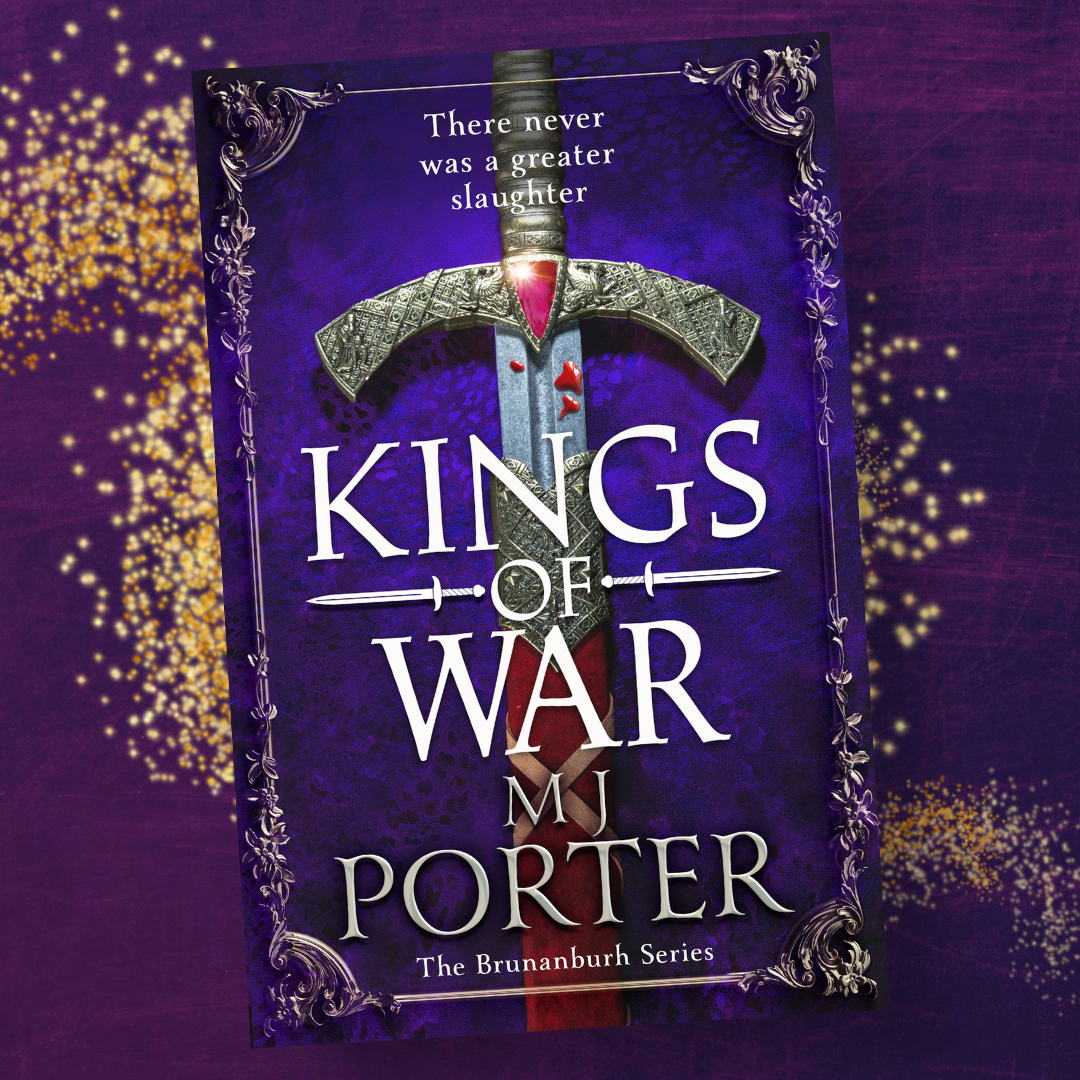
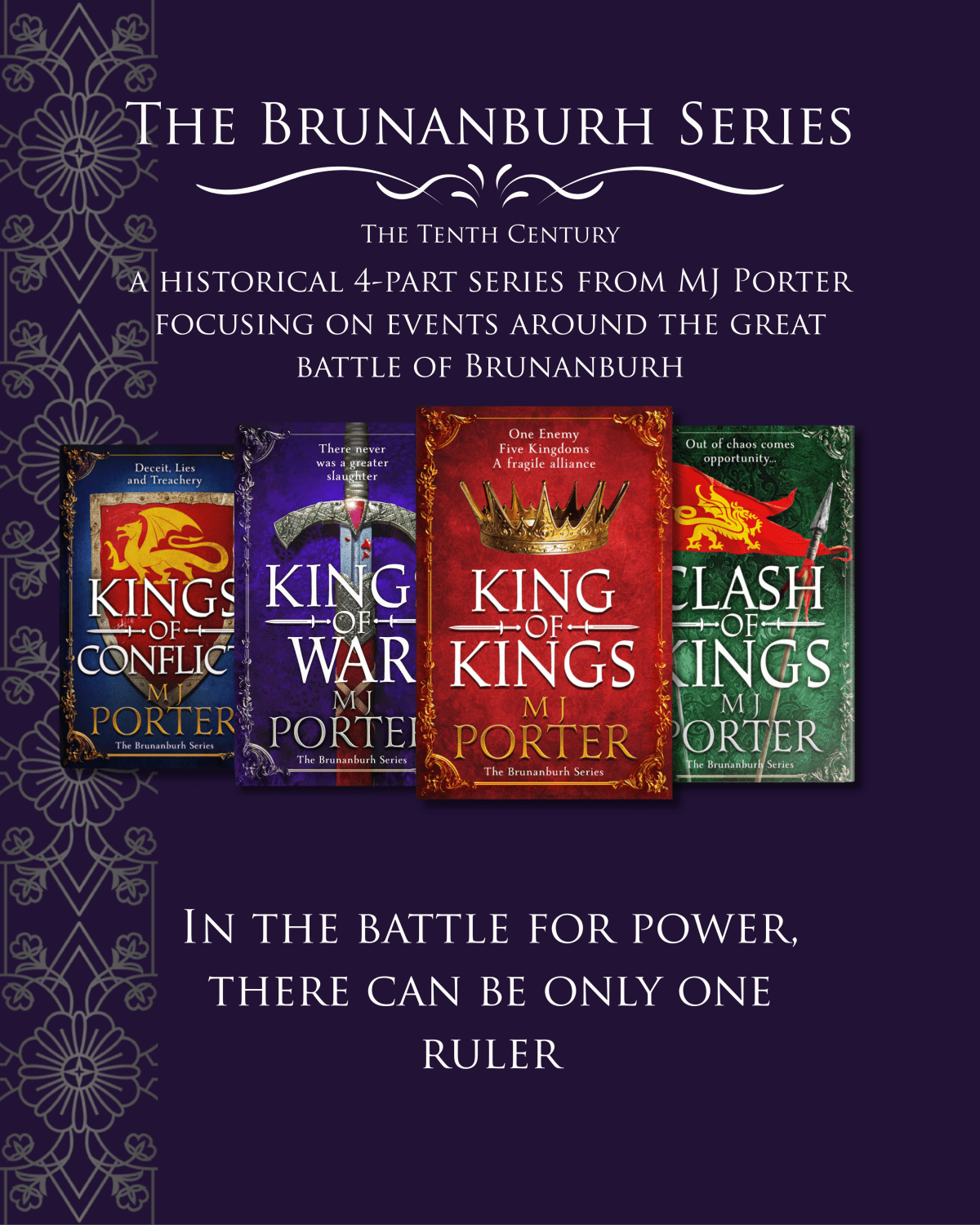
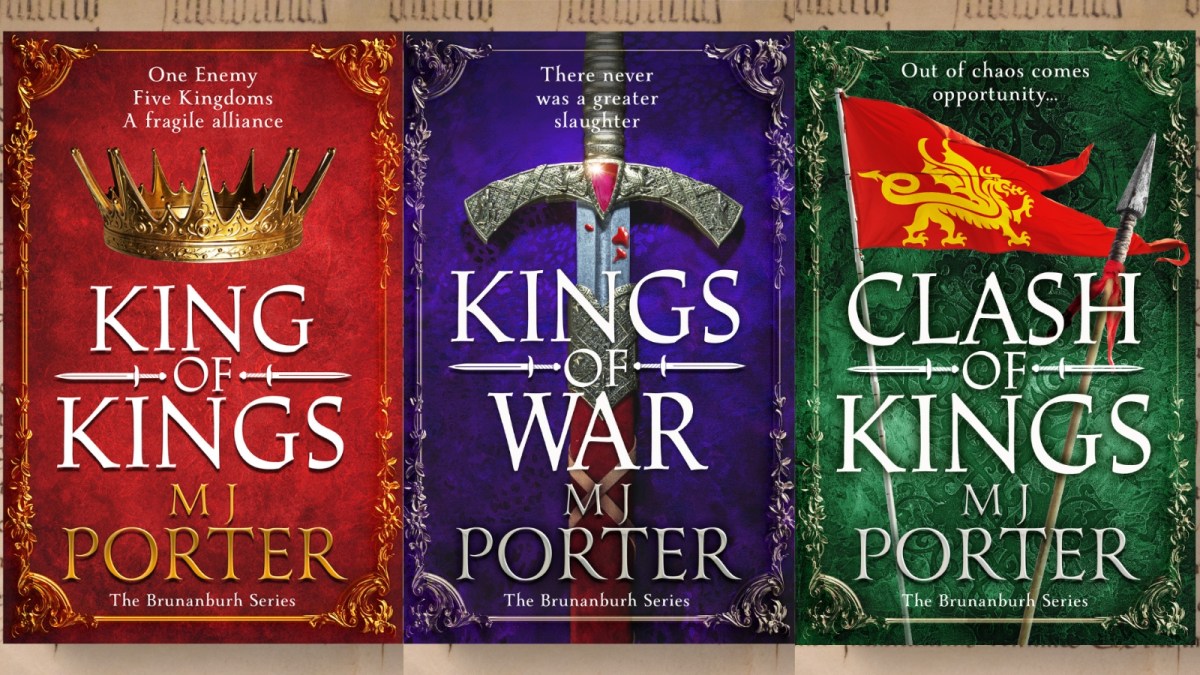
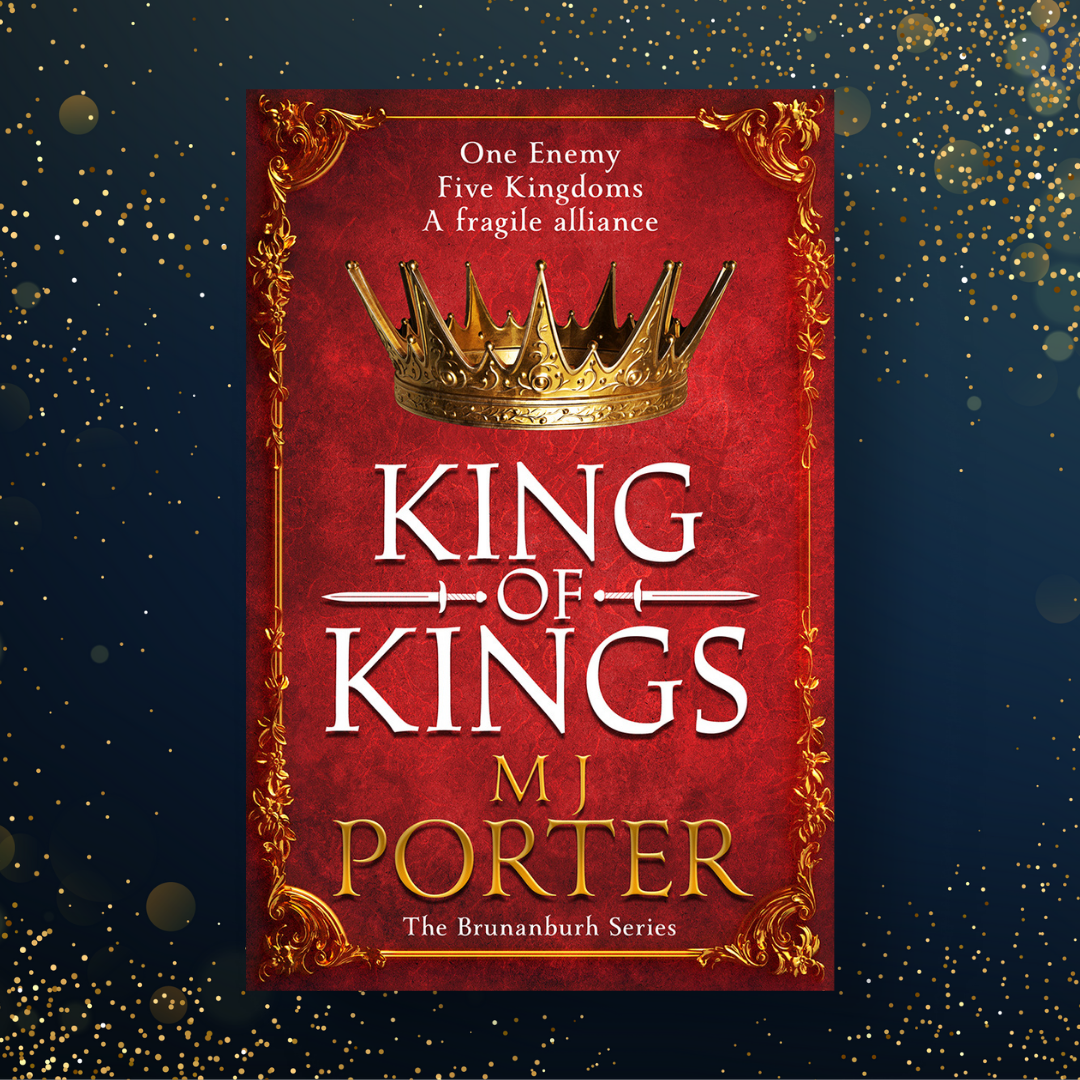
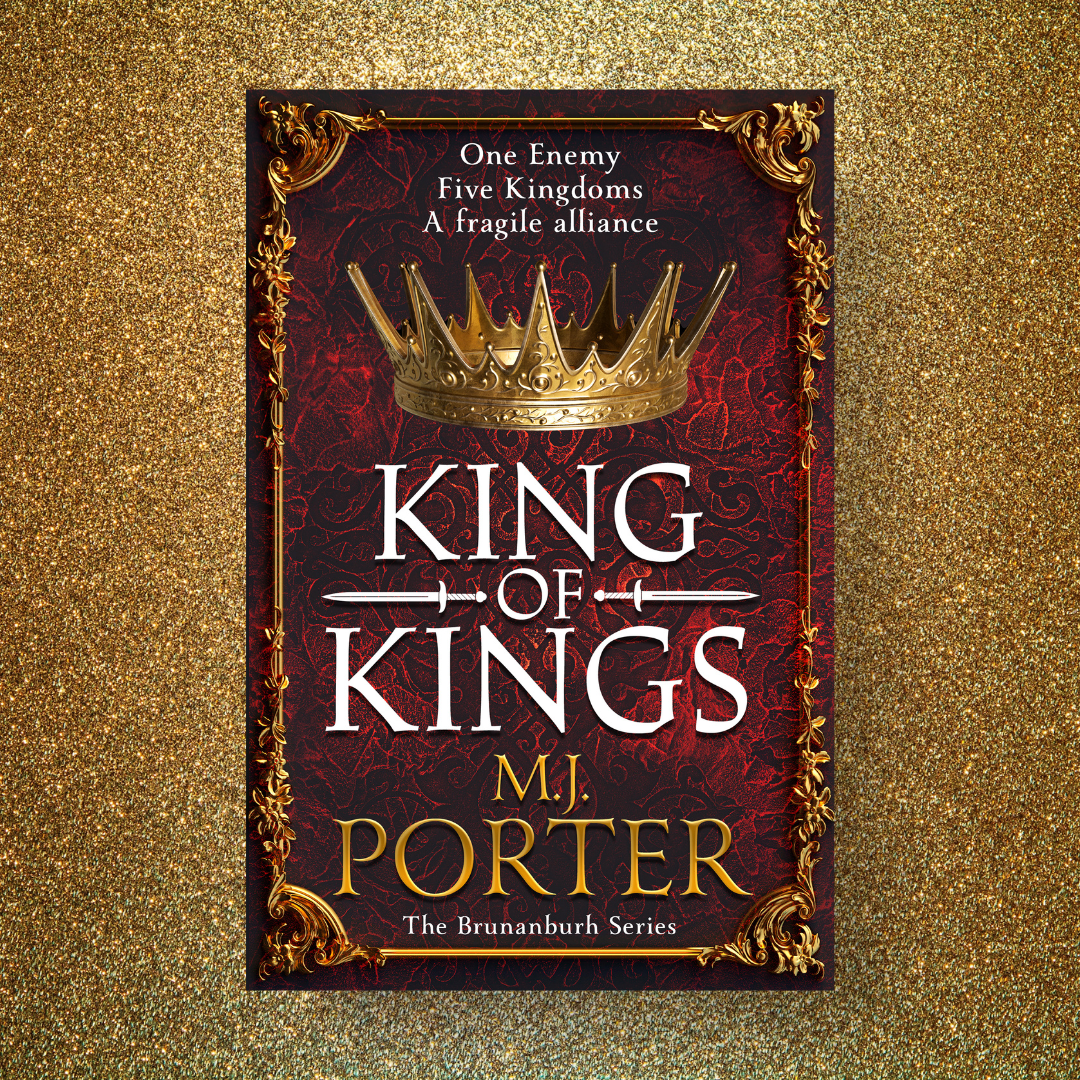
King of Kings and Kings of War are now available, telling the story of the greatest battle on British soil that many have never heard from (or at least hadn’t before Seven Kings Must Die was filmed), Brunanburh.
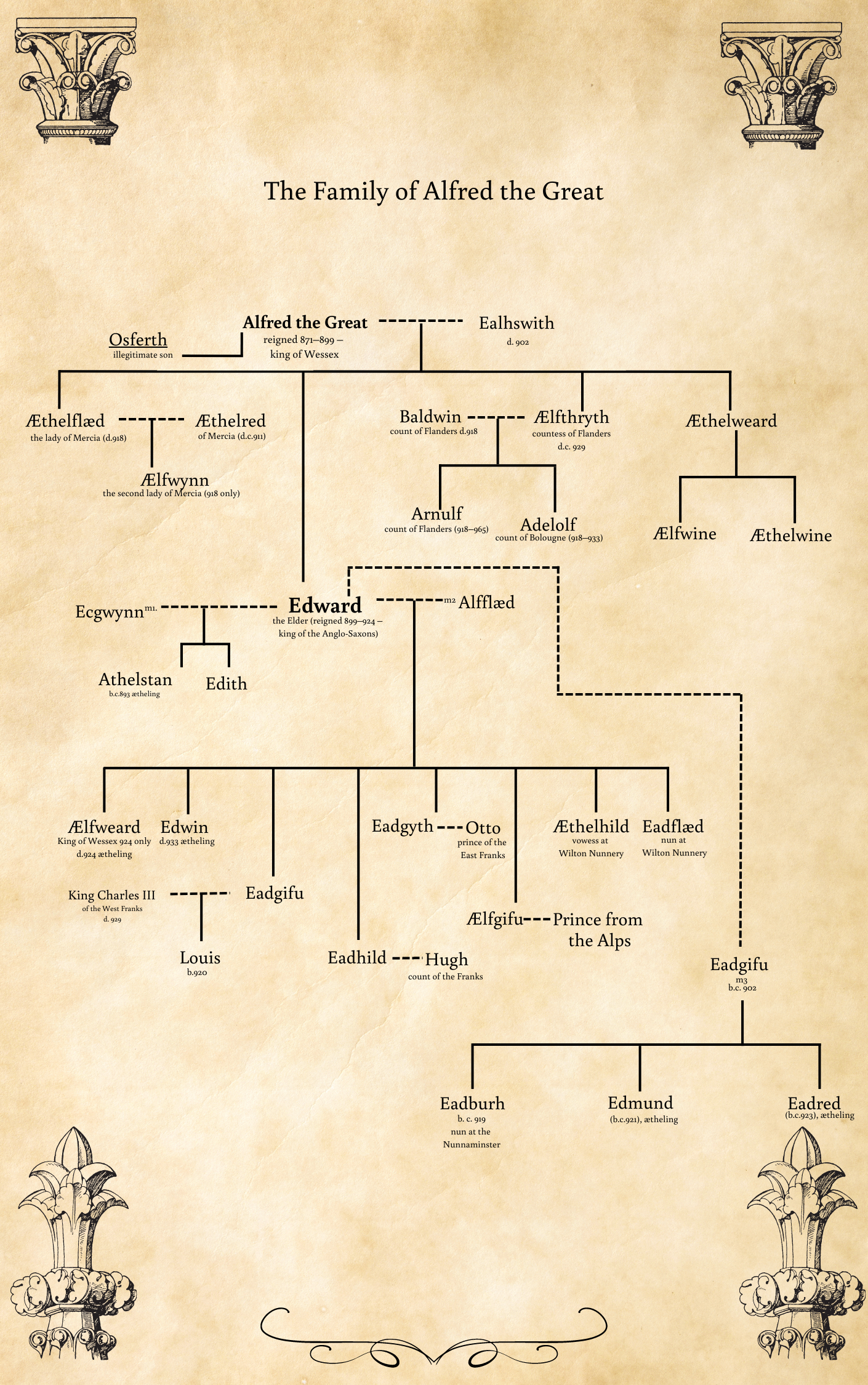
Check out the Brunanburh Series page for more information on the books and the historical characters involved.






























 MJ Porter

