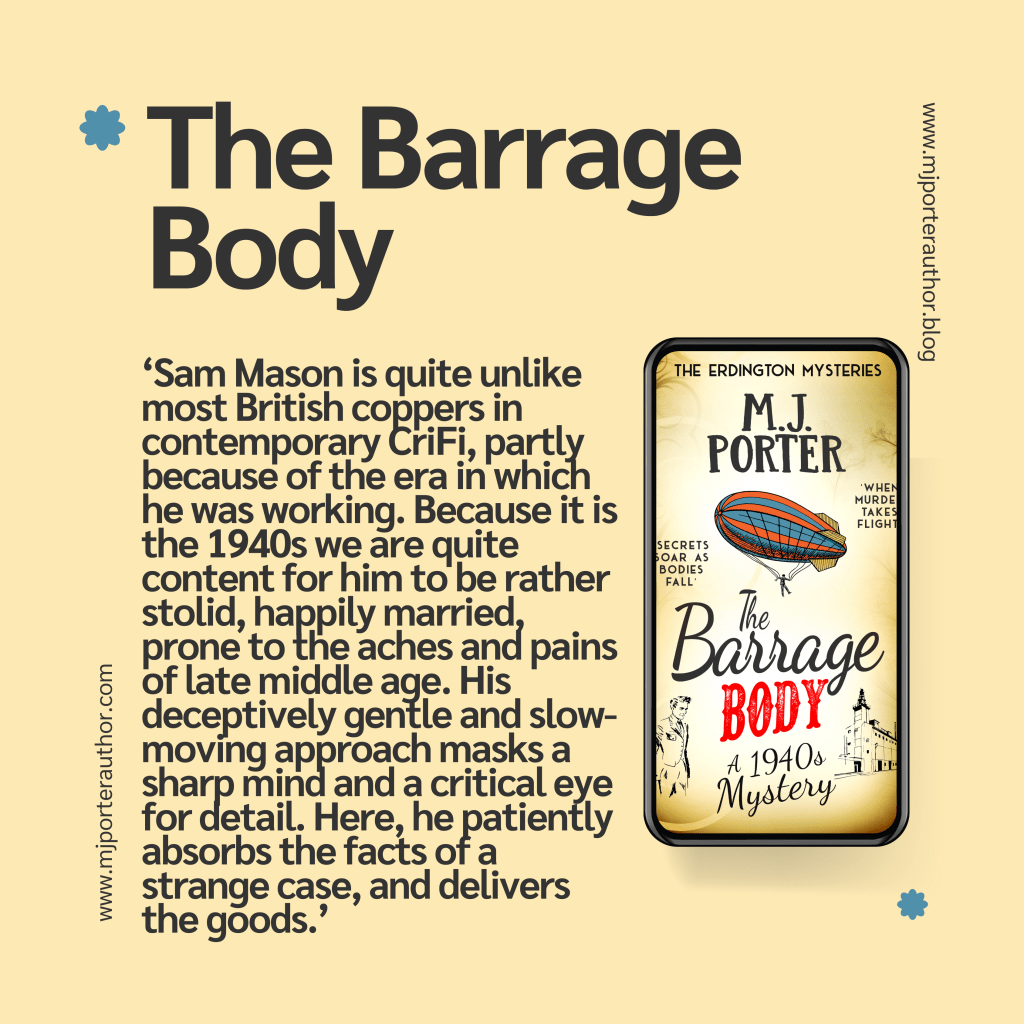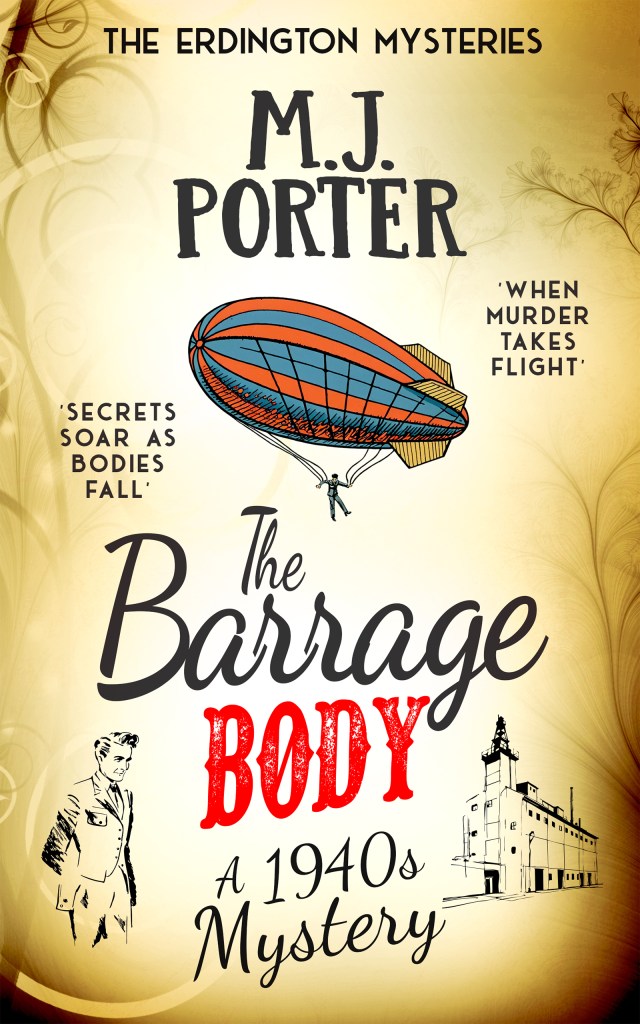

The inspiration for The Barrage Body, book 4 in The Erdington Mysteries (and why this isn’t quite the book I thought it would be) #histfic #mystery

The inspiration for The Barrage Body, book 4 in The Erdington Mysteries (and why this isn’t quite the book I thought it would be) #histfic #mystery

Why did I write The Barrage Body?

I’ve not been quiet about explaining how hard I found The Barrage Body to ‘solve.’ I don’t think I’ve been restrained in explaining why either. Which brings me to the inspiration behind this latest mystery set in the 1940s.

When I finished writing The Secret Sauce, I was sure there was more ‘mystery’ to solve (if you’ve not read it yet, don’t be put off, the mystery is solved in the book, this is more a background element). I checked with a few advanced readers, and their response was reassuring, ‘We just thought you’d get to that in the next book.’ And this was absolutely my intention.

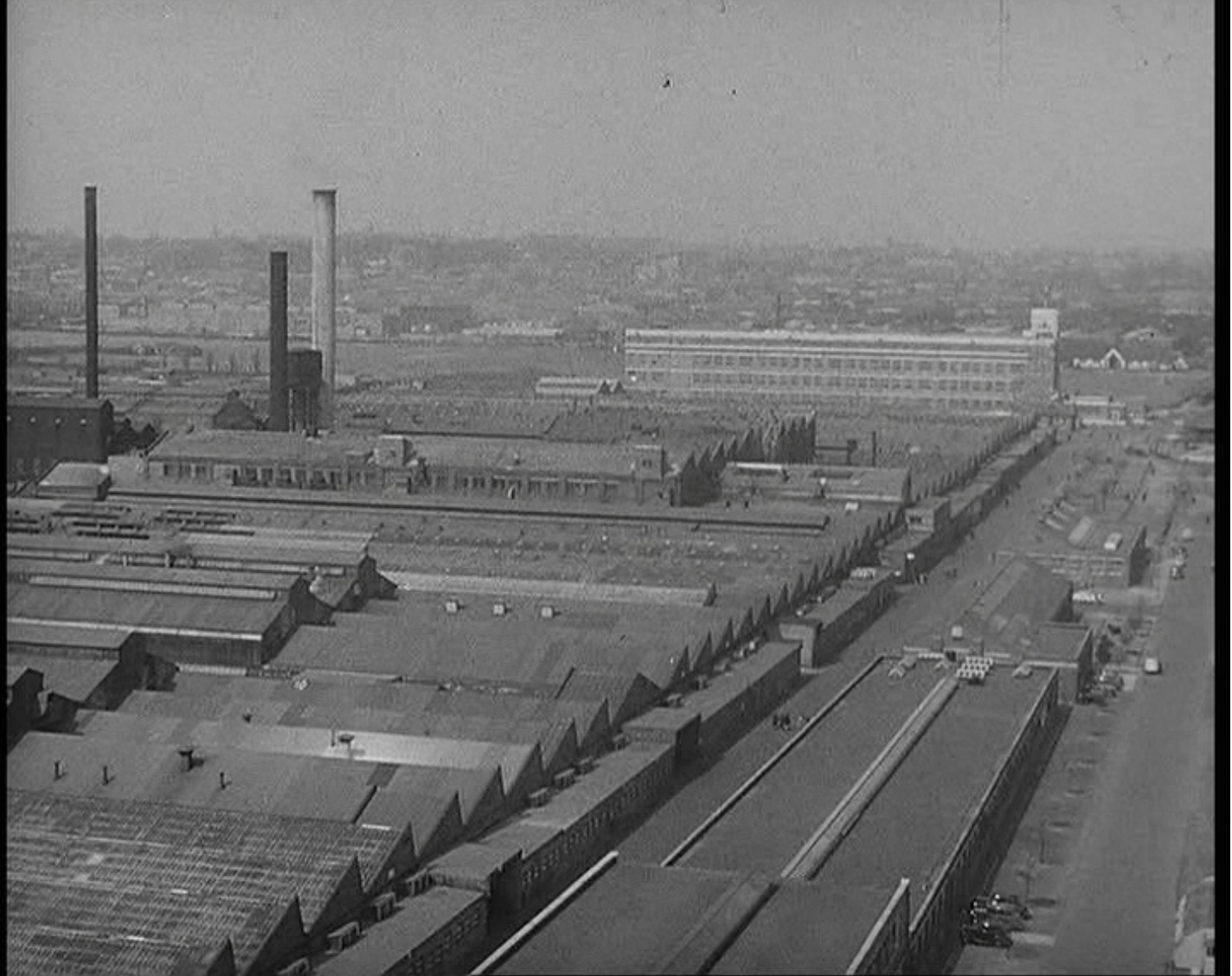
BUT, well, the huge BUT is that after I’d started writing the book, my research led me down a very different path. My intention was to base the fourth book at the Fort Dunlop/Dunlop Rubber Company factory. I found a lot of aerial photographs and a book about memories of working at the factory, and all seemed good. Only then did I discover the barrage balloons. The resource I consulted said they had been situated at Fort Dunlop, or at least one of them had (I am now not quite so sure, but it was too late). So, the original title went out the window, and the story changed quite a bit. The barrage balloons, constructed by Dunlop, although at a different factory, were just too enticing, and so the story veered away from my original intention. It veered so much that I eventually realised I had two halves of two very different stories. My mystery (and you should all know I don’t plan them – if that wasn’t already obvious enough) couldn’t be solved. GRRRR.

Fort Dunlop (a still from one of the PATHE recordings)

https://historicengland.org.uk/images-books/archive/collections/aerial-photos/record/EPW055210 (for an image of Fort Dunlop)

https://www.business-live.co.uk/incoming/gallery/pictures-fort-dunlop-archive-7417272 (even more images here)

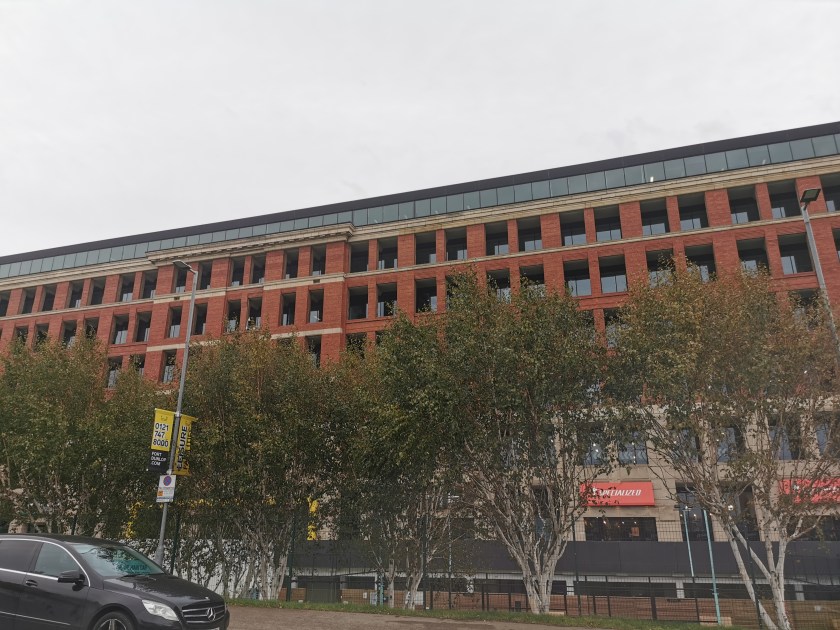
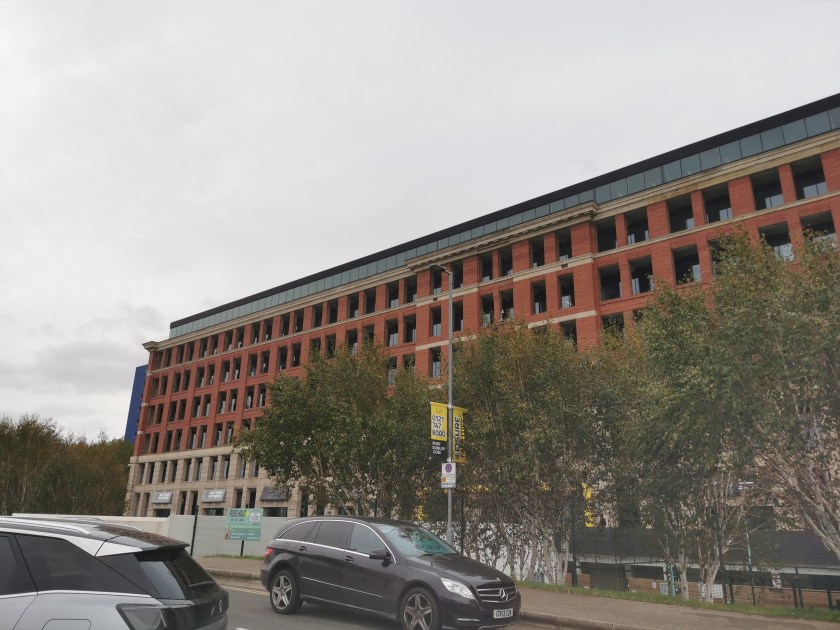
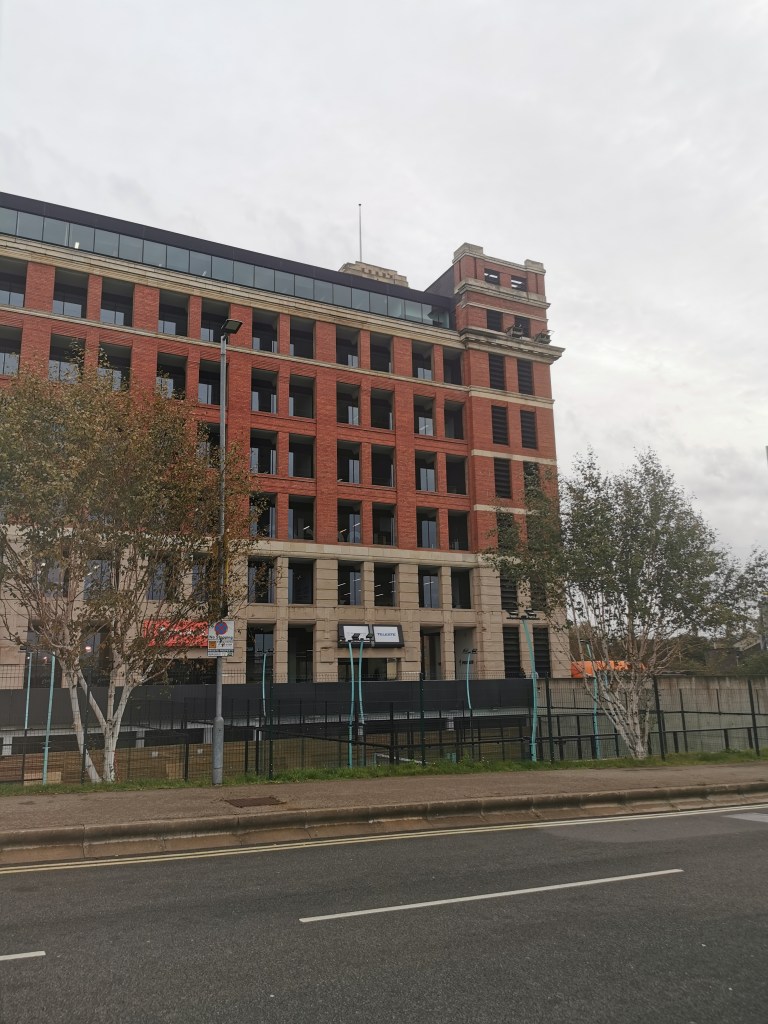
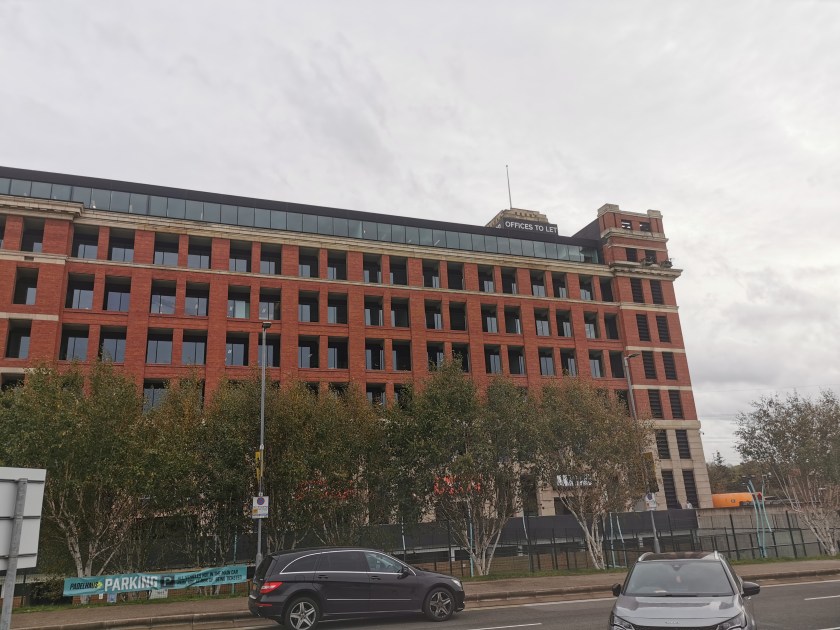
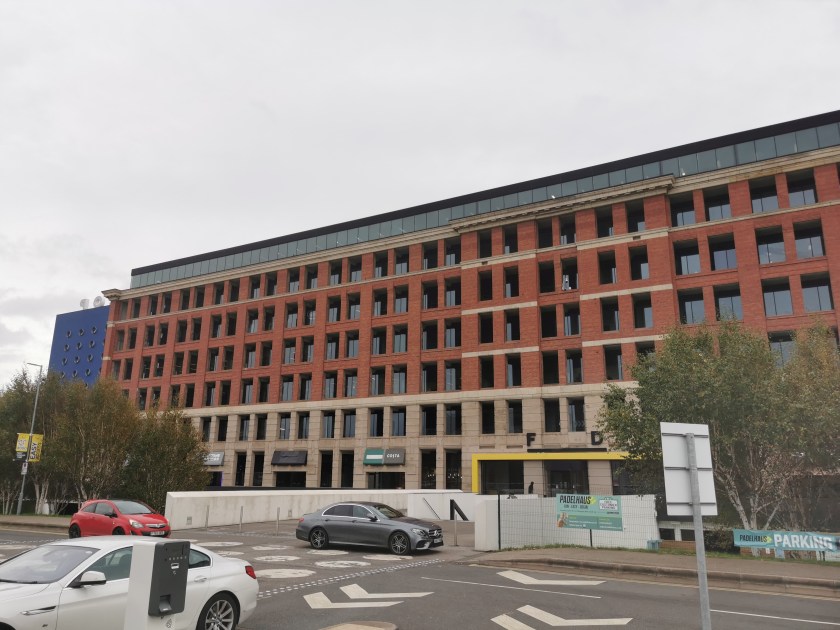
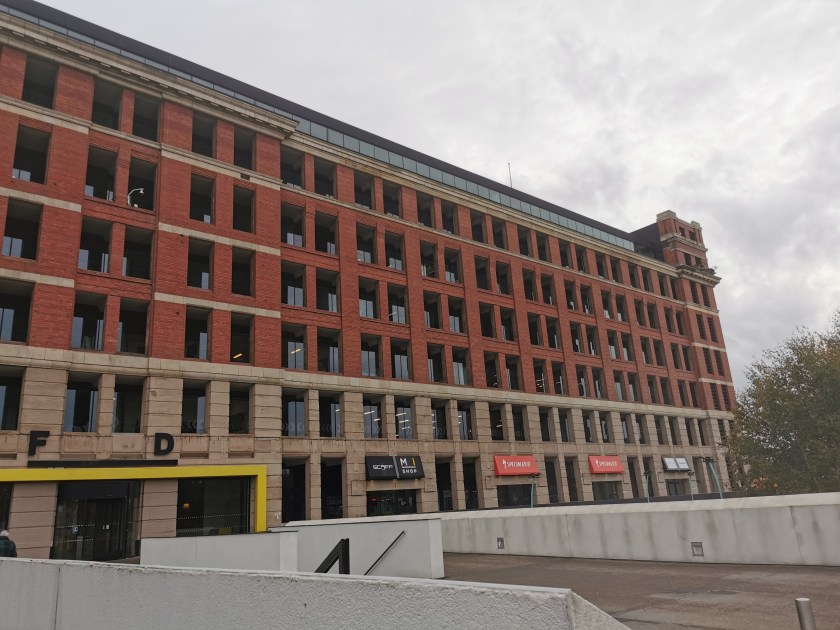
The Fort Dunlop building today

So frustrated was I, that I had to put an almost complete manuscript to one side for a month and write something else. I didn’t even think about the book during that month. I was very cross with myself. Eventually, I realised what had to be done (but it was not a single lightbulb moment, but rather many of them) and the mystery became solvable. So, while my inspiration was to base this mystery at another Erdington staple, the Fort Dunlop site, it was even more inspired by the barrage balloons that were flown during WW2 to act as a deterrent to enemy aircraft. Curious, you can watch a fabulous video over on the PATHE website https://cutt.ly/NtpYVUD8.

A barrage balloon truck. Mariegriffiths, CC BY-SA 3.0 https://creativecommons.org/licenses/by-sa/3.0, via Wikimedia Commons

Here’s the blurb

Birmingham, England, December 1944.

Chief Inspector Mason of Erdington Police Station is summoned to the Dunlop Rubber Company by an irate Mrs Adams from the Buying Department on a cold Tuesday morning in December 1944.

No sooner have he and O’Rourke managed to uncover the cause of Mrs Adams’ telephone call to the police station, than events take a far more chilling turn than the rogue situation’s vacant advertisement first alluded. It might just be that they’re in the right place at the right time to prevent a terrible tragedy. Or are they?

As the barrage balloon threatens to break free from its winch truck in the terrible wind, Sam Mason makes a most unwelcome discovery. Who killed the man, but more importantly, how did he end up, roped to the barrage balloon? And with the WAAF denying their involvement, how was the barrage balloon even floated? What does it all mean? And when they discover the secret tyre formula from the Testing Department has also been stolen, Sam starts to fear there is even more at stake.

Join Mason and O’Rourke for the fourth book in the quirky, historical mystery series, as they once more attempt to solve the impossible in 1940s Erdington.

https://amzn.to/4pH5oYD

Check out The Erdington Mysteries page to discover more about the books.

Buy The Custard Corpses here, available in ebook, paperback, hardback and audio. Or, check out the signed editions page to get a copy directly from me. Book 3, The Secret Sauce, is available now, (as is book 2, The Automobile Assassination).

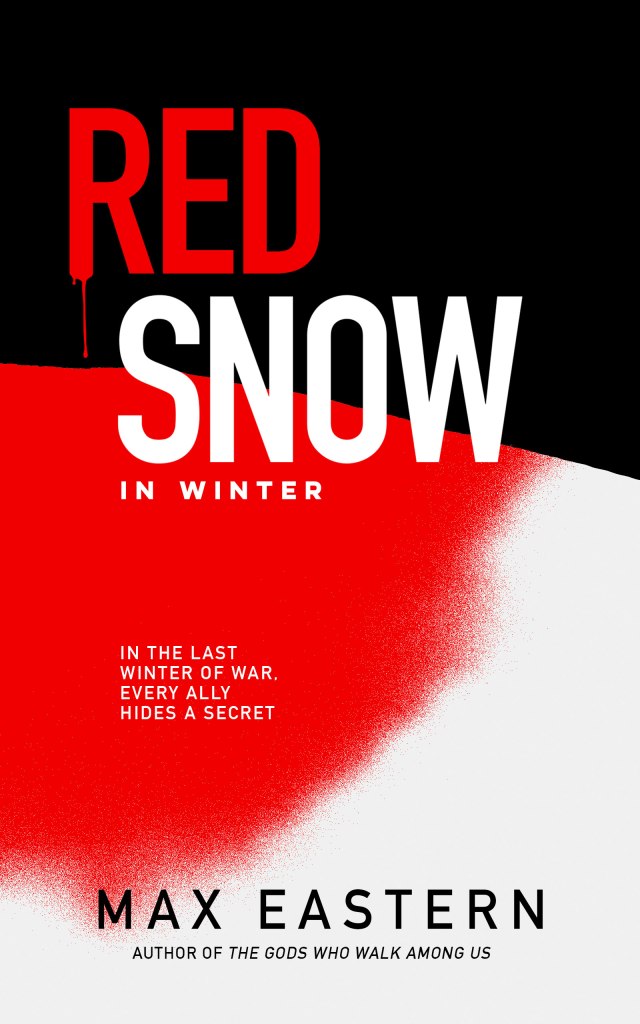
I’m welcoming Max Eastern and his new historical thriller, Red Snow in Winter, to the blog #RedSnowInWinter #HistoricalThriller #SpyThriller #HistoricalFiction #BlogTour #BookBlast #TheCoffeePotBookClub

Here’s the blurb

Haunted by the memory of a secret love affair in Nazi-occupied Prague, American intelligence officer Julius Orlinsky is caught in a deadly web of espionage when a routine assignment in Washington, D.C., disintegrates into murder, attempted murder, and blackmail.

Determined to uncover the truth, Orlinsky’s quest takes him from the halls of the Pentagon to a prisoner-of-war camp in Maryland, and, finally, to the city of Budapest under siege. It’s a shadow world where a lifetime of loyalty can be undone by one secret revealed. Orlinsky soon learns the personal stakes couldn’t be higher. His investigation threatens to expose a betrayal by the woman he believed was the love of his life.

But Orlinsky has no choice. Charged with an assignment critical to ensuring America’s safety, he must confront the ghosts of his past as he navigates a terrain of double agents, war-hardened German and Russian soldiers, and fanatics who will stop at nothing to silence him. 

I'm welcoming Max Eastern and his new historical thriller, Red Snow in Winter, to the blog #RedSnowInWinter #HistoricalThriller #SpyThriller #HistoricalFiction #BlogTour #BookBlast #TheCoffeePotBookClub @MaxeasternNYC @cathiedunn
@maxeastern @thecoffeepotbookclub

Praise for Red Snow in Winter:

Red Snow in Winter is a gripping, ingenious cat-and-mouse political thriller. A young U.S. Army Intelligence officer finds himself caught up in a deadly espionage battle involving Americans, Nazis, and Russians that he can only survive by finding out who to trust–and also by finally uncovering the truth about long-buried secrets from his own shadowy intelligence past. Smart writing, a high stakes plot, and fascinating historical background. Author Max Eastern really delivers the goods in this must-read page-turner of a novel.

— R.G. Belsky, author of the Clare Carlson mystery series

I found a great new-to-me author in Max Eastern. I love how he brought his characters to life and made the situations in this novel seem as though they were happening in front of me.”

— Terrie Farley Moran, national bestselling co-author of the Jessica Fletcher Murder She Wrote mystery series

Red Snow is a well-paced thriller capturing the paranoia and moral complexity of WWII’s twilight hours. This is spy fiction that respects its readers’ intelligence, offering a nuanced exploration of loyalty, betrayal, and a little romance.

–Emilya Naymark, author of Behind the Lie

A masterclass in espionage and moral ambiguity, it’s an atmospheric ride of a thriller with plot twists worthy of Hitchcock.

–Mally Becker, author of The Turncoat’s Widow

This is a fast-moving, page-turning espionage thriller set just after the war. Highly recommended for anyone who wants to be kept up at night!

–Deborah Swift, author of The Shadow Network

Max Eastern attacks his story with dry aplomb and a stripped-down journalistic surety, yet it’s got more switchbacks than San Francisco’s Lombard Street, and every curve is taken with his foot on the gas.

— Timothy Miller, author of The Strange Case of the Pharaoh’s Heart

Buy Link

https://books2read.com/u/3J1BXv

This title is available to read on #KindleUnlimited.

Meet the author

The stories his father told him about his time as an intelligence officer in World War II inspired Max Eastern to write Red Snow in Winter. He has written about history for several magazines and online publications, with subjects ranging from Ulysses Grant and Benedict Arnold to Attila the Hun.

His modern noir novel The Gods Who Walk Among Us won the Kindle Scout competition and was published by Kindle Press in 2017.

A lawyer specializing in publishing, he resides in New York State. To learn more, go to maxeastern.wordpress.com.

https://maxeastern.wordpress.com

Author Max Eastern
Follow the Red Snow in Winter by Max Eastern blog tour with The Coffee Pot Book Club

It’s happy release day to The Barrage Body, book 4 in The Erdington Mysteries #histfic #mystery

Here’s the blurb

Birmingham, England, December 1944.

Chief Inspector Mason of Erdington Police Station is summoned to the Dunlop Rubber Company by an irate Mrs Adams from the Buying Department on a cold Tuesday morning in December 1944.

No sooner have he and O’Rourke managed to uncover the cause of Mrs Adams’ telephone call to the police station, than events take a far more chilling turn than the rogue situation’s vacant advertisement first alluded. It might just be that they’re in the right place at the right time to prevent a terrible tragedy. Or are they?

As the barrage balloon threatens to break free from its winch truck in the terrible wind, Sam Mason makes a most unwelcome discovery. Who killed the man, but more importantly, how did he end up, roped to the barrage balloon? And with the WAAF denying their involvement, how was the barrage balloon even floated? What does it all mean? And when they discover the secret tyre formula from the Testing Department has also been stolen, Sam starts to fear there is even more at stake.

Join Mason and O’Rourke for the fourth book in the quirky, historical mystery series, as they once more attempt to solve the impossible in 1940s Erdington.

Check out The Erdington Mysteries page to discover more about the books.

Buy The Custard Corpses here, available in ebook, paperback, hardback and audio. Or, check out the signed editions page to get a copy directly from me. Book 3, The Secret Sauce, is available now, (as is book 2, The Automobile Assassination).

Posts


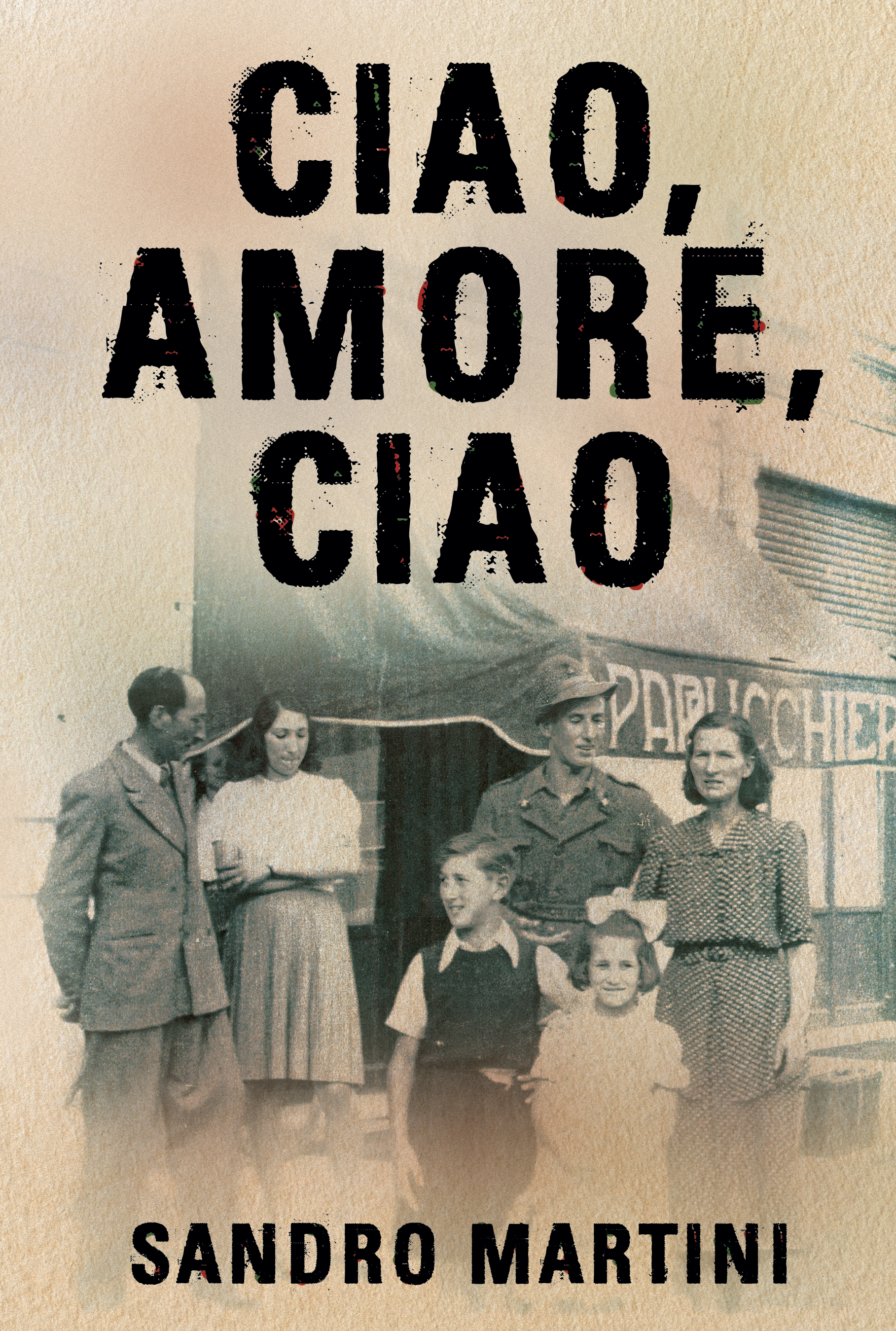
I’m delighted to welcome Sandro Martini and his book, Ciao, Amore, Ciao, to the blog #CiaoAmoreCiao #HistoricalFiction #WWII #BlogTour #TheCoffeePotBookClub

I’m delighted to welcome Sandor Martini and his book, Ciao, Amore, Ciao, to the blog with a piece written by Sandro Martini.

Sandro Martini Piece

Explaining of my writing routine means starting with what I don’t do. I don’t pre-plan, and I don’t have a structure or chapter guides. I use a weird amalgam of flashcards and stream of consciousness.

I know, weird.

Because I write historical fiction, the whole process begins with researching a topic that intrigues me. Half the time, the research—it can take upwards of five years—never gets written as I realise the story just isn’t there for me … but that’s another story (was that a pun?) for another day.

I’ll explore books, do interviews, and largely ignore the internet (except to get general overviews and timelines and so on) because I find that restrictive. Things like ChatGPT are an interesting addition to an author’s quiver, but it’s learning from sources that are all online and the whole point of search engines is to shrink everything to one ready answer. The truth of a thing—and the complexity of a life lived—is anything but singular, and the nuance that makes for a good novel is only found in scouring tons of primary sources.

I generally finish the research when I get bored of the topic, at which point I’m ready to begin the ugliest task in writing—going through all my notes to create flashcards. For Ciao, Amore, Ciao, the flashcards numbered somewhere in the region of 3,000, all handwritten.

That takes maybe six months or so. After that, the cards get arranged chronologically and/or by personage/event. And those cards then become my “guide”. Then they sit there as I begin to work out the one core essential—who will “tell” the story.

Once I figure out who that character is, it’s time for the fun part. The writing begins at around 3 a.m. every day, when I wake up and head straight for pen and paper. (No machine is involved in the first draft—I use a pen I bought years ago at a market in Zurich, a one-off, heavy, metal thing, and notebooks by, of course, Moleskine.)

I will already know which flashcards will be the “scene” that is getting written that day before I sit down to get it down on paper. Why 3 a.m.? Because in some ways I’m still asleep, and able to just write without a lot of self-awareness. It’s important for me to not be that conscious of the writing process.

The first draft is written this way, using a combination of the highly organised flashcards as prompts and stream of consciousness for the actual writing.

I’m also consistent with length, with first drafts generally coming in at around 70,000 words. The time I take to write a novel, though, differs considerably. For my first novel, Tracks: Racing the Sun, the first draft took about two years. Ciao, Amore, Ciao, written a week after my dad passed, took about three weeks.

Once the first draft is complete—I write the novel as a story, and I say this because I heard the other day that some writers will write intermittent scenes as if they’re shooting a movie and then splice it all together and that thought has not left my mind since!—it’s time for phase two: typing the damn thing out …

Sounds like a waste of time, but it’s a vital part of my method because this is when I “read” the book for the first time, and I start to see what’s working, what isn’t, what needs further exploration, which scenes will probably get cut, and so on. In essence, this is the first and most important edit I’m going to do to the new novel. It’s also a line edit, since I am now physically writing the book for a second time.

Once that’s done—it can take anywhere from a month to three months depending on how strong the handwritten draft is—I begin to edit the novel every morning. I’m a better editor than first-draft writer. That is, there will be paragraphs that will probably not change much from first writing, and there will be entire chapters that will be completely rewritten or even thrown out.

That editing phase can take anywhere between a year (for Ciao, Amore, Ciao) to three years for Tracks.

Once that’s complete (it’s complete when I get bored of it), I have my new novel which will now be left alone to age on my hard drive. After about three months, I will then print it out (in Garamond font) and read it not as a writer but as a reader, paying attention to one thing: the pacing. If I find myself lagging, I will judiciously begin to shorten scenes that are slowing down the tempo. This, for me, is the hardest part of my craft, and something that ruined my writing career as a young man.

Backstory: I was once asked to write a 20,000-word piece for a major publisher to appear in a top 5 young writers in the UK anthology. This was in the mid-’90s. Four of those writers went on to become names in the industry. And then there was me. When asked to cut my piece, I chose to walk away from the contract and didn’t submit anything to any publisher for the next 20 years. So when I say cutting judiciously is difficult, I literally mean I dumped a career because of it. That’s mostly because I see myself as a stylist. I value a beautifully written line far more than a story. That’s the thing I value most in my writing because style brings emotion and emotion is what my novels are all about.

And that’s the process.

Style is primary. Getting out of my own way when doing the first draft is essential. And being brave enough to cut beautiful prose for the sake of pacing is key.

Here’s the Blurb

An enthralling dual-timeline WWII family mystery, based on the heartbreaking true story of the massacre in a small town in Italy in July of 1945, from award-winning, bestselling novelist Sandro Martini.

“A gripping saga that roots excruciating betrayals in a nation’s tragic history.” –Kirkus Reviews

In the winter of 1942, an Italian army of young men vanishes in the icefields of the Eastern Front. In the summer of 1945, a massacre in Schio, northeastern Italy, where families grieve the dead, makes international headlines.

In present-day Veneto, an ordinary man is about to stumble onto a horrifying secret.

Alex Lago is a jaded journalist whose career is fading as fast as his marriage. When he discovers an aged World War II photo in his dying father’s home, and innocently posts it to a Facebook group, he gets an urgent message: Take it down. NOW.

Alex finds himself digging into a past that needs to stay hidden. What he’s about to uncover is a secret that can topple a political dynasty buried under seventy years of rubble. Suddenly entangled in a deadly legacy, he encounters the one person who can offer him redemption, for an unimaginable price.

Told from three alternating points of view, Martini’s World War II tale of intrigue, war, and heartbreak pulls the Iron Curtain back to reveal a country nursing its wounds after horrific defeat, an army of boys forever frozen at the gates of Stalingrad, British spies scheming to reshape Italy’s future, and the stinging unsolved murder of a partisan hero.

Ciao, Amore, Ciao is a gripping story of the most heroic, untold battle of the Second World War, and a brilliantly woven novel that brings the deceits of the past and the reckoning of the present together.

Balances action, suspense, and emotional depth to deliver a truly immersive, thought-provoking read with an unflinching look at the sins of the past and the lengths to which the powerful will go to keep them buried.” ~ Sublime Book Review

Buy Link

Universal Link:

This title is available to read on #KindleUnlimited

Meet the Author

Sandro Martini has worked as a word monkey on three continents. He’s the author of Tracks: Racing the Sun, an award-winning historical novel.

Sandro grew up in Africa to immigrant parents, studied law in Italy, chased literary dreams in London, hustled American dollars in New York City, and is now hiding out in Switzerland, where he moonlights as a Comms guy and tries hard not to speak German.

You can find him either uber-driving his daughter, chasing faster cars on the autobahn, or swimming in Lake Zurich with a cockapoo named Tintin.

His latest historical suspense novel, Ciao, Amore, Ciao, is now available.

Connect with the Author

Follow the Ciao, Amore, Ciao blog tour with The Coffee Pot Book Club

I’m delighted to welcome Fred Raymond Goldman and his book, A Prodigy in Auschwitz, to the blog #HistoricalFiction #WWII #Auschwitz #JewishSurvivorStory #BlogTour #TheCoffeePotBookClub

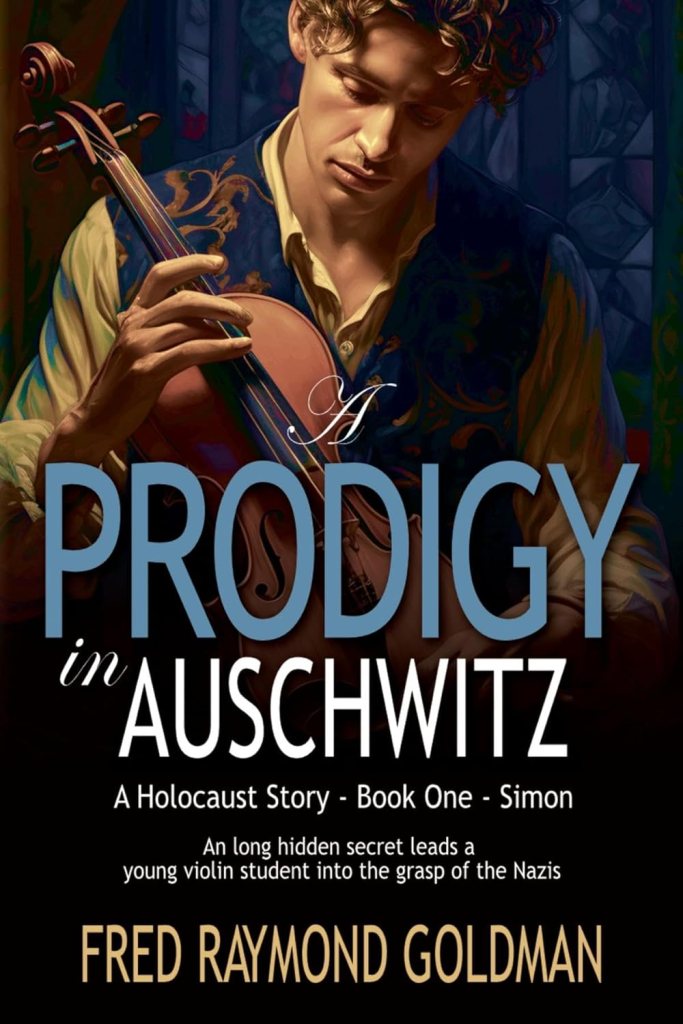
I’m delighted to welcome Fred Raymond Goldman and his book, A Prodigy in Auschwitz, A Holocaust Story, Book One: Simon, to the blog with an excerpt.

Excerpt

Excerpt from Chapter 55:

The winter of 1943 to 1944 passed slowly for Simon. During the colder months the orchestra didn’t play on Sundays as frequently for the entertainment of the SS officers, but he continued to visit Rachel regularly. He brought her slices of bread and sausages he’d been able to sneak from the kitchen for her to share with some of her friends who didn’t have as much access to extra food.

Although the musicians received larger portions of food than other prisoners, they were affected by the rationing. As members of the orchestra succumbed to the diseases and malnutrition that ran rampant through the camp, the influx of new prisoners made up for the labor needs. The commander saw to it the orchestra remained complete.

Simon became aware of prisoners from a camp in Terezin, Czechoslovakia who had arrived at Auschwitz-Birkenau in several transports. Large numbers of them, he learned, were exterminated upon arrival. The survivors lived in a separated area of Auschwitz-Birkenau called Terezin. They were unseen by other prisoners and received special privileges, he was led to believe, including not having their hair shaved and being allowed to wear their own clothes. Nevertheless, they were treated as prisoners.

Simon heard rumors that the International Red Cross had requested a visit with these prisoners at their former camp after hearing about their bad treatment there. Under pressure, the Germans conceded and allowed for such an appearance, but not before beautifying the camp by cleaning up the housing and grounds and providing nice clothing and healthy meals for the prisoners to make it look as though they were being treated well. As a result, the International Red Cross unintentionally but falsely projected to the public that the camp residents were receiving humane treatment

On a Sunday visit with Rachel, Simon told her about the rumor he’d heard. The following week, while they were walking hand in hand, Rachel said she had told Dr. Fridman about the rumor.

Simon stopped, let go of her hand, and faced Rachel. “What did he say?”

“He said he thought the only reason the Germans would have let the Red Cross come was to convince them there was no German plan to murder Jews.”

Simon frowned. “If that is true, the Germans’ strategy likely worked.” 

Here’s the blurb

When Nazi Germany troops enter Krakow, Poland on September 2, 1939, fourteen-year-old Simon Baron learns two truths that have been hidden from him.

One, the people who have raised him are not his biological parents. Two, his birth mother was Jewish. In the eyes of the Germans, although he has been raised Catholic, this makes Simon Jewish.

Simon’s dreams of becoming a concert violinist and composer are dashed when his school is forced to expel him, and he is no longer eligible to represent it at its annual Poland Independence Day Concert. There, he had hoped to draw the attention of representatives of a prestigious contest who might have helped him fulfill his dreams.

Simon vows to never forgive his birth father for abandoning him, an act resulting in unspeakable tragedies for his family and in his being forced to live the indignities of the ghetto and the horrors of Auschwitz and Sachsenhausen concentration camps.

Throughout his ordeals, Simon wavers between his intense anger toward his birth father and his dreams of being reunited with him. Through his relationships with Rabbi Rosenschtein and the rabbi’s daughter, Rachel, Simon comes to appreciate his Jewish heritage and find purpose in his life. Driven by devotion to family and friends and his passion for music, Simon holds on to hope. But can he survive the atrocities of the Nazi regime?

How do you reconcile a decision you made in the past when the world erupts in war, threatening the life of someone you love and believe you were protecting?

Buy Link

Universal Link

Meet the Author

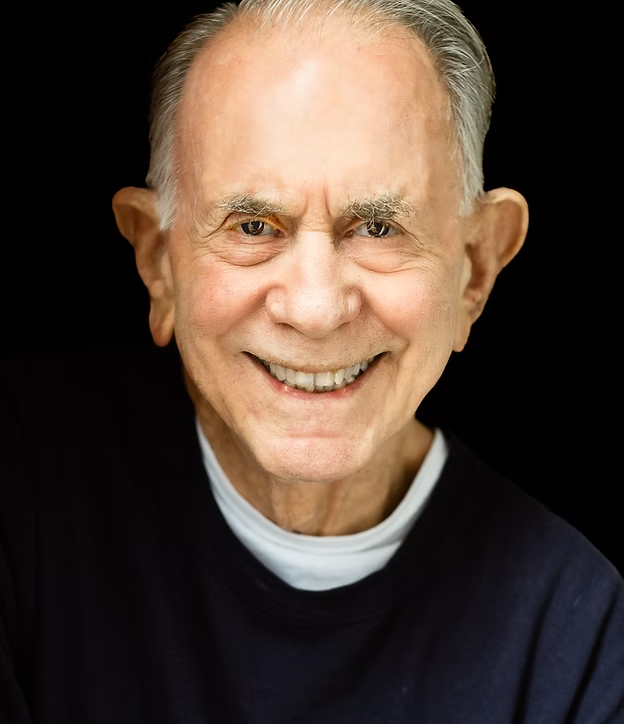
Fred Raymond Goldman graduated from Western Maryland College in Westminster, MD (now named McDaniel College) in June 1962 with a BA in psychology. Two years later, in 1964, he earned an MSW degree from the University of Maryland School of Social Work.

Most of Fred’s career was spent in Jewish Communal Service. He served as the administrator of Northwest Drug Alert, a methadone maintenance program at Sinai Hospital in Baltimore. In this role, he also acted as a community resource, guiding individuals struggling with addiction toward Jewish services that supported abstinence, counseling, and job placement.

Following that, Fred was hired as the Assistant to the Director of Jewish Family Services in Baltimore.

His final professional role was with Har Sinai Congregation, a Jewish Reform Synagogue in Baltimore, where he served as Executive Director for 23 years, retiring in October 2005.

In retirement, Fred pursued his love of hiking with The Maryland Hiking Club and spent time volunteering at The Irvine Nature Center. There, he led schoolchildren on nature hikes and assisted in the center’s nature store.

Writing had always been a passion for Fred, dating back to childhood, but it wasn’t until retirement that he began to take it seriously. He started writing children’s books and became a member of the Children’s Book Writers and Illustrators Association. Among the titles he wrote are: Vera and the Blue Bear Go to the Zoo, Never Bite an Elephant (And Other Bits of Wisdom), The Day the School Bus Drivers Went on Strike, If You Count, and The Day the School Devices Went on Strike.

Though none of these books has been published, Fred remains hopeful that if the CONCERTO books gain recognition, opportunities for the earlier works may follow.

Fred’s journey of writing the CONCERTO companion books began when he saw a note on a local library bulletin board about a new writer’s group led by a local author. He joined and, along with nine other participants, learned the fundamentals of writing: staying in the protagonist’s point of view, building narrative tension, developing distinctive and flawed characters, and the process of writing and rewriting.

Over the course of more than four years, Fred dedicated time to writing, researching, rewriting, and submitting the manuscript. What began as a single book titled The Auschwitz Concerto was eventually split into two volumes and self-published. For a time, the manuscript was also titled The Box.

The encouragement from the group’s teacher and fellow members played a key role in shaping the novels, and Fred hopes his feedback was equally helpful to others in the group.

In the ‘Author’s Notes’ of the CONCERTO books, Fred outlines the goals behind sharing these stories. Prior to writing them, he had only a general understanding of the Holocaust—knowing that nine million lives were lost and that it was a horrific chapter in history. Through the writing process, he gained deeper insights into both historical events and human suffering, fostering a greater sensitivity to contemporary issues. He firmly believes that what affects one group can quickly impact everyone, and that such awareness is critical today.

Connect with the Author

Follow A Prodigy of Auschwitz blog tour with The Coffee Pot Book Club

Posts

I’m delighted to welcome Deborah Swift and her new book, Last Train to Freedom, to the blog #WW2 #TransSiberian #Russia #Japan #WomensFiction #Spies #BlogTour #TheCoffeePotBookClub

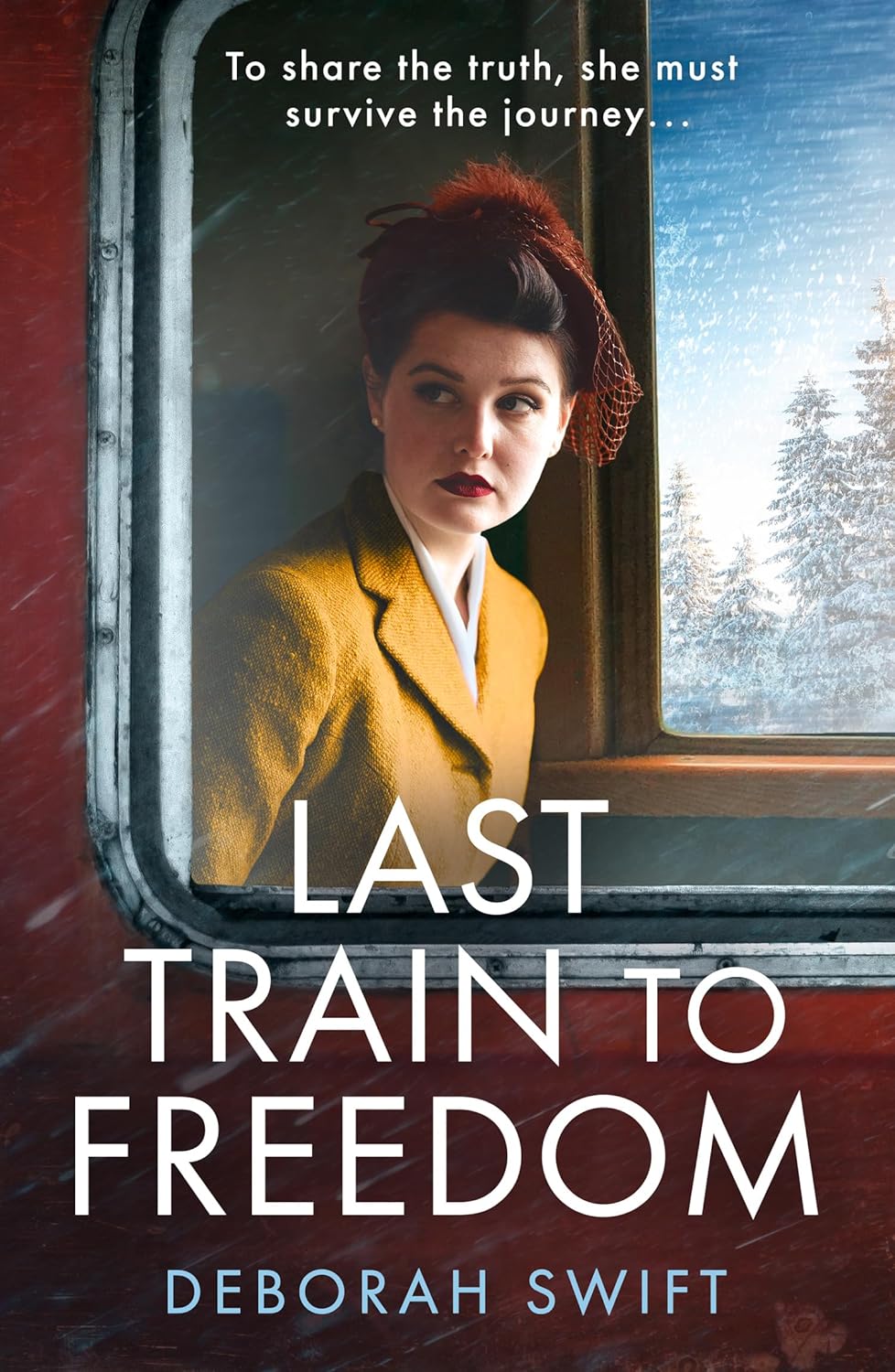
I’m delighted to welcome Deborah Swift and her new book, Last Train to Freedom, to the blog with Researching Last Train to Freedom and the Sugihara Story.

Researching Last Train to Freedom and the Sugihara Story

Last Train to Freedom is set in WW2 during the Soviet occupation of Lithuania, and with the threat of the Nazis over the border. The parallels to today’s political situation in Ukraine could not be clearer.

The book tells the story of Jewish refugees fleeing from Nazi and Soviet oppression. Because of the current situation, although I was fascinated by the Trans-Siberian Express, I was not about to go and take the journey myself. My initial research was largely based around websites such as the Holocaust Encyclopedia and then books and papers found via JStor and other trustworthy academic websites.

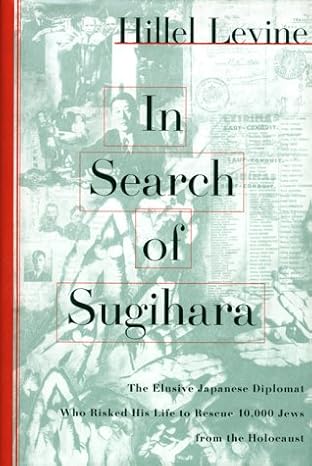
The main story is about how Japanese Consul Sugihara enabled the escape of thousands of Jews by giving them visas – against the wishes of his government. One man held the fate of so many lives in his hands. The best overview I found of events was In Search of Sugihara by Ellel Levine.

Pic of book In Search of Sugihara

Sughara’s wife Yukiko wrote a memoir about the events called No Visa (Rokusen-nin no Inochi) which is widely available, and tells the inside story of her husband’s frantic signing of visas before the consulate was shut down by the Soviets. Being aware that applicants were in life-threatening danger, Sugihara ignored his superiors’ orders and, from July 18 to August 28, 1940, he issued over 2100 life-saving transit visas.

‘My husband and I talked about the visas before he issued them. We understood that both the Japanese and German governments disagreed with our ideas, but we went ahead anyhow.’

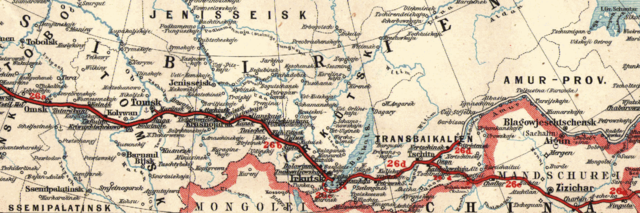
Sugihara spoke to Soviet officials who agreed to let the Jews travel through the country via the Trans-Siberian Railway. I used detailed maps of the journey and researched each of the stops along the way to get a sense of where events might take place along the journey. Finding out about Russian trains of the 1940’s was quite a journey in itself – how did the doors open? What were the carriages like?

Pic of map of Trans-Siberian Railway

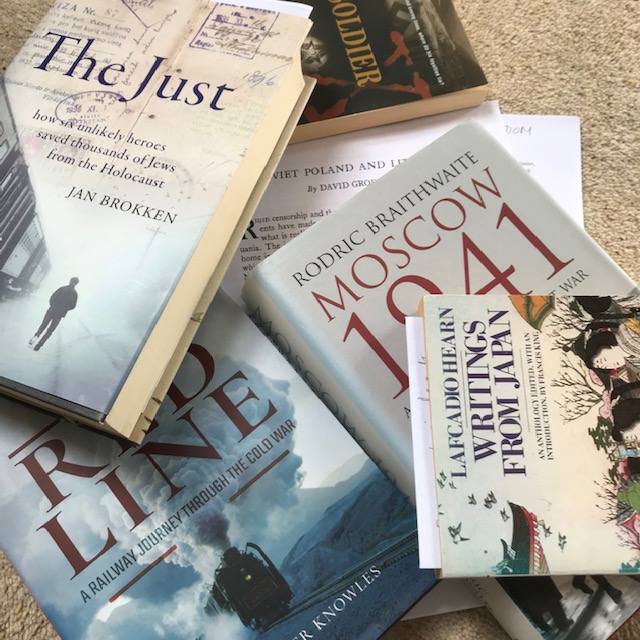
I gleaned much of the information from trawling through memoirs looking for telling detail. The escape on the Trans-Siberian Express was recorded by many in their memoirs, most notably I Have My Mother’s Eyes (A Holocaust Memoir Across Generations by Barbara Ruth Bluman, Light One Candle: A Survivor’s Tale from Lithuania to Jerusalem by Solly Ganor and One More Border: The True Story of One Family’s Escape from War-Torn Europe by William Kaplan. There are also several recordings on YouTube which tell the story, for example this one about the Lermer family.

The story takes place in three geographical locations – Lithuania, Moscow, and Japan, and all needed research, not to mention the journey across 6000 miles of Siberian wilderness! About half way through I wondered, have I bitten off more than I can chew here? But by then I was hooked on the story and just ploughed on, my huge collection of books and papers growing all the time.

I used many other books to give me a sense of the culture and background, especially to grasp an idea of the Russian mindset, and also the culture of Japan for when my fictional refugees eventually arrive in Kobe.

Trains, trains, trains! I watched an awful lot of old steam train videos to get a sense of how steam was built up to power the engine, what sort of noise it might make and how it might behave in snow. I became a train buff for about six months, visiting the National Railway Museum to get a sense of the sheer weight and size of these old trains.

I hope that anyone reading the book will feel, as I did when researching, that they have really been through the middle of Siberia, and I hope they will enjoy the journey.

Last Train to Freedom is out in ebook, paperback and audio.

Here’s the Blurb

‘Taut, compelling and beautifully written – I loved it!’ ~ DAISY WOOD

‘Tense and thought-provoking’ ~ CATHERINE LAW

1940. As Soviet forces storm Lithuania, Zofia and her brother Jacek must flee to survive.

A lifeline appears when Japanese consul Sugihara offers them visas on one condition: they must deliver a parcel to Tokyo. Inside lies intelligence on Nazi atrocities, evidence so explosive that Nazi and Soviet agents will stop at nothing to possess it.

Pursued across Siberia on the Trans-Siberian Express, Zofia faces danger at every turn, racing to expose the truth as Japan edges closer to allying with the Nazis. With the fate of countless lives hanging in the balance, can she complete her mission before time runs out?

‘Such an interesting and original book…. Informative, full of suspense and thrills.’

~ Netgalley Review

Buy Link

Universal Link:

Meet the Author

Deborah Swift is the English author of twenty historical novels, including Millennium Award winner Past Encounters, and The Poison Keeper the novel based around the life of the legendary poisoner Giulia Tofana. The Poison Keeper won the Wishing Shelf Readers Award for Book of the Decade. Recently she has completed a secret agent series set in WW2, the first in the series being The Silk Code.

Deborah used to work as a set and costume designer for theatre and TV and enjoys the research aspect of creating historical fiction, something she loved doing as a scenographer. She likes to write about extraordinary characters set against a background of real historical events. Deborah lives in England on the edge of the Lake District, an area made famous by the Romantic Poets such as Wordsworth and Coleridge.

Connect with the Author

Follow the Last Train to Freedom blog tour with The Coffee Pot Book Club

The inspiration behind The Custard Corpses #histfic #mystery

The inspiration behind The Custard Corpses #histfic #mystery

The inspiration behind The Custard Corpses is a bit weird, even I admit that

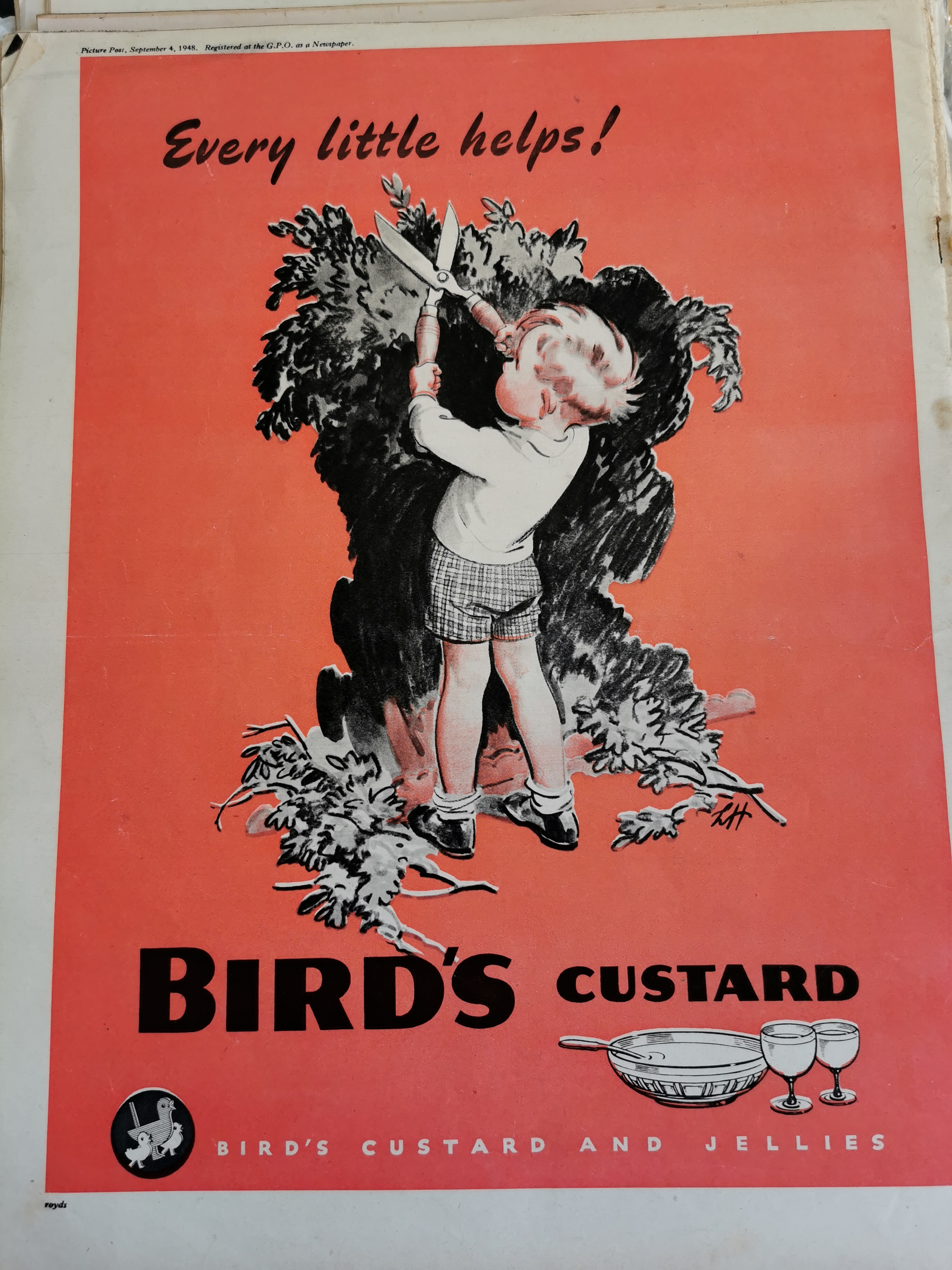
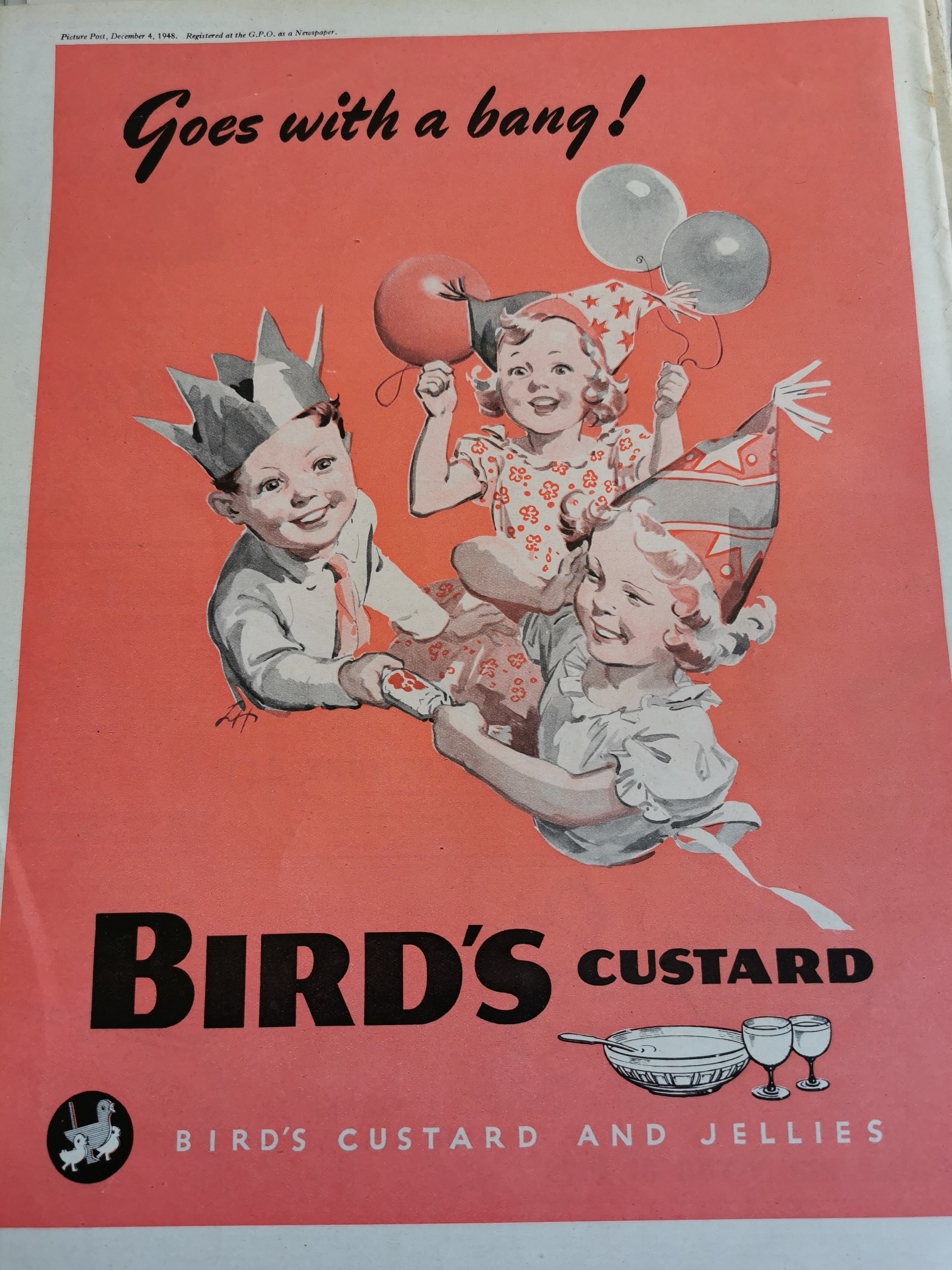
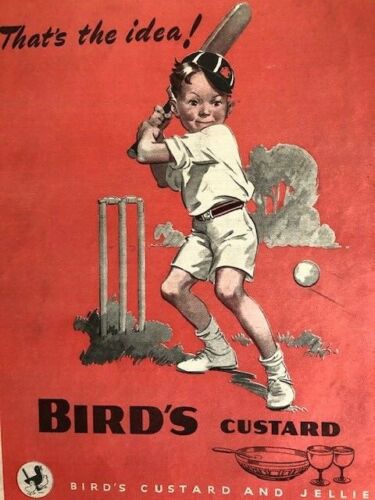
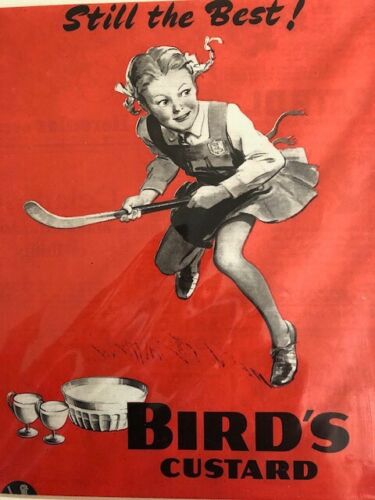
My father had, for many years, bought and sold antique paraphernalia, mostly maps, but also other items as well – books, stamps, old vellum deeds, postcards – you get the idea. With the restrictions during Lockdown, he wasn’t able to sell as normal at his antique fairs, and having put off having an online presence, he finally decided to open an eBay shop – but needed tech support. And so, as ‘tech support’, he started sending me all sorts of fascinating items to list, but the one that really got my attention were the advertisements that ran in the Picture Post magazines for Bird’s Custard.

They’re bright, they’re inviting, they are, to put it bluntly, before their time. They have lovely catchphrases, such as ‘every little helps’ which Tesco use now. The black and white images on the coloured background ensure the readers eye is drawn to the happy child, and they do make you want to eat custard.

I wanted to share them with as many people as possible so that they could catch a glimpse of these old campaigns. There were other advertisements as well in the magazines, ones for Pepsi and for Shell, to name a few, but it was the Bird’s Custard ones that really captured my imagination. But how could I share them with people?

Well, my mind works in strange ways, and I began to consider a mystery that would somehow be relevant to the advertisements, so it needed to be set during the period the Picture Post magazine was produced from 1938 to the 1950s. And so, The Custard Corpses.

I set The Custard Corpses during the Second World War, but that was really because it fit with the adverts I’d seen, the added bonus that I could then use the well-known events of the war was a secondary consideration.

Where I set the book was entirely based on the fact that I had family members who’d lived in Erdington at the time. I was able to pick the brains of my Dad for the little details that I didn’t know or couldn’t remember, not that he was born in 1943, but not long after. 

It was all quite random, in the end, and there was a swell of little details that I uncovered that just, through pure happenstance, fitted together. It helped that I wanted to try my hand at something more modern than the eleventh century, but still historical. But I’m not an expert on any other time period, so I suppose it was an easy choice to decide on a setting that was just within living memory of some. I couldn’t visit anywhere due to Lockdown, so familiar was best.

Is this the weirdest reason to have written a book?

Check out The Erdington Mysteries page to discover more about the books.

Buy The Custard Corpses here, available in ebook, paperback, hardback and audio. Or, check out the signed editions page to get a copy directly from me. Book 3, The Secret Sauce, is available now, (as is book 2, The Automobile Assassination), and the Barrage Body is coming very soon.

Posts