Author of Saxon historical fiction and non-fiction, 20th-century historical mysteries, and Norse-inspired historical romantasy. Book reviewer and blog host.
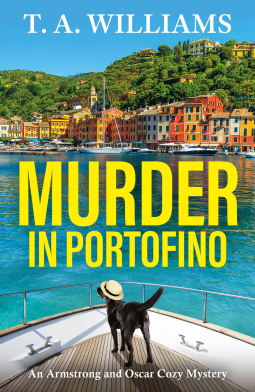
Dan Armstrong hasn’t done much retiring since moving to Tuscany, and with his new career as a successful private investigator taking off, it seems murder seems to follow him. He’s hoping a much-needed trip to beautiful Portofino will give him the break he needs and quality time with girlfriend Anna.
A gathering of celebrities…
Portofino is a celebrity paradise, and holidaying on a nearby superyacht is a group of British media stars, all famous for being infamous. Dan isn’t impressed by their status or wealth, but when he overhears an argument between two of the group, he suspects something fishy could be going on…
A cold-blooded killer?
And then a body is washed up on shore and Dan’s hopes for a holiday go overboard. Could this simply be a tragic accident or is there a killer amidst the assembled celebrity cast? Dan and Oscar have their work cut out before the tide turns…
It’s another gripping case for Dan and Oscar – it’s murder in paradise!
My Review
It’s hard to believe that we’re on book 8 in the Armstrong and Oscar Cozy mysteries, but we are:)
Murder in Portofino perhaps takes a while longer than others to ‘get going.’ Instead, we’re treated to Dan, and Oscar enjoys some ‘downtime’ with Anna, who is close to Portofino. But, of course, our duo seems to attract mystery to them, and so we are soon embroiled in a luxury yacht and its inhabitants, with not one but two crimes to solve.
I thoroughly enjoyed this new addition to the series. I always appreciate the fact that the mysteries are consistently more complex than anticipated, and like Dan, we have to follow the lines of investigation to determine the truth.
A fine new addition to the series. Always a reliable and engaging read. I’m already looking forwards to book 9:)
The death of King Ælfweard of Wessex, 2nd August 924
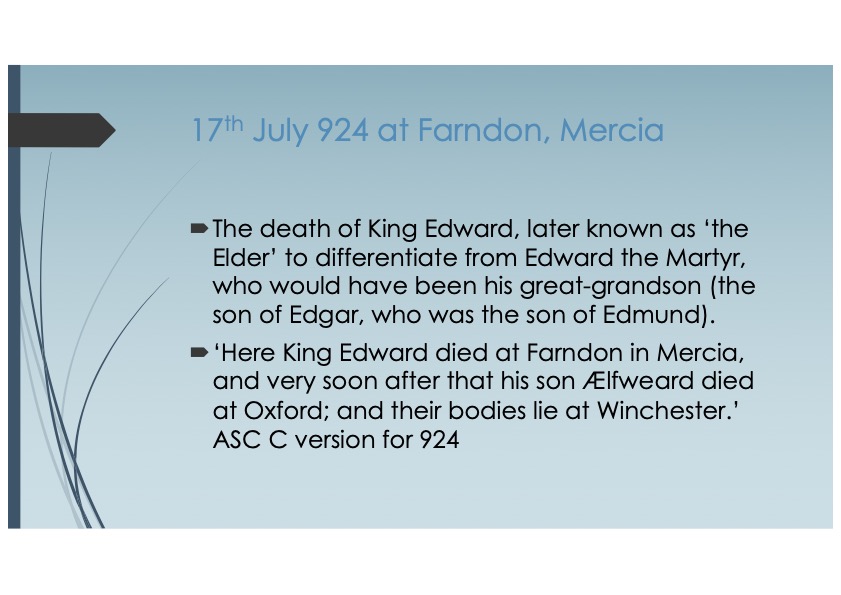
Today sees the 1100th anniversary of the death of King Ælfweard of Wessex, a king most people have never heard of as his reign was just sixteen days in summer 924, and we know almost nothing about him. (According to one source, the Textus Roffensis he is credited with a reign of 4 weeks, which would have made him king before his father’s death. You can see a digital copy of this source here). There are surely many ‘might have beens’ about his reign, and as much as I admire Athelstan, his older halfbrother, I felt it only right to shed what light there is on Ælfweard.
Who was Ælfweard?
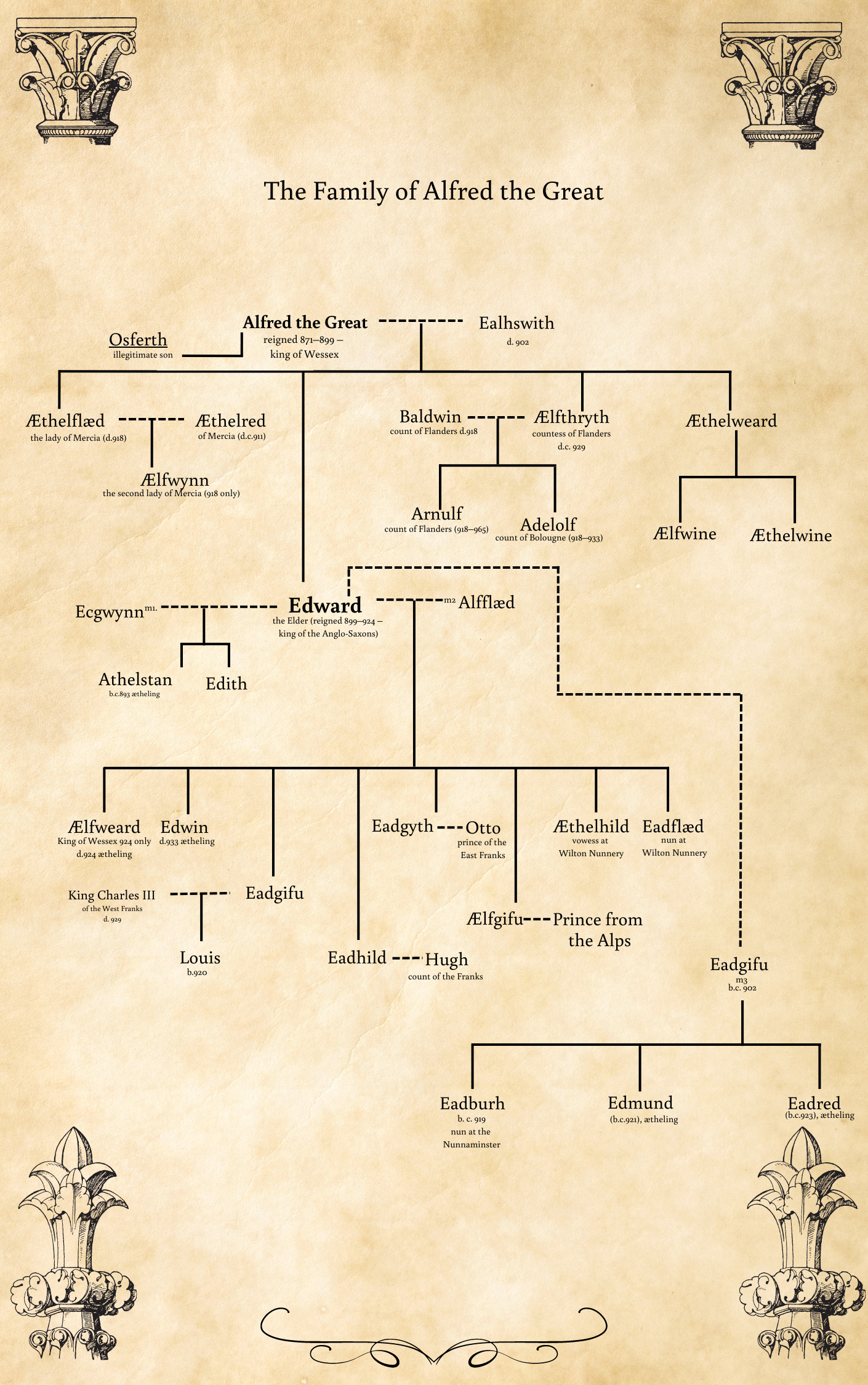
He was the son of Edward the Elder (who had died 16 days earlier) and his second wife, Ælfflæd. He was, presumably, the oldest born son with Edward’s second wife, and from a very young age, he can be seen attesting to his father’s charters. We don’t know his exact date of birth because we don’t know when Edward remarried, and whether it was before or after his father’s death in 899.
What do we know about Ælfweard?
Ælfweard begins to attest charters in 901 as filius regis, alongside his famous older halfbrother, Athelstan, although Ælfweard is given precedence and named before him. This precedence for the oldest son from a second marriage would also be mirrored in later years by King Edgar, who presented his oldest son with his third wife, Elfrida, as the legitimate ætheling while acknowledging his oldest son with his first wife.
Ælfweard attests eight of his father’s charters (S365, S375, S376, S377, S378, S381, S382 and S383). The number is small and may not be representative. There’s a lack of surviving charter evidence from the reign of Edward the Elder and none from Ælfweard’s short reign. Indeed, his full brother, Edwin, doesn’t attest any of his father’s charters, although he is named in one of Athelstan’s charters (S1417). This is something that needs explaining and examining in more depth.
Ælfweard’s death ‘allowed’ Athelstan to become king of Wessex
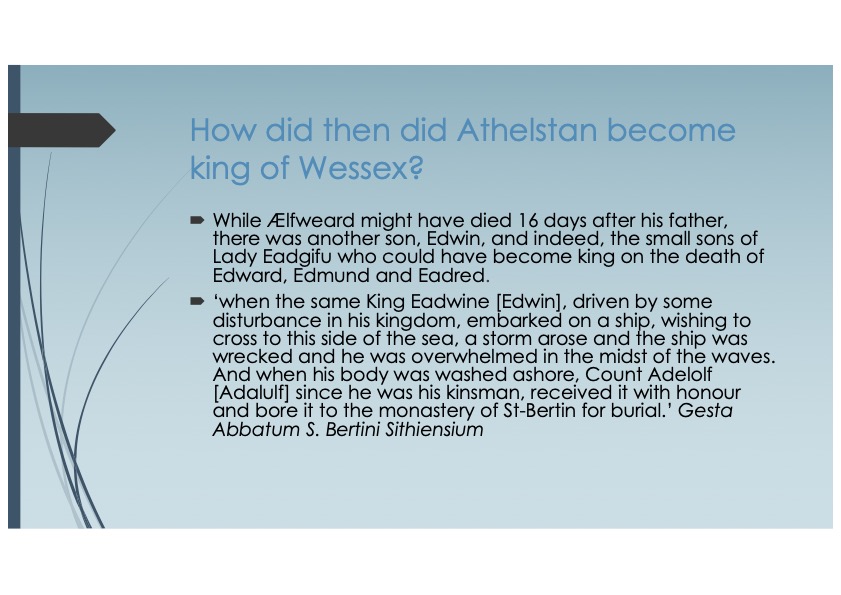
Despite the survival of his full brother, Edwin, Athelstan was, eventually, proclaimed king of Wessex as well as Mercia on the death of Ælfweard, although his coronation was delayed until September 925 (Read about Athelstan here). We must consider what led to Ælfweard’s death at Oxford. Had he been with his father at Farndon in Mercia putting down a revolt or fighting the Norse enemy? Was there some sort of illness? Was he murdered by those loyal to Athelstan to allow him to become king of Wessex as well as Mercia? We do not know. The situation is presented as a fait accompli in the sources.
Edwin, Ælfweard’s younger full brother, would die far from England’s shores, if the information we do have about his death, is correct. It is possible he did rise in rebellion against Athelstan, but alas, we do not know any details.
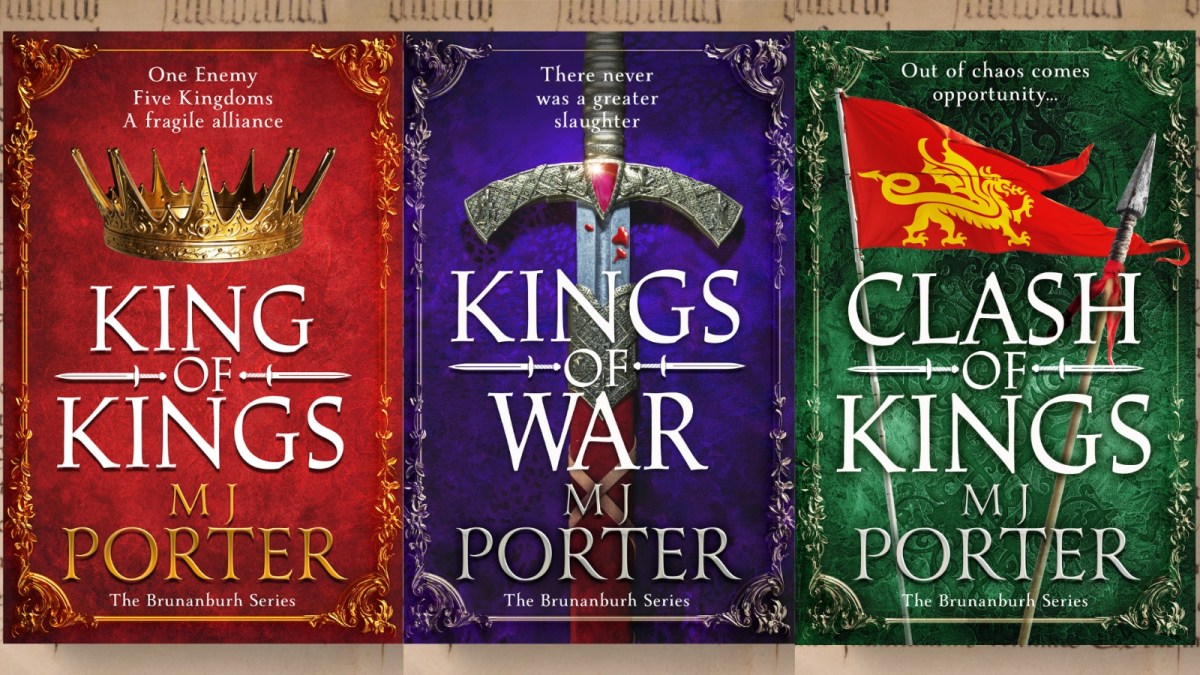
For more suggestions, and my fictional recreation of how Athelstan became king of Mercia, Wessex and the English, do check out my books, Kingmaker (the story of Lady Eadgifu, Edward the Elder’s third wife), and King of Kings (which begins with the coronation of King Athelstan in September 925). I’ve also written a post about Athelstan becoming king of Mercia which can be accessed here.
And for more information about the tenth century as a whole, do check out my nonfiction title about the Royal Women of the Tenth Century, which also includes information about the royal men.
Anglo-Saxon Chronicle quotations from M Swanton, The Anglo-Saxon Chronicles.
How do you recover from the havoc wrought by history’s cruellest plague?
It’s June 1349. In Meonbridge, a Hampshire manor, many have lost their lives to the Black Death, among them Alice atte Wode’s beloved husband and Eleanor Titherige’s widowed father. Even the family of the manor’s lord and his wife, Margaret de Bohun, has not entirely escaped.
But, now the plague has passed, the people of Meonbridge must work together to rebuild their lives. However, tensions mount between the de Bohuns and their tenants, as the workers realise their new scarceness means they can demand higher wages and dictate their own lives.
When the tensions deepen into violence and disorder, and the men – lord and villagers alike – seem unable to find any resolution, the women – Alice, Eleanor and Margaret – must step forward to find a way out of the conflict that is tearing Meonbridge apart.
Carolyn Hughes has lived much of her life in Hampshire. With a first degree in Classics and English, she started working life as a computer programmer, then a very new profession. But it was technical authoring that later proved her vocation, word-smithing for many different clients, including banks, an international hotel group and medical instruments manufacturers.
Although she wrote creatively on and off for most of her adult life, it was not until her children flew the nest that writing historical fiction took centre stage. But why historical fiction? Serendipity!
Seeking inspiration for what to write for her Creative Writing Masters, she discovered the handwritten draft, begun in her twenties, of a novel, set in 14th century rural England… Intrigued by the period and setting, she realised that, by writing a novel set in the period, she could learn more about the medieval past and interpret it, which seemed like a thrilling thing to do. A few days later, the first Meonbridge Chronicle, Fortune’s Wheel, was under way.
Six published books later (with more to come), Carolyn does now think of herself as an Historical Novelist. And she wouldn’t have it any other way…
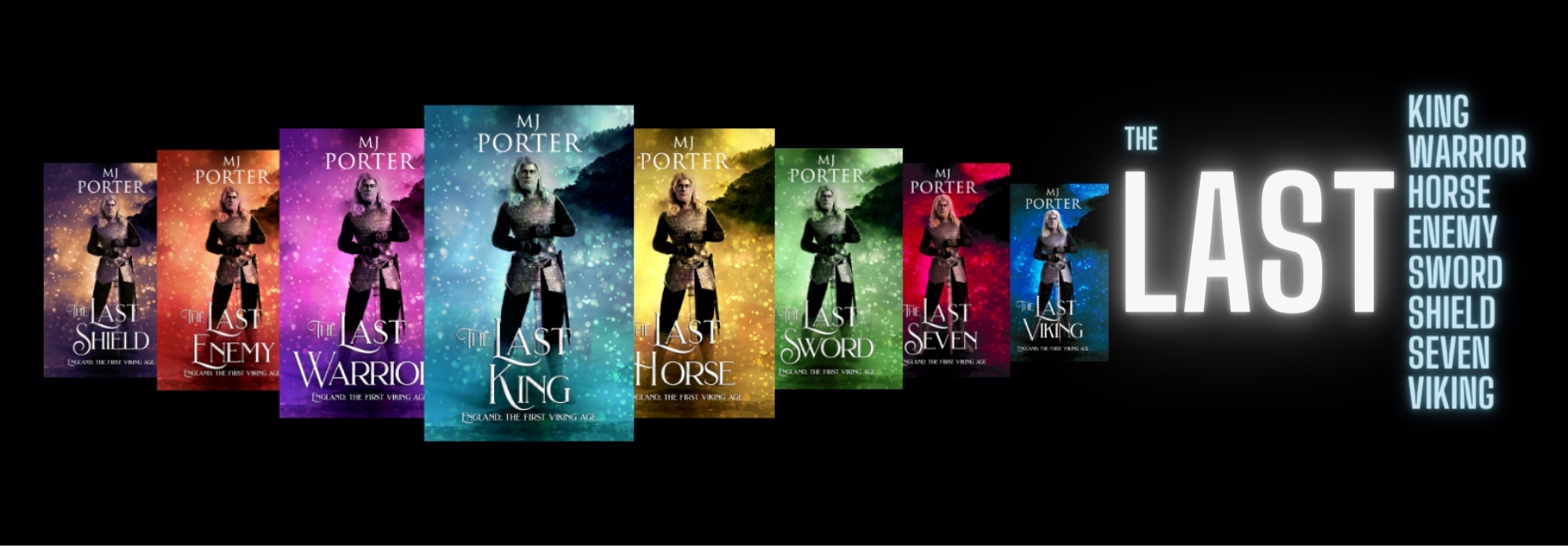
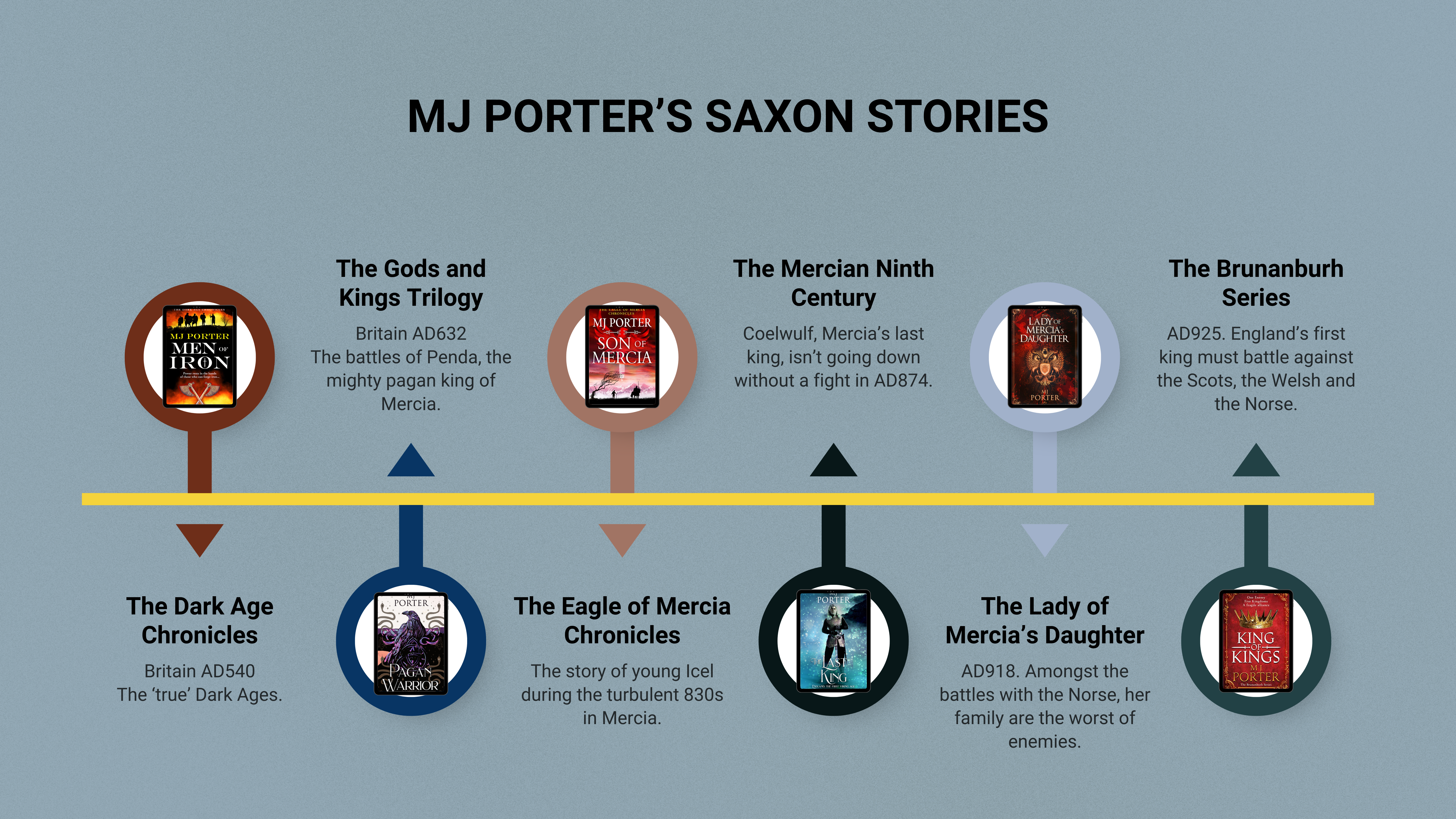
Trying to keep tabs of the chronology of my series set in Saxon England is difficult, even for me. It doesn’t help that I often work backwards, and sometimes have a tendency to skip backwards and forwards, and sometimes don’t finish things either. This might help.
Character crossovers – Ealdorman Leofwine from The Earls of Mercia series as a very young man. Lady Eadgifu from both The Tenth Century books, and The Brunanburh series in book 1.
Character crossover – Cnut, Ealdorman Leofwine, Leofric and others from The Earls of Mercia series – this book is a side-story to the main series but can be read as a standalone.
And don’t forget my non-fiction title, which is a perfect counterpart for The Tenth Century, and The Brunanburh Series, The Royal Women Who Made England
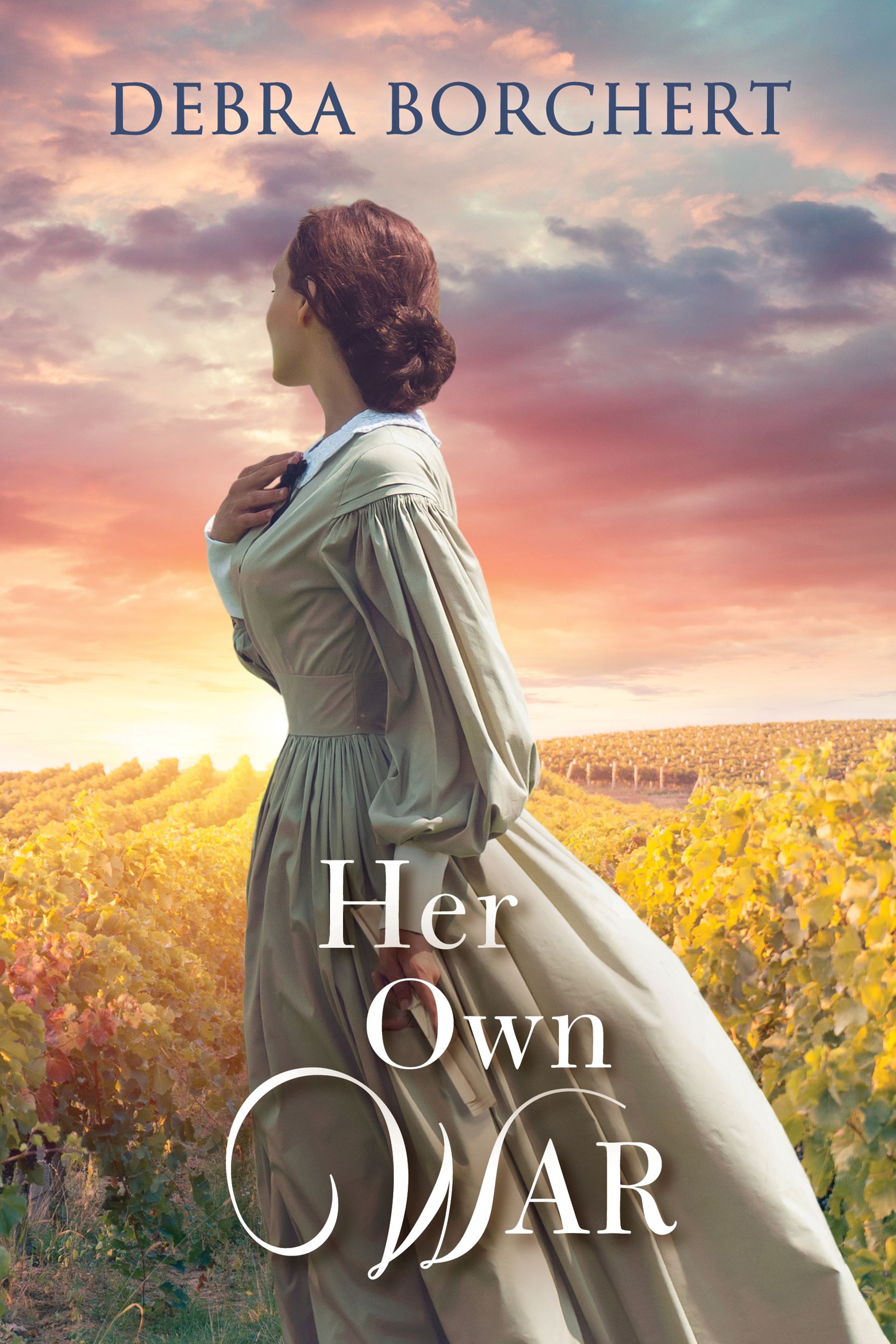
I’m delighted to welcome Debra Borhert and her new book, Her Own War, Book 3 in the Château de Verzat Series, to the blog with the historical aspect of the novel.
Historical Aspect of the Novel: Enslavement in Eighteenth-Century France by Debora Borchert
“I survived enslavement. I know where they look.” — Aurélia, Her Own War
In the first book in my Château de Verzat series, the brother-sister protagonists flee France aboard a slaver. As I further researched the slave trade, I knew I would not be able to adequately convey the horrors of their voyage. Consequently, that story lives only in my mind.
Yet, the male protagonist, Henri, falls in love with a formerly enslaved woman, Aurélia, who was forced onto the same ship. In America, they cannot marry, and people treat Aurélia as an enslaved woman. Eager for her freedom, Henri brings Aurélia to France, after the new government abolished enslavement. The August 1793 decree for the abolition of slavery ended all slave-trade activity across all French territories in 1794.
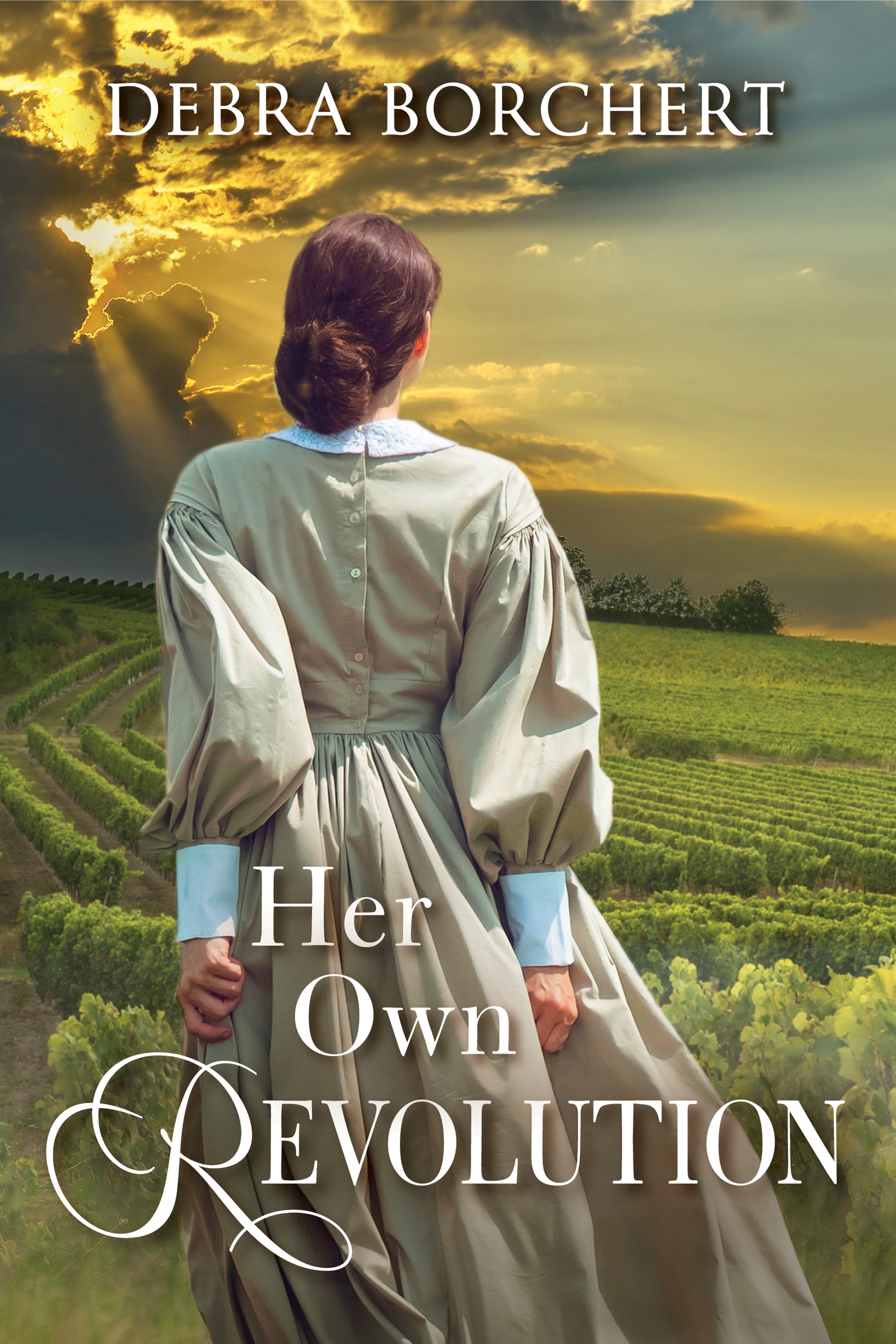
In the second book, Her Own Revolution, Henri, Aurélia, and their son, Charles, depart America and arrive in France in late 1796, where Henri believes Aurélia and their son will be safe.
Although slavery was illegal in France, people, like Thomas Jefferson, brought their “property” to France, and France respected his and others’ rights to own enslaved people.
The irony of these laws caused me to wonder about the formerly enslaved, and whether people of color had rights in France in 1796. They did not. In my work as a historical fiction writer, I attempt to focus light on historic injustices.
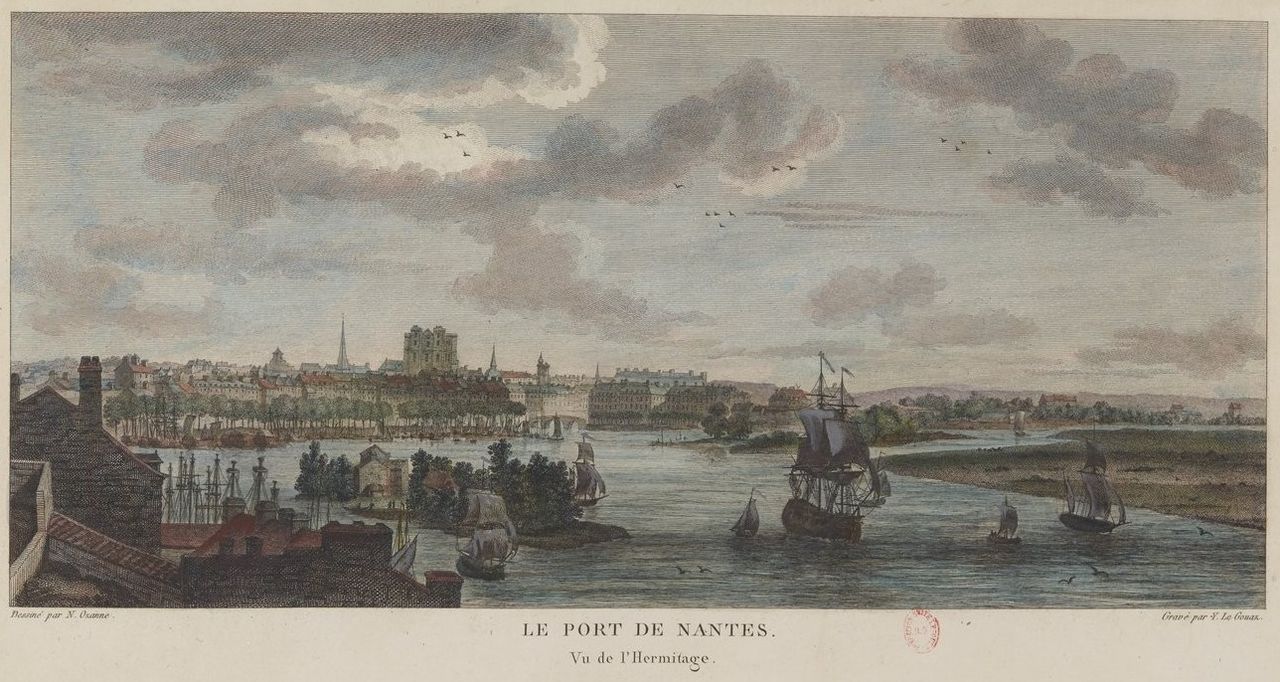
For research, I traveled to Nantes, which was the largest slave-trading port in France from 1707-1793. The city has created a Memorial to the Abolition of Slavery, dedicated to the thirteen million Africans who were deported during the transatlantic slave trade.
The Memorial’s underground gallery was created to enable visitors to imagine what it might feel like to exist in the hold of an 18th century ship. Sounds of flapping sails, splashing waves, creaking ropes and wood, clanking chains and shackles, human groans and cries, echo in the shadows.
At that moment I knew my character Aurélia would be mute, caused by the trauma she had endured. I also knew she would not be safe in France, for, although Henri did not know it, I knew she had no rights.
The third book, Her Own War, opens with a hailstorm that threatens the vineyard, and is followed by a declaration that all noble émigrés must leave France or face the guillotine. Henri, a noble émigré, must leave, and, as Aurélia is pregnant, she is unable to travel with him. He must leave her under the protection of the four hundred families who live on the estate. However, no one, not even Henri, could have protected her from history.
During the eighteenth century the recapture of freed, formerly enslaved people was terrifyingly common, and many were enslaved in the sex trade. France had a robust demimonde, a polite name for the business of prostitution, catering to tastes for the exotic. These facts threatened Aurélia’s safety. But, as Aurélia had survived enslavement, she proved to be a courageous character who risks her life to save the lives of her children.
As Napoleon Bonaparte gathers power at the end of Her Own War, I know the plot of the next book of in the series will be affected by his re-establishment of slavery in1802, which revived slave-trade activity for another fifteen years.
Having learned that even today human beings are enslaved, I chose to bring light to the historical facts of the 18th century, sadly reflected in the crimes against humanity in this century.
Artwork that inspired the character Aurélia.
Bust of an African Woman by Charles-Henri-Joseph Cordier. Courtesy The Walters Art Museum, Creative Commons License. Artwork that inspired 18th century Nantes, France.
Le Port de Nantes, by Nicolas Ozanne, Courtesy Wiki Creative Commons
Blurb
As Napoleon Rises from the Ashes of The French Revolution, One Woman Dares to Spy Against Him
Sentenced to eight months in an insane asylum for the crime of impersonating a man, Geneviève LaGarde fears giving birth in a filthy cell will mean certain death for her and her unborn child. Desperate for her release, her husband, Louis, trades his freedom for hers and must join Bonaparte’s army in Egypt.
As Geneviève wages her own war against the tyrannical general, she not only risks her own life but also those of her children and the four hundred families who depend on the Château de Verzat estate. Knowing her desperate actions could cause the government to confiscate the entire vineyard, she sacrifices everything to save her husband and protect the people who become her family.
A captivating tale of the power of love, hope, and courage, and the strength of community.
Book 1Book 2Book 3
Reviews
“Fans of historical fiction will find this novel a most captivating read.” —Kirkus Reviews
“For fans of Stephanie Dray’s The Women of Chateau Lafayette.” —Publishers Weekly BookLife Editor’s Pick “A compelling story of love, war, and fierce family loyalty. While the narrative stays true to the social mores of the French Revolutionary era, Borchert gives her readers powerful and active female characters who often cunningly use conventional gender expectations to conceal their real motives and actions. Fans of historical fiction will find this novel a most captivating read.” —Kirkus Reviews
This title will be on #KindleUnlimited for the first 90 days
Meet the Author
Debra Borchert has had many careers: clothing designer, actress, TV show host, spokesperson for high-tech companies, marketing and public relations professional, and technical writer for Fortune 100 companies. Her work has appeared in The New York Times, San Francisco Chronicle, The Christian Science Monitor, and The Writer, among others. Her short stories have been published in anthologies and independently.
A graduate of the Fashion Institute of Technology, she weaves her knowledge of textiles and clothing design throughout her historical French fiction. She has been honored with a Historical Novel Society Editors’ Choice, Publishers Weekly BookLifeEditor’s Pick, and many other five-star reviews.