Author of Saxon historical fiction and non-fiction, 20th-century historical mysteries, and Norse-inspired historical romantasy. Book reviewer and blog host.
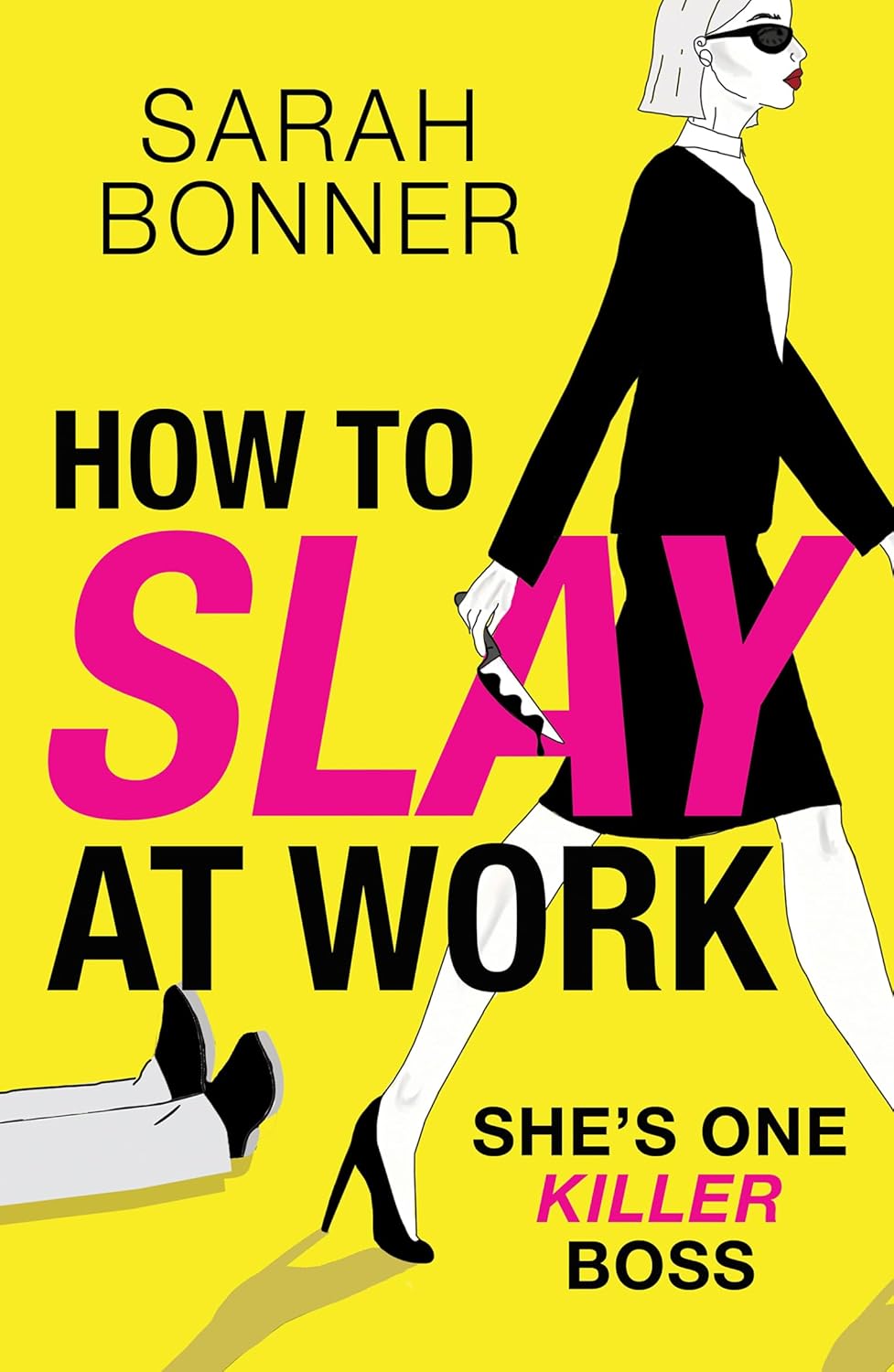
When your boss is at a conference in a city where there’s a suspicious death, it’s unlucky.
If it happens twice, it’s odd.
But when she’s in the same city at the same time as a third unexplained death . . .
Could she be a stone-cold killer?
Millie’s always known her boss Freya is a psycho – the demanding and ever-changing coffee orders, the cryptic instructions, the apparently expected mind reading and don’t even start on the insistence that Millie wears heels . . . All. The. Time.
But it only extends as far as exacting office standards. Right?
As Freya’s assistant, Millie has privileged access to her diary and travel history and when a pattern emerges of men (who seem to have no connection to each other) dying in cities where Freya is travelling, Millie is determined to figure out what’s going on.
After all, a stone-cold killer could be exactly what Millie needs . . .
Our first main character, Millie, is very amusing in a slightly ‘put upon way.’ The dynamics between her and Freya, her boss, are amusing and well-portrayed. As Millie’s suspicions grow, it’s almost a shame when our POV shifts and we encounter Freya herself. However, Freya’s perspective definitely adds a whole new dimension to what’s actually going on.
Indeed, the book’s first half passes by very quickly, covering quite a short period. In some ways, the book suffers from having such a fabulous set-up, which can’t quite be maintained throughout the second half as we learn more and more about our characters. The dark, twisty humour does die away a bit—perhaps unsurprising in the face of what the reader learns.
That said, the book’s second half is still good, even if the ending seems a little rushed, as we meet our third POV.
Both of our main characters are untrustworthy narrators, which allows for a few ‘I didn’t see that coming moments’.
It’s a fun and entertaining read. It’s certainly twisty and stuffed with some fabulous dark humour (in the first half).
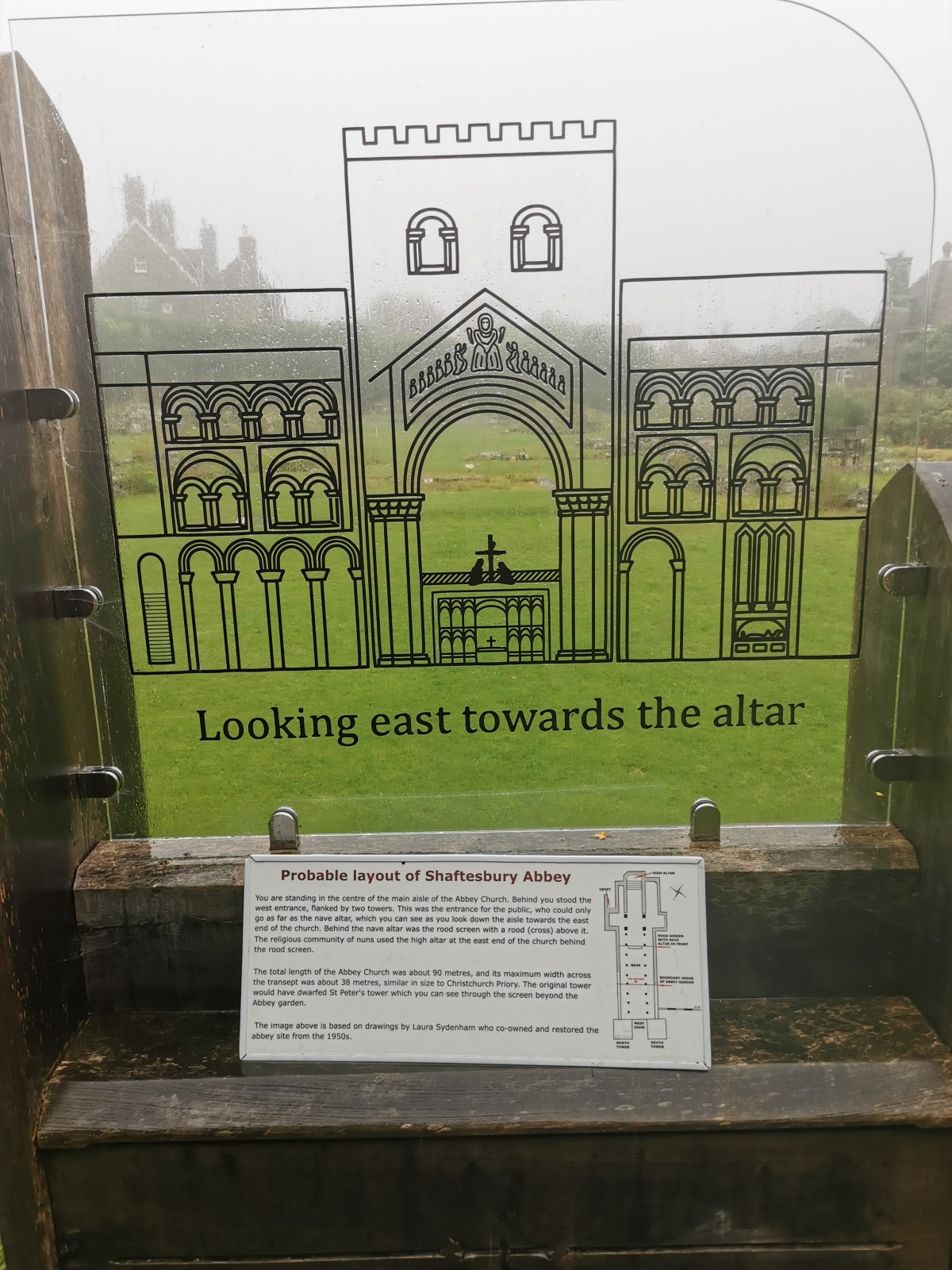
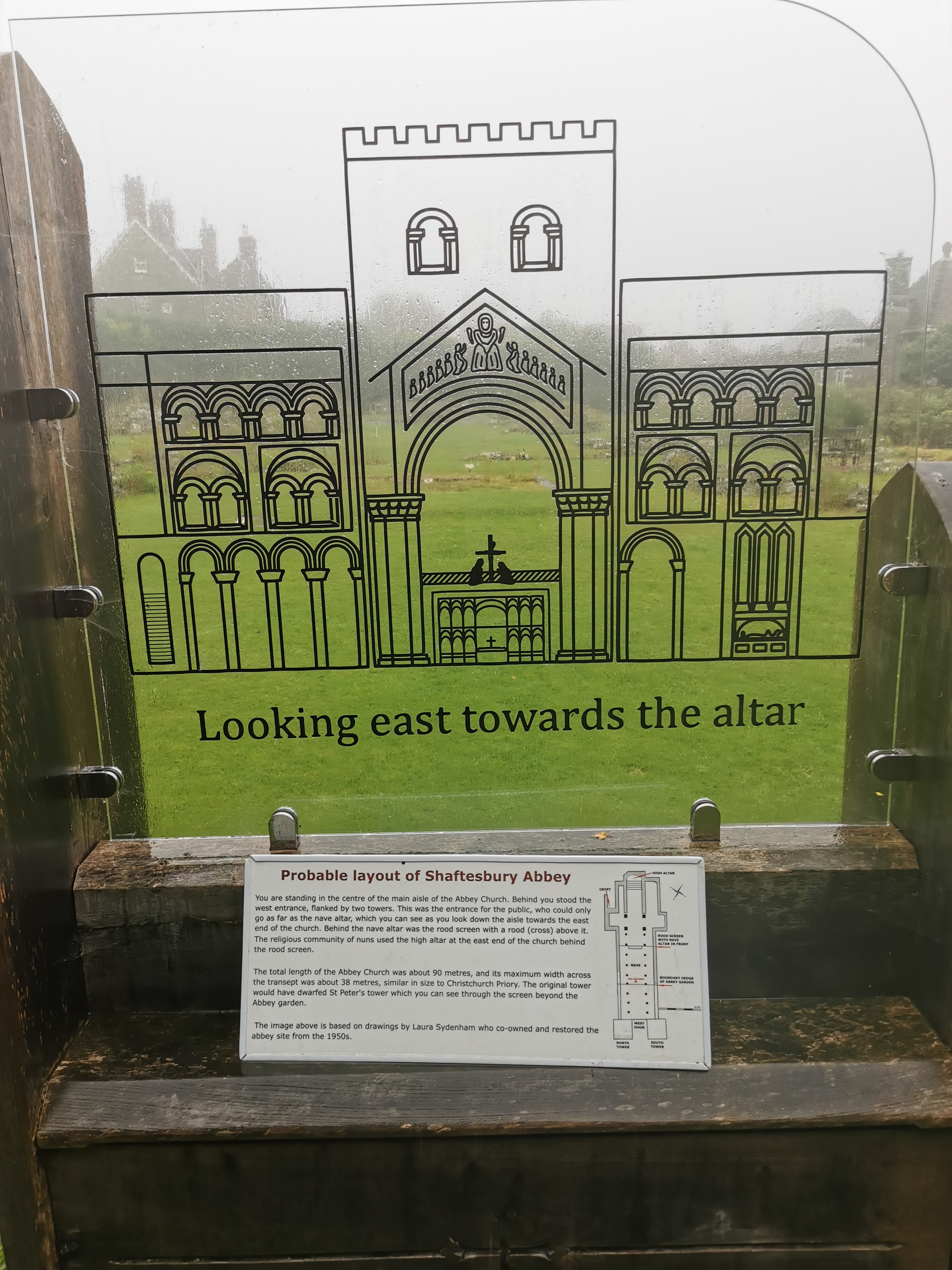
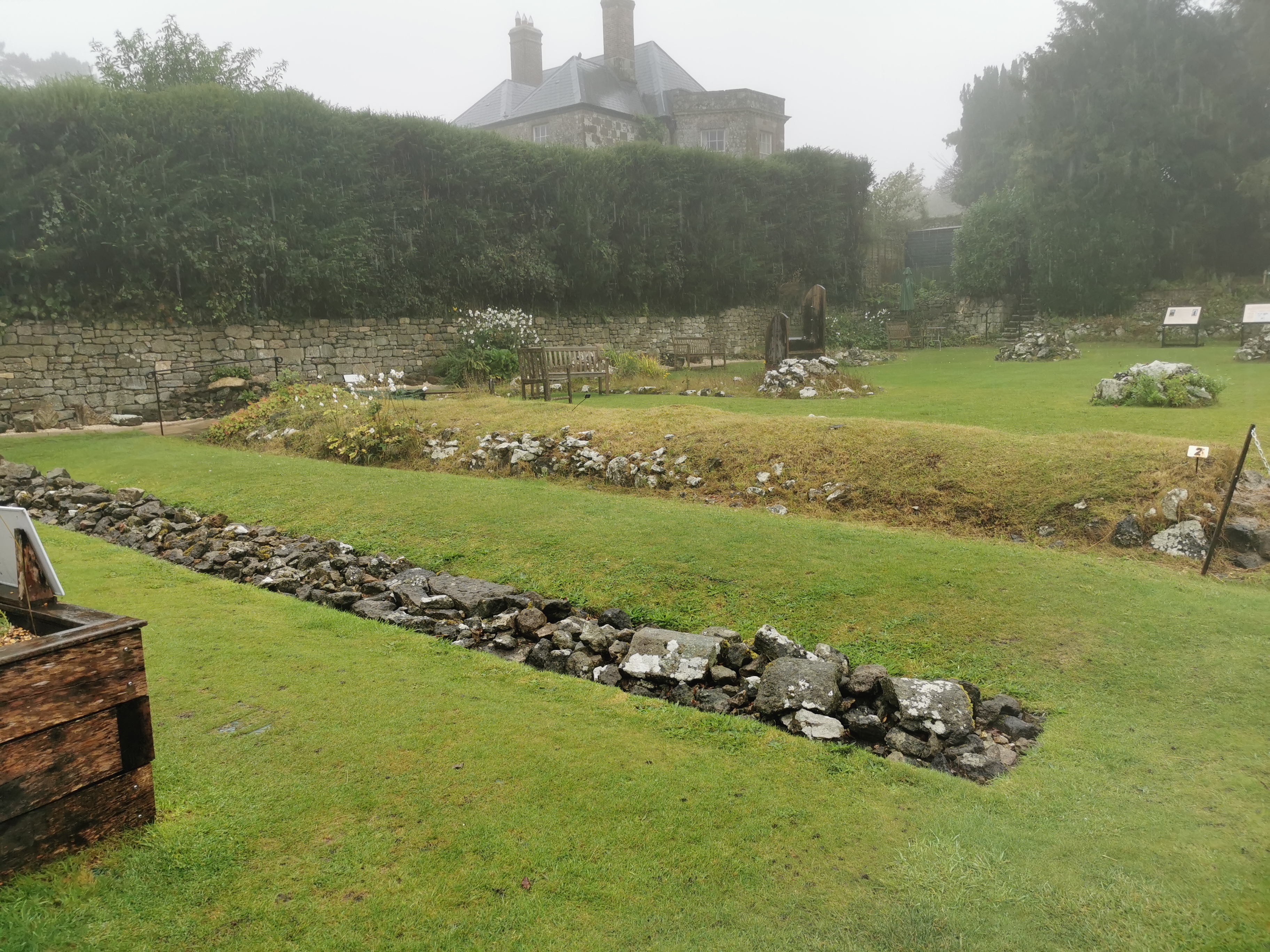
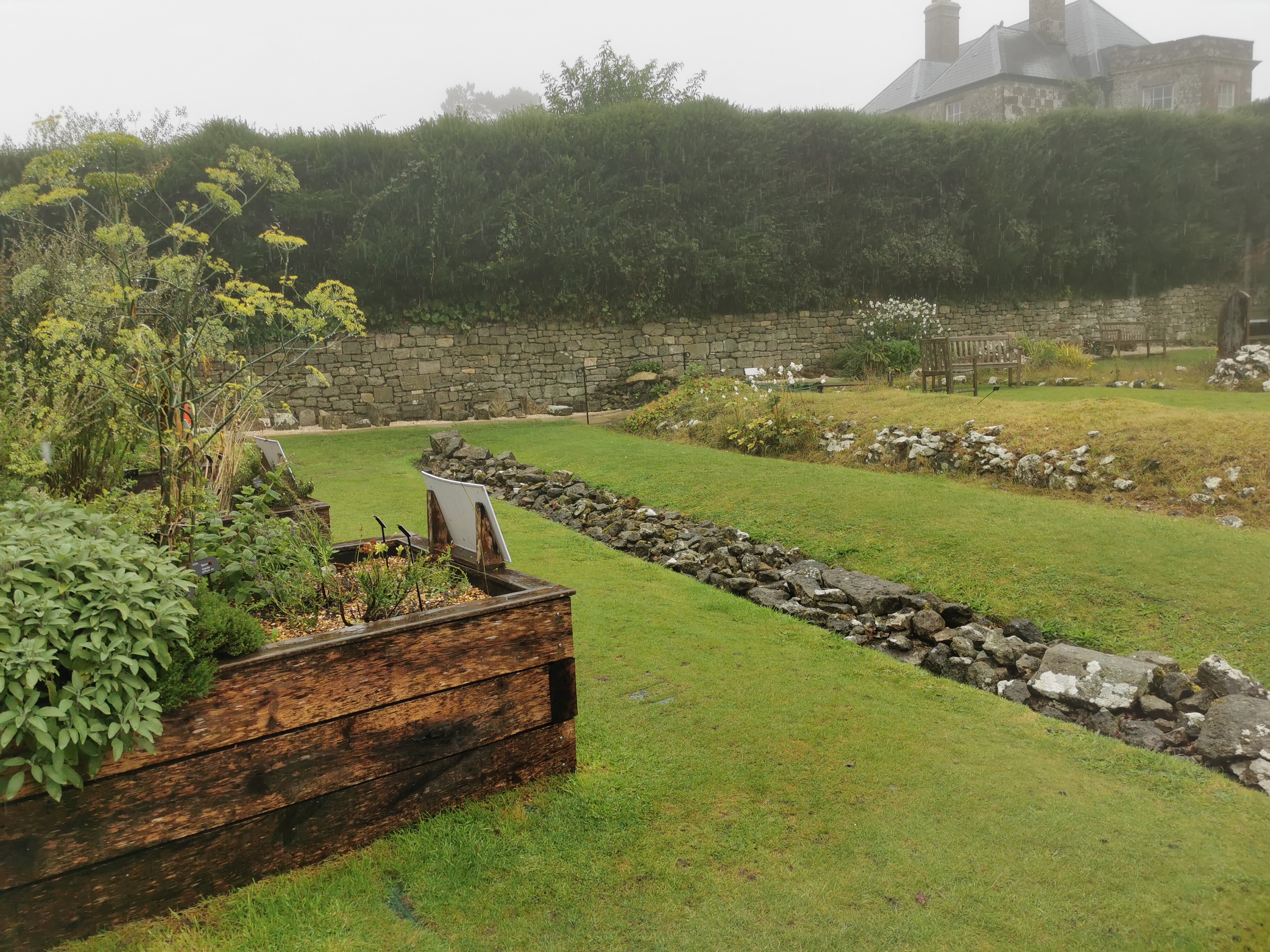
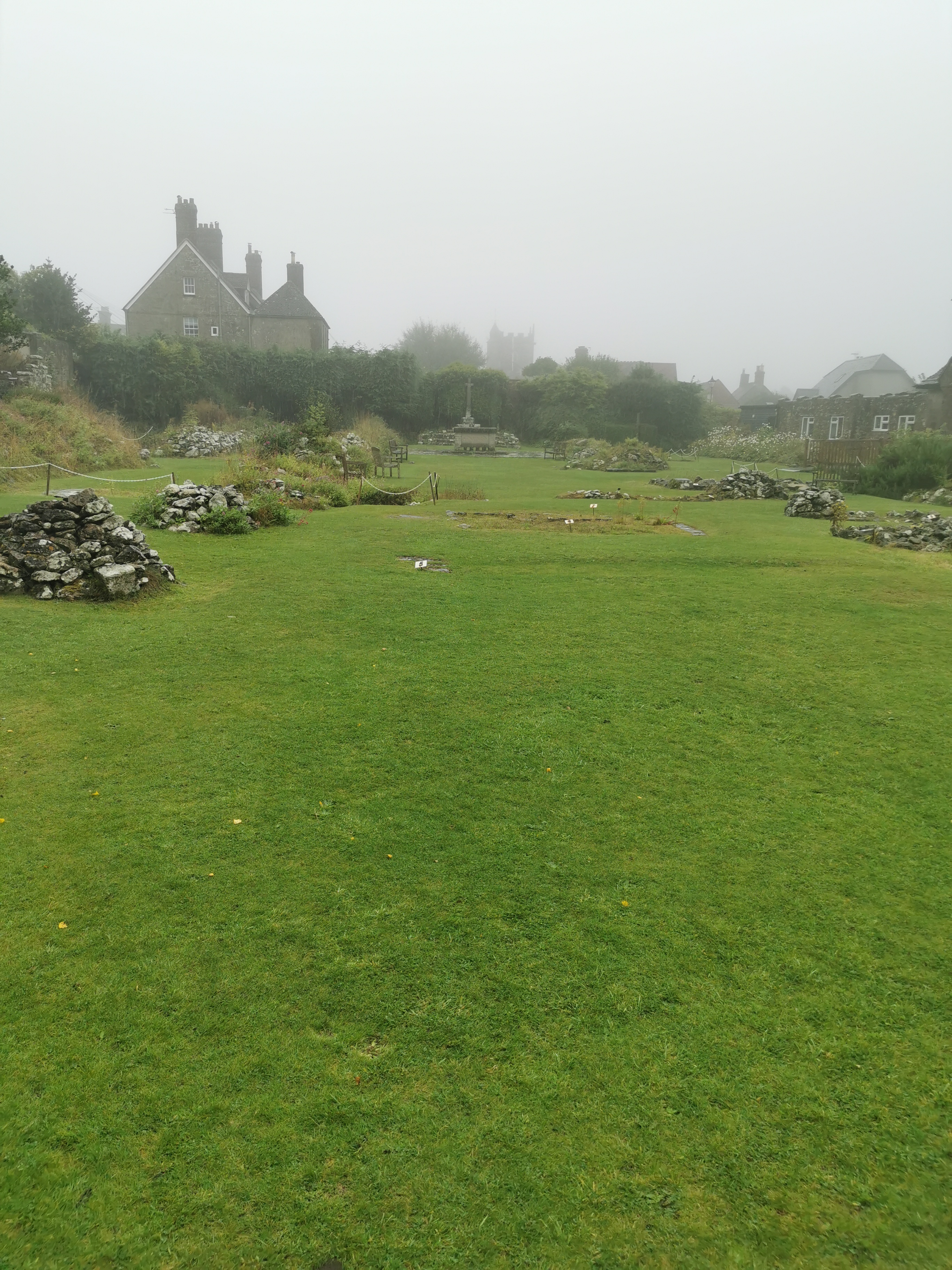
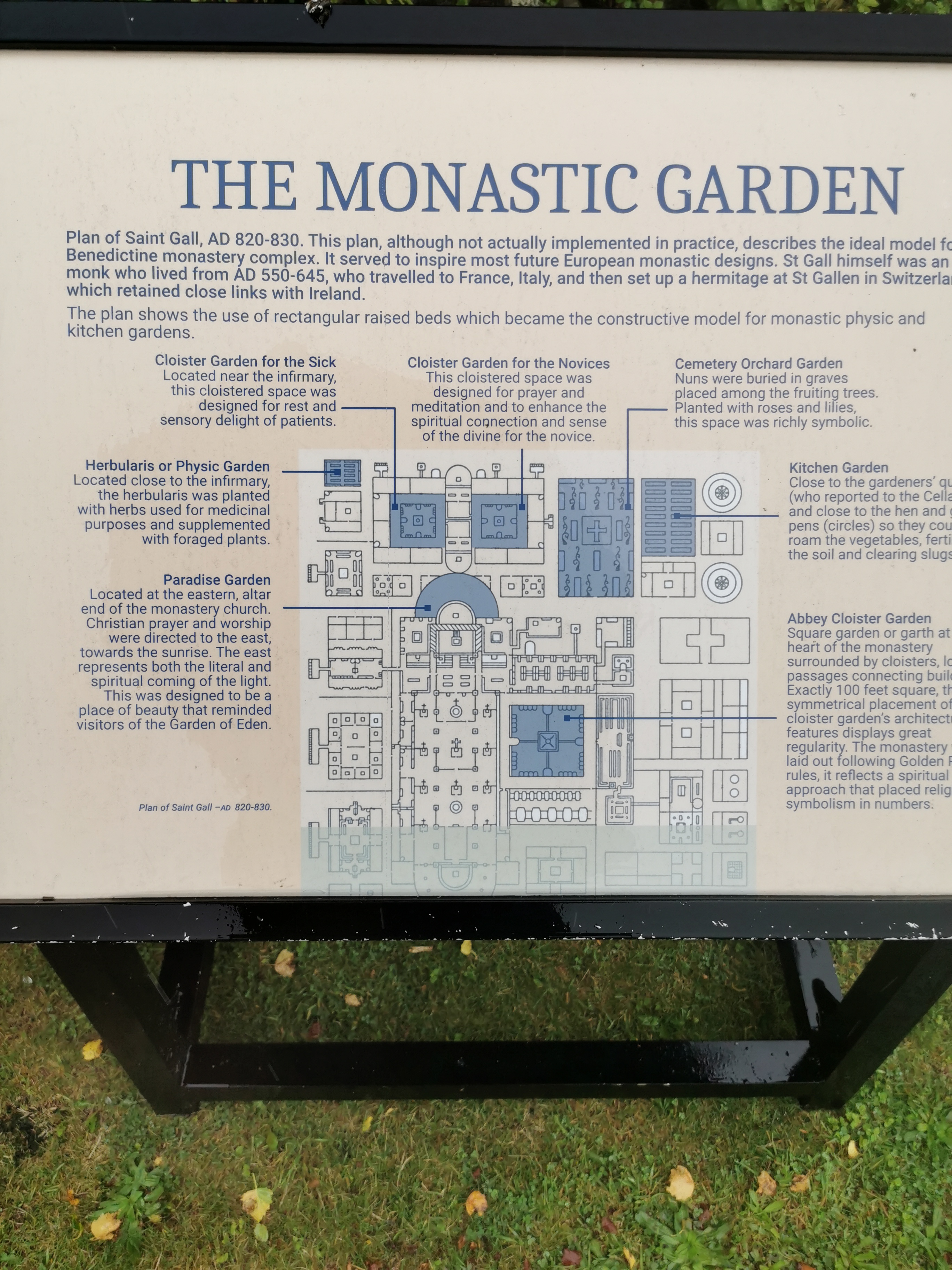
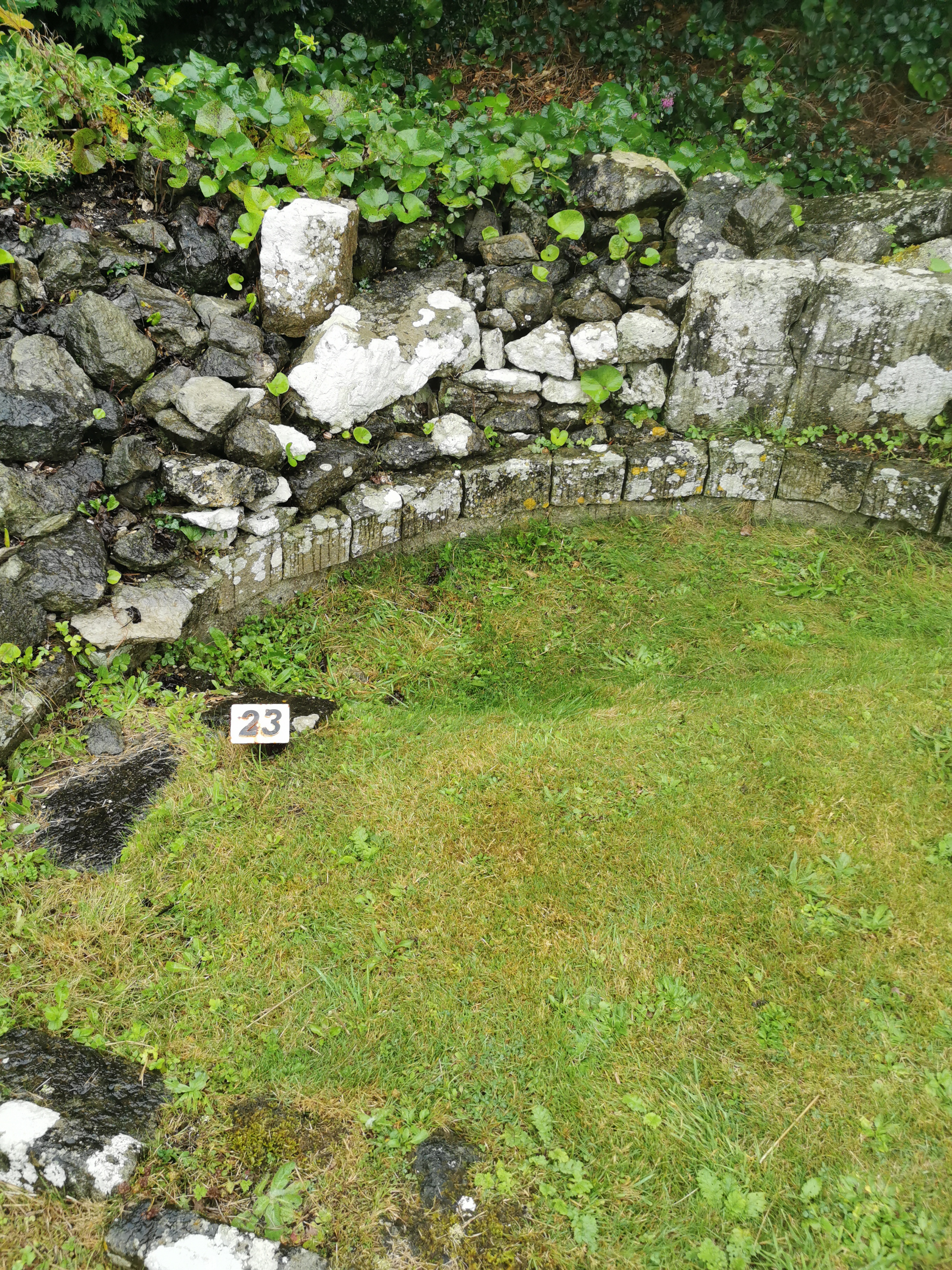
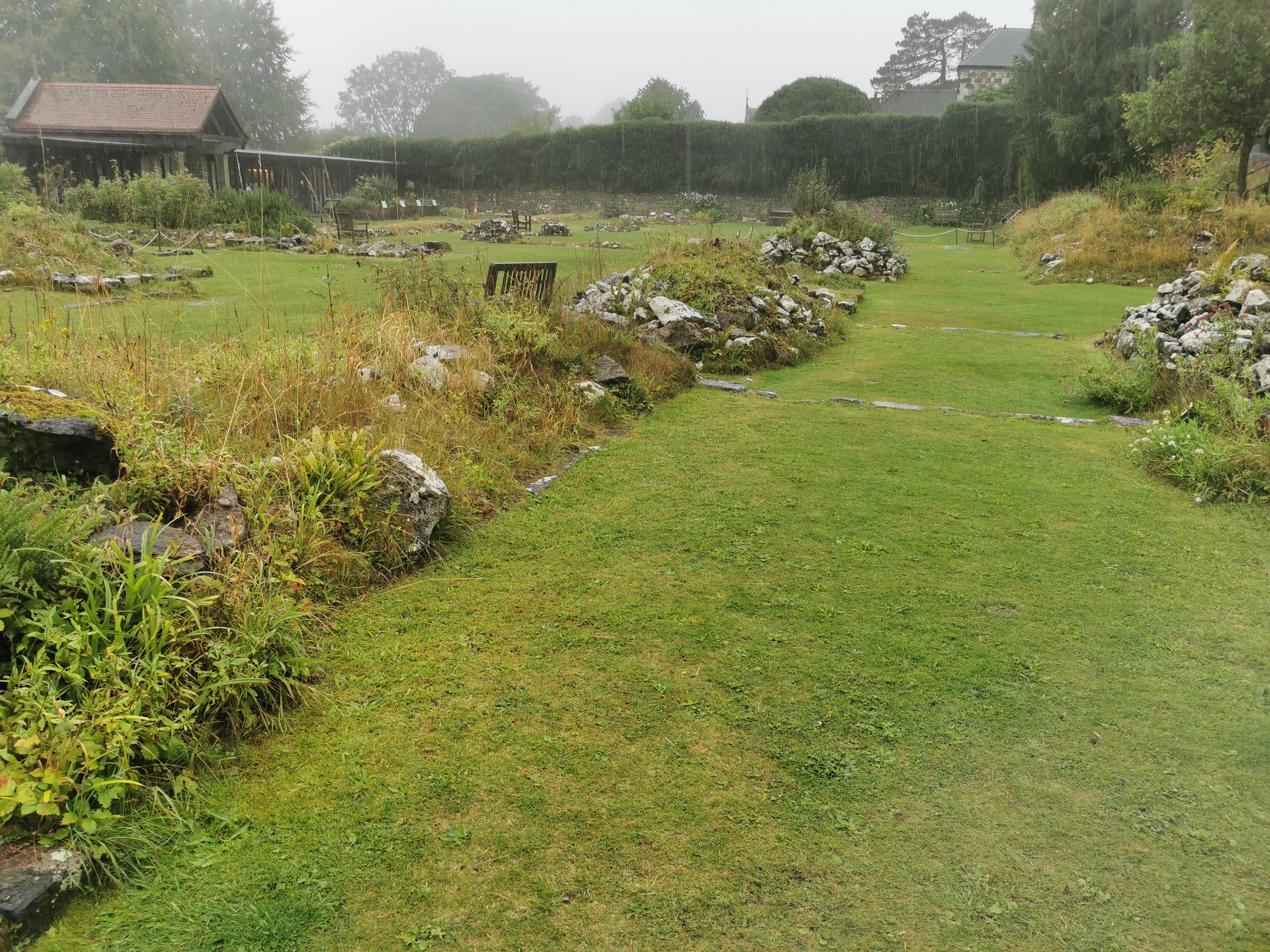
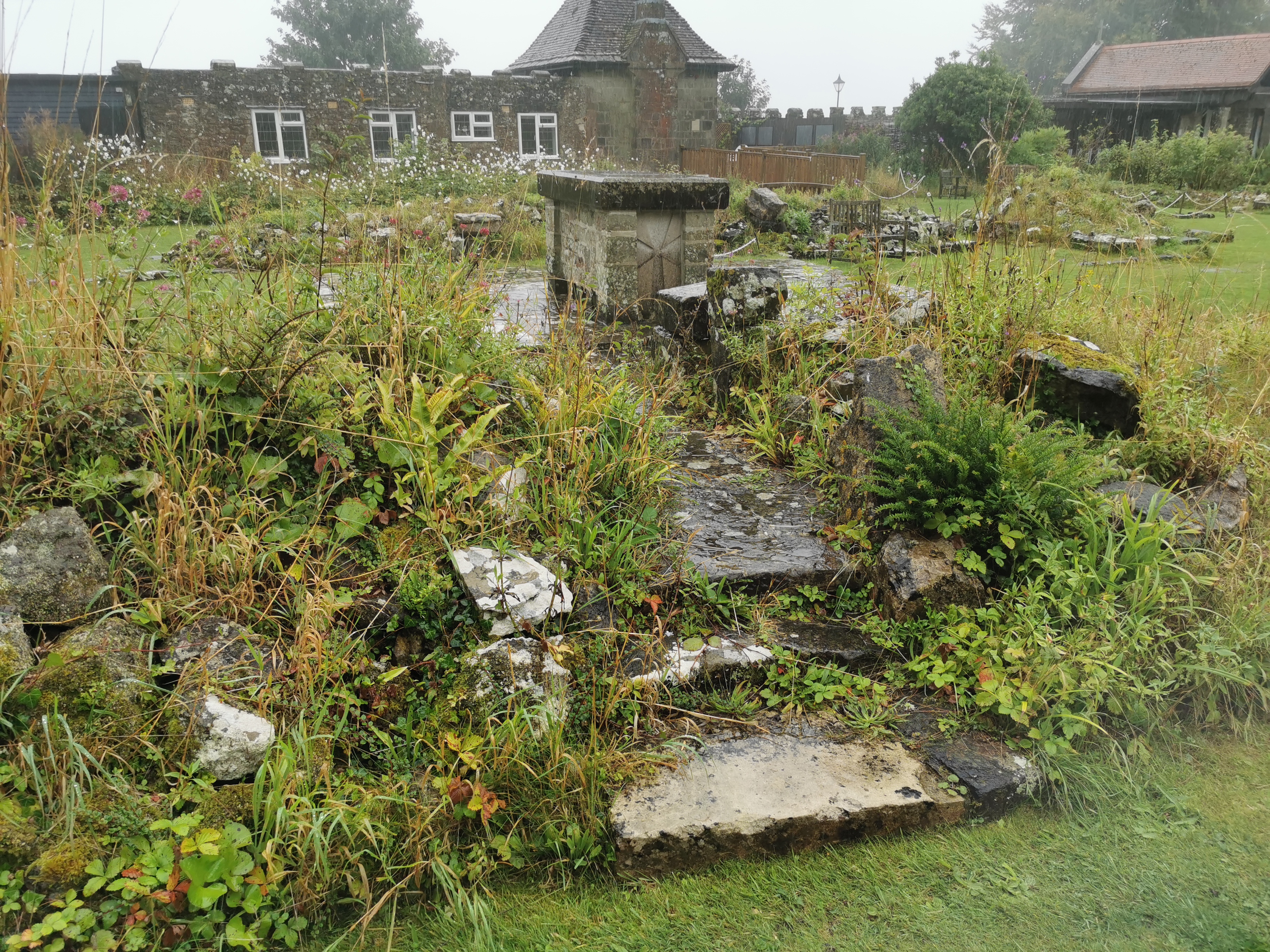
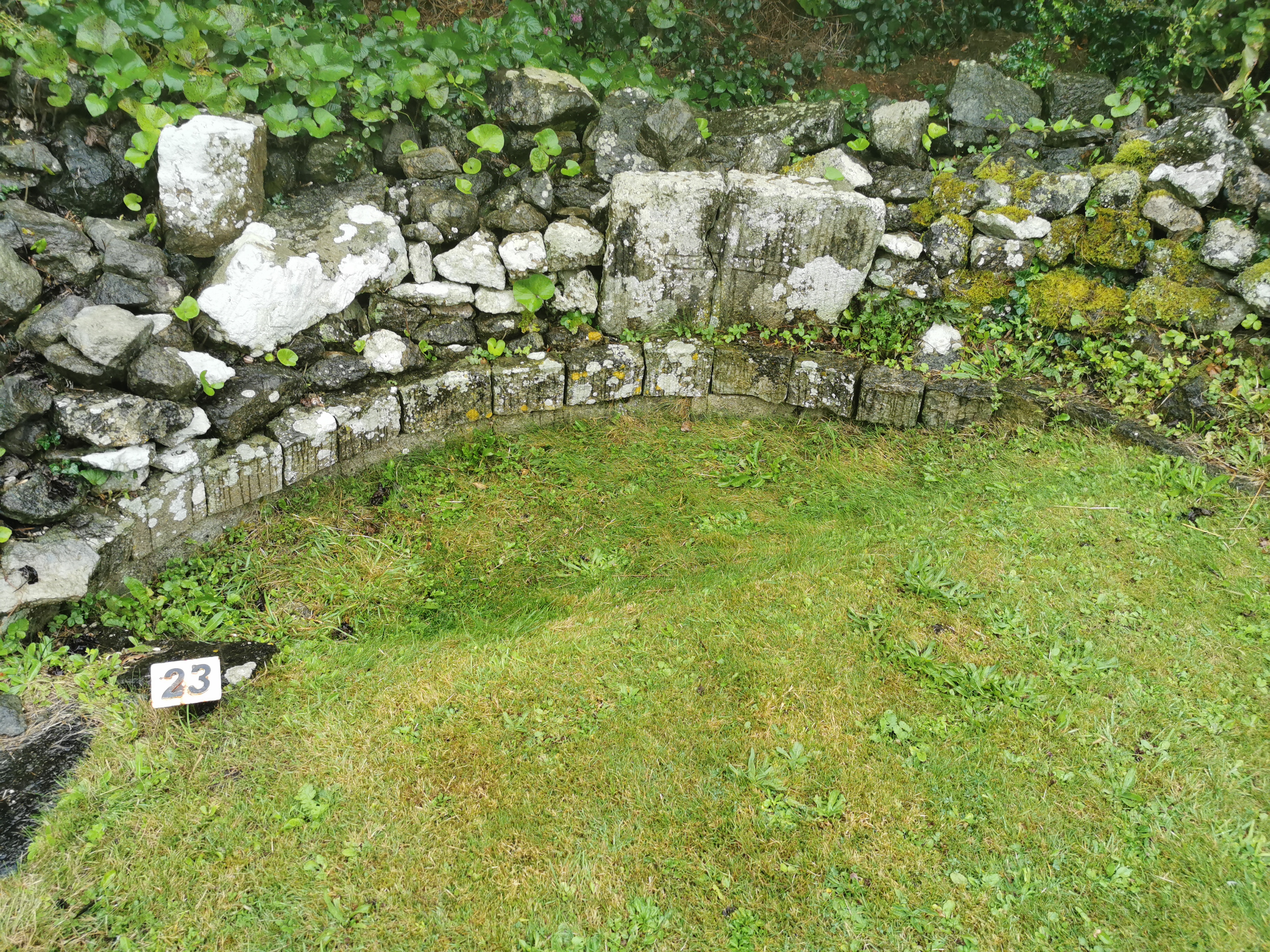
Shaftebury Abbey is a ruin, in private hands and run by a charity, and I was desperate to visit because it’s where King Alfred’s daughter, Æthelgifu, was an abbess, and where King Edmund’s first wife, Ælfgifu, was buried, (the mother of Eadwig and Eadgar/Edgar) and where the body of King Edward the Martyr was moved to after his murder (the oldest son of Eadgar/Edgar). You can read about these women in my The Royal Women Who Made England non-fiction title. And I’ve fictionalised many of them as well, especially Lady Elfrida, accused of murdering her stepston.
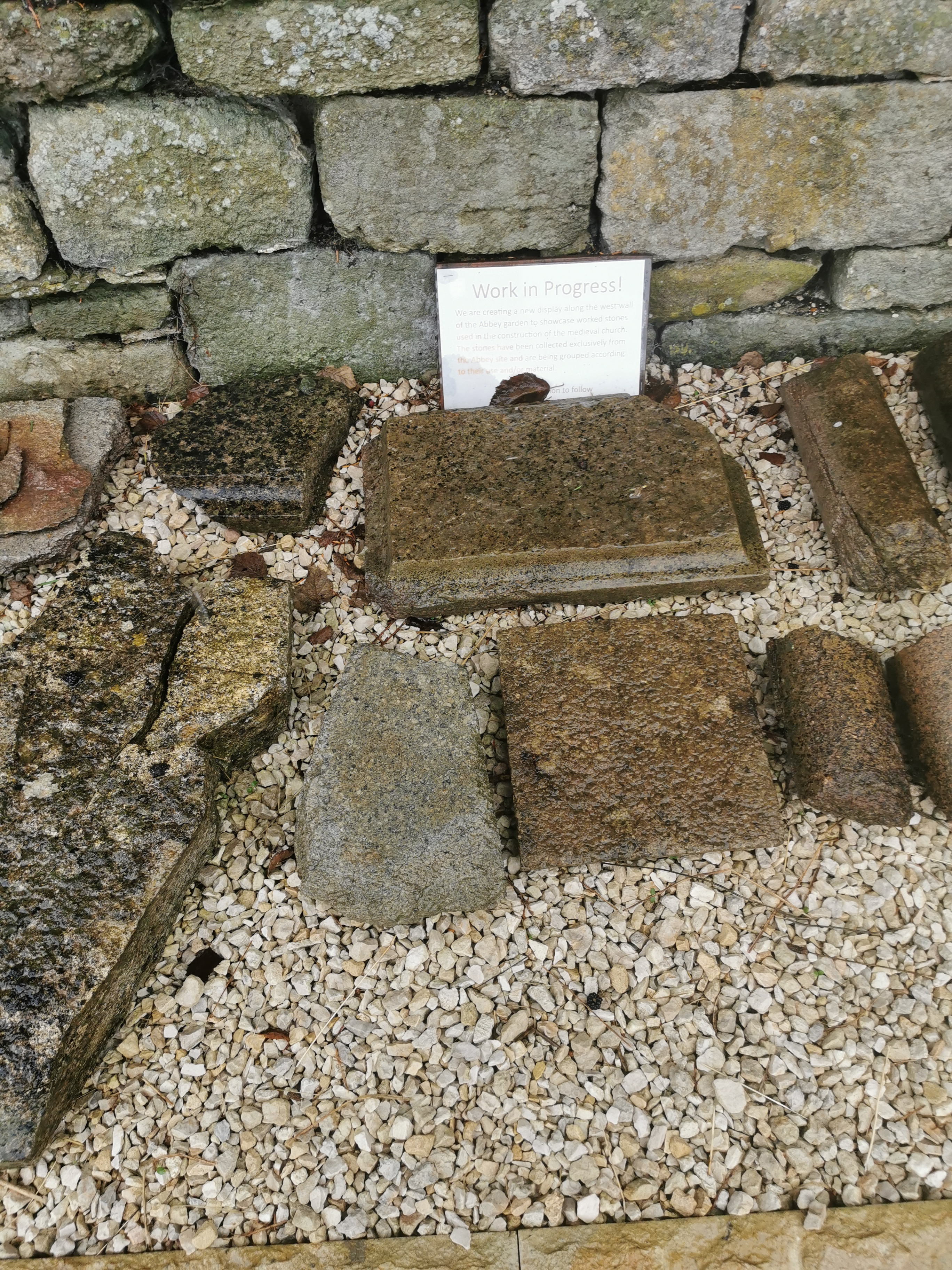
However, I was there on a day so biblically wet a few weeks ago, that sadly, they had to close (i.e. this is the first time I’ve been kicked out of a historical monument), but the volunteers were absolutely lovely and I’m grateful they let me look for as long as possible before making sure they got home safely on roads that were very, very wet. And, it made the whole experience very atmospheric. If you pop over to their website, there are fab images of it being sunny. https://www.shaftesburyabbey.org.uk I hope to be able to return on day when it’s not raining.
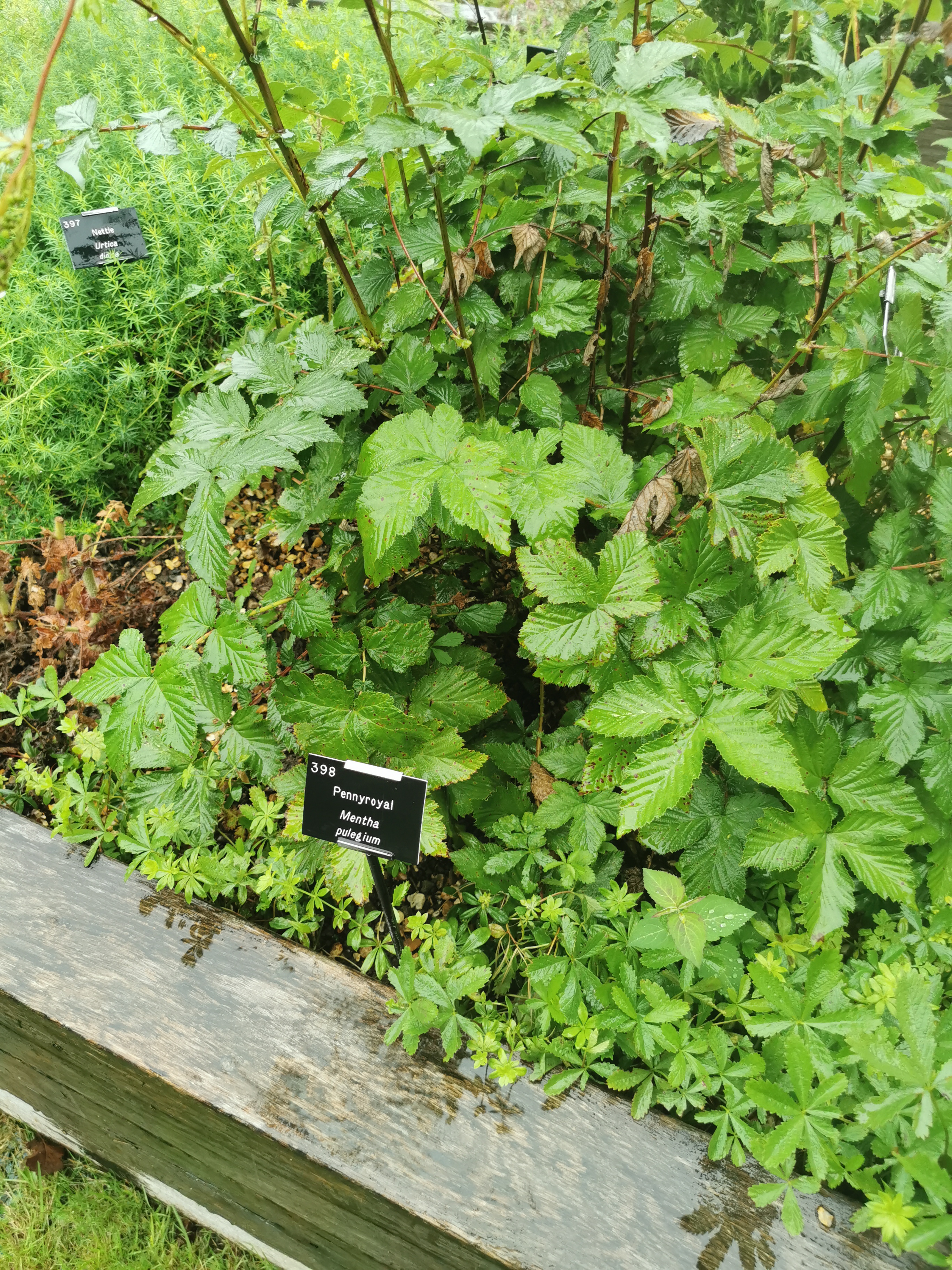
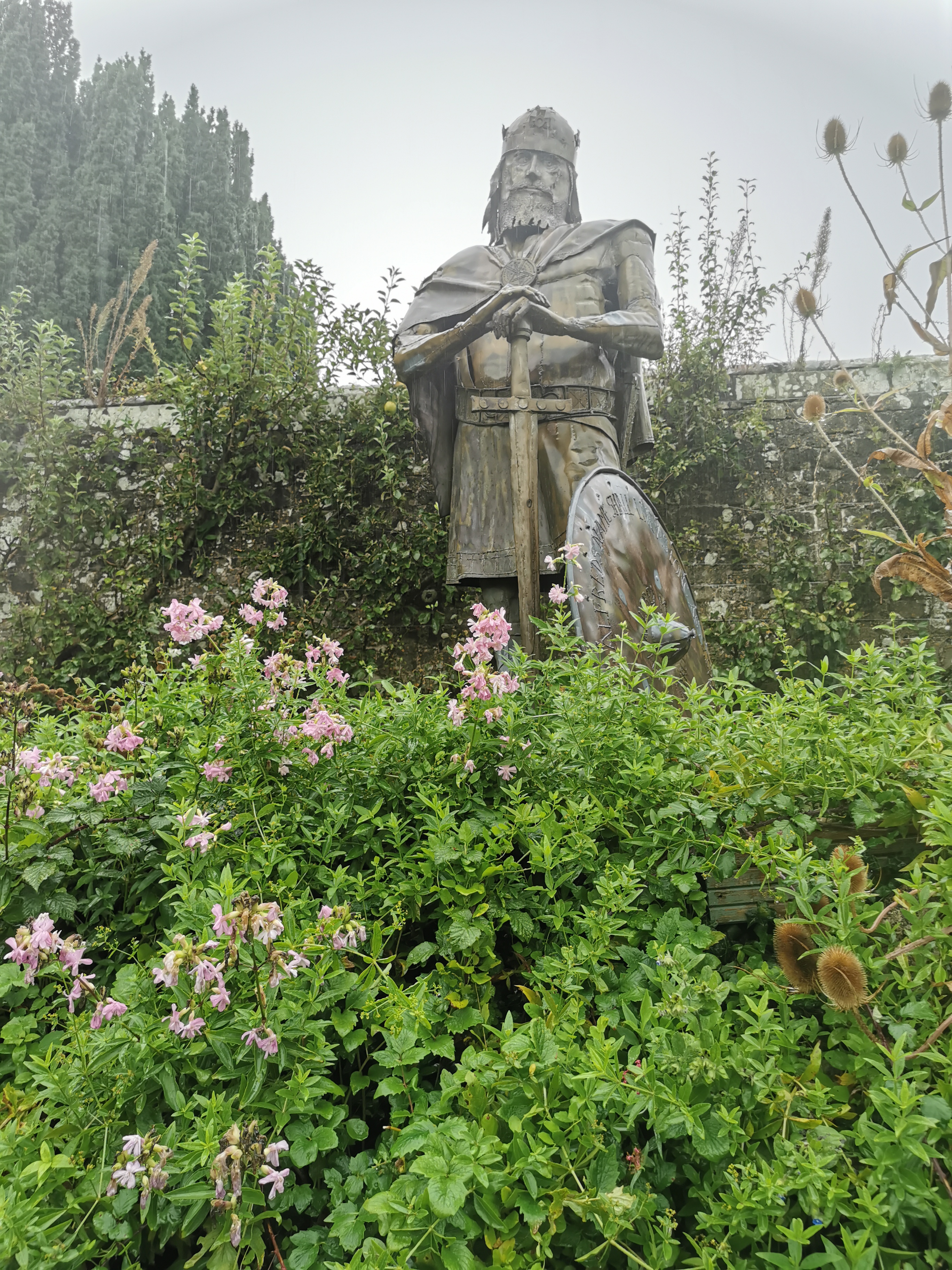
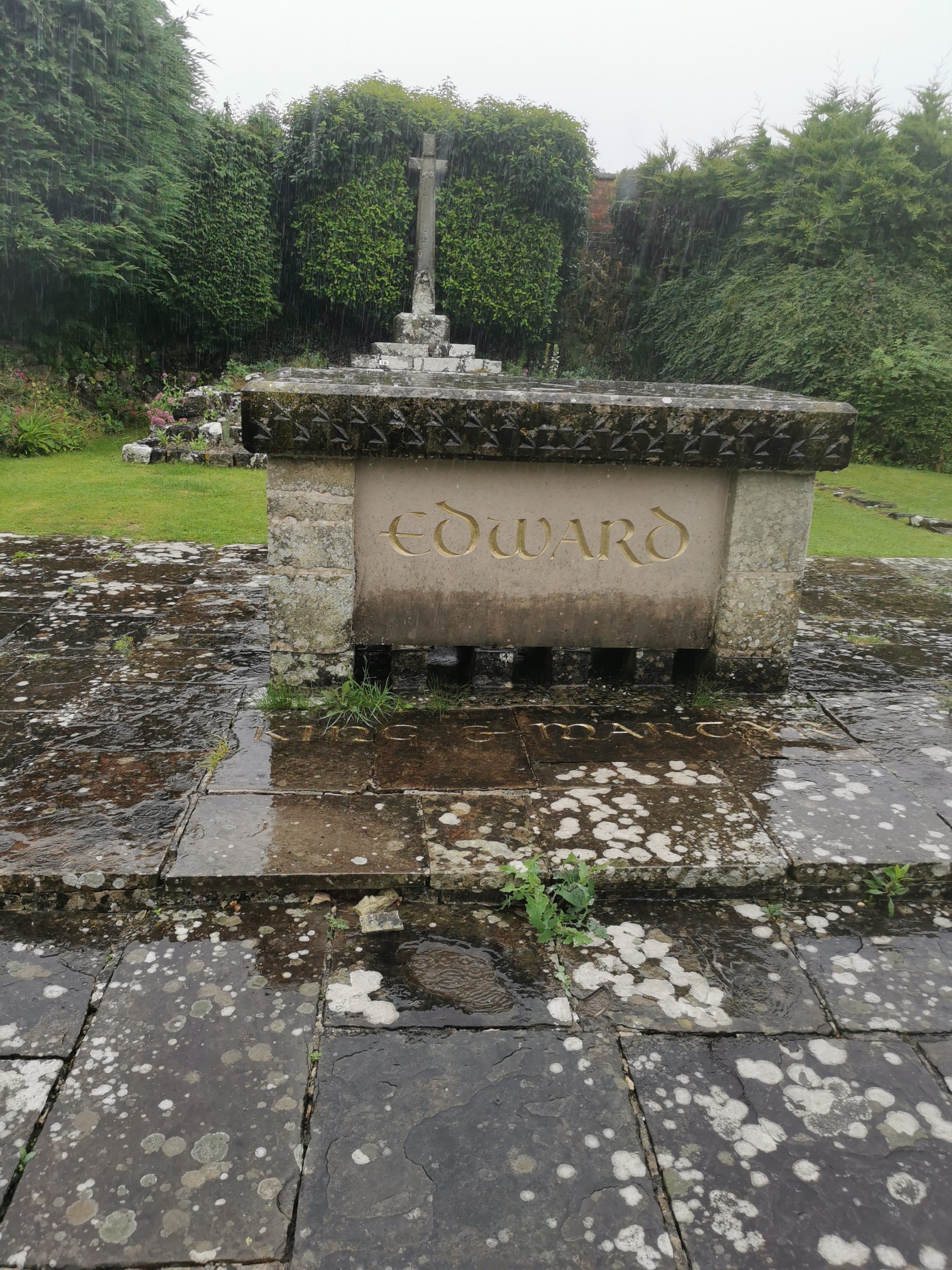
Taking photos of all the plants in the herbal gardenI was standing under my umbrella the whole timeA statue of King AlfredThe memorial for Edward the MartyrA side on view of Edward the Martyr’s memorial
The lettering by the monument to Edward the Martyr
From memory, this is where it’s believed Edward the Martyr was originally buried when the abbey was in use
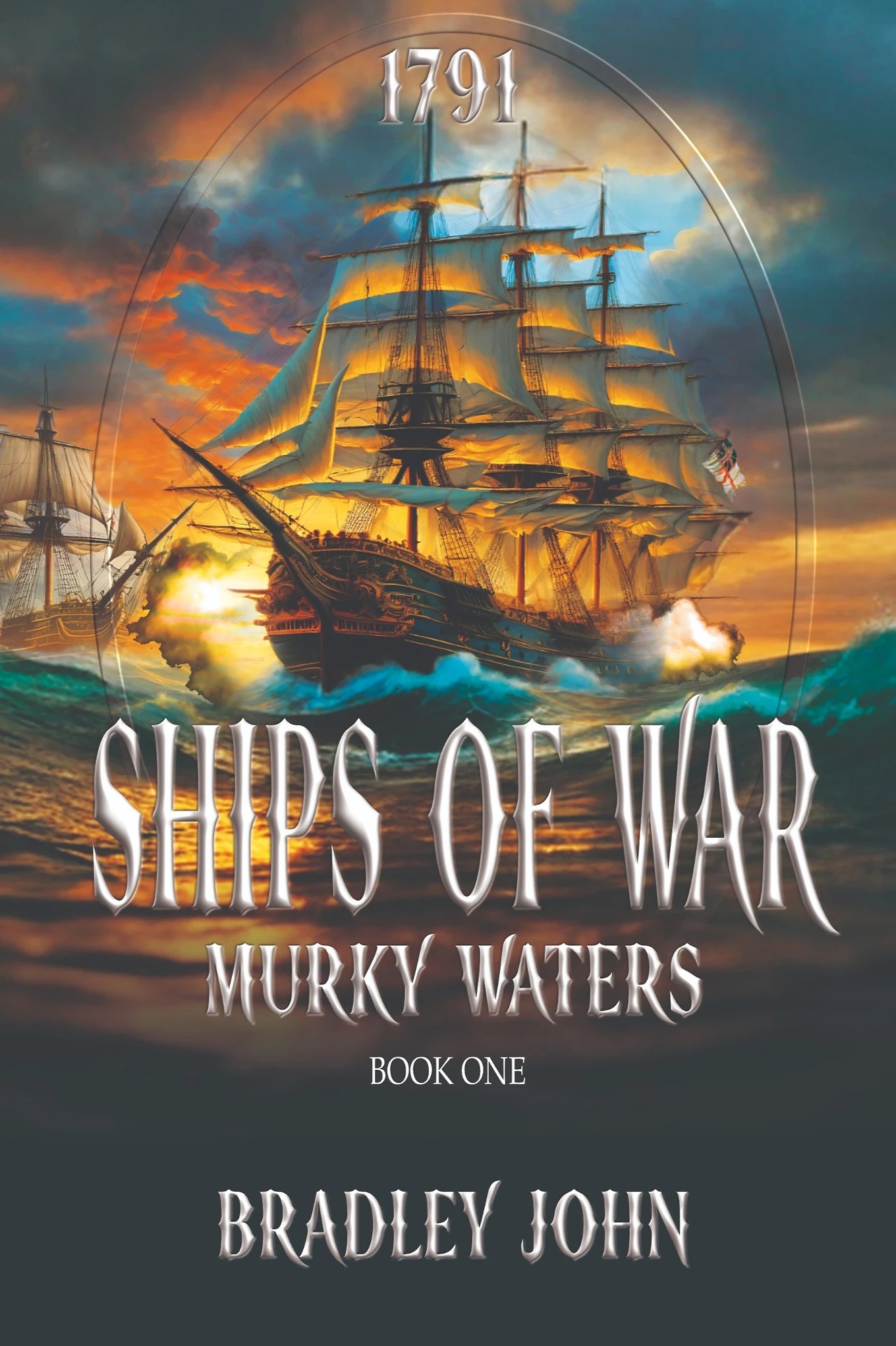
1791 — England’s cannon remain ever silent as her shipping is ruthlessly preyed upon, a detestable state of affairs, though soon to be remedied…
England is ill prepared, Europe is in turmoil and the French Revolution is readying to sweep across the continent. A tedious uneasy peace poises on a knife’s edge. Brittana rules the waves, yet as more and more ships mysteriously vanish, it is rightly thought an act of war. However, England needs more time, or all could be lost.
With war looming, Lieutenant Hayden Reginald Cooper, Royal Navy, awaits in Portsmouth braving a bitter cold winter with half pay, beached in a constant state of penury. With little prospects, little “interest” and no chance of promotion or advancement, he is the perfect choice for the Admiralty: unknown, unimportant and wholly dispensable.
As so it begins, a turbulent action-packed naval adventure within the murky waters preceding war, the French piracy soon to discover the grit of a lowly Lieutenant, one who has very little to lose…
Captain Cooper, in the fashion of any seasoned naval officer, waited quietly and patiently, assessing the situation. His eyes drew down upon his target, a split second to weigh the most likely, indeed the most advantageous method of its destruction. The possibilities brewed within his mind’s eye, infusing a furious broth of wild notions as he carefully played out the encounter. He raised his hand, the blade within professionally poised, glistening. His grip held firm, his aim true, the sharpened edge hovering for one last moment before down it came. This was likely the best acting rabbit he had seen for some time he thought. He was salivating to be sure. With the tip of his knife, he carefully flipped off the awning, or what some might call the clagger or the clakker, those being the curious names with which a seaman commonly accounted for the pastry top of a baked meat pie. The flakes melted in his mouth, forcing his eyes shut as he swilled the juices. It weighed as a rare moment, one a poor naval officer might eternally savour.
Cooper usually tended to judge eating and drinking as tantamount to some unnecessary distraction, even an annoyance. But not this time, for within all his planning had he foremost selected this particular inn for this very reason. And now he could afford it. Apart from a handsome meat pie, a delicious ale and a comfy berth, it was here he might furtively base his operations. The first order of business was to properly acquaint the situation with his particular friend. To that end had a vague note to Spencer been dispatched, encrypted in his own personal way, but nonetheless official. Forthwith was the Lieutenant required and directed to attend the Crispin & Crispianus, an inn on London Road, exactly at eight bells in the afternoon watch. For a seaman in the Royal Navy that would amount to the start of the first dogwatch which, for a landsman, would be exactly four o’clock in the afternoon.
Meet the author
Bradley John Tatnell (aka “Bradley John”) is an Australian novelist whose ancestry can be traced back to the Norman Conquest in England. His forbears lived mostly in Kent, Hertfordshire and the Isle of Thanet. Some were mariners and some were even of the aristocracy. His direct ancestors arrived in Australia soon after its colonisation in the late 1700’s, most of which were proud country folk. James Squire, a notable character in history, who arrived on the first fleet in 1788, was his (sixth) great grandfather.
Bradley John graduated from the Church of England Grammar School at age 16 and the Queensland University of Technology at age 19. His early life was spent mainly in the arena of law.
Bradley John has a love of all things ancient and historical, including golf, to which he plays with ye old hickory shafted clubs including the original heads from pre-1935. He also studies the ancient art of Korean sword, having attained master level. His love of language, in all its forms, now extends to the pursuit of conquering Hangul, the language of the Korean people.
Bradley John has been privately writing novels since 2003. “Ships of War — Murky Waters”, his first publication, births a series of naval adventure fiction intended to span the length of the French Revolutionary Wars. This of course is the much loved genre which includes the thundering Hornblower series by C.S. Forester, the Aubrey-Maturin series by Patrick O’Brian and the popular “Master and Commander” blockbuster by Peter Weir. Owing to Bradley John’s English heritage, no guesses are needed to determine which side the book’s heroes will sail upon…
Back in the summer of 2011 (I think), I spent every evening when my children were in bed, trying to plot the possessions of the Earls of Mercia as revealed by the entries in Domesday Book (which I think is a totally normal thing to do).
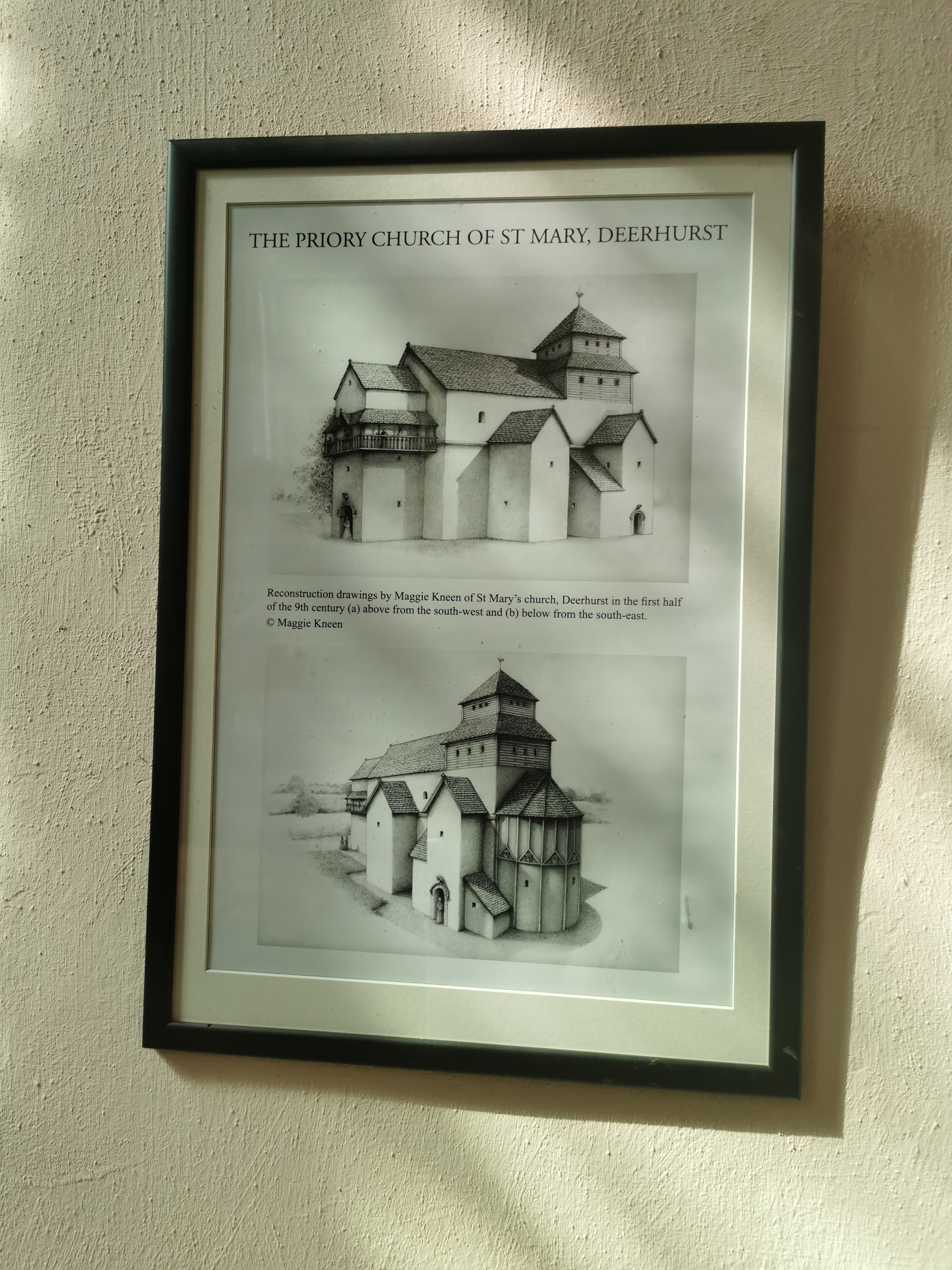
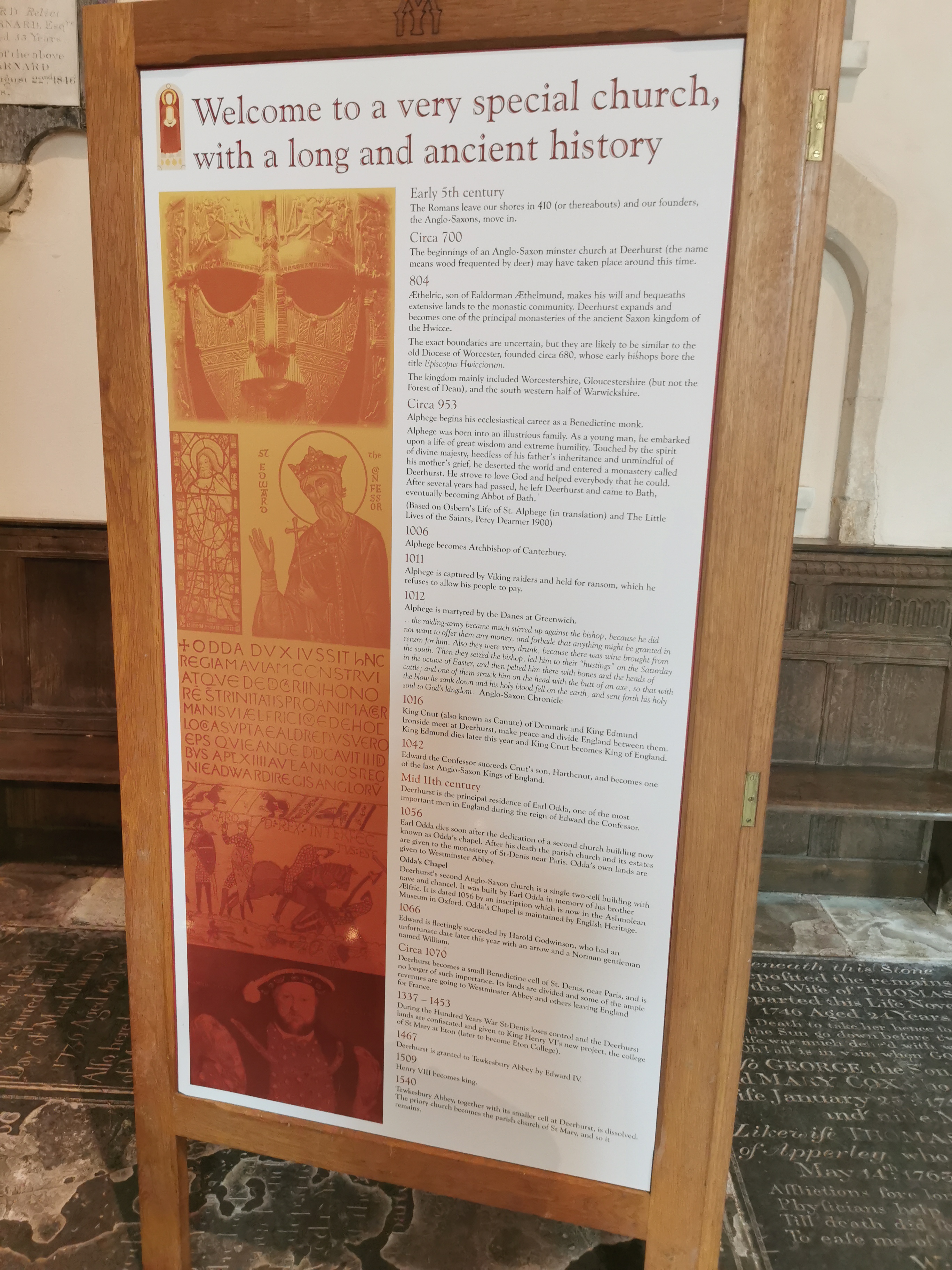
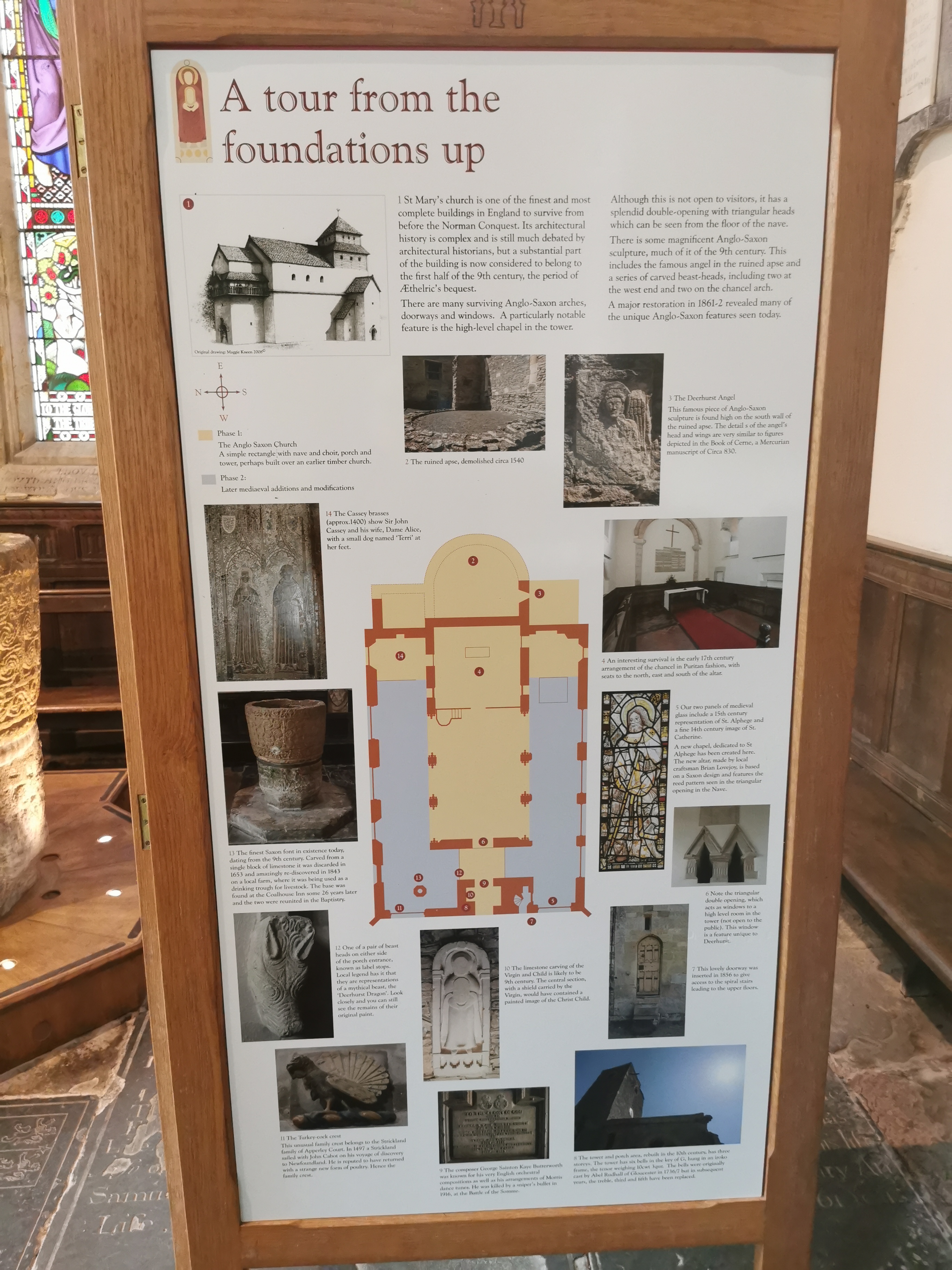
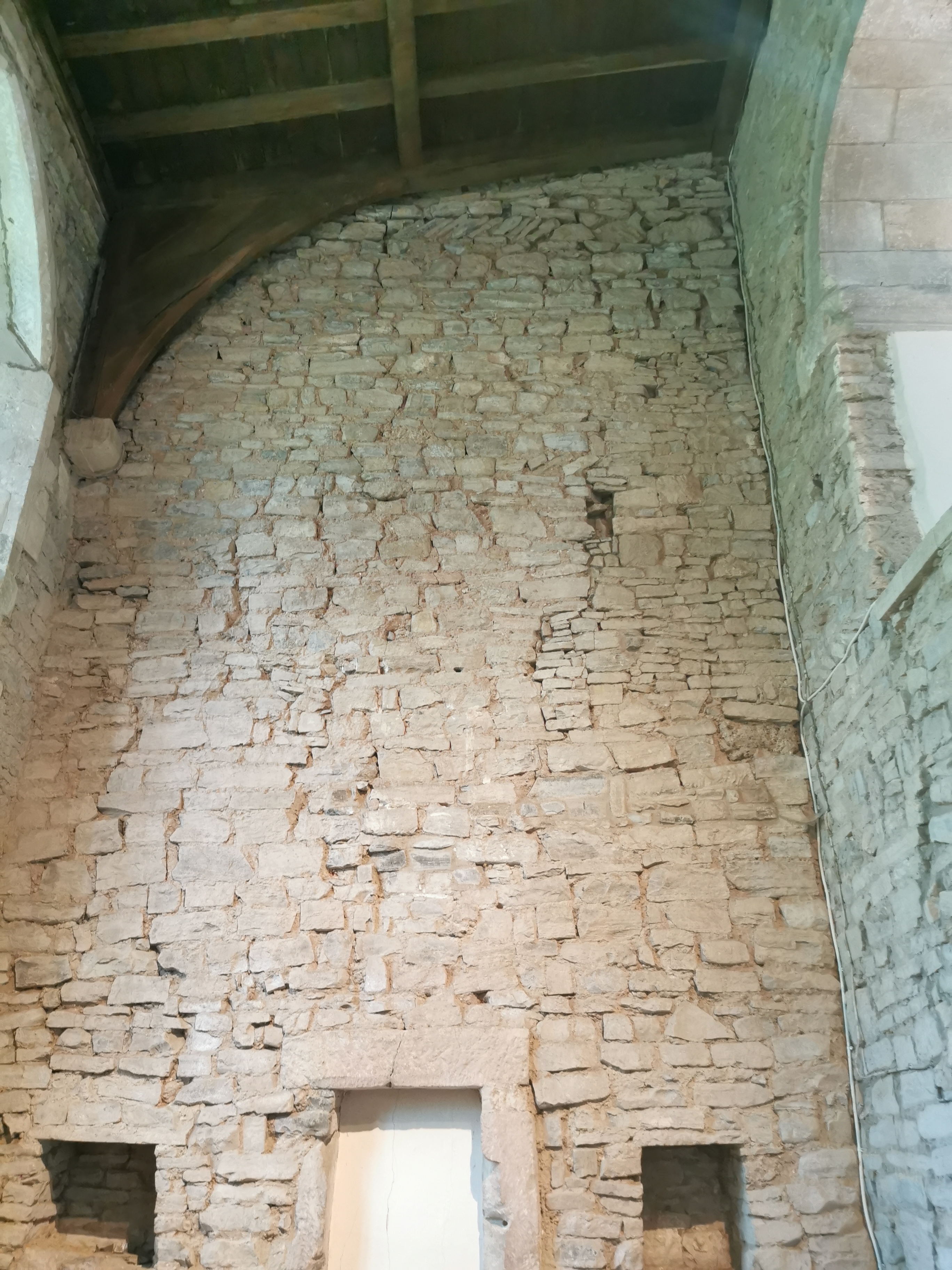
It was a tedious process, which could be achieved much more quickly these days with Google Maps, but it was what I had available to me. Somewhat frustrated with the process because by that period many of the possessions of the Earls of Mercia and their family were not located in the original area of the Hwicce (roughly Gloucestershire), and aware that Deerhurst (which is in Gloucestershire) has a long history back to the Saxon period, I eventually plonked by ealdorman, Leofwine, (of the Hwicce) close to that location, and indeed, readers of the books will know that I have his family burials there. But, I’d never actually visisted Deerhurst before. Until now.
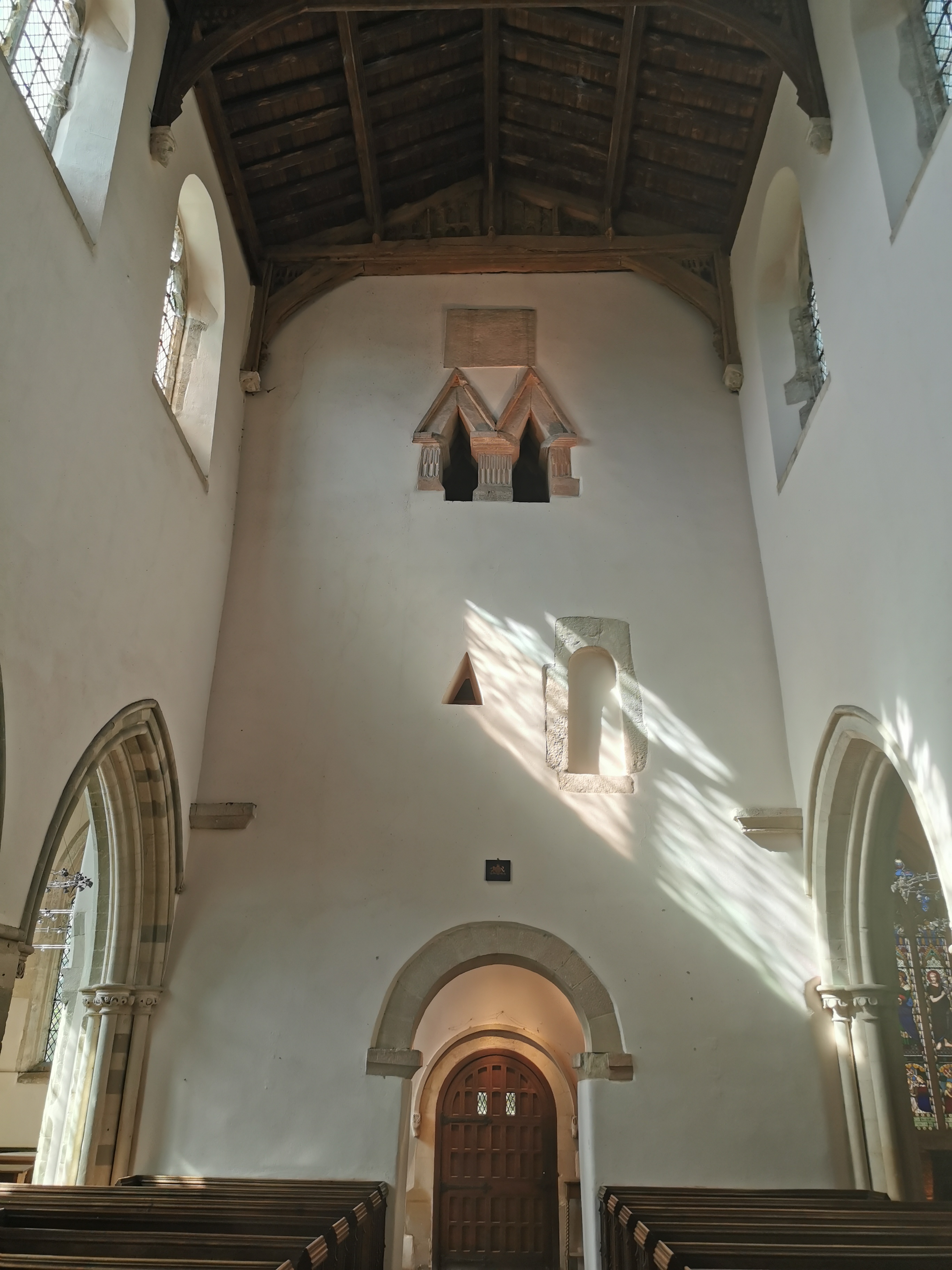
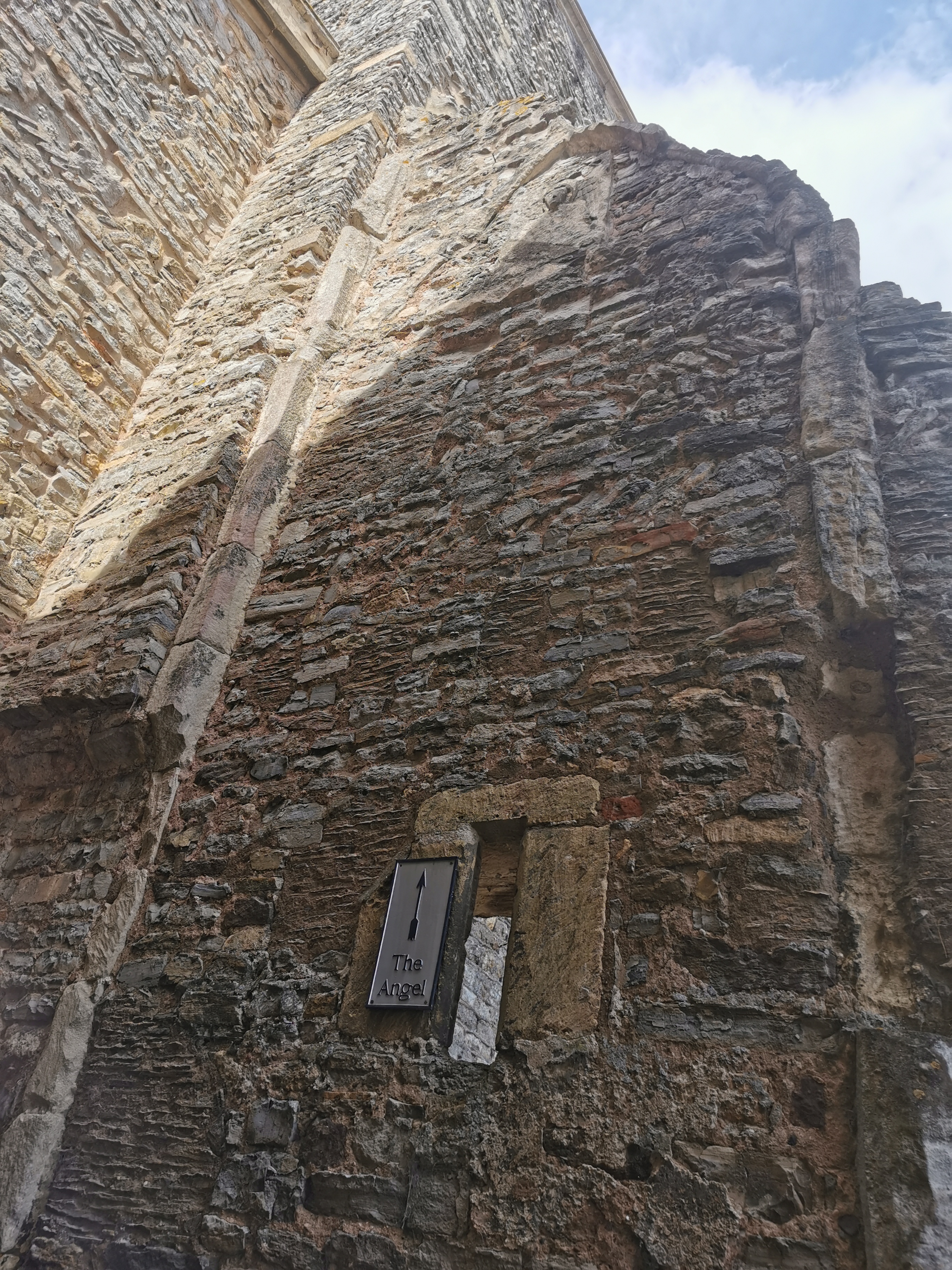
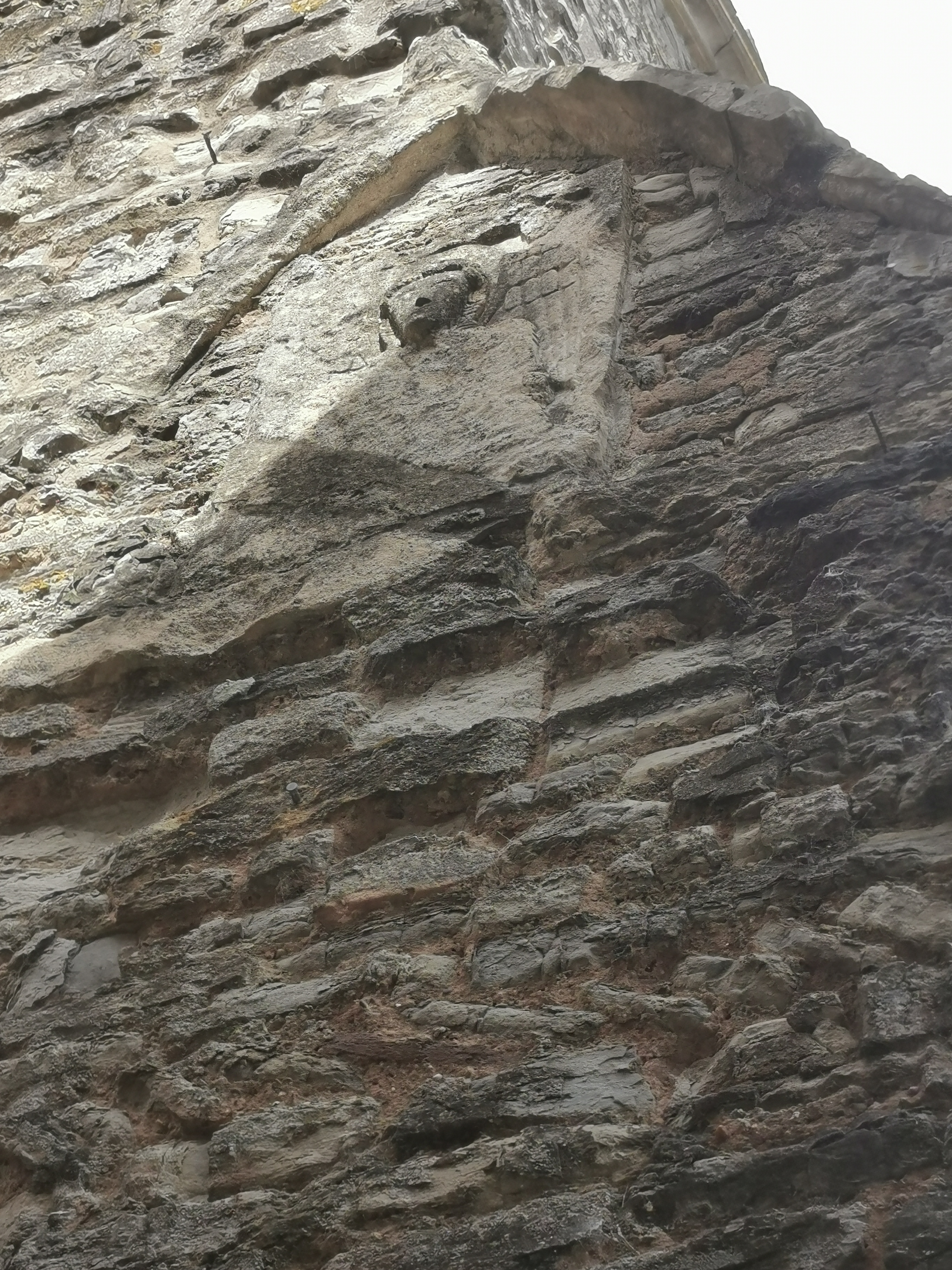
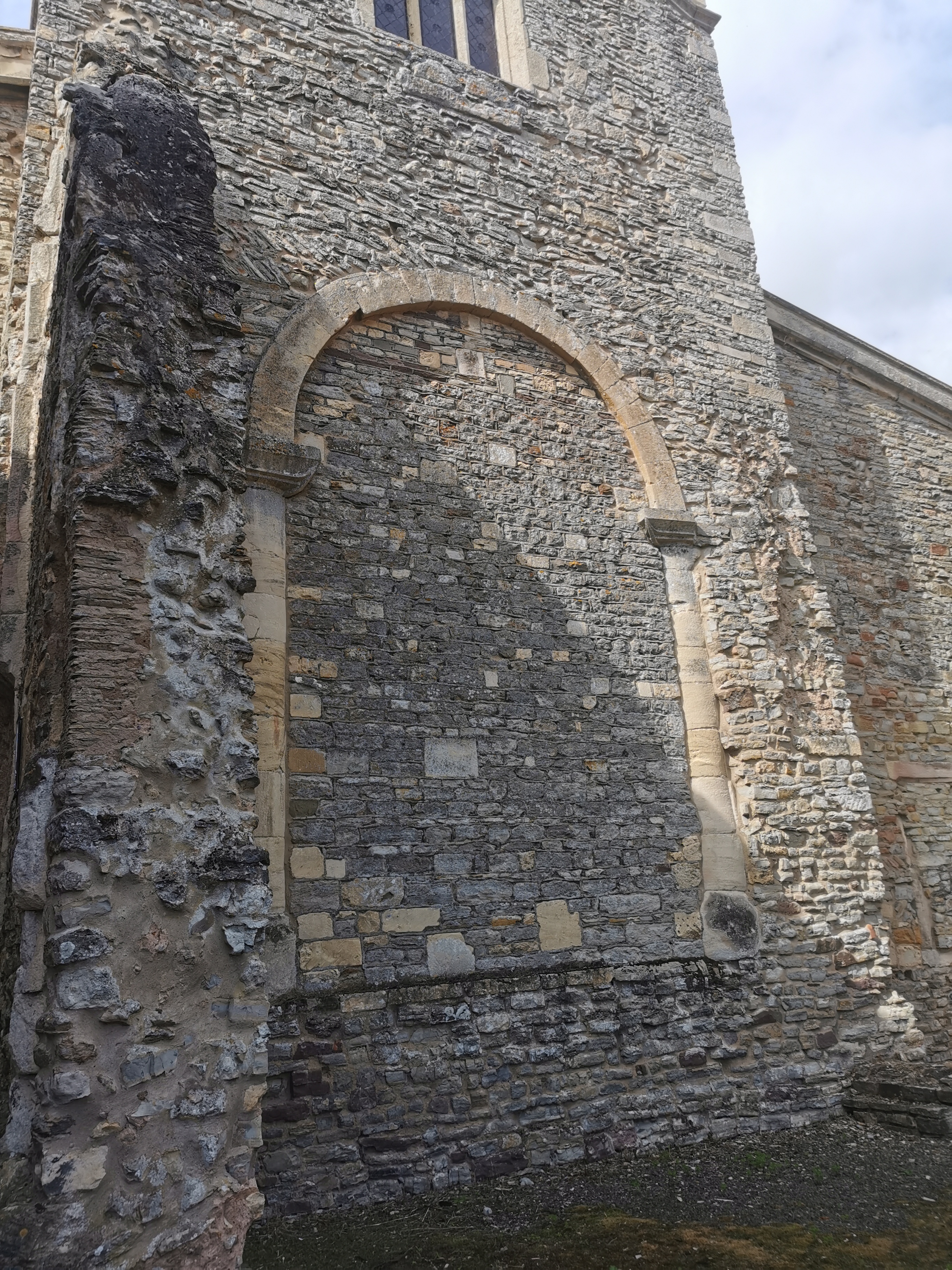
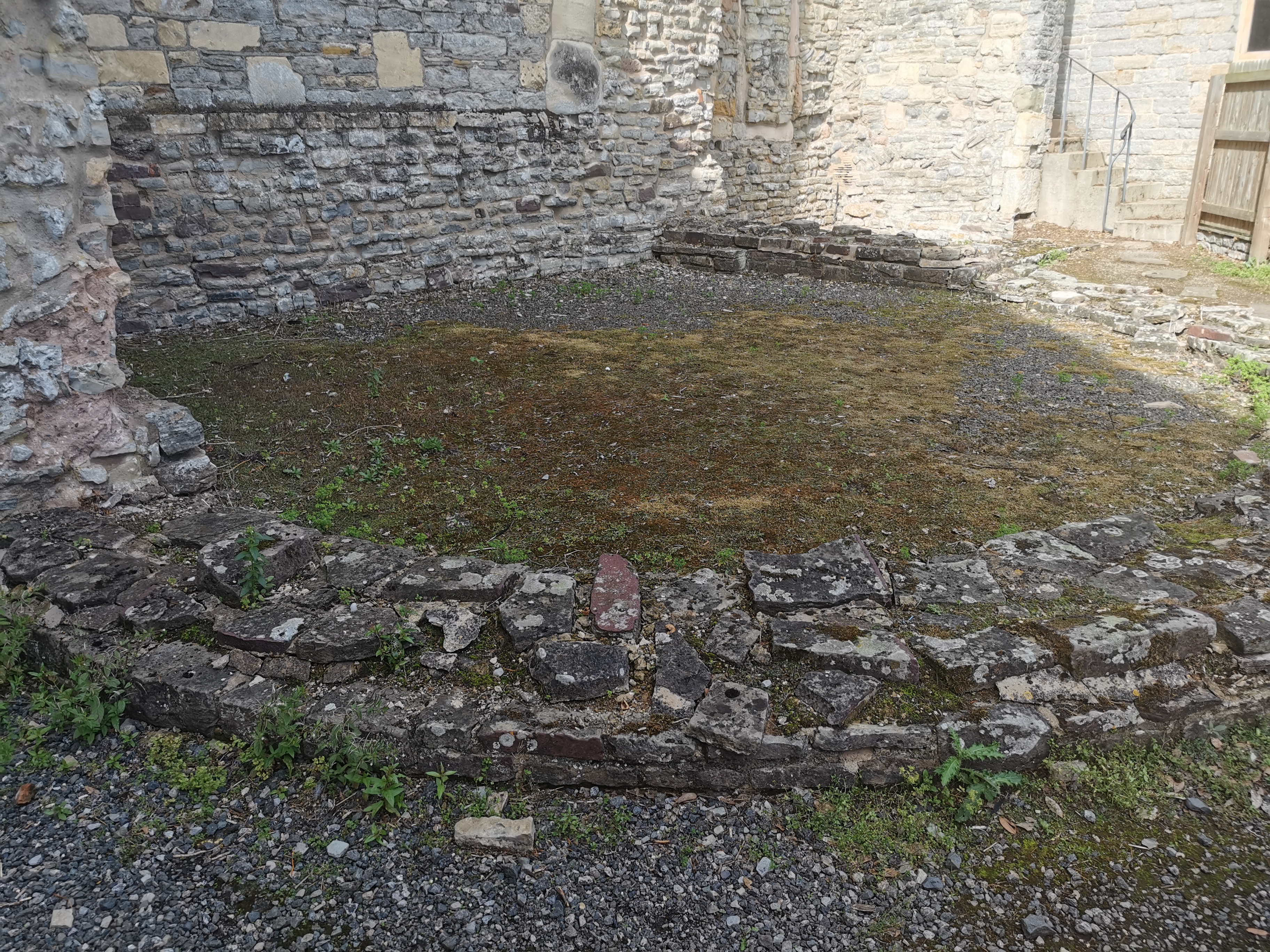
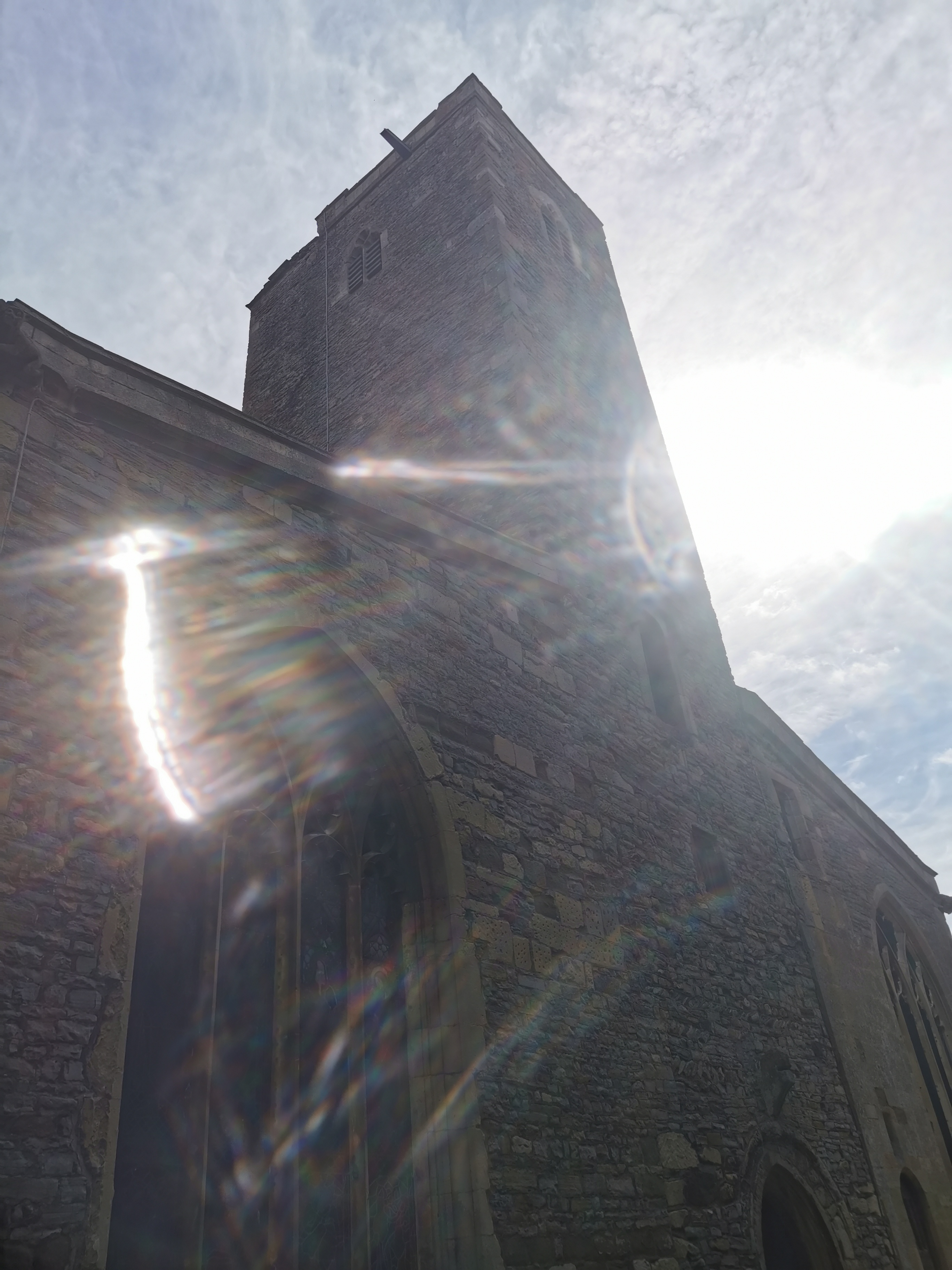
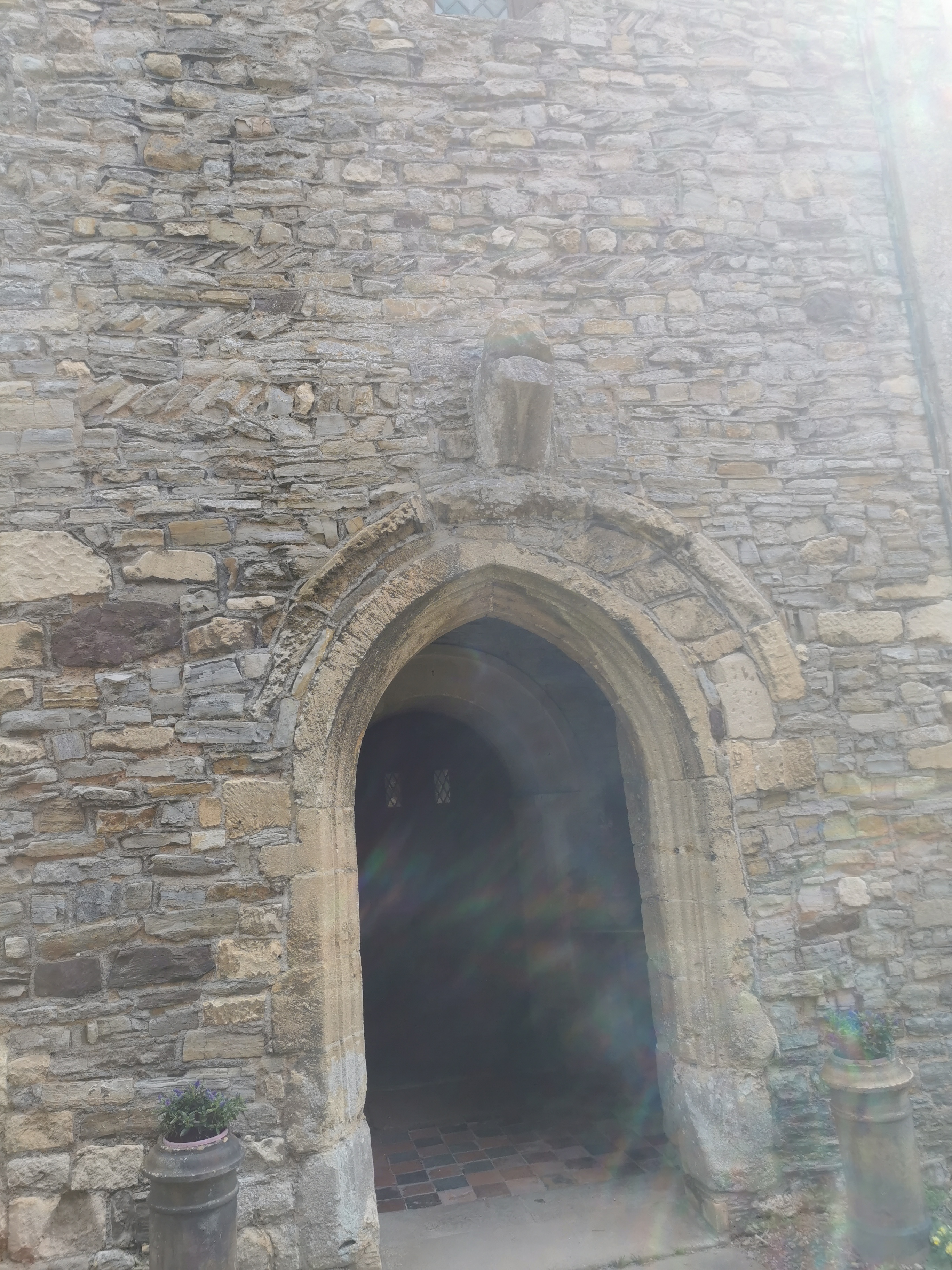
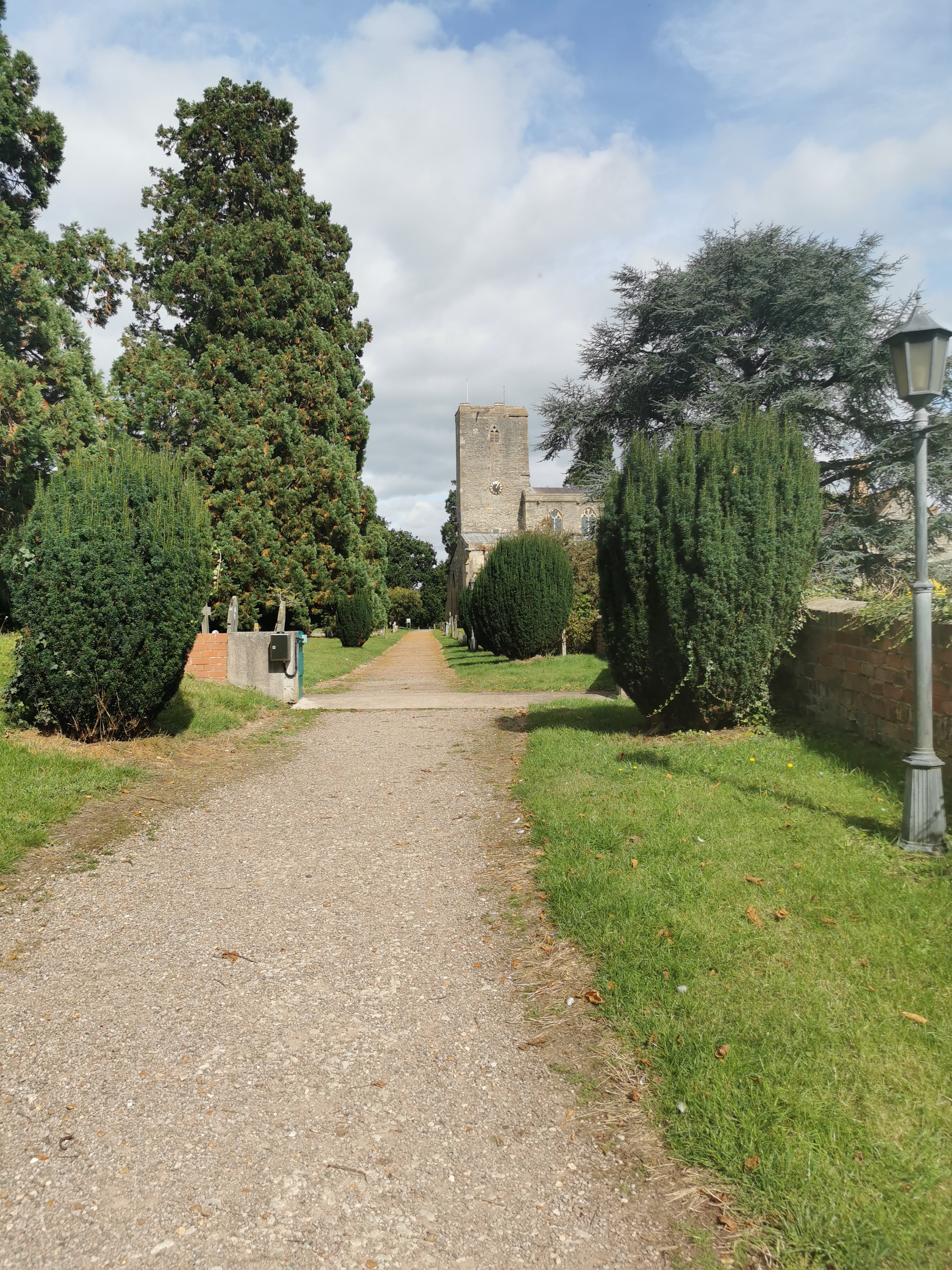
It is a beautiful location, and I’m sharing some photos from my visit, including The Angel, a surviving piece of Saxon sculpture, outside on the walls (my photos aren’t the best but it’s at a very awkward angle and quite high up the side of the building. You can find a much clearer image here https://www.flickr.com/photos/paulodykes/41119170111).
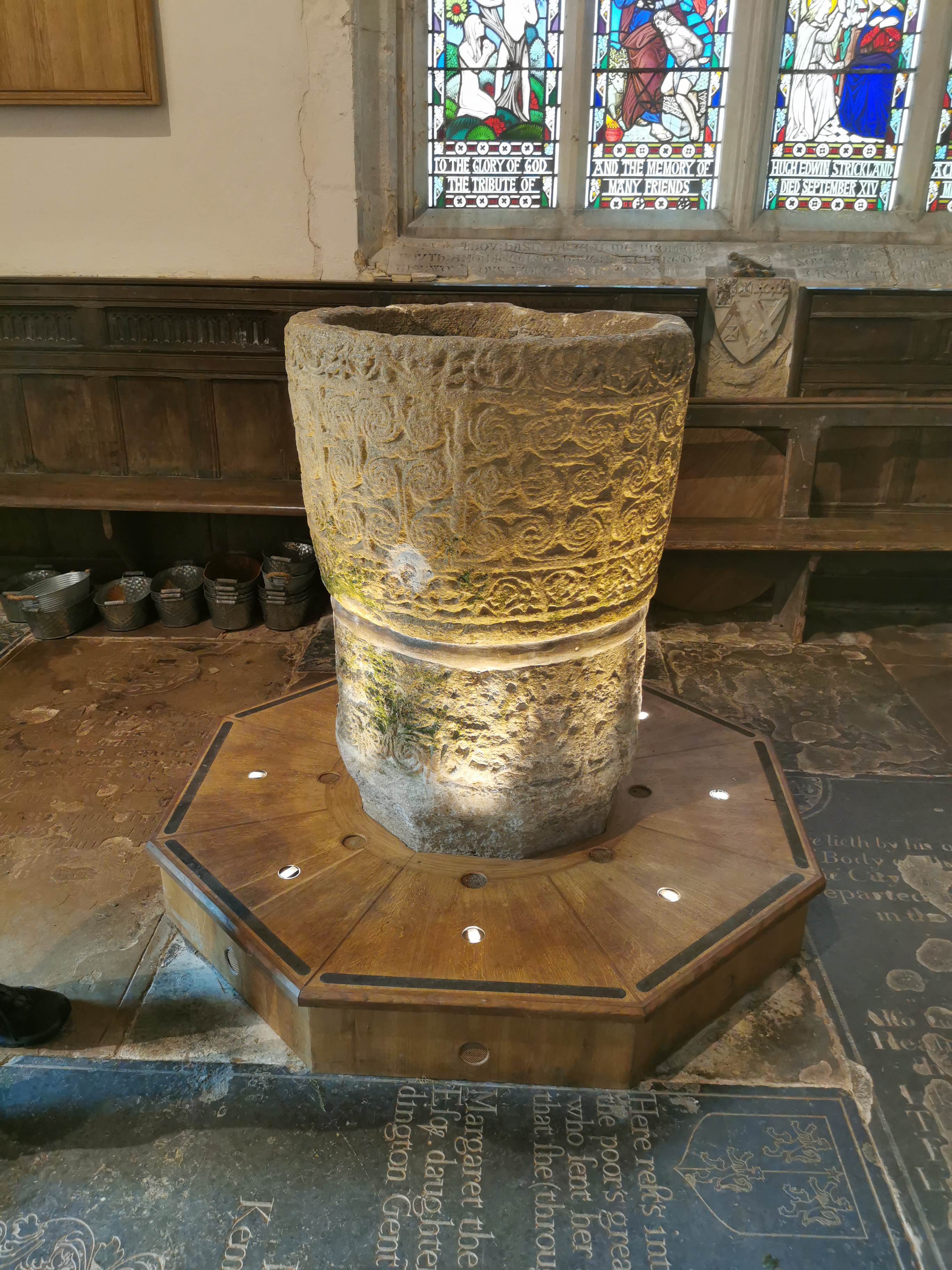
The font – not original to the church – but found in the 19th century and placed there. It is stunning.The AngelThe Angel (again)My camera lens is slightly smashed, and it’s usually fine unless it catches the sun – but sometimes the images are quite cool
Deerhurst hosts an annual lecture each year (indeed, it’s on 21st September 2024 this year), and is also open for visitors, for anyone else who fancies visiting. If you can’t make it, you can visit their website, and also order printed copies of the lectures, which I’ve done before now. https://deerhurstfriends.co.uk
And, just around the corner is Odda’s Chapel, another Saxon survivor. I will also share photos from Odda’s Chapel in a few days.
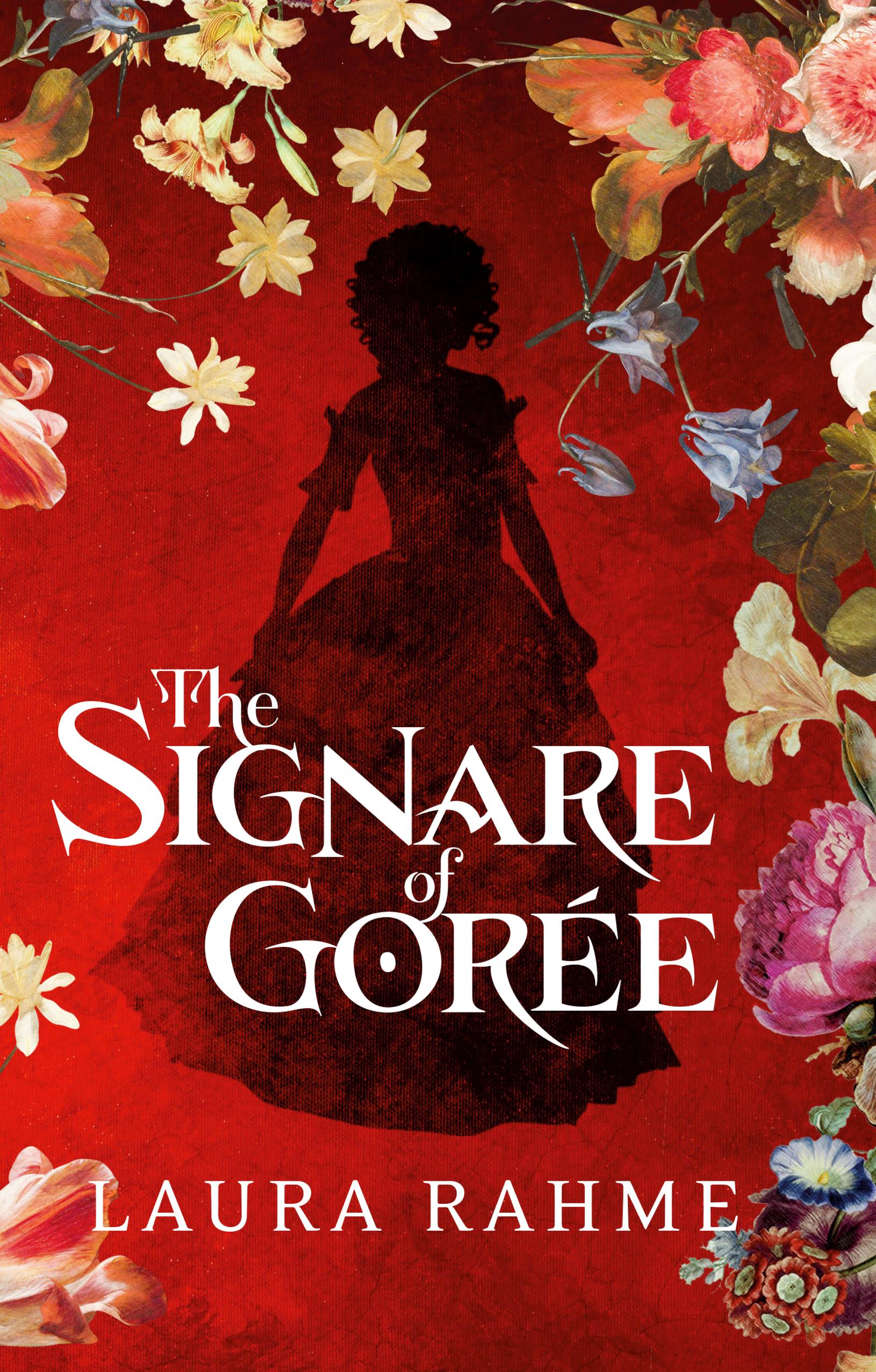
I’m delighted to welcome Laura Rahme and her new book, The Signare of Gorée, to the blog with The Last Waalo Queen: Ndaté Yalla Mbodj.
The Last Waalo Queen: Ndaté Yalla Mbodj
One of the historical figures that I feature in my novel, The Signare of Gorée, is Senegal’s last warrior queen, Ndaté Yalla Mbodj. Her origins are generally accepted to be a blend of Serer and Lebou, two of the main cultural groups in Senegal. She held the title of lingeer of the Waalo kingdom of Senegal. She appears only briefly in my book and does not play a direct part in the mystery, yet her presence looms large and hints at key events that would change Senegal’s destiny in the upcoming decade.
During the 1840s, Senegal consisted of independent kingdoms. The Waalo kingdom which extended along the northwest of Senegal, sharing a border with Mauritania, comprised the island of Saint-Louis, settled by the French since 1659. South of Waalo lay the kingdom of Cayor which engulfed today’s capital, Dakar, then a Lebou village. Only a short pirogue trip away was the island of Gorée, ceded to Europeans, and a center for commercial and slave trade for centuries.
The Signare of Gorée is set in a period when concessions by Waalo rulers allowed the French to trade in Senegal, but during which French figures were not sovereign. Europeans had to pay custom taxes to continue to trade freely in the Waalo. Over the years and leading into 1854, the French encountered increasing opposition, and what they saw as nuisances, arising from Waalo or Cayor rulers, but also from the Trarza Moors who dwelled across the Mauritanian border. Frustrated in their desire for economic gain, French entrepreneurs aspired to conquest as the means to secure the flow of resources and merchandise. As such, Ndaté Yalla Mbodj was not only the sole female ruler of Senegal, but she was to be the last queen of non-colonized Senegal. Her fight would be bitter and determined.
She ascended the throne in the palace of Nder on 1 October 1846 upon the death of her sister, Njembot Mbodj. While still young, both women had witnessed their mother’s tragic self-immolation during a battle with the Trarza moors. The Waalo army consisted of fiercely animist male warriors called tieddos, but the Waalo women were also trained in combat. Since then, and despite French military intervention to thwart it, a marital alliance between Njembot Mbodj and the Trarza ruler had smoothed discords between the Waalo kingdom and the Trarza emirate. But during her rule, Ndaté Yalla was forced to fight both the French and the Trarzas.
From the time she stepped on the throne, Ndaté Yalla made it clear that the French were to obey tithe and land boundary agreements. She wrote them letters and signed them – the only female ruler to do so – and defied them, asserting her rulership over the Waalo. In short, she bothered them.
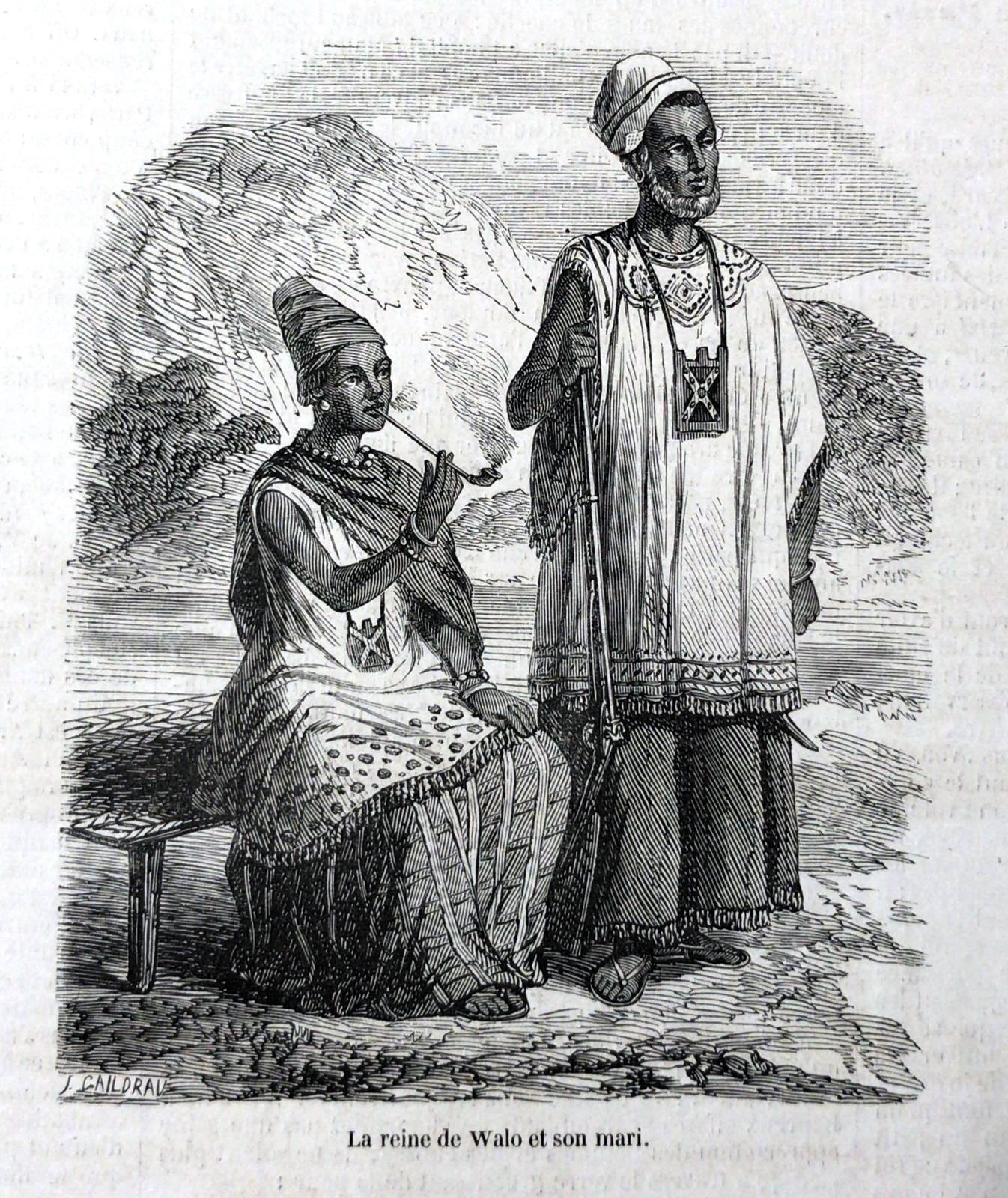
Ndaté Yalla Mbodj et her husband Marosso Tassé Diop An engraving by Jules Gaildrau (1816-1898) Public domain image
Together with her husband, Marosso Tassé Diop, who was prince of Cayor, Lord of Koki, and commander of the Waalo’s tieddo army, Ndaté Yalla fought regularly with the French and Moors.
But the French would have the last word. They called upon Louis Faidherbe, a poly-engineer and French general, to quell both the Trarzas and the Waalo kingdom. In 1854, the Bordeaux entrepreneur, Hilaire Maurel, who appears in The Signare of Gorée, would end up playing a decisive role, along with his nephew, Marc Maurel, in General Faidherbe’s mind-blowing ascension as governor of Senegal. They worked behind the scenes to ensure that the like-minded Faidherbe and his military strategies would clear the path for their already thriving enterprises and future economic ambitions.
Rallying an army that included coerced local troops, Faidherbe defeated Ndaté Yalla Mbodj in 1855, spelling the collapse of the kingdoms of Waalo and Cayor. The fall of the lingeer was powerfully symbolic. The other male-led kingdoms of Senegal would fall soon after, marking the start of France’s colonization of Senegal. During his 1855-1864 campaign, General Faidherbe employed a scorched-earth policy, burning through fertile plains and razing villages. He not only burned Ndaté Yalla Mbodj’s palace in Nder but took away her son, Sidya Diop. The afflicted lingeer would die in 1860, in Dagana, where her commemorative statue stands today.
I was born in Dakar fifteen years after Senegal regained its independence from France. Colonial education must have lingered a while as I never learned about Ndaté Yalla Mbodj at school. I also suspect the Senegalese values of soutoura (discretion) and muñ (to tolerate) encouraged a long silence on the sufferings and injustices of the past. But in the last twenty years, in the name of historical accuracy, and as more African voices are given due weight, Ndaté Yalla Mbodj’s name has resurged. Publications that tell of her important story now exist in multiple languages. I am not the first to mention her, but it was important for me to feature her in The Signare of Gorée.
Blurb
1846. In the heat of West Africa, the French navy uncovers the corpses of two French soldiers. Inspector Maurice Leroux arrives at the island of Gorée. It seems death has come to this small colonial outpost off the Senegal coast, home to the prosperous mixed-blood women known as the signares.
The navy suspects that the Bambara people, emboldened by approaching emancipation, may be out for blood. While confronted by the locals’ strange magical beliefs, Maurice remains skeptical. Does malevolence play a part, or are these deaths accidental, brought upon by the brutality of nature in an island known as the white man’s grave?
But when murder strikes, it becomes clear that a killer is stalking Gorée.
Swept by a mystery unlike any he has known, Maurice meets Signare Angélique Aussenac. The proud métis, deserted by her wealthy Bordeaux lover, casts her spell upon Maurice.
But beyond the throbbing sounds of the tam-tams and the glittering signare soirées, danger lurks. Someone is watching. And the deaths go on.
Could the killer be one of the rich Bordeaux merchants? Or are they hiding among the powerful signares?
A historical mystery spanning France and Senegal, THE SIGNARE OF GORÉE explores a world of magic, murder, and passion.
This title is available to read on #KindleUnlimited
Meet the Author
Laura Rahme is the author of seven historical novels. Born in Dakar, Senegal where she spent her early childhood, she moved to Australia at the age of ten. A graduate of two Honors degrees in Aerospace Engineering and Psychology, she has worked over two decades as an IT professional. Her greatest joy comes from travel, researching history, and penning historical mysteries. She now lives in France with her screenwriting husband.