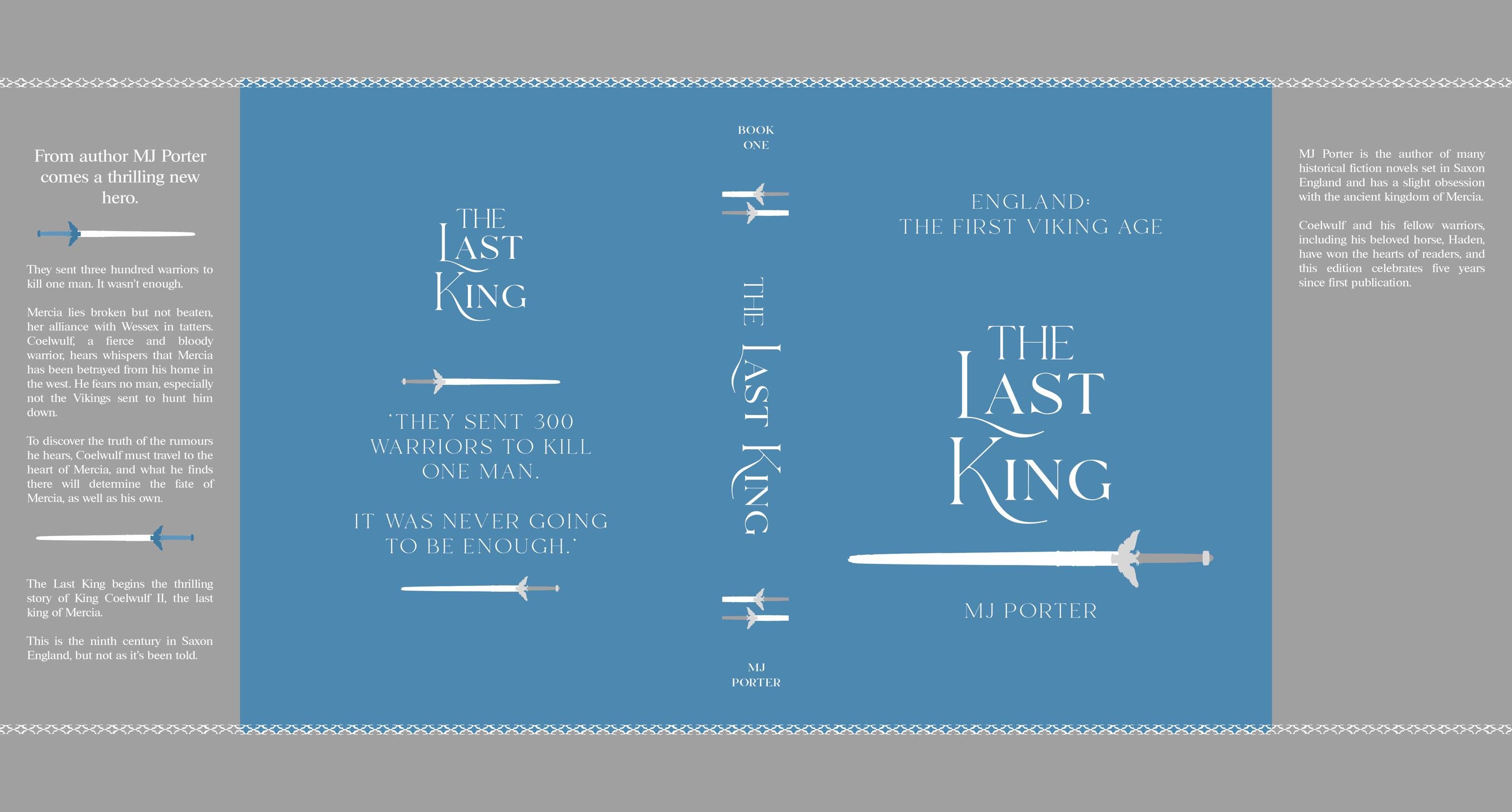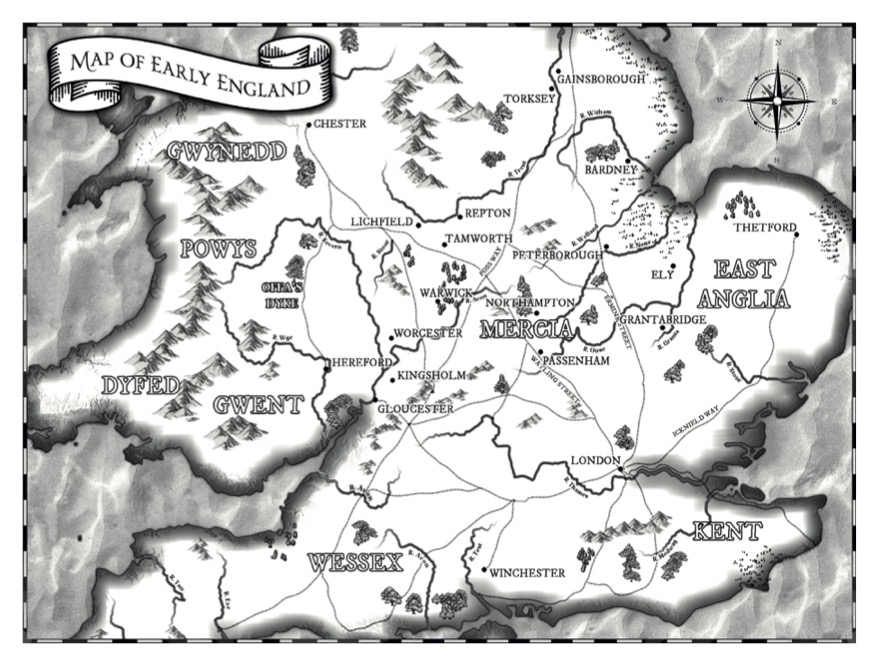
I’m delighted to welcome Jude Berman and her new book, The Vow, to the blog.
NEWS FROM SHE WRITES PRESS
BERKELEY, CA, October 15, 2024: She Writes Press will release The Vow, a historical fiction novel by Berkeley artist and author Jude Berman.
In a stunning work of feminist historical fiction for readers who loved Dawn Tripp’s Georgia and Whitney Scharer’s The Age of Light, Jude Berman brings painter Angelica Kauffman to life.
Accused of dressing as a boy to study in the prestigious galleries of eighteenth-century Italy, child prodigy Angelica Kauffman has set high goals for herself. She is determined to become a history painter, a career off-limits to women. To ensure her success, she has vowed never to marry.
Shattering the glass ceiling of her times, Kauffman paints royalty, mingles with illustrious artists, and becomes one of the only female founders of the Royal Academy of Arts in London. But her path is fraught with challenges and eventually she questions if a vow of a different sort is necessary if she is to answer the deepest call of her heart.
**Finalist for Historical Fiction at the 2024 American Fiction Awards**
“Jude Berman has created a spirited, engaging glimpse into the life of one of the most important artists of the eighteenth century. Kauffman was a true free spirit, dedicated to her art, and that is captured beautifully in this novel.”—Susanne Dunlap, author of The Portraitist: A Novel of Adélaïde Labille-Guiard
“With skillful prose and classical descriptions, Berman paints a vivid portrait of a woman defying the constraints of her time, making this novel an unforgettable masterpiece in its own right.” —Joanne Howard, author of Sleeping in the Sun
Blurb
In a stunning work of feminist historical fiction for readers who loved Dawn Tripp’s Georgia and Whitney Scharer’s The Age of Light, Jude Berman brings painter Angelica Kauffman to life.
Jude Berman has a BA in art from Smith College and an EdD in cross-cultural communication from UMass Amherst. After a career in academic research, she built a freelance writing and editing business and ran two small Indie presses. She lives in Berkeley, CA, where she continues to work with authors and write fiction.
In her free time, she volunteers for progressive causes, paints with acrylic watercolors, gardens, and meditates. The Die, metaphysical speculative fiction about saving democracy, was published in 2024.
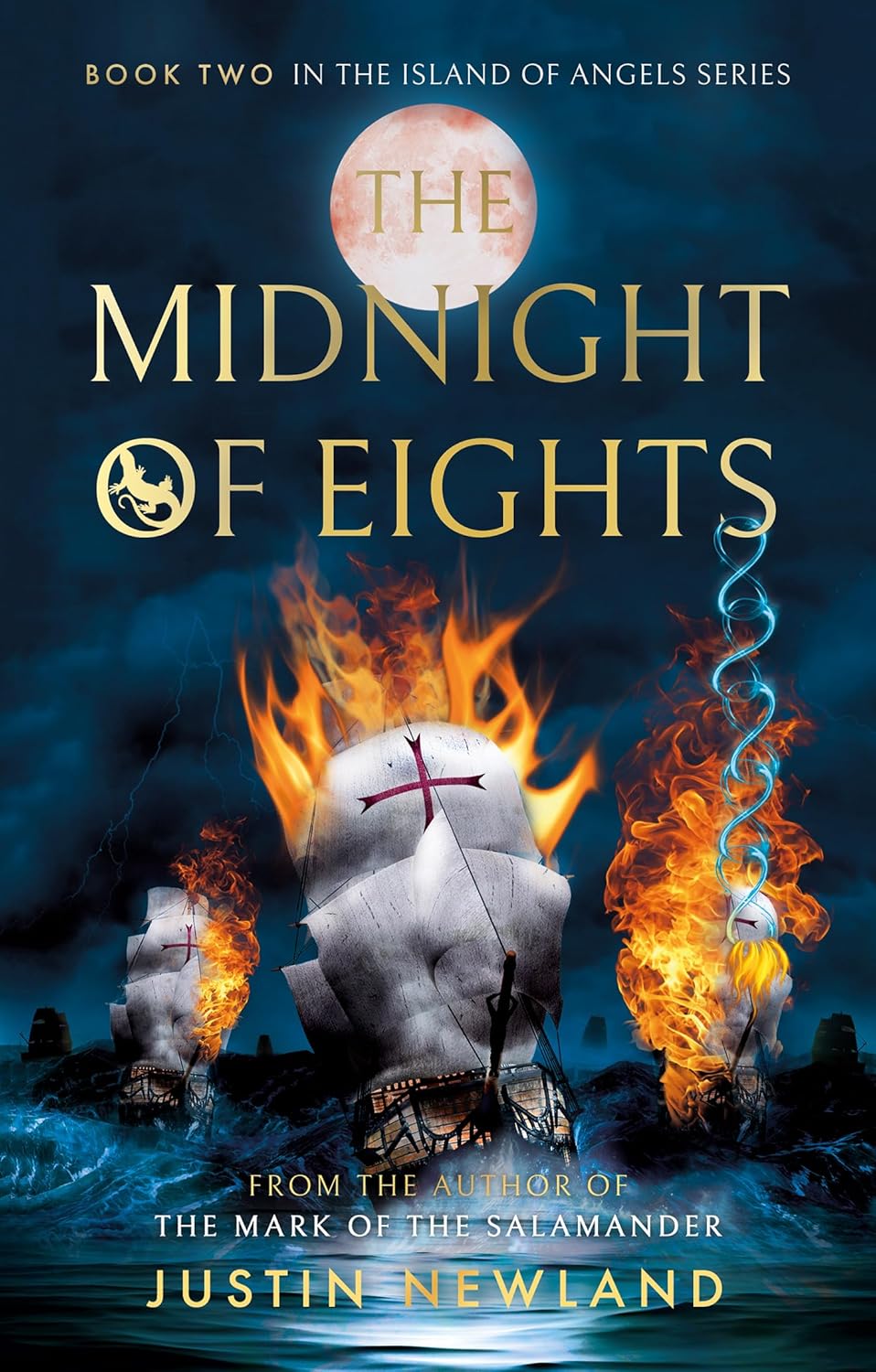
I’m delighted to welcome Dirk Stasser and his new book, Conquist, to the blog with where does history end and fiction begin?
Where does history end and fiction begin?
Dirk Strasser
The following timeline of the period in which my historical fantasy Conquist is set has three historical facts and one historical fiction:
1536—Manco Inca gathers an army of 200,000 Inca warriors and lays siege to Spanish-occupied Cusco.
1537—Diego de Almagro regains Cuzco, but Manco Inca escapes and founds the new Inca capital Vilcabamba which becomes the last stand of the Inca Empire.
1538—Cristóbal de Varga and a 600 strong army searches for Vilcabamba in a remote region of the Andes.
1539—Gonzalo Pizarro finds the location of Vilcabamba in the Amazon region of Peru and invades the city, but Manco Inca once again escapes.
My aim with Conquist was to create a fantastical story that could have happened according to the known historical facts. I chose 1538 because it was the only year in which the fictitious events of the novel could have occurred. From his hidden city in that year Manco Inca established the last stand of the Inca Empire against Spanish conquest, while the Pizarro brothers and others where desperately searching for Vilcabamba. A year later the location was found by Gonzalo Pizarro in the Amazon region of Peru. I squeezed all the action of Conquist into that time frame because history required it. The novel action can only exist in the gap between Manco founding the new Inca capital and Gonzalo Pizarro finding its hidden location. That’s how I see historical fiction working. It seeks the gaps that can be filled by the imagination of the author.
Manco Inca existed, Diego de Almagro existed, Gonzalo Pizarro existed, Vilcabamba existed, but I made up Cristóbal de Varga. His name, like all the names in his conquistador army, was constructed to sound authentic by my scouring of the historical records and taking the first name of one real-life conquistador and matching it with the surname of a different real-life conquistador.
The search for Vilcabamba drives the action of Conquist. Historically, the location of the city was lost again after it was destroyed by Pizarro. In 1911 the American explorer Hiram Bingham mistakenly identified the abandoned ruin of Machu Picchu as Vilcabamba. He also visited a ruin called Espiritu Pampa near the Chontabamba River, which in 1964 was identified as the legendary Vilcabamba by another American explorer Gene Savoy (who interestingly claimed to have discovered over 40 lost cities in Peru). How do I know this? It was one of the research paths I went down which didn’t make in into the book. An earlier version of Conquist had a second timeline involving the discovery of Cristóbal de Varga’s diary last century.
American explorer Hiram Bingham and guide at the ruins of the last Incan capital Vilcabamba 1911
So, how much do you stick to the facts in historical fiction? Should historic fiction be loyal to the actual events? How do you decide where history ends and fiction begins?
Obviously, authors should be free to write the story they want to write. I think the important question is how the work is labelled. The question about how closely you should stick to historic facts is analogous to the “Based on true events” tag that often accompanies books and movies. Saying a work is based on true events is a powerful marketing tool. Books with that label are enticing to readers. They sell more. The reality of the work gives it more consequence. The events are more important. The tag predisposes you to care more about what happens to the characters because you see them as real people.
It’s psychological manipulation.
You can justify the tag if it’s true. But is it? More often than not I’ve seen it used when the tag really should have been “Inspired by true events”, which gives you much greater licence to play with facts.
So is labelling a book “historical fiction” the equivalent to saying, “Based on true events” or “Inspired by true events”? I see historical fiction as a wide umbrella term that includes both types. Most historical fiction awards now include historical fantasy as well as other sub-genres in their definition of historical fiction, so I don’t feel the term “historical fiction” necessarily indicates a rigid stick-to-the-facts approach.
Conquist is clearly historical fantasy. The history of the conquest of the New World is littered with expeditions looking for a city of gold (or some other fabled place like the fountain of youth). Conquist is the tale of such an expedition, and Cristóbal’s story mirrors Francisco Pizarro’s conquest of the Incan Empire.
In writing Conquist, I spent considerable time researching everyday life of both the Spanish conquistadors and the Inca, the weapons and warfare of the time, and the beliefs of both peoples. The rafting techniques of the Inca, for example, was a rabbit hole I needed to go down for a crucial part of the novel. Lieutenant Héctor Valiente is loosely based on the black conquistador Juan Valiente, a slave who convinced his owner to allow him to become a conquistador for four years as long as he kept a record of his earnings and returned them to his master. Incidental details are also important. For example, I described the conquistadors staunching the wounds of injured soldiers and horses with the fat of fallen enemies because I had read it in an actual conquistador diary. While the research was time-consuming, I also spent at least as much time deciding what not to include in the interests of the storyline.
Despite all this research, the only label attached to Conquist are the words “A Novel” on the front cover. The publisher Roundfire Books decided to include this. It’s boldly saying that, despite the historical setting, the diary entries, and the conceit that the story was based on the discovery of that diary in the archives of a Peruvian museum, this book is fictitious. And as with any other work of fiction, the depth of the reading experience is tied to the willing suspension of disbelief.
Capitán Cristóbal de Varga’s drive for glory and gold in 1538 Peru leads him and his army of conquistadors into a New World that refuses to be conquered. He is a man torn by life-long obsessions and knows this is his last campaign.
What he doesn’t know is that his Incan allies led by the princess Sarpay have their own furtive plans to make sure he never finds the golden city of Vilcabamba. He also doesn’t know that Héctor Valiente, the freed African slave he appointed as his lieutenant, has found a portal that will lead them all into a world that will challenge his deepest beliefs. And what he can’t possibly know is that this world will trap him in a war between two eternal enemies, leading him to question everything he has devoted his life to – his command, his Incan princess, his honor, his God.
In the end, he faces the ultimate dilemma: how is it possible to battle your own obsessions . . . to conquer yourself?
Dirk Strasser’s epic fantasy trilogy The Books of Ascension—Zenith, Equinox and Eclipse—was published in German and English, and his short stories have been translated into several European languages. “The Doppelgänger Effect” appeared in the World Fantasy Award-winning anthology Dreaming Down Under. He is the co-editor of Australia’s premier science-fiction and fantasy magazine, Aurealis.
Dirk was born in Germany but has lived most of his life in Australia. He has written a series of best-selling school textbooks, trekked the Inca trail to Machu Picchu and studied Renaissance history. “Conquist” was first published as a short story in the anthology Dreaming Again (HarperCollins). The serialized version of Conquist was a finalist in the Aurealis Awards Best Fantasy Novel category. Dirk’s screenplay version of Conquist won the Wildsound Fantasy/Sci-Fi Festival Best Scene Reading Award and was a featured finalist in the Cinequest Film & Creativity Festival and the Creative World Awards.
I’m delighted to welcome Amy Maroney and her new book, The Pirate’s Physician, a thrilling companion novella to the Sea and Stone Chronicles, to the blog.
Blurb
When her world shatters, she dares to trust a pirate. Will she survive what comes next?
The Pirate’s Physician is the story of Giuliana Rinaldi, a student at Salerno’s famed medieval medical school, whose lifelong dream of becoming a physician crumbles when her uncle and mentor dies suddenly.
Faced with an unwanted marriage to a ruthless merchant, Giuliana enlists the help of a Basque pirate and flees home for the dangers of the open sea.
Will she make it to Genoa, where her only remaining relative awaits? Or will this impulsive decision seal her own doom?
A delightful seafaring adventure packed with romance and intrigue, The Pirate’s Physician is a companion novella to the award-winning Sea and Stone Chronicles series of historical novels by Amy Maroney: Island of Gold, Sea of Shadows, and The Queen’s Scribe.
Amy Maroney lives in the Pacific Northwest with her family, and spent many years as a writer and editor of nonfiction before turning her hand to historical fiction.
Amy is the author of the Miramonde Series, a trilogy about a Renaissance-era female artist and the modern-day scholar on her trail. Amy’s new series, Sea and Stone Chronicles, features strong, talented women seeking their fortunes in the medieval Mediterranean.
To receive a free prequel novella to the Miramonde Series, join Amy Maroney’s readers’ group at http://www.amymaroney.com.
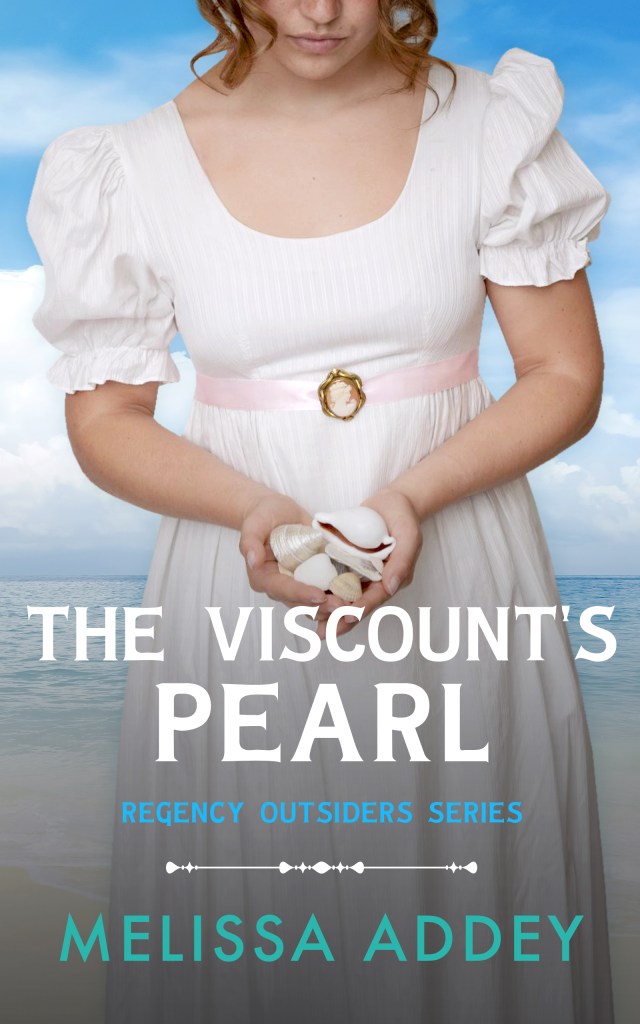
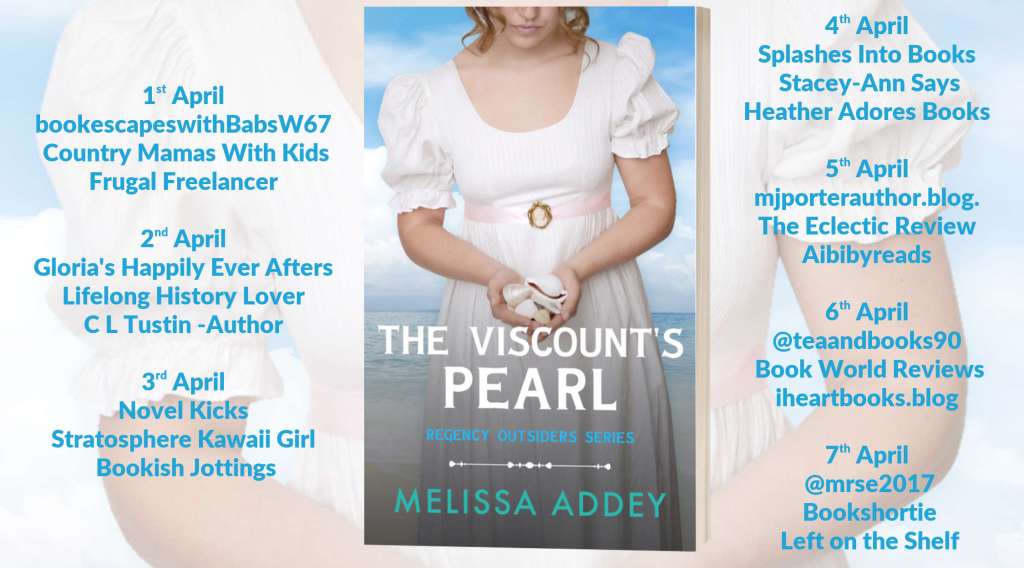
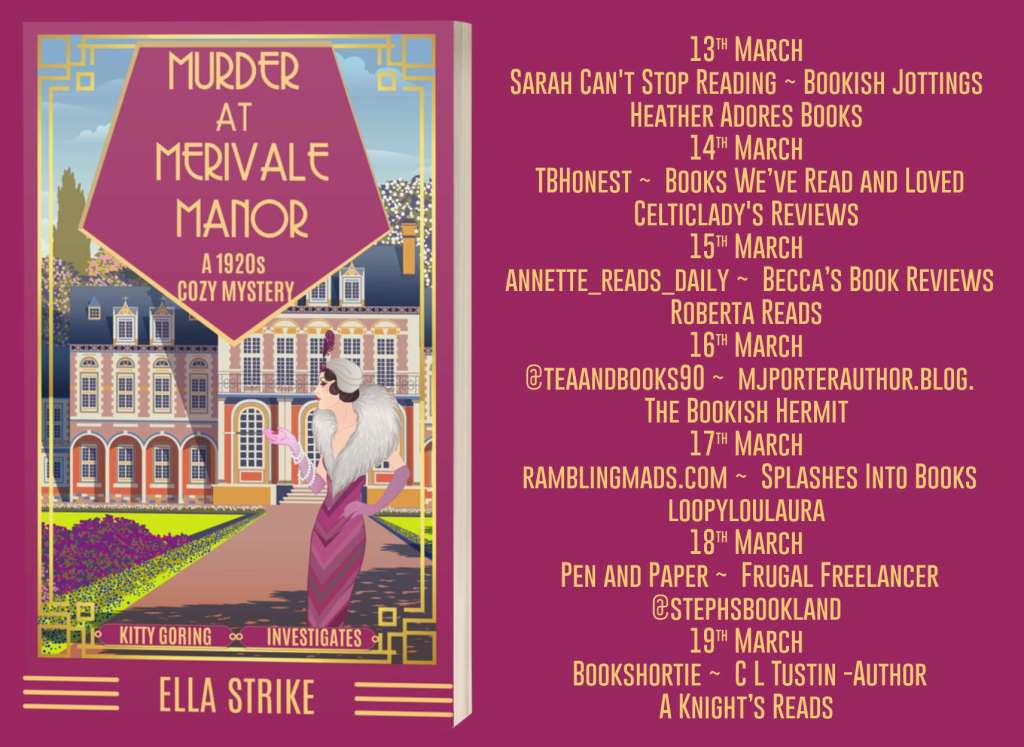
A young duke declared mad. His nurse masquerading as a lady. One social season in which to marry him off. What could possibly go wrong? When foundling Maggie takes a job caring for Edward, she knows him only as a young man declared mad and kept privately under the care of a physician to avoid any scandal for his family. But Edward is the heir to the Duke of Buckingham and when his father dies his family determine to marry him off to secure the title and the estate. Edward insists that Maggie stay by his side, so she must be passed off as a lady for one social season, during which time a marriage can be arranged. When a midnight carriage comes for Maggie, is she ready for the makeover of a lifetime? Can she remember all the rules, keep the secrets of Atherton Park… and above all, avoid falling in love? A delightful Regency romance, full of historical detail and emotional choices, as two downtrodden characters come to know their true worth and what they mean to each other. The Season has begun, the ton is gathered… and the clock is ticking for Maggie and Edward.
Lady for a Season is a thrilling Regency romance, well-written and with two really intriguing main characters, who allow us to view the period through new eyes; the jaundiced ones of Edward and the wide-eyed ones of Maggie, who should not only not be a part of the whole Ton, but who is able to see the restrictive Regency convenctions for what they are. It is a heady combination, and I can see why the series is called The Regency Outsiders.
Maggie is very much our main POV, and she is a most sympathetic character, able also to offer us an outsiders view of the ‘treatments’ poor Edward is forced to endure as part of his status as a ‘lunatic’ (which are horrifying and based on period-relevant research). Once Edward is recalled to his duties as a highly valuable marriage asset, Maggie is the one to highlight the societal differences and how rigid many of the conventions were. She wins Edward’s regard and those of others who occupy the liminal space between master and servant. It is a fabulous way to teach readers about the period – all told with warmth. The reader is certainly rooting for Maggie as she learns about the many requirements of dressing correctly and conducting herself in the ‘acceptable’ way. As pretty as the dresses might well be, I don’t think any of us would welcome being forced to endure all the contrived elements.
Edward, born to the lifestyle but also a very different individual from what might have been expected of a high-born member of the nobility, has also seen what Maggie has—that there is a very different way of living. He is tested by convention and driven by a real fear that he truly is a lunatic.
Lady for a Season is a most enjoyable tale. Even if we do suspect the eventual ending, as I’ve said before, that is the joy of the genre—how our conflicted characters also reconcile themselves to it. I will certainly be reading more of the series.
Meet the author
Melissa grew up and was home educated on an Italian hill farm. She now lives in London with her husband, two children and a black and white cat called Holly who enjoys the editing process as there is so much scrap paper involved. She mainly writes historical fiction, inspired by what she calls ‘the footnotes of history’: forgotten stories or part-legends about interesting people and places. She has a PhD in Creative Writing, and enjoys moving from one historical era to another, finding stories to share, like a travelling minstrel. So far she’s been to Ancient Rome, medieval Morocco and 18th century China. Lady for a Season is her first Regency romance, although her books have always had a romantic streak to them. Join her on her travels: browse her books.
Check out my review for From The Ashes, Melissa Addey’s Roman-era historical fiction set around the events of Vesuvius and the building of the Colosseum.
I’m delighted to welcome Heather Miller and her new book, ‘Tho I Be Mute, a prequel to Yellow Bird’s Song, to the blog with an excerpt.
Excerpt
Chapter 26, “The Cave,” Sarah Northrup Ridge
The Man in the Hat belched and laughed, passing the bottle back and forth to Whitmore and the Pan Man. If the squatters kept drinking at this pace, they might not notice if I was missing from the end of the rope. I smeared dripping blood from one wrist onto the other, wriggling my still-bound hand free. With a spontaneous decision, I released the rope and dashed to slide, feet first, then wiggling into the hole to follow the roots underground.
The drop was further than I expected, and I toppled to my knees, propelled forward when my feet splashed in yesterday’s rain. I had not thought about the drop. I had not thought about the fall. I had not thought about the dark. My bleeding hands stopped my fall. I soaked them in the pool of water at my knees and pulled the bloody handkerchief from my pocket to bind the torn skin of one wrist. My knees bled from scrapes and my stockings were bloody to my shins. Inside, the air was like frozen frost. The numb tips of my fingers could still reach the cave’s opening, but the last day’s light was insufficient to light my path any further than a few steps. My hand grazed the rock behind my back. I sat among the puddles, mute, expecting the dreaded eyes and otherworldly voice of Man with the Hat. Silent tears spilled down my cheeks. But for now, I was hidden beyond his reach. Not only cold but wet, I might freeze to death before anyone found me.
The longer the upper hole was quiet, the more I relaxed. I cupped the cold water from the puddle and patted it on my face, down my neck to counter the fever I felt. The longer I remained invisible to my captors, the faster my witness rejoined me. I became whole again. I listened outside this pit of earth. A whippoorwill called the sundown. An owl hooted with melancholy and offered his tender empathies. Their sounds echoed off the rock walls. I warmed from their companionship.
But while I became invisible to the Man in the Hat, I was also invisible to Arch who would be at least a day’s travel behind me. That was the best I could hope for. The worst I could imagine was snowfall, to leave me starving and freezing alone. No. There was a worse outcome—raped, abandoned, found dead. My hands and feet tingled. My breath was too loud. I prayed, Jesus, please light my way for this innocent baby. In that moment of faith, the child inside me spread a hand to mirror mine resting atop my belly. I kept my eyes closed and asked forgiveness for burying us alive in this cave. But I had no choice.
Leaves fell through the opening and feet darted above me. I wriggled, pushing my back against the cavern wall, pulling my feet close to my chest. The Man with the Hat never asked my name, and I never offered it. He had nothing to call, nothing to yell. Recognizing his oversight, he kicked leaves around the cave opening where I hid. I preferred starvation, frozen into a block of ice, than answering his call.
He shouted. “Red . . . You’ll show when you get hungry enough. We’ll camp right here. I ain’t going no further.”
His volume varied, as if he walked in circles, sending his snide voice in differing directions. As he spoke, the tone and bustle above me continued. Men’s voices and horse whinnies became more distinct while they searched for me. I smelled salt pork slung on an iron pan, the same one that clanked in front of me. I salivated while listening to their exchange.
“She ain’t gone far. She just hiding,” The Man in the Hat said.
“I can’t find her. Can you?” Whitmore gave his sarcastic reply as the Pan Man laughed.
“I will.” The Man in the Hat spoke, then he swore after. Leaves crunched under his boots near the bluff’s opening. His legs blocked their firelight. Then, his hand came through the void. I covered my mouth to block the sound of my rapid breathing.
“We still got the extra horse,” Whitmore said, “even if she’s up and climbed a tree.”
The Man in the Hat walked away and said, “She’s pregnant. She couldn’t fit in that hole, and she ain’t up no tree, you drunk bastard.” The Man in the Hat cursed me, knowing that my absence guaranteed the trio’s empty bottles and empty pockets.
Blurb
Clarinda faces a moment of profound reality—a rattlesnake bite, a harbinger of her imminent mortality—and undertakes an introspective journey. In her final days, she immortalizes not only her own story but that of her parents—a narrative steeped in her family’s insights into Cherokee heritage during the tumultuous years preceding the forced removal of Native communities.
In 1818, Clarinda’s father, Cherokee John Ridge, embarks on a quest for a young man’s education at the Foreign Mission School in Cornwall, Connecticut. Amidst sickness, he finds solace and love with Sarah, the steward’s quiet daughter. Despite enduring two years of separation, defamatory editorials, and societal upheaval due to their interracial love affair, the resilient couple weds in 1824. This marks the inception of a journey for Sarah as she delves into a world both cherished and feared—Cherokee Territory. As John Ridge advocates for the preservation of his people’s land and that of his Muskogee Creek neighbors against encroaching Georgia settlers and unscrupulous governmental officials, the stakes are high. His success or failure hinges on his ability to balance his proud Cherokee convictions with an intricate understanding of American law. Justice remains uncertain.
Grounded in a true story, ‘Tho I Be Mute resonates with a compelling historical narrative, giving an intimate voice to those heard, those ignored, those speechless, urging readers to not only hear but to truly listen.
History is better than fiction. We all leave a legacy.
As an English educator, Heather Miller has spent twenty-four years teaching her students the author’s craft. Now, she’s writing it herself, hearing voices from the past. Heather earned her MFA in creative writing in 2022 and is teaching high school as well as college composition courses.
Miller’s foundation began in the theatre, through performance storytelling. She can tap dance, stage-slap someone, and sing every note from Les Miserables. But by far, her favorite role has been as a fireman’s wife and mom to three: a trumpet player, a future civil engineer, and a RN. Alas, there’s only one English major in her house.
Heather continues writing the Ridge Family Saga. Her current work-in-progress, Stands, concludes the Ridge Family Saga.
A Celtic warrior princess is torn between her forbidden love for the enemy and duty to her people.
AWARD-WINNING APOLLO’S RAVEN sweeps you into an epic Celtic tale of forbidden love, mythological adventure, and political intrigue in Ancient Rome and Britannia. In 24 AD British kings hand-picked by Rome to rule are fighting each other for power. King Amren’s former queen, a powerful Druid, has cast a curse that Blood Wolf and the Raven will rise and destroy him. The king’s daughter, Catrin, learns to her dismay that she is the Raven and her banished half-brother is Blood Wolf. Trained as a warrior, Catrin must find a way to break the curse, but she is torn between her forbidden love for her father’s enemy, Marcellus, and loyalty to her people. She must summon the magic of the Ancient Druids to alter the dark prophecy that threatens the fates of everyone in her kingdom.
Will Catrin overcome and eradicate the ancient curse? Will she be able to embrace her forbidden love for Marcellus? Will she cease the war between Blood Wolf and King Amren and save her kingdom?
What Amazon reviewers say about Apollo’s Raven
“If you mingled the history and romance of Philippa Gregory with the magical fantasy of George R.R. Martin, the result just might be the fascinating Apollo’s Raven (Curse of Clansmen and Kings Book 1) by Linnea Tanner. Get ready for a journey filled with the desires of star-crossed lovers, the horror of a son polishing his own mother’s skull and the fantasy of humans becoming creatures as a tool to save their very humanity.”
“Sorcery? Mythology? Forbidden love? An ancient curse? Yes, please! I fully enjoyed this epic tale of intrigue, deception, and love. The characters are developed well, while the plot leaves the reader wanting more.”
“What a story! I am a huge fan of “Game of Thrones,” and this book grabbed me in much the same way. The author took me inside the world of ancient Romans and Celts. The imagery was compelling. I could see the characters, the weapons, the countryside, the lairs, and the castle. She stayed true to the times.”
“A love story full of intrigue, power struggles, choosing one’s fate and a doomed love, this story reminds me somewhat of an old book called “The Silver Land” by Nancy Harding or even “The Forest House” by Marion Zimmer Bradley. The undercurrents are the same as they are set in similar times, but the finer details are different enough that it only feels the same while still being uniquely its own.”
Award-winning author, Linnea Tanner, weaves Celtic tales of love, magical adventure, and political intrigue in Ancient Rome and Britannia. Since childhood, she has passionately read about ancient civilizations and mythology. She is particularly interested in the enigmatic Celts, who were reputed as fierce warriors and mystical Druids.
Linnea has extensively researched ancient and medieval history, mythology, and archaeology and has traveled to sites described within each of her books in the Curse of Clansmen and Kings series. Books released in her series include Apollo’s Raven (Book 1), Dagger’s Destiny (Book 2), Amulet’s Rapture (Book 3), and Skull’s Vengeance (Book 4). She has also released the historical fiction short story Two Faces of Janus.
A Colorado native, Linnea attended the University of Colorado and earned both her bachelor’s and master’s degrees in chemistry. She lives in Fort Collins with her husband and has two children and six grandchildren.
Another stop off on my roadtrip to Devon and back in September 2024. This time we’re in Malmesbury, on a sunny day (these were quite rare) and meeting King Athelstan in Malmesbury Abbey.
Athelstan was buried in Malmesbury Abbey and although they no longer know ‘exactly’ where he is (no doubt thanks to the Reformation and the Civil War) they have a fabulous memorial to him, and this year, marking the 1100 anniversary of him becoming king of Mercia (and possibly Wessex, but the timeline there is more hazy), they’ve been holding some fabulous events in Malmesbury as a whole, including in the Athelstan Museum. Here’s some photos from within the abbey, and at the bottom, one of my most favourite historical rulers – ‘Athelstan, the first RULER of all England.’ (Love it).
I also took a walk through the town and visited the Athelstan Museum, who have had a replica sword made, and it was stunning, although I forgot to take any photos of it.
Athelstan 1100 bunting outside the shopsI loved this. It’s good to know they’ve been celebrating the event for a long time.
And perhaps the best ‘rush’ an author can ever have – finding their books in a brick and mortar book shop. Huge thanks to Barn Owl Books, Malmesbury, for stocking not one, not two, but three of my books featuring Athelstan.
King of Kings and Kings of War, about Athelstan and his fellow kings in the tenth centuryMy first nonfiction title, The Royal Women Who Made England, sandwiched between the fabulous Winters of the World and Alice Roberts.
When your boss is at a conference in a city where there’s a suspicious death, it’s unlucky.
If it happens twice, it’s odd.
But when she’s in the same city at the same time as a third unexplained death . . .
Could she be a stone-cold killer?
Millie’s always known her boss Freya is a psycho – the demanding and ever-changing coffee orders, the cryptic instructions, the apparently expected mind reading and don’t even start on the insistence that Millie wears heels . . . All. The. Time.
But it only extends as far as exacting office standards. Right?
As Freya’s assistant, Millie has privileged access to her diary and travel history and when a pattern emerges of men (who seem to have no connection to each other) dying in cities where Freya is travelling, Millie is determined to figure out what’s going on.
After all, a stone-cold killer could be exactly what Millie needs . . .
Our first main character, Millie, is very amusing in a slightly ‘put upon way.’ The dynamics between her and Freya, her boss, are amusing and well-portrayed. As Millie’s suspicions grow, it’s almost a shame when our POV shifts and we encounter Freya herself. However, Freya’s perspective definitely adds a whole new dimension to what’s actually going on.
Indeed, the book’s first half passes by very quickly, covering quite a short period. In some ways, the book suffers from having such a fabulous set-up, which can’t quite be maintained throughout the second half as we learn more and more about our characters. The dark, twisty humour does die away a bit—perhaps unsurprising in the face of what the reader learns.
That said, the book’s second half is still good, even if the ending seems a little rushed, as we meet our third POV.
Both of our main characters are untrustworthy narrators, which allows for a few ‘I didn’t see that coming moments’.
It’s a fun and entertaining read. It’s certainly twisty and stuffed with some fabulous dark humour (in the first half).
Shaftebury Abbey is a ruin, in private hands and run by a charity, and I was desperate to visit because it’s where King Alfred’s daughter, Æthelgifu, was an abbess, and where King Edmund’s first wife, Ælfgifu, was buried, (the mother of Eadwig and Eadgar/Edgar) and where the body of King Edward the Martyr was moved to after his murder (the oldest son of Eadgar/Edgar). You can read about these women in my The Royal Women Who Made England non-fiction title. And I’ve fictionalised many of them as well, especially Lady Elfrida, accused of murdering her stepston.
However, I was there on a day so biblically wet a few weeks ago, that sadly, they had to close (i.e. this is the first time I’ve been kicked out of a historical monument), but the volunteers were absolutely lovely and I’m grateful they let me look for as long as possible before making sure they got home safely on roads that were very, very wet. And, it made the whole experience very atmospheric. If you pop over to their website, there are fab images of it being sunny. https://www.shaftesburyabbey.org.uk I hope to be able to return on day when it’s not raining.
Taking photos of all the plants in the herbal gardenI was standing under my umbrella the whole timeA statue of King AlfredThe memorial for Edward the MartyrA side on view of Edward the Martyr’s memorial
The lettering by the monument to Edward the Martyr
From memory, this is where it’s believed Edward the Martyr was originally buried when the abbey was in use
1791 — England’s cannon remain ever silent as her shipping is ruthlessly preyed upon, a detestable state of affairs, though soon to be remedied…
England is ill prepared, Europe is in turmoil and the French Revolution is readying to sweep across the continent. A tedious uneasy peace poises on a knife’s edge. Brittana rules the waves, yet as more and more ships mysteriously vanish, it is rightly thought an act of war. However, England needs more time, or all could be lost.
With war looming, Lieutenant Hayden Reginald Cooper, Royal Navy, awaits in Portsmouth braving a bitter cold winter with half pay, beached in a constant state of penury. With little prospects, little “interest” and no chance of promotion or advancement, he is the perfect choice for the Admiralty: unknown, unimportant and wholly dispensable.
As so it begins, a turbulent action-packed naval adventure within the murky waters preceding war, the French piracy soon to discover the grit of a lowly Lieutenant, one who has very little to lose…
Captain Cooper, in the fashion of any seasoned naval officer, waited quietly and patiently, assessing the situation. His eyes drew down upon his target, a split second to weigh the most likely, indeed the most advantageous method of its destruction. The possibilities brewed within his mind’s eye, infusing a furious broth of wild notions as he carefully played out the encounter. He raised his hand, the blade within professionally poised, glistening. His grip held firm, his aim true, the sharpened edge hovering for one last moment before down it came. This was likely the best acting rabbit he had seen for some time he thought. He was salivating to be sure. With the tip of his knife, he carefully flipped off the awning, or what some might call the clagger or the clakker, those being the curious names with which a seaman commonly accounted for the pastry top of a baked meat pie. The flakes melted in his mouth, forcing his eyes shut as he swilled the juices. It weighed as a rare moment, one a poor naval officer might eternally savour.
Cooper usually tended to judge eating and drinking as tantamount to some unnecessary distraction, even an annoyance. But not this time, for within all his planning had he foremost selected this particular inn for this very reason. And now he could afford it. Apart from a handsome meat pie, a delicious ale and a comfy berth, it was here he might furtively base his operations. The first order of business was to properly acquaint the situation with his particular friend. To that end had a vague note to Spencer been dispatched, encrypted in his own personal way, but nonetheless official. Forthwith was the Lieutenant required and directed to attend the Crispin & Crispianus, an inn on London Road, exactly at eight bells in the afternoon watch. For a seaman in the Royal Navy that would amount to the start of the first dogwatch which, for a landsman, would be exactly four o’clock in the afternoon.
Meet the author
Bradley John Tatnell (aka “Bradley John”) is an Australian novelist whose ancestry can be traced back to the Norman Conquest in England. His forbears lived mostly in Kent, Hertfordshire and the Isle of Thanet. Some were mariners and some were even of the aristocracy. His direct ancestors arrived in Australia soon after its colonisation in the late 1700’s, most of which were proud country folk. James Squire, a notable character in history, who arrived on the first fleet in 1788, was his (sixth) great grandfather.
Bradley John graduated from the Church of England Grammar School at age 16 and the Queensland University of Technology at age 19. His early life was spent mainly in the arena of law.
Bradley John has a love of all things ancient and historical, including golf, to which he plays with ye old hickory shafted clubs including the original heads from pre-1935. He also studies the ancient art of Korean sword, having attained master level. His love of language, in all its forms, now extends to the pursuit of conquering Hangul, the language of the Korean people.
Bradley John has been privately writing novels since 2003. “Ships of War — Murky Waters”, his first publication, births a series of naval adventure fiction intended to span the length of the French Revolutionary Wars. This of course is the much loved genre which includes the thundering Hornblower series by C.S. Forester, the Aubrey-Maturin series by Patrick O’Brian and the popular “Master and Commander” blockbuster by Peter Weir. Owing to Bradley John’s English heritage, no guesses are needed to determine which side the book’s heroes will sail upon…