Author of Saxon historical fiction and non-fiction, 20th-century historical mysteries, and Norse-inspired historical romantasy. Book reviewer and blog host.
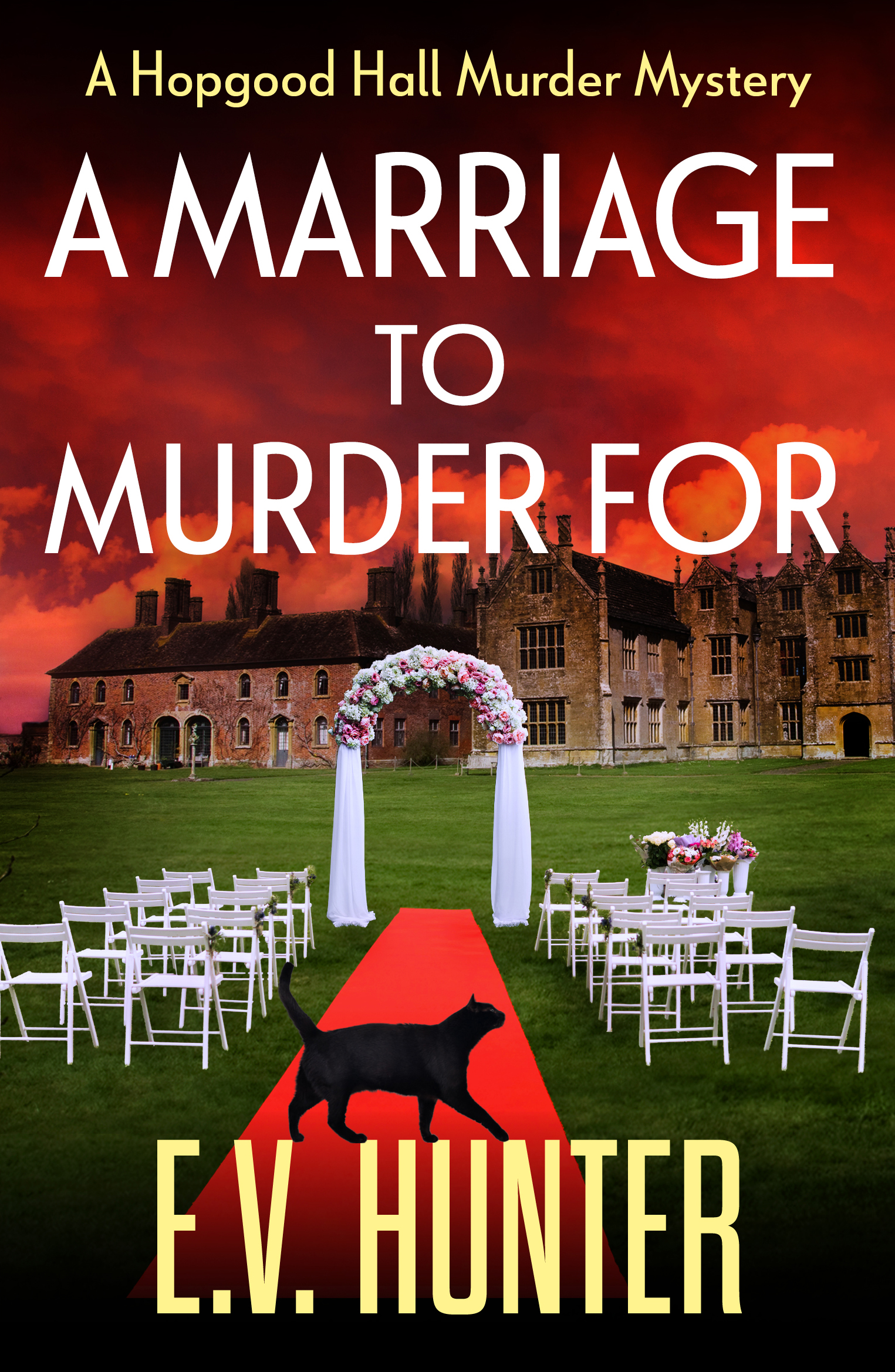
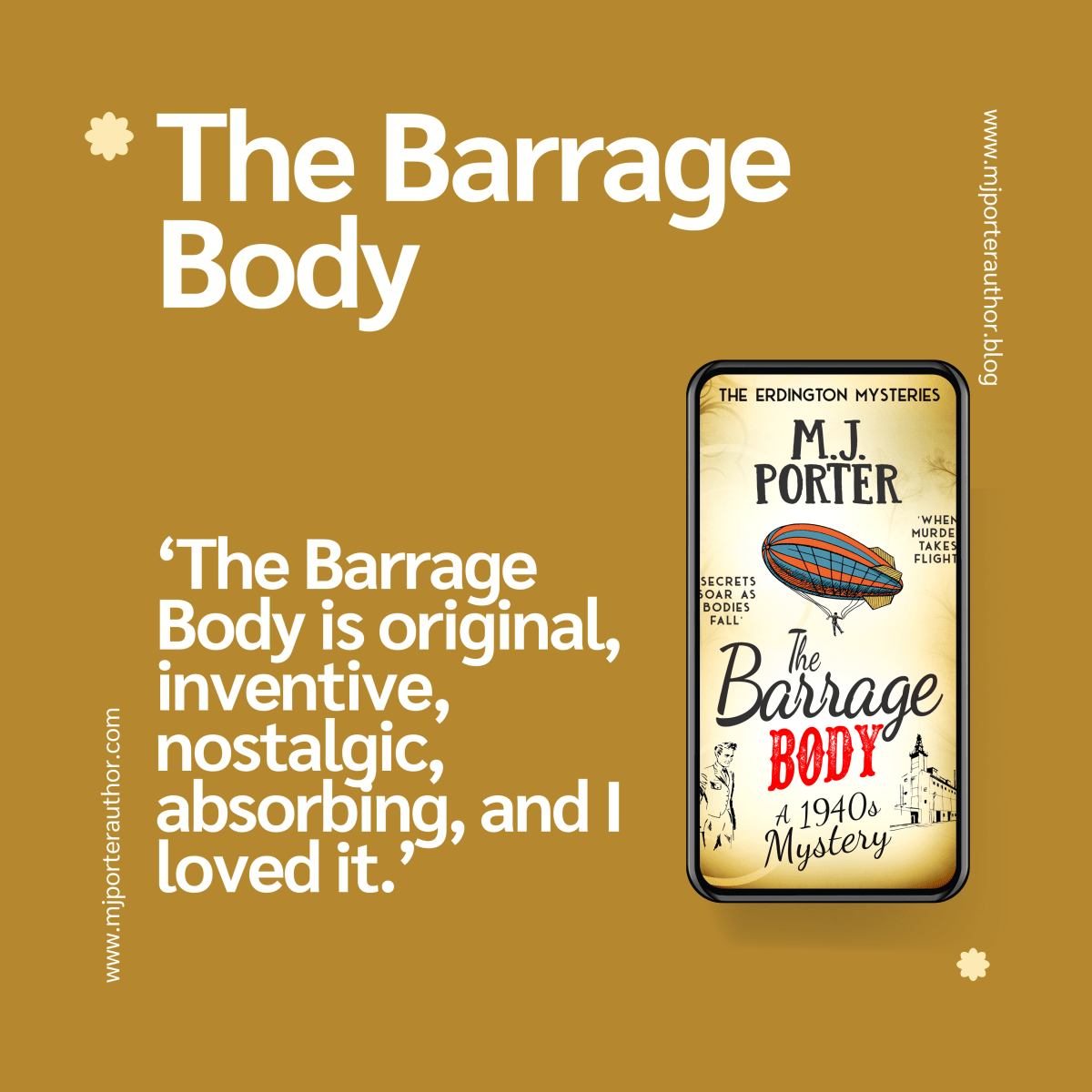
Social media influencer Crystabel Hughes is determined her wedding to Giles Preston Smythe will be the talk of the town. No matter the cost or the upset, nothing will stop this wedding!
A cheating groom…
But for Alexi Ellis and the rest of the staff at Hopgood Hall, Crystabel’s demands are becoming increasingly extreme. And when Alexi spots the groom getting up close and personal with one of the bridesmaids, she fears trouble is only a bouquet toss away.
A killer bride caught red-handed?
And Alexi’s fears are confirmed when the groom is found dead on the night before the wedding, stabbed through the heart – the person holding the dagger. his beloved bride-to be Crystabel.
Hopgood Hall doesn’t need any more bad press, but the race is on to find the killer and close the case before Crystable live streams her dilemma.
Can Alexi, Jack and Cosmo find out why Giles was killed? And, more importantly, can they stop the killer before they strike again?
Perfect for fans of Faith Martin, Frances Evesham and Emma Davies.
A Marriage to Murder For is the third book in the Hopgood Hall Murder Mysteries. You don’t need to have read the two previous books, but if you are planning on doing so, there are some spoilers for the earlier books.
This time, our intrepid duo find themselves with a murdered groom on their hands in what seems to be an open and shut case, but which of course, proves to be anything but.
The series has so far tackled celebrity chefs, and this time moves to ‘influencer’ territory with a televised wedding. But all is not paradise between the couple, and as the story evolves, there are many, many secrets to uncover.
I really enjoy this series of books. Alexis and Jack work well together, and the author offers a tight and well-constructed story – with just enough hints for the reader to ‘almost’ know what’s happening, but still with a mighty ‘big reveal’ in the closing moments.
A thoroughly enjoyable, tightly-plotted and enjoyable cosy mystery.
Evie Hunter has written a great many successful regency romances as Wendy Soliman and is now redirecting her talents to produce dark gritty thrillers for Boldwood. For the past twenty years she has lived the life of a nomad, roaming the world on interesting forms of transport, but has now settled back in the UK.
The hero of the Mercian Ninth Century Series, King Coelwulf, has not been treated kindly by history.
He appears in the Anglo-Saxon Chronicle (the main narrative source for the period) as a ‘foolish king’s thegn’ (in the ASC E Version, although not in the older A version) and not actually a king at all.
´Here the raiding army went from Lindsey to Repton and took winter-quarters there, and [[874] drove the king Burhred across the sea 22 years after he had the kingdom; and conquered all that land…And the same year they granted the kingdom of Mercia to be held by a foolish king’s thegn, and he swore them oaths and granted hostages, that it should be ready for them whichever day they might want it, and he himself should be ready with all who would follow him, at the service of the raiding-army. (A) 874 [873]
´Here the raiding-army went from Lindsey to Repton, and there took winter quarters, and drove the king Burhred across the sea 22 years after he had the kingdom, and conquered all that land. And he went to Rome and settled there, and his body lies at St Mary’s church in the English Quarter. And the same year they granted the kingdom of Mercia to be held by Ceolwulf, a foolish king’s thegn.’ (E)874 [873] (Both quotes from M Swanton ed. and trans. The Anglo-Saxon Chronicles).
His ‘reign’ has been explained as being entirely dependent on Viking overlords who really ruled Mercia, from their ‘base’ at Repton. He was a ‘puppet king,’ a sop to assist the independent Mercians as they struggled to come to terms with their new warlords.
The survival of two charters, carrying Coelwulf’s name, and witnessed by the ealdormen and bishops of Mercia, have not been given the attention they deserve because they suggest a different interpretation to that of King Alfred (the Great) single-handedly defeating the Vikings, and making ‘England,’ as does the discovery of the Watlington Hoard of coins which suggests that Coelwulf and Alfred were ruling jointly.
So, if we put aside the problems of what Coelwulf did, or didn’t achieve, who might he actually be, and why might he have been named as king?
Coelwulf’s name leads historians of the period to suggest he was a member of a branch of the Mercian royal family whose last ruler was King Coelwulf I, who ruled in Mercia from AD821-823. He succeeded his brother, Coenwulf, who ruled from AD796-821. They were descended from the brother of the mighty seventh-century king, Penda, most famously known for being pagan, warlike and terrorising the Northumbrian kingdom during its ‘Golden Age.’ (Read about Penda and the Northumbrian kingdom in my Gods and Kings trilogy). He was therefore a member of a long-lived ruling dynasty that could trace its descendants all the way back to the early 600s.
This identification of Coelwulf helps to explain why he was accepted as king following King Burgred’s abdication. He was no foolish king’s thegn. He was a member of a ruling dynasty, who, for one reason or another, were no longer the ruling family in Mercia in the 870’s. (And what was happening in Mercia before the 870’s is just as fascinating as what came after it – you can read about that in The Eagle of Mercia Chronicles).
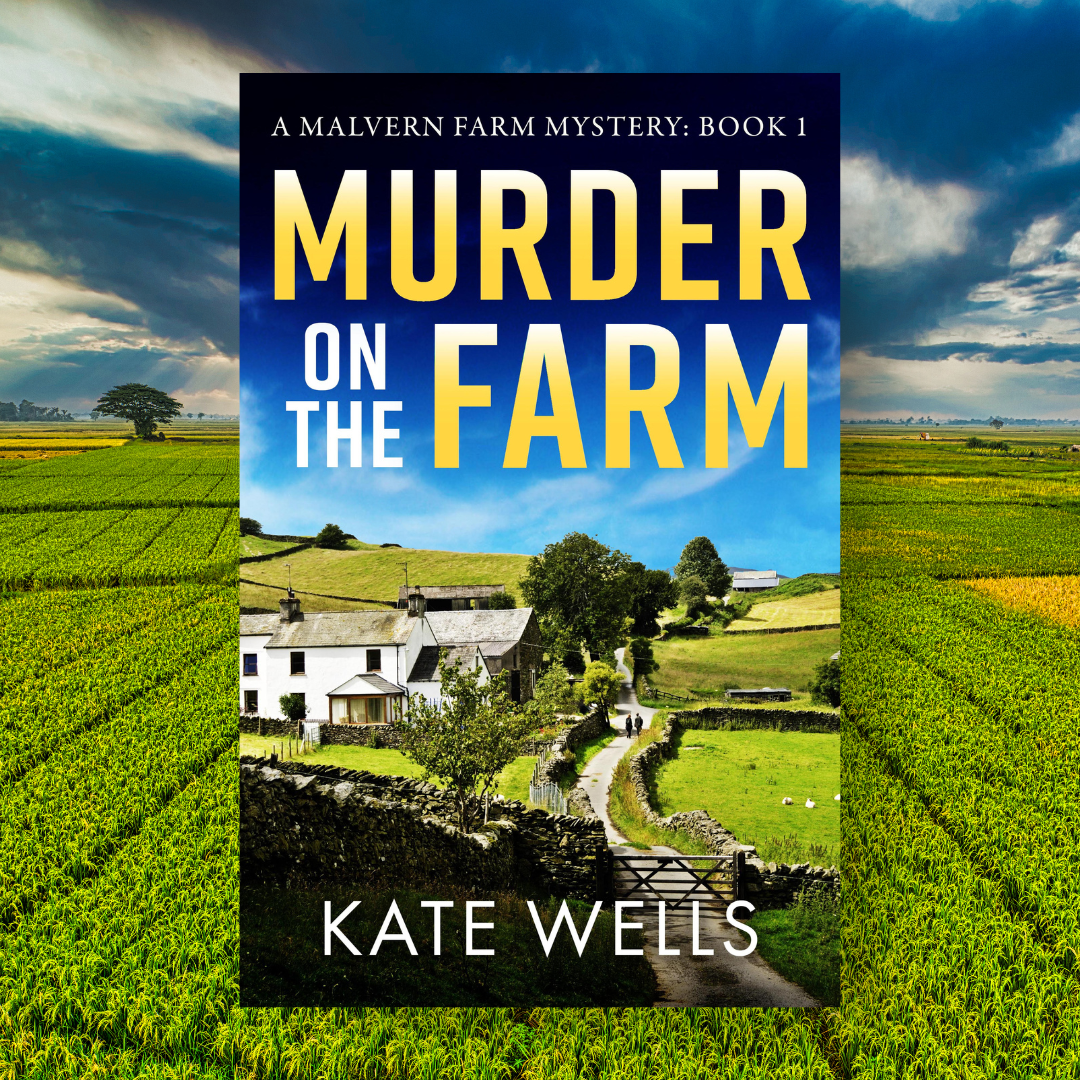
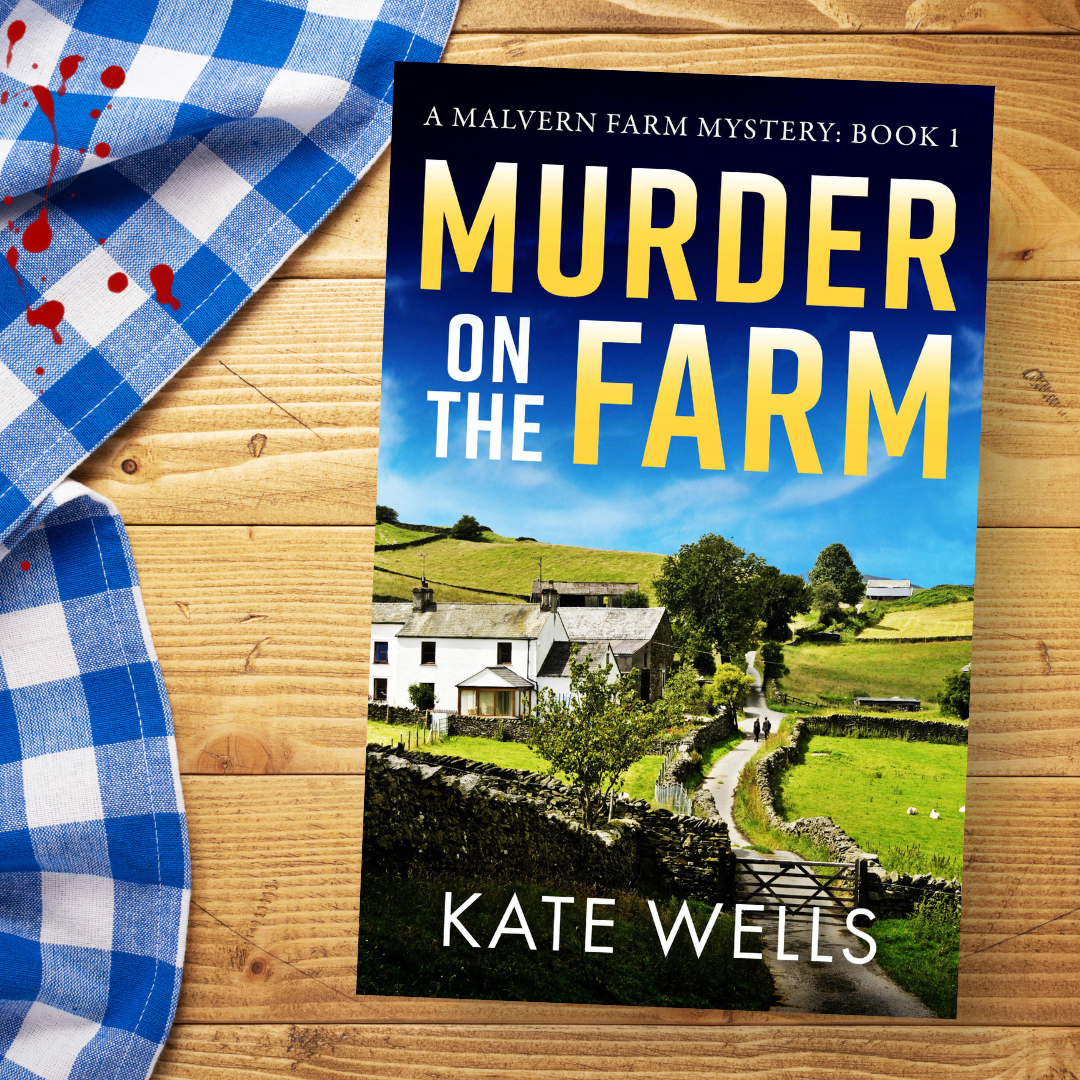
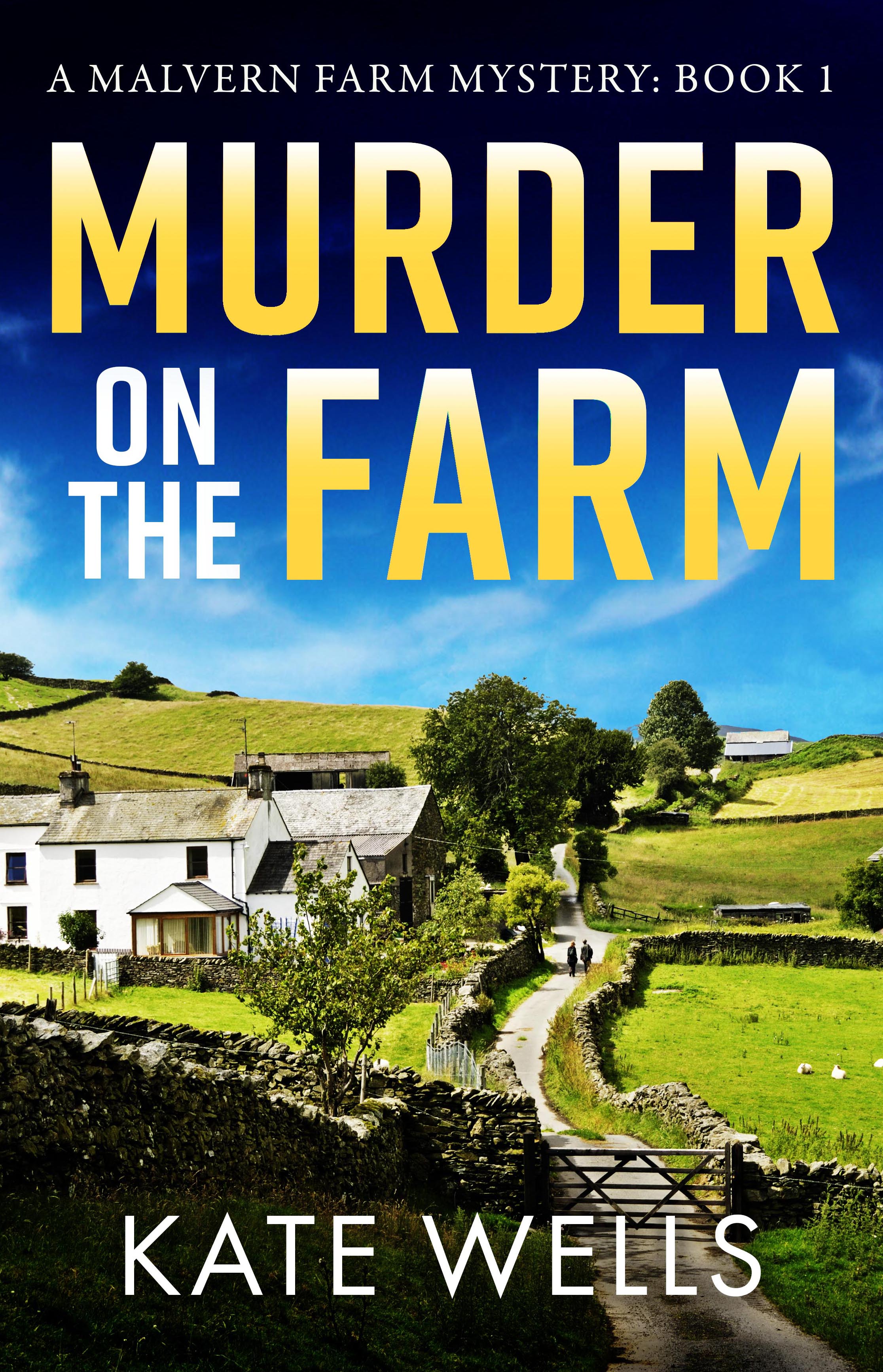
Lambing season always brings the unexpected… But no one expected murder
Jude Gray never thought she’d find herself widowed and running a working farm full-time, but here she is, living in the small Malvern village her husband Adam spent most of his life in.
After a particularly gruelling lambing season, she is looking forward to some time off, but there’s no rest for the wicked, especially when she finds the body of one of Adam’s oldest friends on her farm.
Unimpressed with the local constabulary’s efforts, Jude starts an investigation of her own. But as the body count rises, danger creeps ever closer to Malvern Farm.
A killer is on the prowl. And all that stands in their way is one woman – and her dog.
My Review
Murder on the Farm is a really intriguing contemporary mystery set in the Malvern Hills during an early lambing season.
What begins with a wedding ends in tragedy for our main character, Jude Gray, as much of what she thought to be true begins to unravel around her.
Jude and her sister are both great characters in the first book in this new series. I found myself completely caught up in the mystery and read it over a space of a few days. There’s some excellent misdirection, and as a reader, I was quite convinced that I knew who the culprit was, not once, but twice, only to be proved entirely wrong.
A fabulous start to a new contemporary mystery series, offering an assured and well-plotted tale against a majestic backdrop. I look forward to reading more.
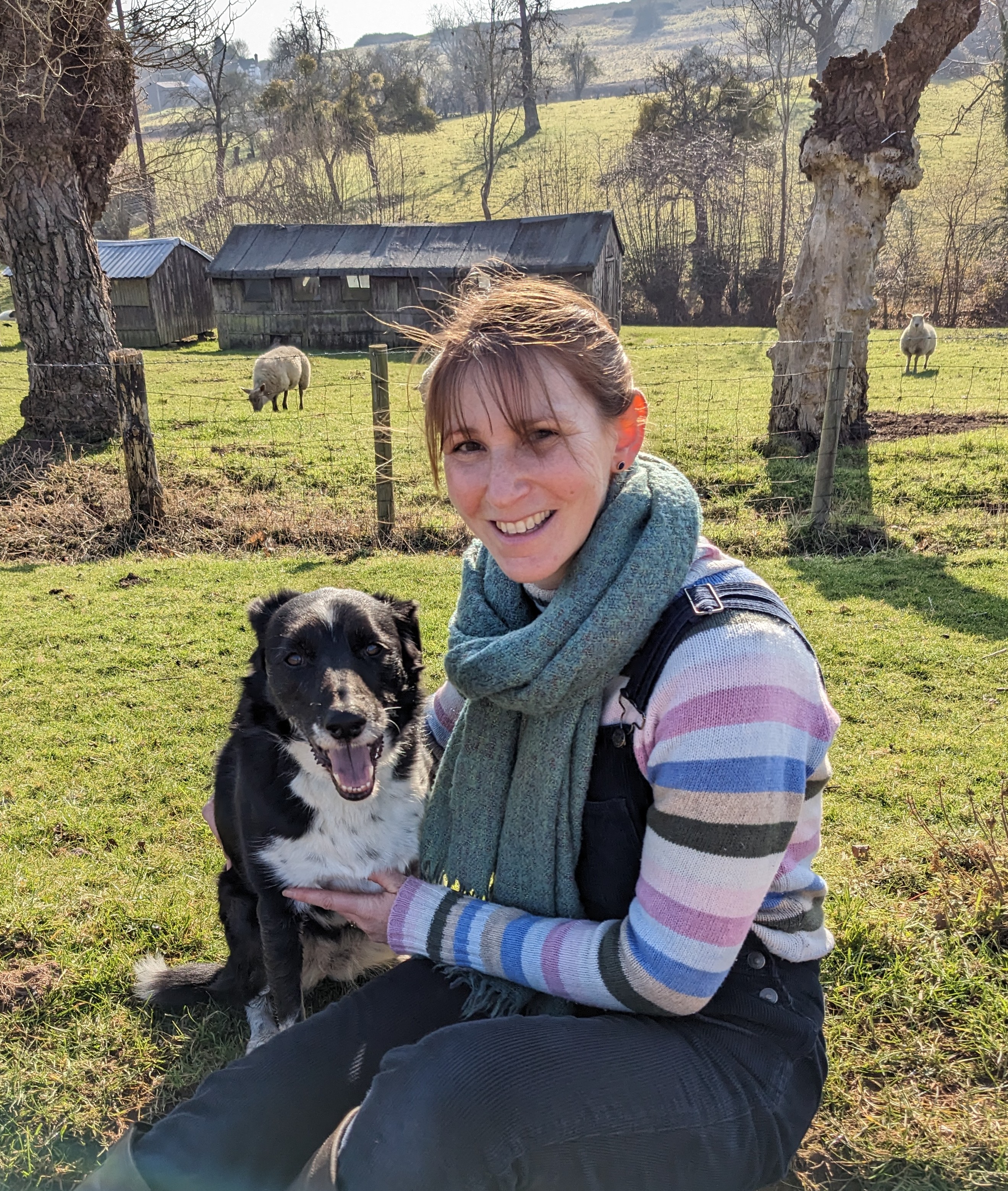
Kate Wells is the author of a number of well-reviewed books for children, and is now writing a new cosy crime series set in the Malvern hills, inspired by the farm where she grew up.
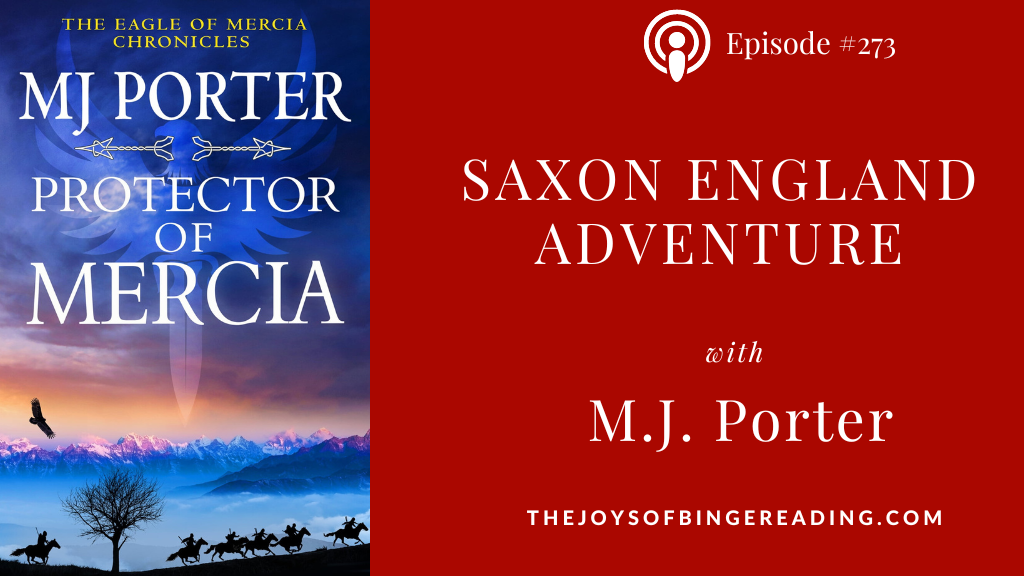
For the first time ever, I’m on a podcast. Come and listen to me talk to the fabulous Jenny Wheeler about all things Saxon, and just what I really think of the term ‘the Dark Ages.’
Listen on The Joys of Binge Reading website, where you can also find links and a transcript of the podcast, or via Spotify below, and be sure to check out the other fab authors Jenny has featured on the podcast.
If you’ve read a few of my books, you’ll know that I don’t very often venture into the Saxon lands on the north-west coast of England. (I know that Ealdorman Leofwine visits there in his second book, but I didn’t know better then). There’s a very good reason for this. I am, quite frankly, a bit scared to do so. Mainly because I don’t feel as though I can get a firm understanding of what was happening there during the Saxon era. (I would say the same about Cornwall/Devon – and that’s because there are various references to the area coming under Saxon control – only to be repeated a later period, so it clearly didn’t happen when some of the sources say it did).
Some research will highlight the Norse element of the area, and others will call it Cumbria, or Northumberland. And in the 830s, before the main ravages of the Viking raiders, it feels very unknown to me.
But, in Protector of Mercia, I do take young Icel to the north-west – no doubt to test myself and to see if I could do it.
I think we can start with Chester, which admittedly, would probably have been classified as being in Mercia. Chester, a former roman site, is well-known, even now there are standing Roman ruins. Admittedly, what Chester might have been like in the 830s is more difficult to pin point – so I had a bit of fun with that.
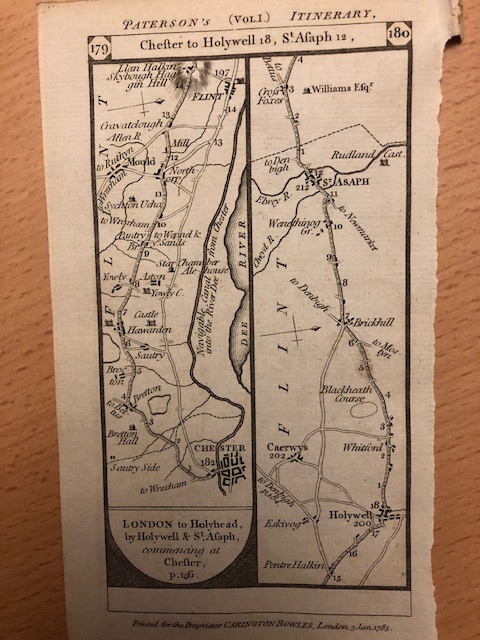
And after Chester? What then? I like to make use of old maps when I’m trying to reconstruct the past (the one above is a road map, so looks a bit unusual). Yes, they’re still positively modern but I find it easier than using Googlemaps where there’s too much ‘modern’ to look at. The starkness of antique maps isn’t always quite as extreme as on the map below of Cheshire from 1835 which shows the voting hundreds but there’s always something of value in them, even if its just revealing where the rivers are in relation to settlements – if you use Googlemaps you might become distracted by canals and other, much later, attempts to control rivers.
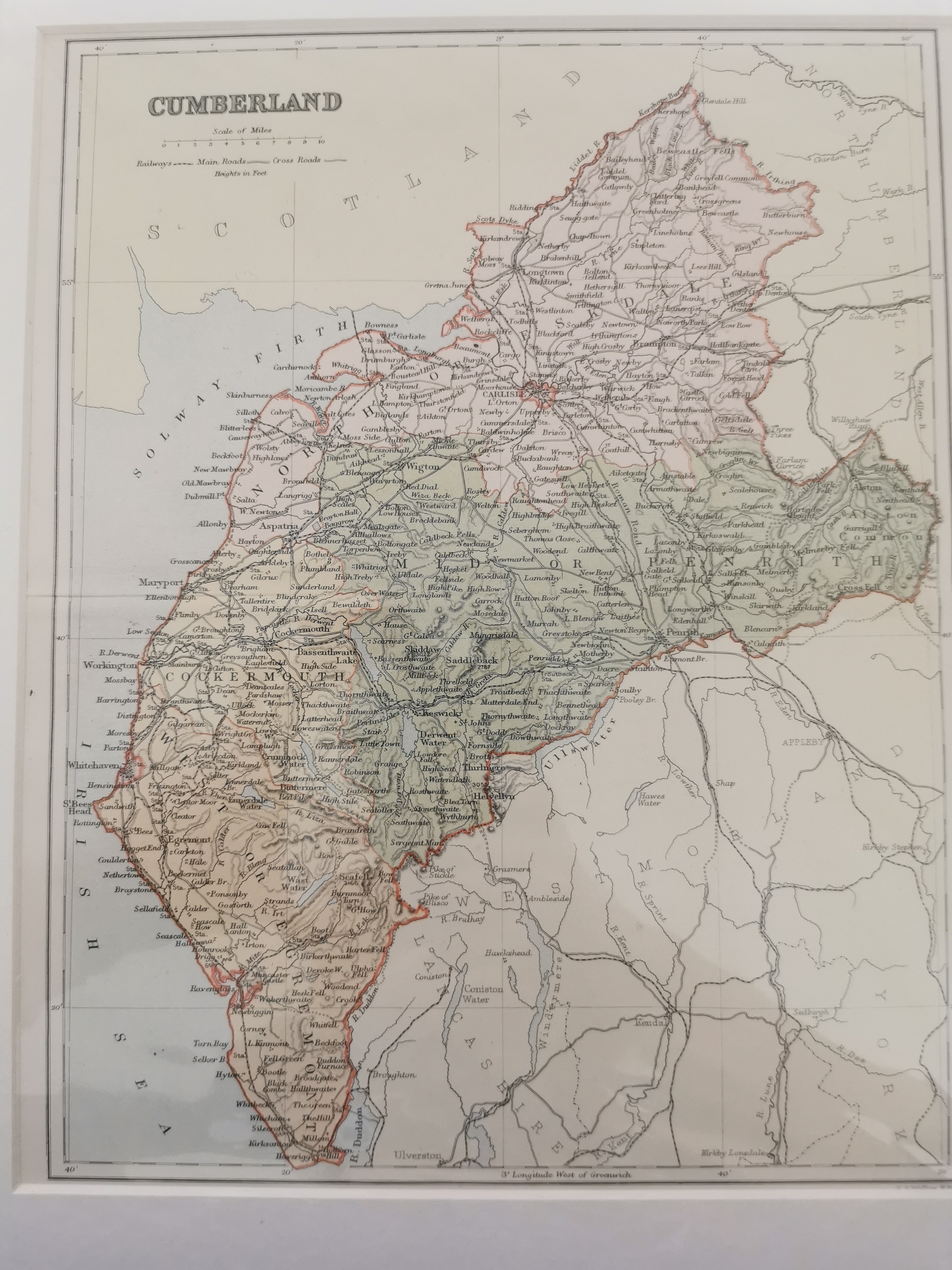
Indeed, we almost go from one extreme to another when looking at the map for Cumbria or Cumberland as the map calls it. This is from 1895 so is much more modern.
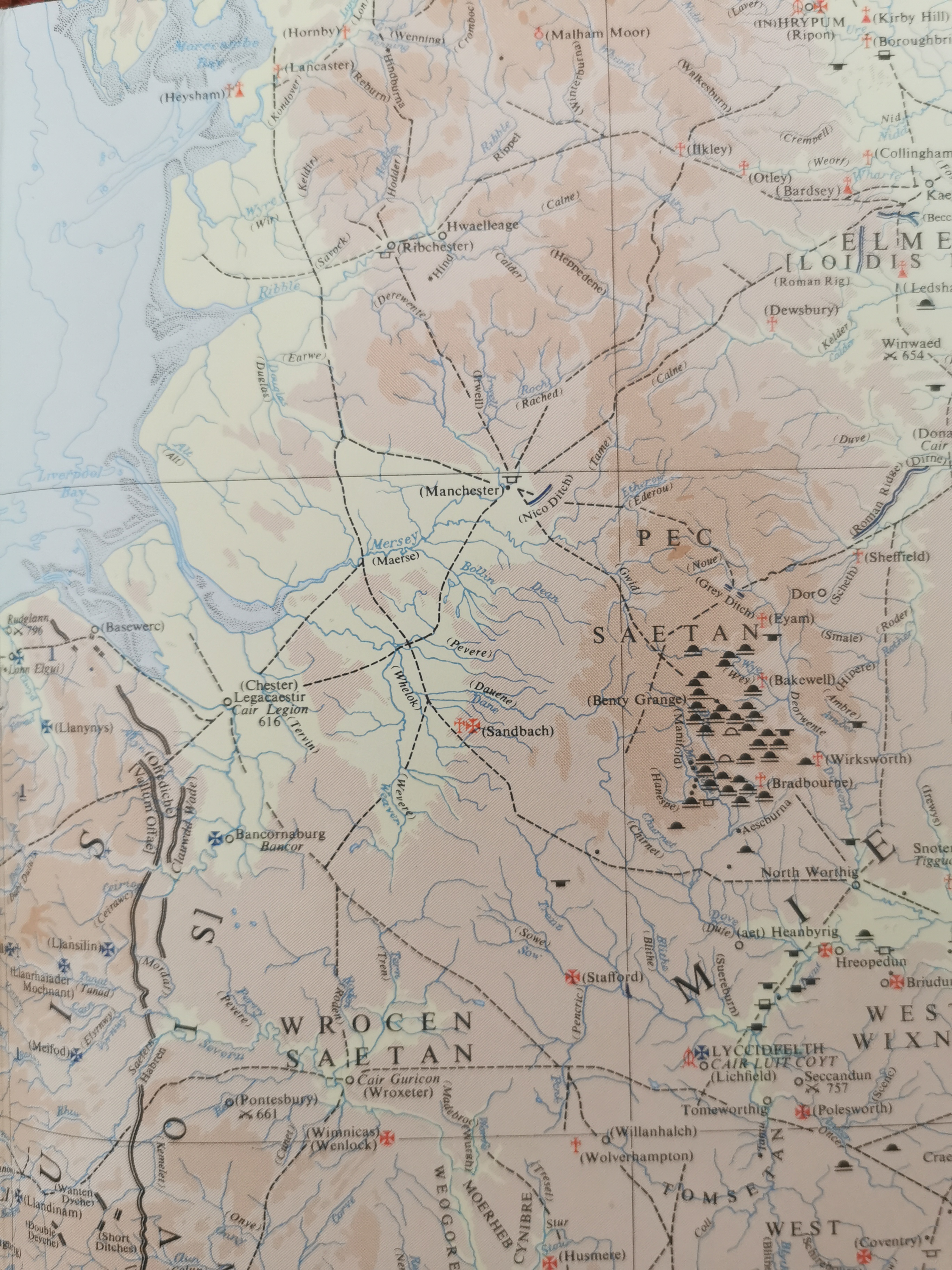
But it’s the map below that should put the problems into context. This is a snippet from Britain in the Dark Ages, an Ordnance Survey map from 1966, which shows just how stark the landscape might have been (I don’t doubt that we should, hopefully, know a bit more in the intervening 50+ years).
So, there’s not a lot to go on, and I’m sending poor Icel north-west, so it’ll be interesting to see what he discovers.
Protector of Mercia is released today, 5th September, in ebook, audio and paperback. The hardback will be ready soon.
Welcome to my release day post for Protector of Mercia. I’m going to talk about the kings who preceded all the chaos of the series.
Readers of the Eagle of Mercia Chronicles will have encountered the names of kings Coenwulf and Coelwulf, although the kings in the first book, Son of Mercia, ruled after both Coenwulf and Coelwulf. But, having written about Coelwulf II in the Mercian Ninth Century books – which feature an older, and wiser Icel, I was eager to return to an equally unsettled period in Mercia’s history. And this, helped by the fact that Icel would just have been old enough at this period to be involved, very much helped set the scene. However, the aftermath of the reigns of these two men, brothers, are very much at the heart of political affairs during the Eagle of Mercia Chronicles.
So, who were Coenwulf and Coelwulf or Ceolwulf?
Coenwulf, the first and only of his name, was king of Mercia from 796 until his death in 821. He claimed descent, not from the previous king Offa (of Offa’s Dyke fame), and his son, but instead from Pybba, who is believed to have been the father of both Kings Penda and Eowa (read about them in my Gods and Kings trilogy) who ruled in the seventh century. You might have heard of Penda. Although the connection isn’t sound, he is often referenced when talking about the Staffordshire Hoard.
It does seem as though the crisis of the late 820s/830s and the slow decline of Mercian power have overshadowed all that King Coenwulf achieved, not helped by the fact that his son, who was to succeed him, died before his father (if he existed at all), so that on Coenwulf’s death, the kingship passed to his brother, Coelwulf, and he in turn was overthrown at some point in 823-826. The brother kings seem to have shared another brother as well, who may have been king of Kent, after Mercia annexed the kingdom to its own domain.
But Coenwulf was a successful ruler. He claimed the kingship after the death of Offa’s son, Ecgfrith, not long after his father’s death, (Offa is said to have been keen to eliminate all rivals to the kingship which is why, when his son died, the kingship had to pass to a more obscure branch of the ruling line), and while he suffered reverses in Kent and the kingdom of the East Angles, he does seem to have exercised control in both places, and was also aggressive against the Welsh kingdoms throughout his reign. Mercia, at this time, was NOT confined to the current English Midlands, it was a much vaster kingdom although it’s firm boundaries are difficult to establish.
Map design by Flintlock Covers
While the Anglo-Saxon Chronicle is sparse about our brother kings, that didn’t stop the later Norman writers, embellishing the story of them. But first, what do we hear about these kings from the Anglo-Saxon Chronicle?
‘Ceolwulf, king of Mercia, ravaged over the inhabitants of Kent as far as the Marsh, and [they] captured Præn, their king, and led him bound into Mercia.’ 796 [798[ (A)
´Here Coenwulf, king of Mercia, passed away, and Coelwulf succeeded to the kingdom.’ 819 [821] (A)
´Here Ceolwulf was deprived of his kingdom.’ 821 [823] (A)
´And the same year King Egbert and King Beornwulf fought at Ellendynm and Egbert took the victory; and a great slaughter was made there…. And that year the East Angles killed Beornwulf, king of the Mercians.’ 823 [825[ (A)
´Here Ludeca, king of Mercia, was killed, and his 5 ealdormen with him, and Wiglaf succeeded to the kingdom.’ 825 [827] (A)
´Here Wiglaf obtained the kingdom of Mercia again.’ 828 [830] (A)
Henry of Huntingdon, one of the Anglo-Norman author, writes of Cenwulf, our Coenwulf
‘Not long afterwards, Cenwulf, king of Mercia, beating and ravaging his way through the Kentish province, captured their king Præn, who could not match his strength and was lurking in the coverts and isolated places, and victoriously took him back in chains.’ p.259
Coenwulf’s brother, Coelwulf, succeeded him, but not for long, until he was usurped. Henry of Huntingdon in summarising affairs in Mercia adds.
‘Cenwulf reigned peacefully for twenty-six years, and died the common death.
Ceolwulf possessed the kingdom for three years, which the fierce Beornwulf then wrested from him.’ p.271
The Chronicle of John of Worcester adds similar details.
‘[821] Ceolwulf, king of the Mercians, was driven from his kingdom, and Beornwulf was raised to the kingship.’p241
There is some confusion regarding children born to either brother, and indeed, much that is known of that later Coelwulf II stems from the fact he shared a name with one of the two brothers, and as such, his connection with that ruling family can be supposed by experts in the field (not me). It appears that Coenwulf had a son and a daughter, the daughter well known as an abbess at a local nunnery, and possibly, two wives. King Coelwulf is known to have had one daughter, Ælflæd, who married Wigmund, the son of King Wiglaf. But there is a distinct lack of information regarding these individuals. We don’t know when the usurped King Coelwulf died. We don’t know when his daughter died, for certain, and obviously, other children are unknown.
The Chronicle of John of Worcester, another Anglo-Norman writer, informs us that.
‘[819] St Cenwulf, king of the Mercians, after a life devoted to good deeds, passed over to the eternal blessedness which is in heaven, and left his 7-year-old son St Kenelm heir of his realm. But when a few months had passed, by the treachery of his own sister Cwenthryth, whose cruel spirit had been roused by an awful lust for power, he was secretly done to death with cruel outrage by Æscberht, his most bloodthirsty tutor, in the shade of a thorn tree in a deserted wood. But he who was slain with heaven alone as witness, was later revealed by heaven’s witness through a column of light. Kenelm’s head was cut off, milk-white in the beauty and innocence of birth, and from it a milky dove with golden wings soared to heaven. After his happy martyrdom, Ceolwulf received the kingdom of the Mercians.’ P239-241
Henry of Huntington adds. ‘At Winchcombe you will read of the secret martyrdom of Kenelm. He was the son of Cenwulf, the Mercia king, who died in the year of grace 819, having reigned for twenty-four years. The martyrdom of his son Kenelm was revealed from heaven to Pope Silvester II at Rome.’p691
However, Coenwulf and Coelwulf I do seem to have enjoyed military successes. Coelwulf’s attacks on Wales are mentioned in the Annales Cambriae.
‘818 Cenwulf [Coenwulf] devastated the Dyfed regio.
822 The fortress of Degannwy is destroyed by the Saxons and they took the kingdom of Powys into their own control.’ p48
The Anglo-Saxon Chronicle is not helpful about the reigns of either brother, other than referencing their accession and either death or deposing. We don’t know the date that Coelwulf I died, although he clearly lived after being deposed.
Increasingly, scholarship is looking at Mercia during this period – if the answers can’t be found in the surviving written sources they can be found elsewhere. When King Alfred began his revival in education, many of the scholars he turned to were Mercians, highlighting Mercia’s accomplishments in all spheres – and the correlation has been made that the same happened in Mercia after the end of Northumbria’s Golden Age. There is also a wealth of Mercian sculpture dated to this period which hints at the power and influence of the kingdom, perhaps even of artistic centres at the heart of certain designs.
This doesn’t yet help us truly appreciate the power these kings could wield – so often overshadowed by what happened after their reigns, but it certainly shows we should be wary of accepting this absence in the written sources as indicative of their failure. Indeed, we should be wary of any Wessex-centred source from later in the same century (the Anglo-Saxon Chronicle) that might not only suffer from Wessex-bias, but may also reveal a desire to overshadow Mercia in order to proclaim Wessex’s kings as the more powerful. This is something that is certainly at the heart of the revival in interest in the descendant of these two kings, King Coelwulf II, or Mercia’s last king, written about as a ‘foolish king’s thegn’ in the Anglo-Saxon Chronicle but clearly very far from being that.
It’s intriguing to realise that our Norman writers only had access to much the same information that we do in order to offer an account of what was happening in Mercia at this time. But they do seem to have enjoyed embellishing the words of the Anglo-Saxon Chronicle, and while arguments are often made that they may have had access to local sources not written about in the Anglo-Saxon Chronicle, especially for John of Worcester, who wrote at one of the most important Mercian centres, until their words can be entirely unpicked, we must be wary of using their additions as historical ‘fact,’ in much the same way that we need to be wary of the Anglo-Saxon Chronicle(s).
Quotations are taken from the following translations. Darlington, R.R. & McGurk, P. ed. The Chronicle of John of Worcester Volume II The Annals from 450 to 1066(Clarendon Press, 1995). Greenway, D. ed. and trans. Historia Anglorum, The History of the English People, Henry of Huntingdon, (Clarendon Press, 1996. Morris’ translation of Nennius and the Welsh Annals and Swanton’s The Anglo-Saxon Chronicles.
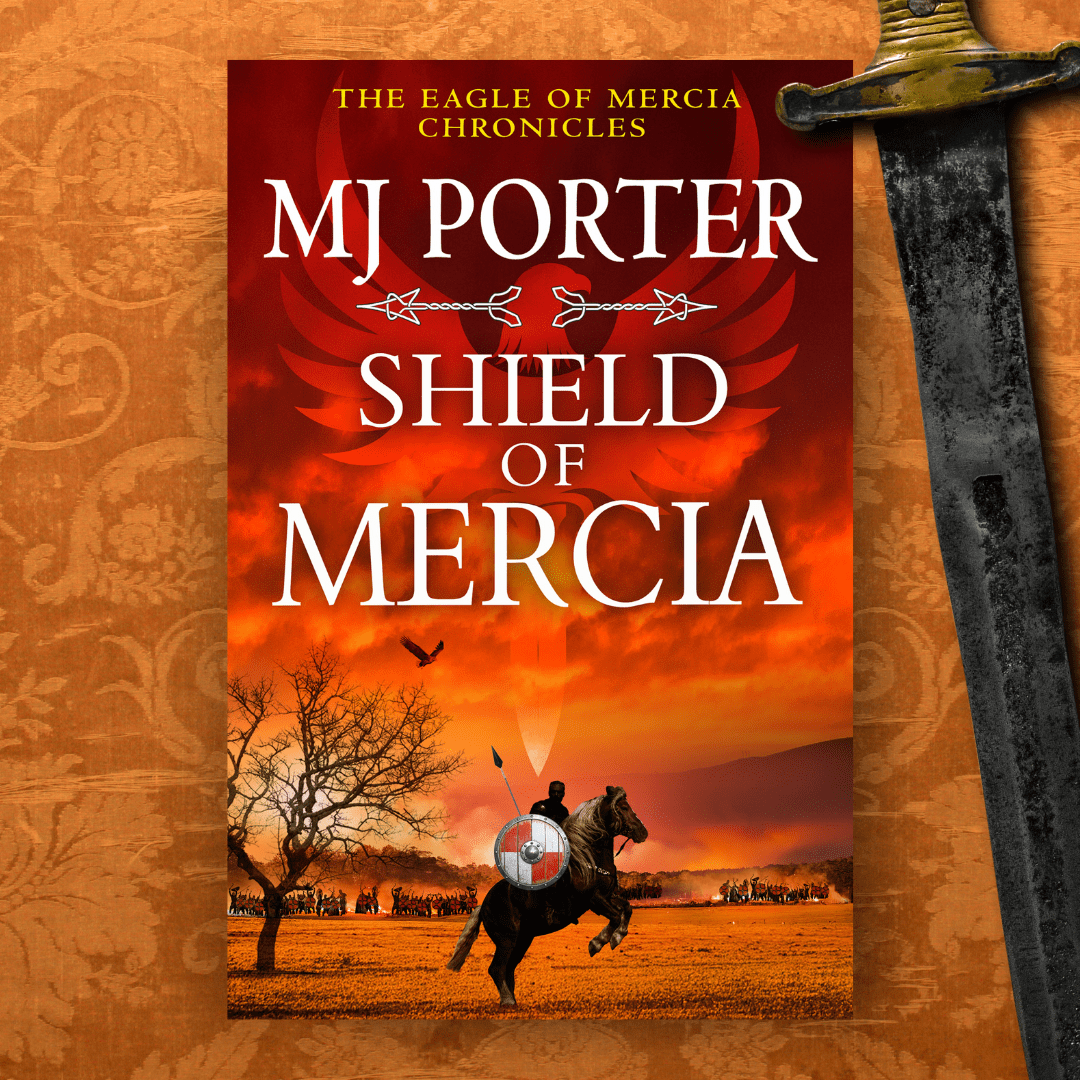
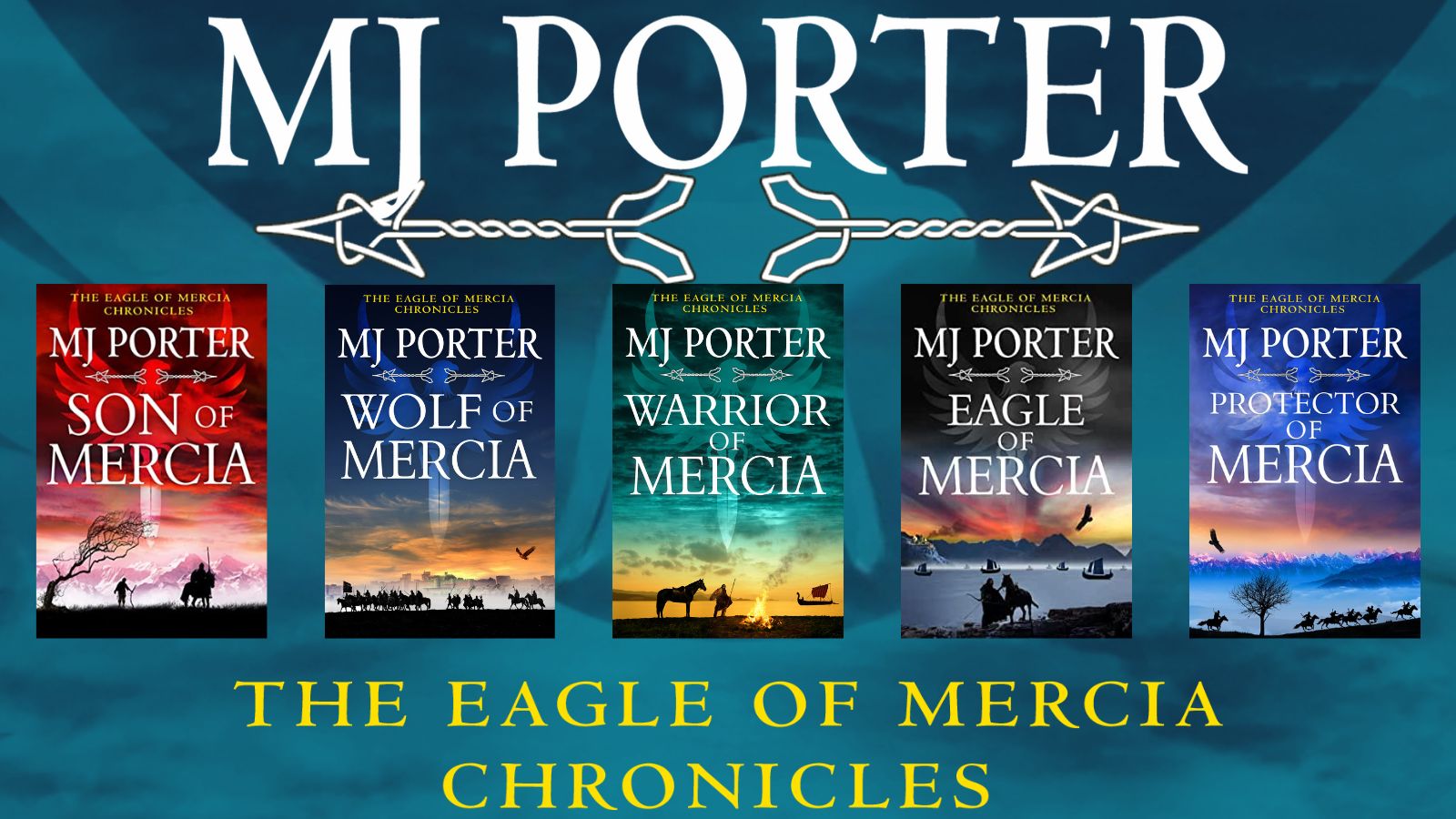
If you’ve not yet started The Eagle of Mercia Chronicles, then check out this introduction to the series.
Sign up to my monthly newsletter to learn more about my writing journey, new releases and special offers, and receive a free short story collection featuring many stories of Saxon England.
Today is the day, book 5 in The Eagle of Mercia Chronicles is released into the wild.
Here’s the blurb:
A deathbed oath leaves the lives of two infants hanging in the balance.
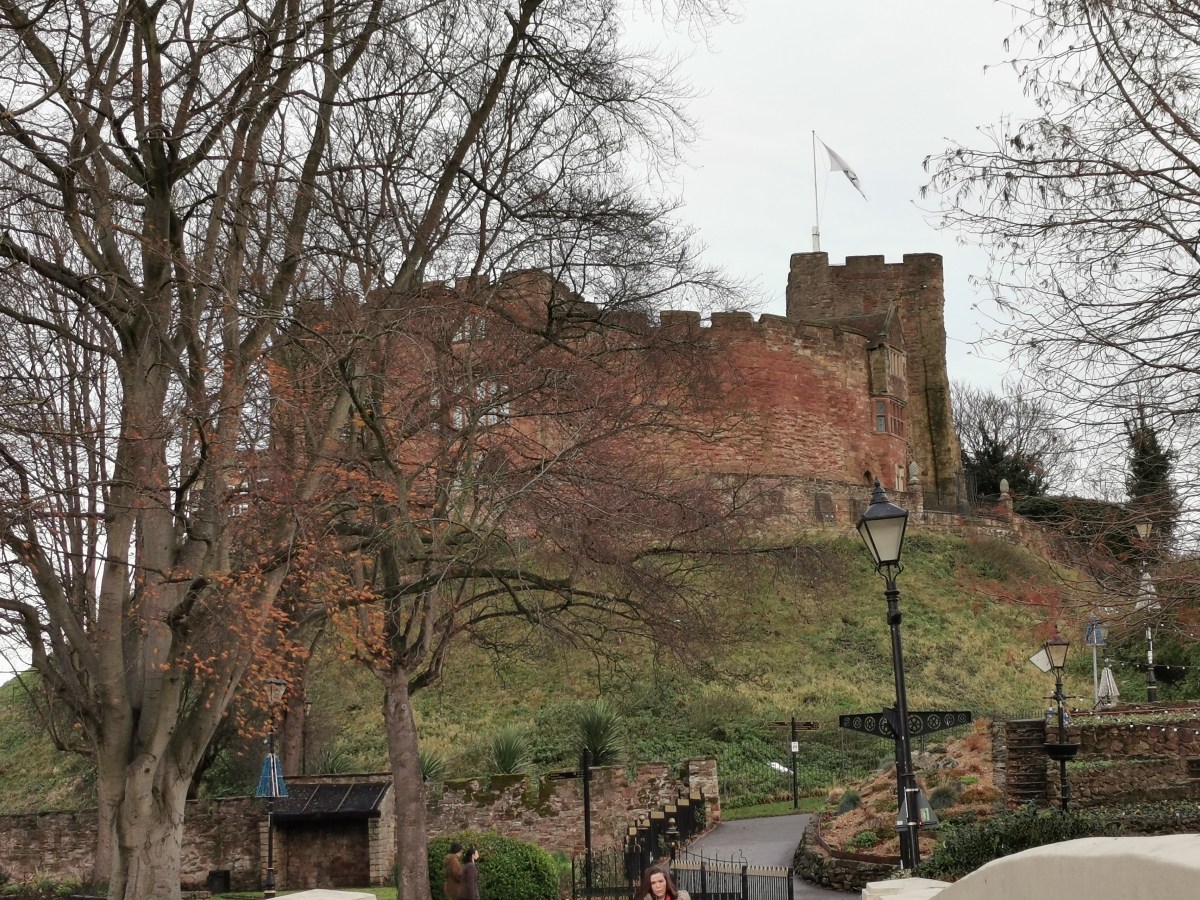
Tamworth AD833 After successfully rescuing her husband from the Island of Sheppey, Icel hears the deathbed confession of Lady Cynehild which leaves him questioning what he knows about his past, as well as his future.
In the unenviable position of being oath sworn to protect their two atheling sons when Lord Coenwulf is punished and banished for his treason against the Mercian ruler, King Wiglaf, Icel is once more torn between his oaths and the secret he knows.
When the two children are kidnapped, Icel, good to his word, and fearing for their safety, pursues their abductors into the dangerous Northern lands, fearing to discover who is behind the audacious attempt on their lives: the queen, the king’s son, or even Lady Ælflæd, a friend to him in the past, but now wed to the king’s son and aunt to the two abandoned children.
Alone in the Northern lands, Icel finds himself facing his worse fears. Can he rescue the children from their captor, or will he fail and lose his life in the process?
Read all about Protector of Mercia over on my publisher’s Facebook account.
Protector of Mercia is on blog tour. My thanks to Rachel at Rachel’s Random Resources for organising and all the hosts for taking part. I will add the links each day.
Check out the reviews below. I’ll be updating as the blog tour progresses.
Much of the action in a few of The Last King/The Mercian Ninth Century series takes place in my recreated Northampton.
‘There’s a large hall, visible above another row of low-roofed buildings, and the sides of the ancient rampart can be glimpsed behind the buildings, but not so close that I feel confined.
It seems the Raiders, when they came here twenty-five years ago, planned on keeping a vast area safe behind the rampart. The space is at least double that at Repton, if not treble, and a feeling of unease flickers down my back.
To the front of Northampton, out of sight, the rampart now runs to the water’s edge, and again, a ditch is once more deep enough to prevent easy access. If people want to take a ship along the Nene to reach Northampton, they’ll find no easy places to climb ashore. Even the wooden bridge has been reinforced. Ealdorman Ælhun’s men will guard it from the side of Northampton, a thick gateway nestling there now, only to be opened when sure of the person asking for admittance. Along the length of the bridge, a few surprises have been placed that few know.’
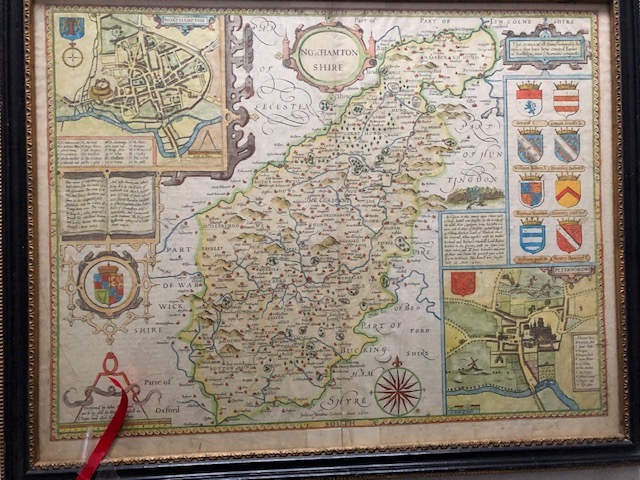
So, how did I create or recreate this image of Northampton? As so often the case, I turned to antique maps. And here, I was certainly helped by the work of John Speed, a cartographer working in the early 1600s. (The only earlier maps are by Saxton).
As you can see below, Speed’s maps, this one is of Northamptonshire, are highly decorative and a bit of a joy to explore. While we might turn to Google Maps these days, I find it easier to look at the older maps to see what was included. It helps me to try and get the ‘landscape’ of the era. (I also adopted the same approach when writing my twentieth-century mysteries – and there, it’s easier as you can still get your hands on maps from that era – via eBay or second-hand bookshops).
John Speed’s Northamptonshire (Map in my possession)
Close up of Northampton
Speed also added detailed maps of two of the county towns to his county maps. So, above is Northampton. Admittedly, I did need to pretend the later castle wasn’t there. But, it certainly provides an idea of how the settlement might have appeared over seven hundred years earlier, although I think, from memory, that I had to use it turned on its side.
“As delicious as a Devon Cream Tea!” ~ author Elizabeth St John
“Every sentence pulls you back into the early 1970s… The Darling Buds of May, only not Kent, but Devon. The countryside itself is a character and Hollick imbues it with plenty of emotion” ~ author Alison Morton
***
Make hay while the sun shines? But what happens when a murder is discovered, and country life is disrupted?
Summer 1972. Young library assistant Jan Christopher and her fiancé, DS Lawrence Walker, are on holiday in North Devon. There are country walks and a day at the races to enjoy, along with Sunday lunch at the village pub, and the hay to help bring in for the neighbouring farmer.
But when a body is found the holiday plans are to change into an investigation of murder, hampered by a resting actor, a woman convinced she’s met a leprechaun and a scarecrow on walkabout…
Buy Links
This title is available to read on #KindleUnlimited.
First accepted for traditional publication in 1993, Helen became a USA Today Bestseller with her historical novel, THE FOREVER QUEEN (titled A HOLLOW CROWN in the UK) with the sequel, HAROLD THE KING (US: I AM THE CHOSEN KING) being novels that explore the events that led to the Battle of Hastings in 1066.
Her PENDRAGON’S BANNER TRILOGY is a fifth-century version of the Arthurian legend, and she writes a nautical adventure/fantasy series, THE SEA WITCH VOYAGES.
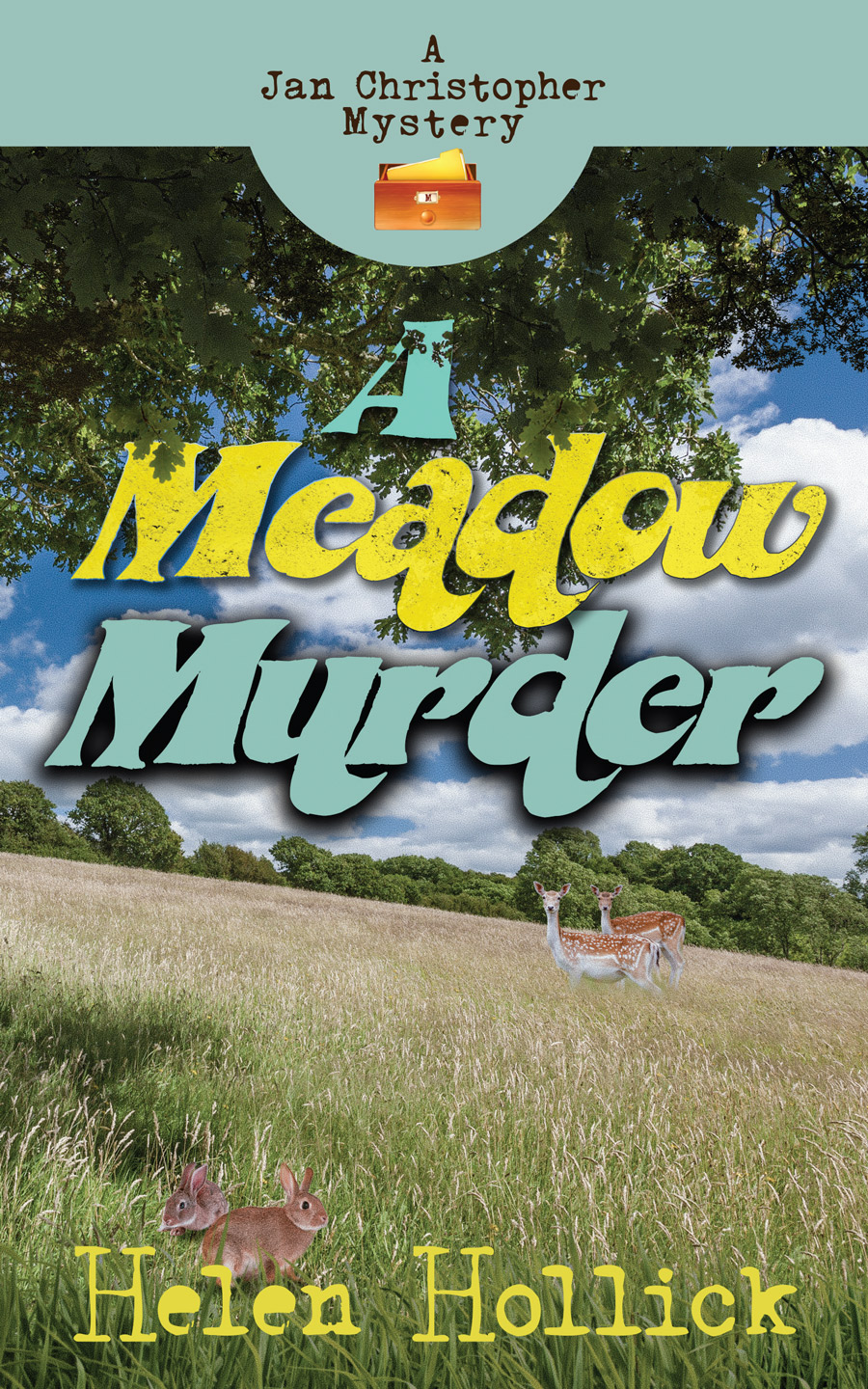
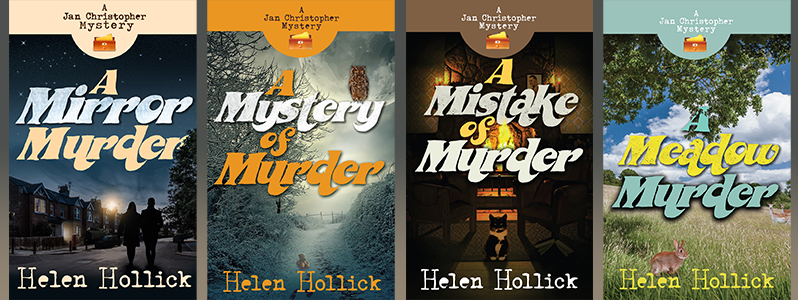
She has also branched out into the quick read novella, ‘Cosy Mystery’ genre with her JAN CHRISTOPHER MURDER MYSTERIES, set in the 1970s, with the first in the series, A MIRROR MURDER incorporating her, often hilarious, memories of working as a library assistant. The front cover of episode #4 A MEADOW MURDER is Helen’s actual hay meadow on her Devon farm.
Her non-fiction books are Pirates: Truth and Talesand Life of A Smuggler. She lives with her family in an eighteenth-century farmhouse in North Devon and occasionally gets time to write…
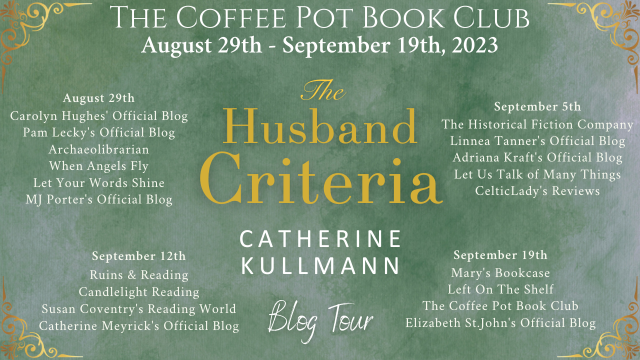
I’m delighted to welcome Catherine Kullmann to the blog with a post about her historical fiction research.
Writing Historical Fiction—The Research
Whether we talk about fictionalised history or fictional biography where the story of real-life characters is told, or genre fiction such as historical romance or historical mystery where fictional characters are placed in an historical setting, the onus is on the author to transport the reader to an unfamiliar society recreated partly from familiar facts and partly from a myriad of tiny, new details so that it seems as real as the world of today. The setting must ring true and the characters’ actions must be determined by the laws, mores and ethics of their time, not ours. Sometimes this may horrify us; at other times we find it liberating and long for more romantic, more adventurous, perhaps simpler bygone days.
Except where a real-life character such as one of the patronesses of Almack’s is introduced for authenticity, my Regency novels are pure fiction. I create the characters and the story arc but to make them and their world come to life, I must know the period inside out; not only the main facts and important dates but also the minor ones and the trivia of daily life. It is essential that I know the social structures, ethics, mores and beliefs of the period, constraints which add conflict and tension to the story and enable readers to step into the setting as easily as they step out of their front doors,
But where do I get this information? Primarily by reading. I have a large research library and a huge database of historical facts and trivia. Everything is grist to my mill—contemporary memoirs, diaries, letters, novels, plays, poetry, newspapers and magazines, etiquette and letter-writing manuals, cookery books, etc. etc. These all help me absorb peoples’ thoughts, attitudes, vocabulary and phrasing, as well as informing me first-hand about the way they lived.
Apart from the written legacy, the Regency has left us a rich legacy of images—paintings, portraits, engravings, cartoons, caricatures, fashion prints, book illustrations. I was amazed at the wealth of contemporary, hand-coloured engravings that can still be purchased at reasonable prices and that show rather than tell what Regency society was like. And finally, buildings, furniture and fittings, sculptures, gravestones and church and other monuments bear living witness to the past.
As an author, you must ask yourself constantly, if we do it this way today, how was it done in the past? You must read widely, covering every aspect of life at the time and take every opportunity to visit museums and period houses. Keep your eyes open everywhere you go to identify what was there then. I live in Dublin which is very much a Georgian city; I went to school in Georgian houses and later worked in many of them so you could say the city architecture of the time is in my bones. Remember too that then as now, older buildings will have co-existed with new one. Guidebooks from the period are very useful as they describe places as your characters will have seen them, and frequently have maps and other illustrations that will help you plan your character’s journeys.
Image of author’s desk and bookshelves. Private photo
All this is general research that feeds into your descriptive writing without your really being aware of it. Over and above this, there is the particular research that every new work calls for. The very first thing I do is create a public time-line for the years in which a new book is set. Here I enter every date and event I find including those of Easter, university, school and law terms, parliamentary sessions, the queen’s drawing-rooms, theatre and concert dates, publication dates of new works, and any notable public events, scandals or anything else newsworthy. These are the things that shape my characters’ lives, that they talk about. They help add verisimilitude and also frequently inspire plot twists.
I start this research on the internet. Frequently I get the information I want there and sometimes it points me in the right direction e.g. to little known diaries that help me flesh out my narrative. In Lady Loring’s Dilemma, I wanted to base my main characters in Paris and Nice in 1814/15 and was delighted to discover the Diary of the Times of George the Fourth, published in 1838 by an anonymous lady who had been in Paris and Nice at just those times. Lady Loring’s Dilemma opens in Harrogate, a well-known spa at the time, and I was thrilled to find a contemporary guide to taking the waters there which included a description of the sights in the surrounding area.
Don’t be afraid to ask the experts. For The Husband Criteria, I discovered that the Royal Academy provides a lot of information online about the years the Academy was based at Somerset House where its annual exhibition was a highlight of the Season. When I needed further information, I emailed the RA and received a prompt and helpful reply from the librarian. Similarly, when I need details of the laws of Cricket in 1814 for A Suggestion of Scandal, a query to the Marylebone Cricket Club was answered immediately and in detail by their Research Officer.
I trawl antique fairs, charity shops, second-hand book sales and flea markets for research material, whether it is books, newspapers, or old prints and engravings. As well as being a source of inspiration, I use antique prints and engravings from my collection for the covers of my books. This is generally cheaper than paying a licence fee for a stock image, it saves me hours of searching for just the right one and I have the freedom to use the image without restrictions.
All this sounds like a lot of work, but I love it. I started writing about the Regency because the period fascinates me and it still does. There is still so much to learn, I love the thrill of the hunt when I find just the right piece of trivia to spur me on.
Thank you so much for sharing. Good luck with your new book.
Here’s the blurb
London 1817
The primary aim of every young lady embarking on the Spring frenzy that is the Season must be to make a good match. Or must it? And what is a good match? For cousins Cynthia, Chloe and Ann, well aware that the society preux chevalier may prove to be a domestic tyrant, these are vital questions. How can they discover their suitors’ true character when all their encounters must be confined to the highly ritualised round of balls, parties and drives in the park?
As they define and refine their Husband Criteria, Cynthia finds herself unwillingly attracted to aloof Rafe Marfield, heir to an earldom, while Chloe is pleased to find that Thomas Musgrave, the vicar’s son from home, is also in London. And Ann must decide what is more important to her, music or marriage.
And what of the gentlemen who consider the marriage mart to be their hunting grounds? How will they react if they realise how rigorously they are being assessed?
A light-hearted, entertaining look behind the scenes of a Season that takes a different course with unexpected consequences for all concerned.
Catherine Kullmann was born and educated in Dublin. Following a three-year courtship conducted mostly by letter, she moved to Germany where she lived for twenty-five years before returning to Ireland. She has worked in the Irish and New Zealand public services and in the private sector. Widowed, she has three adult sons and two grandchildren.
Catherine has always been interested in the extended Regency period, a time when the foundations of our modern world were laid. She loves writing and is particularly interested in what happens after the first happy end—how life goes on for the protagonists and sometimes catches up with them. Her books are set against a background of the offstage, Napoleonic wars and consider in particular the situation of women trapped in a patriarchal society.
Catherine also blogs about historical facts and trivia related to this era. You can find out more about her books and read her blog (My Scrap Album) at her website. You can contact her via her Facebook page or on Twitter.