Author of Saxon historical fiction and non-fiction, 20th-century historical mysteries, and Norse-inspired historical romantasy. Book reviewer and blog host.
Welcome to the bouncy castle of Los Angeles in 2004. At the dawn of social media, Carla and Pete embark on a quest for meaning in a city where dreams often fade into the smog. They came for indie rock stardom, only to find themselves sidelined by life’s realities and their own emotional limitations. Carla experiences the true meaning of monotony as a TV extra, while Pete, wrestling with societal views on bisexuality, answers phones. Despite their mutual affection, Carla feels rejected, while Pete, secretly grappling with his identity, shies away from intimacy.
Their world, filled with vinyl records, a spirited cat named Joni, and an eccentric Hollywood landlady, offers fleeting moments of deep connection. But the arrival of a charismatic stranger disrupts their fragile status quo, forcing them to confront faded ambitions and the true nature of their relationship.
With the pop culture eye of Bret Easton Ellis and lyrical longing of Just Kids by Patti Smith, Somewhere in Hollywood explores the tight-rope walk of personal growth and relationship dynamics, capturing the soul of a generation in search of itself and the relentless pursuit of something more.
Lisa C. Michaud is the author of “Slanted and Disenchanted.” Her writing has been featured in xojane, Narratively, and several indie zines. She resides with her family and cat just outside Paris, where she collects vinyl while penning her next narrative.
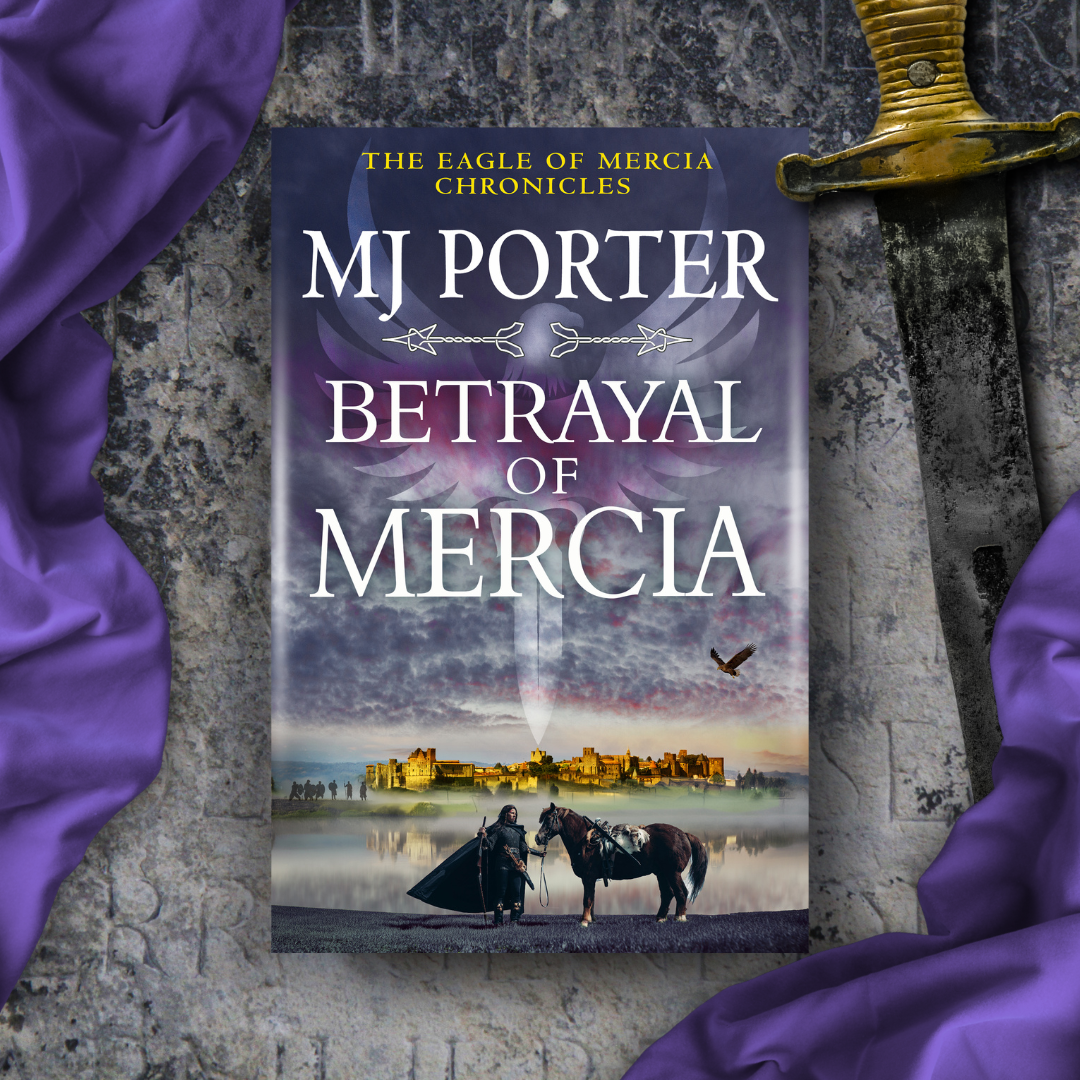
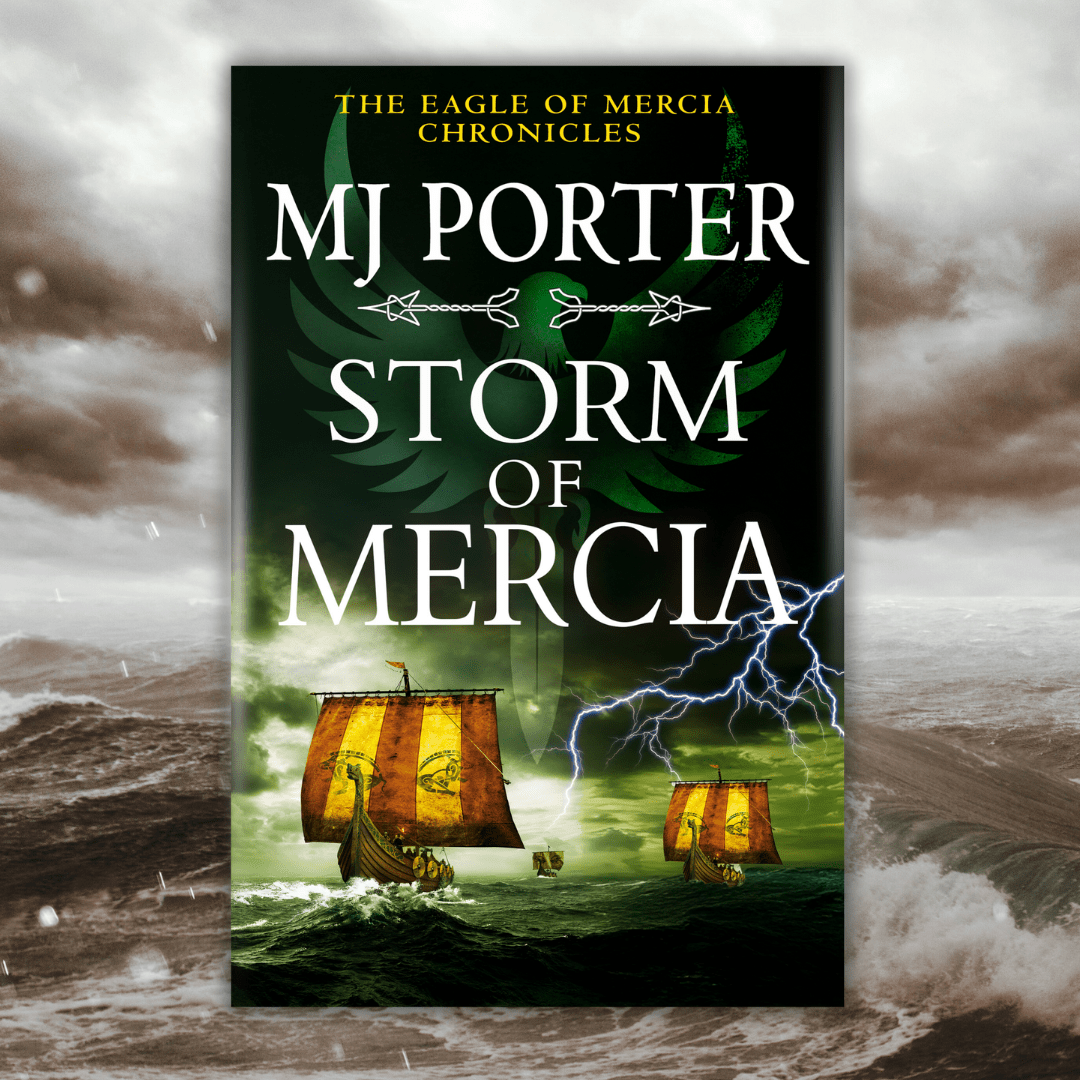
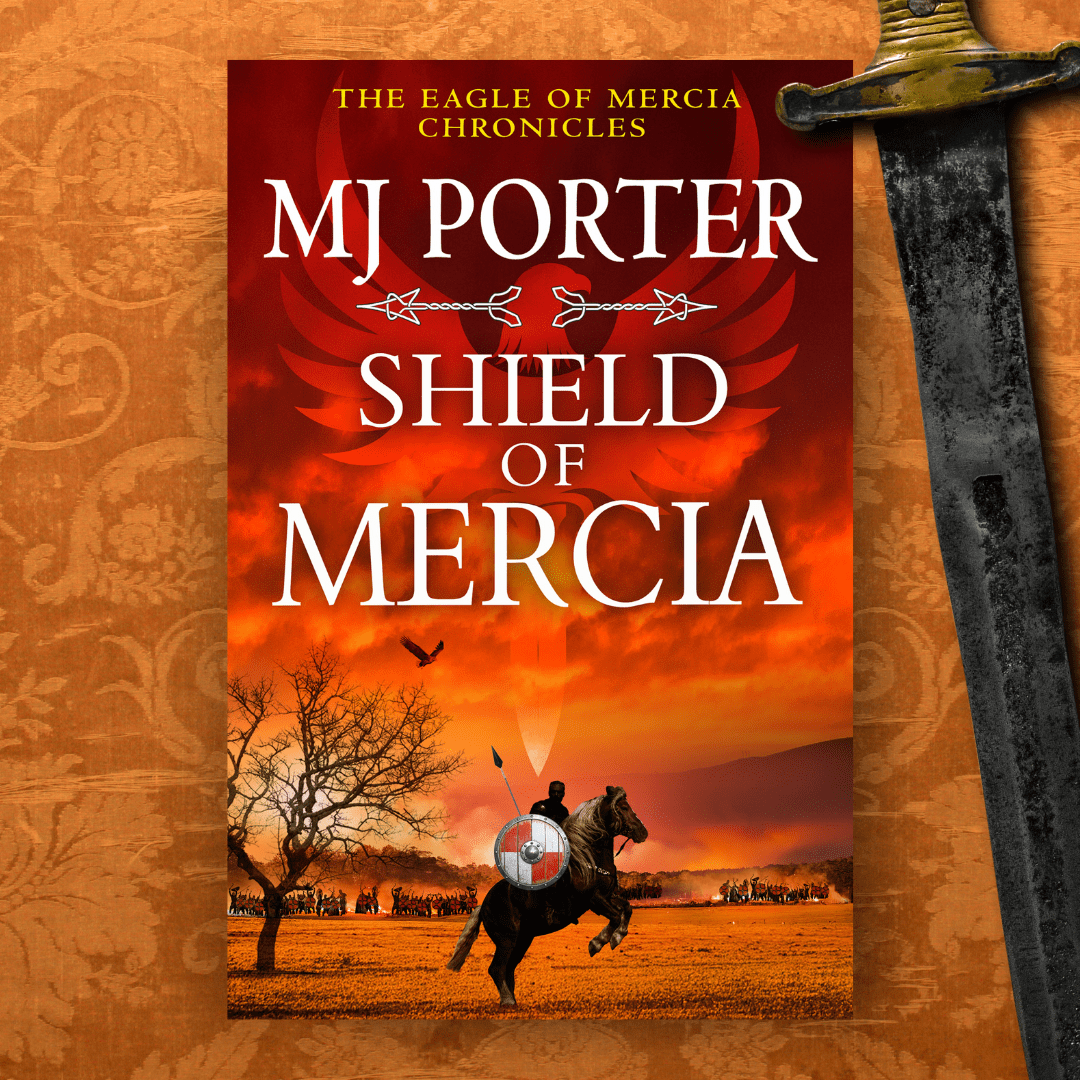
A King in crisis, a Queen on trial, a Kingdom’s survival hangs in the balance.
Londonia, AD835 The deadly conspiracy against the children of Ealdorman Coenwulf is to be resolved. Those involved have been unmasked and arrested. But will justice prevail?
While the court convenes to determine the conspirator’s fate, King Wiglaf’s position is precarious. His wife, Queen Cynethryth, has been implicated in the plot and while Wiglaf must remain impartial, enemies of the Mercia still conspire to prevent the full truth from ever being known.
As Merica weeps from the betrayal of those close to the King, the greedy eyes of Lord Æthelwulf, King Ecgberht of Wessex’s son, pivot once more towards Mercia. He will stop at nothing to accomplish his goal of ending Mercia’s ruling bloodline.
Mercia once more stands poised to be invaded, but this time not by the Viking raiders they so fear.
Can Icel and his fellow warriors’ triumph as Mercia once more faces betrayal from within?
An action packed, thrilling historical adventure perfect for the fans of Bernard Cornwell and Matthew Harffy
Here’s the purchase link (ebook, paperback, hardback and audio)
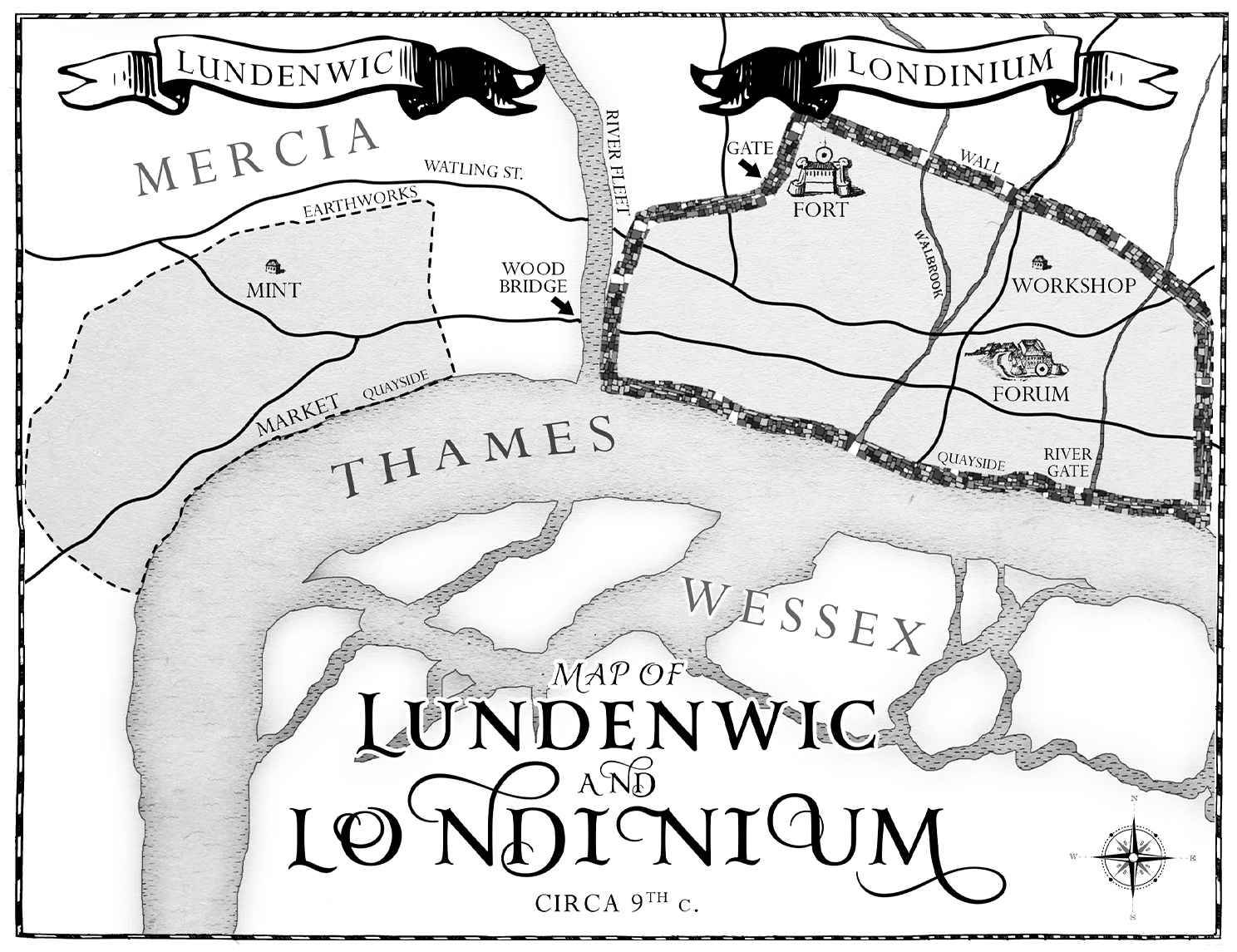
Throughout the series I’ve taken young Icel to some interesting locations, and that means I’ve had to make use of many maps which are recreations of the era, because, alas, we have none from the period. Both maps I’ve had made are relevant to Betrayal of Mercia which largely takes place in London, or Londonia, or Londinium and Lundenwic.
The map of Lundenwic and Londinium, shortened in the books to Londonia, a term more accurately applied to the eighth century and not the ninth, is much simplified and largely shows locations relevant to me and which I need to remember when writing the books. Although, I must confess, I did forget about it in the drafting process and when I found it, I was relieved to discover I hadn’t made THAT many mistakes.
The most important elements to understand are that ‘London’ as we know it didn’t exist at this time. Instead, there were two very distinctive settlements, and they were seperated by the River Fleet, one of London’s ‘lost’ rivers because it’s now subterranean. I think, for me, not being very familiar with London as it is today actually helped. Rather than trying to orientate myself as to what’s there now, I can work the other way round. I sort of know what was and wasn’t there in the ninth century, and then I can try and work out what’s there now:) Honestly, it makes sense to me.
It also helps to remember that despite London now being the capital of England, it wasn’t in the ninth century. Far from it, in fact. There are many good books on London in it’s earliest manifestations. If you’re interested, they are very worth checking out.
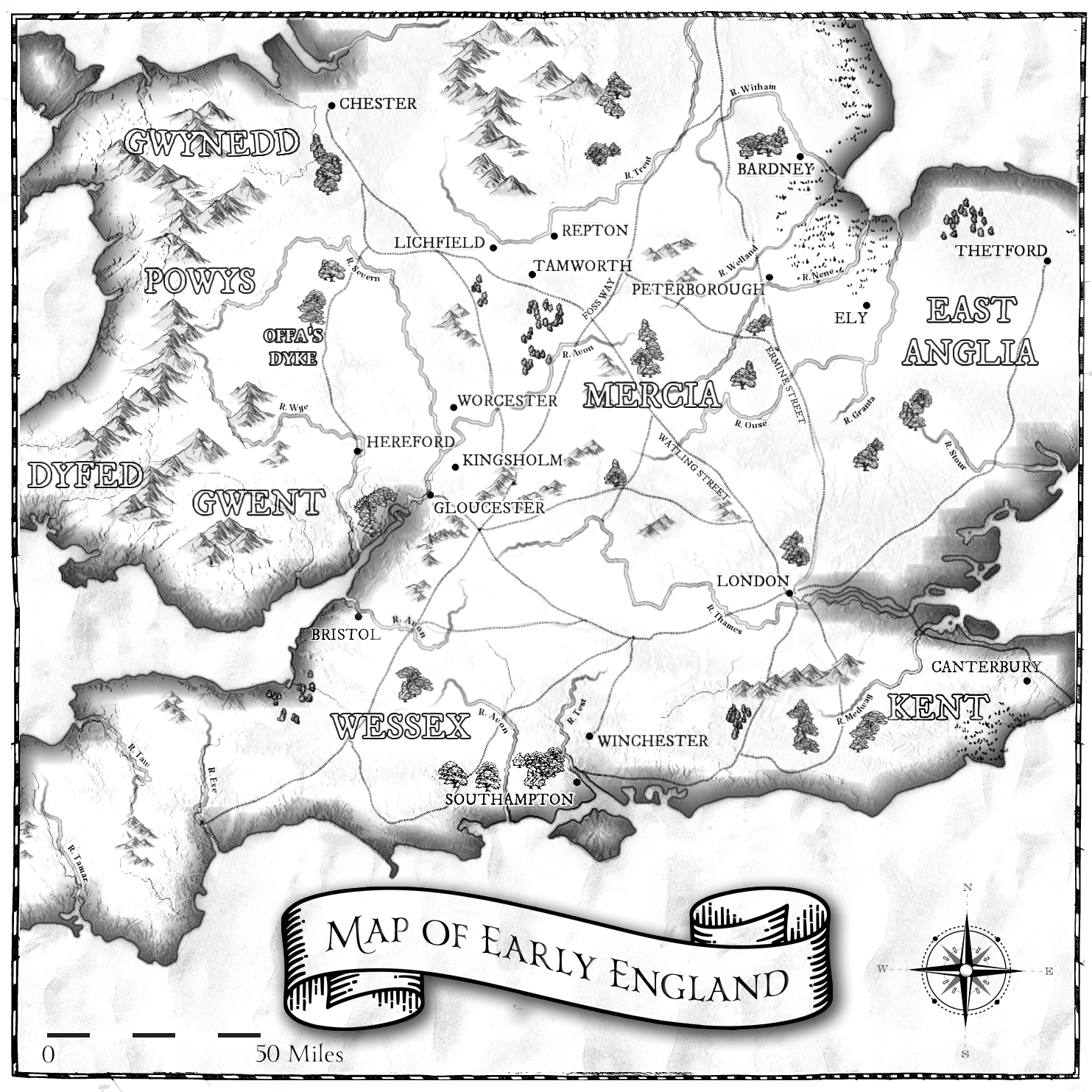
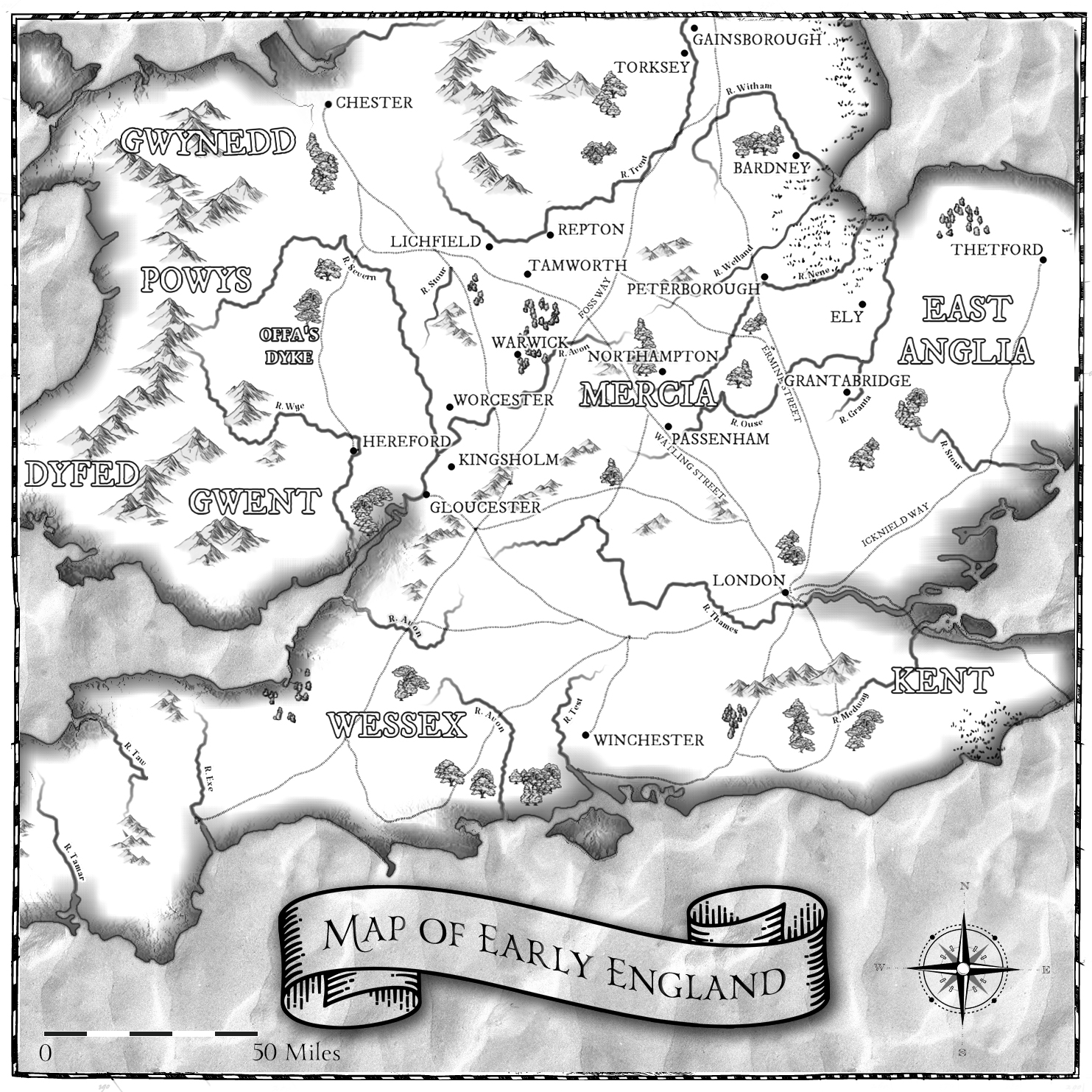
I also have a map of England at this time. This is to help readers (and me) try and get an idea of what settlements were and weren’t there at the time. As I’ve learned, it can be far too easy to just assume the longevity of a location, and then discover it wasn’t there at all, was bigger or even, much smaller than it is now. One of those locations is Wall, close to Lichfield, which was very important during the Roman occupation of Britain, but is now little more than ruins. And it’s far from alone in that.
A King in crisis, a Queen on trial, a Kingdom’s survival hangs in the balance.
Londonia, AD835 The deadly conspiracy against the children of Ealdorman Coenwulf is to be resolved. Those involved have been unmasked and arrested. But will justice prevail?
While the court convenes to determine the conspirator’s fate, King Wiglaf’s position is precarious. His wife, Queen Cynethryth, has been implicated in the plot and while Wiglaf must remain impartial, enemies of the Mercia still conspire to prevent the full truth from ever being known.
As Merica weeps from the betrayal of those close to the King, the greedy eyes of Lord Æthelwulf, King Ecgberht of Wessex’s son, pivot once more towards Mercia. He will stop at nothing to accomplish his goal of ending Mercia’s ruling bloodline.
Mercia once more stands poised to be invaded, but this time not by the Viking raiders they so fear.
Can Icel and his fellow warriors’ triumph as Mercia once more faces betrayal from within?
An action packed, thrilling historical adventure perfect for the fans of Bernard Cornwell and Matthew Harffy
Here’s the purchase link (ebook, paperback, hardback and audio)
In Betrayal of Mercia, the seventh book in the Eagle of Mercia Chronicles featuring young Icel, I’ve done something that I don’t ‘think’ anyone else has done before. I’ve staged a criminal trial, making Betrayal part court-room drama and part action-thriller (you know Icel is always going to end up in a fight at some point). However, there are odd things about Saxon England that we have no information about – one of them is how often people actually went to church once Christianised, another is exactly how the law was enacted.
This might seem like an odd thing to say. Everyone knows there are surviving law codes from the era, especially from the eleventh century, with the inspiring names of Æthelred I or Cnut II, and indeed, the earliest law code dates back to Ine, in the seventh century, from which we can glean such titles as Wealas or foreigner, but applied to the Welsh, who had different wergild payments and punishment from the Saxons. But, there has long been an argument about how much these law codes reflect practise as opposed to an ideal. And some of the elements we ‘think we know’ turn out to be on much less steady ground. And, at the heart of all this is a problem with our current perceptions of ‘right,’ ‘wrong,’ and ‘justice.’ We ‘appear’ to look at these elements of our current legal system in a way very different to the era.
When studying what records we do have, we’re greeted with some interesting terms. ‘Thereafter there would be no friendship,’ appears in a charter detailing a land dispute in the later tenth century – between Wynflæd and Leofwine (S1454 from 990 to 992). In this, despite whoever was in the wrong or the right, the decision was made which was something of a compromise – both injured parties had to make concessions. No one truly ‘won’, even though Wynflæd had many who would speak on her behalf, including the king’s mother, and the Archbishop of York, and had appealed directly to the king, Æthelred II, for assistance, only for Leofwine to refuse to attend his summons saying that royal appeals couldn’t precede a regional judgement on the matter.
In the famous case of Lady Eadgifu of Wessex (recorded in charter S1211), the mother of Kings Edmund and Eadwig (who features in the Brunanburh series), her landholdings at Cooling required the intervention of her husband, stepson, son and grandson, in a long-running debacle which was never really resolved until her grandson intervened close to the end of her life. Even though she appears to have held the ‘landboc’ – the title deed for the land – and was a highly regarded member of the royal family, this wasn’t enough to stop counterclaims. In the end, she assigned the land to the Christ Church religious community, and that way, no one actually benefitted apart from the church.
These cases both refer to land disputes, which are one of the larger areas of document survival, along with wills. But what about crimes visited against the king’s mund (both his physical person and his physical kingdom)? Here, we’re again confronted with little knowledge. We know of ealdormen being banished (under Æthelred II) and this attests to another element of the practise of law which is perhaps surprising. There does seem to have been an aversion to capital punishment (as Rabin details in his book mentioned below). And there was also a concern that the right sentence was handed to individuals – it was as bad to incorrectly punish as it was to have committed the crime.
In trying to stage a trial set in the Saxon period (which I now realise was a bit bonkers), I’ve relied heavily on a very short book, Crime and Punishment in Anglo-Saxon England by Andrew Rabin, and also his translations of the Old English Legal Writings by (Archbishop) Wulfstan (from the 1000s), from which I’ve determined how many oath-helpers people must have based on the Mercian Wergild listed within the source documents. This suggests the value placed on individuals – the king, of course, being at the top. Each individual had a wergild value and equally, each individual had a required value for the number of oath-helpers who would stand as surety for them if asked to detail what they had ‘seen and heard’ in a trial situation. The implication being that those who needed the least oath-helpers were more trustworthy than those who needed many – so a king might need no one, after all, he was the king, whereas a warrior might need a few, and a ‘normal’ person might need many.
This feels like a very different world to the one we ‘know,’ where transgressions are punished by custodial sentences and fines and where the burden of proof rests on the shoulders of those prosecuting the alleged offenders.
It has certainly been an interesting experiment, and one I hope readers will enjoy, and more importantly, one which I’ve managed to convey largely ‘correctly.’
A King in crisis, a Queen on trial, a Kingdom’s survival hangs in the balance.
Londonia, AD835 The deadly conspiracy against the children of Ealdorman Coenwulf is to be resolved. Those involved have been unmasked and arrested. But will justice prevail?
While the court convenes to determine the conspirator’s fate, King Wiglaf’s position is precarious. His wife, Queen Cynethryth, has been implicated in the plot and while Wiglaf must remain impartial, enemies of the Mercia still conspire to prevent the full truth from ever being known.
As Merica weeps from the betrayal of those close to the King, the greedy eyes of Lord Æthelwulf, King Ecgberht of Wessex’s son, pivot once more towards Mercia. He will stop at nothing to accomplish his goal of ending Mercia’s ruling bloodline.
Mercia once more stands poised to be invaded, but this time not by the Viking raiders they so fear.
Can Icel and his fellow warriors’ triumph as Mercia once more faces betrayal from within?
An action packed, thrilling historical adventure perfect for the fans of Bernard Cornwell and Matthew Harffy
Here’s the purchase link (ebook, paperback, large print, hardback and audio)
There is a scene in Betrayal of Mercia where our favourite healer, Wynflæd, speaks to young Icel about her experiences of ‘bad queens,’ referencing three women in almost living memory deemed as ‘bad’, certainly many years after their deaths, if not quite by the 830s, when the scene takes place. These women were the wife of King Offa, his daughter, Eadburh, and the daughter of King Coenwulf (796-821), Cwenthryth. Indeed, this collection of bad queens, especially the sister of Queen Cynethryth, have been cited as the reason why Wessex was so slow to adopt the term. But, was everything as it appears, or are these reputations a later tradition?
The daughter of King Offa (757-796), Eadburh was married to the king of the West Saxons, Beorhtric. In the words of the later Asser, who wrote at the end of the 890s, she’s accused of poisoning her husband to death while trying to actually poison one of his disloyal followers. Interestingly, the man who became king after Beorhtric was King Ecgberht of Wessex, who features in the Icel stories, and in turn, it was his grandson who commissioned Asser to write his life which tarnishes the reputation of Eadburh.
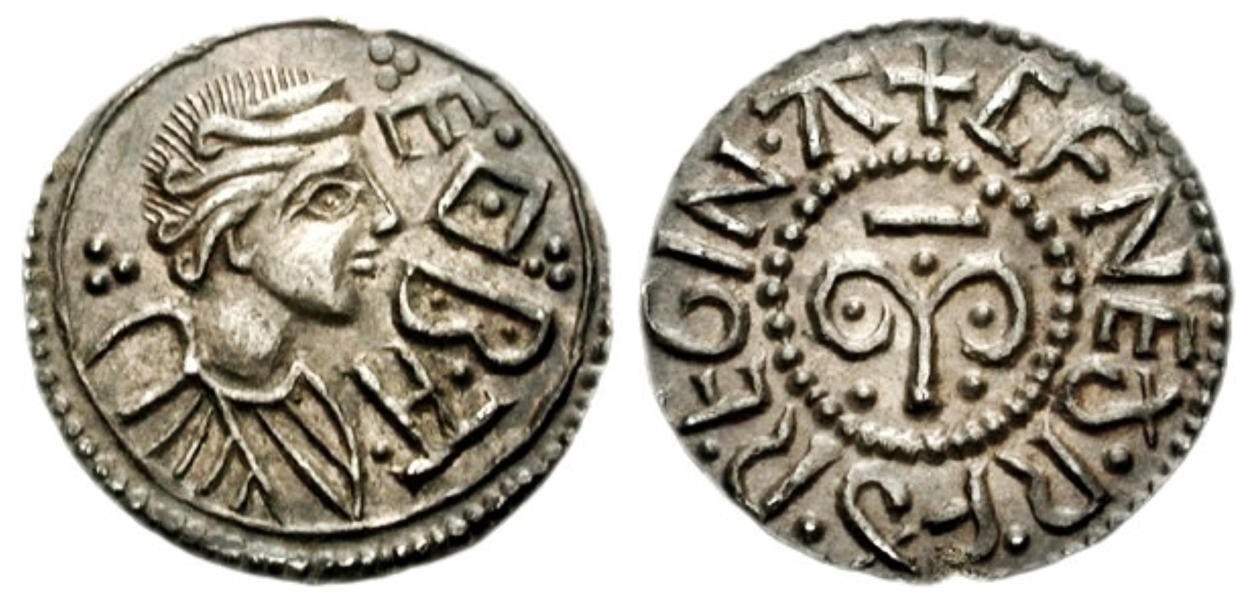
Cynethryth, the wife of King Offa, was a powerful woman in her own right, and the only preconquest queen known to have minted coin showing her own name. In later centuries, her name became associated with the murder of a king of the East Angles, and she was involved in a long-running land dispute with the archbishop of Canterbury.
Cwenthryth, the daughter of King Coenwulf, became associated with the murder of her brother, Cynehelm/Kenelm. The later, Anglo-Norman histories inform that.
‘At Winchcombe you will read of the secret martyrdom of Kenelm. He was the son of Cenwulf, [Coenwulf] the Mercia king, who died in the year of grace 819, having reigned for twenty-four years. The martyrdom of his son Kenelm was revealed from heaven to Pope Silvester II at Rome.’p691 Henry, Archdeacon of Huntingdon, Historia Anglorum, The History of the English People
While The Chronicle of John of Worcester extends this recording for the year, ‘[819] St Cenwulf, king of the Mercians, after a life devoted to good deeds, passed over to the eternal blessedness which is in heaven, and left his 7-year-old son St Kenelm heir of his realm. But when a few months had passed, by the treachery of his own sister Cwenthryth, whose cruel spirit had been roused by an awful lust for power, he was secretly done to death with cruel outrage by Æscberht, his most bloodthirsty tutor, in the shade of a thorn tree in a deserted wood.’ P239-241
Winchcombe Nunnery was founded by Cwenthryth’s father, and the family were therefore invested in the religious establishment, although whether enough to kill one of their own to have him venerated as a saint, does seem doubtful. The identity of St Kenelm is very much contested, although it is believed that Cynehelm did live, and died before his father, which led to Coelwulf, the first of his name, and Coenwulf’s brother, becoming King of Mercia when his brother died..
This is the scene from Betrayal, where Wynflæd shares the gory knowledge she knows, and perhaps, hints at her approval for such strong-minded women that they could become associated with such dark deeds.
‘Mercia hasn’t fared well with the women wed to their kings.’ A soft cackle. ‘Or the children born between a king and a queen. Wigmund’s merely the most current of many disappointments. Lord Coenwulf there, his father became king because his brother’s daughter killed her brother.’
‘I thought that was a lie,’ I countered.
‘That’s how King Coenwulf had it reported. It was all true though. I didn’t witness it, but I know of others who did.’
‘What, watched her kill her brother?’
‘No, witnessed the king speak of it, to a select few. And before her, Offa’s wife also had blood on her hands, as did Offa’s sister.’
I shuddered at the thought. ‘Why?’
‘A woman must live by her wits, and safeguard her future, for fear she’ll be locked up tight in a nunnery, with no means of engaging with the world at large. Think of Lady Cynehild.’ Wynflæd met my searching gaze then. ‘She remarried, and meddled where she shouldn’t have done. Admittedly, she stopped far short of murdering anyone.’
‘So, the king should have expected this then?’ I was astounded.
‘Maybe. He married her.’ Wynflæd cackled softly. ‘A man may wed a woman for her title, and lands. A woman may divorce a man. But better to have him dead, and then take his place. A grieving woman will have the sympathy of others. A widow has more freedom than a wife.’
‘You almost sound like you approve.’
‘I do not,’ she countered, but her eyes glittered.
Wynflæd is a stalwart of the series, and I was recently inspired to write a short story from her point of view regarding Mercia’s alleged ‘bad queens.’ If you’d like to read it, sign up for my newsletter and I’ll send you a link to download the story. And, you automatically receive a free short story collection as well.
A huge thank you to all the book bloggers and Rachel at Rachel’s Random Resources for organising. Some of these amazing people have been with Young Icel throughout the entire series, and I am so grateful they are so keen to read, they sign up for the blog tour:)
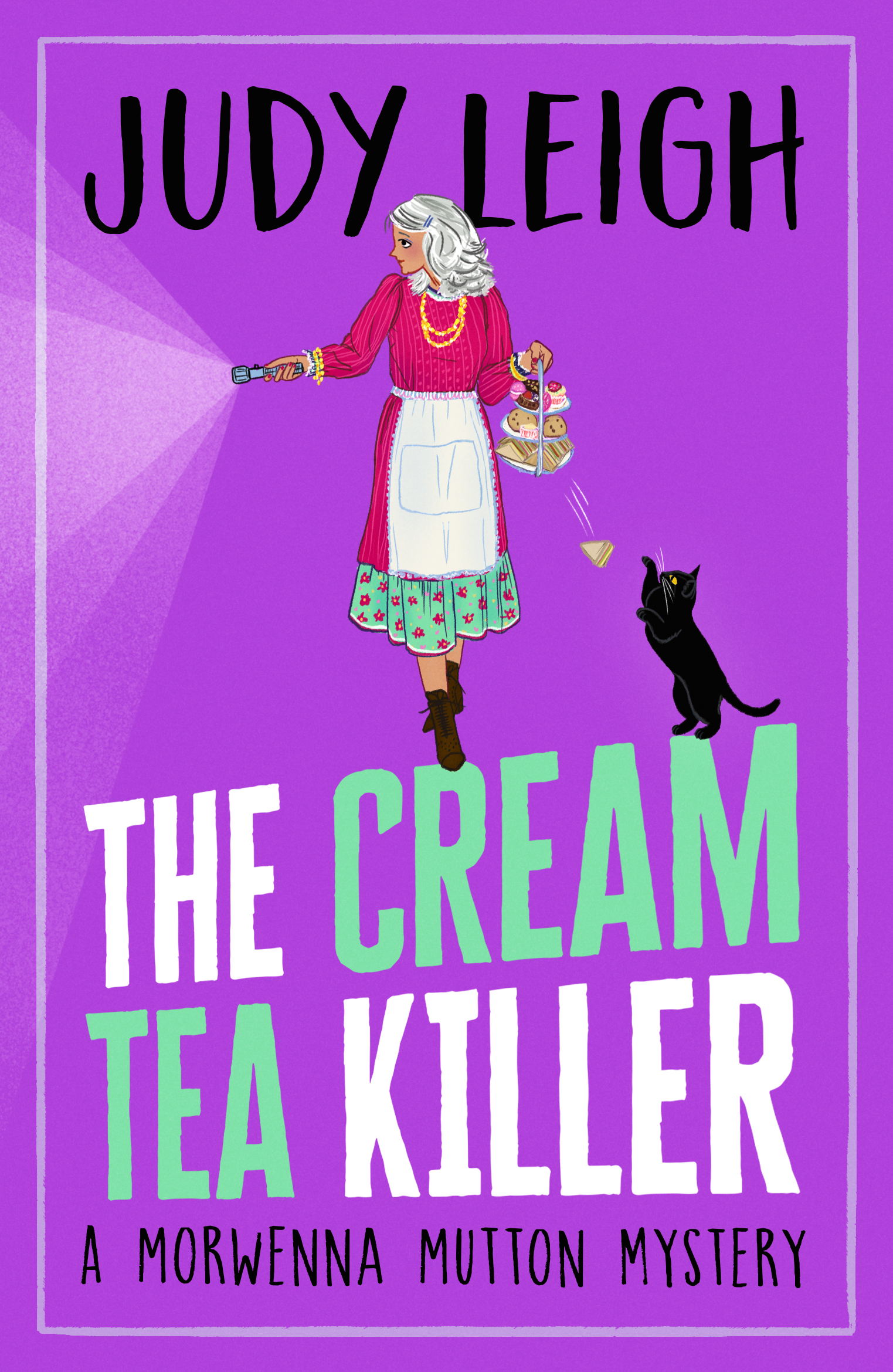
Morwenna Mutton should be living the quiet life of a librarian and grandmother in Cornwall’s beautiful Seal Bay – if only dead bodies would stop turning up…
After the excitement of her last investigation, amateur sleuth Morwenna is looking forward to things getting back to normal. When local DJ Irina asks to meet however, desperate to share information she has discovered regarding nefarious goings-on, Morwenna can’t resist.
But Irina never arrives for their drink – instead her body is washed up on the beach, an apparent victim of an accidental drowning. At once keen wild bather Morwenna knows something is amiss as Irina was a strong swimmer who knew the local conditions well. What had Irina uncovered and who would want her dead?
When the local news dubs Irina’s murderer The Cream Tea Killer in honour of Cornwall’s famous delicacy, the clock starts ticking. Now the murderer knows Morwenna is on their trail, no one in her family is safe. She must get to the truth before the killer gets to her…
If you love The Thursday Murder Club, Agatha Christie and Richard Coles then you’ll love The Morwenna Mutton mysteries.
The Cream Tea Killer is an entertaining and well-plotted cosy mystery, filled with a little romance between our main character and the men in her life.
Once more, we return to Cornwall and find Morwenna involved in something deadly. She’s getting quite a reputation for being able to solve crimes with or without the aid of her contacts in the police. All of our regulars are there as well: Morwenna’s mother, her daughter, her granddaughter and the cast of her home town besides.
The mystery itself is well pieced together, and while I might have worked out some of what was happening, the devil was in the details, and I certainly missed a few things.
This is a lovely addition to the Morwenna mysteries. It is engaging and fun to read, with an added bit of drama and peril.
Judy Leigh is the USA Today bestselling author of The Old Girls’ Network and Five French Hens and the doyenne of the ‘it’s never too late’ genre of women’s fiction. She has lived all over the UK from Liverpool to Cornwall, but currently resides in Somerset.
I did attempt to share my reading each month on Instagram, but it was a lot of work, and so it fell somewhat by the by as the year progressed. So, let’s get into the nitty gritty details of what I did read in 2024.
Goodreads tells me I’ve read 105 books this year. Unlike other years, I’ve not included my own books in this, which get read repeatedly while writing and editing.
Eleven of these titles were audio books. Now, these are all the Terry Pratchett Discword audios (the new ones), and in fact, I’ve listened to most of them repeatedly, but I stopped popping them on Goodreads because otherwise, everyone would see how often I relisten to them. My favourites are The Witches books which Indira Varma has narrated. Of those, my favourites are Wyrd Sisters, Masquerade and Lords and Ladies. Indira Varma makes these characters sparkle and they really come alive for the listener. Check them out if you’ve not tried them before. Admittedly, to read them in order you start with Equal Rites, which isn’t my favourite but it does introduce the reader to Granny Weatherwax.
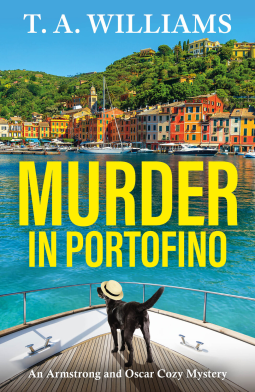
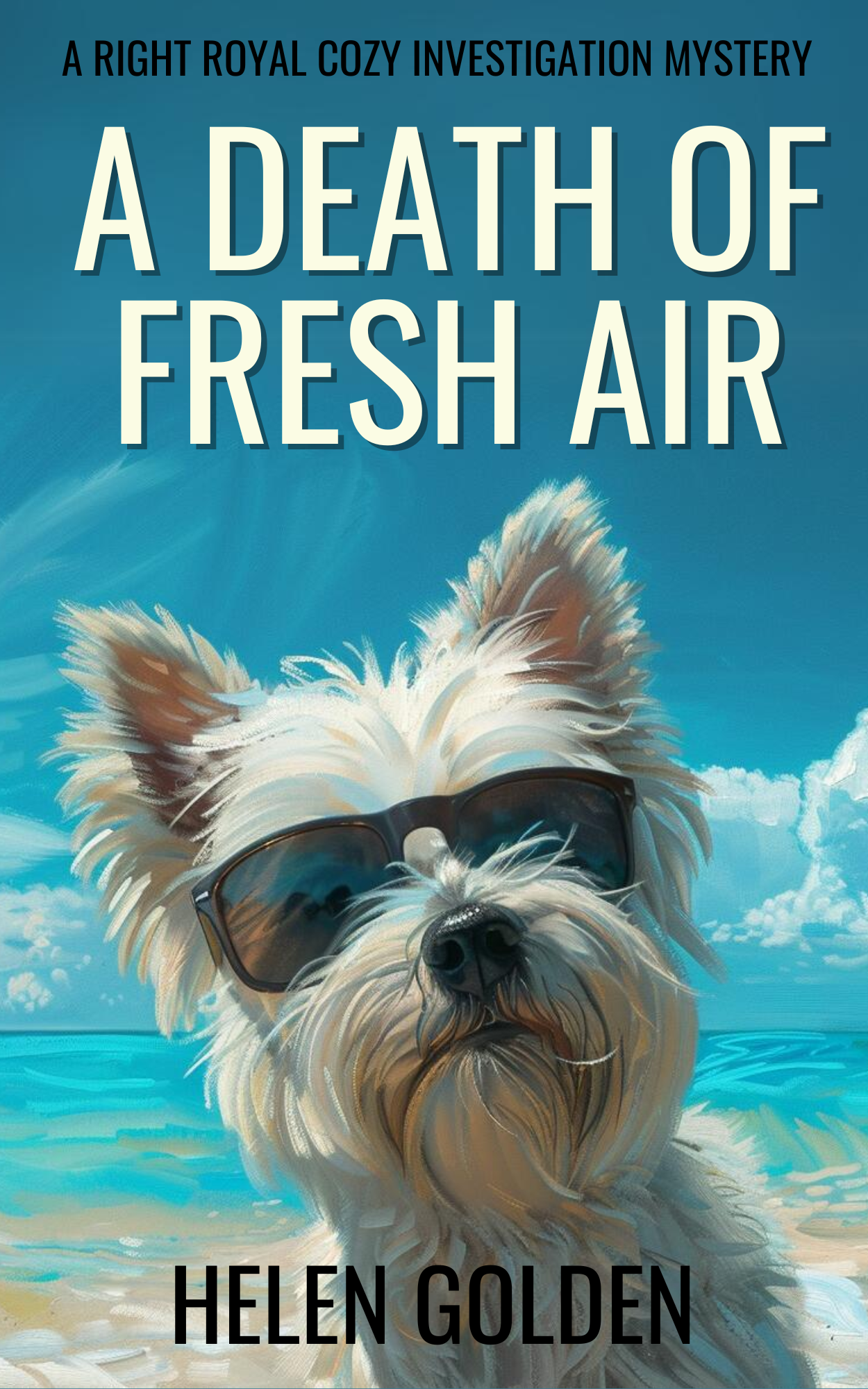
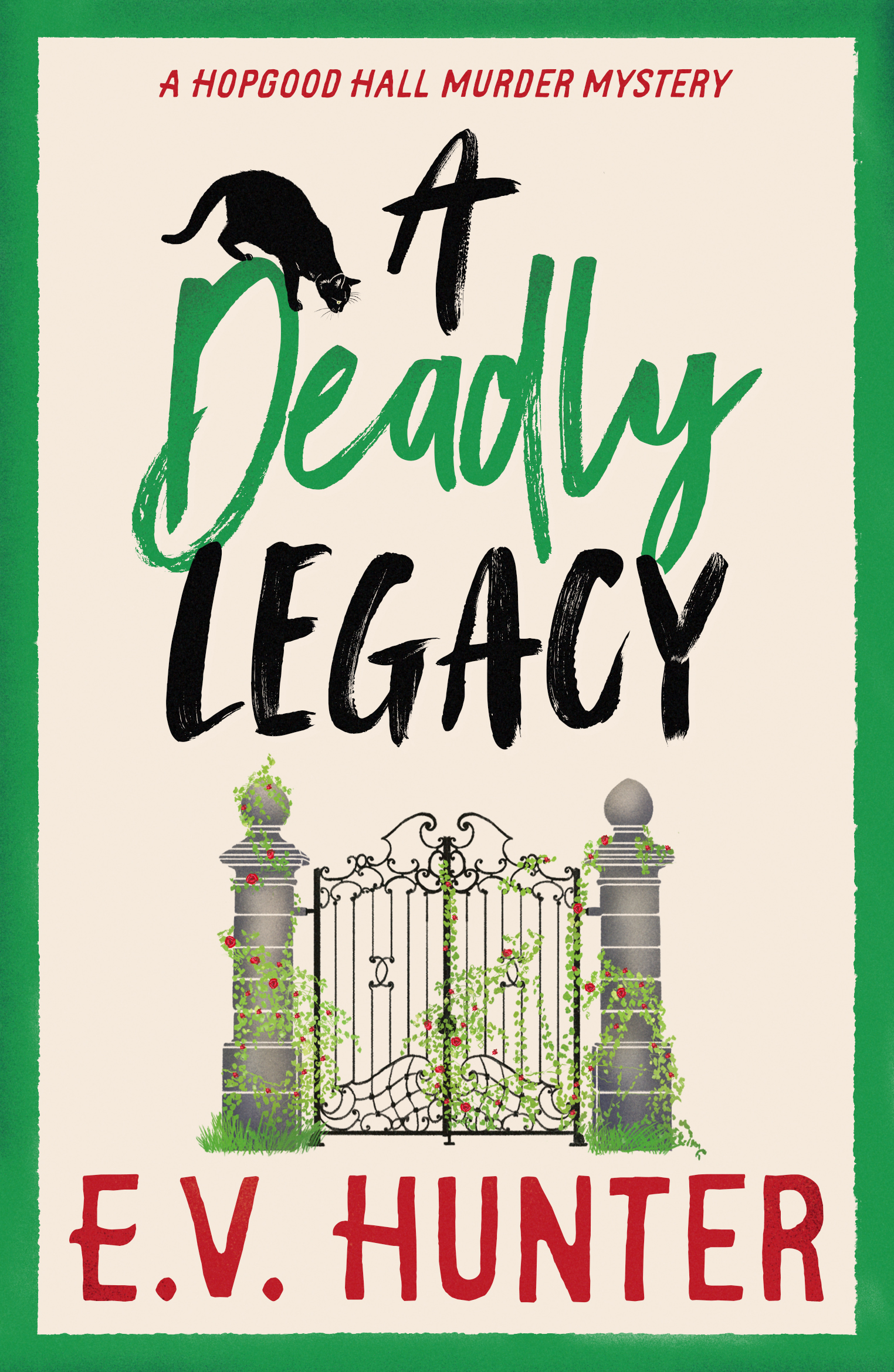
I have two most-read categories, which probably won’t surprise anyone, cosy mysteries, coming in with twenty-three titles, and historical fiction with twenty-two titles. The cosy mysteries are often series, which I read as they’re released. Top authors in my ‘most-read’ for the year are TA Williams and his Armstrong and Oscar cosy crime series set in contemporary Italy, Helen Golden’s Right Royal Cosy Mystery series, Judy Leigh’s Morwenna Mutton mysteries and EV Hunter’s Hopgood Murder Mystery series.
Historical mysteries comes third on the list, with fifteen titles. My favourite authors here have been Sarah Hawkswood (I read six titles by her this year. It’s always good to get time to catch up on titles I’ve missed), Elizabeth R Andersen, Michelle Salter, Anita Davison, Holly Hepburn and Kelly Oliver. I adore a good historical mystery, and hope to read more by Emily Organ, who I’ve only just discovered, and who has written a few series now.
There are ten titles I’m classifying as ‘action’ although some of them weren’t and some of them might also fit in other categories. I’ve included the new Harlan Coben Myron Bolitar book in this category. My review for this book has been my most visited blog page this year, which made me chuckle. But, it’s good to know I’m not the only one demanding more titles featuring Myron and Wyn.
Eight titles were historical romance, with Jane Dunn and her Regency Romances taking the ‘most read author’ spotlight for that category. I do love a good Regency romance.
There were also six romance titles, five nonfiction titles, three sci fi titles and two fantasies (I’ve not included the Discword audios as they’re in my audio count). Hopefully, that all adds up to 105 titles.
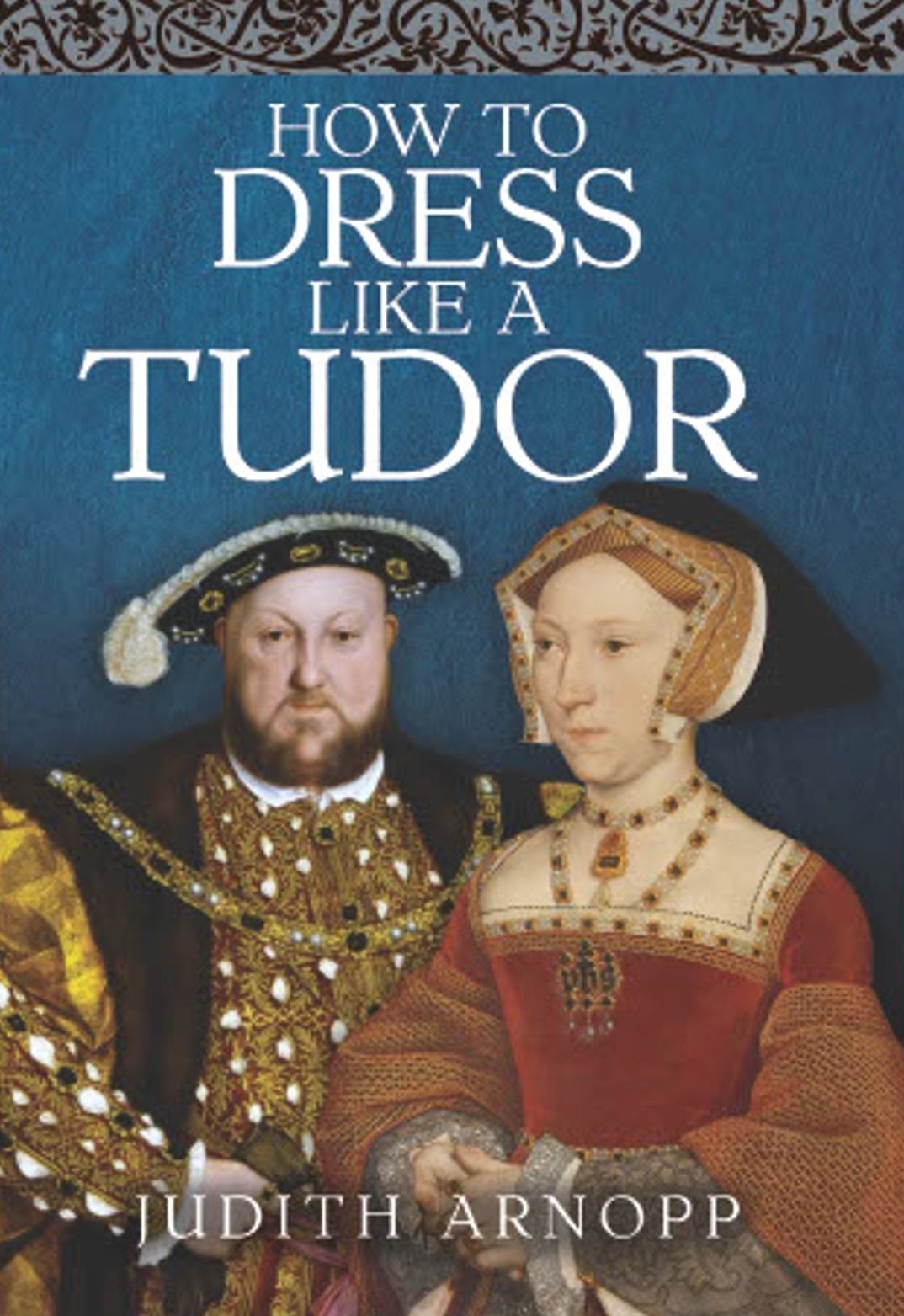
For nonfiction, I’ve been reading about the Tudors, diving into Eating with The Tudors, and How to Dress Like a Tudor – both fascinating insights into areas I rarely consider because I’m always thinking about historical events and not as much about how people lived but the ‘lived’ experience is just as important and I’ve been endeavouring to explore this for my Saxon stories – visiting places, learning Saxon embroidery and taking part in a Roots herbal day.
The final non-fiction title was Sarah Gristwood’s Secret Voices: A Year of Women’s Voices which was fascinating, and quite addictive reading. I highly recommend it if only to discover the fab little diary entry about the curse of zips:) I reviewed the title for Aspects of History so you should be able to find my review over there.
I’ve also half-read many other titles (apologies to those authors), and I’m always dipping a toe into nonfiction titles. One of my favourites this year has been After Rome by Robin Fleming, which is fabulous and I must finish, but is sadly only available as a paperback, and my Kindle version of The Reigns of Edmund, Eadred and Eadwig is essentially ALL highlighted. It was such a timely release as I was concluding the Brunanburh Series.
I’ve been sharing some of my favourite reads of the year with Aspects of History and also Shepherd books, but do I have an absolute favourite? I’m not sure, but there were a few books I devoured in as few sittings as possible, and this is often a sign of a book that entirely draws you in. For me that was The Portrait Artist by Dani Heywood-Lonsdale due for release in February 2025 (I don’t like the cover so don’t be put off by it), and also Susie Dent’s Guilty by Definition. I also adored Arden by GD Harper, which wasn’t always an easy read, but certainly engrossed me.
I’m very much a ‘mood’ reader. Sometimes I pick up titles outside my usual genres just for a change and sometimes I don’t always enjoy books in my usual genre at first and so pop them down with the hope I’ll return to them at some point in the future. I find there’s nothing better than reading a really fun book over the weekend when I can devote more time to reading than writing. So, sometimes my choices can seem a bit wayward, but then, everyone has their own tastes, and it’s good to read outside your favourite genres from time to time.
For 2025, I’m looking forward to the new Max Adams book about Mercia, due for release in Feb 2025, and I must find time to finally finish the Uhtred books by Bernard Cornwell (I refused to read it while I was working on the Brunanburh series), and I also need to catch up with Mark Lawrence’s Library Trilogy, of which I have three copies of the second title but still haven’t read it. I will continue to read historical fiction, historical mysteries and cosy crime, and anything else that takes my fancy. In doing so, I will support my fellow Boldwood authors, my author buddies (which is a growing list of must-reads) and those authors whose books I’ve been reading for years and keep returning to, time and time again, including the Discworld titles. At this point, I am thinking I should write some fan fiction but I won’t risk it:)
Here’s to 2025 and all the reading I hope to enjoy. And a thank you to all my readers too and those who visit the blog to follow my reviews.
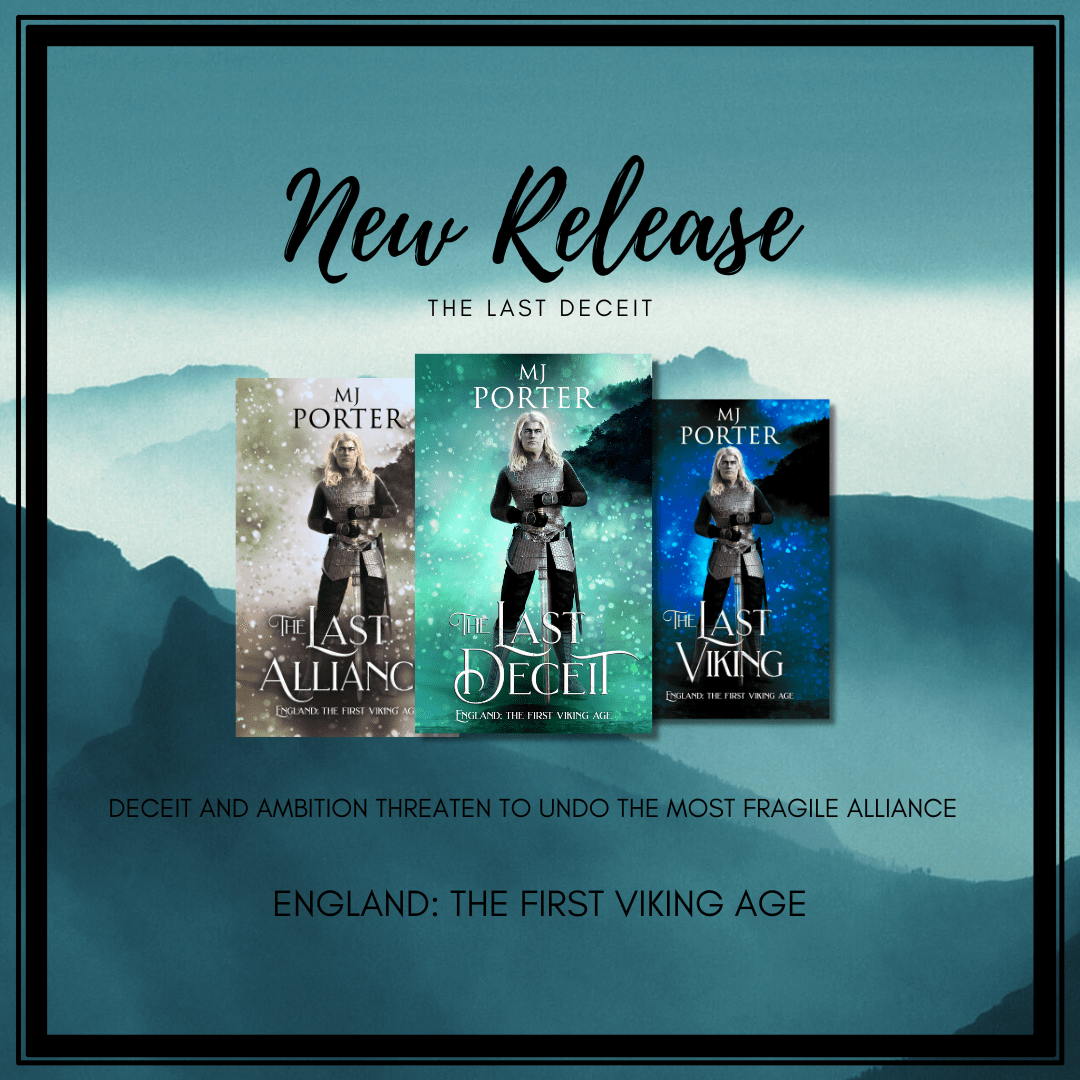
Deceit and ambition threaten to undo the most fragile alliance.
King Coelwulf of Mercia has unwillingly accepted the need to ally with the kingdom of Wessex under the command of King Alfred. But King Alfred of Wessex must still prove himself, and Coelwulf can’t remain absent from Mercia indefinitely.
Returning to London, a place holding more fascination for the West Saxons and the Viking raiders than Coelwulf and his fellow Mercians, Coelwulf sets about reinforcing the walled settlement so long abandoned by all but the most determined traders. But Coelwulf knows Jarl Guthrum has set his eyes on Canterbury, and he must protect the archbishop in Kent, nominally under the control of the West Saxon king, even if King Alfred is no warrior.
But deceit and lies run rife through the West Saxon camp and when Coelwulf believes he’s held to his oaths and alliances, an unexpected enemy might just sneak their way into Mercia. The future of Mercia remains at stake.
In The Last Deceit, I’ve included a fictional character called Ealdorman Sigehelm, who is based on a later individual that we know existed, the father of Lady Eadgifu, third wife of Edward the Elder. (By based I mean I borrowed his name and landholding).
I’ve done this because it’s fun to play around with the information I’ve learned about later in the era. It’s often one of the biggest problems in writing historical fiction. You need to know what happens before the events you’re writing about, as well as what comes after, as well as the actual events you’re depicting. And Cooling, in Kent, has an incredibly detailed history throughout the later tenth century, which we know about because of a remarkable charter. The text of which is below (it’s quite long.)
‘Eadgifu declares to the archbishop and the community of Christ Church how her estate at Cooling came [to her]. That is, that her father left her the estate and the [land]book, just as he legally acquired them and his ancestors had bequeathed to him. It happened that her father borrowed thirty pounds from Goda, and entrusted the estate to him as security for the money. And [Goda] held it for seven ‘winters’. When it came about, at around this time, that all the men of Kent were summoned to the battle at the Holme, Sighelm [Sigehelm], her father, did not want to go to the battle with any man’s account unpaid, and he repaid Goda the thirty pounds and he bequeathed the estate to his daughter Eadgifu and gave her the [land]book. After he had fallen in the battle, Goda denied the repayment of the money, and withheld the estate until six years later. Then Byrhsige Dyrincg claimed it unceasingly for so long, until the Witan of that time commanded Eadgifu that she should purge her father’s possession by [an oath equivalent to] that amount of the money. And she produced the oath in the witness of all the people at Aylesford, and there purged her father’s repayment by an oath of thirty pounds. Then she was still not able to possess the estate until her friends obtained from King Edward [the Elder] that he prohibited him [Goda] the estate, if he wanted to possess any [at all]; and so he gave it up. Then it happened in the first place that the king so strongly blamed Goda that he was deprived of all the [land] books and property, all that he owned. And the king then granted him and all his property, with [land] books and estates, to Eadgifu to dispose of as she wished. Then she said that she did not dare before God to pay him back as he had deserved of her, and she restored to him all his land except the two sulungs at Osterland, and she refused to give back the [land] books until she knew how loyally he would treat her in respect of the estates. Then, King Edward died and Æthelstan [Athelstan] succeeded to the kingdom. When Goda thought it an opportune time, he sought out King Æthelstan and begged that he would intercede on his behalf with Eadgifu, for the return of his [land] books. And the king did so. And she gave back to him all except the [land] book for Osterland. And he willingly allowed her that [land] book and humbly thanked her for the others. And, on top of that as one of twelve he swore to her an oath, on behalf of those born and [yet] unborn, that this suit was for ever settled. And this was done in the presence of King Æthelstan and his Witan at Hamsey near Lewes [Sussex]. And Eadgifu held the land with the landbooks for the days of the two kings, her sons [i.e., Edmund and Eadred]. When Eadred died and Eadgifu was deprived of all her property, then two of Goda’s sons, Leofstan and Leofric, took from Eadgifu the two afore-mentioned estates at Cooling and Osterland, and said to the young prince Eadwig who was then chosen [king] that they had more right to them than she. That then remained so until Edgar came of age and he [and] his Witan judged that they had done criminal robbery, and they adjudged and restored the property to her. Then Eadgifu, with the permission and witness of the king and all his bishops, took the [land] books and entrusted the estates to Christ Church [and] with her own hands laid them upon the altar, as the property of the community for ever, and for the repose of her soul. And she declared that Christ himself with all the heavenly host would curse for ever anyone who should ever divert or diminish this gift. In this way this property came to the Christ Church community.’ S1211[i]
To explain:
Dating to around 959, the document provides the ownership history of an estate at Cooling in Kent. Eadgifu had inherited this land from her father, who had mortgaged it for a loan of £30, which he repaid before going on the campaign on which he died. However, Goda, the man who had made the loan, claimed not to have received payment and proceeded to take practical ownership of the estate. While Eadgifu retained the landbook, or freehold record, and tried various means of asserting her ownership, it was not until Edward the Elder intervened, presumably after their marriage, that the matter was resolved to some degree. Edward seized not only the estate in question but all Goda’s lands, handing their ownership and administration over to Eadgifu. The charter indicates that Eadgifu acted magnanimously, giving almost all of these back to Goda, though her primary consideration was likely to avoid creating a powerful political enemy. Sensibly, however, she retained possessions of the landbooks to ensure Goda’s loyalty, as well as a small estate at Osterland, in addition to her hereditary holdings at Cooling. The matter was fully resolved in Æthelstan’s [Athelstan] reign when the king interceded with Eadgifu on Goda’s behalf. Eadgifu returned the landbooks, but retained the estates at Osterland and Cooling, while Goda swore an oath in Æthelstan’s presence declaring that he considered the matter to be closed … Eadwig seized his grandmother’s landholdings and, in the case of the Cooling and Osterland estates, turned them over to Goda’s sons … After Eadwig’s death in 959, Edgar restored his aging grandmother’s possessions.[ii]
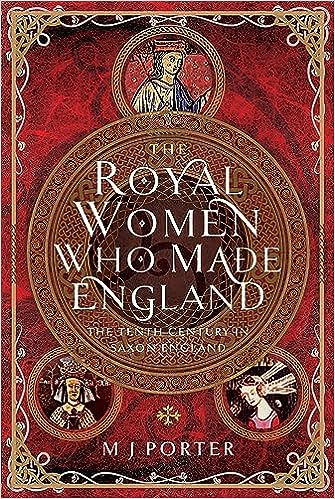
It’s unusual to have so much detail about a landed estate, and so, when I took Coelwulf and his allies to Kent in The Last Deceit, I couldn’t resist embroidering this character into the tale. I imagine you can see why. To read more about Lady Eadgifu, check out The Royal Women Who Made England.
[i] Sawyer, P.H. (ed.), Anglo-Saxon charters: An annotated list and bibliography, rev. Kelly, S.E., Rushforth, R., (2022). http://www.esawyer.org.uk/ S1211
Deceit and ambition threaten to undo the most fragile alliance.
King Coelwulf of Mercia has unwillingly accepted the need to ally with the kingdom of Wessex under the command of King Alfred. But King Alfred of Wessex must still prove himself, and Coelwulf can’t remain absent from Mercia indefinitely.
Returning to London, a place holding more fascination for the West Saxons and the Viking raiders than Coelwulf and his fellow Mercians, Coelwulf sets about reinforcing the walled settlement so long abandoned by all but the most determined traders. But Coelwulf knows Jarl Guthrum has set his eyes on Canterbury, and he must protect the archbishop in Kent, nominally under the control of the West Saxon king, even if King Alfred is no warrior.
But deceit and lies run rife through the West Saxon camp and when Coelwulf believes he’s held to his oaths and alliances, an unexpected enemy might just sneak their way into Mercia. The future of Mercia remains at stake.
In The Last Deceit, reference is explicity made to a Mercian tribe known as the Gaini. It is from this obscure royal line that it’s said King Alfred’s wife, Lady Ealhswith, claimed descent. So, who were the Gaini?
The simple answer is that we don’t know. We don’t know where they were based. We don’t know any other known members of this tribe, but it’s certainly a name that survives from a period-specific resource, The Life of Alfred written by Asser in about 893, and so, some years after the events in The Last Deceit, in which he claims King Alfred’s wife was a descendant of this ruling family. Here are the details from The Royal Women Who Made England.
‘We are told by Asser, that Alfred ‘married a wife from Mercia, of noble family, namely the daughter of Æthelred “who was known as Mucil [Mucel]”, ealdorman of the Gaini. The woman’s mother was called Eadburh, from the royal stock of the king of the Mercians.’ It is possible, but cannot be confirmed that Ealhswith’s father was ealdorman in Mercia from the 820s onward when a man named Mucel is listed as attesting the surviving charters. The location of the tribal region of the Gaini has yet to be ascertained. Mercia was composed of many tribal regions; the most familiar being the Hwicce and the Mægonsate, both on the western borders with the Welsh kingdoms.
Whether Eahlswith’s mother was actually a member of the Mercian ruling family is difficult to conclude. Barbara Yorke determines she was related to King Coenwulf (796–821) and Coelwulf (821–823), two brother kings who ruled in the first quarter of the ninth century. It is impossible to confirm this either way due to a lack of available information. Mercia endured a string of kings throughout the ninth century, some more successful than others, and none of them able to offer the consistency and longevity that had been prevalent in the earlier eighth century during the long reigns of Æthelbald (716–757) and Offa (757–796).
Her possible father, Æthelred Mucel, witnesses two charters in the year of the marriage, S340, surviving in one manuscript, and S1201, surviving in two manuscripts, as well as S337, surviving in four manuscripts, in 867 and S349, surviving in two manuscripts, but deemed spurious, in 895. What is known is that the union between Lady Eahlswith and Alfred was part of an arrangement with Mercia whereby Alfred’s sister, Æthelswith, married the then king, Burgred, and Ealhswith married Alfred. Little is known of Mercia’s King Burgred (852–74), other than that he fled from Mercia in the wake of sustained Viking raider aggression in the year 874.’
Why then might this royal connection to the Gaini onle be mentioned here? I’m not sure I need to labour the point, but Asser, writing our earliest life of a pre-conquest king, had a remit to follow, and no doubt that was to make much of King Alfred, and his wife. It would have looked a little odd if King Alfred had been married to a lesser woman of Mercia, when he was desperately trying to grow his repuation by having a ‘life’ written about him.
And Mercia is certainly a rich tapestry to either foist a previously unknown tribe upon, or to ‘borrow’ one for the intention of making more of someone. Mercia, ‘the kingdom on the border’ (although we don’t for sure which border this applies to), consisted of many smaller tribal areas, the names of which, if not often the location, have survived in the Tribal Hidage, an eighth-century source (which doesn’t mention the Gaini). More familiar names to travellers to the era are the Hwicce (around Gloucester), the Magonsæte (close to the Welsh border), the Tomsæte (close to Tamworth), to name but a few, have survived in charter documentation which names these distinctive areas and we often have ealdormen of these places, most famously my first historical recreation, Ealdorman Leofwine of the Hwicce of the Earls of Mercia Series.
And so, in The Last Deceit, it is Ealhswith brother, Lord Æthelwulf, who makes mention of the Gaini, as no doubt, he too would have made much of this alleged royal connection.
Deceit and ambition threaten to undo the most fragile alliance.
King Coelwulf of Mercia has unwillingly accepted the need to ally with the kingdom of Wessex under the command of King Alfred. But King Alfred of Wessex must still prove himself, and Coelwulf can’t remain absent from Mercia indefinitely.
Returning to London, a place holding more fascination for the West Saxons and the Viking raiders than Coelwulf and his fellow Mercians, Coelwulf sets about reinforcing the walled settlement so long abandoned by all but the most determined traders. But Coelwulf knows Jarl Guthrum has set his eyes on Canterbury, and he must protect the archbishop in Kent, nominally under the control of the West Saxon king, even if King Alfred is no warrior.
But deceit and lies run rife through the West Saxon camp and when Coelwulf believes he’s held to his oaths and alliances, an unexpected enemy might just sneak their way into Mercia. The future of Mercia remains at stake.
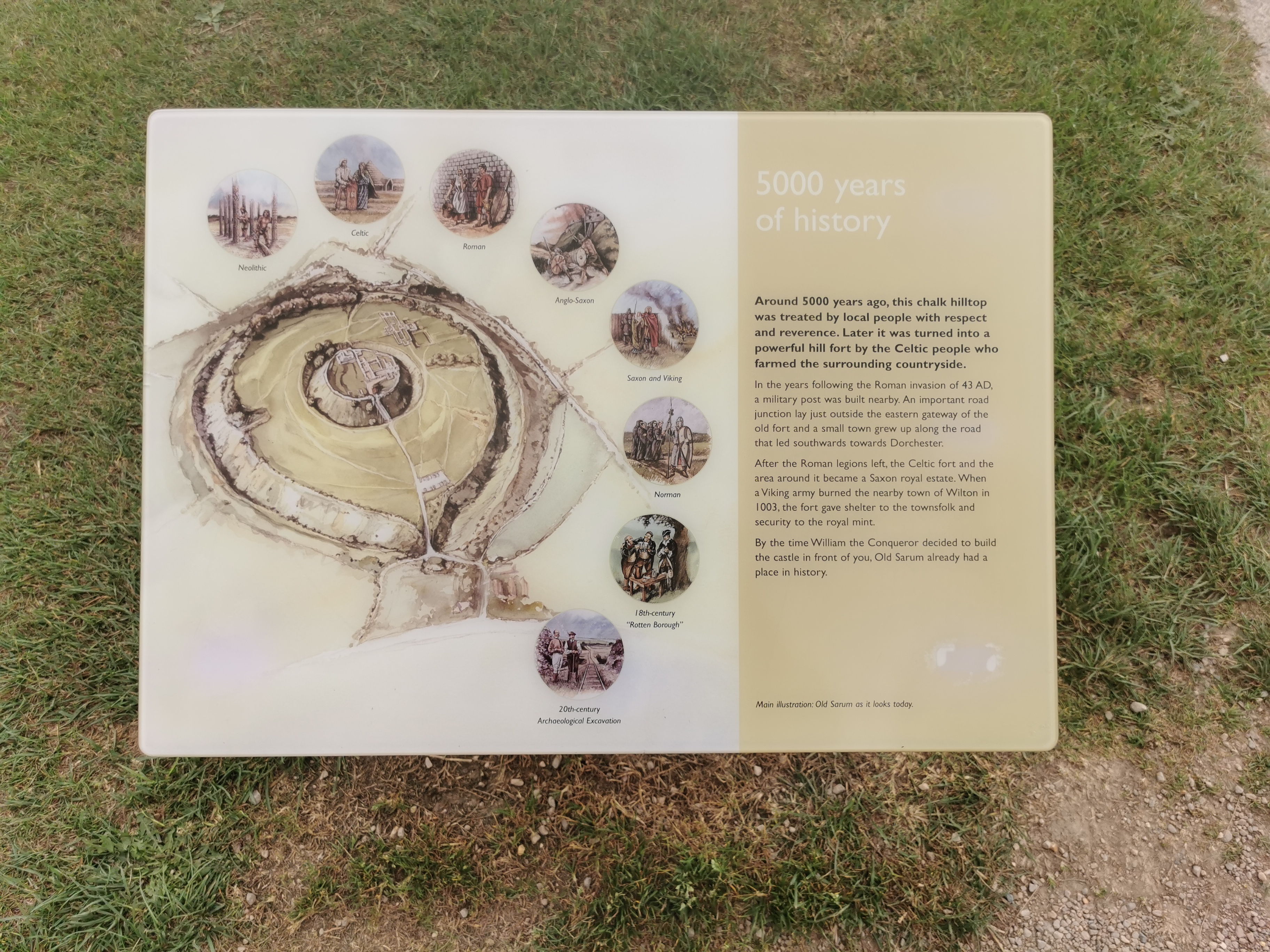
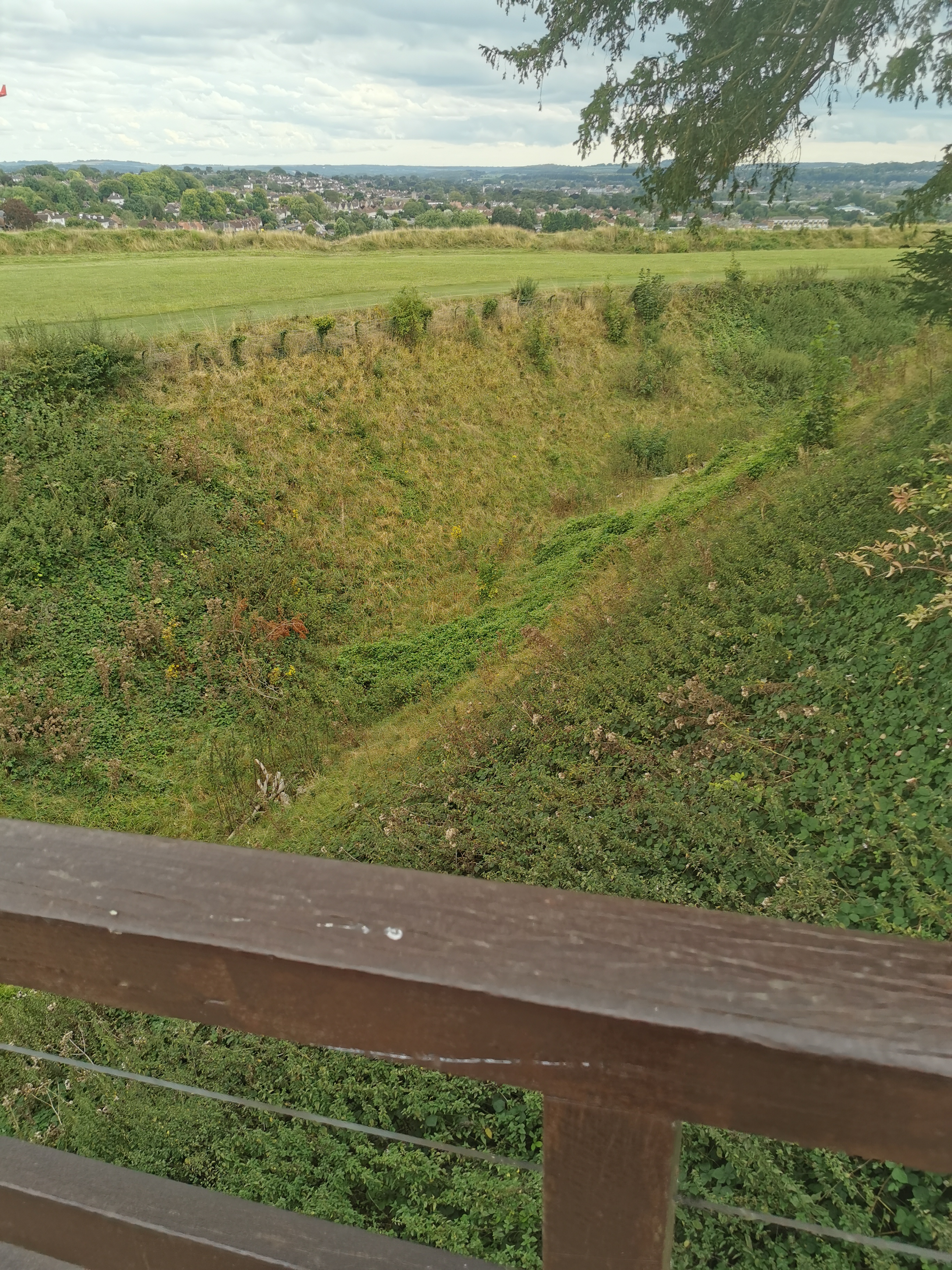
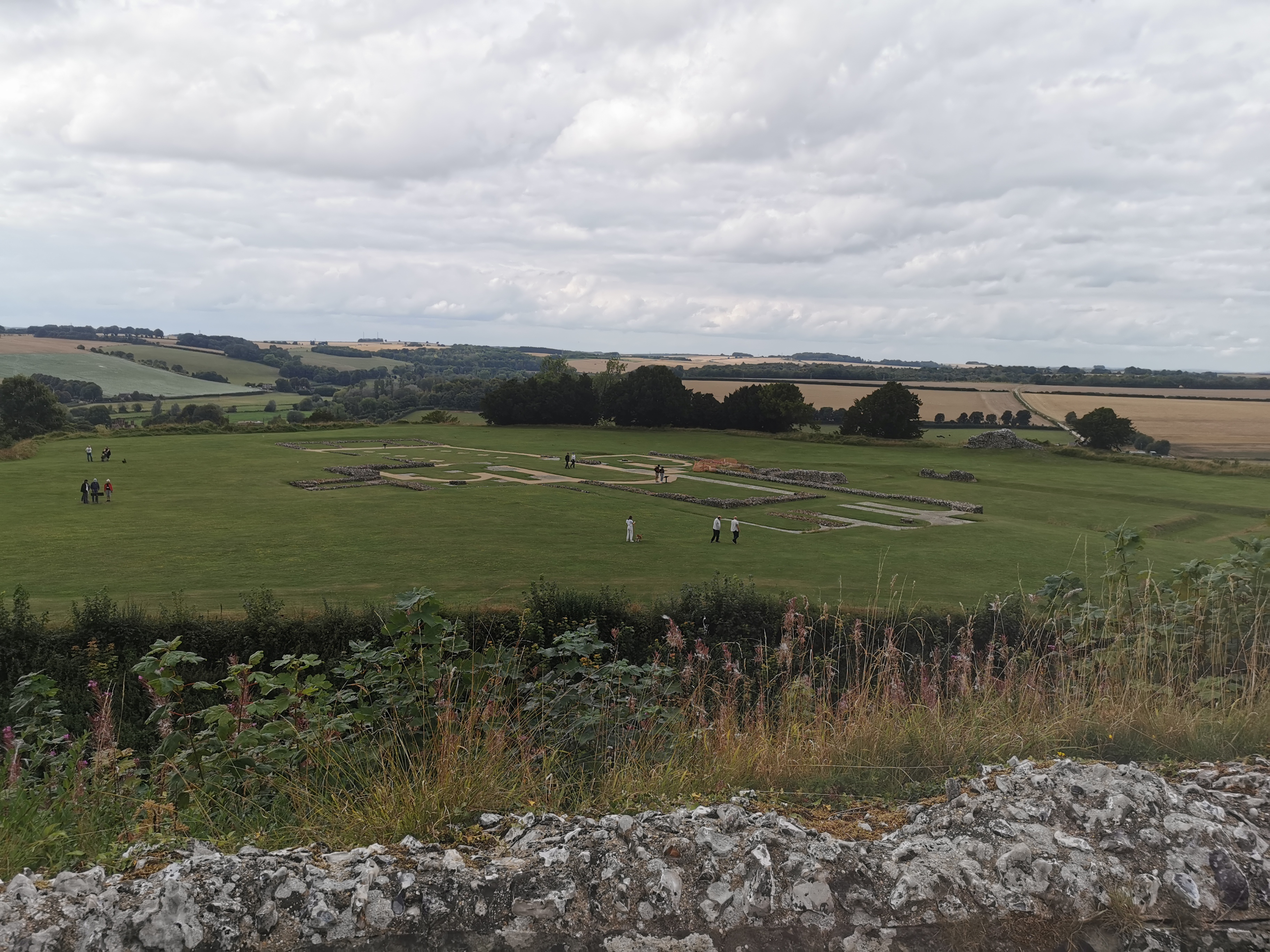
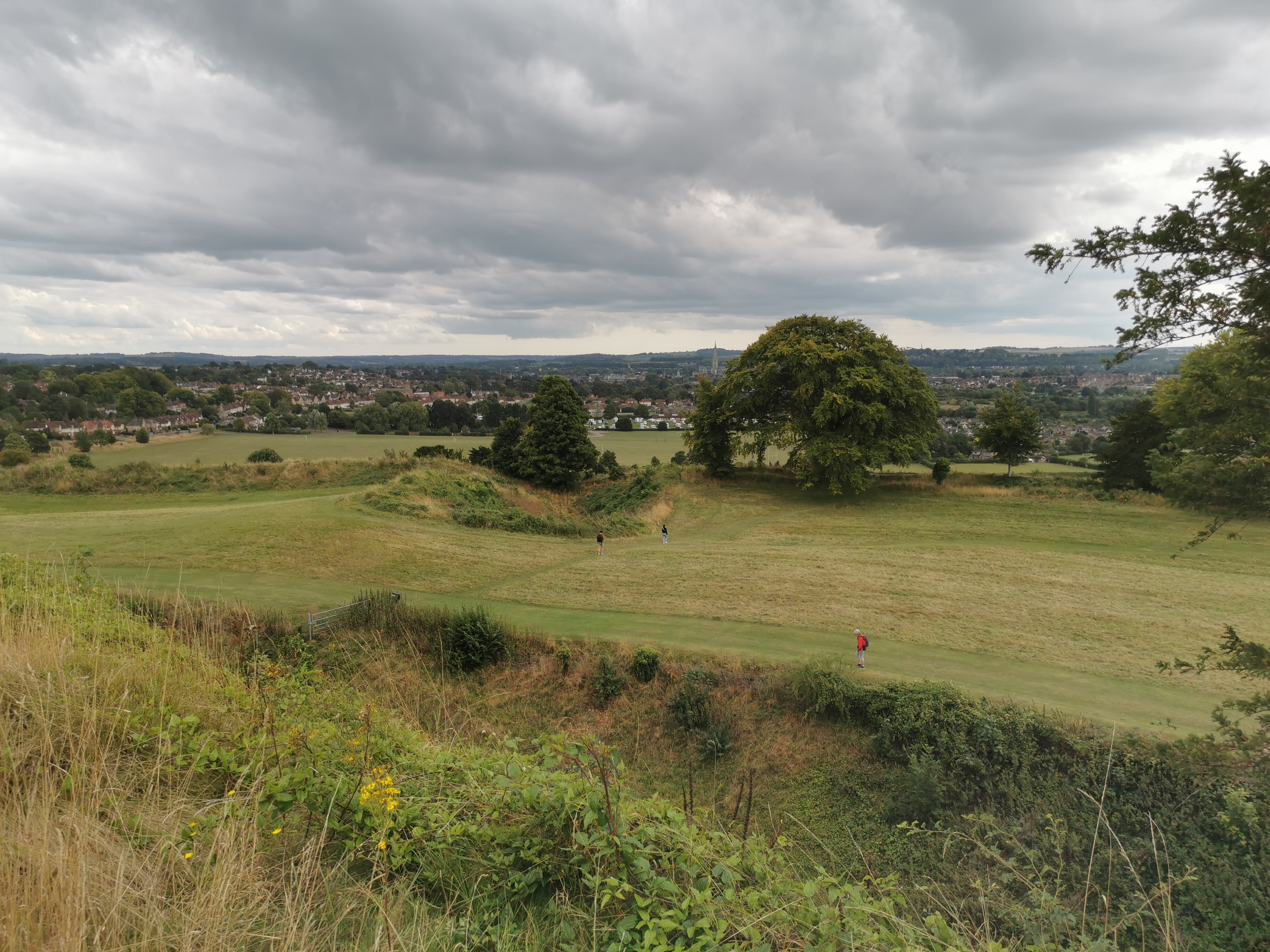
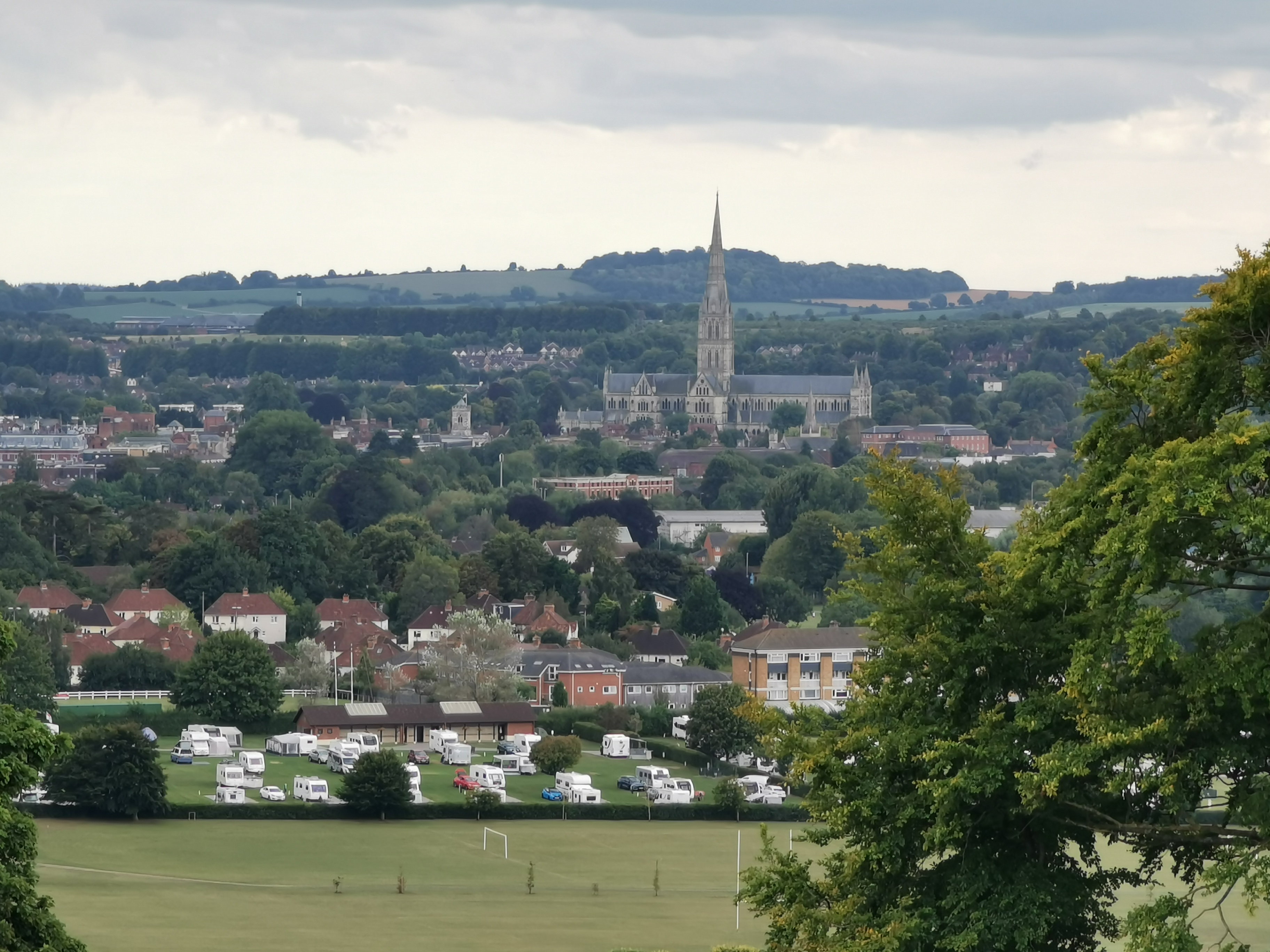
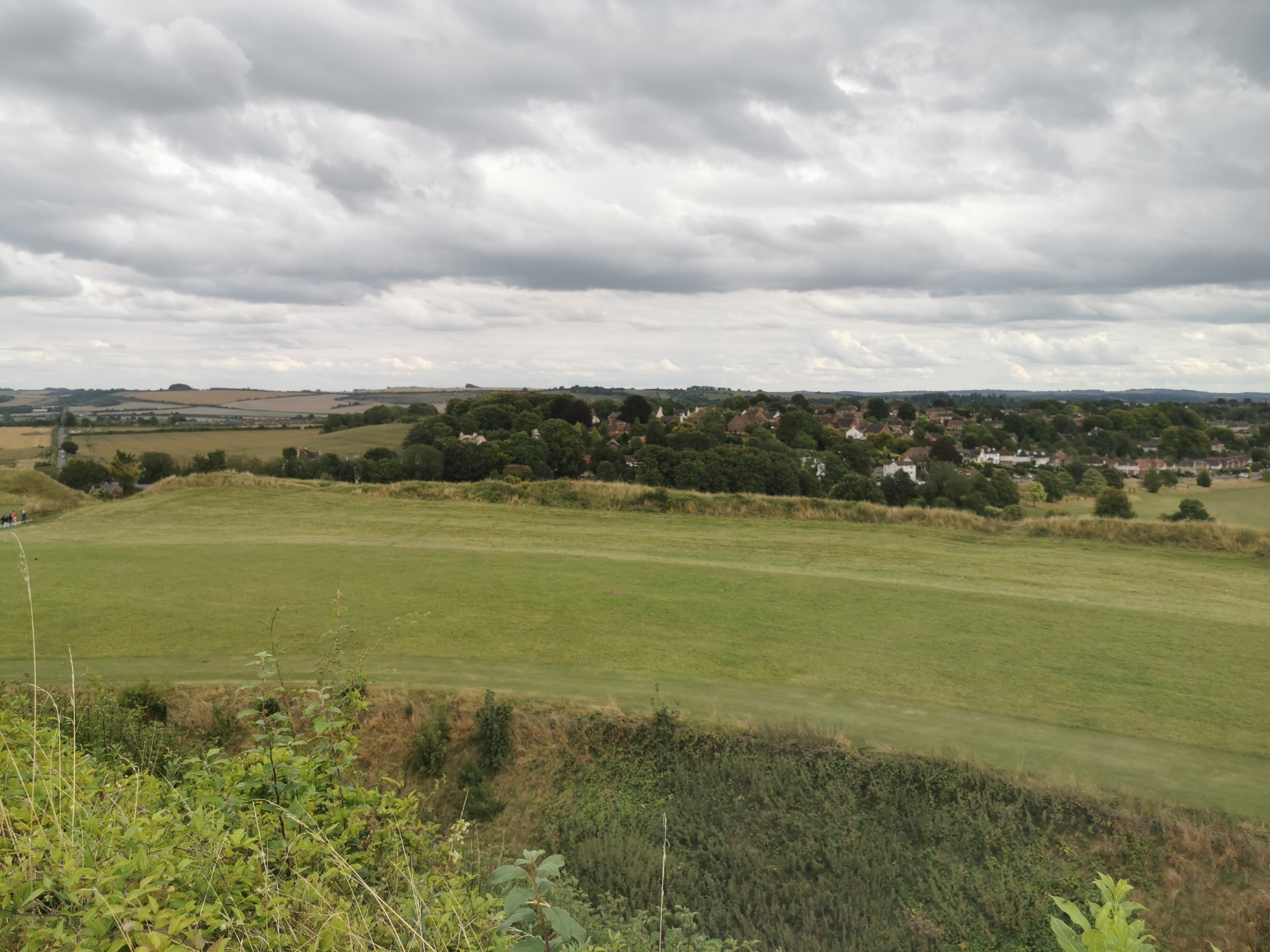
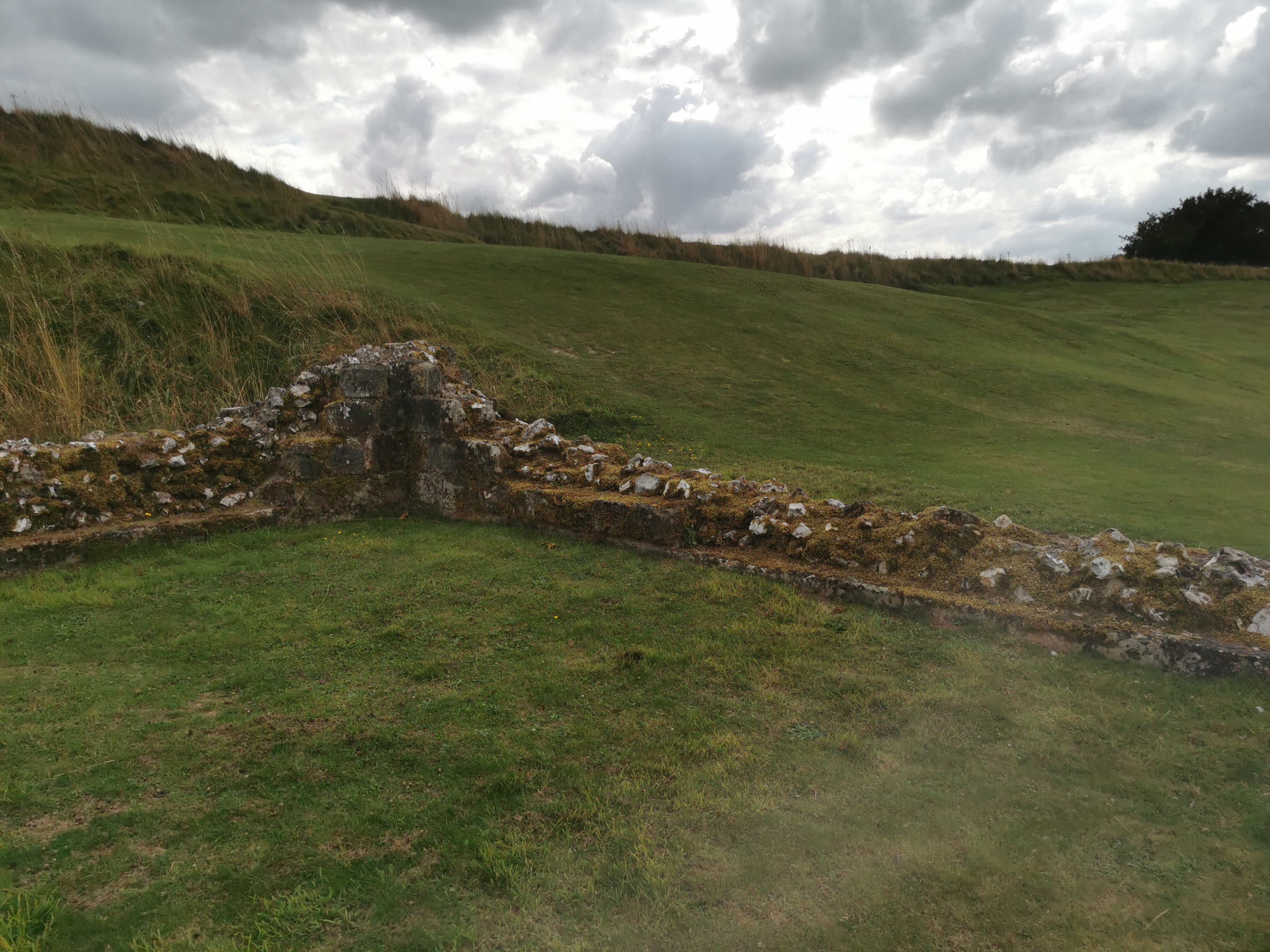
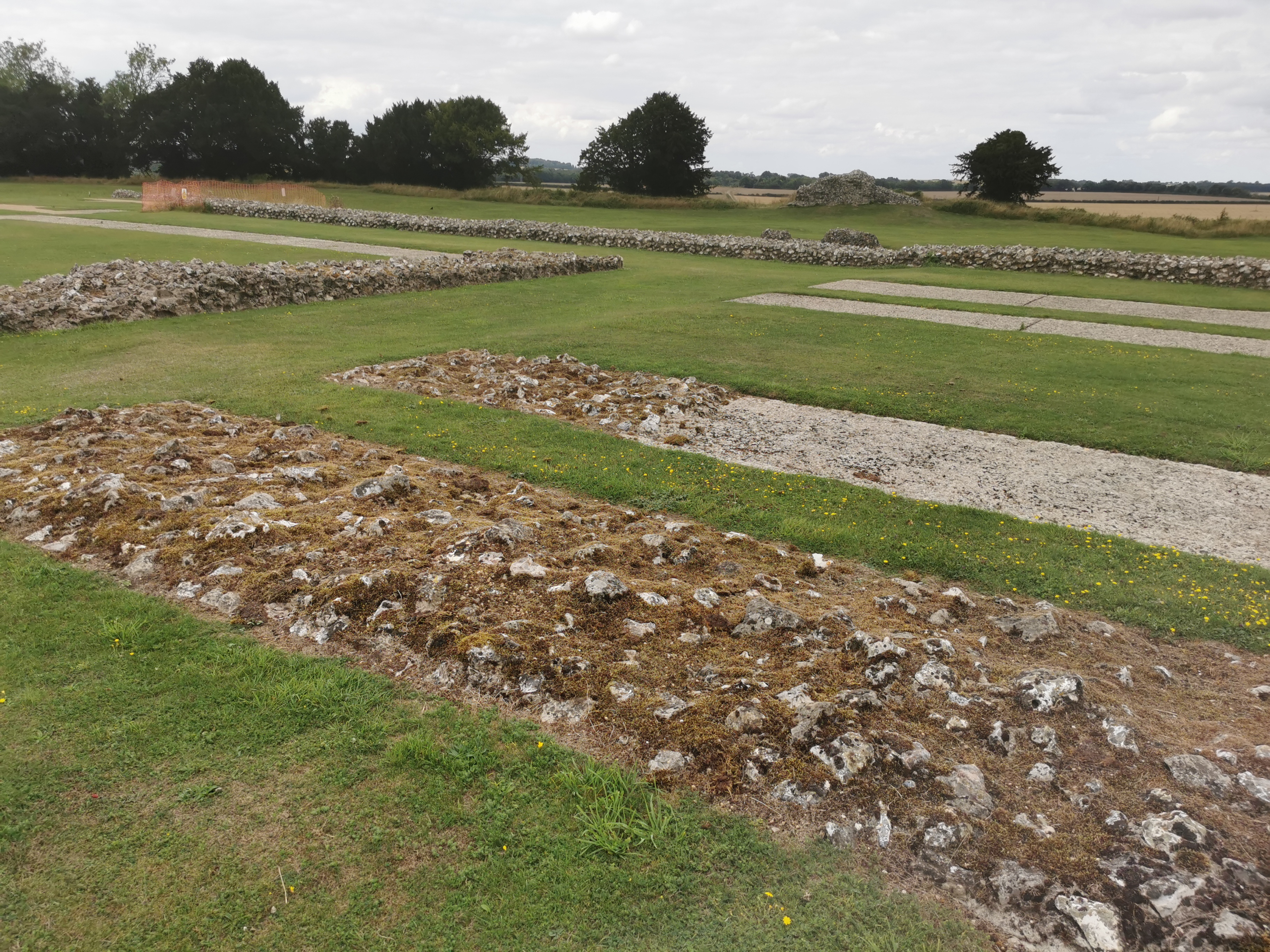
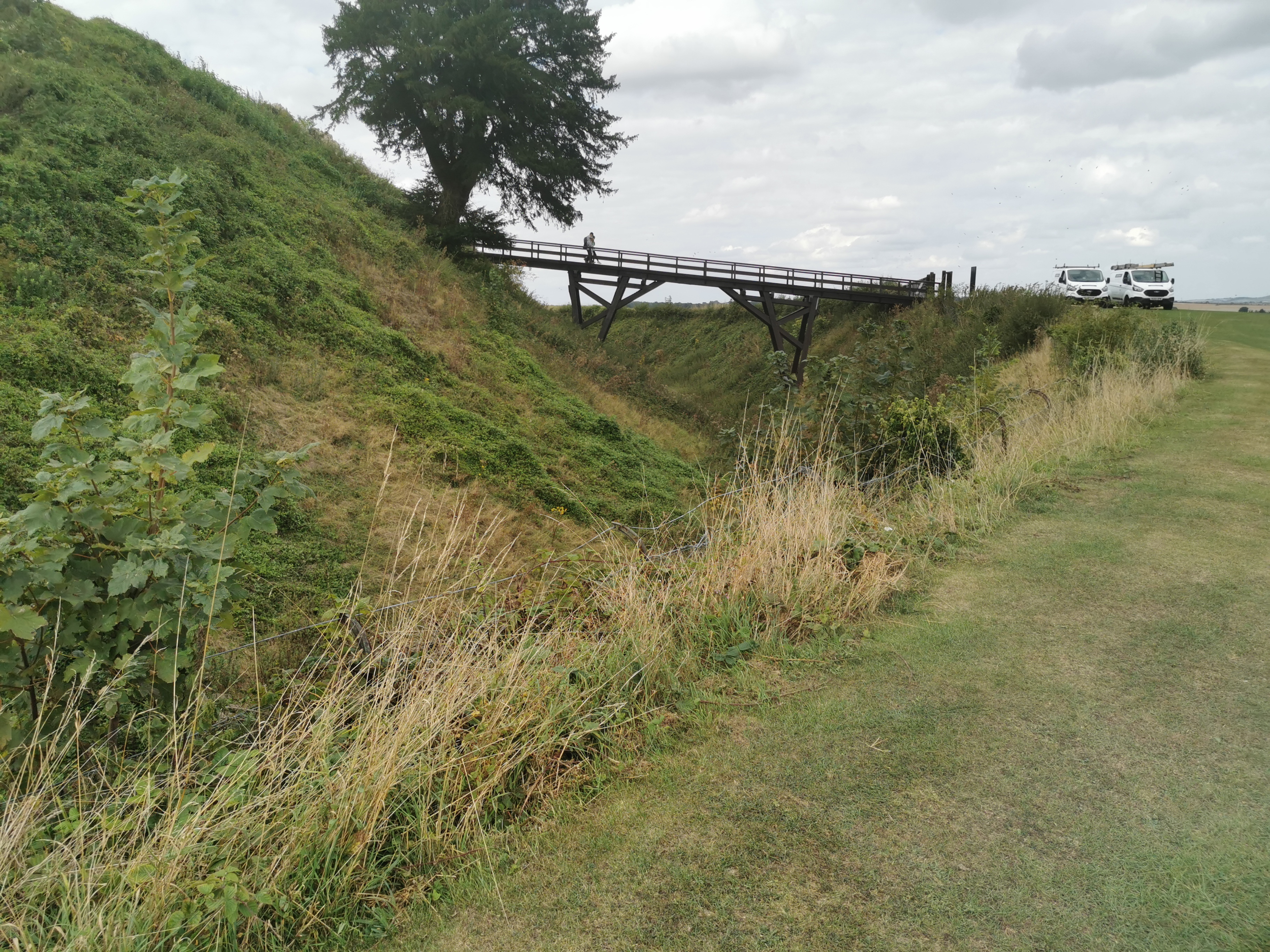
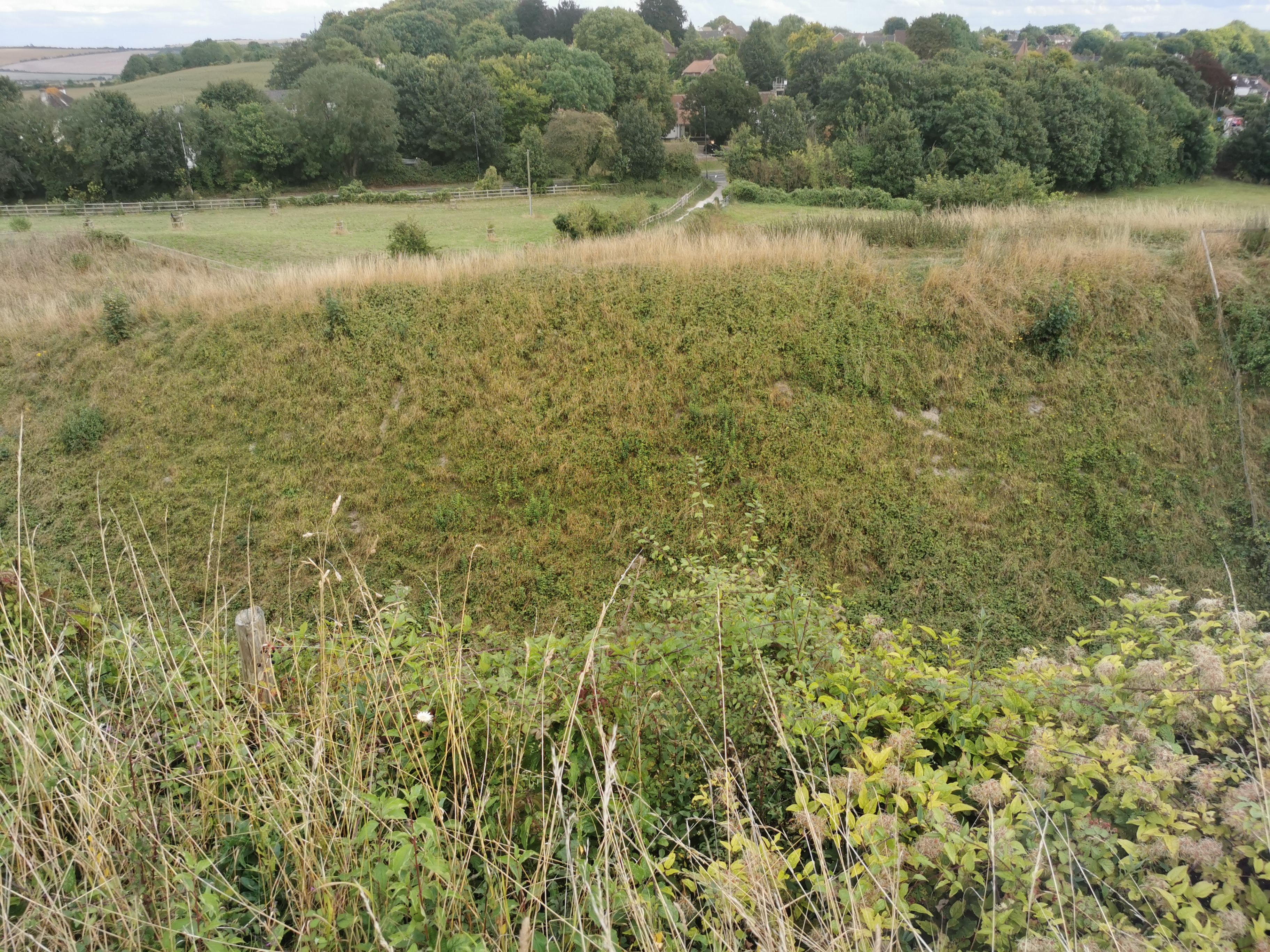
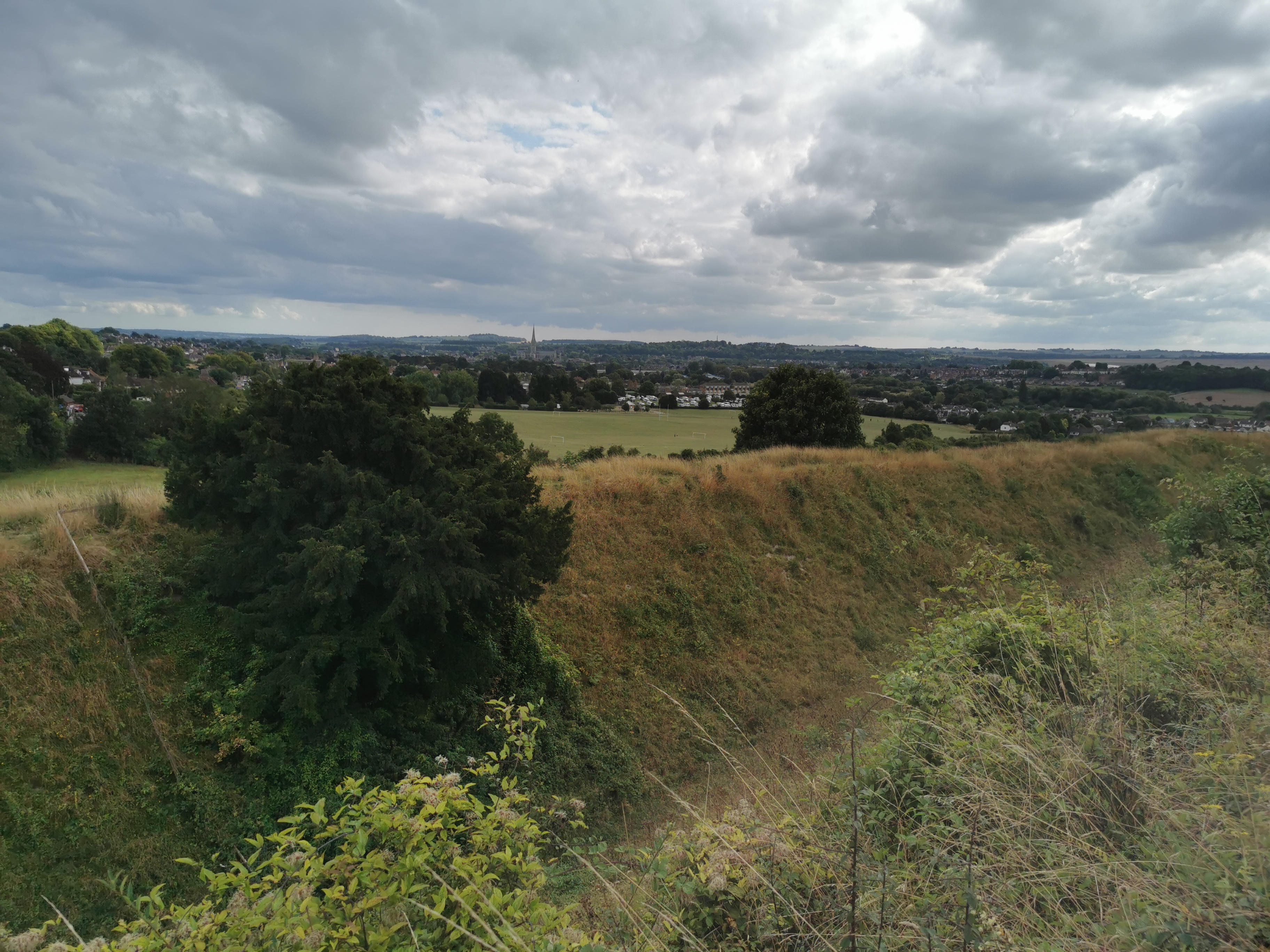
Earlier this year, I attended a virtual talk about Old Sarum which really inspired me. As such, I immediately decided I needed to take Coelwulf and his warriors there. I was really pleased to be able to visit the location on my way home from Devon earlier in the year, and it was even better than I’d imagined it. I hope the photos below will reveal it’s fabulous location and the height and width of the encircling embankments, as well as just how close it is to Salisbury, which was built to replace it.
The English Heritage information board from Old Sarum.
Old Sarum is an old Iron age hillfort, but it was repeatedly used until it was abandoned, and most people know of it because under the early Norman rulers a castle and a church were built there. But my interest is in the earlier period. Under the Romans it was called Sorviodonum, and was in use at points during the Saxon era. It did have one fatal flaw however, it relied on a single water source inside the two embankments.
You can also find the talk I attended on YouTube here.
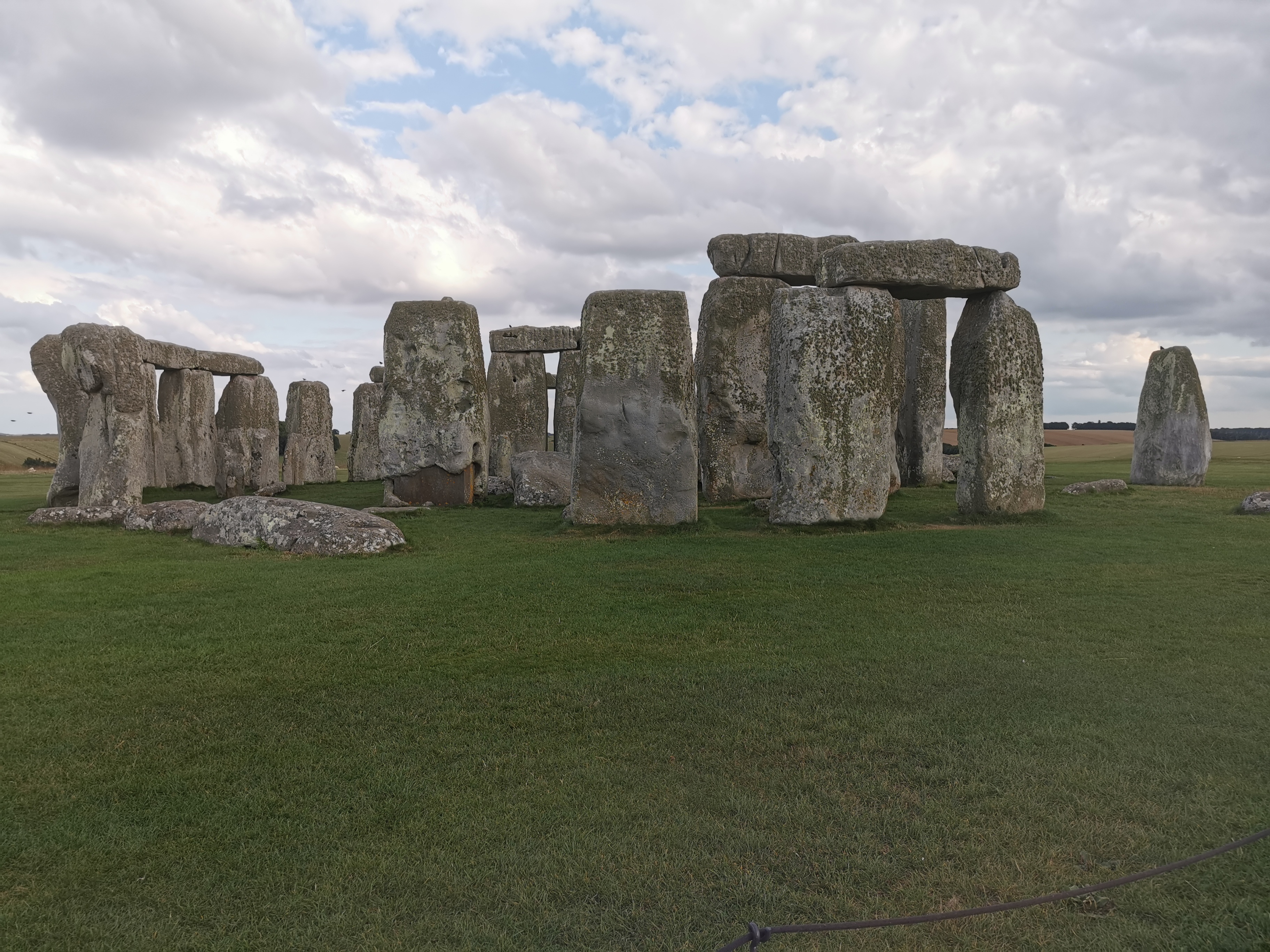
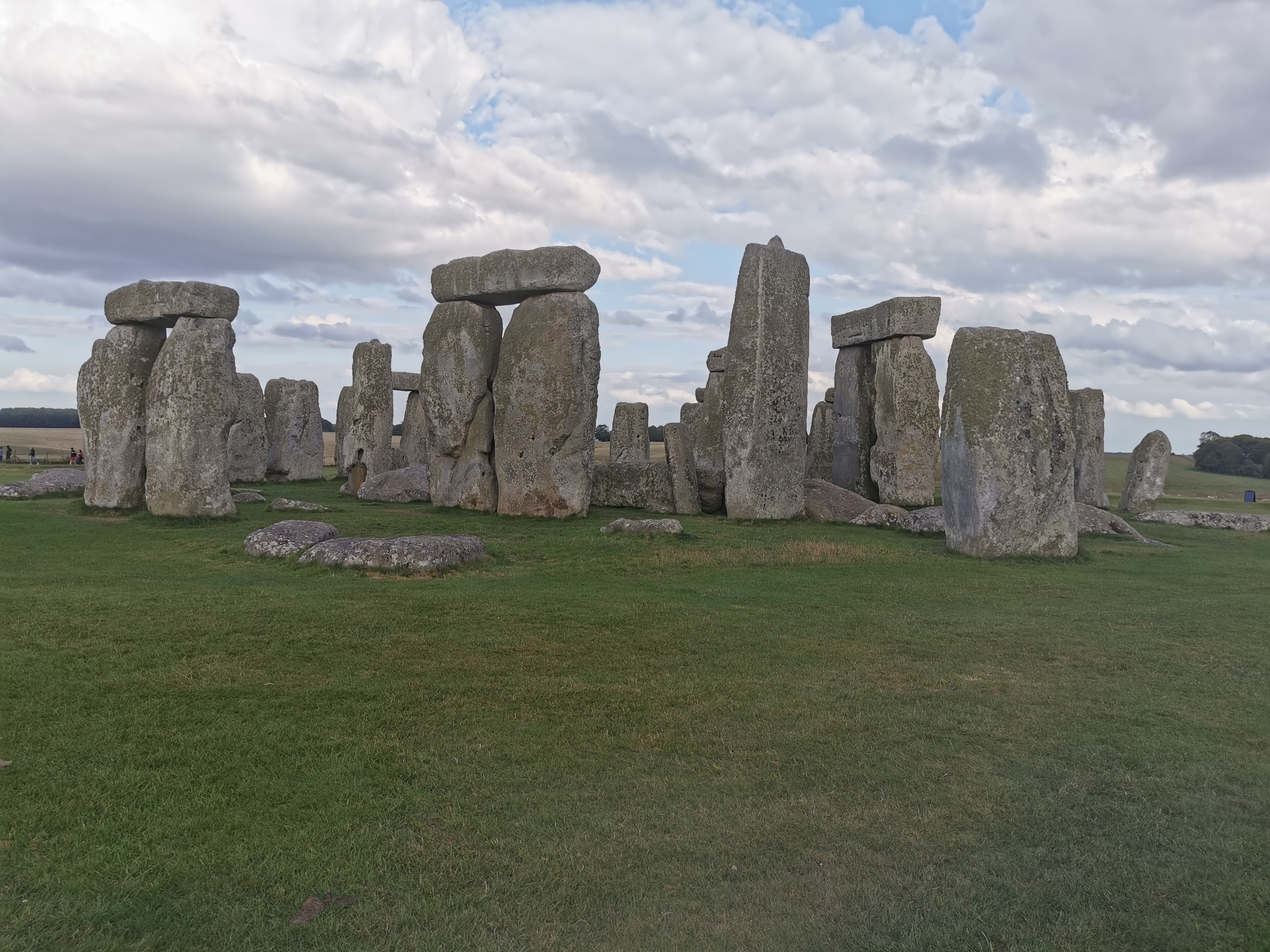
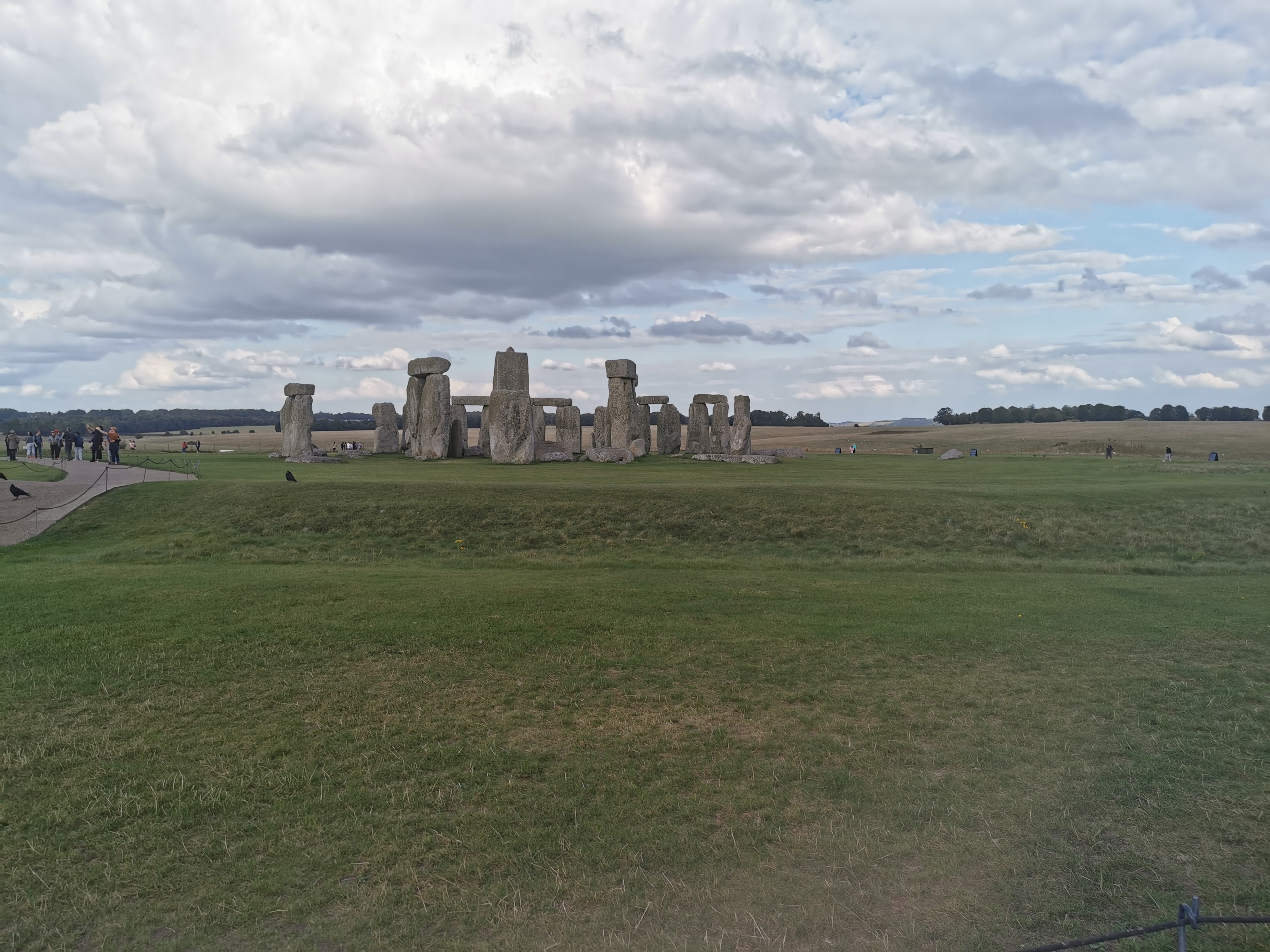
A trip to Stonehenge
I’ve also taken Coelwulf to Stonehenge in The Last Alliance and The Last Deceit, and so I went to visit as well. I’ve had some fun deciding what my warriors think of the strange arrangement of stones. Personally, I much prefer the Ring of Brodgar and the Stones of Stenness on Mainland Orkney but that might be because you can get much closer to the stones there.
So, what have I been writing/editing in 2024? As ever, it’s time to turn to my trusty diary to find out, but I’ve also been keeping a spreadsheet this year so it’s much easier to work out exactly what I’ve been writing, and when I was writing it. So here goes:
In January, I instigated my ‘new approach’ to writing, following a disappointing writing year in 2023. Was I harsh on myself with my assessment of 2023 ? I don’t think so, and certainly my new approach has ensured I wrote a lot more in 2024 than in 2023. So, my new approach is simple, I write at least 2000 words a day, every day. Did I manage every day? I certainly did not, but when I wasn’t working at my very seasonal job in the local school (or I must admit, on holiday), I managed to write at least 2000 words a day almost every day. This might sound a little crazy, but writing for me is a bit of a necessity. If I don’t exercise my creative mind, I am plagued (yes, plagued) by rather weird dreams. If I wasn’t writing, I would be really stuck.
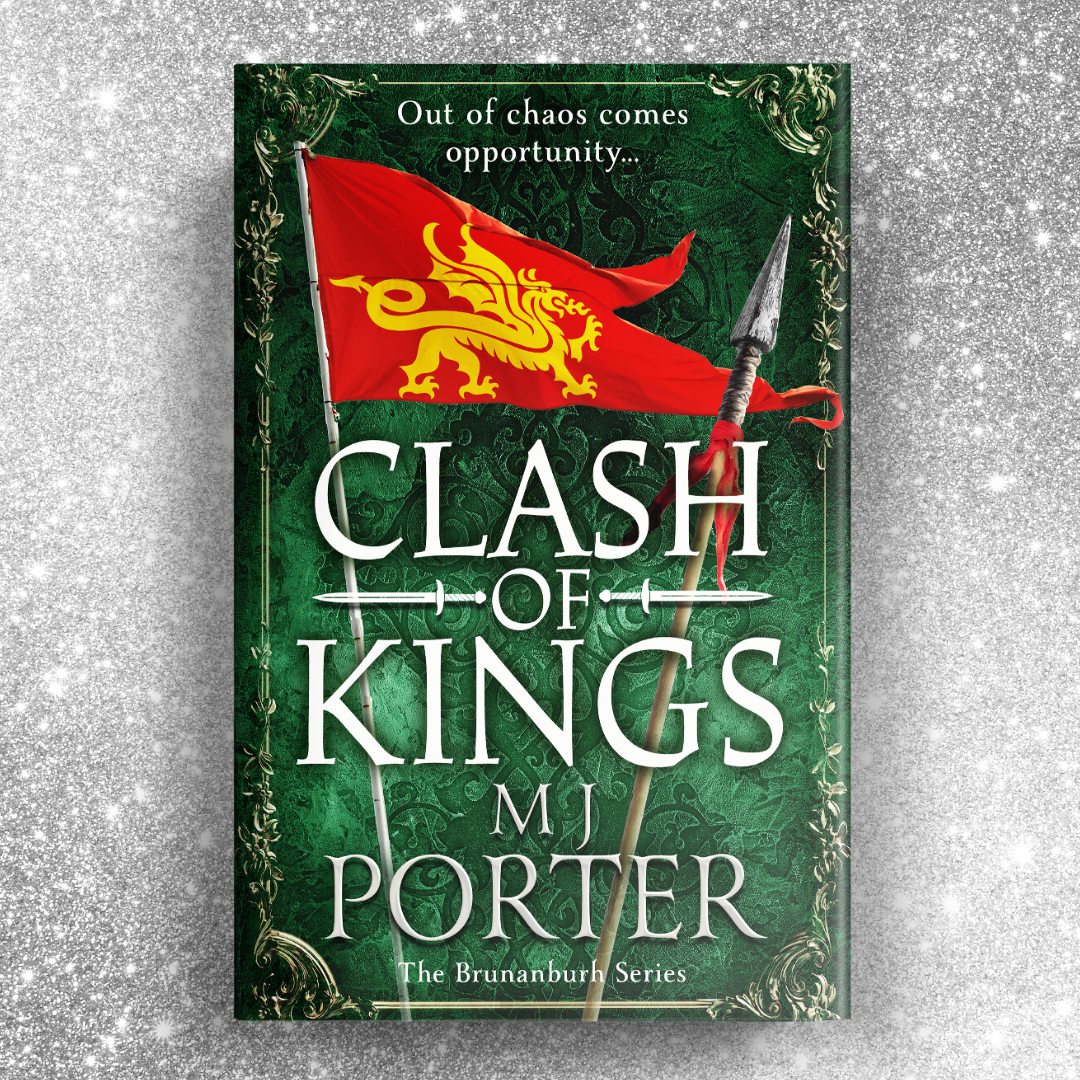
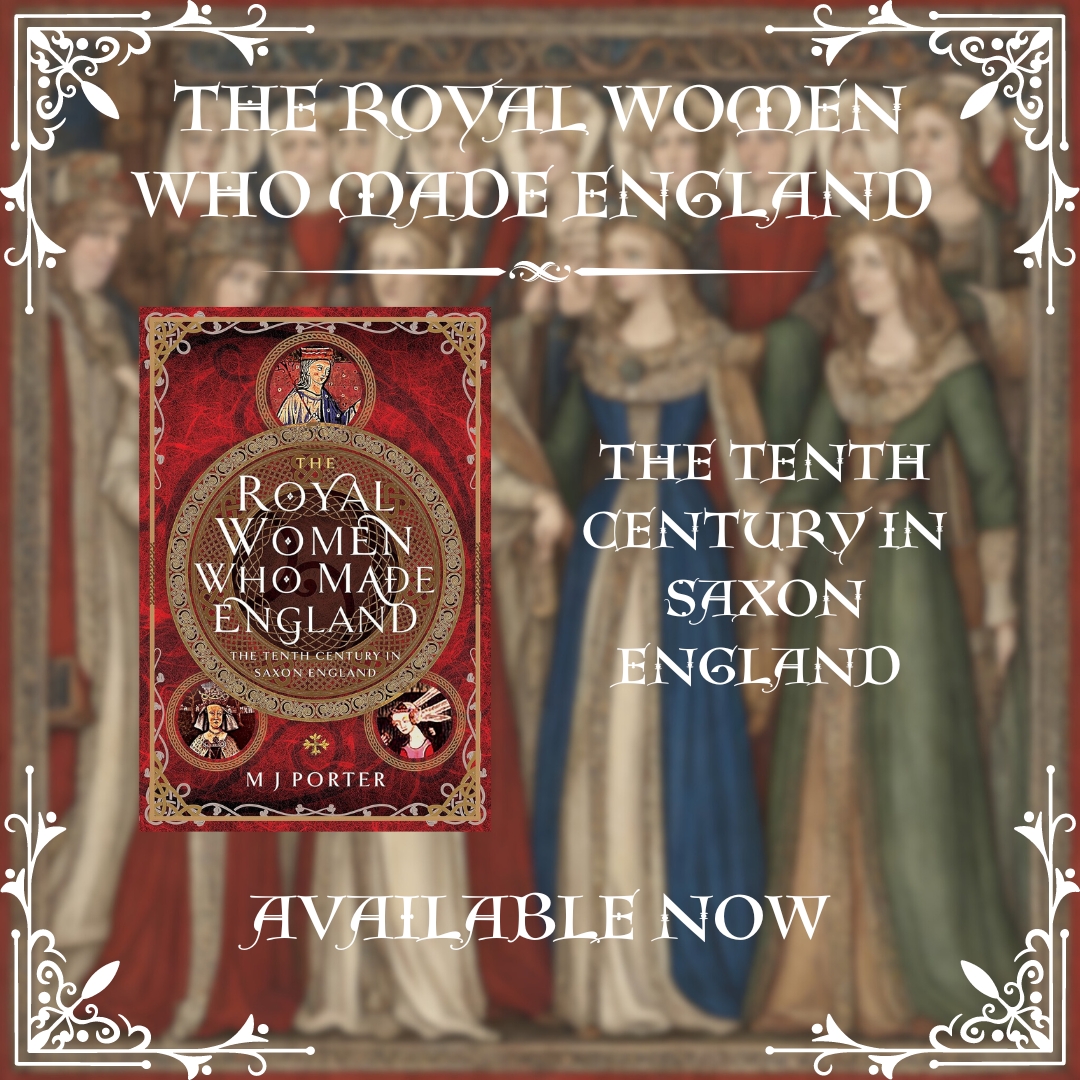
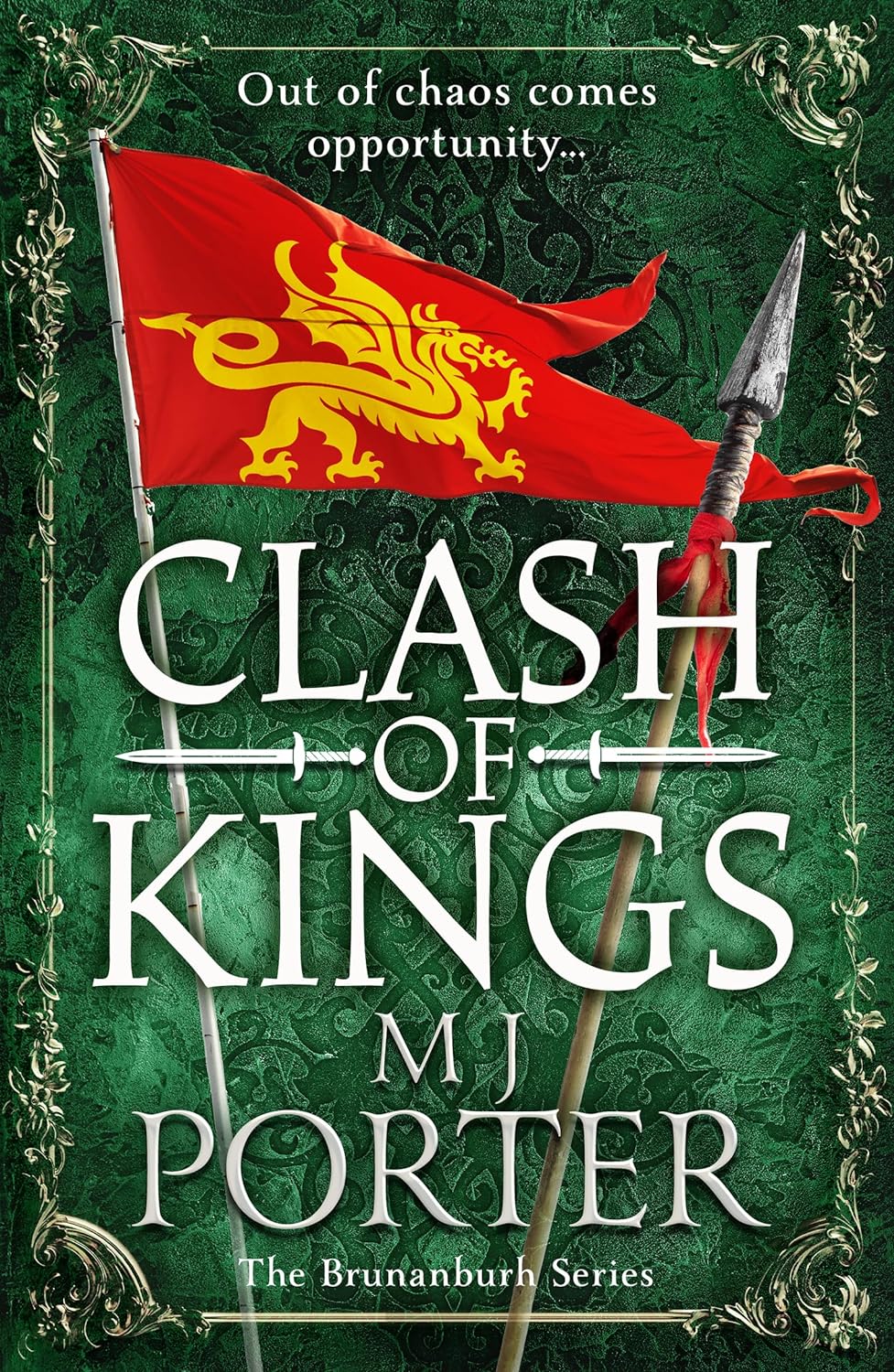
In January, I began my new writing routine by finishing off the first draft for The Last Viking, and then swiftly moved onto the next Icel story. Somewhat bizarelly, it’s this book, Betrayal of Mercia, which is being released on 5th January 2025. I was very ahead of the game. I also spent a bit of time working on edits for Enemies of Mercia and Conflict of Kings. It was my sixth most productive month. Not a bad start. It was also the month that Clash of Kings was released, the third book in the Brunanburh series, as well as my first non fiction title, The Royal Women Who Made England.
At this point, I’m also going to wax a little lyrical about another lifestyle change I made which was to start exercising every morning. This, I’ve found, wakes me up much better than caffeine and sets me up really well for the rest of the day. It can be anything from 10 minutes up to about half an hour, and I use an online app to decide what I’m going to do each day. I don’t complicate matters by trying to get to the gym, and my equipment is steadily growing at him. It’s made me much stronger, and now, like writing, I struggle if I don’t take the time to do a little bit each day.
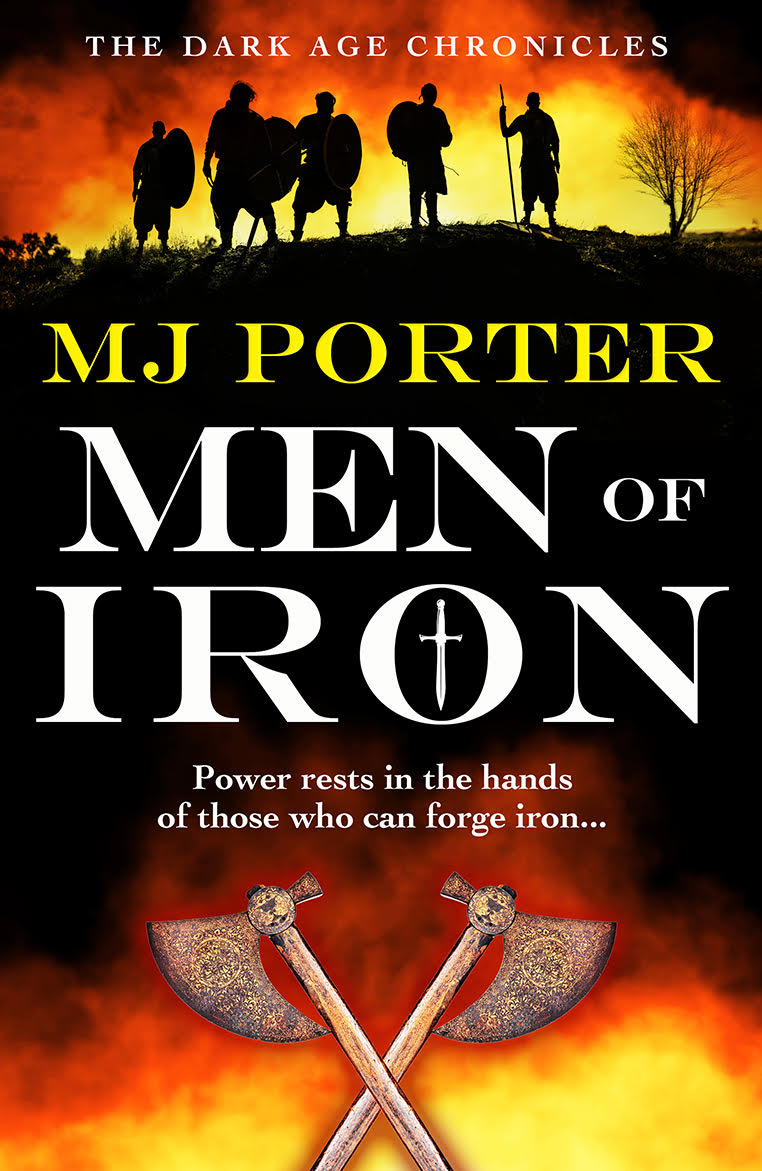
In February, my fifth most productive writing month, I was working on six different projects – which is kind of crazy. I finished my first draft of Betrayal of Mercia, scooted back to the next Coelwulf book, The Last Alliance, and also started work on my Dark Ages series, the first book of which, Men of Iron, will be releasing in April 2025. Aside from that, I also had some work to do on The Last Viking, Protector of Mercia and Kings of Conflict. So, by now I was in the swing of things. I write in the morning and then in the afternoon I work on edits, either structural, copy or proofreads. It means my creative side gets all excited in the morning, and then I can buckle down in the afternoons and get on with the other very important processes for a self-confessed pantser (I plan very little about my writing).
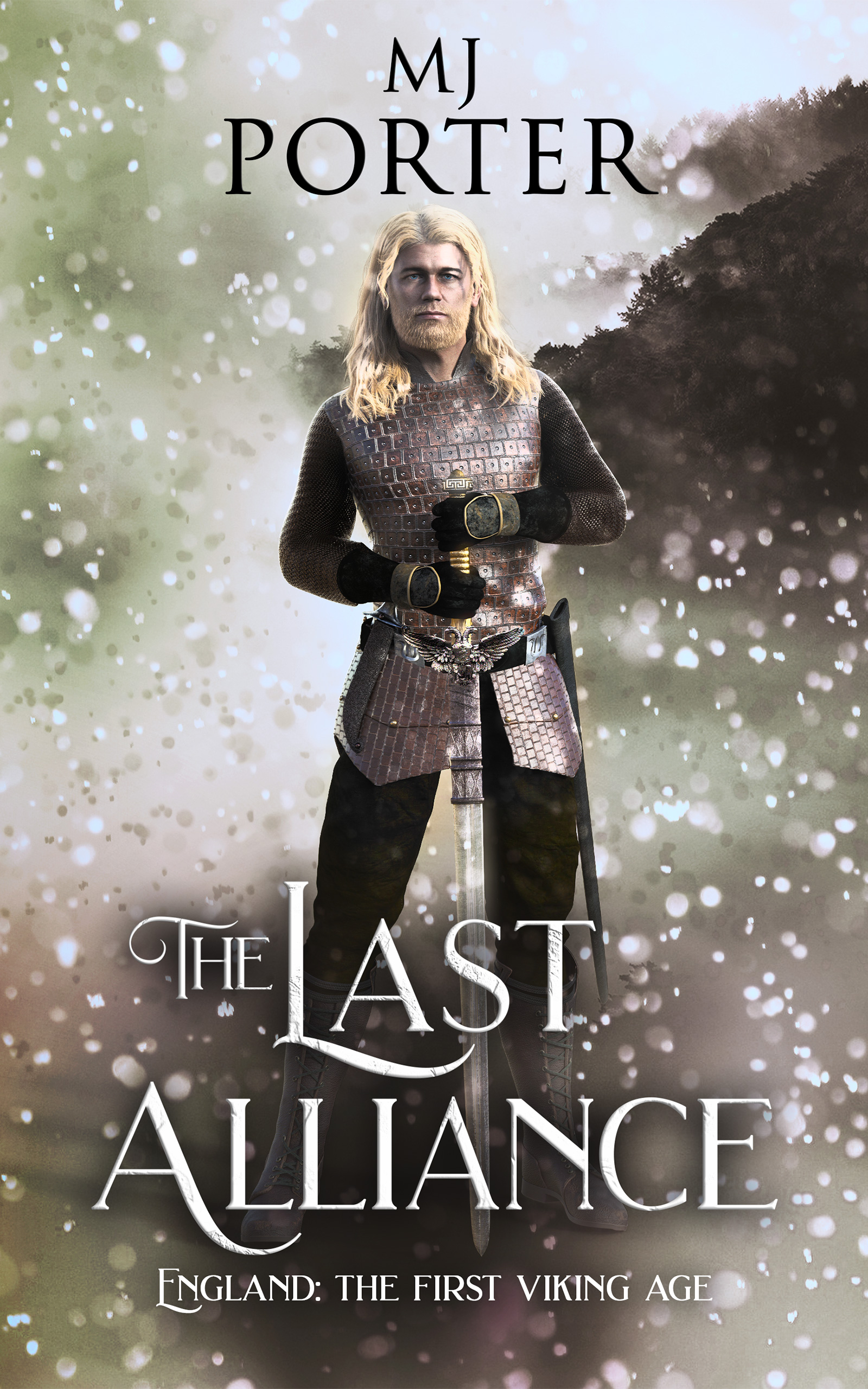
March was my third most productive writing month. I wrote the vast majority of the first draft of what would become The Last Alliance, and also did some editing for Betrayal of Mercia and Kings of Conflict. March also saw the welcome release of The Last Viking, the first Coelwulf book for a few years. It was so much fun to be back with Coelwulf and his friends. He is my most favourite character to write because it’s just like releasing all the tension and stress through his language and general attitude to life. I wish I could be ‘more’ Coelwulf all the time.
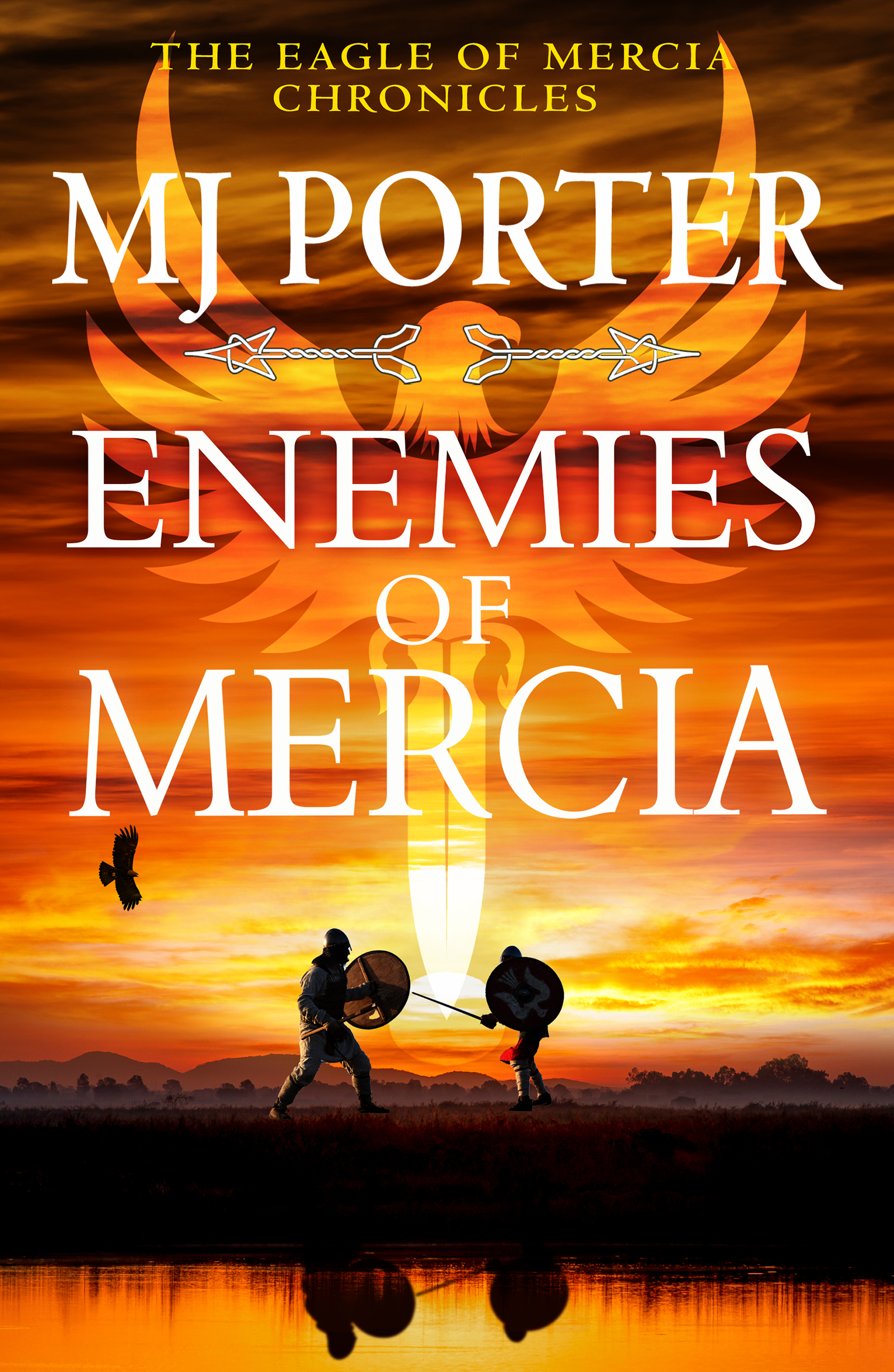
April was my seventh most productive writing month, with much of it taken up with work on Men of Iron, although I did start the month with the first 10,000 words of what became The Last Deceit. I didn’t realise I’d been playing with that book for quite so long. At this point, I was largely adhering to my 2000 words a day endeavour, although with a holiday and my time in school on the horizon, it was all about to come to a bit of a halt. It also saw the release of Enemies of Mercia, book 6 in the stories of young Icel.
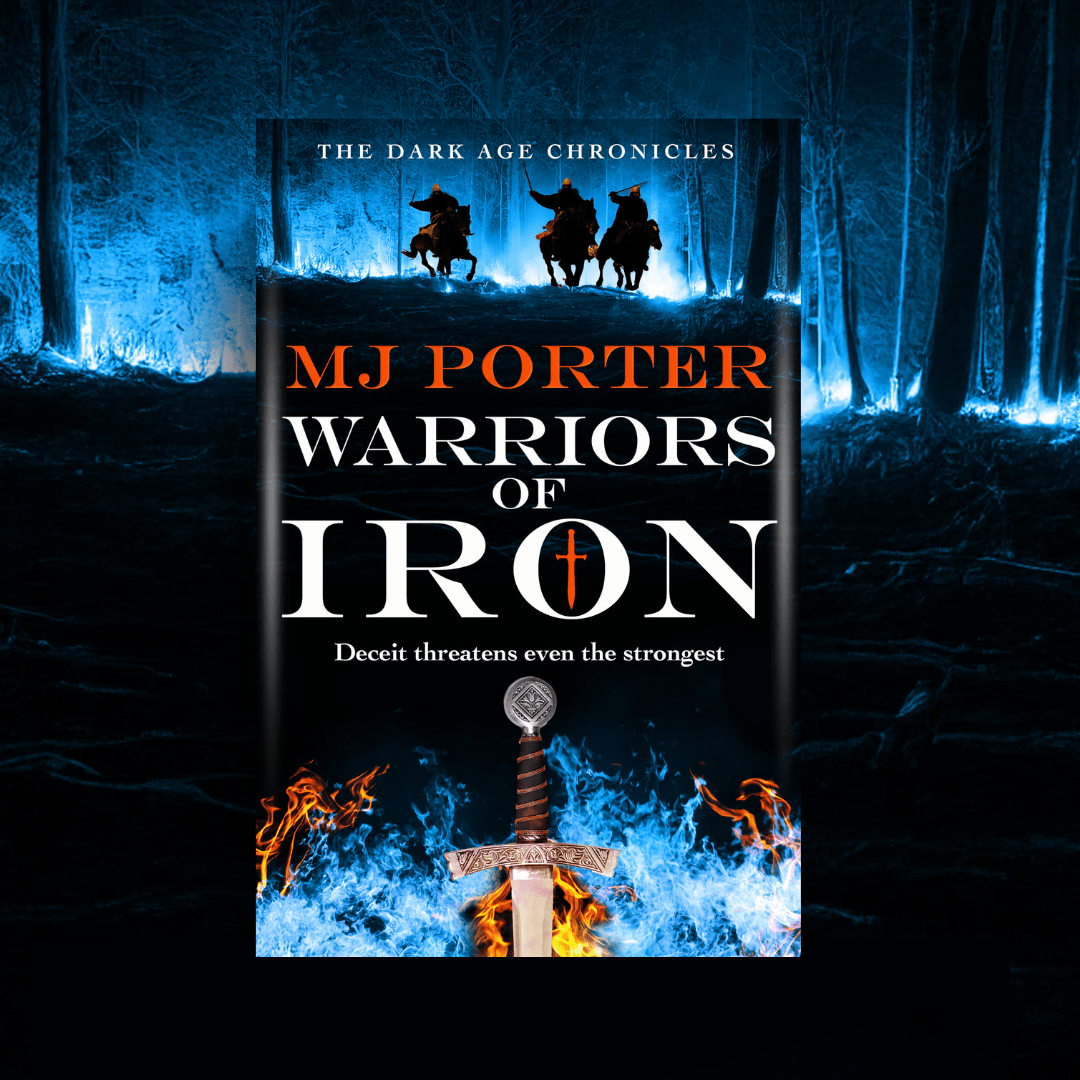
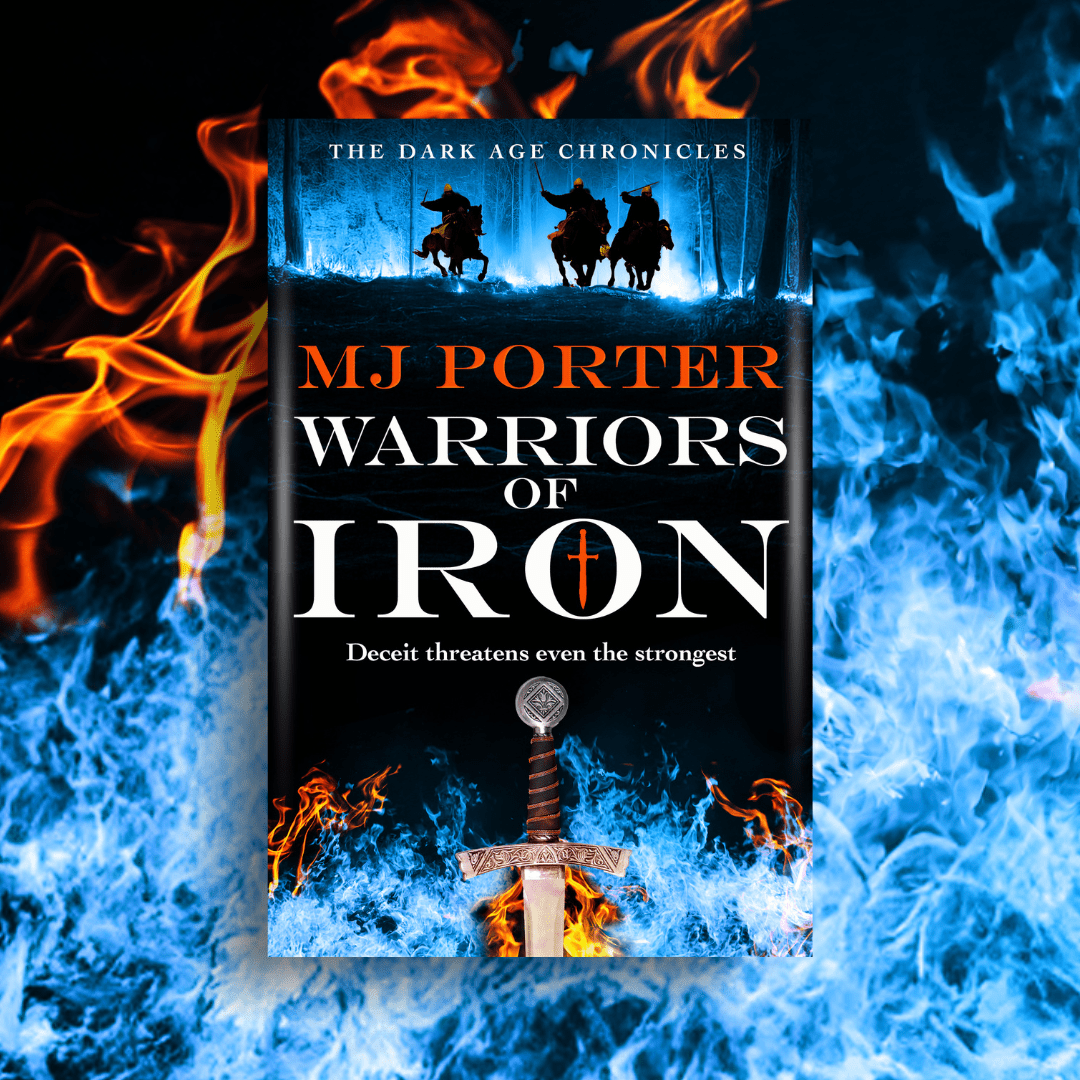
May was my eighth most productive month of 2024, coming in at 29,000 words for the month, so very much below my intended target of 2,000 words a day. But, I was on holiday and busy with exams at the local school, and I was ahead of my schedule that I’d written at the start of the year, so I didn’t mind too much. I was finishing the first draft of Men of Iron, and I also started work on the sequel to Men of Iron, which should be called Warriors of Iron when it’s released in August 2025.
June was a write-off (literally). I managed a massive 1000 words all month. Not only was I just back from holiday and busy in school, but I ended up with my first official bout of ‘Covid’ which was a most odd experience. However, I was able to release The Last Alliance at the end of June, which I was very pleased about.
July was a muddled month with a holiday to Norfolk (yes, I made it to Suffolk and Sutton Hoo), but it was my tenth most productive month, so not very productive at all, as I reworked some of Men of Iron.
For August, I was back to it. It was my most productive month, coming in at just under 85,000 words written on a variety of projects, I had to make up for lost time. I was writing Warriors of Iron and The Last Deceit, and editing Betrayal of Mercia as well as Men of Iron. I don’t want you feeling sorry for me because September, I knew, was going to be a difficult writing month with my long-awaited trip to Devon and slow journey there and back to take in A LOT of historical sites I needed to visit for Men of Iron and other projects. 6th August saw the release of Kings of Conflict, the final book in the Brunanburh series.
September was my eleventh most productive month, or second from last:) I worked on structural edits for Men of Iron, endeavouring to weave into the narrative some of the places I’d visited on my travels to and from Devon.
October was my fourth most productive month. My main tasks for the month were working on initial drafts for Warriors of Iron and The Last Deceit. I also worked on copyedits for Men of Iron and Betrayal of Mercia. This was the first time I managed to keep track of how many words I removed from the edited copy during the proofread. It was not that many words, but I faithfully recorded all of them, which gave me a net minus 3.
November is the month every year when I allow myself to write absolutely anything I want. This year saw me returning to a project from 2018 and starting to ‘fix’ many of the problems with it – the biggest one being there was simply too much story to fit into one book. I now intend to make it a trilogy, and using about 20,000 words from the first draft, I added a further 59,000 to it as well as working on some editing and structural edits of other projects. It was a busy month, but November is always really important to me. Deadlines and editing can really drain me of my creativity. November allows me to be excited about something entirely new and without deadlines (although, not so new this time as it was an older project). Watch this space to find out what I’m going to do with it.
For December, I was once more busy in the local school, and travelling to meet fellow Viking authors, and other authors more local to me. All the same, I’ve been busy writing, finally getting back to Icel, who I’ve neglected of late. That said, I’ve known where this new story would go ever since I finished working on the first draft Betrayal back in January. At the moment, my working title is Icel of Mercia, but I’m sure that won’t be the published title. December has been my ninth most productive writing month, but even as I write this, I know I have a few more writing days to go, so it will increase. December will also see the release of The Last Deceit. I’ve just managed to get the 3 Coelwulf books in, as promised.
All in all, I’ve enjoyed my writing in 2024. There are always moments when it’s an effort, and moments when it feels easy, but my new writing routine, or what I now call ‘minimising the stress around first drafts’ has really helped me. Ensuring I’m working on something while editing another project ensures I have time for my stories to settle before I edit them, and also allows me to plant all those lovely Easter Eggs I love to scatter through the many different series. I pity the person who tries to work out which book I was writing when in the future.
I have two newish projects under way, my November project, and also the beginnings of another nonfiction title. I also have two of my three Boldwood titles complete bar some of the editing, and Icel 8 is shaping up nicely as well. For next year, I want to continue my current practice of writing at least 2000 words each morning, and editing in the afternoon. It works really well with my writing style. Everyone has different styles. It’s important to determine what works, and when it stops working, to find something else. 2024 was the year I revamped what had been working for me for many years. It’s also allowed me to methodically plan, even if I didn’t always keep to the plan.
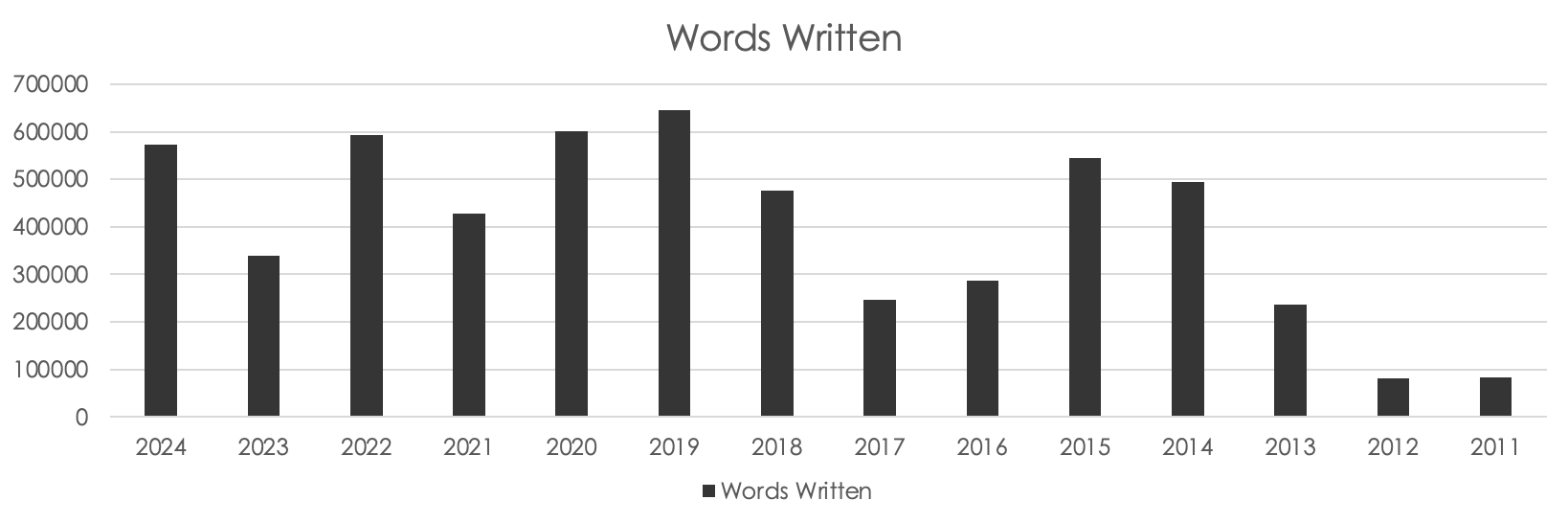
In terms of words written this year, it comes in at about 570k. It’s not my best year, which was 2019, but it’s so much better than in 2023, I’m really pleased.
Forthcoming releases for 2025 will be Betrayal of Mercia, Men of Iron, Warriors of Iron in August, Icel 8 in October and hopefully, a new Erdington Mystery (I have a title, which is a good sign for that series) and my November 2024 project which I need to finish but which will probably be released under a different author name. I also hope to return to Coelwulf, but I’m not promising 3 titles in the series as I did in 2024. That was almost too much for me. In terms of writing, I need to finish the Dark Age Chronicles (I’ve stated it will be a trilogy – I have too many characters as it is,) and continue with the lovely Icel.
A huge thank you to all my wonderful readers who allow me to spend my time with my characters. It is a privilege.
If you want to follow my writing journey, join my newsletter. I update readers each month.