
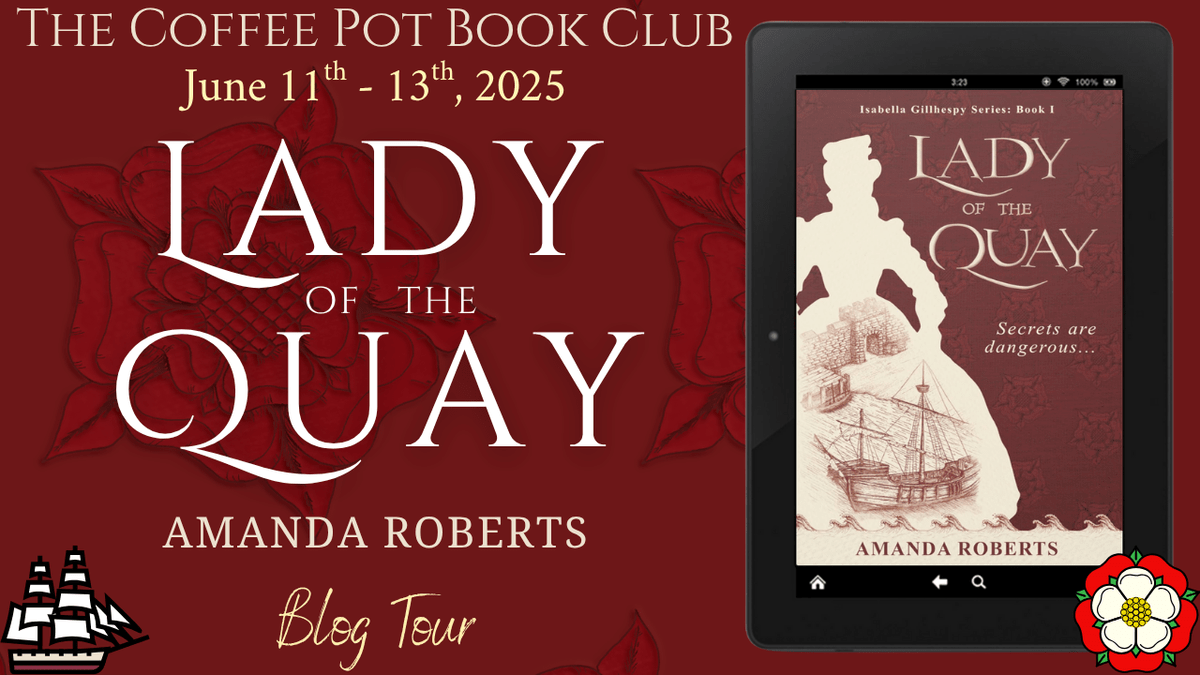
I’m delighted to welcome Amanda Roberts and her new book, Lady of the Quay, to the blog #LadyoftheQuay #Tudors #HistoricalFiction #HistoricalMystery #BlogTour #TheCoffeePotBookClub

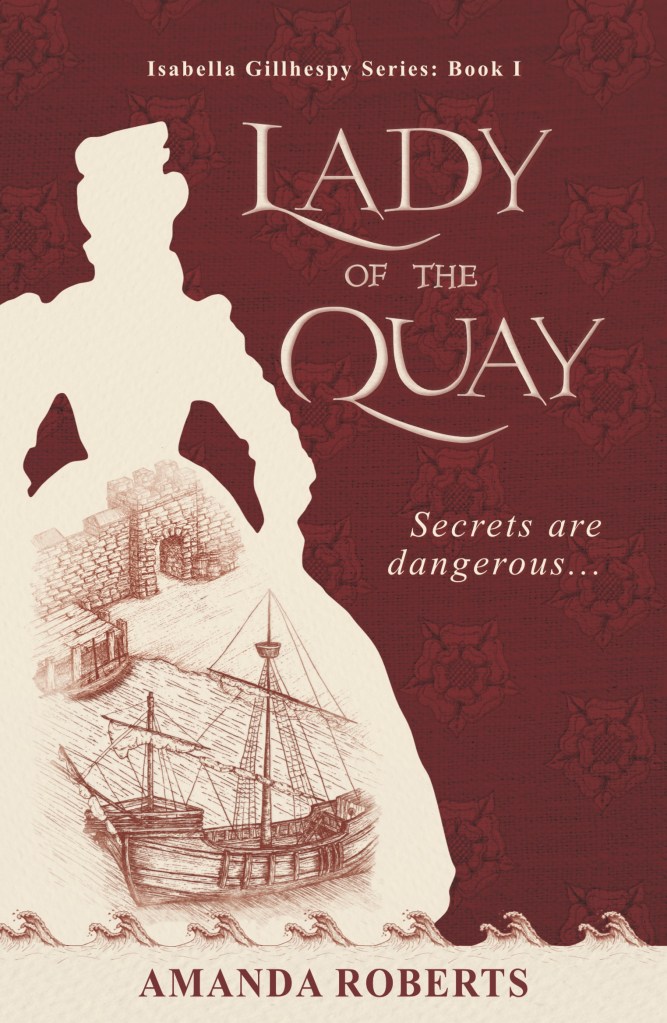
I’m delighted to welcome Amanda Roberts and her new book, Lady of the Quay, Book 1 in the Isabella Gillhespy Series, to the blog with a snippet.

Snippet

‘Drink?’ I asked, gesturing towards the cabinet. He removed his hat, threw it onto a chair, and shook his head.

‘I’m here on business.’

That had never stopped him before. My heart had already sunk into my stomach, and his curt reply sent it plummeting to my feet. I had envisaged a cosy chat, me resting on my settle, him in his favourite chair, either side of the fire. A scene we had populated so many times in the past. But I already knew that was not going to happen. I did not sit down, but faced him, both of us standing somewhat awkwardly in the middle of the room.

‘Well?’ I challenged him to speak first. If we got the business out of the way we might be able to move on to resolve the more personal difficulties that stood between us, a wall as impenetrable as those surrounding Berwick. But like our town defences, every wall has its gates. I just needed to find Will’s gate.
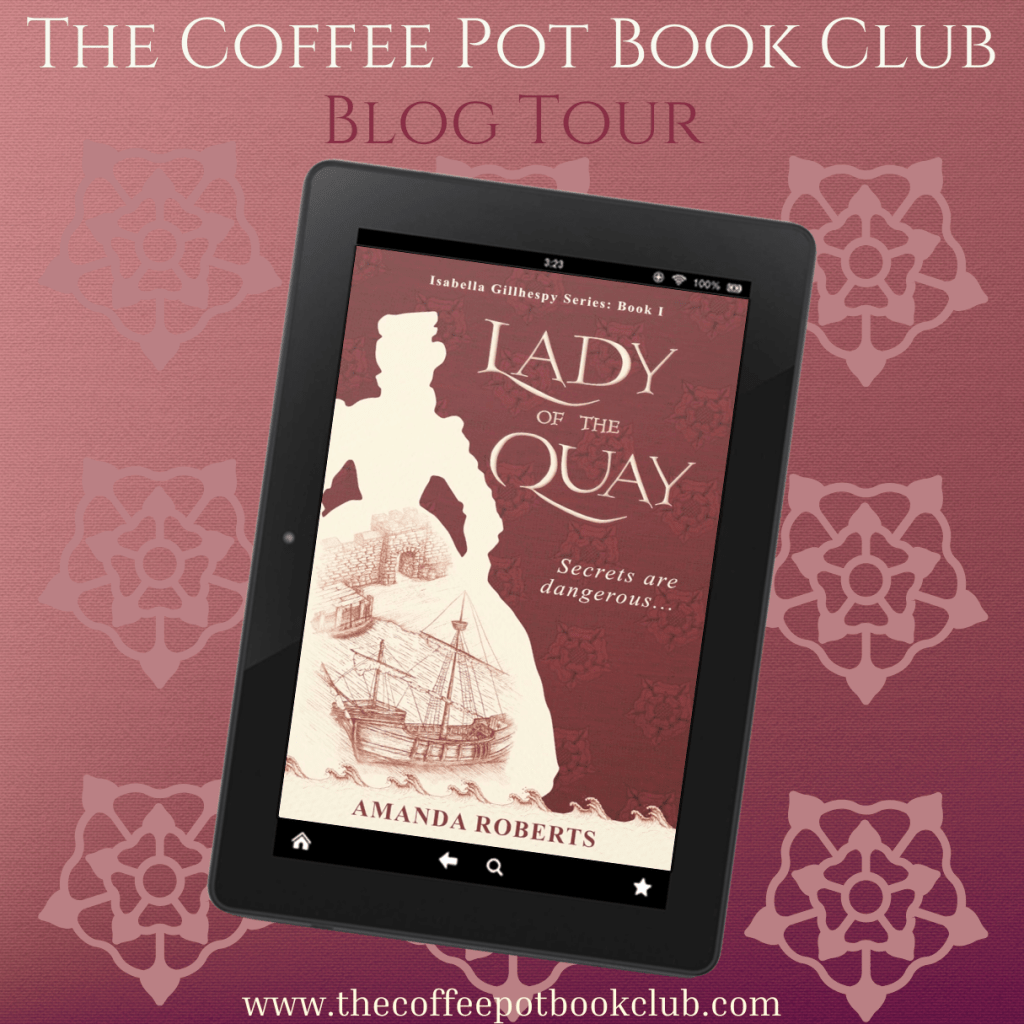
Here’s the Blurb

Knowing she is innocent is easy … proving it is hard

1560, Berwick-upon-Tweed, northern England

Following the unexpected death of her father, a series of startling discoveries about the business she inherits forces Isabella Gillhespy to re-evaluate everything she understands about her past and expects from her future.

Facing financial ruin, let down by people on whom she thought she could rely, and suspected of crimes that threaten her freedom, Isabella struggles to prove her innocence.

But the stakes are even higher than she realises. In a town where tension between England and her Scottish neighbours is never far from the surface, it isn’t long before developments attract the interest of the highest authority in the land, Sir William Cecil, and soon Isabella is fighting, not just for her freedom, but her life. She must use her wits and trust her own instincts to survive.

Lady of the Quay introduces an enticing new heroine who refuses to be beaten, even as it becomes clear that her life will never be the same again.

From the author of the award-winning ‘The Woman in the Painting’.
Buy Link

Universal Link

This title is available to read on #KindleUnlimited

Meet the Author

Amanda Roberts has worked as an Editor in business-to-business magazines for over 30 years, specialising in out-of-home coffee, vending and foodservice/catering, including Editor of the global gastronomy title: ‘Revue internationale de la Chaîne des Rôtisseurs’.

She currently freelances, editing UK-based healthcare titles – HEFMA Pulse, Hospital Food + Service and Hospital Caterer. She is a member of the Society of Authors, the Historical Novel Society and West Oxfordshire Writers. She also volunteers for Tea Books (part of Age UK) to run a book club/reading group for elderly people in the community.

Connect with the Author
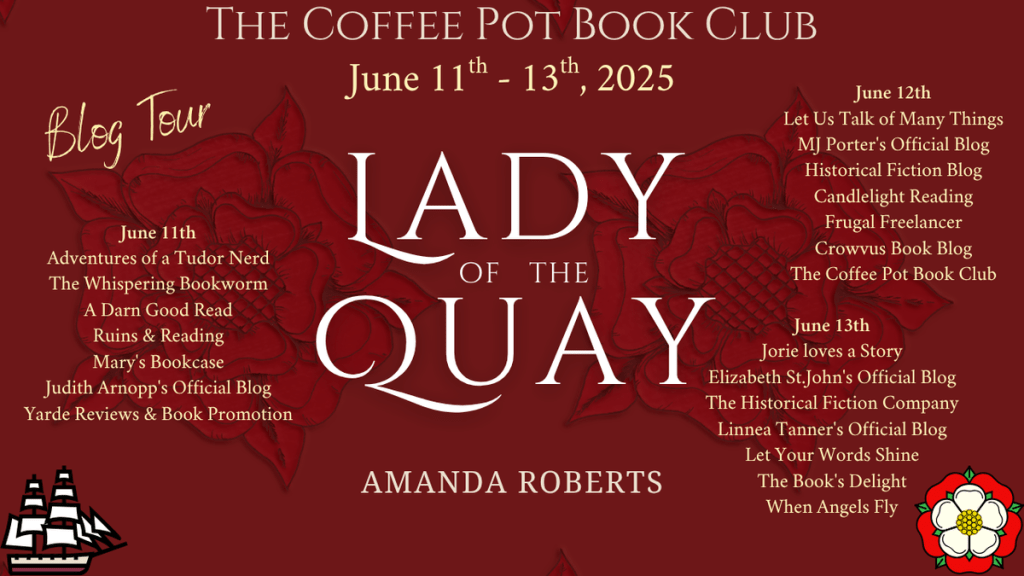

Follow the Lady of the Quay blog tour with The Coffee Pot Book Club

Posts

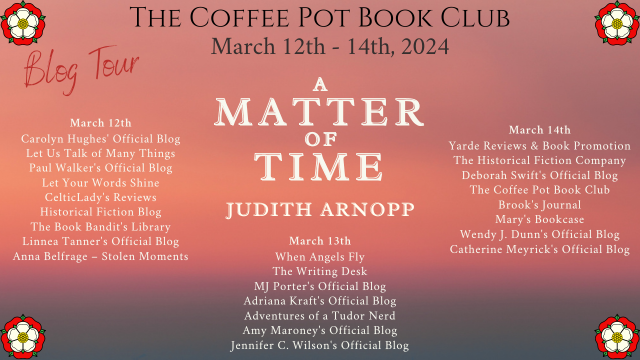
I’m delighted to welcome Judith Arnopp and her new book, A Matter of Time, to the blog #HistoricalFiction #Tudor #HenryVIII #NewRelease #BlogTour #CoffeePotBookClub

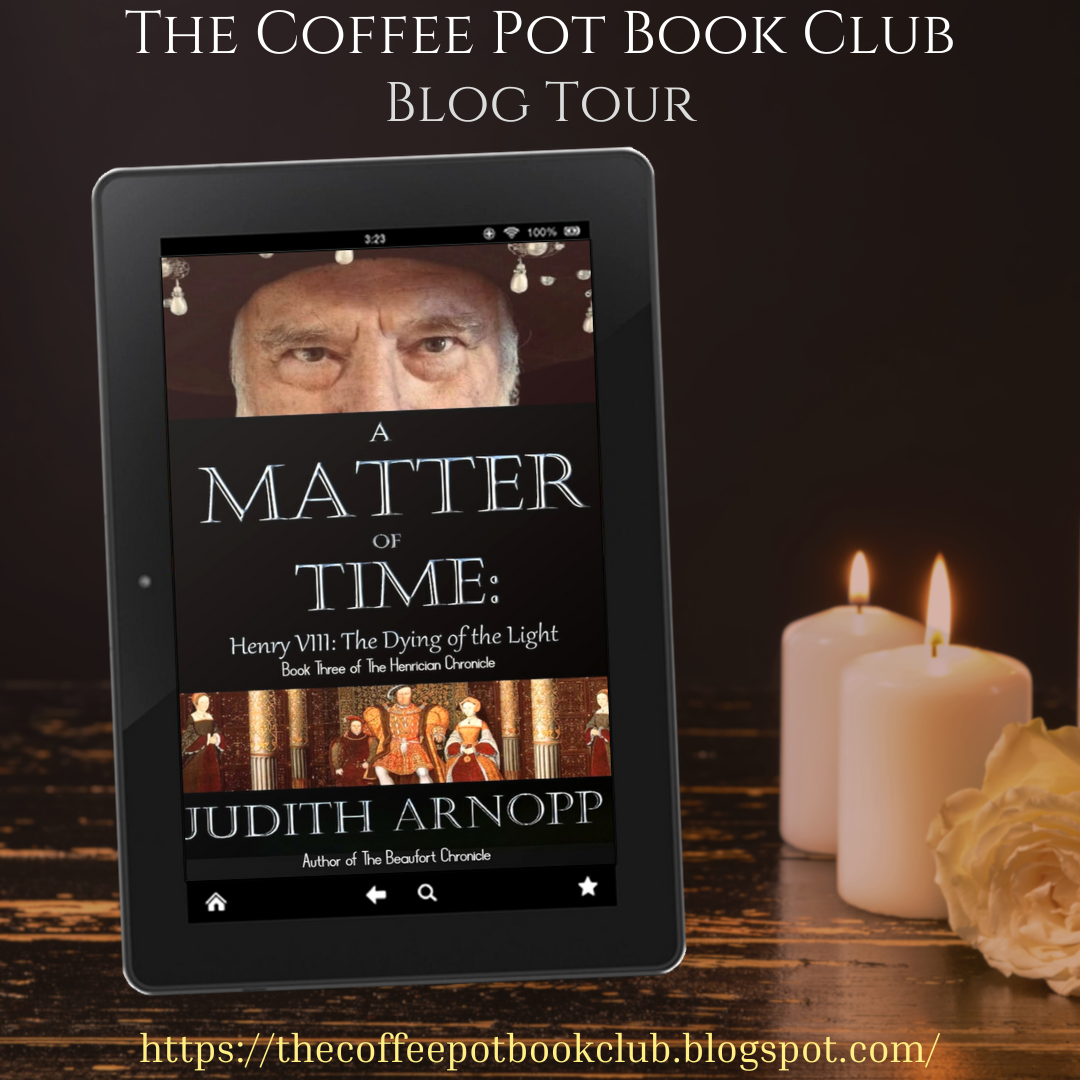
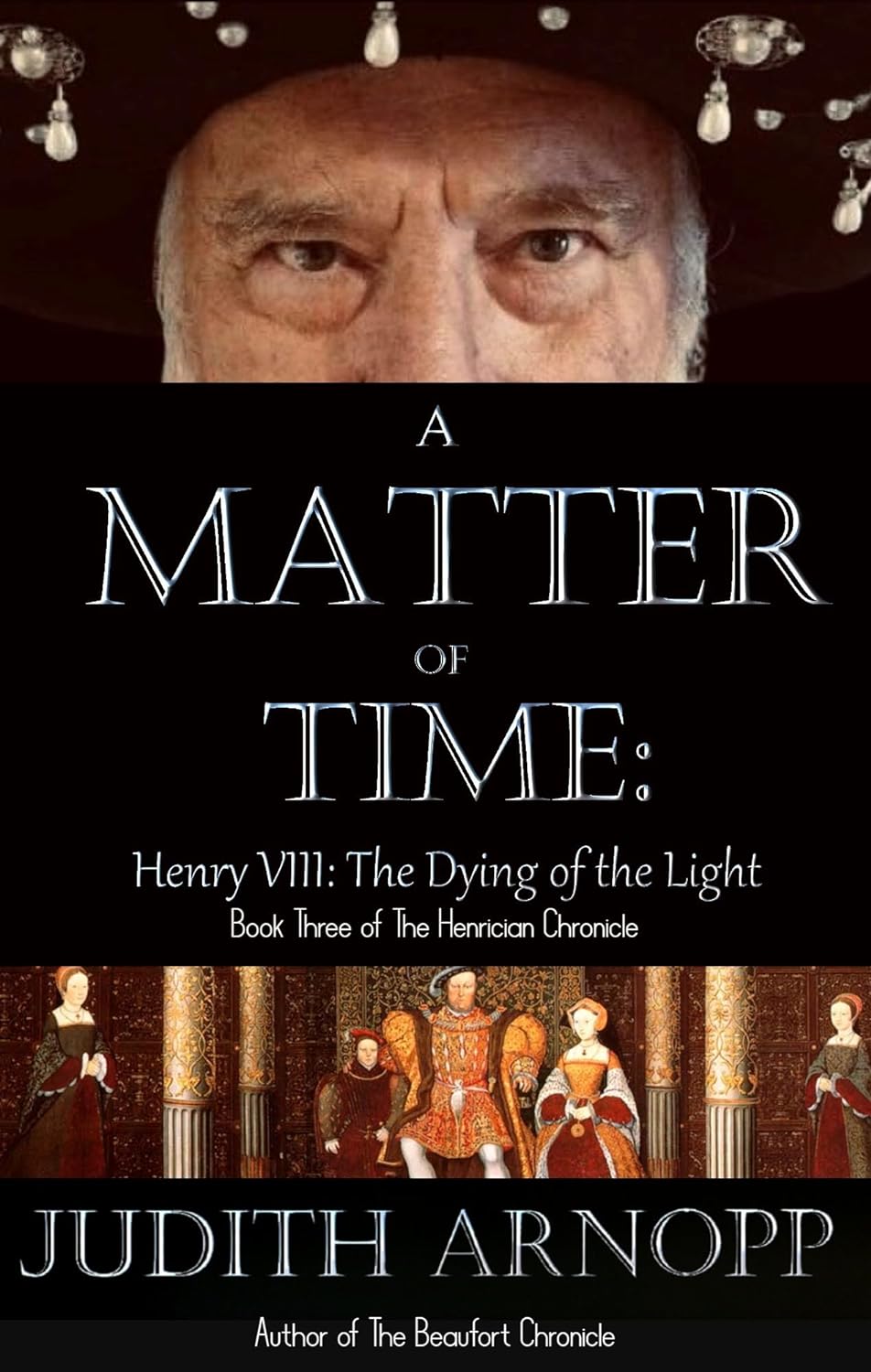
I’m delighted to welcome Judith Arnopp and her new book, A Matter of Time: Henry VIII, the Dying of the Light (Book Three), to the blog with a snippet.

Snippet: November 1541 Henry prepares for mass

It is good to be home, and my spirits remain high. I jest with my gentlemen as my beard, greyer now than gold, is trimmed, my nails clipped. I select a doublet of black with silver thread embellishing the cuffs, the slashes across the sleeves and chest revealing a fine silk shirt beneath.

My looking glass reflects a king, a man in his prime, a wise and honest man. As my dress sword is arranged at my hip, I take the gloves Denny is offering and tuck them into my girdle.

“Where is my psalter?” I ask, and it is instantly produced. I tuck it beneath my arm and make my way to the chapel, wondering as I go if Katherine will make it to Mass so early.

My mind is not on prayer this morning. I am feeling spry enough to go for a ride. Brandon has returned to court this week, perhaps we can ride out together as we used to, if he is feeling up to it. I often forget that he too grows old.

The sound of the choir greets me, their voices ascending to the dizzy heights of the blue and gold ceiling. Immediately, I feel contrition that my mind had strayed to sport rather than giving thanks to God for another day. Before I enter and take my seat, I rearrange my face into a pious expression. But as I sit down, I notice a folded slip of paper. I pick it up, look about the chapel to discover the author of the note, but when no man meets my eye, I unfold the message and … the world around me crumbles.

Here’s the blurb

With youth now far behind him, King Henry VIII has only produced one infant son and two bastard daughters. More sons are essential to secure the Tudor line and with his third wife, Jane Seymour dead, Henry hunts for a suitable replacement.

After the break from Rome, trouble is brewing with France and Scotland. Thomas Cromwell arranges a diplomatic marriage with the sister of the Duke of Cleves but when it comes to women, Henry is fastidious, and the new bride does not please him. The increasingly unpredictable king sets his sights instead upon Katherine Howard and instructs Cromwell to free him from the match with Cleves.

Failure to rid the king of his unloved wife could cost Cromwell his head.

Henry, now ailing and ageing, is invigorated by his flighty new bride but despite the favours he heaps upon her, he cannot win Katherine’s heart. A little over a year later, broken by her infidelity, she becomes the second of his wives to die on the scaffold, leaving Henry friendless and alone.

But his stout heart will not surrender and leaving his sixth wife, Katheryn Parr, installed as regent over England, Henry embarks on a final war to win back territories lost to the French more than a century before. Hungry for glory, the king is determined that the name Henry VIII will shine brighter and longer than that of his hero, Henry V.

Told from the king’s perspective, A Matter of Time: Henry VIII: the Dying of the Light shines a torch into the heart and mind of England’s most tyrannical king.

Buy Links

Meet the Author

A lifelong history enthusiast and avid reader, Judith holds a BA in English/Creative writing and an MA in Medieval Studies. She lives on the coast of West Wales where she writes both fiction and non-fiction. She is best known for her novels set in the Medieval and Tudor period, focusing on the perspective of historical women but recently she has been writing from the perspective of Henry VIII himself.

Judith is also a founder member of a re-enactment group called The Fyne Companye of Cambria which is when she began to experiment with sewing historical garments. She now makes clothes and accessories both for the group and others. She is not a professionally trained sewer but through trial, error and determination has learned how to make authentic looking, if not strictly historically accurate clothing. Her non-fiction book, How to Dress like a Tudor was published by Pen and Sword in 2023.

Her novels include:

  • A Song of Sixpence: the story of Elizabeth of York
  • The Beaufort Chronicle : the life of Lady Margaret Beaufort (three book series)
  • A Matter of Conscience: Henry VIII, the Aragon Years (Book One of The Henrician Chronicle)
  • A Matter of Faith: Henry VIII, the Days of the Phoenix (Book Two of The Henrician chronicle)
  • A Matter of Time: Henry VIII, the Dying of the Light (Book Three, Coming soon)
  • The Kiss of the Concubine: a story of Anne Boleyn
  • The Winchester Goose: at the court of Henry VIII
  • Intractable Heart: the story of Katheryn Parr
  • Sisters of Arden: on the Pilgrimage of Grace
  • The Heretic Wind: the life of Mary Tudor, Queen of England
  • Peaceweaver
  • The Forest Dwellers
  • The Song of Heledd

Previously published under the pen name – J M Ruddock.

  • The Book of Thornhold
  • A Daughter of Warwick: the story of Anne Neville, Queen of Richard III

Connect with the Author

Website: Blog: Bluesky: BookBub:

Follow the A Matter of Time blog tour with The Coffee Pot Book Club

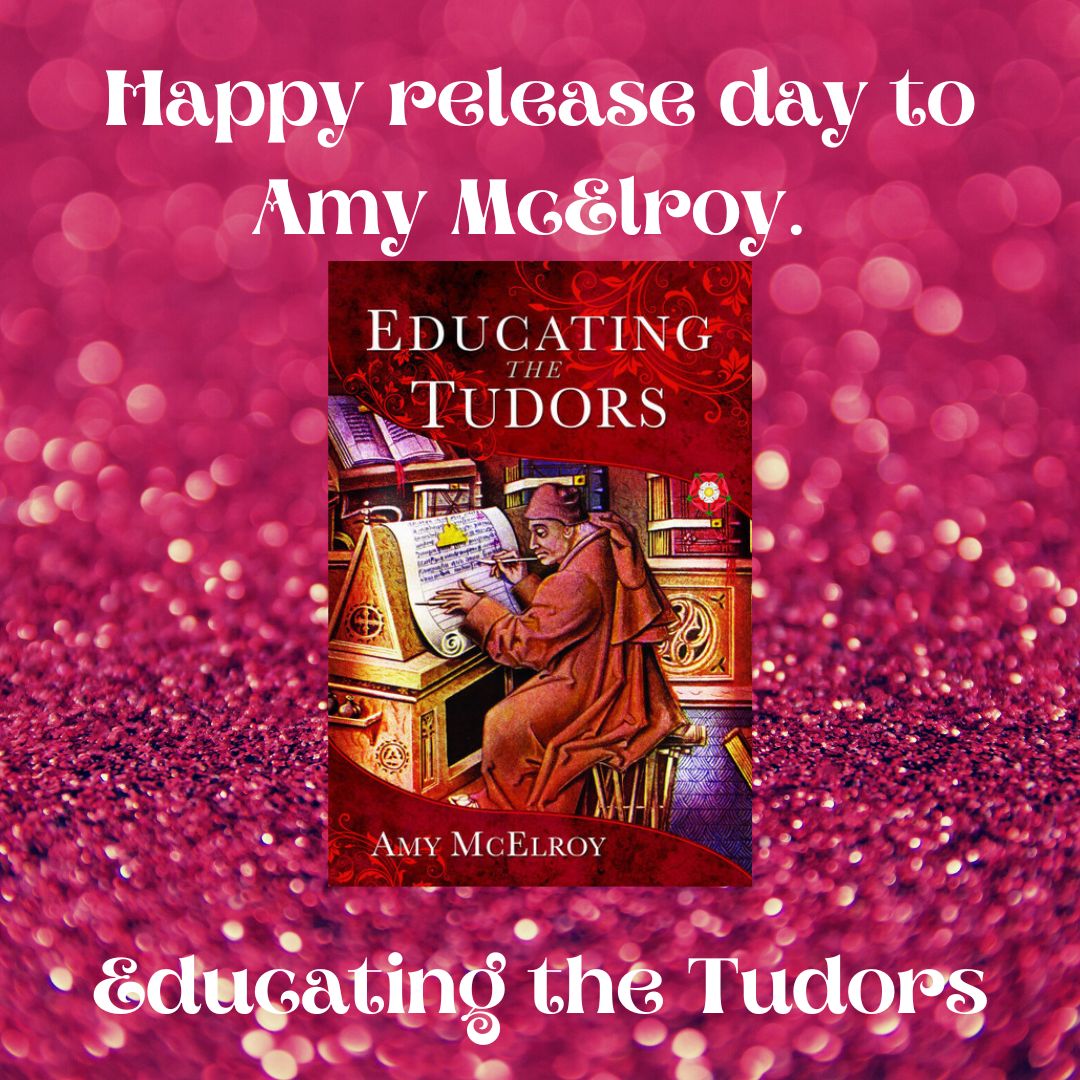
I’m so excited to share my review for Educating the Tudors by Amy McElroy #newrelease #non-fiction

Here’s the blurb

Education during the Tudor era was a privilege and took many forms including schools, colleges and apprenticeships. Those responsible for delivering education came from a variety of backgrounds from the humble parish priest to the most famed poet-laureates of the day. Curriculums varied according to wealth, gender and geography. The wealthy could afford the very best of tutors and could study as much or as little as they chose whilst the poorer members of society could only grasp at opportunities in the hopes of providing themselves with a better future. 

The Tudors were educated during a time when the Renaissance was sweeping across Europe and Henry VIII became known as a Renaissance Prince but what did his education consist of? Who were his tutors? How did his education differ to that of his elder brother, Prince Arthur and how did Henry’s education change upon the death of his brother? There is no doubt Henry was provided with an excellent education, particularly in comparison to his sisters, Margaret and Mary. Henry’s own education would go on to influence his decisions of tutors for his own children. Who had the privilege of teaching Henry’s children and did they dare to use corporal punishment? 

Educating the Tudors seeks to answer all of these questions, delving into the education of all classes, the subjects they studied, educational establishment and those who taught them.

Purchase Link

Pen and Sword Books

My Review

Educating the Tudors by Amy McElroy is a fascinating and thorough examination of the state of education for all during the Tudor era, following developments due to the Renaissance and the Reformation, as well as the introduction of the printing press. Not content with researching the tutors of the royal children from Arthur to Edward, Amy has also examined education for all levels of society as well as what would have been taught. With an eye for the difference between class, sex and wealth, Amy has examined what education was, and how it was undertaken, as well as the titans who were making use of their interest in learning to advance learning for all, making use of the printing press, even as they sought to catch the eye of the reigning monarch.

And this isn’t just book-learning, but also the paths of apprenticeships, as well as how people became lawyers, and just what effect the Reformation did have on an education system that was so heavily reliant on priests and had to be radically rethought when the monasteries, and later, chantries were closed.

I was fascinated by the subject matter, and learned so much from reading this book – indeed, even things I’ve read about before suddenly made a lot more sense.

An absorbing and well-researched book, which is sure to fascinate all those interested in the Tudors, as well as the development of education in England.

(I found the subject matter absolutely fascinating, especially as I’ve personally been researching the education of the children of King Alfred. I was struck by the similarities, despite the six hundred plus year distance between the two eras. I’m sure I won’t be alone in that – I hope:) And there’s a another link between the Tudors and the Saxons, as it was the renewed interest in learning that is responsible for many of the surviving Saxon text we now have, including the Anglo-Saxon Chronicle.)

My thanks to the author, the publisher and Netgalley for my review copy, but my hardback is in the post as well:)

Meet the Author
Amy my was born and bred in Liverpool before moving to the Midlands to study Criminal Justice eventually becoming a civil servant. She has long been interested in history, reading as much and as often as she could. Her writing journey began with her blog, sharing thoughts on books she had read, before developing to writing reviews for Aspects of History magazine and culminating in her own book.

Connect with Amy

Blog

Twitter

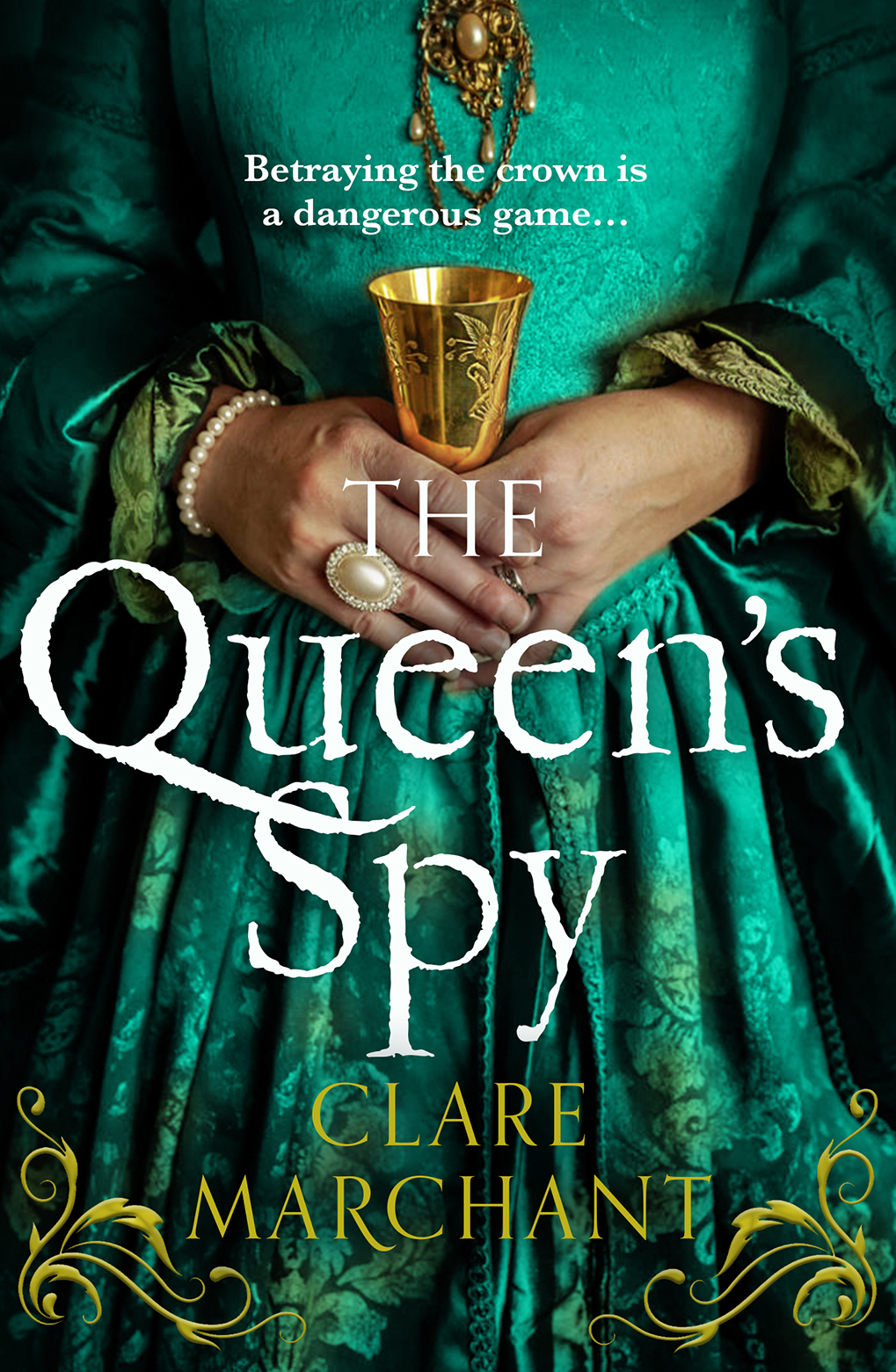
Clare Marchant is sharing some historical research from The Queen’s Spy #blogtour #histfic #historicalresearch

Today, I’m delighted to welcome Clare Marchant to the blog with a fascinating post about her new dual-timeline novel, The Queen’s Spy, partially set in Elizabethan England, a particular favourite of mine.

My Research Process

When I first have a concept for a book it always starts with the historical protagonist. I never have an idea that appears fully formed in my head (oh I wish I were that writer!) but instead I will have various small threads of suggestions and I need to start weaving them together until I have a strong enough outline to encompass a whole book. And at that point, the research – my favourite part of writing a book – really begins. I have always had a great love for history and I studied it for my degree, so reading historical textbooks as part of my job is perfect for me!

The problem with historical research as any writer will attest to, is that it is all too easy to fall down a rabbit hole – and I am as guilty as the next person of doing that! A name will be mentioned and I find myself looking that person up to see if they could be used in my book and then that leads to something else and before I know it, a whole day has passed and I haven’t got anything down on paper.

I definitely make a rod for my own back in that I like to include as much accuracy as possible and to use real people wherever I can, just threading my own protagonist in around actual events. Therefore it’s important that my information is spot on. For instance, in The Queen’s Spy I wrote about The Babington Plot and Sir Francis Walsingham’s spy network. I did extensive reading around this until I had accumulated quite a lot of information which we know to be true. Even if my readers don’t realise that I’m using real events and people, I think it’s important to get the facts right. For example Tom wears a blue coat because we know that Babington was brought a letter from a man wearing a blue coat who was believed to be one of Walsingham’s men. And when Babington is missed hiding upstairs in Pooley’s house – another true event.

In a similar way when I wrote The Secrets of Saffron Hall, I had to research a lot into the growing of saffron in Norfolk in the sixteenth century to make sure everything I wrote was accurate – I was delighted when I discovered that it’s still grown there today!

Over the years I have accumulated many research books, and every time I start to write another book I seem to buy more, whilst reassuring my husband that it is vital and part of my work as he sees another pile of packages arrive on the doormat! Usually they’re specialist ones that have information for a particular subject I need to know about in great detail, such as ‘The Queen’s Agent’ by John Cooper and ‘Elizabeth’s Spy Master’ by Robert Hutchinson for detailed accounts of the work that Walsingham did to stop Mary Queen of Scots toppling Queen Elizabeth and taking the throne.

I do of course use some more generic Tudor books for some of the details I may not know. I needed to research some of the herbal remedies during the writing of Saffron Hall, and sometimes I want to know specifics for items of clothing or tools they used. One of my favourite books is called ‘A History of the Tudors in 100 Objects’ by John Matusiak and as the title suggests it has photographs of Tudor artefacts, some of which are quite amazing.

Before I start writing a book I spend about eight weeks researching in depth around the timeline I am going to write about so that I am fully immersed in it when I begin to write. I don’t want to have to stop every thirty minutes to check a fact, although of course there are occasions when I have to put a marker in to go back and check something…although this can be dangerous as once again I am seen disappearing down that ubiquitous rabbit hole!

Thank you so much for sharing such a fascinating post with me. I do love to find out how writers get to their characters, and how they learn about their time period. Good luck with the new book.

Here’s the blurb:

1584: Elizabeth I rules England. But a dangerous plot is brewing in court, and Mary Queen of Scots will stop at nothing to take her cousin’s throne.

There’s only one thing standing in her way: Tom, the queen’s trusted apothecary, who makes the perfect silent spy…

2021: Travelling the globe in her campervan, Mathilde has never belonged anywhere. So when she receives news of an inheritance, she is shocked to discover she has a family in England.

Just like Mathilde, the medieval hall she inherits conceals secrets, and she quickly makes a haunting discovery. Can she unravel the truth about what happened there all those years ago? And will she finally find a place to call home?

Buy Links:

Amazon UKAmazon USAmazon CAAmazon AU

Barnes and NobleWaterstonesKoboiBooks

Audio

Meet the Author
Growing up in Surrey, Clare always dreamed of being a writer. Instead, she followed a career in IT, before moving to Norfolk for a quieter life and re-training as a jeweller.

Now writing full time, she lives with her husband and the youngest two of her six children. Weekends are spent exploring local castles and monastic ruins, or visiting the nearby coast.

Connect with Clare

TwitterFacebookInstagram:  Amazon Author Page
Don’t forget to check out the other stops on The Queen’s Spy blog tour with The Coffee Pot Book Club.