Who were the family of Lady Estrid? #HistFic #non-fiction

Lady Estrid was born into a large and illustrious family with far-reaching influence over Denmark, Sweden, Norway and England.

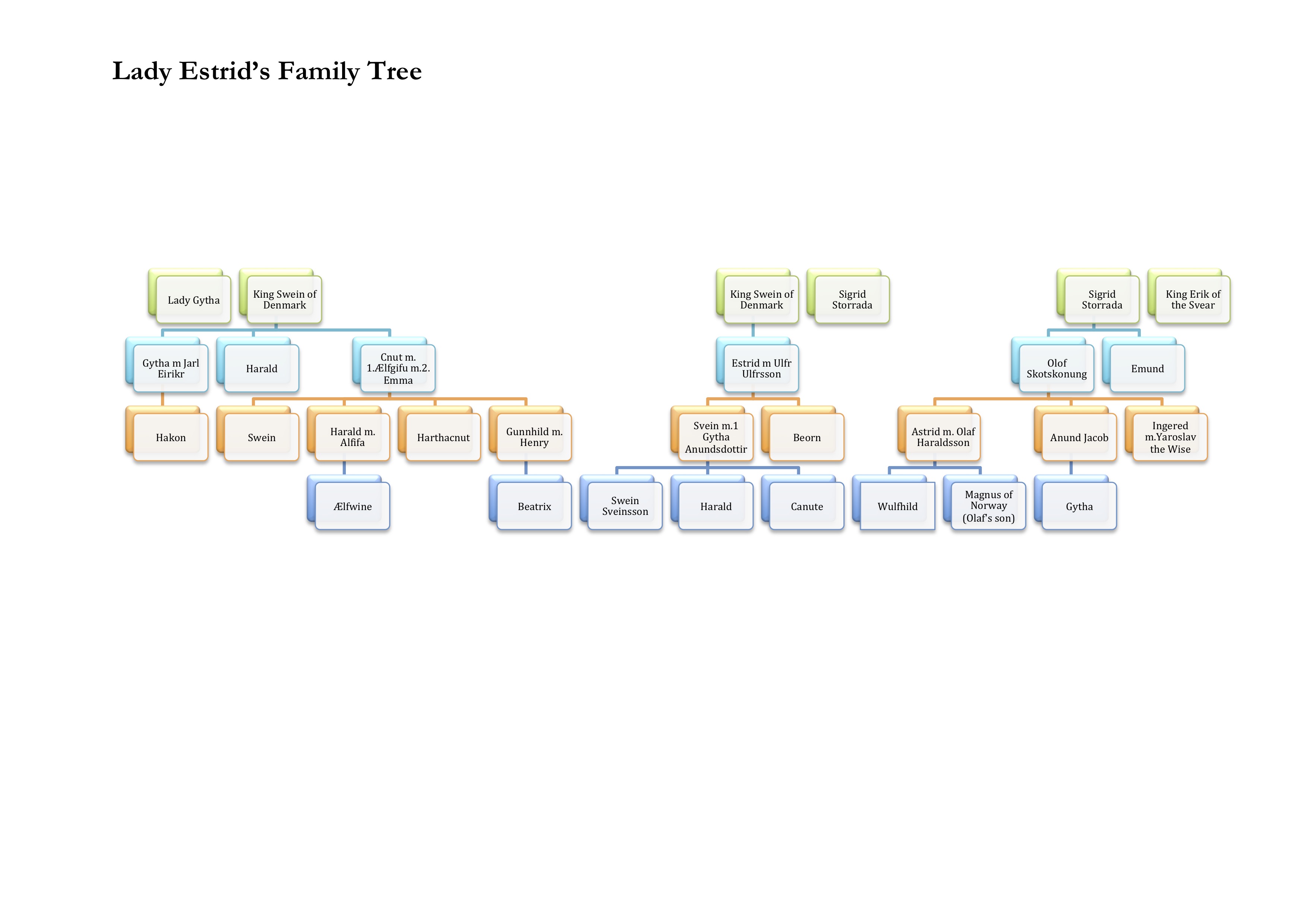
I’ve put together some genealogical tables of the main families to make easier to work out how everyone connected. (You can click on the images to make them bigger).

Due to a lack of information, I have made little mention of the rest of Estrid’s half-sisters, of which she had three or four. I feel it perhaps also helped the story a little – it was complicated enough as it was without giving them the capacity to meddle in affairs in Denmark.

To break it down into more palatable chunks, Lady Estrid’s mother was married twice, once to King Swein of Denmark (second) and also to King Erik of the Svear (first). King Swein was also married twice (in my story at least – as it is debated), to Lady Gytha (who I take to be his first wife) and then to Lady Sigrid (who I take to be his second wife.) Swein was king of Denmark, Erik, king of the Svear (which would become Sweden), and so Sigrid was twice a queen, and she would have expected her children to rule as well, and her grandchildren after her. Sigrid was truly the matriarch of a vast dynasty.

She would have grandchildren who lived their lives in the kingdom of the Rus, in Norway, in England, and Denmark.

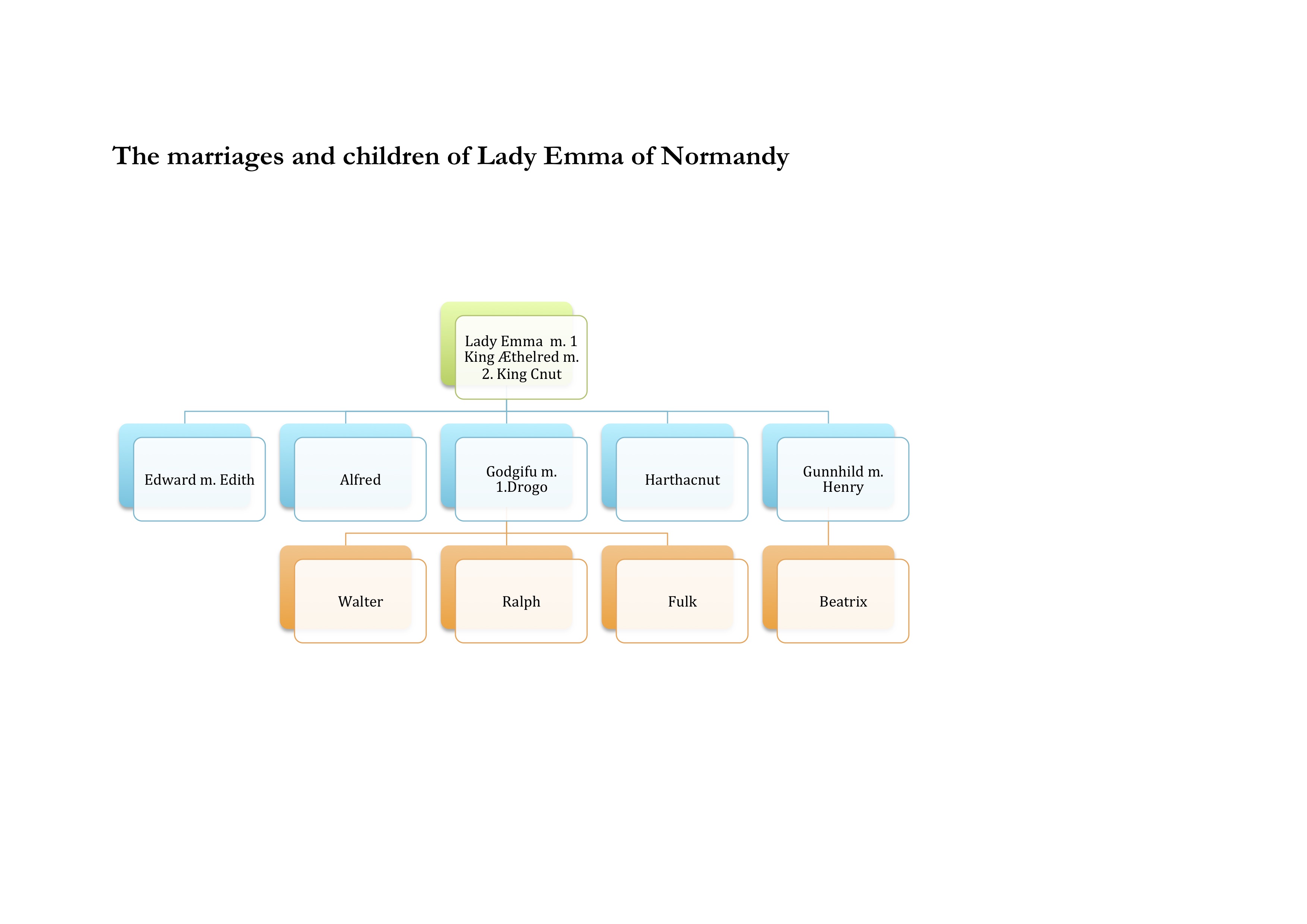
And Sigrid wasn’t the only ‘double queen.’ Lady Emma, twice queen of England, was first married to King Æthelred and then to King Cnut, Estrid’s brother.

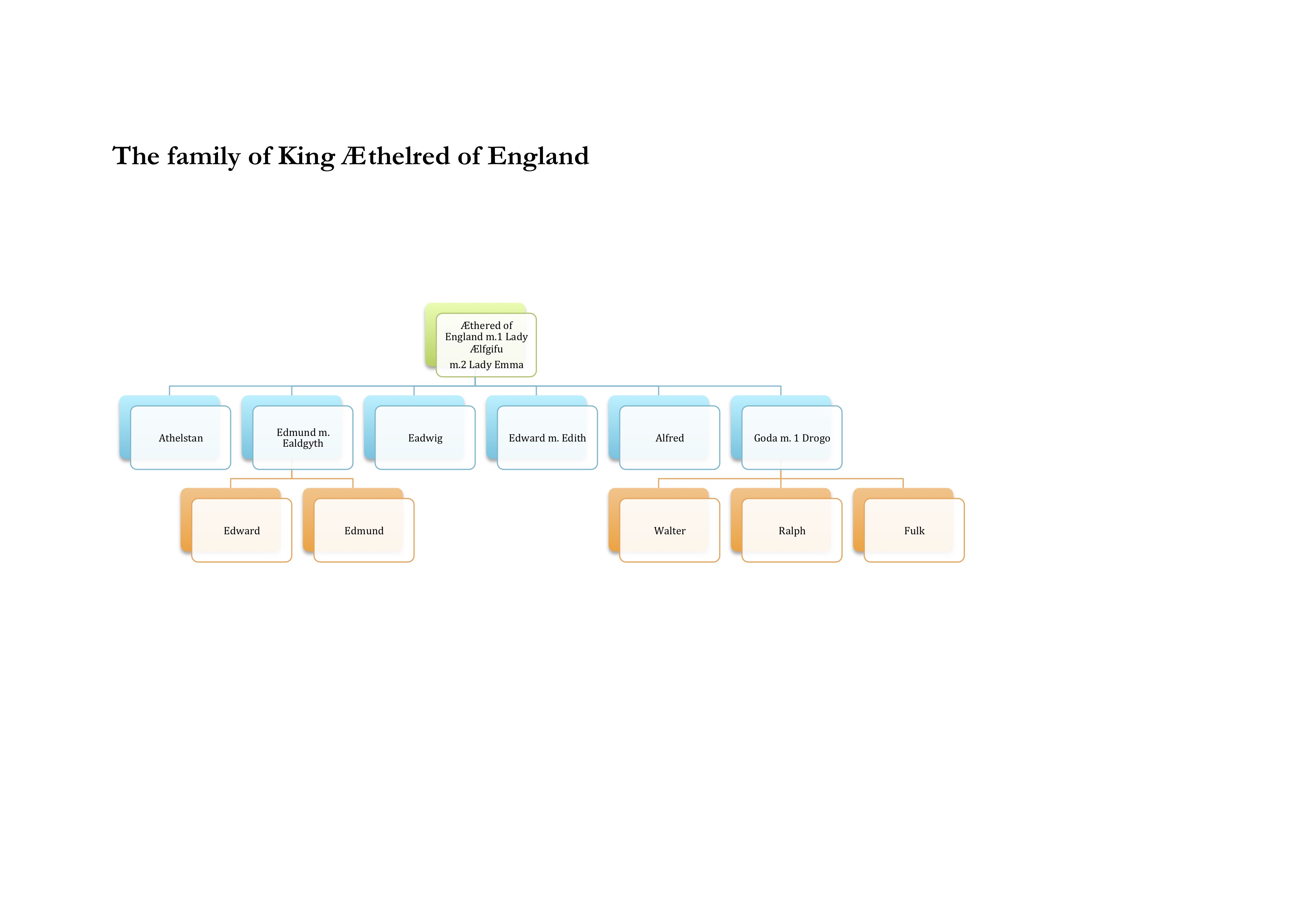
Not that it’s possible to speak of Lady Emma’s children from her two marriages, without considering the children of her first husband’s first marriage. King Æthelred had many children with his first wife, perhaps as many as nine (again, a matter for debate), the below only shows the children mentioned in Lady Estrid. Readers of The Earls of Mercia series, and the Lady Elfrida books, will have encountered the many daughters, as well as sons.

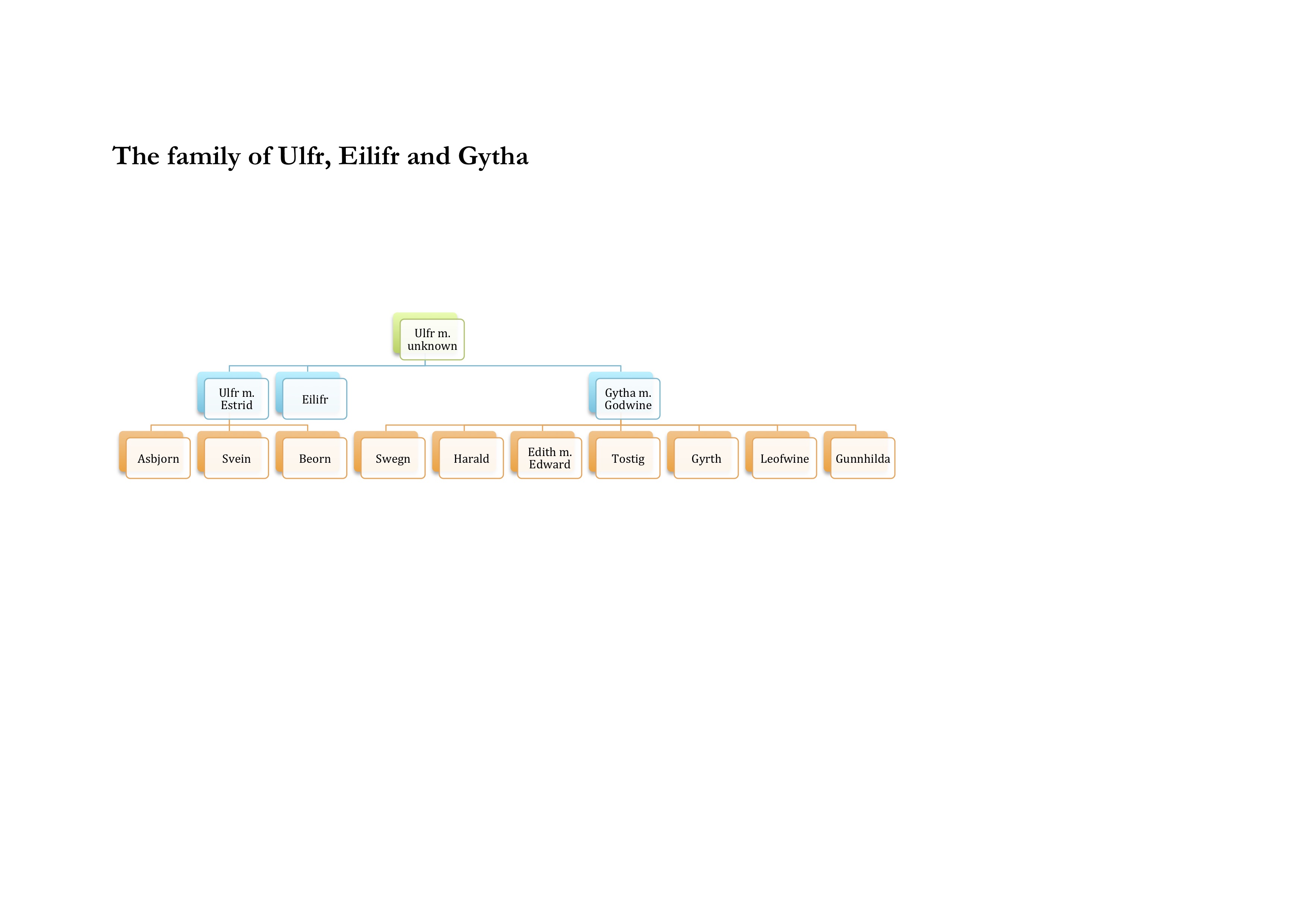
One of the other family’s that had the most impact on Lady Estrid, was that of her third husband, and father of her two sons, Jarl Ulfr.

Ulfr had a brother and a sister, and while little is known about the brother, it is his sister who birthed an extremely illustrious family, through her marriage to Earl Godwine of Wessex. (The family tree doesn’t include all of her children.)

Four such powerful families, all intermarried, make for a heady mix.

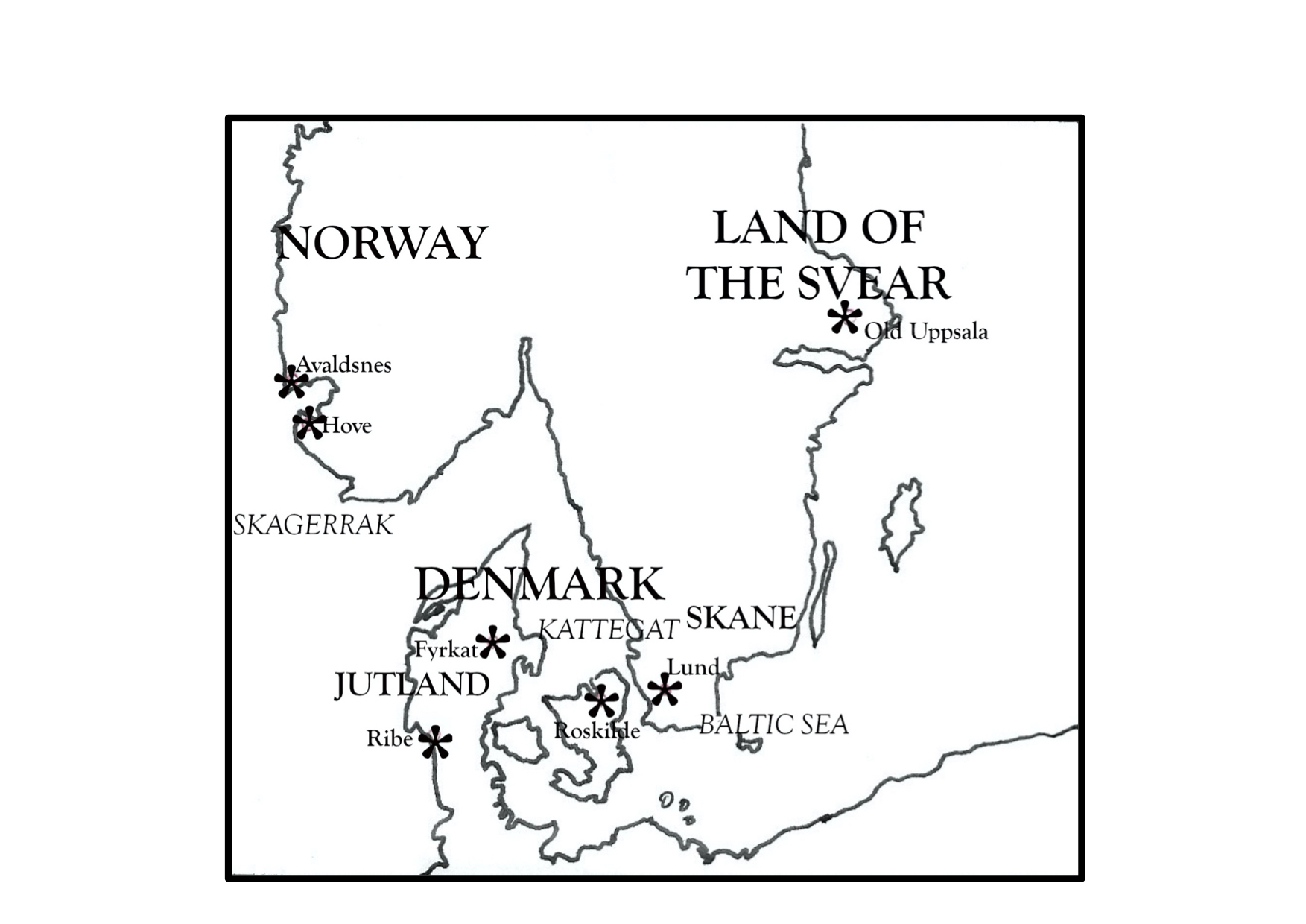
For the modern reader, not only are the family dynamics complicated to understand, but so too is the geography. Sweden was not Sweden as it is today, and the reason I’ve insisted on calling it the Land of the Svear. But equally, Denmark was larger than it’s current geographical extent, covering Skåne, (in modern day Sweden) as well. The map below attempts to make it a little clearer. Norway is perhaps the most recognisable to a modern reader, but even there, there are important difference. King Swein claimed rulership over parts of Norway during his rule, and so too did King Cnut. But, Denmark isn’t the only aggressor, there were rulers in all three kingdoms who wished to increase the land they could control, King Cnut of Denmark, England, Skåne and part of Norway, is merely the most well-known (to an English-speaking historian.)

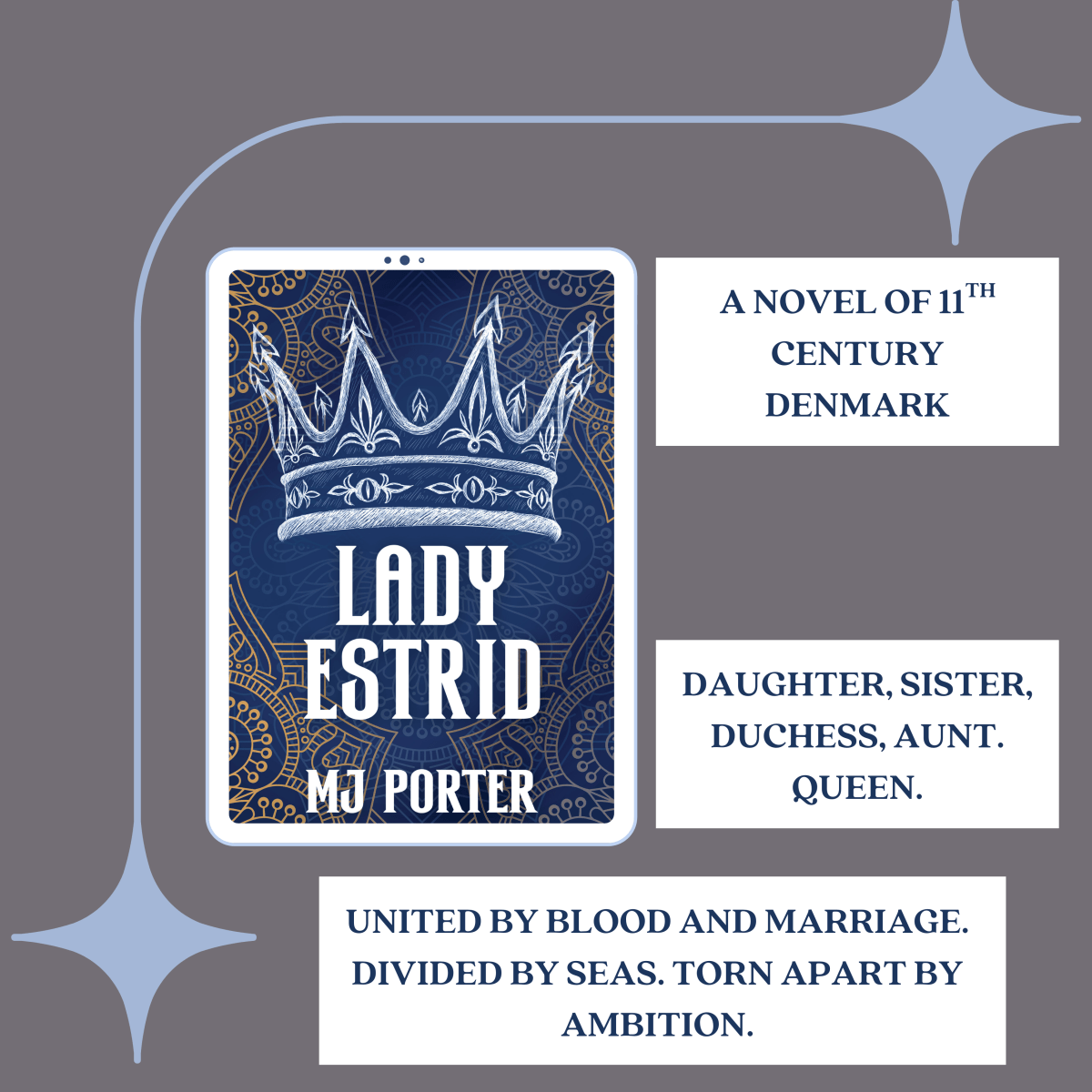
Lady Estrid is available now

Lady Estrid is a standalone novel, but it does incorporate characters and events from The Earls of Mercia series. So, if you’ve not yet read The King’s Brother, it might contain some spoilers, and vice versa.

I have also written about Lady Estrid’s brother, Cnut, and her father, Swein. I classify the books as side stories to the main Earls of Mercia series, but they can all be read as standalones, or as a trilogy about the powerful family.


Interested in the unknown women of the tenth and the eleventh century? I’ve written about quite a few of them now. Check out The Tenth Century Series, featuring Lady Ælfwynn, Lady Eadgifu and the daughters of Edward the Elder, and the stories of Lady Elfrida as well as The Royal Women Who Made England.

Posts

The Earl of Mercia’s Father and its book journey #histfic #nonfic

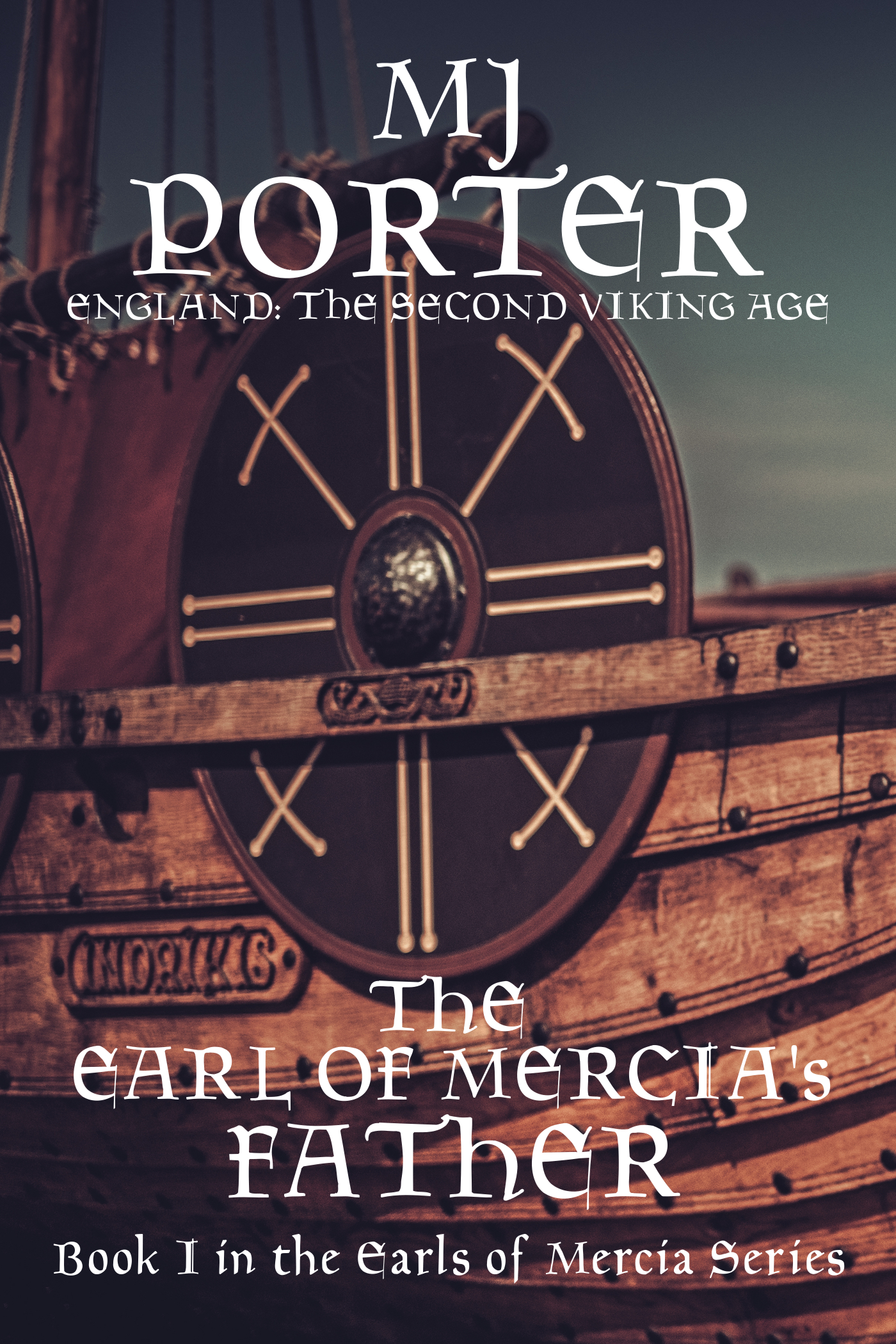
The Earl of Mercia’s Father, or Ealdorman as it was originally known, has had quite the book journey and I thought I’d share some of those details.

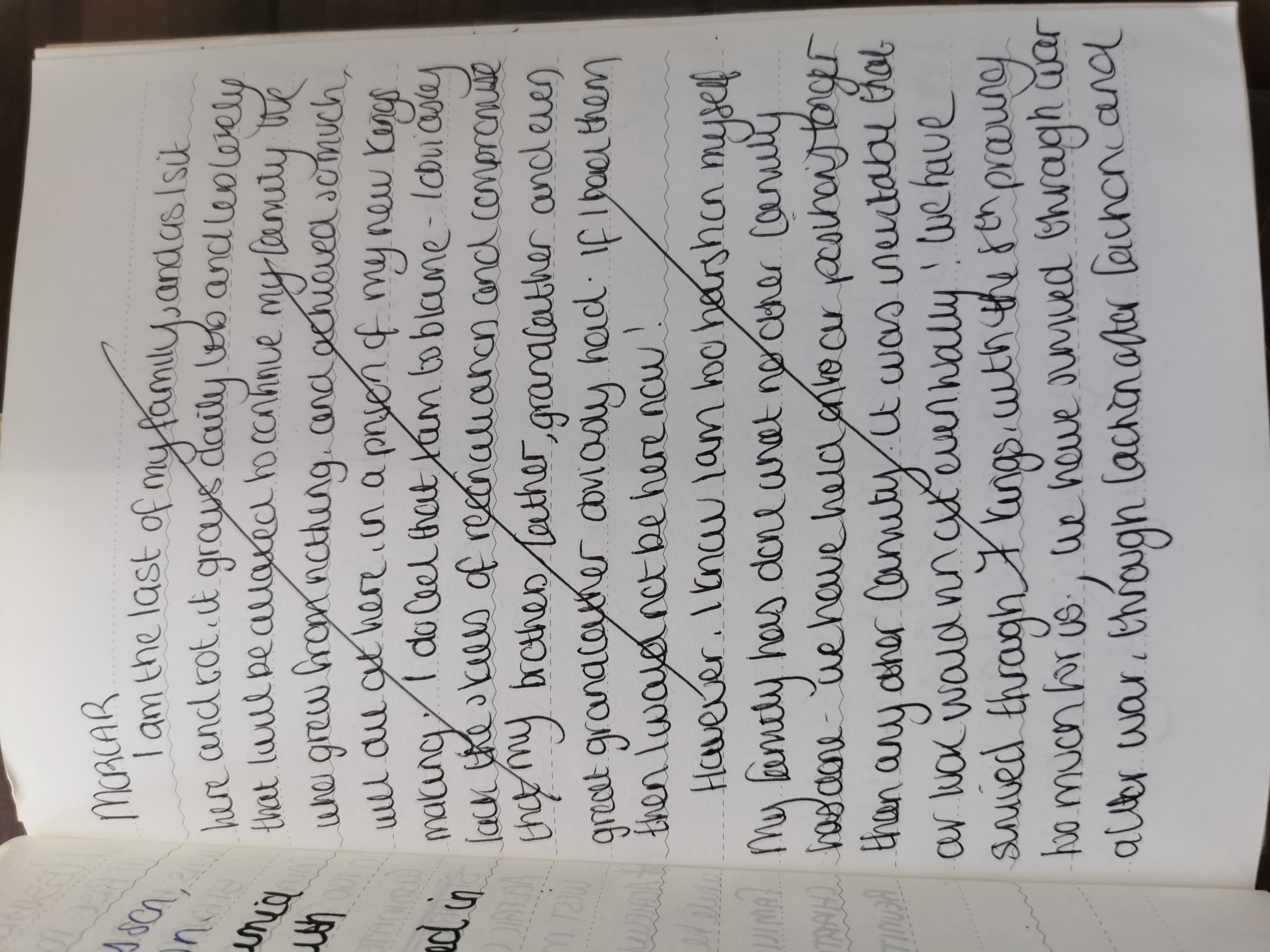
Ealdorman began life back in about 2011 when I was researching for my MA using the local university library. It didn’t have a massive Saxon section, and so I slowly worked my way through the more biographical titles. I am interested in the people and their lives, but also in the wider political events. I read all and sundry, in no particular order, and really, with no intention of doing more than learning a bit more about the era. I read about Lady Elfrida, England’s first crowned queen, I read about King Edward the Confessor, I read about the Godwines, Cnut, Æthelred (I think you’re getting the idea), and I read a book about the Earls of Mercia. And I did some more research and wrote some essays and then one day I thought, ‘wait a mo, that would be a good story.’ And so, the first Earls of Mercia story began life, the intention to offer an alternative narrative to the one often presented of the last century of Saxon England, through the eyes of the Earls of Mercia as opposed to Earl Godwine and his family.

From my research, I’d discovered Ealdorman Leofwine, an often shadowy character but one who is documented from 994 to about 1022 as one of King Æthelred II’s ealdormen (we didn’t have earls until King Cnut conquered England). But, I’ve told this story many times, my intention here is to write about that book.

It began life in 2011, but ground to a halt sometime that year, about 30,000 words in because I was a bit stuck. I wanted to take my character to Shetland, but kept confusing Orkney and Shetland. That sounds like a stupid reason to stop writing, but stop I did. And for quite a long time. Not until May 2013 did I resume my story, and only after a trip to Orkney, which, once and for all, ensured I knew the difference between Orkney and Shetland.

I hurried to finish the book, filled with enthusiasm for the project once more. I played the old ‘find an agent game’ to no avail, and decided to indie publish myself, as I’d been doing with my fantasy books. And so that should have been it. Ealdorman was out in the world.

But that wasn’t it. In fact, that was far from it. I held the rights for some years, continued writing the series, and one day, signed a publishing contract with much excitement, for book 1 and book 2. Suffice to say, it was not my best decision. So, fast forward a few years and it was mine once more, and I could republish it – with a new title and a new cover. But that wasn’t all.

In the ‘lost years’ (as I’ll term them), I’d continued writing, this series, another series, probably another series, a few side stories, etc etc. And so, the original book, Ealdorman, was no longer, in my mind at least, ‘fit for purpose.’ Being indie, knowing that one day I’d hopefully get my rights back, I both wrote out the first two books in the series (for people reading all of my series and after a chronologically sound narrative between series) and also massively edited, amended and rewrote the book as I could publish it in paperback. The one that’s now published, is not at all the book I first wrote between 2011 and 2013. There are elements that remain, and certainly Ealdorman Leofwine is still my half-blind hero, but much else has changed. It’s more exciting now. I’ve dealt with some of the ‘nerd’ elements to it, but Leofwine is still Leofwine.

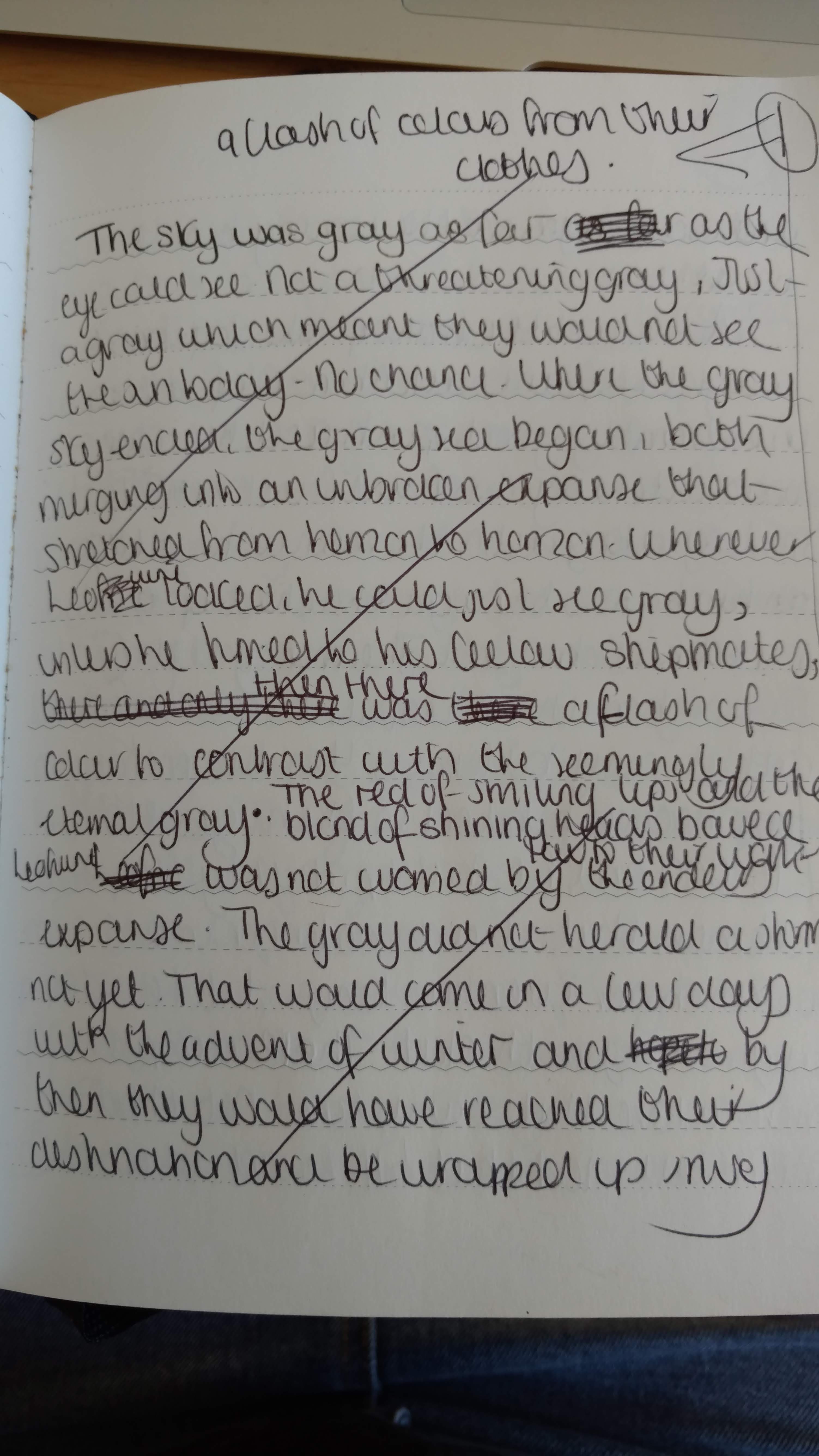
This then, is something that many writers never get to do. If Ealdorman had remained as it was, if I’d given up due to a lack of success, if I’d not written more books, if I’d not lost my rights for a few years, if I’d traditionally published it, the book that is The Earl of Mercia’s Father in its current guise wouldn’t exist. And despite it’s problems – it’s not been possible to write them all out – I’m very proud of all that this book represents, not just for me as a writer, but for the journey the book has been on, from handwritten notes, to a finished draft, to a rewritten draft, through another rewrite to what it is today. It’s been a journey and a half.

You can find out more about the entire series on my Earls of Mercia page on the blog.

https://amzn.to/4or4lM3

Posts

The King’s Brother Research book dump

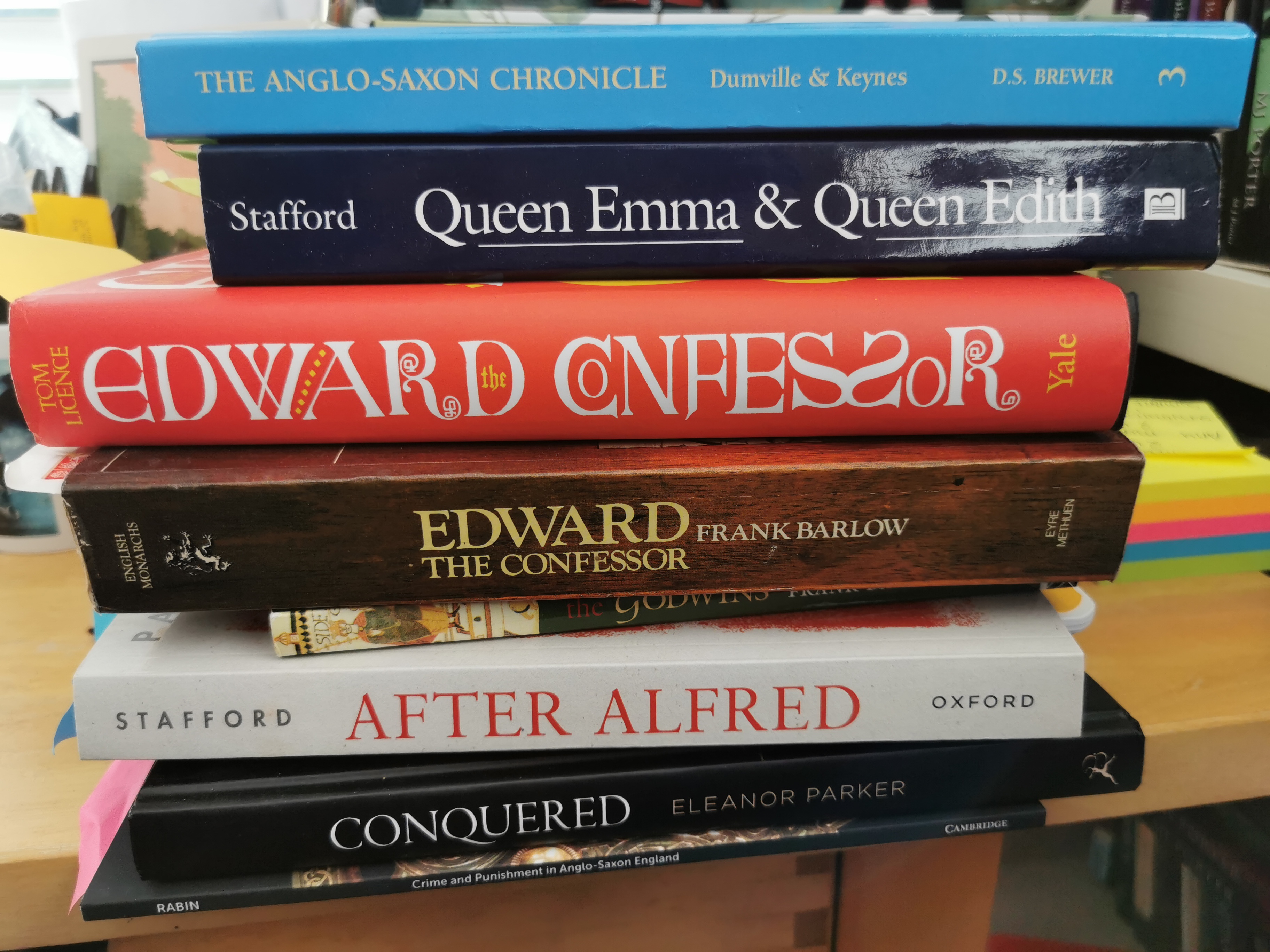
I always like to share my research with my readers. Here’s a small pile of the books that I’ve specifically used in the last few weeks while finalising the little details in The King’s Brother.

As always, there are resources not shown here. The two primary online resources that I will NEVER tire of sharing are

PASE https://pase.ac.uk

Electronic Sawyer https://esawyer.lib.cam.ac.uk/about/index.html

My two versions of The Anglo-Saxon Chronicle not shown here have also proved invaluable, my preferred version by Michael Swanton, and the version found in English Historical Documents Vol. 1 by Dorothy Whitlock, although I’ve discovered I have a first edition, and there was a subsequent second edition, which is the one most often used – mind my first edition was substantially cheaper than a second edition. (I dare you to click on the link and see how much it costs:))

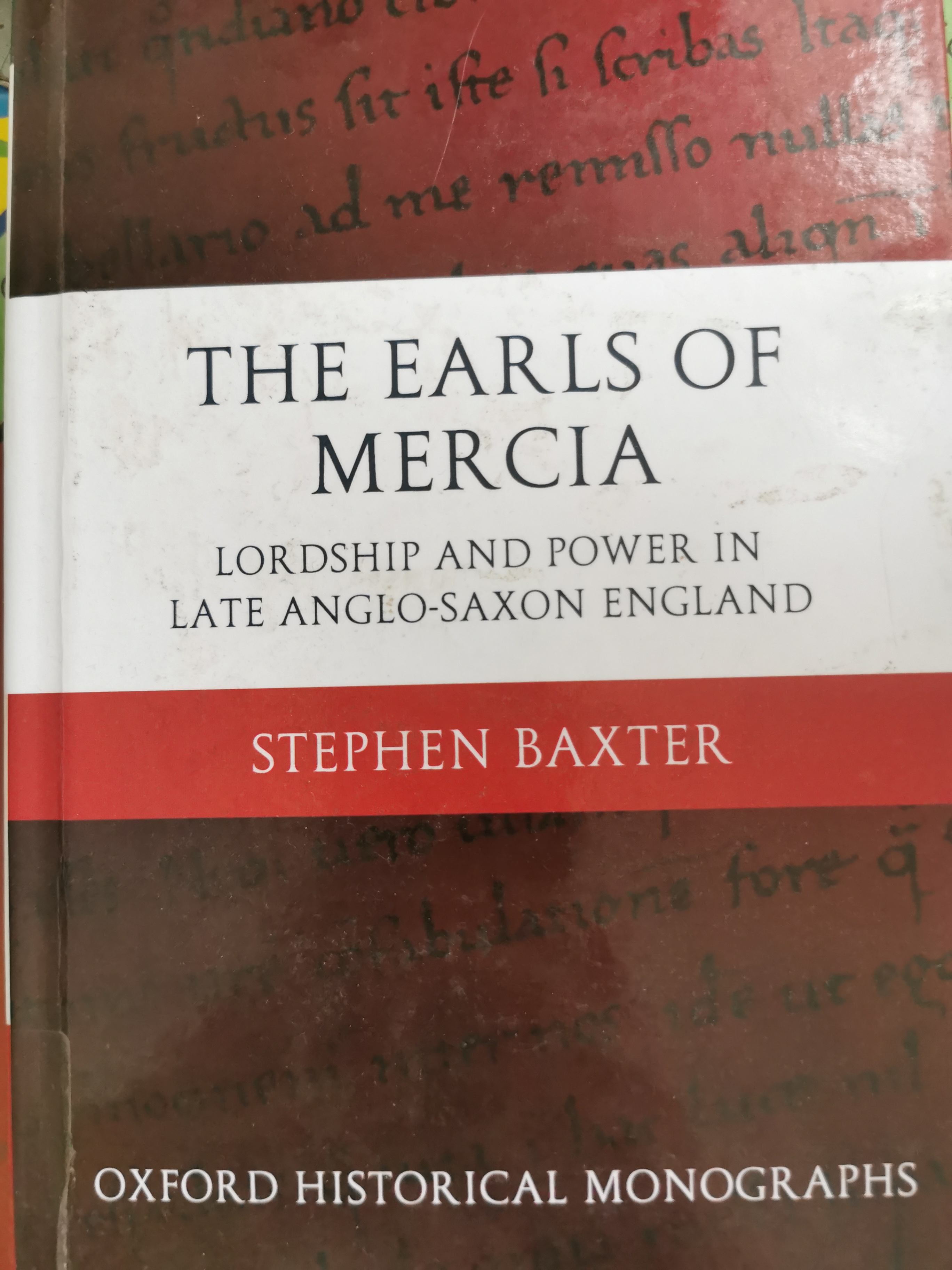
Of course, I would never have started this mad, crazy journey of chronicling the lives of the earls of Mercia without the work of Stephen Baxter, The Earls of Mercia, Lordship and Power in Late Anglo-Saxon England.

Some of these books are more academic than others. For those looking for an introduction to the period, I highly recommend The Death of Anglo-Saxon England by Nick Higham which is stuffed with images and can be found quite cheaply second-hand.

books2read.com/TheKingsBrother

Charters and Leofwine, Ealdorman of the Hwicce from c.993-1023. Re-sharing an old blog post about Leofwine I first wrote in 2014. It’s a bit nerdy:)

I always think that the characters of Saxon England are a little too ethereal for people to really connect with.  I think it’s difficult to visualise life before the Norman Conquest, but it doesn’t mean we shouldn’t try.

My current obsession, and victim of my historical fiction endeavours is Leofwine, Ealdorman of the Hwicce during the reign of Æthelred II, who I refuse to call ‘Unready’ because I just don’t think he was. I think, he was a victim of his times, treated harshly by later historians. 

My research is going deeper, examining the evidence of the charter attestations that Leofwine made (where he signs, and therefore, it must be assumes, agrees to whatever the charter is concerned with). Charters from before the Norman Conquest are rare, and have only survived in copies because they benefitted someone in some way, normally the monastery or Church that the copy of the original charter has survived in, or a later lay landowner keen to keep hold of the land.

This effectively means that in determining the validity of the charter, historians need to know about what was happening in the world at large, when the COPY of the charter was made. Effectively, to study Saxon history, you have to also study early Anglo-Norman history to work out just what’s going on and why the charter is so important.

In the records of Sherborne, Leofwine’s name can be found attesting two charters. No original copies of the charters survive, and the record as we have it, is in a twelfth century hand. So, should it be trusted? Should it be used as an historical source? Or as with so much history, can it really only be used as a historical record of the time period that produced it? After all, at least a hundred years and probably more like 150 years, separate the copy of the charter and the date of its alleged drafting and attestation.

It’s an interesting dilemma and one I don’t plan on solving today. Would I use it? Yes, I’d but I’d be standing on the shoulders of those giants of academic history who have studied far more charters than me and who’ve decided that the copies are ‘probably’ genuine as they stand. I’d also be wary of this, and all it might mean.

And how relevant are they to Ealdorman Leofwine? I think very, because they appear to show his standing at the royal court. In charter S933 (1015) he signs as the third ‘dux’ (ealdorman) and in S910 from 1005 he also signs as the third ‘dux’. So what does it all mean? Well, as with everything the picture is wider than just Sherborne. In total Leofwine attests 41 charters whilst an ealdorman. So although I think it’s important to examine the validity of the cartularies that the charters survive in, it’s a bit of a painstaking and picky business. But one I’m enjoying. For anyone really keen to look at Leofwine’s charters in more detail, you can start by having a look at the Electronic Sawyer. And you can see an image of S910 it on The British Library Digitised Manuscripts Website ff. 27v-29r and S933 also on The British Library Digitised Manuscripts Website at ff. 4v-6r. The handwriting is amazing.
Check out The Earls of Mercia Series Page for more information.

Posts

The Earls of Mercia Series – what possessed me? #histfic

The Earls of Mercia Series – what possessed me?

I decided it was time to take a hard look at myself, and why my very first historical fiction project is proving to be the longest so far.

The Earls of Mercia inspiration

The last century of Early England is a place well-trodden by non-fiction and historical fiction authors, so why did I choose to tell it through the eyes of a handful of people who almost slip through the historical record unnoticed because of the ‘giants’ of the period?

History is filled with those who get swept aside because other events overtake their achievements, and so it is with the Earls of Mercia. They were a family who ‘ruled’ continually from 993 to 1066 – a feat not even achieved by the Wessex royal family, begun by King Alfred, during the same time period. In the annals of the time they’ve been pushed to the side by the likes of Eadric Streona, King Cnut and the family of Godwine, by the events of both 1016 and 1066, and also by the fact that when the family married into royalty, it was destined to be short-lived.

I ‘discovered’ my first character – Ealdorman Leofwine – while meandering down the aisle in a university library. By rights, I shouldn’t have been there, not in that section, and equally, I shouldn’t have gone on to write my dissertation about him, but I did, but only after I’d made him into a fictional character. So just what was it that made him so appealing as a character?

As I read about the family, in Stephen Baxter’s, The Earls of Mercia, Lordship and Power in Late Anglo-Saxon England, I was flabbergasted that this character existed and yet hadn’t been put to good ‘use.’ Ealdorman Leofwine, his sons, grandsons, and great-grandchildren were witnesses to all of the events I’ve mentioned above. Not only did they witness them, but they were involved as well. I remember picking up and reading Frank Barlow’s book on the Godwines and being disgusted that Ealdorman Leofwine, Earl Leofric, Earl Ælfgar and his sons and daughter get little more than the odd mention. The desire to tell a story only about the Godwines excluded the perfect foil for them. I couldn’t allow that to stand.

But, how to tell the story of a century, of four generations? Initially, my idea was to tell a retrospective story, through the eyes of the great-grandson who did survive the tumultuous events of 1066, using the idea of a scribe writing down the family’s history while he was imprisoned at the request of William the Bastard for well over a decade. I still have the words I first wrote. But, that was not the route I eventually went down. No, I wanted to make Ealdorman Leofwine more than just someone’s ancestor, I wanted to make him a person in his own right, even if I do harbour the suspicion that he might have been retrospectively given greater influence than he might have claimed. 

And that is the path that I’ve continued to tread. My overarching ambition is to tell the story of the years from 993-1066, but each player must have their own story, they must all be allowed to live, before they die; they must all be people in their own right. And now, as I begin to retell the story that so many are familiar with, that of the reign of Edward the Confessor and the events that led to 1066, I’m pleased by my decision to ensure the Earls of Mercia have their own story to tell – and also by the fact that because of that, other historical characters are also having their story retold a little – the oft-forgotten or misunderstood characters, and that means kings as well as earls and great ladies. 

I’m pleased that people who read about the Earls of Mercia are able to consider that the Godwines were not quite the ‘top-dogs’ they might appear to be from such a distance. Not that it doesn’t involve playing around with what some might call the ‘facts’ but that is the joy of historical fiction – in getting to know my characters, in playing around with the information that we do have, I can find other possibilities, and they are not quite as far-fetched as it might be believed.

I began writing the first book in the Earls of Mercia series in 2011. Since then, I’ve been slowly working my way backward through Early England and slightly forward through Denmark. This has meant that the first two books in the series have undergone some subtle changes as they’ve been rereleased in paperback and the copyright returned to me by my publisher. So, for those who haven’t started the books yet, starting with book 1 or even book 2 isn’t necessary. You can jump in at book 3, Northman Part 1, or at The Earl of Mercia’s Father, book 6, or even with Viking King, The English King, or The King’s Brother – yes, you might miss some back story but you’ll be able to enjoy the main story.

Enjoy.

Check out the Earls of Mercia series page on the blog for more information.

Posts

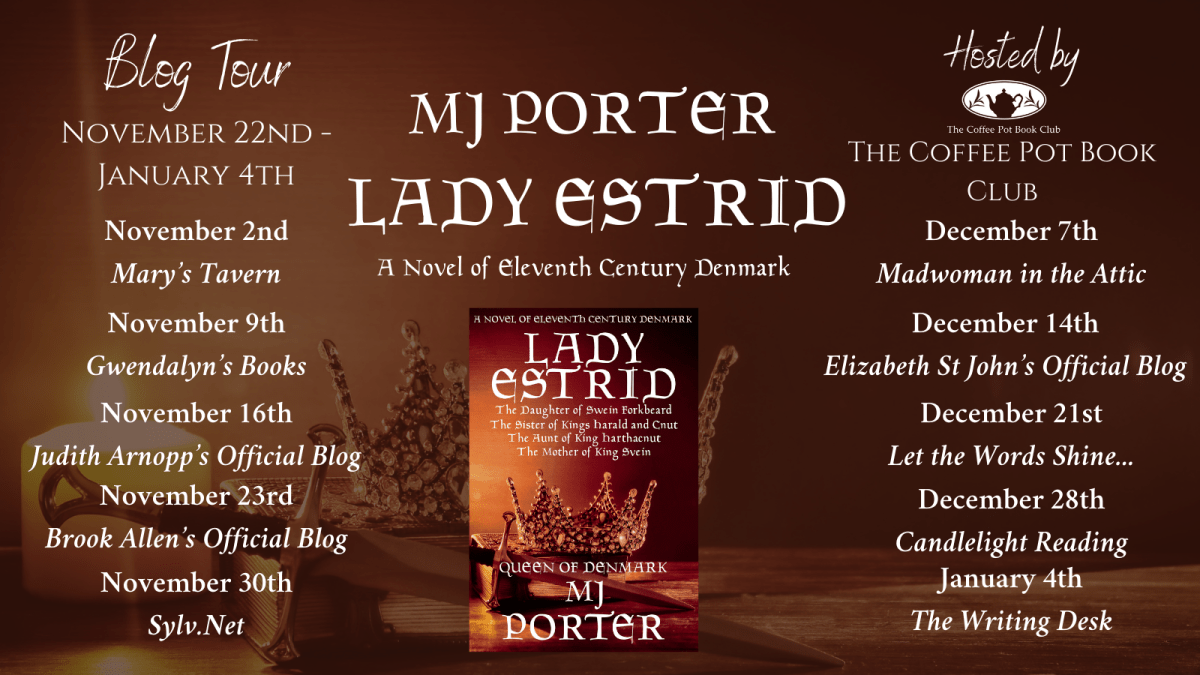
Lady Estrid is on ‘tour’ with the Coffee Pot Book Club – check out the posts so far

Lady Estrid has taken herself on tour with the fabulous Coffee Pot Book Club. She what she’s been up to, and thank you to everyone for hosting her, and the Coffee Pot Book Club for arranging.

November 2nd Mary’s Tavern (Excerpt)

November 9th Gwendalyn’s Books (Review)

November 16th Judith Arnopp’s Official Blog (Excerpt)

November 23rd Brook Allen’s Official Blog (All about the historical Lady Estrid)

November 30th Sylv.Net (Excerpt)

December 7th Madwoman in the Attic (Review)

December 14th Elizabeth St John’s Official Blog (Interview)

December 21st Let the Words Shine (Five facts you didn’t know about me)

December 28th Candlelight Reading (Excerpt)

January 4th The Writing Desk (Letter writing in the eleventh century)

Lady Estrid is available now in ebook and paperback.

Thank you to all the hosts for allowing Lady Estrid onto their blogs, and to The Coffee Pot Book Club for being so, so, so good at organising everything. Thank you.

(This post contains Amazon affiliate links, which means that at no cost to you, Amazon rewards me.)

Lady Estrid, her family and the geography of the eleventh-century #histfic #historicalresearch

One of the big plusses for choosing the character of Lady Estrid for my most recent novel, was her large and illustrious family and their far-reaching influence over Denmark, Sweden, Norway and England. It meant there was already an excellent story to tell.

While I quickly managed to slot all the different relatives into order (well, I have been writing about them for a while), I’m aware it’s not the easiest of tasks, and so, I have put together some genealogical tables of the main families to make it that bit easier.

Due to a lack of information, I have made little mention of the rest of Estrid’s half-sisters, of which she had three or four. I feel it perhaps also helped the story a little – it was complicated enough as it was without giving them the capacity to meddle in affairs in Denmark. I have also made the assumption, that because I don’t know who they married, that they didn’t make international alliances, as Estrid did.

To break it down into more palatable chunks, Lady Estrid’s mother was married twice, once to King Swein of Denmark (second) and also to King Erik of the Svear (first). King Swein was also married twice (in my story at least – as it is debated), to Lady Gytha (who I take to be his first wife) and then to Lady Sigrid (who I take to be his second wife.) Swein was king of Denmark, Erik, king of the Svear (which would become Sweden), and so Sigrid was twice a queen, and she would have expected her children to rule as well, and her grandchildren after her. Sigrid was truly the matriarch of a vast dynasty.

She would have grandchildren who lived their lives in the kingdom of the Rus, in Norway, in England, and Denmark.

And Sigrid wasn’t the only ‘double queen.’ Lady Emma, twice queen of England, was first married to King Æthelred and then to King Cnut, Estrid’s brother.

Not that it’s possible to speak of Lady Emma’s children from her two marriages, without considering the children of her first husband’s first marriage. King Æthelred had many children with his first wife, perhaps as many as nine (again, a matter for debate), the below only shows the children mentioned in Lady Estrid. Readers of The Earls of Mercia series, and the Lady Elfrida books, will have encountered the many daughters, as well as sons.

One of the other family’s that had the most impact on Lady Estrid, was that of her third husband, and father of her two sons, Jarl Ulfr.

Ulfr had a brother and a sister, and while little is known about the brother, it is his sister who birthed an extremely illustrious family, through her marriage to Earl Godwine of Wessex. (The family tree doesn’t include all of her children.)

Four such powerful families, all intermarried, make for a heady mix.

For the modern reader, not only are the family dynamics complicated to understand, but so too is the geography. Sweden was not Sweden as it is today, and the reason I’ve insisted on calling it the Land of the Svear. But equally, Denmark was larger than it’s current geographical extent, covering Skåne, (in modern day Sweden) as well. The map below attempts to make it a little clearer. Norway is perhaps the most recognisable to a modern reader, but even there, there are important difference. King Swein claimed rulership over parts of Norway during his rule, and so too did King Cnut. But, Denmark isn’t the only aggressor, there were rulers in all three kingdoms who wished to increase the land they could control, King Cnut of Denmark, England, Skåne and part of Norway, is merely the most well-known (to an English-speaking historian.)

Lady Estrid is available now

King Æthelred II, king of England, some thoughts about whether he deserves his title of ‘Unready.’ #histfic #non-fiction #history

Æthelred II, to put it mildly, gets a bad press, the writers of the Anglo-Saxon Chronicle have nothing good to say about him, blaming him for the ills that befall the country at the hands of the Scandinavian raiders, and there is an inevitability about the events that unfold from 1009 onwards that culminate in Swein of Denmark claiming the English throne, and following his untimely death, the actions of his younger son, Cnut, to achieve the same honour a few years later.


And, don’t get me wrong, the list of places attacked by the Viking raiders is long, their demands for payment appear huge and their willingness to kill even those who should have been protected, for instance, the Archbishop of Canterbury, callously presented.

What’s in a name?


Yet, his by-name, Unready, is a misinterpretation and also a play on words, his name meaning wise-counsel, and Unræd meaning no-counsel and being changed to ‘the Unready’, a word nothing like no-counsel.


So if we accept that his by-name should be no-counsel and not ‘the unready’ does that make it any more appropriate?
Most assuredly not. Æthelred had his fair share of ealdormen (later the title was changed to earls, from ‘jarls’ under the Scandinavian kings) and the detailed work done by historians has attempted to uncover who they were and what they did.

The Anglo Saxon Chronicle appears to have hidden much from today’s reader, so intent in its desire to paint Æthelred in as unflattering colours as possible, and mentions only some of the ealdormen. My particular favourite, Ealdorman Leofwine of the Hwicce, is mentioned once and yet charter evidence shows that he held his post for many years from 994-c.1023, quite a long time to be ignored by the main source for the period.


Other details show just how powerful the king was; he recalled his coinage about every seven years and reissued it with new images, he collected the gelds used to pay the Viking raiders, he built and provisioned a vast ship army, and he had laws proclaimed in his name. And all of this he must have done with the consent of the Witan, for England, although ruled by a king, was also ruled through the consensus of the greatest men in the land.

England, not long united, was just too big for one man to rule alone, and it was broken down almost into its constituent pre-united kingdoms, Mercia, Northumbria, the East Angles, Kent, Wessex, and the Western provinces sometimes each area having an ealdorman and at other times, ruled by the king’s High Reeve.

Æthelred was surely king over a well-organised and rich country, and no matter what the Anglo-Saxon Chronicle implies, the men of the land were prepared to fight for their king, and they didn’t attempt to dislodge him from his kingship although by about 1000 onwards he had a host of sons old enough and probably strong enough, to govern in his stead.


I think even his usual by-name of Unraed is unwarranted, and certainly, his unreadiness is unwarranted. History plays tricks on how our past kings are viewed, and more often than not, they’re too harsh, too conciliatory, or, in the case of many, they’re totally forgotten about. Perhaps being a king was not all it was cracked up to be!

(Please note this is a historic blog post, which I’ve left rather than deleting as it’s kind of interesting to see what I was thinking in 2014).

Posts