
Your audiobook, Widdershins, is deeply steeped in historical knowledge. As a historian first and foremost, and then a writer, I’m always interested in how people research their historical stories.
Thanks very much for having me along on your blog today, MJ, and I see we share a common interest in swords, as well as in writing and history! The research for Widdershins took several years, and I must say, if I’d realised at the outset how much research was involved, I probably wouldn’t have written a historical novel. That said, it was a fascinating process and I enjoyed it so much, I went on to do a PhD at the University of Aberdeen.
Can you explain your research process to me, and give an idea of the resources that you rely on the most (other than your imagination, of course) to bring your historical landscape to life?
First, I did an enormous amount of reading about witches, witchfinders and witch trials, and I’m reasonably certain that if I piled all the books I read on top of each other, they’d be taller than me (and I’m pretty tall). I also did a lot of online research and spent time vanishing down some very interesting rabbit holes.
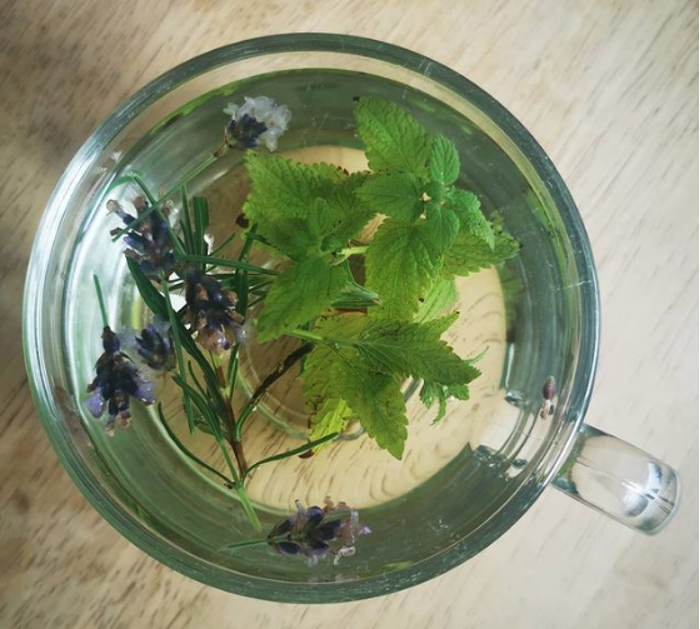
At the outset, when I thought I’d be writing something rather more magical, I joined a paranormal group and went on regular ghost-hunting expeditions. (Sadly, I never experienced any supernatural activity.) When I decided that my witches were going to be healers, I went to Dilston Physic Garden and trained in tree medicine. This helped me get under my characters’ skins and also equipped me with accurate knowledge about identifying, growing, harvesting and making herbal remedies. Back at home, I created a tea garden with a dozen or so plants that are handy to have at the kitchen door, and I still enjoy making my own herbal tea and elder linctus from garden herbs, or hedgerow pickings.
As well as all the witch-related research, I needed to make sure the book was accurate in terms of language, politics, religion, social mores, war, crime, punishment, health, medicine, childbirth, midwifery, food, clothing, etc. And I needed to do this for both England and Scotland. Widdershins and its sequel, Sunwise are both threaded through with folklore, which also required a good deal of research. All this detective work was so fascinating and enjoyable, it was almost a shame when I had to stop researching and start writing.
What was less enjoyable was my research into witchfinders and their techniques. I read lots of first-hand accounts from witchfinders (including the self-styled witchfinder general, Matthew Hopkins and his sidekick, John Stearne, as well as a range of Scottish witchfinders). It was appalling to read about the torture and injustice they inflicted on the flimsiest of grounds, such as women giving pets odd names. There was a troubling theme of witchfinders sexually humiliating women in public during some trials, which led me down some very unsettling research pathways to help me create my own witchfinder, John Sharpe.
John Sharpe lived in my head from 2011 when I started researching until 2019 when Sunwise came out. It was quite a relief to be rid of him, but now, as I’m working with Christine Mackie on the audiobooks, he’s back in my head again. So hopefully, once Sunwise has been recorded, I can clear him from my mind once and for all. Christine has done a fantastic job of bringing this evil man to life. (If you’d like to hear a short excerpt of her narrating Widdershins, please visit Audible, where you can hear five minutes of a Scottish girl on trial, early on in the witchfinder’s career when he’s still a boy.)
Do you have a ‘go’ to book/resource that you couldn’t write without having to hand, and if so, what is it (if you don’t mind sharing)?
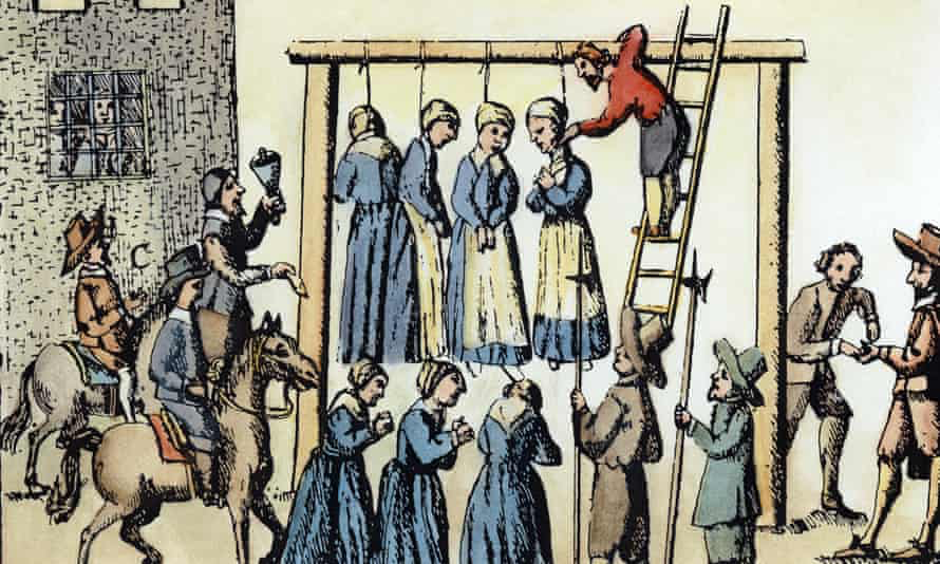
I suppose the book that ultimately gave me the idea for my story was Ralph Gardiner’s England’s Grievance Discovered. This was published in 1655 and contains eyewitness accounts of the trials and executions. It also contains the well-known picture often used to illustrate articles about witch trials, showing the witchfinder receiving his pay. However, far from being all about witches, this book only contains a page or so on the witch trials and is mostly about the coal trade in North East England.
Otherwise, I don’t think I could possibly pin down one book, but on my blog, there’s a short list of online sources and non-fiction books (as well as a few novels) that are a good place to start. Of particular interest on that list is the University of Edinburgh database of Scottish witches. This contains information about age, location and occupation. I’d also strongly recommend visiting archives – whether the National Archives at Kew Gardens or local ones – and also looking through parish burial records.
It was really informative reading trial records. As well as the Newcastle witch trials on my doorstep, there was also a later set of trials nearby in the Derwent/Tyne Valley. The transcripts from the trials can be viewed online via my blog, and they include tall tales ranging from fortune telling to demonic goings on. Many of the confessions also pick up well-known folklore and fairy tale themes (such as the devil presiding over a table that continually replenishes with food). On the face of it, they seem almost amusing, but like other witch trial confessions, these would most likely have been obtained under duress, which is always sobering.
Thank you so much for sharing all your fascinating research. Good luck with the audiobook!
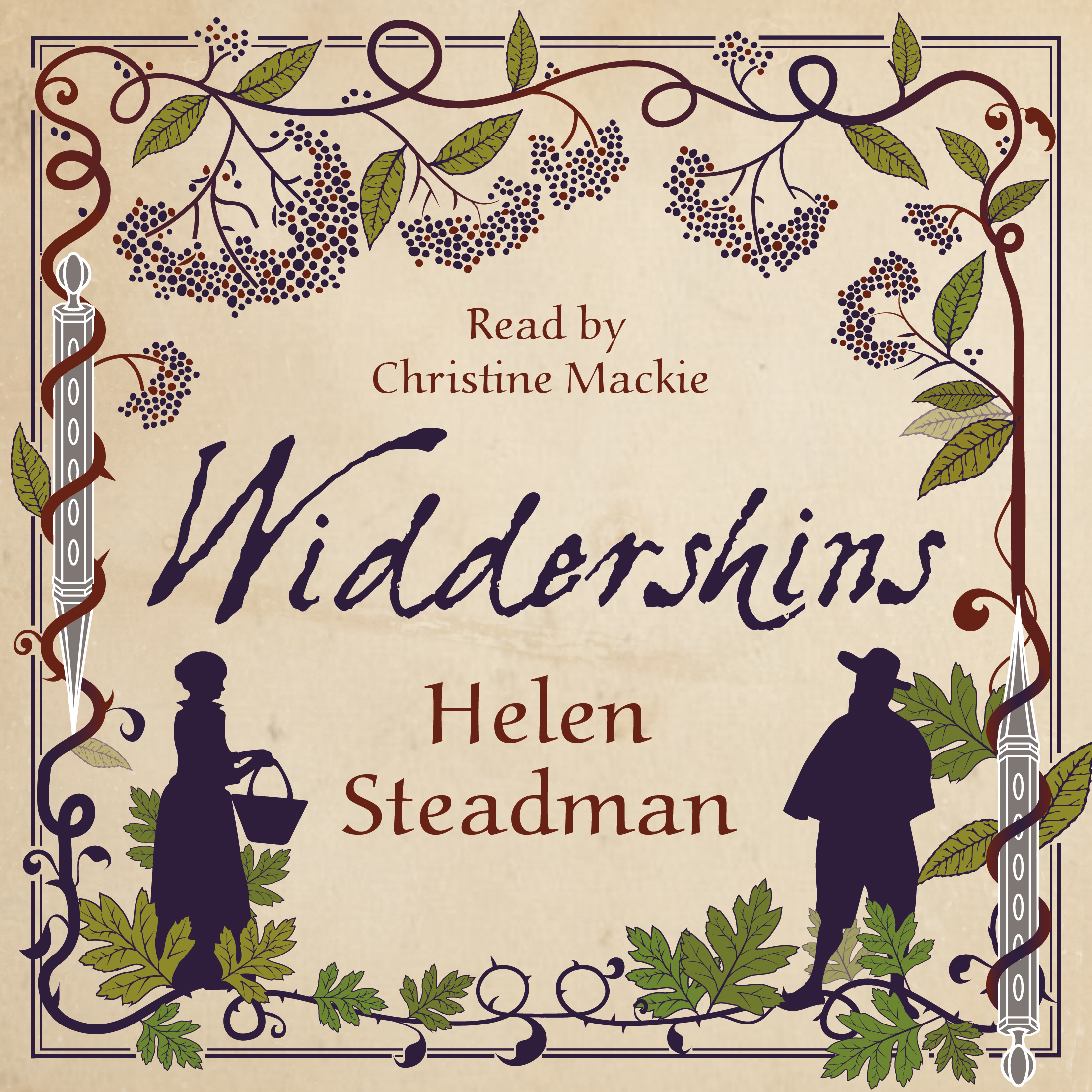
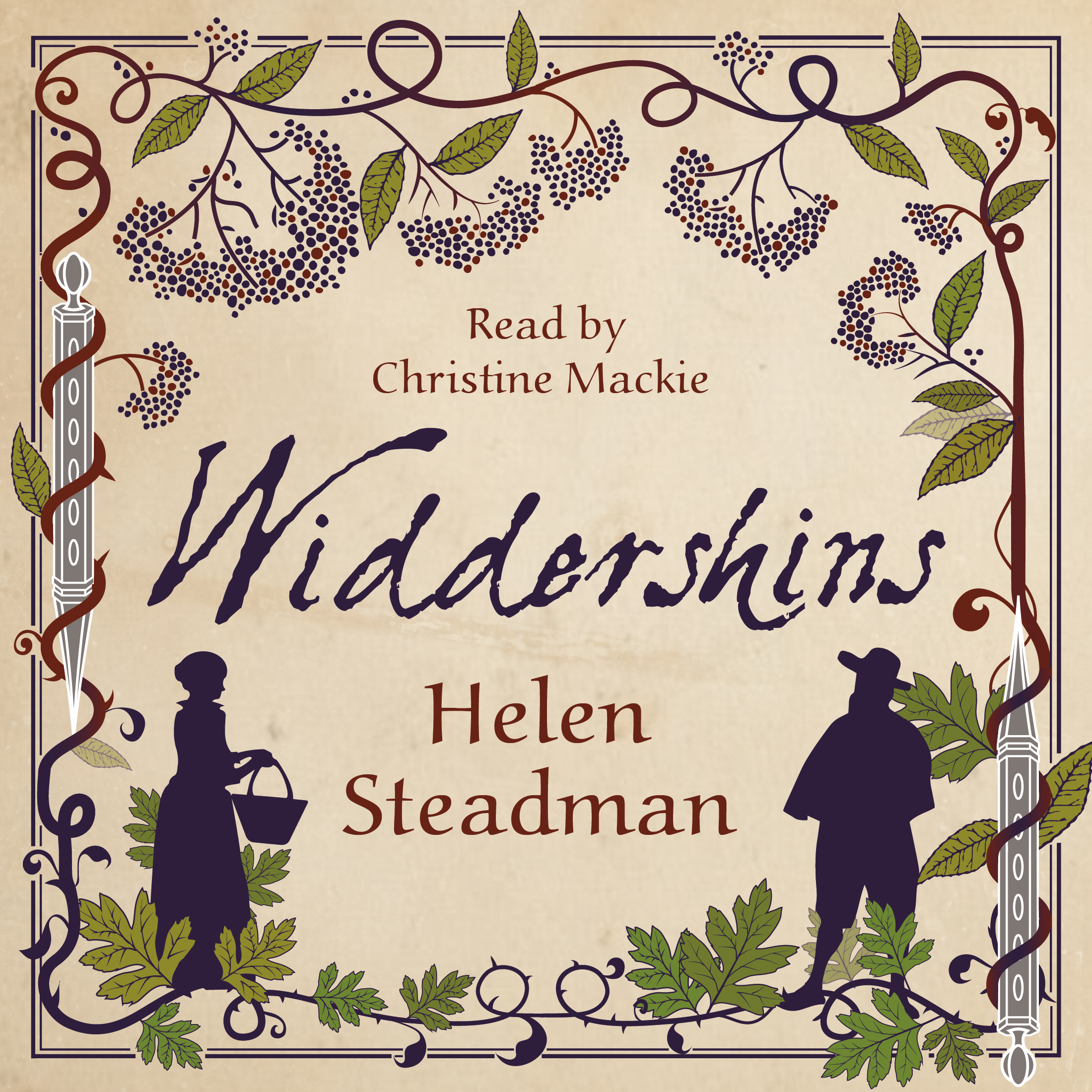
Here’s the blurb:
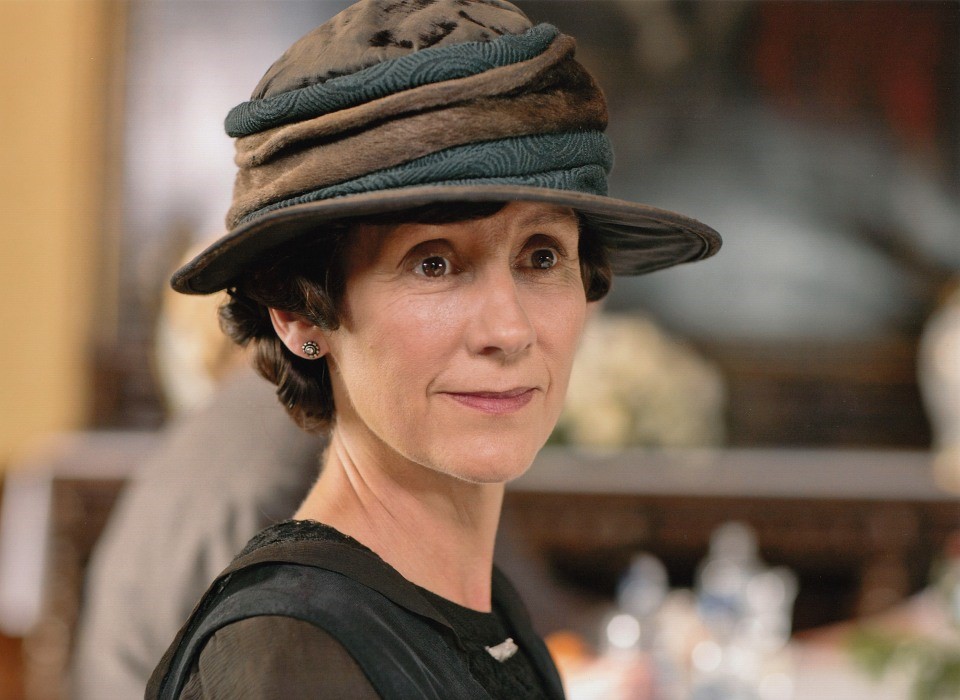
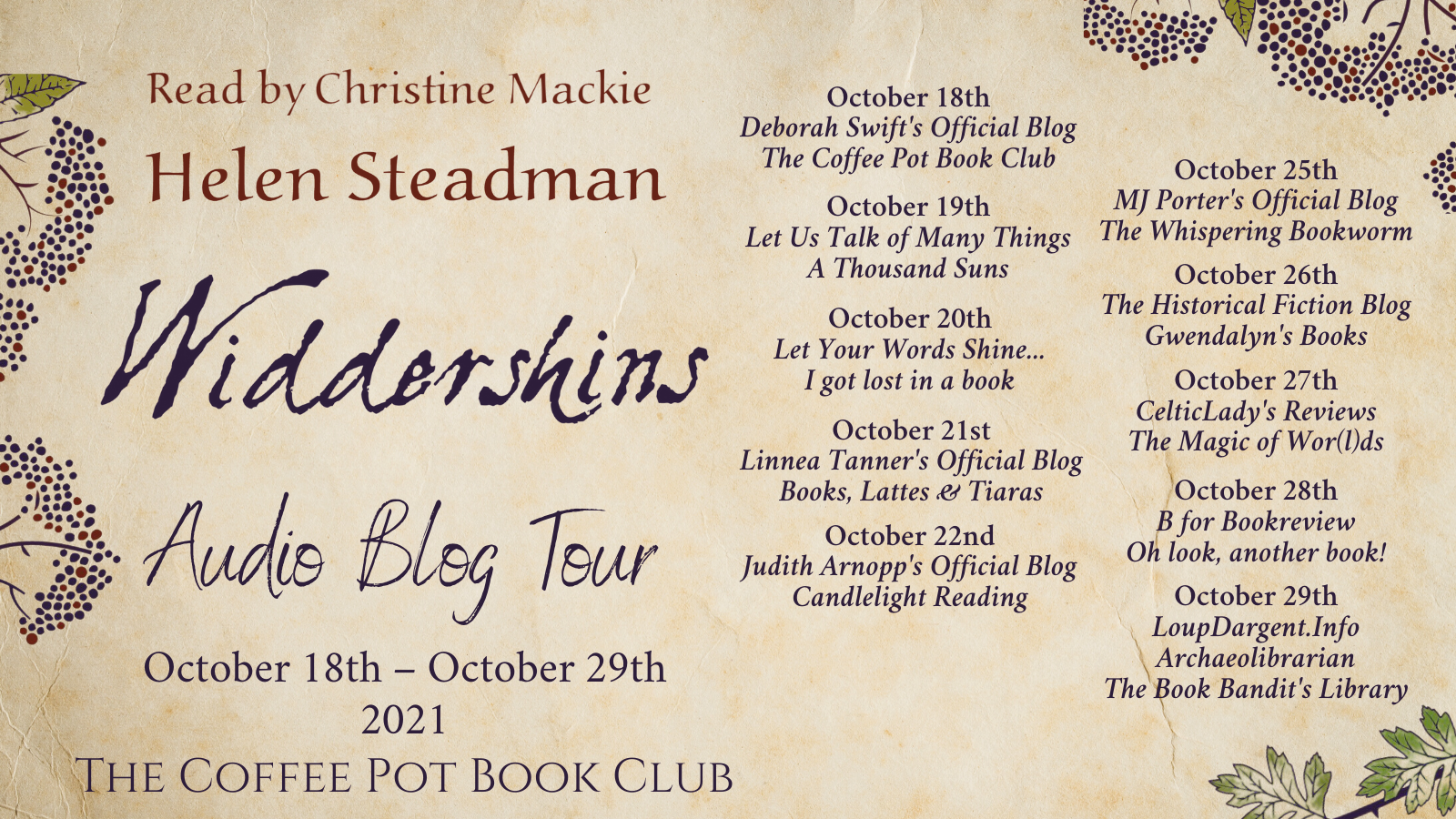
The new audio book of Widdershins is narrated brilliantly by talented actor, Christine Mackie, from Downton Abbey, Coronation Street, Wire in the Blood, and so on.
The first part of a two-part series, Widdershins is inspired by the Newcastle witch trials, where 16 people were hanged. Despite being the largest mass execution of witches on a single day in England, these trials are not widely known about. In August 1650, 15 women and one man were hanged as witches after a Scottish witchfinder found them guilty of consorting with the devil. This notorious man was hired by the Puritan authorities in response to a petition from the Newcastle townsfolk who wanted to be rid of their witches.
Widdershins is told through the eyes of Jane Chandler, a young woman accused of witchcraft, and John Sharpe, the witchfinder who condemns her to death. Jane Chandler is an apprentice healer. From childhood, she and her mother have used herbs to cure the sick. But Jane soon learns that her sheltered life in a small village is not safe from the troubles of the wider world. From his father’s beatings to his uncle’s raging sermons, John Sharpe is beset by bad fortune. Fighting through personal tragedy, he finds his purpose: to become a witchfinder and save innocents from the scourge of witchcraft.
Praise for Widdershins:
The Historical Novel Society said of Widdershins: “Impeccably written, full of herbal lore and the clash of ignorance and prejudice against common sense, as well as the abounding beauty of nature, it made for a great read. There are plenty of books, both fact and fiction, available about the witch-trial era, but not only did I not know about such trials in Newcastle, I have not read a novel that so painstakingly and vividly evokes both the fear and joy of living at that time.”
Trigger Warnings:
Domestic abuse, rape, torture, execution, child abuse, animal abuse, miscarriage, death in childbirth.
Amazon UK: Amazon US: Amazon CA: Amazon AU:
Blackwells: Waterstones: Kobo: iBooks:
iTunes: Foyles: Book Depository: Universal eBook link:
Meet the author
Dr Helen Steadman is a historical novelist. Her first novel, Widdershins and its sequel, Sunwise were inspired by the Newcastle witch trials. Her third novel, The Running Wolf was inspired by a group of Lutheran swordmakers who defected from Germany to England in 1687.
Despite the Newcastle witch trials being the largest mass execution of witches on a single day in England, they are not widely known about. Helen is particularly interested in revealing hidden histories and she is a thorough researcher who goes to great lengths in pursuit of historical accuracy. To get under the skin of the cunning women in Widdershins and Sunwise, Helen trained in herbalism and learned how to identify, grow and harvest plants and then made herbal medicines from bark, seeds, flowers and berries.
The Running Wolf is the story of a group of master swordmakers who left Solingen, Germany and moved to Shotley Bridge, England in 1687. As well as carrying out in-depth archive research and visiting forges in Solingen to bring her story to life, Helen also undertook blacksmith training, which culminated in making her own sword. During her archive research, Helen uncovered a lot of new material and she published her findings in the Northern History journal.
Helen is now working on her fourth novel.
Connect with Helen
Website: Twitter: Facebook: Instagram:
Amazon Author Page: Goodreads: YouTube:
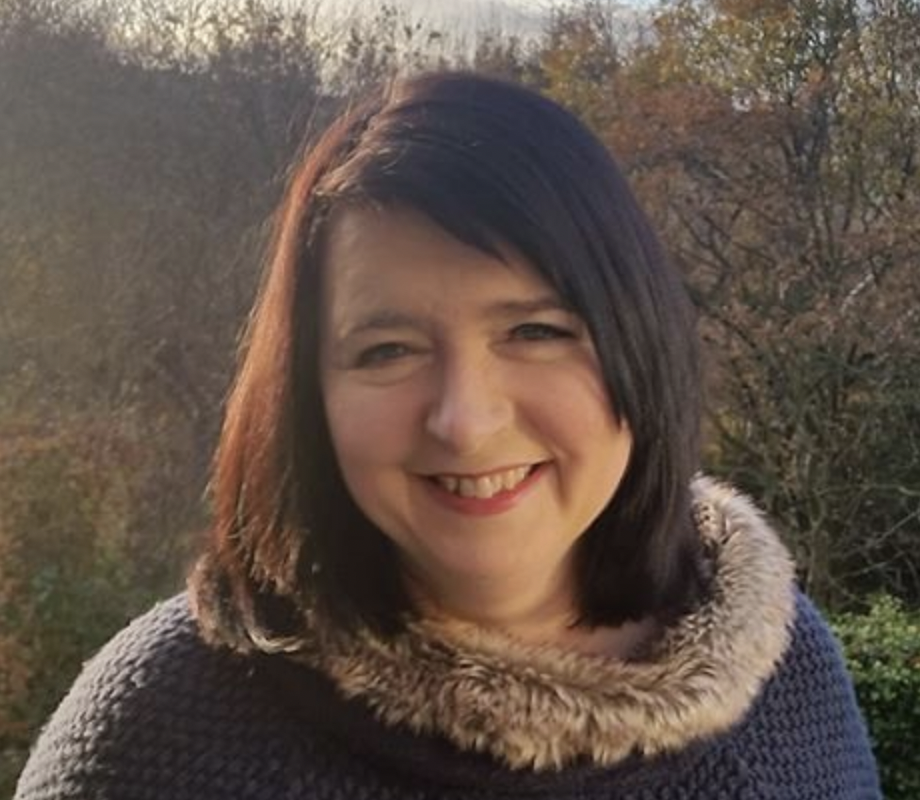
Meet the narrator, Christine Mackie
Christine Mackie has worked extensively in TV over the last thirty years in well-known TV series such as Downton Abbey, Wire in the Blood, Coronation Street, French & Saunders and The Grand. Theatre work includes numerous productions in new writing as well as classics, such as A Midsummer Night’s Dream, Comedy of Errors, Richard III, An Inspector Calls, and the Railway Children. In a recent all women version of Whisky Galore, Christine played three men, three women and a Red Setter dog!
Connect with the narrator
IMDB for Christine Mackie: https://www.imdb.com/name/nm0533499/
Video of Narrator talking about audiobook: https://www.youtube.com/watch?v=_8aAAwAqrLc








 MJ Porter