The Saxon Settlement of Tamworth in the 800s

The Saxon Settlement of Tamworth in the 800s

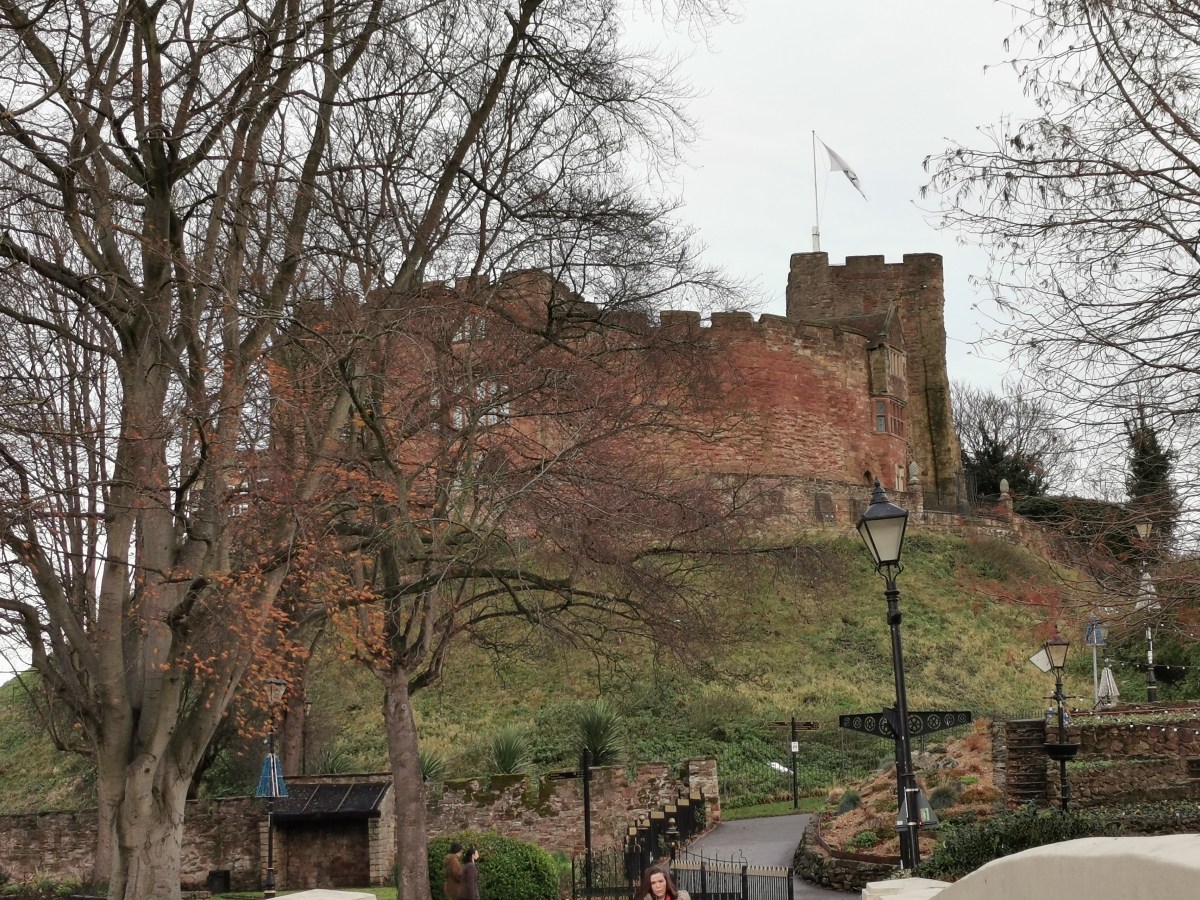
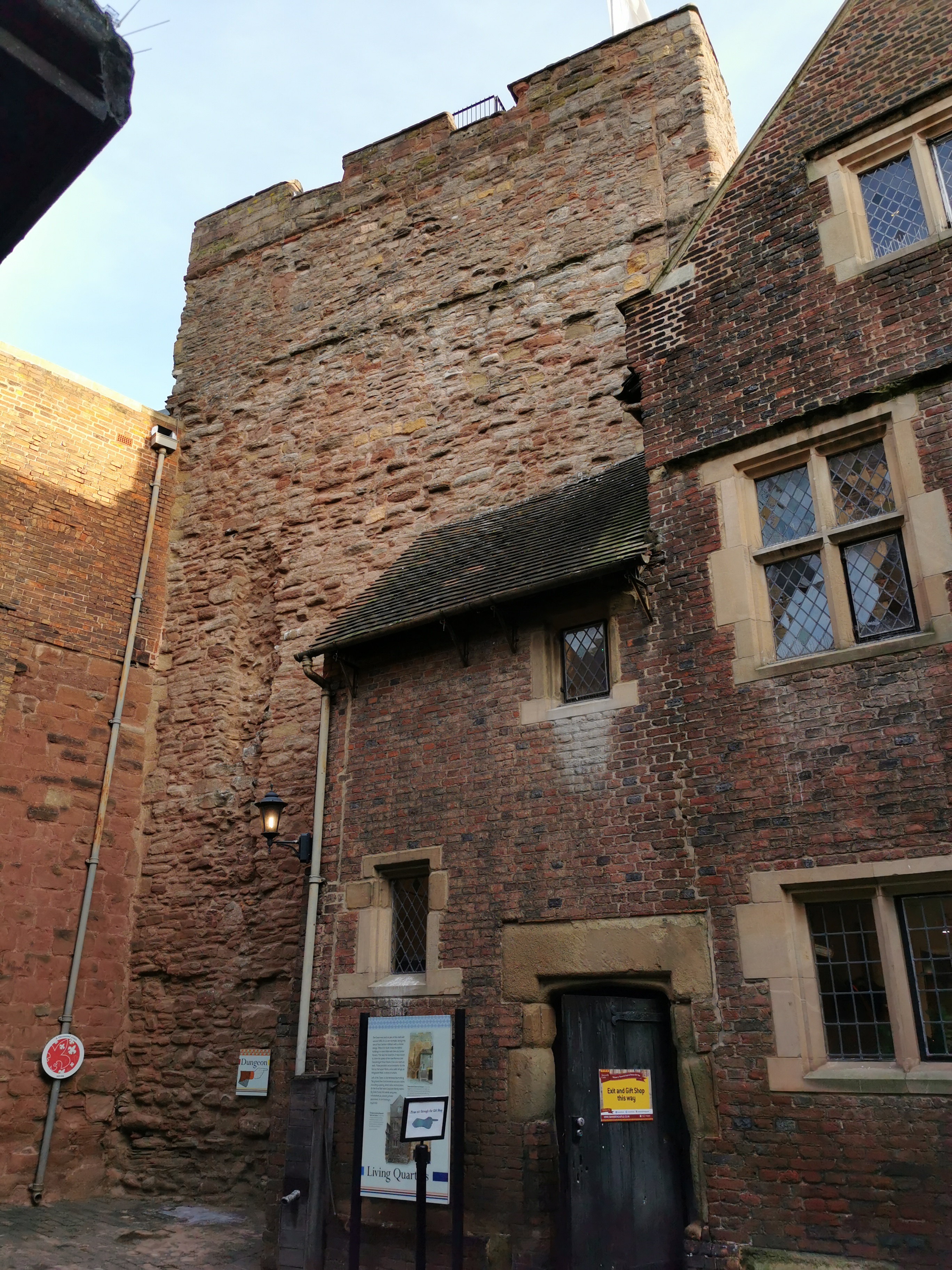
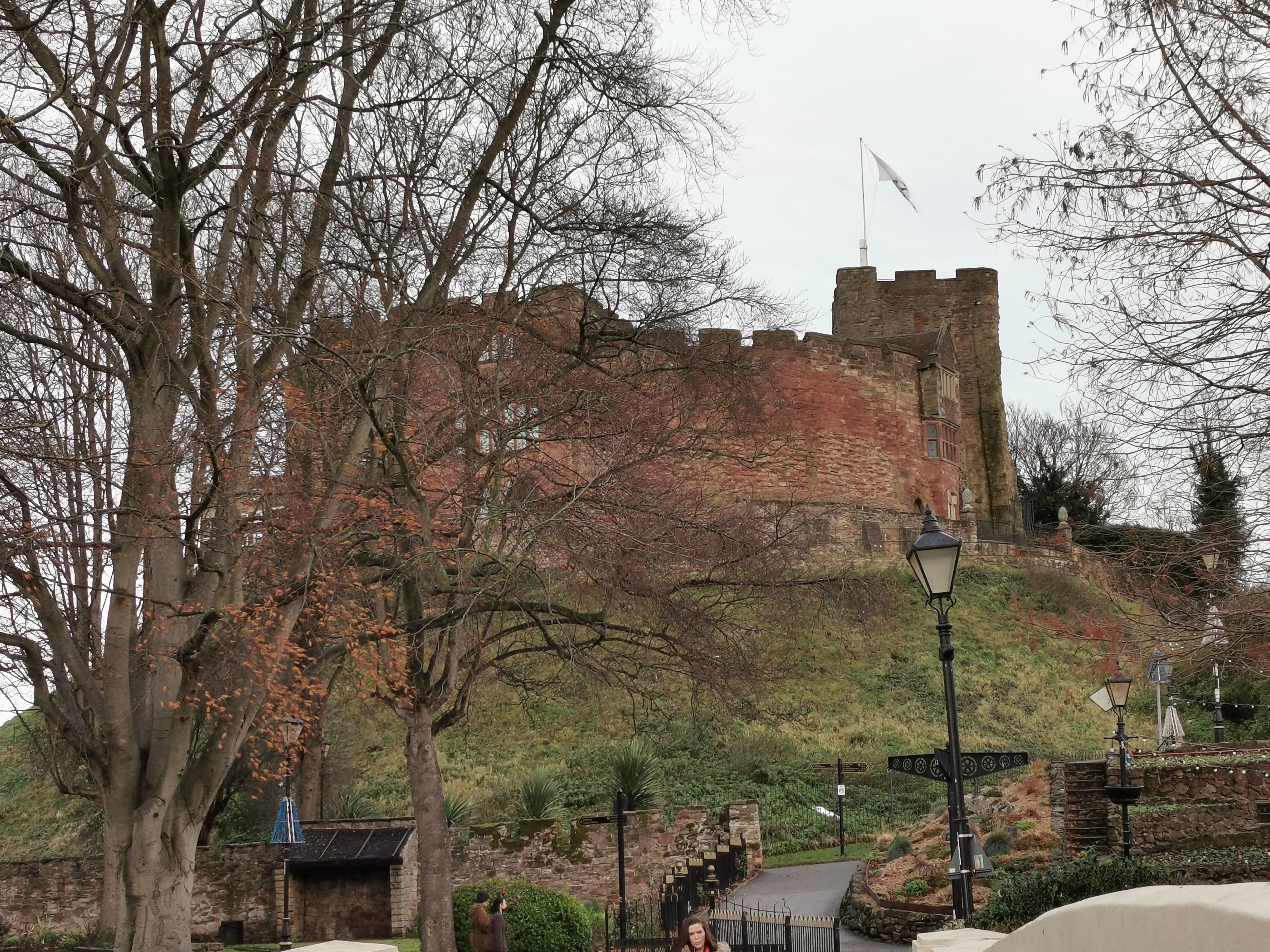
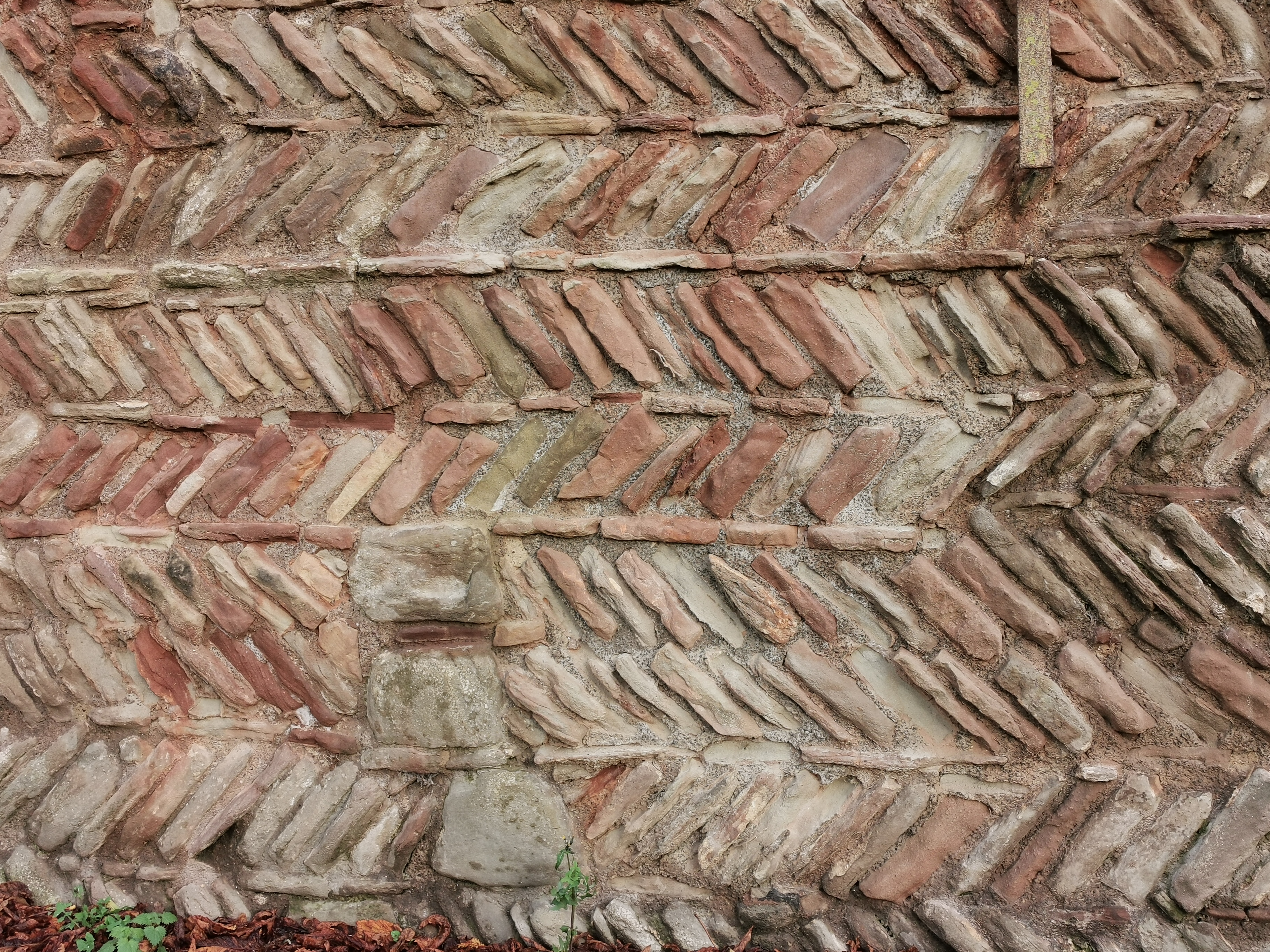
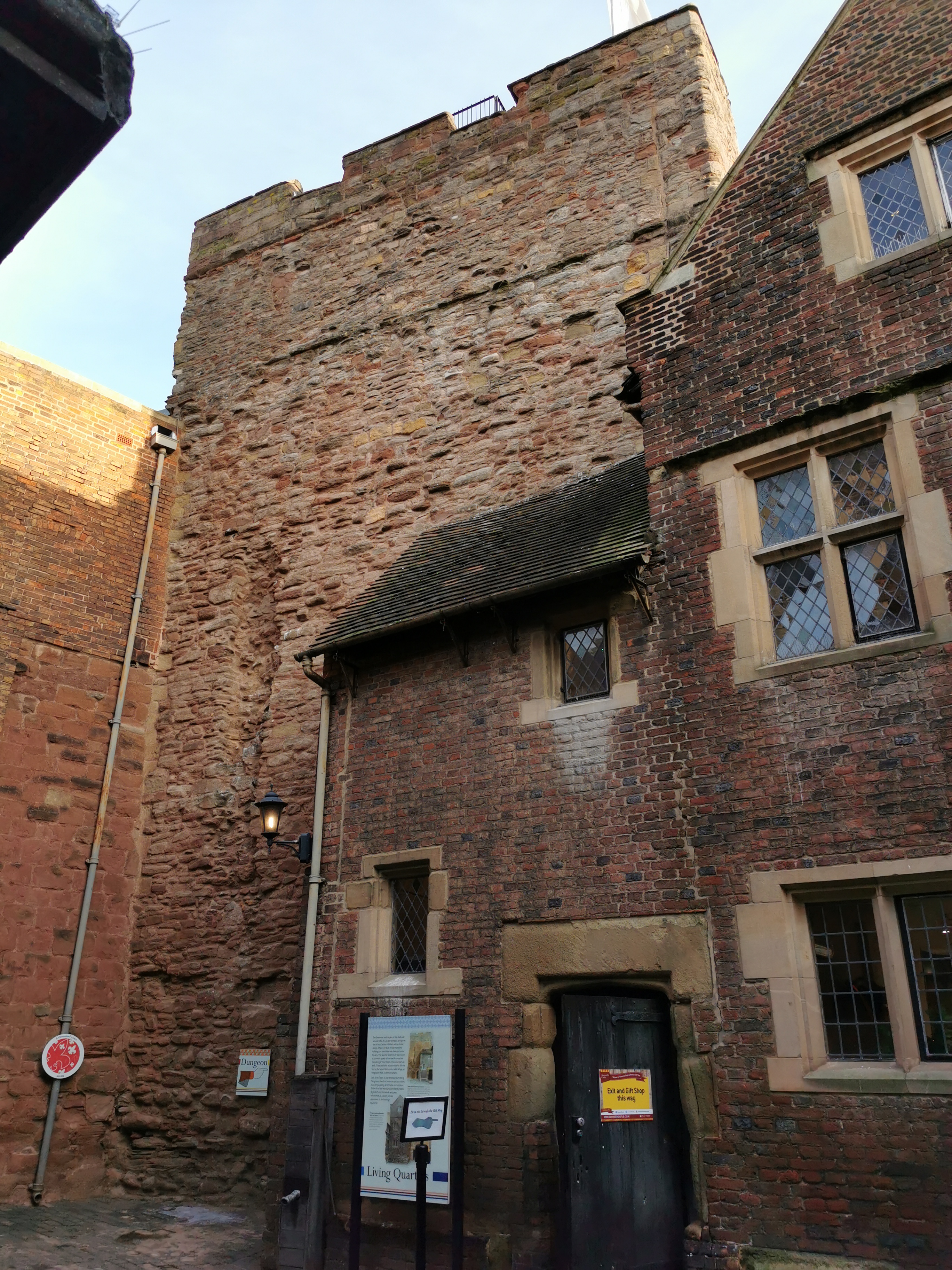
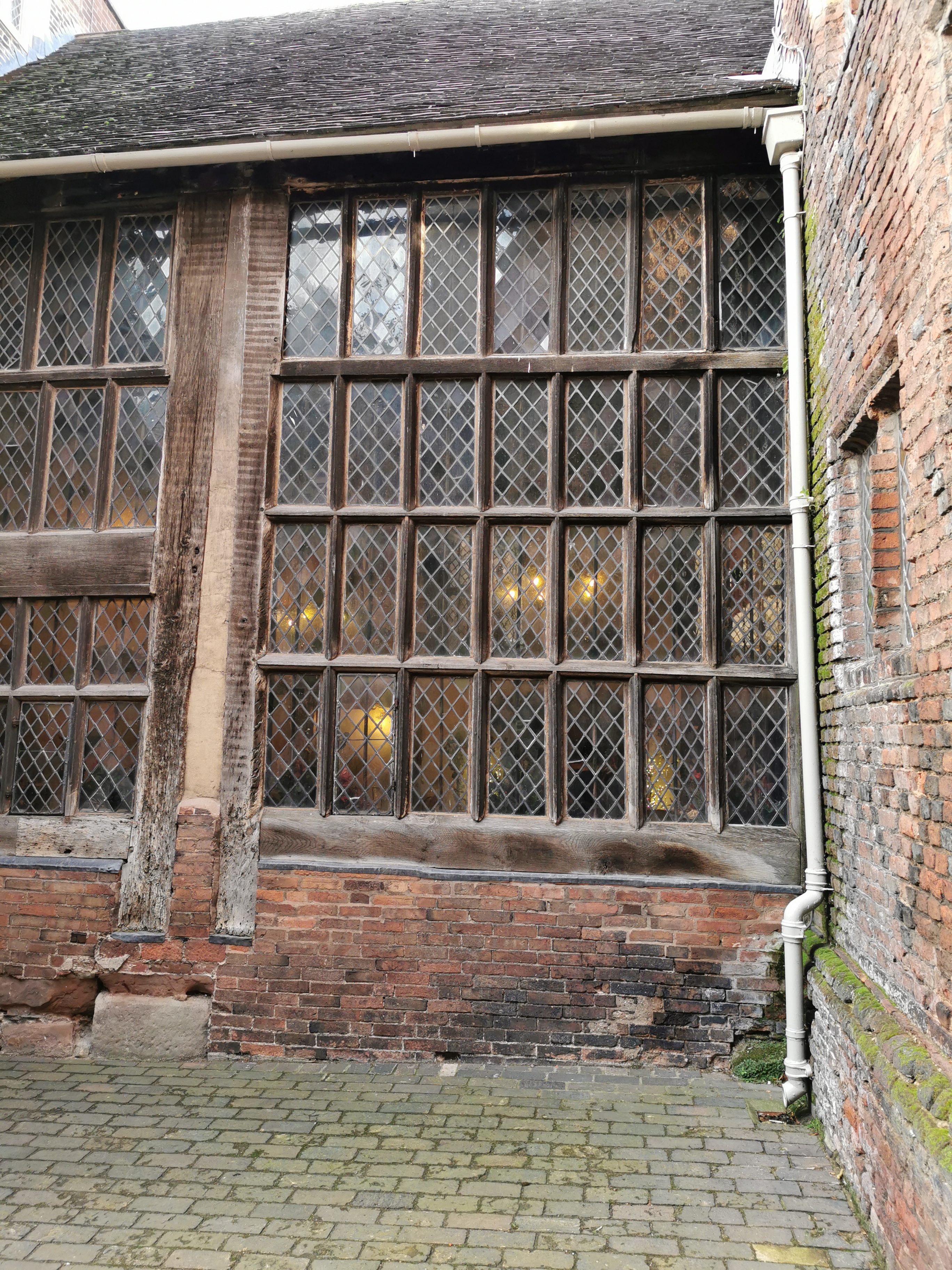
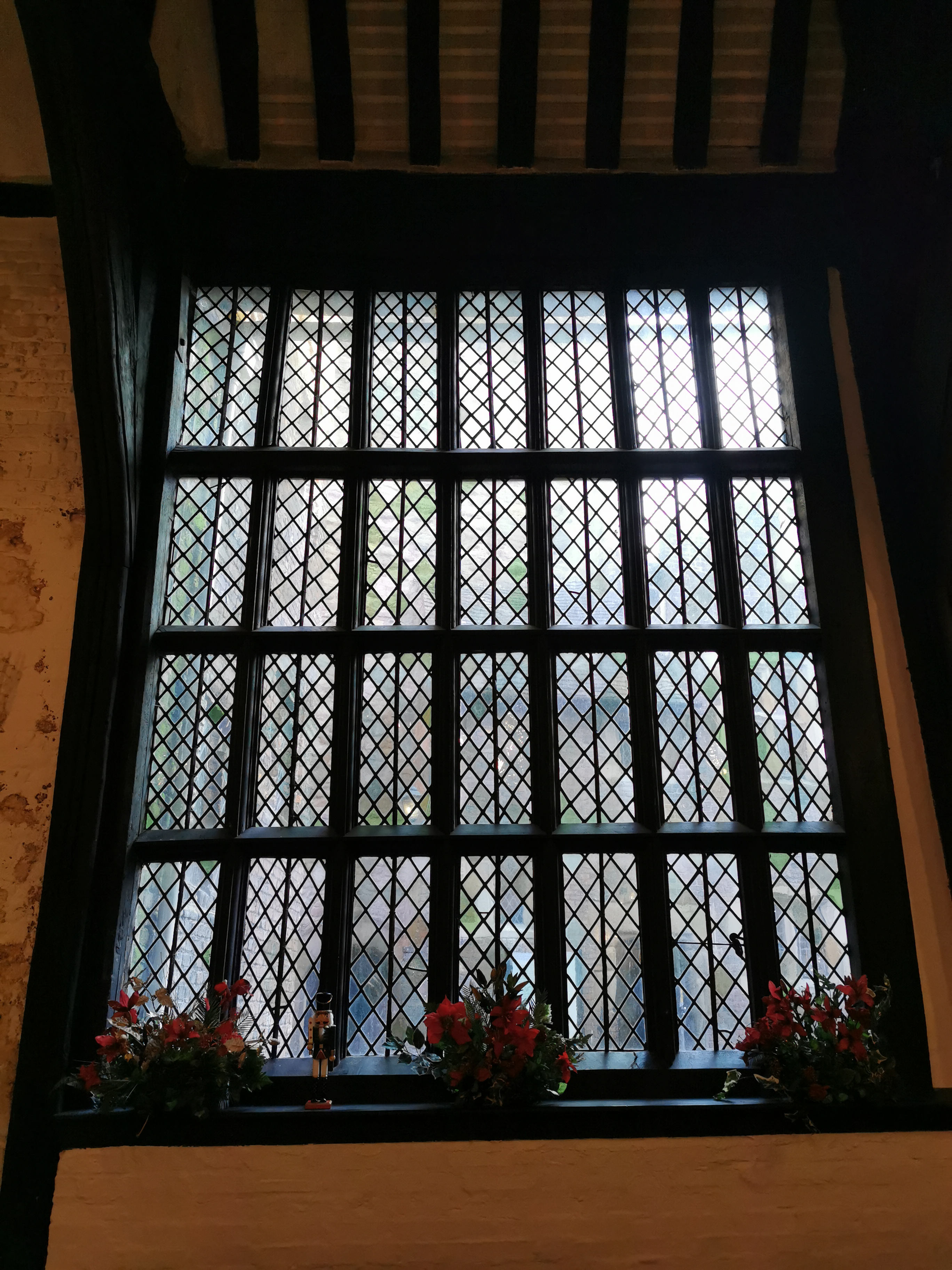
Like Lichfield and Repton, Tamworth has long been known to be a capital of the Saxon Mercian kingdom. Visitors today will find a more modern castle, which variously dates from the end of Saxon England up to the Victorian era, and one which is crammed with fascinating detail, from the herringbone wall beneath it to the beautiful Tudor windows of the great hall.

On a visit in 2021, I can also inform you that it currently had a third of the fabulous Staffordshire Hoard on display and an excellent museum filled with all things Saxon. (I believe it still holds some of the Staffordshire Hoard). Castles, if they were built in the late Saxon period, and some of them were, would have been constructed from wood. It was only later that they came to be built or rebuilt in stone, as we recognise them today.

A view of the oldest part of Tamworth Castle, dating to after the end of Saxon England

Today’s castle wouldn’t have existed in the 820s and 830s. Indeed, it’s proven to be very difficult for archaeologists to determine where the original settlement of Tamworth lay, no doubt, because much of it has been overbuilt, just as in most places where habitation has been almost continuous. A fire in 1345 might well have destroyed any remaining wooden dwellings, making the endeavour even more difficult.

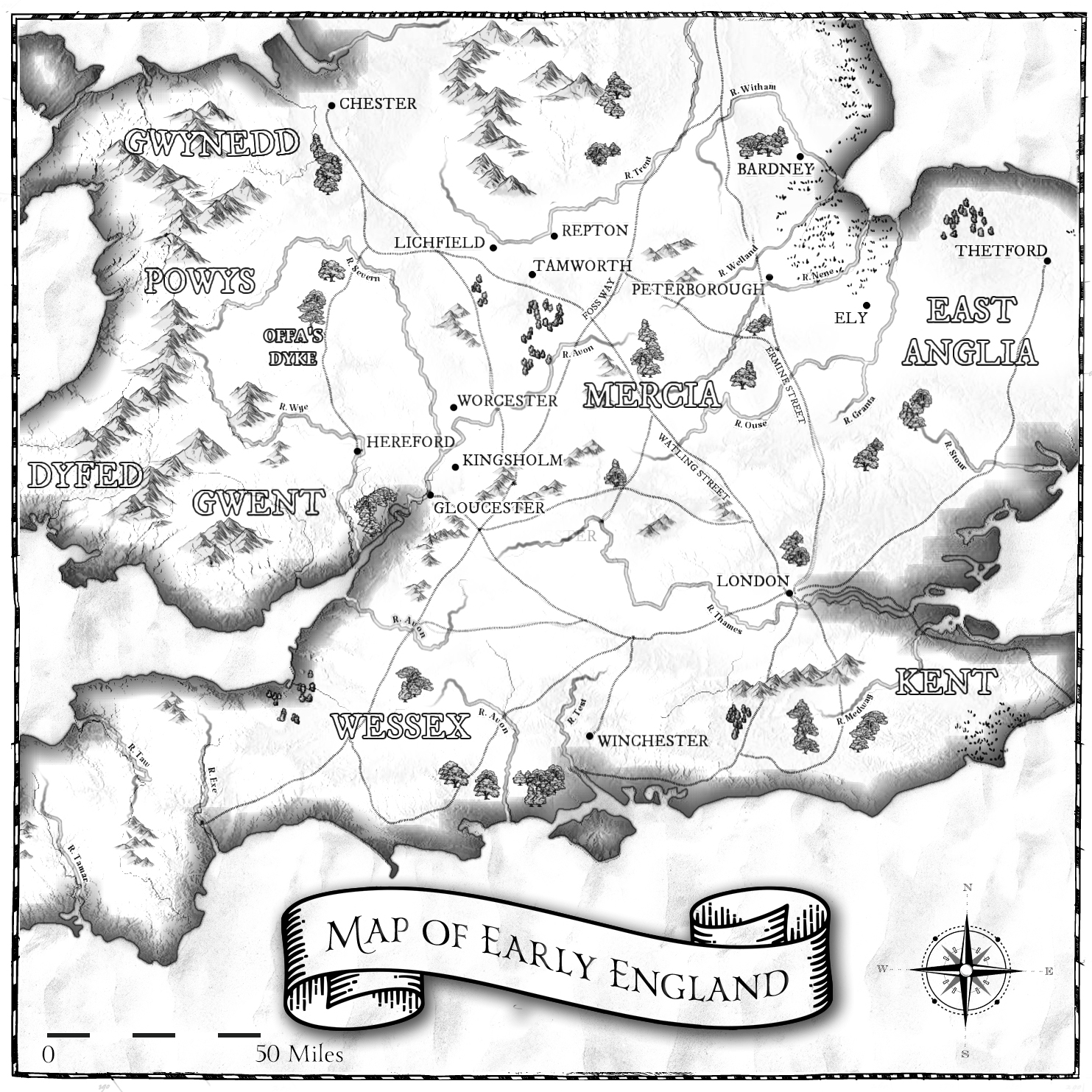
Map showing the location of Tamworth, at the heart of the Saxon kingdom of Mercia. It is close to Lichfield, another important location, and to Repton where, for a period, the ruling family were buried.

It has been possible to reconstruct Tamworth in the 900s, when it was designated a ‘burh,’ a defensive settlement in which the local population could seek shelter from the Viking raiders behind its walls. (I can’t find the image at the moment).

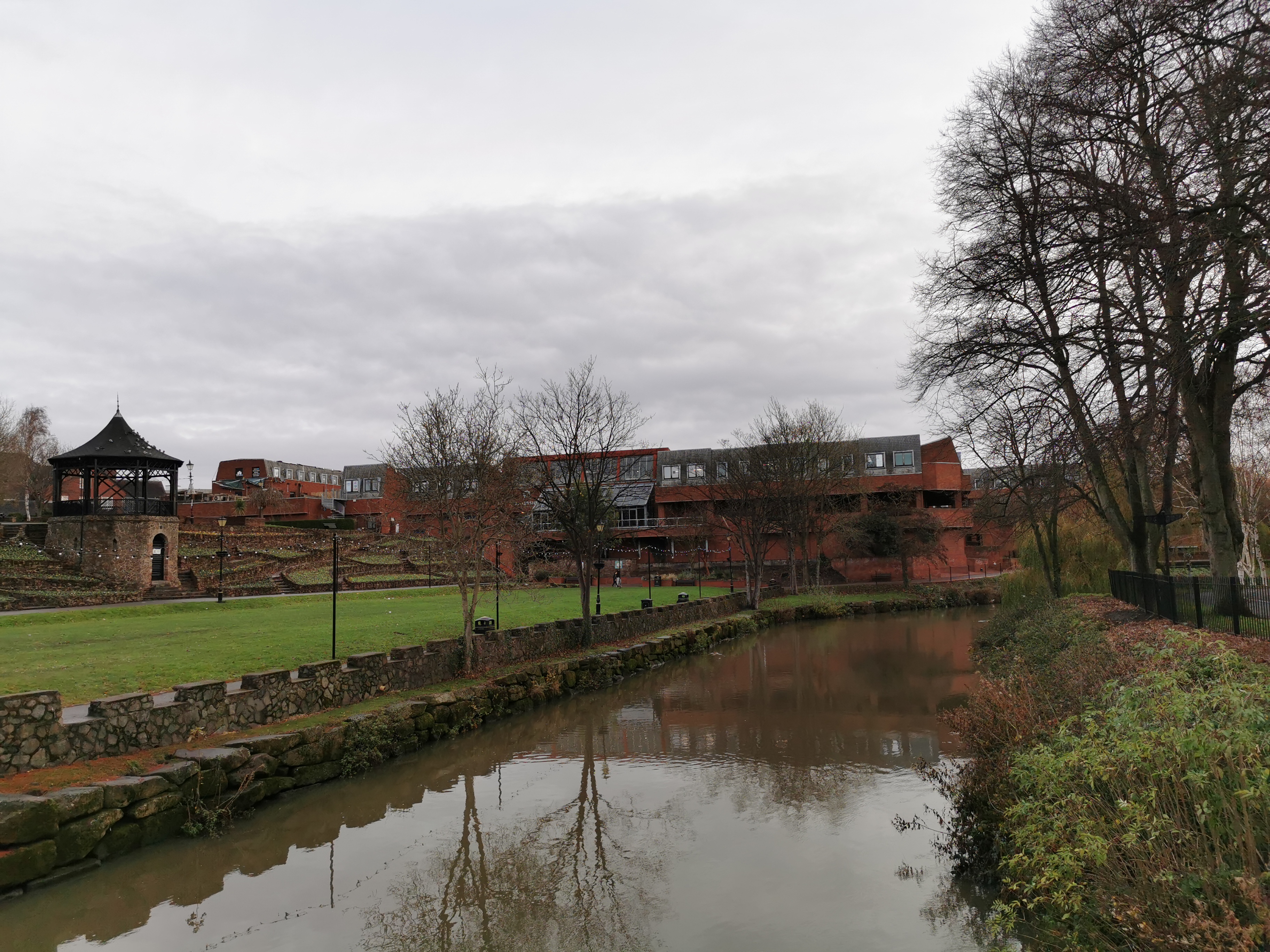
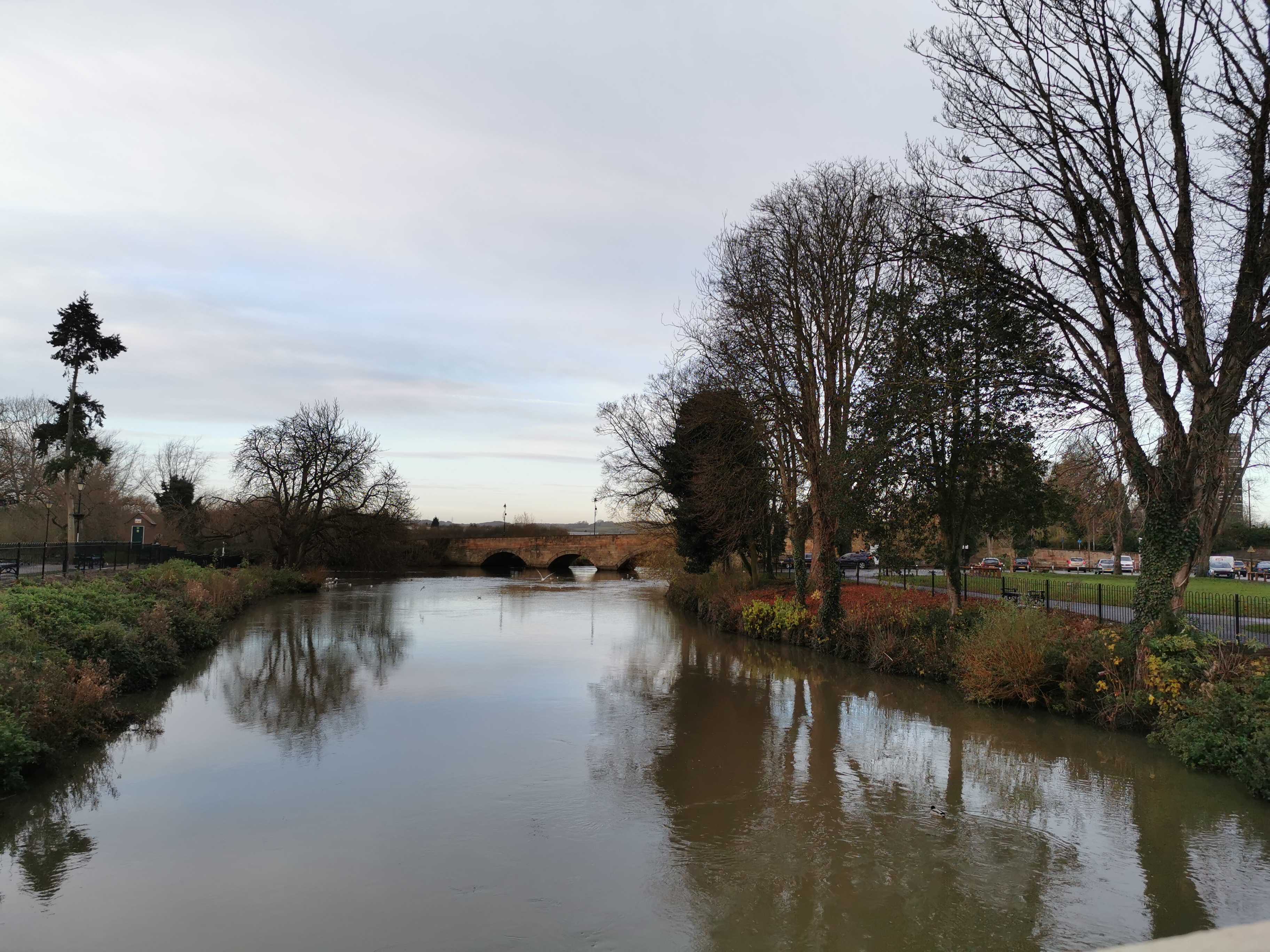
But it is possible to imagine how Saxon Tamworth might well have looked in the 800s, when the Eagle of Mercia Chronicles takes place. The rivers, The Tame and the Anker, run in front of the current castle, and there’s a slight rise, on which I used to spend many happy hours running up and down the steps, with flowers blooming in the flower beds. From there, it would have been possible to see a reasonable distance south. The river would have been put to good use, and the remains of a water mill have been found and dated to the later Saxon period. Houses would have been built from wood, wattle and daub with thatched roofs, and there would have been workshops as well as residential dwellings. At the centre of the settlement would have been a lord’s hall. While this hasn’t been found in Tamworth, it could have measured upwards of 24 metres long by 6 metres wide. It’s believed it was also surrounded by a defensive ditch. Somewhat sheltered, as the road to Lichfield is uphill, it would have been a pleasant, and I assure you, on the right day, very warm, location for Mercian kings to have lived within. It was close to Watling Street too, allowing easy access to the rest of Mercia.

Check out the ‘offical’ Tamworth Castle website.

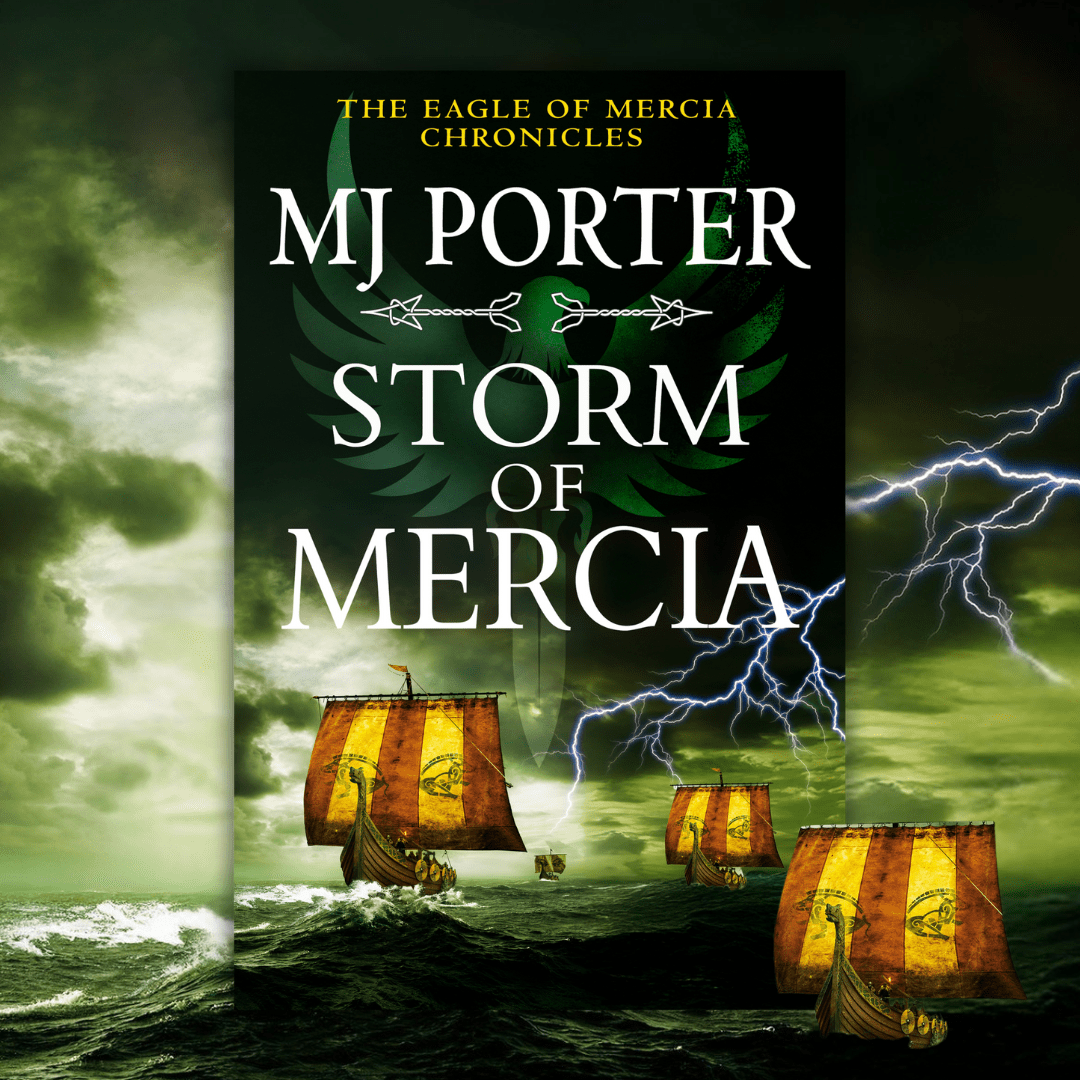
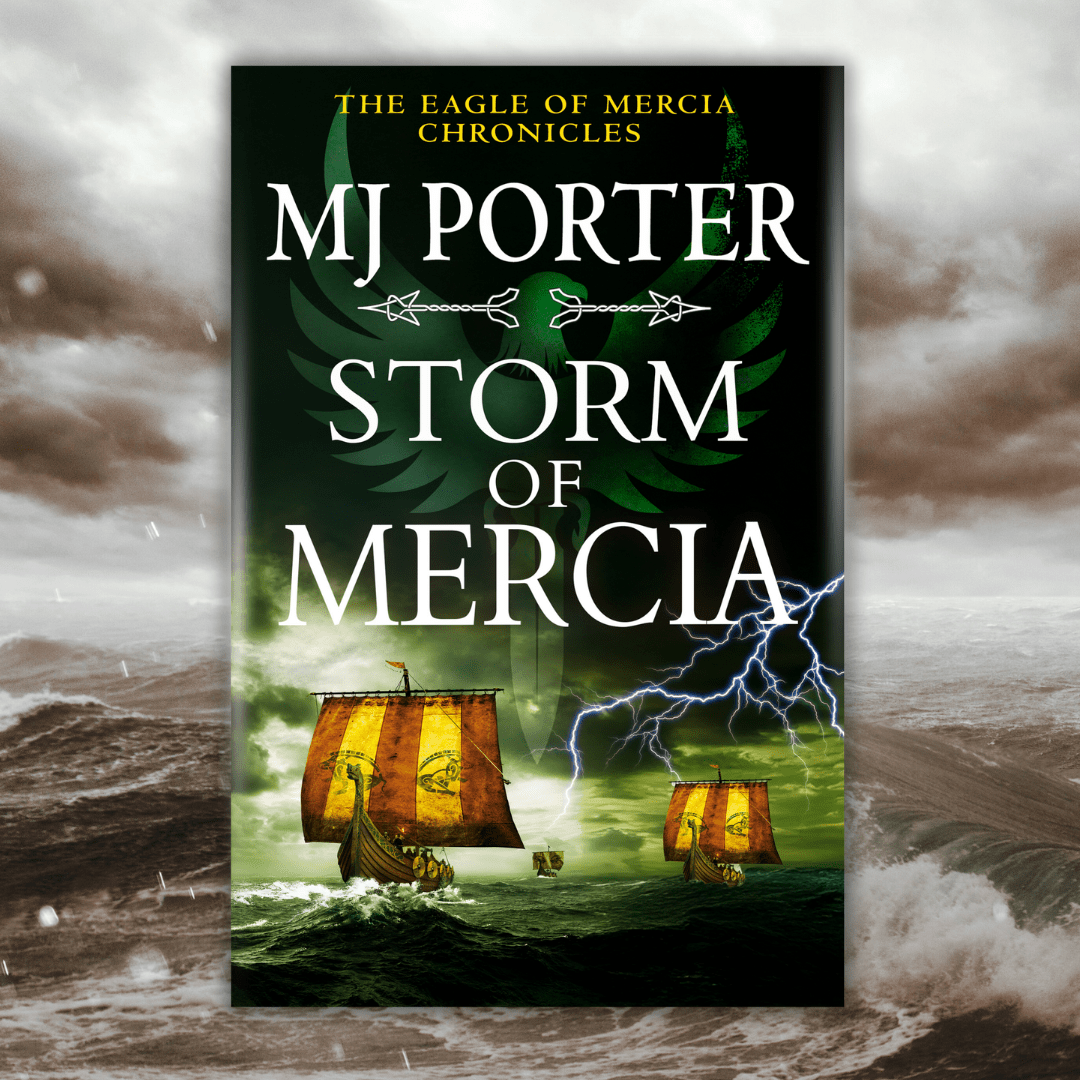
Read more about The Eagle of Mercia Chronicles.

Posts

Book Review – The Tragic Daughters of Charles 1: Mary, Elizabeth and Henrietta Anne by Sarah-Beth Watkins – Historical Non-Fiction

Here’s the blurb;

“Mary, Elizabeth and Henrietta Anne, the daughters of King Charles I and his queen, Henrietta Maria, would be brought up against the background of the English Civil War. Mary would marry William, Prince of Orange, and be sent to live in the Netherlands. Elizabeth would remain in England under Parliamentary control. Henrietta Anne would escape to France and be the darling of the French Court. Yet none of the Stuart princesses would live to reach thirty. The Tragic Daughters of Charles I is their story.”

The Tragic Daughter of Charles is a well-named, and well-presented account of the daughters born to Charles I and his wife. The author, as ever, relies extensively on the letters her subjects wrote, and these are often presented in their entirety allowing the reader to understand the subjects well.
In some ways, it glosses over the Civil War and the Restoration of Charles II but this is because the focus is on the daughters/sisters and I believe the author manages to isolate them well from the greater backdrop of events, while also including the pertinent points.
A thoroughly enjoyable, short, read.

A firm 4/5 and my thanks to the publisher and Netgalley for the review copy.

The Tragic Daughters of Charles I is released on 26th April 2019 and can be purchased here, although other retailers are also available!

Book Review – Devil’s Wolf (High Corbett) by Paul Doherty – historical murder mystery

Here’s the blurb;

1296: King Edward I has led his army to Scotland, determined to take the country under his crown. But the fierce Scots have no intention of submitting to their oppressor and violent and bloody war breaks out.

1311: Sir Hugh Corbett, Keeper of the Secret Seal, finds himself back in Scotland and is revisited by the horrors he witnessed there fifteen years ago.

An anonymous letter was delivered to the new king. It promised information about a fatal incident that could allow England to finally bow out of the war with the Scots. Tasked with finding out the truth about the murder, Corbett is forced to take risks he would rather avoid and put his faith in the words of strangers.

But with an unknown traitor lurking in the shadows and danger around every corner, will Corbett be able to unravel the complex web of plots in time?

I received a free EArc from Netgalley.

Devil’s Wolf is an enjoyable jaunt through early fourteenth century England. I found it particularly enjoyable as its setting is very familiar to me.

While the beginning of the novel is somewhat repetitive, as Hugh tries to work out what’s happening and tries to order his thoughts, the end of the novel is far more complex and reads more quickly.

The characterisations are good, and the author certainly doesn’t shy away from killing off characters left, right and centre.

I credit this author with helping me learn to love reading again after a pretty rubbish time many years ago – his Egyptian books are wonderful – as such it’s great to discover all these other books of his, of which I was unaware.

Devil’s Wolf is out now and can be found here;

I’m reviewing Ælfred’s Britain by Max Adams #non-fiction #history #bookreview #HighlyRecommended

Here’s the blurb

“In 865, a great Viking army landed in East Anglia, precipitating a series of wars that would last until the middle of the following century. It was in this time of crisis that the modern kingdoms of Britain were born. In their responses to the Viking threat, these kingdoms forged their identities as hybrid cultures: vibrant and entrepreneurial peoples adapting to instability and opportunity.

Traditionally, Ælfred the Great is cast as the central player in the story of Viking Age Britain. But Max Adams, while stressing the genius of Ælfred as war leader, law-giver, and forger of the English nation, has a more nuanced and variegated narrative to relate. The Britain encountered by the Scandinavians of the ninth and tenth centuries was one of regional diversity and self-conscious cultural identities: of Picts, Dál Riatans and Strathclyde Britons; of Bernicians and Deirans, East Anglians, Mercians and West Saxons.”

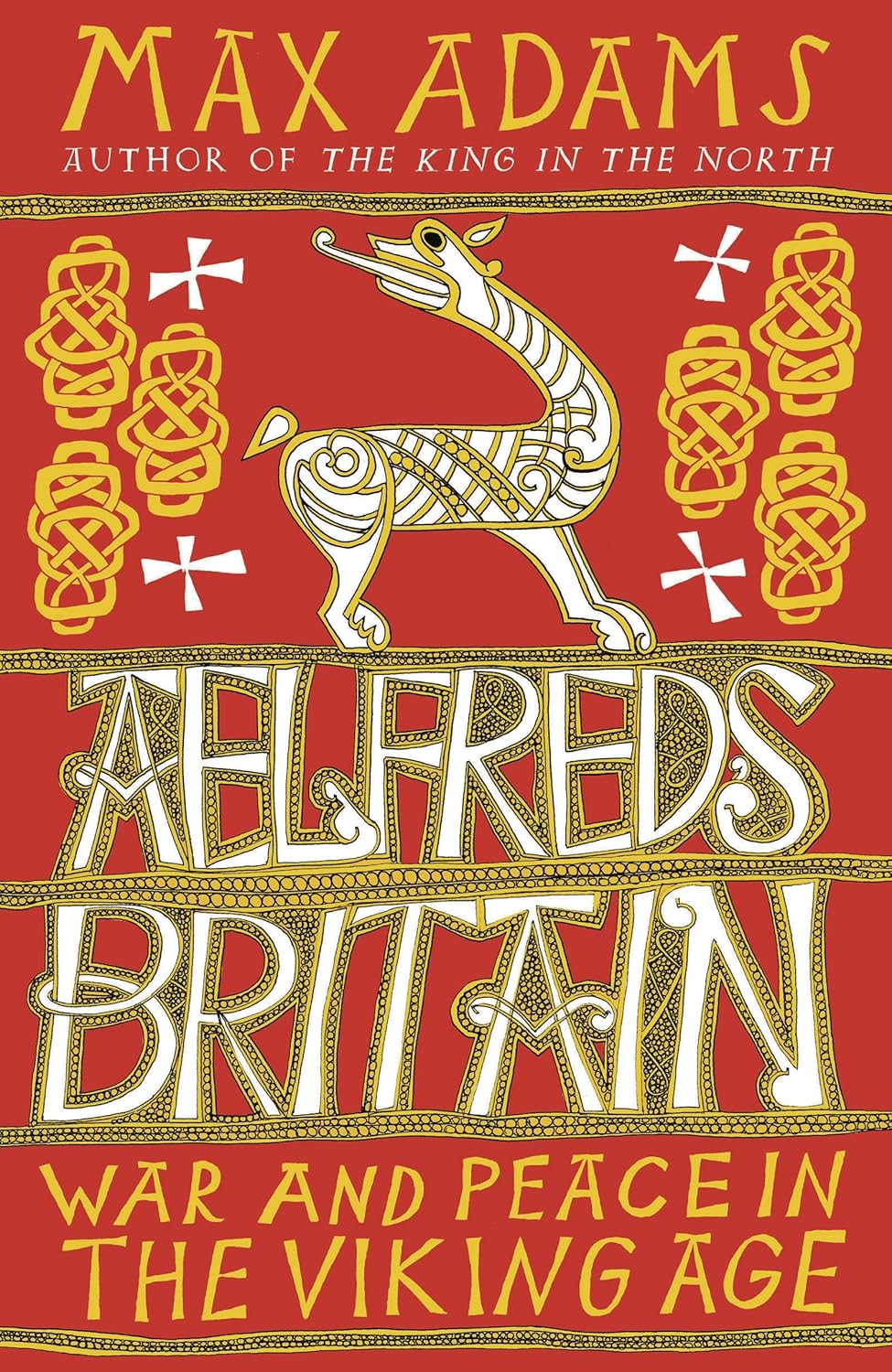
The cover image for Ælfred's Britain by Max Adams

My Review

Ælfred’s Britain is an excellent book. It does not confine itself to the period of Alfred’s rule but comprehensively offers an account of England from the reign of Alfred’s grandfather to the end of the reign of his youngest grandson (King Eadred) in 955. This makes it much more than a book about Alfred but rather a book about Britain and the Vikings just before, after, and during the First Viking Age.
Instead of focusing on England and the Vikings, the book covers the activities of the Vikings in Ireland, Scotland, England and Wales, in a very similar vein to the wonderful book by Claire Downham ‘Viking Kings of Britain and Ireland: The Dynasty of Ívarr to A.D. 1014’, along the way noting events on the Continent and in the homelands of the Vikings and Danes.
This ia an important development in the history of the period and a step that should have been taken long, long ago. There is little point in knowing events in England in isolation during this period – a wider view point should and must be adopted.
The author also employs an enjoyable and enlightening look at the ‘map’ of Britain – offering something of a handy guide to the various ‘stopping-off’ points available to the men and women from Scandinavia along the coast and riverways.
Some may find the author’s naming conventions a little annoying, but it seems to me that all historians have a preferred naming convention and insist on sticking to it no matter what. It is only a slight bugbear, but that is because I know much of the period well.
This is a far more ‘historical’ book than The King in The North (which I always felt was too much like a travel guide for comfort). Still, it is, at heart, a book by an archaeologist, and this means that archaeology is used to ‘clothe’ the ‘known’ historical facts and vice versa. Yet, and I must applaud this, the author while relying on some slightly dubious ‘primary’ sources, ensures that the reader is aware of this – and the reader would do well to heed the warnings.
Overall, this is a very enjoyable book, filled with fascinating insights. It adopts a view point that has been a long time in being applied to this time period.


Book Review – Killer of Kings by Matthew Harffy – historical fiction

Here’s the blurb;

“AD 636. Anglo-Saxon Britain. A gripping, action-packed historical thriller and the fourth instalment in The Bernicia Chronicles. Perfect for fans of Bernard Cornwell.

Beobrand has land, men and riches. He should be content. And yet he cannot find peace until his enemies are food for the ravens. But before Beobrand can embark on his bloodfeud, King Oswald orders him southward, to escort holy men bearing sacred relics.

When Penda of Mercia marches a warhost into the southern kingdoms, Beobrand and his men are thrown into the midst of the conflict. Beobrand soon finds himself fighting for his life and his honour.

In the chaos that grips the south, dark secrets are exposed, bringing into question much that Beobrand had believed true. Can he unearth the answers and exact the vengeance he craves? Or will the blood-price prove too high, even for a warrior of his battle-fame and skill?”

Killer of Kings is the fourth full-length novel in The Bernicia Chronicles, but only the third that I’ve read, although I’ve also read the short-story that accompanies the series which I actually enjoyed more than the full-length novels because it was about Beobrand’s brother, who seems to be a wee bit cheerier than poor grumpy Beobrand.

Killer of Kings starts very strongly – the short prologue is excellent and I thought, because of what happens in it, that it was the beginning of something quite monumental. Sadly that’s not the case and instead, the first 50% of the novel is taken up with almost only one battle. Personally, I found it to be a very long build up to the battle, and then dismissed far too quickly.

The remainder of the story is very much a trip down memory lane for Beobrand, and this bit of the novel I really quite enjoyed before Beobrand goes off to settle an old blood feud.

I found the novel to be moderately entertaining but would have appreciated more sophistication in the plot line. As I said, 50% of the novel is concerned with only one battle, and so what comes after feels at times rushed and also a little bit too easy for old Beobrand to accomplish what he wants. He quickly takes up with moaning and grumbling about his injuries (as he did throughout book 3) but he is almost a happier Beobrand than throughout the previous book.

Overall, he is too easily swayed from his own wishes by weak attempts to incite him to honour which fall a little flat. The ongoing Christianity/Pagan Gods thing is, I know, a staple of the time period, but as with the Bernard Cornwell books, I feel it could be handled in a far more sophisticated manner, if not, entirely forgotten about for much of the book. Penda the Pagan was, as the author admits, no persecutor of Christians and as such, it’s difficult to make the East Anglian battle about religion – it was about ambition and strength, and we are told little about what happens as a consequence of the battle in terms of who is, or isn’t king, and what impact this might have had on Penda and Oswald..

The side-story – taking place at home and in his absence – is used to string the novel along – a battle scene followed by what’s happening in his absence – and while I know this is a literary convention employed by many to great affect. I found the back story to be a distraction from Beobrand’s tale, and also, a little too predictable, even as it mingles with Beobrand’s journey to his childhood home.

Overall I think the novel is a firm three star, bordering on a four, and therefore I’ve given it a four. The author has a strong view of the Albion inhabited by Beobrand and his comrades and this is a strength of the novel.

Killer of Kings is available from 1st June 2017.

Book Review – The Outcasts of Time by Ian Mortimer (Historical Fiction) Recommended

Here’s the blurb;

“The year is 1348 and brothers John and William have been infected by the plague. Their fate is sealed. Until a voice from the skies offers them a choice: ‘You may stay here and spend your last six days with your wife and children. Or you may put yourself in my hands now. I will wipe the scars from your face and the swellings from your body. I will extinguish your fever. I will let you live your last six days in the distance of the future.’

John and William agree: they will live for six more days and in return they will do good deeds in order to try to save their souls. But there’s a twist: each of those six days will begin ninety-nine years after the last, delivering them each time to an increasingly alien existence. As they travel, the reader travels with them, seeing the world change with conflict, disease, progress and enlightenment. But all the while time is counting down to a moment of judgement.”

I received a free E-Arc from Netgalley.

Ian Mortimer is a fantastic historian – looking at the past with new eyes and in so doing shedding light on events that are often, erroneously, presented as a fait accompli. For this reason, I was very excited to be given the opportunity to read and review his first work of fiction.

The Outcasts of Time is a deeply intriguing novel, looking not at the past through our perception, but rather the future (which is now our past) through the eyes of a man who lived over 600 years ago. This means that instead of our own misconceptions being applied to the past, every new century is seen afresh, with old eyes that note the changes and the differences as well as the similarities. That said, the novel is not always successful in doing this in an entertaining way, there are the odd occasions where I pondered whether the novel was actually going to be able to successfully bring to a conclusion what appears, at points, as nothing more than a random collection of chance encounters in and around the area of Exeter with different people throughout the 600 year period. I must point out, however, that in the end, I was very pleased to have all the events brought together and to be given some understanding of John’s ‘chance’ encounters.

The initial portrayal of the Black Death is as bleak as we could expect, and edged with harshness. I can understand why the events drove John to seek the option of travelling into the future as opposed to his hideous and painful death. What then transpires is a painstakingly detailed tramp through both the historical and the physical landscape. The book covers a small geographical area – wherever John and his brother could walk in a day’s journey. This feels, on occasion, a little restrictive, and yet the research involved in the endeavour can not be underestimated. Ian Mortimer has either envisaged, or drawn from the historical record, painstaking detail about the way the landscape, people and places changed throughout the 600 years from the Black Death. While this detail may occasionally slow the narrative it can not be ignored. What else would you notice if you did travel through time? It would be people’s clothes, haircuts, the decorations in their houses, the style of buildings and the food available to eat – not to mention the changes in bathrooms.

The grander events of history – the well known wars and kings and queens – are touched upon but they don’t constitute what John is hoping to achieve. He is looking for redemption – to save a soul in order to save his own – and his comments and feelings remain those of a man born and raised in the fourteenth century, confused and beguiled by events almost beyond his comprehension, which only increases with distance from his own time.

The author works hard to bring out every naunce of change through time – right down to evolving speech and the changing of names – by the end John is no longer John of Wrayment but John Everyman – time and language mangling his name, and depriving him of almost everything apart from his brother’s ring and his memories. By making John a stone carver, the author even manages to show that even something as ‘permanent’ as stone can be mangled and broken through time – the carvings John has made, based on his family and friends, gradually fall away and lose their shape. Nothing, it seems, is ever permanent, no matter the initial intent.

The people John meets are perhaps a little too easily convinced of his journey through time, and I do feel that the last two centuries – the 1800’s and 1900’s perhaps work better – but that is probably because they are more ‘real’ to me – they are more comprehensible to me just as those centuries closer to John seem to make more sense to him. This, I think, is to be expected.

I would also add that quite a bit of the novel is concerned with religion and religious change. This is fascinating, but also, on occasion, a little overpowering, and yet reflects the concerns of John very eloquently. It shows how recently religion has ceased to be such a major presence in the lives of many.

When John offers the opinion that “The man who has no knowledge of the past has no wisdom” he is speaking for the rationale behind this novel and doing so very eloquently.

Recommended to all who enjoy history and historical fiction.

The Outcasts of Time is released on 15th June 2017 and you can buy it here.
Book Review – The Shadow Queen by Anne O’Brien (historical fiction) Highly recommended

Here’s the blurb;

“From the Sunday Times bestselling author of The Queen’s Choice

A tale of treachery, power-hungry families and legal subterfuges.

Woven through it is a remarkable story of a beautiful girl, desirable as a bride, growing to be a woman of foresight and power.

A story of love and loyalty and of the cost of personal ambition. The story of the woman who would ultimately wield power as the King Mother to 10 year old King Richard II.”

I received a free E Arc from Netgalley.

The Shadow Queen is a fantastic read. Very well paced from beginning to end, it charts the life of Joan of Kent, the cousin of King Edward III, who is a prominent character throughout the story. I always enjoy it when an author finds a 'new' historical character to offer to their readers - for too long the Tudors and the Wars of the Roses have garnered far too much interest, as have the few women who were prominent in Medieval Times - Isabella of Castille and Elearnor of Aquaitaine. Often, no matter how hard an author might try, historical events can only be manipulated so much and I much prefer a fresh story.

Joan is an acerbic character - and some of the best passages in the book stem from when her nature is allowed to fly free - this is often when speaking to the men in her life - but at these times the characters feel very alive and real. So beguiling is she that I found it difficult to put the book down and read it in two days, even though I was supposed to be reading another novel.

I don't wish to spoil the nature of the story - for the unravelling of events around Joan is one of the author's strongest story telling techniques - suffice to say while some elements of her life garner slightly too much time in the novel, and others a little too little - the story is fantastically well crafted without dwelling too much on romance and matters of the heart because this isn't in the strong willed nature of the Plantaganet Princess, who is only too aware of her own power and strength because of her blood.

5 stars and a highly recommended for this story.

I would, however, have liked some longer historical notes at the end with more details about Joan as opposed to the royal family members she interacted with.

And you can buy it here when it’s released on 4th May 2017.


Book Review – Catherine of Braganza by Sarah-Beth Watkins (history)

Here’s the blurb;

Catherine of Braganza, a Portuguese princess, married Charles II in 1662 and became the merry monarch’s Restoration queen. Yet life for her was not so merry – she put up with the king’s many mistresses and continuous plots to remove her from the throne. She lived through times of war, plague and fire. Catherine’s marriage saw many trials and tribulations including her inability to produce an heir. Yet Charles supported his queen throughout the Restoration, remaining devoted to her no matter what. Outliving her husband, she ended up back in her home country and spent her final days as queen-regent of Portugal.
Although a historian myself, anything after the Tudors does almost defeat me because it’s not a period I’ve studied at great length – and this is probably just the right sort of book for me to read about a time period I know little about.

The author’s tone is light, and dispenses with any sort of discussion about sources and their reliability, rather focusing on what can be pieced together about Charles II’s Queen, which doesn’t seem to be a great deal. It is told in a chronological order – which I always like – and while I would have quite liked a list of Charles II’s mistresses and illegitimate children – Charles does not feature massively in the text. Not that he’s not there – and there are a few times when I was struck by Charles’ regard for his wife, unable to give him the legitimate sons he needed, and yet fiercely loyal to her for all that – apart from perhaps in his younger days when his treatment of her was quite scandalous.

Overall, a very enjoyable and quick read – I especially enjoyed the mentions of the French court as it brought back all my memories of studying Louis XIV. I think it would help to have some understanding of the time period when reading the book – but as I discovered while reading, I did actually know more about the time period than I thought I would.

This is released on 28th April 2017 and you can get a copy here;


I’m reviewing My Name is Victoria by Lucy Wolsey #bookreview #histfic

Here’s the blurb

“‘You are my sister now,’ Victoria said, quietly and solemnly. ‘Never forget it. I love you like a sister, and you are my only friend in all the world.’ Miss V. Conroy is good at keeping secrets. She likes to sit as quiet as a mouse, neat and discreet. But when her father sends her to Kensington Palace to become the companion to Princess Victoria, Miss V soon finds that she can no longer remain in the shadows. Miss V’s father has devised a strict set of rules for the young princess, which he calls the Kensington System. It governs her behaviour and keeps her locked away from the world. He says it is for the princess’s safety, but Victoria herself is convinced that it is to keep her lonely, and unhappy. Torn between loyalty to her father and her growing friendship with the wilful and passionate Victoria, Miss V has a decision to make: to continue in silence, or to speak out. By turns thrilling, dramatic and touching, this is the story of Queen Victoria’s childhood as you’ve never heard it before.”

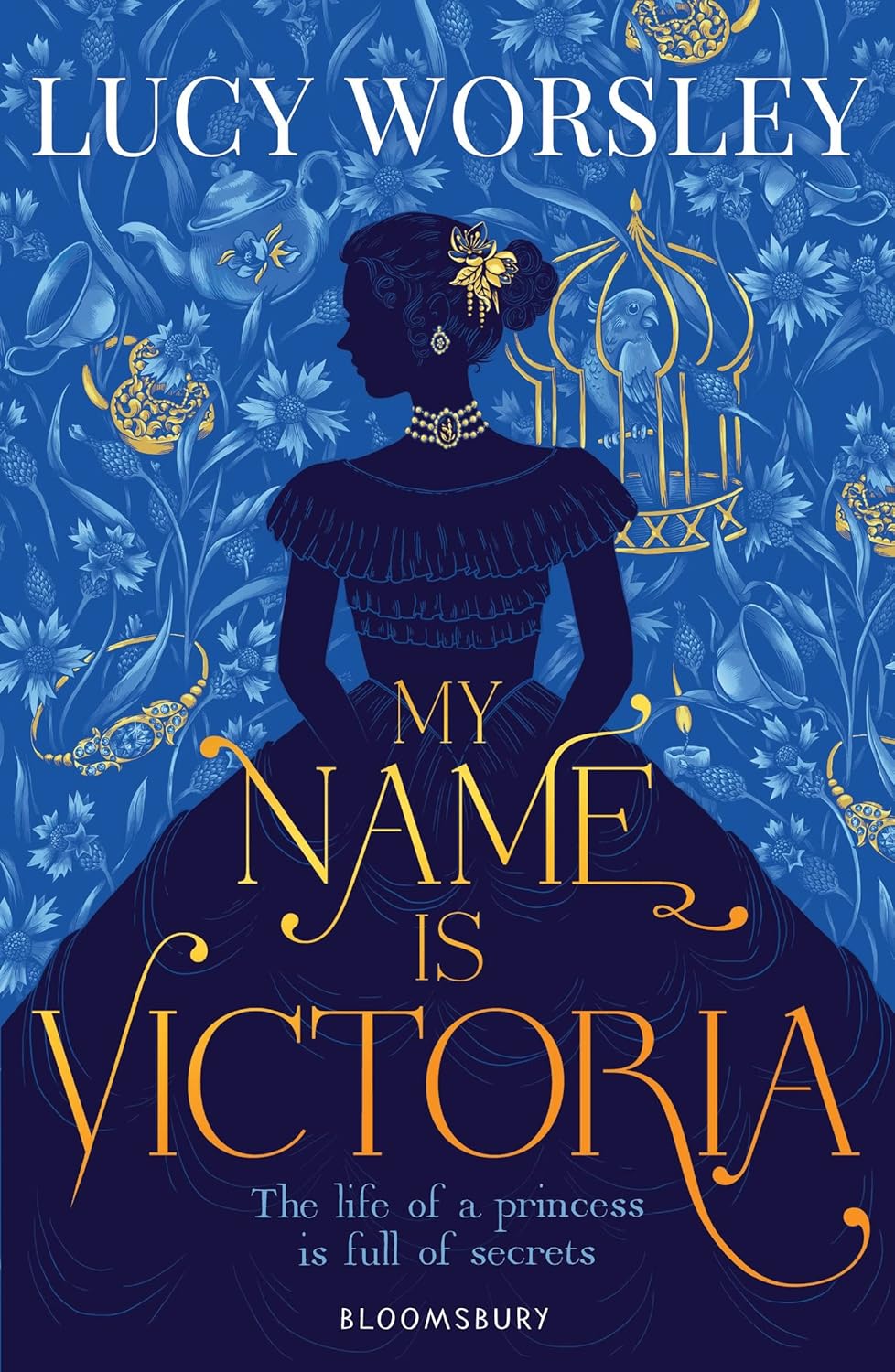
Cover image for My Name is Victoria by Lucy Worsley

My Review

First things first, I loved this book. Okay, I loved 90% of this book. It was a thoroughly enjoyable novel, a fascinating insight into the early years of Princess Victoria and an exceptionally well-researched novel. If anyone has read the Lady Grace Mysteries set in the first Elizabethan England I would recommend this story to them.

The first half of the story follows the exploits of the young Princess and her friend Miss V. at the age of about 11. This part of the story is long and detailed, but that’s no bad thing because the second half of the novel is somewhat faster paced and follows the two girls between the ages of about 16 and 18.

The author manages to portray the enemy of the story, Miss V’s father, Sir John Conroy, in both a sympathetic and a cruel way, highlighting his meanness and ambitions for his future, while also showing him as an almost loving father to his daughter, Miss V. It is only near the end of the novel that his ambitious nature makes it almost impossible to like the man anymore.
Princess Victoria’s mother is a shadowy character who is hardly ever seen, and it’s the nurse and the governess who populate the majority of the story, along with their dog, Dash, and poor old Princess Sophia, at least until near the end of the story when a few German princes make an appearance. And it was from here on that I disliked the story. I genuinely can appreciate the author’s intentions in making some changes to the accepted story, but the more I think about them, the more I think that it’s just a reach too far to expect the reader to accept the changes. Almost like Alison Weir with her fictional books on Elizabeth I, I found the changes to undermine my own, previous, appreciation of the ‘historical personage’ and it went too much against what I was expecting to be easy to accept and quite frankly, it annoyed me a little.
Still, if I can forget that, I must applaud the author for this attempt to portray the early years of Princess Victoria. This is a fascinating and enjoyable account and I would recommend it.

Book Review – Oswald: Return of the Kingby Edoardo Albert (historical fiction)

Here’s the blurb:

“The exiled family of King Aethelfrith of Northumbria arrive, after much hardship, on the island of Iona, where the monastery founded by St Columba has become a centre of worship and learning. Young Oswald becomes firm friends with a novice, Aidan. When Aidan professes his final vows, Oswald and his little brother Oswy are received into the church. As befits a young prince, Oswald learns to fight. However, Aidan’s example attacts him and he is on the point of deciding to become a monk when news reaches Iona that his half brother, Eanfrith, has been killed by Cadwallon, the king who defeated Edwin. Oswald sails back to Northumbria and meets Cadwallon in battle, defeating and killing him. Oswald, now undisputed king of Northumbria, gives Aidan the island of Lindisfarne as his base. But Penda, the last great pagan king in England, is raising troops against him.”

I received a free E-Arc from Netgalley.

Oswald, Return of the King is the first book I’ve read by the author.

Oswald is, unfortunately, a dense read that suffers with some pacing issues, but more than anything, is plagued by unnecessary and near constant Bible quotations. It would perhaps, have been better if the novel had been named after the monks of Lindisfarne or Iona, because the focus of the novel is not actually Oswald. The author has made great use of the work of Bede’s Ecclesiastical History of the English People, (as must everyone who writes and studies about this time period), and I couldn’t help thinking that Bede would have been overjoyed by the author’s firm adherence to his ideas – to write a history of the Church – and not a history of the people throughout this period, but for myself, I felt that this detracted from what should have been an exiting read and instead descended into a long and tedious story about a highly fictionalised accounting of how Christianity was introduced to the Saxons of England. Christianity was a weapon, just like a warrior’s sword, shield and spear, but the author, writing for a Christian Press, makes no reference to the political nature of the imposition of Christianity.

As to the story itself, Oswald does not become King of Bernicia until 48% of the book has passed, and then there is some definite fudging of events and dates which takes the reader to the final battle – or should I say ‘finally a battle’. Until this point much has been made of the amassing of troops – but the Battle of Heavenfield, where Oswald gains his kingdom, is a disappointing fight between two men in a quarry, an amassing of troops at York slithers away as a truce is called, and Maserfield is the only battle that gets any ink – even the supposed overthrow of the Gododdin earns no more than the recall of a messenger reporting to his king.

This period of history is defined by its battles and its warriors, but this is a novel of saints and Christianity, and needs to be read with a clear understanding of what it is, and not what it could have been, or what a reader might well expect it to be.

The cover is, however, stunning!

And you can buy it here: