
Book Review – The Queen’s Rival by Anne O’Brien – historical fiction – highly recommended

Here’s the blurb;

“One family united by blood. Torn apart by war…

England, 1459: Cecily Neville, Duchess of York, is embroiled in a plot to topple the weak-minded King Henry VI from the throne. But when the Yorkists are defeated at the Battle of Ludford Bridge, Cecily’s family flee and abandon her to face a marauding Lancastrian army on her own.

Cecily can only watch as her lands are torn apart and divided up by the ruthless Queen Marguerite. From the towers of her prison in Tonbridge Castle, the Duchess begins to spin a web of deceit – one that will eventually lead to treason, to the fall of King Henry VI, and to her eldest son being crowned King Edward IV.

This is a story of heartbreak, ambition and treachery, of one woman’s quest to claim the throne during the violence and tragedy of the Wars of the Roses.”

The Queen’s Rival is a stunning look at the ‘later’ life of Cecily Neville from 1459 until 1483. This is not a ‘quiet’ period of history and to cover the tumultuous events, the author adopts the technique of recording the letters of the main protagonists, either from the pen of Cecily or from those who write to her.

It does take a little while to get used to the technique, but the reader is quickly drawn into the story, not perhaps by the events taking place, but rather by the relationship between Cecily and her two sisters, Anne, Duchess of Buckingham and Katherine, Dowager Duchess of Norfolk. The words they share with each other are just what sisters might well say to each other, especially when they’re not likely to see each other soon.

More importantly, the sisters, while fiercely loyal to their Neville inheritance, are not of one mind about who should rule England, and who has the right to rule England. It highlights just how destructive the War of the Roses was, and is a genius way of quickly ensuring the reader appreciates that families were ripped apart by the protracted war.

This is the story of the women of the later 15th century. It’s their voices that we hear, as they try and come to terms with the rises and falls all of them experience. There are moments when the narrative is hard to read, either because you know what’s going to happen, or just because you really feel for Cecily and don’t want her to experience the tribulations than she does.

I am a huge fan of Anne O’Brien and the ‘forgotten’ women of the medieval period in England. While the author may stress that Cecily is not really a forgotten woman, I was not really aware of her before reading this book. The mother of two kings, the grandmother of future kings, and yet she could also have been queen herself. What an interesting life she led.

I highly recommend this book. And you can find my review here for A Tapestry of Treason.

Thank you to the publisher and Netgalley for my review copy.

The Queen’s Rival is released in ebook and hardbook on 3rd September 2020. (What a stunning cover.) It is released in paperback today, 15th April 2021.
Book Review – Fortress of Fury by Matthew Harffy – Historical Fiction

Here’s the blurb;

“AD 647. Anglo-Saxon Britain. A gripping, action-packed historical thriller and the seventh instalment in the Bernicia Chronicles.

War hangs heavy in the hot summer air as Penda of Mercia and his allies march into the north. Caught unawares, the Bernician forces are besieged within the great fortress of Bebbanburg.

It falls to Beobrand to mount the defence of the stronghold, but even while the battle rages, old and powerful enemies have mobilised against him, seeking vengeance for past events.

As the Mercian forces tighten their grip and unknown killers close in, Beobrand finds himself in a struggle with conflicting oaths and the dreadful pull of a forbidden love that threatens to destroy everything he holds dear.

With the future of Northumbria in jeopardy, will Beobrand be able to withstand the powers that beset him and find a path to victory against all the odds?”

Beobrand is becoming a firm favourite for fans of historical fiction. But, as many will know, I struggle a little with his ‘grumpiness.’ I have enjoyed the author’s new hero, found in The Wolf of Wessex, a whole lot more, and I’m really keen to read the new book A Time For Swords, as well. But, I’m always curious to see what Beobrand is up to, and therefore I was keen to get an advanced copy from Netgalley and the publisher.

Fortress of Fury is a solid addition to The Bernicia Chronicles.

It begins strongly, and slowly builds to the portrayal of Bebbanburg facing one of its greatest challenges throughout its long history. The battle scenes are well-played out and Beobrand earns battle glory for himself.

The scenes that follow the big battle are very much laying the groundwork for future stories about Beobrand and his band of geishas, and for that reason, I very much felt that the book peaked too soon. I was anticipating a blood and gore-drenched battle that lasted for days, and that was not what I got, concerned rather with events after the attack on Bebbanburg. It’s not a direction I was expecting, and it wrong-footed me a little.

That said, I look forward to seeing what trouble Beobrand and his geishas get themselves involved in next. I’m sure it’s not going to be pretty, and if Beobrand cracks a smile, I might well cheer!

Fortress of Fury is released on in ebook on 6th August 2020, and the audiobook and hardback will follow later in the year. (The cover is amazing).

Book Review – Camelot by Giles Kristian – historical fiction

Here’s the blurb:

‘Britain is a land riven by anarchy, slaughter, famine, filth and darkness. Its armies are destroyed, its heroes dead, or missing. Arthur and Lancelot fell in the last great battle and Merlin has not been these past ten years. But in a small, isolated monastery in the west of England, a young boy is suddenly plucked from his simple existence by the ageing warrior, Gawain. It seems he must come to terms with his legacy and fate as the son of the most celebrated yet most infamous of Arthur’s warriors: Lancelot. For this is the story of Galahad, Lancelot’s son – the reluctant warrior who dared to keep the dream of Camelot alive.’

I’ve just reread the review I wrote for Lancelot nearly two years ago, and even I’m blushing about how effusive I was about it!

Camelot begins in much the same way. The lead character is a young man, about to take his vows to become a monk on the tor at Glastonbury when his world completely changes. The depiction of life on the tor is wonderfully evoked, and even if the author could have just written ‘bird’ ‘tree’ and ‘flower’ I’m sure many will appreciate the attention to detail. (I’ve never been ‘at one’ with nature).

The story starts quite slowly, drawing you back into the world of post-Roman/pre-Anglo-Saxon Britain with deft skill and then the story truly begins to take shape, secrets are revealed, and the ties to the previous book begin to be revealed.

I truly don’t want to give too much of the story away, but the ‘quest’, for that is what it becomes, takes readers from Cornwall to Anglesey and then further, the fear of what is to come in the future a palpable threat and even though we all know what’s going to happen, in the end (outside the scope of the book) I couldn’t help but hope that it would all be very, very different. The characters demand it from the reader.

And the end, is once more, where I have some small complaints about the story. It’s not that it doesn’t do what I want it to do, it’s just that the ending seems wrong for the story, but then, perhaps, it was always going to because that is the legend of Arthur.

But before that ending, the legends of Arthur and his knights are beautifully evoked, and I think a particular strength is the depiction of King Constantine, a bit part character, but immensely powerful and the very embodiment of a land falling to chaos all around him, and yet not prepared to give way and accept what seems to be the inevitable.

This book, once more, has its flaws, some scenes seem unnecessary, and others are skipped over too quickly, but it feels so true to the legends. There’s so much that’s only half-seen, hinted at but never actually known.

A welcome return to Giles Kristian’s ‘world’ first created in Lancelot, and, I think the author notes at the end of the novel explain a great deal. Now, give me the story of Arthur and his knights at the height of their prowess (please!).

Thank you to Netgalley and the publisher for my review copy.

Camelot is available from 14th May 2020 from here:

Book Review – Camelot by Giles Kristian – historical fiction

Here’s the blurb:

‘Britain is a land riven by anarchy, slaughter, famine, filth and darkness. Its armies are destroyed, its heroes dead, or missing. Arthur and Lancelot fell in the last great battle and Merlin has not been these past ten years. But in a small, isolated monastery in the west of England, a young boy is suddenly plucked from his simple existence by the ageing warrior, Gawain. It seems he must come to terms with his legacy and fate as the son of the most celebrated yet most infamous of Arthur’s warriors: Lancelot. For this is the story of Galahad, Lancelot’s son – the reluctant warrior who dared to keep the dream of Camelot alive.’

I’ve just reread the review I wrote for Lancelot nearly two years ago, and even I’m blushing about how effusive I was about it!

Camelot begins in much the same way. The lead character is a young man, about to take his vows to become a monk on the tor at Glastonbury when his world completely changes. The depiction of life on the tor is wonderfully evoked, and even if the author could have just written ‘bird’ ‘tree’ and ‘flower’ I’m sure many will appreciate the attention to detail. (I’ve never been ‘at one’ with nature).

The story starts quite slowly, drawing you back into the world of post-Roman/pre-Anglo-Saxon Britain with deft skill and then the story truly begins to take shape, secrets are revealed, and the ties to the previous book begin to be revealed.

I truly don’t want to give too much of the story away, but the ‘quest’, for that is what it becomes, takes readers from Cornwall to Anglesey and then further, the fear of what is to come in the future a palpable threat and even though we all know what’s going to happen, in the end (outside the scope of the book) I couldn’t help but hope that it would all be very, very different. The characters demand it from the reader.

And the end, is once more, where I have some small complaints about the story. It’s not that it doesn’t do what I want it to do, it’s just that the ending seems wrong for the story, but then, perhaps, it was always going to because that is the legend of Arthur.

But before that ending, the legends of Arthur and his knights are beautifully evoked, and I think a particular strength is the depiction of King Constantine, a bit part character, but immensely powerful and the very embodiment of a land falling to chaos all around him, and yet not prepared to give way and accept what seems to be the inevitable.

This book, once more, has its flaws, some scenes seem unnecessary, and others are skipped over too quickly, but it feels so true to the legends. There’s so much that’s only half-seen, hinted at but never actually known.

A welcome return to Giles Kristian’s ‘world’ first created in Lancelot, and, I think the author notes at the end of the novel explain a great deal. Now, give me the story of Arthur and his knights at the height of their prowess (please!).

Thank you to Netgalley and the publisher for my review copy.

Camelot is available from 14th May 2020 from here: (the preorder is currently only £2.99 for kindle – wowsers – so I’m posting this before release date for everyone to take advantage of the offer)

Book Review – Murder at the Mena House by Erica Ruth Neubauer – historical murder mystery

Here’s the blurb:

Well-heeled travelers from around the world flock to the Mena House Hotel—an exotic gem in the heart of Cairo where cocktails flow, adventure dispels the aftershocks of World War I, and deadly dangers wait in the shadows . . .
 
Egypt, 1926. Fiercely independent American Jane Wunderly has made up her mind: she won’t be swept off her feet on a trip abroad. Despite her Aunt Millie’s best efforts at meddling with her love life, the young widow would rather gaze at the Great Pyramids of Giza than into the eyes of a dashing stranger. Yet Jane’s plans to remain cool and indifferent become ancient history in the company of Mr. Redvers, a roguish banker she can’t quite figure out . . .

While the Mena House has its share of charming guests, Anna Stainton isn’t one of them. The beautiful socialite makes it clear that she won’t share the spotlight with anyone—especially Jane. But Jane soon becomes the center of attention when she’s the one standing over her unintentional rival’s dead body.

Now, with her innocence at stake in a foreign country, Jane must determine who can be trusted, and who had motive to commit a brutal murder. Between Aunt Millie’s unusual new acquaintances, a smarmy playboy with an off-putting smile, and the enigmatic Mr. Redvers, someone has too many secrets. Can Jane excavate the horrible truth before her future falls to ruin in Cairo . . . and the body count rises like the desert heat?

I do love a 1920’s murder mystery, and Murder at the Mena House is set in Egypt no less. It has a very Agatha Christie vibe about it, although our main character is far from as fastidious as Poirot and benefits from an intriguing back story.

The mystery unravels quickly and well, and there are more than enough suspects to keep the reader guessing as to what’s really happening.

An enjoyable read and I look forward to reading the next book in the series.
Thank you to Netgalley and the publisher for my review copy.

Murder at the Mena House is available now from here:


Book Review – The Body in the Garden by Katharine Schellman – historical fiction

Here’s the blurb;

“London 1815. Though newly-widowed Lily Adler is returning to a society that frowns on independent women, she is determined to create a meaningful life for herself even without a husband. She’s no stranger to the glittering world of London’s upper crust. At a ball thrown by her oldest friend, Lady Walter, she expects the scandal, gossip, and secrets. What she doesn’t expect is the dead body in Lady Walter’s garden.

Lily overheard the man just minutes before he was shot: young, desperate, and attempting blackmail. But she’s willing to leave the matter to the local constables–until Lord Walter bribes the investigating magistrate to drop the case. Stunned and confused, Lily realizes she’s the only one with the key to catching the killer.

Aided by a roguish navy captain and a mysterious heiress from the West Indies, Lily sets out to discover whether her friend’s husband is mixed up in blackmail and murder. The unlikely team tries to conceal their investigation behind the whirl of London’s social season, but the dead man knew secrets about people with power. Secrets that they would kill to keep hidden. Now, Lily will have to uncover the truth, before she becomes the murderer’s next target.”

The Body in the Garden is a fun and interesting read. While firmly grounded in the society of the day, it doesn’t labour points, as some authors might do, but rather absorbs everything as part of the space the characters are occupying.

I’m currently watching the TV adaptation of Sanditon and The Body in the Garden easily feels as though it follows many of the conventions well known from a Jane Austen book. If there is too much emphasis on the purchase of gloves and hats, then that was only what well-bred ladies would have been worried about!

The mystery is well put together, and there are any number of potential suspects along the way, which makes the story move along at a fine old pace, and not without some peril for the main character.

A thoroughly enjoyable read. I hope there are more mysteries for Lady Adler, and her ‘roguish’ captain to solve.

Thank you to Netgalley and the publisher for my review copy, and good luck with the release.

The Body in the Guard is released on 7th April and is available from here:

Book Review – Commodus by Simon Turney – historical fiction – highly recommended

Here’s the blurb;

“Welcome to a fracturing Roman empire in the second century AD: ravaged by plague and with wars rumbling on along all frontiers. One man tries to hold everything together but, beset by personal tragedy from a young age, who is holding him together?
You’ve heard the stories: the crazy emperor who thought he was Hercules and fought in the Colosseum as a gladiator. But is ‘crazy’ too easy a label? Could there have been a method behind the perceived madness?”

Commodus by Simon Turney is my sort of historical fiction – people who actually lived – with their lives told in an intriguing and interesting way, bolted around known ‘facts’ and not a little imagination to bring the character alive! This is the first book I’ve read by Simon Turney but it won’t be the last.

The story is a well-told tale of a Roman Emperor who, I must assume, has a bit of a bad reputation. This is a sympathetic account of his rule, and I doubt I’ll be the only person who finishes the novel and considers just what it is about him that’s quite so bad (apart from his delight in killing exotic animals that would garner a great of bad press in our day and age) – in that respect, the author does an excellent job of rehabilitating a bit of a dodgy character.

A thoroughly enjoyable read. Highly recommended. I read it in a day!

Thank you to Netgalley and the publisher for a review copy.

Commodus is now available in paperback, and is available from here, as well as from other retailers!


Book Review – A Tapestry of Treason by Anne O’Brien – historical fiction – highly recommended

Here’s the blurb;

“Her actions could make history – but at what price?

1399: Constance of York, Lady Despenser, proves herself more than a mere observer in the devious intrigues of her magnificently dysfunctional family, The House of York.

Surrounded by power-hungry men, including her aggressively self-centred husband Thomas and ruthless siblings Edward and Richard, Constance places herself at the heart of two treasonous plots against King Henry IV.  Will it be possible for this Plantagenet family to safeguard its own political power by restoring either King Richard II to the throne, or the precarious Mortimer claimant?

Although the execution of these conspiracies will place them all in jeopardy, Constance is not deterred, even when the cost of her ambition threatens to overwhelm her.  Even when it endangers her new-found happiness.

With treason, tragedy, heartbreak and betrayal, this is the story of a woman ahead of her time, fighting for herself and what she believes to be right in a world of men.”

A Tapestry of Treason is a stunning novel. The character of Lady Constance is a revelation – she is perhaps the most complicated of Anne O’Brien’s historical ‘women’ to date, and the book delightfully fluctuates between the conspiracies and treasons that she’s involved in, even though she is, but a woman in a man’s world. How she survived the king’s wrath on so many occasions is a bit of a miracle.

In the end, I was completely hooked on the novel, and just read the last 40% or so in one sitting, in heightened anxiety from each high to each new low. Lady Constance certainly wins the heart of the reader, even if she herself would never admit to even having a heart.

I believe this is the best of Anne O’Brien’s books to date.

Thank you to the Netgalley and the publisher for my review copy. I would certainly have read it anyway – and I’m just delighted I got to read it so far in advance of being released.

A Tapestry of Treason is now available in paperback, and is available here.

‘The Reading’ End of Year Review, 2019 #reading #histfic

I’ve read many, many books this year. Some have been fab, some not so fab, and some have just filled a little niche that needed filling. I’ve also written, read and re-read a fair few of my own books this year. But I’m not going to include those in this.

When I look back, I see I’ve read many historical fiction books this year – the majority just historical fiction, but also a few that were historical who-dun-its. I’m a fan of Marple and Poirot, so this does make sense to me.

In fact, 24 of the 71 books I’ve read this year (thank you for keeping track Goodreads), have been historical (and a further 6 of those have been my own historical fiction books, so yes, historical fiction accounts for a great deal of my reading.)

Of those, here are my five favourites of the year. I’m not going to put them in any order, because I enjoyed them all for different reasons.

Anne O’Brien’s A Tapestry of Treason was one of the first books I read this year, and it was a wonderful read. Commodus by Simon Turney was another of the stand out books, as was The Last of the Romans by Derek Birks (which I’ve just discovered I didn’t review on my blog, so there’s a link to Goodreads), Sword of Kings by Bernard Cornwell and Wolf of Wessex by Matthew Harffy. I was lucky enough to get review copies of many of these books, although I took a chance on The Last of the Romans through Kindle Unlimited and was really pleased I did.

I also read some historical fiction that really didn’t appeal to me, in the end. I prefer historical fiction to be about ‘real’ people (I know their stories will be fictionalized) and told in an engaging and interesting way.

As to the historical mysteries I read, I’m going to highlight Silent Water by PK Adams, a fellow indie author, who takes the reader to Tudor Era Poland. It was fascinating.

As to those novels I read which took a historical era as their background, I thoroughly enjoyed The Dark Days Deceit by Alison Goodman – a sort of fantasy/historical mash-up that concluded the trilogy in a completely satisfactory way.  And The Body in the Garden by Katharine Schellman which isn’t released until next year, but which is an enjoyable who-dun-it. I’ll review it closer to the time.

I also read quite a bit of sci-fi this year, and here the standout book must be Skyward by Brandon Sanderson. I didn’t realise it was aimed at a Young Adult audience. I devoured it, even though I’ve tried Brandon Sanderon before and really didn’t enjoy his story (ducks for cover). I’m really looking forward to finding the time to read Book 2.

I’ve not read as much fantasy as normal this year. But, what I did read was well worth it. Here, I’m going to wax lyrical about Peter Newman. His series, The Deathless, inhabits such a weird and wonderful world that it completely absorbs me. If you’ve not read the first two books in the trilogy, then you’re in for a real treat. The Ruthless was released earlier this year, and I know the third part is due out next year. I’m keen to read it.

I also read all of Mark Lawrence’s four releases this year – Holy Sister concluded the Book of the Ancestor trilogy, and he also released The Impossible Times trilogy, through Amazon Publishing. These are probably still fantasy but in a 1980’s setting (unless they’re sci-fi). I enjoyed them all, but confess, the D and D setting of The Impossible Times trilogy was a bit trying at times. Still, the 1980s was perfectly encapsulated – like an episode of Stranger Things.

I’m also going to mention the John Gwynne book I read this year – A Time of Blood. Foolishly, it wasn’t the first in a series, but goodness me, it was gripping, and I’ve now got the first book to read!

I’ve also listened to my first audiobook, and while I found it great to walk to, I confess, I’m not sure audio is for me. If I’m writing myself I have music on, and because I normally walk to get away from writing, I don’t find listening to stories to be restful. But I do have a fully stocked Audible library so that might change.

While I’ve managed to read a great many books this year, I’ve now found my enthusiasm for ‘new’ waning a little and I’ve sought refuge in a few classic PERN novels, and for 2020, I plan on indulging in the Deverry books by Katharine Kerr in anticipation of the new book coming out in 2020. The books have all been released with fantastic new covers, and I might just have to treat myself to them all over again.

I’ve also not read as many non-fiction books this year as I might normally do. But I think that will change in 2020. I’ve got a great deal of research to do for future projects. Of those non-fiction books I have read, they’ve all been something I was interested in any way, and I’m going to mention Warrior and The Lost Heirs of the Medieval Crown. Both were very readable and well written.

I would like to thank Netgalley and also some very brave authors who’ve allowed me access to Advanced copies of their books throughout the year. It makes for much more varied reading!

Posts


‘My Writing’ End of Year Review 2019

‘My Writing’ End of Year Review 2019

Well, it’s been a busy year but I want to start by thanking all of my readers for continuing to read the books I write, for writing reviews and for interacting with me over on my socials and via email. I really couldn’t do it without you!

And so to this year.

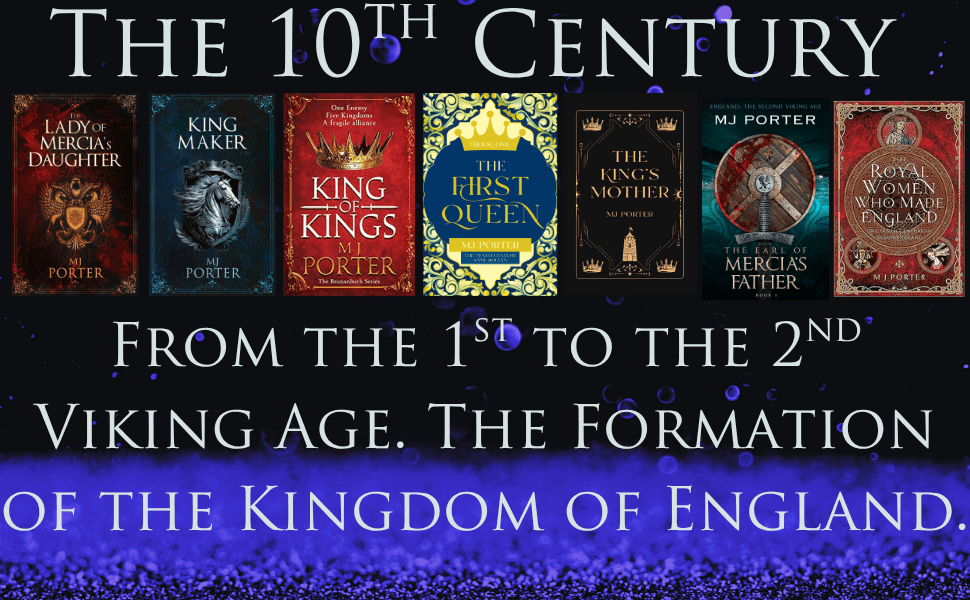
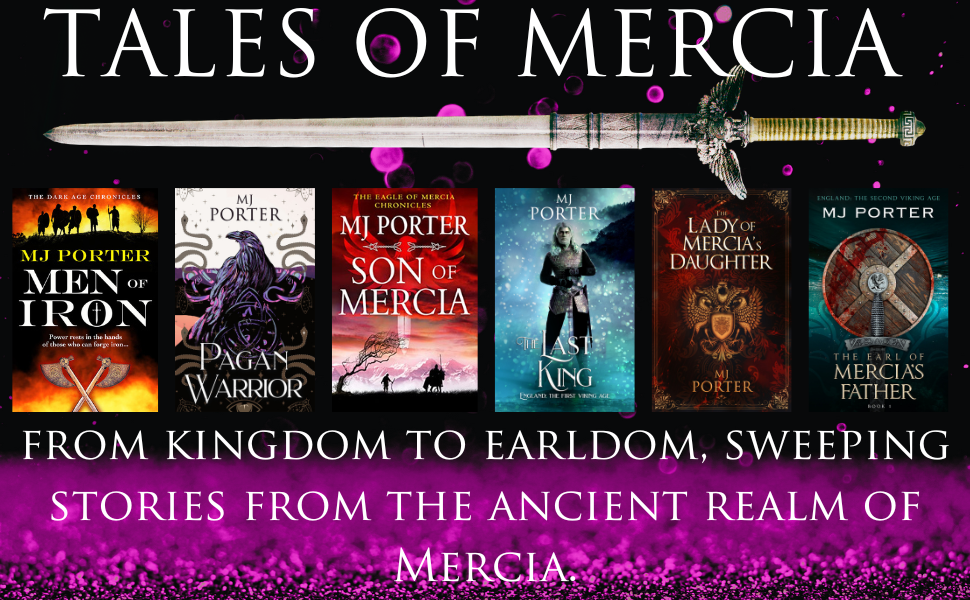
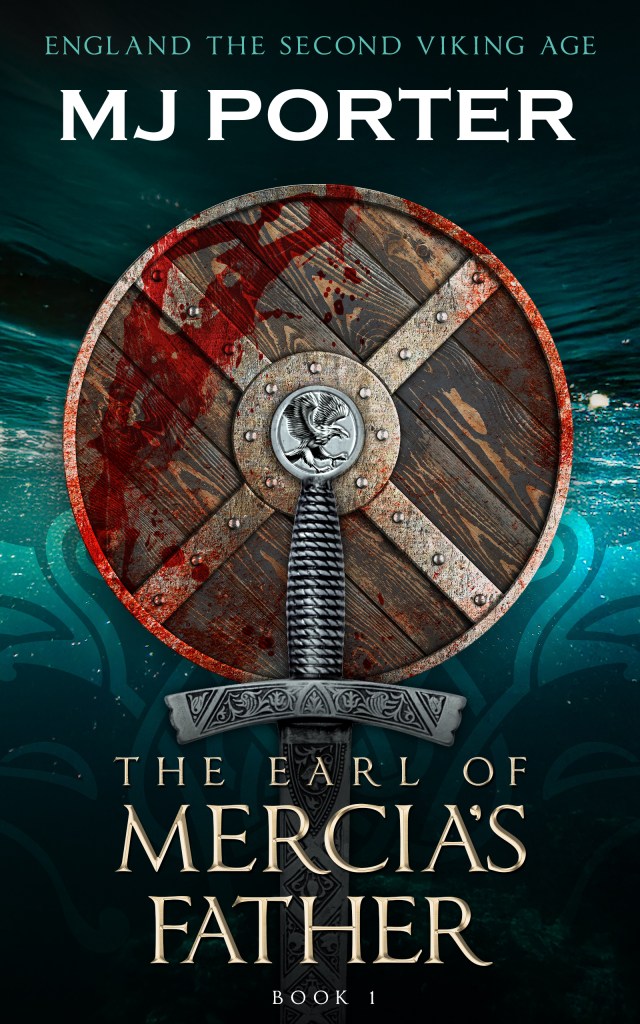
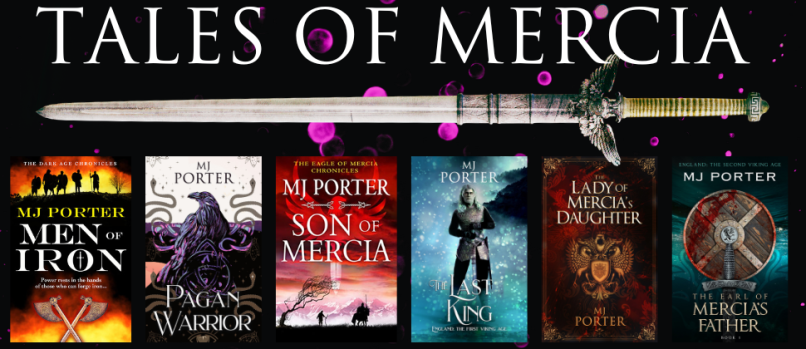
I was also really slow to release anything new in the historical fiction genre. There was a good reason for this – I was crossing the timeline of two earlier books, and I wanted to make sure the transition was smoother than I knew it was. So, the first two Earls of Mercia books have been comprehensively edited, fiddled with and generally made as good as I can make them without a complete rewrite now I have the righs back. The Earl of Mercia’s Father and The Danish King’s Enemy are available.

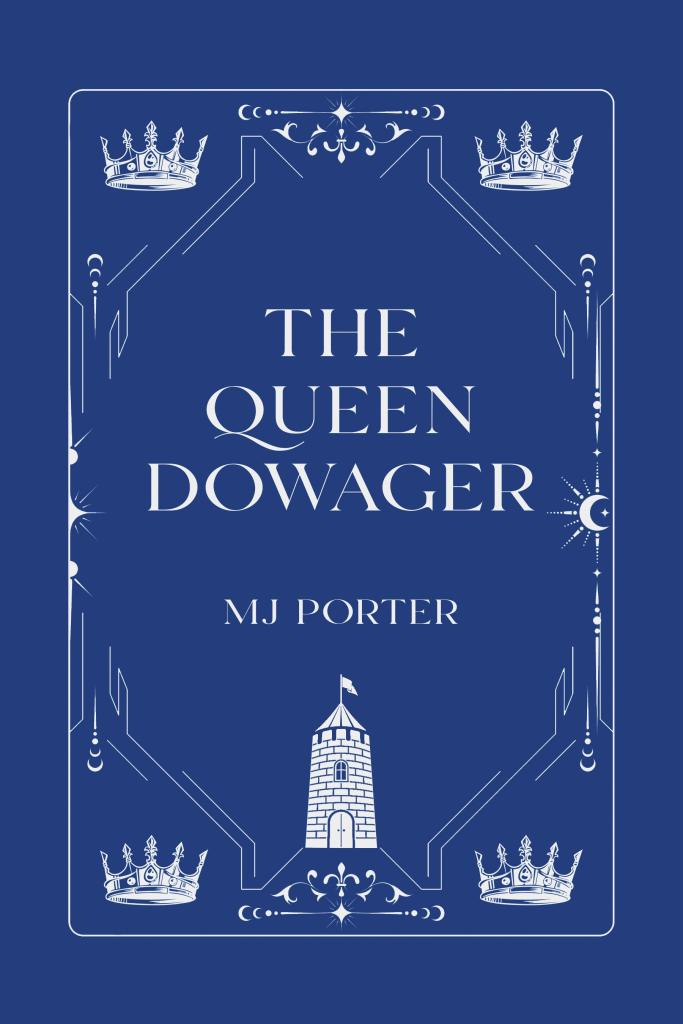
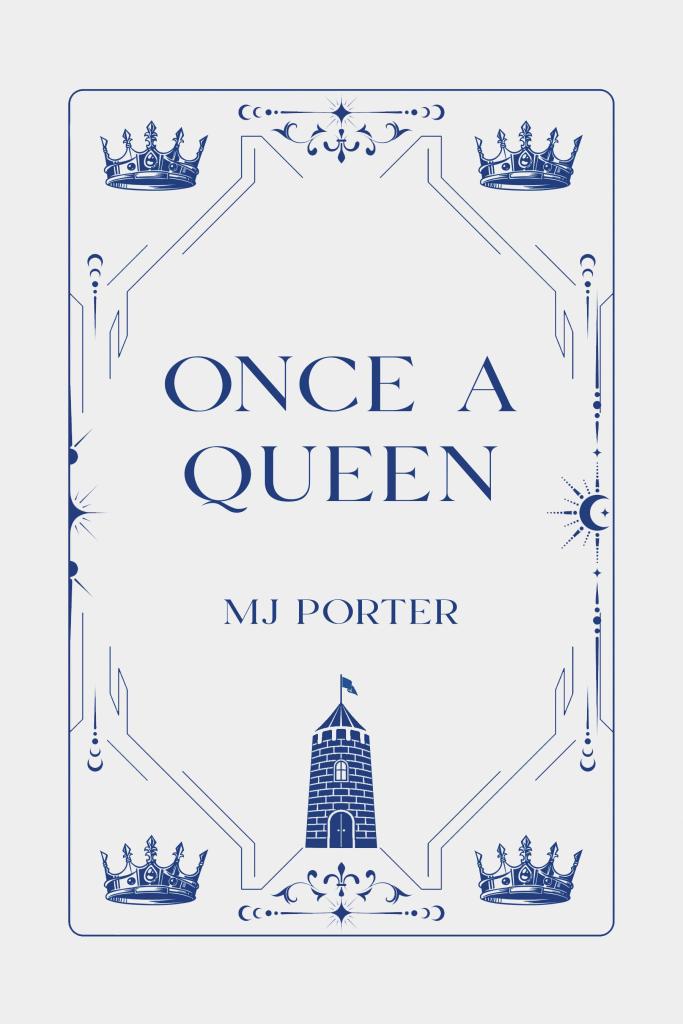
I needed to do this to continue the story of Lady Elfrida, first told in The First Queen of England trilogy, and continuing in The King’s Mother books. When I first wrote about Leofwine and Leofric, I had no idea that I would find myself writing about King Æthelred’s mother. It was fascinating to write the story of the late tenth century and early eleventh century from a different viewpoint. The Queen Dowager and Once A Queen were the first of my ‘new’ releases for the year.

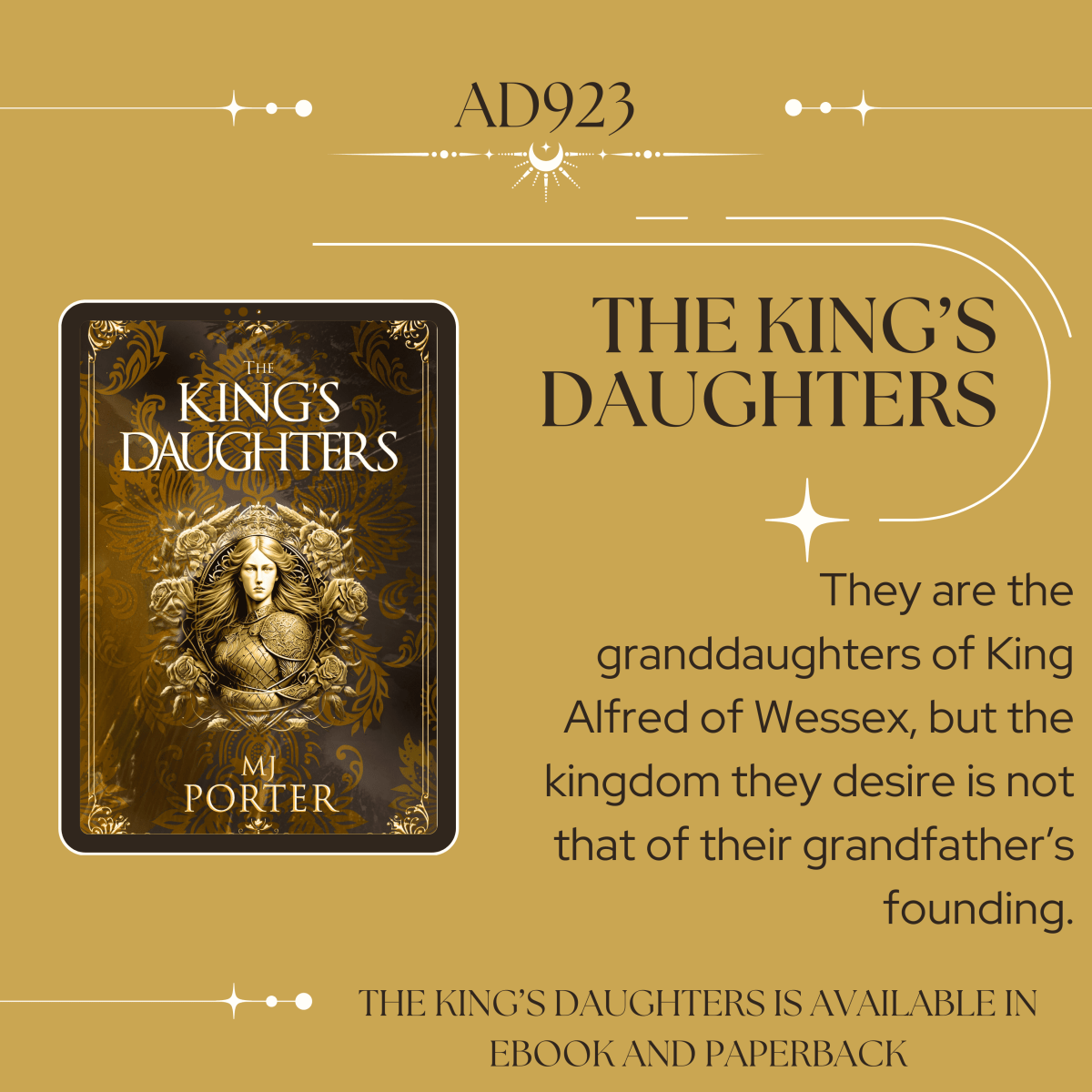
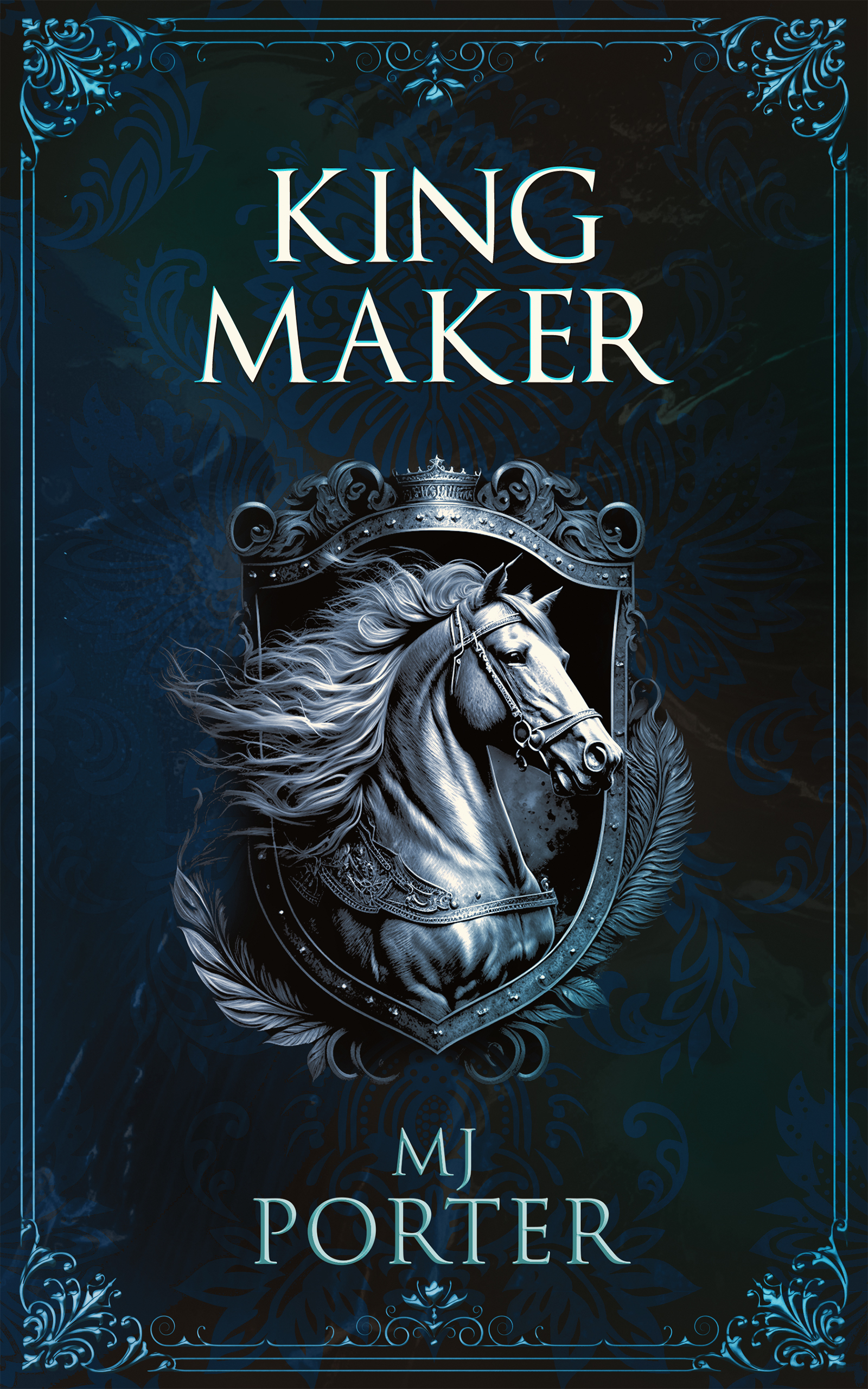
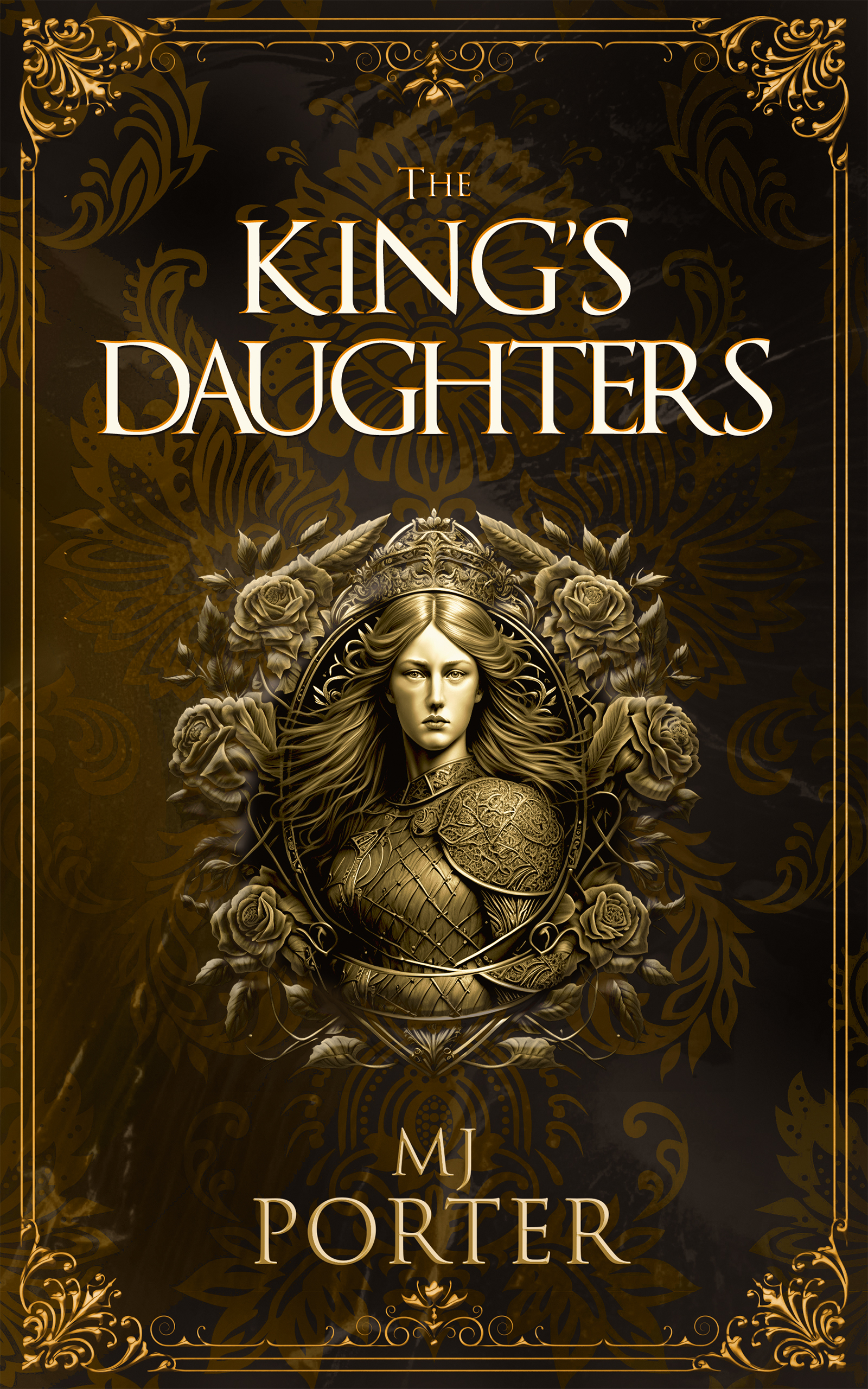
I then turned my attention to a few of the fantastic women I’d discovered while writing about Lady Elfrida. Lady Eadgifu caught my attention because her life spans almost the entire period between The Lady of Mercia’s Daughter and the beginning of Lady Elfrida’s story. Kingmaker charts many of the events of tenth-century England, but The King’s Daughters took me to both East and West Frankia in the middle of the tenth century. It was a fascinating, if frustrating, experience.

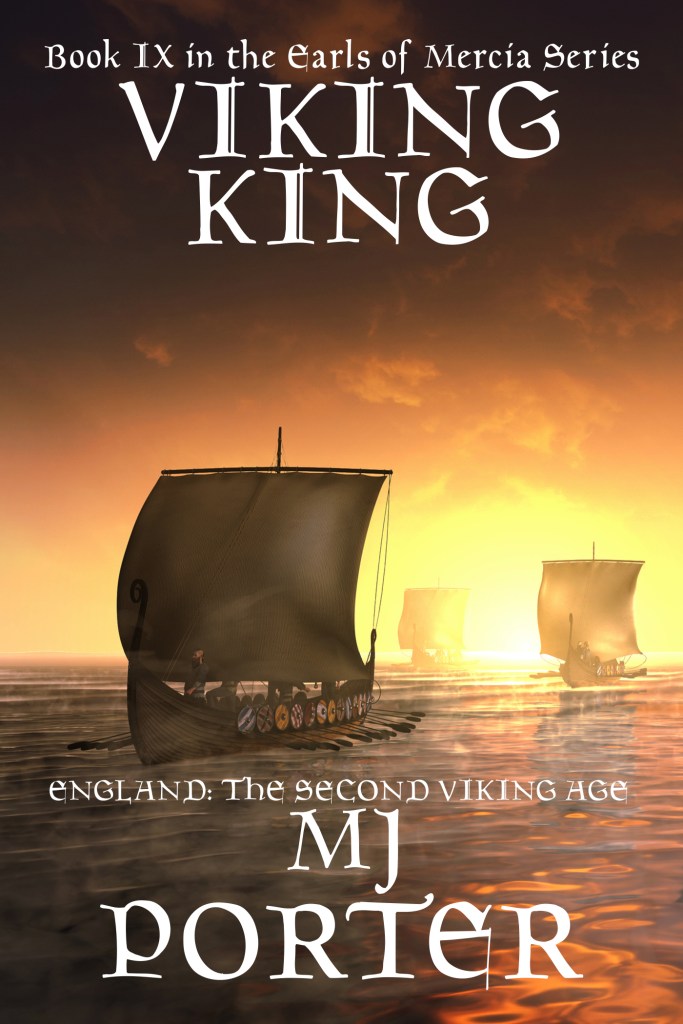
I’ve ended the year with a return to the world of the Earls of Mercia. Viking King was released on 24th December.

It’s been a busy and fascinating year, and I’m looking forward to 2020 and all the new journeys I’m going to be able to take.

Check out the Lady Elfrida page on the blog.

Check out the Earls of Mercia page on the blog.

Visit the royal women of the tenth century page on the blog.

Posts