Author of Saxon historical fiction and non-fiction, 20th-century historical mysteries, and Norse-inspired historical romantasy. Book reviewer and blog host.
Author: MJ Porter, author
I'm an author of historical fiction (Early England/Viking and the British Isles as a whole before 1066, as well as five 20th-century mysteries), a non-fiction title about the royal women of tenth-century England, and historical fantasy.
Today, I’m delighted to welcome Clare Marchant to the blog with a fascinating post about her new dual-timeline novel, The Queen’s Spy, partially set in Elizabethan England, a particular favourite of mine.
My Research Process
When I first have a concept for a book it always starts with the historical protagonist. I never have an idea that appears fully formed in my head (oh I wish I were that writer!) but instead I will have various small threads of suggestions and I need to start weaving them together until I have a strong enough outline to encompass a whole book. And at that point, the research – my favourite part of writing a book – really begins. I have always had a great love for history and I studied it for my degree, so reading historical textbooks as part of my job is perfect for me!
The problem with historical research as any writer will attest to, is that it is all too easy to fall down a rabbit hole – and I am as guilty as the next person of doing that! A name will be mentioned and I find myself looking that person up to see if they could be used in my book and then that leads to something else and before I know it, a whole day has passed and I haven’t got anything down on paper.
I definitely make a rod for my own back in that I like to include as much accuracy as possible and to use real people wherever I can, just threading my own protagonist in around actual events. Therefore it’s important that my information is spot on. For instance, in The Queen’s Spy I wrote about The Babington Plot and Sir Francis Walsingham’s spy network. I did extensive reading around this until I had accumulated quite a lot of information which we know to be true. Even if my readers don’t realise that I’m using real events and people, I think it’s important to get the facts right. For example Tom wears a blue coat because we know that Babington was brought a letter from a man wearing a blue coat who was believed to be one of Walsingham’s men. And when Babington is missed hiding upstairs in Pooley’s house – another true event.
In a similar way when I wrote The Secrets of Saffron Hall, I had to research a lot into the growing of saffron in Norfolk in the sixteenth century to make sure everything I wrote was accurate – I was delighted when I discovered that it’s still grown there today!
Over the years I have accumulated many research books, and every time I start to write another book I seem to buy more, whilst reassuring my husband that it is vital and part of my work as he sees another pile of packages arrive on the doormat! Usually they’re specialist ones that have information for a particular subject I need to know about in great detail, such as ‘The Queen’s Agent’ by John Cooper and ‘Elizabeth’s Spy Master’ by Robert Hutchinson for detailed accounts of the work that Walsingham did to stop Mary Queen of Scots toppling Queen Elizabeth and taking the throne.
I do of course use some more generic Tudor books for some of the details I may not know. I needed to research some of the herbal remedies during the writing of Saffron Hall, and sometimes I want to know specifics for items of clothing or tools they used. One of my favourite books is called ‘A History of the Tudors in 100 Objects’ by John Matusiak and as the title suggests it has photographs of Tudor artefacts, some of which are quite amazing.
Before I start writing a book I spend about eight weeks researching in depth around the timeline I am going to write about so that I am fully immersed in it when I begin to write. I don’t want to have to stop every thirty minutes to check a fact, although of course there are occasions when I have to put a marker in to go back and check something…although this can be dangerous as once again I am seen disappearing down that ubiquitous rabbit hole!
Thank you so much for sharing such a fascinating post with me. I do love to find out how writers get to their characters, and how they learn about their time period. Good luck with the new book.
Here’s the blurb:
1584: Elizabeth I rules England. But a dangerous plot is brewing in court, and Mary Queen of Scots will stop at nothing to take her cousin’s throne.
There’s only one thing standing in her way: Tom, the queen’s trusted apothecary, who makes the perfect silent spy…
2021: Travelling the globe in her campervan, Mathilde has never belonged anywhere. So when she receives news of an inheritance, she is shocked to discover she has a family in England.
Just like Mathilde, the medieval hall she inherits conceals secrets, and she quickly makes a haunting discovery. Can she unravel the truth about what happened there all those years ago? And will she finally find a place to call home?
Growing up in Surrey, Clare always dreamed of being a writer. Instead, she followed a career in IT, before moving to Norfolk for a quieter life and re-training as a jeweller.
Now writing full time, she lives with her husband and the youngest two of her six children. Weekends are spent exploring local castles and monastic ruins, or visiting the nearby coast.
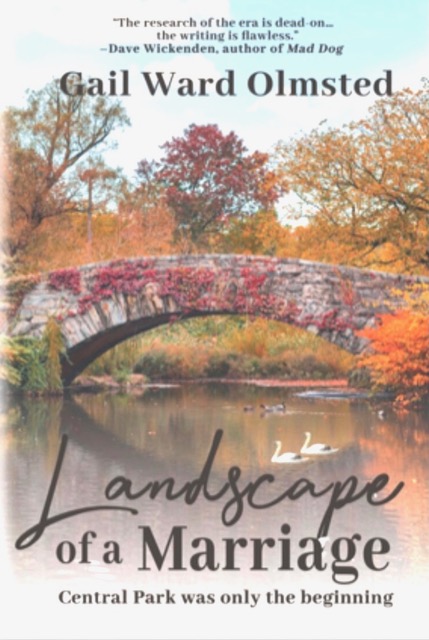
Today, I’m delighted to welcome Gail Ward Olmsted to the blog with a fascinating post about her new book, Landscape of a Marriage.
Separating Fact from Fiction
As a reader, I enjoy historical fiction that stimulates my interest to learn more about a person or a time from the past. Good historical fiction, in my humble opinion, needs to be balanced- a blend of historical facts and accuracy with a riveting storyline and well-developed characters who lived, or at least could have lived, during that time. I don’t believe there is any required ratio between the levels of fact and fiction (maybe 60/40 in favor of facts if I had to wager a guess?) but clearly a well-researched story is ultimately going to garner more attention and a larger number of satisfied readers than one that relies on interesting characters to make up for a historical backdrop that is too thin or inaccurate. But the real question is not how much ‘history’ do you need in your historical fiction, but rather how do you obtain that information?
When it comes to research, at some point you have to tell yourself that it’s time to stop, that enough is enough. Although it is tempting to continue down yet another rabbit hole of information (and there are so many different avenues to explore) a good writer knows when it’s time. Time to put down all those references and sources and actually start writing.
Researching a historical novel is a challenging and at least for me, an ultimately rewarding experience. I have previously written four contemporary novels and Landscape of a Marriage, my first historical novel, was an eye-opener. I blame my public school education or more appropriately, my earlier lack of interest in most things historical for my struggles. Other than the dates I learned of all the major battles in a variety of wars that the U.S. participated in, I don’t recall learning anything of interest to me in all of those history classes I sat through. I was a good student, but never developed a love of history until I started reading on my own. My early favorites are still classics in my mind- Gone with the Wind (Mitchell), The Thornbirds (McCullough) and Trinity (Uris). Great characters and interesting storylines set in different times in the past. What a joy!
I was drawn to the story of renowned landscape architect Frederick Law Olmsted and his late brother’s widow Mary for a number of reasons. The primary one is that Olmsted is a distant relative of my husband’s. Way back when, there were two brothers- Aaron and Benjamin- one is Fred’s grandfather and the other, my husband’s great, great, great grandfather.
Frederick Law Olmsted
But what really drew me into the story was the marriage of Fred and Mary, his former sister-in-law. Although ‘levirate’ marriages were fairly common in the 19th century in order to protect the children and the family name, I felt there was an interesting story lurking right below the surface and I set out to write it. My first step was to find out everything I could about the lives of Fred and Mary. I reviewed many different resources while researching Landscape of a Marriage. There are a number of beautifully written books on Frederick Law Olmsted and that was where I began, including A Clearing in the Distance (Rybczynski) and Genius of Place (Martin). I highly recommend them both.
Mary Cleveland Olmsted
These books helped me to understand quite a bit about the times and Olmsted’s professional accomplishments. I made careful notes and drafted an outline, filling in the most significant events happening during the tumultuous years of the second half of the 19th century in America- the Civil War, Lincoln’s assassination, the women’s suffrage movement, the Gold Rush and the Second Industrial Revolution.
Mrs Fred Olmsted
This provided the backdrop or the overall foundation for Landscape. Then I moved on to the Olmsteds themselves. I began with their marriage, the births of their children and significant personal and professional milestones along the way, including Fred’s work on such notable projects as Central Park in NYC, Mount Royal in Montreal, the Chicago World’s Fair and the reopening of Niagara Falls. The Olmsteds moved from New York, to Washington, DC, to California and back to New York before dividing their time between Brookline, a Boston suburb and Deer Isle, Maine. Each location would have an impact on their lives together and needed to be researched carefully to identify exactly how.
From there, I continued my research and Google provided me with access to numerous articles, posts and images that added to my base of knowledge. Who knew how interesting it could be to learn about the culture, the lifestyles, the clothing and the hobbies enjoyed during the second half of the 19th century? I remembered very little about the Civil War (except for those all important dates!) but never took the time to imagine what it was like for the soldiers, their mothers, their families. Before committing to landscape architecture as a career, Fred worked for the United States Sanitary Commission (the precursor to the American Red Cross) and his efforts revealed a caring, empathetic man who loved his country and fought to improve living conditions for the soldiers. This was a far cry from the critical and driven workaholic persona that frequently is assigned to Olmsted and it helped me to portray him as a loving and passionate man dedicated to both his profession and his wife and children. I hope readers who enjoy Landscape will be inspired to visit Olmsted’s parks and learn more about this creative visionary who transformed the American landscape forever.
Do you have a story to tell about a real or fictional person or an important time in history? The more research you do, the more likely it is that you will craft a story that you will enjoy writing and your readers will enjoy reading.
Here’s the blurb:
A marriage of convenience leads to a life of passion and purpose. A shared vision transforms the American landscape forever.
New York, 1858: Mary, a young widow with three children, agrees to marry her brother-in-law Frederick Law Olmsted, who is acting on his late brother’s deathbed plea to “not let Mary suffer”. But she craves more than a marriage of convenience and sets out to win her husband’s love. Beginning with Central Park in New York City, Mary joins Fred on his quest to create a ‘beating green heart’ in the center of every urban space.
Over the next 40 years, Fred is inspired to create dozens of city parks, private estates and public spaces with Mary at his side. Based upon real people and true events, this isthe story of Mary’s journey and personal growth and the challenges inherent in loving a brilliant and ambitious man.
Gail Ward Olmsted was a marketing executive and a college professor before she began writing fiction on a fulltime basis. A trip to Sedona, AZ inspired her first novel Jeep Tour. Three more novels followed before she began Landscape of a Marriage, a biographical work of fiction featuring landscape architect Frederick Law Olmsted, a distant cousin of her husband’s, and his wife Mary.
For more information, please visit her on Facebook and at GailOlmsted.com.
Today I’m delighted to welcome Sarah Kennedy to the blog to answer my questions about her fantastic new book, Queen of Blood.
Your book, Queen of Blood, is set during the tumultuous reign of Mary Tudor, a much maligned character. As a historian first and foremost, and then a writer, I’m always interested in how people research their historical stories.
I’m afraid that I’m rather a magpie in my research—toddling along picking up the shiny bits along the way, not knowing whether I’ll want them later. I spent a long time studying Renaissance literature as a student and then a professor, and when I started my career as a writer I focused on poems. Poems, of course, are much shorter and more focused in their scope than fiction, and, in my historical poems, I was able to use tiny details and idioms that I had picked up mostly unconsciously from reading. As I moved into fiction, I found that those Early Modern cadences of language came to me very easily. I travel (or used to travel!) quite a bit, and part of my research involves going to the kinds of places that I set my fiction in—small towns and villages, castles, stately homes, and museums. I talk to people a lot, and I soak in atmosphere. That’s not the most scholarly way to do research, I realize, but it’s how I work. This probably drives a historian crazy!
Can you explain your research process to me, and give an idea of the resources that you rely on the most (other than your imagination, of course) to bring your historical landscape to life?
My process is rather sloppy, I’m afraid! I do read history, as anyone who writes historical fiction must, but I find that reading the literature of the period—the poems, plays, stories, and letters—of the period do more to fill in gaps for me. Reading literature also provides me with first-hand knowledge of the words people used, the ways they expressed emotions and beliefs, and how they spelled things. Spelling wasn’t regularized in the English language during the Renaissance, so it’s very interesting for me to see how writers spelled words. I teach Renaissance literature and Shakespeare, so I’m constantly involved with Renaissance language and content.
As I said above, I also feel a strong need to be in physical spaces that I’m writing about. I love Yorkshire, Scotland, and Wales, and those landscapes still speak from their pasts directly into my imagination. London is my favorite city, and I’ve spent many weeks there, wandering the streets. It feels a bit like my second home, though I’ve never actually lived there.
Do you have a ‘go’ to book/resource that you couldn’t write without having to hand, and if so, what is it (if you don’t mind sharing)?
This may sound like a strange choice, but the Collected Works of Shakespeare is probably my go-to text. Shakespeare was brilliant at metaphor and image, but he also used many characters who are not noble or royal—and his ear for speech was unmatched in the period (in my opinion). I can always get my imagination fired up for characters talking by reading Shakespeare. I have to keep in mind as I read that Shakespeare was shameless with the historical record in his history plays. He moved characters around and put them in places that everyone knows they weren’t—and he keeps them alive or kills them off if his story requires it. I try not to take him too much as an example, though the temptation is strong.
If I had to list a second choice (and this might also be odd) it would probably be John Foxe’s Book of Martyrs, just because he has so many stories (many of them highly propagandistic) about the tumultuous period of Mary Tudor’s reign.
Thank you so much for sharing your research with me. It’s fascinating. Good luck with the new book.
Here’s the blurb:
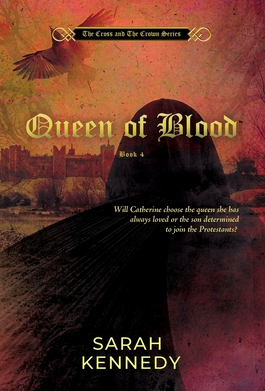
Queen of Blood, Book Four of the Cross and the Crown series, continues the story of Catherine Havens, a former nun in Tudor England. It is now 1553, and Mary Tudor has just been crowned queen of England. Still a Roman Catholic, Mary seeks to return England to its former religion, and Catherine hopes that the country will be at peace under the daughter of Henry VIII. But rebellion is brewing around Thomas Wyatt, the son of a Tudor courtier, and when Catherine’s estranged son suddenly returns from Wittenberg amid circulating rumours about overthrowing the new monarch, Catherine finds herself having to choose between the queen she has always loved and the son who seems determined to join the Protestants who seek to usurp her throne.
Sarah Kennedy is the author of the Tudor historical series, The Cross and the Crown, including The Altarpiece, City of Ladies, The King’s Sisters, and Queen of Blood. She has also published a stand-alone contemporary novel, Self-Portrait, with Ghost, as well as seven books of poems. A professor of English at Mary Baldwin University in Staunton, Virginia, Sarah Kennedy holds a PhD in Renaissance Literature and an MFA in Creative Writing. She has received grants from both the National Endowment for the Arts, the National Endowment for the Humanities, and the Virginia Commission for the Arts.
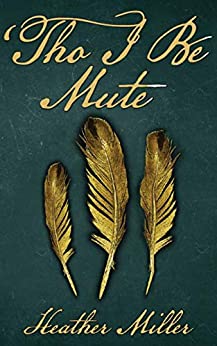
Today I’m delighted to welcome Heather Miller to the blog with an article about her new book ‘Tho I Be Mute.
Your book, ‘Tho I Be Mute, sounds absolutely fascinating. As a historian first and foremost, and then a writer, I’m always interested in how people research their historical stories.
Can you explain your research process to me and give an idea of the resources that you rely on the most (other than your imagination, of course) to bring your historical landscape to life?
Thank you for saying so. Honesty, some people believe that it is not my story to tell because I am not Cherokee. It is something that weighs heavily on my heart.
I have tried to write with sensitivity, research, persistence, perspective, and due consideration. Two “sensitivity” editors read the novel before and during the publication process. I asked myself whether I could construct this narrative through the eyes of both Cherokee, John Ridge, and his Caucasian wife, Sarah, with honesty and researched integrity. I followed the history as closely as possible. I kept the narrative’s theme very human, not singularly defined by ethnicity or identity.
David Marion Wilkinson, the author of Oblivion’s Altar (John’s father, Major Ridge’s story), said when I interviewed him, “This isn’t only a Cherokee story. It is one of courage. The Ridge family’s story is a human one, surrounded by corruption, evil, and greed.” He’s right. Although, the story is also one of love, not defined by race or cultural background. John and Sarah found a connection to one another’s character, not one another’s culture.
So, to tell the tale, I research and continue to uncover new texts to illuminate the story from multiple perspectives. History advised each event within the novel’s pages. When there was little evidence, I worked backward from laws John Ridge submitted to the Cherokee Legislative Council. I asked myself what could have prompted him to present such and created a plausible event leading to the facts, working backward from effect to cause.
My research began in a Special Collections Library on our local university campus during a “field trip” for a Researched Fiction course. I knew the character I wanted to begin with: an archetype of American Southern Fiction, the woman who lives alone in the hills offering medicine and life lessons to anyone who crosses her path. She is reminiscent of the “goat woman” from Charles Frazier’s Cold Mountain. She became Clarinda Ridge, John and Sarah’s daughter.
Why was she alone? What could have happened to her to leave her with so much to teach and no one around her to share her wisdom? What kind of life could she have lived to gain such knowledge? So, I began to dig for gems and found her and her family on the pages of Thurman Wilkin’s text Cherokee Tragedy: The Ridge Family and the Decimation of a People.
From there, I obsessed, as most historical fiction authors tend to do. I scoured the Internet and libraries for biographies, Ph.D. dissertations, archaeological reports, and historical texts on the political climate surrounding Cherokee’s removal from their ancestral lands. Several books were pivotal to plotting the manuscript: Thurman’s Cherokee Tragedy, Cherokee Cavaliers by James Parins, John Rollin Ridge also by James Parins, Tiya Miles’ Ties That Bind: The Story of an Afro-Cherokee Family in Slavery and Freedom, Living Stories of the Cherokee, collected and edited by Barbara R. Duncan, An American Betrayal by Daniel Blake Smith, Blood Moon by John Sedgwick, To Marry an Indian: The Marriage of Harriett Gold and Elias Boudinot, 1823-1839 edited by Theresa Strouth Gaul, The Heathen School by John Demos, Sovereignty: A Play by Mary Katharyn Nagle (a Ridge descendant), and Toward the Setting Sun by Brian Hicks. My latest read is Steve Inskeeps’ Jacksonland. I have also read extensively from Theda Purdue’s body of work. In all these texts, John Ridge’s own words, primary source documents filled my ears with his voice. The manuscript contains excerpts that are his exact words.
Legend and Myth also influence the narrative, so I have read and listened to many oral stories from Cherokee Treasured Members and listened to Cherokee Native Speakers and read from a pivotal primary source, Sacred Formulas of the Cherokee by James Moody.
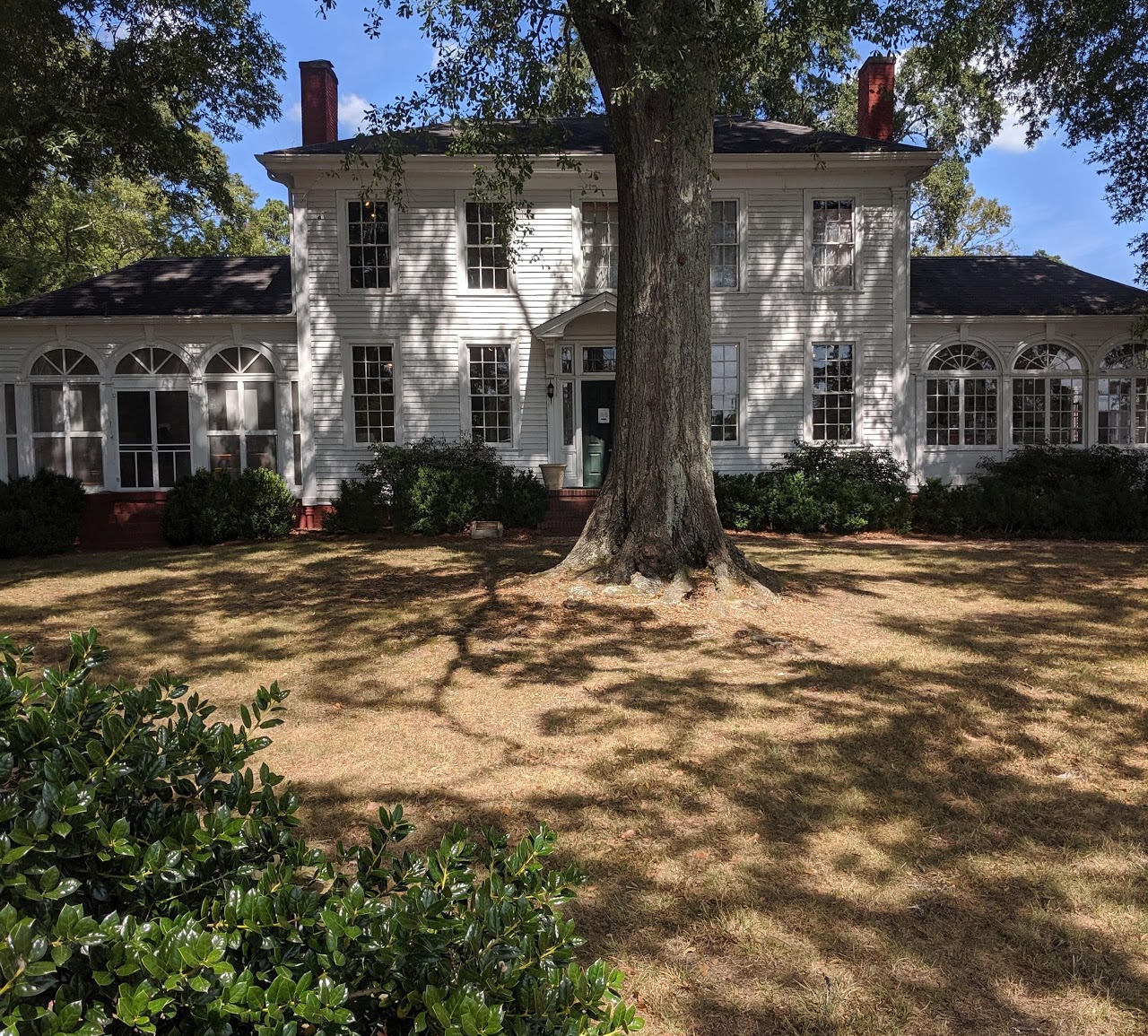
Chieftain’s Museum/Major Ridge Home Picture
Field trips are exceedingly fun and widen my circle of knowledge, not only of the people but of the era (and get me away from my computer screen). My first field trip was in September of 2019 to the Chieftain’s Museum/Major Ridge Home near Rome, Georgia. The visit made it all real. To stand where these very real people lived and worked, farmed and raised children was beautiful to my soul. I used my imagination to take in the landscape, to unwind time, to shrink the massive tree trunks on the property next to the Oostanaula River. Inside the museum, there are scale models of what renovations the home underwent through its lifetime and glass covering removed walls that reveal its original log structure.
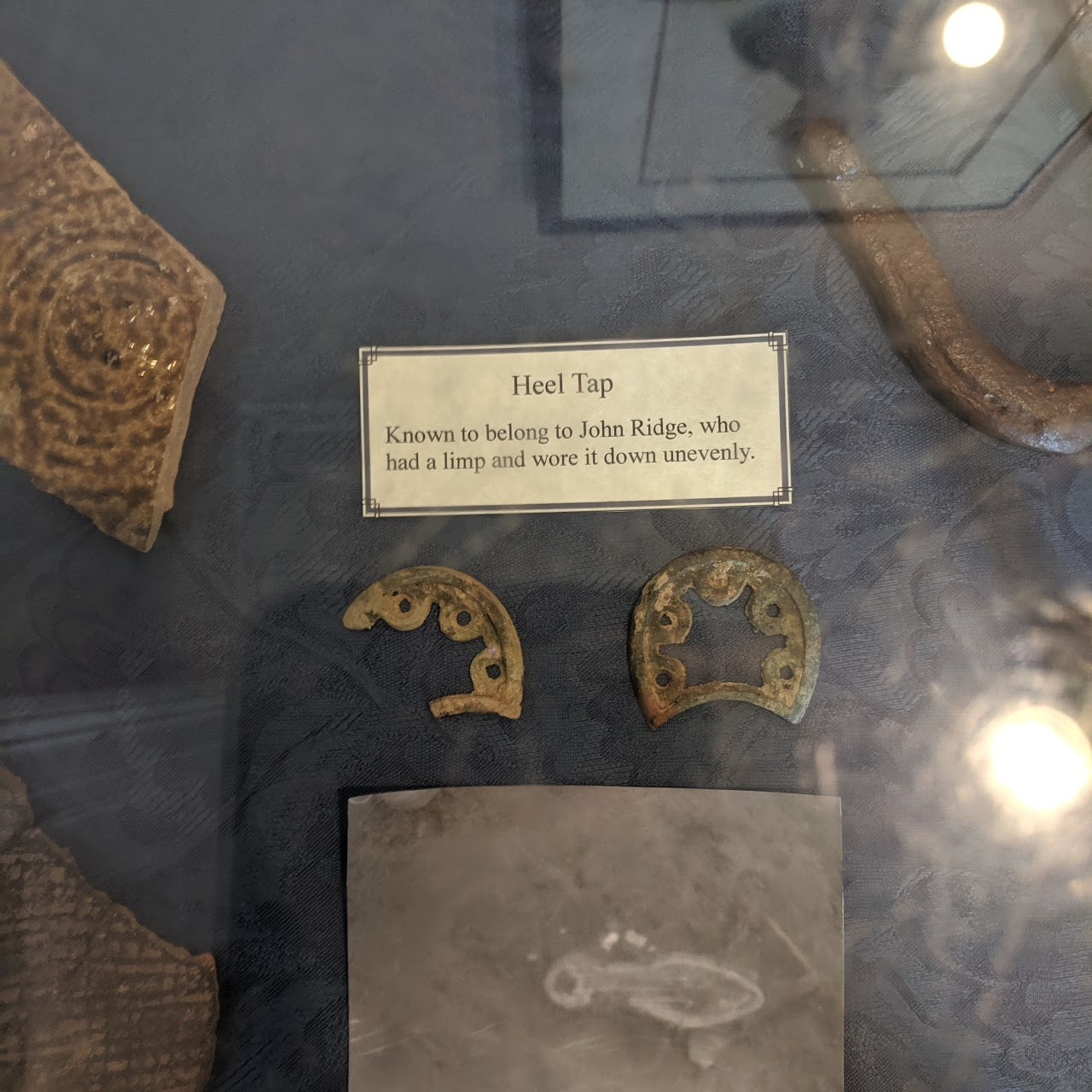
One archeologic gem made me hold my breath. John Ridge’s shoe taps lay under glass, worn on one side from his persistent limp from hip scrofula. So taken aback by their presence, I wrote a scene where he leaves his shoes in a nearby field so they could be discovered by archaeologists nearly two centuries later.
After uncovering so much that influenced the manuscript at Chieftain’s, I widened my field trip circle, visiting: New Echota, the once Cherokee Capital, the Vann House, Red Clay, Tennessee, Ft. Mitchell, Alabama, Horseshoe Bend, Alabama, the McIntosh Reserve in Whitesburg, Georgia, and the OconalufteeVillage and the Museum of the Cherokee Indian in Cherokee, North Carolina. I have learned many historical facts from each adventure, uncovered human anecdotes, and built visions of landscapes from the past. Each of these enriching experiences makes writing this world more realistic.
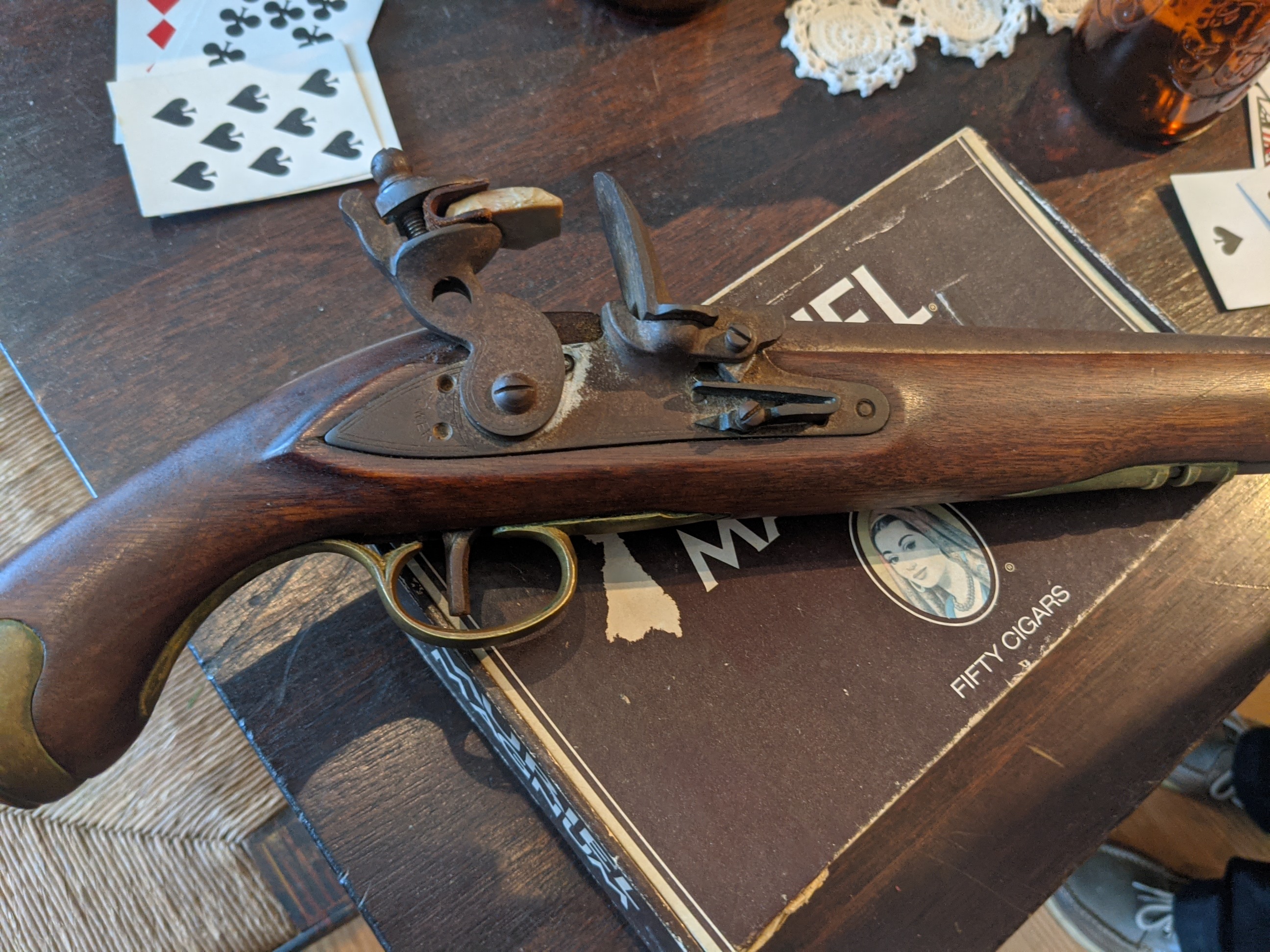
On May 29th, 2021, I travelled to Indian Springs, home to Creek Chief McIntosh’s Tavern, where he signed the Treaty of Indian Springs, selling Creek land to the American Government. His signature on that document brought his assassination. During the tour, I was able to hold a flint-lock pistol. As I am sure your readers know, rarely do these guns shoot accurately. After firing the lead ball and likely missing its target, a shooter could hold the barrel in their hand and use the stock as a club. They are exceedingly heavy.
With permission from Ridge descendants, each purchase of ‘Tho I Be Mute will fund a future scholarship for Cherokee students planning to pursue a law degree. My husband and I plan to travel to Cherokee Nation in Oklahoma this summer to celebrate the novel’s launch. Also, the trip is to continue research for Mute’s sequel, Yellow Bird’s Song. The Ridge family saga continues.
Thank you so much for sharing your research with me. Good luck with the new book.
Here’s the blurb:
Home. Heritage. Legacy. Legend.
In 1818, Cherokee John Ridge seeks a young man’s education at the Foreign Mission School in Cornwall, Connecticut. While there, he is overcome with sickness yet finds solace and love with Sarah, the steward’s quiet daughter. Despite a two-year separation, family disapproval, defamatory editorials, and angry mobs, the couple marries in 1824.
Sarah reconciles her new family’s spirituality and her foundational Christianity. Although, Sarah’s nature defies her new family’s indifference to slavery. She befriends Honey, half-Cherokee and half-African, who becomes Sarah’s voice during John’s extended absences.
Once arriving on Cherokee land, John argues to hold the land of the Cherokees and that of his Creek neighbors from encroaching Georgian settlers. His success hinges upon his ability to temper his Cherokee pride with his knowledge of American law. Justice is not guaranteed.
Rich with allusions to Cherokee legends, ‘Tho I Be Mute speaks aloud; some voices are heard, some are ignored, some do not speak at all, compelling readers to listen to the story of a couple who heard the pleas of the Cherokee.
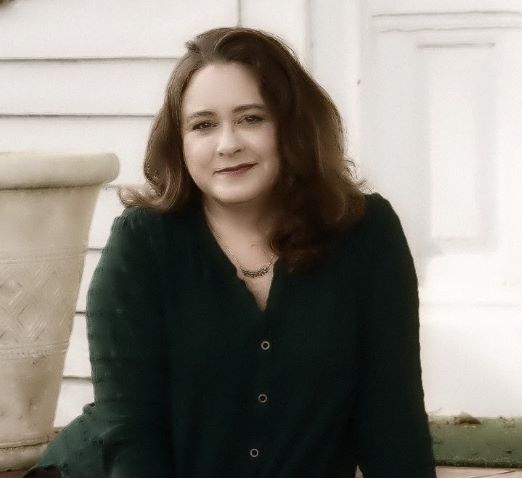
As an English educator, Heather Miller has spent twenty-three years teaching her students the author’s craft. Now, she is writing it herself, hearing voices from the past.
Miller’s foundation began in the theatre, through performance storytelling. She can tap dance, stage-slap someone, and sing every note from Les Misérables. Her favorite role is that of a fireman’s wife and mom to three: a trumpet player, a future civil engineer, and a future RN. There is only one English major in her house.
While researching, writing, and teaching, she is also working towards her M FA in Creative Writing. Heather’s corndog-shaped dachshund, Sadie, deserves an honorary degree.
Two sisters parted. Two women blamed. Two stories reclaimed.
For millennia, two women have been blamed for the fall of a mighty civilisation – but now it’s time to hear their side of the story . . .
As princesses of Sparta, Helen and Klytemnestra have known nothing but luxury and plenty. With their high birth and unrivalled beauty, they are the envy of all of Greece.
Such privilege comes at a high price, though, and their destinies are not theirs to command. While still only girls they are separated and married off to legendary foreign kings Agamemnon and Menelaos, never to meet again. Their duty is now to give birth to the heirs society demands and be the meek, submissive queens their men expect.
But when the weight of their husbands’ neglect, cruelty and ambition becomes too heavy to bear, they must push against the constraints of their sex to carve new lives for themselves – and in doing so make waves that will ripple throughout the next three thousand years.
Daughters of Sparta is that most wonderful of books – one that draws you in from the very first pages and won’t let go of you until the end. I read it in just over a day. I didn’t want to put it down.
The storytelling is engaging, the characters of Helen and her sister, beautifully sketched while everyone around them, apart from their mother, stays very much in the background. This is their story.
At times the reader will hate either or both of the sisters, at other times, the reader will understand their pain, their desire to be more than their birthright.
A beautifully evocative story that speaks of the loneliness of royal marriage, of the heavy and life-threatening expectations placed on young women to become mothers, and you will be swept along by a tale you think you know but might not.
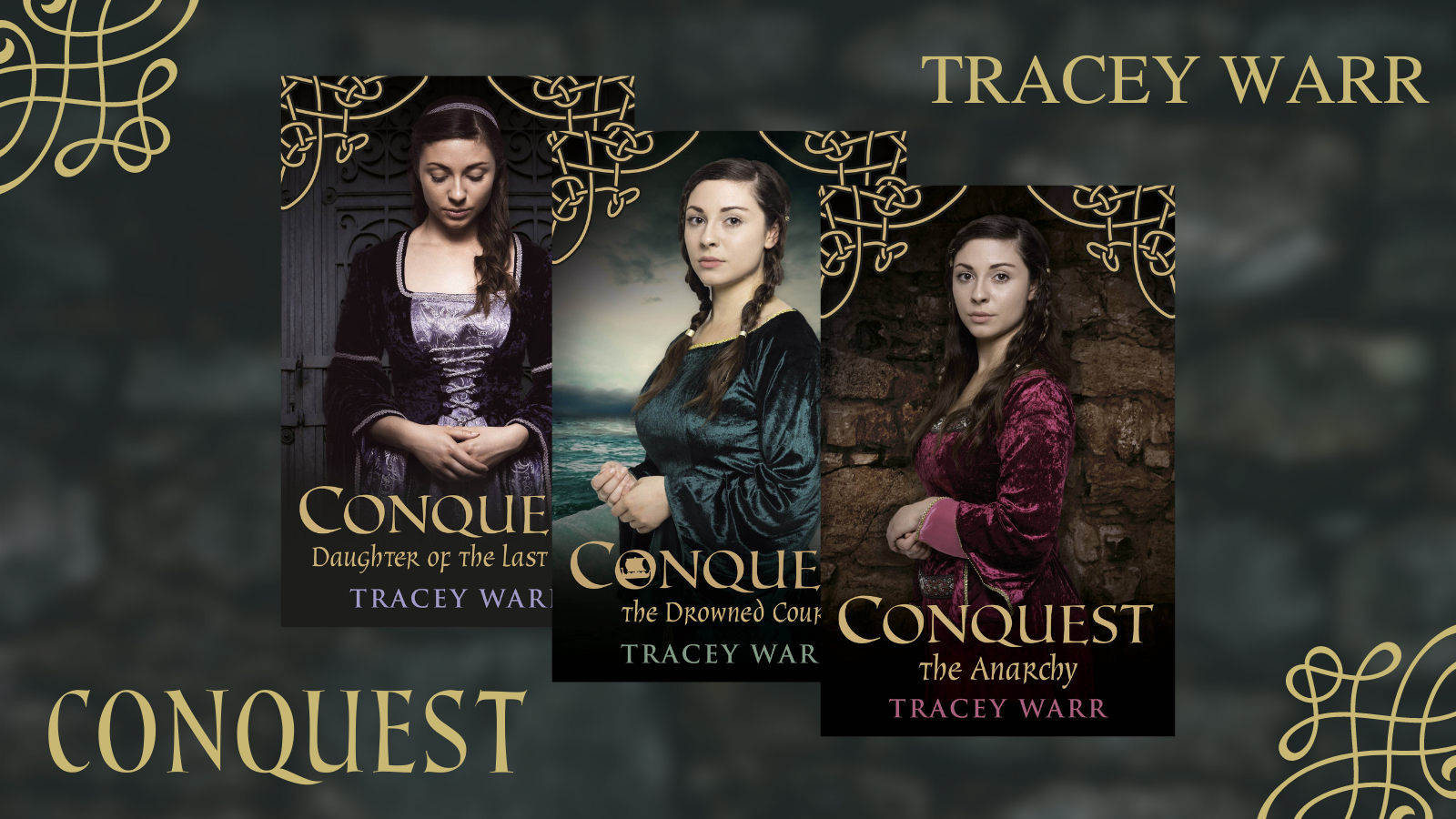
Welcome to the blog. Your book, The Anarchy, is set in a time period that I thoroughly enjoy and sounds absolutely fascinating. As a historian first and foremost, and then a writer, I’m always interested in how people research their historical stories.
Can you explain your research process to me, and give an idea of the resources that you rely on the most (other than your imagination, of course) to bring your historical landscape to life?
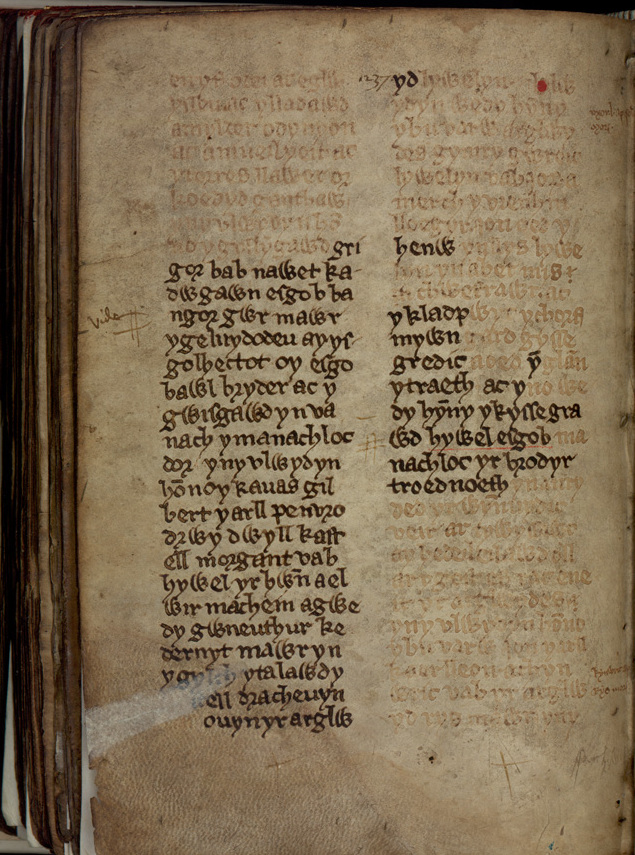
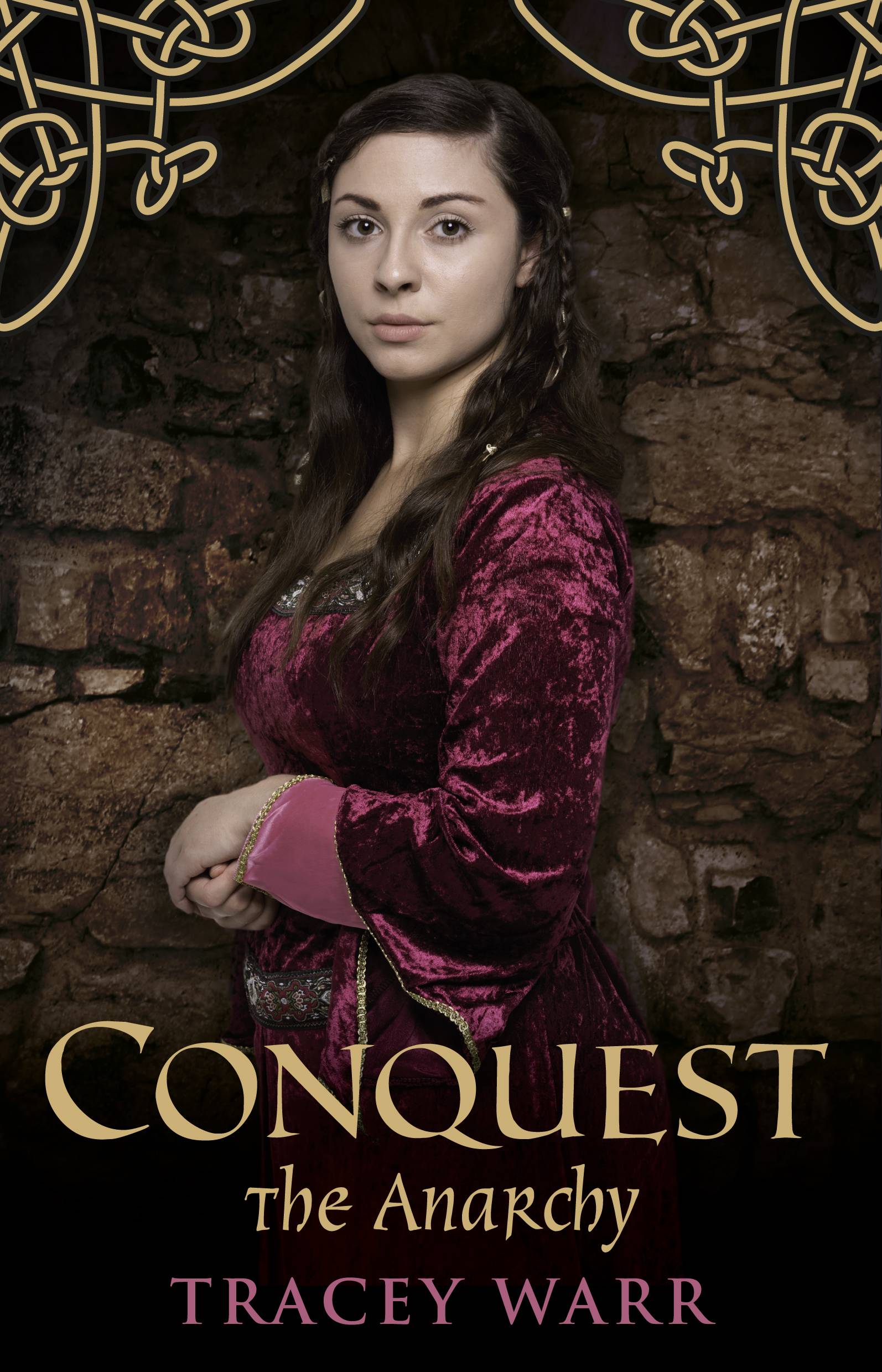
The Anarchy is set 1121–1139 and focuses on the later life of the Welsh noblewoman, Nest ferch Rhys. It is the final book in my Conquest trilogy telling the story of Nest’s turbulent life. Gwyneth Richards has argued that historiography has had a male bias ‘which has hitherto rendered women more invisible than is warranted by the available sources’ (2009, p. 24). Near-invisible women in the early middle ages are the territory of my historical fiction. I take the often very slight references to them in medieval chronicles and charters and imagine into the gaps. My first novel on an 11thcentury countess of Toulouse and Barcelona, Almodis de la Marche, came from a few sentences in the Chronicle of Ademar de Chabannes. My second novel came from a few more sentences in the same medieval chronicle on a different woman who was kidnapped by vikings. The Conquest trilogy derives from a couple of paragraphs on Nest ferch Rhys in Brut y Tywysogion (The Chronicle of the Princes)
Nest ferch Rhys was the daughter of the last independent king in Wales, Rhys ap Tewdwr. Her father and three of her brothers were killed by invading Normans and she was probably raised in the Norman court. She became the mistress of the Norman king, Henry I, and had a son with him. She was married to Gerald FitzWalter, the Norman steward of Pembroke Castle, which had been part of her father’s kingdom. The Welsh prince, Owain of Powys, abducted her from Gerald for a few years. After Gerald died, she was married to Stephen de Marais, the Norman constable of Cardigan Castle. The character Haith in my novel is based on Hait who is documented as the sheriff of Pembroke in the 1130 pipe roll, the records of the court (Green, 1986). Hait is presumed, from his name, to have been Flemish. It is my invention to make him a close friend of King Henry. According to Nest’s grandson, Gerald of Wales, Hait was the father of one of Nest’s sons.
Once I have a spark from a primary source such as the Brut y Tywysogion to set me off, I pursue several lines of enquiry to find out everything I can about my characters, their relationships with one another, and the contexts they lived in. The lines of enquiry I pursue are further primary sources, genealogical research, biographies, the literature and art of the time, objects in museums, maps, site research at places associated with the characters, and contextual research—finding out, for example what people in those times and places wore and ate, what games they played and what books they read. I do as much research as I can online and buy key books and then I spend days in the British Library poring over the more inaccessible sources.
Other primary sources I drew on for The Anarchy included William FitzStephen’s account of Norman London and the books written by Nest’s grandson, Gerald of Wales. The genealogical research gives me a sense of the relationships between people and, for instance, an idea of how many children my heroine had and when. One key resource I use for genealogical research is Charles Cawley’s Medieval Lands, which can be searched online (2014). Genealogies are often set out following the patriarchal line. I make an effort to perceive the matriarchal line too, as far as possible. Family and kin—on both sides—were extremely significant for medieval people.
Despite sometimes being described as the most famous early medieval Welsh woman, the historical record of Nest is slender. Her kidnap from her husband Gerald FitzWalter by Prince Owain Cadwgan, which probably occurred at Cilgerran Castle, is briefly described in Brut y Tywysogion (The Chronicle of the Princes). Nest is credited with advising Gerald to escape down the castle toilet chute, which let out onto the dungheap below, outside the castle walls. (See my earlier blogpost on the wily Gerald: https://englishhistoryauthors.blogspot.com/2016/11/a-norman-frontiersman-in-wales.html.)
Kari Maund and Susan Johns have both written important studies on Nest ferch Rhys. I also research the people around her and try to get a sense of the atmosphere of the Norman court that Nest found herself in. C. Warren Hollister and Judith Green’s biographies of King Henry I were invaluable and writing the character of the king in my novels was one of the most enjoyable parts of composing them. I also drew on David Crouch’s book on the Beaumont twins to think about the personalities and factions at court. Reading journal articles, such as Eleanor Searle’s study of the marriages of Norman conquerors to Welsh and Anglo-Saxon heiresses, often gives me key information or details to use.
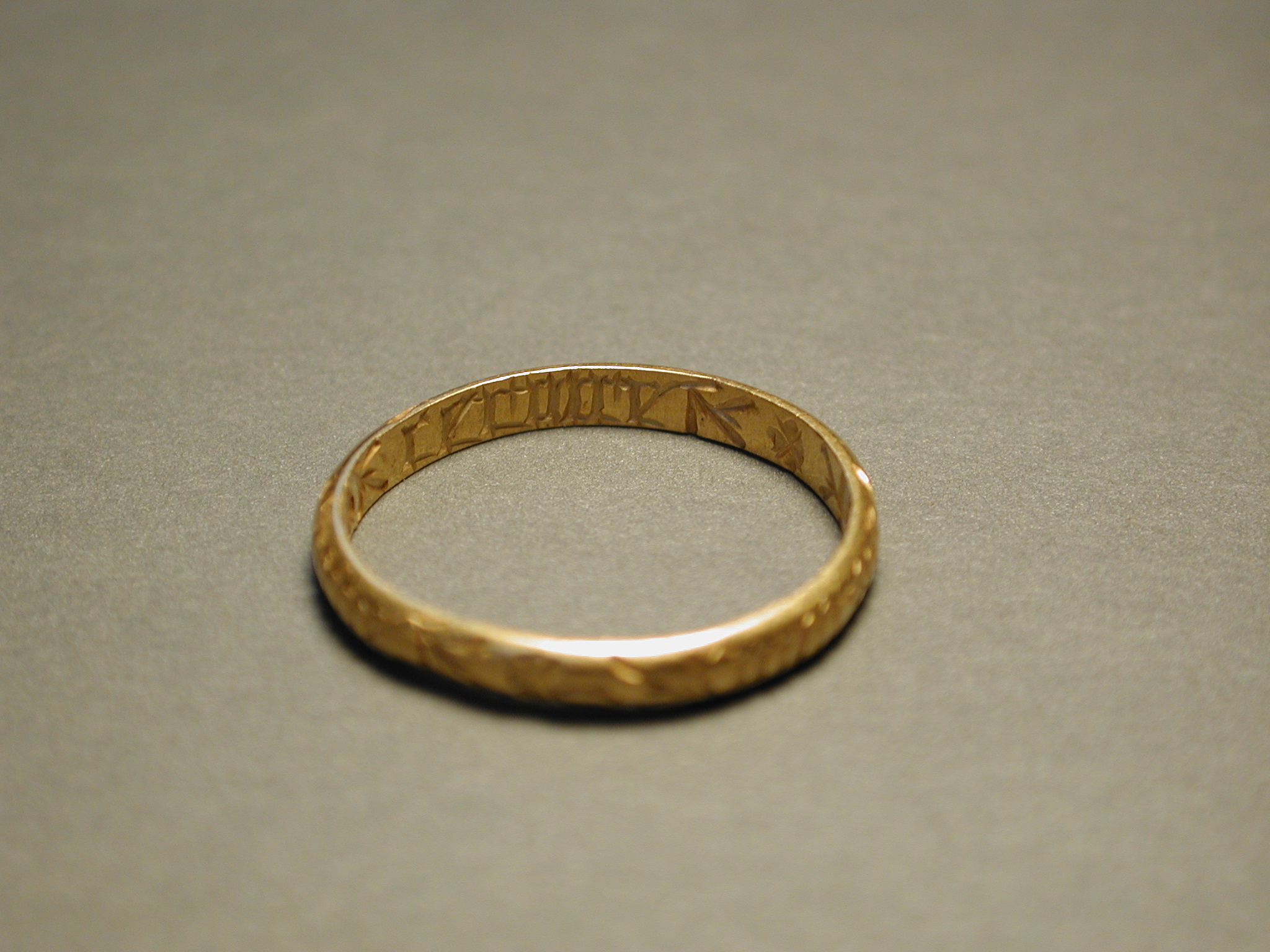
My research on the literature of the time, such as The Mabinogion and the poems of the Welsh bards, helps me find fragments of the authentic voice of that period that I can use. In The Anarchy, Breri the Welsh bard is a double agent, spying for both the Welsh and the Normans. Amanda Jane Hingst’s book on the medieval writer, Orderic Vitalis, also gave me valuable material. Vivid details of daily life can be drawn from manuscript illustrations and objects in museums, and I often use particular objects, such as goblet or a ring, as a significant motif in the story.
In the opening chapter of The Anarchy, Nest, has been widowed from one Norman and is married unwillingly to another, Stephen de Marais. After the ceremony, she absconds, leaving her wedding ring on the table in the great hall.
I walk the sites of the novel, visiting castle ruins. Even though there is rarely much to see surviving from the 12thcentury, site research gives me atmosphere, weather, birdsong, the lay of the land. I draw up my own chronology, genealogies, and maps to help me flesh out the fictional world of my characters so that it is imagined, but credible, built on a structure of recorded history.
(Historical references are listed below).
Brut y Tywysogion (Chronicle of the Princes). Written 681–1282. Thomas Jones transl. (1953) Caerdydd: Gwasg Prifysgol Cymru.
Ademar de Chabannes, Chronique, 3 vols., translated by Yves Chauvin and Georges Pon (2003) Turnhout: Brepols.
Crouch, David (2008) The Beaumont Twins: The Roots and Branches of Power in the Twelfth Century, Cambridge: Cambridge University Press.
FitzStephen, William, Norman London. Written around 1183. Essay by Sir Frank Stenton & Introduction by F. Donald Logan (1990) New York: Italica Press.
Gerald of Wales, The Itinerary Through Wales and the Description of Wales. Written 1191 and 1194. Lewis Thorpe, transl. (1978), Harmondsworth: Penguin.
Green, Judith A. (2009) Henry I King of England and Duke of Normandy, Cambridge: Cambridge University Press.
Hingst, Amanda Jane (2009) The Written World: Past and Place in the Work of Orderic Vitalis, Notre Dame, Indiana: University of Indiana Press.
Hollister, C. Warren (2001) Henry I, New Haven/London: Yale University Press.
Johns, Susan M. (2013) Gender, Nation and Conquest in the High Middle Ages: Nest of Deheubarth, Manchester: Manchester University Press.
Maund, Kari (2007) Princess Nest of Wales: Seductress of the English, Stroud: Tempus.
Richards, Gwyneth (2009) Welsh Noblewomen in the 13th Century, Lewiston, N.Y.: Edwin Mellen Press.
Searle, Eleanor (1980) ‘Women and the legitimization of succession’ in Brown, R. Allen, ed., (1981) Anglo-Norman Studies III: Proceedings of the Battle Conference, pp. 159-170.
Thank you so much for sharing your research with. It’s great to see all the resources you used. I also smiled because Kari Maund was one of my lecturers at university. Her books on the early Welsh period are wonderful.
Here’s the blurb:
Unhappily married to Stephen de Marais, the Welsh princess, Nest, becomes increasingly embroiled in her countrymen’s resistance to the Norman occupation of her family lands. She plans to visit King Henry in the hope of securing a life away from her unwanted husband, but grieving for the loss of his son, the King is obsessed with relics and prophecies.
Meanwhile, Haith tries to avoid the reality that Nest is married to another man by distracting himself with the mystery of the shipwreck in which the King’s heir drowned. As Haith pieces together fragments of the tragedy, he discovers a chest full of secrets, but will the revelations bring a culprit to light and aid the grieving King?
Will the two lovers be united as Nest fights for independence and Haith struggles to protect King Henry?
Tracey Warr (1958- ) was born in London and lives in the UK and France. Her first historical novel, Almodis the Peaceweaver (Impress, 2011) is set in 11th century France and Spain and is a fictionalised account of the true story of the Occitan female lord, Almodis de la Marche, who was Countess of Toulouse and Barcelona. It was shortlisted for the Impress Prize for New Fiction and the Rome Film Festival Books Initiative and won a Santander Research Award. Her second novel, The Viking Hostage, set in 10th century France and Wales, was published by Impress Books in 2014 and topped the Amazon Australia charts. Her Conquest trilogy, Daughter of the Last King, The Drowned Court, and The Anarchy recount the story of a Welsh noblewoman caught up in the struggle between the Welsh and the Normans in the 12th century. She was awarded a Literature Wales Writers Bursary. Her writing is a weave of researched history and imagined stories in the gaps in history.
Tracey Warr studied English at University of Hull and Oxford University, gaining a BA (Hons) and MPhil. She worked at the Arts Council, Institute of Contemporary Arts, Chatto & Windus Publishers, and edited Poetry Review magazine with Mick Imlah. She also publishes art writing on contemporary artists, and in 2016 she published a future fiction novella, Meanda, in English and French, as part of the art project, Exoplanet Lot. She recently published a series of three books, The Water Age, which are future fiction and art and writing workshop books – one for adults and one for children – on the topic of water in the future. She gained a PhD in Art History in 2007 and was Guest Professor at Bauhaus University and Senior Lecturer at Oxford Brookes University and Dartington College of Arts. Her published books on contemporary art include The Artist’s Body (Phaidon, 2000), Remote Performances in Nature and Architecture (Routledge, 2015) and The Midden (Garret, 2018). She gained an MA in Creative Writing at University of Wales Trinity St David in 2011. She is Head of Research at Dartington Trust and teaches on MA Poetics of Imagination for Dartington Arts School.
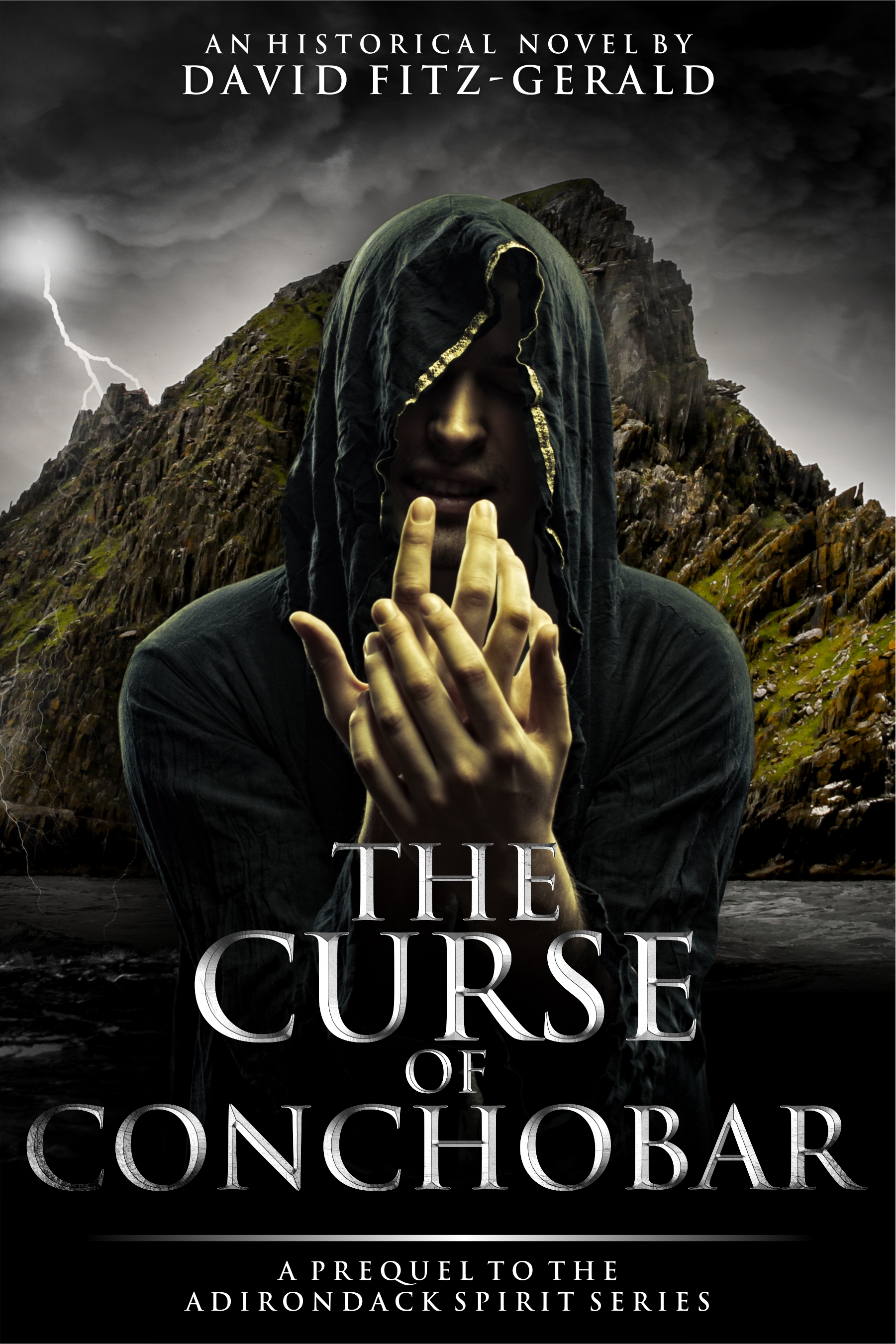
Today, I’m delighted to welcome David Fitz-Gerald to the blog. I asked him about the historical research he undertook to write his new book.
Research is my rabbit hole and full immersion is my favorite form. Sometimes, that’s easier said than done, especially during a worldwide pandemic, when travel is restricted and museums are closed. For some eras, there’s almost too much information available, whereas artifacts from distant historical periods are often scarce.
The Curse of Conchobar is set in New York State, long before written history reflects the “discovery” of North America. It is now more commonly believed that European people explored North America hundreds of years earlier than 1492. With each new scientific discovery, it seems, earlier new firsts become accepted.
My main character needed a rich back story. The one I invented for him was inspired by our family’s visit to Ireland in 2019. If we had known what was coming, I’ll bet we would have stayed much longer. My favorite part of our visit was the day that we spent at the Cliffs of Moher. I would love to have visited Skellig Michael, where Conchobar grew up among monks and learned to be a mason. As a hiker and mountain climber, I would love to have climbed the steps to see the ancient structures. Fortunately, I found this stunningly beautiful drone footage, by Peter Cox Photography, on youtube at: https://www.youtube.com/watch?v=SxU6kk24mho
I’ve also had the pleasure of visiting Stonehenge in England and I’ve always been fascinated by megalithic stone structures. There are many smaller stone structures in New York, New England, and Canada that make you wonder, who built this, when did they build it, and what motivated them to do so? When Conchobar returns to masonry in my book, he creates just such a structure. As I was writing the book, the image of a stone chamber in Leverett, Massachusetts, from The New England Historical Society’s (NEHS) website inspired me to imagine what Conchobar could build in his new home in Northern New York State. According to NEHS, “Speculation now runs rampant about the origins of the mysterious stone structures. Did medieval Irish monks, American Indians or Vikings build them? Or did the English colonists just build them as root cellars?” I choose to believe the first theory presented. Don’t miss the other pictures on this website, but the one I’m referring to is the first picture. https://www.newenglandhistoricalsociety.com/6-mysterious-stone-structures-new-england/
The civilization that Conchobar encounters along the banks of what will later be known as the Hudson River is a precursor to the Haudenosaunee, also known as Iroquois. I placed my fictional village for the people in my book, Wanders Far, featuring Conchobar’s descendants, on Garoga Creek, a tributary of the Mohawk River, based on archaeology. If you’d like to spend some time in my research rabbit hole, may I recommend this report, Three Sixteenth-Century Mohawk Iroquois Village Sites, from The University of the State of New York: https://exhibitions.nysm.nysed.gov/publications/bulletin/503-14603.pdf
There is some debate about whether Native Americans inhabited the Adirondacks. I’m confident that they did and I think that science is proving it. If you’re curious about the evidence, you might be interested in this. The First Adirondackers: Part One and Part Two, from Curiously Adirondack.
The characters in The Curse of Conchobar and Wanders Far travel great distances and survive extreme situations in the wild. I have spent countless hours trying to make sure that the creatures I write about are indigenous. For example, I was tempted to write about honey bees, only to discover that they are not native and didn’t arrive in North America until the 17th century. Crisis averted! It is amazing how many bodies of water would not exist if it weren’t for dams built by modern man, and it is hard to find accurate maps from prehistoric times, so I tried to prove that each waterway existed in ancient times before I wrote about them. And I’ve spent countless hours researching what ancient foragers might have found in New York’s primeval forests. Are you curious about how Native Americans built canoes from materials found in the woods? Check out this historic video from 1946.
As for the wanderlust, on May 5, 2018, I set out from Plattsburgh, New York, and walked to Lake Placid, home of the 1932 and 1980 Winter Olympics. I made the 50-mile journey to commemorate the historic 1963 trek of Lake Placid postman, Denny Miller, and also to make sure that the great distances my characters travel are realistic. I set out at midnight and limped into Lake Placid at dark, almost twenty hours later. The next day, I could barely walk. I’m older than most of the distance hikers I have written about, so I figure they can handle 30-miles a day when they need to.
You know the kind of person that takes pictures of historical mile markers so they can reread them later? How about the guy that has to read every placard in the museum―the one that has to be kicked out at closing time because there’s too much to see in just one day? Or the one that irritates the family by going miles out of the way to see something that nobody else is interested in? That’s me!
Thank you for spending a few minutes with me in my rabbit hole.
Thank you so much for sharing your research with me. Good luck with the new book.
Here’s the blurb:
Banished by one tribe. Condemned by another. Will an outcast’s supernatural strengths be enough to keep him alive?
549 AD. Raised by monks, Conchobar is committed to a life of obedience and peace. But when his fishing vessel is blown off-course, the young man’s relief over surviving the sea’s storms is swamped by the terrors of harsh new shores. And after capture by violent natives puts him at death’s door, he’s stunned when he develops strange telepathic abilities.
Learning his new family’s language through the mind of his mentor, Conchobar soon falls for the war chief’s ferocious daughter. But when she trains him to follow in her path as a fighter, he’s horrified when his uncanny misfortune twists reality, causing more disastrous deaths and making him a pariah.
Can Conchobar defeat the darkness painting his steps with blood?
The Curse of Conchobar is the richly detailed prequel to the mystical Adirondack Spirit Series of historical fiction. If you like inspiring heroes, unsettling powers, and lasting legacies, then you’ll love David Fitz-Gerald’s captivating tale.
Buy The Curse of Conchobar to break free from the fates today!
David Fitz-Gerald writes fiction that is grounded in history and soars with the spirits. Dave enjoys getting lost in the settings he imagines and spending time with the characters he creates. Writing historical fiction is like making paintings of the past. He loves to weave fact and fiction together, stirring in action, adventure, romance, and a heavy dose of the supernatural with the hope of transporting the reader to another time and place. He is an Adirondack 46-er, which means he has hiked all of the highest peaks in New York State, so it should not be surprising when Dave attempts to glorify hikers as swashbuckling superheroes in his writing.
Greed and ambition threaten to tear the north apart.
War rages between the two kingdoms of Northumbria. Kin is pitted against kin and friend becomes foe as ambitious kings vie for supremacy.
When Beobrand travels south into East Angeln to rescue a friend, he unwittingly tilts the balance of power in the north, setting in motion events that will lead to a climactic confrontation between Oswiu of Bernicia and Oswine of Deira.
While the lord of Ubbanford is entangled in the clash of kings, his most trusted warrior, Cynan, finds himself on his own quest, called to the aid of someone he thought never to see again. Riding into the mountainous region of Rheged, Cynan faces implacable enemies who would do anything to further their own ends.
Forced to confront their pasts, and with death and betrayal at every turn, both Beobrand and Cynan have their loyalties tested to breaking point.
Who will survive the battle for a united Northumbria, and who will pay the ultimate price for lord and land?
Beobrand is back, and you might be pleased to know, as surly and grumpy as ever (at this point, I will say that even his gesithas are discussing it these days). Luckily, the reader is quickly introduced to young Cuthbert, someone to lighten the mood with his eagerness, and there’s also a split narrative that follows the story of Cynan.
For Lord and Land begins quickly, the warriors of Beobrand already on their way to the next problem in need of solving, in the kingdom of the East Angles. Penda of Mercia is on the war path once more, and Beobrand has no choice but to intervene, setting in motion a chain of events that brings more difficulties for him in the long run.
In the background, Cynan has his own conundrums to contend with, and both Beobrand and Cynan find themselves bedevilled by oaths given, and the implications of them. There’s a lovely juxtaposition between how the two of them combat their difficulties, and the story progresses at a fair old rate.
I had to smile when I realised who Cuthbert was going to turn out to be, but I’ll leave that one for you to discover.
This is a longer book than normal, the hardback is 463 pages long, and it needs to be to contain the dual storyline which neatly joins together much later in the story. (It’s really a triple storyline with Beobrand, Cynan and Cuthbert all sharing the point of view.)
Come the end of the book, I confess to being intrigued with the way Matthew Harffy has read his sources and devised the plot For Lord and Land. It feels incredibly complete, perhaps aided by the use of the two lighter characters of Cynan and Cuthbert and I eagerly await book 9, and look forward to seeing how Beobrand and Cynan handle the next problem presented to them.
Lord and Land brings together many intertwining elements of previous books, and you know what? It is absolutely my favourite instalment of The Bernicia Chronicles. A firm 5/5 from me. Enjoy, readers.
Meet the author
Matthew Harffy grew up in Northumberland where the rugged terrain, ruined castles and rocky coastline had a huge impact on him. He now lives in Wiltshire, England, with his wife and their two daughters.
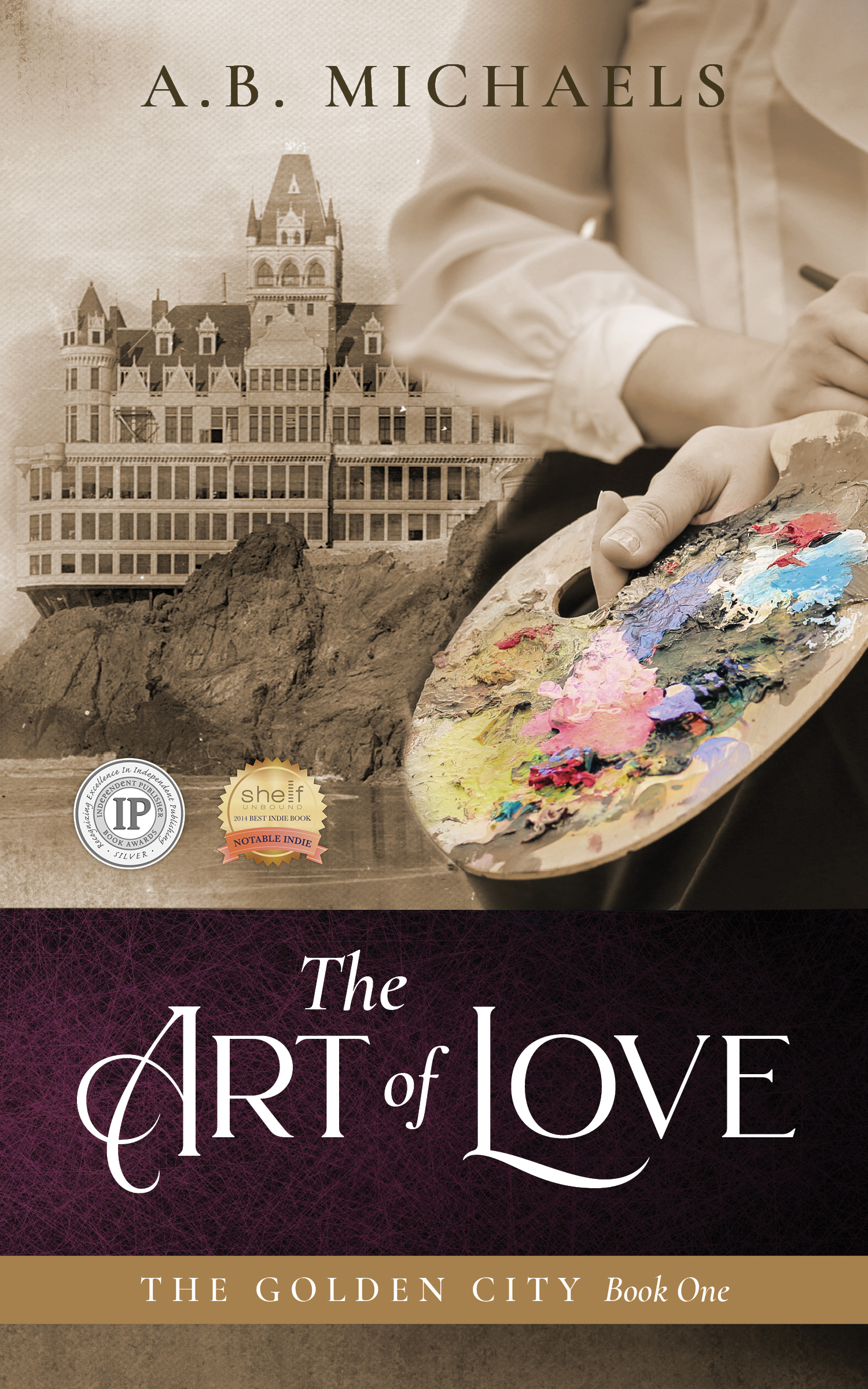
Today, I’m excited to welcome A B Michaels to the blog with a fascinating post about the series, The Golden City.
Bringing America’s Gilded Age to Life One Detail at a Time
My series, “The Golden City,” is set during America’s Gilded Age, which ran from the end of the Civil War to approximately the start of World War I. To fit the story I had in mind for The Art of Love (Book One), my main characters had to be living in San Francisco around the turn of the twentieth century. The city was booming by then, flush with the wealth of not one but two major gold rushes (California and the Klondike).
I picked San Francisco because I knew the city well from having grown up near it, as well as attending graduate school there. In addition, as a teenager, my grandfather had worked in Canada’s Yukon Territory (where the Klondike River gave up its riches) and I’d recorded his recollections a few years before he died. What better place to start my research than with an eyewitness account!
Happily, that time and place has turned out to be a treasure-trove of fascinating history. The late 1800’s to early 1900’s was filled with breakthroughs in science, industry, medicine and social customs. America was on its way to becoming the global leader that it is today, and women were beginning to realize they had power of their own.
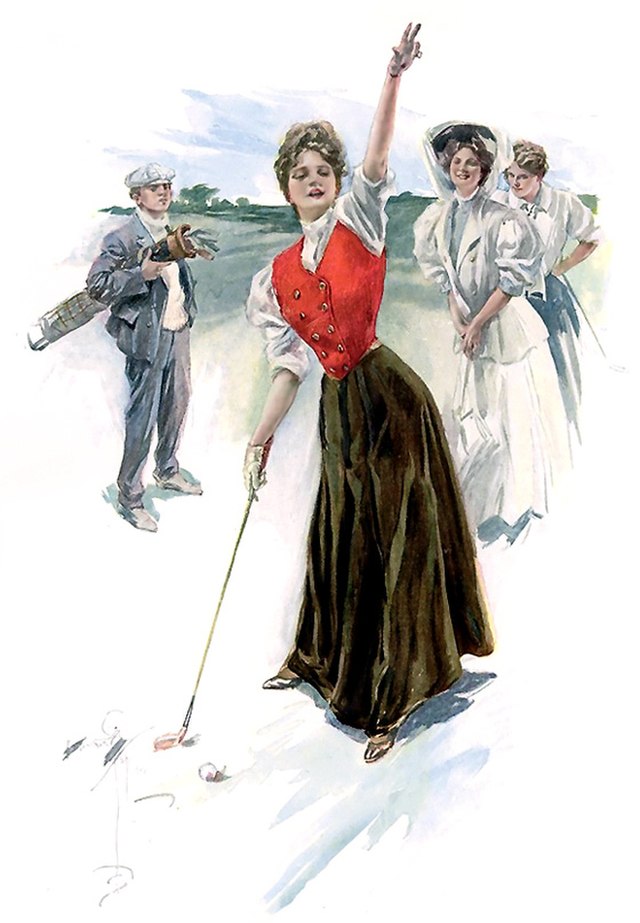
Golfer
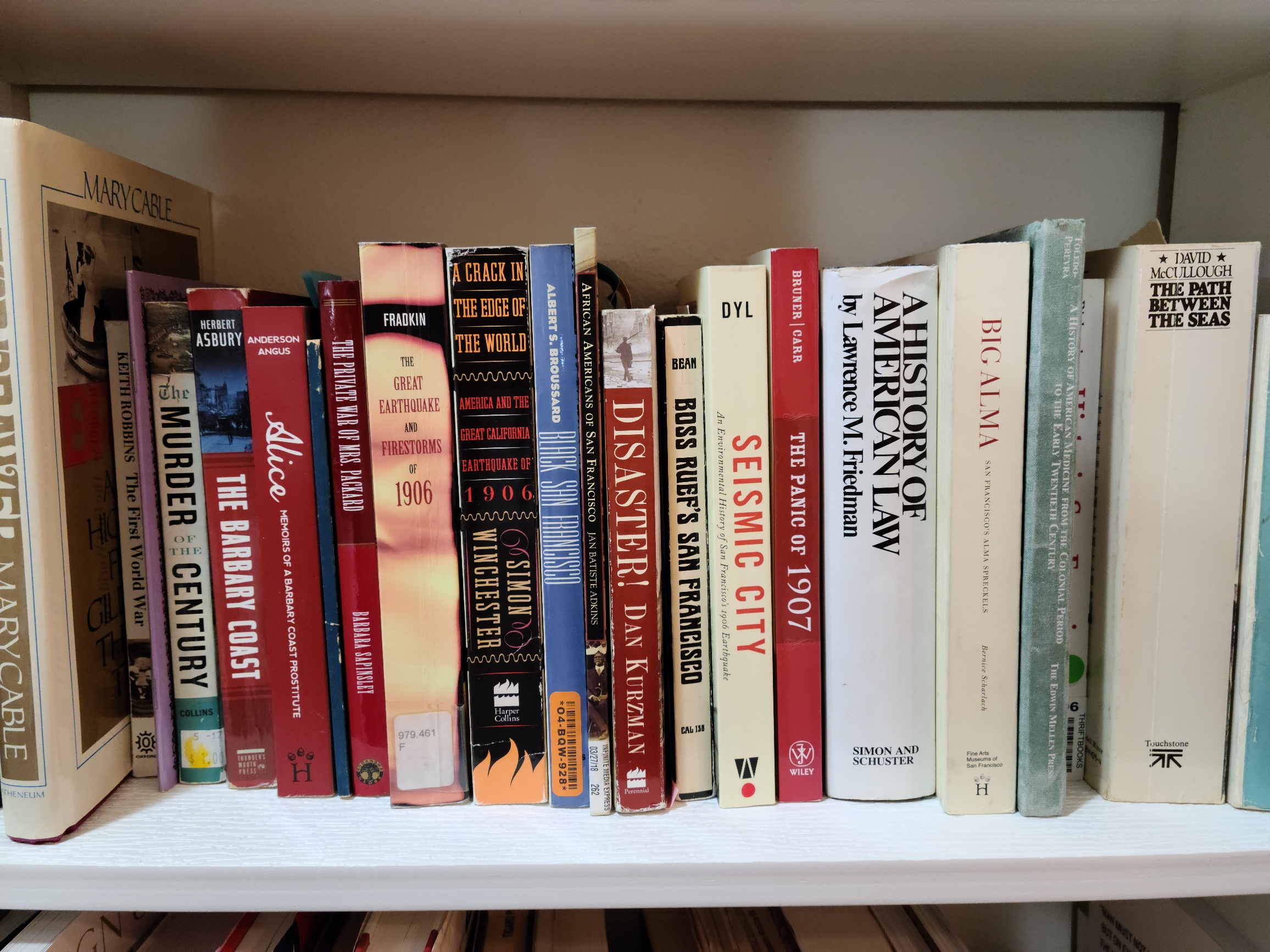
Primary source material abounds in print and online (e.g., Jack London’s reporting on the San Francisco earthquake of 1906) and there is ample scholarship about such (often arcane) subjects as the prostitutes of the Barbary Coast (the city’s Red Light district); the fight against the bubonic plague (which flared up in the city around 1900); and the notorious corruption scandal that saw the indictment of the mayor and the resignation of virtually all members of the city’s board of supervisors. As a result, I have, and continue to accumulate quite a library that covers my historical niche.
Bookcase
For The Art of Love, I began with my grandfather’s recollections and expanded further to learn the details of placer gold mining.
Miner
I knew my female lead was going to be an artist, so I immersed myself in the art trends of the time (luckily, San Francisco had a thriving art scene then). And, because a story must have conflict, I looked into the roadblocks, such as restrictive divorce laws, that men and especially women faced during that time. Eventually I focused on a fictional young woman who is caught in a social bind and must pay a terrible price in order to help her sister and gain her freedom to become the artist she was born to be.
Now that I am more familiar with the time period in which I write, I’ll skim my resources on hand to find a kernel for my next story. Or, I’ll peruse the digital newspaper archives from way back then. The San Francisco Call, for example, was one of the main periodicals of that era (it evolved into the San Francisco Examiner).
Newspaper
About a year and a half ago, in a brief article from 1903, I found just the type of story I was looking for because it involved both Spiritualism and “insane” asylums, two movements I knew were important during the Gilded Age. That short newspaper article formed the basis of my latest book, The Madness of Mrs. Whittaker.
What resources can I not live without? Undoubtedly, the Internet! I use it to corroborate facts I’ve learned elsewhere, but even more so, I use it as a quick source to fill in all the details that I can’t otherwise find: prices of hotel rooms, for example, or the types of restaurant food popular back then. How about hair or clothing styles for both men and women (Did every man wear those horrid mutton chop whiskers?!).
Man with mutton chops
Other important aspects: communication and transportation. How common were telephones back then? (Answer: not very.) What did train tickets cost and what train routes would my characters have taken?
One of the most important details, in my opinion, is the use of slang and when it made its way into the American lexicon. I can’t have my characters exclaiming “Awesome!” back in 1900!
One fan recently asked when the term “car” was first used as slang for “automobile.” My novel (in this case, The Depth of Beauty) took place in 1903, a time when cars weren’t all that common except among the upper classes, so the use of the word sounded strange to him. I knew the etymology of the word “car” dated back centuries (It comes from the Latin word carrus which means “wheeled vehicle.”). I had to dig a little to find that the phrase “motor car” dates from 1895 (in Britain) so I feel confident that the word was shortened to “car” by 1903, at least in America. Had I found that the word entered our vernacular later than 1903, I would have quickly made the correction.
Readers care about such minutiae, and so do I. Perhaps it seems trivial but making sure I get such facts right is my pledge to readers. I want them to know that the period details they read about in my stories are as accurate as I can make them. Sure, the stories and the characters are fiction (with a few historical figures thrown in to make things interesting), but by and large, readers are learning what life was like “back in the day,” whether it was living through a massive earthquake, suffering from bubonic plague, or getting stuck in a mental asylum with no easy way out.
One more note about historical research as it pertains to fiction: I try to follow the old adage “less is more.” Recently a friend who loves historical fiction said to me, “I’d love doing the research—not the writing, just the research!” And I knew what she meant. It’s completely engrossing to learn about a different place and time—what challenges men and women faced, what disadvantages they experienced, what everyday life was like. And it’s so tempting to share much of what I’ve learned. But I try very hard to make the historical detail serve the story. I want readers to care about what’s happening within my fictional world; I can’t afford to bog them down with too much description or explanation (what writers sometimes call an “info dump.”) My goal is to have readers effortlessly merge into the Gilded Age as they follow characters they care about, picking up interesting details here and there, and knowing that when it comes to historical verisimilitude, I won’t lead them astray.
Thank you so much for sharing such a fascinating post. Good luck with all the books in the series.
Here’s the blurb
Your Journey to The Golden City begins here…
FORTUNE…SACRIFICE…PASSION…and SECRETS
A tale of mystery, social morality and second chances during America’s Gilded Age, The Art of Love will take you on an unforgettable journey from the last frontier of the Yukon Territory to the new Sodom and Gomorrah of its time – the boomtown of San Francisco.
After digging a fortune from the frozen fields of the Klondike, August Wolff heads south to the “Golden City,” hoping to put the unsolved disappearance of his wife and daughter behind him. The turn of the twentieth century brings him even more success, but the distractions of a hedonistic mecca can’t fill the gaping hole in his life.
Amelia Starling is a wildly talented artist caught in the straightjacket of Old New York society. Making a heart-breaking decision, she moves to San Francisco to further her career, all the while living with the pain of a sacrifice no woman should ever have to make.
Brought together by the city’s flourishing art scene, Gus and Lia forge a rare connection. But the past, shrouded in mystery, prevents the two of them from moving forward as one. Unwilling to face society’s scorn, Lia leaves the city and vows to begin again in Europe.
The Golden City offers everything a man could wish for except the answers Gus is desperate to find. But find them he must, or he and Lia have no chance at all.
A native of California, A.B. Michaels holds masters’ degrees in history (UCLA) and broadcasting (San Francisco State University). After working for many years as a promotional writer and editor, she turned to writing fiction, which is the hardest thing she’s ever done besides raise two boys. She lives with her husband and two spoiled dogs in Boise, Idaho, where she is often distracted by playing darts and bocce and trying to hit a golf ball more than fifty yards. Reading, quilt-making and travel figure into the mix as well, leading her to hope that sometime soon, someone invents a 25+ hour day.
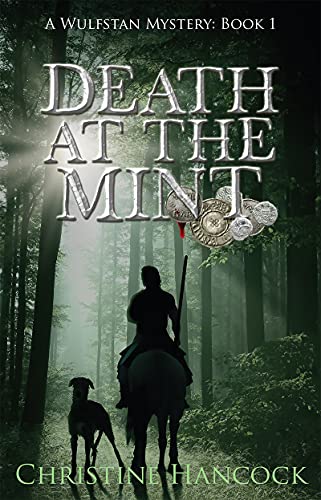
I’m really excited to review Death at the Mint by Christine Hancock. Christine writes the Byrhtnoth Chronicles set in the middle of the tenth century, but in Death at the Mint, she’s taken one of our favourite characters and allowed him to solve an intriguing mystery.
Here’s the blurb
“When Wulfstan swore revenge on his enemy, he expected to die. Now that man is dead. Far to the south, another body is found in an Essex wood. Abbot Dunstan of Glastonbury is concerned. The victim ran the mint. Is the king’s coinage in danger of corruption? Dunstan sends Wulfstan to Maldon to investigate. Can Wulfstan discover the truth? Is there a connection with his own past? Having lost everything he held dear; can he learn to live again?”
“Finally, Wulfstan – my favourite character in the Byrhtnoth Chronicles – has been given his own story. Read and enjoy!” Ruth Downie, author of the Gaius Petreius Ruso Mysteries.
My Review
I was lucky enough to get to read an early draft of Death at the Mint, and also the finished product. Firstly, an assurance, yes, Wulfstan is a character from the previous books but if you haven’t read them (which you might want to do after this one) it won’t detract from your enjoyment. Not at all. This is an excellent standalone Saxon mystery.
Wulfstan, his hound and his horse make an intriguing team, and what I particularly enjoyed was the reimagining of life in a Saxon settlement. This is something I’ve always been a bit terrified of doing in my own books, and Christine Hancock does it incredibly well. Added to which, the mystery will really draw you in.
This was a wonderful book, the mystery has a satisfying ending, which I don’t think readers will guess.

















.jpg)
_(FindID_199291).jpg)