Author of Saxon historical fiction, 20th-century historical mysteries, and Saxon historical non-fiction. Book reviewer and blog host.
Author: MJ Porter, author
I'm a writer of historical fiction (Early England/Viking and the British Isles as a whole before 1066, as well as three 20th century mysteries), and a nonfiction title about the royal women of tenth century England.
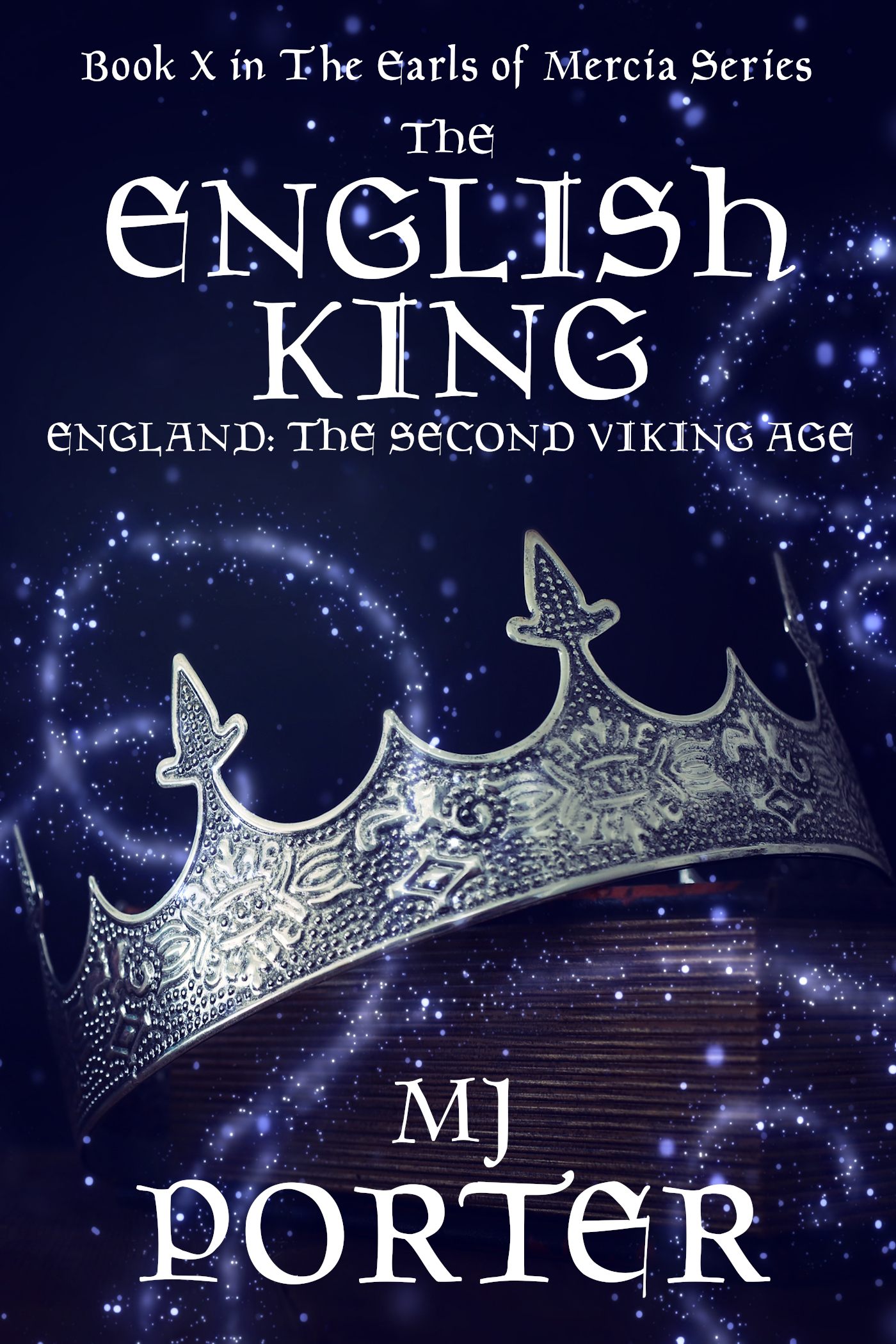
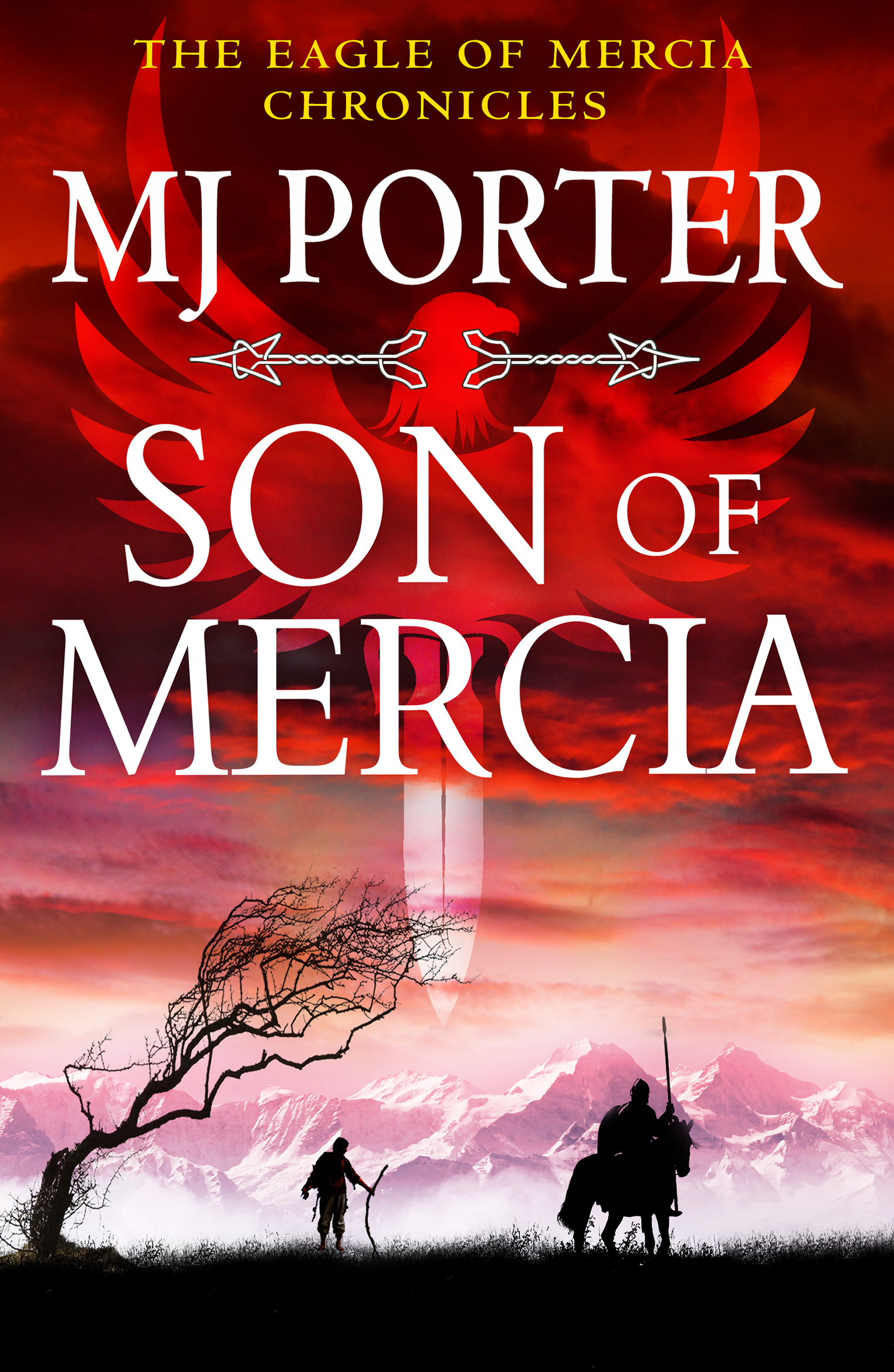
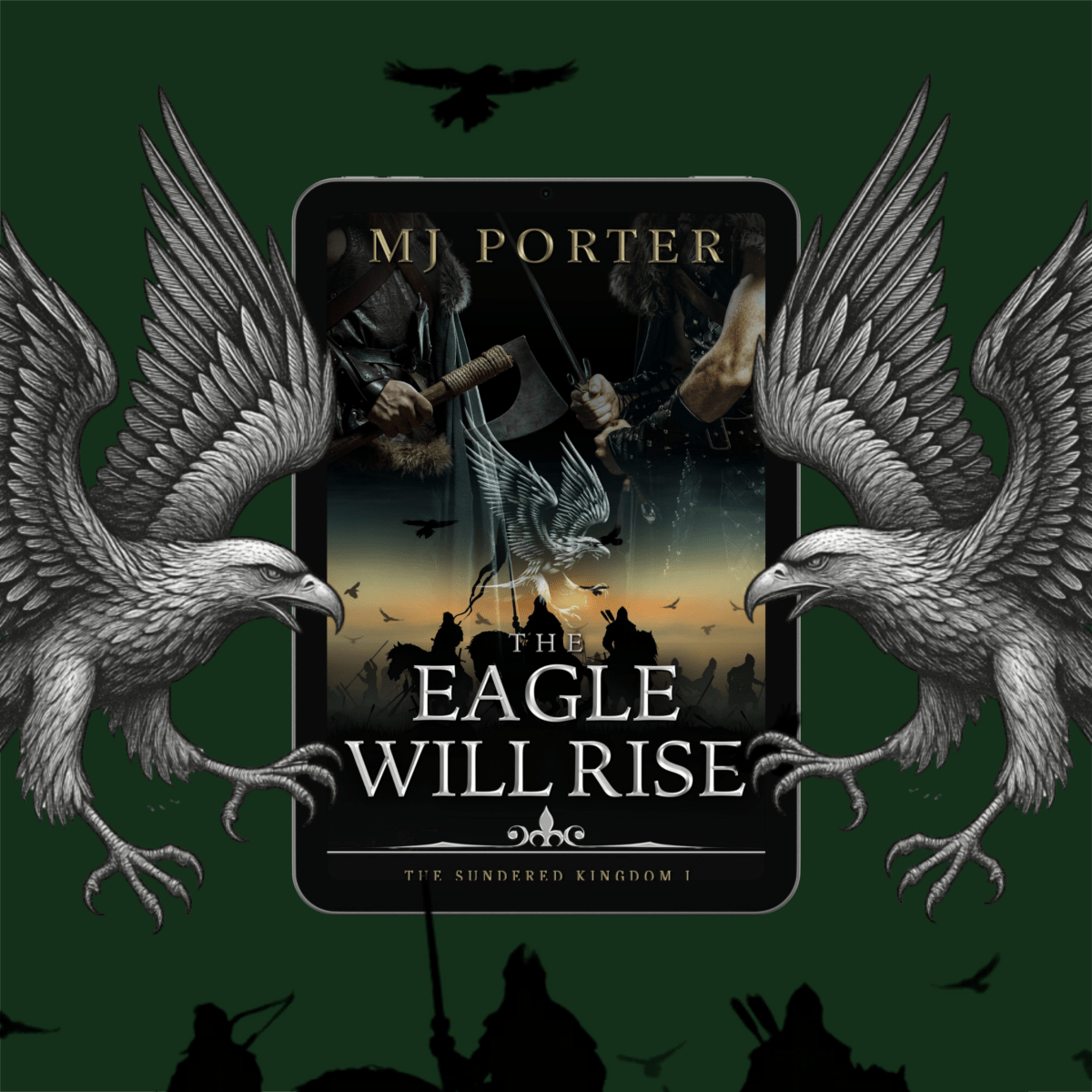
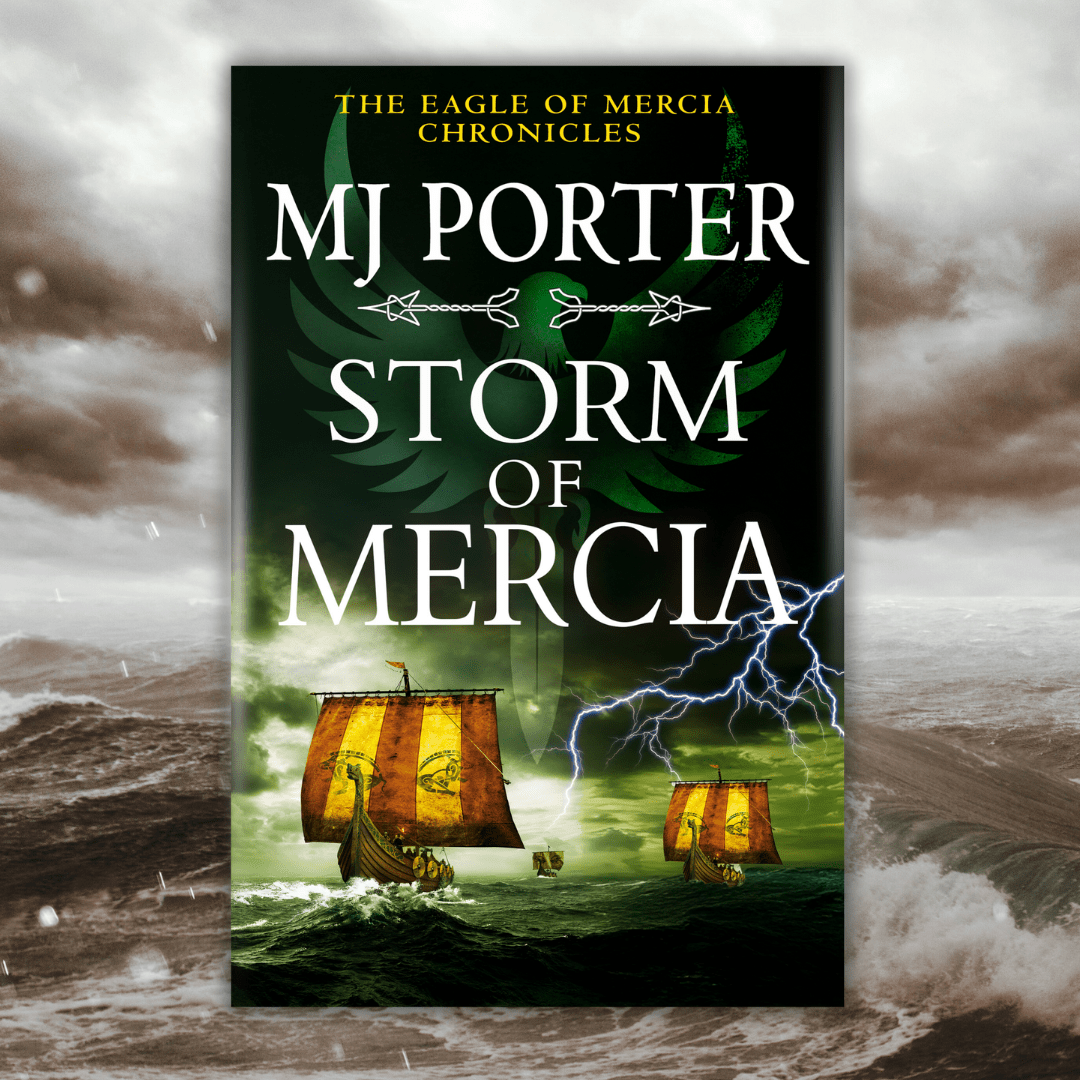
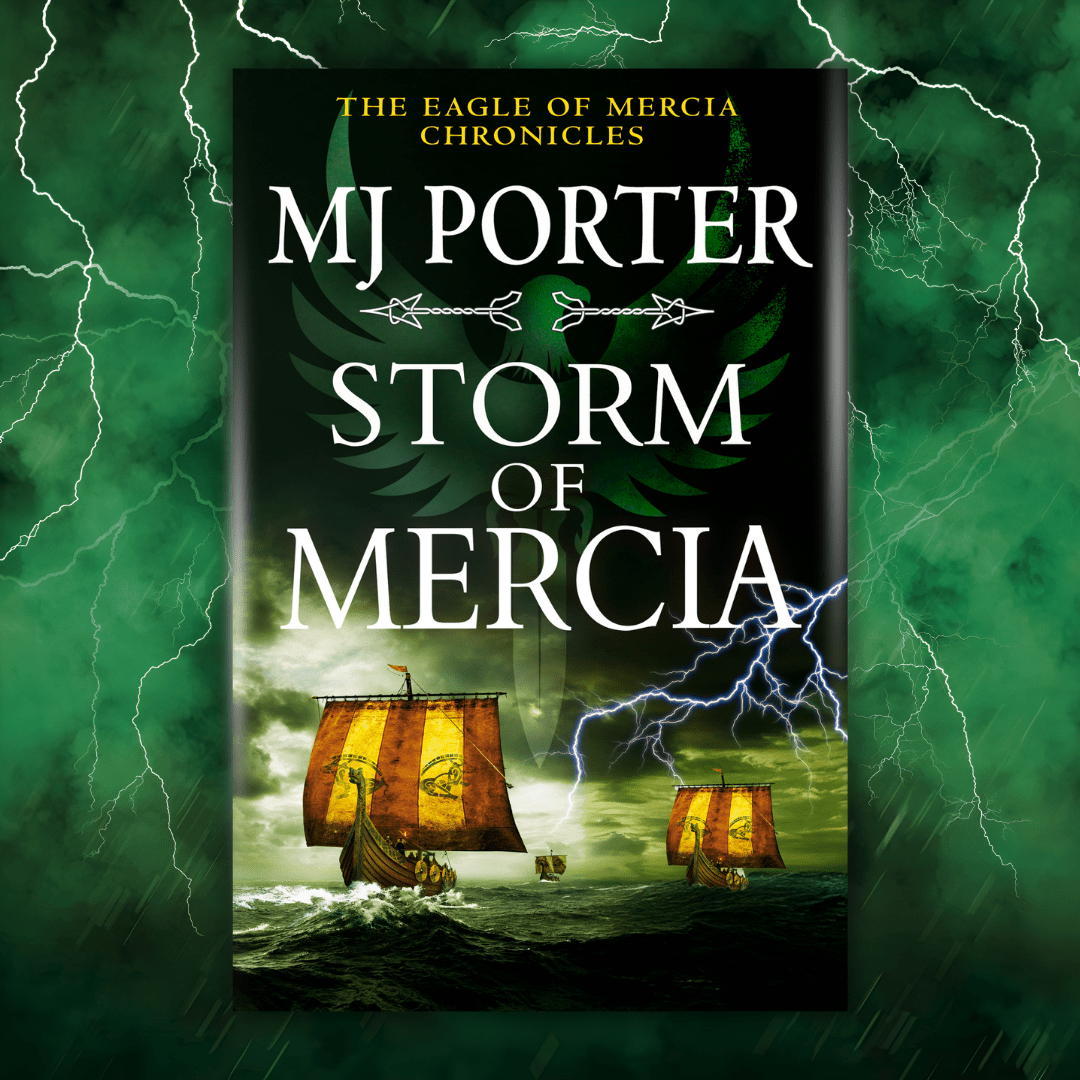
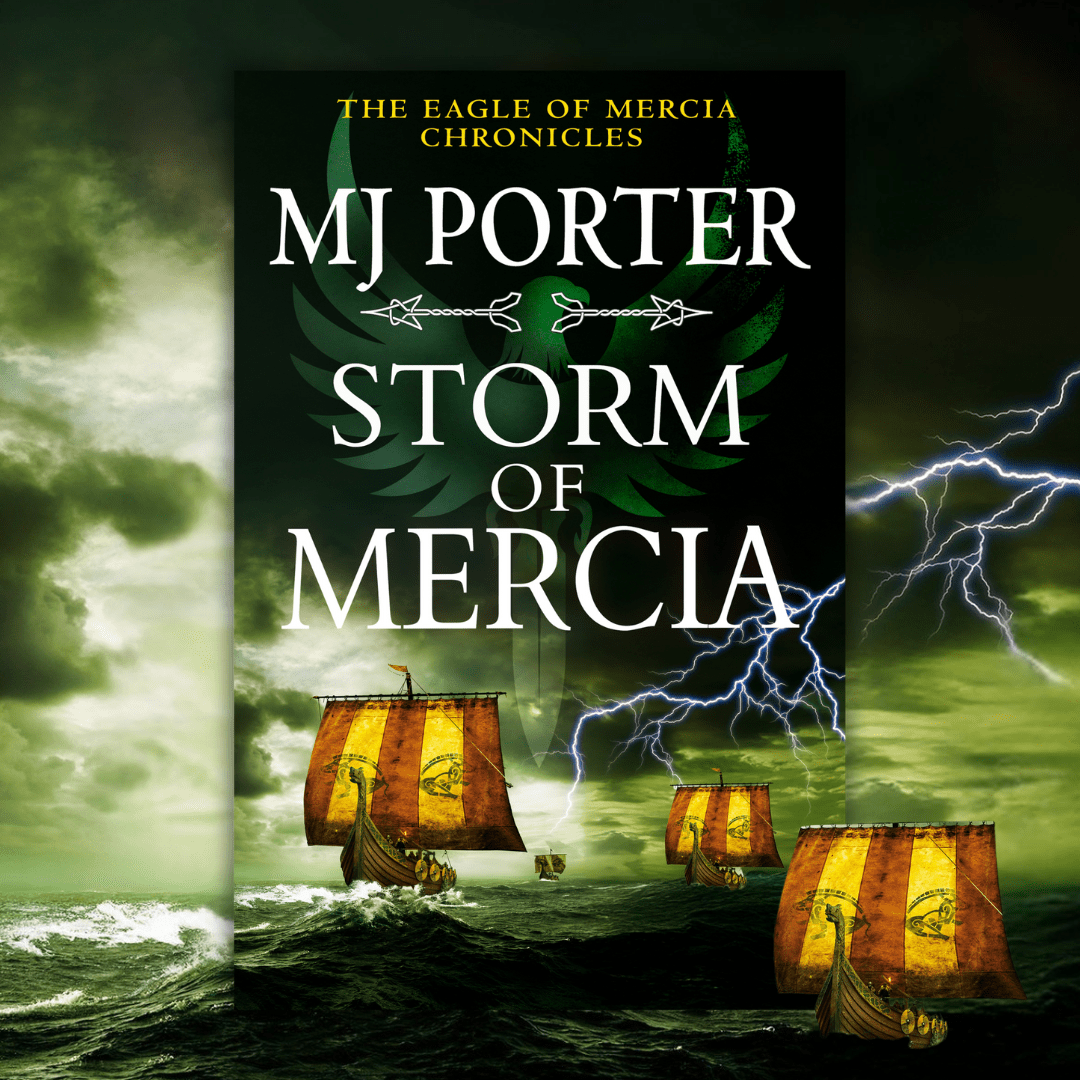
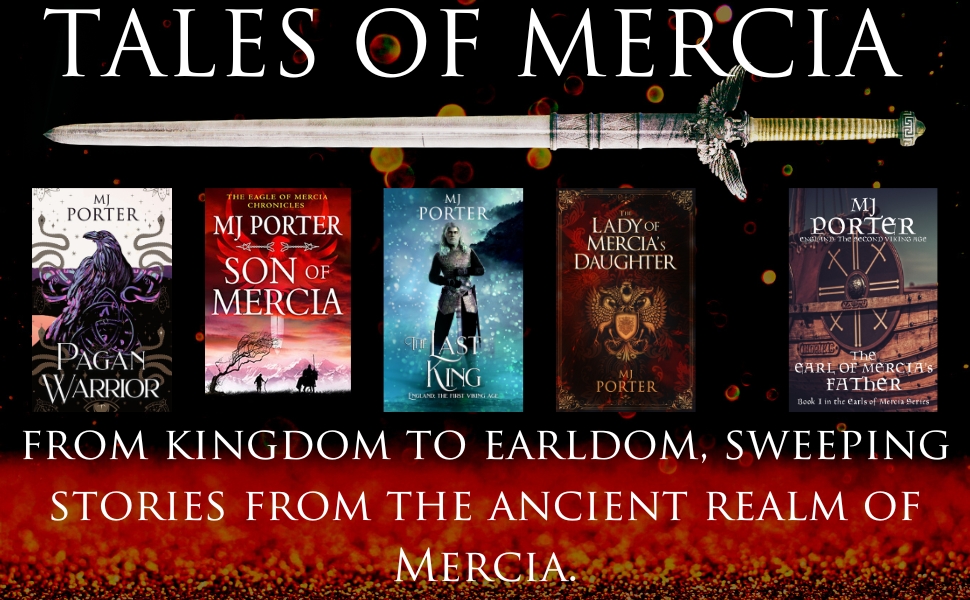
I’m really quite bad at remembering all the publication dates of my books, but The Last King has certainly stuck in my mind. What started quite inauspiciously, with a few die-hard fans preordering the book, has become my most popular series, and most popular book to date.
Perhaps I shouldn’t be so surprised, but I am. The book, a few years in development, burst from me in a flurry of excitement early in 2020, when I opted for a ‘harder’ character, a man who is simply so good at what he does, he doesn’t understand that others can’t do what he can. It’s not arrogance. It’s confidence.
So, why the hesitation? It takes a lot to stomp, and I mean, stomp all over a time period made so famous by another giant of the field – Bernard Cornwell with his Uhtred, or The Last Kingdom books. And yet, I couldn’t move away from the temptation of the little known Coelwulf, and the story of Mercia which has never been told.
Yet, I needed to do it in a different way to BC. I remember handing the first few chapters to my critique partner and editor and saying ‘is this edgier?’, ‘would a warrior speak like this?’ It came back with a ‘yes’ and also some pencil marks and a bit more swearing added in, and a comment that if I was going to cauterise a wound, then I needed to do it properly, gore and all.
I’d previously written what I thought would be an opening scene, while sitting in hospital for an appointment with lots of different bits to it – but while that gave me the characters, it didn’t give me quite what I was looking for. Still, you can read ‘A Meeting of Equals‘ over on my author platform on Aspects of History.
And that was almost it (apart from a dose of my own confidence drawn from watching The Gentlemen by Guy Ritchie – which truly made me think ‘anything goes,’ and gave me the idea for the opening scene – if you’ve read the book you’ll know what I mean.) Coelwulf reared his head, and so too did a cast of characters that are unique, complex, enjoyable to write about, and often a bit pushy.
There’s a sample below – remember, it’s Coelwulf, it’s going to be pretty full-on from the word go. (18 rated)
So thank you to all my readers and reviewers, to my beta readers (you know who you are), and to the people I’ve collaborated with on ensuring the word gets out about Coelwulf.
“November 1929. A woman’s dismembered corpse is discovered in a suitcase and police quickly identify her husband, Doctor Ibrahim Aziz, as their chief suspect. Incriminating evidence is discovered at his home and his wife was rumoured to be having an affair, giving him clear motive.
With his reputation for winning hopeless cases, barrister Arthur Skelton is asked to represent the accused. Though Aziz’s guilt does not seem to be in doubt, a question of diplomacy and misplaced larvae soon lead Skelton to suspect there may be more to the victim’s death.
Aided by his loyal clerk Edgar, Skelton soon finds himself seeking justice for both victim and defendant. But can he uncover the truth before an innocent man is put on trial and condemned to the gallows?”
Skelton’s Guide to Suitcase Murders is a wonderfully plotted novel, with a cast of unmissable characters that is an absolute delight to read. And the cover is fantastic too.
It made me laugh out loud on many an occasion, and the eclectic mix of cast and events, keeps the reader hooked as the story progresses, from the guinea pig to the motorcycle ‘bad-boy,’ from London to Leeds to Whitley Bay to Scotland. And oh, how I loved the letters from Cousin Alan.
It trundles along at a wonderful pace, filled with exquisite detail and I would struggle to decide on a favourite character because all of them, even the bit part characters, are so well sketched.
This is genuinely an absolute treat if you enjoy a mystery deeply steeped in the times (1929-1930) and with an unmissable cast. Looking forwards to Book 3. And, I have the joy of knowing I’ve not read Book 1 yet.
Thank you to Netgalley and the publisher for my review copy.
Skelton’s Guide to Suitcase Murders is released today, 22nd April, and is available from here.
Follow the publisher, Allison and Busby for more great mystery novels.
Today I’m delighted to welcome David Loux to the blog to talk about the research for his new book, Chateau Laux.
Your book, Chateau Laux, is set in a time period I wouldn’t even know how to start writing about. As a historian first and foremost, and then a writer, I’m always interested in how people research their historical stories.
My research did not start out with a novel in mind. It began with an investigation of the Laux family surname in 2005. This research resulted in a lot of information related to the provenance of the name, which I presented in a paper addressed to a Laux family reunion in York, Pennsylvania, in 2010. It subsequently provided the foundational material for Chateau Laux.
Can you explain your research process to me, and give an idea of the resources that you rely on the most (other than your imagination, of course) to bring your historical landscape to life?
One of the challenges of historical research is that much valuable information is lost over the years—especially the good, warm-blooded stories of individual lives. Fortunately, interest in the Laux name goes back many years, and I was able to benefit from genealogical publications in 1910 that provided information which would have been increasingly difficult to access over time. Another very tangible benefit to my research was that the Laux name was of noble origin, which meant that I was able to discover information that went all the way back to the middle ages. Some of the information was in French and some was in Latin, and the wonderful research assistants at the Bibliothèque Nationale were a big help. I also benefited from connections made through the Center for Basque Studies at the University of Nevada in Reno, which put me in touch with researchers familiar with Occitan names and pronunciations. Finally, and most importantly, family group members in southern France were able to provide information from archives that would have been unavailable from other sources.
Do you have a ‘go’ to book/resource that you couldn’t write without having to hand, and if so, what is it (if you don’t mind sharing)?
When I first started my research, I had very little idea of the milieu and other significant associations connected with the name, which means I had to keep an open mind and read anything I could get my hands on. There were many false starts and dead ends. As far as critical resources, I would have to say that Chateau Laux would not have been the same without the research assistance of the Bibliothèque Nationale, as they were able to provide context and authenticity that would otherwise have been elusive. But then again, every resource previously referred to was essential in its own way. It helps that I was able to read French, and to a lesser extent, Spanish, as some of the information was only available in those languages.
Thank you so much for sharing the research you undertook to write your book. It’s so fascinating to find out what makes people write the stories that they do.
Here’s the blurb;
A young entrepreneur from a youthful Philadelphia, chances upon a French aristocrat and his family living on the edge of the frontier. Born to an unwed mother and raised by a disapproving and judgmental grandfather, he is drawn to the close-knit family. As part of his courtship of one of the patriarch’s daughters, he builds a château for her, setting in motion a sequence of events he could not have anticipated.
David Loux is a short story writer who has published under pseudonym and served as past board member of California Poets in the Schools. Chateau Laux is his first novel. He lives in the Eastern Sierra with his wife, Lynn.
England, 1459: Cecily Neville, Duchess of York, is embroiled in a plot to topple the weak-minded King Henry VI from the throne. But when the Yorkists are defeated at the Battle of Ludford Bridge, Cecily’s family flee and abandon her to face a marauding Lancastrian army on her own.
Cecily can only watch as her lands are torn apart and divided up by the ruthless Queen Marguerite. From the towers of her prison in Tonbridge Castle, the Duchess begins to spin a web of deceit – one that will eventually lead to treason, to the fall of King Henry VI, and to her eldest son being crowned King Edward IV.
This is a story of heartbreak, ambition and treachery, of one woman’s quest to claim the throne during the violence and tragedy of the Wars of the Roses.”
The Queen’s Rival is a stunning look at the ‘later’ life of Cecily Neville from 1459 until 1483. This is not a ‘quiet’ period of history and to cover the tumultuous events, the author adopts the technique of recording the letters of the main protagonists, either from the pen of Cecily or from those who write to her.
It does take a little while to get used to the technique, but the reader is quickly drawn into the story, not perhaps by the events taking place, but rather by the relationship between Cecily and her two sisters, Anne, Duchess of Buckingham and Katherine, Dowager Duchess of Norfolk. The words they share with each other are just what sisters might well say to each other, especially when they’re not likely to see each other soon.
More importantly, the sisters, while fiercely loyal to their Neville inheritance, are not of one mind about who should rule England, and who has the right to rule England. It highlights just how destructive the War of the Roses was, and is a genius way of quickly ensuring the reader appreciates that families were ripped apart by the protracted war.
This is the story of the women of the later 15th century. It’s their voices that we hear, as they try and come to terms with the rises and falls all of them experience. There are moments when the narrative is hard to read, either because you know what’s going to happen, or just because you really feel for Cecily and don’t want her to experience the tribulations than she does.
I am a huge fan of Anne O’Brien and the ‘forgotten’ women of the medieval period in England. While the author may stress that Cecily is not really a forgotten woman, I was not really aware of her before reading this book. The mother of two kings, the grandmother of future kings, and yet she could also have been queen herself. What an interesting life she led.
I highly recommend this book. And you can find my review here for A Tapestry of Treason.
Thank you to the publisher and Netgalley for my review copy.
The Queen’s Rival is released in ebook and hardbook on 3rd September 2020. (What a stunning cover.) It is released in paperback today, 15th April 2021.
Today I’m delighted to welcome Virgina Crow to the blog with a post about the historical research she undertook to write The Year We Lived.
Hello and thank you for hosting me and my book on your blog, and for inviting me to share such a fantastic topic with your readers!
I know the research process is slightly different for different writers. The first thing I have to say is that I love research! I would say that, for every statement of historical significance in my book there is about ten-times more research which has gone into the writing of it. In fact, my editor does occasionally point out to me that my readers don’t always need quite so much historiographical details!
Researching so far back in time was quite new to me. Most of the historical fiction I’ve written before has a lot more primary sources to excavate and delve into, especially in those pre-Covid days when a trip to a museum was easily available!
The first thing I had to familiarise myself with was the landscape. I’ve always been surrounded by maps – my dad has a collection of hundreds of them – and some of my favourite books as a child were a massive geography book and the Weetabix atlas! Since my dad is an out-and-out Lincolnshire yellowbelly, I have always known the changing landscape of that particular county! To look at a map of the eleventh century fenlands my characters would have known, it is startlingly different to the lay of the land in the twenty-first century!
This landscape was full of islands, which were often indistinguishable from the rest of the boggy marshes, something which made the hidden Hall in The Year We Lived a very believable concept! When I delved deeper into the case of Hereward, I realised how paranoid William the Conqueror was about the Fens and the threat they posed. It made sense to have the brutal lordship of Henry De Bois situated here in an attempt to crush what William was led to believe were a group of Saxons ready for insurrection.
Next came the characters. For this, I knew I wanted people outside the conventional image of the Normans so, on flicking through various websites and pages about the number of non-Normans on William’s side in the Battle of Hastings, I settled on the possibility of making my French characters Burgundian instead. I loved the headstrong and stubborn trait which seemed to come hand in hand with being from Burgundy, and it’s something I tucked into each of those characters. But the French court at this time was a topic which was totally new to me. When I was studying for my MLitt, I remember my lecturer saying that it was totally acceptable to use Wikipedia as a first port of call providing you checked out everything which was on there, so this was what I did as I researched the major players.
One of the things I love the most about writing historical fiction is how, providing you read around the family and situation, you can convince your audience – and sometimes yourself – of the existence of your characters. Every single one of my Burgundians came from a real family, all of which are referenced in some sneaky way or another. I love weaving little clues into my writing, and I think doing it in a historical setting just makes it all the more fun (but then I could be biased!).
The final thing, which I found perhaps the most fascinating of all, was exploring the superstitions of the time. These were often localised but some things were pretty generally accepted. Having been raised on a diet of myths and legends, this was something I absolutely loved exploring. Something I discovered was that many of these superstitions made sense. A lot of them have their roots in logic, but they were without the understanding of science which we have now. There is no shortage of these words of wisdom, many of which are still in existence today in some shape or form. Perhaps because of the oral nature of these hand-me-downs and the weirdness they relate, these were easier to place in the map and chronology of my research. I tucked into books and theses to uncover some of the most bizarre anecdotes imaginable, and nestling them into The Year We Lived – I hope – helps the plot and characters come to life.


After all, it’s our idiosyncrasies which make us unique!
Thank you so much for sharing your research with me. It’s always fascinating to discover what prompts people to write the books they do.
Here’s the blurb;
It is 1074, 8 years after the fateful Battle of Hastings. Lord Henry De Bois is determined to find the secret community of Robert, an Anglo-Saxon thane. Despite his fervour, all his attempts are met with failure.
When he captures Robert’s young sister, Edith, events are set in motion, affecting everyone involved. Edith is forced into a terrible world of cruelty and deceit, but finds friendship there too.
Will Robert ever learn why Henry hates him so much? Will Edith’s new-found friendships be enough to save her from De Bois? And who is the mysterious stranger in the reedbed who can disappear at will?
A gripping historical fiction with an astonishing twist!
Virginia grew up in Orkney, using the breath-taking scenery to fuel her imagination and the writing fire within her. Her favourite genres to write are fantasy and historical fiction, sometimes mixing the two together such as her newly-published book “Caledon”. She enjoys swashbuckling stories such as the Three Musketeers by Alexandre Dumas and is still waiting for a screen adaption that lives up to the book!
When she’s not writing, Virginia is usually to be found teaching music, and obtained her MLitt in “History of the Highlands and Islands” last year. She believes wholeheartedly in the power of music, especially as a tool of inspiration. She also helps out with the John O’Groats Book Festival which is celebrating its 3rd year this April.
She now lives in the far flung corner of Scotland, soaking in inspiration from the rugged cliffs and miles of sandy beaches. She loves cheese, music and films, but hates mushrooms.
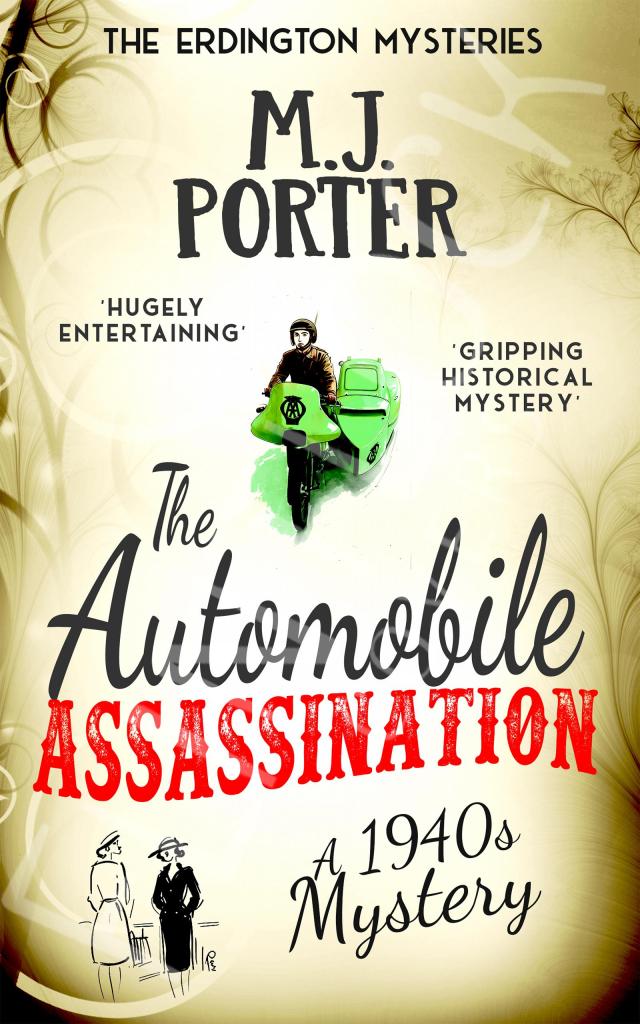
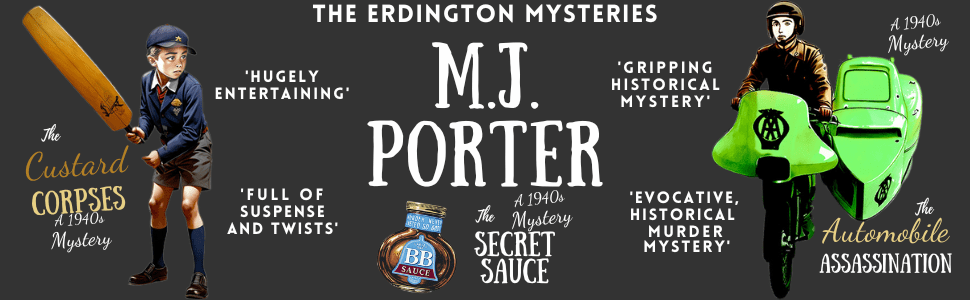
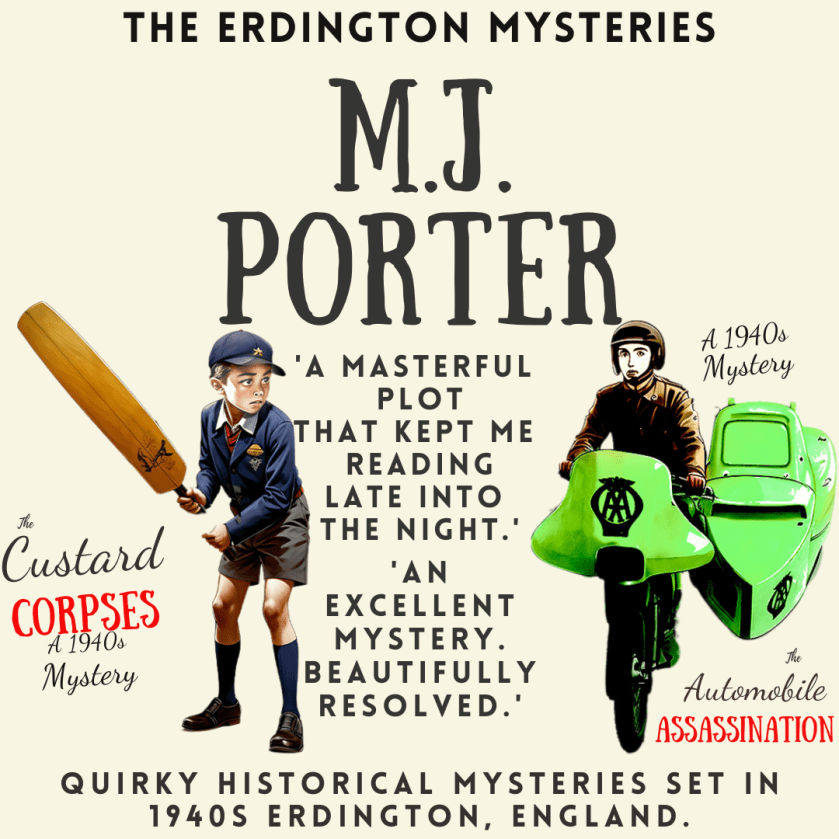
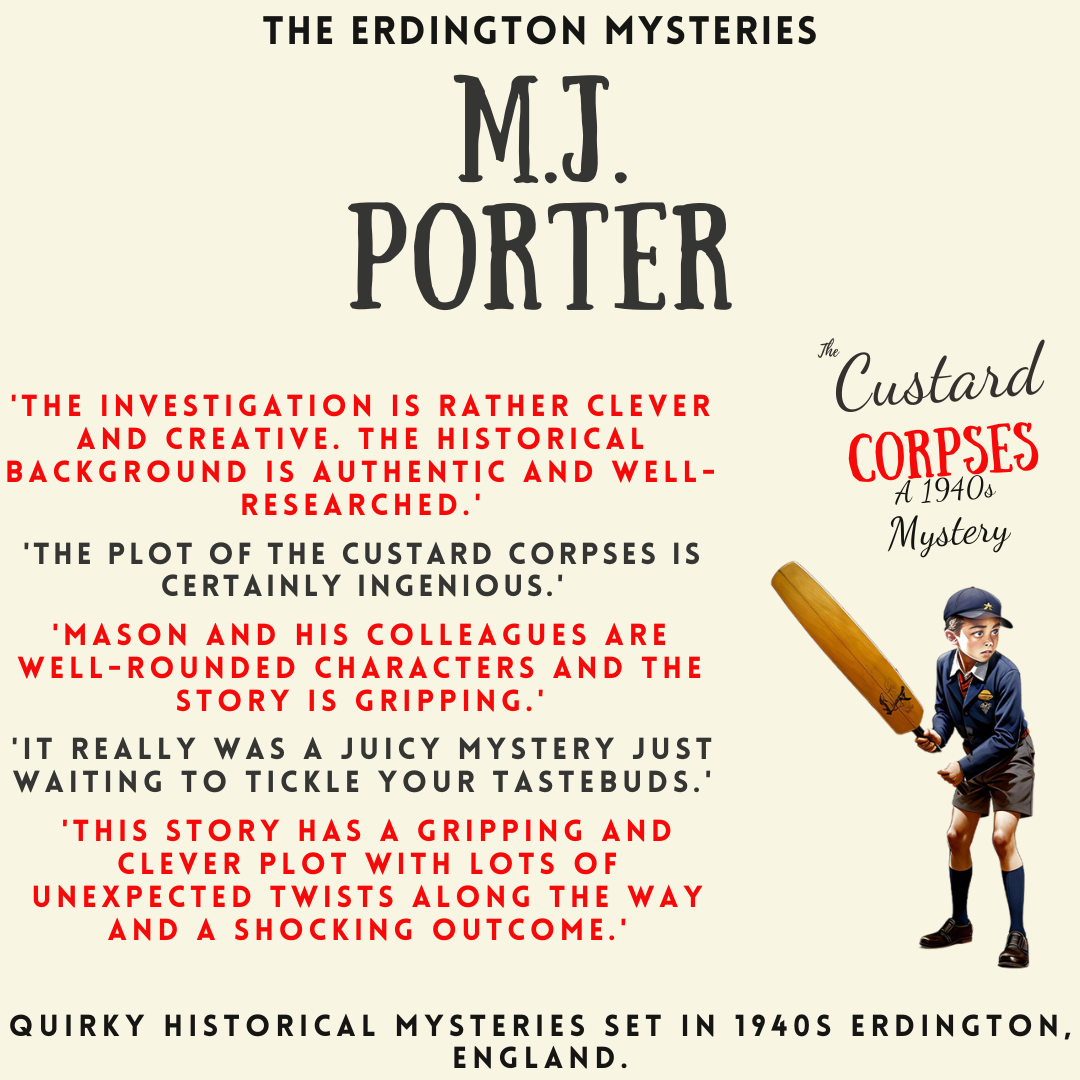
I know, but there you have it. 2020 was a strange year and out of it grew The Custard Corpses. I really, really hope you will take a chance on it, and enjoy something a little (okay, a lot) different from this historical fiction author.
Here’s the blurb;
A delicious 1940s mystery.
Birmingham, England, 1943.
While the whine of the air raid sirens might no longer be rousing him from bed every night, a two-decade-old unsolved murder case will ensure that Chief Inspector Mason of Erdington Police Station is about to suffer more sleepless nights.
Young Robert McFarlane’s body was found outside the local church hall on 30th September 1923. But, his cause of death was drowning, and he’d been missing for three days before his body was found. No one was ever arrested for the crime. No answers could ever be given to the grieving family. The unsolved case has haunted Mason ever since.
But, the chance discovery of another victim, with worrying parallels, sets Mason, and his constable, O’Rourke, on a journey that will take them back over twenty-five years, the chance to finally solve the case, while all around them the uncertainty of war continues, impossible to ignore.
Check out the Erdington Mysteries series page for information about the series and where to purchase direct from me.
August 1144. Osbern de Lench is known far and wide as a hard master, whose temper is perpetually frayed. After riding to survey his land and the incoming harvest from the top of the nearby hill, his horse returns to the hall riderless and the lifeless body of the lord is found soon after.
Was it the work of thieves, or something closer to home? With an heir who is cast in the same hot-tempered mould, sworn enemies for neighbours, and something amiss in the relationship between Osbern and his wife, undersheriff Hugh Bradecote, the wily Serjeant Catchpoll and apprentice Walkelin have suspects aplenty.
Blood Runs Thicker is the first book I’ve read by Sarah Hawkswood, although this is a long established series that somehow, I’ve missed before.
I confess, I struggled a little with the ‘ye olde wordy’ language and speech but soon became accustomed to it, and could settle into the carefully crafted reconstruction of the period.
The story quickly gathers pace, and I was drawn into the mystery. The characters are well-sketched, and the interactions between Bradecote, Catchpoll and Walkelin lighten the narrative. I think Walkelin will be a character that develops moving forward in the series.
And the resolution of the mystery is deliciously complex and thoroughly enjoyable. I’ll certainly be reading more of this series, a firm 4/5 from me.
Thank you to Netgalley and the publisher for my review copy.
Blood Runs Thicker is released 18th March 2021, and can be purchased here.
And if you’re curious, please do check out the other review on the Blood Runs Thicker Book Blast.
It is September 1941 and young Freddie Hackett is a message runner – he collects messages from a government office and delivers them to various destinations around London. He sets off one day with a message, along a route of bombed-out houses, and witnesses a murder. Freddie instinctively wants to summon the police, but he has an envelope to deliver first – all communications during wartime could be urgent. When the man who answers the door appears to be the very same person he has just seen kill another, Freddie rushes to the police, but is summarily dismissed. However, he remembers an address in Fitzroy Square, belonging to a private investigator, Maisie Dobbs. Will she believe him and help solve the mystery?
The Consequences of Fear is the first Maisie Dodds book I’ve read (I know, it’s number 16 – but I’ve just ‘got’ into books from this time period). It won’t be the last.
For a first time reader, there were a few stumbling blocks now and then throughout this book, only to be expected, of course. There are clearly well-loved, repeat characters in this book, and the author does a great job of involving as many of Maisie’s friends and allies as possible. This allows the case to be quite complex as she attempts to solve it, running between London and Chelstone.
I really enjoyed how deeply embedded the story is in the history of the period, and I think Maisie will be a fascinating character to uncover in earlier books.
Thoroughly enjoyable, even for a newbie.
Thank you to the publisher and Netgalley for my review copy.
The Consequences of Fear is released today, 18th March 2021, in hardback, and on 23rd March in ebook. Get it here.
Thrust out into the Wild, young Princess Agata has no skills to survive.
In the early dawn of what is modern Georgia, a kingdom once known as Iberia teeters between hordes of enemies. Byzantines eye the soaring mountains and lush, fertile valleys tucked between Asia and Europe. Turks and Arabs rattle sabres along her eastern borders, coveting the lucrative Silk Road and the growing power of the mysterious Khazars – a Marauder people – loom large.
Motherless young Princess Agata has only known the solid stone walls of the palace. As the fourth daughter of Vax’tang II, she is instructed in the basic skills expected of her station and otherwise ignored and left to her own devices until the day she is old enough to be a marriage pawn in her father’s hands.
As her 16th birthday draws ever nearer, Princess Agata hopes to join the convent led by the powerful Byzantine, Abbess Shingli, and escape her cruel father.
But on the night of her sister’s wedding, Marauder warriors led by cruel warlord, General Kazan, attack the city and breach the walls of the palace. Agata must choose to stay and perish or escape into the lonely mountains of the Wild.
Alone and hungry, cold and terrified, Agata longs for the safety she once knew.
As political powers vie for Iberia, the young princess is hunted by a cunning traitor as well as the fierce warrior, Kazan.
Reeling at the treachery and anguished at the death of her warrior women, the seeds of vengeance and rebellion stir in Agata’s young heart.
Agata, Princess of Iberia is such a good book. The first 10% entirely draws the reader in, investing them with a need to know what’s going to happen as the city is overrun by marauders. Agata is a character who develops throughout the story so that by the end, she’s almost unrecognisable from the character we’re first introduced.
And she’s not the only strong female character, this book is stuffed with them, and all of them are engaging and clearly defined.
There are twists and turns, double-crossing galore, and just a really well-told story. Loved it:) And the cover is beautiful.
Agata is available now, and can be purchased from here.
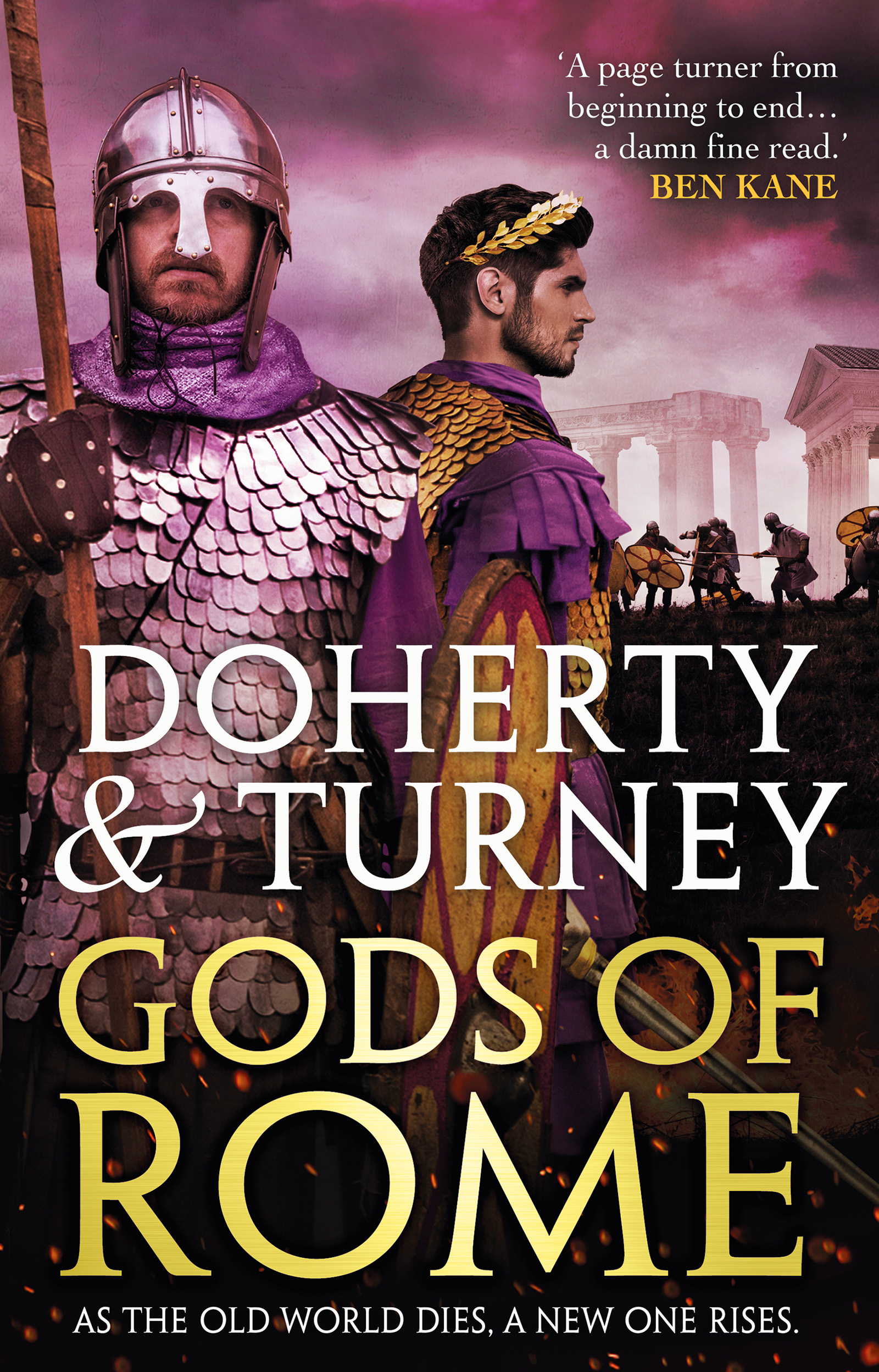
I’m sharing my review for Masters of Rome by the combined talents of Simon Turney and Gordon Doherty. This is the second book in the trilogy. Check out my review for book 1, Sons of Rome, here.
Here’s the blurb
Their rivalry will change the world forever.
As competition for the imperial throne intensifies, Constantine and Maxentius realise their childhood friendship cannot last. Each man struggles to control their respective quadrant of empire, battered by currents of politics, religion and personal tragedy, threatened by barbarian forces and enemies within.
With their positions becoming at once stronger and more troubled, the strained threads of their friendship begin to unravel. Unfortunate words and misunderstandings finally sever their ties, leaving them as bitter opponents in the greatest game of all, with the throne of Rome the prize.
It is a matter that can only be settled by outright war…
My Review
Masters of Rome is the stunning sequel to Sons of Rome, and the juicy jam? in this trilogy about Maxentius and Constantine, and the state of the Roman Empire in the early 300’s.
It is a book of vast scope, and yet perfectly held in check by the twin authors, Turney and Doherty, both taking the part of one of the main characters. Taking the reader from Rome to Africa, from Gaul to Rome, the scope of the novel is massive, and yet it never feels it. Never.
I am in awe of the skill of both authors to bring something as complex as this time period to life with such apparent ease (I know it won’t have been easy, but it feels it). Each chapter flows into the next, the desire to give both characters an equal voice, never falters, and quite frankly, I have no idea how the trilogy is ultimately going to end, but I am desperate to know:)
I highly recommend Masters of Rome, especially and particularly for those, who have no knowledge of the history of the period (like me) because it is absolutely fascinating and told with panache and skill, with an eye to detail. And those who do know the period, you’re still in for a treat as we follow the lives of Constantine and Maxentius and the inevitable march to war.
Simon Turney is the author of the Marius’ Mules and Praetorian series, as well as The Damned Emperor series for Orion and Tales of the Empire series for Canelo. He is based in Yorkshire.
Gordon Doherty is the author of the Legionary and Strategos series, and wrote the Assassin’s Creed tie-in novel Odyssey. He is based in Scotland.