Author of Saxon historical fiction and non-fiction, 20th-century historical mysteries, and Norse-inspired historical romantasy. Book reviewer and blog host.
Author: MJ Porter, author
I'm an author of historical fiction (Early England/Viking and the British Isles as a whole before 1066, as well as five 20th-century mysteries), a non-fiction title about the royal women of tenth-century England, and historical fantasy.
Setting for The Custard Corpses, my first foray into historical mysteries
The Custard Corpses is set during the 1920s, 1930s and 1940s. I wanted to make the book as authentic as possible, even though I’m not a historian of that time period. When I was first studying history at school, I always found it strange to think of it as history as I had grandparents who had lived through the 1920s, 1930s and 1940s (my old granny was born in 1901, my mother’s parents in 1920 and my father’s parents in 1926 and 1928). That’s probably why I’ve never written about the period before.
Getting the names right
I wanted to ensure I was using names and places that existed at the time, and I didn’t want to inadvertently make any silly mistakes – a few beta readers pointed out I was using metric measurements, when they should have been imperial in the 1940s. They thought it was sweet that I’d never known the world of imperial numbers (and money).
Maps and train routes
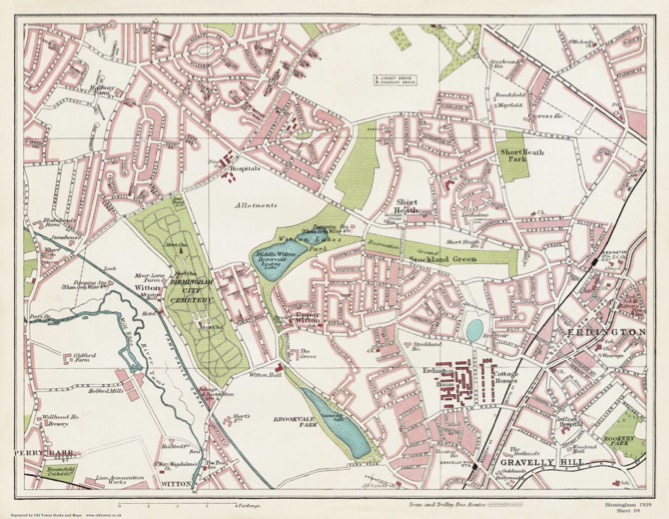
So, I spent quite a bit of time hunting down random facts; maps of the time period, tram and train routes (which you can find online, but I had some old maps), pictures of cars, police uniforms at the time, advertisements of the time and also editions of the Picture Post magazine. At one point, I wanted a celebrity scandal, and there it was, on the cover of a magazine.
Map of Erdington from the era
Newspaper Archives
I was amazed by the information that I could find by accessing archives ( and also that which I couldn’t find), and I was especially impressed by the ‘history’ section on the Birmingham.gov website, and by those local newspapers that have archives available online – such as the Inverness newspaper and the Birmingham Mail. There’s also a whole aerial photo website that I could have used, but I couldn’t quite work it out.
Family memories
I was also lucky in that I set the book somewhere I have childhood memories of, and also that a family member spent their early years in Erdington. It was funny to realise the parts that they especially remembered – such as the fact that some of the buses were still open-topped at the time, and the liveries that buses were decorated with. The Birmingham that I remember is very different to the one that exists now, and the one that existed in the 1940s. My memories of Birmingham consist of the dodgy car park we used, the train journey we used to take in the old carriages with individual doors (they were old in my day) and shopping for jeans.
I also made some use of the 1911 census records, and the Office for National Statistics spreadsheet which lists all the most popular names in decades. It made it easy to devise names for the characters. It also helped that while the 1940s is ‘history’ it’s much more relatable to me than the period before 1066, when I usually set my stories, so provided I didn’t use the internet in the story itself (and only as a research tool), or refer to cms, it was just about authentic, I hope. And did allow for the use of cars and telephones.
The inspiration behind The Custard Corpses #histfic #mystery
The inspiration behind The Custard Corpses is a bit weird, even I admit that
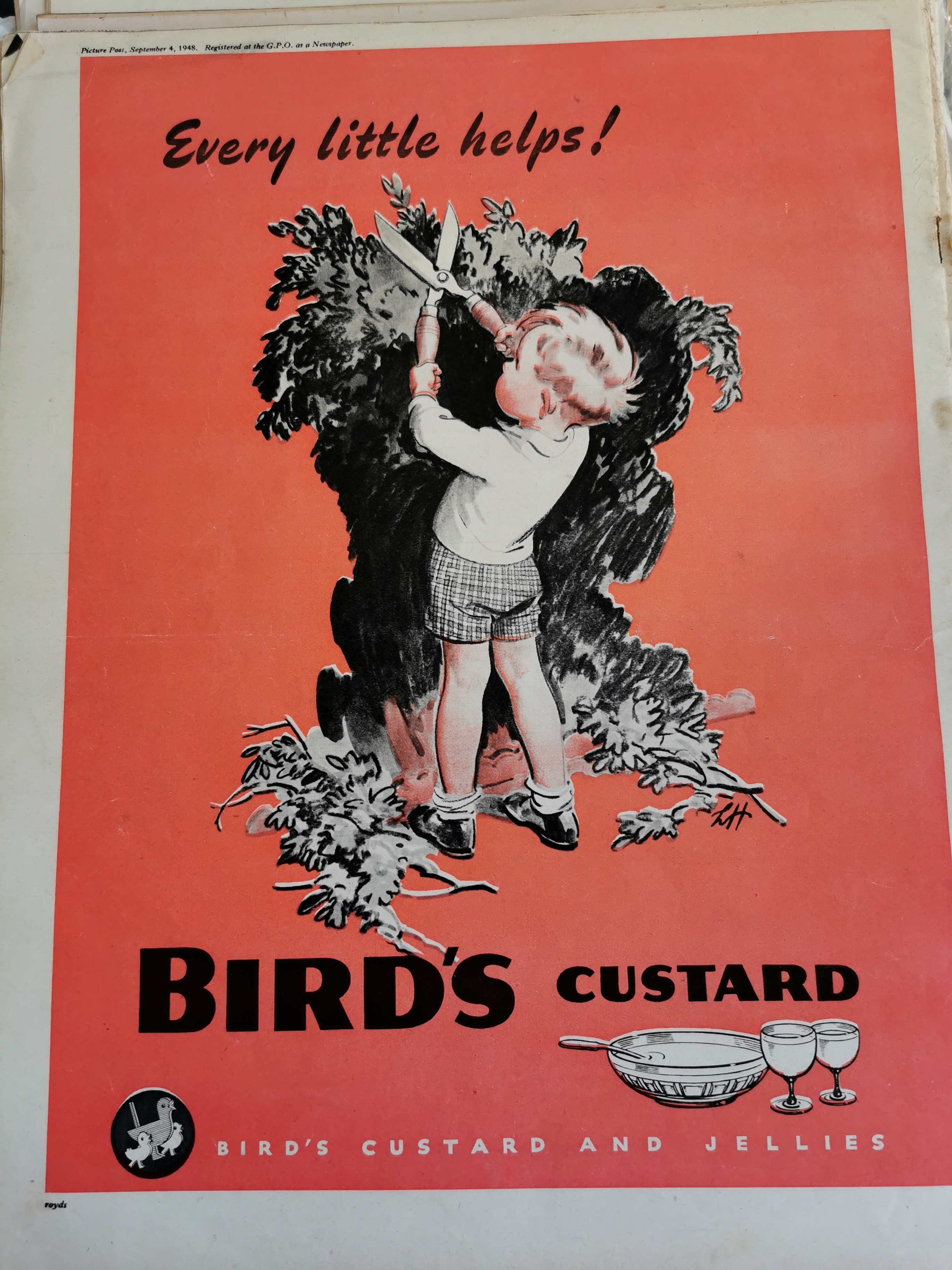
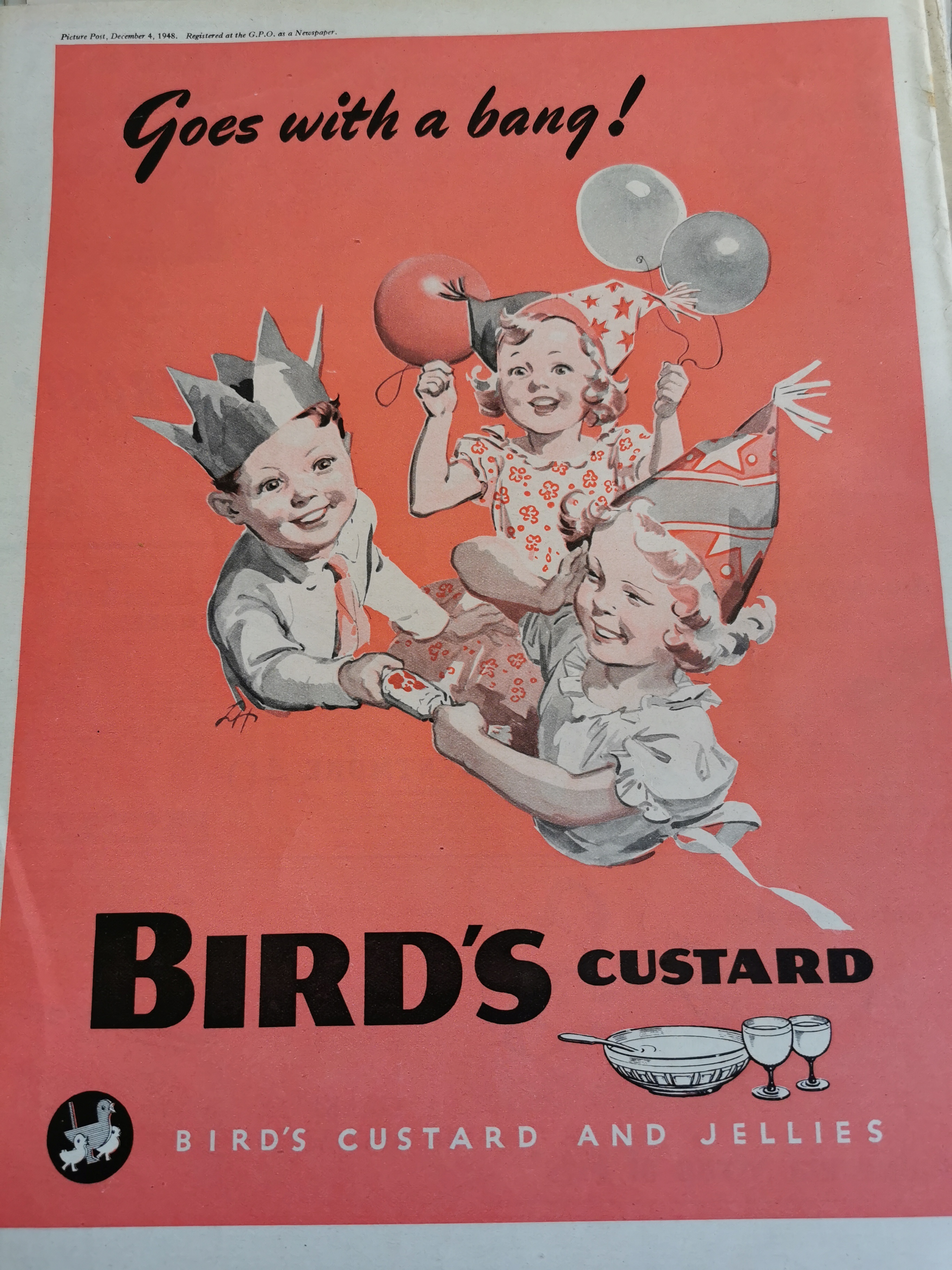
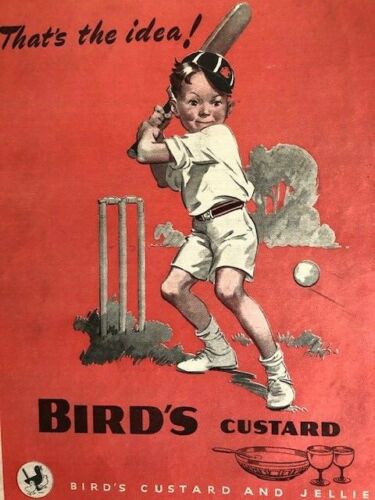
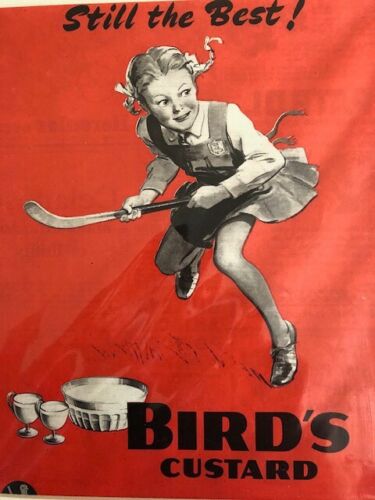
My father had, for many years, bought and sold antique paraphernalia, mostly maps, but also other items as well – books, stamps, old vellum deeds, postcards – you get the idea. With the restrictions during Lockdown, he wasn’t able to sell as normal at his antique fairs, and having put off having an online presence, he finally decided to open an eBay shop – but needed tech support. And so, as ‘tech support’, he started sending me all sorts of fascinating items to list, but the one that really got my attention were the advertisements that ran in the Picture Post magazines for Bird’s Custard.
They’re bright, they’re inviting, they are, to put it bluntly, before their time. They have lovely catchphrases, such as ‘every little helps’ which Tesco use now. The black and white images on the coloured background ensure the readers eye is drawn to the happy child, and they do make you want to eat custard.
I wanted to share them with as many people as possible so that they could catch a glimpse of these old campaigns. There were other advertisements as well in the magazines, ones for Pepsi and for Shell, to name a few, but it was the Bird’s Custard ones that really captured my imagination. But how could I share them with people?
Well, my mind works in strange ways, and I began to consider a mystery that would somehow be relevant to the advertisements, so it needed to be set during the period the Picture Post magazine was produced from 1938 to the 1950s. And so, The Custard Corpses.
I set The Custard Corpses during the Second World War, but that was really because it fit with the adverts I’d seen, the added bonus that I could then use the well-known events of the war was a secondary consideration.
Where I set the book was entirely based on the fact that I had family members who’d lived in Erdington at the time. I was able to pick the brains of my Dad for the little details that I didn’t know or couldn’t remember, not that he was born in 1943, but not long after.
It was all quite random, in the end, and there was a swell of little details that I uncovered that just, through pure happenstance, fitted together. It helped that I wanted to try my hand at something more modern than the eleventh century, but still historical. But I’m not an expert on any other time period, so I suppose it was an easy choice to decide on a setting that was just within living memory of some. I couldn’t visit anywhere due to Lockdown, so familiar was best.
Is this the weirdest reason to have written a book?
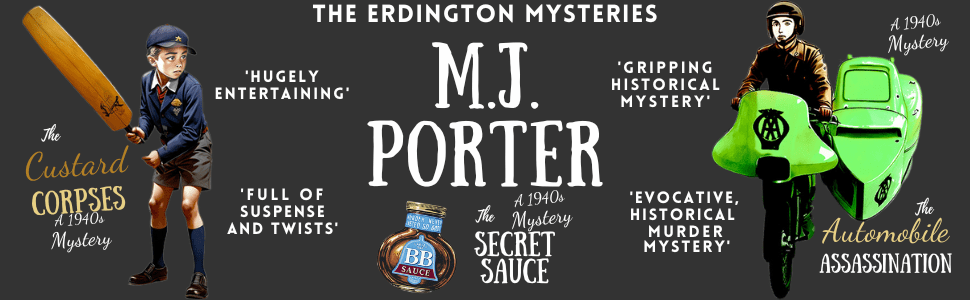
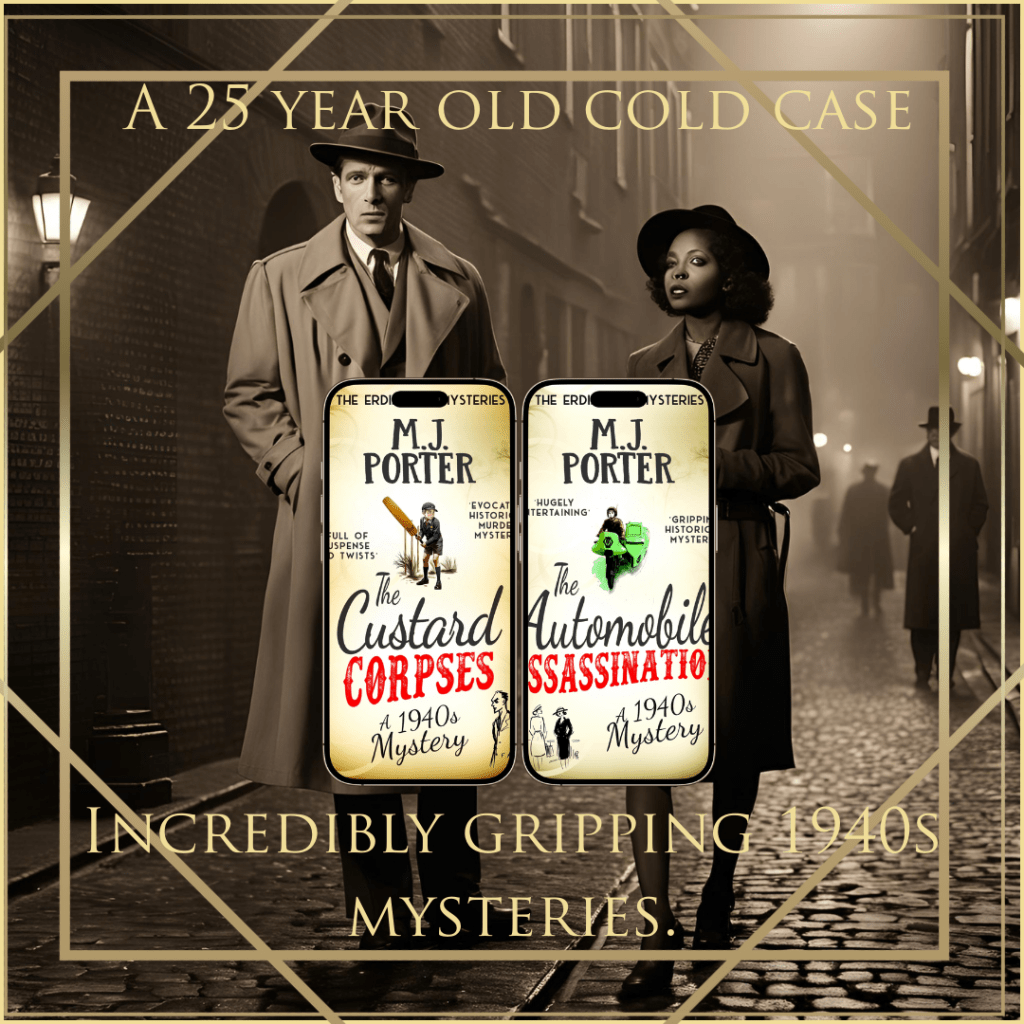
Buy The Custard Corpses here, available in ebook, paperback, hardback and audio. Or, check out the signed editions page to get a copy directly from me. Book 3, The Secret Sauce, is available now, (as is book 2, The Automobile Assassination), and the Barrage Body is coming very soon.
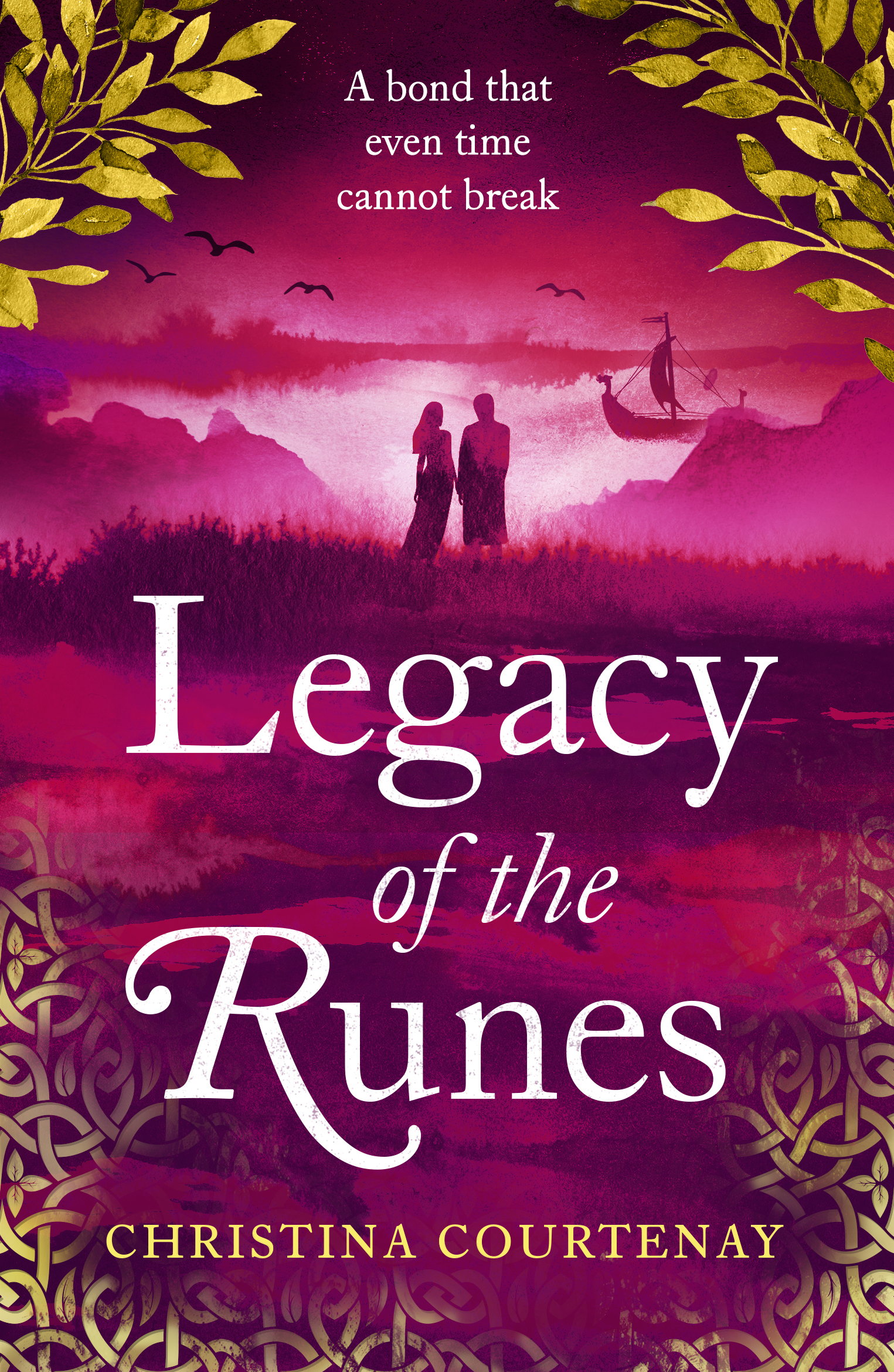
I’m delighted to share an excerpt from Legacy of the Ruins
The heroine, Freydis, aged 10, is being sent away to live with relatives against her will and her mother doesn’t seem to care about her wishes:-
Freydis jumped over the gunwale easily and sat down on her chest of belongings, which must have been loaded earlier. She knew it was hers because it had her name carved in runes on the lid. Reading and writing was a skill her late father had taught her, and she was proud of her proficiency. She also knew how to count and haggle for goods to best advantage. Perhaps one day this would come in useful. She lifted a hand to wave at her mother, schooling her features into an expression of calm acceptance, directly at odds with how she was feeling. ‘Farewell, Mother.’ Dagrun nodded. ‘May the gods go with you.’ Then she turned and walked up the path without waiting for the ship to cast off. Freydis swallowed hard several times, but turned her head away so that no one would see. It hurt that her mother could dismiss her so easily, but they had never been close. Dagrun had despaired of her unwillingness to learn female tasks, and had often bemoaned the fact that she was allowed to run wild. It was something her parents had never seen eye to eye on, but now it was a moot point. Her hands were shaking and she buried them in the folds of the smokkr her mother had forced her to wear. Underneath, she had on the tunic and trousers she was usually dressed in, which were more practical. As soon as the ship had moved out of sight of the settlement, she pulled the overdress off. She glanced defiantly at Joalf as she began to fold it, then stood up to place it in her kist. ‘You have something against women’s garments?’ the big man asked mildly, one eyebrow quirking up. He looked amused rather than annoyed. ‘Yes. My father raised me to be a fighter, not a girl. I cannot do that in skirts.’ Joalf nodded. ‘Fair enough.’ With those two words, Freydis knew she had found a friend. Perhaps life with her mother’s cousin would not be so bad after all. She would bide her time until she could return. Hopefully that would not be too long.
Here’s the blurb
A bond that even time cannot break
Storm Berger has never forgiven himself for his younger sister Madison’s disappearance. Suspecting she’s travelled back to the ninth century in the footsteps of other family members, Storm can only make sure she’s safe by going after her.
Raised unconventionally as her father’s only child, Freydis has never been content to simply accept her fate. So, when she’s promised in marriage to a tyrant, she’s determined to find a way out of the arrangement. Help comes in the form of a mysterious and attractive stranger stranded on her island’s shores: Storm.
The only way Freydis can truly be free is for Storm to marry her himself. But that would mean entwining lives that, until now, have been separated by centuries. . .
Christina Courtenay writes historical romance, time slip/dual time and time travel stories, and lives in Herefordshire (near the Welsh border) in the UK. Although born in England, she has a Swedish mother and was brought up in Sweden – hence her abiding interest in the Vikings. Christina is a Vice President and former Chair of the UK’s Romantic Novelists’ Association and has won several awards, including the RoNA for Best Historical Romantic Novel twice with Highland Storms (2012) and The Gilded Fan (2014) and the RNA Fantasy Romantic Novel of the year 2021 with Echoes of the Runes. LEGACY OF THE RUNES (time travel historical romance published by Headline Review 15th August 2024) is her latest novel. Christina is a keen amateur genealogist and loves history and archaeology (the armchair variety).
I’m delighted to welcome back Helen Hollick with Kathy Hollick and their book, Ghost Encounters: The Lingering Spirits of North Devon, to the blog with…
SHE STRUGGLES AGAINST HER ENEMIES. BUT STILL, THEY STAND IN HER WAY. In 14th century England, Meg of St. Michael’s Mead endures a life of abuse and isolation due to her birth deformity. After witnessing a shocking birth, Meg discovers her true purpose: to become England’s first licensed female physician and provide compassionate care to women.
To achieve her goal, Meg seeks the tutelage of William of Oxford, a gruff surgeon who agrees to mentor her. But there’s a catch. She must keep a secret—William and his son Gerard are performing illegal human dissections—and she must assist them. As Gerard and Meg work together, their feelings for each other deepen.
Amidst a civil war, Meg makes an enemy of the Queen, who accuses her of treason. Forced to flee to Montpellier, France, Meg tries to enter medical school, only to be met with resistance. She is told to marry, stay at home, and please her husband. Meg refuses to conform. When a deadly epidemic breaks out in Montpellier, Meg has one last chance to prove herself, but at the risk of losing Gerard.
A story of one woman’s courage and persistence, this captivating tale follows Meg’s arduous journey of overcoming prejudice and adversity as she battles societal expectations amidst the specter of a lethal epidemic.
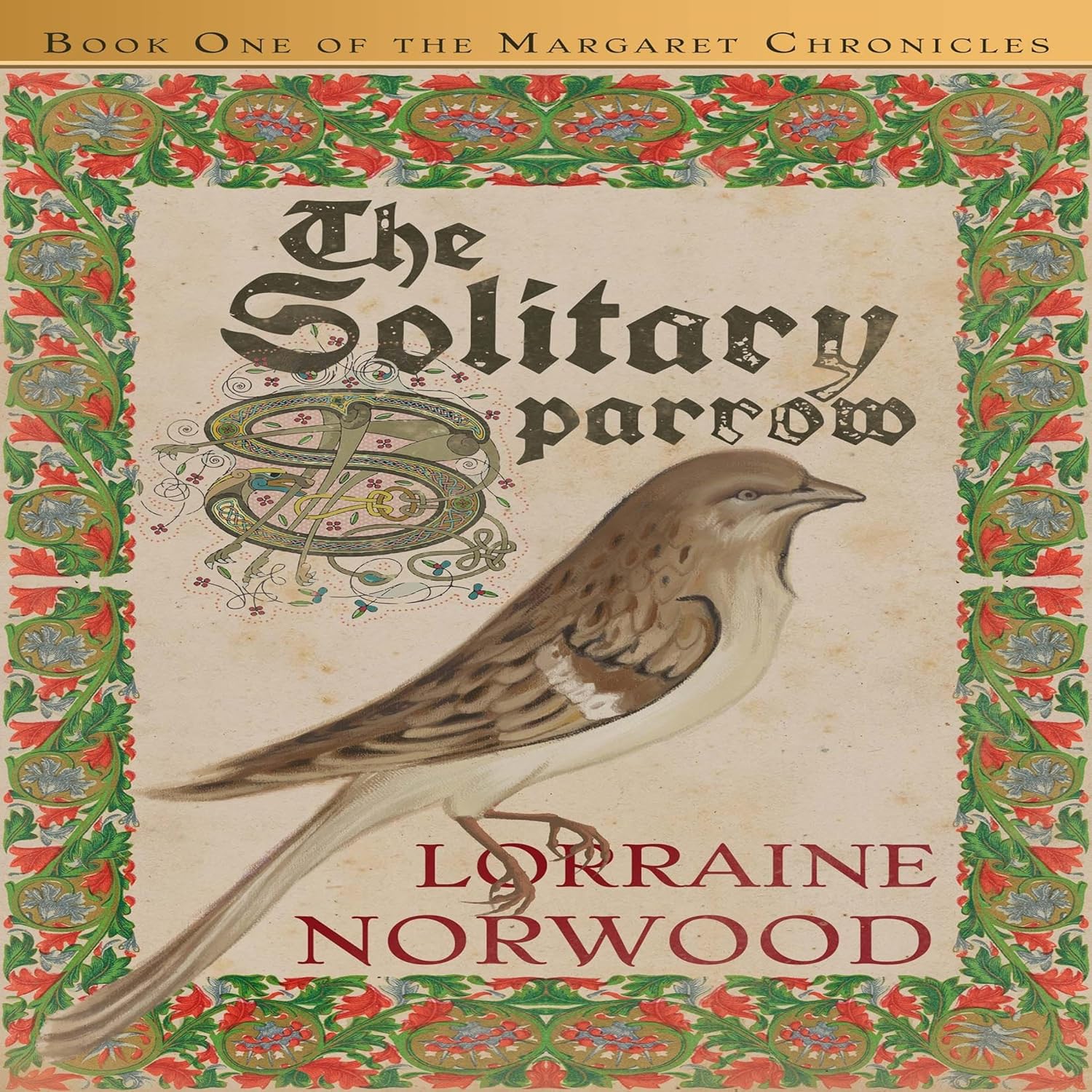
The Solitary Sparrow by Lorraine Norwood and narrated by Tracy Russell is a wonderfully atmospheric story of the fourteenth century, following Meg as she attempts to fulfil her hopes and dreams following a difficult childhood.
It does not shy away from describing some quite graphic medical conditions, but voiced by our narrator, the reader can only be enthralled and absolutely fascinated, as events unfold for Meg. Indeed, I was hooked by the end of the first chapter.
It’s such a fascinating story, stuffed with medical knowledge of the era and sure to enthrall readers, even if the topics are not always the most pleasant. An absolute delight.
Meet the author
Lorraine Norwood was a professional journalist for over 20 years, working in print and television journalism. Her lifelong interest in archaeology led her to change careers at midlife and earn a master’s degree in medieval archaeology from the University of York in York, England. When she returned to the U.S., she worked in archaeology and historic preservation for a number of years but is now happily writing full-time. She has participated in excavations in the UK including many in York, her favorite city. The Solitary Sparrow is her first novel, the first in a series titled The Margaret Chronicles. She is working on the sequel, A Pelican in the Wilderness. The series is set in 14th century England and France. Lorraine is a member of the Women’s Fiction Writers Association and the Historical Novel Society. She is a certified book coach and a developmental editor and loves mentoring new writers. She lives with an old Lab who follows her everywhere and a grumpy old cat who doesn’t care what the human does as long as he has food in his bowl. Lorraine lives in the Blue Ridge Mountains of North Carolina.
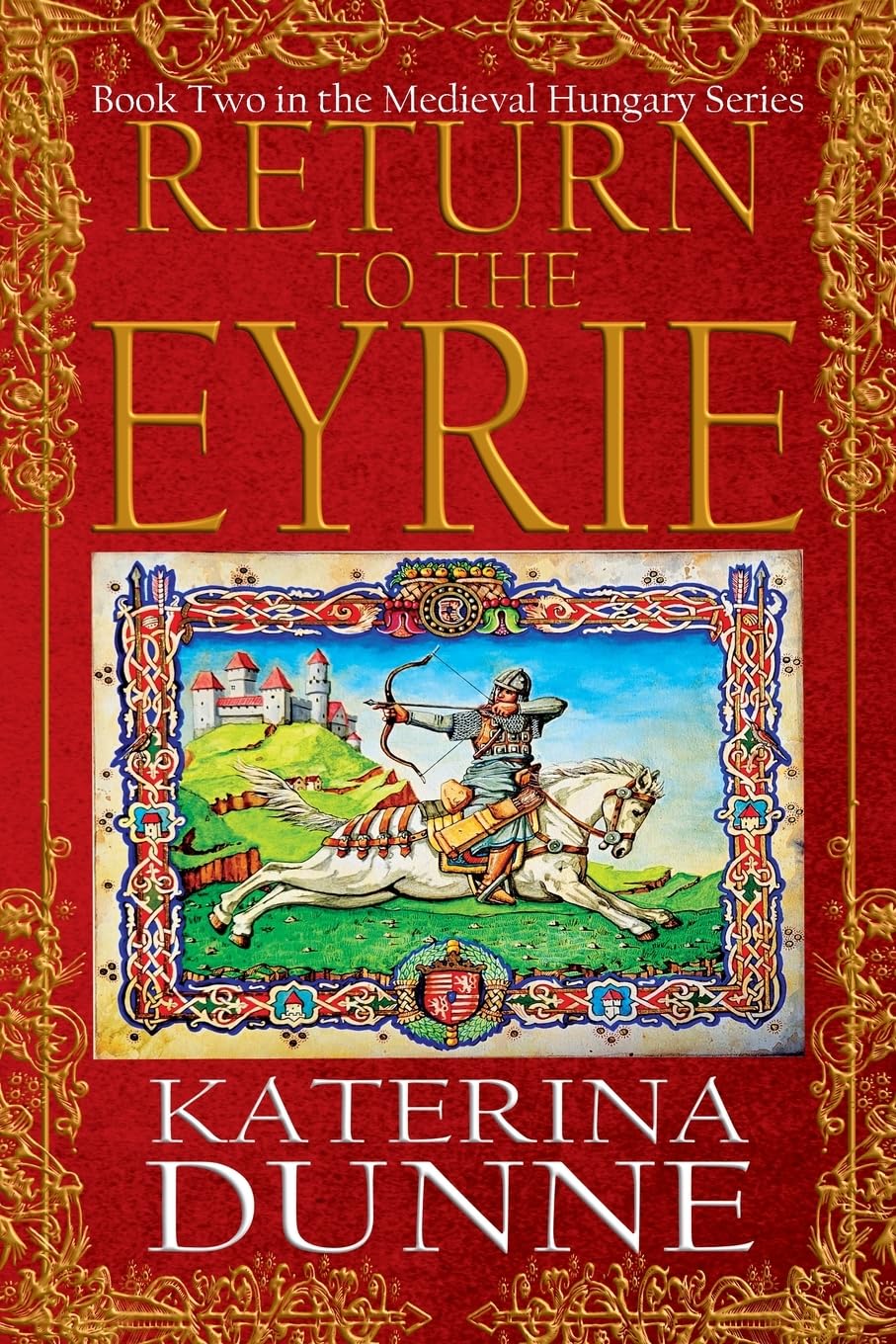
I’m delighted to welcome Katerina Dunne and her new book, Return to the Eyrie from the Medieval Hungary series to the blog with The Siege of Szabács (1476).
The Siege of Szabács (1476)
During his long reign (1458-1490), King Mátyás of Hungary faced the Ottoman army many times. Although the King kept a rather defensive stance against Sultan Mehmed’s advances towards Central Europe, he did his best to ensure the border raids perpetrated by the Ottomans remained localised. Mátyás focused on expanding his kingdom to the west and north; but when circumstances demanded it, he fought the Ottomans successfully.
Several chapters of Return to the Eyrie are dedicated to the siege of Szabács (Jan-Feb 1476) It is where the young heroine, Margit, receives her baptism of fire as a soldier. Dressed in a man’s clothes, she puts her archery and fighting skills to the test.
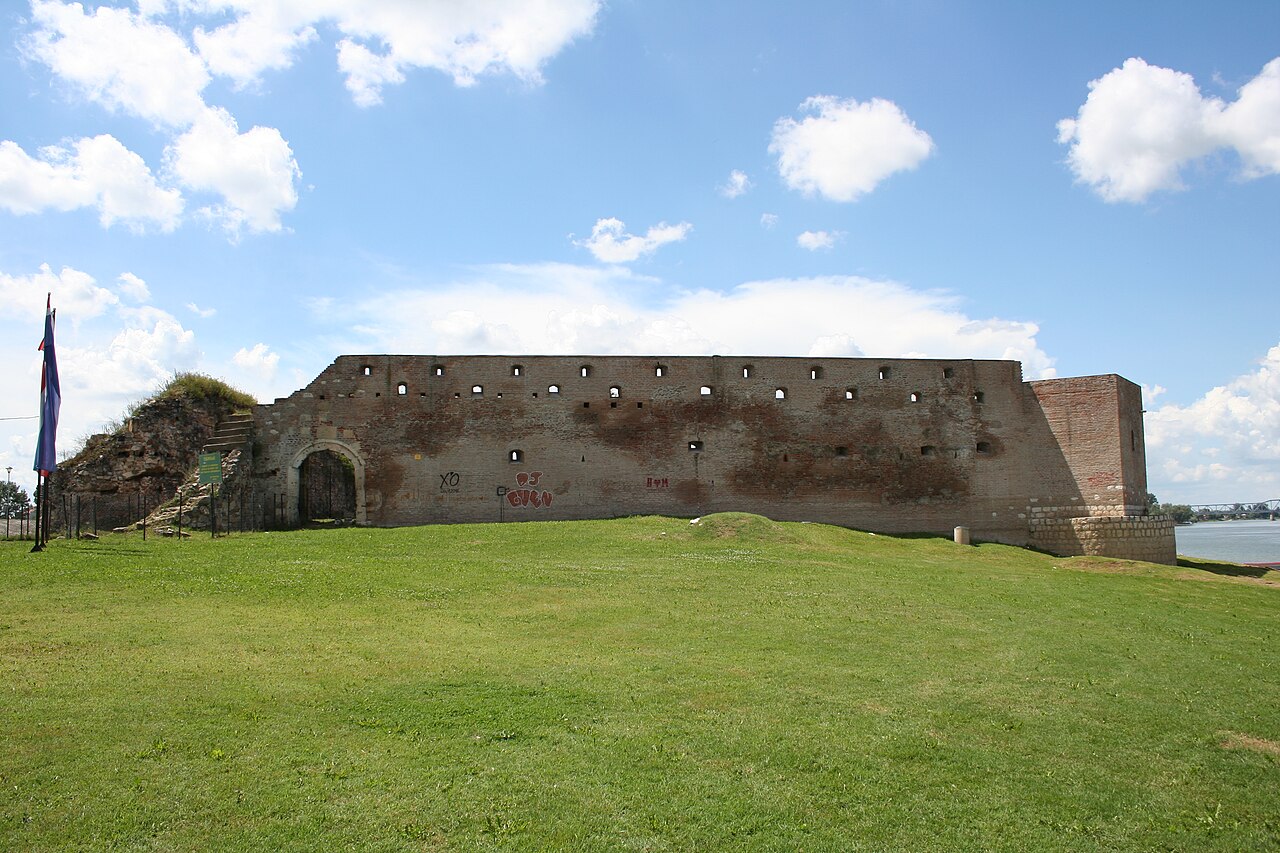
The fortress of Szabács (Šabac in Serbian) was a stronghold on the southern bank of the river Sava. It was built in 1470 by the Ottomans, who had occupied the area since 1459 and used the fortress as a base to launch raids into the territories of the Kingdom of Hungary (mainly Croatia, Slavonia and the Hungarian-occupied area around Belgrade)
According to sources of the time, the fortress was constructed of wood and rammed earth and was surrounded by marshes as well as man-made ditches. This whole arrangement was quite effective against bombardment.
The remains of the Šabac / Szabács fortress photo by Ванилица from Wikipedia
After fighting against his Christian neighbours for many years, King Mátyás wished to pacify public opinion in Hungary and abroad and present himself as a “defender of the faith”. During 1475, he had already established a huge army of Hungarian, Transylvanian, Wallachian and mercenary forces, including artillery and siege equipment as well as river galleys and gunboats.
It is not exactly certain whether his plan at the time was to go to the aid of the Moldavian and Wallachian princes, whose territories were threatened by an Ottoman invasion, or capture the main Ottoman fortresses in Serbia in order to stop the enemy attacks against his own kingdom. In any case, he ended up besieging Szabács in January and February 1476 from land and river with a force that severely outnumbered the Ottoman defenders and discouraged any relief army to approach the fortress.
The earthen walls of Szabács withstood the long-range bombardment during the first part of the siege while the Ottoman arrows and firearms prevented any assault from the land. But when the waters in the ditches rose in the first days of February, the war galleys were able to approach from the river and intensify the damage to the walls. This, together with bombardment and assaults from the land, broke the Ottoman resistance, and the defenders surrendered on 15 February 1476.
In his chronicle, Antonio Bonfini wrote that Mátyás took the fortress by employing a ruse: he feigned retreat while a part of his army hid in a neaby forest. When the Ottomans thought the danger had passed and relaxed their guard, the hidden soldiers climbed the walls and took Szabács. Although this story has great dramatic effect (which I partly use in my novel), it was probably only a myth.
Another primary source of the time, the anonymous poem Szabács Viadala (The Fight for Szabács), presents a more plausible version of how the fortress was taken. In the poem, an Ottoman soldier, who still remembered his Hungarian origin, fled and revealed the weak points of the fortifications to Mátyás. The bombardment then concentrated on these areas until the fotress fell.
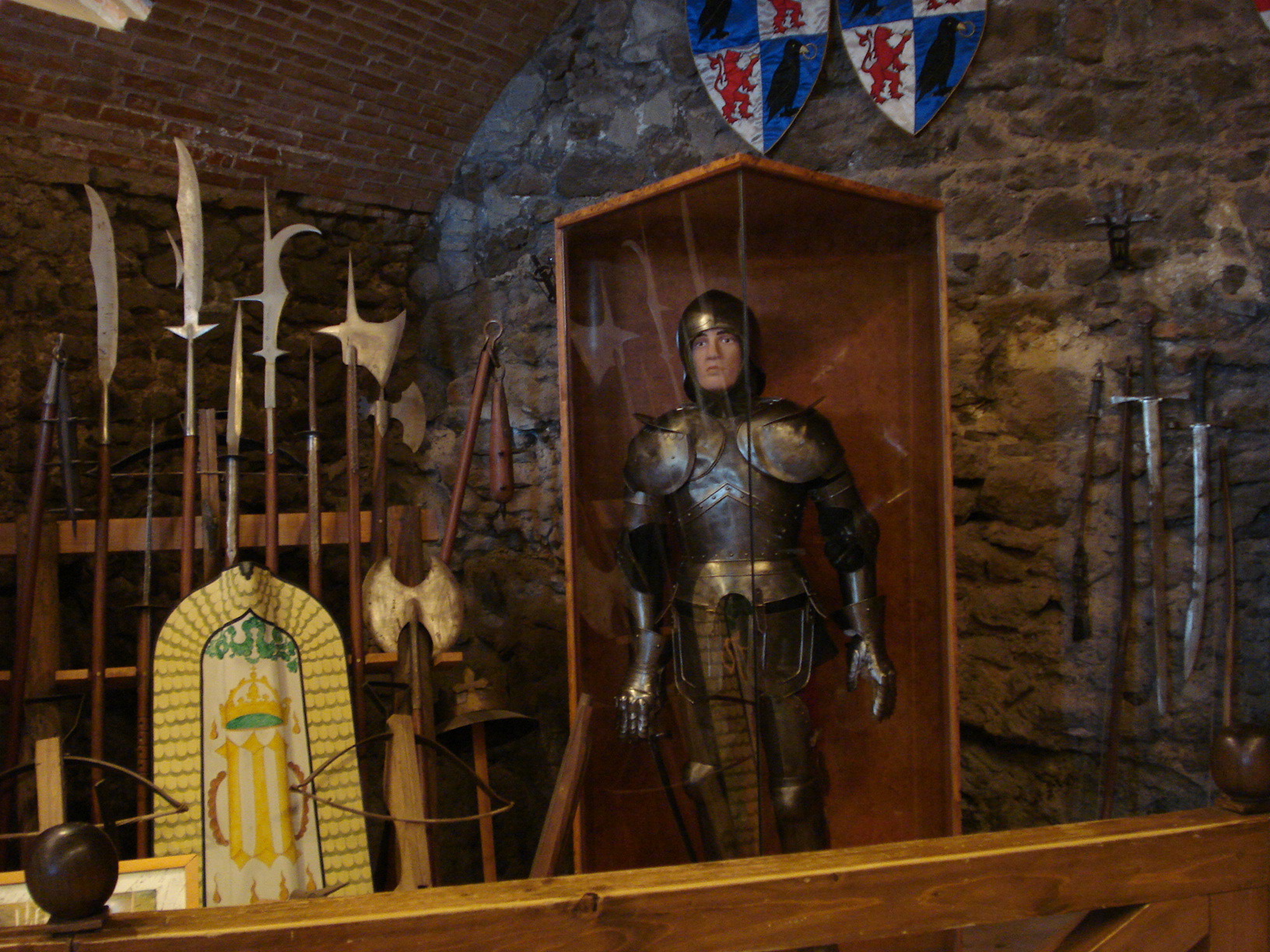
Armour and weapons of King Mátyás’soldiers at the Visegrád citadel museum (my photo)
Whatever the real reason for the capture of Szabács was, historian Tamás Pálosfalvi suggests that its significance rests on the King’s original intentions at the time. If Mátyás had intended to assist Moldavia and Wallachia but was forced to change his plans due to the adverse weather or the failure of the Ottomans to attack Wallachia at the time, then the victory at Szabács can be considered a success. If, however, Szabács was his main aim, then the whole operation only served to convince public opinion in Hungary and abroad of the King’s commitment to defending Christendom against the Ottoman danger.
Works Consulted:
Antonio Bonfini: A Magyar Történelem Tizedei (Rerum Hungaricarum Decades), Hungarian trans. P. Kulcsár (Budapest, 1995)
Szabács Viadala (The Fight for Szabács)—a poem commemorating the siege and capture of Szabács (author anonymous; date unknown but possibly around the time of the siege in 1476)
Armour and weapons of King Mátyás’soldiers at the Visegrád citadel museum (my photo)
Blurb
Honour, revenge, and the quest for justice.
Belgrade, Kingdom of Hungary, 1470:
Raised in exile, adolescent noblewoman Margit Szilágyi dreams of returning to her homeland of Transylvania to avenge her father’s murder and reclaim her stolen legacy. To achieve this, she must break the constraints of her gender and social status and secretly train in combat.
When the king offers her a chance at justice, she seizes it—even if it means disguising herself as a man to infiltrate the vultures’ nest that now occupies her ancestral ‘eyrie’.
Plagued by childhood trauma and torn between two passionate loves, Margit faces brutal battles, her murderous kin’s traps and inner demons on her quest for vengeance. Only by confronting the past can she reclaim her honour—if she can survive long enough to see it through.
Return to the Eyrie is an epic coming-of-age tale of a young woman’s unwavering pursuit of justice and destiny in 15th century Hungary.
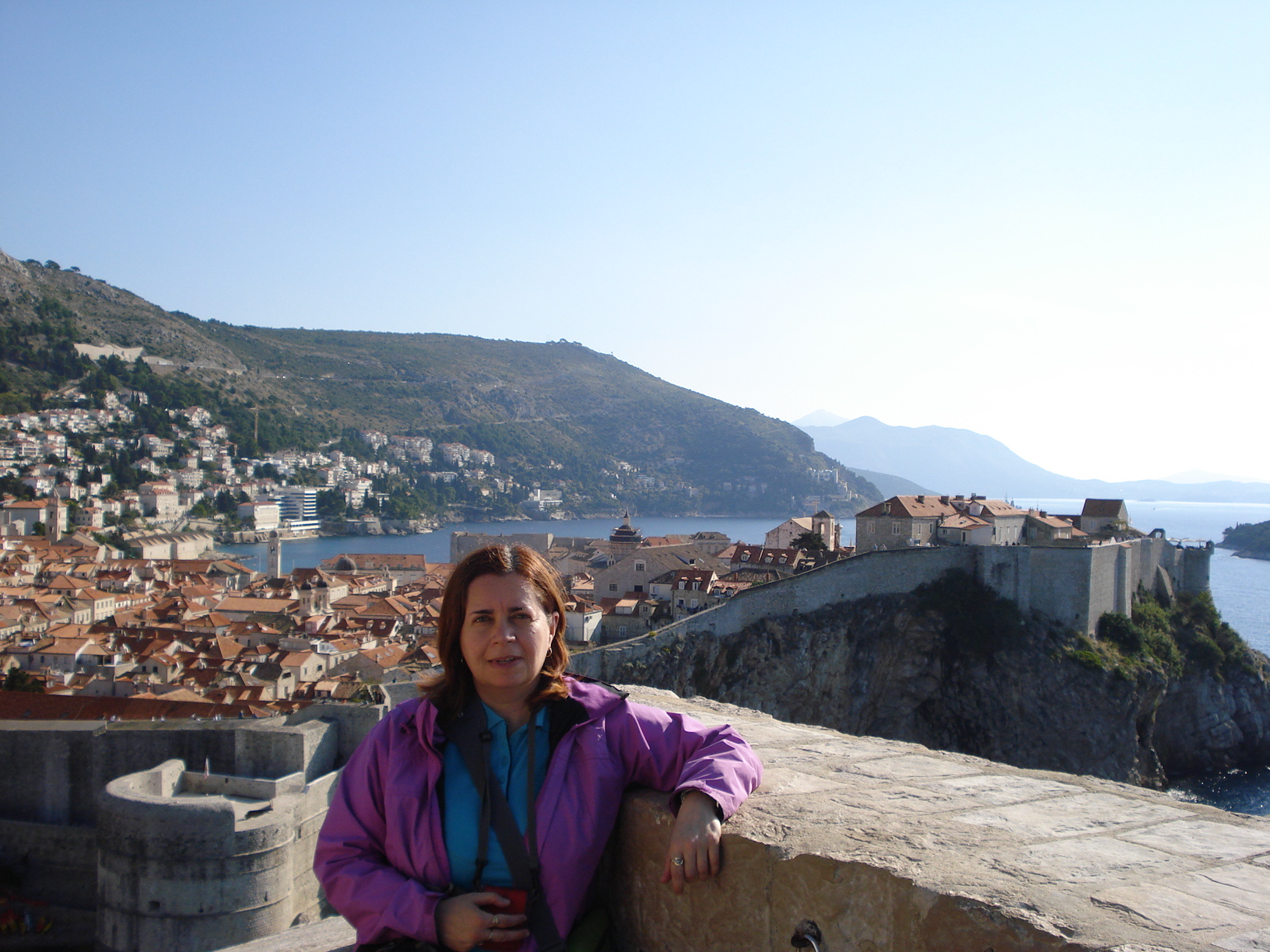
Katerina Dunne is the pen-name of Katerina Vavoulidou. Originally from Athens, Greece, Katerina has been living in Ireland since 1999. She has a degree in English Language and Literature from the University of Athens, an MA in Film Studies from University College Dublin and an MPhil in Medieval History from Trinity College Dublin.
Katerina is passionate about history, especially medieval history, and her main area of interest is 13th to 15th century Hungary. Although the main characters of her stories are fictional, Katerina uses real events and personalities as part of her narrative in order to bring to life the fascinating history of the medieval Kingdom of Hungary, a location and time period not so well-known to English-speaking readers.
Return to the Eyrie (published April 2024) is the second book in the Medieval Hungary series, a sequel to Lord of the Eyrie (published in February 2022).