Author of Saxon historical fiction and non-fiction, 20th-century historical mysteries, and Norse-inspired historical romantasy. Book reviewer and blog host.
Author: MJ Porter, author
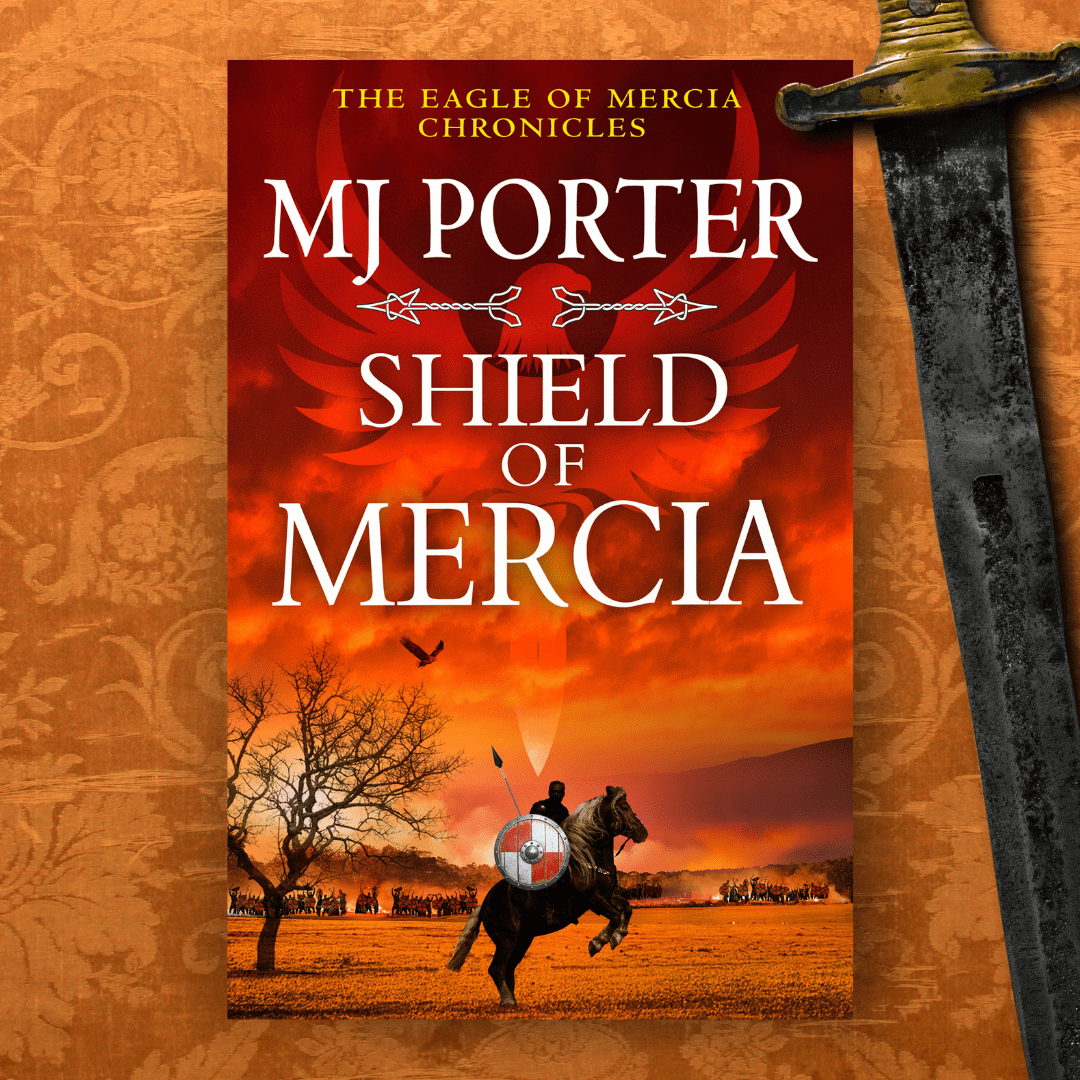
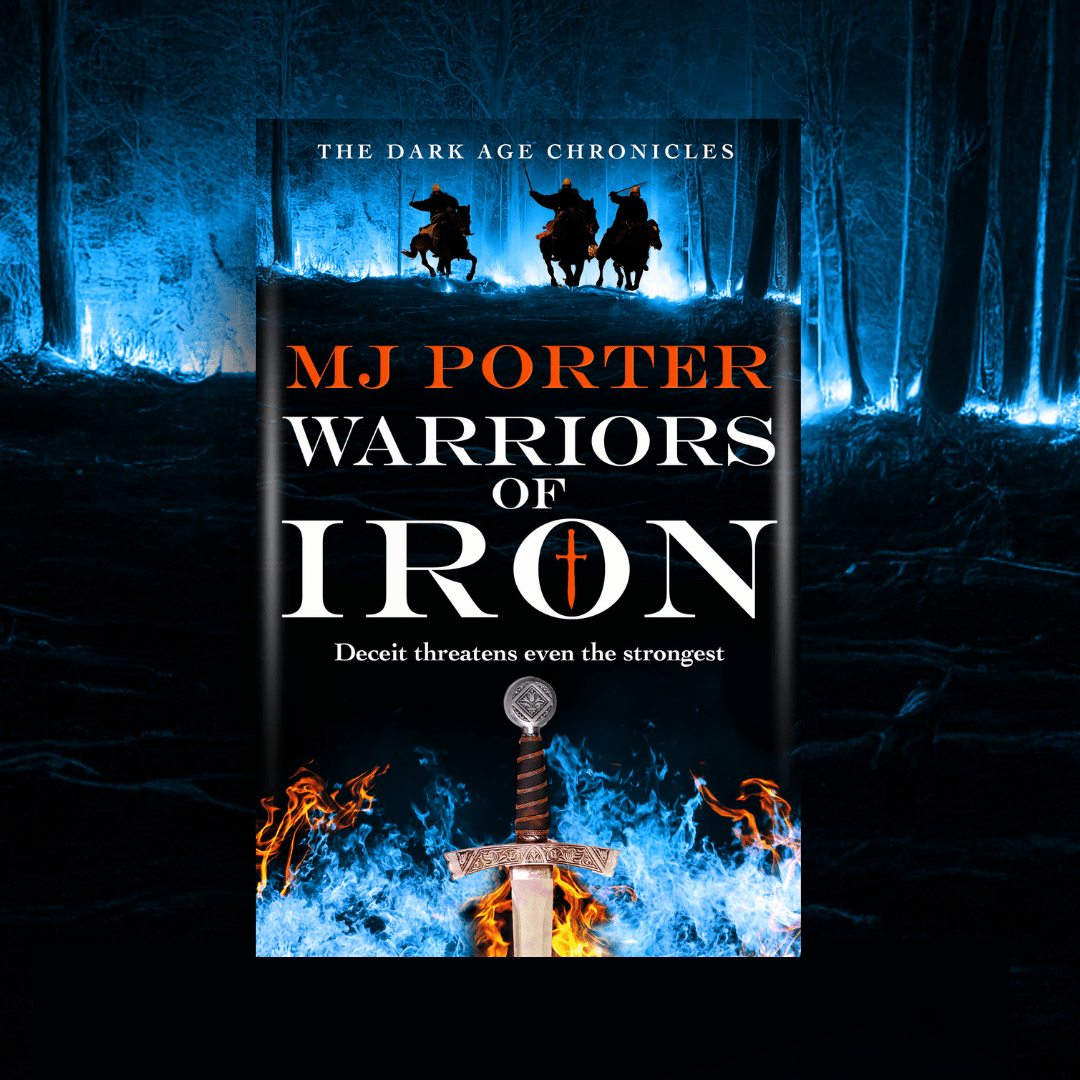
I'm an author of historical fiction (Early England/Viking and the British Isles as a whole before 1066, as well as five 20th-century mysteries), a non-fiction title about the royal women of tenth-century England, and historical fantasy.
I’ve made it somewhat of a passion to study the royal women of the tenth century. What drew me to them was a realisation that while much focus has rested on the eleventh century women, most notably Queen Emma and Queen Edith, their position rests very much on growing developments throughout the tenth century. It also helps that there is a surprising concurrence of women in the tenth century, the early years of Queen Elfrida, England’s first acknowledged crowned queen, find the ‘old guard’ from previous reigns, mixing with the ‘new guard’ – a delightful mix – it must be thought – of those experienced women trying to teach the younger, less experienced women, how to make their way at the royal court, perhaps with some unease from all involved.
Lady Elfrida, or Ælfthryth (I find it easier to name her as Elfrida) was the first of these women to catch my eye. Her story, which can be interpreted as a love story if you consult the ‘right’ sources, fascinated me. The wife of a king, mother of another king, and in time, grandmother, posthumously, to two more. But, it was her possible interactions with her husband’s paternal grandmother, the aging but long-lived Lady Eadgifu, and maternal grandmother, Lady Wynflæd, as well as probable unease with her second husband’s cast-off second wife, that really sparked my imagination. I could well imagine the conversations they might share, and the dismay they might feel around one another. Lady Elfrida replaced a wife who was not crowned as queen, and also replaced a grandmother who had never been crowned as queen but had long held a position of influence for over forty years at the Wessex court.
Equally, Elfrida’s husband had been surrounded by women from his earliest days. His mother had died, perhaps birthing him, but he had two grandmothers, a step-mother, a foster-mother and his (slightly) older brother’s wife, who would have been instrumental in his life, not to mention his first two wives. As such, it was the personal interactions of the women that called to me, and the tragedy and triumphs of their lives, and, I confess, an image of Dame Maggie Smith holding sway in Downton Abbey that drew me to the women of this period.
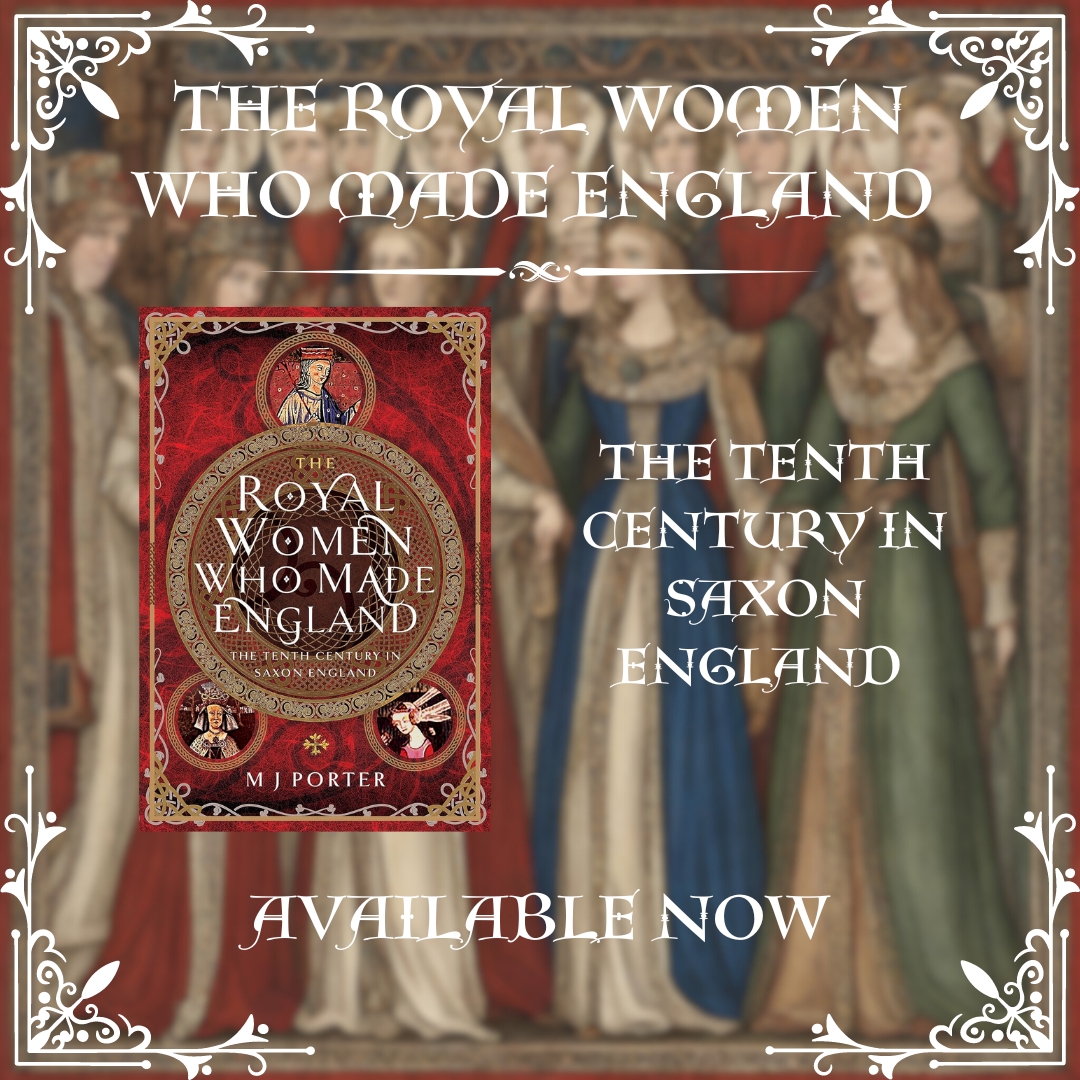
I’ve gone on to write fictionalised accounts of many of these women, and then, frustrated by the lack of a cohesive non-fiction account, I’ve also written a non-fiction guide detailing the scant information available for these women.
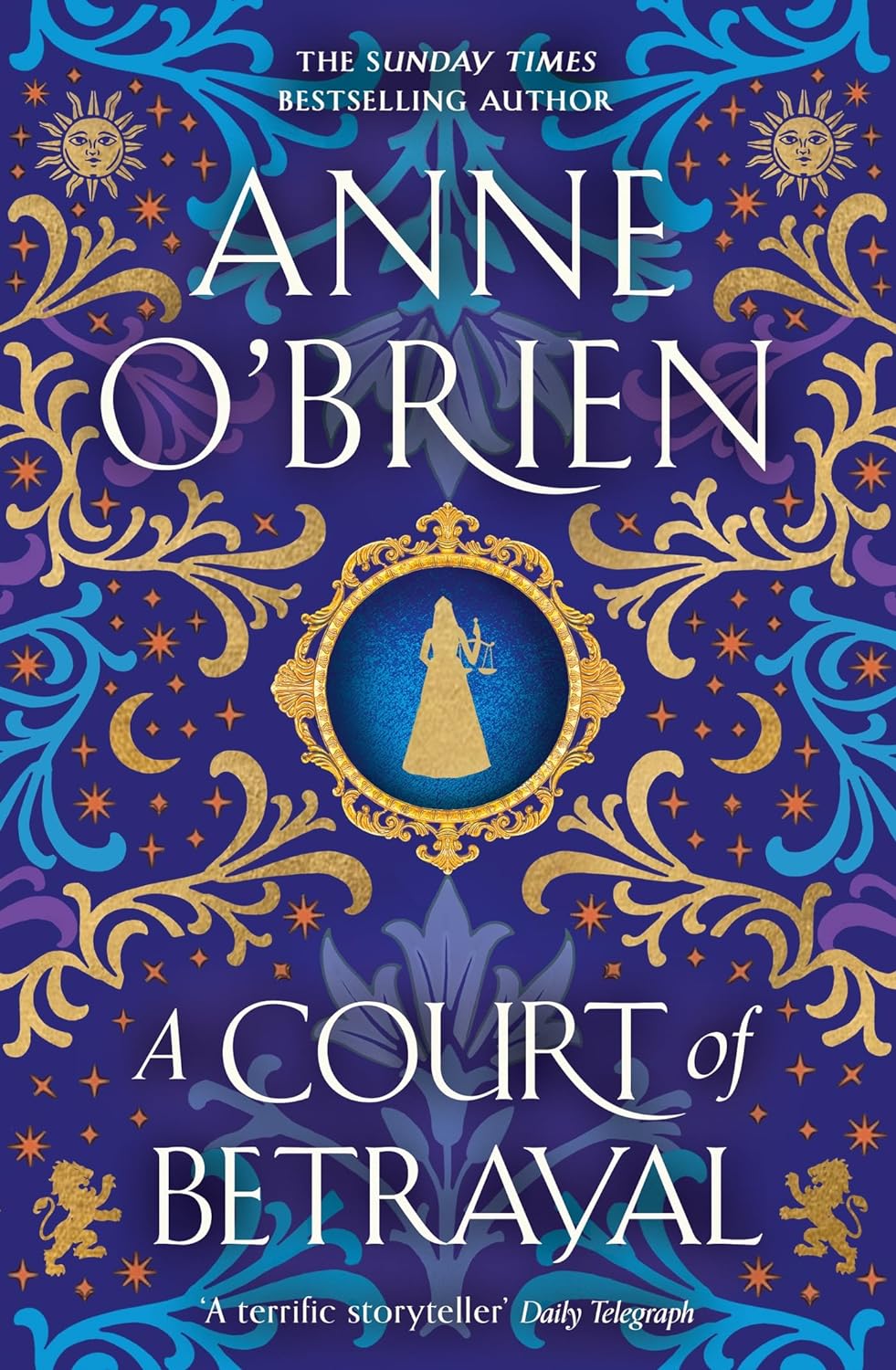
Strong-willed heiress Johane de Geneville is married to Roger Mortimer, Earl of March, at just fifteen years old.
Soon Johane finds herself swept up in a world of treacherous court politics and dangerous secrets as her husband deposes Edward II and rules England alongside Queen Isabella.
Yet when Roger is accused of treason, she is robbed of her freedom and must survive catastrophic events in her fight for justice – with her life, and her children’s, hanging in the balance…
Will she pay for her husband’s mistakes, or will she manage to escape from a terrible fate?
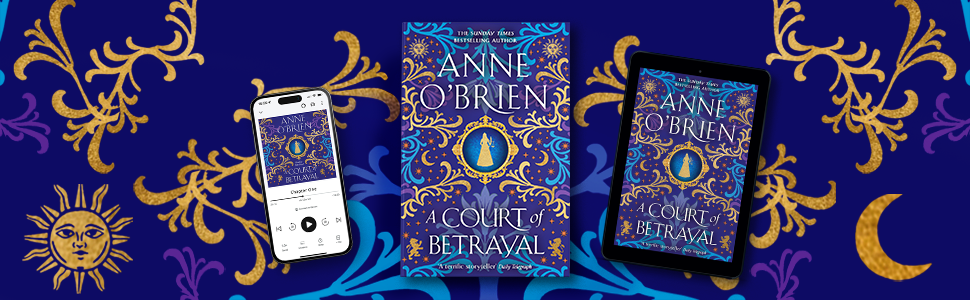
A Court of Betrayal sees Anne O’Brien returning to the early 14th century, finding for her readers a wonderful character, Johane de Geneville. We all know the story of Queen Isabella and her lover, Roger Mortimer, but what about the wife left behind in the Welsh Marches?
There is much of Johane and Roger’s life to cover before the tumultuous events that see Roger fleeing England for his life – 12 children for a start – and this period of Johane’s life is given full coverage by our fabulous author. Johane is fully formed. What I’ve always appreciated about Anne’s characters is that they are women of the time, with all the restrictions that bring with it. Yet, her female characters remain strong-willed and independent, doing what they can within societal norms. Sometimes we might not like Johane (the treatment of her sisters for one), but we are still very much invested in her, and her story. And this is her story. The children are, of course, mentioned, but we hear Johane’s thoughts and fears. Johane drives the narrative, even when she is held in captivity with little outside knowledge of events at the king’s court..
Through Johane’s eyes, we see her husband cast low at the pretensions of the Despenser’s, only to rise too high, too quickly, and we also hear of the many conspiracy theories surrounding his actions – particularly concerning what happened to Edward II. The symmetry between Roger’s actions and those of Edward II’s favourites is beautifully evoked, and the reader is left feeling that if a woman had been instrumental in all this chaos, she would have had much more sense than to upset everyone in the same way that Roger was previously disgruntled—a lovely touch.
I flew through this book in 2 days. Reading a new Anne O’Brien novel is an absolute treat. Just like Constance of York in a Tapestry of Treason, Johane will long live with the reader.
A Court of Betrayal is a wonderful, evocative novel that will delight readers.
Sign up for Anne’s monthly News Letter to keep up to date with books, events, giveaways and what Anne is writing about. https://www.anneobrienbooks.com/
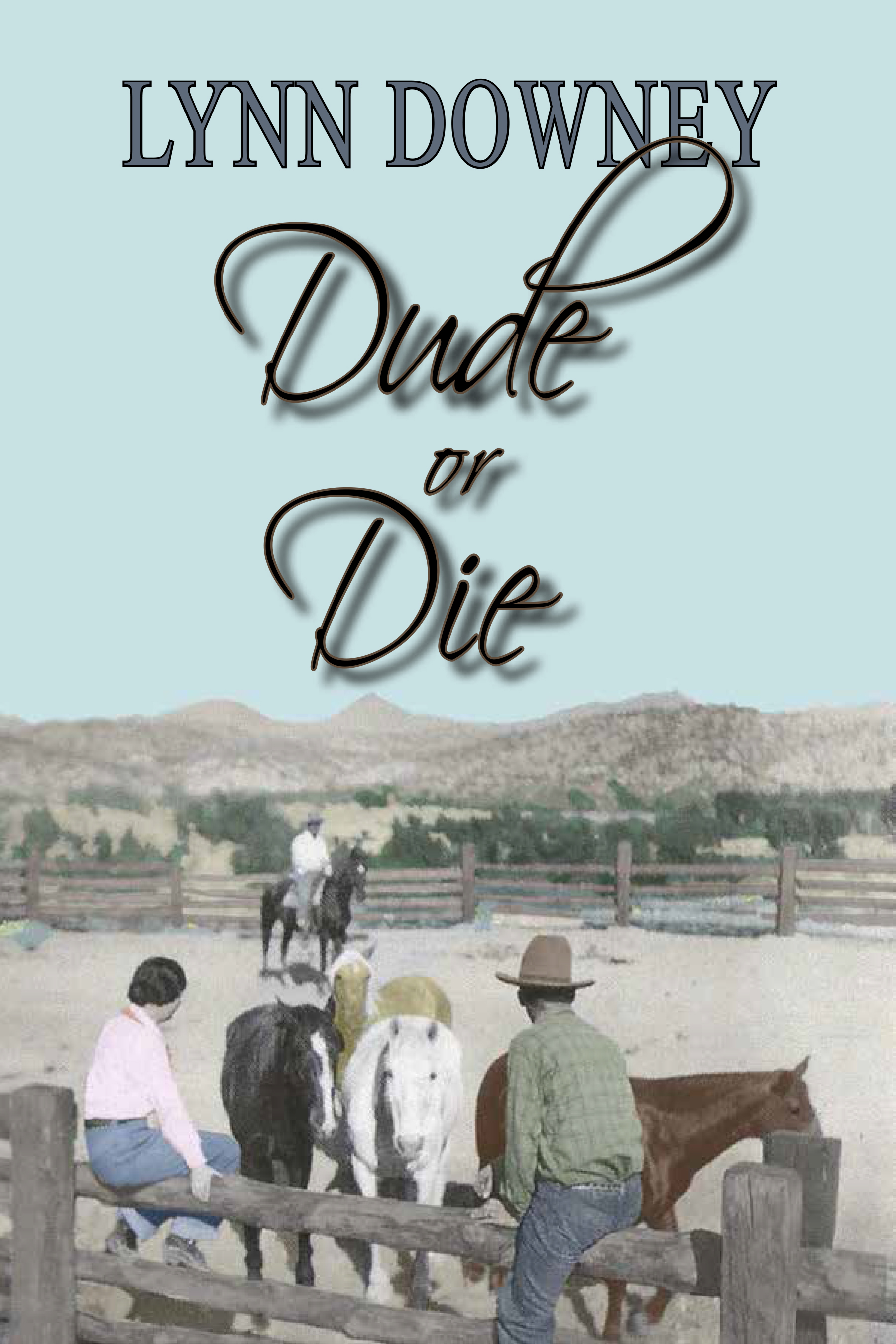
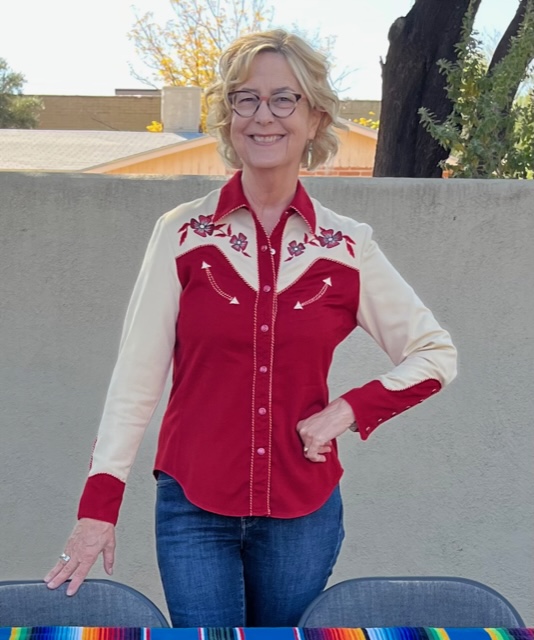
I’m delighted to welcome Lynn Downey and her new book, Dude or Die, to the blog with a guest post.
Lynn Downey
I’ve been writing about the American dude ranch for the last few years. My novels, Dudes Rush In and the new sequel, Dude or Die, are set on a fictional Arizona dude ranch in the 1950s. My last nonfiction book tackled the same theme, American Dude Ranch: A Touch of the Cowboy and the Thrill of the West.
Dude ranches began in the Rocky Mountain West in the 1880s. They were originally the kind of place where men from the eastern states could go to hunt or just live like cowboys for a few weeks. It didn’t take long for women and families to start visiting these places, which opened up throughout Montana and Wyoming, and then in California and the Southwest around the time of World War I. People had experiences at dude ranches they couldn’t get anywhere else, and ranching is thriving throughout the western states today.
I first got interested in dude ranches when I was working as the company historian for Levi Strauss & Co. in San Francisco. There was a catalog in the archives called Dude Ranch Duds, featuring clothing specifically to be worn on dude ranches. Not just the denim jeans and jackets, but western shirts, satin shirts with embroidery, gabardine riding pants, everything that real cowboys wouldn’t actually wear. But that was the point. The guests were dudes and dudines, they came from somewhere else to immerse themselves in the cowboy West.
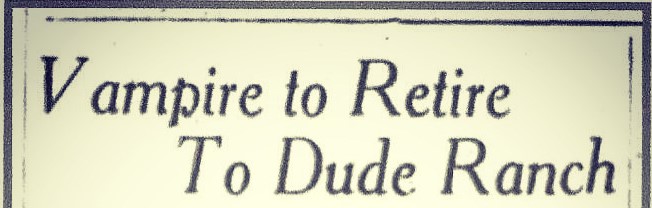
Writing about dude ranching for so many years has yielded stories I never thought I would find, and they went beyond tales of cowboys and dudes. Doing research included perusing a lot of historical newspapers, which are available and searchable online. One day I found what is probably my favorite headline of all time. It was in a number of papers in July of 1935:
“Vampire to Retire to Dude Ranch”
It seems actor Bela Lugosi, most famous for playing Count Dracula in the 1931 film Dracula, had just finished making a new movie called Murder By Television (believe it or not). The Cameo Pictures Corporation was running publicity for the film, and told Lugosi to fill out a questionnaire for readers of various movie magazines. One of the questions asked what his “Present Ambition” was. His answer: “Dude Ranch.”
Of course, I had to read that article.
This just tickled newspaper reporters. One writer for the Brooklyn Times tracked down what he thought were a few more details about Lugosi’s interesting statement.
While the second leading fiend in the United States does not find his lot an unhappy one, he would rather be a cowboy…he has no intention of retiring to a haunted castle in the mountains of his native Hungary when his days of screen acting are over. His desires are for a home on the range, preferably a dude ranch, where all the midnight shrieks, if any, will be from guests whose digestive systems have disagreed with the ranch fodder.
Well, I didn’t believe that for a minute. So, I did what any good historian would do: I tracked down Bela Lugosi’s granddaughter.
She was lovely, and intrigued by the story, which she’d never heard before. She talked to her father, Bela Lugosi, Jr. and a few days later wrote me an email. “My grandfather was an interesting person and I believe he could have thought a dude ranch was a good idea. He really loved the outdoors and especially enjoyed hiking and taking walks.”
I think Lugosi also had a great sense of humor. Because I believe he told the PR people about his dude ranch ambition purely as a joke. Perhaps he was tired of talking to the publicity folks, and wanted to have a little fun.
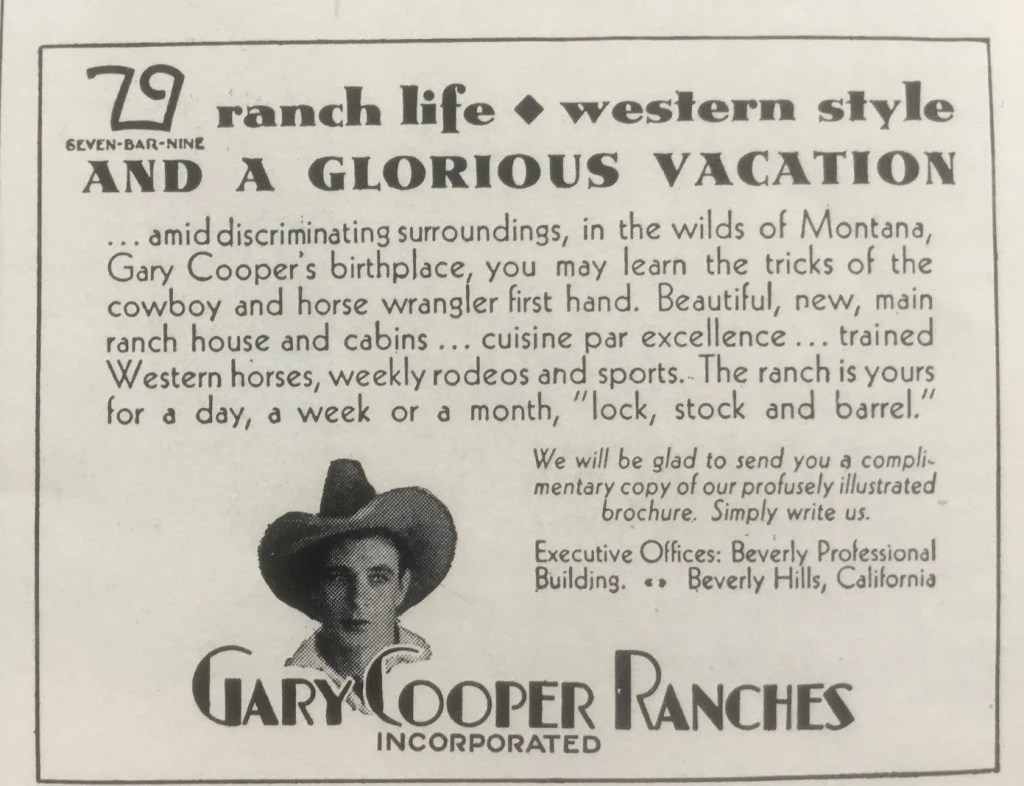
This reflects how popular dude ranches had become by the 1930s. Movie stars like Errol Flynn and Joel McCrea told reporters they planned to open ranches of their own, but they never did. Gary Cooper did have a dude ranch during this decade on the property where he grew up in Helena, Montana, but it didn’t last long. That was probably because people expected to see the movie star when they arrived, but he was rarely if ever there.
Bela Lugosi could have made up anything when the Cameo Pictures Corporation people asked him about his ambitions for the future. But he chose the dude ranch, which was deeply embedded in American culture. It was also the absolute opposite of his character, both on and off screen. And he knew it.
Here’s the blurb
It’s 1954, and San Francisco writer Phoebe Kelley is enjoying the success of her first novel, Lady in the Desert. When Phoebe’s sister-in-law asks her to return to Tribulation, Arizona to help run the H Double Bar Dude Ranch, she doesn’t hesitate. There’s competition from a new dude ranch this year, so the H Double Bar puts on a rodeo featuring a trick rider with a mysterious past. When accidents begin to happen around the ranch, Phoebe jumps in to figure out why, and confronts an unexpected foe. And a man from her own past forces her to confront feelings long buried. Dude or Die is the second book in the award-winning H Double Bar Dude Ranch series.
She was the Historian for Levi Strauss & Co. in San Francisco for 25 years. Her adventures as ambassador for company history took her around the world, where she spoke to television audiences, magazine editors, and university students, appeared in numerous documentaries, and on The Oprah Winfrey Show. She wrote many books and articles about the history of the company and the jeans, and her biography, Levi Strauss: The Man Who Gave Blue Jeans to the World, won the Foreword Reviews silver INDIE award.
Lynn got interested in dude ranches during her time at Levi’s. Her debut historical novel, Dudes Rush In, is set on an Arizona dude ranch in the 1950s; Arizona because she’s a desert rat at heart, and the 1950s because the clothes were fabulous.
Dudes Rush In won a Will Rogers Medallion Award, and placed first in Arizona Historical Fiction at the New Mexico-Arizona book awards. The next book in this series, Dude or Die, was released in 2023. And just for fun, Lynn wrote a screenplay based on Dudes Rush In, which is currently making the rounds of reviewers and competitions.
She pens short stories, as well. “The Wind and the Widow” took Honorable Mention in the History Through Fiction story contest, and “Incident at the Circle H” was a Finalist for the Longhorn Prize from Saddlebag Dispatches. The story “Goldie Hawn at the Good Karma Café,” won second place in The LAURA Short Fiction contest from Women Writing the West, and is based on her experiences in a San Francisco religious cult in the 1970s. (That will be another book one of these days.)
Lynn’s latest nonfiction book is American Dude Ranch: A Touch of the Cowboy and the Thrill of the West, a cultural history of the dude ranch. It was reviewed in The Wall Street Journal, True West, Cowgirl, and The Denver Post, and was a Finalist for the Next Generation INDIE Award in Nonfiction. Kirkus Reviews said the book is “…deeply engaging and balances accessible writing style with solid research.”
When she’s not writing, Lynn works as a consulting archivist and historian for museums, libraries, cultural institutions, and businesses. She is the past president of Women Writing the West, a member of the Western Writers of America, and is on numerous boards devoted to archives and historic preservation.
Lynn lives in Sonoma, California, where she sometimes makes wine from the Pinot Noir grapes in her back yard vineyard.
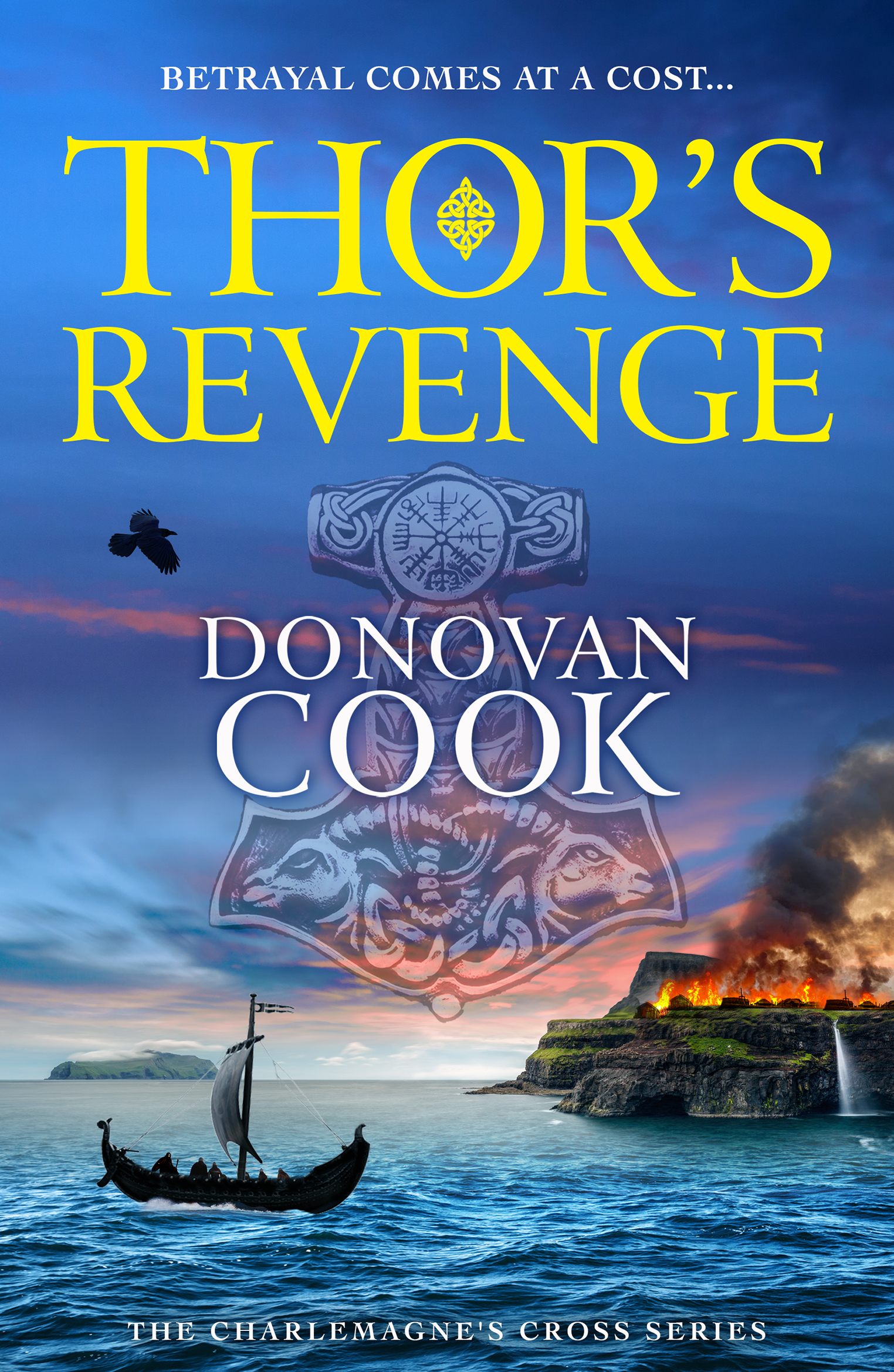
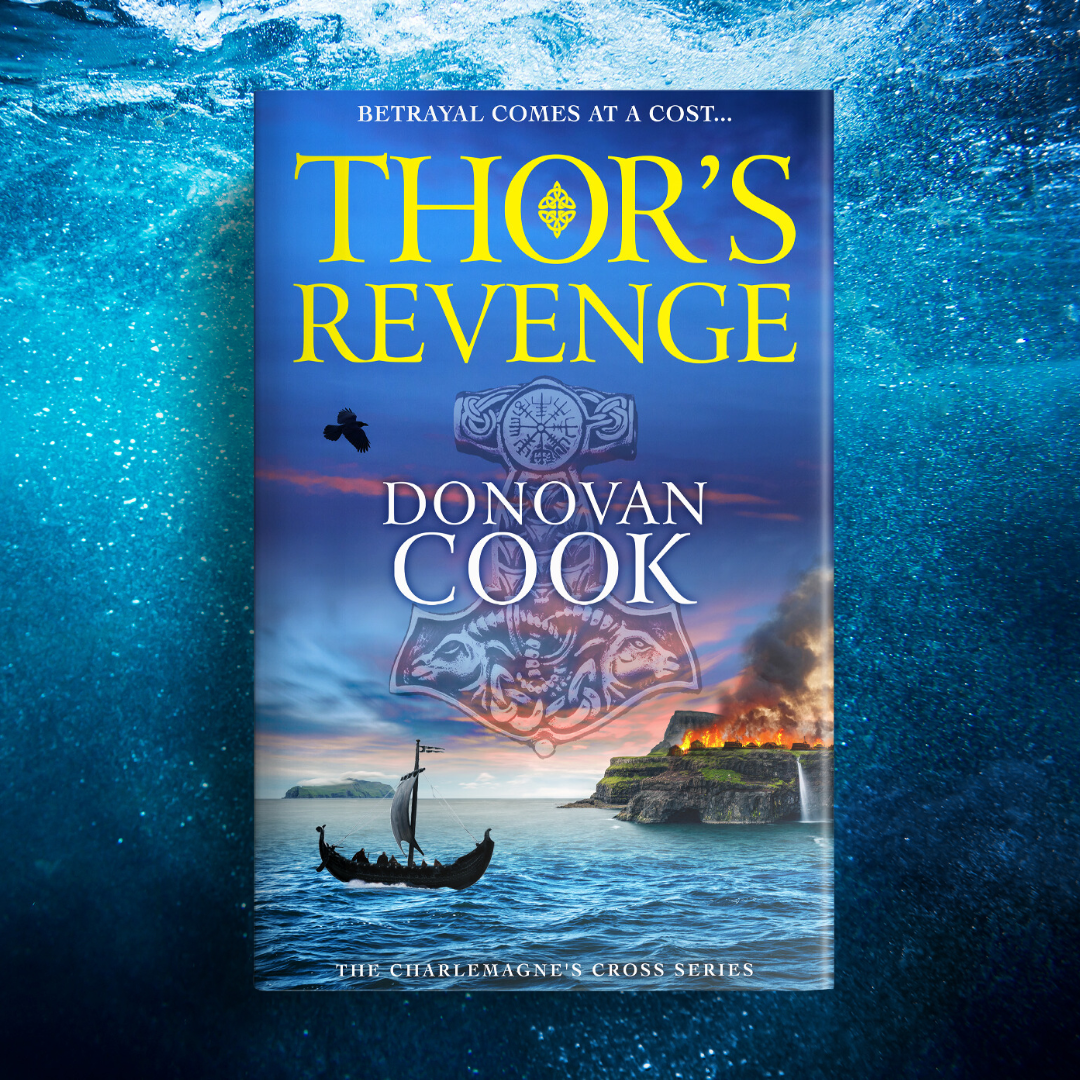
After the bloody Battle of Jelling, Denmark’s throne lies empty and chaos reigns as Jarls jostle for power.
Sven survives the bloodshed only to return home to find Ribe sacked by those he trusted and Charles, a pawn in a much bigger political game, kidnapped.
Consumed by the loss of Charles, Sven is shocked by the arrival of the Abbess Hildegard, daughter of his nemesis King Louis of East Francia, who seeks the whereabouts of Charles, her son, and also the cross of Charlemagne.
But whilst others want revenge for the chaos Sven has caused, Denmark burns and Sven must stand in the shield wall one more time if he is to survive and rescue his grandson.
Outnumbered and outmaneuvered, Sven and Charles must put their fate in the hands of the gods if they ever want to see each other again.
Thor’s Revenge is the third book in the Charlemagne’s Cross series by Donovan Cook. I have read the previous two books.
Thor’s Revenge begins immediately after the previous book’s events, with Sven the Boar recovering from the events of the great battle. At the same time, conspiracy and secrets continue to swirl around him and his grandson, Charles.
In book 3, we learn more answers to the secrets and also meet a few new characters who have previously been alluded to but not ‘seen’ on stage, as it were.
The many threads take a while to get into, but when I did, I flew through the story, really enjoying how well they connect. I also greatly enjoy the ‘light’ touch adopted for the competing religions of paganism and Christianity. Questions are asked by those of both faiths, especially Sven and Charles, who can perhaps see that not everything is as black and white as might be believed. The conniving members of the royal family in East and West Frankia add a layer of ‘sophisticated’ conspiracy above that of the more ‘immediate’ concerns of Sven and Charles.
There are also several battles and fights, and I’m looking forward to Book 4, where I hope we may find some resolution for Sven and Charles.
It is a fine addition to the series that develops depth as the story progresses and has an ending, making me desperate to read more. So, get on with it Donovan:)
Fans of the genre will delight in the continuing tale of Sven the Boar and Charles.
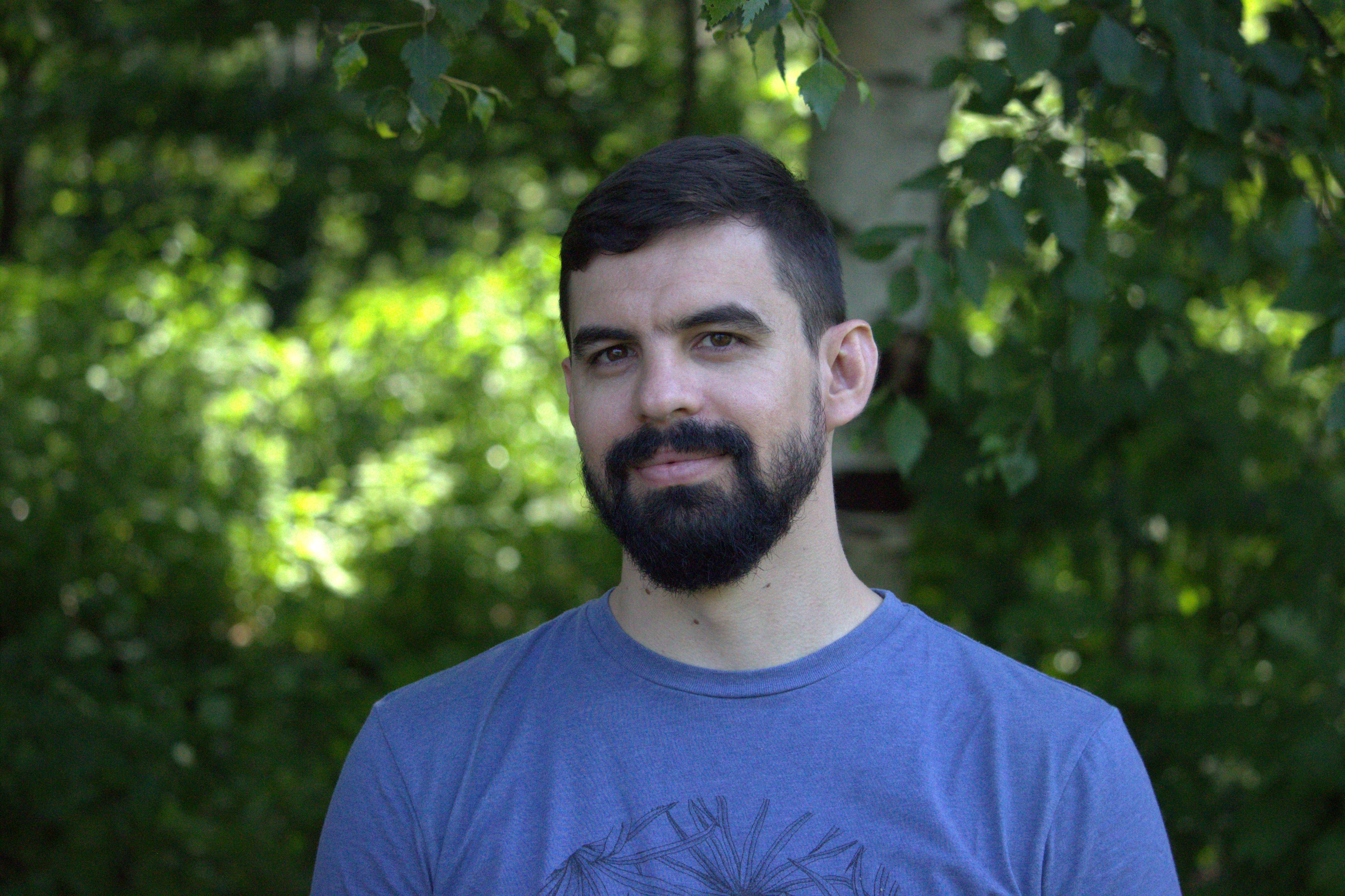
Donovan Cook is the author of the well-received Ormstunga Saga series and the Charlemagne’s Cross series, both of which combine fast-paced narrative with meticulously researched history of the Viking world and are inspired by his interest in Norse Mythology. Donovan was born in South Africa but raised in England.
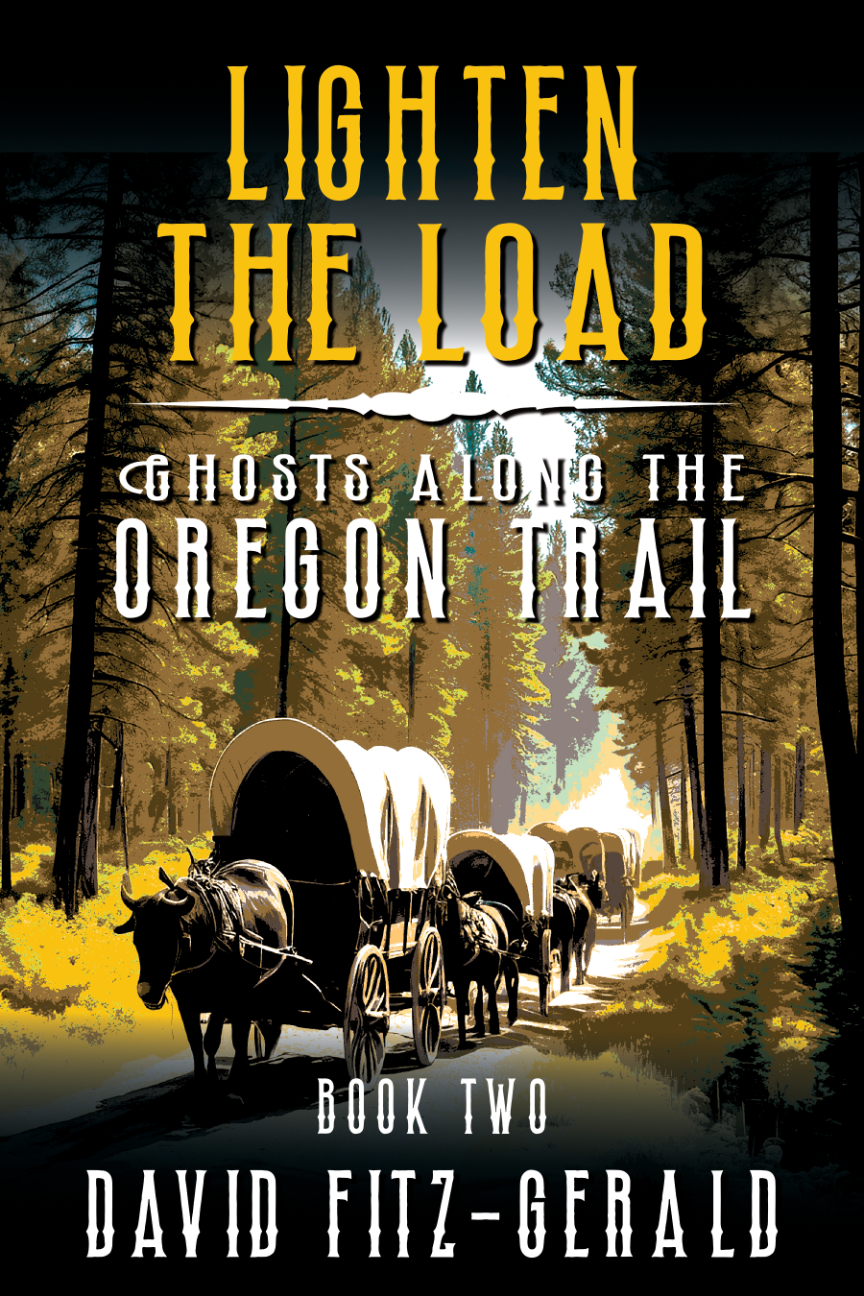
I’m delighted to welcome David Fitz-Gerald and his new book, Lighten the Load, Ghosts Along the Oregon Trail (book 2), to the blog, with a series trailer.
Lighten the Load, Ghosts Along the Oregon Trail Series Trailer
Here’s the blurb
After a devastating tragedy, Dorcas Moon faces brutal choices in the unforgiving wilderness.
An unsolved hometown murder casts a foreboding shadow over the journey. Mounting responsibilities weigh heavy on Dorcas’ shoulders while navigating the trail along the Platte River. Family, friends, and neighbors can’t seem to get along without her help.
The gruesome trail exacts a heavy toll. A sweeping grass fire blazes across the prairie. A doomed wagon careens down a treacherous hill. A fellow traveler is gored to death while hunting buffalo. Each disaster pushes the pioneers to the brink. Amidst the chaos, Dorcas grapples with the realization that she must dump her precious cook stove and her husband’s massive safe. The oxen can no longer haul the heavy weight of unnecessary cargo.
When her daughter mysteriously disappears while the wagons are at Fort Laramie, Dorcas Despairs. She is desperate to help her daughter when the troubled youth is found in the arms of a Brulé man in Spotted Tail’s village.
Secure your copy of Lighten the Load and delve into an unforgettable saga of empowerment, sacrifice, and the haunting echoes of the American frontier. Rejoin Dorcas Moon on the adventure of a lifetime as she confronts the challenges that shape her destiny.
This title is available to read on #KindleUnlimited
Meet the Author
David Fitz-Gerald writes westerns and historical fiction. He is the author of twelve books, including the brand-new series, Ghosts Along the Oregon Trail set in 1850. Dave is a multiple Laramie Award, first place, best in category winner; a Blue Ribbon Chanticleerian; a member of Western Writers of America; and a member of the Historical Novel Society.
Alpine landscapes and flashy horses always catch Dave’s eye and turn his head. He is also an Adirondack 46-er, which means that he has hiked to the summit of the range’s highest peaks. As a mountaineer, he’s happiest at an elevation of over four thousand feet above sea level.
Dave is a lifelong fan of western fiction, landscapes, movies, and music. It should be no surprise that Dave delights in placing memorable characters on treacherous trails, mountain tops, and on the backs of wild horses.