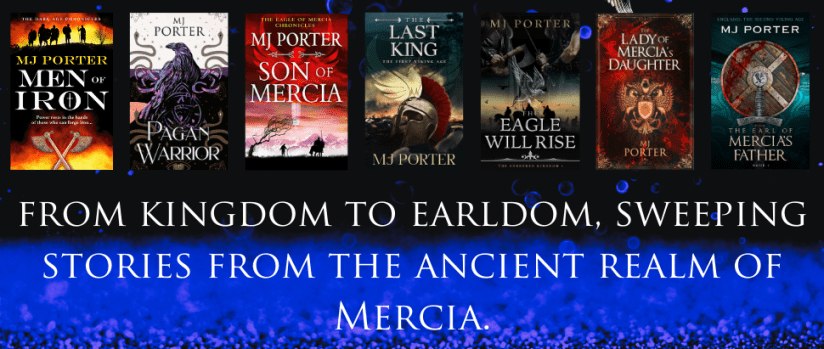

I’ve made it somewhat of a passion to study the royal women of the tenth century. What drew me to them was a realisation that while much focus has rested on the eleventh century women, most notably Queen Emma and Queen Edith, their position rests very much on growing developments throughout the tenth century. It also helps that there is a surprising concurrence of women in the tenth century, the early years of Queen Elfrida, England’s first acknowledged crowned queen, find the ‘old guard’ from previous reigns, mixing with the ‘new guard’ – a delightful mix – it must be thought – of those experienced women trying to teach the younger, less experienced women, how to make their way at the royal court, perhaps with some unease from all involved.
Lady Elfrida, or Ælfthryth (I find it easier to name her as Elfrida) was the first of these women to catch my eye. Her story, which can be interpreted as a love story if you consult the ‘right’ sources, fascinated me. The wife of a king, mother of another king, and in time, grandmother, posthumously, to two more. But, it was her possible interactions with her husband’s paternal grandmother, the aging but long-lived Lady Eadgifu, and maternal grandmother, Lady Wynflæd, as well as probable unease with her second husband’s cast-off second wife, that really sparked my imagination. I could well imagine the conversations they might share, and the dismay they might feel around one another. Lady Elfrida replaced a wife who was not crowned as queen, and also replaced a grandmother who had never been crowned as queen but had long held a position of influence for over forty years at the Wessex court.
Equally, Elfrida’s husband had been surrounded by women from his earliest days. His mother had died, perhaps birthing him, but he had two grandmothers, a step-mother, a foster-mother and his (slightly) older brother’s wife, who would have been instrumental in his life, not to mention his first two wives. As such, it was the personal interactions of the women that called to me, and the tragedy and triumphs of their lives, and, I confess, an image of Dame Maggie Smith holding sway in Downton Abbey that drew me to the women of this period.
I’ve gone on to write fictionalised accounts of many of these women, and then, frustrated by the lack of a cohesive non-fiction account, I’ve also written a non-fiction guide detailing the scant information available for these women.
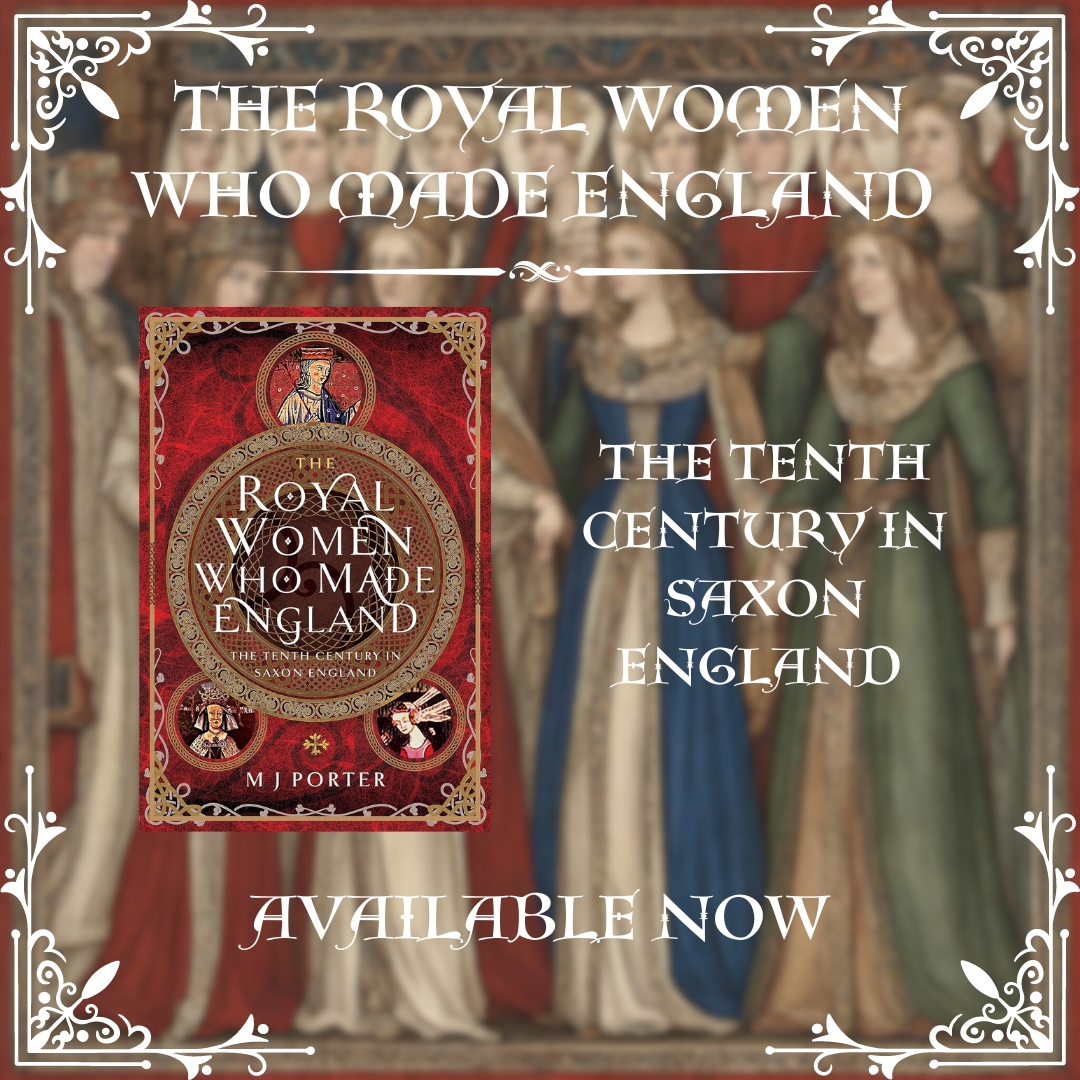
https://books2read.com/TheRoyalWomenWhoMadeEngland
You can read more about the royal women on the blog.
The daughters of Edward the Elder
The religious daughters of Edward the Elder
Did England’s first crowned queen murder her stepson?
Posts



Discover more from MJ Porter
Subscribe to get the latest posts sent to your email.

 MJ Porter