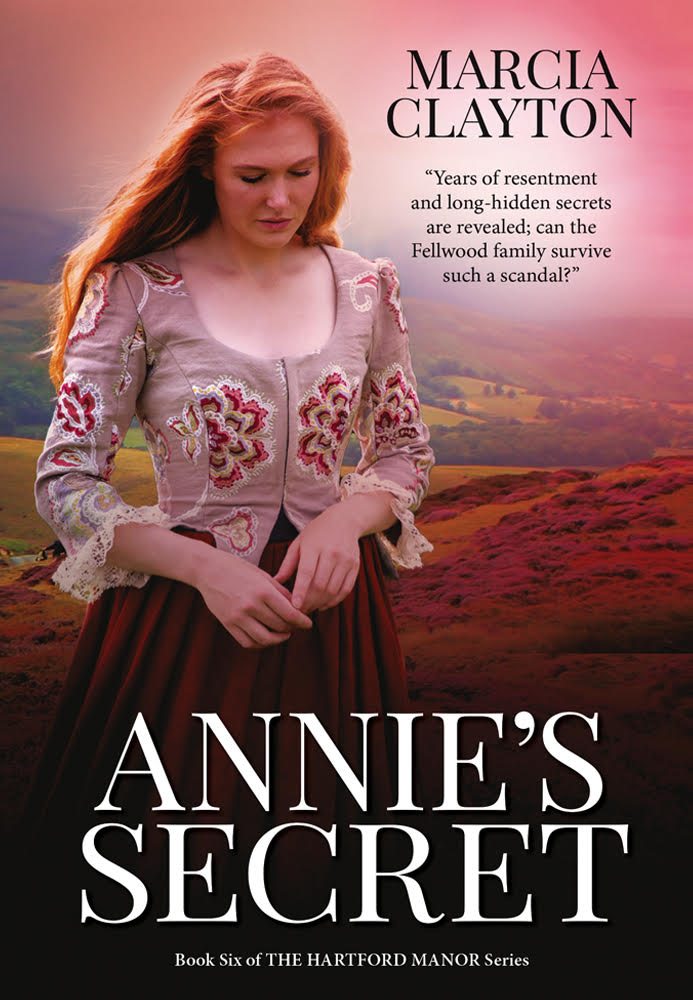

I’m delighted to welcome Marcia Clayton and her new book, Annie’s Secret, to the blog #Victorian #Historical Fiction #Romance #Saga #HistoricalRomance #BlogTour #TheCoffeePotBookClub 

I’m delighted to welcome Marcia Clayton and her new book, Annie’s Secret, to the blog #Victorian #Historical Fiction #Romance #Saga #HistoricalRomance #BlogTour #TheCoffeePotBookClub
@MarciaC89111861 @cathiedunn @marciaclayton97 @thecoffeepotbookclub

I’m delighted to welcome Marcia Clayton and her new book, Annie’s Secret, to the blog with an excerpt.

The Mazzard Tree

Sabina dried her hands and signalled Annie to do the same, and then they followed Hannah into her house. Chickens ran in and out, leaving a mess all over the floor. Tommy, the youngest child, was crawling around in all the filth, for although he was two, he had rickets and could not walk. His face was covered in sores, and his nose was running. Rachael, at four, was sitting by her sick sister’s bed, tugging her hand.

“Come an’ play with me, Mary.”

Annie picked up Rachael and settled her on her knee. Rachael loved the attention, and Tommy crawled up to sit on the other knee. Annie wiped his nose, brushed his brown curly hair out of his eyes, and gave them both a cuddle. She wondered if her own hair would be crawling with lice by the time she went home. Sabina put her hand on Mary’s forehead, which was hot, and the child was pale and listless. “What’s the matter, Mary?  Where does it hurt?”

Mary pointed to her throat and whispered hoarsely, “It hurts in there, and my head, and everywhere.”

“Never mind, we’ll soon have you better, don’t worry. Could you eat some stew?”

Mary shook her head miserably. She was six years old, but small for her age, and Sabina could see many clusters of nits stuck to her wispy brown hair.

“Sabina, I could eat some stew if you’ve any to spare, and I’ll bet Rachael and Tommy could manage some too.”

Hannah and her husband, John, were both fat and lazy, but the children were thin, dirty, and ill-kempt. Sabina’s eyes flashed with anger.

“I’ve plenty of food in my kitchen, Hannah, because I work hard. I’ll take Rachael and Tommy home with me to have some, and I’ll bathe them too because they’re filthy. I know you’re poor, but look at the state of this place. When was the last time you cleaned up or cooked? Or does all your money go on that bloody scrumpy?  I’m sorry, but it’s time someone told you a few home truths; you should be ashamed of yourself. Now, I could leave Annie here with you, if she’ll stay, to help you clean up. I’ll come back at teatime, and if the place is clean, I’ll bring rabbit stew for all of you. Just this once, though, for you have a man to provide for you, which is more than I have.”

“How dare you!  It’s none of your business how I keep my house. Things have got on top of me a bit, that’s all.”

“Please yourself then; it’s no odds to me. Mary certainly isn’t well, but it might just be a nasty cold. Now, do you want Annie’s help, or not?  It’s up to you.”

“Aye, I suppose the place could do with a bit of a clean, and you’ll bring enough supper for all of us?”

“Yes, I’ll bring some later and see how Mary is. Annie, would you mind helping Hannah?”

Annie, facing away from Hannah, pulled a face and screwed up her nose, but she nodded. Sabina grinned as she left with the two children. As she entered her own cottage, Sabina called to Liza.

“Liza, could you put a couple of pans of water on the fire, please? I want to bathe these two. I don’t suppose they’ve ever had a bath, so they may not think a lot of it, but they certainly need one.”

Sabina explained about Mary and how Annie was helping Hannah to clean up.

“She’s a lazy slut, that woman, and it will soon be like it again, you know. She’s too lazy to lift a finger to care for that family properly, and her mother was just the same. They don’t deserve to have children, and they don’t deserve your help either, Sabina. Goodness, you’ve enough to do to feed and look after your own.”

“Aye, you’re right, of course, but I felt so sorry for the children. It isn’t their fault, and Mary, poor little thing, was so poorly.”

Liza pulled the old tin bath in front of the fire and filled it with warm water. Rachael and Tommy sat wide-eyed, anxiously watching the activity around them. Sabina decided to start with Rachael and sat her on her knee.

“Now, Rachael, I’m going to take off these dirty clothes and bathe you. You’ll like it in that lovely warm water, and afterwards, you’ll feel much better. Then we’ll see if we can find you something clean to wear, while I wash your clothes.”

Sabina gently undressed the little girl, chatting all the time as she lowered her into the bath. Rachael went stiff with fright and kept her legs rigid. She started to thrash about and scream.

“No, no, don’t. I don’t wanna get wet. No, don’t. Let me go! Mummy, I want my mummy. Don’t.”

Sabina held her gently, but firmly. “Come on, Rachael, I want you to show Tommy what a big, brave girl you are. You’ll like it in the water when you sit down, and if you let me wash you, I’ll find you a bowl of rabbit stew, with a big slice of bread. Are you hungry?”

At the mention of food, Rachael immediately became more cooperative and sat down gingerly. She still seemed frightened, but as Sabina gently splashed warm water over her tiny body, she began to relax. It saddened Sabina to see that she was covered in flea bites, and her hair was crawling with lice. There were also a few suspicious bruises. Gently, Sabina soaped the grime from the child’s body, cut her hair short, and then washed what was left to get rid of the lice. Rachael began to enjoy herself and suddenly grinned at Sabina.

“This is nice, like you said. I like it in here. Can I stay a bit longer?”

Sabina let her stay a few minutes longer, then lifted her out and dried her. She reached for an old blue dress and popped it over Rachael’s head.

“There, you look beautiful now. Liza will give you some stew for being so brave. Right then, Tommy, it’s your turn now, but I think we’ll need some clean water first.”

Here’s the blurb

1887, North Devon, England

When Lady Eleanor Fellwood gave birth to a badly deformed baby, she insisted that the child be adopted as far away as possible. However, that proved difficult to accomplish, and so, in return for payment, Sabina Carter, an impoverished widow living locally, agreed to raise the little boy as a foundling. The child’s father, Lord Charles Fellwood of Hartford Manor, warned Sabina that the matter must be treated in the strictest confidence or her family would be evicted from their home. As far as Lady Eleanor was concerned, the child was being cared for miles away.

All was well for several years until fate took a hand and, against his parents’ wishes, Robert Fellwood, the heir to the Hartford Estate, married Sabina’s daughter, Annie. Robert arranged for his mother-in-law, Sabina, and her family to reside in the Lodge House, situated at the end of the Manor House driveway. A house that Lady Eleanor passed regularly, and it was not long before she spotted Danny’s dark curls among the Carter redheads. As she looked into the child’s eyes and noted his disabilities, she recognised her son.

Now, at seven years old, Danny has had numerous operations to correct his disabilities and is a happy, healthy child. However, his presence is a source of constant anguish for his birth mother as, day after day, she watches him play in the garden. Her husband, Charles, and son, Robert, are aghast when she announces that she wants him back! An impossible situation for all concerned, and a rift develops between Robert and Annie as he struggles to find a solution to suit everyone.

Over the years, Lady Eleanor has steadfastly refused to acknowledge her daughter-in-law, for she disapproves of Annie’s lower-class origins. When a freak accident forces the two women to spend time together, they inevitably find themselves drawn into conversation, and before long, the years of pent-up resentment and family secrets surface as home truths are aired. 

Will the two women be rescued from their precarious situation unscathed? And, if so, will the family survive the scandal that is about to be unleashed?

https://mybook.to/AnniesSecret

The Hartford Manor Series Links

Prequel – Betsey http://mybook.to/Betsey

Book 1 -The Mazzard Tree            http://mybook.to/TheMazzardTree

Book 2 – The Angel Maker                 http://mybook.to/TheAngelMaker

Book 3 – The Rabbit’s Foot                http://mybook.to/TheRabbitsFoot

Book 4 – Millie’s Escape                    https://mybook.to/MilliesEscape

Book 5 – A Woman Scorned              https://mybook.to/AWomanScorned

Book 6 – Annie’s Secret                     https://mybook.to/AnniesSecret

All books in The Hartford Manor Series are available to read on #KindleUnlimited, and print copies can be ordered from any bookshop.

Meet the Author

Marcia Clayton writes historical fiction with a sprinkling of romance and mystery in a heart-warming family saga that stretches from the Regency period through to Victorian times.

A farmer’s daughter, Marcia was born in North Devon, a rural and picturesque area in the far South West of England. When she left school at sixteen, Marcia worked in a bank for several years until she married her husband, Bryan, and then stayed at home for a few years to care for her three sons, Stuart, Paul and David.

As the children grew older, Marcia enrolled in a secretarial course, which led to an administrative post at the local college. Marcia progressed through various jobs at the college and, when working as a Transport Project Coordinator, was invited to 10 Downing Street to meet Tony Blair, the then Prime Minister. Marcia later worked for the local authority as the Education Transport Manager for Devon County Council and remained there until her retirement.

Now a grandmother, Marcia enjoys spending time with her family and friends. She’s a keen researcher of family history, and this hobby inspired some of the characters in her books. A keen gardener, Marcia grows many of her own vegetables. She is also an avid reader and enjoys historical fiction, romance, and crime books.

Marcia has written seven books in the historical family saga, The Hartford Manor Series. You can also read her free short story, Amelia, a spin-off tale from the first book, The Mazzard Tree. Amelia, a little orphan girl of 4, is abandoned in Victorian London with her brothers, Joseph and Matthew. To find out what happens to her, download the story here: https://marciaclayton.co.uk/amelia-free-download/  

In addition to writing books, Marcia produces blogs to share with her readers in a monthly newsletter. If you would like to join Marcia’s mailing list, you can subscribe here: https://marciaclayton.co.uk/

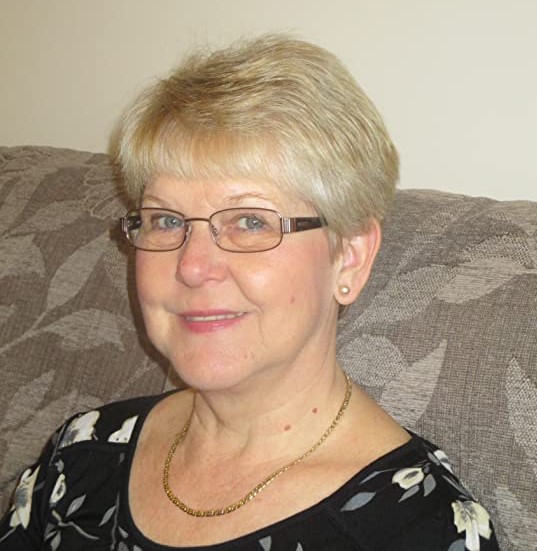
Author Marica Clayton

Connect with the Author

Website: Bluesky: BookBub:

Follow the Annie’s Secret blog tour with The Coffee Pot Book Club

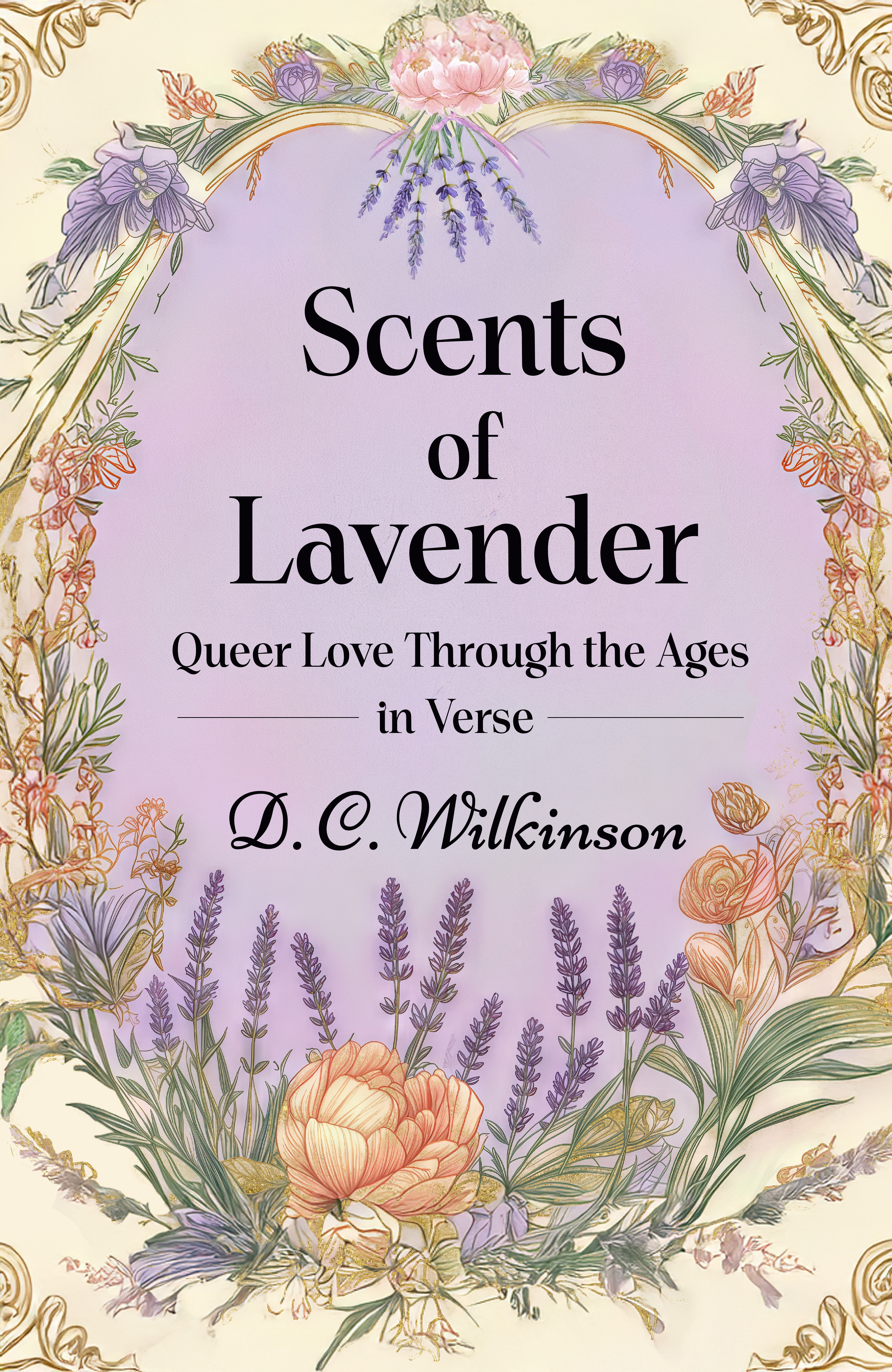
I’m delighted to welcome D.C.Wilkinson and his book, Scents of Lavender, to the blog #HistoricalFiction #Romance #LGBTRomance #LGBTQ+ #IllustratedPoetry; #BlogTour #TheCoffeePotBookClub

I’m delighted to welcome D.C. Wilkison and his book, Scents of Lavender: Queer Love Through the Ages – In Verse, to the blog with a snippet.

Snippet

Though they tried to vanquish us,

our love endures,

in the hearts of those

stirred by our flame

and undeterred by malice

and brutality.

From Hierocles

Book Trailer

Here’s the Blurb

Timeless and unwavering, love flows through a universal melody that echoes in every corner of the globe. Transcending borders and cultures, it sows the seeds of memories that sprout and blossom in Scents of Lavender, a collection of 25 illustrated poems that breathe life into evocative scenes where queer love proudly re-emerges from the depths of history, uncovering deep and everlasting bonds.

Each poem invites the reader to explore the narrator’s deeply personal and intimate perspective through pantheistic eyes. Written in the first person, every verse unfolds as both a reflection and a manifestation of a single universal mind and soul, drawing the reader into a shared understanding that love –in all its forms– is boundless, eternal, and permeates the cosmos.

Buy Link

Universal Link:

Meet the Author

D. C. Wilkinson is an award-winning novelist, poet, and lifelong voyager of inner and outer realms. His literary work centers on his passion for historical tales, portal fantasies, and dreams and visions often weaved into narratives that highlight LGBTQ+ experiences.

He began his career in the Midwest as a student of Language Arts before relocating to the East Coast in his early twenties. A graduate of Columbia University and former New York City public school teacher, he now calls Connecticut his home, where he resides with his spouse and their beloved beagle.

Connect with the Author

Follow the Scents of Lavender blog tour with The Coffee Pot Book Club

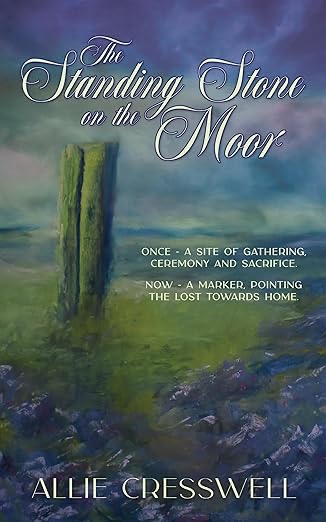
I’m delighted to welcome Allie Creswell and her new book, The Standing Stone on the Moor, to the blog #HistoricalRomance #HistoricalFiction #Yorkshire #BlogTour #TheCoffeePotBookClub

I’m delighted to welcome Allue Creswell and her new book, The Standing Stone on the Moor, with a blog post about the accurate representation of diversity in historical fiction.

The accurate representation of diversity in historical fiction – by Allie Creswell

In recent times I have been challenged to ensure that my historical novels accurately represent the diversity that would have existed in their eras, but which was often ignored by writers of the time. For instance, Jane Austen’s novels have no black or ethnic minority characters, neither are there any characters with disabilities of any kind. Perhaps Sanditon was an attempt to rectify this, with a spa town ready to “cure” and a character described as “mulatto”. Mrs Smith, in Persuasion is incapacitated in some way due to injury. It could be argued that Tom Bertram in Mansfield Park suffers a crisis in mental health as well as from alcoholism, but these examples are insignificant when we think of the casts of white, healthy, ambulant and neurotypical characters in her books.

While wishing very much to be accurately inclusive and to embrace differently-abled characters as well as ones of non-white heritage, I would not wish to fall into the trap of tokenism. It is Amory Balfour’s superlative and remarkable beauty—rather than his skin colour—which makes him the perfect foil for my veiled heroine Georgina in The Lady in the Veil. Olivia, a character with Down Syndrome in The Cottage on Winter Moss is pivotal to the plot because she is privy to the village’s secrets—and a bit of a gossip—not because she has Down Syndrome.

For The Standing Stone on the Moor I wanted to introduce a group of characters who would bring some sparkle and pizzazz to a remote, parochial and insular village in Yorkshire. I wanted to shake the inhabitants up, and I also wanted to challenge them, to provoke their bigotry, suspicion and superstition into life because I wanted—in an oblique, non-confrontational way—to equate the situation of today’s asylum seekers and refugees with those who came to the UK for succour in the mid-nineteenth century. My aim in this approach was to add as many facets to my theme—displacement—as possible, and it seemed to me that there could be no clearer illustration of it than the experience of people hounded from their homes and forced to establish themselves elsewhere.

The potato famine was at its peak in 1845, and thousands of Irish people made the trip to Britian in search of work and to escape the dreadful conditions at home. There was a kind of serendipity in this, in that the burgeoning industrial revolution in Britain had an insatiable requirement for workers in mills, factories, mines and to dig the canals—an activity which thousands of Irish undertook, giving rise to the characteristic designation of the “Irish navvy”.

Many British rural people had migrated to the towns for the improved wages these positions offered, but that left a deficit of labour in the countryside, which my Irish people seek to fill. The group is predominantly women and children. The few men in the group have conditions which ill-suit them to work in an industrial setting—one has asthma, another has suffered an amputation of the lower arm. They shear sheep and make hay, dig peat and move stones—anything at all that will pay. They get involved in the movement of contraband goods, and play shamelessly on their reputation for fortune-telling and mysticism, but this backfires on them. They establish themselves in a camp at a discreet distance from the village, next to an ancient standing stone. They bring their rich culture of music and dance, their entrepreneurship, their admirable work ethic, their predominantly Catholic religion and also of course their baggage—of suffering, loss and grief that prompted their journey, not to mention the trauma of that very displacement. 

And this group of Irish people also brings Dónall, a young man with an intellectual disability.

My research into the ways people with intellectual disabilities were viewed and treated in the 19th century unearthed some dreadful facts. They were often labelled as “idiots” or “lunatics” and faced significant stigma and marginalization. They were frequently confined to institutions like workhouses and asylums, sometimes under harsh and inhumane conditions. These institutions, initially intended for a few hundred people, grew to house over 100,000 by the end of the century. At this time mental health treatment had not been developed and so conditions which we recognise and treat today as mental illnesses were considered signs of madness. Those displaying symptoms were locked away from society. So it was safe to assume that people rarely encountered those with intellectual disabilities, and my character Dónall would therefore likely be the target of stares, pointing fingers and worse.

Dónall had been deprived of oxygen at birth and though a strapping young man physically, aged in his early twenties, he has the intellectual age of a young child. Physically and sexually he is mature, but he lacks the mental scope to understand or control the natural urges of his body. This essential conflict feeds into the overarching theme of the book—displacement. Dónall is a boy in a man’s body, a child in a man’s world. He has adult compulsions of attraction towards Aoife, his cousin, but he also looks to her for the kind of reassurance and guidance a mother or older sister might provide. 

Developing Dónall’s character was a delicate matter. I wanted him to be a character with a disability, rather than “a disabled character”, with a real role to play in the plot. I wanted to draw out the way the contradiction of his character affected him, to allow the reader to see his essential kindness and innocence but also his confusion, and the great passion in his soul.

Conn and Dónall lay in their makeshift beds beneath the wagon and watched the men depart on their clandestine business.

‘Where’re they going?’ Dónall asked.

‘They go to do some moonlight work,’ said Conn knowledgeably. ‘Poaching, perhaps.’ 

Dónall creased his brow. ‘Rabbits?’

‘Deer, more likely, or pheasant. Go to sleep, Dónall. We are to work alongside the men tomorrow.’

‘There is no market,’ said Dónall, yawning. And then, after such a pause that Conn thought he must be asleep, ‘Your mother has a baby in her belly.’

Conn sighed. ‘Yes.

‘How did it get there?’

Conn turned his head. Dónall’s pale eyes shone in the darkness. ‘I suppose my father put it there. Do you not know about such things?’

Dónall shook his head. His face creased this way and that as he tried to get his thoughts into a shape he could manage but in the end he only said, ‘Aoife would not say.’

‘You have seen the dogs do it often enough,’ said Conn. ‘It is like that, I suppose, but Father Fearghal says that people must wait until they are married, or it is a sin. I would not trouble yourself about it.’

‘Aoife is not married,’ Dónall said, partly comforted, party distressed, partly fascinated

‘Not yet, anyway.’ Conn yawned. ‘Good night, Dónall.’ He turned on his side, but Dónall rose up onto one elbow.

‘Aoife can’t … No. She mustn’t …’ 

Conn turned back to look at him. ‘Mustn’t get married?’

‘N… no.’ Dónall swallowed thickly. ‘And there mustn’t be … a baby,’ he said.

Conn settled himself back down. ‘I know what you mean. There isn’t enough to go around as it is. But babies do come once the vows are exchanged. They do not seem to be able to stop themselves.’

Dónall said, ‘My mother … she died …’

Conn sighed. ‘Yes, I know, Dónall. It sometimes happens. And sometimes the baby dies. Father Fearghal says it is God’s will. Is that why you don’t want Aoife to have a baby? Because you worry that she will die?’

Dónall thought about it for a while. ‘No,’ he said at last. ‘It is because … because … I do not want to share.’

When Dónall’s impulses get the better of him, he commits a crime for which there will be serious consequences. At best, a life in an asylum. At worst, hanging. It is not his disability per se which is the catalyst, but its manifestation within his character and the situation into which I placed him. Dónall’s perilous situation forces his Irish friends and Beth, my main character, to attempt a daring and dangerous trip across the moors in the dead of night, dodging the mounted guard.

One of the quite beautiful things that emerged as I wrote Dónall’s character was the way his Irish family love and care for him, and the ways they allow him to contribute to their communal well-being. At mealtimes he is placed among the children, where he soothes tiredness and squabbling with a timely tickle or cuddle. During the day he works alongside the men, having twice the strength of some, moving stones. His strengths are celebrated, his weaknesses compensated for and never ridiculed or criticised.

Dónall knuckled the tears from his eyes and leaned against Ruairi as a child would have done after being separated for even a few moments from a beloved parent’s affection, and allowed himself to be soothed and comforted before being led towards the circle and seated on the upturned barrel that would normally have been Ruairi’s own preserve. 

‘There now,’ said Ruairi. ‘You shall have a man’s seat and a man’s portion of supper and a glass of grog to wash it down with since you have done a man’s work today.’

Dónall nodded and tried a watery smile.

In developing Dónall’s character I was very lucky to have the support and incredible expertise of Deirdre O’Grady (https://www.abilitywise.ie/) who is my sensitivity reader. Deirdre has a H-Dip in Facilitating Inclusion, diplomas in psychology and disability studies and years of experience of raising awareness of the needs of those with disabilities within the workplace and the community. She is an ambassador for diversity, equality and inclusion who is also an expert in mental health, addiction and domestic abuse.

Here’s the blurb

Yorkshire, 1845.


Folklore whispers that they used to burn witches at the standing stone on the moor. When the wind is easterly, it wails a strange lament. History declares it was placed as a marker, visible for miles—a signpost for the lost, directing them towards home.

Forced from their homeland by the potato famine, a group of itinerant Irish refugees sets up camp by the stone. They are met with suspicion by the locals, branded as ‘thieves and ne’er-do-wells.’ Only Beth Harlish takes pity on them, and finds herself instantly attracted to Ruairi, their charismatic leader.


Beth is the steward of nearby manor Tall Chimneys—a thankless task as the owners never visit. An educated young woman, Beth feels restless, like she doesn’t belong. But somehow ‘home’—the old house, the moor and the standing stone—exerts an uncanny magnetism. Thus Ruairi’s great sacrifice—deserting his beloved Irish homestead to save his family—resonates strongly with her.


Could she leave her home to be with him? Will he even ask her to?


As she struggles with her feelings, things take a sinister turn. The peaceable village is threatened by shrouded men crossing the moor at night, smuggling contraband from the coast. Worse, the exotic dancing of a sultry-eyed Irishwoman has local men in a feverish grip. Their womenfolk begin to mutter about spells and witchcraft. And burning.


The Irish refugees must move on, and quickly. Will Beth choose an itinerant life with Ruairi? Or will the power of ‘home’ be too strong?

Buy Link

Universal Link:

Author’s Website:

Meet the Author

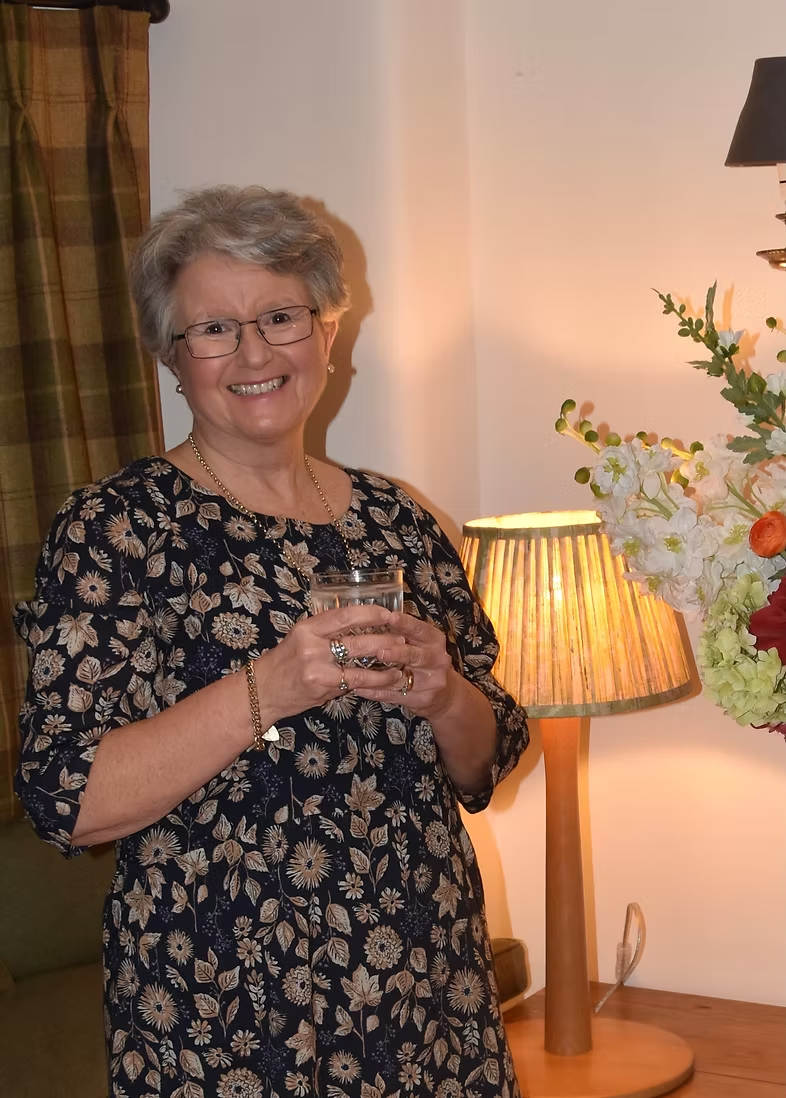
Allie has been writing fiction since she could hold a pencil. She has a BA and an MA in English Literature, specialising in the classics of the nineteenth century.

She has been a print-buyer, a pub landlady, a bookkeeper and the owner of a group of boutique holiday cottage but nowadays she writes full time.

She has two grownup children, five grandchildren and two cockapoos but just one husband, Tim. They live in the remote northwest of the UK.

The Standing Stone on the Moor is her sixteenth novel.

Connect with the Author

Follow The Standing Stone on the Moor blog tour with The Coffee Pot Book Club

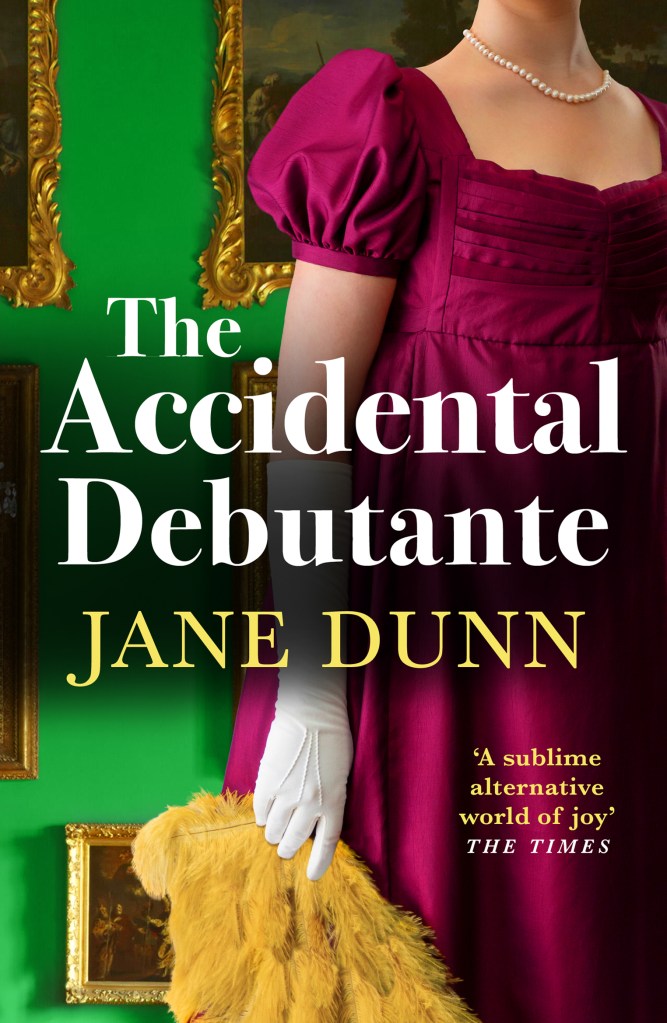
I’m sharing my review for Jane Dunn’s new Regency romance The Accidental Debutante #blogtour #histfic #romance

Here’s the blurb

A daring young lady and dashing lord

At Prebbles Flying Circus, the daring Eliza Gray captivates audiences with her breathtaking feats on horseback. Yet beyond the applause, she harbours a longing to find the family she lost as a child and discover who she truly is.

Fate, however, takes an unexpected turn when Eliza is unceremoniously knocked down by a curricle driven recklessly by Raven, Earl Purfoy. Dazed but intrigued, she cannot help but notice Purfoy’s commanding presence.

For his part, the dashing lord, is mortified at his carelessness and resolves to assist the spirited yet intriguing young woman. He deposits her in the care of his dearest friends, Corinna and Alick Wolfe, who encourage Miss Gray in her search for her family and sponsor her entry into London society. The glittering balls and scurrilous gossip of the ton are a far cry from the circus ring and Eliza inds herself the subject of intense speculation and unwelcome advances.

As a most accidental debutante, Eliza has to navigate the complexities of high society and her new friendships. Her quest for family and belonging becomes perilously entwined with Zadoc Flynn, an American heir in search of an English bride, and the unfathomable Lord Purfoy.

Can Eliza uncover the truth of her past and the family she longs for? And will it be Mr Flynn or Lord Purfoy, or indeed her new female friends, who help her find her place in the world?

In a tale of courage, passion, and self-discovery, this lost orphan must decide where she truly belongs.

Purchase Link

https://mybook.to/TheAccidentalDebutante

My Review

I’ve read all of Jane Dunn’s Regency romances to date, and they are fabulous and a real treat I look forward to whenever I hear about a new release. The Accidental Debutante is a welcome addition to the collection, and this time it has some connections to one of her previous works, although new readers need not fear. They won’t miss anything by jumping in here, other than the joy of reading the first book.

Our main character, Eliza, is a charming, feisty young woman, determined to find her way in the world away from the circus, although she feels an enormous tug to actually leave it, and her beloved horse. Corinna, by contrast, is a woman who’s experienced something similar and hopes to ease her passage into society, confident that Eliza will be discovered by her lost family. Add in to the mix a collection of horses (I always love all the horse characters), the outspoken, Taz, and of course, his moody, master, Purfoy, playing the part of uptight gentleman (there always has to be one), and not to mention their American cousin, who bucks against English sensibilities, and we’re set for another engaging stroll through Regency London (well, often a gallop), that will ensnare fans of the genre.

If you’re lucky enough not to have read any of Jane Dunn’s Regency novels, then you’re in for a real treat, and for fans who’ve been there all along, The Accidental Debutante will undoubtedly delight you, just as much as it did me.

Meet the author

Jane Dunn is an historian and biographer and the author of seven acclaimed biographies, including Daphne du Maurier and her Sisters and the Sunday Times and NYT bestseller, Elizabeth & Mary: Cousins, Rivals, Queens. She lives in Berkshire with her husband, the linguist Nicholas Ostler.

Connect with the author

Newsletter Sign Up: https://bit.ly/JaneDunnNews

I’m delighted to welcome Andrea Matthews and her book, The Cross of Ciarán, to the blog #TimeslipRomance #HistoricalRomance #CelticRomance #BlogTour #TheCoffeePotBookClub

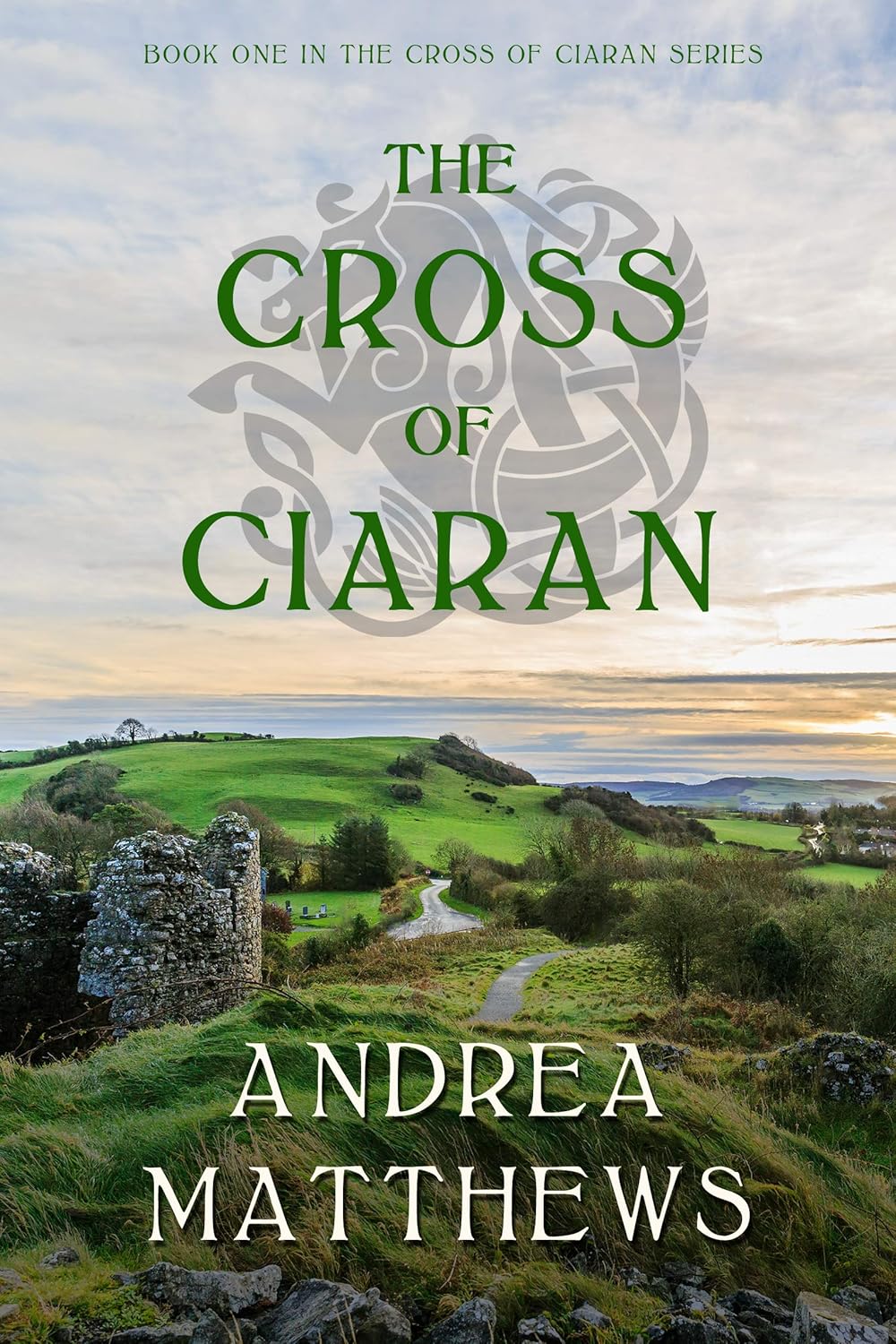
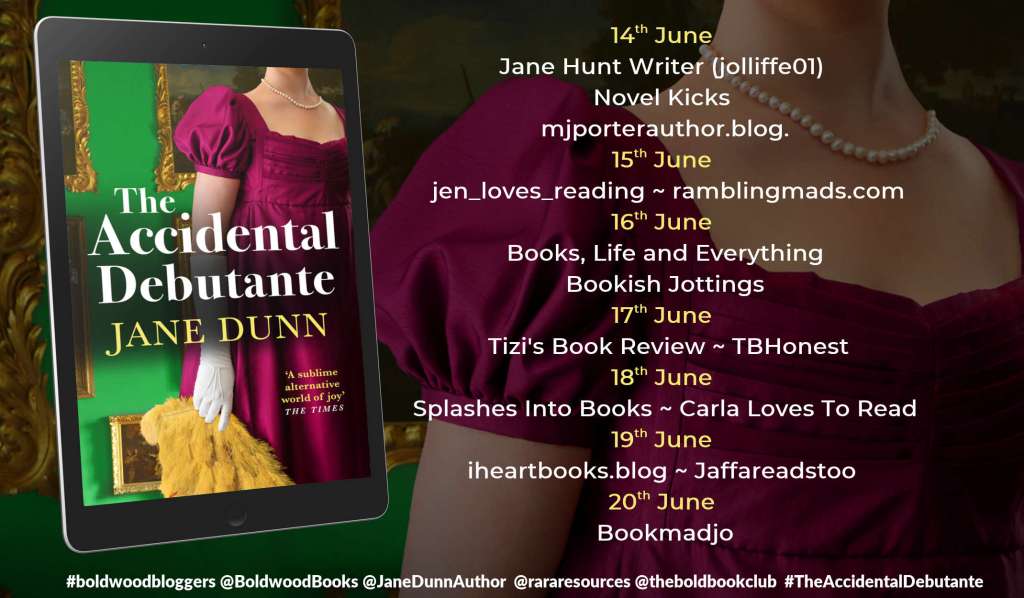
I’m delighted to welcome Andrea Matthews and her book, The Cross of Ciarán, to the blog.
Here’s the Blurb

When a fifth century pagan priest is unearthed in Ireland fifteen hundred years after being entombed, archaeologist Caitlin O’Connell is convinced it’s the find of the century. The body is in perfect condition, right down to the intricate tattoos adorning the Celt’s skin. In fact, if scientific data hadn’t proved otherwise, she would swear he hadn’t been interred more than a few hours.

Eager to discover more about the mysterious Celt, Caitlin accompanies the body back to the New York museum where she’s employed, but before she has time to study him, the priest disappears without a trace.

Rumors surrounding the event begin to circulate and result in the excavation’s benefactor pulling the plug on the entire expedition. The rumors are not far off the mark though.

After being buried alive for betraying his goddess and his priesthood in the dawning age of Christianity, Ciarán wakes to a strange new world. Alone and frightened in an unforgiving city, he stumbles upon the only thing familiar to him and seeks sanctuary within the church walls. With the help of the parish’s pastor, Father Mike, Ciarán slowly grows accustomed to his surroundings, though he’s plagued by dark dreams and the disturbing sensation that an evil from his past has followed him into the future.

But a more immediate danger lurks on his doorstep. Caitlin is determined to get to the bottom of the mystery concerning her missing Celt, and when she meets her Uncle Mike’s new handyman, Ciarán Donnelly, she’s convinced the handsome Irishman knows more about the theft than he’s letting on.

Yet, even she can’t deny the attraction between them, simmering below the surface and blurring the lines between her personal and professional life.

But will Ciarán’s secrets draw them together or shatter their future forever.

Buy Link

Universal Link:

This title is available to read on #KindleUnlimited

Amazon Series Buy Link:

Meet the Author

Andrea Matthews is the pseudonym for Inez Foster, a historian and librarian who loves to read and write and search around for her roots, genealogical speaking. She has a BA in History and an MLS in Library Science, and enjoys the research almost as much as she does writing the story. In fact, many of her ideas come to her while doing casual research or digging into her family history.

She is the author of the Thunder on the Moor series set on the 16th century Anglo-Scottish Border, and the Cross of Ciaran series, where a fifteen hundred year old Celt finds himself in the twentieth century.

Andrea also writes historical mysteries under the pen name I. M. Foster. Her series A South Shore Mystery is set in the early 1900s on Long Island. She is a member of the Long Island Romance Writers, and the Historical Novel Society.

Connect with the Author

Follow The Cross of Ciaran blog tour with The Coffee Pot Book Club

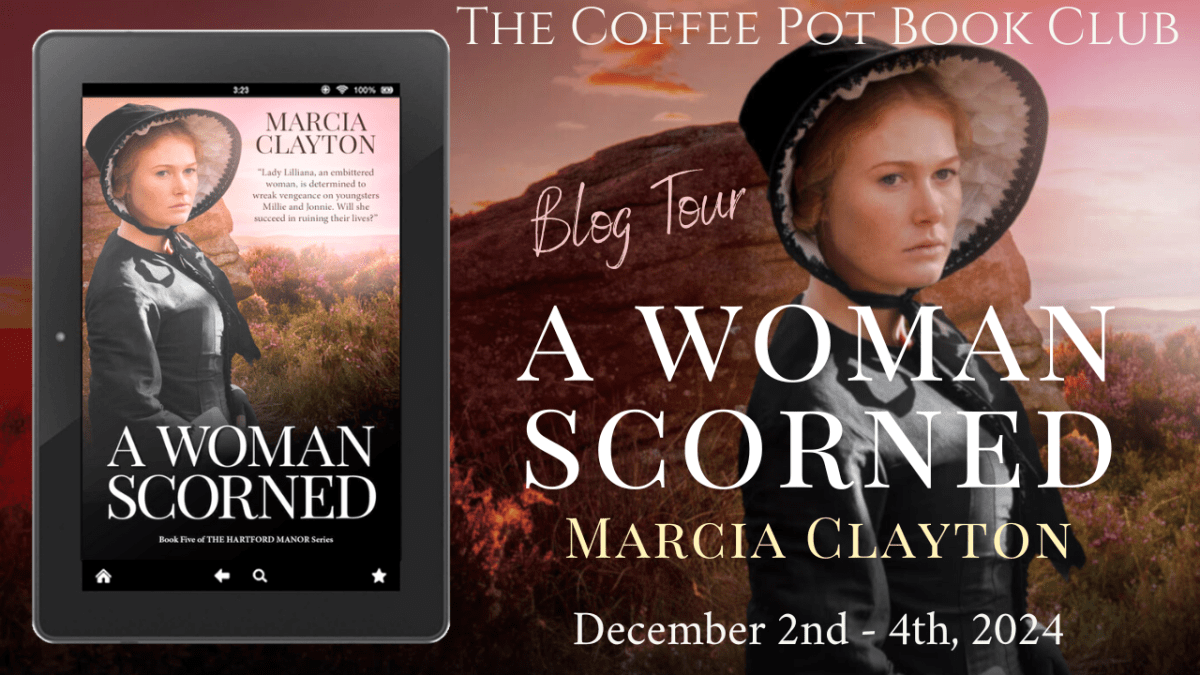
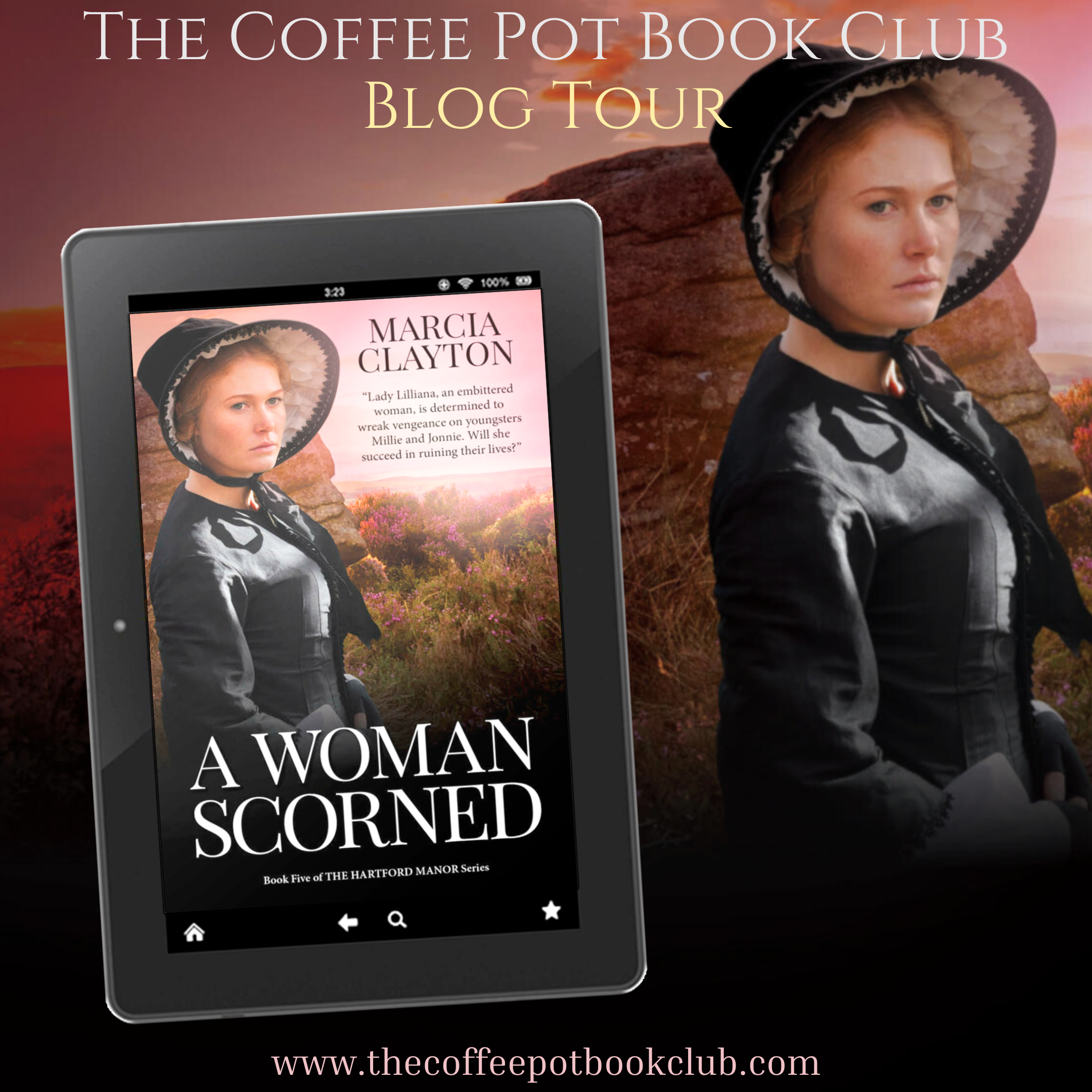
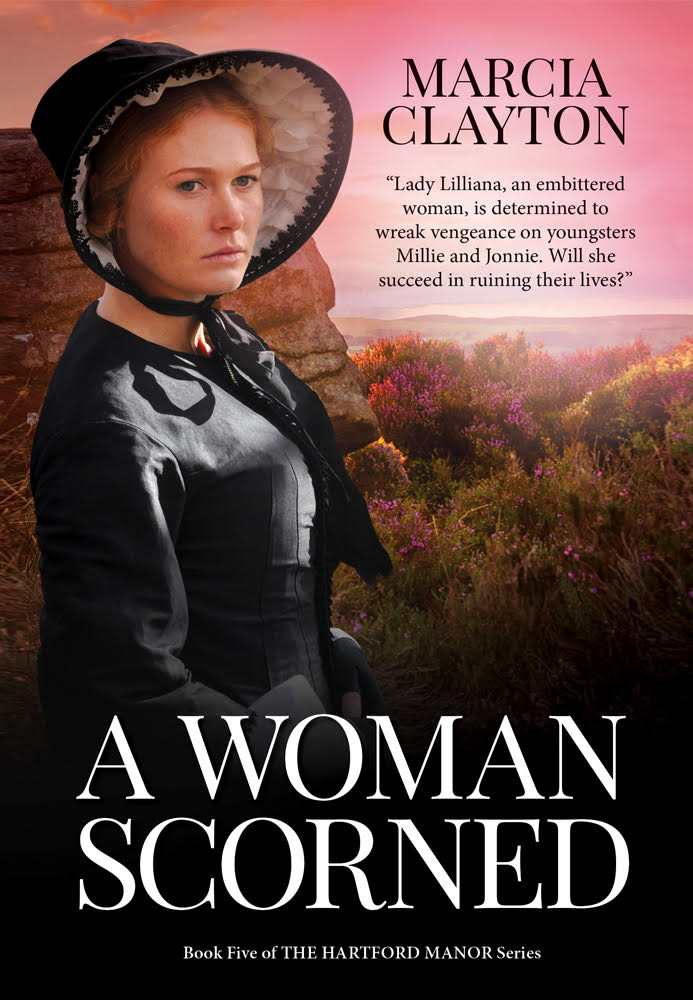
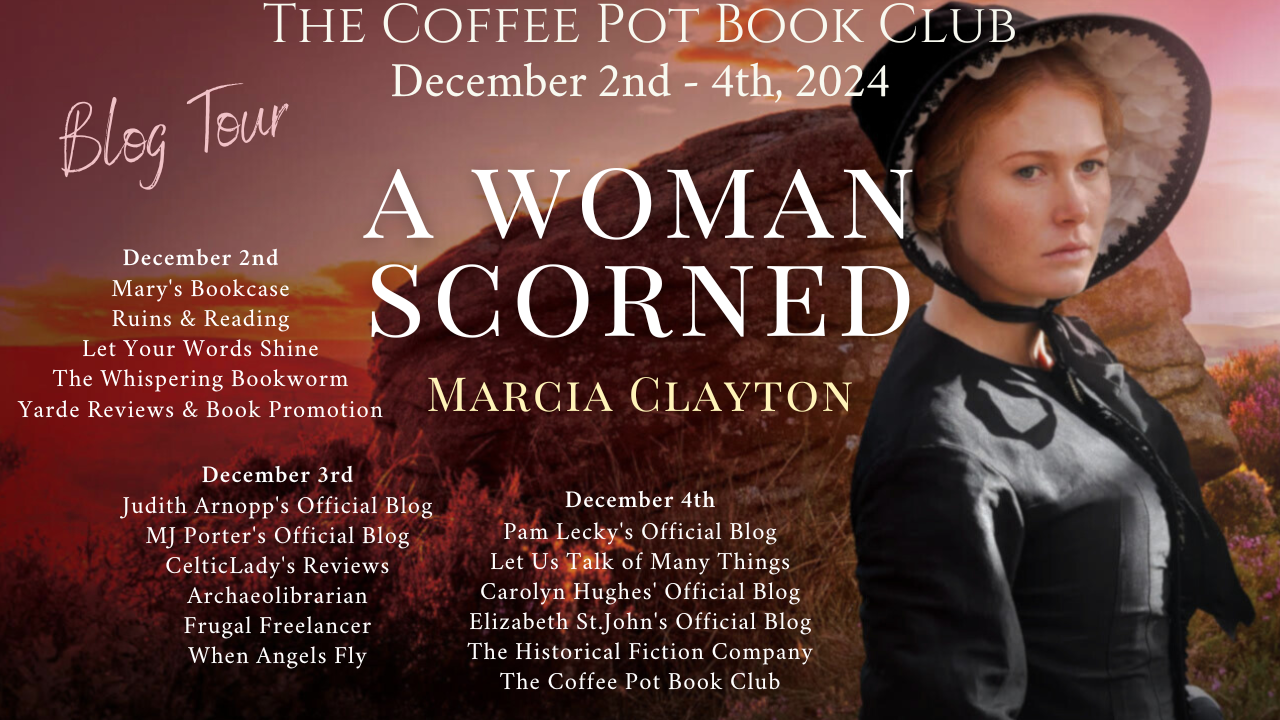
I’m delighted to welcome Marcia Clayton and her new book, A Woman Scorned, to the blog #HistoricalFiction #FamilySaga #Victorian #HistoricalRomance #BlogTour #TheCoffeePotBookClub

I’m delighted to welcome Marcia Clayton and her new book, A Woman Scorned, The Hartford Manor Series, to the blog with a snippet.

Snippet

Snippet 4:

Excerpt from Chapter 16

It was a starry moonlit night, and Robert was astounded by the number of people waiting around the estuary of the River Taw. Despite the late hour, men, women and children carried buckets, nets, and sieves, indeed anything to catch the slippery little eels and get a few free meals. Jim led Robert to where his men stood in the water, ready to pull the fyke nets out when full.

When the tide turned, Robert could not believe his eyes. Suddenly, the river and the ground around his feet seemed to be alive with millions of tiny, translucent eels about three to four inches long. As well as swimming upstream, they slithered over the long, wet grass, and the children squealed in delight as they captured them by the bucketful.

There seemed to be a never-ending flow of elvers, and Jim told Robert that most folk would be there all night, or at least until the tide turned or the supply of elvers reduced.

“Goodness, they’ll be so tired; don’t they have to work tomorrow?”

“Aye, of course; some might be lucky enough to grab an hour or two of sleep before they turn in for work in the morning, but I expect most had a nap after supper and will go straight to work at dawn. I doubt many children will be at school for the next week or two, but it’s more important to gather free food when it’s available. Anyway, have you seen enough? Shall we leave them to it and have a nightcap before we turn in?”

Robert nodded gratefully. “Yes, I like the sound of that; thank you.”

Jim smiled to himself, thinking it never did any harm for the gentry to see how the other half lived.

Here’s the blurb

1886 North Devon, England

Lady Lilliana Grantley has been seriously ill with typhoid, a disease that recently claimed her husband Edgar’s life and that of his long-time lover, Rosemary Gibbs. Now recovering at last, the lady wastes no tears on her husband but is determined to wreak revenge on his two illegitimate children.

Embarrassed for years by his affair with Rosemary, a childhood sweetheart living nearby, she has falsely accused Sir Edgar’s daughter, Millicent, of the theft of a precious brooch and wants to see her jailed or hung.

Fortunately for Millie and her little brother, Jonathan, their granny, Emily, insisted they leave home as soon as she heard of Sir Edgar’s death, for she knew his widow would seek revenge. The old lady was soon proved right, and Lady Lilliana, furious the two youngsters were nowhere to be found, evicted the old woman despite the fact she, too, was dangerously ill.

After a long and hazardous journey to North Devon, Millie and Jonathan were united with some long-lost family members who made them welcome and gave them a home. However, aware that Lady Lilliana has put a price on Millie’s head, they know they are not yet out of danger. Despite this, they are determined to find their granny, Emily, who seems to have disappeared.

Aided by her long-time lover, Sir Clive Robinson, Lady Lilliana is determined to find Millie and Jonnie and get them out of her life once and for all, but how far will the embittered woman go?

Buy Link

Universal Link:

All the books in The Hartford Manor Series can be ordered from any bookshop.

Meet the Author

Marcia Clayton writes historical fiction with a sprinkling of romance and mystery in a heart-warming family saga that stretches from the Regency period through to Victorian times.

A farmer’s daughter, Marcia was born in North Devon, a rural and picturesque area in the far South West of England. When she left school at sixteen, Marcia worked in a bank for several years until she married her husband, Bryan, and then stayed at home for a few years to care for her three sons, Stuart, Paul and David.

As the children grew older, Marcia enrolled in a secretarial course, which led to an administrative post at the local college. Marcia progressed through various jobs at the college and, when working as a Transport Project Coordinator, was invited to 10 Downing Street to meet Tony Blair, the then Prime Minister. Marcia later worked for the local authority as the Education Transport Manager for Devon County Council and remained there until her retirement.

Now a grandmother, Marcia enjoys spending time with her family and friends. She’s a keen researcher of family history, and this hobby inspired some of the characters in her books. A keen gardener, Marcia grows many of her own vegetables. She is also an avid reader and enjoys historical fiction, romance, and crime books.

Marcia has written six books in the historical family saga, “The Hartford Manor Series”. You can also read her free short story, “Amelia”, a spin-off tale from the first book, “The Mazzard Tree”, by downloading the story here: https://marciaclayton.co.uk/amelia-free-download/

In addition to writing books, Marcia produces blogs to share with her readers in a monthly newsletter. If you would like to join Marcia’s mailing list, you can subscribe here: https://marciaclayton.co.uk/

Connect with the Author

Website: Bluesky: BookBub:

Follow the A Woman Scorned blog tour with The Coffee Pot Book Club

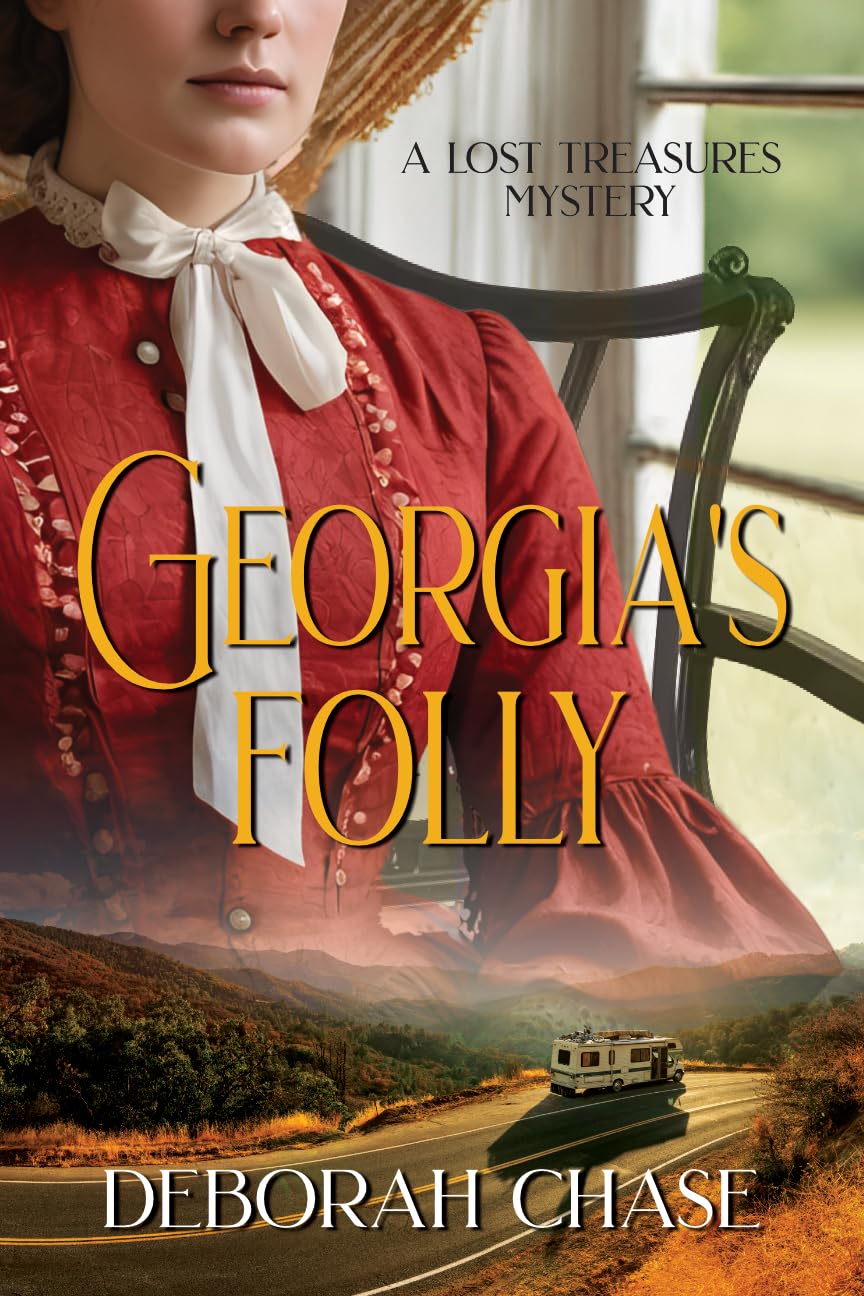
I’m delighted to welcome Deborah Chase and her new book, Georgia’s Folly, to the blog #HistoricalRomance #AmericanCivilWar #SplitTimeRomance #BlogTour #TheCoffeePotBookClub

I’m delighted to welcome Deborah Chase and her new book, Georgia’s Folly, to the blog.

Here’s the Blurb

For fans of “Antiques Roadshow” and “American Pickers” – this is the one for you!

Beginning at a cluttered flea market and ending at a glittering art auction, Georgia’s Folly tells the compelling story that blends past and present and the search for a valuable and elusive antique. Chloe Bishop grew up in foster care. She loves shopping at flea markets, picking up family heirlooms like old pottery or vintage furniture to fill in for the family and home she never had.

As Chloe walks through the Brooklyn Flea Market, she stumbles upon the diary of Miss Georgia Potter, a young woman who had lived in Gettysburg, Pennsylvania during the Civil War. The yellowed pages reveal the impact of the war on daily life and spotlights the role of women including Harriet Tubman, Clara Barton and Louisa May Alcott. 

Like Chloe, Georgia Potter was a passionate collector and her diary lists her collection of valuable antiques—including the Holy Grail of 18th century furniture—a Chippendale settee. Well versed in antiques, Chloe is aware that there are only five known examples and a sixth settee would be worth more than $4 million.

Chloe immediately contacts Ben Thompson, the man who sold her the diary. Ben is a picker who drives his RV across America, searching for collectibles to sell to dealers. He is estranged from his wealthy, prominent family who cringe at his chosen career. Ben agrees to take her along to search for the valuable and iconic settee. As Ben and Chloe head to Gettysburg, they are unaware that Gregor Petrov, a shady antiques dealer and Harrison Kent, a respected but unscrupulous art expert are trailing them.

The search for the settee takes Chloe and Ben on fast paced journey from the Gettysburg battlefields to the 18th century street of artisans in Philadelphia to a historic mansion on the banks of the Hudson River. Traveling together in the small RV, Ben and Chloe draw closer. In the confines of the RV, embroiled in an unimaginable quest, Chloe confides that she is also in search for the father she never knew while Ben struggles to explain his complicated family to a woman who never had one.

In a thrilling ending, the rare Chippendale settee is not Chloe’s only valuable discovery.

Buy Link

Universal Link:

Meet the Author

Deborah Chase grew up in a family filled with art and antiques.  On the high end, her uncle, William Lincer, lead violist at the New York Philharmonic, was an art lover whose collection was sold at Sotheby’s. On the low end, her father, writer Allen Chase took her to flea markets and estate sales.  He sparked a lifelong fascination with tales of lost treasures that ranged from plundered Egyptian tombs to trainloads of art stolen by the Nazis.  It was this love of history and antiques that inspired her first novel, Georgia’s Folly

She was a founding editor of the Berkeley Wellness Newsletter and the author of 12 books including The Medically Based No-Nonsense Beauty Book (Alfred Knopf), Extend Your Life Diet (Pocket Books), Fruit Acids for Fabulous Skin (St Martin’s Press), Every Bride is Beautiful (Morrow), and with her husband Dr Neil Schachter co-author of Life and Breath (Doubleday) and The Good Doctor’s Guide to Colds and Flu (Harper).  The books have been a selection of the Book of the Month Club and her articles have appeared in Ladies Home Journal, Self, Glamour, Redbook, Family Circle, Parents and Good Housekeeping.

She is a graduate of Bronx High School of Science and a winner of the Westinghouse Science Talent Search. A graduate of New York University she earned a degree with a duel major in journalism and history. 

A native New Yorker, Deborah like to spend her weekends at an upstate home where a big kitchen and an endless supply of estate sales indulge her duel passions for cooking and collecting.

Connect with the Author

Website:

Follow Georgia’s Folly blog tour with The Coffee Pot Book Club

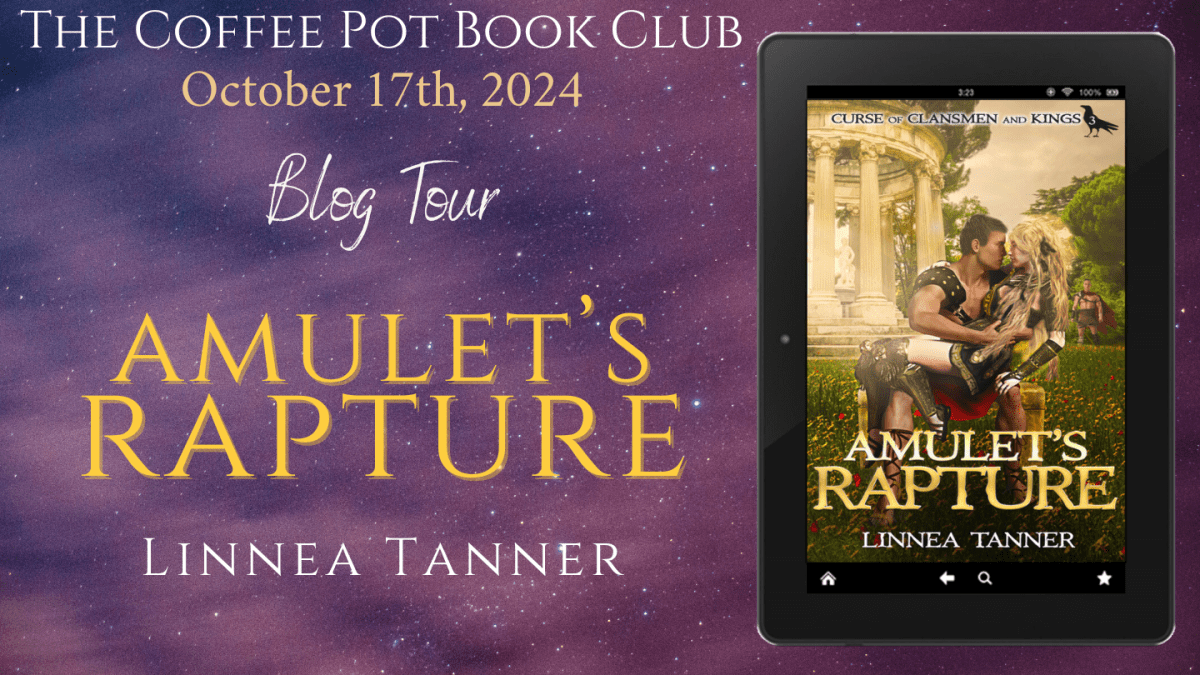
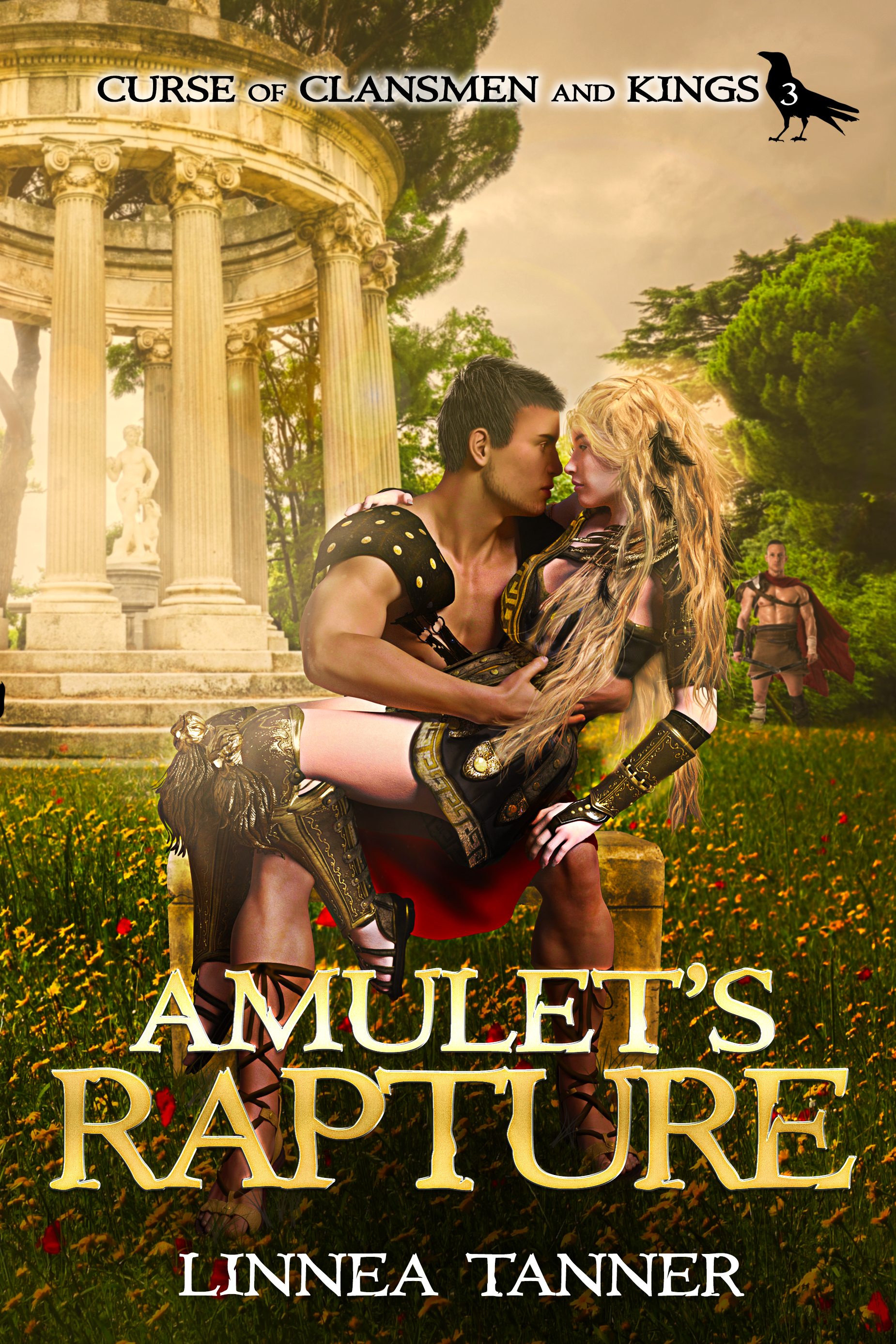
I’m delighted to welcome Linnea Tanner and her book, Amulet’s Rapture, to the blog #HistoricalFantasy #HistoricalFiction #HistoricalRomance #AncientRome #Britannia #BlogTour #BookBlast #TheCoffeePotBookClub

I’m delighted to welcome Linnea Tanner and her book, Amulet’s Rapture from the Curse Of Clansmen and Kings series, to the blog with a trailer.

Trailer

Blurb

“Amulet’s Rapture by Linnea Tanner is the story of the survival and transformation of Catrin. The plot is packed with action, politics, corruption, ambition, prophecies, and ancient magic. With a gripping plot, mindblowing storytelling, and unpredictable twists, Amulet’s Rapture by Linnea Tanner is going to be among my top three favorites of this year.” — Ankita Shukla for Readers’ Favorite

Blood stains her Celtic home and kingdom. The warrior Druid princess will do anything to retake her kingdom.

Although Catrin is the rightful heir to the Celtic throne in Britannia, she is lucky to be alive. After witnessing the slaughter of her family at the hands of her half-brother, who was aided by the Romans, she is enslaved by a Roman commander. He disguises her as a boy in the Roman Legion with the belief that she is an oracle of Apollo and can foretell his future. The sole bright spot in her miserable new life is her forbidden lover Marcellus, the great-grandson of the famed Roman General Mark Antony.

But Marcellus has been wounded and his memories of Catrin and their secret marriage were erased by a dark Druidess. Though Marcellus reunites with Catrin in Gaul and becomes her ally as she struggles to survive the brutality of her Roman master, he questions the legitimacy of their marriage and hesitates to help her escape and retake her kingdom. If their forbidden love and alliance are discovered, her dreams of returning to her Celtic home with Marcellus will be shattered.

Buy Link

Universal Link:

Amulet’s Rapture is available to read on #KindleUnlimited

Amulet’s Rapture is free on Kindle on October 17th – 21st 2024

Universal Buy Links for Individual Books in Curse of Clansmen and Kings Series:

  1. Apollo’s Raven
  2. Dagger’s Destiny
  3. Amulet’s Rapture
  4. Skull’s Vengeance

Series Link:

Meet the Author

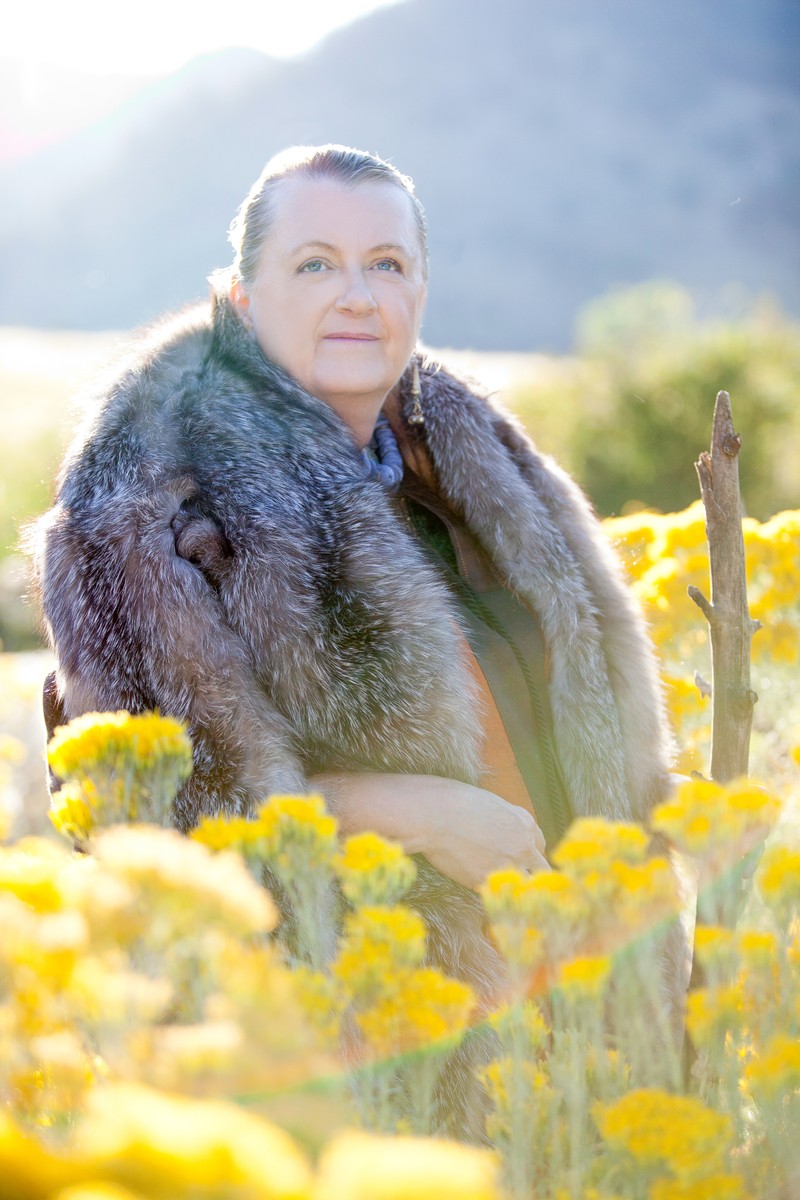
Award-winning author, Linnea Tanner, weaves Celtic tales of love, magical adventure, and political intrigue in Ancient Rome and Britannia. Since childhood, she has passionately read about ancient civilizations and mythology. She is particularly interested in the enigmatic Celts, who were reputed as fierce warriors and mystical Druids.

Linnea has extensively researched ancient and medieval history, mythology, and archaeology and has traveled to sites described within each of her books in the Curse of Clansmen and Kings series. Books released in her series include Apollo’s Raven (Book 1), Dagger’s Destiny (Book 2), Amulet’s Rapture (Book 3), and Skull’s Vengeance (Book 4). She has also released the historical fiction short story Two Faces of Janus.

A Colorado native, Linnea attended the University of Colorado and earned both her bachelor’s and master’s degrees in chemistry. She lives in Fort Collins with her husband and has two children and six grandchildren.

Connect with the Author

Website: BookBub:

Follow the Amulet’s Rapture blog tour with The Coffee Pot Book Club

I’m delighted to welcome Amy Maroney and her new book, The Pirate’s Physician, to the blog #Renaissance #HistoricalRomance #PirateBooks #SeaAdventure #BlogTour #TheCoffeePotBookClub

I’m delighted to welcome Amy Maroney and her new book, The Pirate’s Physician, a thrilling companion novella to the Sea and Stone Chronicles, to the blog.

Blurb

When her world shatters, she dares to trust a pirate. Will she survive what comes next?

The Pirate’s Physician is the story of Giuliana Rinaldi, a student at Salerno’s famed medieval medical school, whose lifelong dream of becoming a physician crumbles when her uncle and mentor dies suddenly.

Faced with an unwanted marriage to a ruthless merchant, Giuliana enlists the help of a Basque pirate and flees home for the dangers of the open sea.

Will she make it to Genoa, where her only remaining relative awaits? Or will this impulsive decision seal her own doom?

A delightful seafaring adventure packed with romance and intrigue, The Pirate’s Physician is a companion novella to the award-winning Sea and Stone Chronicles series of historical novels by Amy Maroney: Island of Gold, Sea of Shadows, and The Queen’s Scribe.

Buy Link

Universal Link:

Meet the Author

Amy Maroney lives in the Pacific Northwest with her family, and spent many years as a writer and editor of nonfiction before turning her hand to historical fiction.

Amy is the author of the Miramonde Series, a trilogy about a Renaissance-era female artist and the modern-day scholar on her trail. Amy’s new series, Sea and Stone Chronicles, features strong, talented women seeking their fortunes in the medieval Mediterranean.

To receive a free prequel novella to the Miramonde Series, join Amy Maroney’s readers’ group at http://www.amymaroney.com.

Connect with the Author

Website: BookBub:

Follow The Pirates Physician blog tour with The Coffee Pot Book Club

I’m delighted to welcome Heather Miller and her new book ,’Tho I Be Mute, to the blog #HistoricalFiction #HistoricalRomance #CherokeeHistory #AmericanHistory #BlogTour #TheCoffeePotBookClub

I’m delighted to welcome Heather Miller and her new book, ‘Tho I Be Mute, a prequel to Yellow Bird’s Song, to the blog with an excerpt.

Excerpt

Chapter 26, “The Cave,” Sarah Northrup Ridge

The Man in the Hat belched and laughed, passing the bottle back and forth to Whitmore and the Pan Man. If the squatters kept drinking at this pace, they might not notice if I was missing from the end of the rope. I smeared dripping blood from one wrist onto the other, wriggling my still-bound hand free. With a spontaneous decision, I released the rope and dashed to slide, feet first, then wiggling into the hole to follow the roots underground.

The drop was further than I expected, and I toppled to my knees, propelled forward when my feet splashed in yesterday’s rain. I had not thought about the drop. I had not thought about the fall. I had not thought about the dark. My bleeding hands stopped my fall. I soaked them in the pool of water at my knees and pulled the bloody handkerchief from my pocket to bind the torn skin of one wrist. My knees bled from scrapes and my stockings were bloody to my shins. Inside, the air was like frozen frost. The numb tips of my fingers could still reach the cave’s opening, but the last day’s light was insufficient to light my path any further than a few steps. My hand grazed the rock behind my back. I sat among the puddles, mute, expecting the dreaded eyes and otherworldly voice of Man with the Hat. Silent tears spilled down my cheeks. But for now, I was hidden beyond his reach. Not only cold but wet, I might freeze to death before anyone found me.

The longer the upper hole was quiet, the more I relaxed. I cupped the cold water from the puddle and patted it on my face, down my neck to counter the fever I felt. The longer I remained invisible to my captors, the faster my witness rejoined me. I became whole again. I listened outside this pit of earth. A whippoorwill called the sundown. An owl hooted with melancholy and offered his tender empathies. Their sounds echoed off the rock walls. I warmed from their companionship.

But while I became invisible to the Man in the Hat, I was also invisible to Arch who would be at least a day’s travel behind me. That was the best I could hope for. The worst I could imagine was snowfall, to leave me starving and freezing alone. No. There was a worse outcome—raped, abandoned, found dead. My hands and feet tingled. My breath was too loud. I prayed, Jesus, please light my way for this innocent baby. In that moment of faith, the child inside me spread a hand to mirror mine resting atop my belly. I kept my eyes closed and asked forgiveness for burying us alive in this cave. But I had no choice.

Leaves fell through the opening and feet darted above me. I wriggled, pushing my back against the cavern wall, pulling my feet close to my chest. The Man with the Hat never asked my name, and I never offered it. He had nothing to call, nothing to yell. Recognizing his oversight, he kicked leaves around the cave opening where I hid. I preferred starvation, frozen into a block of ice, than answering his call.

He shouted. “Red . . . You’ll show when you get hungry enough. We’ll camp right here. I ain’t going no further.”

His volume varied, as if he walked in circles, sending his snide voice in differing directions. As he spoke, the tone and bustle above me continued. Men’s voices and horse whinnies became more distinct while they searched for me. I smelled salt pork slung on an iron pan, the same one that clanked in front of me. I salivated while listening to their exchange.

“She ain’t gone far. She just hiding,” The Man in the Hat said.

“I can’t find her. Can you?” Whitmore gave his sarcastic reply as the Pan Man laughed.

“I will.” The Man in the Hat spoke, then he swore after. Leaves crunched under his boots near the bluff’s opening. His legs blocked their firelight. Then, his hand came through the void. I covered my mouth to block the sound of my rapid breathing.
“We still got the extra horse,” Whitmore said, “even if she’s up and climbed a tree.”

The Man in the Hat walked away and said, “She’s pregnant. She couldn’t fit in that hole, and she ain’t up no tree, you drunk bastard.” The Man in the Hat cursed me, knowing that my absence guaranteed the trio’s empty bottles and empty pockets.

Blurb

Clarinda faces a moment of profound reality—a rattlesnake bite, a harbinger of her imminent mortality—and undertakes an introspective journey. In her final days, she immortalizes not only her own story but that of her parents—a narrative steeped in her family’s insights into Cherokee heritage during the tumultuous years preceding the forced removal of Native communities.

In 1818, Clarinda’s father, Cherokee John Ridge, embarks on a quest for a young man’s education at the Foreign Mission School in Cornwall, Connecticut. Amidst sickness, he finds solace and love with Sarah, the steward’s quiet daughter. Despite enduring two years of separation, defamatory editorials, and societal upheaval due to their interracial love affair, the resilient couple weds in 1824. This marks the inception of a journey for Sarah as she delves into a world both cherished and feared—Cherokee Territory. As John Ridge advocates for the preservation of his people’s land and that of his Muskogee Creek neighbors against encroaching Georgia settlers and unscrupulous governmental officials, the stakes are high. His success or failure hinges on his ability to balance his proud Cherokee convictions with an intricate understanding of American law. Justice remains uncertain.

Grounded in a true story, ‘Tho I Be Mute resonates with a compelling historical narrative, giving an intimate voice to those heard, those ignored, those speechless, urging readers to not only hear but to truly listen.
 

Buy Link

Universal Link:

Meet the Author

History is better than fiction.
We all leave a legacy.

As an English educator, Heather Miller has spent twenty-four years teaching her students the author’s craft. Now, she’s writing it herself, hearing voices from the past. Heather earned her MFA in creative writing in 2022 and is teaching high school as well as college composition courses.

Miller’s foundation began in the theatre, through performance storytelling. She can tap dance, stage-slap someone, and sing every note from Les Miserables. But by far, her favorite role has been as a fireman’s wife and mom to three: a trumpet player, a future civil engineer, and a RN. Alas, there’s only one English major in her house.

Heather continues writing the Ridge Family Saga. Her current work-in-progress, Stands, concludes the Ridge Family Saga.

Connect with the Author

Website:

Follow the ‘Tho I Be Mute blog tour with The Coffee Pot Book Club