On this day in history, the anniversary of the battle of Maserfeld in either 641 or 642. I thought I’d share some photos and book recommendations
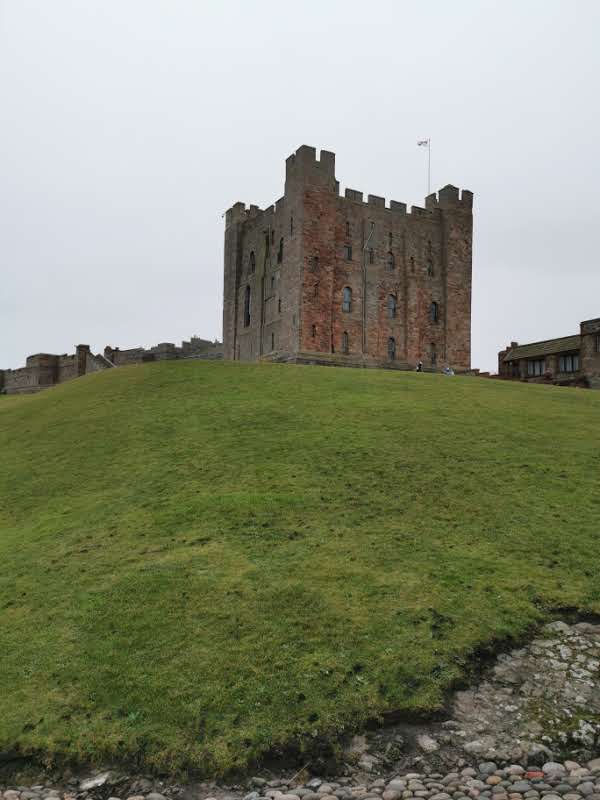
It’s the anniversary of the Battle of Maserfeld on August 5th (641 or 642), fought between Penda of Mercia (go Penda) and his allies, and Oswald of Northumbria and his allies, so I thought I’d reshare some photos I took while writing the Gods and Kings trilogy of Bamburgh Castle and Northumberland in general, which was the home of Oswald of Northumbria. Admittedly, the battle of Maserfeld is said to have taken place at Oswestry on the Welsh border with Mercia, but I didn’t go there, although I certainly visited as a child.
‘A.D. 641/642. This year Oswald, king of the Northumbrians, was slain by Penda, king of the Southumbrians, at Mirfield, on the fifth day of August; and his body was buried at Bardney. His holiness and miracles were afterwards displayed on manifold occasions throughout this island; and his hands remain still uncorrupted at Barnburgh. The same year in which Oswald was slain, Oswy his brother succeeded to the government of the Northumbrians, and reigned two less than thirty years.’
(Taken from the online version of the Anglo Saxon Chronicle, a ninth century creation so, not very contemporary).
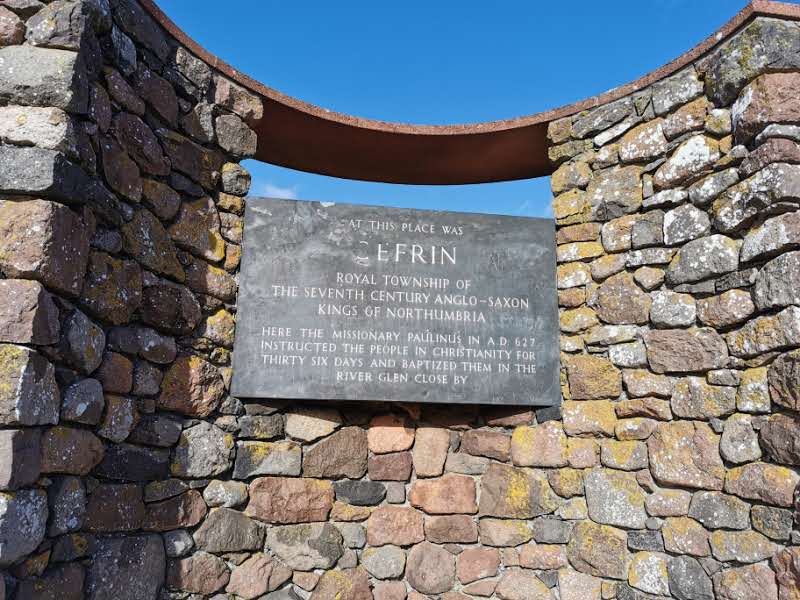
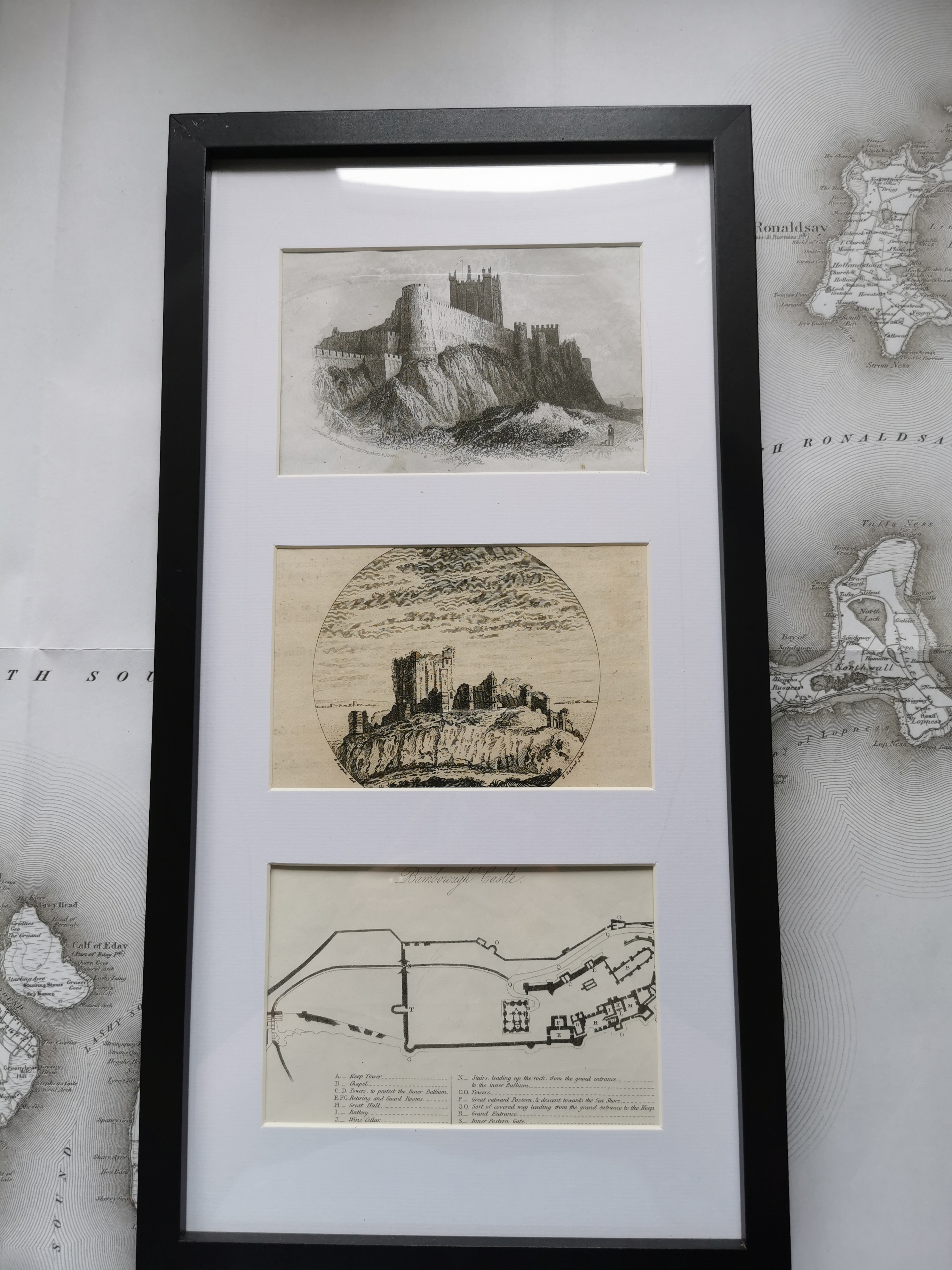
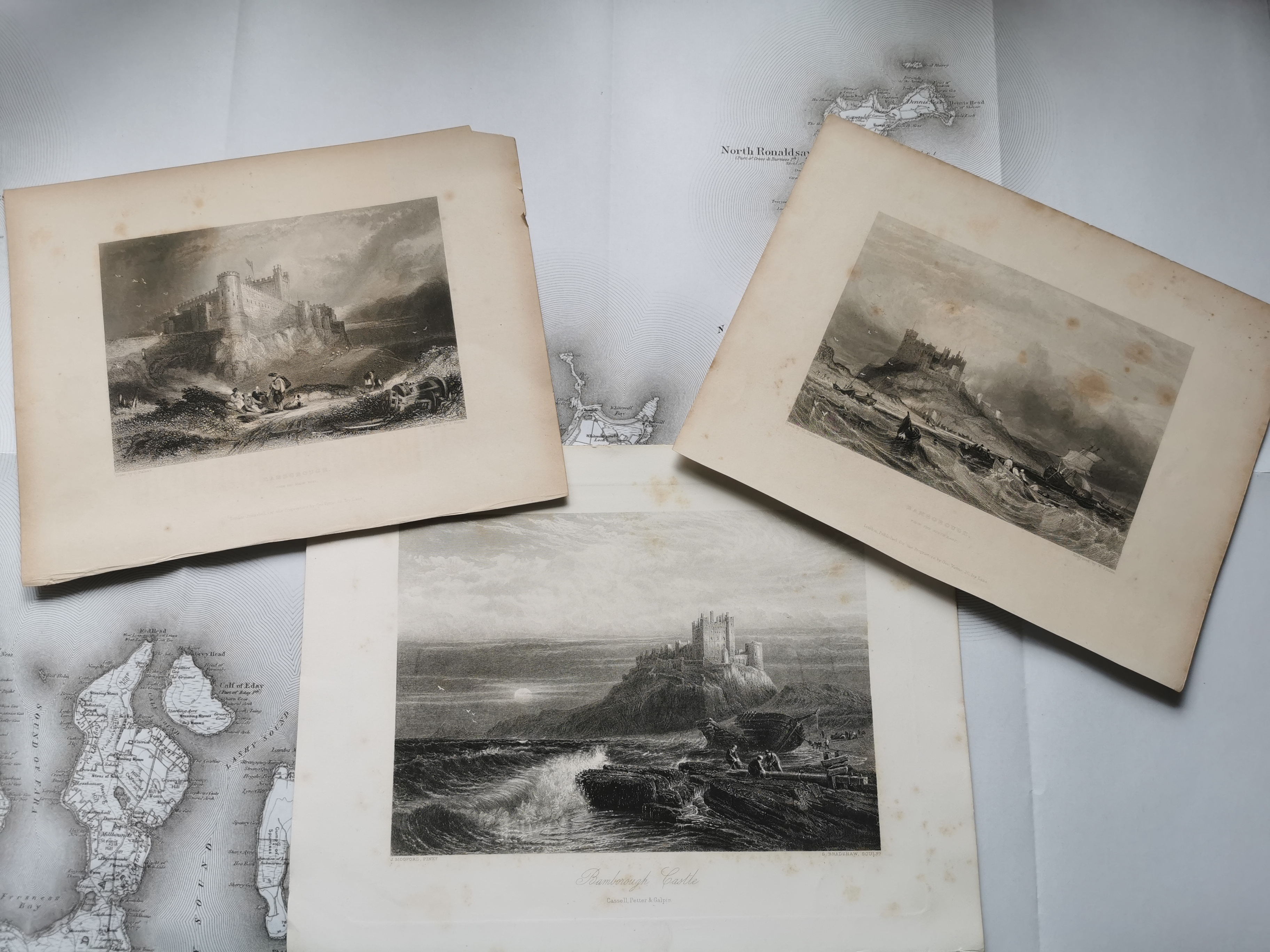
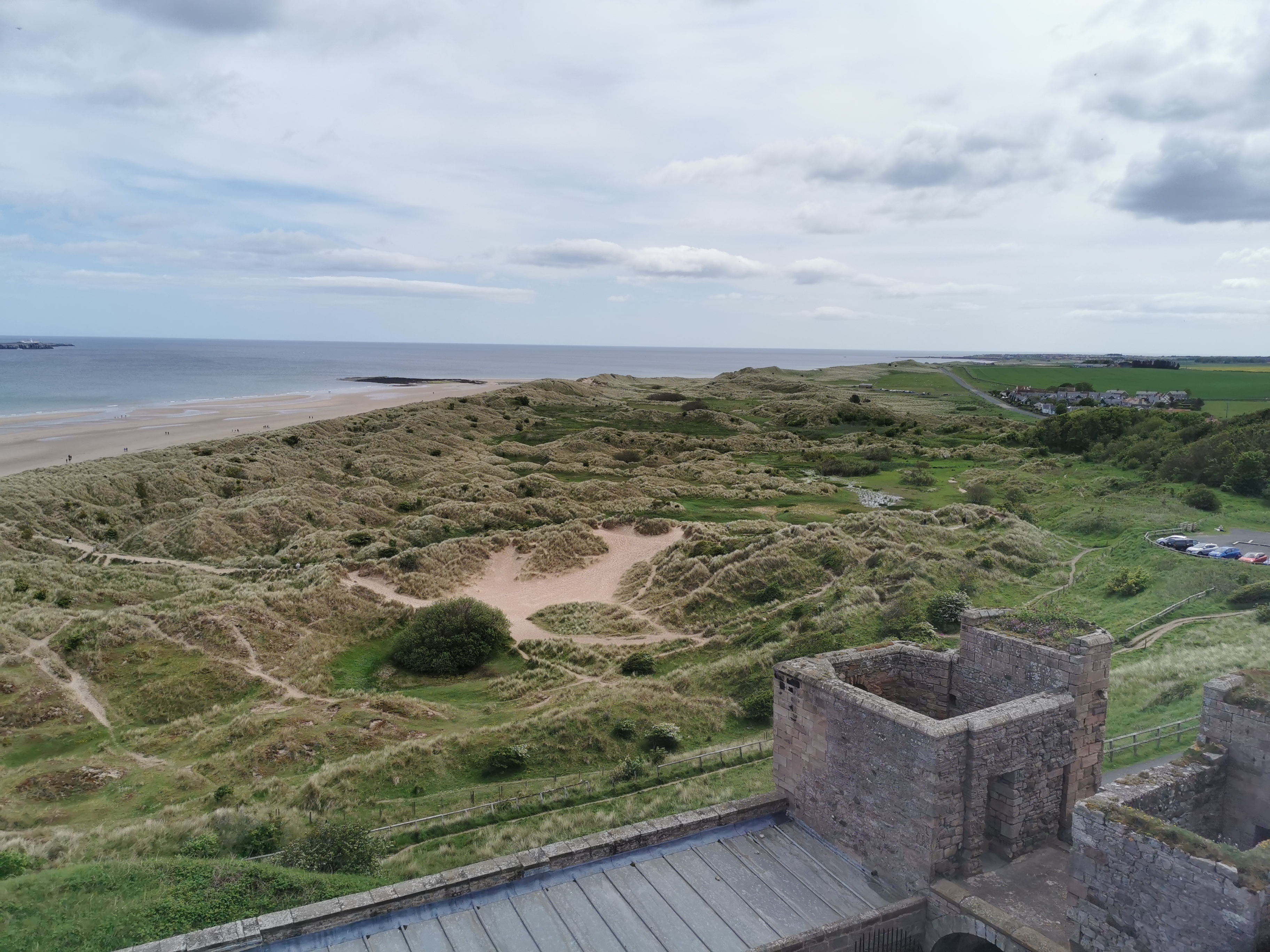
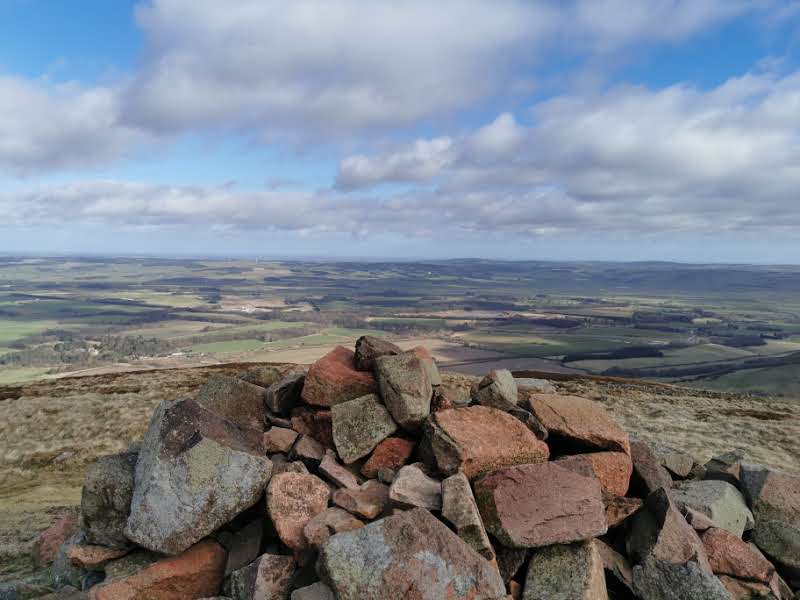
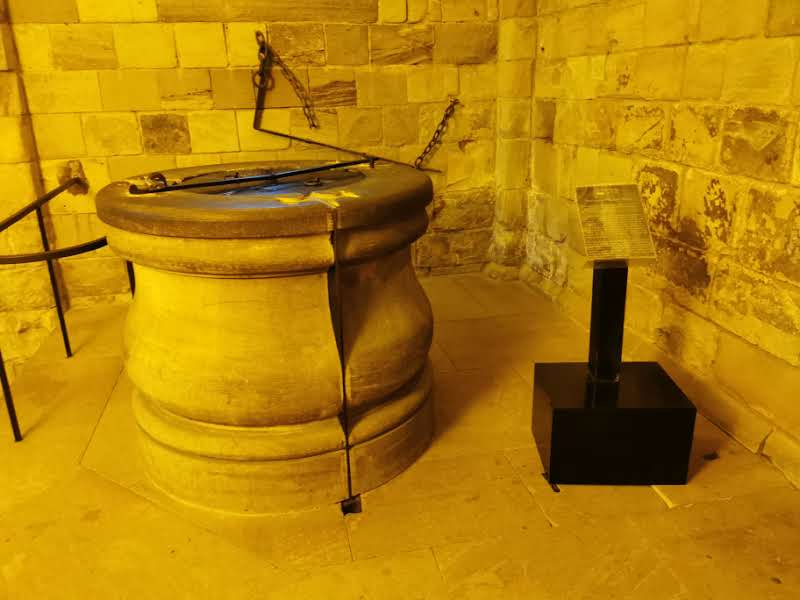
Ad Gefrin, a Northumbrian royal palace, although no longer visible above groundAntique images of Bamburgh CastleBamburgh Castle,or rather, the keep, in its depths is the oldest part of the castleMore antique prints of Bamburgh CastleThe view from Bamburgh CastleLooking towards the coast from Yeavering Bell, above Ad RefrainThe well and well cover at Bamburgh Castle in the keep – the oldest part of the castle
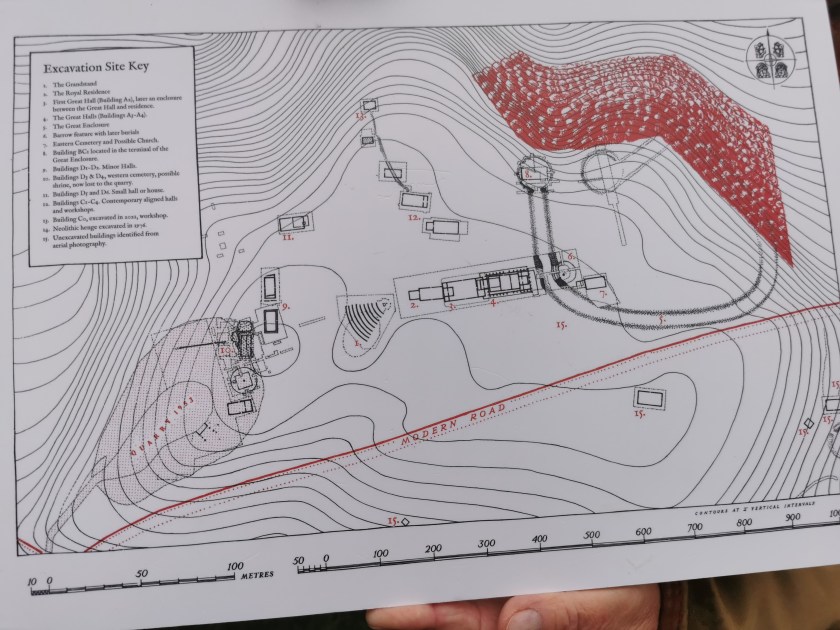
The original excavation map (I think)
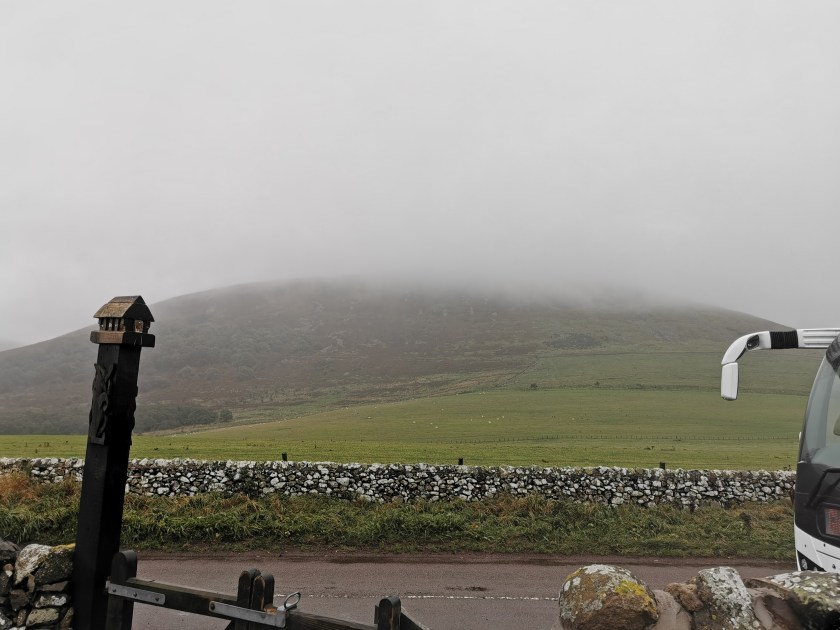
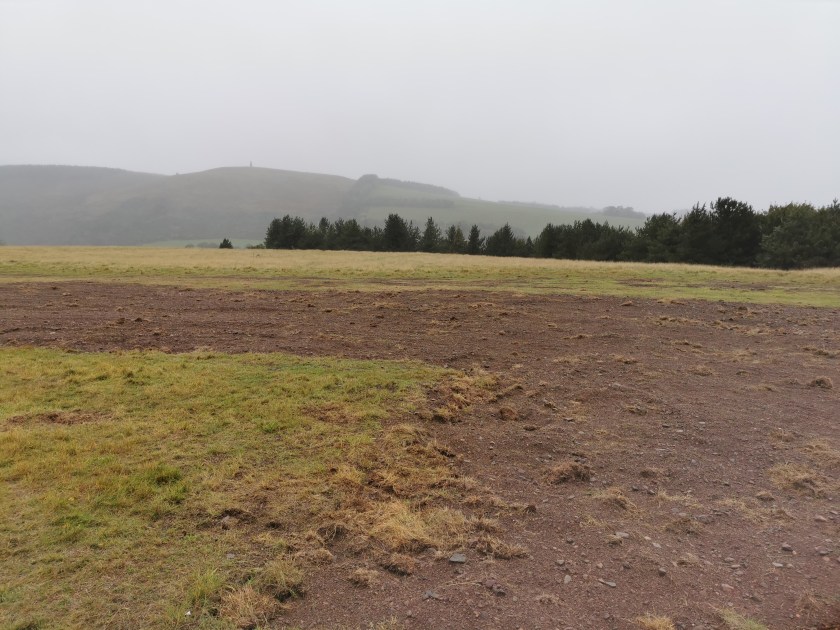
Looking towards Yeavering Bell (there’s a picture above of what the view looks like on a clear day)
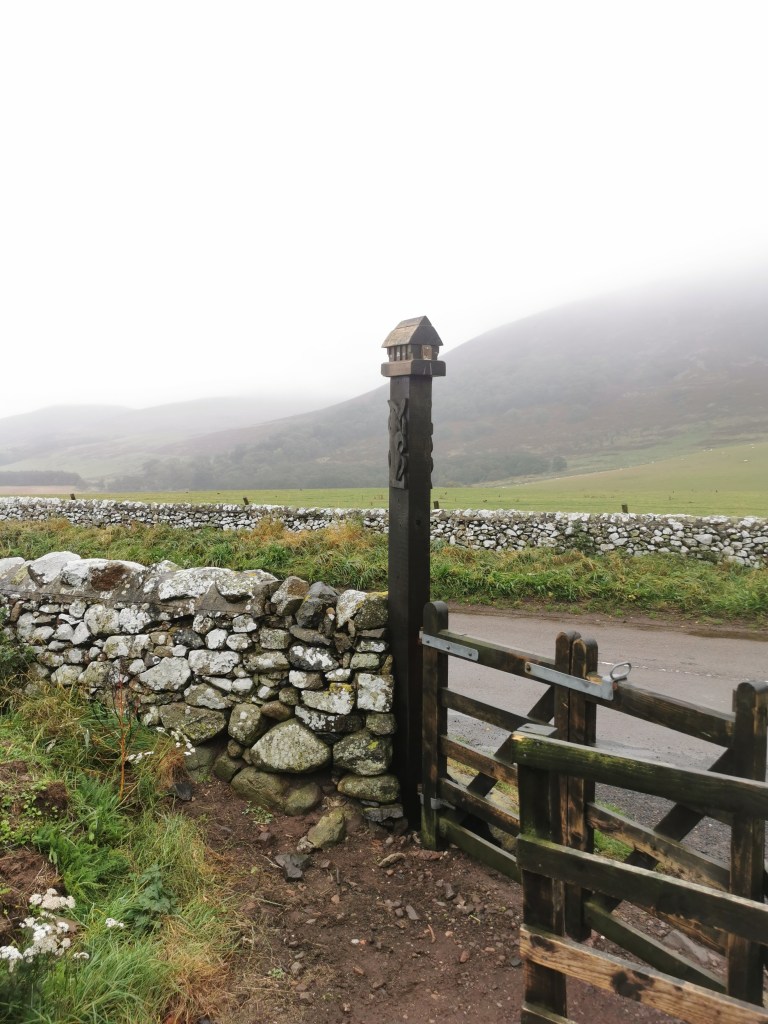
The entrance to Ad Gefrin
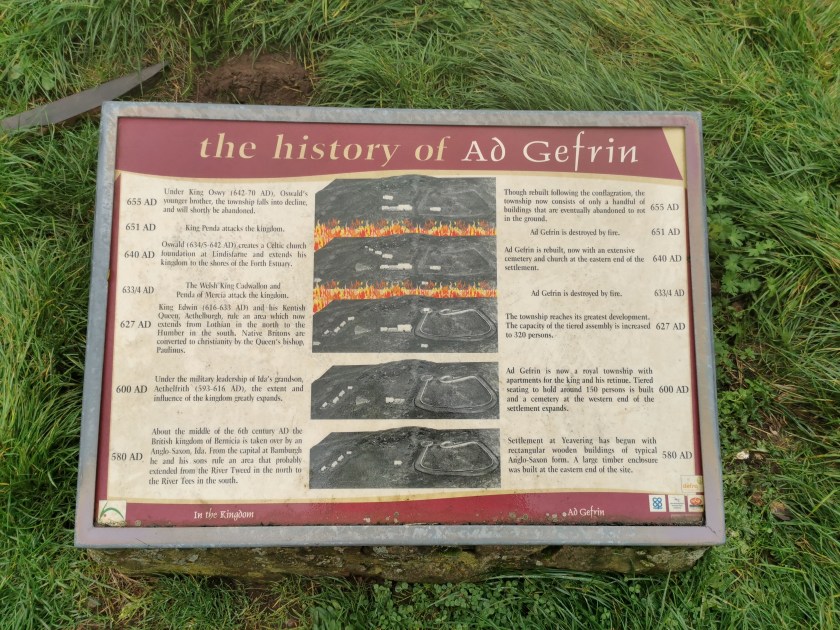
The history of Ad Gefrin board from the site
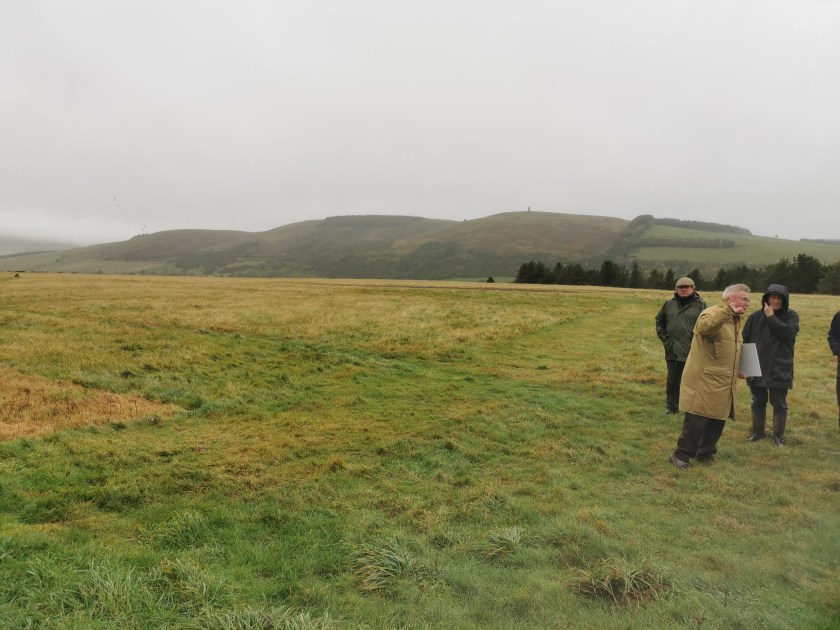
The remains of Ad Gefrin, explained to us by archaeologist Roger Miket
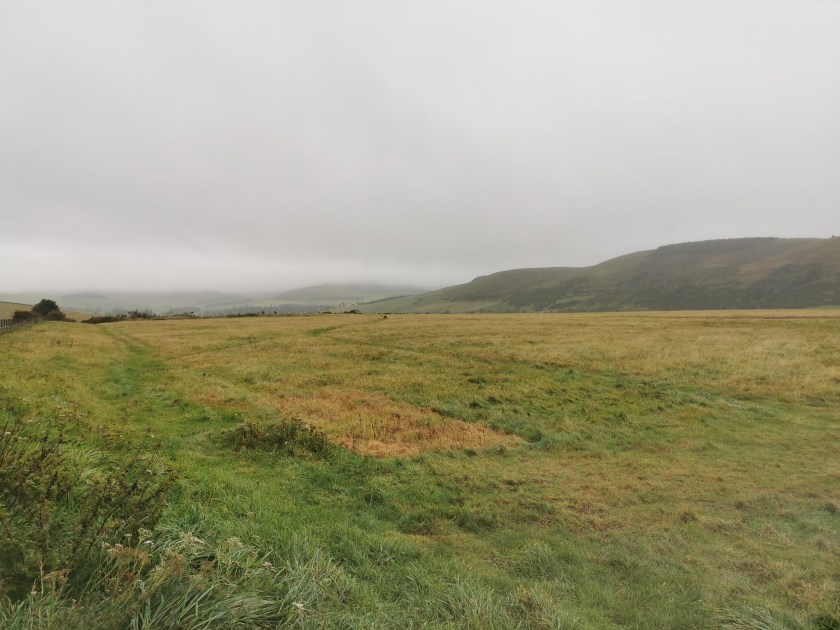
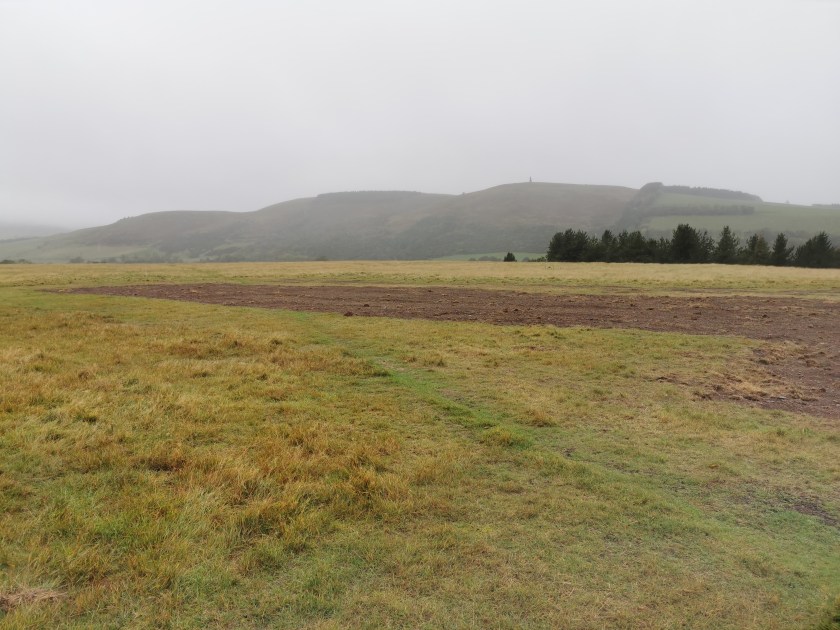
More damp Ad Gefrin
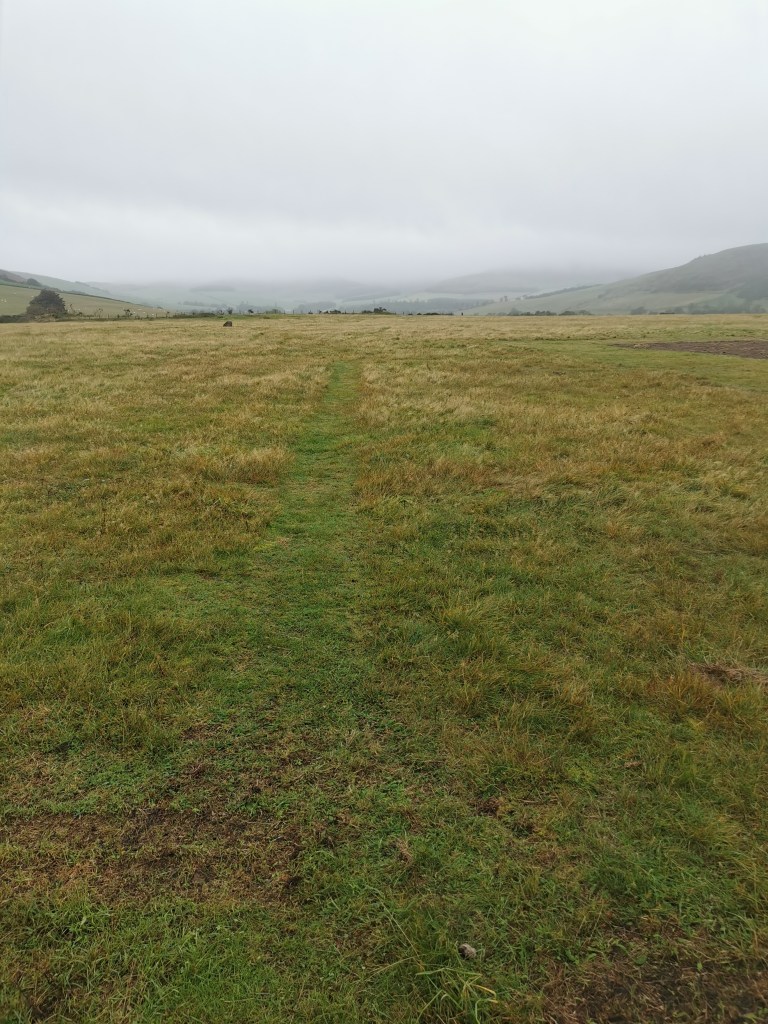
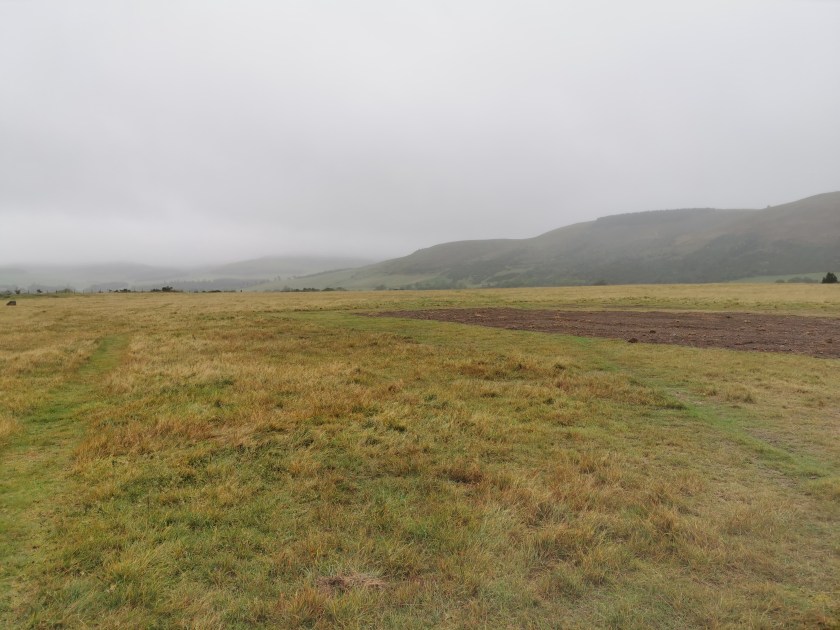
And more
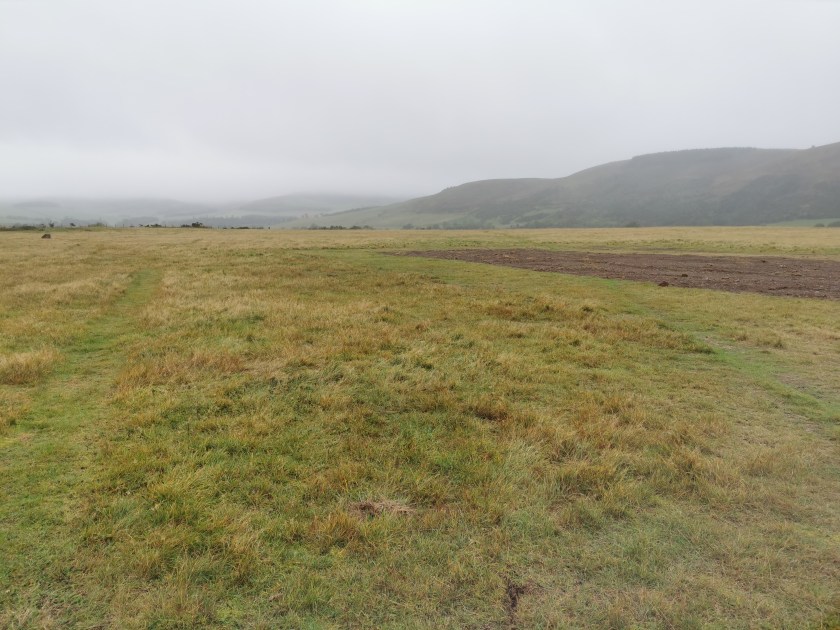
And more
And more
And more
And more
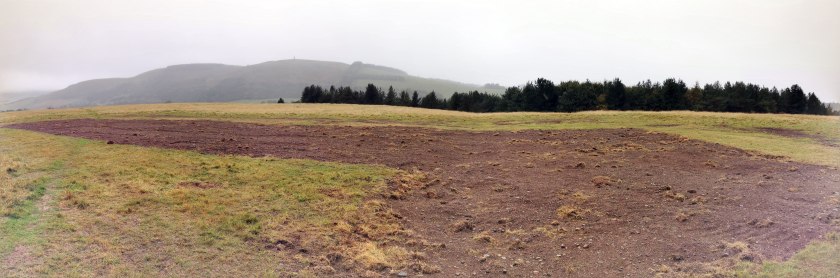
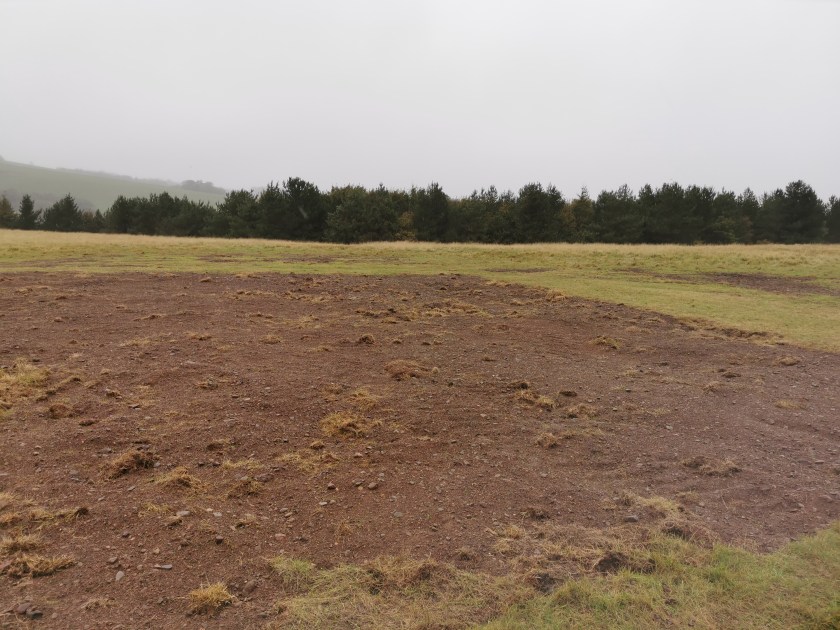
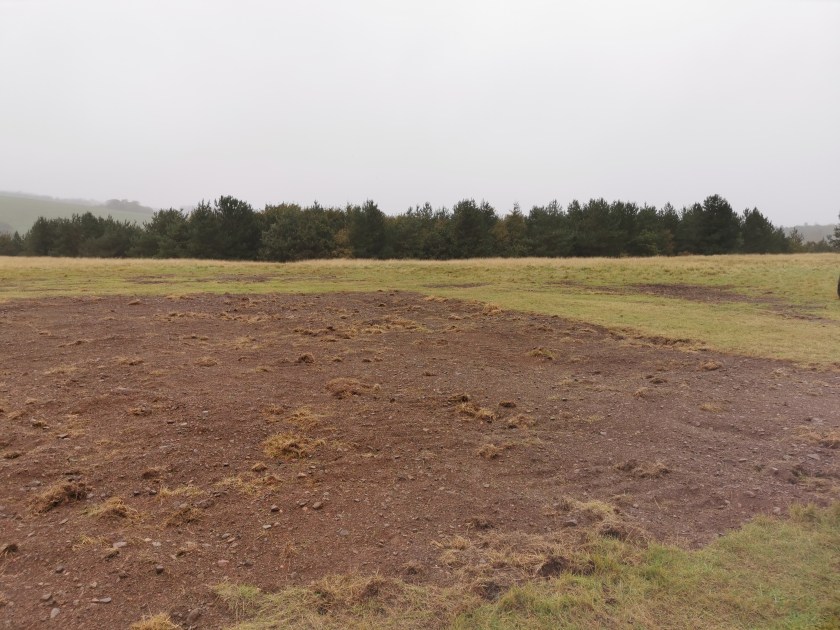
The site of the 2023 excavation
And more
And more
And more
You can hear the archaeologist, Sarah Semple, talking about the recent excavations at Ad Gefrin in this Society of Antiquaries Lecture. https://www.youtube.com/watch?v=0A7eRTvajtA
You can also visit the Ad Gefrin trust website here.
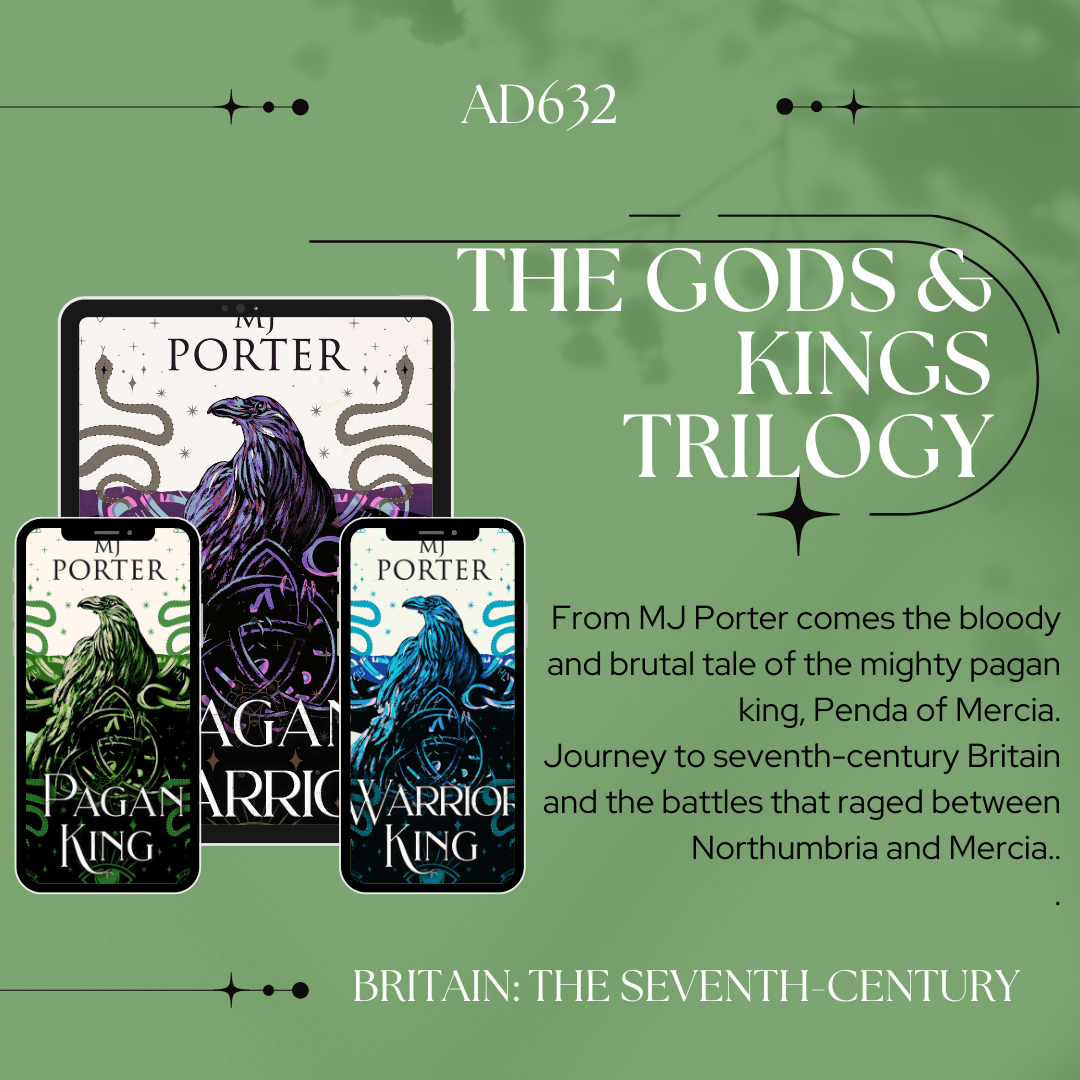
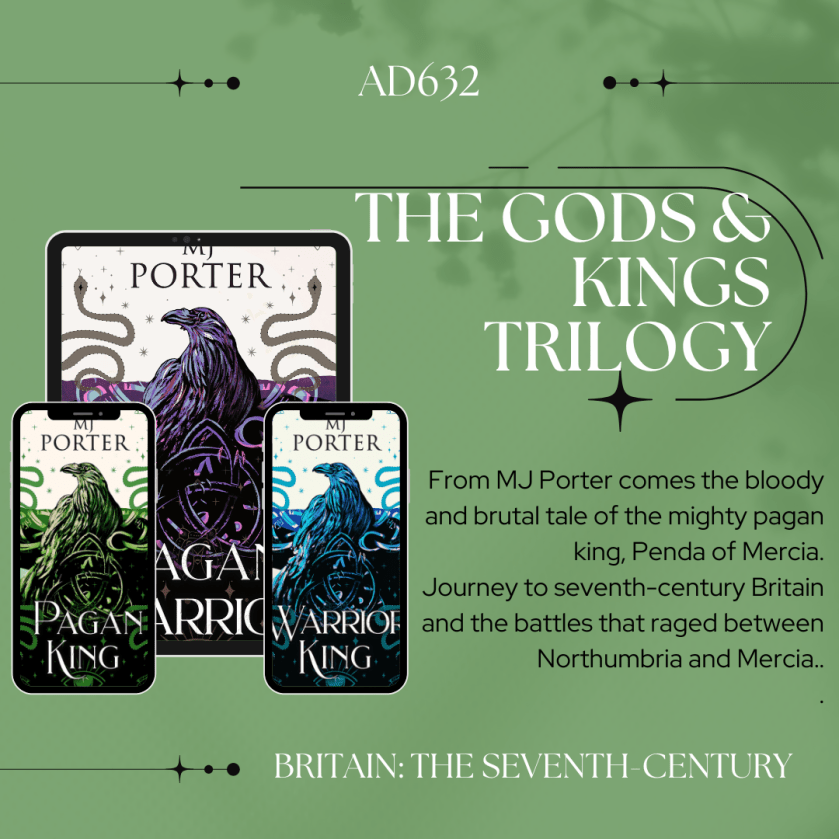
The battle of Maserfeld is the book Pagan King follows in my Gods and Kings Trilogy (the second book in the trilogy). I had a lot of fun writing it, making use of locations I visited as a child to make them come alive, and even setting one of the fictional battles in the lead up to the clash at Maserfeld, close to where I used to live.
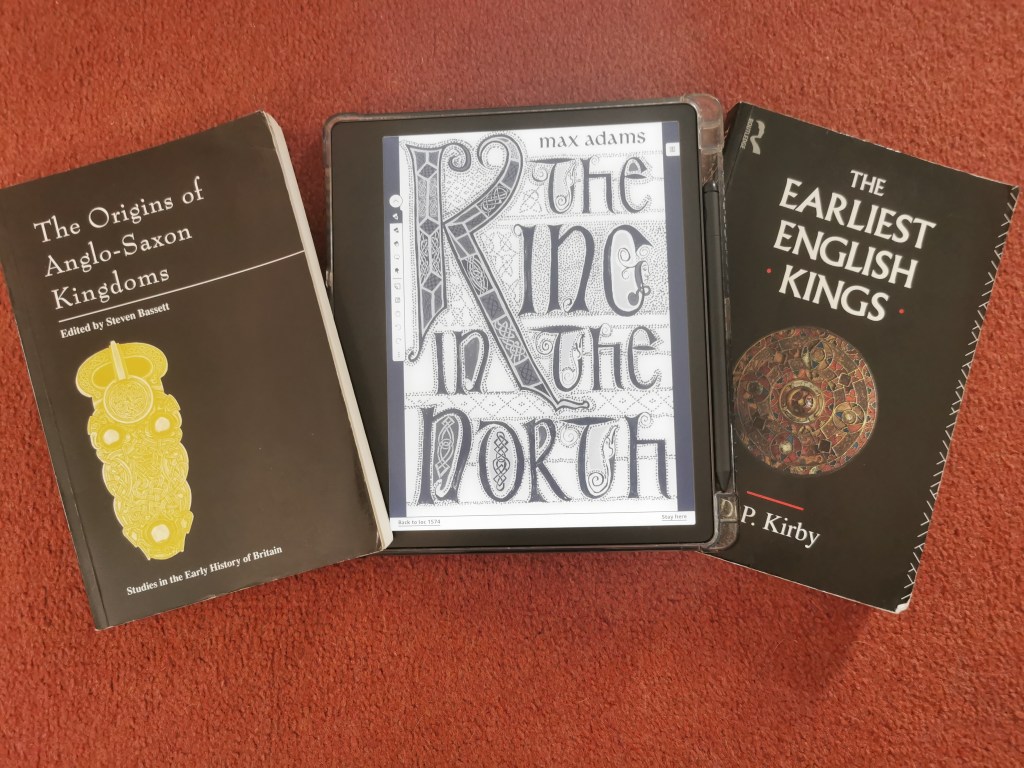
If you’re curious about the period, I highly recommend these non-fiction titles. Perhaps start with Max Adams’ The King in the North. It’s also the most modern of the three. The other two were texts I read while at university (so yes, decades ago:))
On this day in history was fought the second of three famous battles between Penda of Mercia and the Northumbrians kings. This battle was different in two ways to Hædfeld and Winwæd; it took place in the summer, and it occured in Mercia. (Hædfeld was an October battle near the River Don. Winwæd was a November battle fought somewhere in the north of modern-day England, it’s believed).
Warrior helms during the early Saxon era (seventh century)
Thanks to some spectacular archaeological finds, we can visualise how a Saxon warrior king might have looked. The reconstructions of the Sutton Hoo helm, and that found with the Staffordshire Horde (as well as a few others), present us with elaborate helmets crested with dyed-horse (or boar) hair in a way very reminiscent of the Roman era. They glitter, and they seem to be festooned in gold and silver work, but whether these were actually worn in battle or not is debatable.
Firstly, they would have made the kings or noblemen very noticeable to their enemy. Secondly, they were so valuable it’s impossible to consider the loss of one of them should they fall and their goods be taken by their enemy. Bad enough for their king and leader to die in battle, but to also lose such precious wealth as well seems unlikely. That said, of course, the Sutton Hoo helm was buried, and the fragments of the Staffordshire Hoard helmet were buried and lost. But the scarcity of such archaeological finds surely points to them being unusual or there would be hundreds of them.
But there is another reason why these helmets might have existed, and that’s because they were for ceremonial purposes. Kings, before the reign of Athelstan (925-937) are not known to have undergone consecration with a crown but rather with a helmet. After all, they were warrior kings. Perhaps then, these survivals are more akin to that worn by a warrior-king when appearing before his people or for ceremonial reasons.
What weapons would a ‘normal’ warrior have?
What then might have been the more usual garb for a warrior of the Saxon era, which at nearly six hundred years is bound to offer some variations? Shield, spear, seax, sword and byrnie.
We get a feel for these items and how valuable they were from wills that survive from the later Saxon era, hundreds of years after the events of Pagan Warrior. Ealdormen had horses, both saddled and unsaddled, shields, spears, swords, helmets, byrnies, seax, scabbards and spears.
The will of Æthelmær, an ealdorman in the later tenth century, records that he’s granting his king, ‘four swords and eight horses, four with trappings and four without, and four helmets and four coats of mail and eight spears and eight shields,’[1] as part of his heriot, a contentious term for something that some argue was an eleventh-century development, and others argue, is merely reflecting earlier practice on the death of a man.
There would also have been thegns and king thegns, who had their own weapons, as well as the men of the fyrd, the free-men who could be called upon to perform military service each year, as and when required. It’s often assumed they would have been less well-armed, although this begs the question of whether kings and their warrior nobility were prepared to sacrifice those they relied on to provide them with food to gain more wealth. They might have found themselves with the money to pay for food but without the opportunity to do so.
There are very few representations of warriors, but the surviving strands of the Gododdin, a sixth-century lament to the fallen of Catraeth gives an idea of how these warrior men thought of one another. There is much talk of killing many enemies, drinking mead, and being mourned by those they leave behind.
Battle tactics
Battle tactics from the period are impossible to determine fully. Before writing my books which are blood-filled and violent, I read a fascinating account, by a military historian, on how he thought the Battle of Hastings might have been won or lost. The overwhelming sense I came away with was that local features, hillocks, streams, field boundaries even perhaps the path of a sheep track might well be the very thing that won or lost a battle for these opposing sides. The land that kings chose to go to war on was incredibly important. Perhaps then, it wasn’t all about the weapons but about where they decided to fight.
Pagan King, the story of the battle of Maserfeld
For Pagan King, the novel that tells the story of the battle of Maserfeld, I made use of some local landmarks I knew well, and for other aspects, well, that’s why I write historical fiction.
You can find out more information on the Gods and Kings page.
The Battle of Winwæd, fought on 15th November 655, is the backdrop for the final book in the Gods and Kings trilogy, which follows three very famous battles, Hædfeld in 632/3, Maserfield in 642 and Winwæd in 655, only one of the battles being fought in the summer – which always surprises me. These three pitched battles saw Mercia and Northumbria vying for supremacy over the Saxon kingdoms of Britain, a narrative that has been interpreted as leading to Northumbria’s triumph, and indeed, its Golden Age.
But much of what happened from Hæ∂feld to Winwæd was a matter of family politics, muddled by the many marriages these kings may have made, and the horde of children they fathered who had opinions and aspirations of their own. Just as the War of the Roses many centuries later, this was a time when family loyalty meant little or nothing to some people, and everything to others.
The Mercian king, Penda, most famously known for being a pagan when the Saxon kingdoms were being converted to Christianity, achieved a great deal throughout his lifetime, regardless of the debate about how long he reigned for and when he can officially be known as King of Mercia, and he is the constant throughout these three battles. The bias of Bede, our main source for this period (even though he wrote in the following century) and his famous list of bretwaldas (wide-rulers) ignores Penda. In doing so people cast their eyes only on events in Northumbria, seeing Penda in the same light as Bede would have us do, as a pagan who continually thwarted the advances of the Christian doctrine either from the north (Celtic Christianity) or the south (Roman Christianity). In fact, Penda could reasonably be said to have achieved far more than the Northumbrian kings, Edwin, Oswald or Oswiu ever did – the men he battled against at Hædfeld, Maserfeld and Winwæd. It’s a great pity that he met his death in the way he did, allowing Bede to skewer his narrative even further, to make Oswiu, the Christian, the victor over Penda the pagan.
History can be cruel.
Yet recent historians cast Penda in a more complimentary light. D.P. Kirby calls him ‘without question the most powerful Mercian ruler so far to have emerged in the Midlands.’ Frank Stenton has gone further, ‘the most formidable king in England.’ Whilst N J Higham accords him ‘a pre-eminent reputation as a god-protected, warrior king.’ These aren’t hastily given words from men who’ve studied Saxon England to a much greater degree than I have.
The wording of Bede is vague when detailing this third and final battle of Penda’s against the Northumbrians. Bede could speak directly when he wanted to, or so it seems, but for some events, he applied a little haze of Northumbrian drizzle to obscure the facts, but on the fact that more men died in the flood waters than on the battlefield, he is clear.
Bede’s Ecclesiastical History of the English People
CHAPTER XXIV KING PENDA BEING SLAIN, THE MERCIANS RECEIVED THE FAITH OF CHRIST, AND OSWY GAVE POSSESSIONS AND TERRITORIES TO GOD, FOR BUILDING MONASTERIES, IN ACKNOWLEDGMENT FOR THE VICTORY OBTAINED. [A.D. 655.] AT this time, King Oswy was exposed to the fierce and intolerable irruptions of Penda, king of the Mercians, whom we have so often mentioned, and who had slain his brother; …….After this he gave battle with a very small army against superior forces: indeed, it is reported that the pagans had three times the number of men; for they had thirty legions, led on by most noted commanders. King Oswy and his son Aifrid met them with a very small army, as has been said, but confiding in the conduct of Christ; his other son, Egfrid, was then kept an hostage at the court of Queen Cynwise, in the province of the Mercians. King Oswald’s son Etheiwald, who ought to have assisted them, was on the enemy’s side, and led them on to fight against his country and uncle; though, during the battle, he withdrew, and awaited the event in a place of safety. The engagement beginning, the pagans were defeated, the thirty commanders, and those who had come to his assistance were put to flight, and almost all of them slain; among whom was Ethelbere, brother and successor to Anna, king of the East Angles, who had been the occasion of the war, and who was now killed, with all his soldiers. The battle was fought near the river Vinwed, which then, with the great rains, had not only filled its channel, hut overflowed its banks, so that many more were drowned in the flight than destroyed by the sword.
This narrative is largely copied in the other surviving sources, all much later than the events they describe.
Penda, son of Pybba, reigned ten years; he first separated the kingdom of Mercia from that of the North-men, and slew by treachery Anna, king of the East Anglians, and St. Oswald, king of the North-men. He fought the battle of Cocboy, in which fell Eawa, son of Pybba, his brother, king of the Mercians, and Oswald, king of the North-men, and he gained the victory by diabolical agency. He was not baptized, and never believed in God.
The Anglo-Saxon Chronicle (first written from the late 890s).
A.D. 655. This year Penda was slain at Wingfield, and thirty royal personages with him, some of whom were kings. One of them was Ethelhere, brother of Anna, king of the East-Angles. The Mercians after this became Christians. From the beginning of the world had now elapsed five thousand eight hundred and fifty winters, when Paeda, the son of Penda, assumed the government of the Mercians.
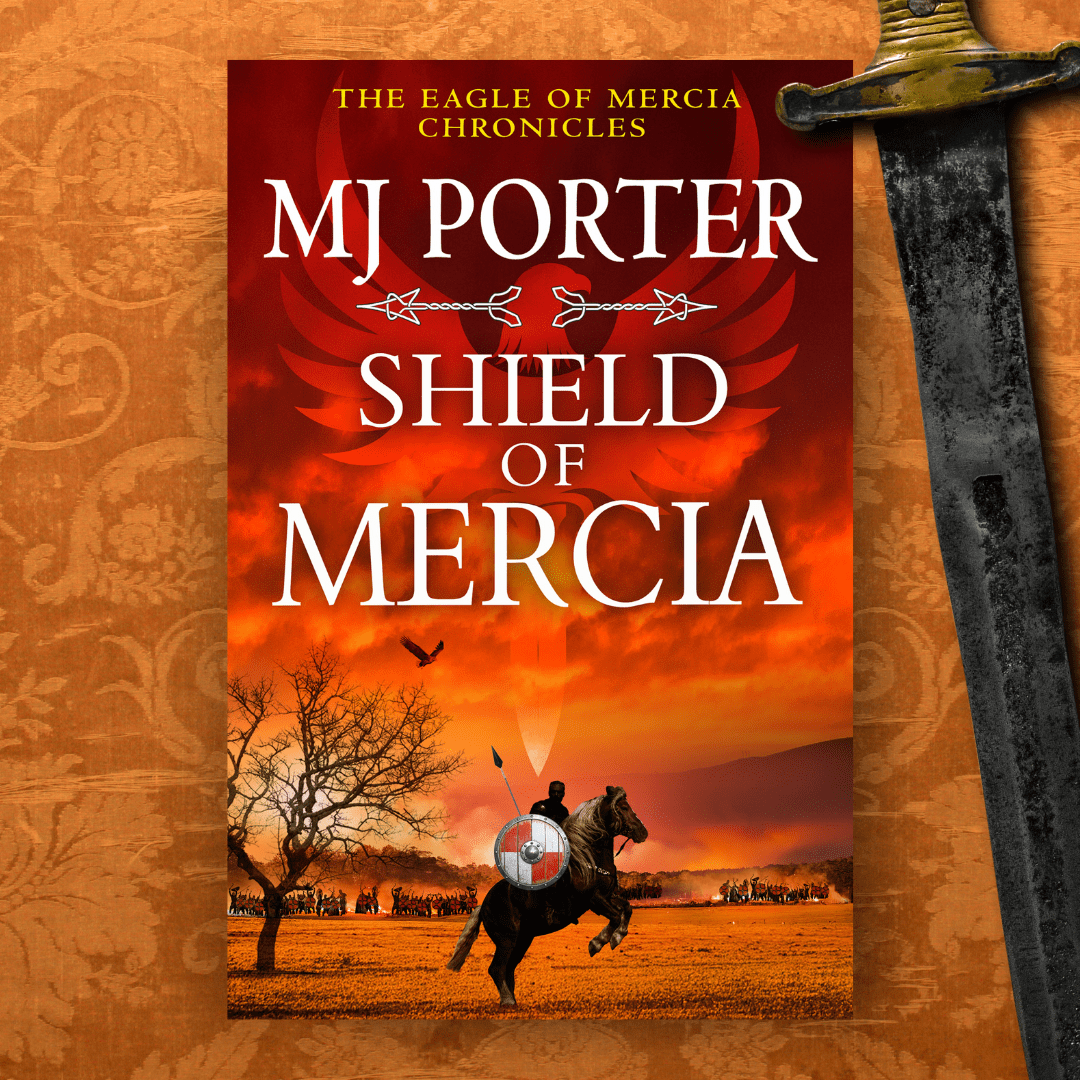
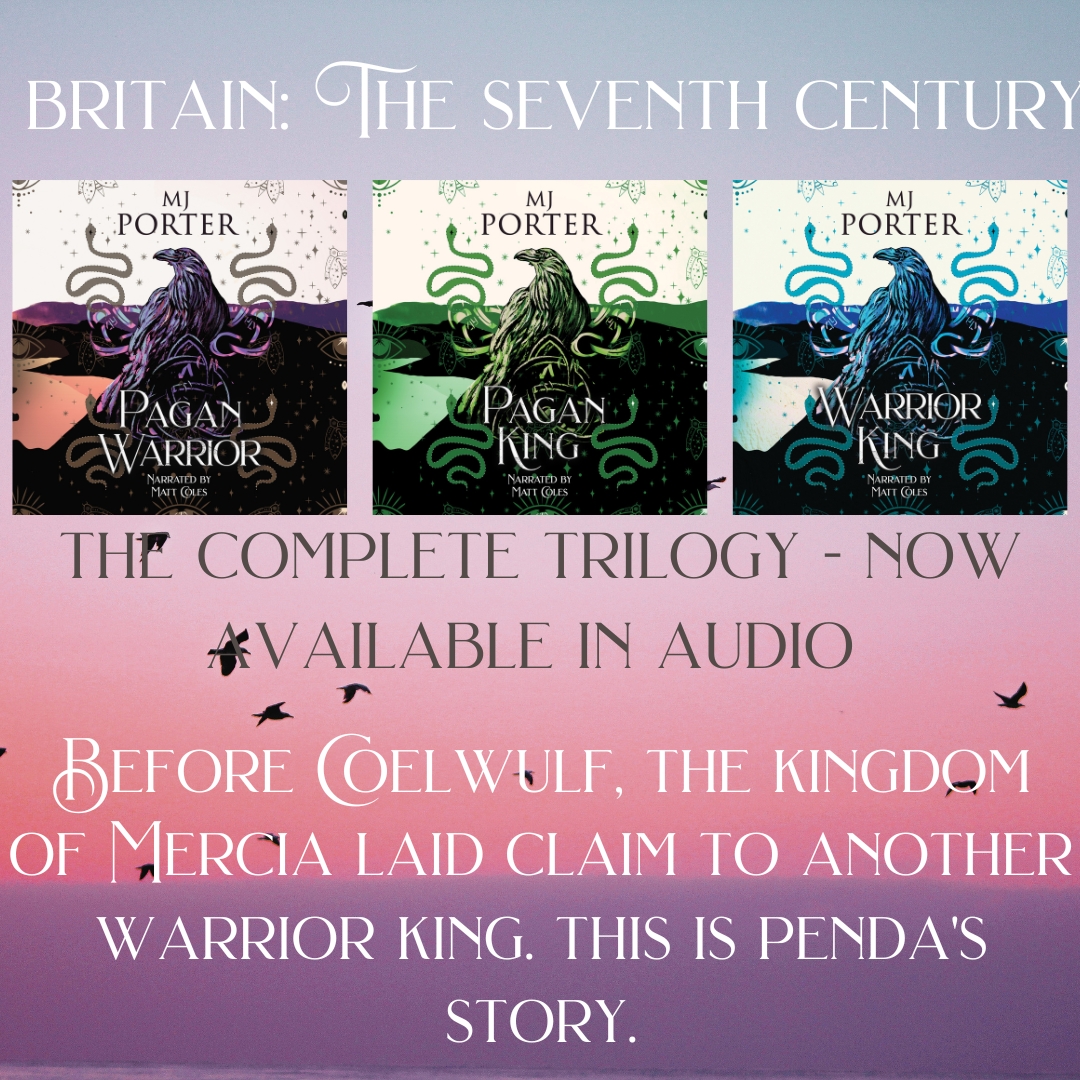
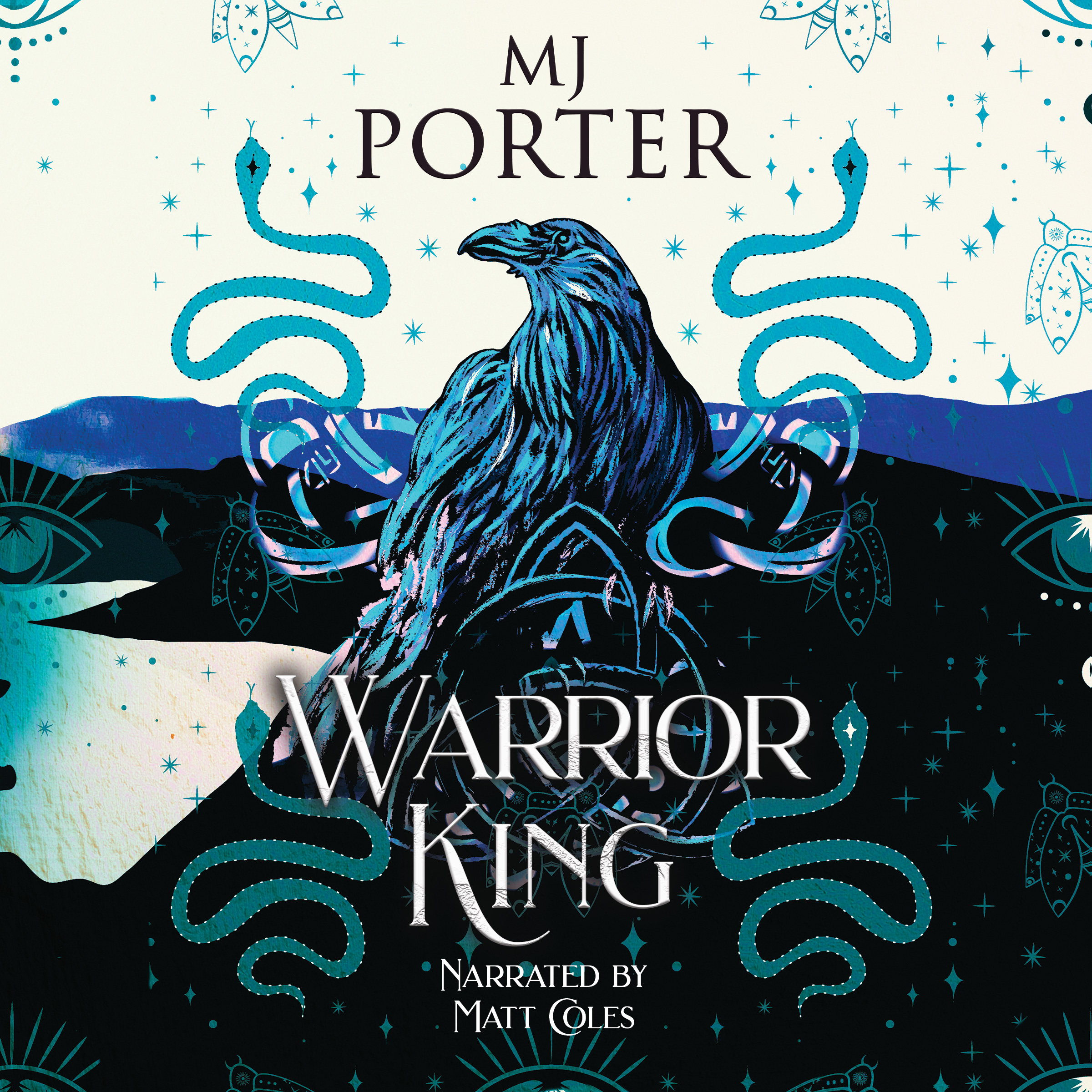
Warrior King is now live on many audio channels, and slowly making its way onto more and more. Right now, I know it’s available on Spotify, Kobo, Nook, Chirp, Scribd, Bingebooks. Other platforms will be coming live in the coming days and weeks.
Warrior King sample, narrated by the fabulous Matt Coles
With Warrior King, the trilogy, Gods and Kings, is now complete in audio and readers can enjoy listening and reading to the tale of Penda, Mercia and the events of the middle of the seventh century in Saxon England. I hope you’ll enjoy, and I want to say huge thanks to Matt Coles who had this trilogy thrust upon him when a previous narrator was unable to continue, and has done an amazing job of bringing the era to life. When he narrates, I hear my characters as I first visualised them. It’s an amazing experience.
If you’d like a code to download Warrior King from Spotify, please send me an email, and tell me why you want to listen, and I’ll send you a code and instructions about how to use them, or find me on one of my social channels – perhaps not Facebook as I get a bit lost with messages on there.
“Warrior tells the story of forgotten man, a man whose bones were found in an Anglo-Saxon graveyard at Bamburgh castle in Northumberland. It is the story of a violent time when Britain was defining itself in waves of religious fervour, scattered tribal expansion and terrible bloodshed; it is the story of the fighting class, men apart, defined in life and death by their experiences on the killing field; it is an intricate and riveting narrative of survival and adaptation set in the stunning political and physical landscapes of medieval England. Warrior is a classic of British history, a landmark of popular archaeology, and a must-read for anyone interested in the story of where we’ve come from.”
Warrior is an extremely well-written book. But it is not at all what I thought it would be. It is not so much the story of the warrior whose skeleton was discovered in the Bowl Hole at Bamburgh, as the story of the archaeological digs that have taken place at Bamburgh Castle, and the personalities involved, the ‘history’ (bizarre as it sounds) of the development of archaeology as a science throughout the twentieth century and a snapshot of events that occurred in Northumberland from about AD599-635, mixed in with the history of the Conversion of the Anglo-Saxons, which were taking place at the same time. (On another note, I have been on the beach at Bamburgh when a random storm has blown in – on this occasion hail on a summer’s day. It does happen).
As such, this short book attempts to accomplish a great deal, in only very few words, and for those new to the time period, or with a passing interest in all things archaeological, or for those fans of Bernard Cornwell’s Uhtred and the TV series, The Last Kingdom with its ‘hero’s’ focus on Bebbanburg, this will be a real treat.
The story takes the reader from Kent to Iona and many, many places in between. The research and attention to details can’t be faulted, and neither can the fact that the author admits that much of his story will be ‘made up’ and probably inaccurate, and yet, the ‘fiction’ of the warrior’s story is maintained, along with the desire to make the archaeology ‘fit the ‘facts” of the ‘history’ and it is here that the book falters for anyone who has more than a passing interest in the period, and who will understand all the speech marks in that last sentence.
But, for those new to the study of Anglo-Saxon England, this book will provide an excellent starting point, placing the skeleton in a ‘possible’ historical setting.
(I am hoping that the site report for the dig at Bamburgh will be/is available and this might quench my thirst to know more details about the actual finds rather than the potential historical context in which it might have taken place.).
Thank you to the publisher and Netgalley for the review copy.
Warrior is available from 19th September 2019 from here. If you are interested in reading more about the time period then try Pagan Warrior, and the two follow-up books which tell the story of King Penda, King Edwin, and Oswald ending in AD955.






 MJ Porter