Author of Saxon historical fiction and non-fiction, 20th-century historical mysteries, and Norse-inspired historical romantasy. Book reviewer and blog host.
Author: MJ Porter, author
I'm an author of historical fiction (Early England/Viking and the British Isles as a whole before 1066, as well as five 20th-century mysteries), a non-fiction title about the royal women of tenth-century England, and historical fantasy.
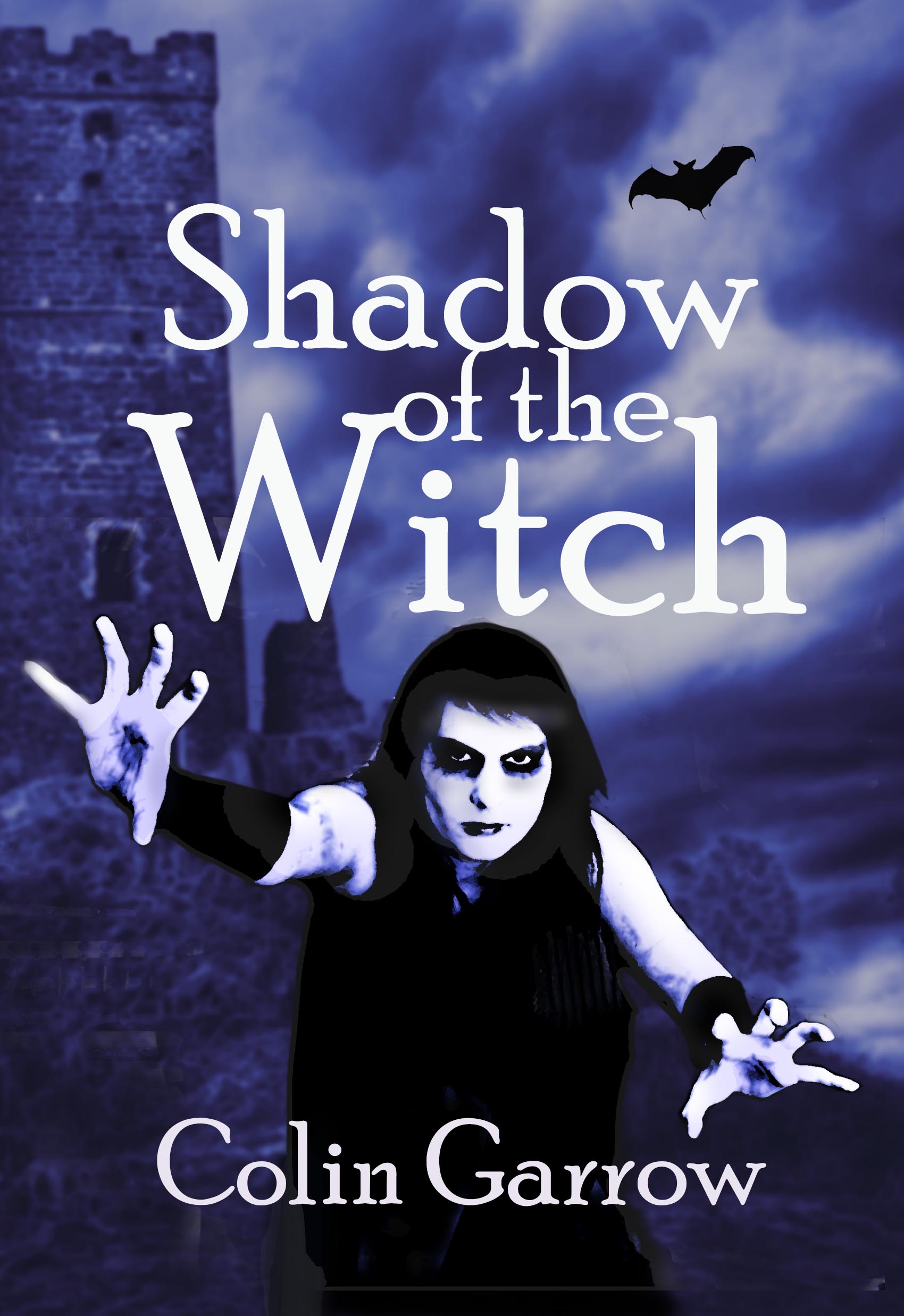
London, 1677. A house with a dark secret. A lawyer in pursuit of magick. A witch, dead for fifty years.
Israel Cutler, dealer in second-hand goods, discovers the journals of Doctor Winter. Detailing the doctor’s relationship with a hanged witch, he recognises an opportunity. Seeking out a lawyer he knows with an interest in the occult, Cutler tries to sell the journals, but soon finds himself involved in a terrifying ritual—one that could bring black witch Lizzie Pickin back from the dead. Again.
Forced into a dangerous partnership, the witch leads Cutler on a trail of murder and revenge.
In this horror series set in London, Shadow of the Witch is book #2 in the Black Witch Saga.
Shadow of the Witch takes us to 1677 London – a London rebuilding in the aftermath of the Great Fire, and to a suitably spooky story.
Our main character is out to make some money when he takes some books he’s found at an auction to a local lawyer known for being involved in some otherworldly doings. Little does he know what he’s letting himself in for.
Shadow of the Witch packs a lot of punch in very few pages – as we encounter the witch, Lizzie Pinkin, and her nefarious deeds. She has one thing on her mind, revenge, and our poor main character finds himself helping, whether he wants to or not.
The author takes the reader on a journey through 1670s London, with an eye for what’s happening after the Great Fire. As a historical fiction reader and author, I really enjoyed this aspect of the story.
I’ve read quite a few of Colin Garrow’s books now – they’re never fail to disappoint and he seems able to conquer all the genres he writes – from thrilling thrillers, to Geordie crime to Sherlock Holmes-esque tales.
A really enjoyable and atmospheric tale sure to delight readers.
Colin Garrow grew up in a former mining town in Northumberland. He has worked in a plethora of professions including taxi driver, antiques dealer, drama facilitator, theatre director and fish processor, and has occasionally masqueraded as a pirate.
His short stories have appeared in several literary mags, including SN Review, Flash Fiction Magazine, Word Bohemia, Every Day Fiction, The Grind, A3 Review, 1,000 Words, Inkapture and Scribble Magazine. He currently lives in a humble cottage in Northeast Scotland where he writes novels, stories, poems and the occasional song.
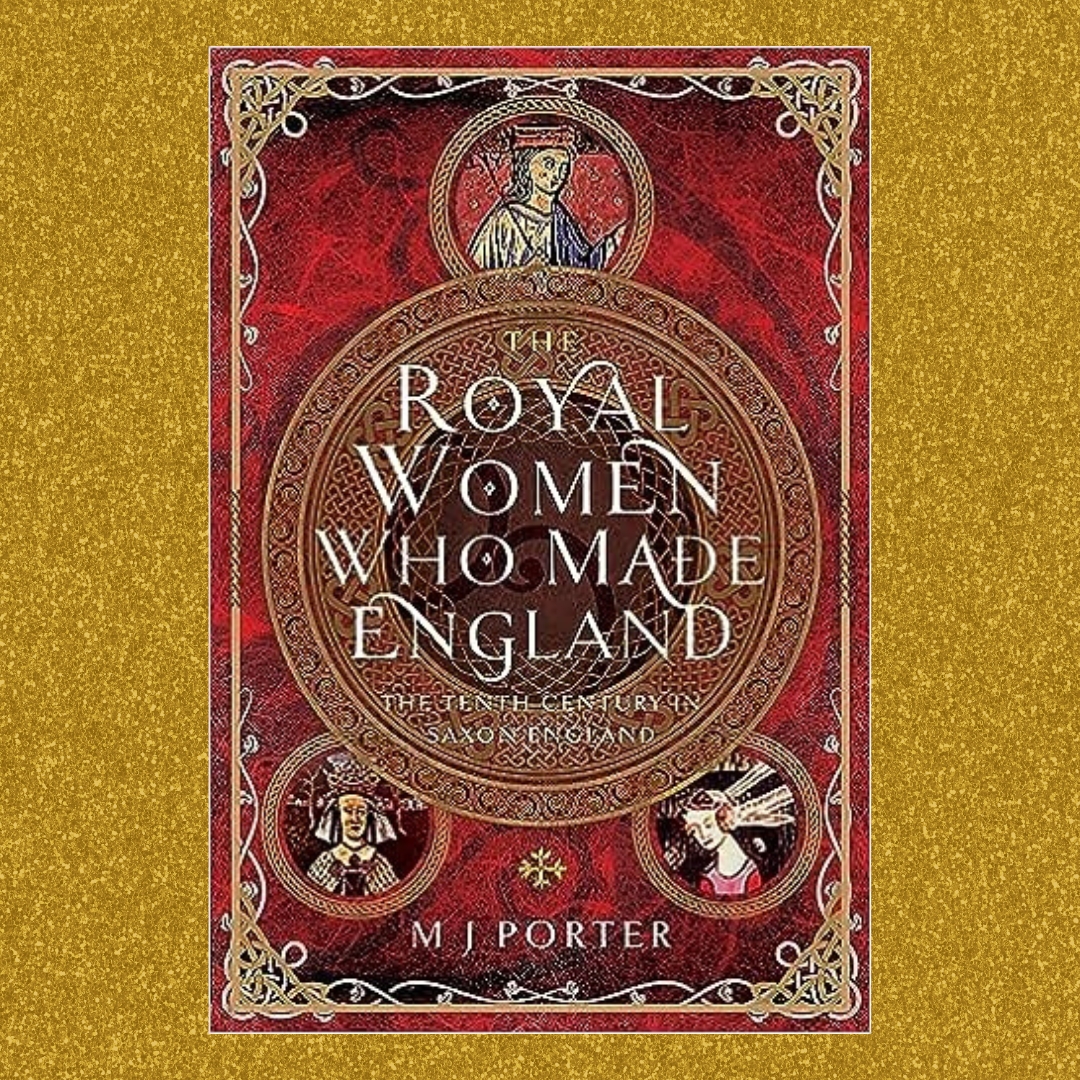
It feels like I’ve been talking about this book forever, but the day is finally upon us. The Royal Women Who Made England is available in hardback in the UK and US from today, and also in Kind
If you’ve been hiding from me for the last few months, you might be wondering what this is all about. So here goes.
Throughout the tenth century, England, as it would be recognised today, formed. No longer many Saxon kingdoms, but rather, just England. Yet, this development masks much in the century in which the Viking raiders were seemingly driven from England’s shores by Alfred, his children and grandchildren, only to return during the reign of his great, great-grandson, the much-maligned Æthelred II.
Not one but two kings would be murdered, others would die at a young age, and a child would be named king on four occasions. Two kings would never marry, and a third would be forcefully divorced from his wife. Yet, the development towards ‘England’ did not stop. At no point did it truly fracture back into its constituent parts. Who then ensured this stability? To whom did the witan turn when kings died, and children were raised to the kingship?
The royal woman of the House of Wessex came into prominence during the century, perhaps the most well-known being Æthelflæd, daughter of King Alfred. Perhaps the most maligned being Ælfthryth (Elfrida), accused of murdering her stepson to clear the path to the kingdom for her son, Æthelred II, but there were many more women, rich and powerful in their own right, where their names and landholdings can be traced in the scant historical record.
Using contemporary source material, The Royal Women Who Made England can be plucked from the obscurity that has seen their names and deeds lost, even within a generation of their own lives.
So, who were these royal women? While some of us will know Æthelflæd, the Lady of Mercia, either because I think she is one of THE most famous Saxon women, or because of The Last Kingdom TV series and books, but she is merely one of many.
I’ve fictionalised Elfrida and her contemporaries, Eadgifu, the third wife of Edward the Elder and also some of his daughters, as well as Ælfwynn, the daughter of Æthelflæd. My first non-fiction title is me sharing my research that these stories are based upon.
I’ve also ‘found’ many other women of the period who have left some sort of physical reminder, mostly in charters or because their wills have survived.
In total, I discuss over twenty women directly involved with the royal family, either by birth or marriage, and also a further forty, who appear in the sources. I also take a good look at what these sources are and how they perhaps aren’t always as reliable as we might hope. I make an attempt to ‘place’ these women in the known historical events of the period. And draw some conclusions, which surprised even me.
You can find some of my blog posts about these women below.
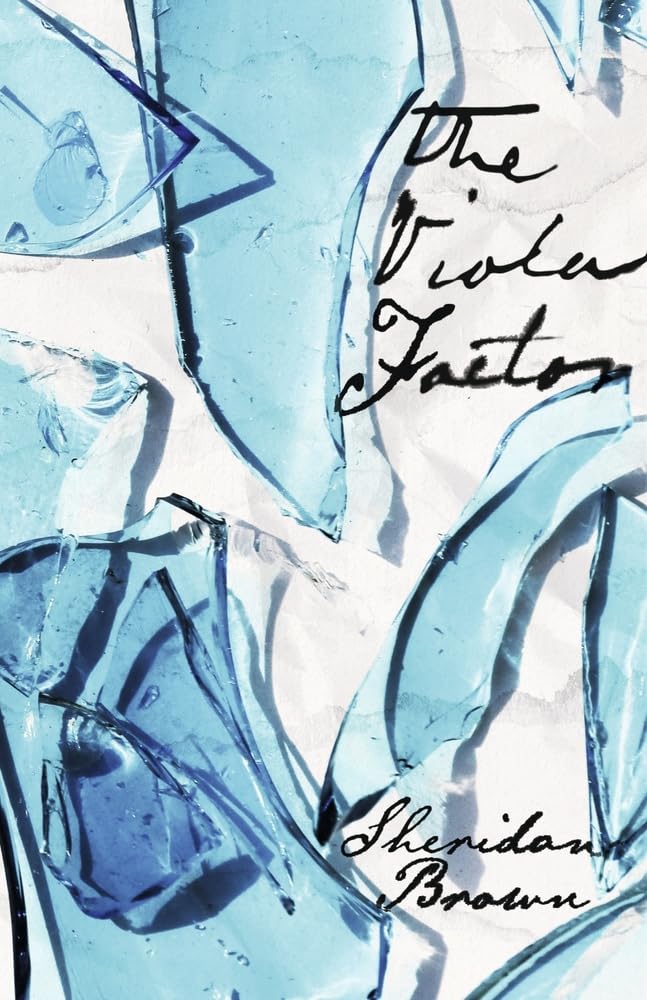
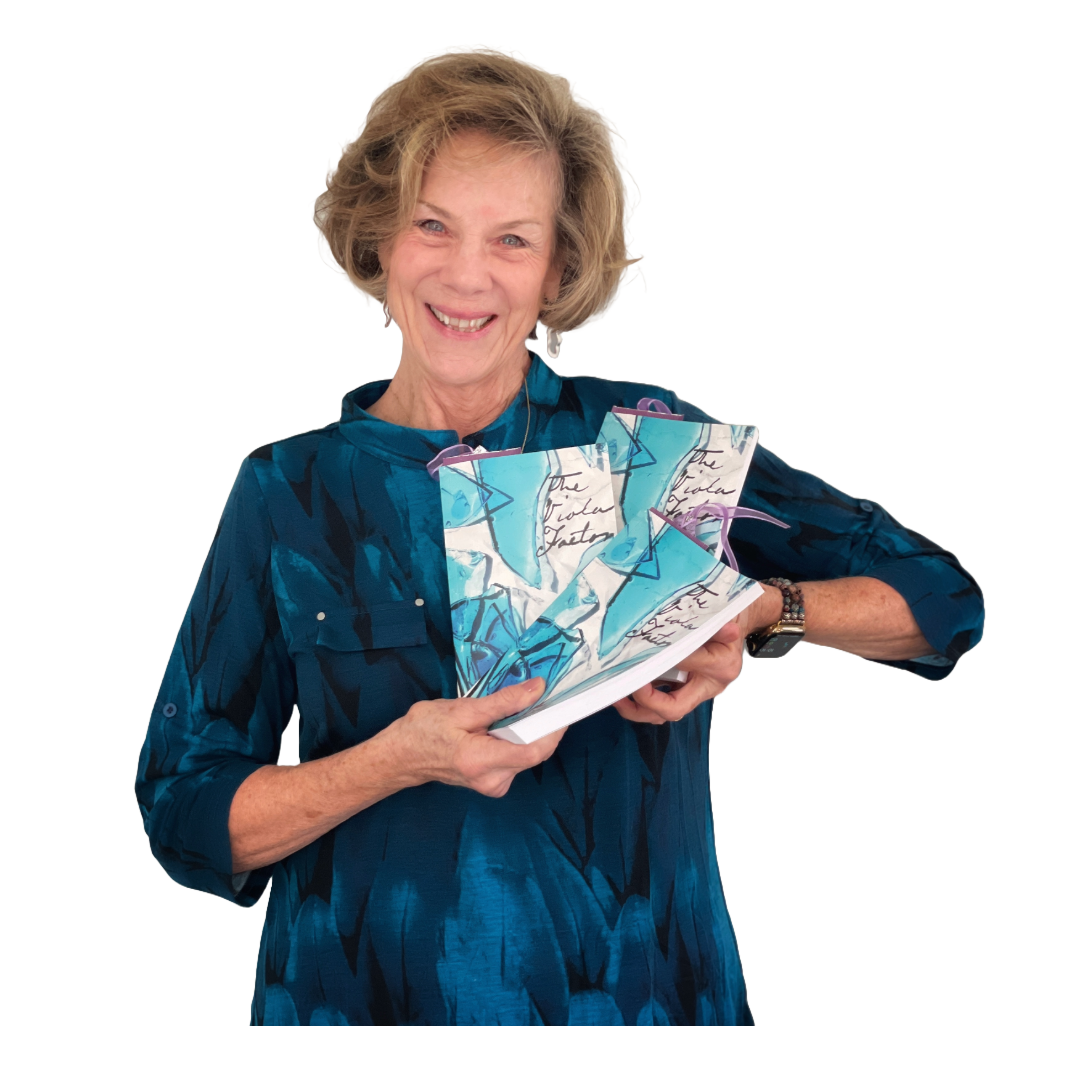
I’m delighted to welcome Sheridan Brown and her new book, The Viola Factor, to the blog, with a book trailer.
The Viola Factor Book Trailer
The Viola Factor Book Trailer
Here’s the blurb
“The Viola Factor” takes place at a time when the country faced division and growth after the American Civil War. Viola Knapp Ruffner (1812-1903) struggled with what was just and fair, becoming a little-known confidant for a young black scholar from Virginia. But Viola was much more than a teacher; she was a mother, wife, game-changer, and friend. With her mother’s dying wish, a young woman alone, she left her New England roots. This is a story of trauma and love in the South while battling for justice and the rightful education of the enslaved and once enslaved. African American leader Booker T. Washington (1856-1915) called her his friend and model for life.
The Viola Factor is in many ways a journey of life done in baby steps, tentatively stumbling, until a galloping stride is achieved. Viola Knapp wears different shoes on different days. Heavy, mud-trekking boots to allow for aggressive steps, and daintier shoes for more rhythmic and assertive ones. She was a diligent daughter, an outspoken protector, and a progressive teacher.
Like many women in her situation, alone at seventeen, Viola must realize her own principles to fulfill her future goals. With every stride, Viola Knapp Ruffner marches around surprises, over potholes, and dodges folly after folly on her journey to be fulfilled. After ambling in one direction, plodding along in another, and wandering to find herself, a sudden halt pushes her forward until a factor of fate places her in the path of a newly freed slave with a desire to read and penchant to lead. After years of post-traumatic stress and mental uncoupling, she finds herself a woman who followed her mother’s dying wish to fight for what is fair and just.
Sheridan Brown holds advanced degrees in school leadership and is a certified teacher, principal, and educational leader. The arts have always been a central force in her life, since performing in piano recitals, school band, plays, and singing in choirs her whole life.
Ms. Brown was born in Tennessee and raised in small towns of southwest Virginia. She practiced her profession in Virginia, Massachusetts, and Florida. Upon retirement, she began volunteering, painting, writing, researching, and traveling with her husband, attorney John Crawford. She has one son, Tony Hume. She is GiGi to Aiden and Lucy. She has returned to the Blue Ridge to live and explore.
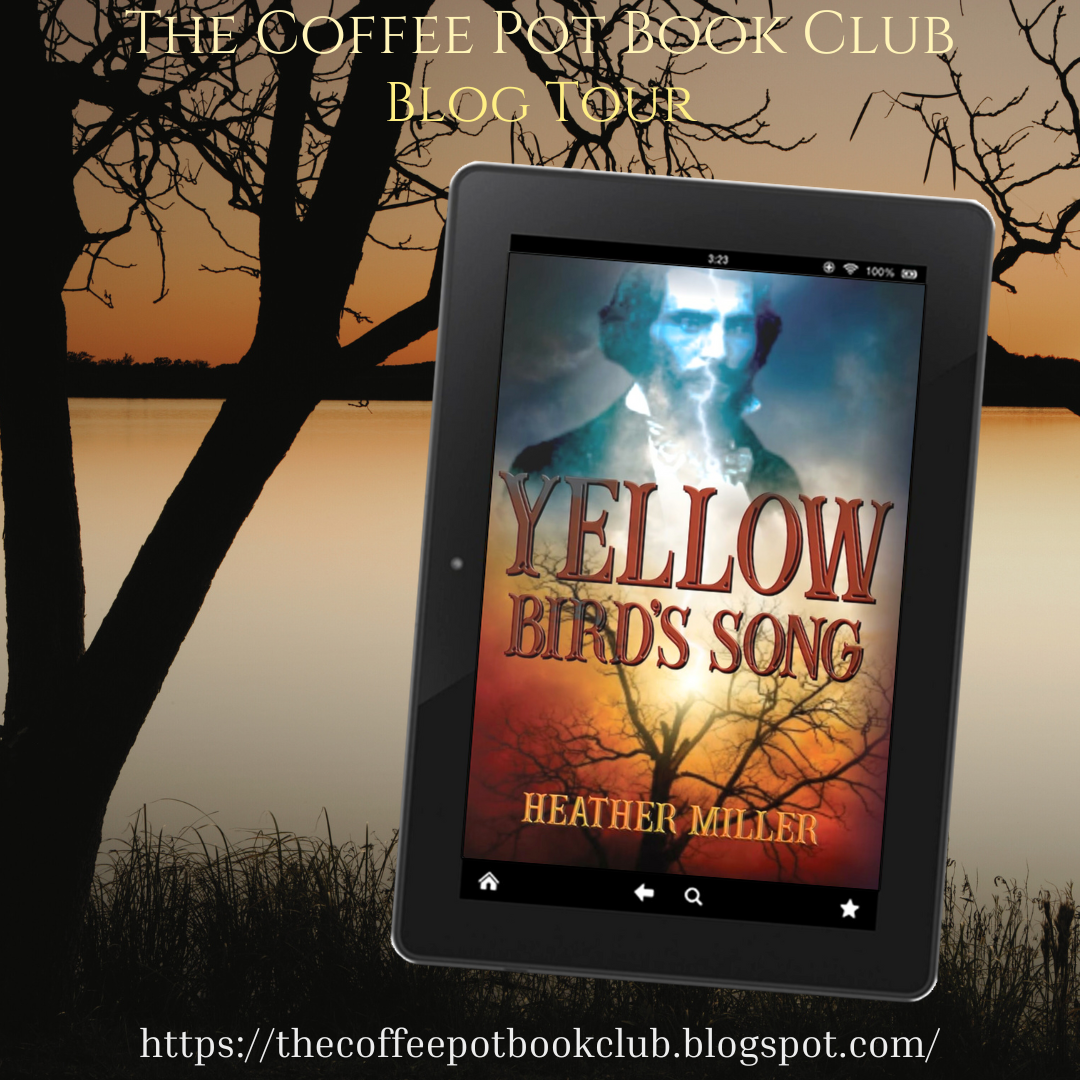
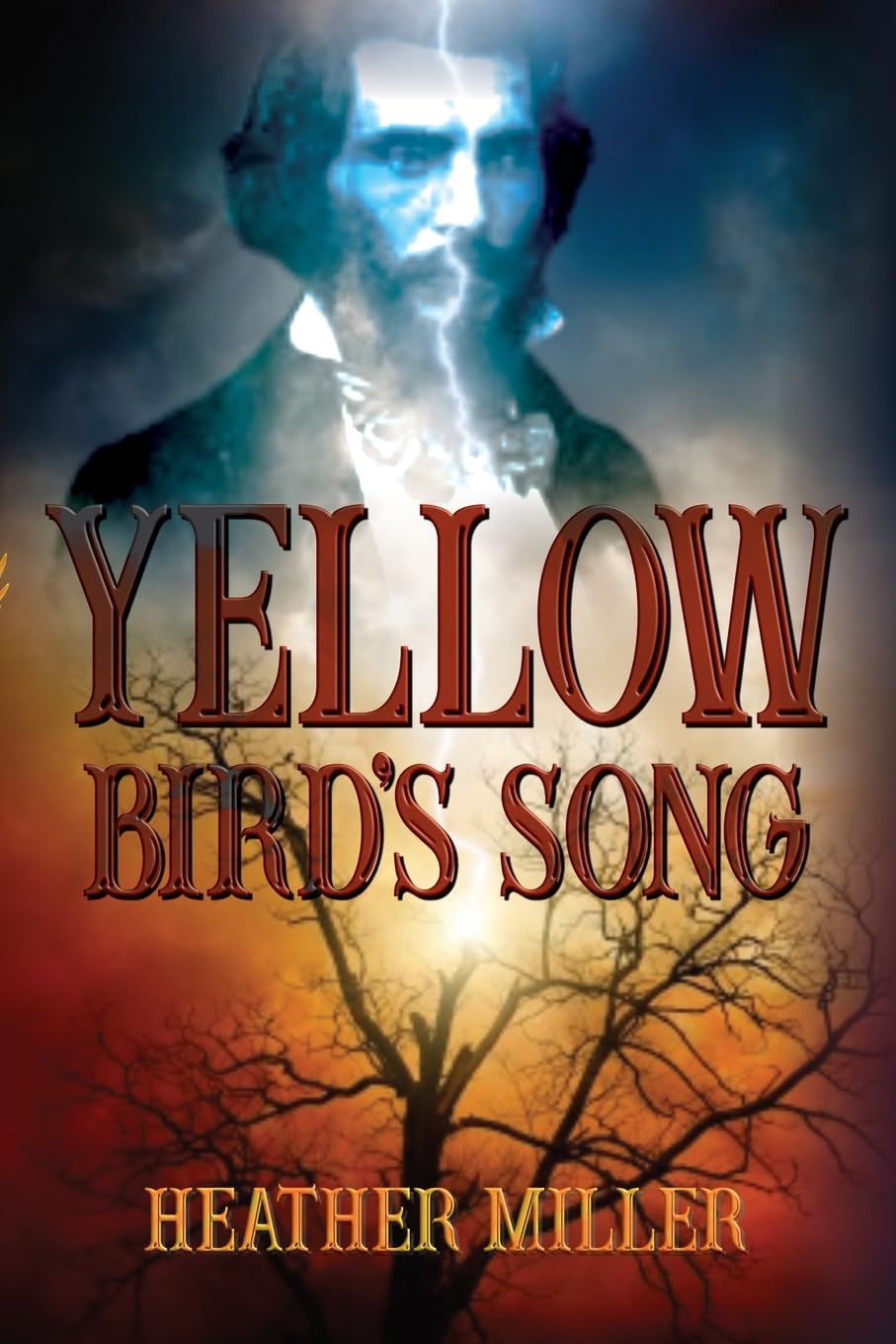
I’m delighted to welcome Heather Miller and her new book, Yellow Bird’s Song, to the blog with an excerpt.
Excerpt 1
John Rollin Ridge, Cherokee Nation West, 1850
The evening’s red sky horizon stretched its wide arms behind Judge Kell’s dogtrot, extending into the dust. A dead tree stood as an ineffectual sentry between his corn crib and smokehouse, visible through the open-framed breezeway. I salivated, smelling pork fat lingering in the air. No longer able to afford to slaughter hogs, my family could only recall bacon’s salty taste.
Inside the paddock, my appy lay on his side. Castration’s fresh blood tainted his coat of bronze and cream. Blood gathered under his hind quarters. If Kell had cut his femoral, he’d die from blood loss. That horse was Dick’s grandson, the pony I begged Papa to bring west from Running Waters.
The porch door squeaked, then slammed behind him. Kell expected me. He rolled tobacco in paper, sealing it closed with his tongue. His eyes squinted from the western prairie’s sunlight sliding low behind me.
He struck a phosphorus match against the porch post, lit the end of the rolled tobacco, held it in his lips, tilted his head to the side, and inhaled. Through smoke, he said, “Look at you, Rollin, standing on my land like some Mexican bandit. I believe your post is south of here.” Kell’s sarcasm snarled like poisoned saliva foaming from the jaw of a rabid dog.
“I’m in the right place,” I said, more confidently than I felt, flying on vindication’s wind alone.
“That is where you and I agree. Not much else, but that singular point.”
He sauntered, with spotless leather boots, to the edge of the steps extending into the western dirt, just dust over the granite under Indian land.
I nodded left toward his painted paddock fence. “Kell, you take my Appaloosa stallion? His markings are unmistakable.”
Kell gestured with his smoking hand, pointing the two fingers toward my injured animal. “You mean that gelding?”
“Who made him so?”3
“I did and am willing to stand by my deeds with my life.4Found him in pastureland. Horse bucked and rammed me. Without balls, he’ll settle right down.”
“As a judge, you should know Cherokee don’t own open tribal land. No reason he should be here.”
Judge Kell gripped his porch rail but remained atop its planks on the high ground. Then, his unoccupied, dominant hand recognized his bowie knife’s handle, sheathed, and slung low on his hip. He said, “Can testify to nothing.”
His lies didn’t dampen my resolve. I saw through him. We both knew the real reason I was there. I shouted, “My sister can.”
He leaned against his porch post with carefree nonchalance. “The deaf and dumb sister? I don’t know what that feeble-minded woman could mean.”
I touched the leather strap of Clarinda’s whistle around my neck. “She doesn’t need to speak to witness. She is a medicine woman.” Then I separated my boots, furthering my stance against the inevitable explosion of powder and ball from the iron under my palm.
Kell scoffed. “Thenremind me to stay well. That woman’s a witch.”
Wouldn’t be illness that killed him. I couldn’t allow Kell’s wit to move me to fire first, no matter what insults he hurled at my sister. To make justice legal, Kell must first try to take my life, although that didn’t mean I couldn’t provoke the inevitable.
I matched his sarcasm. “Now isn’t the time to insult my family. Come down off that porch. Clarinda and Skili followed you, saw what you did. You’ve cost me far more than future foals. That blade in your grip took my father’s life.”
I spoke the Cherokee words fast, having memorized their phrases from a thousand daydreams. Still, this time, the words echoed in the abandoned cave of my chest with heavier resonance—measuring the phrase’s increased weight by speech.
He spoke his smug reply through smoke. “Your father’s signature on that treaty stole nearly four thousand Cherokee souls. So, I believe, son, both that horse and your father,” he smiled before finishing his thought, “got what they deserved.”
“According to whom? Your justice? Chief Ross’? It’s his bloody hands you’re hiding.”
Kell pulled a rogue piece of tobacco off his tongue with his thumb and pointer finger. “See now, truth rests in each man’s perception. Your father knew that, at least.”
“Papa understood Cherokee sovereignty could not exist in the East. My family stood in the way of Chief Ross’ greed; Ross sent you to kill him for it.”
Kell’s searing sarcasm furthered his attempt at intimidation. He shook his head, clicking his tongue. “By accusing Chief Ross of such crimes, you make a steep accusation for a raven so young.” But then, his snide tone became more cynical. “Your family received lawful Cherokee blood vengeance. So’s I heard.”
It wasn’t only his voice; every crack of bare earth mocked me. But what he didn’t know, what the ground couldn’t predict, was that this time, his blood would run. Cherokee Nation’s rocky soil would soak in it, dilute him in its groundwater, and spit his remnants through every winding river and well.
Kell offered an aside, turning his face from me. “You’re still breathing.” He looked back, continuing his threat with closed-tooth menace. “When this knife reaches you, that’ll end. How ironic—” He stopped short, mid-thought, and exhaled a chuckle before inhaling again from his lit tobacco. His eyes looked at me from my worn boots to my mother’s pale eyes.
I finished the sentiment on his behalf, “That the same knife would assassinate a father and murder his son? Admit your part. You were there in ‘39; the same knife hangs at your side.”
Kell unsheathed and admired the blade in his hand as if he hadn’t seen his distorted reflection in it for years. “She’s a beautiful weapon, don’t you think? Buckhorn handle. Metal inside the bone. Streamlined and strong. Son, this weapon ended many a man’s life with its peaceful vengeance.”
I barked, “Vengeance is a fickle whore. She strains her rulings through a sieve she calls morality, leaving behind rocks and politics. Justice’s bullet is fair and fast. Even blindfolded, her shooter doesn’t have to stand close to hit where he’s aiming.”
Years ago, the image of Kell’s bowie knife forged in my mind. Its craftsman burned the bone handle with the image of an arrowhead—no shaft, no flight feathers—only a killing point. Kell’s knife required wind and aim, powered by his quick reach, and forged will. My twelve-year-old eyes remembered his blade. At twenty-two, my memory dripped in images of Papa’s blood.
Impatient and blinded by the reddening dusk, Kell spoke with vigorous staccato, hefting his significant weight down the stairs. “Take your thumb off that trigger, boy, before you start a war.” Then, with sight restored, he dirtied his spotless boots, kicking a wandering rat snake slithering between us, seaming a dividing line in prairie dust.
I shook my head in disgust. “War began ten years ago. Your whiskey breath is as rancid as your soul. I can smell it stronger now.” I studied his smirk, offering my own in exchange. “Stinks so bad,I thought someone died.”
Kell and I stood in paradox: I, in the shadow of a tree, him in the dying sunlight. His age to my youth, wealth to my poverty, appointment to my banishment, and vengeful intent opposing my righteous confidence.
He cocked his head and smirked, glanced over to my horse, and crushed the remnants of his smoke into the dust. “You think this will end with you? Cousin Stand leading your teenage brothers and Boudinot’s boy against my grown sons and Chief Ross’ men in some unsanctioned feud? The few against the many?”
“No, justice ends with me. If you approach, you will lose your life.”5I wouldn’t retreat from his taunts, knowing them for what they were. If Cousin Stand and I took down Chief Ross, it wouldn’t be a feud; it would escalate an already brewing Cherokee civil war.
Here’s the blurb
Rollin Ridge, a mercurial figure in this tribal tale, makes a fateful decision in 1850, leaving his family behind to escape the gallows after avenging his father and grandfather’s brutal assassinations. With sin and grief packed in his saddlebags, he and his brothers head west in pursuit of California gold, embarking on a journey marked by hardship and revelation. Through letters sent home, Rollin uncovers the unrelenting legacy of his father’s sins, an emotional odyssey that delves deep into his Cherokee history.
The narrative’s frame transports readers to the years 1827-1835, where Rollin’s parents, Cherokee John Ridge and his white wife, Sarah, stumble upon a web of illicit slave running, horse theft, and whiskey dealings across Cherokee territory. Driven by a desire to end these inhumane crimes and defy the powerful pressures of Georgia and President Andrew Jackson, John Ridge takes a bold step by running for the position of Principal Chief, challenging the incumbent, Chief John Ross. The Ridges face a heart-wrenching decision: to stand against discrimination, resist the forces of land greed, and remain on their people’s ancestral land, or to sign a treaty that would uproot an entire nation, along with their family.
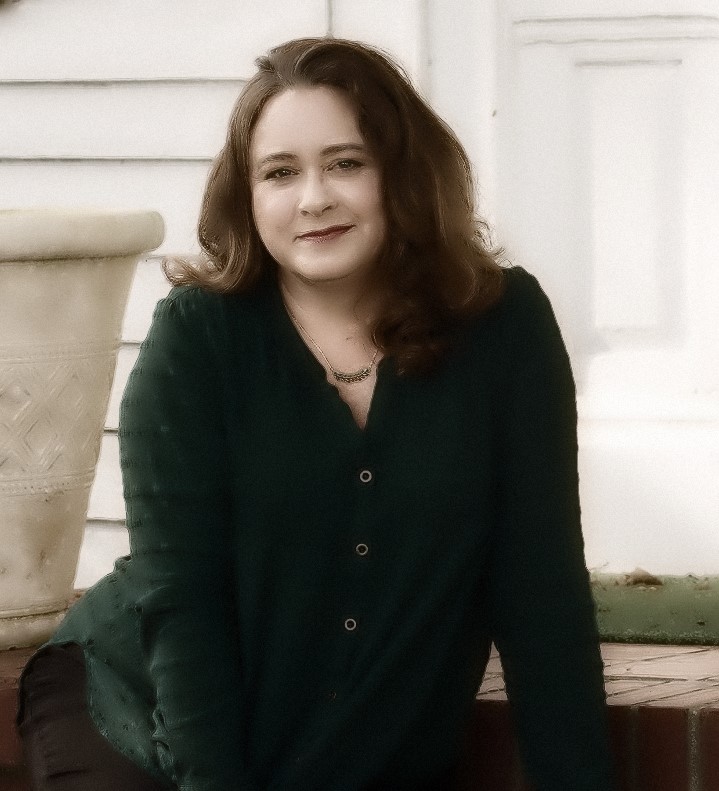
As a veteran English teacher and college professor, Heather has spent nearly thirty years teaching her students the author’s craft. Now, with empty nest time on her hands, she’s writing herself, transcribing lost voices in American’s history.
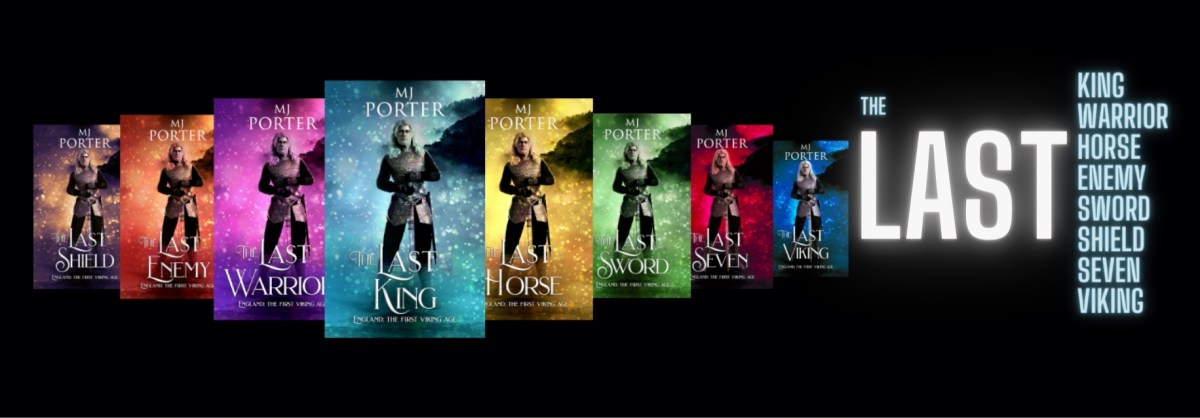
A huge thank you to everyone who has jumped back into the world of Coelwulf and his band of foul-mouthed warriors with The Last Viking.
Having taken the step back into this series, I wasn’t about to let ‘the lads’ rest. Book 9 is far from complete, but it does have a delightfully messy first draft, and a release date in September 2024, although if I can, I will bring this forward.
So, below is the new cover – and you can preorder book 9 here: