Author: MJ Porter, author
I'm an author of historical fiction (Early England/Viking and the British Isles as a whole before 1066, as well as five 20th-century mysteries), a non-fiction title about the royal women of tenth-century England, and historical fantasy.
I’m delighted to welcome Paul Bernardi and his new book, Uprising, to the blog #Uprising #HistoricalFiction #AngloSaxon #BlogTour #TheCoffeePotBookClub

I’m delighted to welcome Paul Bernardi and his new book, Uprising, book 2 of the Rebellion series, to the blog.
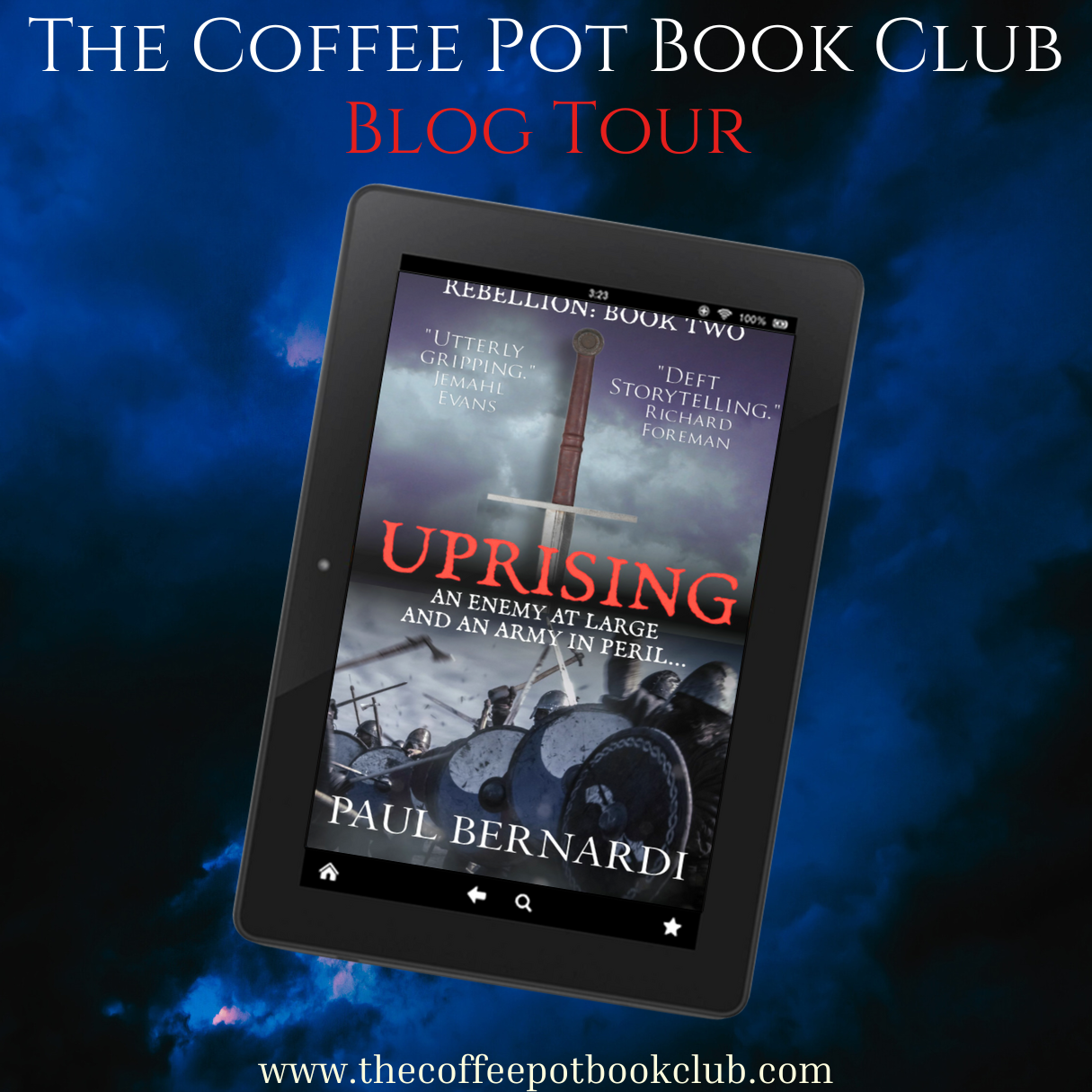
Here’s the Blurb
Summer 1067.
Northumbria.
Oslac, thegn of the village of Acum, feels cheated – having been robbed of the chance to kill his enemy by his own kinsman.
Instead, Gundulf, the erstwhile Lord of Hexham and murderer of Acum’s villagers, is now awaiting justice for his crimes in Bebbanburh, Earl Oswulf’s fortress capital far to the north.
But when Oslac narrowly escapes death at the hands of Gundulf’s assassin, he realises he will never be safe while the Dane lives. Summoning his closest companions, Oslac heads north to demand Oswulf put an end to Gundulf’s life – only to find the prisoner has escaped.
Tracking the fugitive into the wild hills and dales of Northumbria – places far beyond the reach of Oswulf’s power – Oslac falls into Gundulf’s trap when the earl’s warband is ambushed with catastrophic consequences.
Elsewhere, unrest in the north of England is growing. Impotent in the face of Norman avaricious brutality, the Saxon nobility can do nothing to prevent their ancestral lands being passed to foreign invaders. It can only be endured for so long, and a reckoning is coming.
Once again, Oslac must put aside his personal vendetta to join with the few remaining great lords of Anglo-Saxon England in what may prove to be the final, climactic stand against their Norman overlords.
The song of swords will echo across the land once more.
Buy Link
This title is available on #KindleUnlimited
Meet the Author
Paul Bernardi studied Anglo-Saxon and Medieval history at the University of Leeds more years ago than he cares to remember. He has been an author of historical fiction since his first novel (a second world war drama) was published in 2017. Since then, he has reverted to his favoured period, publishing six more novels (so far) set in 11th century England, mainly around the time of the Norman Conquest.
Paul Bernardi’s books are published by Sharp Books.

Connect with the Author
I’m delighted to share an excerpt from Death and the Poet, a Roman-era historical mystery by Fiona Forsyth HistoricalMystery #RomanHistoricalFiction #AncientRome #Ovid #BlogTour #TheCoffeePotBookClub
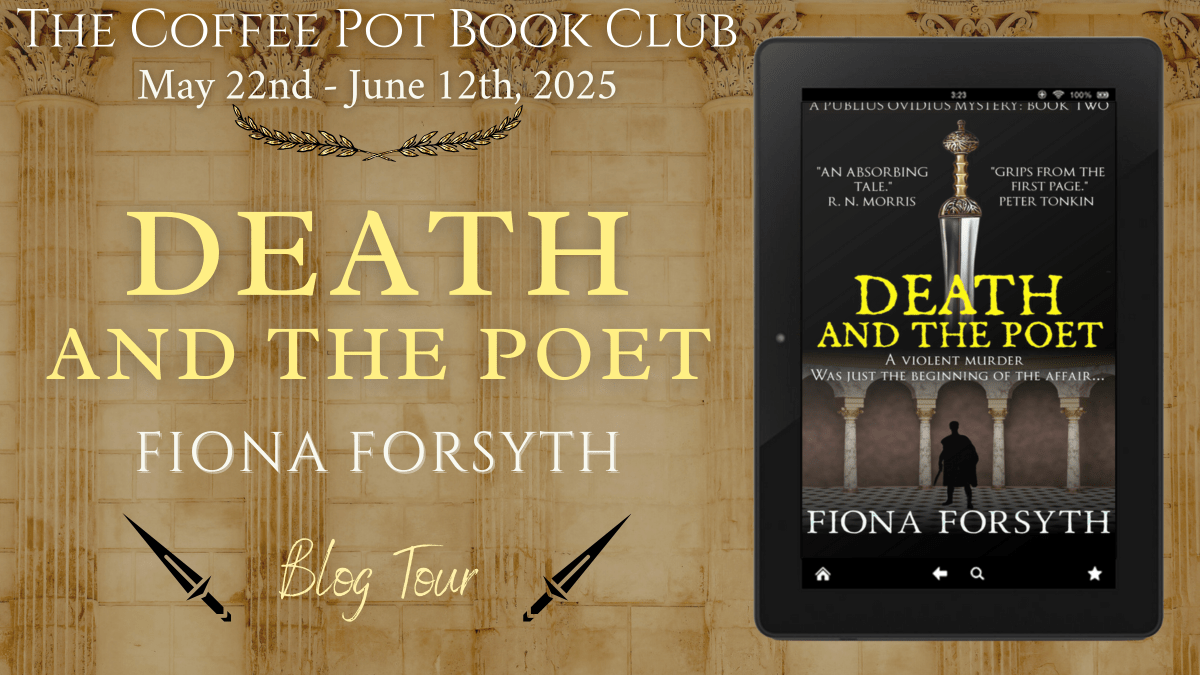
Here’s an exciting excerpt from Death and the Poet
Ovid gives a recital
July 2, or 6 days before the Nones
The recital took place in the late afternoon at the town’s main square on top of the hill overlooking the harbour. Entertainment in Tomis was infrequent and modest, with maybe a serious theatre performance in the spring in honour of Dionysus, and the occasional touring group performing comedies. There were rumours of a gladiator show, once they were a proper province, but for the moment, poetry was exciting enough to a Greek audience and Ovid was, after all, famous. People drifted into the square carrying chairs, stools and even cushions, unpacked their picnics and handed around pitchers of wine. Fabia was invited to sit in a roped-off area, where three rows of chairs had been laid out for special guests. In the central seat was Apollous, that year’s archon, and the members of the Town Council and their wives all lined up to express themselves thrilled to meet Fabia. Nobody was so indelicate as to mention the fact that Ovid was in Tomis because he had no choice.
Settled with an extra shawl because Flora had been certain that she would feel chilly even on a beautiful summer day, Fabia began to enjoy herself. She looked around the crowd, marking off people as Roman, Greek and Dacian, spotting several men with light coloured hair and beards and wearing leggings – surely they must be from the local tribes mentioned by her husband. It was harder to make any judgement on the female population, for every woman was wrapped up in a long dress, just as she was.
The poet first declaimed a well-known passage from his great poem on mythology, the Metamorphoses. He told the story of the god Apollo’s love of the nymph Daphne:
Just as when a careless dawn traveller has swept his torch too close to the stubble left in the field when the wheat is taken, setting the dry hedges on fire – so the god goes up in the flames of love.
Fabia saw the knowing nods as local landowners remembered threats to their own precious crops, and an audible murmur betrayed the audience’s opinion of firebugs.
Ovid then recited a poem Fabia had not heard before, one with a Tomis setting, but without the criticisms she had grown used to. She was pleased. There had been too many “Woe is me!” moments in Ovid’s poetry recently and he needed to acknowledge to this audience how grateful he was to them.
Ovid finished with a passage from the Fasti, an ambitious work which he planned would cover the major religious festivals of Rome. It was serious and noble and a little boring, though Fabia knew from her mother that Ovid’s work on this poem was considered skilful by those who knew about such things. She was amused to hear a young woman nearby whisper, “I thought he was a famous writer of love poetry?”
“Oh my dear,” thought Fabia, “Ovid will not be reciting any of his love poems here. They got him into enough trouble in Rome. I doubt your father would like you hearing about how a Roman lad goes on the prowl through the arcades of the city or lies wailing at the door of his beloved.”

Here’s the blurb
14 AD.
When Dokimos the vegetable seller is found bludgeoned to death in the Black Sea town of Tomis, it’s the most exciting thing to have happened in the region for years. Now reluctantly settled into life in exile, the disgraced Roman poet Ovid helps his friend Avitius to investigate the crime, with the evidence pointing straight at a cuckolded neighbour.
But Ovid is also on edge, waiting for the most momentous death of all. Augustus, the first Emperor of Rome, is nearing his end, and the future of the whole Roman world is uncertain.
Even as far away as Tomis, this political shadow creates tension as the pompous Roman legate Flaccus thinks more of his career than solving a local murder.
Avitius and Ovid become convinced that an injustice has been done in the case of the murdered vegetable seller. But Flaccus continues to turn a deaf ear.
When Ovid’s wife, Fabia, arrives unexpectedly, carrying a cryptic message from the Empress Livia, the poet becomes distracted – and another crime is committed.
Ovid hopes for a return to Rome – only to discover that he is under threat from an enemy much closer to home.
Triggers: murder, references to slavery, domestic abuse, alcohol, cancer
Buy Link
https://books2read.com/u/brx0WY
This title is available to read on #KindleUnlimited.
Meet the author
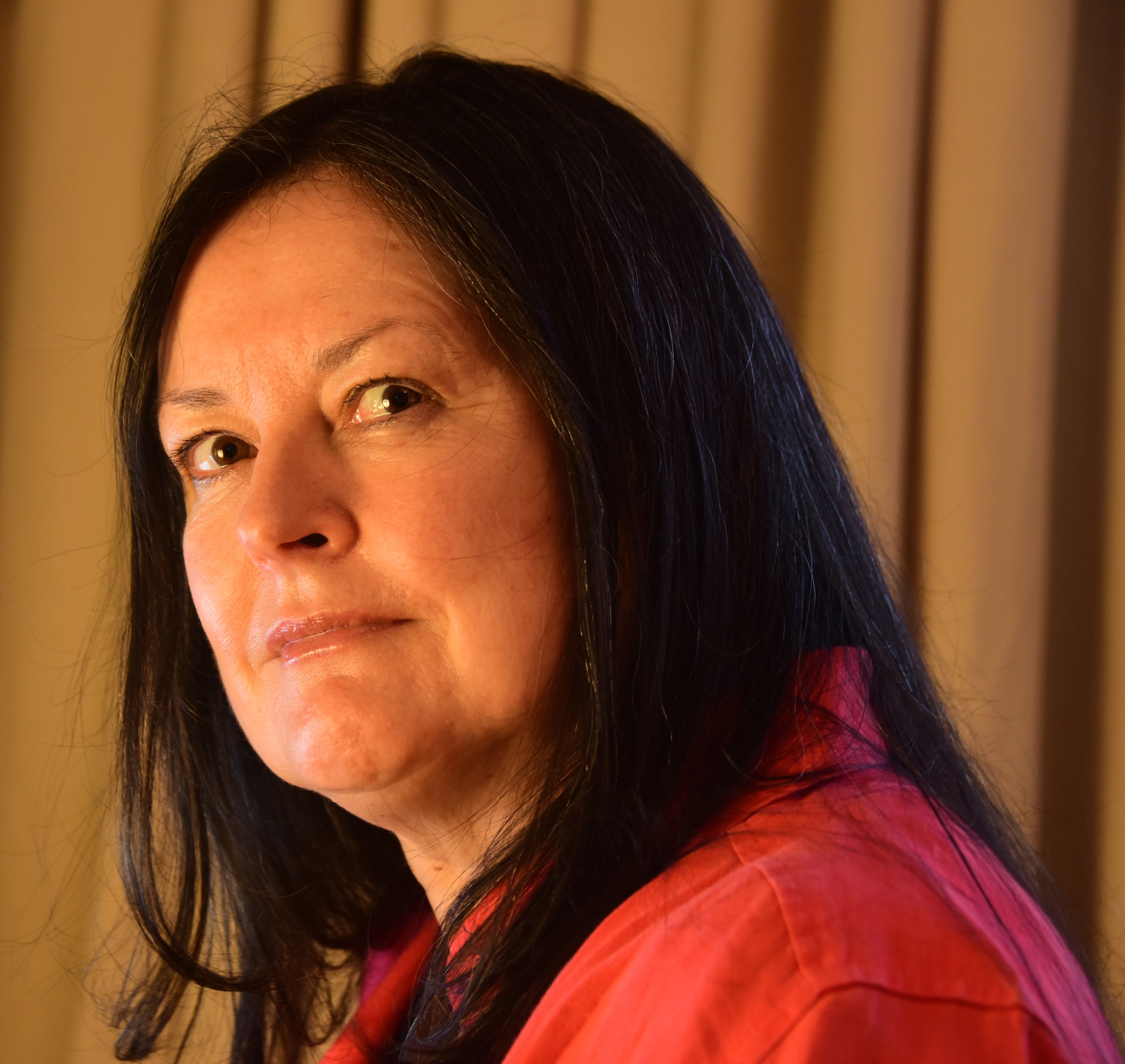
Fiona studied Classics at Oxford before teaching it for 25 years. A family move to Qatar gave her the opportunity to write about ancient Rome, and she is now back in the UK, working on her seventh novel.
Connect with the author
Posts














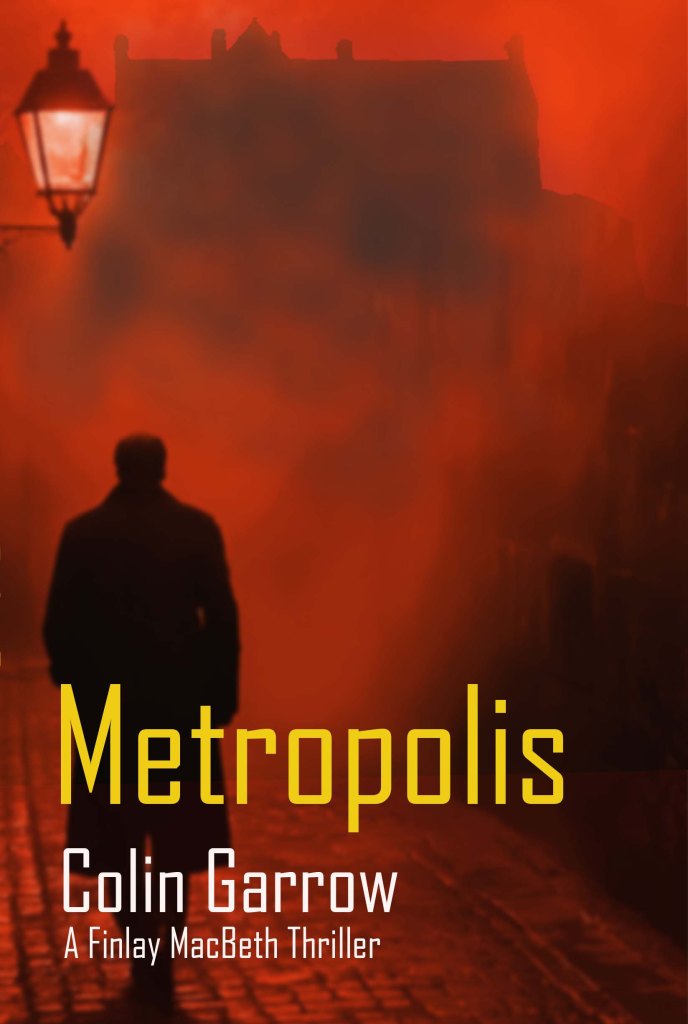
I’m delighted to spotlight Metropolis by Colin Garrow, a historical crime novel set in Edinburgh #blogtour #histfic
Here’s the blurb
Edinburgh, 1936. People are disappearing. The police are clueless. Can Finlay MacBeth track down the perpetrator before someone else goes missing?
Haunted by his recent past, Professor Finlay MacBeth returns to his home town to take up a new post at the university. Within hours, his reputation for solving the occasional murder prompts the police to ask for his help. Four men—seemingly unconnected—have vanished into thin air. MacBeth must find whatever it is that links the men before the kidnapper strikes again.
But the police aren’t the only ones interested in MacBeth’s activities, and the amateur sleuth soon discovers that finding the missing men is the least of his problems…
In this thriller series set in Edinburgh, Metropolis is book #1 in the Finlay MacBeth Thriller series.
Purchase Link
Meet the author
Colin Garrow grew up in a former mining town in Northumberland. He has worked in a plethora of professions including taxi driver, antiques dealer, drama facilitator, theatre director and fish processor, and has occasionally masqueraded as a pirate.
He has published more than thirty books, and his short stories have appeared in several literary mags, most recently in Witcraft, and Flash Fiction North. Colin lives in a humble cottage in Northeast Scotland where he writes novels, stories, poems and the occasional song.
He also plays several musical instruments and makes rather nice vegan cakes.

Connect with Colin
Check out my reviews for Colin’s other books
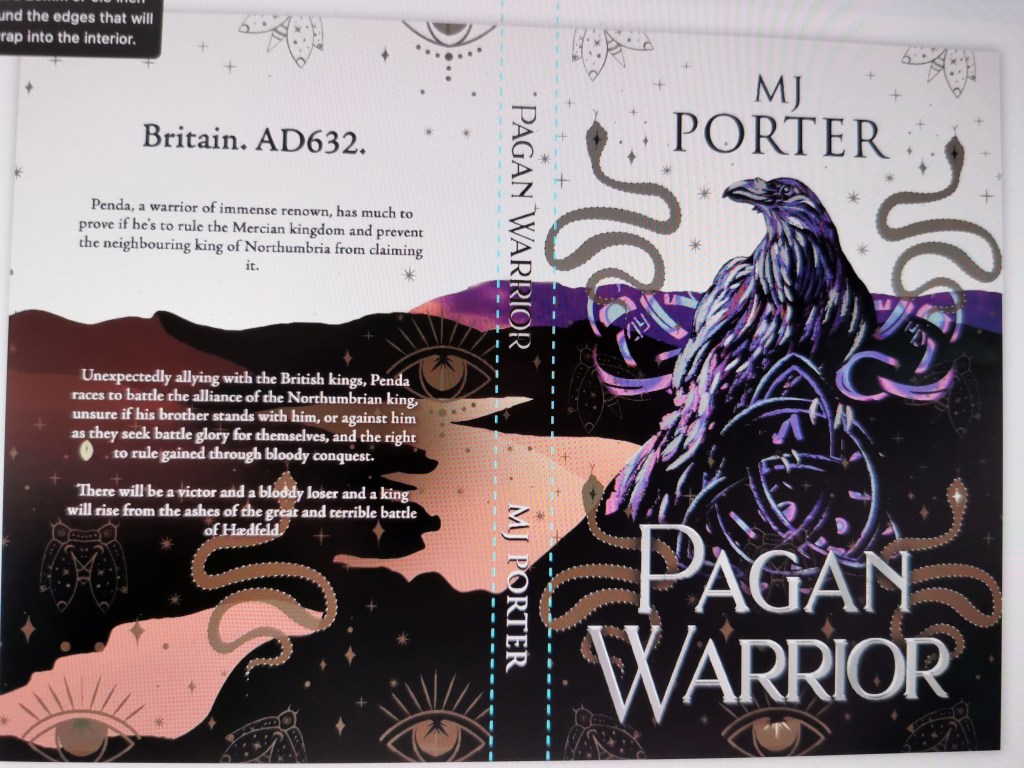
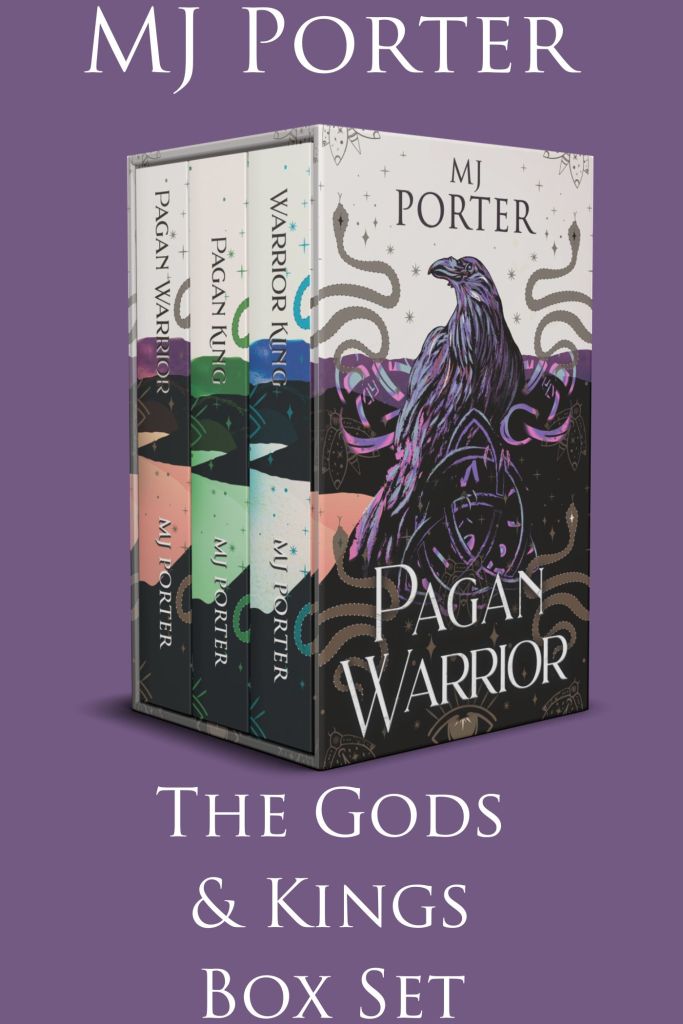
Pagan Warrior is 10 today #bookbirthday #histfic
The book birthday’s keep coming in 2025
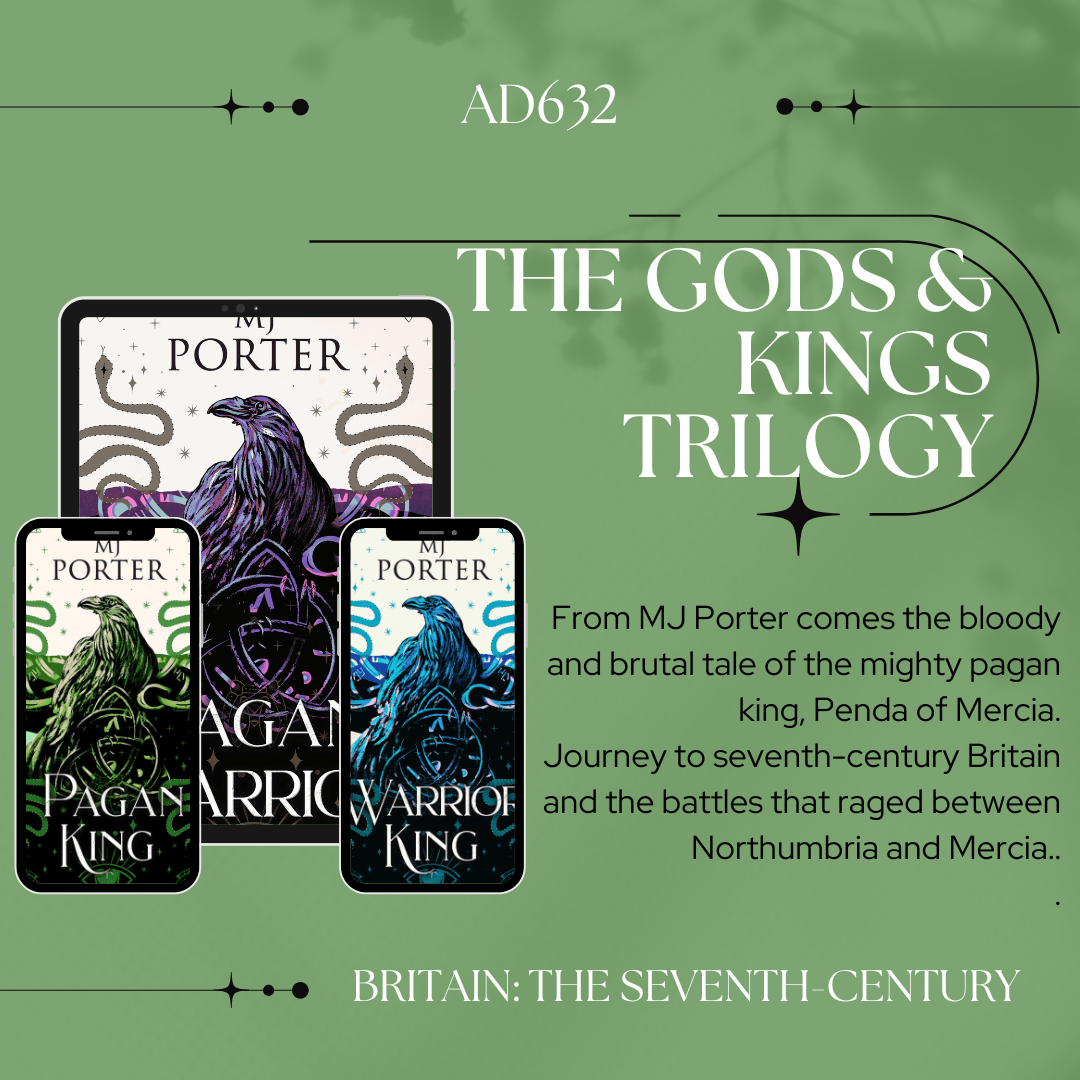
On this day in history….. Pagan Warrior, then titled Hædfeld first hit the ‘shelves,’ as it were. Until the release of Men of Iron earlier this year, Pagan Warrior had been the furthest back in time I’d written about. So, what prompted me to write about Penda, the mighty pagan king of Mercia?
Well, I think you all know by now that I’m a Mercian by birth. But my plans for Penda actually started with the desire to tell the story of the battle of Maserfeld, which is the second major battle Penda fought against the Northumbrians, nine years after Hædfeld. For the sake of my readers, and because it was too good an opportunity to miss, I decided to start with the earlier battle of Hædfeld.
And what a revelation it was. I’ve said before there are certain periods in the history of Saxon England that feel as though we know more about them – Pagan Warrior and the whole Gods and Kings Trilogy is one of those periods. We have the names of Penda’s many allies and his enemies. The island of Britain so often segregated into neat little kingdoms that too often fall into the now established England, Scotland and Wales (and Northern Ireland) feels alive with the earlier, smaller kingdoms stretching from Dumnonia all the way to the Pictish kingdom, taking in Wessex, Mercia and the Welsh kingdoms along the way. And of course the family dynamics between the Mercian brothers and the Northumbrian children also offered a fascinating angle to explore. On top of all that there was the pagan/Christian element as well. What a delight.
At the heart of it, Hædfeld is a story of a single battle, and the events that led to it, so often the case, years in the making. So, if you’ve not tried Pagan Warrior now is the perfect opportunity. The ebook is currenly 99p/99c on all good platforms (not just Amazon), and to celebrate, I’ve created a special edition matte covered hardback with foiled writing, (exclusively available sirectly from my SumUp store) AND a boxset of the whole trilogy. (It’s also available in audio but I can’t do any special offers for that).