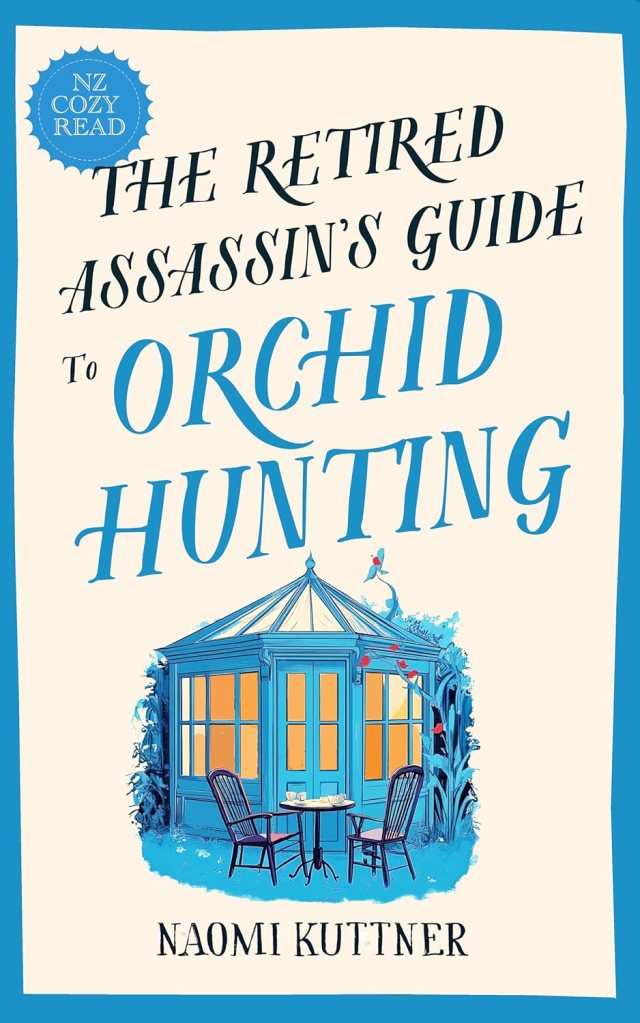
I’m so excited to be sharing my review for The Retired Assassin’s Guide to Orchid Hunting by Naomi Kuttner #blogtour #cozycrime #bookreview

I’m so excited to be sharing my review for The Retired Assassin’s Guide to Orchid Hunting by Naomi Kuttner #blogtour #cozycrime #bookreview

Here’s the blurb

Assassin. Gardener. Reluctant cat adoptee.

All Dante wants is to be left alone in the small New Zealand town no one’s heard of. No drama. No bodies. No questions.

But then, of course, the orchid convention comes to town, and Dante is knee deep in suspects, intrigue, and red herrings.

On top of all this, Dante must navigate a mysterious woman from his past, cat issues, and the terrifying prospect of a first date.

And he has to do it while fighting his instinct to solve problems the old-fashioned way: permanently.

The ‘Retired Assassin’s Guide to Orchid Hunting’ is a cosy paranormal mystery with found family, ghosts, a grumpy assassin and a sunshine gardener.

Come for the murder, stay for the cat, the gardens, and the chaos.
Purchase Links

https://www.amazon.com/gp/product/B0DWVD5XRM

https://www.amazon.co.uk/gp/product/B0DWVD5XRM

My Review

The Retired Assassin’s Guide to Orchid Hunting is a fabulous, extremely entertaining mystery, with a wealth of engaging, funny, and quite quirky main characters. This is the second book in the series. I have since gone back and read book one, where we first meet the characters. It is also very good, but I do think the characters are much more fully formed in this second book (which makes a lot of sense). That said, I would probably still advise you to start with book one, because if you read book two first, you’re going to know a lot about the first mystery they solve.

Dante, our retired assassin, is often unintentionally funny as he endeavours to live his life as ‘normal’ i.e. not as assassin’s do. I laughed out loud a few times. He is joined by Charlie, our gardener who also sees and can talk to ghosts (so the paranormal bit) and Eleanor a retired art thief, I think, she’s very mysterious.

And then on top of that we have our crime to be solved, all while the delightfully quirky orchid convention is taking place in the local town.

This mystery is a lot of fun, and very engaging. The storyline manages to do a great deal with our characters, with the beautiful New Zealand countryside, with quirky local town inhabitants, and all without ever feeling ‘overdone.’ If you love a quirky, funny mystery book, this is for you. If you love a small town mystery, this is for you. If you love a hint of the paranormal, then this is for you as well. I highly recommend it, but do yourself a favour, and read the first book first. It’s not quite as brilliant as this second offering, but it will certainly get you hooked on Dante, his cat, and his two friends, in this New Zealand setting.

Meet the author

Naomi is a writer living in New Zealand. When not busy writing or raising her twin son and daughter, she spends her free time (ha!) surfing, kitesurfing, and retrieving her shoes from Max the dog.
https://naomikuttner.com/

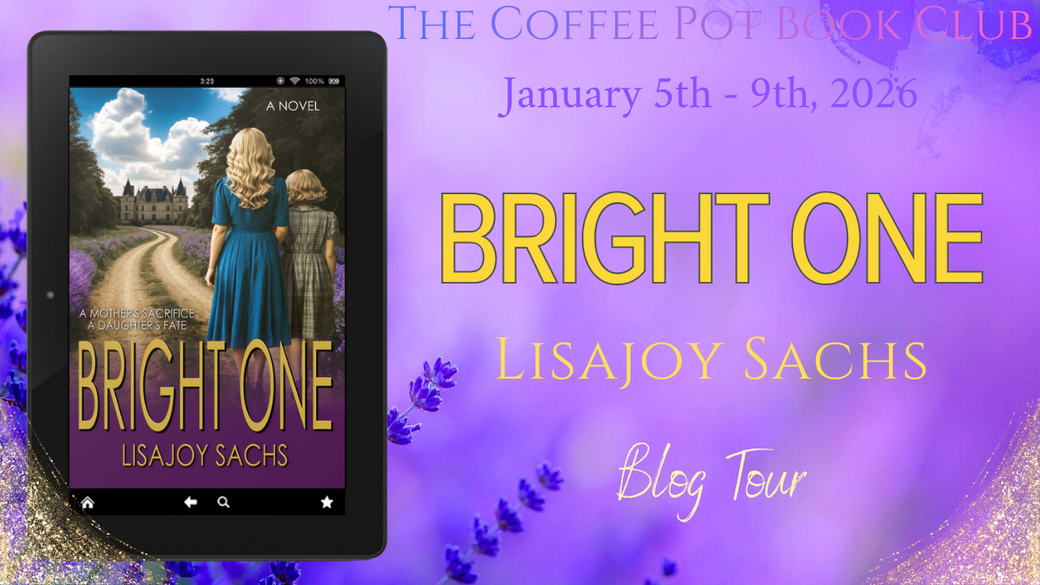
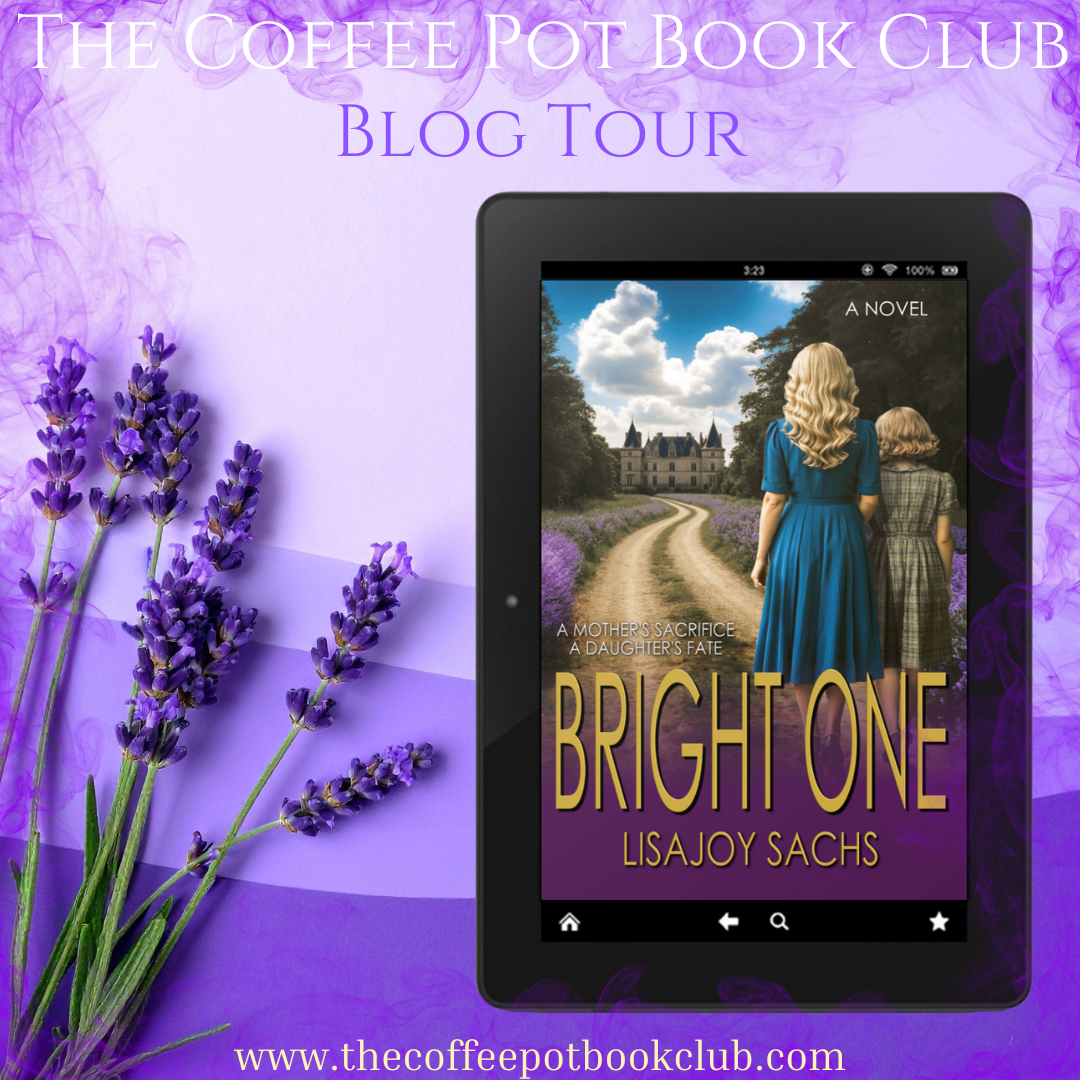
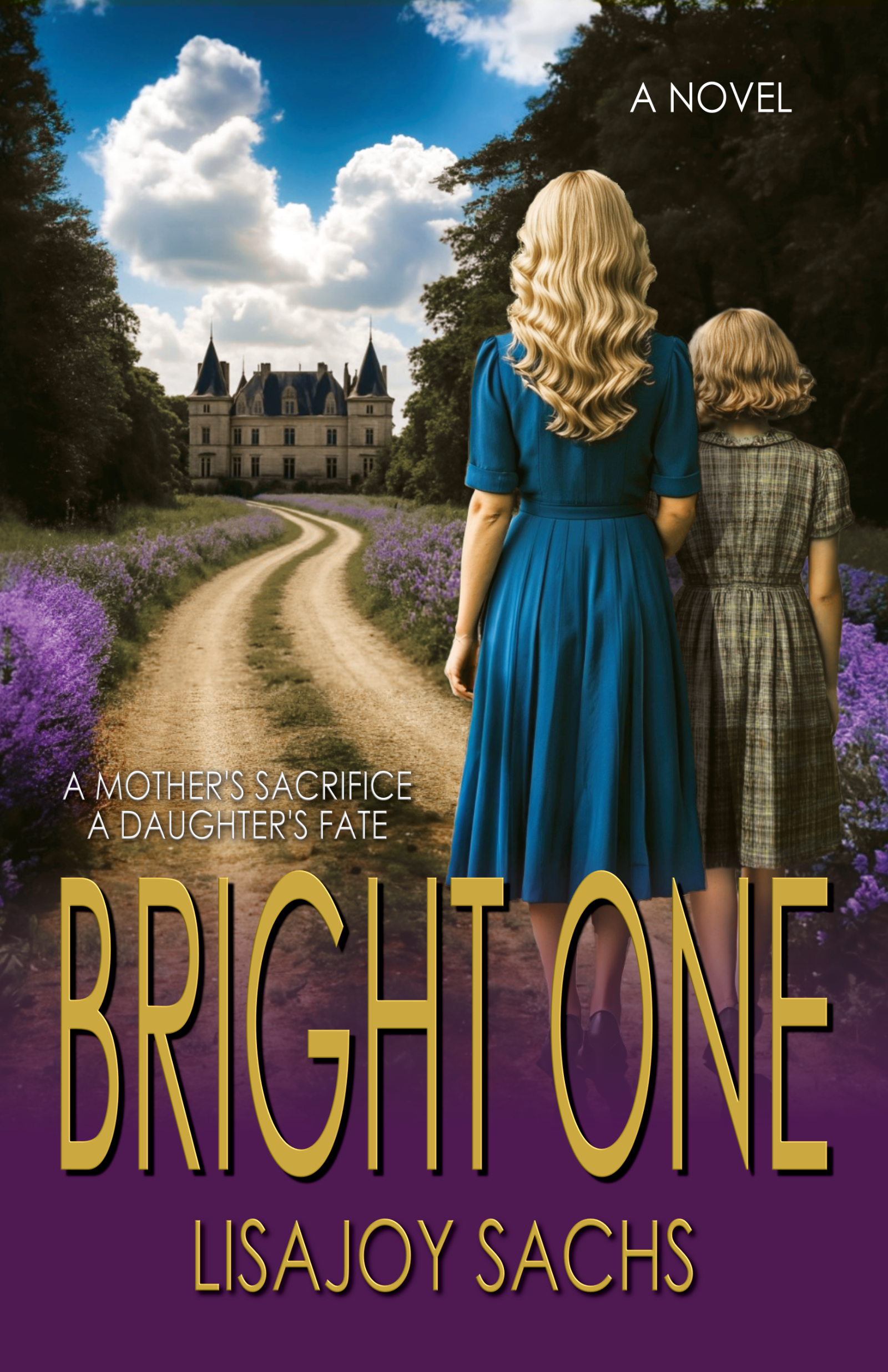
I’m delighted to welcome Lisajoy Sachs and her book, Bright One, to the blog #BrightOne #HistoricalFiction #WWII #JewishHistoricalFiction #Holocaust #FamilyHistory #BlogTour #TheCoffeePotBookClub

I’m delighted to welcome Lisajoy Sachs and her book, Bright One, Book 1 in the Bright One Series, to the blog with an excerpt.

Excerpt

“You must remember this,” Yosef continued, his voice low and steady, his eyes holding theirs. “History doesn’t begin or end with one moment. It’s like a slow avalanche, with pressure building over time until it all comes crashing down. And when you look at the world around you now, with the current events happening right here in our town, look at the posters, the speeches, the violence that’s creeping into everyday life here in Romania… we can feel the ground shifting again. Even though it is a different time, it holds the same tensions.”

Here’s the Blurb

When desperate choices mean the difference between life and death.

Inspired by true events, Bright One tells the story of Jetti Finkelthal, Lisajoy Sachs’ great-grandmother. In Czernowitz, Romania, this young Jewish mother is forced to face impossible choices as the world begins to collapse around her. As antisemitism tightens its grip and war edges ever closer, Jetti holds fast to her daughter, Berta, with the fragile belief that love and courage might still carve a way through the darkness.

Heartened by her grandmother Berta’s letters, photographs, and family oral histories, Sachs revives a story both intimate and universal—stitched with the fabric of daily life, the pull of memory, and the quiet heroism of women who refused to yield to despair. Told with vivid, sensory detail, the novel unfolds as if you are walking beside the characters, witnessing what they see and sharing in what they feel.

Through Jetti’s resilience and sacrifices, Bright One reveals the enduring strength of family ties and the shadow of trauma that lingers across generations. It is a story of survival, of loss, and of the unbreakable connection between mother and child.

For readers captivated by historical fiction that lingers long after the final page, Bright One offers a profoundly human portrait of love tested by history’s darkest hours.

Buy Link

Universal Link

Meet the Author

Lisajoy Sachs is a dedicated writer and advocate for the preservation of history and culture through storytelling. Born and raised on Long Island and in the Catskills Mountain region of New York, Lisajoy’s early years were shaped by the picturesque landscapes of mountains and the sea. Growing up, she embraced her family’s deep connection to community and tradition.
Her professional journey is as dynamic as her personal interests. With a diverse career spanning Fine Arts, Interior Design, Metal Smithing, Lapidary, and the craft beer and hospitality industries, she has cultivated a deep and varied understanding of her many fields of interest.

Ms. Sachs holds several prestigious degrees and certifications, including a Master’s Degree in Fine Arts from the City University of New York, a Bachelor of Fine Arts from Alfred University, and an Accredited Jewelry Professional (AJP) certification from the Gemological Institute of America. She is also a graduate of the Hop and Brew School at Yakima Chief Hops and holds a CiceroneCertified Beer Server© credential, underscoring her expertise and passion for the craft beer industry.

As a writer, Lisajoy’s work spans a variety of themes, from beer culture and community engagement to her most prized projects in historical fiction. Her writing reflects a profound appreciation for history, particularly focusing on how personal stories intertwine with larger cultural narratives. She has published multiple articles celebrating the craft beer industry’s ability to foster diversity and unity and continues to explore new ways to inspire her readers through her storytelling.

A deep passion for history, coupled with a fascination with family ancestry and vivid storytelling, is reflected in Lisajoy’s creative projects. Her fiction often delves into richly detailed settings and explores characters navigating the complexities of their times. Whether writing about the harrowing journey of her family in pre-WWII Europe or capturing the resilience of individuals in the face of change, Lisajoy brings depth, authenticity, and emotional resonance to her narratives.

Outside of her professional life, Lisajoy is an avid cyclist and skier, often traveling in her camper van with her partner and standard poodle Hops exploring new adventures. She has recently relocated to the Catskills Mountains, a decision influenced by her desire to embrace a balanced, family and community-focused lifestyle.

Lisajoy’s dedication to her craft, her community, and her passions makes her a multifaceted creative force. Through her writing and professional endeavors, she continues to bridge the gap between history, culture, and the shared human experience.

Connect with the Author

Follow the Bright One blog tour with The Coffee Pot Book Club

Fellow writers, lets minimise the stress around getting those words on the page #writingadvice

Fellow writers, lets minimise the stress around getting those words on the page #writingadvice

As a writer, I’m often asked ‘what’s the one piece of advice you’d give,’ and similar questions. As I evolve as a writer, this does change, but I’ve long been working out ‘how’ I write, and what I need to ‘write’ and now I’ve discovered something else that I also think is valuable advice. To be a writer, you first must write, but that brings with it all kind of pressure. So, for the last two years, I’ve been actively ‘minimising’ the pressure to write. So, what do I mean, and how have I done it?

For the last five years (since people started to comment on how much I wrote), I’ve been keeping more active records of how and when I write. It allowed me to discover that I write in concerted bursts of about 20 minutes to an hour, and in that time, I write 1000 words (I like to write in chunks). I might then carry on writing, or I might stop for a bit. But, I now know I can write 1000 words in a minimum of 20 minutes (actually, I can be a bit quicker than that as my typing skills improve), and so, to hit my target of at least 2000 words on a writing day, I need only set aside a single hour to accomplish that goal (which is not a lot of time).

I find this knowledge incredibly empowering. I can plan my day, set aside the required time, and give myself the space to be creative. (This process does also include a few other things – I need the correct environment as well – music, a quiet house, no external annoyances – the summer months when everyone’s mowing their lawns at all hours of the day are very frustrating).

What’s changed throughout 2024 and 2025 is that I’ve purposefully started to split my projects up. I no longer start a project, write it all, edit it, reread it, send it to my editor (or to my beta readers), I write in the morning, and in the afternoon, I edit a different project, and not necessarily the one I wrote before the one I’m now writing.

Now I know I’m a developmental writer, working out the kinks in my story at every level of editing, I’m embracing those processes just as much as the creative elements of writing. I actually find, (if not the structural edits), the copyedits and proofread stages quite relaxing. (As a messy panster, the structural edits are still a bit of a slog). I’m enjoying the process of crafting the messy thoughts that spill from my mind when I’m in the writing ‘zone’ into the novel I want it to be. I don’t worry if I can’t remember the name of something, or if I need to research something in more detail (unless it will fundamentally change the story), I write with ? and highlighted sections, and I know these are the bits I need to work on when the flood of words has stopped, and the initial draft is complete. And this is also the process when I often add the incidentals – I can’t remember what all my characters look like but I know how they ‘sound’ when I write them. I have a spreadsheet and use it to add the other tangible features.

In this way, I’ve minimalised the writing process, and very much feel as though I have control over that element of my writing. (I’ve also changed my line spacing on Word to 1.15, just enough to give my eyes a bit of a rest, and work in a document formatted with Vellum after the initial drafts – again, changing the environment a little bit to make it more pleasurable for my eyes). I’m still a writer, and I’m still developing my craft, but for me, I’m never going to write a beautifully ‘clean’ first draft. It’s going to be a horror of misspelt names, misnamed characters and places, question marks and highlighted sections where I need to check something. But, it’s increasing my productivity and the pressure to write each day has slowly started to dissipate. It’s not always easy to be creative on demand, but, now I know I need at most an hour a day to hit my minimum writing targets, I’m empowering myself each and every day that I hit my target. (I am very aware not everyone is a developmental writer, but I urge you to take the time to work out your own processes. It might surprise you).

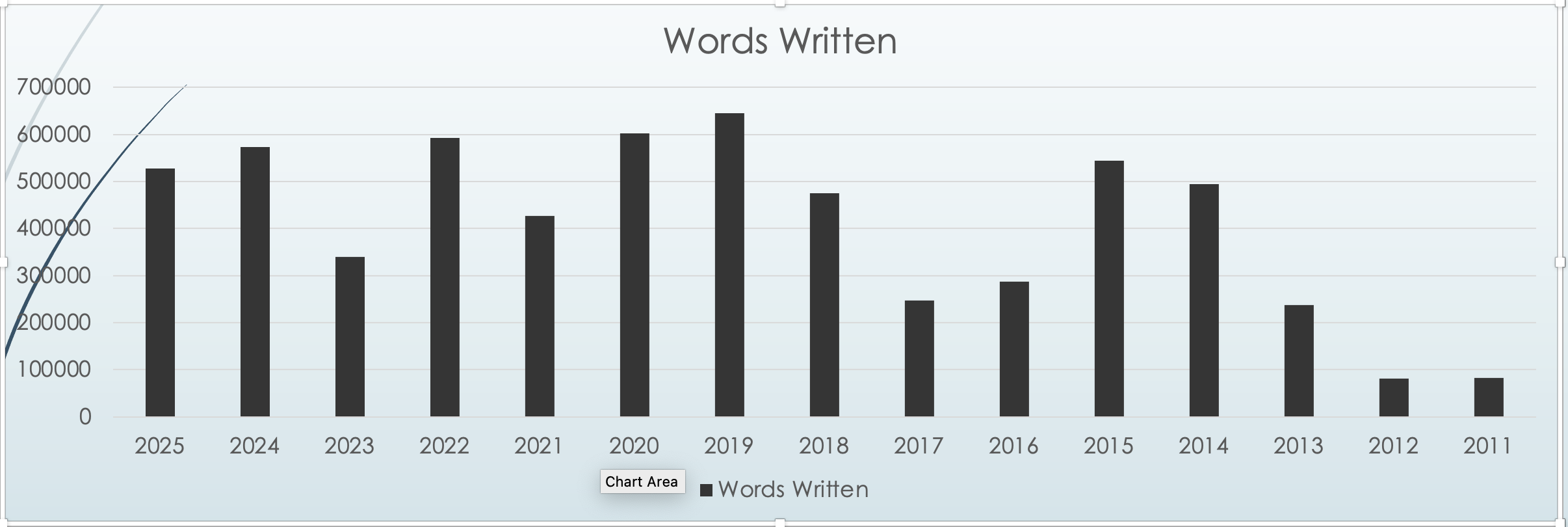
Check out my writing year reviews for 2024 and 2025 – you’ll see it doesn’t always work, but it’s a good routine to ‘hang’ on to when the going gets tough.

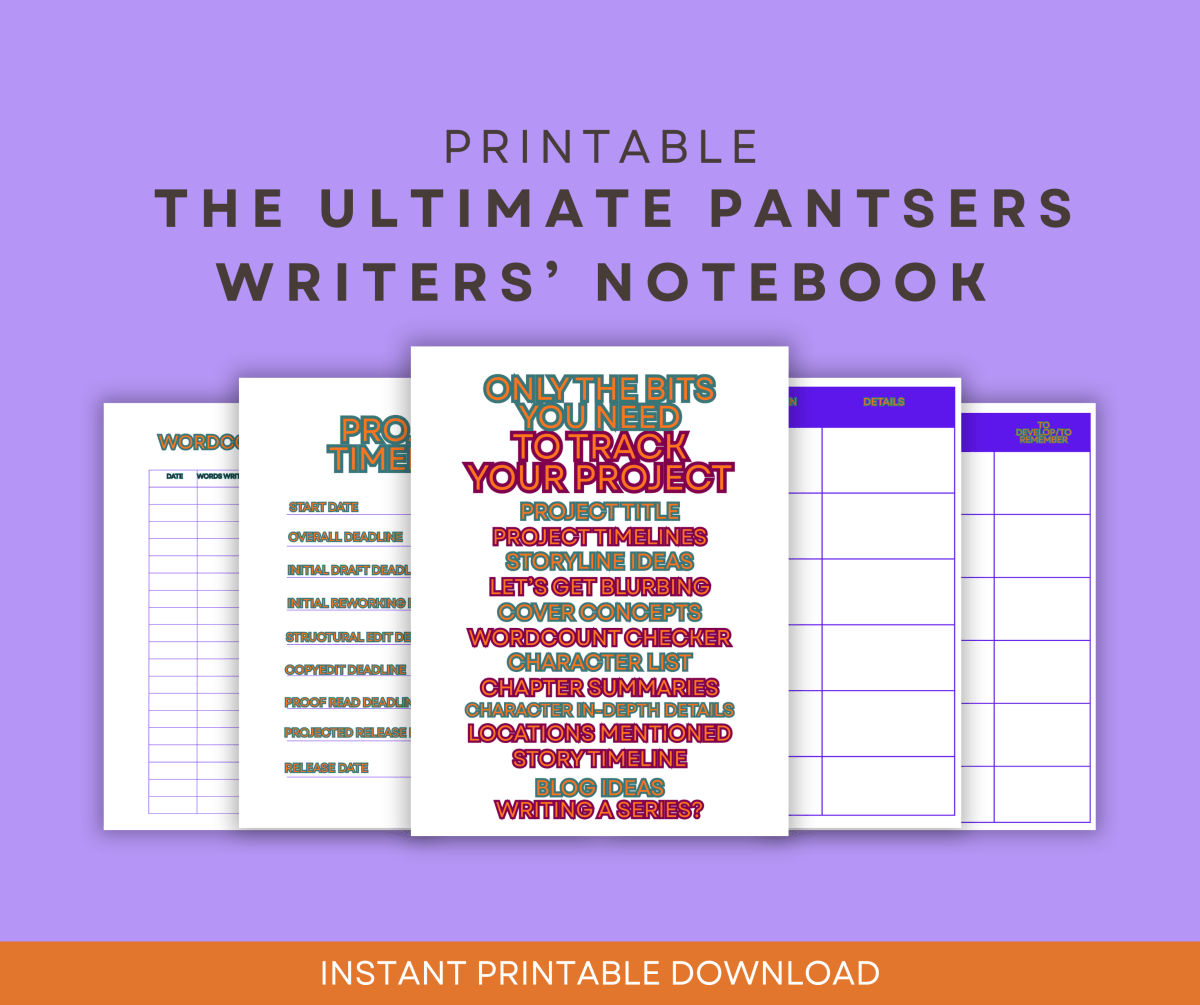
Curious about my writing processes? Check out my Patreon for some short masterclasses.

Posts

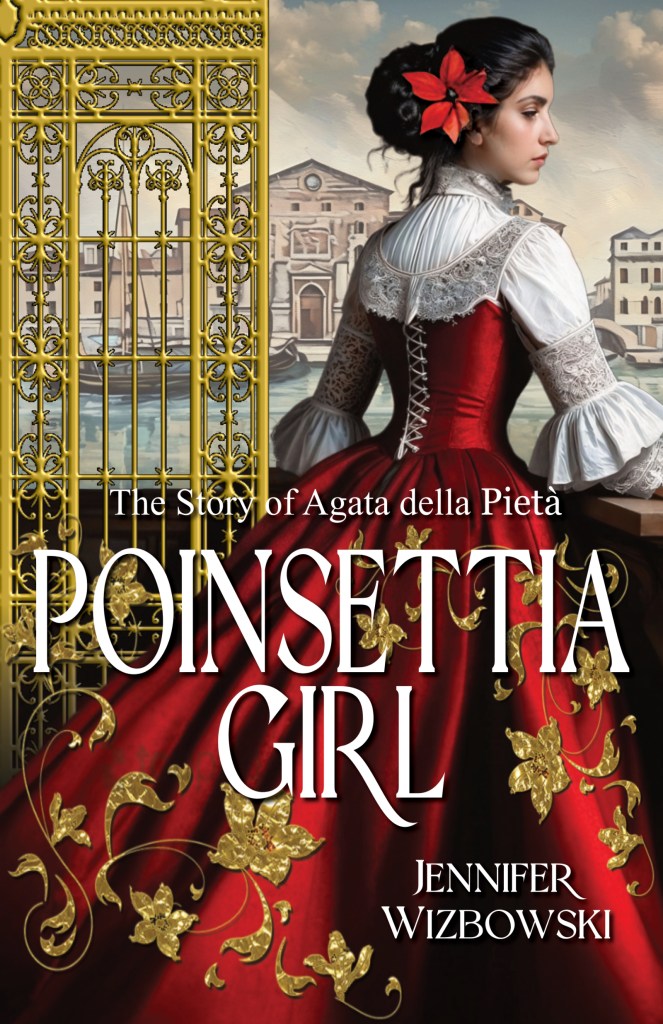
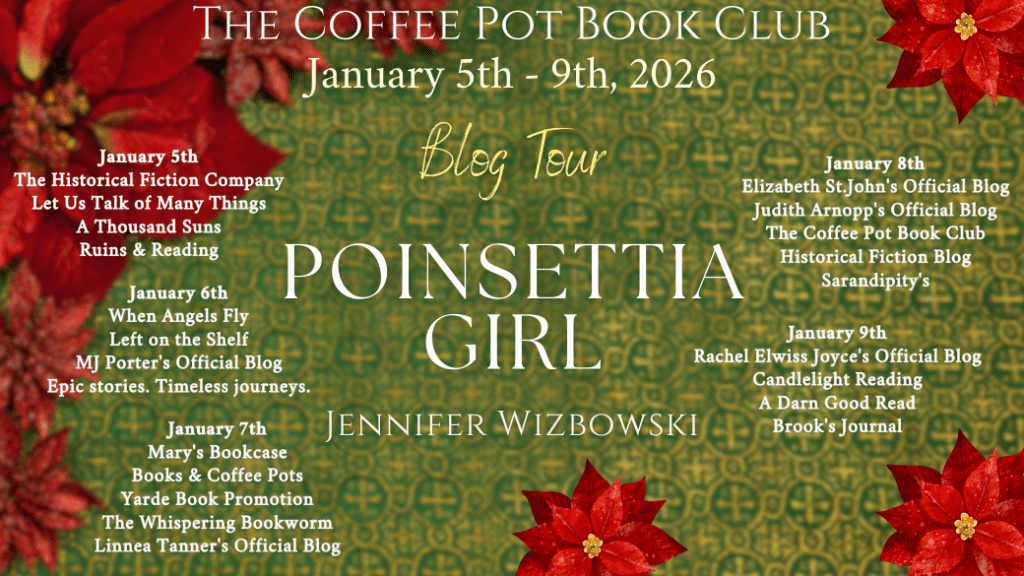
I’m delighted to welcome Jennifer Wizbowski and her book, Poinsettia Girl, to the blog #PoinsettiaGirl #HistoricalFiction #RenaissanceFiction #TheCoffeePotBookClub #BlogTour

I’m delighted to welcome Jennifer Wizbowski and her book, Poinsettia Girl, to the blog with an excerpt.

Excerpt

Margarita closed the door to her bedroom and entered the hall with some of her spunk back in her step. She needed those afternoon naps more than she had in all her years in the Pietà. Every day, when early afternoon came, she’d feel her shoulders slumping and her patience waning, ready to shut out the worries around her and blow her bedside candle out.

She would never admit that to anyone. It would make her sound old, and then there would be all their fussing. While her schedule no longer consisted of classes, private lessons, or choral rehearsals, it was as full as the girls in new lace collars. She still had hers, that lacy shawl, a little more cream than stark white- one could never stop the cycle of aging. She would wear it when special occasions called for it: a full choir for a dignified guest or a celebration, but mostly, it hung in her closet, a trophy of her femininity, not the public image of virginal and ethereal but the honest image: persevering, unruffled and wise.

The Pietà took careful measures in recording the names, titles, entrances, and exits of every woman who spent any time behind its protective walls. Some listings were short, poor, sick babes that only lasted a night or diseased women who spent their final days cared for with the dignity society did not give them—others, like herself, whose decades were sub- marked by all her different roles in the Pietà. The path was different for everyone. Some women did not possess the musical predisposition to train for the Coro, which is why they tested every foundling’s aptitude by the age of eight.

The less musically inclined girls trained in textile arts or medicine, with the potential of working in the Pietà’s ground-floor ventures in their later years. The hospital administered vaccines and cared for the unwanted, while the textiles area had a successful laundering and hat-making business.

In her current assignment, she was listed as Discrete, a nice way of inferring: a retiree with no more obligations to the Coro—and as Margarita internally joked, whom they decided to keep around a bit longer instead of shipping off to a convent. Indeed, she was worth more than the average old woman slippering around.

Here’s the Blurb

Poinsettia Girl is based on the story of Agata de la Pieta, an orphan musician of the Ospedale de la Pieta.

Ten-year-old Agata’s world is shaken at the sudden death of her mother. Left only with her egregious father, a working musician in Venice, her ailing grandmother sends her to the well-known orphanage, hidden from everything she’s ever known.

Agata auditions for the conservatory style music school where music is both salvation and spectacle. Hidden behind ornate metal grates, adorned with poinsettias in their hair, the singers are veiled in mystery, their ethereal music drawing noble audiences, including gilded young men who see them as treasures-not only for their sound but as coveted marriage prizes.

Just as she reaches the height of her musical journey, a marriage proposal from someone outside the audience tempts her with the promise of a new life-a return to the old neighborhood she’s longed for and a home she barely remembers. 

Torn between the music that has defined her and the hope of belonging to a family, Agata must confront the most profound question of her life: is her purpose rooted in the music that shaped her, or in the love that might free her?

Buy Link

Universal Link

Meet the Author

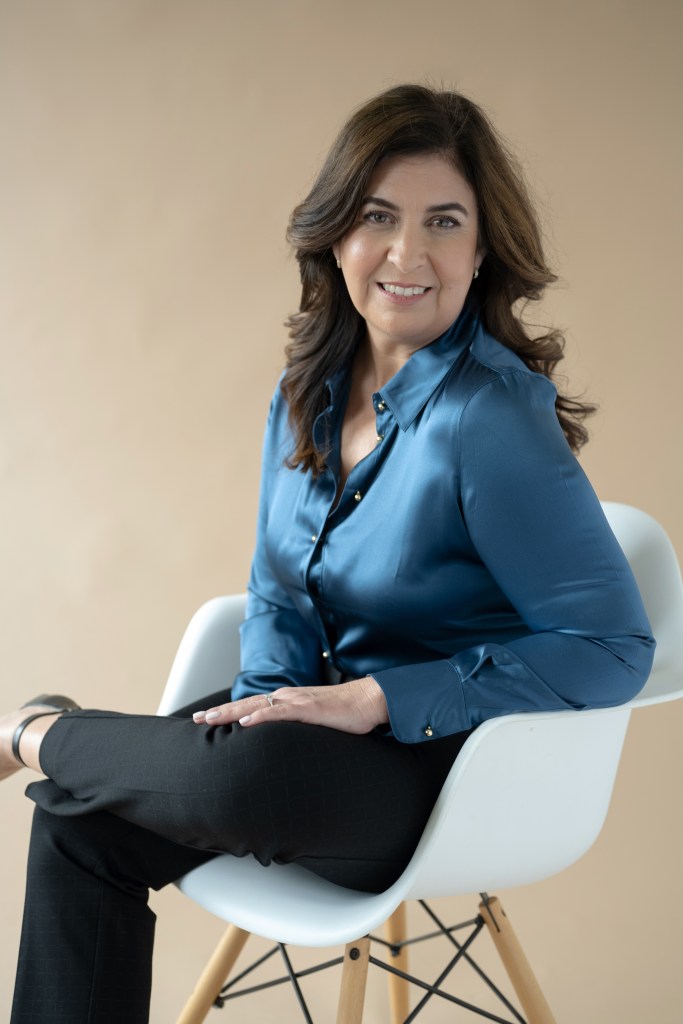
Jennifer Wizbowski spent her childhood days lost among the spines of her favorite books. Inspired by the daffodil fields of Wordsworth and the babbling brooks of Shakespeare, she earned her bachelor’s in English literature, a minor in music, and a secondary teaching credential, then wrote freelance for local business journals, taught in classrooms, and authored a Teen and Tween column for a parent magazine—all while raising her family.

As those years ended, she knew it was the right time to pursue her lifelong aspiration of bringing her own books to life. She now devotes herself to illuminating everyday women’s stories often lost in the shadows of history, revealing how they became heroines of their own time and place.

Portrait by Valentina Photography at Macardi Images

Connect with the Author

Follow the Poinsettia Girl blog tour with The Coffee Pot Book Club

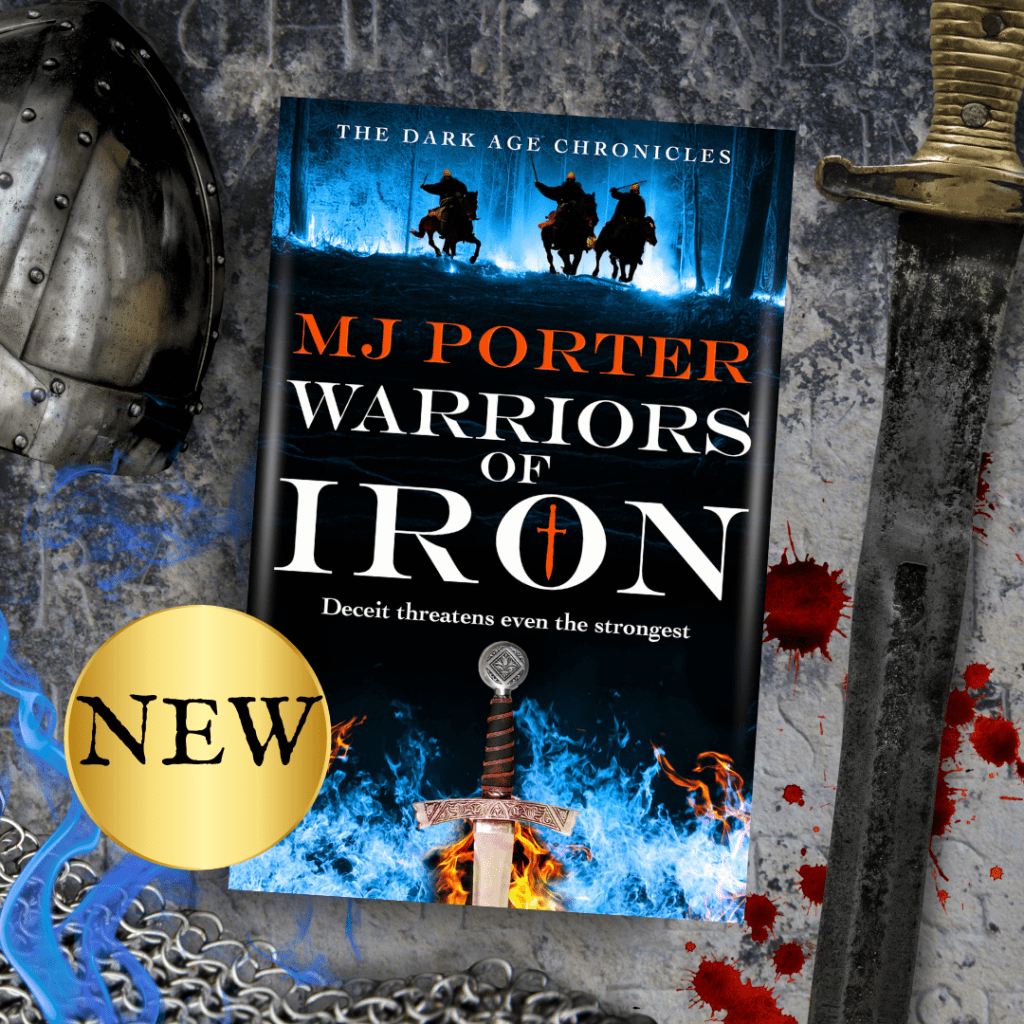
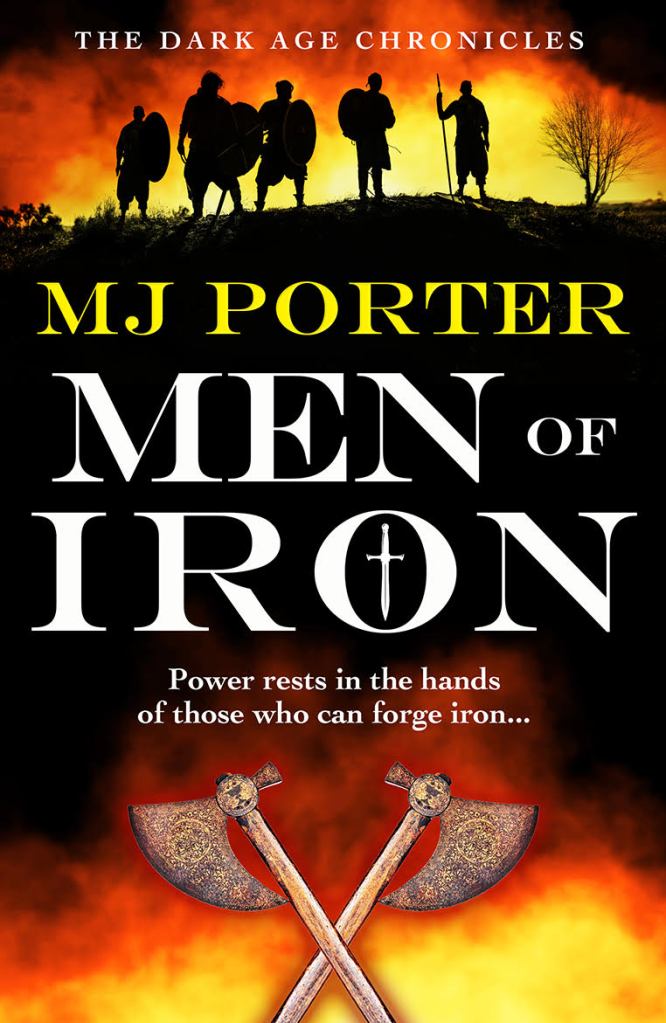
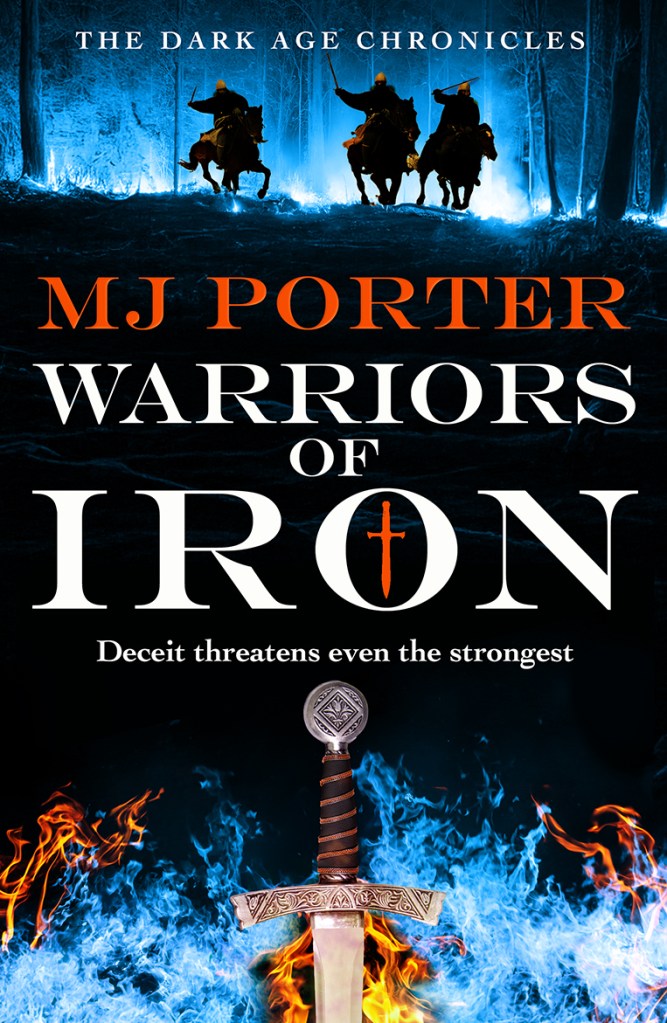
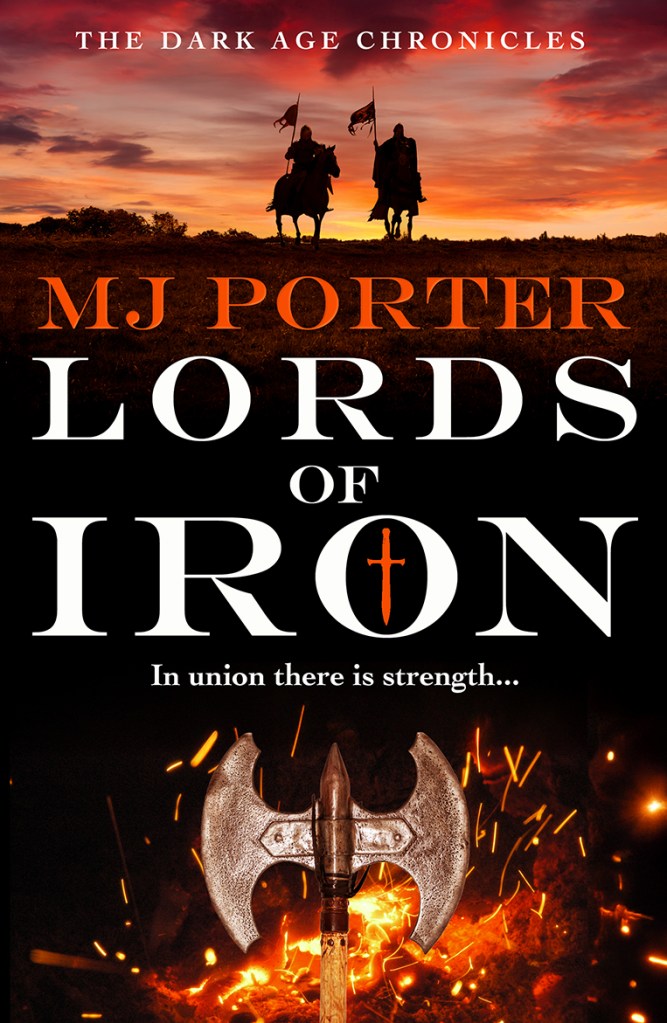
It’s happy release day to Lords of Iron, the third and concluding book in the Dark Age Chronicles Trilogy. Let’s talk about battle standards #newrelease #MenOfIron #WarriorsOfIron #LordsofIron #histfic

It’s happy release day to Lords of Iron, the third and concluding book in the Dark Age Chronicles Trilogy. Let’s talk about battle standards #newrelease #MenOfIron #WarriorsOfIron #LordsofIron #histfic

Battle standards

Well, here we are my friends, book 3 in the Dark Age Chronicles concludes this foray to the ‘Dark Ages’ (a term I don’t like but is correct for this time period). I thought I’d address the idea of battle standards.

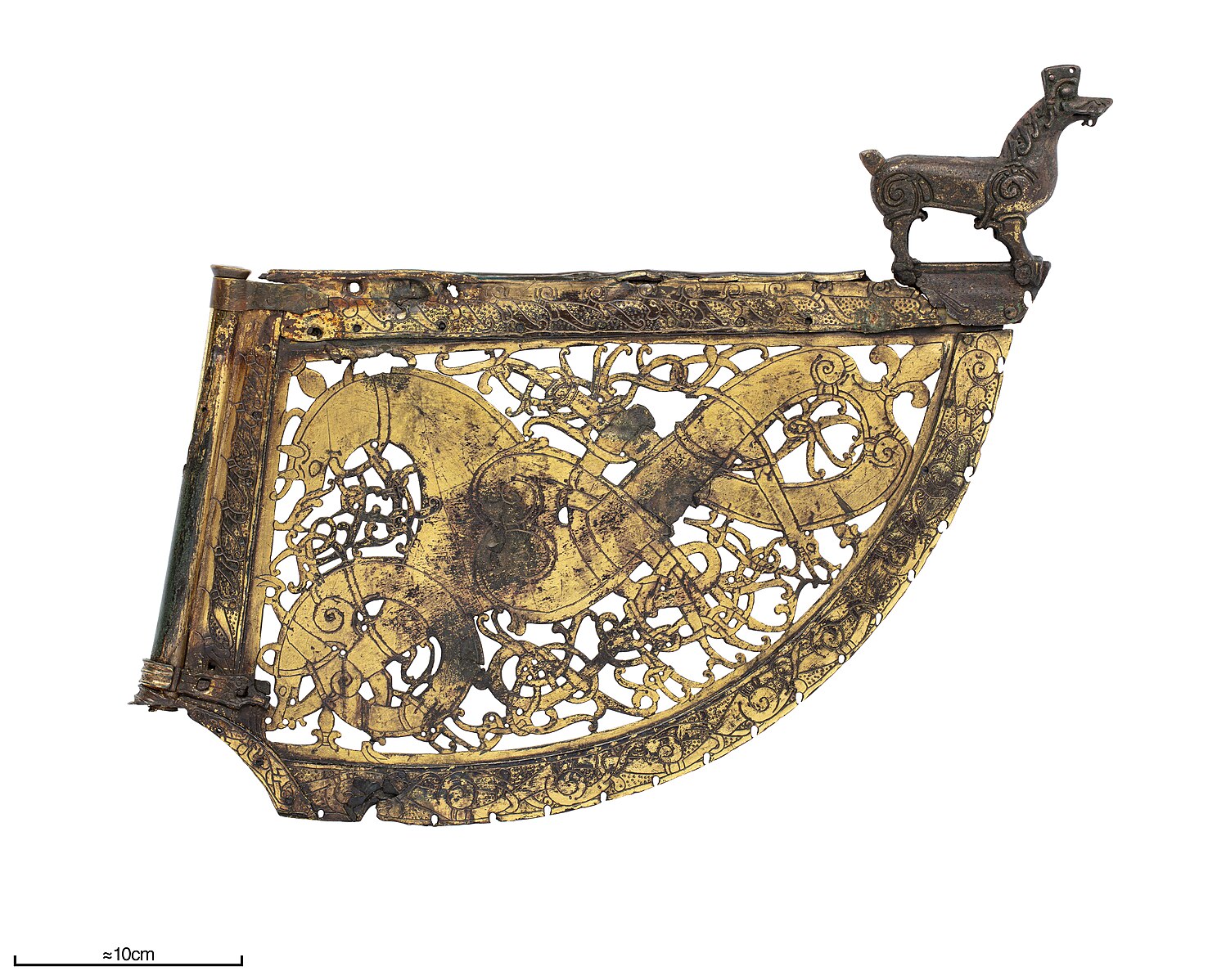
As many stories as I’ve written about war, I’d never considered the battle standard. My editor mentioned to me that ‘they make for great cover ideas,’ and so I did a little bit of research and discovered some information about them, but it was actually in an ‘ask the historian’ section with Mike Everest hosted by the History Quill that I discovered battle standards might not have been fabric at all, but rather perhaps made from metal and more hollow depictions of whatever the battle standard was to be (so perhaps more similar to the Romans and their eagle standards).

As such, I have touched on this idea in Lords of Iron. As often as I’ve tried to place myself in my characters’ boots, I’ve perhaps overlooked how difficult it might be to find your fellow warrior in the middle of a battle. Below are two images which might have served as an idea of what a battle standard might have looked liked. As you can see, these are very far from being huge banners made of fabric. They are much more intricate, or so it appears. In Warriors of Iron, Wærmund encounters such a battle standard and then hungers to have one constructed for himself. I can see why.

https://commons.wikimedia.org/wiki/File:Söderala_vane_recto_(HST_DIG25845).jpg

https://commons.wikimedia.org/wiki/File:The_Draco_standard_of_Niederbieber,_the_only_fully_preserved_draco,_found_in_the_Limes_fortress_of_Niederbieber,_Landesmuseum_Koblenz,_Germany_(50849293708).jpg

Check out my blog for more details about the Dark Age Chronicles

Blog links

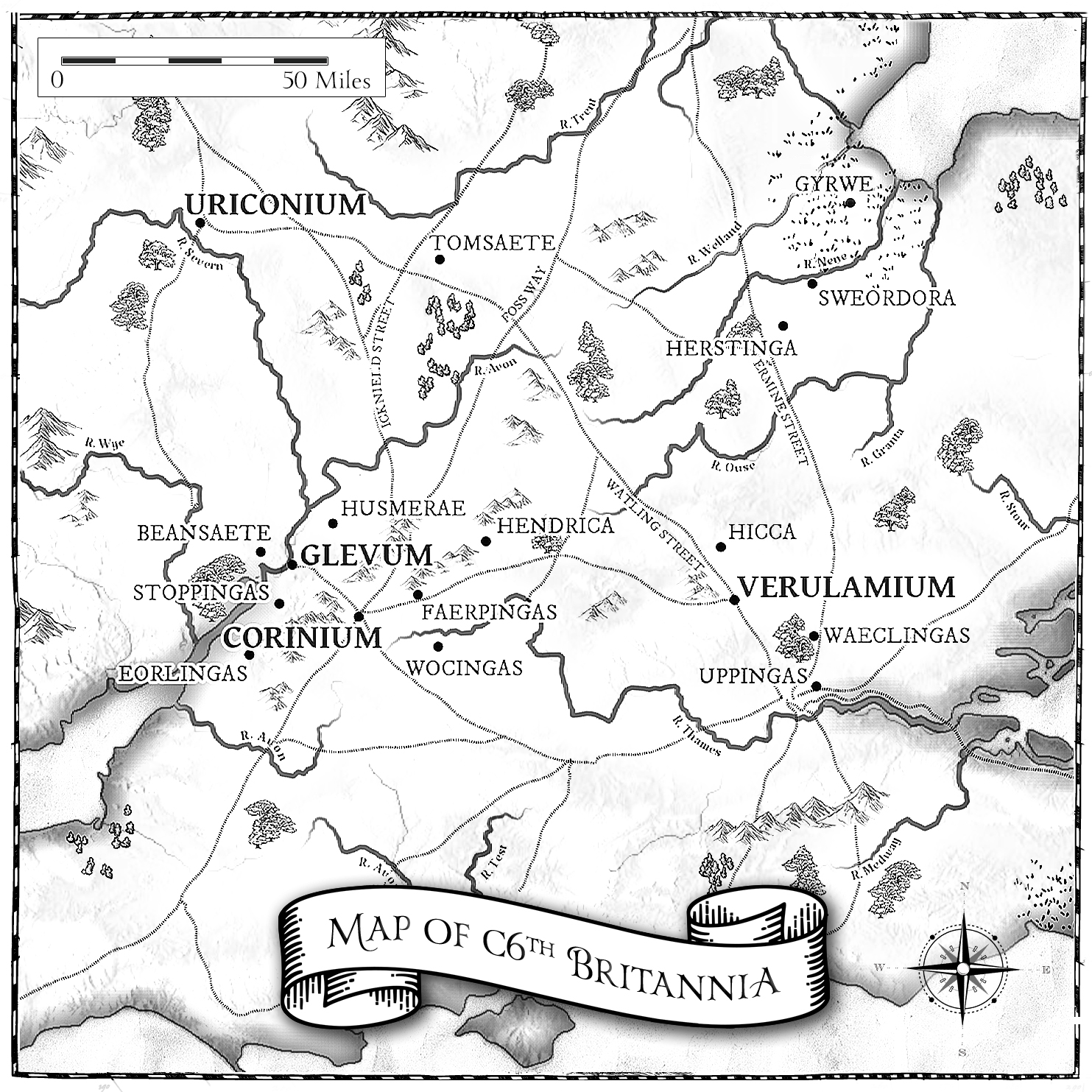
Image shows a map of Early England showing the places mentioned in the text of the book
The Dark Age Chronicles Map

Purchase Link

https://amzn.to/4qaRuy3


Posts