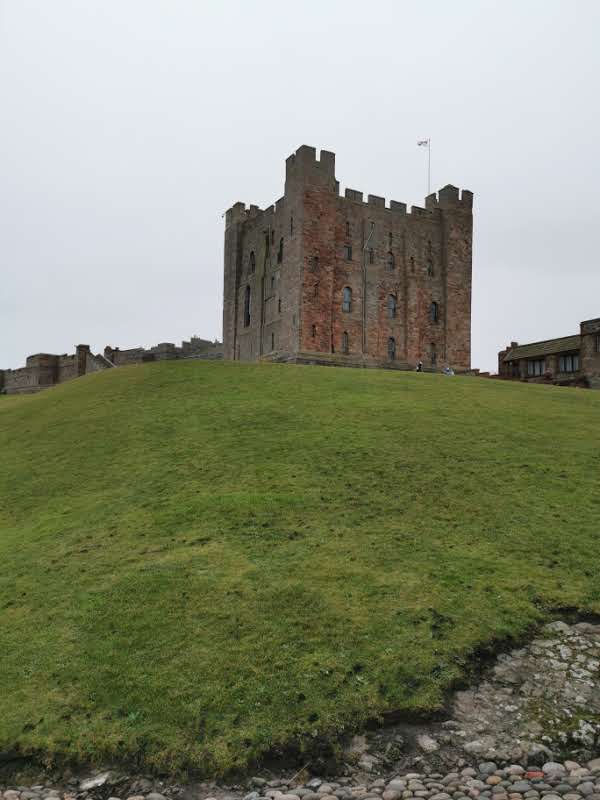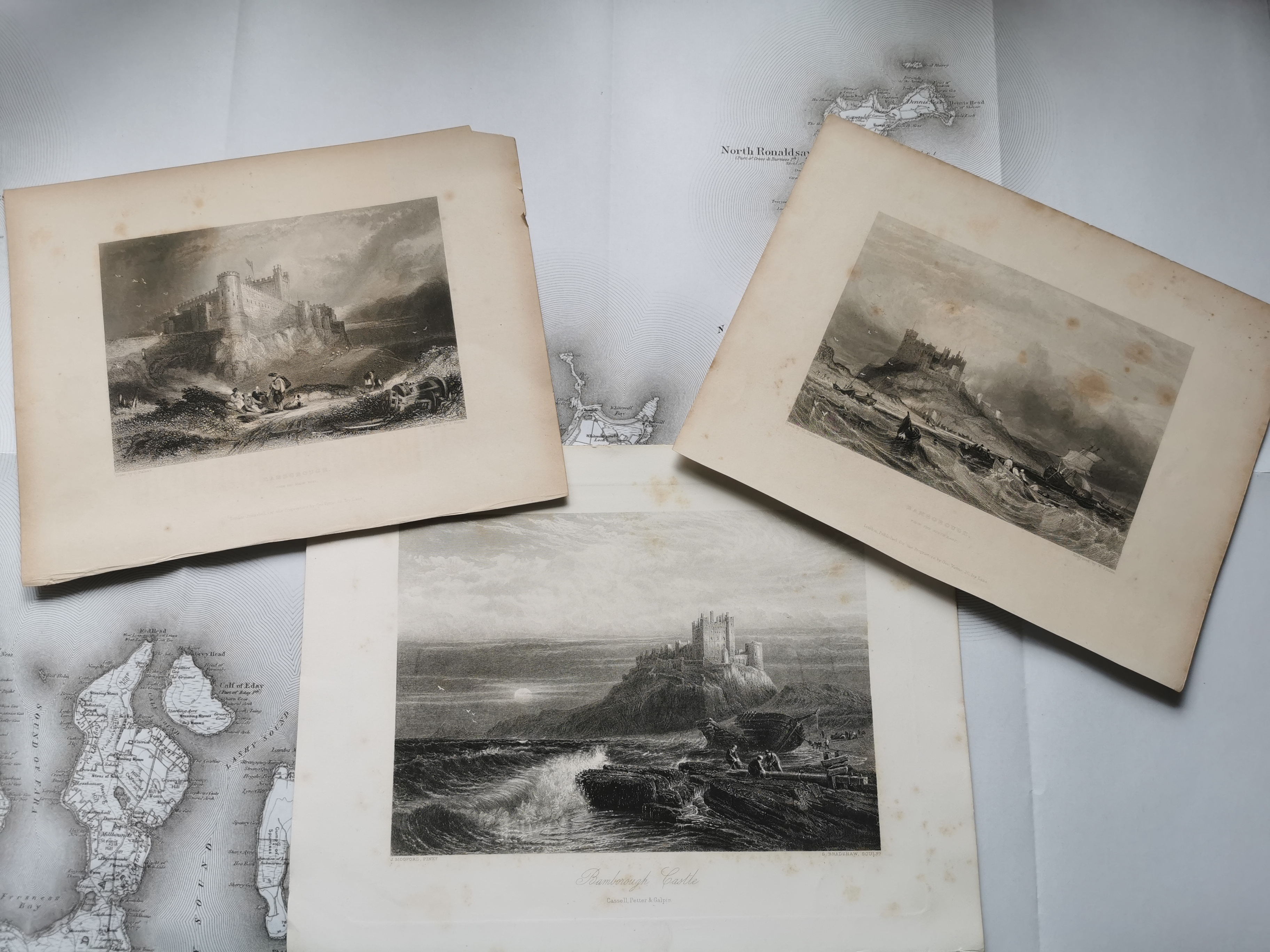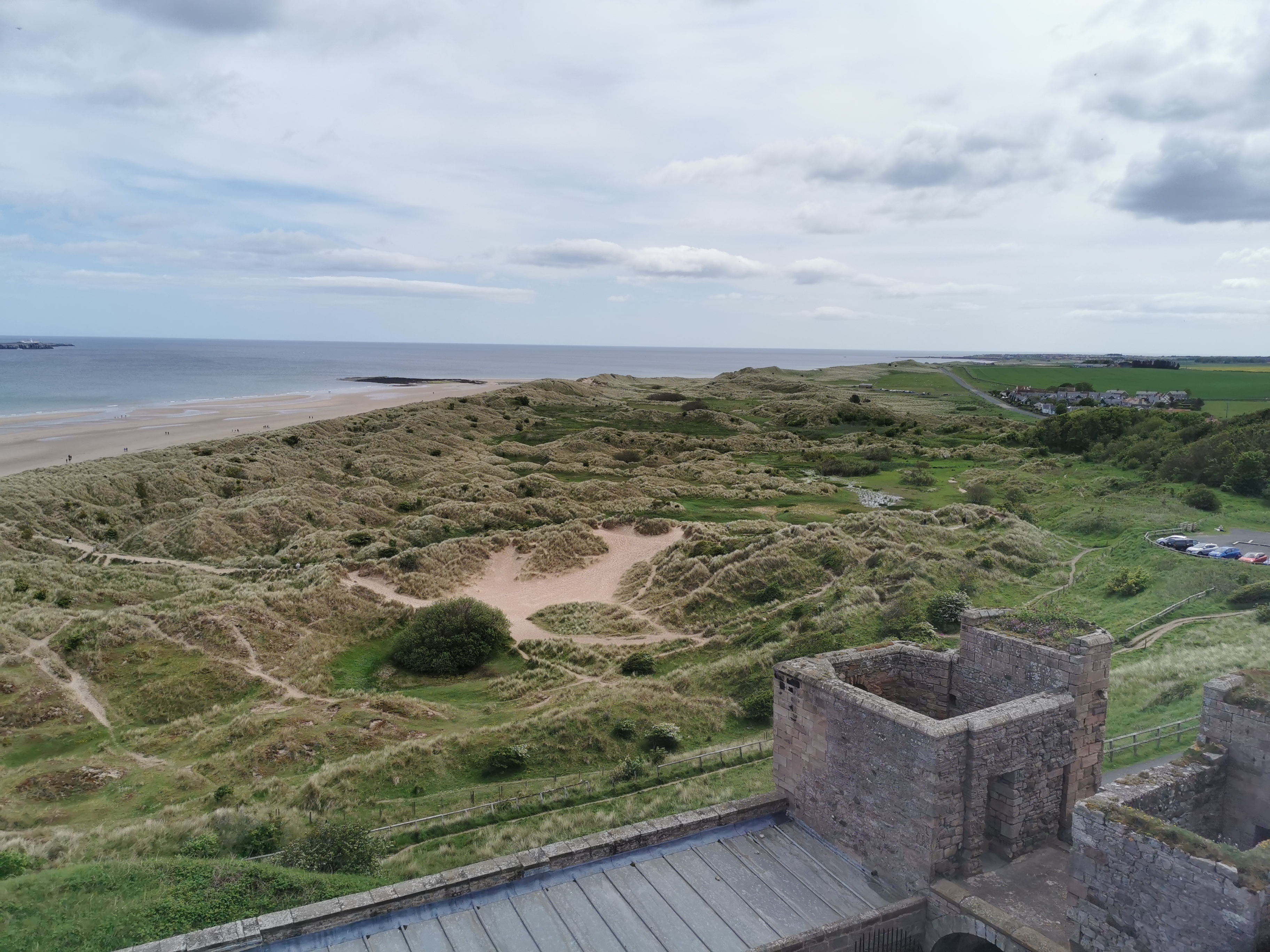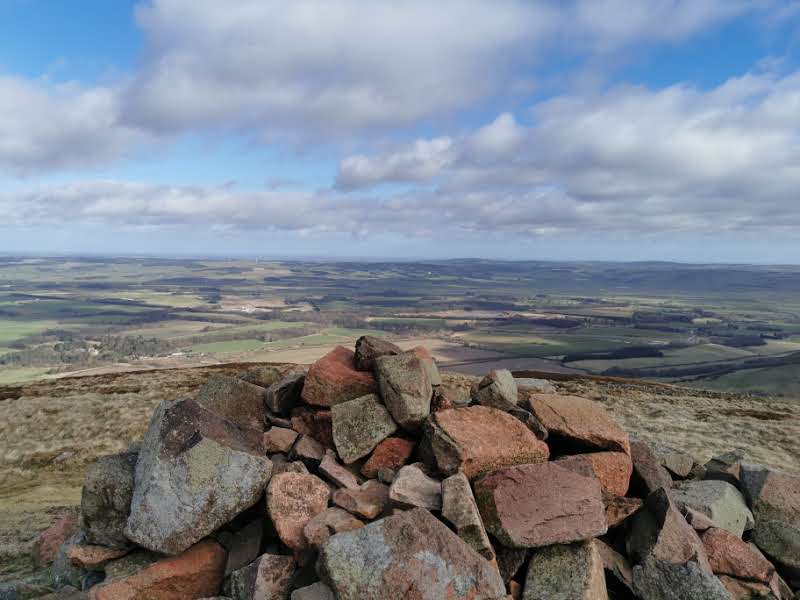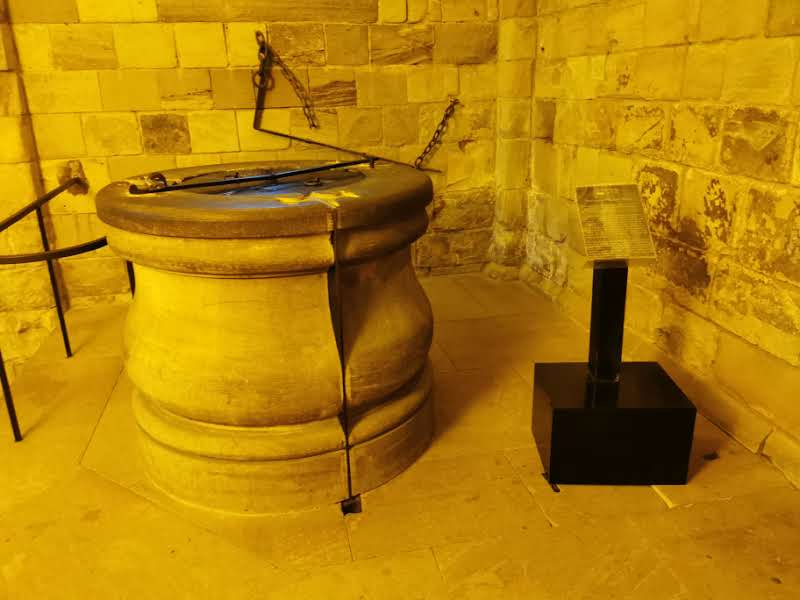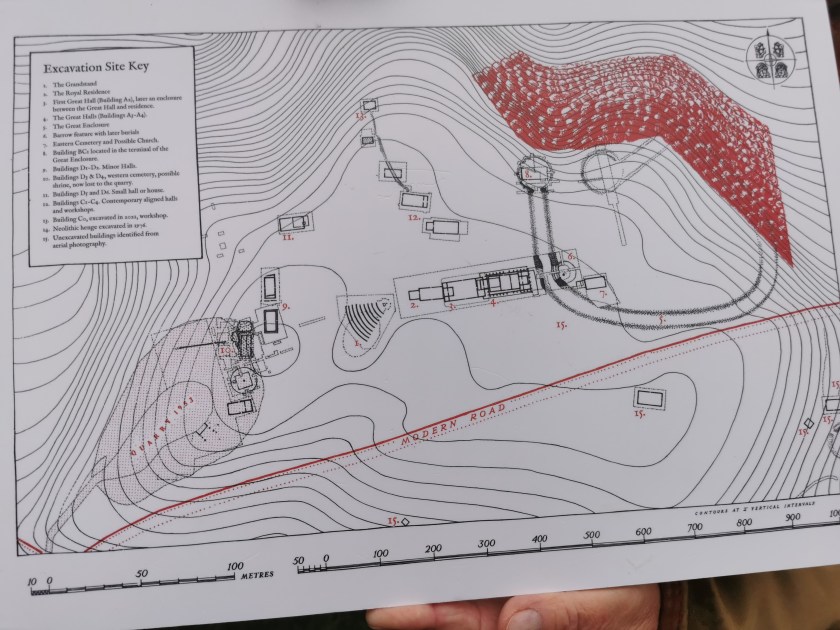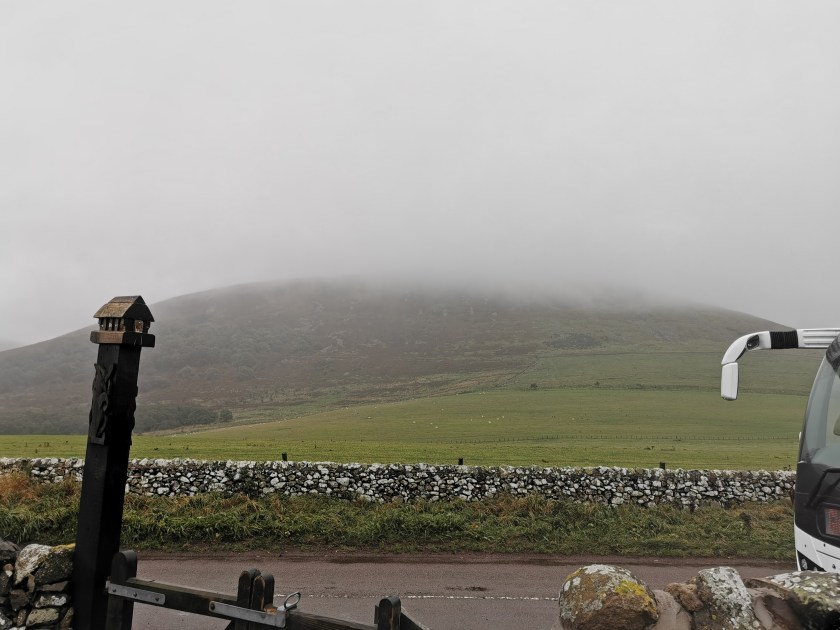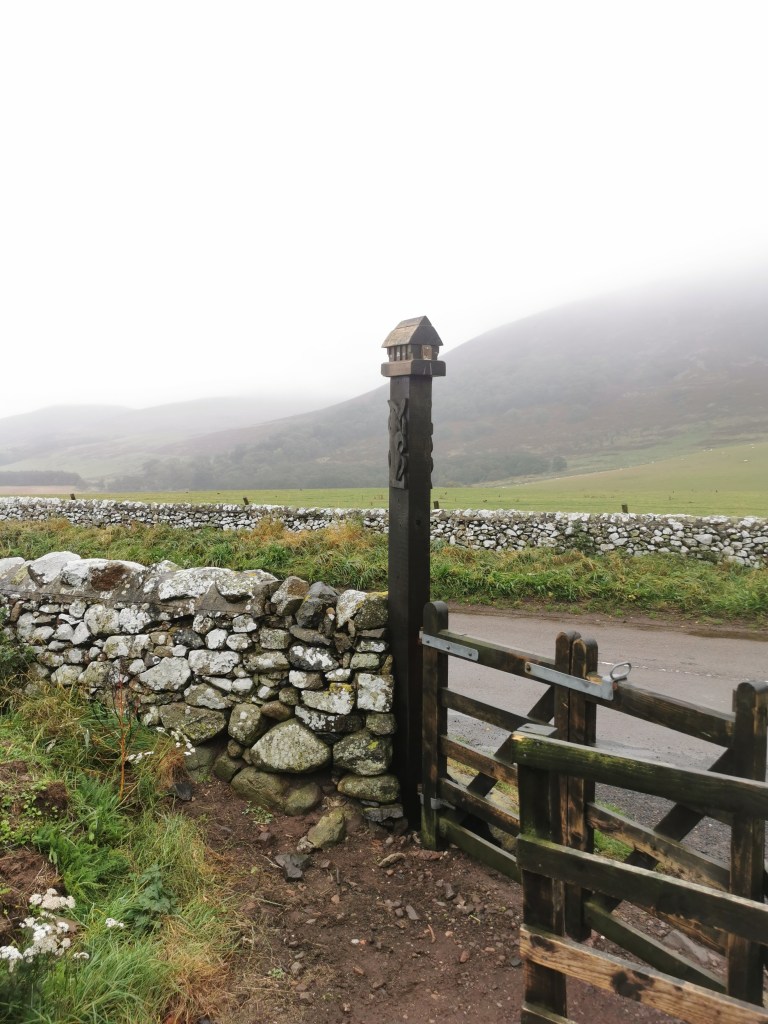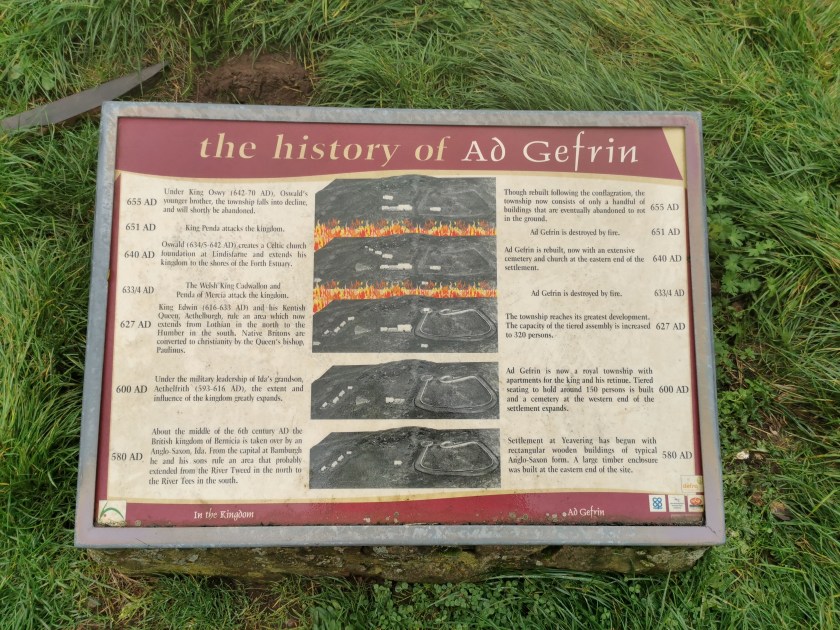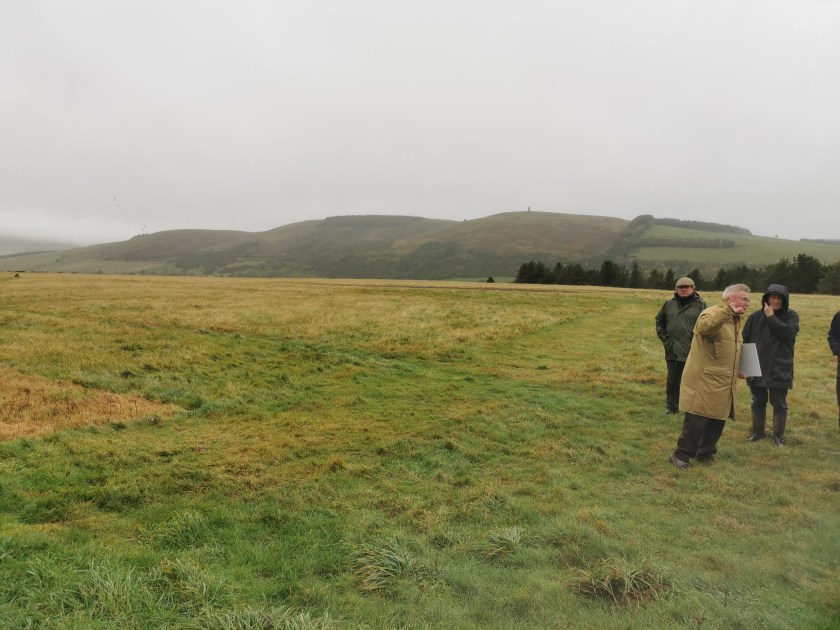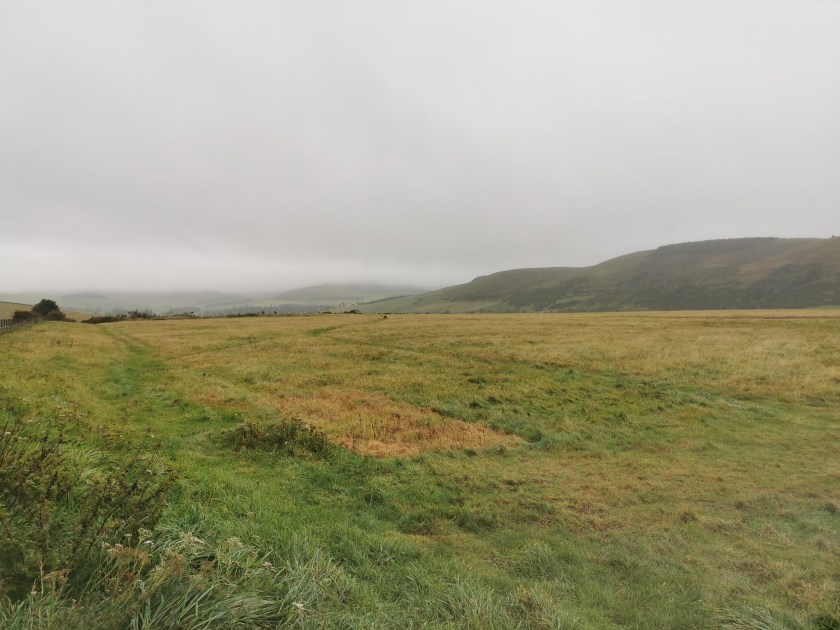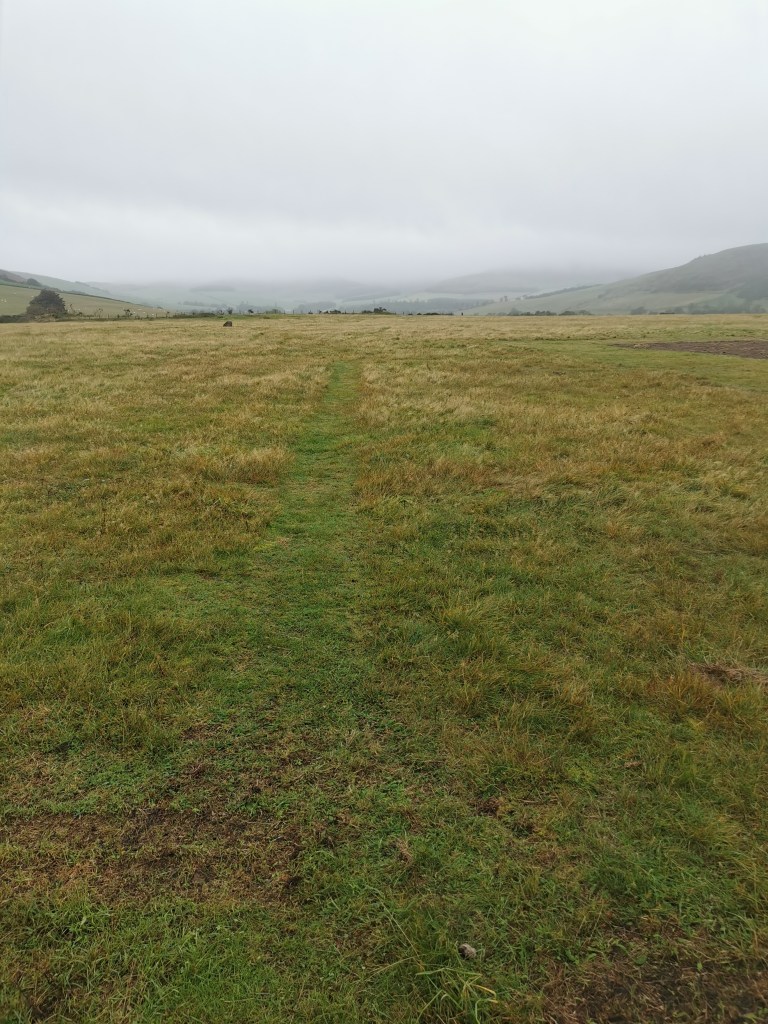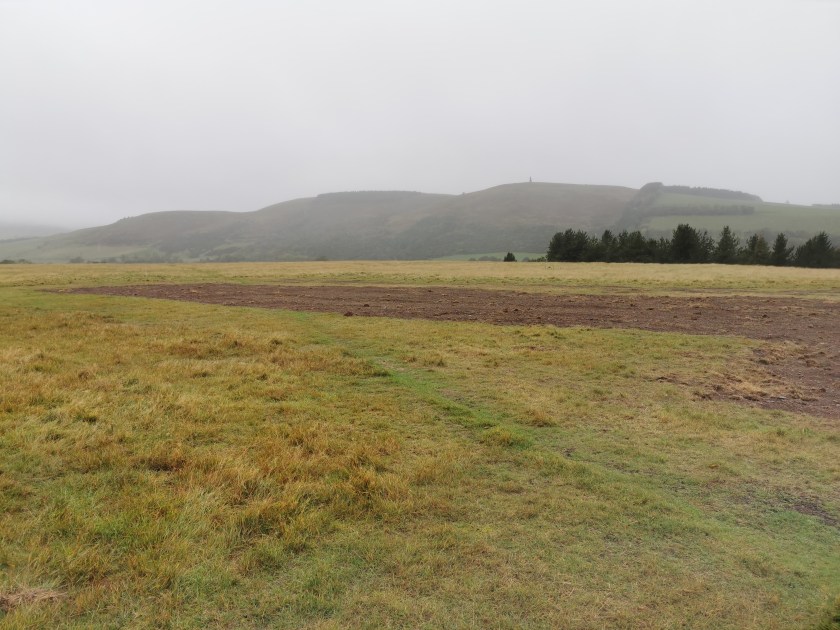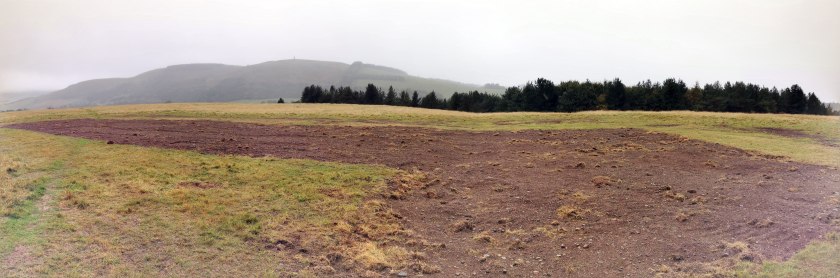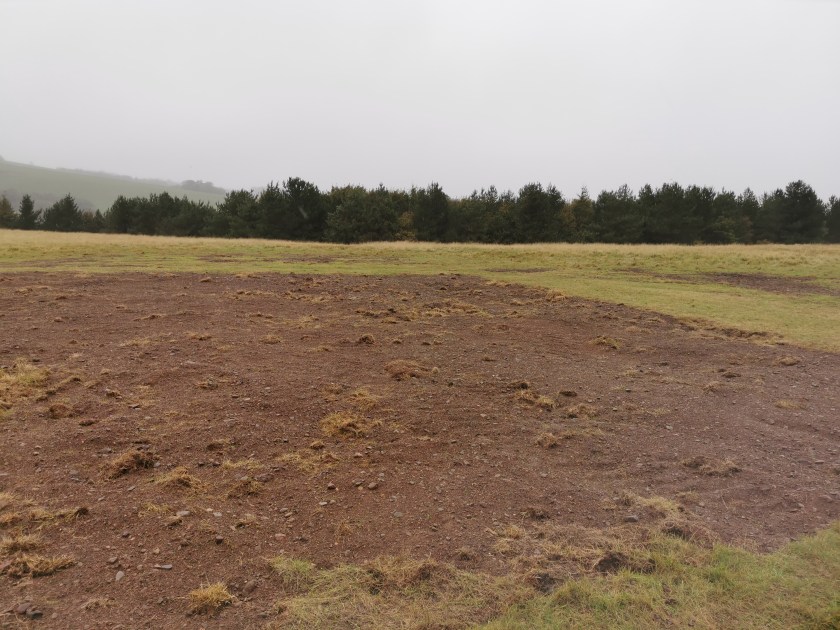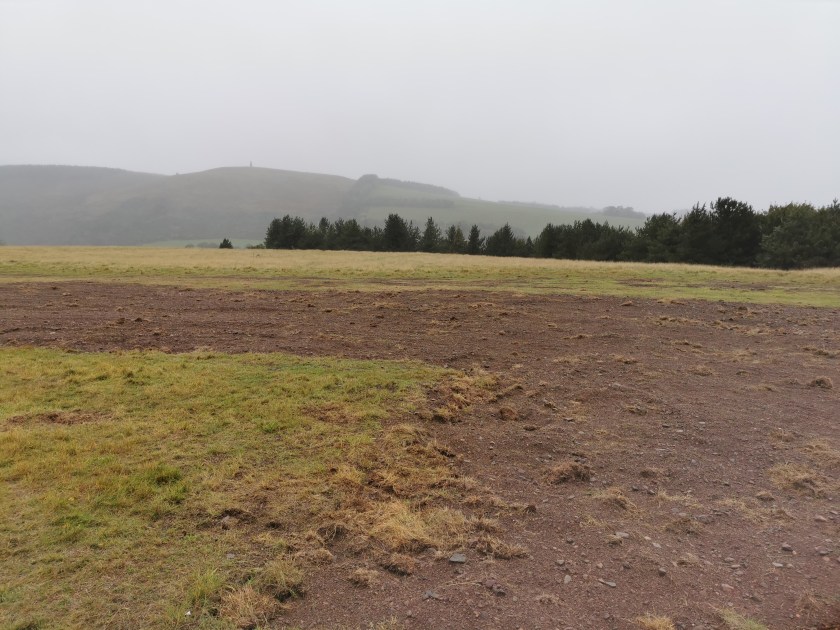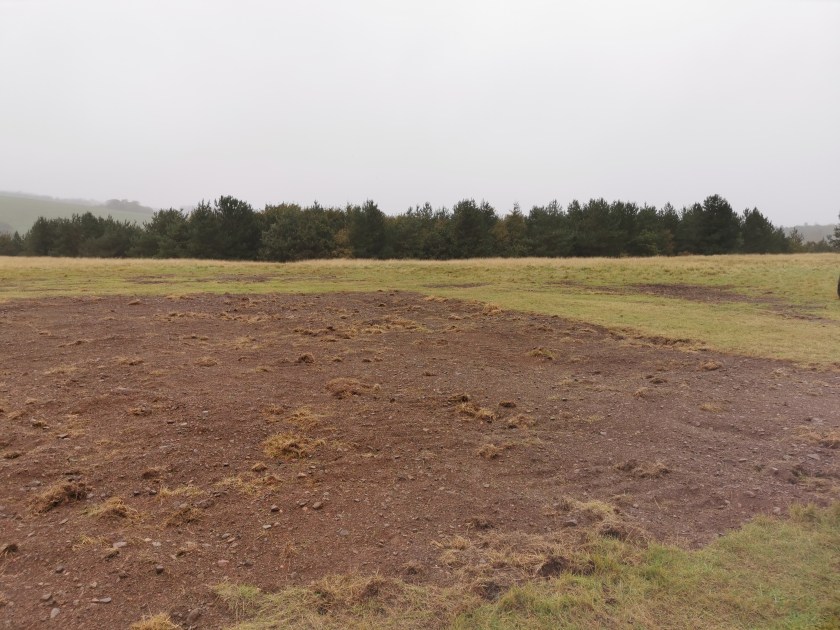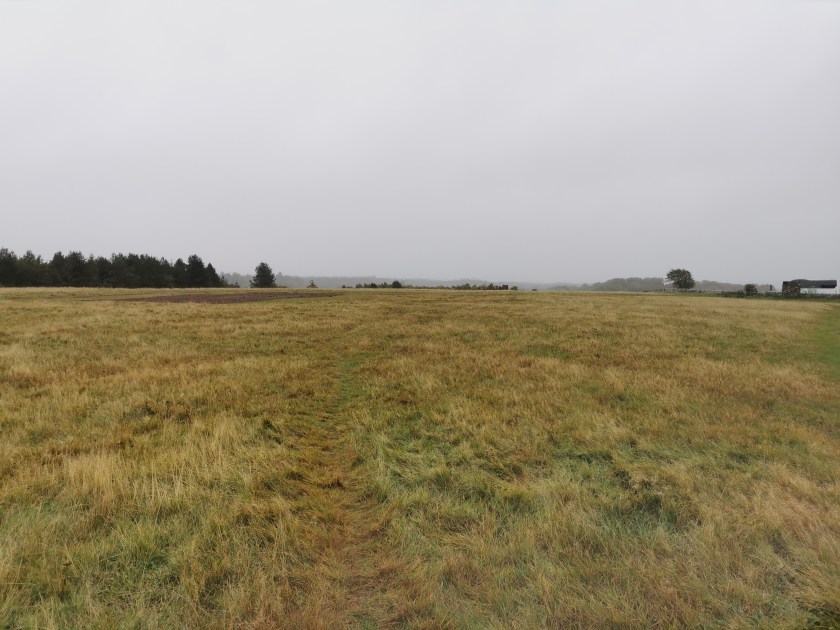

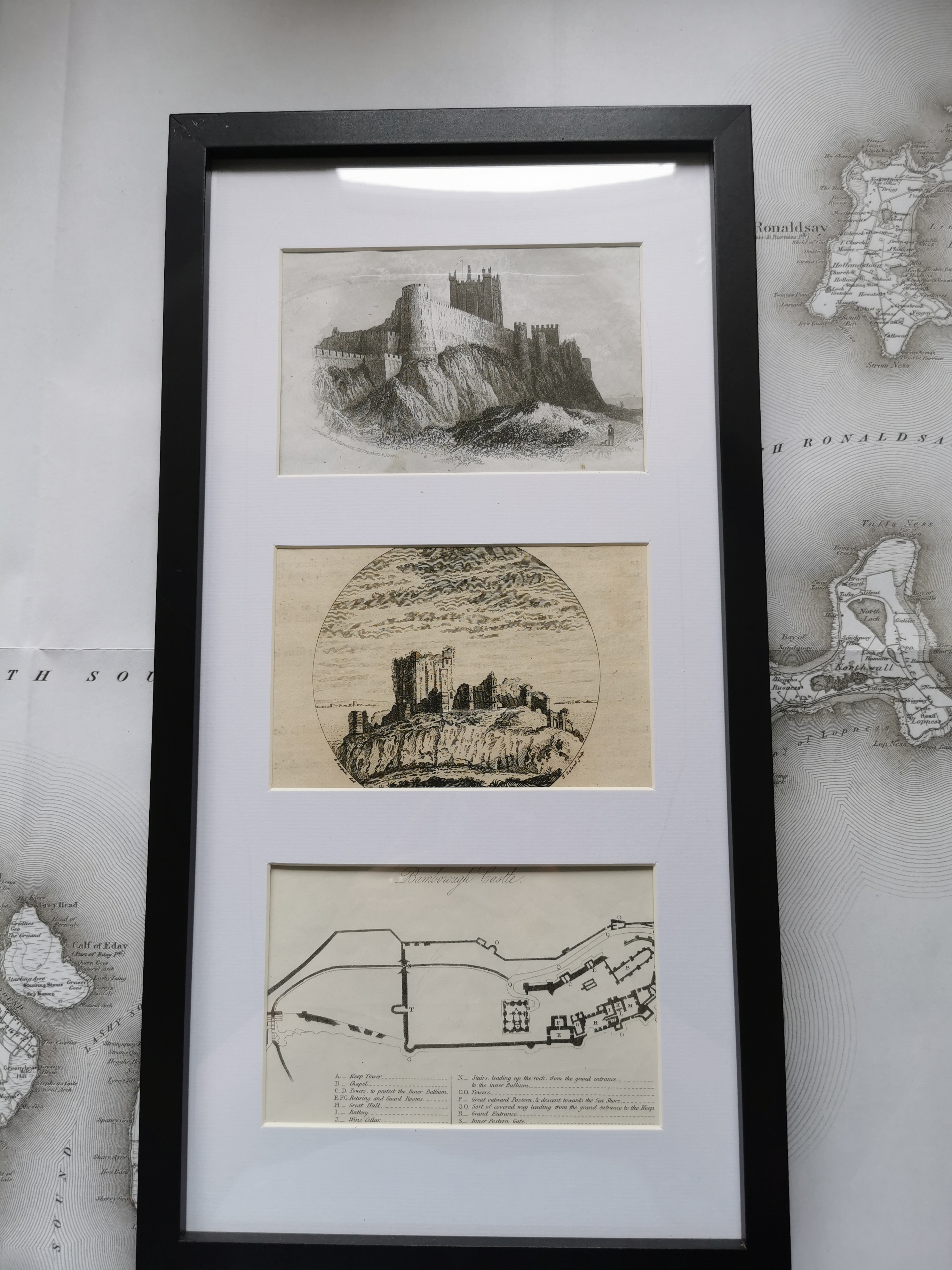
On this day in history, the anniversary of the battle of Maserfeld in either 641 or 642. I thought I’d share some photos of Ad Gefrin, Yeavering Bell and Bamburgh castle as well as some book recommendations

On this day in history, the anniversary of the battle of Maserfeld in either 641 or 642. I thought I’d share some photos and book recommendations

It’s the anniversary of the Battle of Maserfeld on August 5th (641 or 642), fought between Penda of Mercia (go Penda) and his allies, and Oswald of Northumbria and his allies, so I thought I’d reshare some photos I took while writing the Gods and Kings trilogy of Bamburgh Castle and Northumberland in general, which was the home of Oswald of Northumbria. Admittedly, the battle of Maserfeld is said to have taken place at Oswestry on the Welsh border with Mercia, but I didn’t go there, although I certainly visited as a child.

‘A.D. 641/642.  This year Oswald, king of the Northumbrians, was slain by Penda, king of the Southumbrians, at Mirfield, on the fifth day of August; and his body was buried at Bardney.  His holiness and miracles were afterwards displayed on manifold occasions throughout this island; and his hands remain still uncorrupted at Barnburgh.  The same year in which Oswald was slain, Oswy his brother succeeded to the government of the Northumbrians, and reigned two less than thirty years.’

(Taken from the online version of the Anglo Saxon Chronicle, a ninth century creation so, not very contemporary).
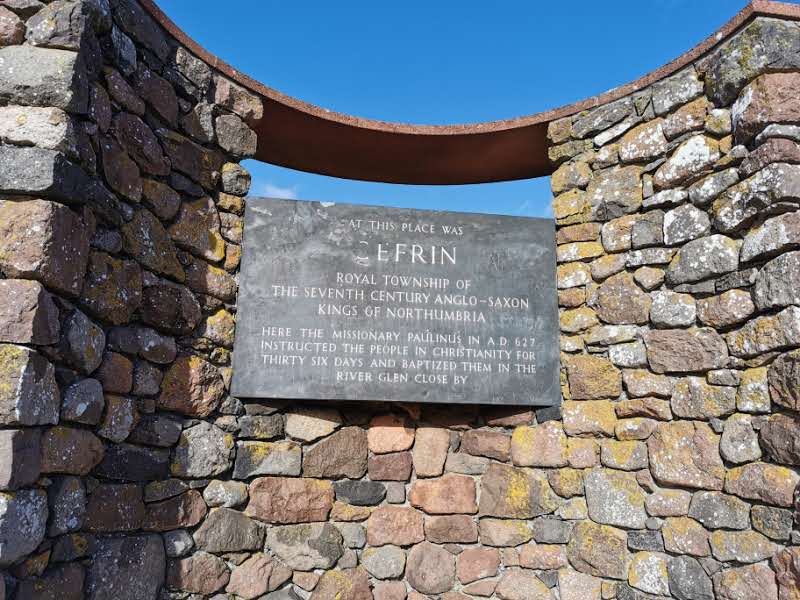
  • Views of Ad Gefrin from a visit in October 2023 to hear about the 2023 excavation

You can hear the archaeologist, Sarah Semple, talking about the recent excavations at Ad Gefrin in this Society of Antiquaries Lecture. https://www.youtube.com/watch?v=0A7eRTvajtA

You can also visit the Ad Gefrin trust website here.

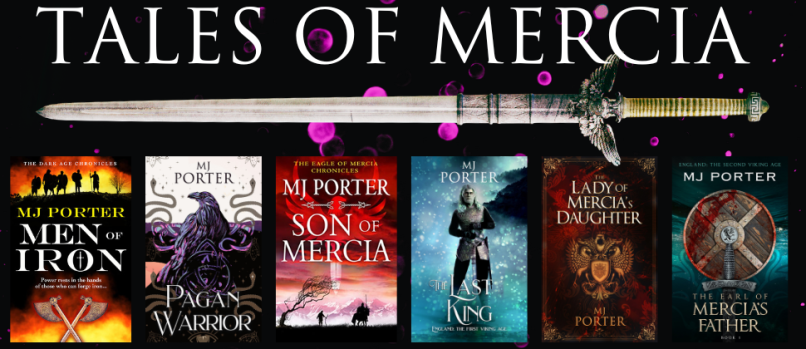
The battle of Maserfeld is the book Pagan King follows in my Gods and Kings Trilogy (the second book in the trilogy). I had a lot of fun writing it, making use of locations I visited as a child to make them come alive, and even setting one of the fictional battles in the lead up to the clash at Maserfeld, close to where I used to live.
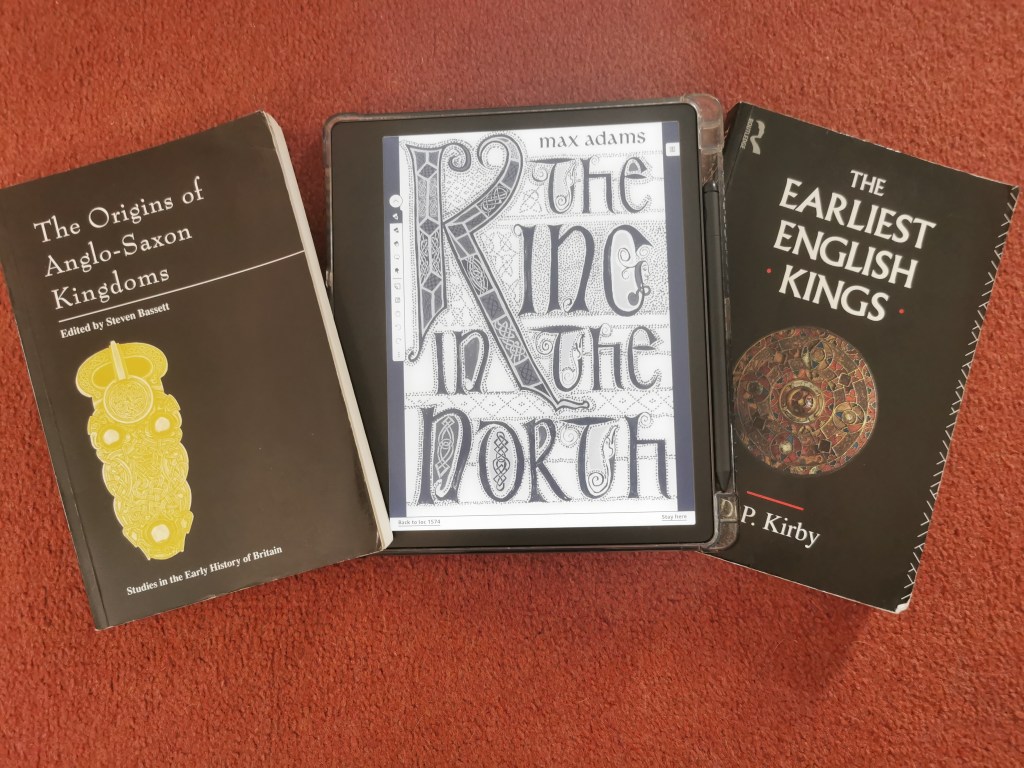
If you’re curious about the period, I highly recommend these non-fiction titles. Perhaps start with Max Adams’ The King in the North. It’s also the most modern of the three. The other two were texts I read while at university (so yes, decades ago:))
books2read.com/PaganKing

Check out the Gods and Kings trilogy page on the blog.

Posts

Book Review – Warrior: A Life of War in Anglo-Saxon England by Edoardo Albert and Paul Gething – historical non-fiction/fiction

Here’s the blurb;

“Warrior tells the story of forgotten man, a man whose bones were found in an Anglo-Saxon graveyard at Bamburgh castle in Northumberland. It is the story of a violent time when Britain was defining itself in waves of religious fervour, scattered tribal expansion and terrible bloodshed; it is the story of the fighting class, men apart, defined in life and death by their experiences on the killing field; it is an intricate and riveting narrative of survival and adaptation set in the stunning political and physical landscapes of medieval England. Warrior is a classic of British history, a landmark of popular archaeology, and a must-read for anyone interested in the story of where we’ve come from.”

Warrior is an extremely well-written book. But it is not at all what I thought it would be. It is not so much the story of the warrior whose skeleton was discovered in the Bowl Hole at Bamburgh, as the story of the archaeological digs that have taken place at Bamburgh Castle, and the personalities involved, the ‘history’ (bizarre as it sounds) of the development of archaeology as a science throughout the twentieth century and a snapshot of events that occurred in Northumberland from about AD599-635, mixed in with the history of the Conversion of the Anglo-Saxons, which were taking place at the same time. (On another note, I have been on the beach at Bamburgh when a random storm has blown in – on this occasion hail on a summer’s day. It does happen).

As such, this short book attempts to accomplish a great deal, in only very few words, and for those new to the time period, or with a passing interest in all things archaeological, or for those fans of Bernard Cornwell’s Uhtred and the TV series, The Last Kingdom with its ‘hero’s’ focus on Bebbanburg, this will be a real treat.

The story takes the reader from Kent to Iona and many, many places in between. The research and attention to details can’t be faulted, and neither can the fact that the author admits that much of his story will be ‘made up’ and probably inaccurate, and yet, the ‘fiction’ of the warrior’s story is maintained, along with the desire to make the archaeology ‘fit the ‘facts” of the ‘history’ and it is here that the book falters for anyone who has more than a passing interest in the period, and who will understand all the speech marks in that last sentence.

But, for those new to the study of Anglo-Saxon England, this book will provide an excellent starting point, placing the skeleton in a ‘possible’ historical setting.

(I am hoping that the site report for the dig at Bamburgh will be/is available and this might quench my thirst to know more details about the actual finds rather than the potential historical context in which it might have taken place.).

Thank you to the publisher and Netgalley for the review copy.

Warrior is available from 19th September 2019 from here. If you are interested in reading more about the time period then try Pagan Warrior, and the two follow-up books which tell the story of King Penda, King Edwin, and Oswald ending in AD955.