Author of Saxon historical fiction and non-fiction, 20th-century historical mysteries, and Norse-inspired historical romantasy. Book reviewer and blog host.
Author: MJ Porter, author
I'm an author of historical fiction (Early England/Viking and the British Isles as a whole before 1066, as well as five 20th-century mysteries), a non-fiction title about the royal women of tenth-century England, and historical fantasy.
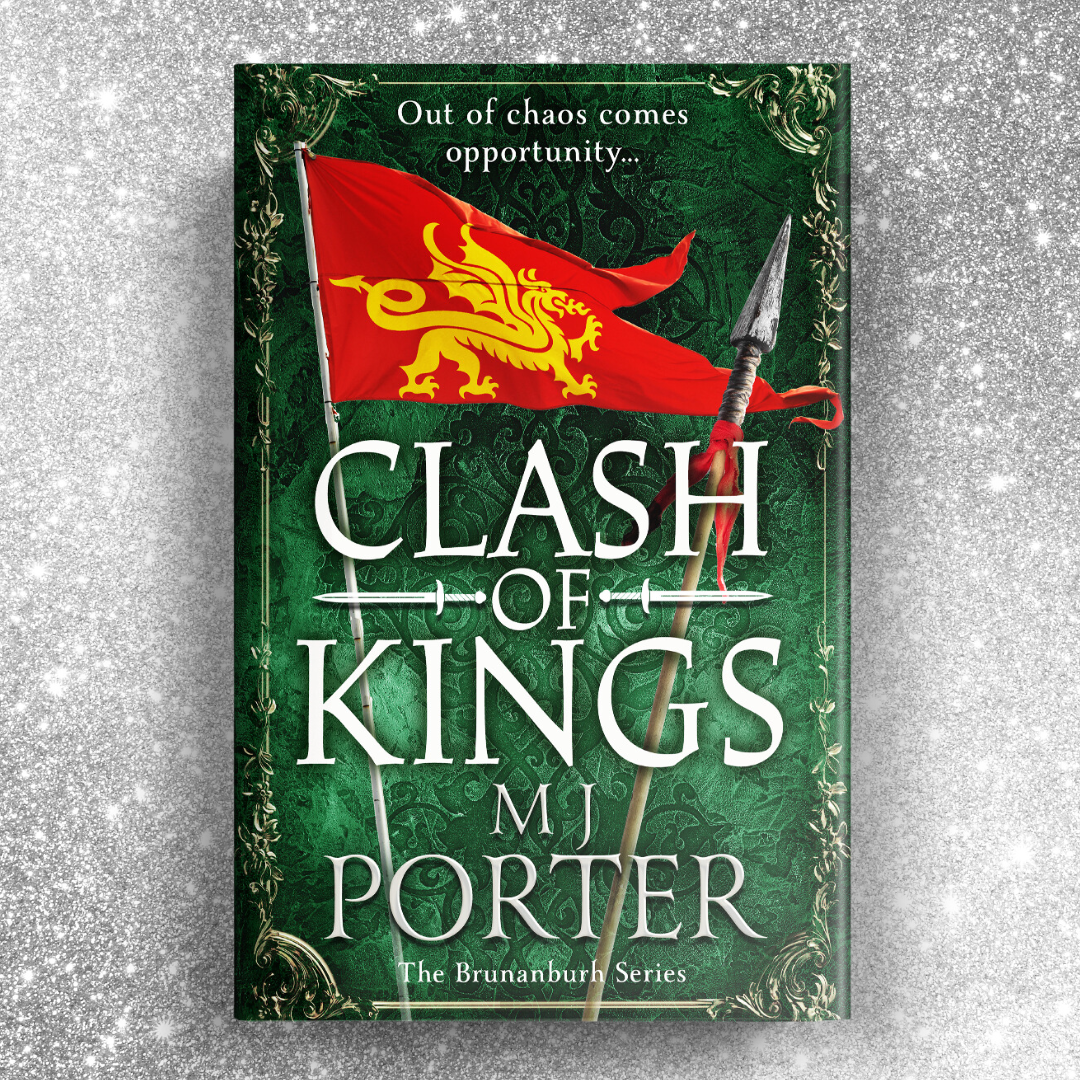
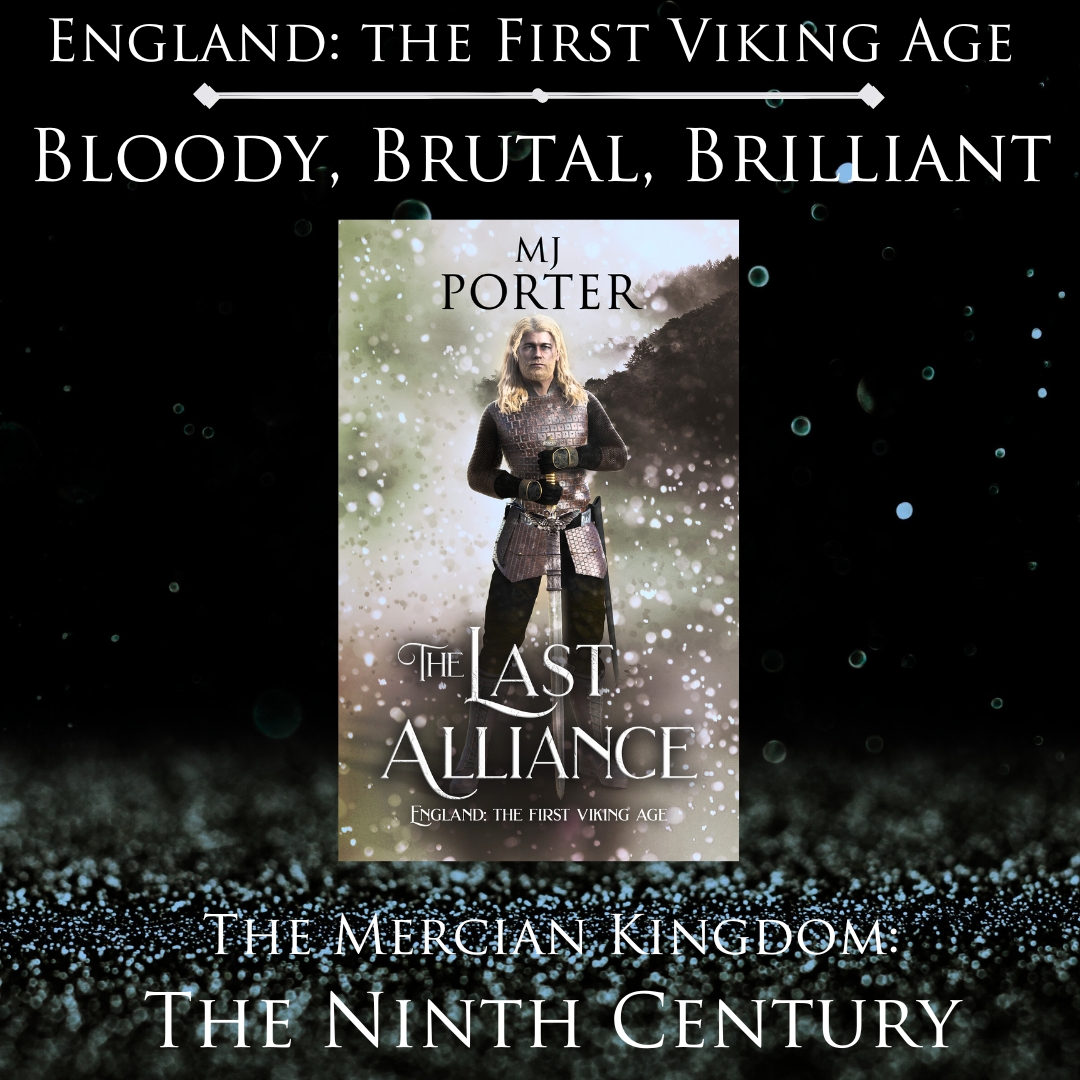
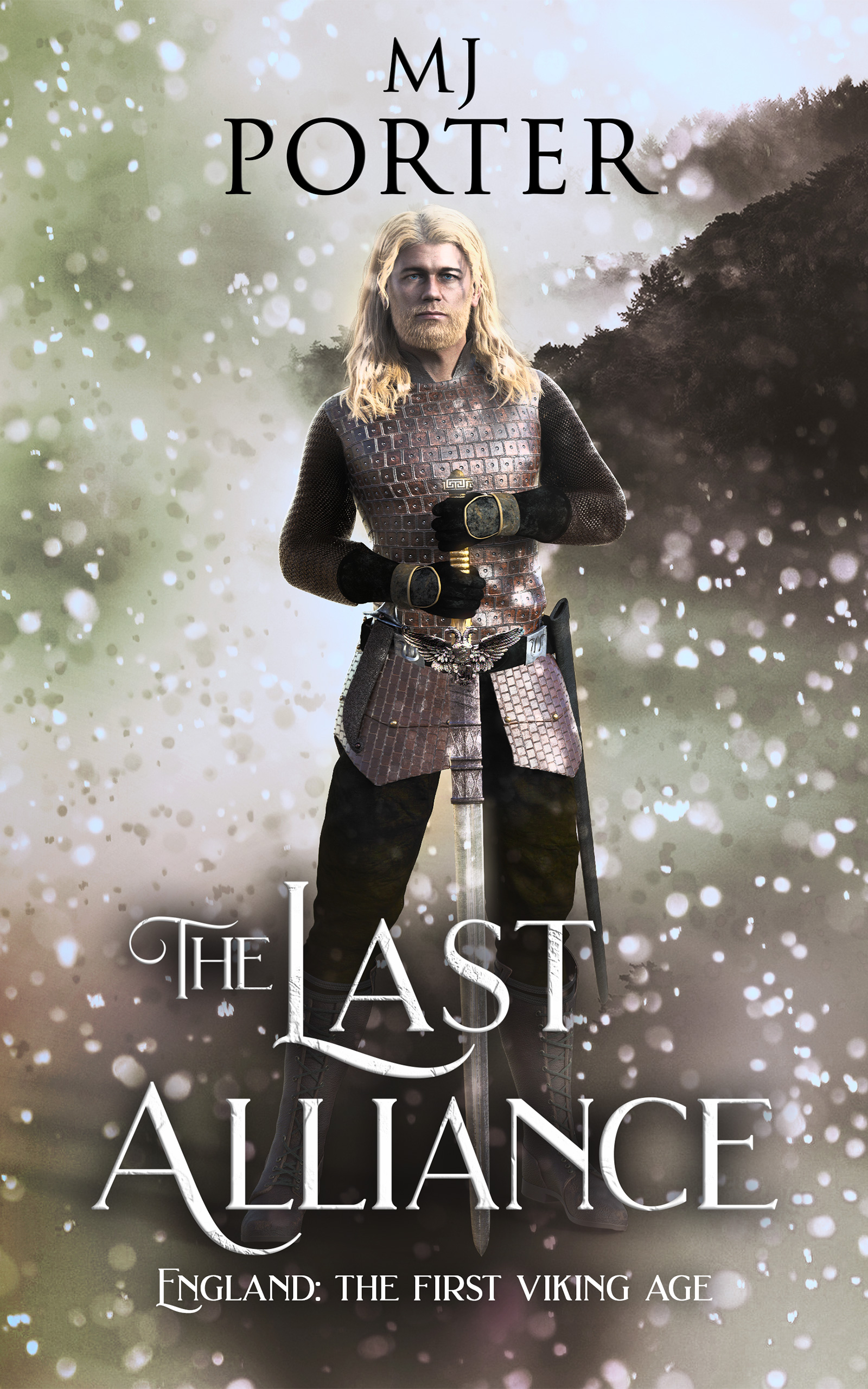
Deceit and ambition threaten to undo the most fragile alliance.
King Coelwulf of Mercia has unwillingly accepted the need to ally with the kingdom of Wessex under the command of King Alfred. But King Alfred of Wessex must still prove himself, and Coelwulf can’t remain absent from Mercia indefinitely.
Returning to London, a place holding more fascination for the West Saxons and the Viking raiders than Coelwulf and his fellow Mercians, Coelwulf sets about reinforcing the walled settlement so long abandoned by all but the most determined traders. But Coelwulf knows Jarl Guthrum has set his eyes on Canterbury, and he must protect the archbishop in Kent, nominally under the control of the West Saxon king, even if King Alfred is no warrior.
But deceit and lies run rife through the West Saxon camp and when Coelwulf believes he’s held to his oaths and alliances, an unexpected enemy might just sneak their way into Mercia. The future of Mercia remains at stake.
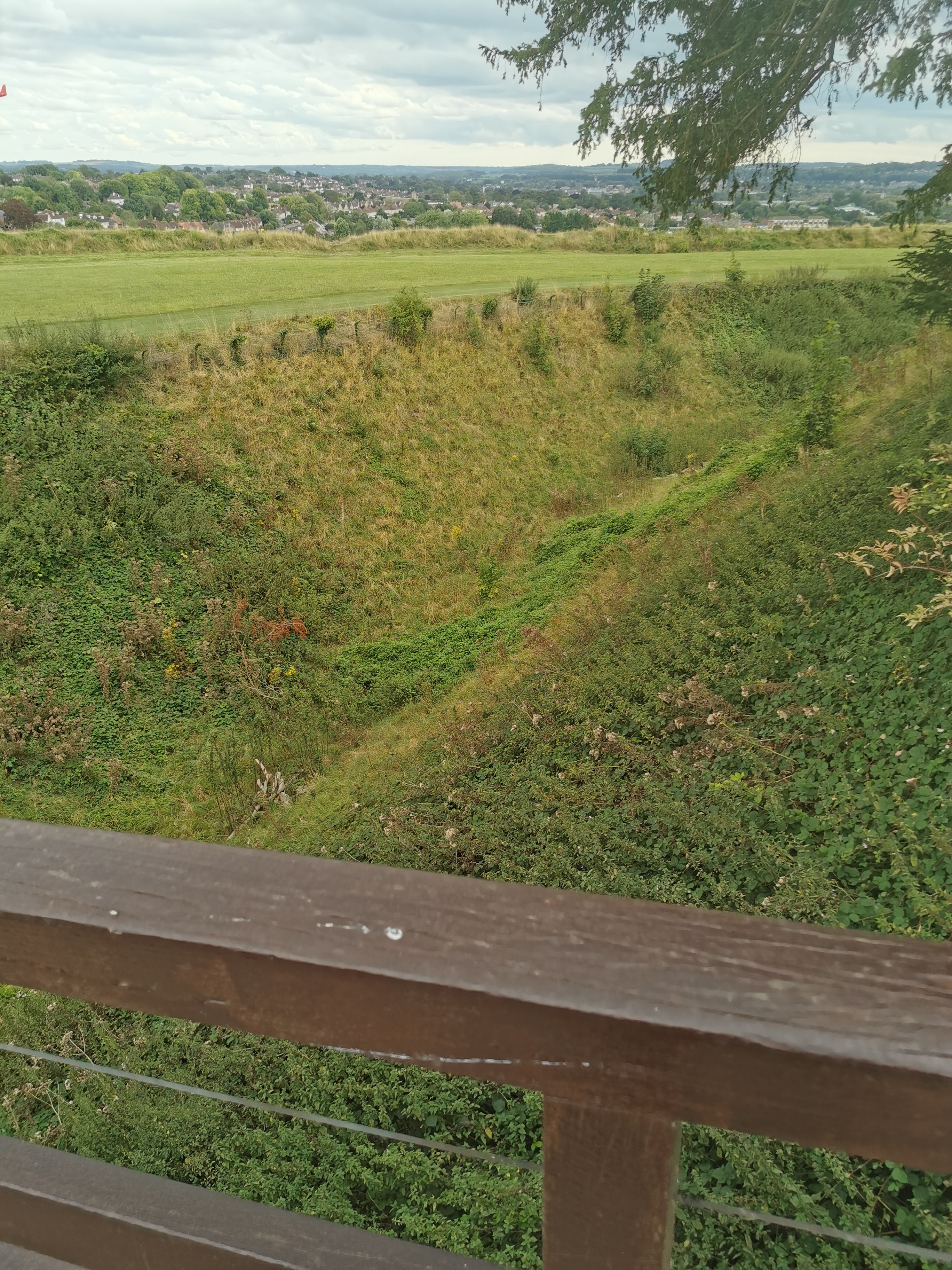
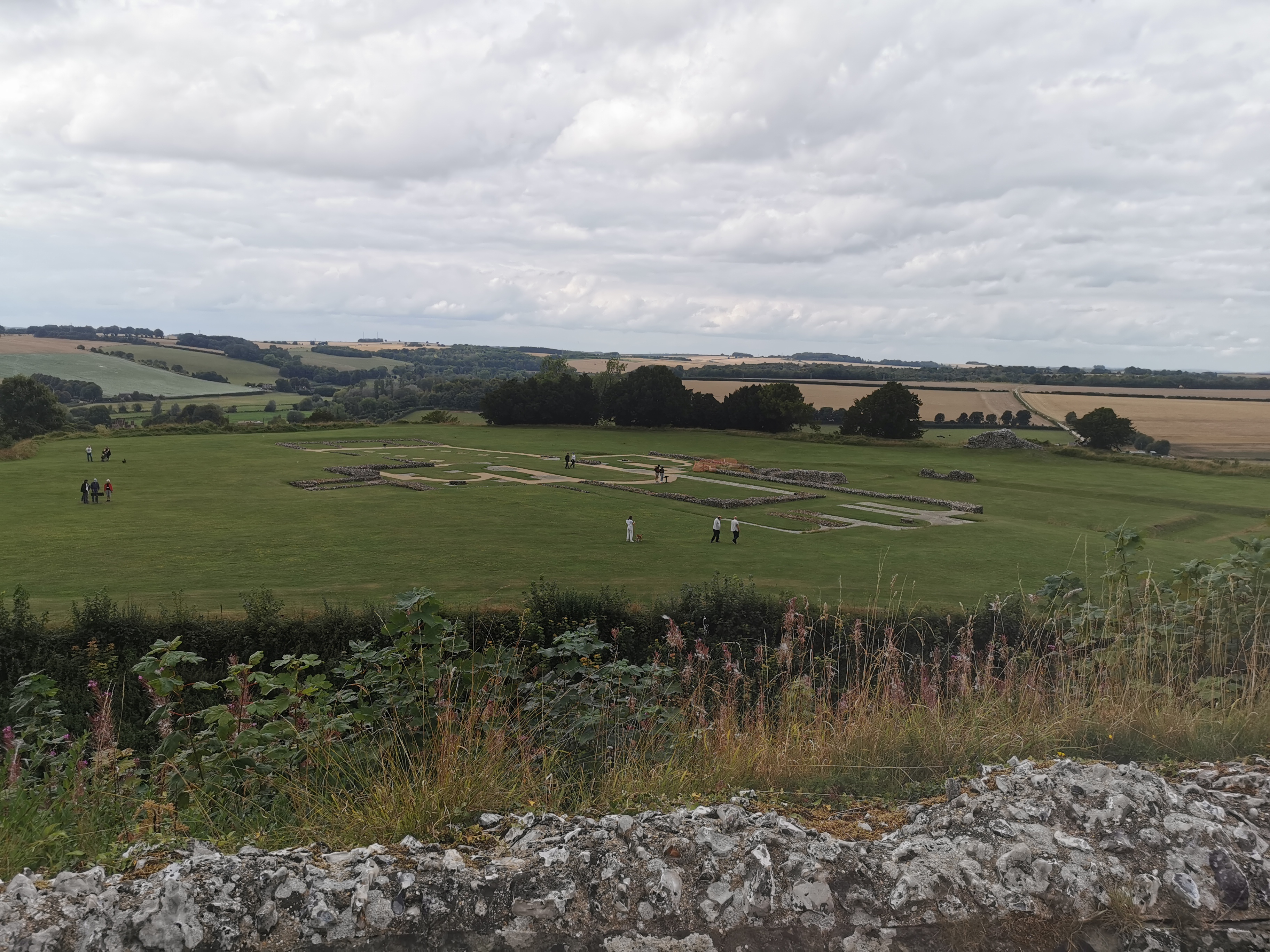
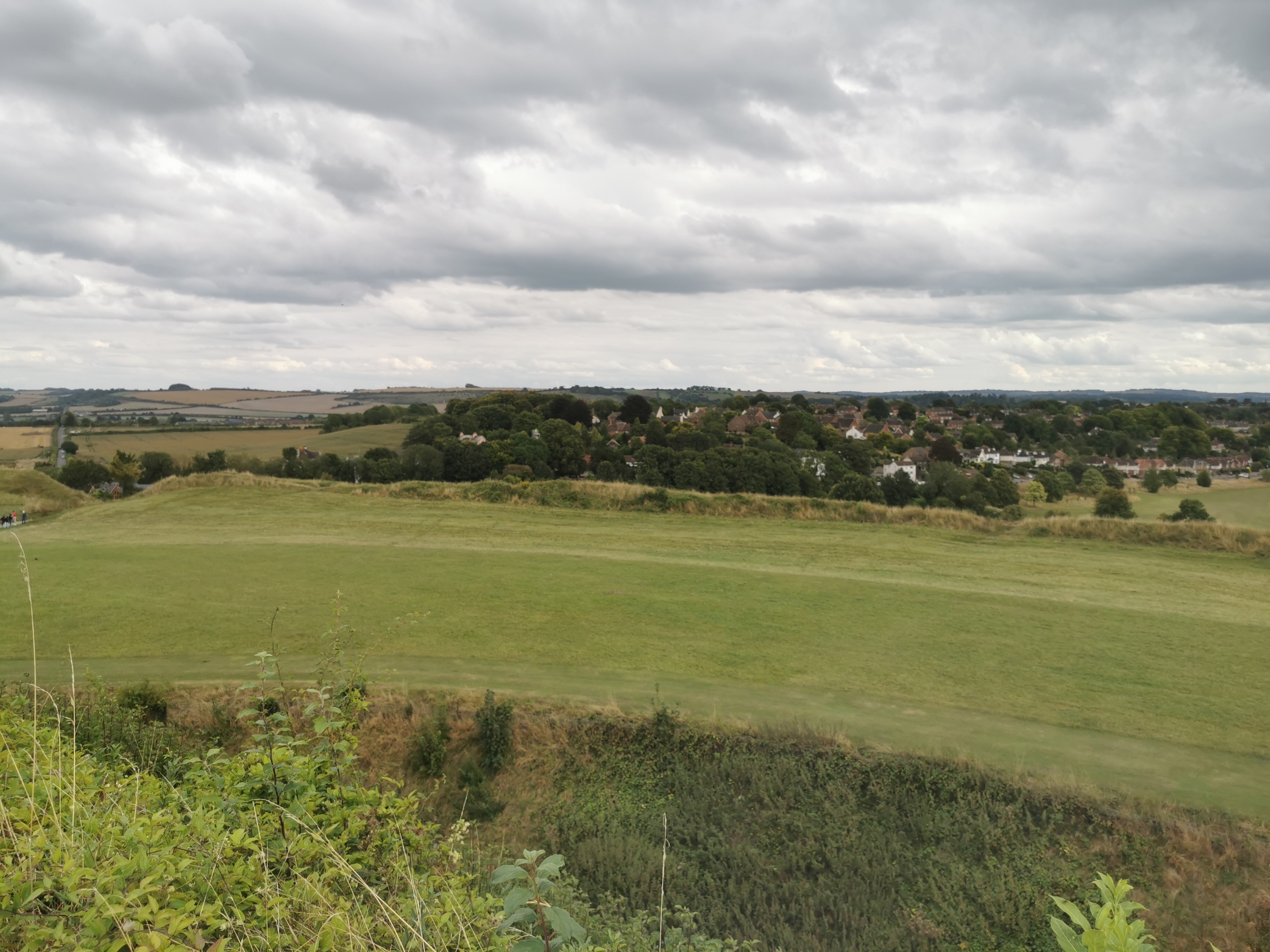
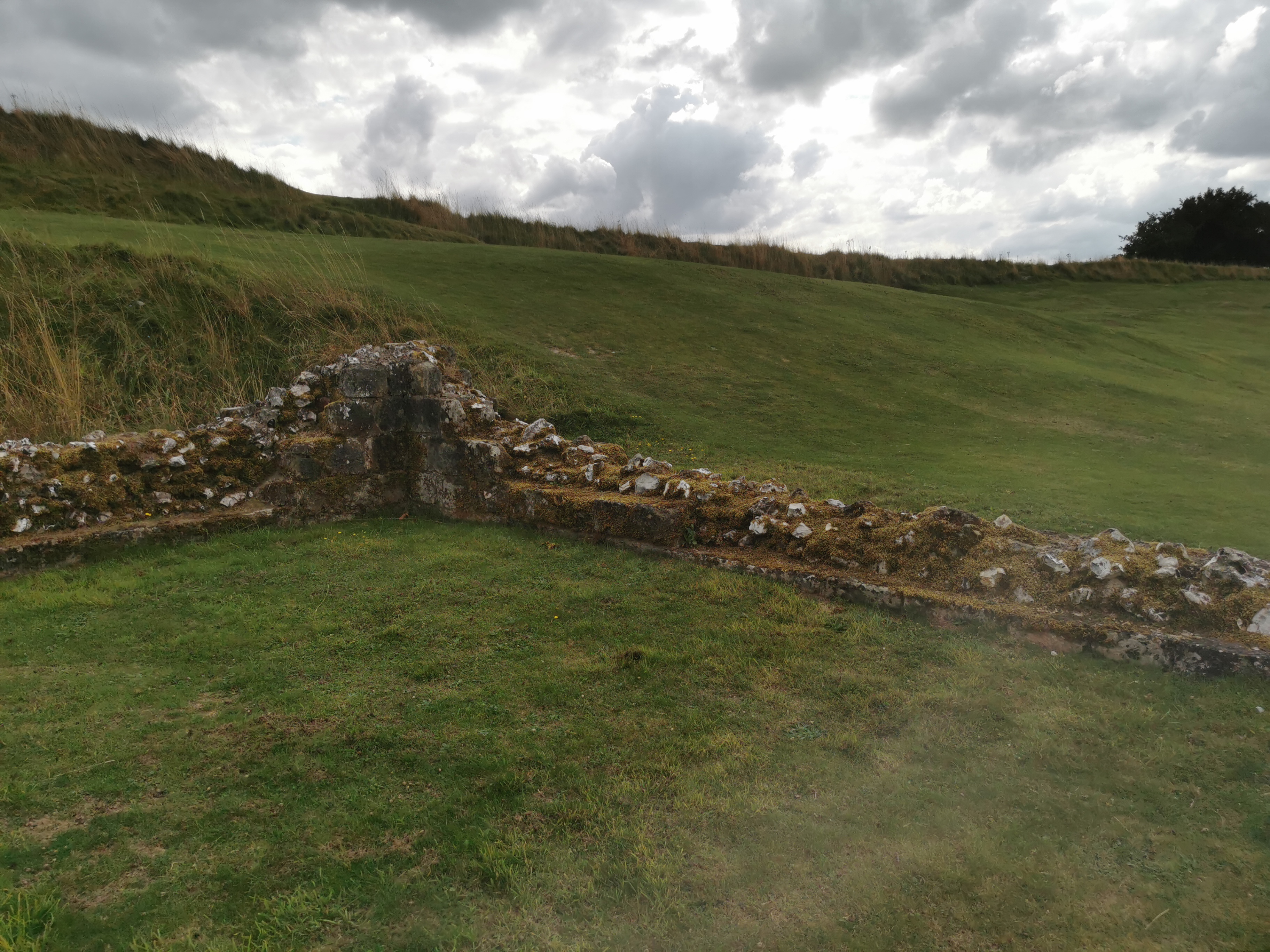
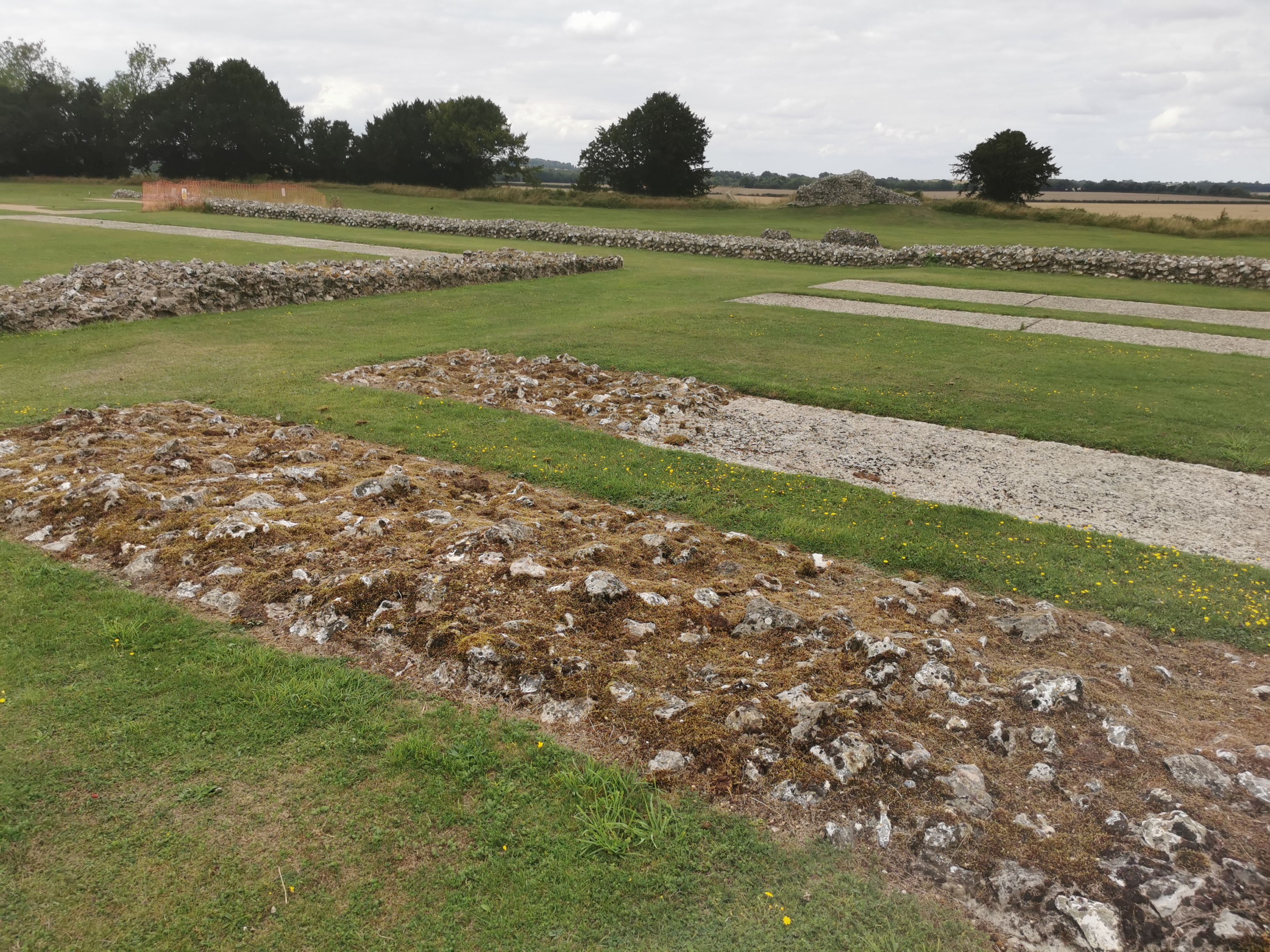
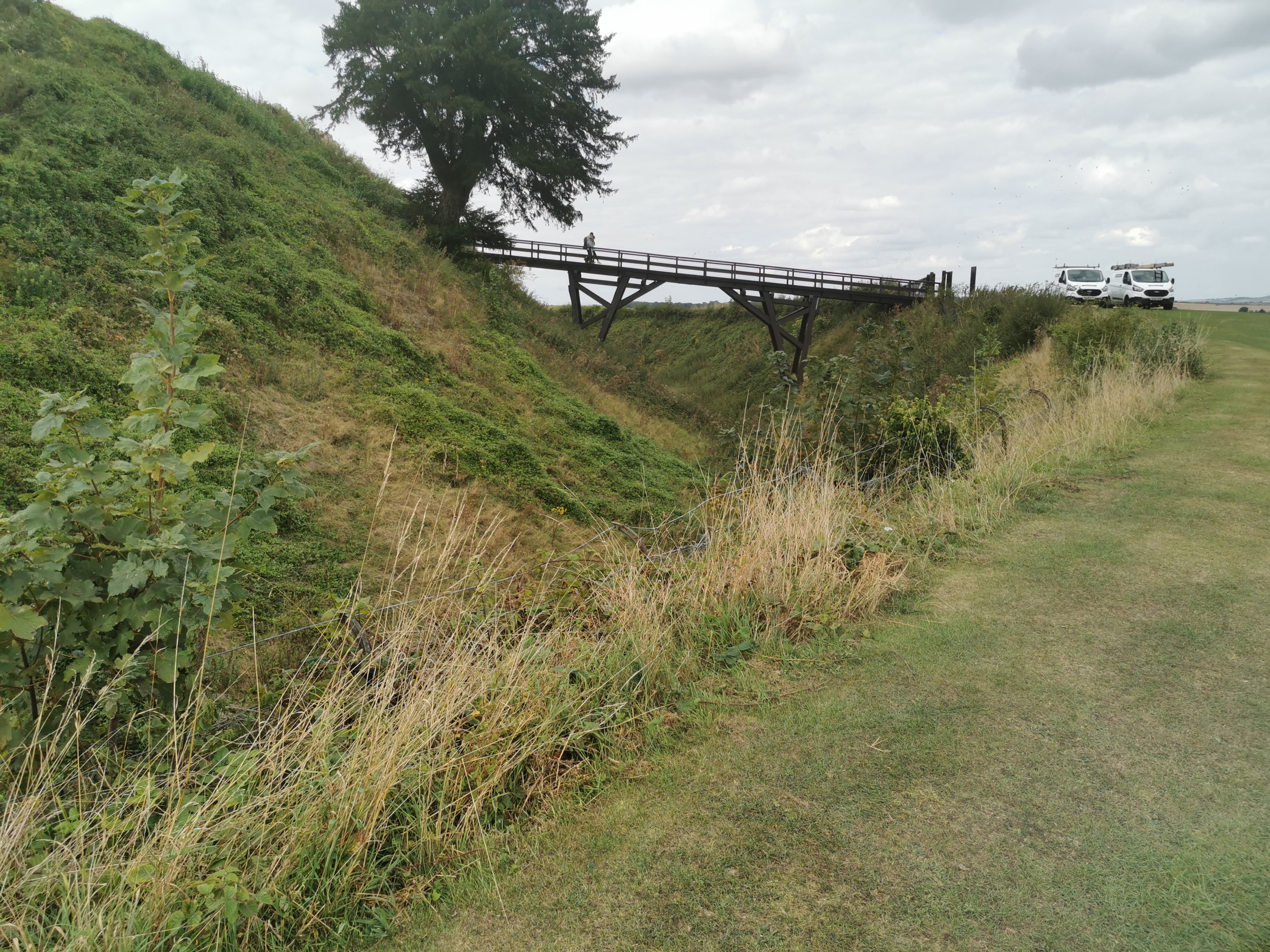
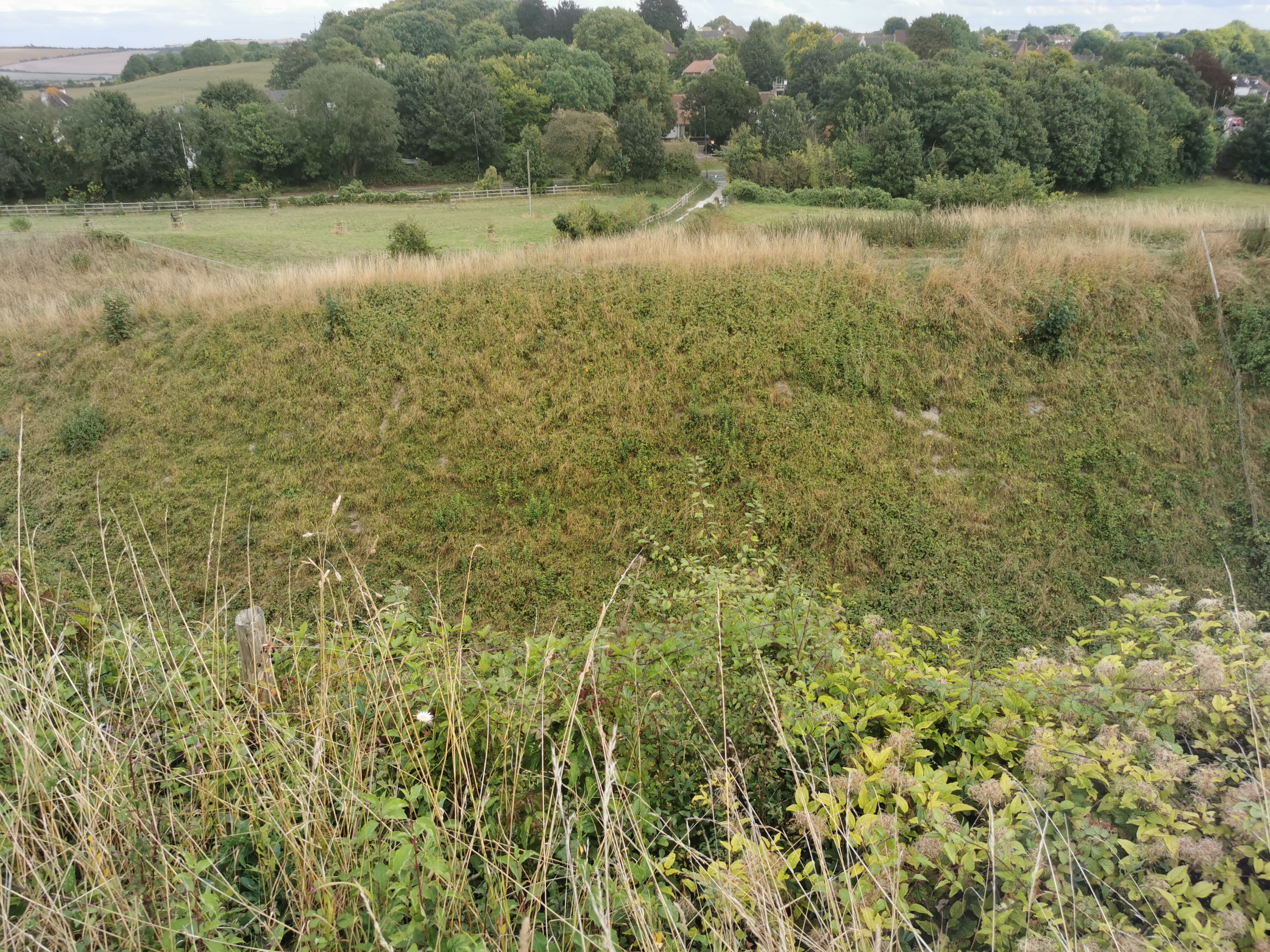
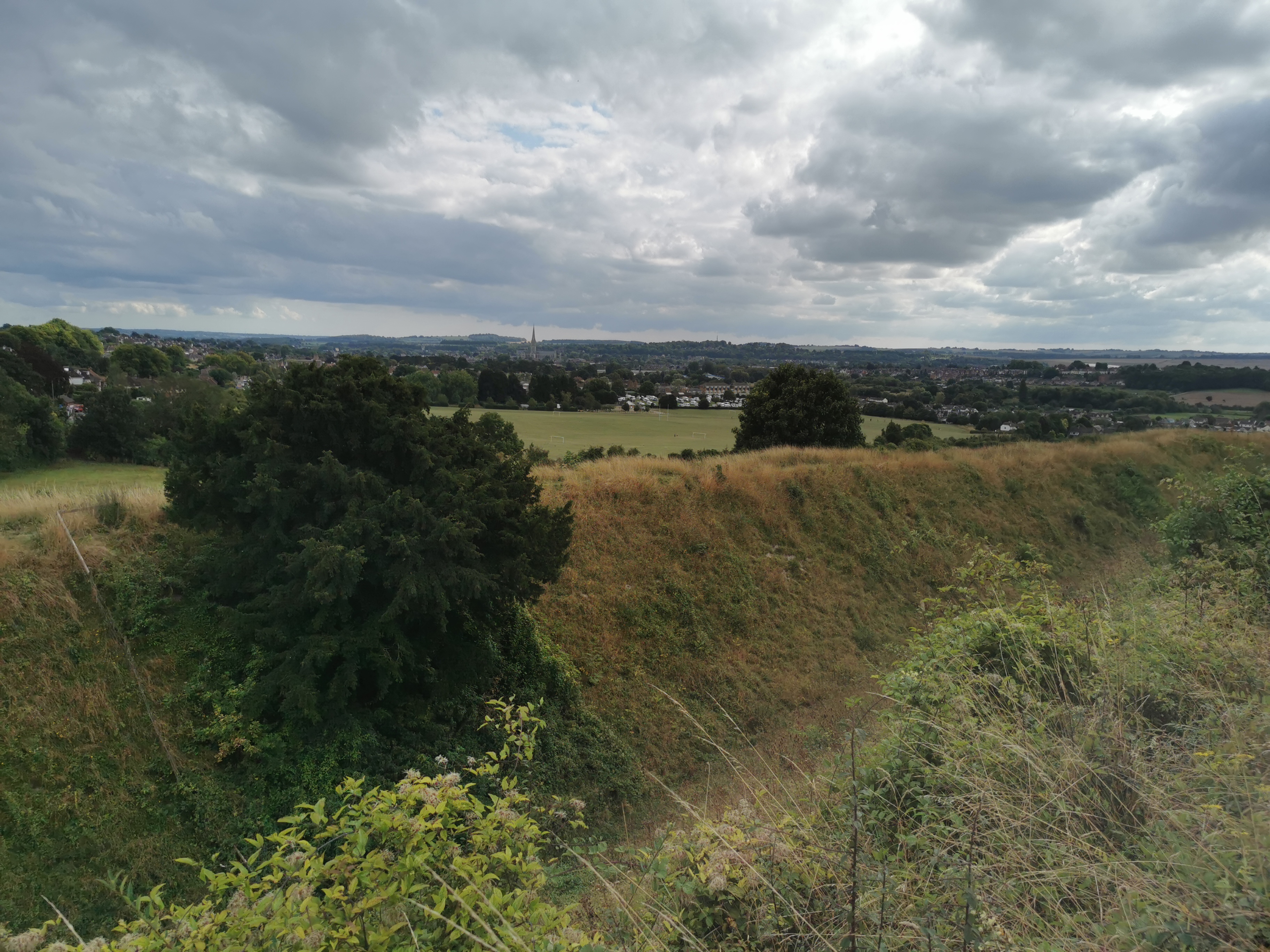
Earlier this year, I attended a virtual talk about Old Sarum which really inspired me. As such, I immediately decided I needed to take Coelwulf and his warriors there. I was really pleased to be able to visit the location on my way home from Devon earlier in the year, and it was even better than I’d imagined it. I hope the photos below will reveal it’s fabulous location and the height and width of the encircling embankments, as well as just how close it is to Salisbury, which was built to replace it.
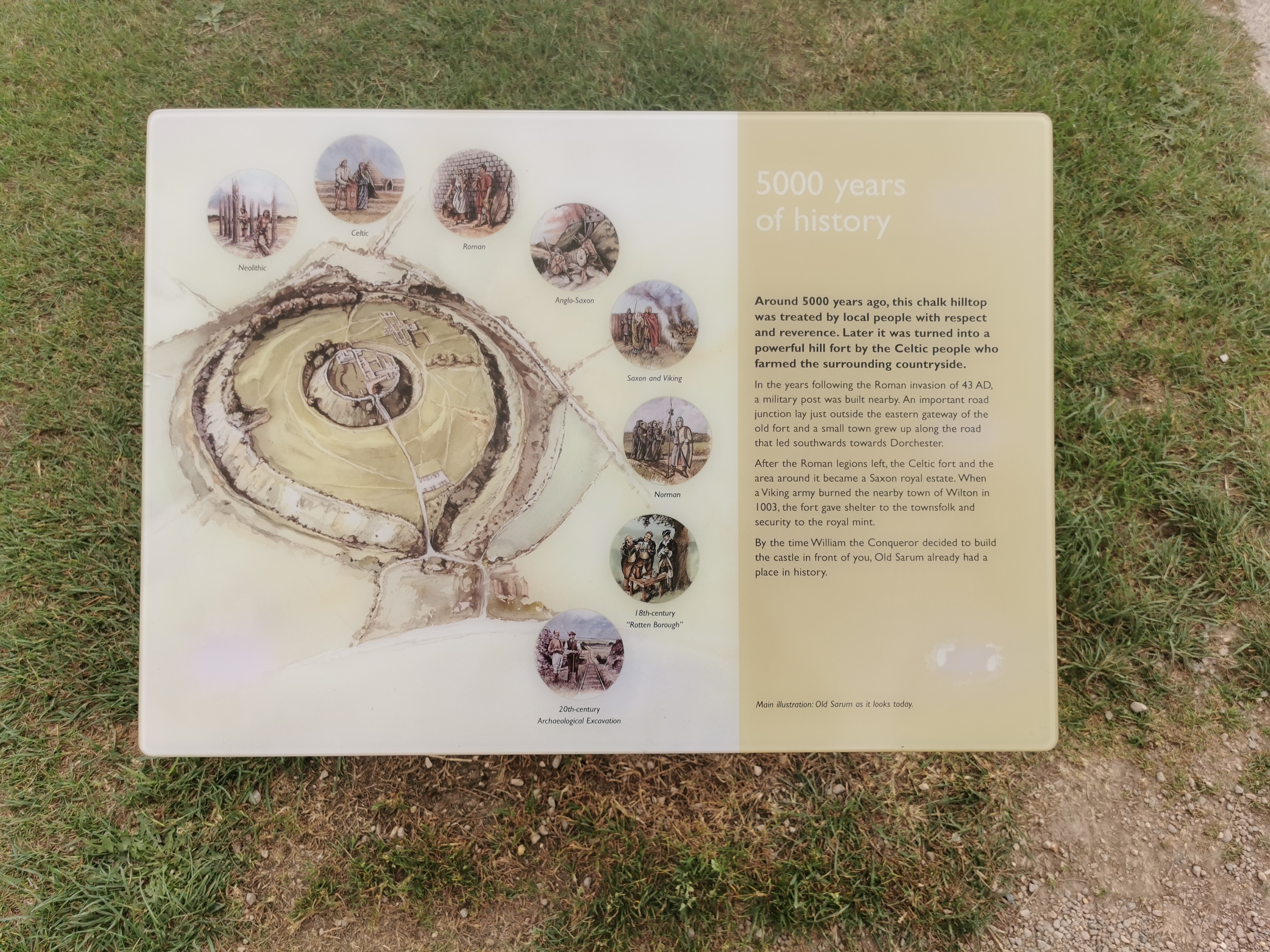
The English Heritage information board from Old Sarum.
Old Sarum is an old Iron age hillfort, but it was repeatedly used until it was abandoned, and most people know of it because under the early Norman rulers a castle and a church were built there. But my interest is in the earlier period. Under the Romans it was called Sorviodonum, and was in use at points during the Saxon era. It did have one fatal flaw however, it relied on a single water source inside the two embankments.
You can also find the talk I attended on YouTube here.
A trip to Stonehenge
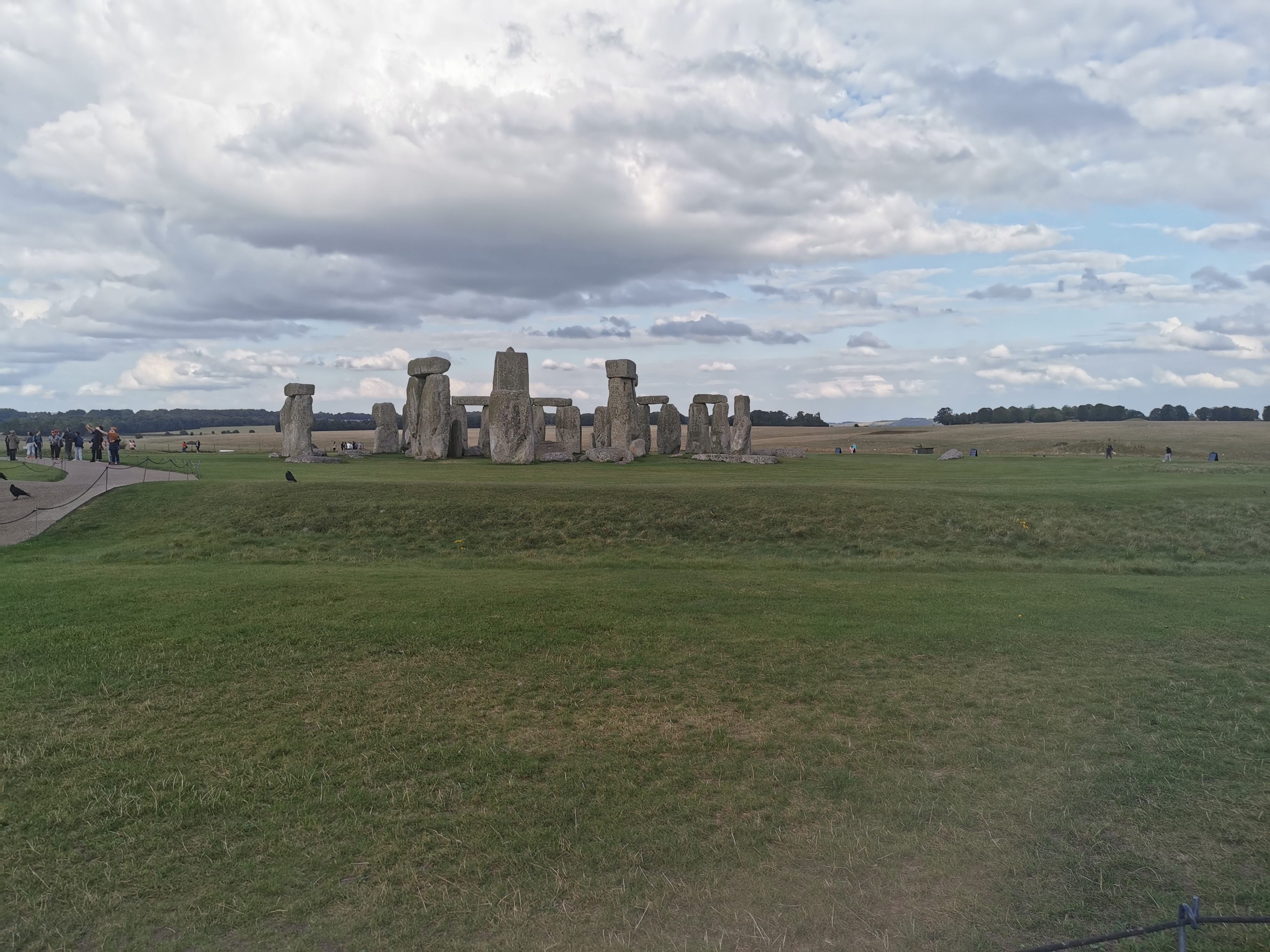
I’ve also taken Coelwulf to Stonehenge in The Last Alliance and The Last Deceit, and so I went to visit as well. I’ve had some fun deciding what my warriors think of the strange arrangement of stones. Personally, I much prefer the Ring of Brodgar and the Stones of Stenness on Mainland Orkney but that might be because you can get much closer to the stones there.
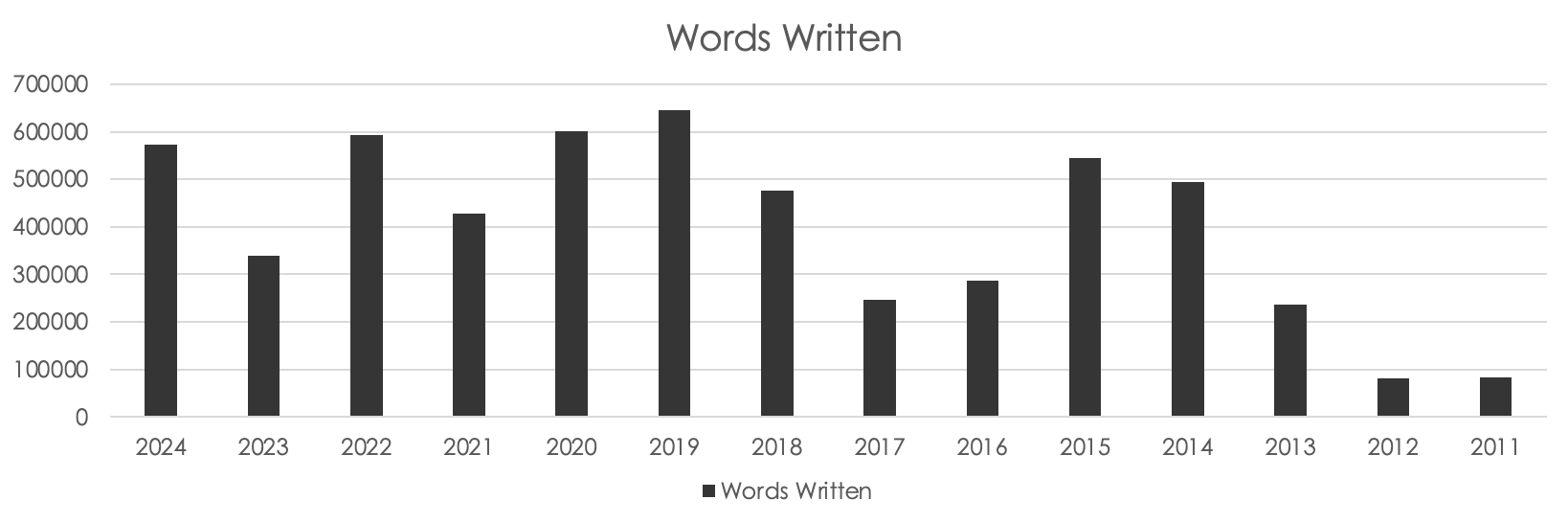
So, what have I been writing/editing in 2024? As ever, it’s time to turn to my trusty diary to find out, but I’ve also been keeping a spreadsheet this year so it’s much easier to work out exactly what I’ve been writing, and when I was writing it. So here goes:
In January, I instigated my ‘new approach’ to writing, following a disappointing writing year in 2023. Was I harsh on myself with my assessment of 2023 ? I don’t think so, and certainly my new approach has ensured I wrote a lot more in 2024 than in 2023. So, my new approach is simple, I write at least 2000 words a day, every day. Did I manage every day? I certainly did not, but when I wasn’t working at my very seasonal job in the local school (or I must admit, on holiday), I managed to write at least 2000 words a day almost every day. This might sound a little crazy, but writing for me is a bit of a necessity. If I don’t exercise my creative mind, I am plagued (yes, plagued) by rather weird dreams. If I wasn’t writing, I would be really stuck.
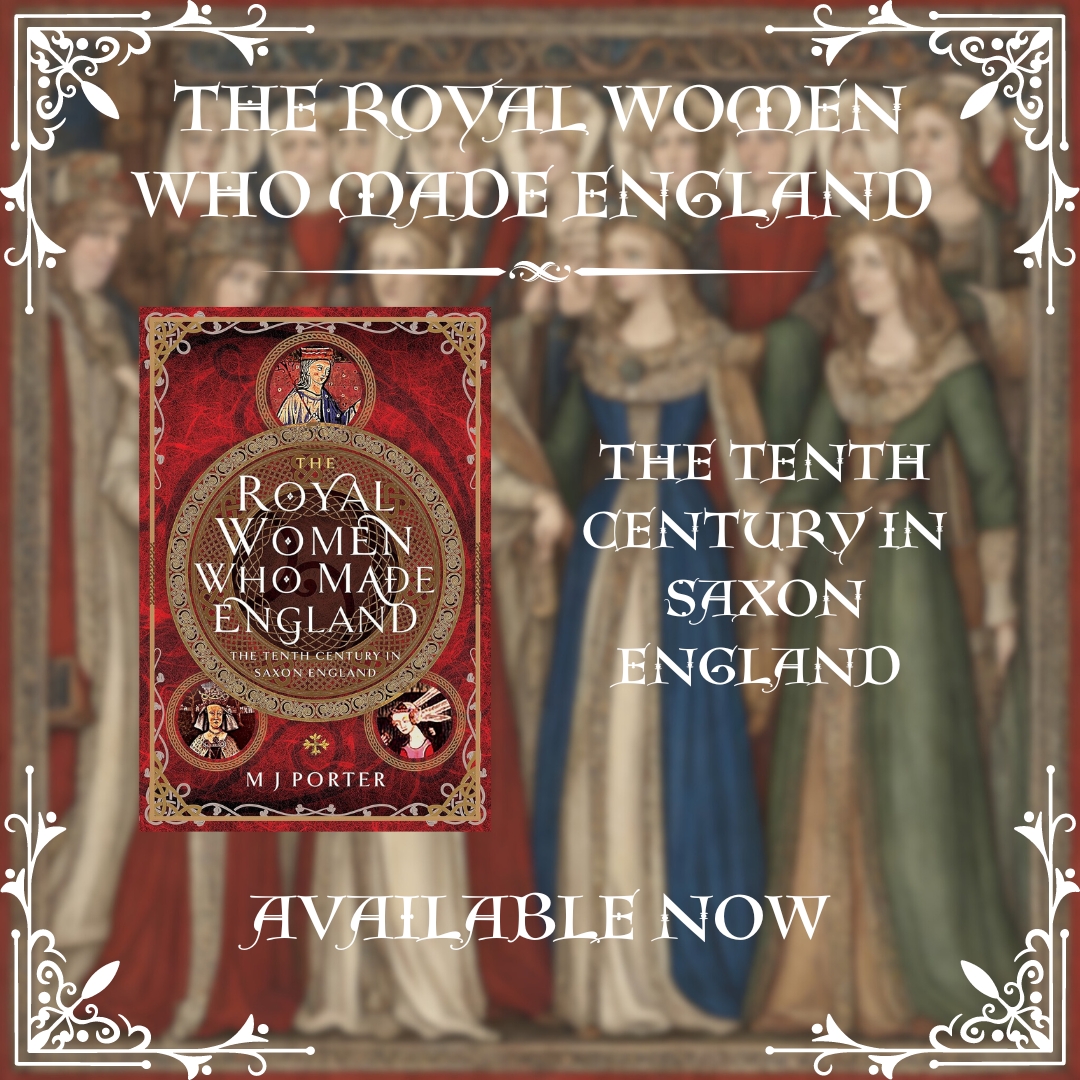
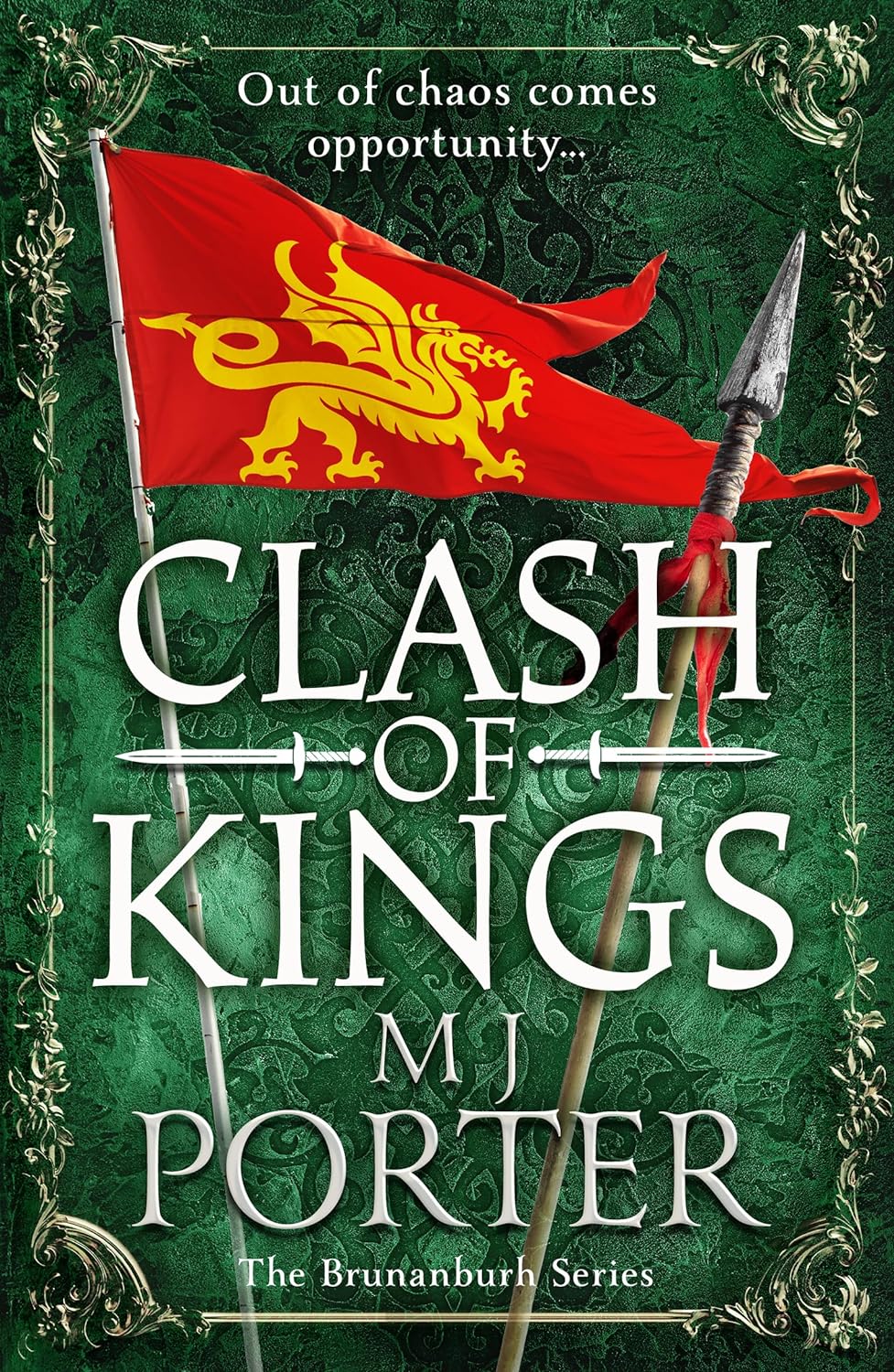
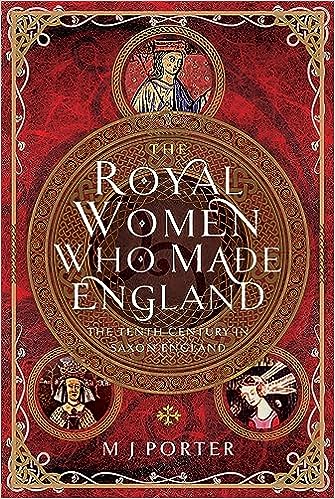
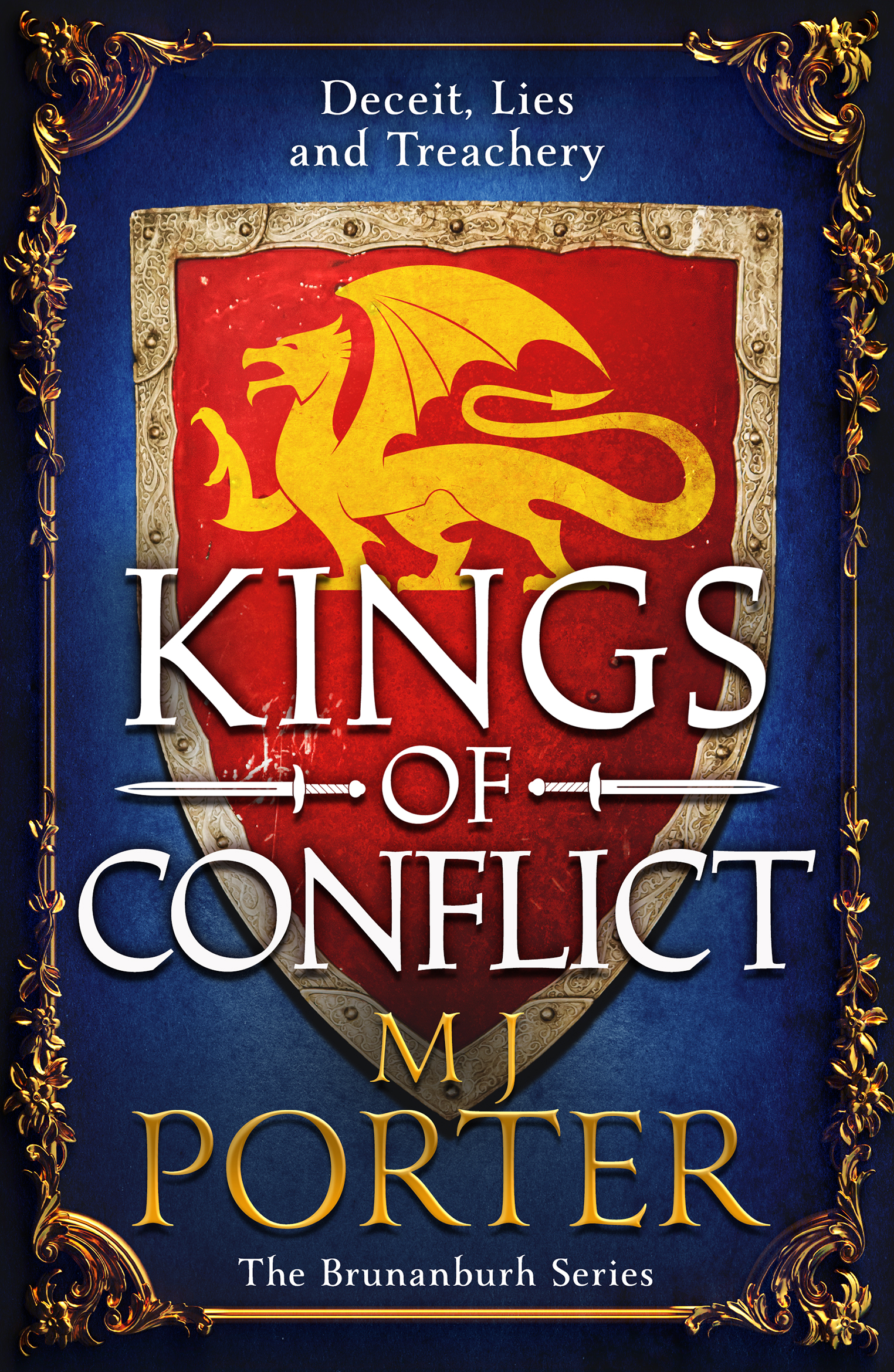
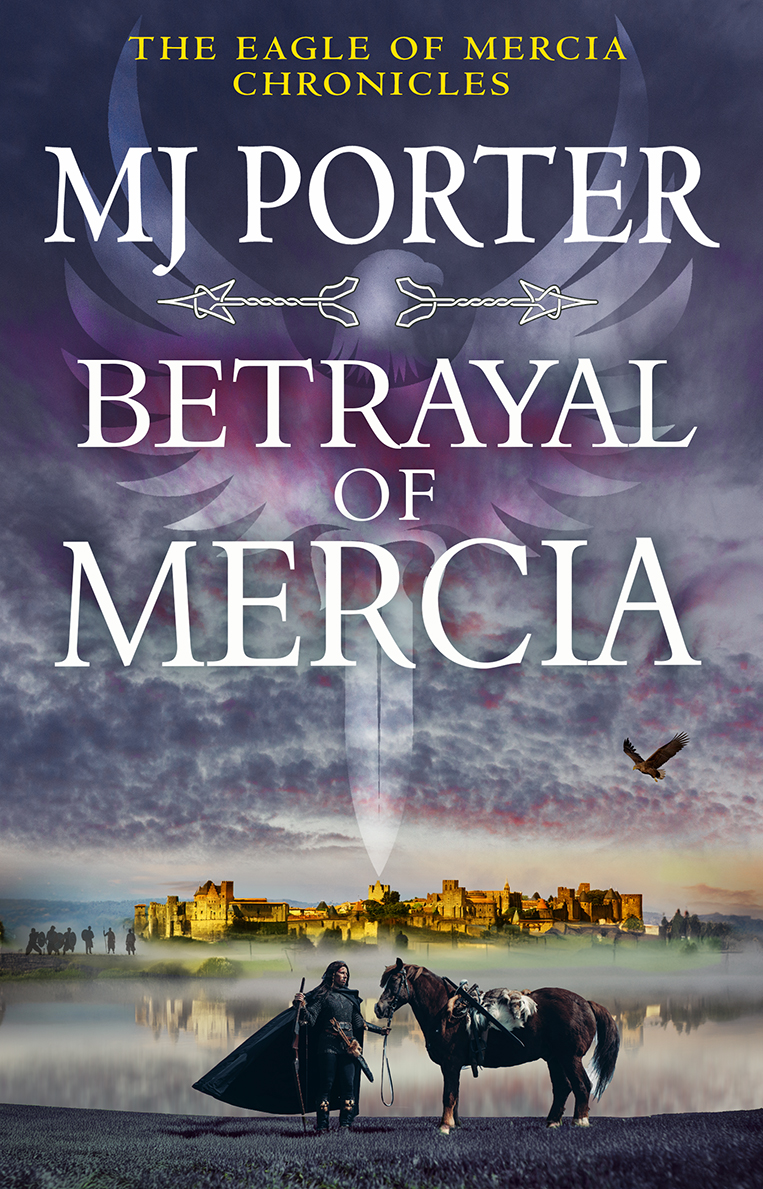
In January, I began my new writing routine by finishing off the first draft for The Last Viking, and then swiftly moved onto the next Icel story. Somewhat bizarelly, it’s this book, Betrayal of Mercia, which is being released on 5th January 2025. I was very ahead of the game. I also spent a bit of time working on edits for Enemies of Mercia and Conflict of Kings. It was my sixth most productive month. Not a bad start. It was also the month that Clash of Kings was released, the third book in the Brunanburh series, as well as my first non fiction title, The Royal Women Who Made England.
At this point, I’m also going to wax a little lyrical about another lifestyle change I made which was to start exercising every morning. This, I’ve found, wakes me up much better than caffeine and sets me up really well for the rest of the day. It can be anything from 10 minutes up to about half an hour, and I use an online app to decide what I’m going to do each day. I don’t complicate matters by trying to get to the gym, and my equipment is steadily growing at him. It’s made me much stronger, and now, like writing, I struggle if I don’t take the time to do a little bit each day.
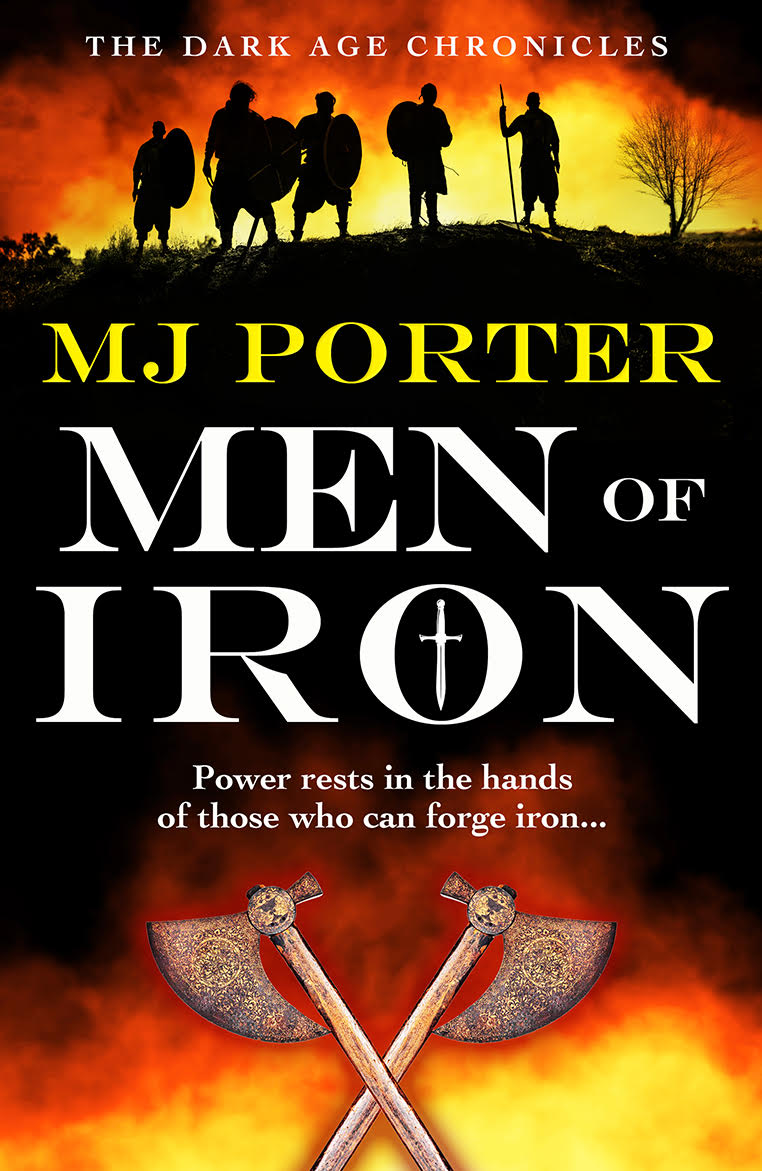
In February, my fifth most productive writing month, I was working on six different projects – which is kind of crazy. I finished my first draft of Betrayal of Mercia, scooted back to the next Coelwulf book, The Last Alliance, and also started work on my Dark Ages series, the first book of which, Men of Iron, will be releasing in April 2025. Aside from that, I also had some work to do on The Last Viking, Protector of Mercia and Kings of Conflict. So, by now I was in the swing of things. I write in the morning and then in the afternoon I work on edits, either structural, copy or proofreads. It means my creative side gets all excited in the morning, and then I can buckle down in the afternoons and get on with the other very important processes for a self-confessed pantser (I plan very little about my writing).
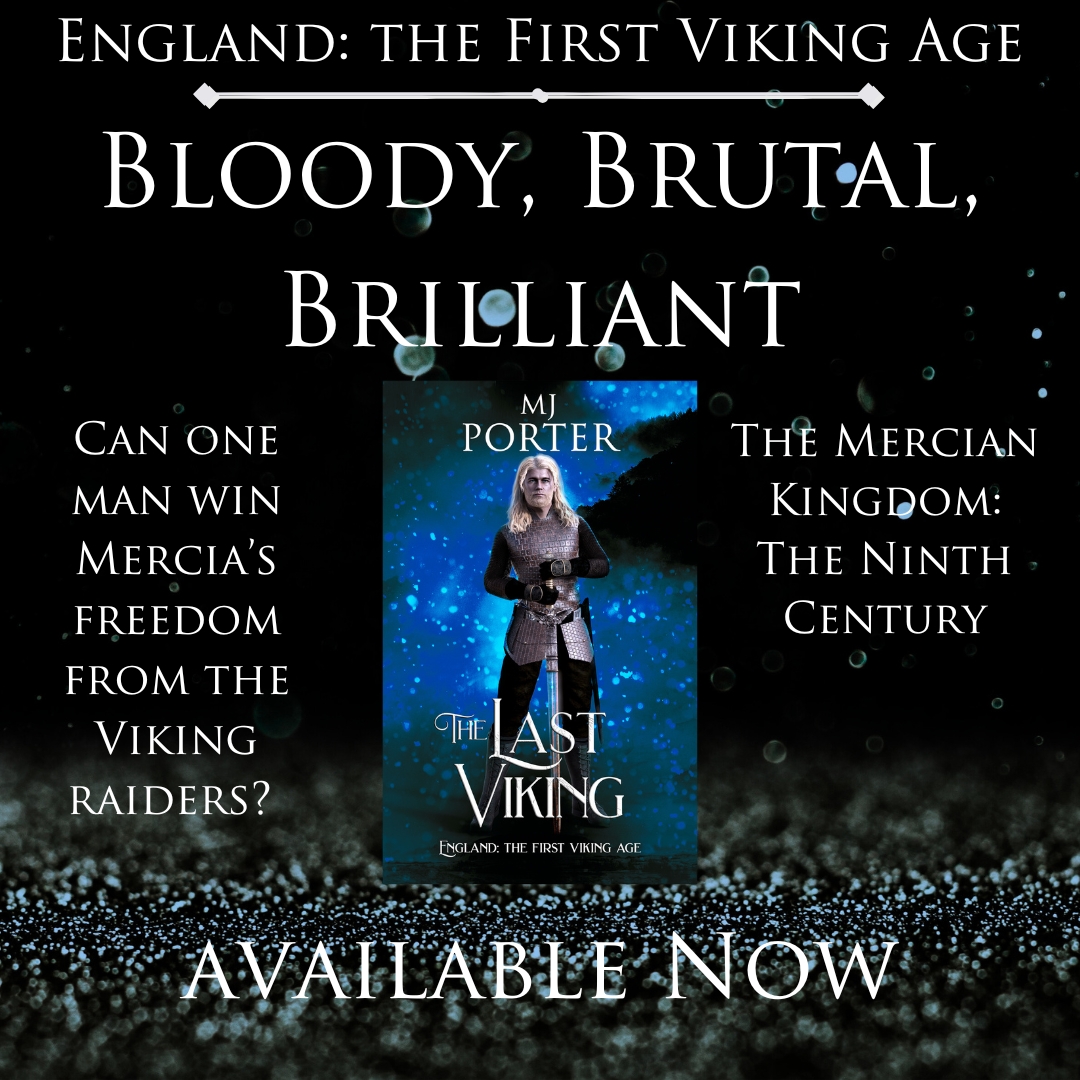
March was my third most productive writing month. I wrote the vast majority of the first draft of what would become The Last Alliance, and also did some editing for Betrayal of Mercia and Kings of Conflict. March also saw the welcome release of The Last Viking, the first Coelwulf book for a few years. It was so much fun to be back with Coelwulf and his friends. He is my most favourite character to write because it’s just like releasing all the tension and stress through his language and general attitude to life. I wish I could be ‘more’ Coelwulf all the time.
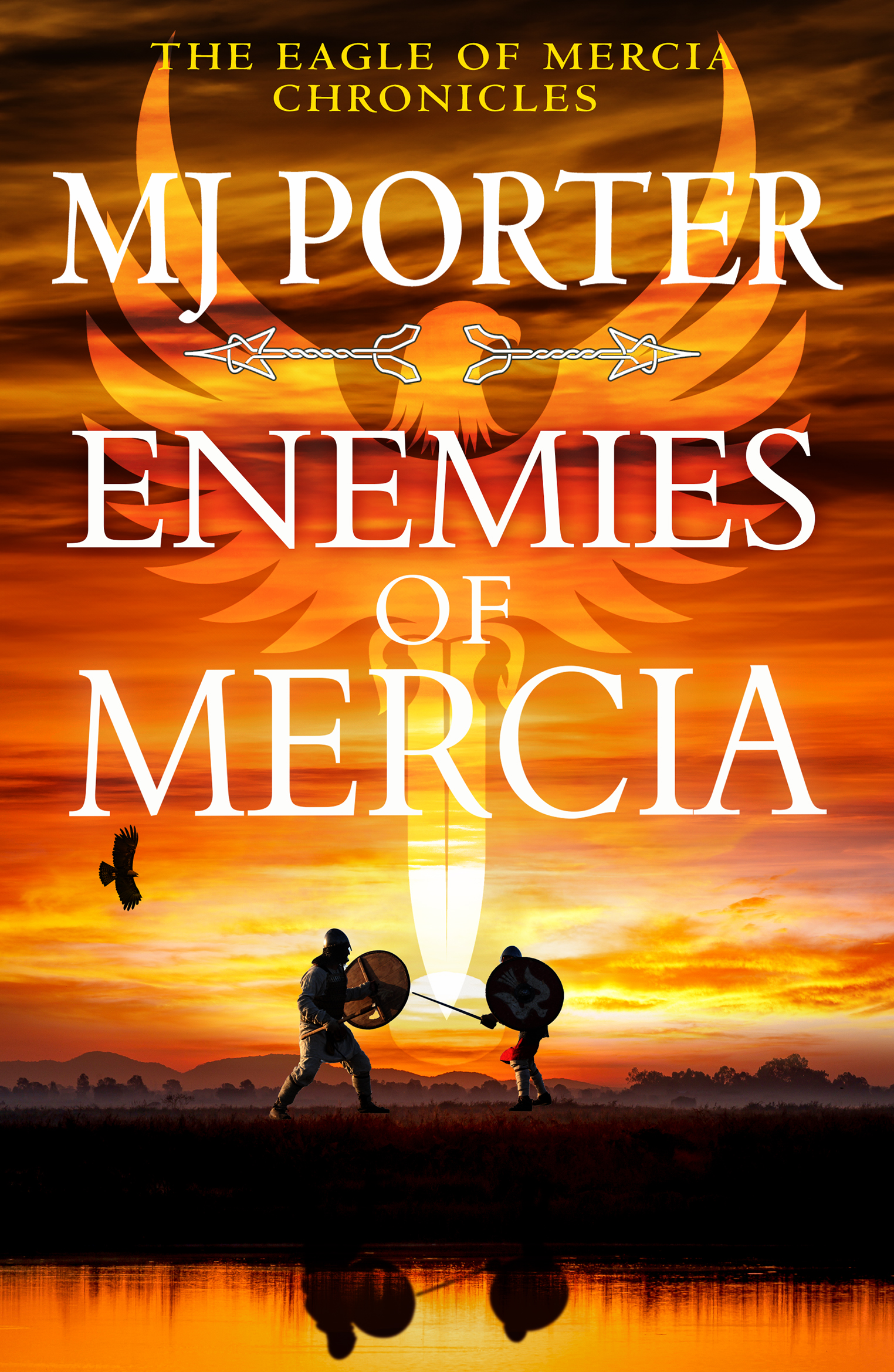
April was my seventh most productive writing month, with much of it taken up with work on Men of Iron, although I did start the month with the first 10,000 words of what became The Last Deceit. I didn’t realise I’d been playing with that book for quite so long. At this point, I was largely adhering to my 2000 words a day endeavour, although with a holiday and my time in school on the horizon, it was all about to come to a bit of a halt. It also saw the release of Enemies of Mercia, book 6 in the stories of young Icel.
May was my eighth most productive month of 2024, coming in at 29,000 words for the month, so very much below my intended target of 2,000 words a day. But, I was on holiday and busy with exams at the local school, and I was ahead of my schedule that I’d written at the start of the year, so I didn’t mind too much. I was finishing the first draft of Men of Iron, and I also started work on the sequel to Men of Iron, which should be called Warriors of Iron when it’s released in August 2025.
June was a write-off (literally). I managed a massive 1000 words all month. Not only was I just back from holiday and busy in school, but I ended up with my first official bout of ‘Covid’ which was a most odd experience. However, I was able to release The Last Alliance at the end of June, which I was very pleased about.
July was a muddled month with a holiday to Norfolk (yes, I made it to Suffolk and Sutton Hoo), but it was my tenth most productive month, so not very productive at all, as I reworked some of Men of Iron.
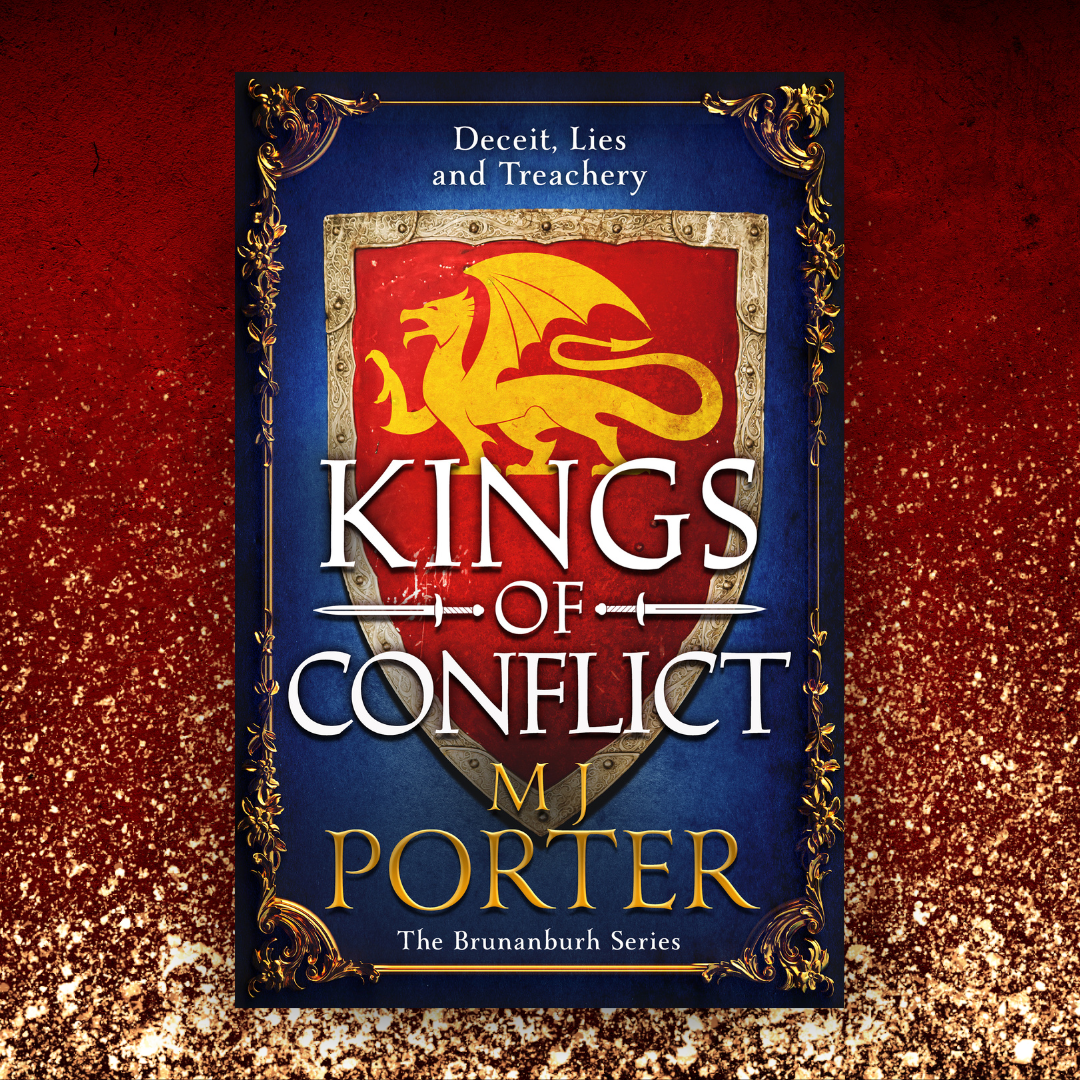
For August, I was back to it. It was my most productive month, coming in at just under 85,000 words written on a variety of projects, I had to make up for lost time. I was writing Warriors of Iron and The Last Deceit, and editing Betrayal of Mercia as well as Men of Iron. I don’t want you feeling sorry for me because September, I knew, was going to be a difficult writing month with my long-awaited trip to Devon and slow journey there and back to take in A LOT of historical sites I needed to visit for Men of Iron and other projects. 6th August saw the release of Kings of Conflict, the final book in the Brunanburh series.
September was my eleventh most productive month, or second from last:) I worked on structural edits for Men of Iron, endeavouring to weave into the narrative some of the places I’d visited on my travels to and from Devon.
October was my fourth most productive month. My main tasks for the month were working on initial drafts for Warriors of Iron and The Last Deceit. I also worked on copyedits for Men of Iron and Betrayal of Mercia. This was the first time I managed to keep track of how many words I removed from the edited copy during the proofread. It was not that many words, but I faithfully recorded all of them, which gave me a net minus 3.
November is the month every year when I allow myself to write absolutely anything I want. This year saw me returning to a project from 2018 and starting to ‘fix’ many of the problems with it – the biggest one being there was simply too much story to fit into one book. I now intend to make it a trilogy, and using about 20,000 words from the first draft, I added a further 59,000 to it as well as working on some editing and structural edits of other projects. It was a busy month, but November is always really important to me. Deadlines and editing can really drain me of my creativity. November allows me to be excited about something entirely new and without deadlines (although, not so new this time as it was an older project). Watch this space to find out what I’m going to do with it.
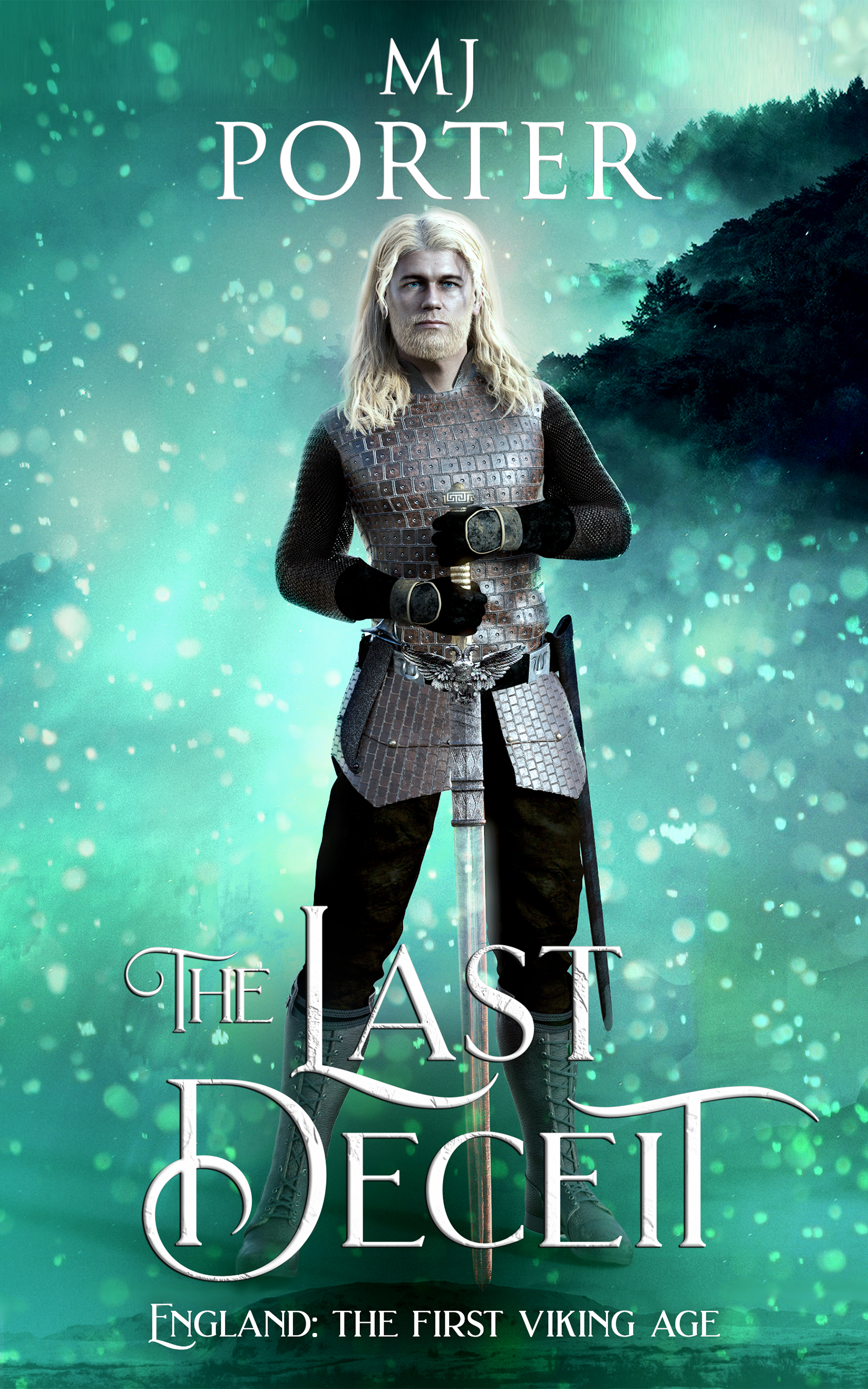
For December, I was once more busy in the local school, and travelling to meet fellow Viking authors, and other authors more local to me. All the same, I’ve been busy writing, finally getting back to Icel, who I’ve neglected of late. That said, I’ve known where this new story would go ever since I finished working on the first draft Betrayal back in January. At the moment, my working title is Icel of Mercia, but I’m sure that won’t be the published title. December has been my ninth most productive writing month, but even as I write this, I know I have a few more writing days to go, so it will increase. December will also see the release of The Last Deceit. I’ve just managed to get the 3 Coelwulf books in, as promised.
All in all, I’ve enjoyed my writing in 2024. There are always moments when it’s an effort, and moments when it feels easy, but my new writing routine, or what I now call ‘minimising the stress around first drafts’ has really helped me. Ensuring I’m working on something while editing another project ensures I have time for my stories to settle before I edit them, and also allows me to plant all those lovely Easter Eggs I love to scatter through the many different series. I pity the person who tries to work out which book I was writing when in the future.
I have two newish projects under way, my November project, and also the beginnings of another nonfiction title. I also have two of my three Boldwood titles complete bar some of the editing, and Icel 8 is shaping up nicely as well. For next year, I want to continue my current practice of writing at least 2000 words each morning, and editing in the afternoon. It works really well with my writing style. Everyone has different styles. It’s important to determine what works, and when it stops working, to find something else. 2024 was the year I revamped what had been working for me for many years. It’s also allowed me to methodically plan, even if I didn’t always keep to the plan.
In terms of words written this year, it comes in at about 570k. It’s not my best year, which was 2019, but it’s so much better than in 2023, I’m really pleased.
Forthcoming releases for 2025 will be Betrayal of Mercia, Men of Iron, Warriors of Iron in August, Icel 8 in October and hopefully, a new Erdington Mystery (I have a title, which is a good sign for that series) and my November 2024 project which I need to finish but which will probably be released under a different author name. I also hope to return to Coelwulf, but I’m not promising 3 titles in the series as I did in 2024. That was almost too much for me. In terms of writing, I need to finish the Dark Age Chronicles (I’ve stated it will be a trilogy – I have too many characters as it is,) and continue with the lovely Icel.
A huge thank you to all my wonderful readers who allow me to spend my time with my characters. It is a privilege.
If you want to follow my writing journey, join my newsletter. I update readers each month.
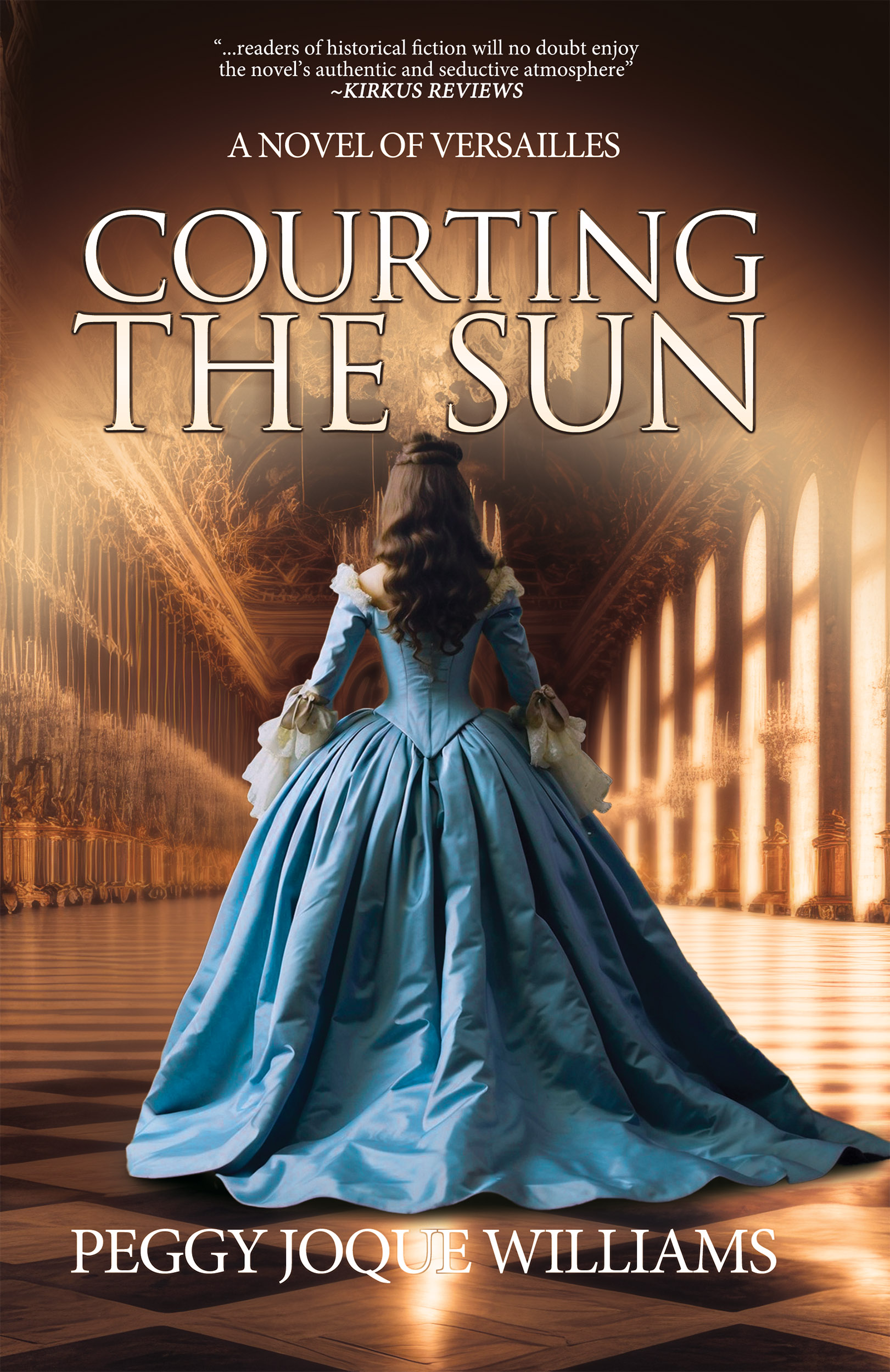
I’m delighted to welcome Peggy Joque Williams and her book, Courting the Sun: A Novel of Versailles, to the blog with some research.
Research and Background
Peggy Joque Williams
Researching Dining Traditions in 17th Century France
As I was writing Courting the Sun: A Novel of Versailles, I found myself researching the dining traditions of 17th century France to know what my characters would eat, when, and how. Two of my favorite go-to sources were A Revolution in Taste: The Rise of French Cuisine by Susan Pinkard (Cambridge University Press, 2010) and the website en.chateauversailles.fr/.
Courting the Sun takes place in 1670. My character, fifteen-year-old Sylvienne, lives with her mother in a cottage outside Amiens about 145 km (90 miles) north of Paris. They maintain a “potage garden” in which they grow vegetables—carrots, cabbage, onions, peas, spinach, squash, turnips. cauliflower, asparagus, and radish—enough to occasionally share with neighbors. They purchase their bread from the boulangerie (bakery) in town. Boulangeries were quite popular at the time, because bread baking required a brick oven, an expensive and dangerous piece of equipment not found in most homes.
Sylvienne and her family eat simple but savory soups and stews made with vegetables from the garden and rabbit, chicken, or fish purchased from the open-air market. At Christmas after Midnight Mass, her family enjoys a petit réveillon, a platter of meat and cheeses. On New Year’s Day, Sylvienne’s Maman receives gifts of candied chestnuts, sugar-coated almonds, and other sweets. She serves mulled wine to her guests. At the Mardi Gras celebration in February, Sylvienne encounters outdoor vendors selling food.
At Easter, after the long, meatless fast of Lent, the family dines on a lamb shank garnished with mint and roasted on a spit over the kitchen fireplace.
When Sylvienne attends the court of King Louis XIV at Versailles, she encounters dining habits vastly different from that in Amiens. The meal most astonishingly different for Sylvienne is the grand couvert, a publicly observed late night dinner, most often served in the queen’s antechamber. As cousin to the king, Sylvienne finds herself seated at the royal table. Here is an excerpt from the book describing her first experience with the grand couvert.
To my astonishment, crowded at the far end of the room stood a throng of nobles gawking at the royal table.
“Pay no attention to the flock,” Monsieur said in an undertone. “One of the disadvantages of royal life.”
“Why are they here?”
“A dividend granted to devotees of the monarchy. Annoying, but unavoidable.”
A semi-circle of elegantly dressed dowagers perched on brocade-cushioned ottomans served as a barrier between those standing and the royal diners.
“The duchesses,” Monsieur whispered before handing me off to a page. “Oodles of money. Never turned away.”
The page escorted me to my seat—a cushioned stool at the farthest end of one of the linen-draped tables set to form the arms of a U-shape. Philippe strutted to the head table and stood behind an exquisitely carved straight-back chair to the left of the red velvet, royal armchairs. Other members of the royal family, who I would eventually learn were princes and princesses of the blood, drifted in and stood behind their assigned seats.
Before long, Madame de Montespan entered. A momentary hush descended as the courtiers in the gallery bowed and curtsied. King Louis’s favorite took her place behind a chair next to what would be the King’s.
Moments later the banging of halberds on the floor preceded a guard who called out, “Le Roi! Le Roi!” The dowager duchesses rose. A hush fell again.
King Louis and Queen Marie-Thérèse entered followed by the two spaniels. Along with the others, I dipped in obeisance. The royal couple sat, a signal to the rest of us diners to sit as well.
The majordomo marched in leading a parade of uniformed footmen with tureens of soup. When the footmen exited, a servant stepped forward and dipped a spoon into the King’s tureen, brought it to his own mouth, and swallowed. He waited a moment then—not having keeled over from poisoning—bowed to his Majesty.
Another servant ladled the soup into the royal bowls. And then the rest of us were served. The aroma was heavenly. I dipped my spoon into the creamy broth and brought it to my lips. It had an earthy yet sweet taste but with a hint of sage and thyme.
Before I had even finished my soup, platters of fish were set on the tables. A footman offered me a plate of shells. In a panic, I realized they were oysters. The market in Amiens sold oysters, but they were very expensive, and I had never tried them. To be honest, I didn’t know how. I watched the others loosen the meat with their spoons then slurp it out of the shell. I poked at mine. The slimy look of it made me cringe.
The Marquise de Montespan smirked across the expanse of the table. “Your little country cousin appears to be unfamiliar with Parisian cuisine, Sire.”
My spoon stopped half-way to my mouth as I realized everyone had turned to look at me. I set the spoon down and put my hands in my lap again, willing myself to disappear.
“Eat, cousine! Eat! Like this.” King Louis lifted a shell to his lips and slurped noisily.
Philippe offered me an encouraging smile, lifted his oyster shell as if to toast me with it, then poured the meat down his throat in one quick elegant motion. No noise, no slurping.
My hand trembled as I brought the oyster shell to my lips. Tilting it, I let the meat slide into my mouth and down my throat, worried I would gag at the slippery texture. I didn’t. Rather, the salty, almost buttery taste was surprisingly pleasurable.
The nobles in the gallery broke into applause. I stopped breathing for a moment, wishing to die on the spot.
But King Louis only laughed. “There is much more to come.!”
And indeed, another course was delivered to the table, silver platters heaped with roasted meats, vegetables, and breads.
King Louis XIV was known for his immense appetite. At another grand couvert Sylvienne eats poached cod spread with a butter glaze, asparagus in a silky cream sauce, and egg halves filled with an artichoke paste—just one of many courses at that dinner.
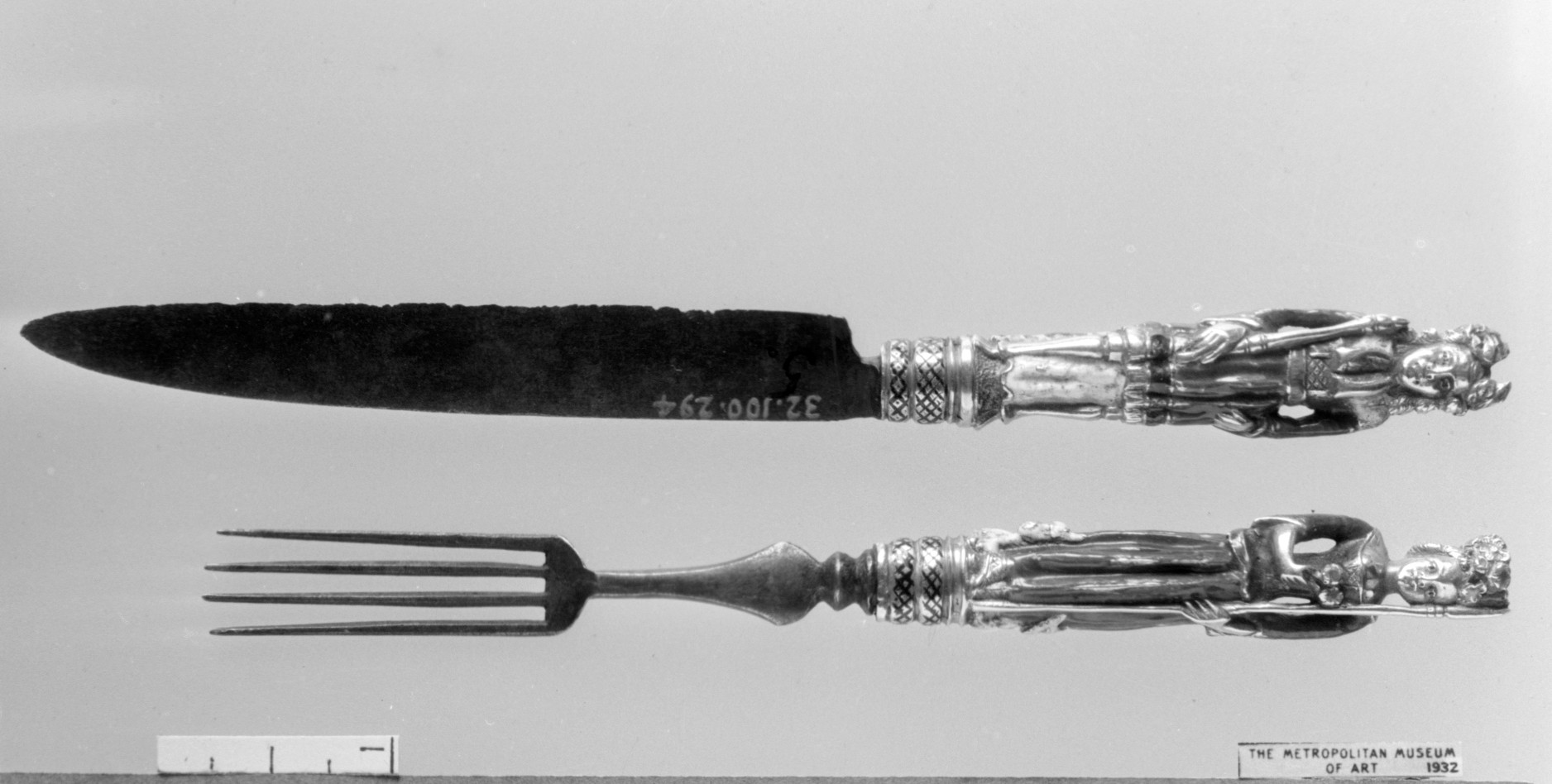
The dining implements used at the time were generally limited to spoons and knives. Forks had only recently been introduced into Europe. In one scene, the king’s mistress, Athénaïs, decides she prefers to eat with a fork.
The first course was served…an array of cheeses. Mimolette. Brie de Meaux. The pungent Livarot. And the nutty goat cheese they called Crottin de Chavignol.
The second course was lamb stew. “Most delectable,” King Louis said as he scooped chunks of the tender meat with his fingers.
The Queen used a spoon to lift bits of carrots and turnips to her lips.
Athénaïs studied her bowl, a look of consternation clouding her face. She held up a hand to summon the majordomo hovering nearby. “I wish to have a fork.”
All conversation stopped. Spoons halted in mid-air. The lamb between the King’s fingers dripped sauce midway to his mouth. The majordomo, disconcerted, looked to him for guidance. Without even glancing in Athénaïs’s direction, King Louis sighed and nodded. The majordomo hurried to the door where he whispered to a waiting footman who hustled off.
Disgruntled, Louis returned the meat to his bowl, wiped his fingers on a napkin, then folded his hands in his lap. The rest of us did the same, sitting with our hands folded, saying nothing until the footman returned holding aloft a gilded platter. He handed the platter with great ceremony to the majordomo, and themajordomo with even more ceremony presented it to Athénaïs. She took the small silver fork from the platter and held it up for all to see, its pearl handle glimmering in the candlelight.
With a smile, Athénaïs poked the fork into her stew, picked out a chunk of lamb and brought it to her lips.
“Satisfactory?” the King asked.
“Oui. Merci.” Athénaïs offered her most alluring smile then dipped her fork again.
Louis nodded, then scooped the almost certainly cold meat from his bowl with his fingers.
The next day, Sylvienne is amazed to learn all the courtiers have rushed out to purchase forks to use at their own meals.
Queen’s Antechamber – Attribution: Jorge Lascar from Melbourne, Australia via Wikimedia CommonsMarket Scene – Attribution: Louise Moillon, Public Domain, via Wikimedia CommonsKnife and fork – Attribution: Metropolitan Museum of Art, CC0, via Wikimedia Commons
Blurb
“A rich journey through 17th century France in all its aspects—its bucolic countryside, the still-unmatched splendor of the court of Louis XIV, and the struggling French colony in Canada.” ~ Margaret George, New York Times bestselling author of Elizabeth I, The Autobiography of Henry VIII & The Memoirs of Cleopatra
France, 1670. On her sixteenth birthday, Sylvienne d’Aubert thinks her dream has come true. She holds in her hands an invitation from King Louis XIV to attend his royal court. However, her mother harbors a longtime secret she’s kept from both her daughter and the monarch, a secret that could upend Sylvienne’s life.
In Paris, Sylvienne is quickly swept up in the romance, opulence, and excitement of royal life. Assigned to serve King Louis’s favorite mistress, she is absorbed into the monarch’s most intimate circle. But the naïve country girl soon finds herself ill-prepared for the world of intrigue, illicit affairs, and power-mongering that takes place behind the shiny façade of Versailles.
This debut historical novel from Peggy Joque Williams captures the vibrancy and quandaries of 17th century life for a village girl seeking love and excitement during the dangerous reign of the Sun King.
This title is available to read on #KindleUnlimited
Meet the Author
Peggy Joque Williams is the author of Courting the Sun: A Novel of Versailles and co-author of two mystery novels, On the Road to Death’s Door and On the Road to Where the Bells Toll, written under the penname M. J. Williams. She is an alumnus of Michigan State University and the University of Wisconsin-Madison.
A retired elementary school teacher and avid researcher, Peggy’s fascination with genealogy and her French-Canadian, European, and Native American ancestry inspires her historical fiction. She lives in Madison, Wisconsin.
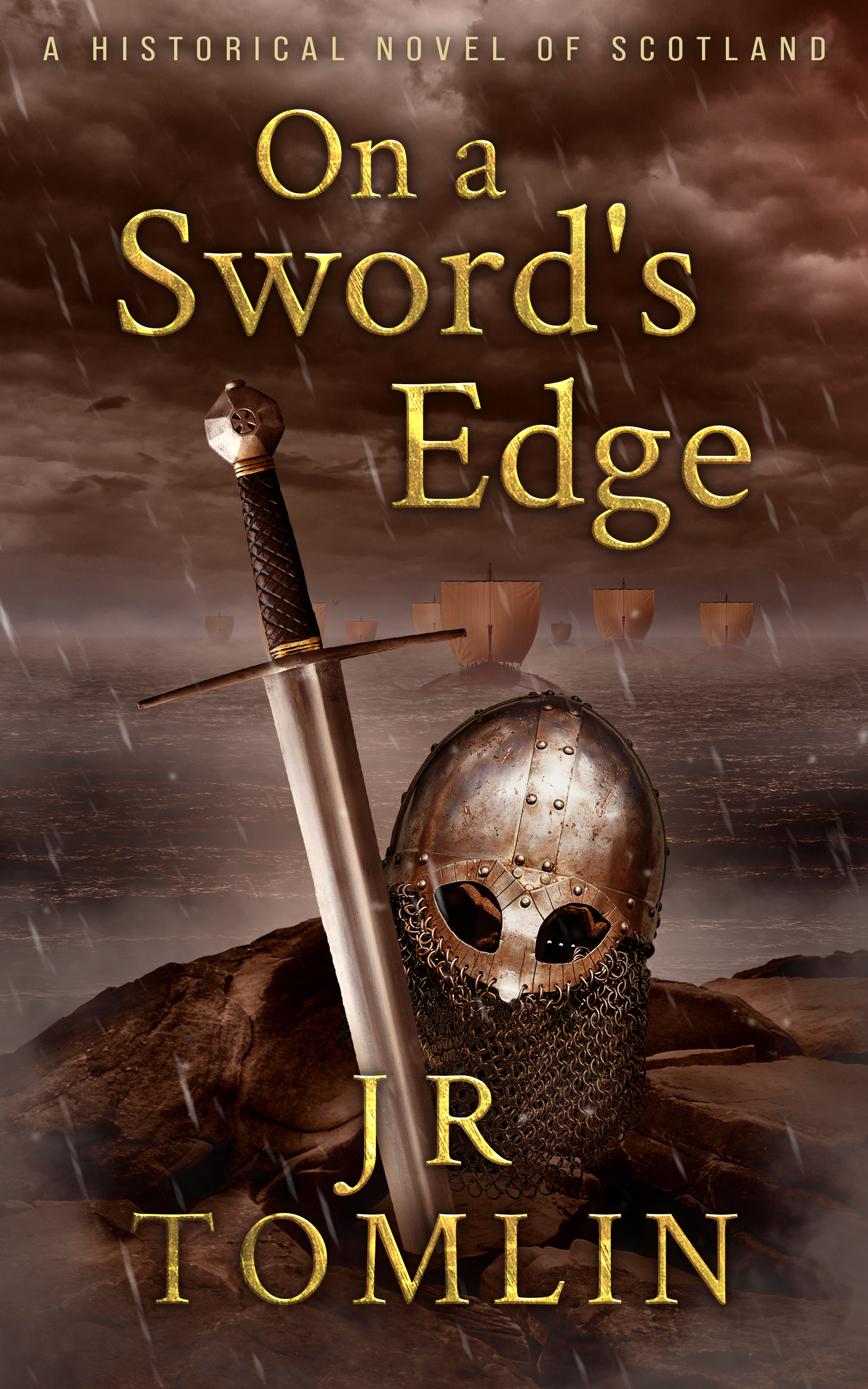
I’m delighted to welcome JR Tomlin and her new book, On a Sword’s Edge, The Swords of Scotland book, to the blog with a guest post.
Guest Post
Research for a historical novel tends to have a thousand parts, a few looming large and others twinkling bagatelles. Those large parts, of course, you must get right, in my opinion anyway. But never underestimate the importance of bagatelles, though. They are often the pieces that give a novel its verisimilitude.
One of the very large looming pieces in ‘One a Sword’s Edge’ is the Battle of Largs in October 1263 between the Norse, led by King Haakon of Norway, and the army of Scotland. This battle is an important one in the development of Scotland as it is today, but there are amazing differences of opinion on the nature and outcome of the battle. Some historians claim it was not a battle, merely a skirmish. Many claim the result was indecisive, with no clear winner. Many state with absolute certitude that King Haakon was doing nothing more with his vast fleet of more an a hundred Norse longboats than defending Shetland and the Hebrides from Scottish invasion.
I admit I had a problem with some of these historians’ opinions. If Haakon was defending the Hebrides, why was he doing it more than 400 miles south of the Hebrides in the Firth of Clyde? And why had he gathered one of the largest fleets the Norse ever assembled when there had been no invasion by Scotland? Scotland had not ever gathered an army to invade.
This is where research comes in and after a lot of looking, I found a fairly obscure article by a professor of Medieval Studies at the University of Edinburgh that brought out some facts from the Saga of King Haakon. One of the many isles claimed by the King of Norway in the waters surrounding Scotland was the Isle of Bute near the mouth of the Firth of Clyde. Its importance lies in that it is in a position to control shipping lanes. A few years earlier, rather quietly, Sir Alexander Stewart of Dundonald, Lord High Steward of Scotland, subjugated the Isle of Bute and established Rothesay Castle as a power base there.
It took a while for the former Lord of Bute to reach King Haakon and bring this serious matter to the king’s attention. King Haakon was a formidable man who had, among other things, subjugated both Greenland and Iceland.
The King of Scots had opened negotiations with Haakon to buy the Hebrides and all the Scottish Isles. This news was what caused those negotiations to totally break down. Haakon immediately assembled his fleet. So it was not some nonexistent defense of the Hebrides but a very definite loss of the Isle of Bute that took him so far south.
King Haakon sailed his fleet around the Cape of Wrath and proceeded hundreds of miles south to attack and retake Bute and Rothesay Castle. He then had his fleet ravage a large area around Loch Lomond. Life being full of surprises, he did not expect a severe storm or to face the same Alexander Stewart leading a large Scottish army.
So much for large, looming battles, but the novel also needed research for some amusing bagatelles. My main character and his family celebrated Christmas that year at Fawdon Tower. How to show them celebrating? You can’t have a Christmas celebration without a carol.
Oh, dearie me. That is easier said than done. If the ordinary people of the Middle Ages sang carols, and I am pretty convinced they did, there are no records of them. However, after quite a bit of searching, I found a delightful carol with an irresistible title: “The Boar’s Head Carol”.
To be honest, it is dated two hundred years after the events of the novel. I tend to think that it had probably been around for a while and simply had not been written down. Like most ‘folk music’, it may well have gone through various permutations. I rewrote it slightly but felt I had a bagatelle that was very close to what they might have merrily danced to on that Christmas of the year 1263.
It sometimes feels a bit like a jigsaw puzzle, but investigating the large pieces and those tiny gems is what makes writing historical fiction so enjoyable and satisfying.
Blurb
Scotland. 1263. The scent of rain mingles with the smoke of campfires as word spreads: the Norse are coming…
As tempers rise between King Alexander and the Norse King Haakon, at the center of it all is sixteen-year-old William Douglas, a squire in service to Sir John Stewart, Lord High Steward of Scotland.
When Haakon’s fearsome fleet is espied approaching Scotland’s shores, carrying the greatest invasion force the Norse have ever mustered, the dread of battle settles over the land. Summoned to Ayr Castle, William joins the Scottish forces in a desperate defense. Now tasked with serving his newly knighted brother, Hugh, William has little time to dwell on the fear – or thrill – of his first real taste of war.
And once the Norse’s menacing line of ships finally touches shore, Scotland’s fate may rest on more than noble titles and knightly deeds— it’ll take the mettle of every soul on the ground for them to triumph.
Set against the wind-swept coast of medieval Scotland, On a Sword’s Edge takes you right into the center of The Battle of Largs alongside a mere – yet fearless – squire.
J. R. Tomlin is the author of more than twenty historical novels, set for the most part in Scotland. Her love of that nation is traced from the stories of King Robert the Bruce and the Good Sir James her grandmother read to her when she was small to hillwalking through the Cairngorms where the granite hills have a gorgeous red glow under the setting sun. Later, her writing was influenced by the work of authors such as Alexander Dumas, Victor Hugo, and of course, Sir Walter Scott.
When JR isn’t writing, she enjoys spending time hiking, playing with her Westie, and killing monsters in computer games. In addition to having lived in Scotland, she has traveled in the US, Europe and the Pacific Rim. She now lives in Oregon in the beautiful Pacific Northwest.
Christmas is coming to Pelican Crossing, bringing with it a host of surprises.
Fifty-eight-year-old widow Rachel Mason thought she had her life all figured out – running her quaint Bed and Breakfast, spending time with her grandkids, and keeping her loyal West Highland Terrier by her side. But when her son announces a Christmas surprise, Rachel’s world is turned upside down.
Luke Findlay, widowed, retired, and looking to check off items on his bucket list, suddenly finds himself back in his hometown of Pelican Crossing, where he is tasked with temporarily running the local vet clinic.
When the new vet turns out to be Rachel’s teenage crush, and her son’s Christmas surprise is very different from what she anticipated, her life becomes unexpectedly complicated. But then, Luke receives a surprise of his own.
As Rachel and Luke reconnect, sparks fly, and old feelings resurface. But with Luke’s impending departure and Rachel’s unforeseen responsibilities, can their newfound connection survive?
Fans of heartwarming romances will love this story of second chances and unexpected love.
After a career in education, Maggie Christensen began writing contemporary women’s fiction portraying mature women facing life-changing situations, and historical fiction set in her native Scotland. Her travels inspire her writing, be it her trips to visit family in Scotland, in Oregon, USA or her home on Queensland’s beautiful Sunshine Coast. Maggie writes of mature heroines coming to terms with changes in their lives and the heroes worthy of them. Maggie has been called the queen of mature age fiction and her writing has been described by one reviewer as like a nice warm cup of tea. It is warm, nourishing, comforting and embracing.
From the small town in Scotland where she grew up, Maggie was lured to Australia by the call to ‘Come and teach in the sun’. Once there, she worked as a primary school teacher, university lecturer and in educational management. Now living with her husband of over thirty years on Queensland’s Sunshine Coast, she loves walking on the deserted beach in the early mornings and having coffee by the river on weekends. Her days are spent surrounded by books, either reading or writing them – her idea of heaven!