
I’m delighted to welcome Sandor Martini and his book, Ciao, Amore, Ciao, to the blog with a piece written by Sandro Martini.
Sandro Martini Piece
Explaining of my writing routine means starting with what I don’t do. I don’t pre-plan, and I don’t have a structure or chapter guides. I use a weird amalgam of flashcards and stream of consciousness.
I know, weird.
Because I write historical fiction, the whole process begins with researching a topic that intrigues me. Half the time, the research—it can take upwards of five years—never gets written as I realise the story just isn’t there for me … but that’s another story (was that a pun?) for another day.
I’ll explore books, do interviews, and largely ignore the internet (except to get general overviews and timelines and so on) because I find that restrictive. Things like ChatGPT are an interesting addition to an author’s quiver, but it’s learning from sources that are all online and the whole point of search engines is to shrink everything to one ready answer. The truth of a thing—and the complexity of a life lived—is anything but singular, and the nuance that makes for a good novel is only found in scouring tons of primary sources.
I generally finish the research when I get bored of the topic, at which point I’m ready to begin the ugliest task in writing—going through all my notes to create flashcards. For Ciao, Amore, Ciao, the flashcards numbered somewhere in the region of 3,000, all handwritten.
That takes maybe six months or so. After that, the cards get arranged chronologically and/or by personage/event. And those cards then become my “guide”. Then they sit there as I begin to work out the one core essential—who will “tell” the story.
Once I figure out who that character is, it’s time for the fun part. The writing begins at around 3 a.m. every day, when I wake up and head straight for pen and paper. (No machine is involved in the first draft—I use a pen I bought years ago at a market in Zurich, a one-off, heavy, metal thing, and notebooks by, of course, Moleskine.)
I will already know which flashcards will be the “scene” that is getting written that day before I sit down to get it down on paper. Why 3 a.m.? Because in some ways I’m still asleep, and able to just write without a lot of self-awareness. It’s important for me to not be that conscious of the writing process.
The first draft is written this way, using a combination of the highly organised flashcards as prompts and stream of consciousness for the actual writing.
I’m also consistent with length, with first drafts generally coming in at around 70,000 words. The time I take to write a novel, though, differs considerably. For my first novel, Tracks: Racing the Sun, the first draft took about two years. Ciao, Amore, Ciao, written a week after my dad passed, took about three weeks.
Once the first draft is complete—I write the novel as a story, and I say this because I heard the other day that some writers will write intermittent scenes as if they’re shooting a movie and then splice it all together and that thought has not left my mind since!—it’s time for phase two: typing the damn thing out …
Sounds like a waste of time, but it’s a vital part of my method because this is when I “read” the book for the first time, and I start to see what’s working, what isn’t, what needs further exploration, which scenes will probably get cut, and so on. In essence, this is the first and most important edit I’m going to do to the new novel. It’s also a line edit, since I am now physically writing the book for a second time.
Once that’s done—it can take anywhere from a month to three months depending on how strong the handwritten draft is—I begin to edit the novel every morning. I’m a better editor than first-draft writer. That is, there will be paragraphs that will probably not change much from first writing, and there will be entire chapters that will be completely rewritten or even thrown out.
That editing phase can take anywhere between a year (for Ciao, Amore, Ciao) to three years for Tracks.
Once that’s complete (it’s complete when I get bored of it), I have my new novel which will now be left alone to age on my hard drive. After about three months, I will then print it out (in Garamond font) and read it not as a writer but as a reader, paying attention to one thing: the pacing. If I find myself lagging, I will judiciously begin to shorten scenes that are slowing down the tempo. This, for me, is the hardest part of my craft, and something that ruined my writing career as a young man.
Backstory: I was once asked to write a 20,000-word piece for a major publisher to appear in a top 5 young writers in the UK anthology. This was in the mid-’90s. Four of those writers went on to become names in the industry. And then there was me. When asked to cut my piece, I chose to walk away from the contract and didn’t submit anything to any publisher for the next 20 years. So when I say cutting judiciously is difficult, I literally mean I dumped a career because of it. That’s mostly because I see myself as a stylist. I value a beautifully written line far more than a story. That’s the thing I value most in my writing because style brings emotion and emotion is what my novels are all about.
And that’s the process.
Style is primary. Getting out of my own way when doing the first draft is essential. And being brave enough to cut beautiful prose for the sake of pacing is key.
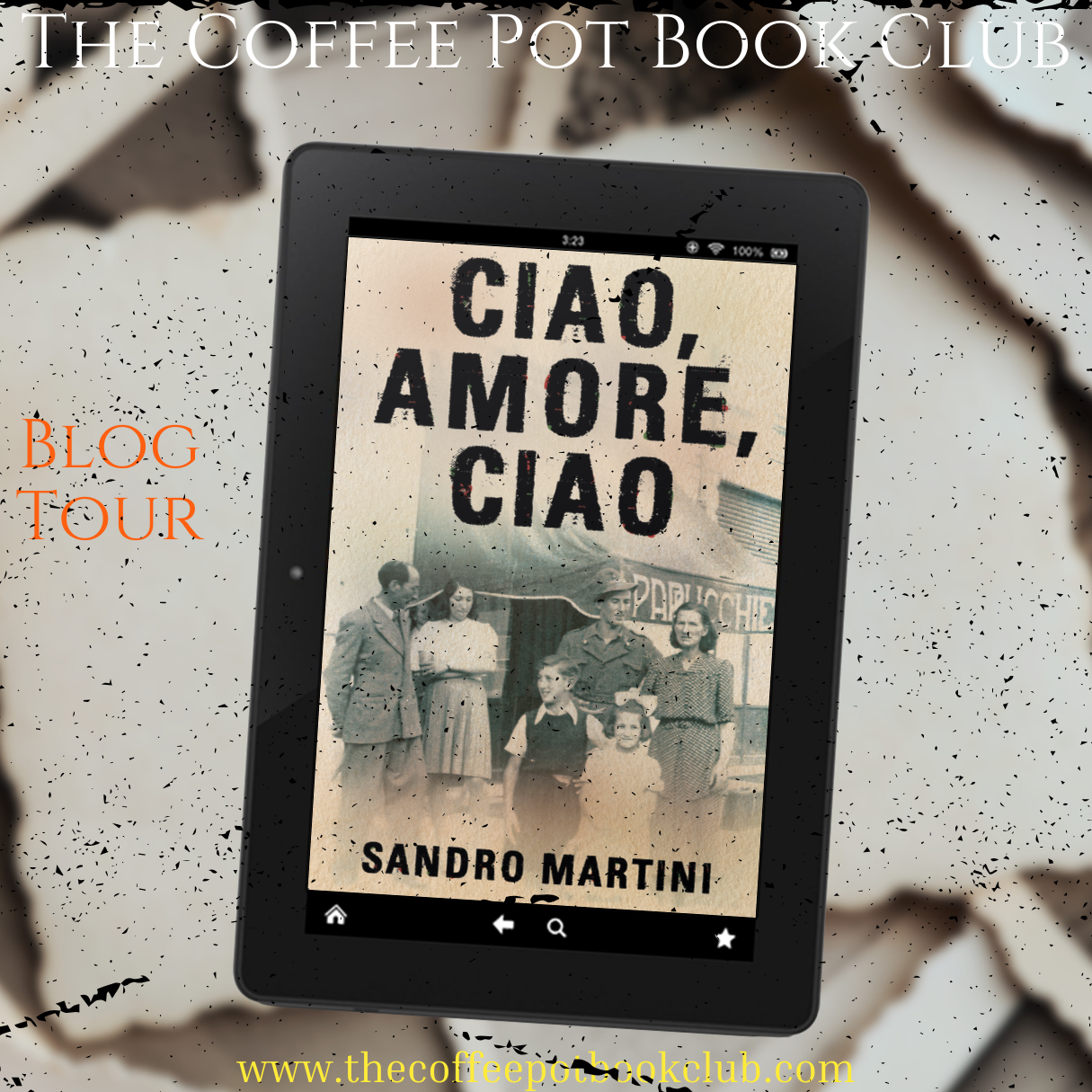
Here’s the Blurb
An enthralling dual-timeline WWII family mystery, based on the heartbreaking true story of the massacre in a small town in Italy in July of 1945, from award-winning, bestselling novelist Sandro Martini.
“A gripping saga that roots excruciating betrayals in a nation’s tragic history.” –Kirkus Reviews
In the winter of 1942, an Italian army of young men vanishes in the icefields of the Eastern Front. In the summer of 1945, a massacre in Schio, northeastern Italy, where families grieve the dead, makes international headlines.
In present-day Veneto, an ordinary man is about to stumble onto a horrifying secret.
Alex Lago is a jaded journalist whose career is fading as fast as his marriage. When he discovers an aged World War II photo in his dying father’s home, and innocently posts it to a Facebook group, he gets an urgent message: Take it down. NOW.
Alex finds himself digging into a past that needs to stay hidden. What he’s about to uncover is a secret that can topple a political dynasty buried under seventy years of rubble. Suddenly entangled in a deadly legacy, he encounters the one person who can offer him redemption, for an unimaginable price.
Told from three alternating points of view, Martini’s World War II tale of intrigue, war, and heartbreak pulls the Iron Curtain back to reveal a country nursing its wounds after horrific defeat, an army of boys forever frozen at the gates of Stalingrad, British spies scheming to reshape Italy’s future, and the stinging unsolved murder of a partisan hero.
Ciao, Amore, Ciao is a gripping story of the most heroic, untold battle of the Second World War, and a brilliantly woven novel that brings the deceits of the past and the reckoning of the present together.
“Balances action, suspense, and emotional depth to deliver a truly immersive, thought-provoking read with an unflinching look at the sins of the past and the lengths to which the powerful will go to keep them buried.” ~ Sublime Book Review
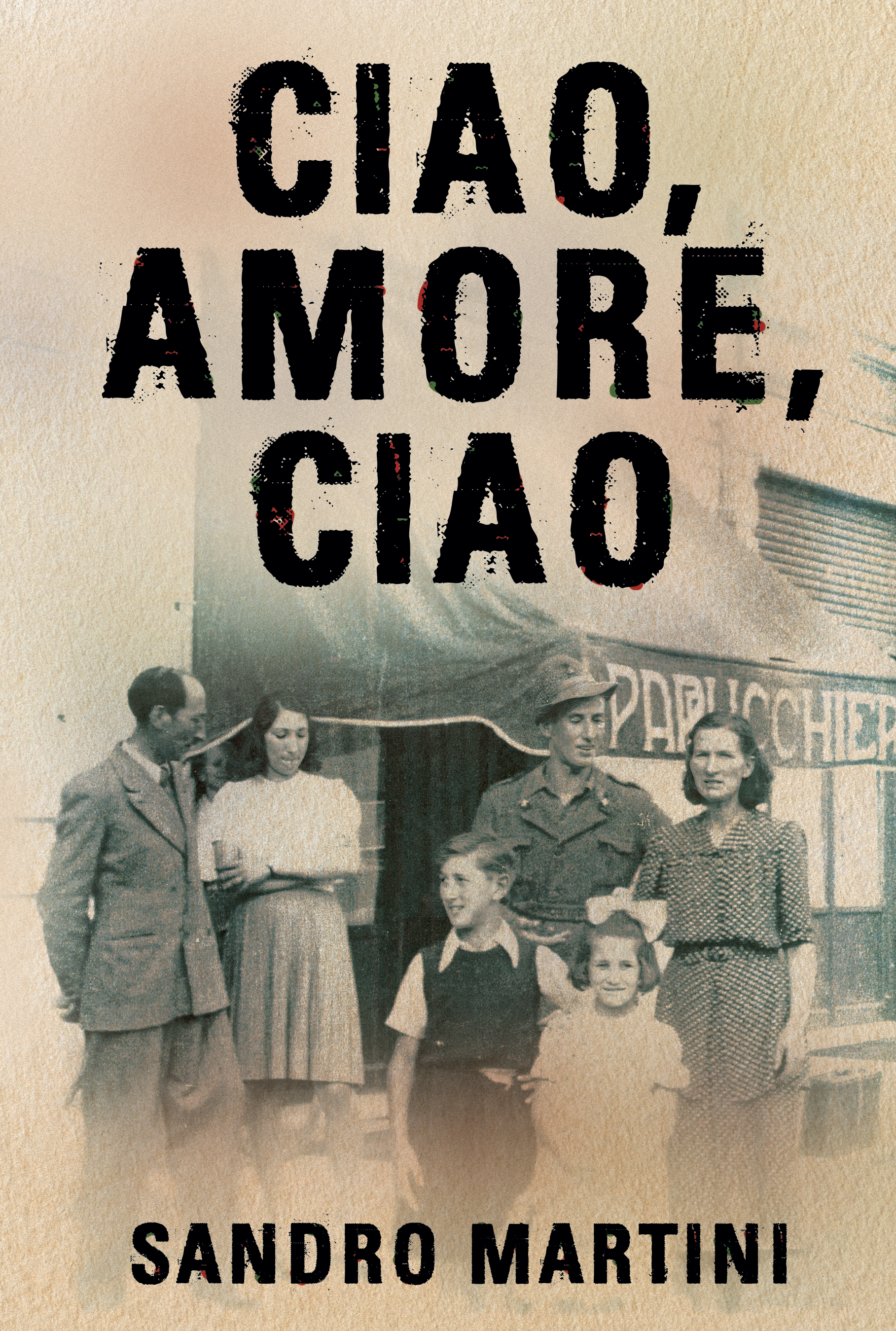
Buy Link
This title is available to read on #KindleUnlimited
Meet the Author
Sandro Martini has worked as a word monkey on three continents. He’s the author of Tracks: Racing the Sun, an award-winning historical novel.
Sandro grew up in Africa to immigrant parents, studied law in Italy, chased literary dreams in London, hustled American dollars in New York City, and is now hiding out in Switzerland, where he moonlights as a Comms guy and tries hard not to speak German.
You can find him either uber-driving his daughter, chasing faster cars on the autobahn, or swimming in Lake Zurich with a cockapoo named Tintin.
His latest historical suspense novel, Ciao, Amore, Ciao, is now available.

Connect with the Author

























 MJ Porter