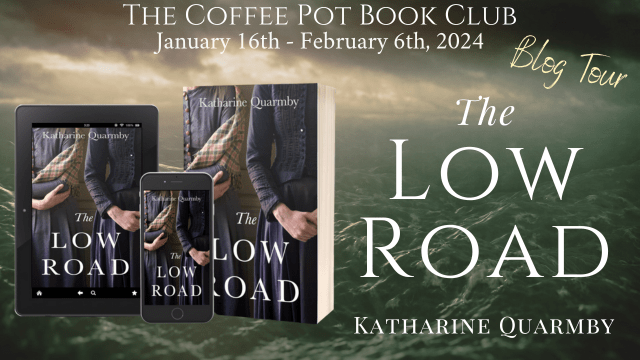
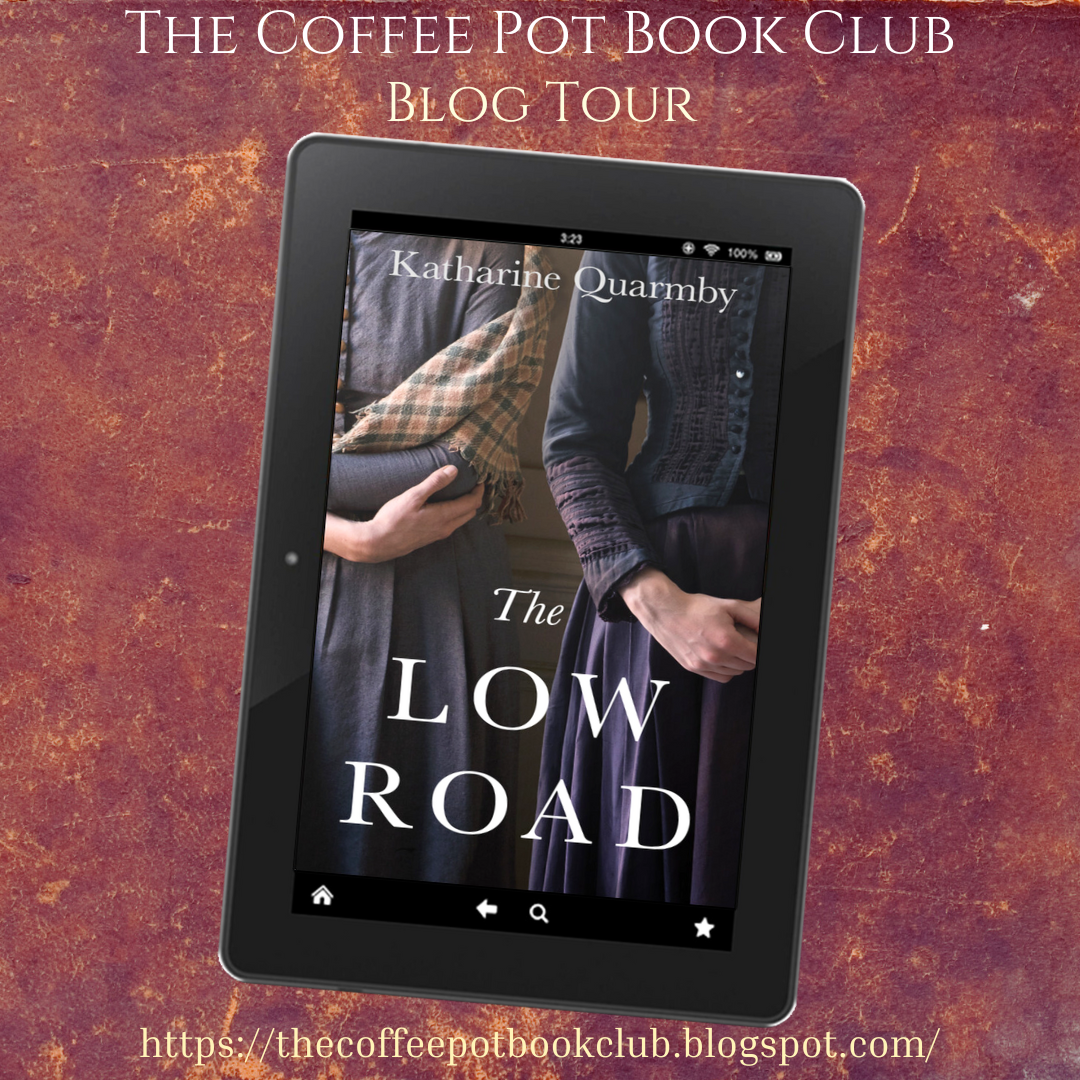
I’m delighted to welcome Katharine Quarmby and her new book, The Low Road, to the blog, with searching for The Low Road in Historical Sources.
Searching for The Low Road in Historical Sources
Katharine Quarmby
The search for the story that became The Low Road started around seven years ago now, when I came across a description of one local area in my Norfolk, England, hometown. It mentioned in passing an area at the end of the town called Lush Bush, where a local woman, Mary Tyrell, had been buried on the parish boundary in 1813. I started to dig further, through local newspaper articles and found that the Norfolk Chronicle had reported in that year that she had taken poison and died after being investigated for infanticide. She was then staked through the heart after death in an archaic punishment called felo de se. A daughter, then only described by her initials, A.T., had survived and had been sent to a refuge in London.
It wasn’t a lot to go on, but I really wanted to know more, so I started by guessing that her first name was Ann and was lucky enough to find an Ann Tyrell, (called Hannah in my novel) who had lived at the Refuge for the Destitute in Hackney, East London. I then looked her up in the Hackney Archives, in East London, just a bike or bus ride away from my home, in the great Minute Books that noted in copperplate handwriting the history of the Refuge and of the lives of the young people, known as Objects, who lived there. No traces of the physical building exist now – all that is left is writing. There is just one painting that shows the Refuge as well, looming above some local almshouses.
I walked up and down the Hackney Road in search for it, and found the rough location of the institution where she had been admitted, after being banished from the hometown we shared and being found to have understood, or be ‘sensible’ that her mother had committed an “Iniquity”. It was near a scruffy car park, there were dark alleys nearby and I did my best to imagine Ann living there, using the brilliant Layers of London historical maps to go back in time.
In real life, just as in my novel, Hannah met another destitute there, Annie Simpkins. The girls forged a friendship that I imagined deepened into love and in December 1821 they took a risky decision which then dictated the course of their lives from then on. The Minute Books revealed that on a winter evening in 1821 the girls ran away with stolen goods from the Refuge – perhaps to make a life for themselves, who knows – and were apprehended by the Superintendent of the Refuge.
I traced Hannah and Annie onwards, to the National Archives at Kew, West London, and also through the Old Bailey Online Proceedings, which have been digitised and provide a unique insight into the British criminal justice system. The Old Bailey records show that the girls – just fifteen and eighteen at the time – stood trial for ‘grand larceny’, or thieving, on January 10, 1822. They were sentenced to seven years’ transportation.
But as I found, when I visited the National Archives in Kew, West London, they didn’t go immediately. It was six years later when our Ann was transported. So what happened in between? I kept looking. First of all, they went to the Millbank Penitentiary, now buried underneath the Tate Britain gallery. A stone buttress by the Thames nearby states: “Near this site stood Millbank Prison which was opened in 1816 and closed in 1880. This buttress stood at the head of the river steps from which until 1867, prisoners sentenced to transportation embarked on their journey to Australia.” There are few other traces, except some prison walls, unmarked, and a trench which had been dug around the prison which is now used to dry washing for nearby houses.
Later, the archives also revealed that the girls had even been sent to a prison hulk on the Thames. At the National Archives I was handed a document, done up with red ribbon, about their life on the hulks. Had anyone else ever untied this, I wondered, as I pulled on the ribbon, then unfolded the document. There were the names of my girls and others, resident on the prison ship on the Thames – and there was a signature at the bottom from the then Home Secretary, Robert Peel, pardoning them, and so it was that in 1825 the girls were set free and ended up working at the Ship Inn in Millbank, near the Houses of Parliament.
The last traces of my Ann, in UK history, were back in the Hackney Archives. She had asked for money so she could return to Harleston, Norfolk, but found that all her friends were dead; she had then been granted a stay in the temporary part of the Refuge…and then she vanished. All I knew was that the Superintendent of the Refuge had written back to a lawyer in my hometown to let him know that Ann had been transported to ‘Botany Bay’ in 1828.
I could find no record of her in Australian archives and so at this point I had to pivot and tell the story as fiction, rather than non-fiction. I novelised what happened to them in Australia, taking as my guide the history of other girls and women who were exiled, and was lucky enough to receive a grant from the UK Society of Authors so I could visit both the Hunter Valley and Tasmania, landscape into which I imagined the story of my two girls, exiled, as part of the 26,000 women who were transported to mainland Australia and Tasmania – the largest forced migration of English, Scots, Welsh and Irish people, numbering some 162,000 convicts in all, between 1767-1868. Telling that part of the story – part of the story of these islands, also meant paying attention to, and honouring, the Indigenous communities whose lives were desecrated by the British arriving.
From a trace of a story, then, The Low Road became a novel that uncovered lost histories: the stories of poor women from rural areas, the stories of convicts sent to penal colonies because of poverty and political activism, the stories of people who often left no records behind as a result of illiteracy and hardship, and the largely overlooked history of same sex relationships between convict women. This was a story from the bottom up, of how three generations of girls and women from one family were caught up in political times, from the fall-out of the Napoleonic wars and the poverty after, to the rise of the agricultural workers, the Swing Rioters, and other political dissidents and beyond the seas to Australia.
When I go back to Harleston to visit my family we go on a walk that takes us through the town, past the inn where a jury of men held an inquest on Mary’s body, past the green where the pond used to be where the baby was found, and all the way down to Lush Bush, where Mary is buried in an unmarked grave. I think of Mary and Hannah every time, and I hope I’ve done them justice.
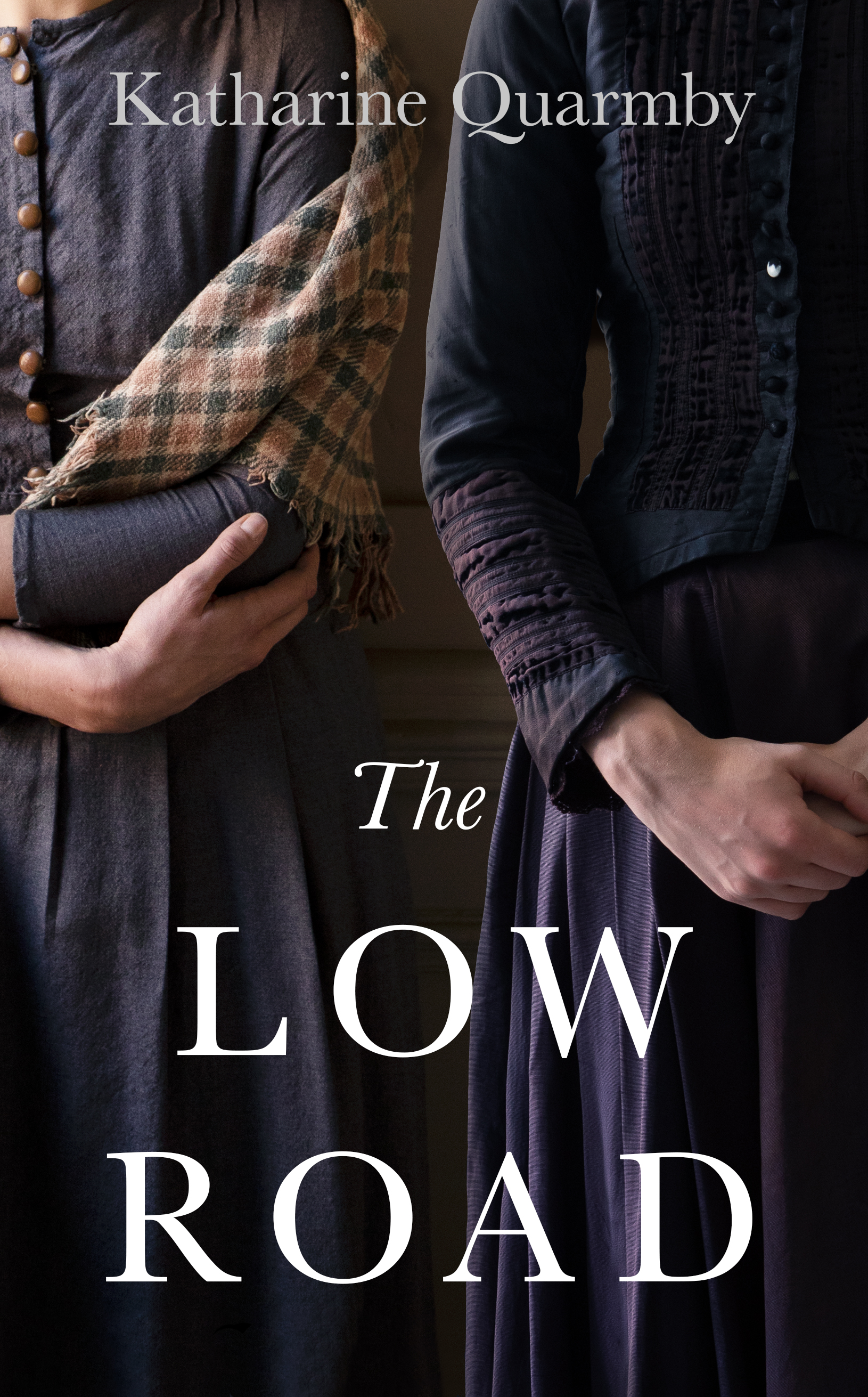
Heres’s the blurb
In 1828, two young women were torn apart as they were sentenced to transportation to Botany Bay. Will they ever meet again?
Norfolk, 1813. In the quiet Waveney Valley, the body of a woman – Mary Tyrell – is staked through the heart after her death by suicide. She had been under arrest for the suspected murder of her newborn child. Mary leaves behind a young daughter, Hannah, who is later sent away to the Refuge for the Destitute in London, where she will be trained for a life of domestic service.
It is at the Refuge that Hannah meets Annie Simpkins, a fellow resident, and together they forge a friendship that deepens into passionate love. But the strength of this bond is put to the test when the girls are caught stealing from the Refuge’s laundry, and they are sentenced to transportation to Botany Bay, setting them on separate paths that may never cross again.
Drawing on real events, The Low Road is a gripping, atmospheric tale that brings to life the forgotten voices of the past – convicts, servants, the rural poor – as well as a moving evocation of love that blossomed in the face of prejudice and ill fortune.
Buy Link:
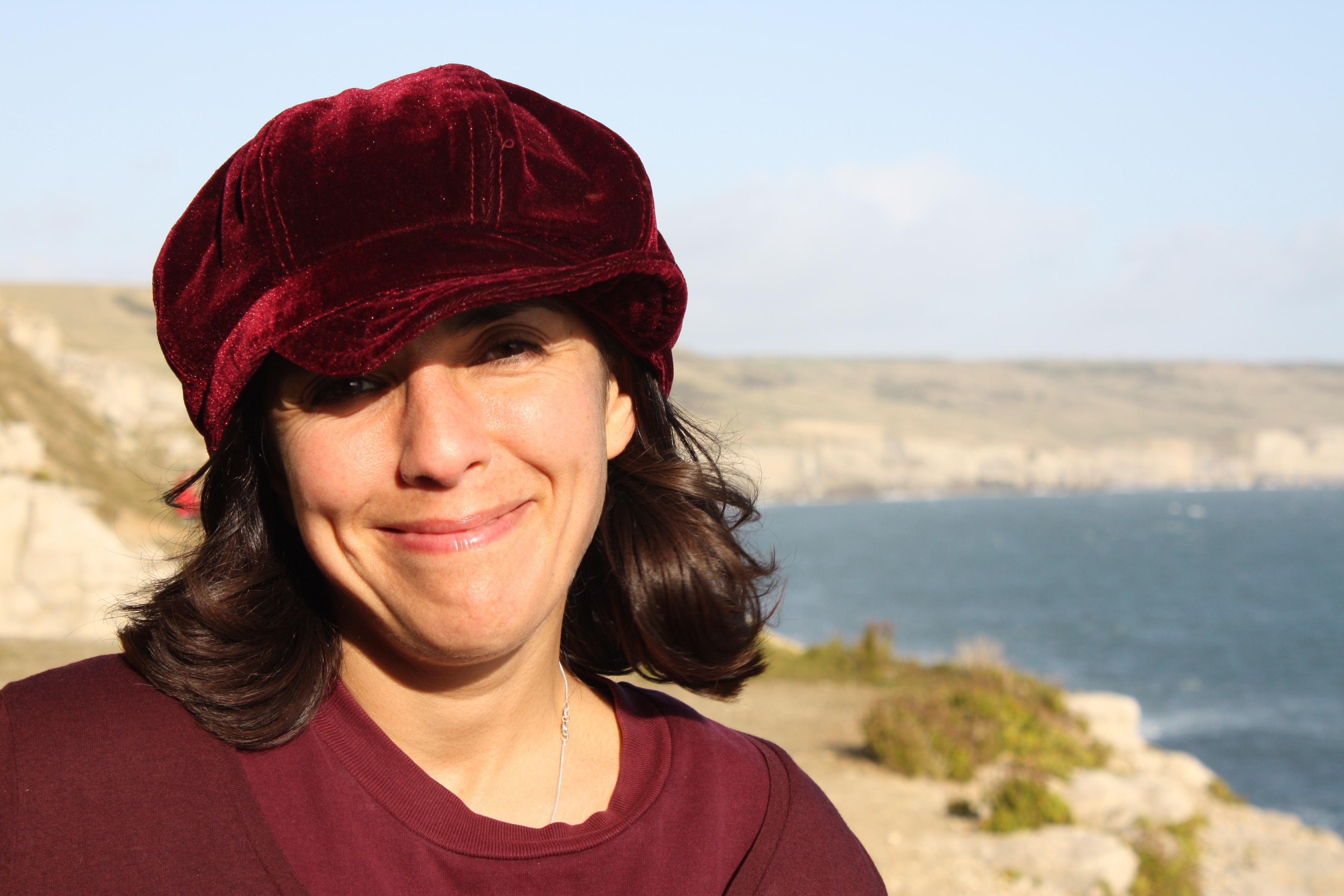
Meet the author
Katharine Quarmby has written non-fiction, short stories and books for children and her debut novel, The Low Road, is published by Unbound in 2023. Her non-fiction works include Scapegoat: Why We Are Failing Disabled People (Portobello Books, 2011) and No Place to Call Home: Inside the Real Lives of Gypsies and Travellers (Oneworld, 2013). She has also written picture books and shorter e-books.
She is an investigative journalist and editor, with particular interests in disability, the environment, race and ethnicity, and the care system. Her reporting has appeared in outlets including the Guardian, The Economist, The Atlantic, The Times of London, the Telegraph, New Statesman and The Spectator. Katharine lives in London.
Katharine also works as an editor for investigative journalism outlets, including Investigative Reporting Denmark and the Bureau of Investigative Journalism.
Meet the author