
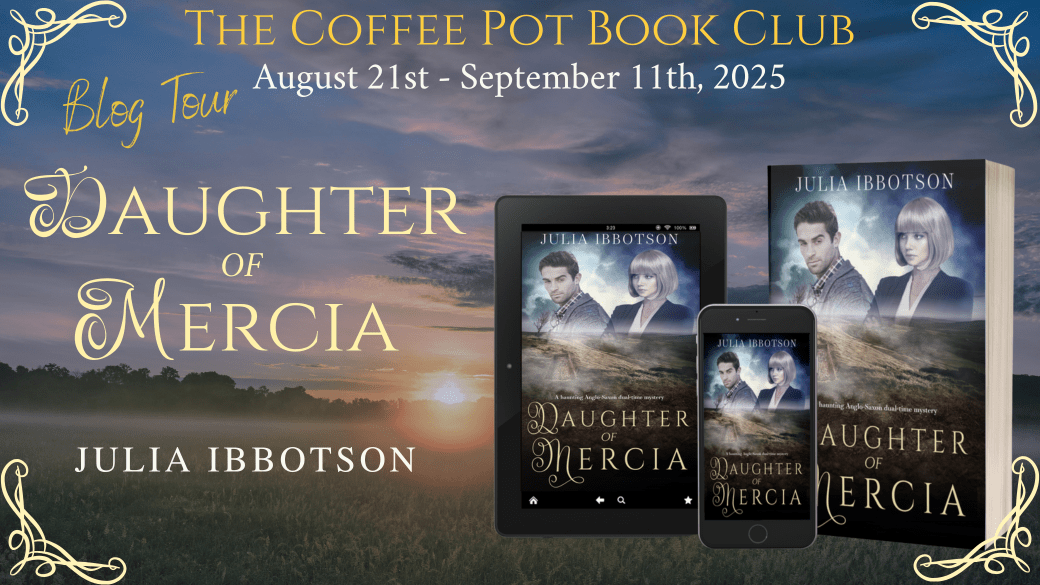
I’m delighted to welcome Julia Ibbotson and her book, Daughter of Mercia, to the blog with a guest post.
Lady Mildryth of Mercia
It might surprise us to know that women in the Anglo-Saxon period, even early in their history, were regarded as equal in importance to their male counterparts. Women could hold their own wealth, land, possessions; they could inherit from their fathers or mothers on their own account and they could bequeath it to their children. They were not regarded as the property of their husbands or fathers. Their rights were protected in law and it seems that this applied across the social spectrum, from high-status families presumably to ealdormen to thegns to freedmen ceorls and grant-bearer geburs.
High-status women could be leaders of settlements / regions in the years following the immigration and settling of even the early tribes of Anglo-Saxons. They could be strategists and negotiators. Later, for example, Lady Ǣthelflaed of Mercia, the 10th century daughter of King Alfred, strategized battles to take Derby, Leicester, York, and of whom it is said that she was a “man in valour, a woman in name”. The Anglo-Saxon word cūning (king)applies to either male or female leaders, while the word queen (cwene) applies only to the wife of a king. The historical significance of strong female leaders goes right back to Boudicca of the Iceni in the first century AD. Post-Roman Britain was composed of many small kingdoms, and kingdoms fought to take over other kingdoms and thus wield greater power over a larger region. But our theories of this time of great change are beginning to recognise the way that stable everyday life and the quest for peace were also significant.
Lady Mildryth is a fictional character but is bred of such strong female leaders as these. I have based her on other Anglo-Saxon women who have a place in the history of Britain and I wanted her to represent an idea of the powerful yet peace-loving early settlers who wanted to create stable, secure communities, from the chaos and blood-shed of previous generations. Clearly, I have taken liberties with historical characters and events for the sake of my novel and it is not intended to be an accurate academic analysis of the time, but since archaeological excavation is only just gaining a clearer picture of the early Anglo-Saxon period and its domestic and cultural signigifance, maybe my imagination is not so far out!
Recent archaeological excavation and research has demonstrated that even back to the 5th century, high status ladies were buried with signifiers of their wealth in their grave goods: rich jewellery, gold artefacts, precious glass, beautiful fabrics.
Lady Mildryth, as the leader of a region, would have worn fabrics that were richly dyed and decorated: a chemise or shift, a long-sleeved kirtle (under-gown) often of expensive linen or wool, an over-gown trimmed with fur or braid, and an embroidered mantle(cloak). As a high-status woman, she would have eaten well, with home-grown meat, fish, dairy, vegetables, fruit (hedgerow berries but also imported dates, figs, almonds), and she would have drunk honeyed mead and imported wine, during her mead hall feastings.
Although her antecedents are pagan, and she accepts the duality of her people, she finds herself on the cusp of Christianity, yet still drifting to some of the pagan beliefs of her upbringing. Her late mother was from the Cornovii tribe from the people of Pengwern / Powys, Celtic-Brythonic pagans. She was hand-fasted to Mildryth’s father and died when Mildryth was young. Lady M’s character takes after her mother’s strength of will and determination to be on a par with her brothers (Crydda and Cynewald) – although she knows that she must earn this.
Her antecedents are historical (well, possibly legendary!) characters. Her grandfather is Icel, son of Eomer, of the Icinglas (or Iclingas), an Angle from across the seas in Jutland. He is said to have led his people across the North Sea in around 515 AD to the region we now call East Anglia, and is said to have moved westwards across the country, founding the kingdom of Mercia in the 520s AD. His son, Lady Mildryth’s father, is Cnebba who ruled after Icel from possibly around 535 AD.
We speak of the archetypes ‘Peace-weavers’ and ‘Shield-maidens’ in Anglo Saxon society and I see Lady Mildryth as a Peace-weaver. She is a strategist and commander of men, like Lady Æthelflæd of Mercia generations later. But she is also a negotiator and does not wish to conquer other lands or fight to subdue other tribes. She is dedicated to her settlement, her community, and my novel is more about domestic history than that of battles and high kings.
Lady Mildryth strives to make her settlement run smoothly and to encourage the cultural enrichment of her people: a culture taken from her Angeln ancestors as shown in her use of the scōp, the poet story-teller who regales the thegns of the mead-hall with tales of tradition, of warriors, family and legendary heroism. Peace-weavers were often encouraged, or chose, to make expedient marriages with other kingdoms to avert potential strife. There is evidence to suggest that there were battles for lands, yes, but also deals and negotiations so that tribes could coexist. In Daughter of Mercia, Lady Mildryth is certainly aware of this.
If you’d like to read more of life in Anglo-Saxon times, you may like to look at my blog on my website and the 7-part series ‘Living with the Anglo-Saxons’ at https://juliaibbotsonauthor.com where there are also some reference texts.
Here’s the Blurb
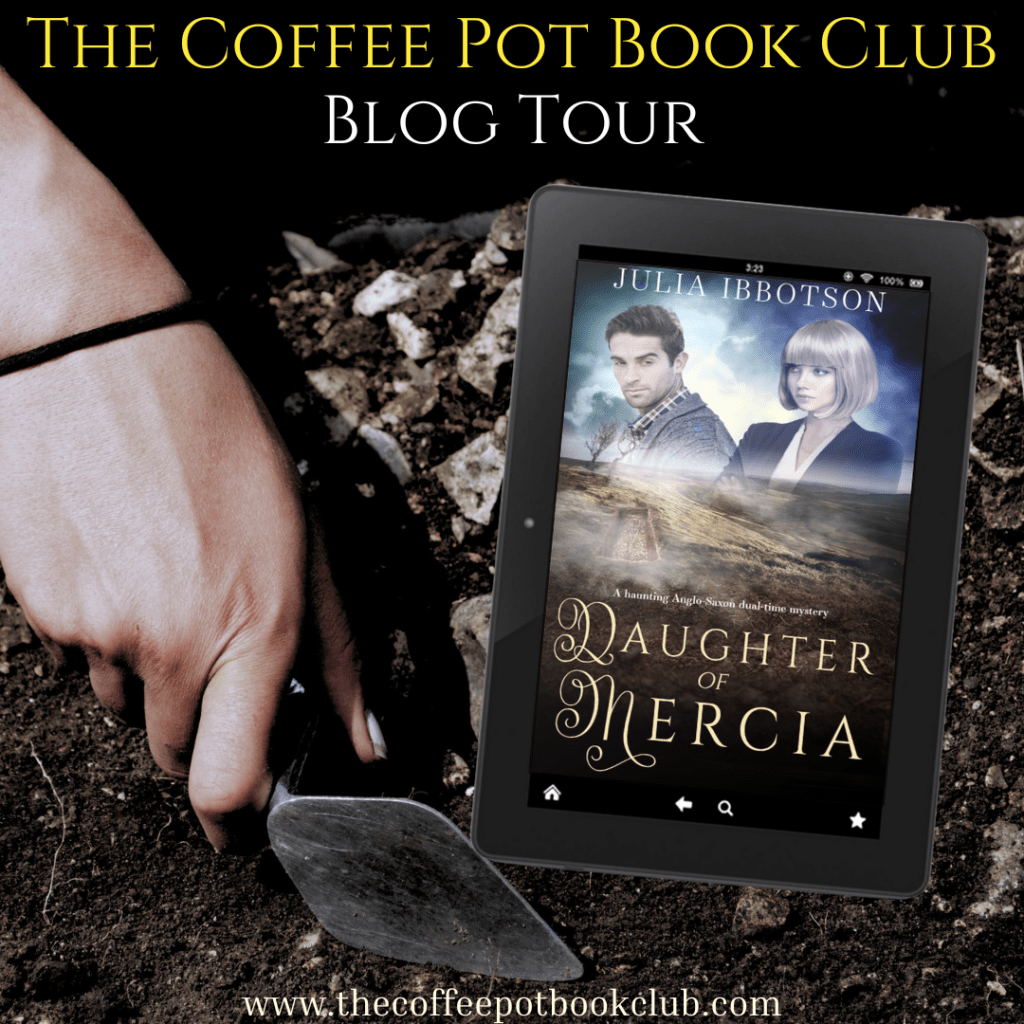
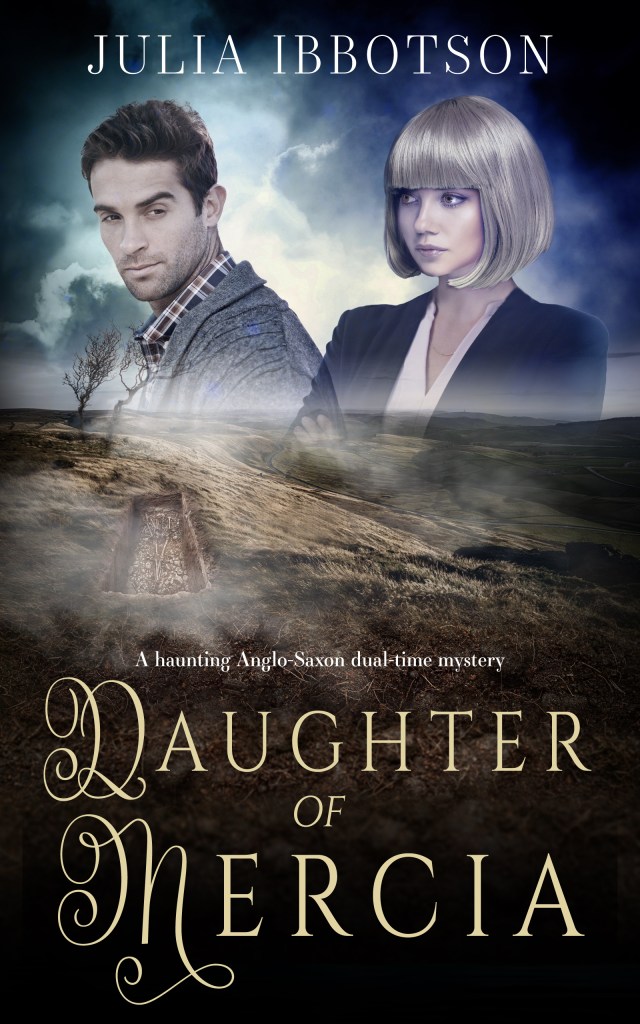
Echoes of the past resonate across the centuries as Dr Anna Petersen, a medievalist and runologist, is struggling with past trauma and allowing herself to trust again. When archaeologist (and Anna’s old adversary) Professor Matt Beacham unearths a 6th century seax with a mysterious runic inscription, and reluctantly approaches Anna for help, a chain of events brings the past firmly back into her present. And why does the burial site also contain two sets of bones, one 6th century and the other modern?
As the past and present intermingle alarmingly, Anna and Matt need to work together to solve the mystery of the seax runes and the seemingly impossible burial, and to discover the truth about the past. Tensions rise and sparks fly between Anna and Matt. But how is 6th century Lady Mildryth of Mercia connected to Anna? Can they both be the Daughter of Mercia?
For fans of Barbara Erskine, Elena Collins, Pamela Hartshorne, Susanna Kearsley and Christina Courtenay.
Buy Link
This title is available to read on #KindleUnlimited
Meet the Author
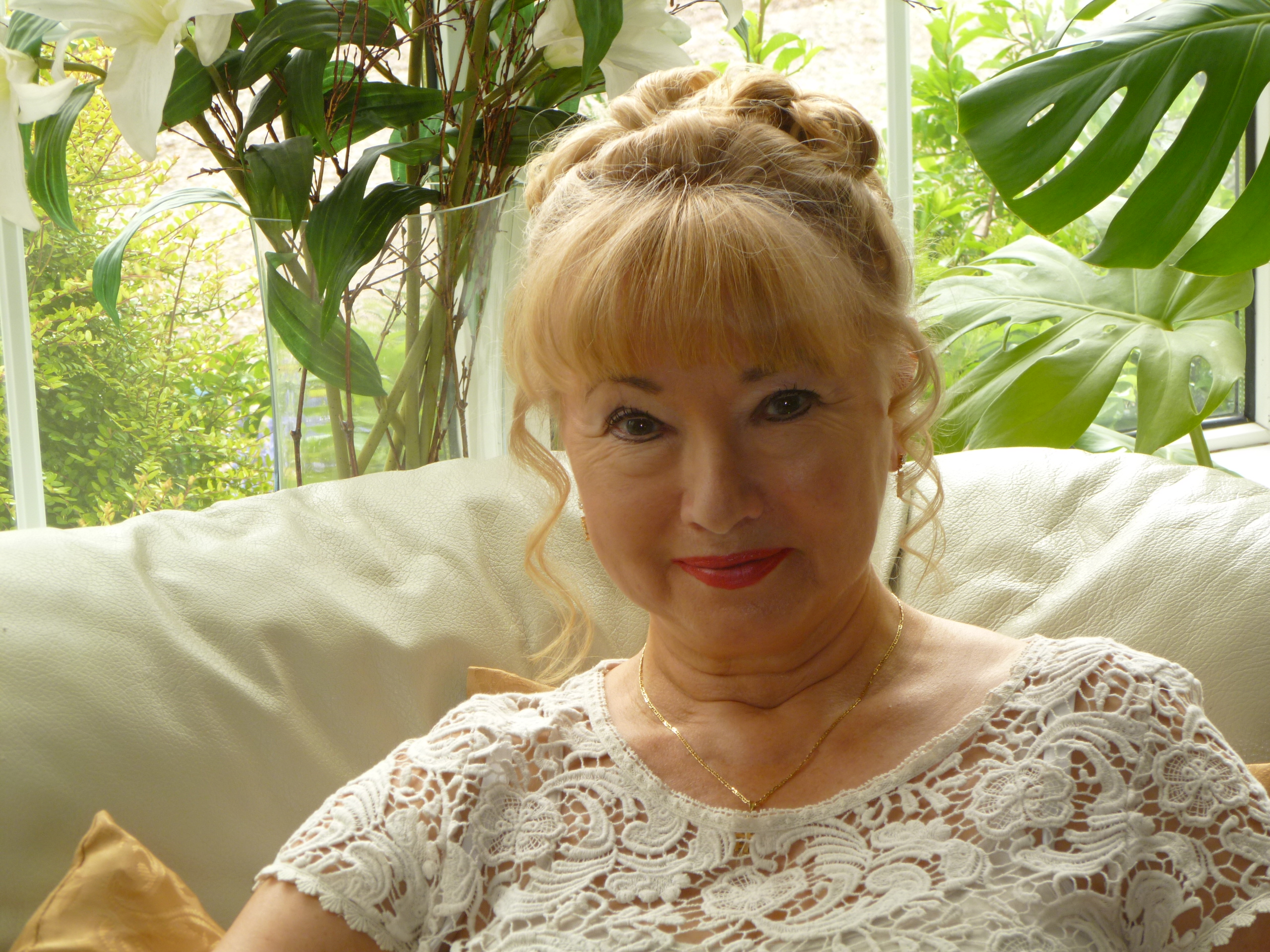
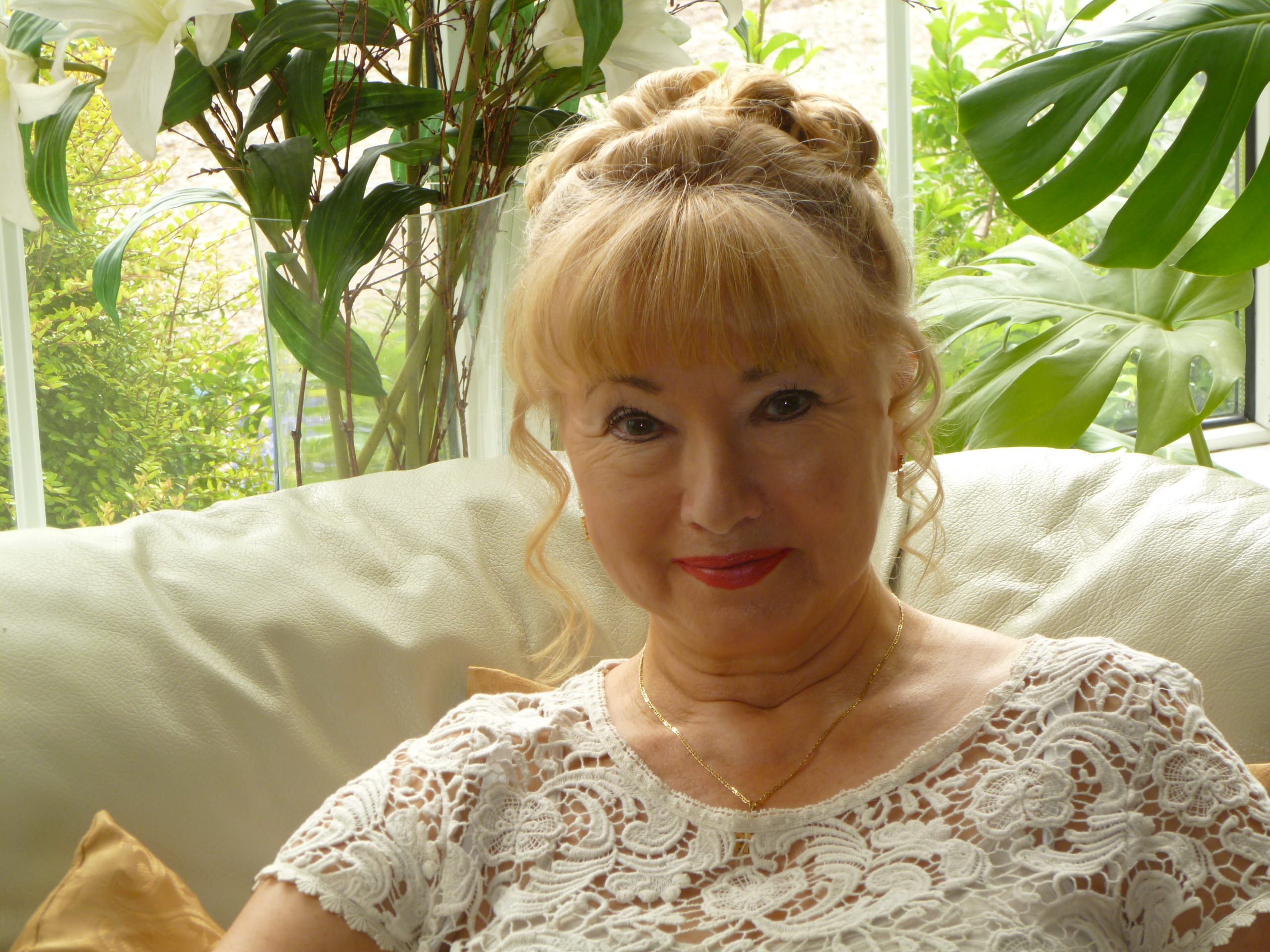
Julia Ibbotson is fascinated by the medieval world and the concept of time. She is the author of historical mysteries with a frisson of romance. Her books are evocative of time and place, well-researched and uplifting page-turners. Her current series focuses on early medieval time-slip/dual-time mysteries.
Julia read English at Keele University, England, specialising in medieval language / literature / history, and has a PhD in socio-linguistics. After a turbulent time in Ghana, West Africa, she became a school teacher, then a university academic and researcher. Her break as an author came soon after she joined the RNA’s New Writers’ Scheme in 2015, with a three-book deal from Lume Books for a trilogy (Drumbeats) set in Ghana in the 1960s.
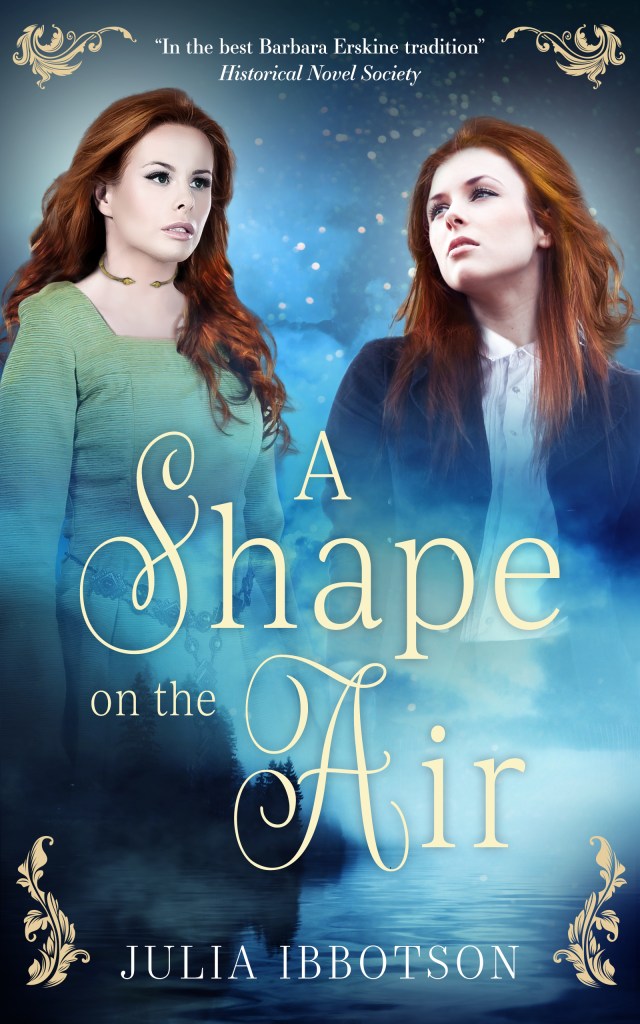
She has published five other books, including A Shape on the Air, an Anglo-Saxon timeslip mystery, and its two sequels The Dragon Tree and The Rune Stone. Her latest novel is the first of a new series of Anglo-Saxon dual-time mysteries, Daughter of Mercia, where echoes of the past resonate across the centuries.
Her books will appeal to fans of Barbara Erskine, Pamela Hartshorne, Susanna Kearsley, and Christina Courtenay. Her readers say: ‘Julia’s books captured my imagination’, ‘beautiful story-telling’, ‘evocative and well-paced storylines’, ‘brilliant and fascinating’ and ‘I just couldn’t put it down’.
Connect with the Author



 MJ Porter