

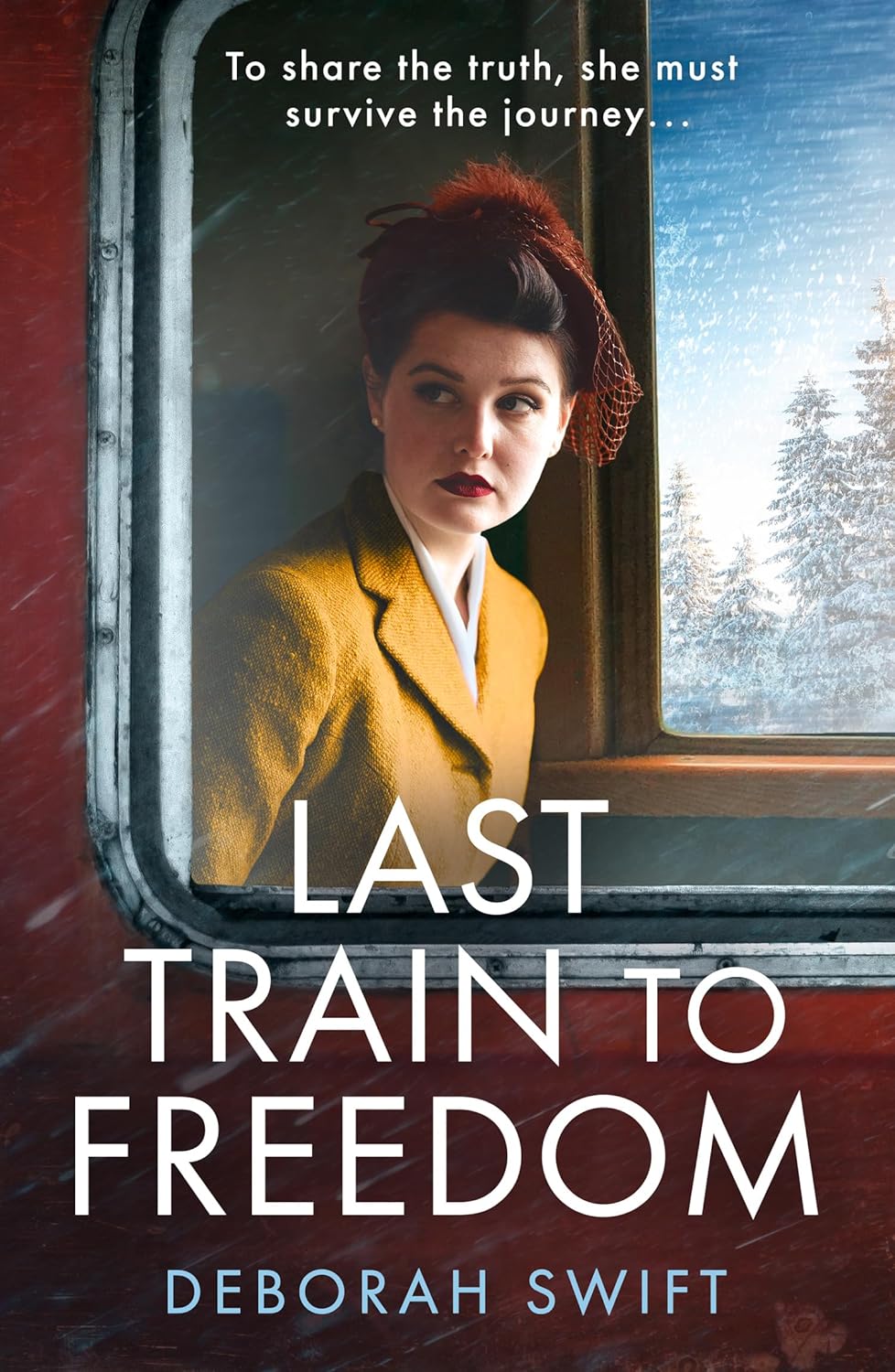
I’m delighted to welcome Deborah Swift and her new book, Last Train to Freedom, to the blog with Researching Last Train to Freedom and the Sugihara Story.
Researching Last Train to Freedom and the Sugihara Story
Last Train to Freedom is set in WW2 during the Soviet occupation of Lithuania, and with the threat of the Nazis over the border. The parallels to today’s political situation in Ukraine could not be clearer.
The book tells the story of Jewish refugees fleeing from Nazi and Soviet oppression. Because of the current situation, although I was fascinated by the Trans-Siberian Express, I was not about to go and take the journey myself. My initial research was largely based around websites such as the Holocaust Encyclopedia and then books and papers found via JStor and other trustworthy academic websites.
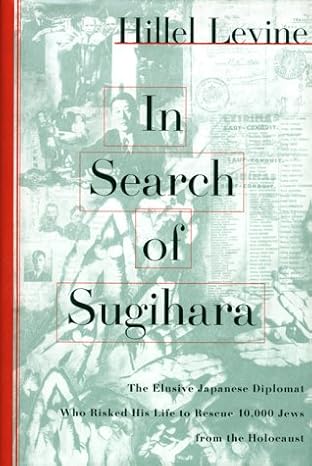
The main story is about how Japanese Consul Sugihara enabled the escape of thousands of Jews by giving them visas – against the wishes of his government. One man held the fate of so many lives in his hands. The best overview I found of events was In Search of Sugihara by Ellel Levine.
Sughara’s wife Yukiko wrote a memoir about the events called No Visa (Rokusen-nin no Inochi) which is widely available, and tells the inside story of her husband’s frantic signing of visas before the consulate was shut down by the Soviets. Being aware that applicants were in life-threatening danger, Sugihara ignored his superiors’ orders and, from July 18 to August 28, 1940, he issued over 2100 life-saving transit visas.
‘My husband and I talked about the visas before he issued them. We understood that both the Japanese and German governments disagreed with our ideas, but we went ahead anyhow.’
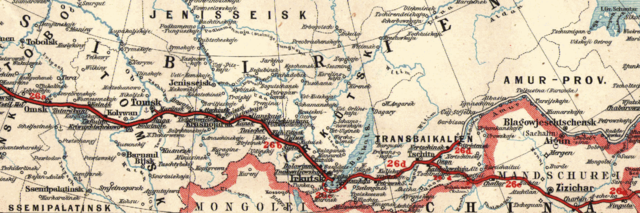
Sugihara spoke to Soviet officials who agreed to let the Jews travel through the country via the Trans-Siberian Railway. I used detailed maps of the journey and researched each of the stops along the way to get a sense of where events might take place along the journey. Finding out about Russian trains of the 1940’s was quite a journey in itself – how did the doors open? What were the carriages like?
I gleaned much of the information from trawling through memoirs looking for telling detail. The escape on the Trans-Siberian Express was recorded by many in their memoirs, most notably I Have My Mother’s Eyes (A Holocaust Memoir Across Generations by Barbara Ruth Bluman, Light One Candle: A Survivor’s Tale from Lithuania to Jerusalem by Solly Ganor and One More Border: The True Story of One Family’s Escape from War-Torn Europe by William Kaplan. There are also several recordings on YouTube which tell the story, for example this one about the Lermer family.
The story takes place in three geographical locations – Lithuania, Moscow, and Japan, and all needed research, not to mention the journey across 6000 miles of Siberian wilderness! About half way through I wondered, have I bitten off more than I can chew here? But by then I was hooked on the story and just ploughed on, my huge collection of books and papers growing all the time.
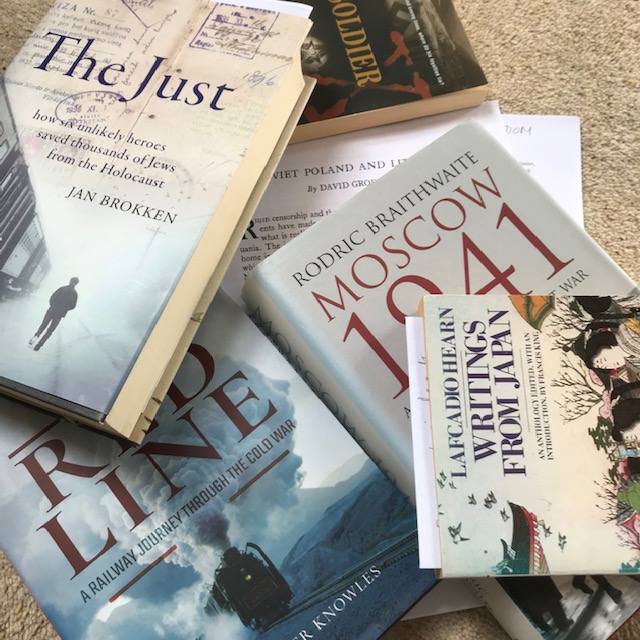
I used many other books to give me a sense of the culture and background, especially to grasp an idea of the Russian mindset, and also the culture of Japan for when my fictional refugees eventually arrive in Kobe.
Trains, trains, trains! I watched an awful lot of old steam train videos to get a sense of how steam was built up to power the engine, what sort of noise it might make and how it might behave in snow. I became a train buff for about six months, visiting the National Railway Museum to get a sense of the sheer weight and size of these old trains.
I hope that anyone reading the book will feel, as I did when researching, that they have really been through the middle of Siberia, and I hope they will enjoy the journey.
Last Train to Freedom is out in ebook, paperback and audio.

Here’s the Blurb
‘Taut, compelling and beautifully written – I loved it!’ ~ DAISY WOOD
‘Tense and thought-provoking’ ~ CATHERINE LAW
1940. As Soviet forces storm Lithuania, Zofia and her brother Jacek must flee to survive.
A lifeline appears when Japanese consul Sugihara offers them visas on one condition: they must deliver a parcel to Tokyo. Inside lies intelligence on Nazi atrocities, evidence so explosive that Nazi and Soviet agents will stop at nothing to possess it.
Pursued across Siberia on the Trans-Siberian Express, Zofia faces danger at every turn, racing to expose the truth as Japan edges closer to allying with the Nazis. With the fate of countless lives hanging in the balance, can she complete her mission before time runs out?
‘Such an interesting and original book…. Informative, full of suspense and thrills.’
~ Netgalley Review
Buy Link
Meet the Author
Deborah Swift is the English author of twenty historical novels, including Millennium Award winner Past Encounters, and The Poison Keeper the novel based around the life of the legendary poisoner Giulia Tofana. The Poison Keeper won the Wishing Shelf Readers Award for Book of the Decade. Recently she has completed a secret agent series set in WW2, the first in the series being The Silk Code.
Deborah used to work as a set and costume designer for theatre and TV and enjoys the research aspect of creating historical fiction, something she loved doing as a scenographer. She likes to write about extraordinary characters set against a background of real historical events. Deborah lives in England on the edge of the Lake District, an area made famous by the Romantic Poets such as Wordsworth and Coleridge.

Connect with the Author






























 MJ Porter