

Operation Tulip – The Hunger Winter in Holland During WW2

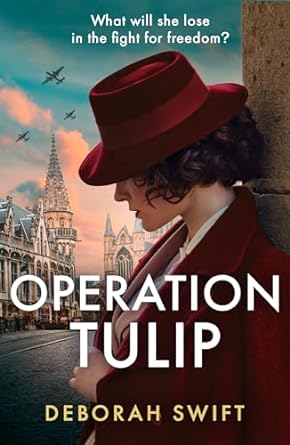
My novel, Operation Tulip, takes place in The Hague in the final year of the Second World War, during the Hunger Winter, called the Hongerwinter in Dutch. This was the brutal famine of 1944-1945 during the final year of the Nazi occupation. The Netherlands was invaded in May 1940, and for the first few years, the occupation was relatively mild compared to other parts of Europe. However, as the war dragged on, conditions for civilians worsened. By 1944, the Allied forces had landed in Normandy and were making their way through Europe, leading to a renewed sense of hope among the Dutch people.
In September 1944, the Allies made an ambitious plan to capture key bridges in the Netherlands and pave the way for an invasion of Germany and an end to the war. This plan was called Operation Market Garden, and was made famous by the film, ‘A Bridge Too Far.’ Unfortunately, the operation ultimately failed, leaving the northern and western parts of the Netherlands cut off from the rest of Europe and still under German control.

Famine bites
Dutch railway workers organised strikes to prevent Jews from being deported, and in retaliation the Germans blocked food and fuel shipments to the western provinces. The blockade, combined with already depleted food supplies, led to a catastrophic famine. Added to this, the winter that year was one of the harshest in memory, with freezing temperatures and little fuel available. The black market became the only means for many to obtain food but prices were high and few could afford to buy anything. The daily calorie intake for many Dutch citizens plummeted to as low as 400-800 calories, way below the minimum needed for survival. People scavenged for anything edible, from tulip bulbs to sugar beets. Audrey Hepburn, who was living in Holland with her Dutch mother, survived the last months of the war with a diet that included eating nettles and tulip bulbs.
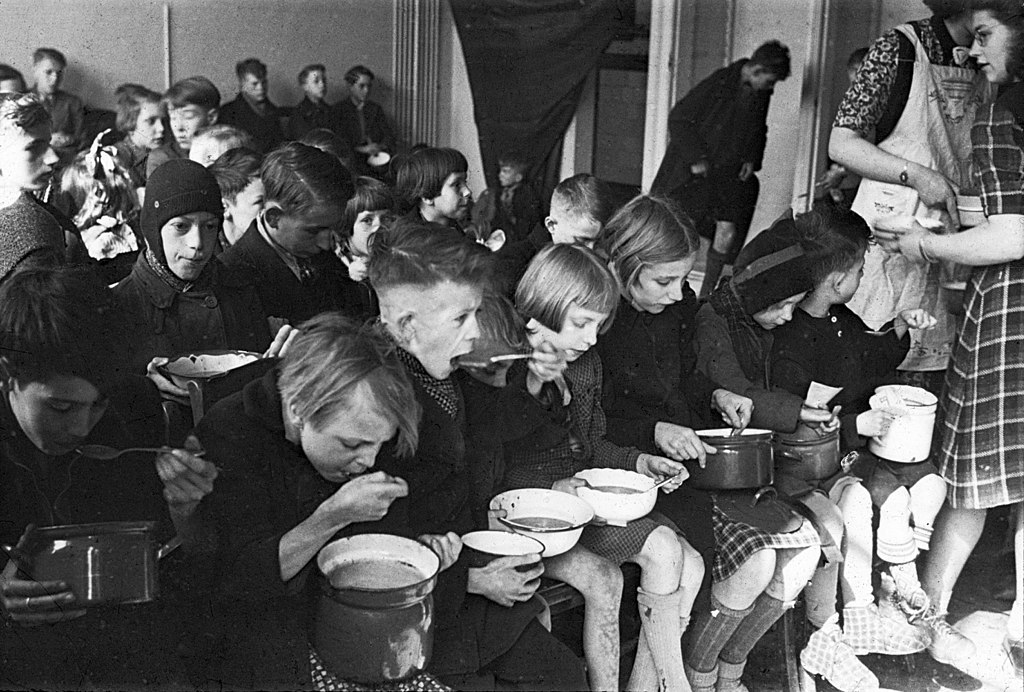
The impact of the famine on health was devastating. Malnutrition and starvation led to a significant increase in mortality rates. The most vulnerable, including the elderly, the sick, and young children, were particularly affected. Hospitals were overwhelmed with cases of starvation, and diseases such as tuberculosis, typhus, and pneumonia spread rapidly among the weakened population.
If it all sounds very depressing, it was also a period where people were courageous and took enormous risks to help other survive. The penalties for hoarding or selling food outside official channels were severe. Nevertheless, many residents of The Hague made perilous journeys by bicycle to rural areas in search of food, and I use these journeys in Operation Tulip.
The Role of Women in the Resistance

Amid the suffering, the Dutch Resistance, including people like Nancy in my novel, continued their efforts to undermine the German occupation, bring hope to the starving, and assist those in need. Resistance groups, especially the women, organized clandestine food distribution networks, forged ration cards, and provided aid to those most affected by the famine, despite the constant threat of arrest, torture, and execution.
Estimates suggest that approximately 20,000 people died as a direct result of the Hunger Winter, although the indirect toll was likely much higher. The most vulnerable, including the elderly, the sick, and young children, were particularly affected. Hospitals were overwhelmed with cases of starvation, and diseases such as tuberculosis, typhus, and pneumonia spread rapidly among the weakened population.
Many who survived were left with long-term health problems due to prolonged malnutrition. Children born during or shortly after the Hunger Winter were found to have worse health outcomes throughout their lives, a phenomenon later studied extensively by researchers.
As things became desperate at the end of the war, British and American airmen in conjunction with the Dutch Resistance, arranged airdrops of food, an event that still lingers in the memories of the Dutch people.

Here’s the blurb
Holland, 1944: Undercover British agent Nancy Callaghan has been given her toughest case yet. A key member of the Dutch resistance has been captured, and Nancy must play the role of a wealthy Nazi to win over a notorious SS officer, Detlef Keller, and gain crucial information.
England: Coding expert Tom Lockwood is devastated that the Allies have failed to push back the Nazis, leaving Northern Holland completely cut off from the rest of Europe, and him from his beloved Nancy. Desperate to rescue the love of his life, Tom devises Operation Tulip, a plan to bring Nancy home.
But as Nancy infiltrates the Dutch SS, she finds herself catching the eye of an even more senior member of the Party. Is Nancy in too deep, or can Tom reach her before she gets caught?
Inspired by the true events of occupied Holland during WW2, don’t miss this utterly gripping story of love, bravery and sacrifice.
Triggers: mild violence associated with the era.
Praise for Deborah Swift:
‘A well crafted tale… this book did not disappoint’ NetGalley reviewer, ⭐⭐⭐⭐⭐
‘There is action, mystery and romantic entanglements stirred into the story for a fantastically entertaining read’ NetGalley reviewer, ⭐⭐⭐⭐⭐
‘Deborah Swift never disappoints’ NetGalley reviewer, ⭐⭐⭐⭐⭐
‘A joy to read‘ NetGalley reviewer, ⭐⭐⭐⭐⭐
Buy Links
Buy Link for bookstores
Meet the author
Deborah Swift is a USA TODAY bestselling author of twenty books who is passionate about the past. Deborah used to be a costume designer for the BBC, before becoming a writer. Now she lives in an old English school house in a village full of 17th Century houses, near the glorious Lake District. After taking a Masters Degree in Creative Writing, she enjoys mentoring aspiring novelists and has an award-winning historical fiction blog at her website www.deborahswift.com.
Deborah loves to write about how extraordinary events in history have transformed the lives of ordinary people, and how the events of the past can live on in her books and still resonate today.
Recent books include The Poison Keeper, about the Renaissance poisoner Giulia Tofana, which was a winner of the Wishing Shelf Book of the Decade Award, and a Coffee Pot Book Club Gold Medal. Her most recent books are The Silk Code and The Shadow Network both set in the Second World War.
Connect with the author

 MJ Porter