

Welcome to the blog. Can you tell me about your new novel.
Although much of it was done a long time ago, when I began teaching a course that involved a cultural and historical look at Ugarit, tackling a series of books set in an obscure city state in the Late Bronze Age did require some academic snooping. Times and places about which we know relatively little are a mixed blessing: one always wishes one had more clues to hang fiction upon, but in those gaps where we know nothing, plausible imagination is OK for the novelist. Still, I didn’t want to contradict anything we knew for sure to be true, so there was a lot to learn. I bought a lot of books.
To me, a person with a soft spot for words, one of the most interesting things I began to find out about was the literary tradition of Ugarit. Fortunately for us—and unfortunately for the inhabitants of the city in about 1190 BCE, when the city fell never to rise again—Ugarit was put to the torch, baking and preserving the clay tablets upon which information was recorded. A whole private library of texts was among the tablets discovered, opening to modern scholars a wonderful new world of mythological epic.
The author of some of the most complete of these was a certain scribe named Ili-milku, born in the near-by kingdom of Shiyannu. He eventually held the post of chief scribe of Ugarit but evidently still had time to write. It’s likely that, rather than composing the Cycle from scratch, he compiled and wrote down a definitive edition of a slew of tales that had been recited orally for a long time, much like Homer. He is the third point-of-view character in The Moon That Fell from Heaven. More about him in a moment.
Since their discovery in the 1930s, we have been exposed to Ugaritic narratives about Kirta, a Job-like figure of patience in suffering. About Aqhat, the long-prayed-for son of a childless couple. About Ba’al, the storm god, and various lesser divine figures like the Gracious Gods or Horon. Biblical scholars immediately noticed not only themes similar to those of the Hebrew Bible, but also literary forms that occur in the Bible. This shouldn’t surprise us, as the entire world of the eastern Mediterranean, which we may generalize as Canaanite, shared a closely related culture and languages. The Ugaritic high god Ilu, for example, is the same as El and means simply “god.” Ba’al is “the lord,” the rider of the clouds. But the gods of Ugarit were not omnipotent, by any means. They were closely associated with the phenomena of nature, and like nature, they did a lot of dying and resurrecting. Other parallels—with the Greek world—are striking too. Anat the Maiden is a virgin warrior goddess like Athena, for example. The Bronze Age was a world of global interconnection!
When the fictional Ili-milku is held hostage, he finds himself forced to critique endless poems his captor has written. This activity is possible because scholars have worked out that all the mythological stories that have come down to us from Ugarit are actually in verse. Their idea of poetry—like that of the Biblical authors—didn’t require rhyme or even meter. It was free verse, you might say. But it used very definite patterns of language, repetitions, build-ups, parallels. In short, it was constructed pretty much the same way modern Near Eastern poetry is, an interesting continuity of more than 3000 years.
How were these poetic narratives used? Some seem as if they might have been liturgical drama, with choral parts. Others were perhaps sung or chanted in temples or even around the campfire. Unfortunately, there’s no way to know until someone finds some stage directions. But even so, they shed a lot of light on how the people of Ugarit viewed their world, what they valued, how their society was structured. I’m glad to have studied them, because they bring a whole population closer and make them more human. I hope I’ve accomplished a little of that myself by turning a bit of their human drama into fiction.
Thank you for for sharing. Good luck with the new book.
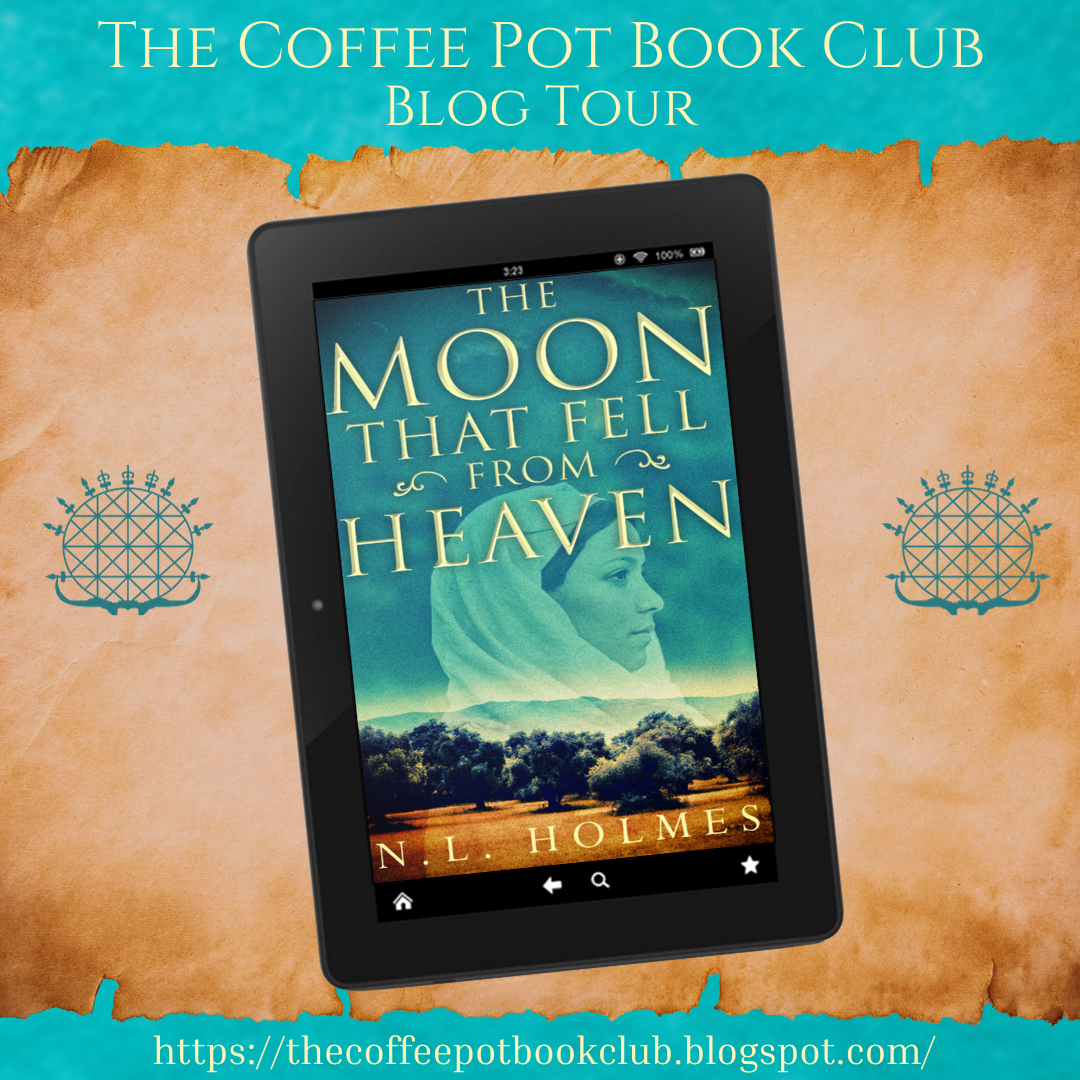
Here’s the blurb
Ehli-nikkalu, eldest daughter of the Hittite emperor, is married to a mere vassal of her father’s. But despite her status, her foreignness and inability to produce an heir drive a wedge between her and the court that surrounds her. When her secretary is mysteriously murdered while carrying the emperor a message that would indict the loyalty of his vassal, Ehli-nikkalu adopts the dead man’s orphaned children out of a guilty sense of responsibility.
A young cousin she has never met becomes a pretender to the throne and mobilizes roving armies of the poor and dispossessed, which causes the priority of her loyalties to become even more suspect. However, Ehli-nikkalu discovers a terrible secret that could destabilize the present regime if the pretender ever learns of it.
With the help of a kindly scribe, her brave young ward, and an embittered former soldier trapped in debt and self-doubt, Ehli-nikkalu sets out to save the kingdom and prove herself to her father. And along the way, she learns something about love.
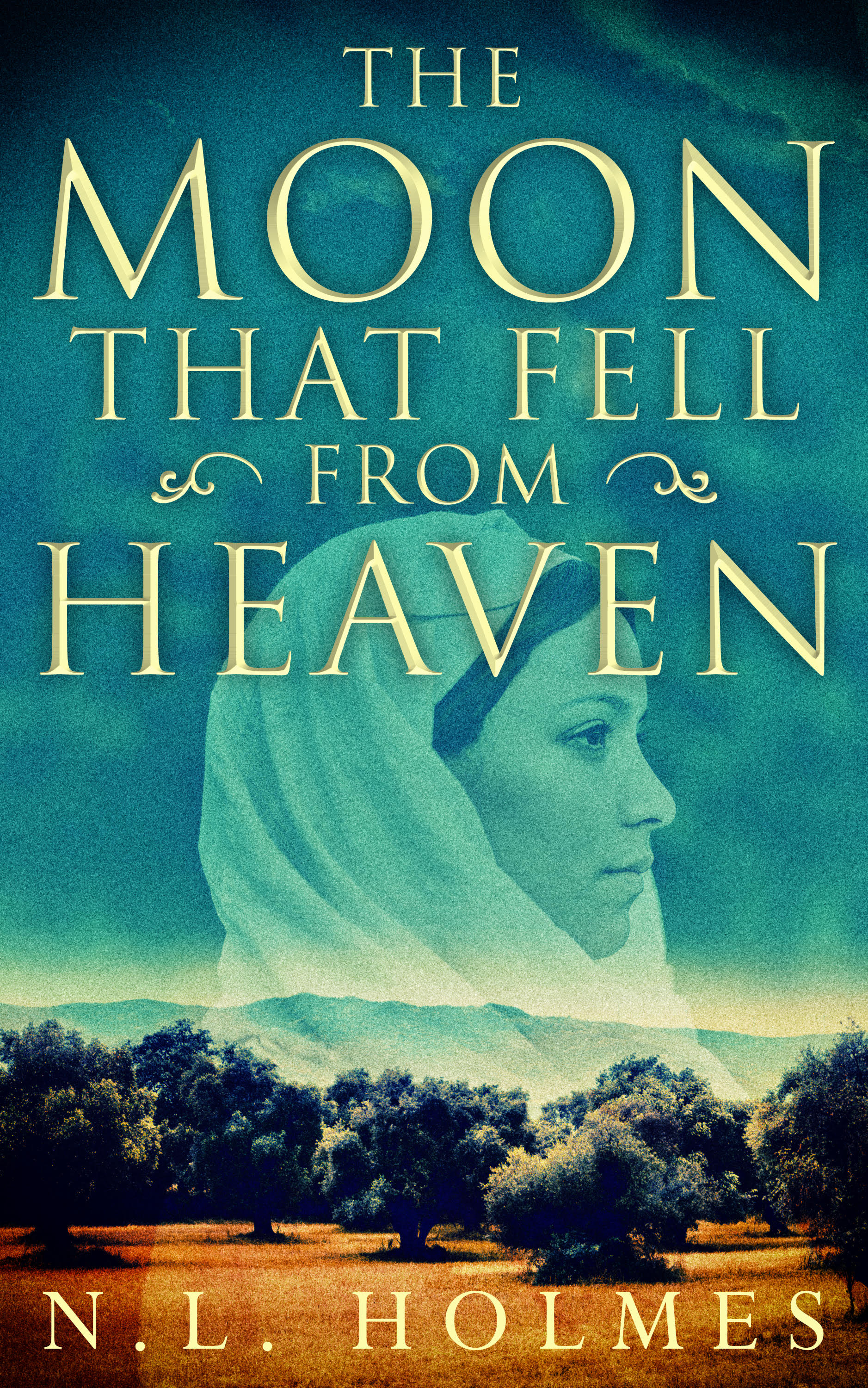
Buy Links:
Amazon UK: Amazon US: Amazon CA: Amazon AU:
Meet the author
N.L. Holmes is the pen name of a professional archaeologist who received her doctorate from Bryn Mawr College. She has excavated in Greece and in Israel and taught ancient history and humanities at the university level for many years. She has always had a passion for books, and in childhood, she and her cousin used to write stories for fun.
These days she lives in France with her husband, two cats, geese, and chickens, where she gardens, weaves, dances, and plays the violin

Connect with N L Holmes
Website: Twitter: Facebook: LinkedIn: Instagram:
Pinterest: Book Bub: Amazon Author Page: Goodreads:
 MJ Porter