
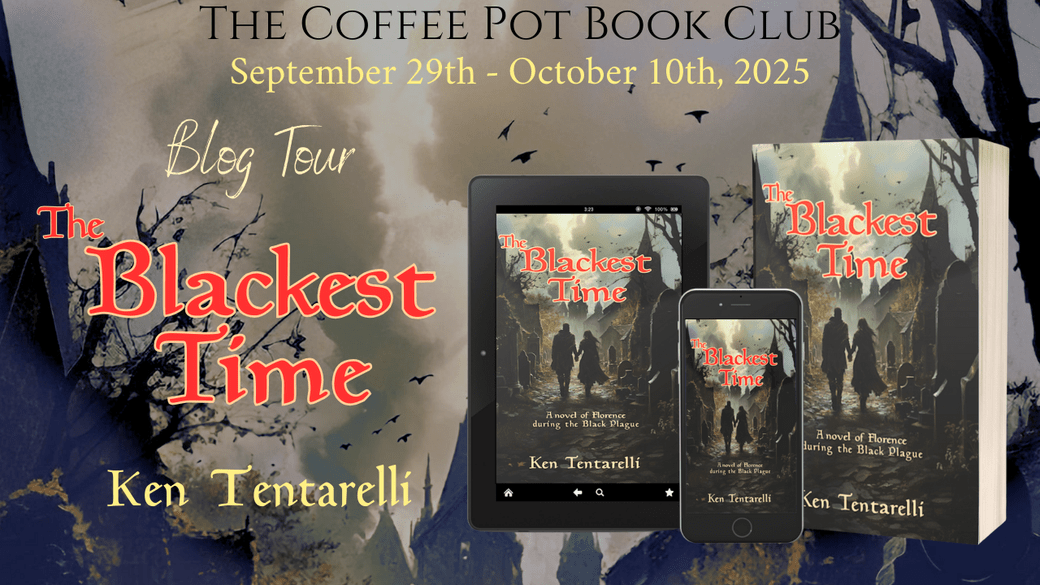
I’m delighted to welcome Ken Tentarelli and his new book, The Blackest Time, to the blog #HistoricalFiction #Medieval #ItalianHistoricalFiction #Plague #BlackDeath #BlogTour #TheCoffeePotBookClub

I’m delighted to welcome Ken Tentarelli and his new book, The Blackest Time, to the blog with an excerpt.

Excerpt

Parishioners rise up in anger when a priest declares the Black Plague a divine punishment fortheir sins

.Those attending the morning mass included families living in the parish, lumbermen who had been logging forests in the nearby hills, The lumbermen clustered together near the front of the church, close to the altar. They formed the single largest group. Everyone, Gino included, studied the people nearby, fearful someone close by might show symptoms of the sickness: flushed faces, lumps, or darkened areas on the neck or arms.

While waiting for mass to begin, Gino listened to snatches of conversation. Men raised their voices enough to speak with other men, probably neighbors with whom they had sat elbow-to-elbow in a crowded tavern months ago, and now wouldn’t get within an arm’s length of each other. Women felt it imprudent to speak above a whisper in church, so they merely smiled at each other across the void.

Gino heard some families were absent from mass because they were mourning the death of family members. In one family, it was said, both the mother and father had succumbed, leaving behind three youngsters. No one knew what had become of those children. Stories circulated of entire families having been claimed by the sickness. Most surprising were reports of families fleeing the city to escape the pestilence. For the past two years, people had streamed into Florence from the countryside to seek salvation from the famine. Did the departure of these families mark a turnaround, the beginning of an exodus?

Although the lumbermen were far from him, he sensed hostility in their guttural outbursts. Many had left wives and children in the city while they logged in the hills, so death rampaging unchecked though the city threatened their families and they reacted with anger. They wanted something more tangible than bad air—possibly someone—to blame for the misery.

A small bell sounded when the sacristy door opened, and a priest emerged, followed by two altarboys. When they reached the altar, the priest spread his upraised arms and delivered the opening blessing. Near the midpoint of the service, the priest stepped to the pulpit to deliver his sermon.“We are all God’s children,” he began. “God loves us … all of us. He wants us to love Him, to heed His word, and to obey Him. Our Lord would not cause His children to suffer without reason.” Shifting from a tempered tone, the priest boomed, “This pestilence has been inflicted upon us because we have offended Him. There can be no other explanation.”

Shaken by the indictment, people glanced furtively at those around them as if they were all co-conspirators in a plot against God. “What could we have done to deserve this punishment?” they asked themselves.

Pleased his words had stunned his flock as he had intended, he continued, “We have sinned against God, and only by ending our sinful ways can we expect Him to end this scourge. You may not be an adulterer or a fornicator, but ask yourself, are you committing the sins of envy and pride?”

One lumberman’s face reddened. He bellowed, “My wife was a good, holy, God-fearing woman. She committed no sin worthy of this damnation; yet she suffered a horrible death. She cannot beheld to account for this misery.”

The outcry froze everyone. The priest gripped the lectern so tightly his knuckles turned white; his fingernails dug into the wood. Another lumberman shouted, “My son was barely old enough to walk. He was an innocent child. What sin could he have committed? But he was struck down.”

Family groups moved farther away from the bellicose woodsmen, who began grumbling in support of their comrades. A third man called out, “I wear my best smock when I come to church.” He pointed to its threadbare sleeve and its soiled shoulder. “This is my best! Look at it !It’s frayed and spotted. How could anyone who dresses like this be accused of being prideful?

“Do you know who is prideful?” he asked and raised an arm angled toward the priest. “Thepriests! Look at them. They don’t wear frayed vestments. Before the new bishop came, the priests in this diocese wore plain linen vestments. But now, linen isn’t good enough for them. They all wear expensive silk.” The eyes of all the parishioners shifted to the priest.

The man continued, “The bishop refused to serve communion from a pewter chalice. Now all chalices in the diocese are silver … all except the one used by the bishop. His is gold.” He spread his arms wide. “My wife spends nights in the dark to preserve her lone candle, while this church and others are lit up like brothels.”

He swept his gaze around the church to make eye contact with everyone. “For two years, when rain destroyed the crops, we all struggled to find food for our families. Beggars starved in the streets. But do you know of any priest who went hungry? None of them went to sleep with pangs of hunger. They made sure their bellies were filled.”

“If this terrible disease has been unleashed upon us by the sin of pride, it is the bishop and his minions who brought it upon us.” He ended his tirade in a booming voice, saying, “We need to make the bishop stop his prideful ways and walk in the humble shoes of Saint Francis. I say we go to him now.” He strode the length of the nave and out the door, followed by the other lumbermen.

Here’s the Blurb

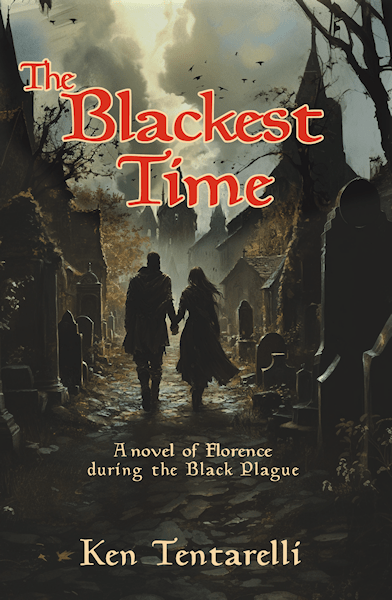
Set in the 1300s during the devastating black plague, The Blackest Time is a powerful tale of compassion, love, and the human spirit’s ability to endure immense adversity.

Gino, the central character, is a young man who leaves his family’s farm to find work in a pharmacy in Florence. His experiences show us how people coped in the most horrific time in history.

Shortly after Gino arrived in the city, two years of incessant rain destroyed crops in the countryside, leading to famine and despair in the city. Gino offers hope and help to the suffering— he secures shelter for a woman forced to leave her flooded farm, rescues a young girl orphaned by the plague, and aids others who have lost everything.

The rains had barely ended when the plague hit the city, exposing the true character of its people. While some blamed others for the devastation, the story focuses on the compassionate acts of neighbors helping each other overcome fear and suffering. Doctors bravely risk infection to care for their patients. A woman healer, wrongly accused of witchcraft and driven from the city, finds a new beginning in a village where her skills were appreciated.

Despite the hardships, love blossoms between Gino and a young woman he met at the apothecary. Together they survive, finding strength in each other and hope in a world teetering on the edge.

The Blackest Time is a testament to the strength of the human spirit in overcoming unimaginable tragedy.
Buy Link

Universal Link

Meet the Author

Ken Tentarelli is a frequent visitor to Italy. In travels from the Alps to the southern coast of Sicily, he developed a love for its history and its people.

He has studied Italian culture and language in Rome and Perugia, background he used in his award-winning series of historical thrillers set in the Italian Renaissance. He has taught courses in Italian history spanning time from the Etruscans to the Renaissance, and he’s a strong advocate of libraries and has served as a trustee of his local library and officer of the library foundation.

When not traveling, Ken and his wife live in beautiful New Hampshire.

Connect with the Author
Follow The Blackest Time blog tour with The Coffee Pot Book Club

Posts

I’m delighted to welcome Malve von Hassell and her new book, The Price of Loyalty, to the blog #HistoricalFiction #medieval #France #crusades #AdelaofBlois #WilliamtheConqueror #StephenHenrydeBlois #BlogTour #TheCoffeePotBookClub

I’m delighted to welcome Malve von Hassell and her new book, The Price of Loyalty, to the blog #HistoricalFiction #medieval #France #crusades #AdelaofBlois #WilliamtheConqueror #StephenHenrydeBlois #BlogTour #TheCoffeePotBookClub

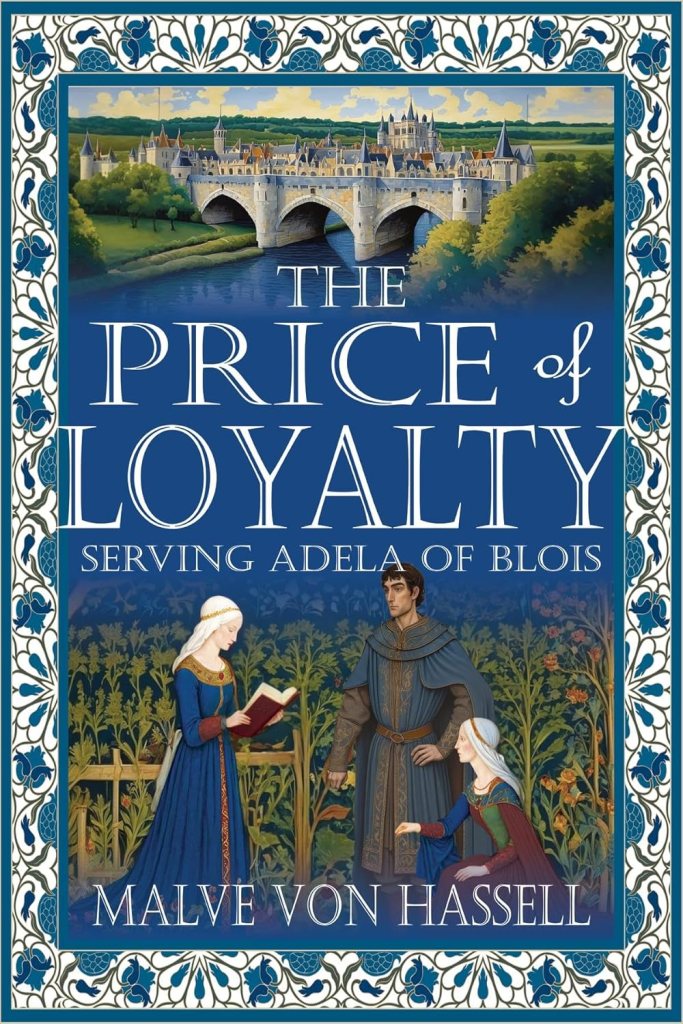
I’m delighted to welcome Malve Von Hassell and her new book, The Price of Loyalty: Serving Adela Bois, to the blog with an excerpt.

Excerpt

Caught In The Snare

1103 Caen

“But, my lady, any of your knights could do this.”

Cerdic had never yet been so frustrated and angry. Adela wanted him to take her son Theobald to her brother-in-law Hugh of Troyes. And she had mentioned another unspecified task. Certainly, she was a widow, and she needed friends around her whom she could trust. But she had other advisors, and for an errand like this, she surely could find someone else. Was he going to be at her back and call indefinitely?

“Theobald has known you all his life. It would be good for him to spend time with you. It has not been easy for him and his brothers.” Adela avoided his eyes. “My brother-in-law is a good man and the right person to take charge of a growing boy, especially now that he has lost his father. Moreover, Hugh and his wife Constance haven’t been blessed with children. Theobald is his heir designate. It is time that Theobald learns everything he needs to know for his future station and duties in life.”

Cerdic stared at her, at a loss for words.

“I can’t and don’t want to ask anybody else. I trust you.”

Cerdic bowed. In truth, he could hardly go on protesting.

Several weeks later, he was back on the road in the company of a surly twelve-year-old boy. For the first hour, they rode in silence. It was early December, and the first hoar frost had turned everything dull and brown. They had to ride north and west toward Troyes; Champagne was a large county, and it would take them about two days.

Theobald had bowed to his mother and ducked out of her embrace. He had mounted his horse without acknowledging Cerdic. He was slender and fine-boned; it didn’t look as if he would have his father’s sturdy build as an adult. His curly hair peeking out underneath his woolen cap was dark brown, not the reddish hue of his grandfather and his uncles. He rode with his head bent and his shoulders hunched.

Guisbert was ten, Cerdic thought with a pang, not much younger than this boy. Would he even recognize his father?

The first words they exchanged were when Cerdic’s horse started limping, and Cerdic had to stop to check the hooves. A stone had worked its way underneath one shoe. Fortunately, Cerdic could pick it out.

“Tell you what.” Cerdic straightened up. The boy’s expression was sullen and slightly hostile. “I don’t trust this shoe, and I don’t want the bay to go lame on me. Let’s walk for a bit. The next village isn’t too far from here, and we’ll find a blacksmith there.”

So they walked, leading the horses. “What are the roads like in the Holy Land?” Theobald asked after a while.

Cerdic didn’t think that the boy really cared about the roads, but it was an opening. “Would you believe it? Some are a lot better than the roads here. Others again are nothing but sand and rocks.”

Theobald was silent. They continued walking.

Then Theobald cleared his throat. “You were with my father, weren’t you?”

“Yes, I was,” Cerdic responded cautiously. “What did your mother tell you?”

“Nothing.” The boy jerked on his horse’s rein so that the surprised animal flung his head up and snorted. “Sorry,” Theobald whispered to the horse. “My mother told me nothing other than that he’s dead. I can’t talk to her about it.”

Cerdic frowned, inwardly cursing Adela. So, that’s why she sent him on this journey.

Here’s the Blurb

In a time of kingdoms and crusades, one man’s heart is the battlefield.

Cerdic, a Saxon knight, serves Count Stephen-Henry of Blois with unwavering loyalty-yet his soul remains divided. Haunted by memories of England, the land of his childhood, and bound by duty to King William, the conqueror who once showed him mercy, Cerdic walks a dangerous line between past and present, longing and loyalty.

At the center of his turmoil stands Adela-daughter of a king, wife of a count, and the first to offer him friendship in a foreign land. But when a political marriage binds him to the spirited and determined Giselle, Cerdic’s world turns again. Giselle, fiercely in love with her stoic husband, follows him across sea and sand to the holy land, hoping to win the heart that still lingers elsewhere.

As the clash of empires looms and a crusade threatens to tear everything apart, Cerdic must confront the deepest truth of all-where does his loyalty lie, and whom does his heart truly belong to?

Buy Link

Universal Link

Meet the Author

Malve von Hassell is a freelance writer, researcher, and translator. She holds a Ph.D. in anthropology from the New School for Social Research. Working as an independent scholar, she published The Struggle for Eden: Community Gardens in New York City (Bergin & Garvey 2002) and Homesteading in New York City 1978-1993: The Divided Heart of Loisaida (Bergin & Garvey 1996). She has also edited her grandfather Ulrich von Hassell’s memoirs written in prison in 1944, Der Kreis schließt sich – Aufzeichnungen aus der Haft 1944 (Propylaen Verlag 1994).

Malve has taught at Queens College, Baruch College, Pace University, and Suffolk County Community College, while continuing her work as a translator and writer. She has published two children’s picture books, Tooth Fairy (Amazon KDP 2012 / 2020), and Turtle Crossing (Amazon KDP 2023), and her translation and annotation of a German children’s classic by Tamara Ramsay, Rennefarre: Dott’s Wonderful Travels and Adventures (Two Harbors Press, 2012).

The Falconer’s Apprentice (namelos, 2015 / KDP 2024) was her first historical fiction novel for young adults. She has published Alina: A Song for the Telling (BHC Press, 2020), set in Jerusalem in the time of the crusades, and The Amber Crane (Odyssey Books, 2021), set in Germany in 1645 and 1945, as well as a biographical work about a woman coming of age in Nazi Germany, Tapestry of My Mother’s Life: Stories, Fragments, and Silences (Next Chapter Publishing, 2021), also available in German, Bildteppich Eines Lebens: Erzählungen Meiner Mutter, Fragmente Und Schweigen (Next Chapter Publishing, 2022).

Her latest publication is the historical fiction novel, The Price of Loyalty: Serving Adela of Blois (Historium Press, 2025).

Connect with the Author

Follow The Prince of Loyalty blog tour with The Coffee Pot Book Club

Posts

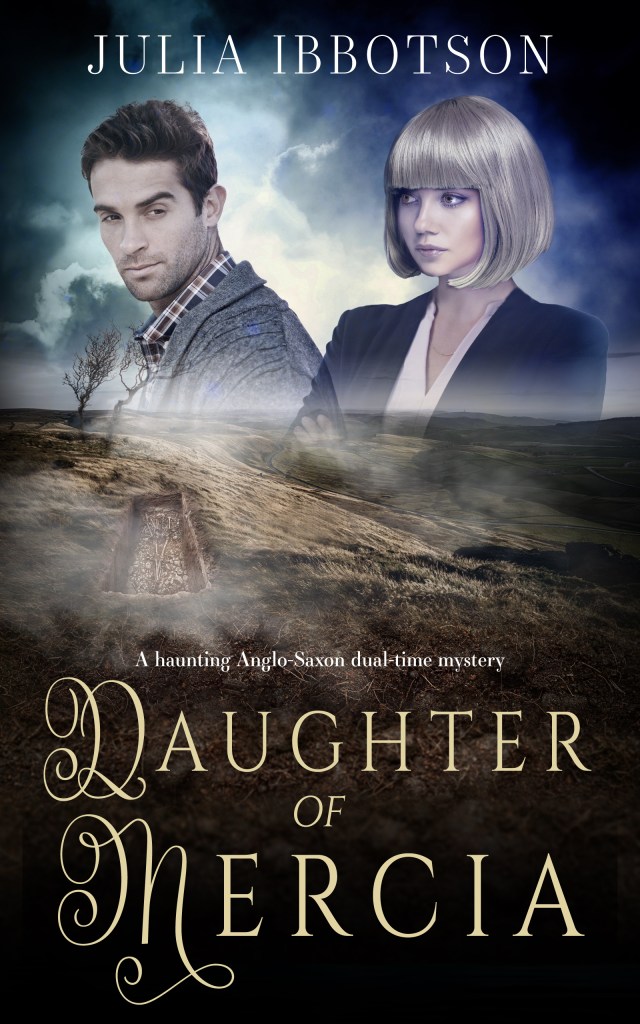
I’m delighted to welcome Julia Ibbotson and her book, Daughter of Mercia, to the blog #DaughterOfMercia #JuliaIbbotson #medieval #anglosaxon #dualtime #timeslip #timetravel #mystery #romance #BlogTour #TheCoffeePotBookClub

I’m delighted to welcome Julia Ibbotson and her book, Daughter of Mercia, to the blog with a guest post.

Lady Mildryth of Mercia

It might surprise us to know that women in the Anglo-Saxon period, even early in their history, were regarded as equal in importance to their male counterparts. Women could hold their own wealth, land, possessions; they could inherit from their fathers or mothers on their own account and they could bequeath it to their children. They were not regarded as the property of their husbands or fathers. Their rights were protected in law and it seems that this applied across the social spectrum, from high-status families presumably to ealdormen to thegns to freedmen ceorls and grant-bearer geburs.

High-status women could be leaders of settlements / regions in the years following the immigration and settling of even the early tribes of Anglo-Saxons. They could be strategists and negotiators. Later, for example, Lady Ǣthelflaed of Mercia, the 10th century daughter of King Alfred, strategized battles to take Derby, Leicester, York, and of whom it is said that she was a “man in valour, a woman in name”. The Anglo-Saxon word cūning (king)applies to either male or female leaders, while the word queen (cwene) applies only to the wife of a king. The historical significance of strong female leaders goes right back to Boudicca of the Iceni in the first century AD. Post-Roman Britain was composed of many small kingdoms, and kingdoms fought to take over other kingdoms and thus wield greater power over a larger region. But our theories of this time of great change are beginning to recognise the way that stable everyday life and the quest for peace were also significant.

Lady Mildryth is a fictional character but is bred of such strong female leaders as these. I have based her on other Anglo-Saxon women who have a place in the history of Britain and I wanted her to represent an idea of the powerful yet peace-loving early settlers who wanted to create stable, secure communities, from the chaos and blood-shed of previous generations. Clearly, I have taken liberties with historical characters and events for the sake of my novel and it is not intended to be an accurate academic analysis of the time, but since archaeological excavation is only just gaining a clearer picture of the early Anglo-Saxon period and its domestic and cultural signigifance, maybe my imagination is not so far out!

Recent archaeological excavation and research has demonstrated that even back to the 5th century, high status ladies were buried with signifiers of their wealth in their grave goods: rich jewellery, gold artefacts, precious glass, beautiful fabrics.

Lady Mildryth, as the leader of a region, would have worn fabrics that were richly dyed and decorated: a chemise or shift, a long-sleeved kirtle (under-gown) often of expensive linen or wool, an over-gown trimmed with fur or braid, and an embroidered mantle(cloak). As a high-status woman, she would have eaten well, with home-grown meat, fish, dairy, vegetables, fruit (hedgerow berries but also imported dates, figs, almonds), and she would have drunk honeyed mead and imported wine, during her mead hall feastings.

Although her antecedents are pagan, and she accepts the duality of her people, she finds herself on the cusp of Christianity, yet still drifting to some of the pagan beliefs of her upbringing. Her late mother was from the Cornovii tribe from the people of Pengwern / Powys, Celtic-Brythonic pagans. She was hand-fasted to Mildryth’s father and died when Mildryth was young. Lady M’s character takes after her mother’s strength of will and determination to be on a par with her brothers (Crydda and Cynewald) – although she knows that she must earn this.

Her antecedents are historical (well, possibly legendary!) characters. Her grandfather is Icel, son of Eomer, of the Icinglas (or Iclingas), an Angle from across the seas in Jutland. He is said to have led his people across the North Sea in around 515 AD to the region we now call East Anglia, and is said to have moved westwards across the country, founding the kingdom of Mercia in the 520s AD. His son, Lady Mildryth’s father, is Cnebba who ruled after Icel from possibly around 535 AD.

We speak of the archetypes ‘Peace-weavers’ and ‘Shield-maidens’ in Anglo Saxon society and I see Lady Mildryth as a Peace-weaver. She is a strategist and commander of men, like Lady Æthelflæd of Mercia generations later. But she is also a negotiator and does not wish to conquer other lands or fight to subdue other tribes. She is dedicated to her settlement, her community, and my novel is more about domestic history than that of battles and high kings.

Lady Mildryth strives to make her settlement run smoothly and to encourage the cultural enrichment of her people: a culture taken from her Angeln ancestors as shown in her use of the scōp, the poet story-teller who regales the thegns of the mead-hall with tales of tradition, of warriors, family and legendary heroism. Peace-weavers were often encouraged, or chose, to make expedient marriages with other kingdoms to avert potential strife. There is evidence to suggest that there were battles for lands, yes, but also deals and negotiations so that tribes could coexist. In Daughter of Mercia, Lady Mildryth is certainly aware of this.

If you’d like to read more of life in Anglo-Saxon times, you may like to look at my blog on my website and the 7-part series ‘Living with the Anglo-Saxons’ at https://juliaibbotsonauthor.com where there are also some reference texts.

Here’s the Blurb

Echoes of the past resonate across the centuries as Dr Anna Petersen, a medievalist and runologist, is struggling with past trauma and allowing herself to trust again. When archaeologist (and Anna’s old adversary) Professor Matt Beacham unearths a 6th century seax with a mysterious runic inscription, and reluctantly approaches Anna for help, a chain of events brings the past firmly back into her present. And why does the burial site also contain two sets of bones, one 6th century and the other modern?

As the past and present intermingle alarmingly, Anna and Matt need to work together to solve the mystery of the seax runes and the seemingly impossible burial, and to discover the truth about the past. Tensions rise and sparks fly between Anna and Matt. But how is 6th century Lady Mildryth of Mercia connected to Anna? Can they both be the Daughter of Mercia?

For fans of Barbara Erskine, Elena Collins, Pamela Hartshorne, Susanna Kearsley and Christina Courtenay.

Buy Link

Universal Link

This title is available to read on #KindleUnlimited

Meet the Author

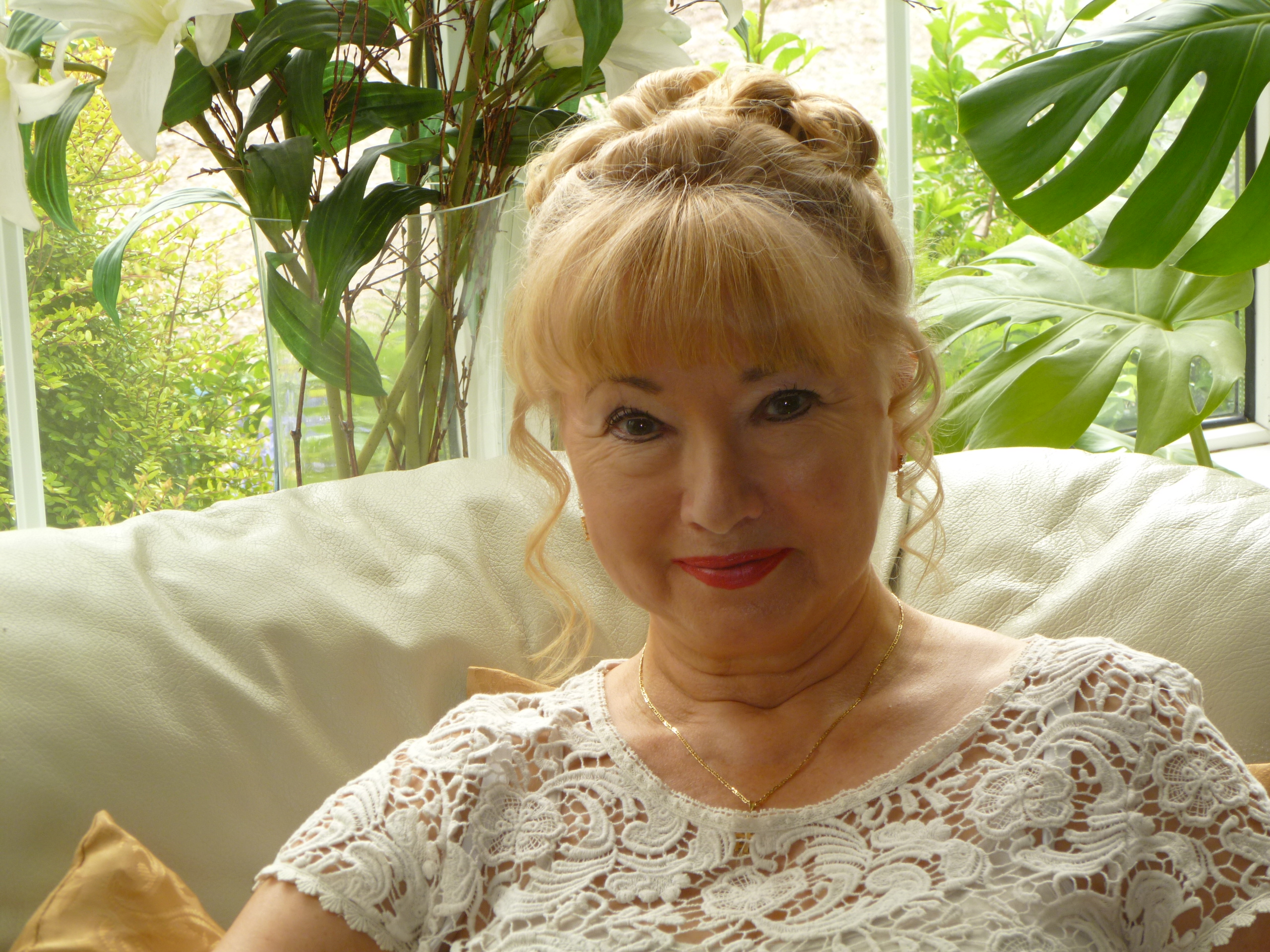
Julia Ibbotson is fascinated by the medieval world and the concept of time. She is the author of historical mysteries with a frisson of romance. Her books are evocative of time and place, well-researched and uplifting page-turners. Her current series focuses on early medieval time-slip/dual-time mysteries.

Julia read English at Keele University, England, specialising in medieval language / literature / history, and has a PhD in socio-linguistics. After a turbulent time in Ghana, West Africa, she became a school teacher, then a university academic and researcher. Her break as an author came soon after she joined the RNA’s New Writers’ Scheme in 2015, with a three-book deal from Lume Books for a trilogy (Drumbeats) set in Ghana in the 1960s.

She has published five other books, including A Shape on the Air, an Anglo-Saxon timeslip mystery, and its two sequels The Dragon Tree and The Rune Stone. Her latest novel is the first of a new series of Anglo-Saxon dual-time mysteries, Daughter of Mercia, where echoes of the past resonate across the centuries.

Her books will appeal to fans of Barbara Erskine, Pamela Hartshorne, Susanna Kearsley, and Christina Courtenay. Her readers say: ‘Julia’s books captured my imagination’, ‘beautiful story-telling’, ‘evocative and well-paced storylines’, ‘brilliant and fascinating’ and ‘I just couldn’t put it down’.

Connect with the Author

Follow the Daughter of Mercia blog tour with The Coffee Pot Book Club

Posts

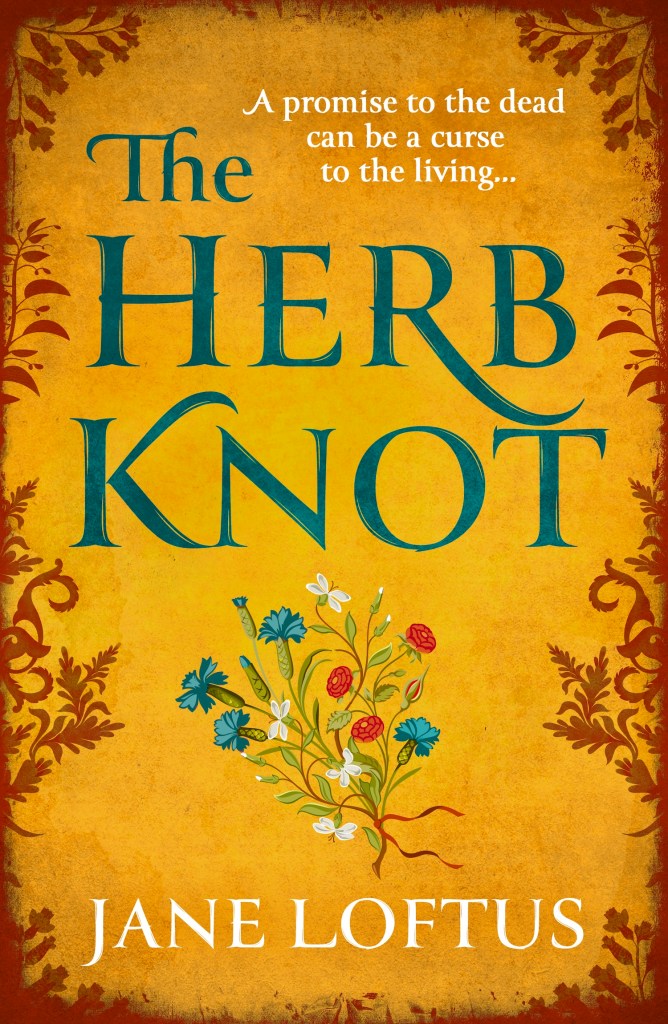
I’m delighted to welcome Jane Loftus and her book, The Herb Knot, to the blog #HistoricalFiction #medieval #Winchester #BlogTour #TheCoffeePotBookClub

I’m delighted to welcome Jane Loftus and her book, The Herb Knot, to the blog with some historical research behind The Herb Knot.

The Herb Knot Historical Research

This story was a dream to research because Winchester Library held the Holy Grail of information, otherwise known as The Survey of Medieval Winchester by Derek Keene.

The detail contained in the study is beyond meticulous and was based on innumerable deeds and rolls held in the British Library and Winchester archives. Not only is every single house documented – both inside the city and also covering the suburbs – but each tenant within each document is recorded, right down to the amount of rent they paid and to whom.

And the maps – oh, the maps! Having established who lives where and what they did, the author reconstructed the streets where they lived too. If you live in Winchester and suddenly see streets you know described and drawn as they would have been in the Middle Ages, it does send a shiver down the spine. I can walk past various shops on the High Street now knowing there used to be an Inn there, or a silversmith there and oh, the chandler was here.

Want to know what made up the bulk of industry in the city? This survey will tell you. Which industries were in decline, that too.

It didn’t even stop there. After gorging on this amazing detail, the final part of the survey is full of biographical information of many of the citizens. This was where the novel really started to take shape. Family trees, wealthy merchants marrying into other wealthy merchant families, their names and dates. Also interesting to see, even at a time when English was overtaking French as the language of the court, how many citizens (usually wealthy ones it has to be said) who still had a ‘le’ or ‘de’ in their names, like Hugh le Cran. His wife did not, and that’s only just struck me now as I write this.

The survey very kindly gave me Serlo, a butcher, and Thurstin, a clerk. I feel like a cheat in many ways for borrowing so many lovely names and professions, but I hope I did them justice.

Speaking of names, I came across many, many women called Petronilla, I’d had no idea how popular it was in 1350. I would have picked on that had it not been the name of the main character in The Miniaturist.

The other part of the research involved actually going into town and paying more attention. How long would it take for Edith to walk from Tanner Street to Knights Meadow? Getting into St John’s church and looking at the frieze over the door – properly looking at it, not just noting that it was there and was remarkable, but really paying attention.

There was also the local museum, of course, with the beautiful little misericorde which I promptly gave to Rafi. The records office also holds many treasures – including a deep dive into deeds and letters concerning Le Cran and his properties, and also money he owed or loaned to people, hence the £200 to the Earl of Arundel which I used as a plot point. The crowning moment came when the records office emailed me a photocopy of the seal of Hugh Le Cran. I remember opening it and literally gasping out loud. It is exactly as described, three rather chunky birds in triangle formation with a tree behind them. Rafi was quite right – they don’t look like cranes, they look like ducks, and thus his confusion over what they might be was born.

After that there were the endless videos about how to use egg white to bind paint, and making ink out of oak gall in your own kitchen, neither of which I tried.

 Can’t say I wasn’t tempted, though. Plenty of meringue opportunities with the leftovers.

Here’s the Blurb

The Hundred Years’ War comes to life in this spellbinding tale of love, betrayal and conspiracy … 

A quest born on the battlefield will change a young boy’s destiny… 

Rafi Dubois is five years old when his mother is murdered after the Battle of Crecy in 1346. Alone and lost, Rafi is given a token by the dying Englishman who tried to save his mother’s life: a half-broken family seal which he urges Rafi to return one day to Winchester. 

Years later, when Rafi saves a wealthy merchant’s wife from a brutal robbery, he is rewarded with the chance to travel to England, taking the seal with him. 

But when he reaches Winchester, Rafi finds himself in a turbulent world full of long-held allegiances, secrets and treachery. His path is fraught with danger and with powerful enemies working against him, Rafi falls in love with Edith, a market apothecary. But in doing so, Rafi unleashes a deadly chain of events which threatens to overwhelm them both… 

The Herb Knot is a sweeping and passionate novel set in one of the most tumultuous times in English history, from a powerful new voice.

Buy Link

Universal Link

Meet the Author

Jane Loftus gained a degree in 16th Century European and British history from Surrey before taking a postgraduate degree in modern political history. As a lone parent, she worked in Winchester Waterstones before returning to IT once her son was older.

Hugely passionate about the Middle Ages, she drew inspiration for this novel from the medieval layout of Winchester which has been painstakingly documented.

Jane is originally from London but has lived in Winchester for over twenty years. When not writing, she is usually out walking or watching costume dramas on Netflix – the more medieval the better. She also plays far too many rpgs.

Connect with the Author
Follow The Herb Knot blog tour with The Coffee Pot Book Club

Posts

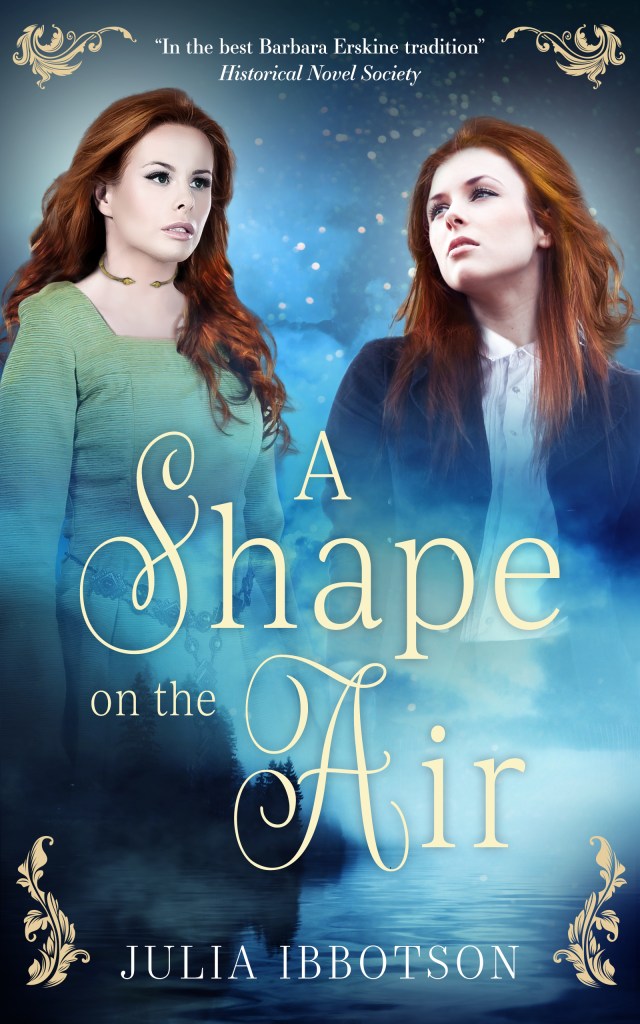
I’m delighted to welcome Julia Ibbotson and her new book, A Shape on the Air, to the blog #Medieval #HistoricalFiction #AngloSaxon #TimeTravel #TimeSlip #Mystery #Romance #BlogTour #TheCoffeePotBookClub

I’m delighted to welcome Julia Ibbotson and her new book, A Shape on the Air, to the blog #Medieval #HistoricalFiction #AngloSaxon #TimeTravel #TimeSlip #Mystery #Romance #BlogTour #TheCoffeePotBookClub

I’m delighted to welcome Julia Ibbotson and her new book, A Shape on the Air, Dr DuLac Series, Book 1, to the blog.

Here’s the Blurb

Can echoes of the past threaten the present? They are 1500 years apart, but can they reach out to each other across the centuries? One woman faces a traumatic truth in the present day. The other is forced to marry the man she hates as the ‘dark ages’ unfold.

How can Dr Viv DuLac, medievalist and academic, unlock the secrets of the past?

Traumatised by betrayal, she slips into 499 AD and into the body of Lady Vivianne, who is also battling treachery. Viv must uncover the mystery of the key that she unwittingly brings back with her to the present day, as echoes of the past resonate through time. But little does Viv realise just how much both their lives across the centuries will become so intertwined. And in the end, how can they help each other across the ages without changing the course of history?


For fans of Barbara Erskine, Pamela Hartshorne, Susanna Kearsley, Christina Courtenay.

Buy Link

Universal Link

This title is available to read on #KindleUnlimited

Meet the Author

Julia Ibbotson is fascinated by the medieval world and the concept of time. She is the author of historical mysteries with a frisson of romance. Her books are evocative of time and place, well-researched and uplifting page-turners. Her current series focuses on early medieval time-slip/dual-time mysteries.

Julia read English at Keele University, England, specialising in medieval language / literature / history, and has a PhD in socio-linguistics. After a turbulent time in Ghana, West Africa, she became a school teacher, then a university academic and researcher. Her break as an author came soon after she joined the RNA’s New Writers’ Scheme in 2015, with a three-book deal from Lume Books for a trilogy (Drumbeats) set in Ghana in the 1960s.

She has published five other books, including A Shape on the Air, an Anglo-Saxon timeslip mystery, and its two sequels The Dragon Tree and The Rune Stone. Her latest novel is the first of a new series of Anglo-Saxon dual-time mysteries, Daughter of Mercia, where echoes of the past resonate across the centuries.

Her books will appeal to fans of Barbara Erskine, Pamela Hartshorne, Susanna Kearsley, and Christina Courtenay. Her readers say: ‘Julia’s books captured my imagination’, ‘beautiful story-telling’, ‘evocative and well-paced storylines’, ‘brilliant and fascinating’ and ‘I just couldn’t put it down’.

Connect with the Author
Follow A Shape on the Air blog tour with The Coffee Pot Book Club

Posts

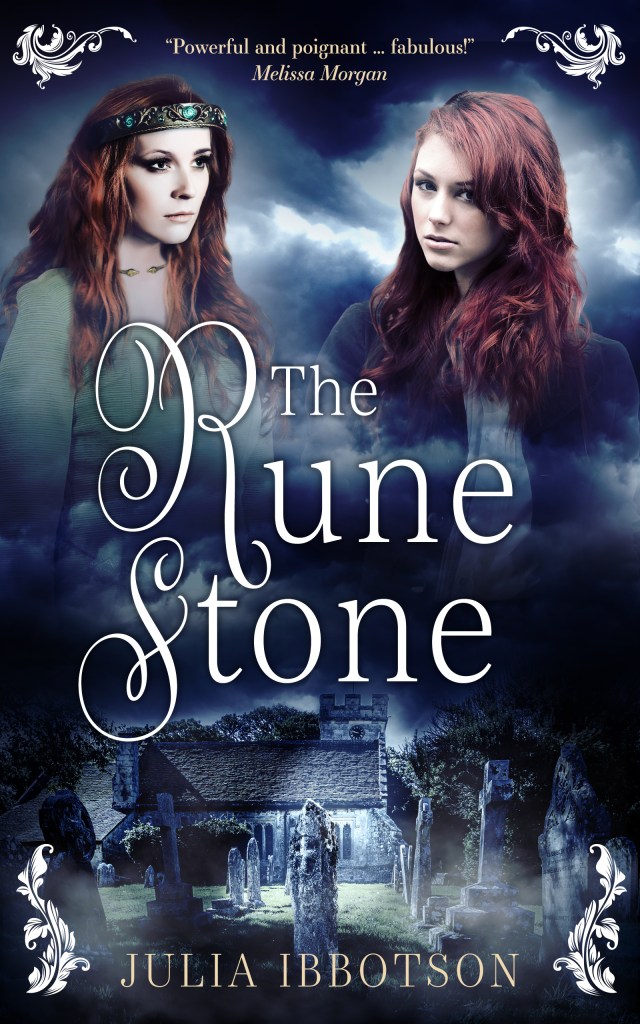
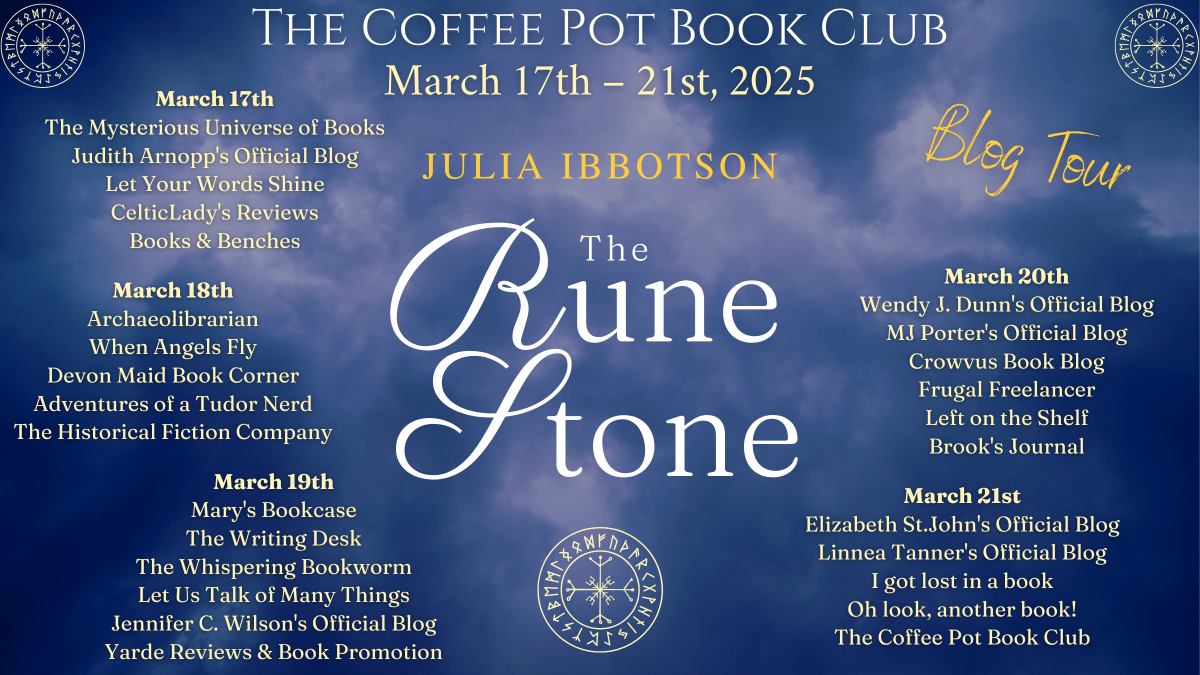
I’m delighted to welcome Julia Ibbotson and her book, The Rune Stone, to the blog #medieval #TimeTravel #Romance #Mystery #BlogTour #TheCoffeePotBookClub

I’m delighted to welcome Julia Ibbotson and her book, The Rune Stone, book 3 in the Dr DuLac series (but can be read as a standalone), to the blog.

Blurb

A haunting time-slip mystery of runes and romance

When Dr Viv DuLac, medievalist and academic, finds a mysterious runic inscription on a Rune Stone in the graveyard of her husband’s village church, she unwittingly sets off a chain of circumstances that disturb their quiet lives in ways she never expected.

She, once again, feels the echoes of the past resonate through time and into the present. Can she unlock the secrets of the runes in the life of the 6th century Lady Vivianne and in Viv’s own life?

Again, lives of the past and present intertwine alarmingly as Viv desperately tries to save them both, without changing the course of history.

For fans of Barbara Erskine, Pamela Hartshorne, Susanna Kearsley, Christina Courtenay.


Praise for Julia Ibbotson:

(for A Shape on the Air) “In the best Barbara Erskine tradition …I would highly recommend this novel” –Historical Novel Society

(for the series) “Julia does an incredible job of setting up the idea of time-shift so that it’s believable and makes sense” – book tour reviewer

(for The Rune Stone) “beautifully written”, “absorbing and captivating”, “fully immersive”, “wonderfully written characters”, “a skilled story teller” – Amazon reviewers

“Dr Ibbotson has created living, breathing characters that will remain in the reader’s mind long after the book is read … The characters are brought to life beautifully with perfect economy of description … fabulous!” – Melissa Morgan

“A rich and evocative time-slip novel that beautifully and satisfyingly concludes this superb trilogy. The story is woven seamlessly and skilfully between the past and the present and the reader is drawn deeply into both worlds.  Her portrayal of the 6th century and its way of life are authoritative, vivid and memorable.” – Kate Sullivan

Buy Link

Universal Link

This title is available to read on #KindleUnlimited

Meet the Author

Julia Ibbotson is fascinated by the medieval world and the concept of time. She is the author of historical mysteries with a frisson of romance. Her books are evocative of time and place, well-researched and uplifting page-turners. Her current series focuses on early medieval time-slip/dual-time mysteries. Julia read English at Keele University, England, specialising in medieval language / literature / history, and has a PhD in socio-linguistics.

After a turbulent time in Ghana, West Africa, she became a school teacher, then a university academic and researcher. Her break as an author came soon after she joined the RNA’s New Writers’ Scheme in 2015, with a three-book deal from Lume Books for a trilogy (Drumbeats) set in Ghana in the 1960s. She has published five other books, including A Shape on the Air, an Anglo-Saxon timeslip mystery, and its two sequels The Dragon Tree and The Rune Stone.

Her work in progress is a new series of Anglo-Saxon mystery romances, beginning with Daughter of Mercia, where echoes of the past resonate across the centuries. Her books will appeal to fans of Barbara Erskine, Pamela Hartshorne, Susanna Kearsley, and Christina Courtenay. Her readers say: ‘Julia’s books captured my imagination’, ‘beautiful storytelling’, ‘evocative and well-paced storylines’, ‘brilliant and fascinating’ and ‘I just couldn’t put it down’.

Connect with the Author
Website BookBub

Follow The Rune Stone blog tour with The Coffee Pot Book Club

Check out the details for The Dragon Tree.

Posts

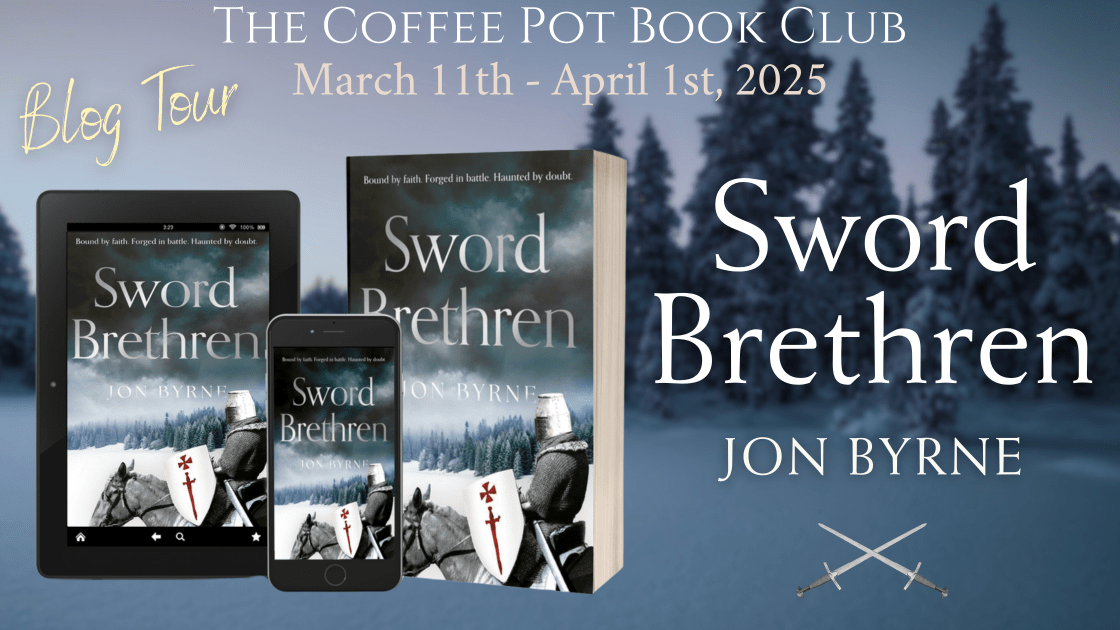
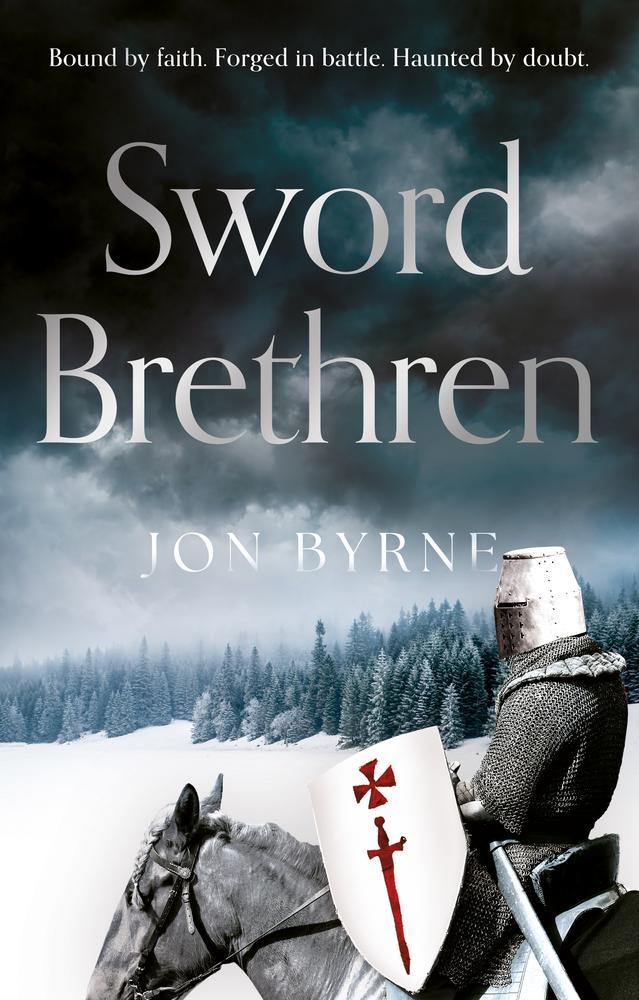
I’m delighted to welcome Jon Byrne and his book, Sword Brethren, to the blog #HistoricalFiction #HistoricalAdventure #medieval #BlogTour #TheCoffeePotBookClub

I’m delighted to welcome Jon Byrne and his book, Sword Brethren, The Northern Crusader Chronicles, to the blog with an excerpt.

Excerpt

Yuriev Monastery, Novgorod Republic, April-May 1242

We were already in disarray when the arrow slammed into my shoulder, punching through my mail coat and nearly felling me from my horse. Our charge across the ice had been peppered with missiles fired with deadly accuracy, and the freezing air was raucous with the screams of dying men and thrashing animals. I could still see the eyes of the mounted archer who had loosed the arrow widen in triumph. His face I would never forget. Was he a Mongol? For some reason it mattered to me. I had never fought these fierce people from the steppe, but their reputation and ferocity were well known. I was not even aware they had been part of the Novgorodian army. Whether this had affected the outcome of the battle, only God in all his wisdom knew. We had been so confident. Overconfident. Our defeat had been absolute.

I woke in a room with whitewashed walls. An old, bearded man, his craggy face not unkind, loomed over me, his fingers gentle as he probed my wound and changed my dressing. Nevertheless, despite his care, searing flames coursed through me with every touch of his parchment-dry fingers. When the burning finally subsided, I blinked my eyes open. Through tears, I saw a small picture on the opposite wall of a man with a halo around his head spearing a serpent. It must have been Saint George killing the dragon. The halo made him look more like an angel. The bearded man mumbled to himself in a soft voice as he worked, however the language was unfamiliar. It sounded Slavic, probably Russian. That could only mean I was a prisoner.

With any movement, shafts of fire shot through my body, an agony so great I thought I would pass out again. By Christ Almighty and all His Holy Saints, I just wanted it to stop. But, of course, it didn’t. It was unrelenting. Perhaps when I was younger, I would have borne it better. Who knows? At my venerable age, death should come as a welcome relief, and I almost felt ready to succumb to it – to give up my fight and drift into the hallowed afterlife. Almost, but not quite. I was not yet ready to die. There was still too much to be done. There was still my vengeance to be had. A vengeance that stretched back to my youth.

The room was cool, but at times I felt like a sizzling pig roasting on a spit. The old man put strips of damp cloth on my face, but it hardly helped. Only blessed unconsciousness relieved me of it. My body fought a desperate battle to survive.

It is strange that, despite everything, the gift of life is most precious when it is about to be taken away.

*

But survive I did. In the weeks following the battle, the fever gradually released its grip, and I could feel my strength slowly returning. I was still as feeble as a child, but my bearded nurse nodded his head and smiled encouragement as he spooned a watery cabbage soup through my cracked lips. Perhaps I would live after all.

Now, at least, I could sit up in bed, but any other movement still sent stabbing bolts of pain through my chest. I was too weak to get up, and one time the effort broke the healing scabs on my wound, causing me to sink back into the pit of sweat my cot had become. It was clear to me now that the bearded man was a monk, a monk of the heretical Greek Church, and I was in the infirmary of a monastery. Nevertheless, my skin crawled and itched with lice, my hair was filthy and unkempt, and there was nothing I could do about it. Outside, the bells of a church clang the times for prayer. Never in my life had I felt so helpless, unable to piss or shit without help from the bearded monk and one of his helpers, a pale-faced youth of no more than seventeen or eighteen winters.

I still did not know how long I had lain there, but one morning I received a visitor. Or, more accurately, two visitors. I had been dozing when the door banged open without warning and the bearded monk led in two men. The first was tall, at least my height, and I am taller than most, but younger – young enough to be my son. He had the athletic build of a warrior, and his angled face was framed by a shortly trimmed beard and sandy-brown, shoulder-length hair, plastered across his head with sweat as if he had just taken off a hat or helmet. He wore a red cloak edged with fur worn over his left shoulder, fastened with a gold clasp fashioned in the shape of the three-barred Greek cross on the right shoulder, and a blue brocade surcoat over a long-sleeved white shirt. On his feet were high, leather riding boots of obvious quality, although they were spattered with mud.

When he looked me in the eyes, I felt the power behind his gaze despite his youth. There was a harshness there, a cynical coldness strange in someone so young. He said something to the other man, who was older, of slight build, with long auburn hair tied back from the nape of his neck. This man was no warrior. He looked more like a scholar, and his chestnut-coloured, homespun tunic, although of good quality cotton, clearly denoted his lower rank. It was this man who spoke to me in Latin.

‘Prince Alexander Yaroslavich Nevsky of Novgorod the Great, welcomes you to Yuriev Monastery and hopes you are recovering from your wounds.’

His words slapped me in the face. Alexander Yaroslavich had commanded the Russian army in the battle on the ice where we had been defeated, as well as being victorious against the Swedish army two years earlier on the Neva River. My surprise must have been obvious because the young prince, Alexander, smiled at my reaction, speaking again quickly before waiting for his words to be translated.

‘You are one of six German knights captured in the battle,’ the interpreter continued, ‘but you were the most badly wounded. Prince Alexander says that under Brother Dimitri’s care and with God’s grace, you have made a vast improvement. But it is doubtful that at your age you shall ever be able to take up arms against his people again.’

‘How long have I lain here?’ I said in Latin. As a warrior monk of the Livonian Order, my Latin was respectable, though not as good as my Low German, or Norman French – the language of my birth.

‘The battle by Lake Chudskoe was over a month ago. You were carried here in a wain.’

A month already. I struggled to rise but the bearded monk who had tended me all this time, whom Prince Alexander had named as Brother Dimitri, came forward to restrain me. I collapsed back in a wave of dizziness. While I lay there panting, my weakness open to all, the three men spoke quickly to each other.

Here’s the Blurb

1242. After being wounded in the Battle on the Ice, Richard Fitz Simon becomes a prisoner of Prince Alexander Nevsky of Novgorod. Alexander, intrigued by his captive’s story, instructs his scholar to assist Richard in writing about his life.

Richard’s chronicle begins in 1203, when his training to be a knight is disrupted by treachery. He is forced to flee England for Lübeck, where he begins work for a greedy salt merchant. After an illicit love affair, his new life is thrown into turmoil, and he joins the Livonian Brothers of the Sword as they embark on imposing the will of God on the pagans of the eastern Baltic. Here, he must reconcile with his new life of prayer, danger and duty – despite his own religious doubts, with as many enemies within the fortified commandery as the wilderness outside. However, when their small outpost in Riga is threatened by a large pagan army, Richard is compelled to make a crucial decision and fight like never before.

Buy Link

Universal Link:

Meet the Author

Jon Byrne, originally from London, now lives with his German family by a lake in Bavaria with stunning views of the Alps. As well as writing, he works as a translator for a local IT company and occasionally as a lumberjack.

He has always been fascinated by history and has studied the Medieval world for over twenty years, building up a comprehensive library of books. In his research, he has travelled to all of the locations mentioned in the book (East Anglia, Bremen, Lübeck, Latvia, etc).

Sword Brethren (formerly Brothers of the Sword) made it to the shortlist of the Yeovil Literary Prize 2022 and the longlist of the prestigious Grindstone International Novel Prize 2022. It is the first book in The Northern Crusader Chronicles.

Connect with the Author
Follow the Sword Brethren blog tour with The Coffee Pot Book Club

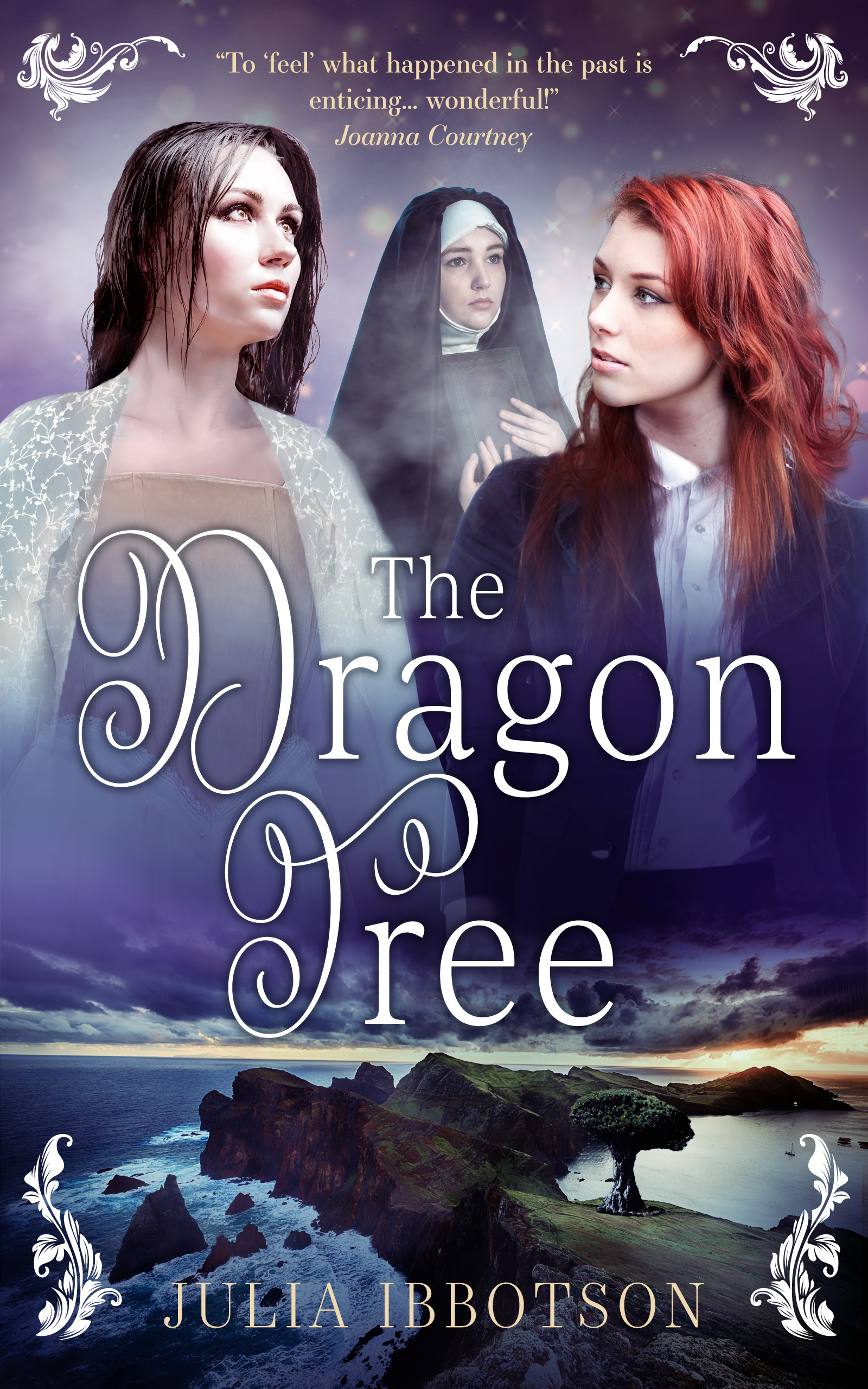
I’m delighted to welcome Julia Ibbotson and her book, The Dragon Tree, to the blog #medieval #TimeTravel #Romance #Mystery #BlogTour #TheCoffeePotBookClub

I’m delighted to welcome Julia Ibbotson and her book, The Dragon Tree, book 2 in the Dr DuLac series (but can be read as a standalone), to the blog.

Blurb

A haunting medieval time-slip (#2 in the Dr DuLac series, sequel to A Shape on the Air, but can be read as a stand-alone)

Echoes of the past resonate through time and disturb medievalist Dr Viv DuLac as she struggles with misfortune in the present. She and Rev Rory have escaped to the island of Madeira on a secondment from their posts, yet they are not to find peace – until they can solve the mystery of the shard of azulejo and the ancient ammonite. Viv’s search brings her into contact with two troubled women: a noblewoman shipwrecked on the island in the 14th century and a rebellious nun at the island convent in the 16th century. As Viv reaches out across the centuries, their lives become intertwined, and she must uncover the secrets of the ominous Dragon Tree in order to locate lost artefacts that can shape the future.

For fans of Barbara Erskine, Pamela Hartshorne, Susanna Kearsley, Christina Courtenay.

“The idea of being able to ‘feel’ what happened in the past is enticing … The sense of the island is really wonderful … Julia brings it to life evocatively.”
~ Joanna Barnden

 “Julia does an incredible job of setting up the idea of time-shift so that it’s believable and makes sense.”
~ book tour reviewer

“… an engaging and original time-slip novel that keeps the reader turning the pages…the characters are authentic and the mystery is neatly woven between the centuries … seamless time transitions …”
~ Melissa Morgan

Buy Link

Universal Link:

This title is available to read on #KindleUnlimited

Meet the Author

Julia Ibbotson is fascinated by the medieval world and the concept of time. She is the author of historical mysteries with a frisson of romance. Her books are evocative of time and place, well-researched and uplifting page-turners. Her current series focuses on early medieval time-slip/dual-time mysteries. Julia read English at Keele University, England, specialising in medieval language / literature / history, and has a PhD in socio-linguistics.

After a turbulent time in Ghana, West Africa, she became a school teacher, then a university academic and researcher. Her break as an author came soon after she joined the RNA’s New Writers’ Scheme in 2015, with a three-book deal from Lume Books for a trilogy (Drumbeats) set in Ghana in the 1960s. She has published five other books, including A Shape on the Air, an Anglo-Saxon timeslip mystery, and its two sequels The Dragon Tree and The Rune Stone.

Her work in progress is a new series of Anglo-Saxon mystery romances, beginning with Daughter of Mercia, where echoes of the past resonate across the centuries. Her books will appeal to fans of Barbara Erskine, Pamela Hartshorne, Susanna Kearsley, and Christina Courtenay. Her readers say: ‘Julia’s books captured my imagination’, ‘beautiful storytelling’, ‘evocative and well-paced storylines’, ‘brilliant and fascinating’ and ‘I just couldn’t put it down’.

Connect with the Author
Website: BookBub:

Follow The Dragon Tree blog tour with The Coffee Pot Book Club

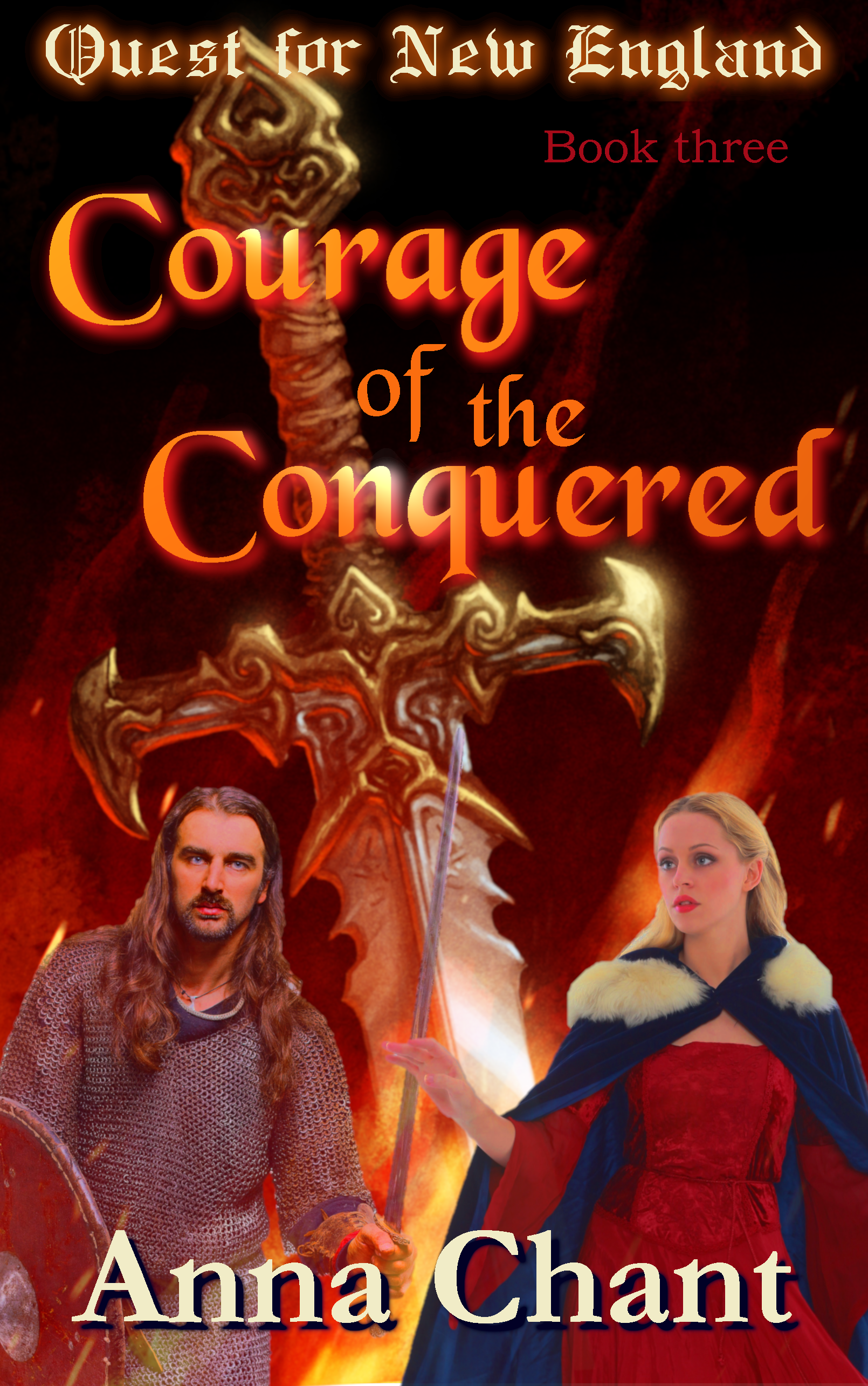
I’m delighted to welcome Anna Chant and her book, Courage of the Conquered, to the blog #HistoricalFiction #medieval #BlogTour #BookBlast #TheCoffeePotBookClub

I’m delighted to welcome Anna Chant and her book, Courage of the Conquered, from the Quest for New England series, to the blog.

Blurb

All the wonders of the Mediterranean have not prepared the English for the splendours of Constantinople. As Siward of Gloucester settles into the city, he is grateful to have finally found what he was looking for: A fine, god-fearing lord he is proud to serve and a safe place where he and Oswyth can await the birth of their child.

But as the months pass, doubts creep in. Emperor Michael proves to be a weak ruler, continually threatened with rebellion. Determined to keep the English army close, his promises of reward grow increasingly vague.

With tension in the city rising, Siward and his friends are caught up in the power struggle. While Bridwin maintains his loyalty to the emperor and Siward continues to trust in the friendship of the cunning Alexios Komnenos, Frebern grows close to John Bryennios, a man whose ambitions may include the imperial throne itself. With the friends drawn in different directions, Siward fears they could find themselves fighting on opposing sides.

Desperate to escape, he renews his efforts to find the home the English have so long craved. But the beauty of Constantinople conceals dangers that go far beyond Siward’s fears as sordid secrets and ruthless betrayal stalk the lives of those he holds dear.

As the English prepare for battle yet again, will Siward’s quest for New England end in heart-breaking tragedy?

Buy Link

Universal Link:

This title is available to read on #KindleUnlimited

Meet the Author

Anna Chant grew up in Essex, with her first home a tiny medieval cottage. Aged 18 she moved to Yorkshire to study history at the University of Sheffield. In 2015, inspired by her love of medieval history and her Scottish ancestry, Anna started writing her first book with Kenneth’s Queen, the tale of the unknown wife of Kenneth Mac Alpin, published the following year. Taking inspiration from both history and legend, she particularly enjoys bringing to life the lesser known people, events and folklore of the past. When not writing, Anna enjoys walking the coast and countryside of Devon where she lives with her husband, three sons (if they’re home) and a rather cheeky bearded dragon.

Connect with the Author
Website:

Follow the Courage of the Conquered blog tour with The Coffee Pot Book Club