
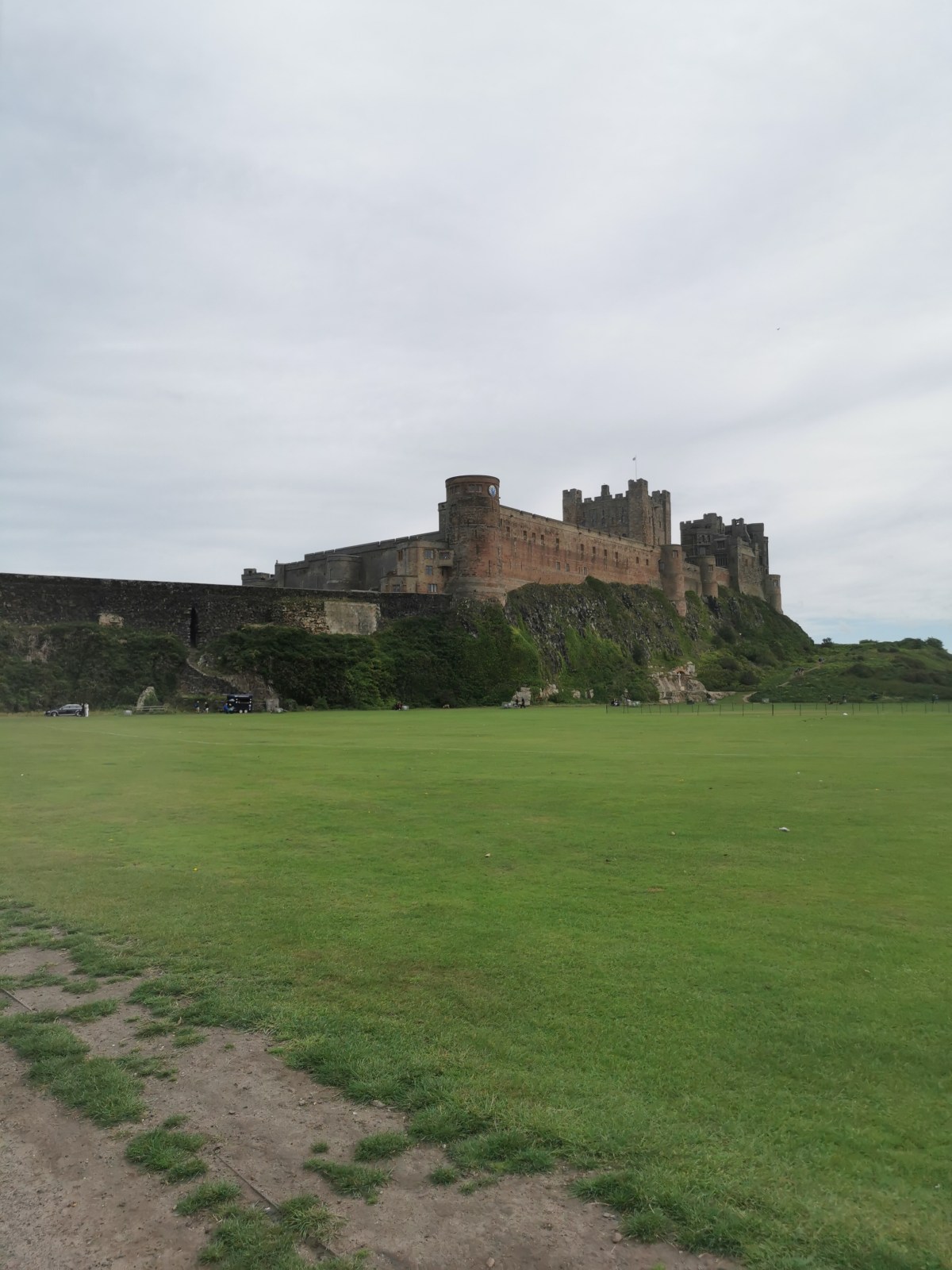
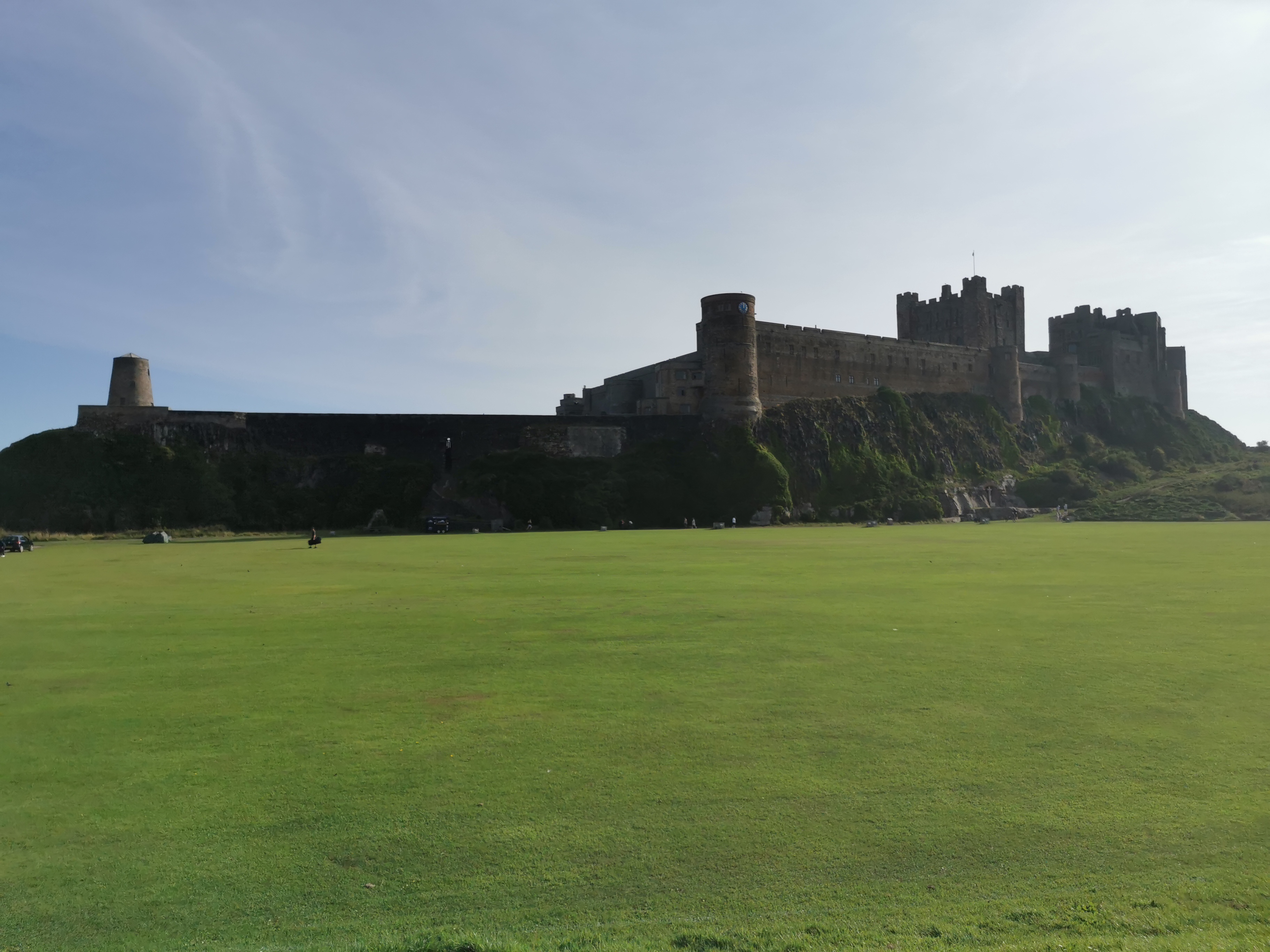
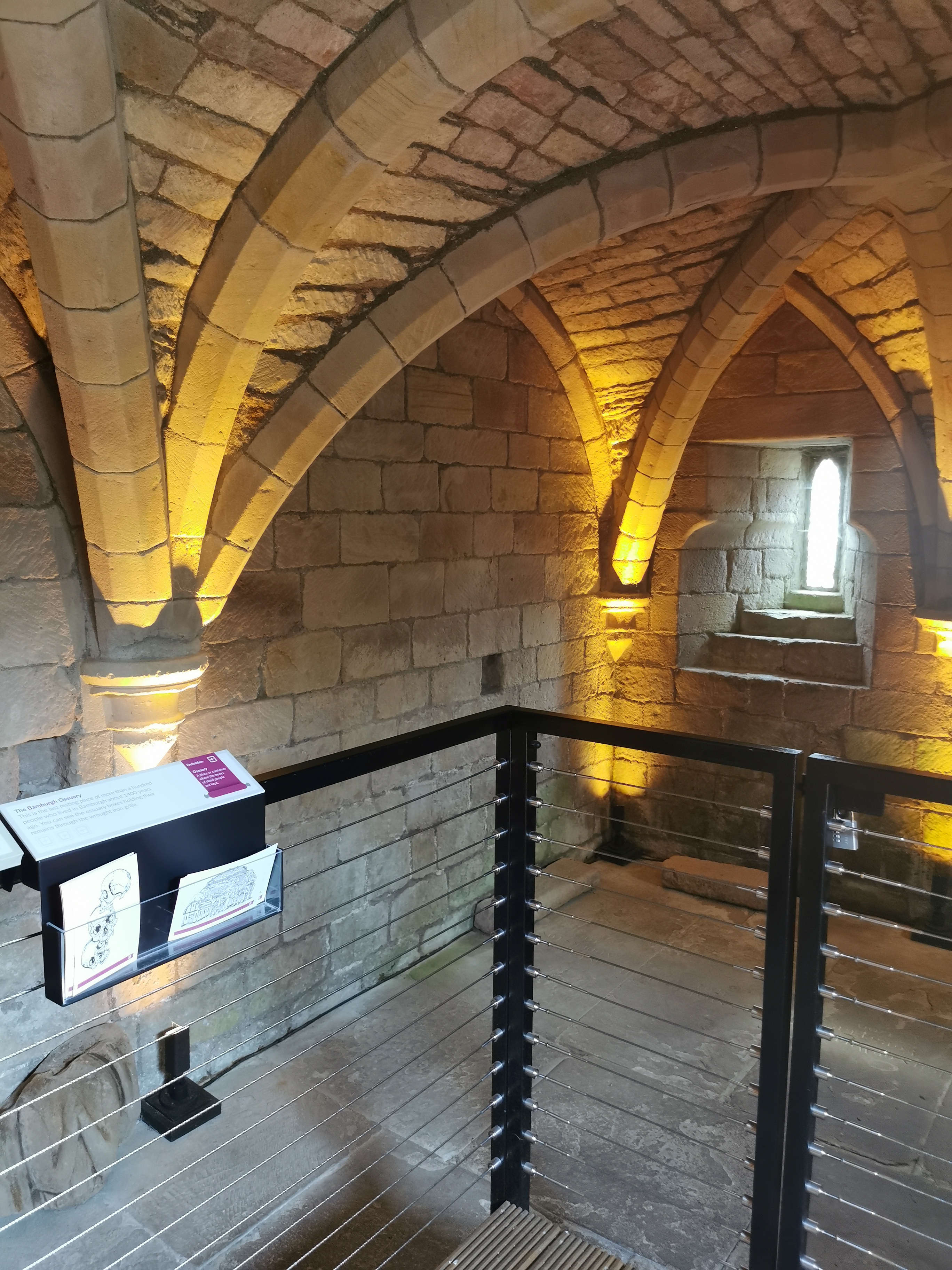
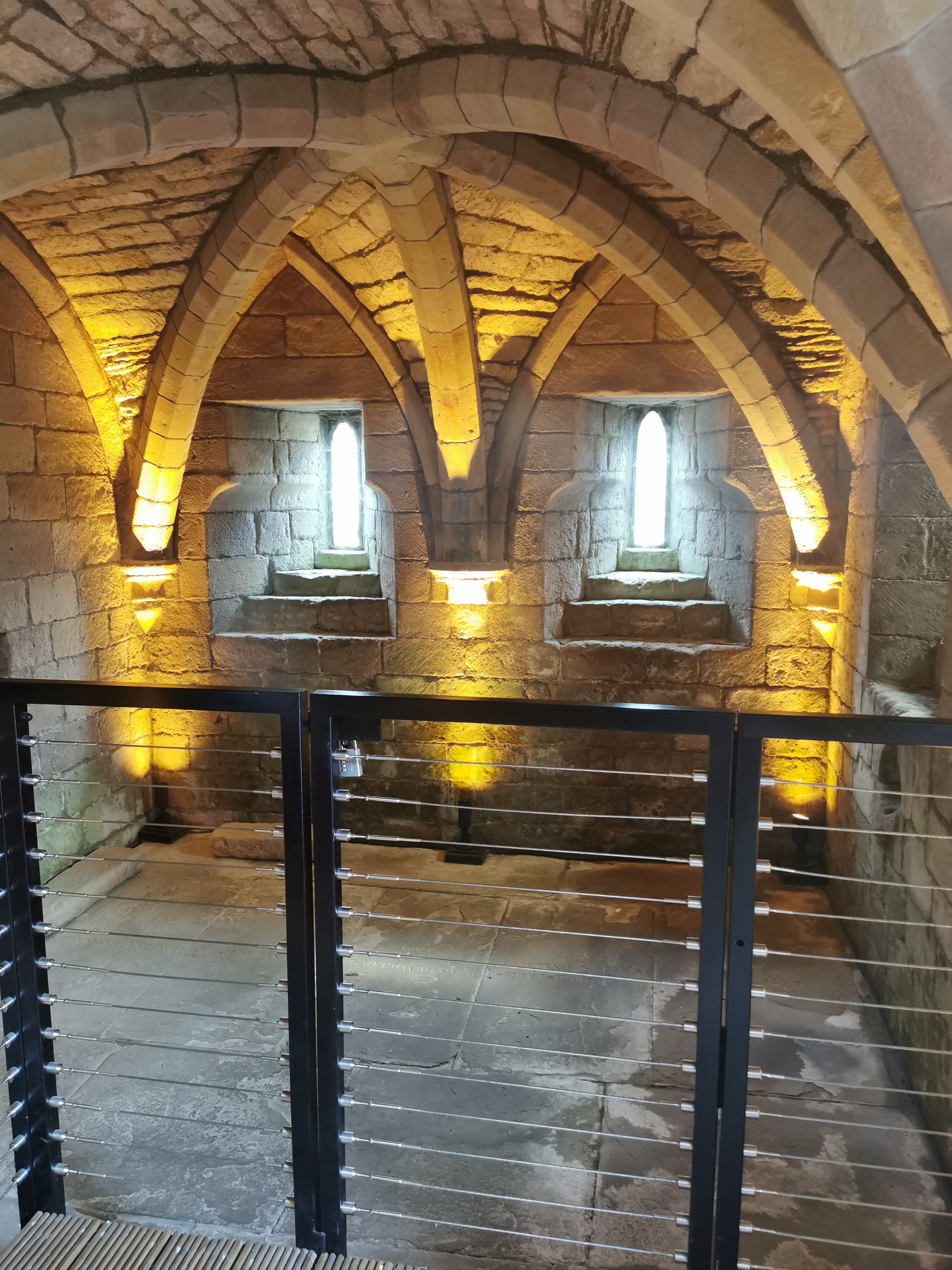
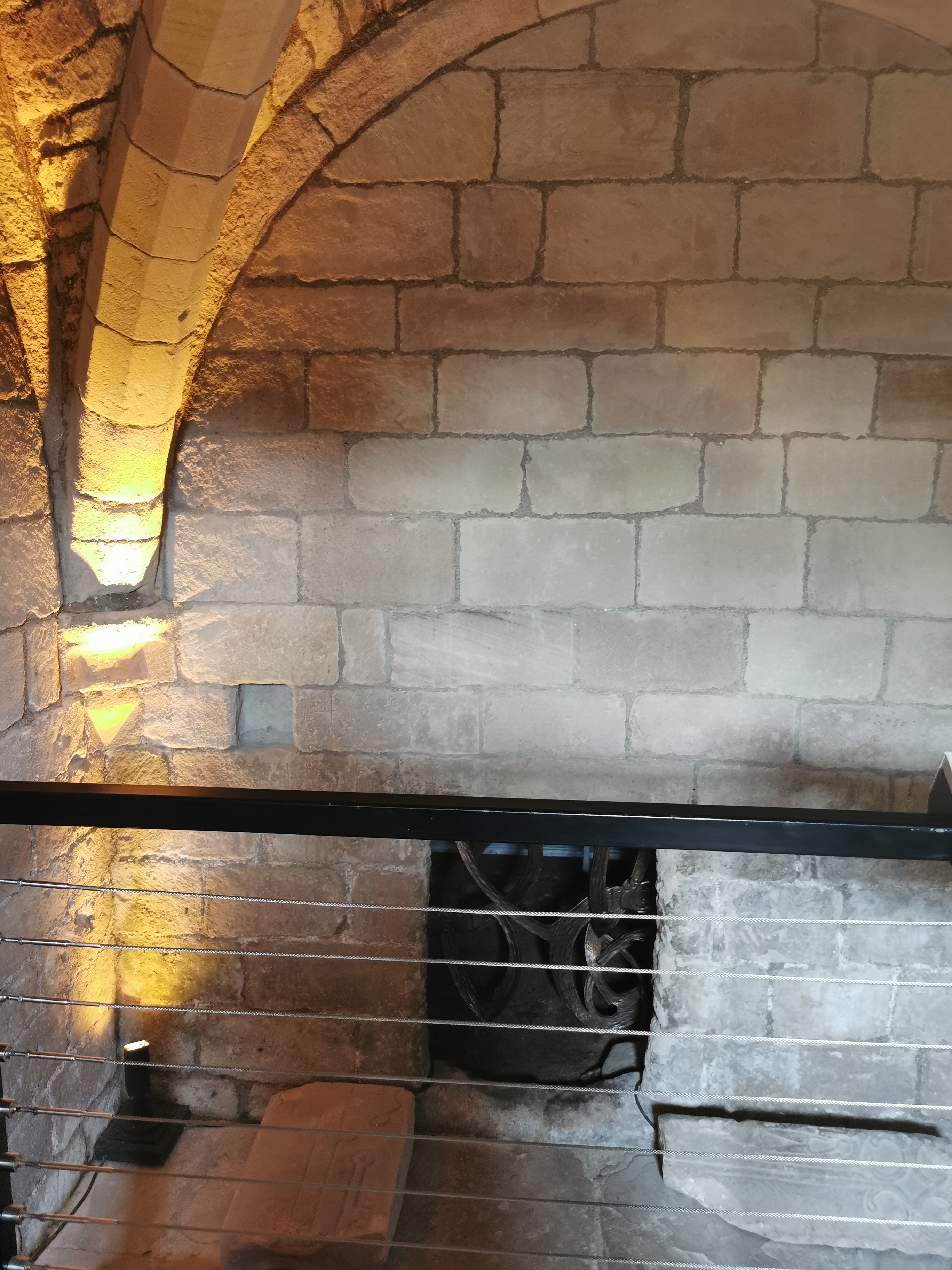
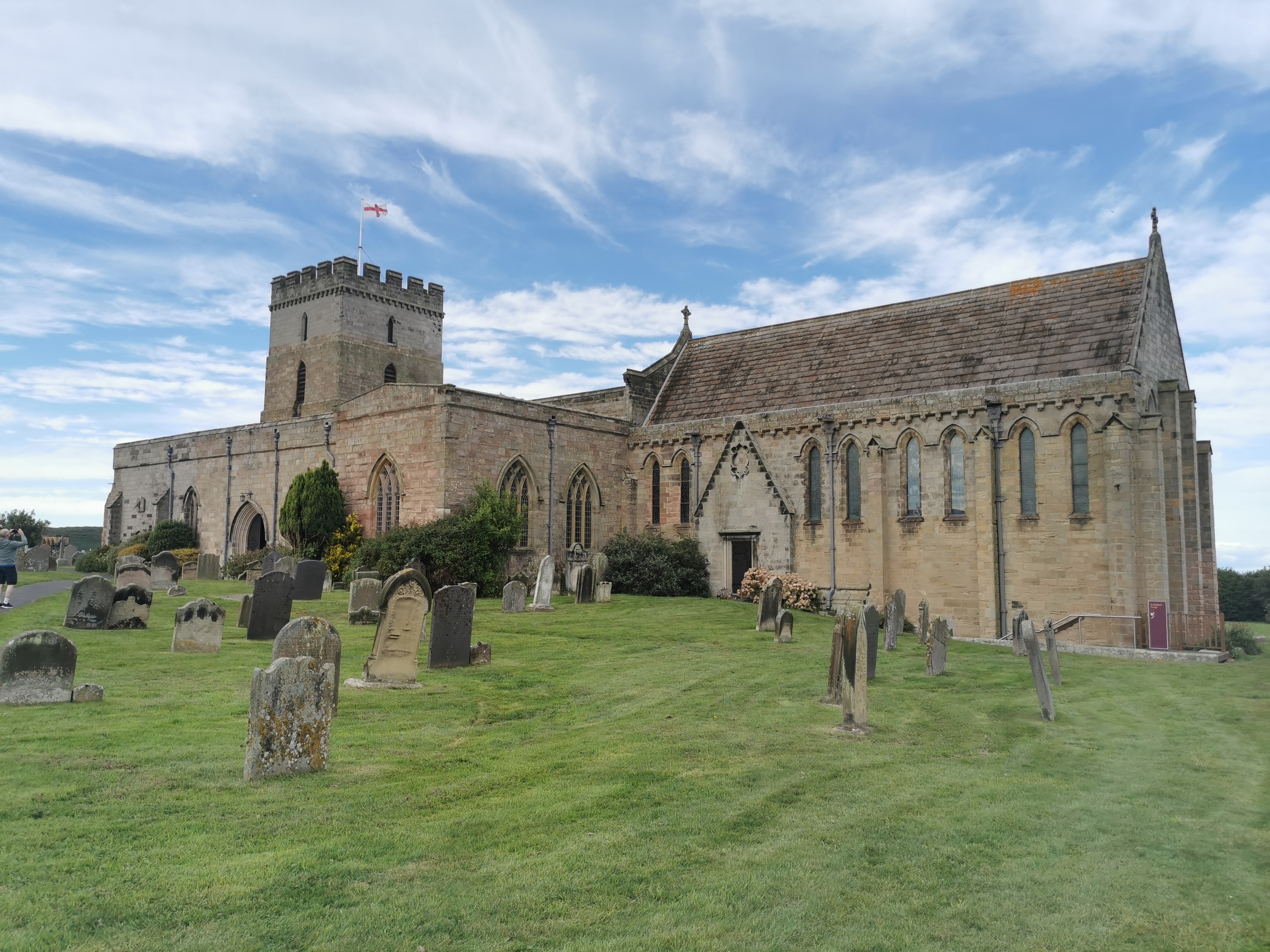
If you’ve not heard of the Bamburgh Research Project then WHERE HAVE YOU BEEN, no I jest. It’s fine if you’ve not heard of them. Briefly, because you can check out their blog for all the details, they’ve been excavating at Bamburgh Castle in Northumberland for about twenty years – maybe a little bit longer. Their most famous finds were the Bamburgh Bones, discovered in the Bowl Hole, and now reinterred in St Aidan’s Church, in a crypt, in an ossuary, and there is an entire database about the individuals, and what their lives might have been like in seventh century Northumbria. It is certainly worth checking out. I mean, as a historical fiction writer, there is a lot of scope for a fabulous story there.
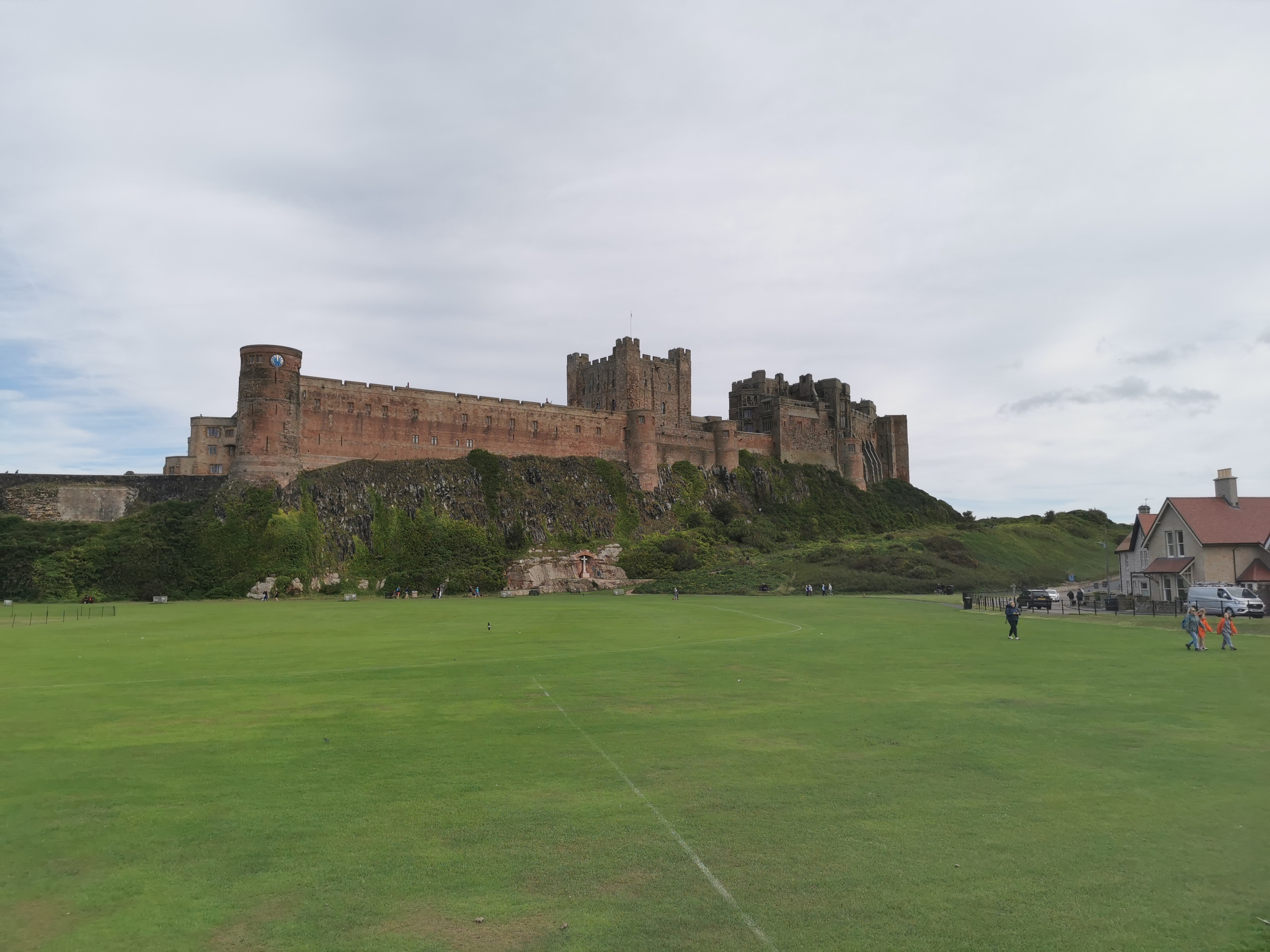
But the BRP aren’t just all about bones. They’ve also been trying to rediscover the secrets of Bamburgh Castle, a rocky outcropping on the Northumbrian coast, which shows signs of habitation dating back into the Iron Age. Now, they are a field school so volunteers can sign up to help them with the excavations, but this year they offered something else, a post-excavation week, which is much more my sort of thing. (I have excavated elsewhere, but I don’t much like getting dirty hands, so it was not much fun for me – I’m most certainly a ‘sit down’ and read the excavation report sort of historian.)
So, I thought I’d share what I’ve been up to all week, and what I’ve been learning.
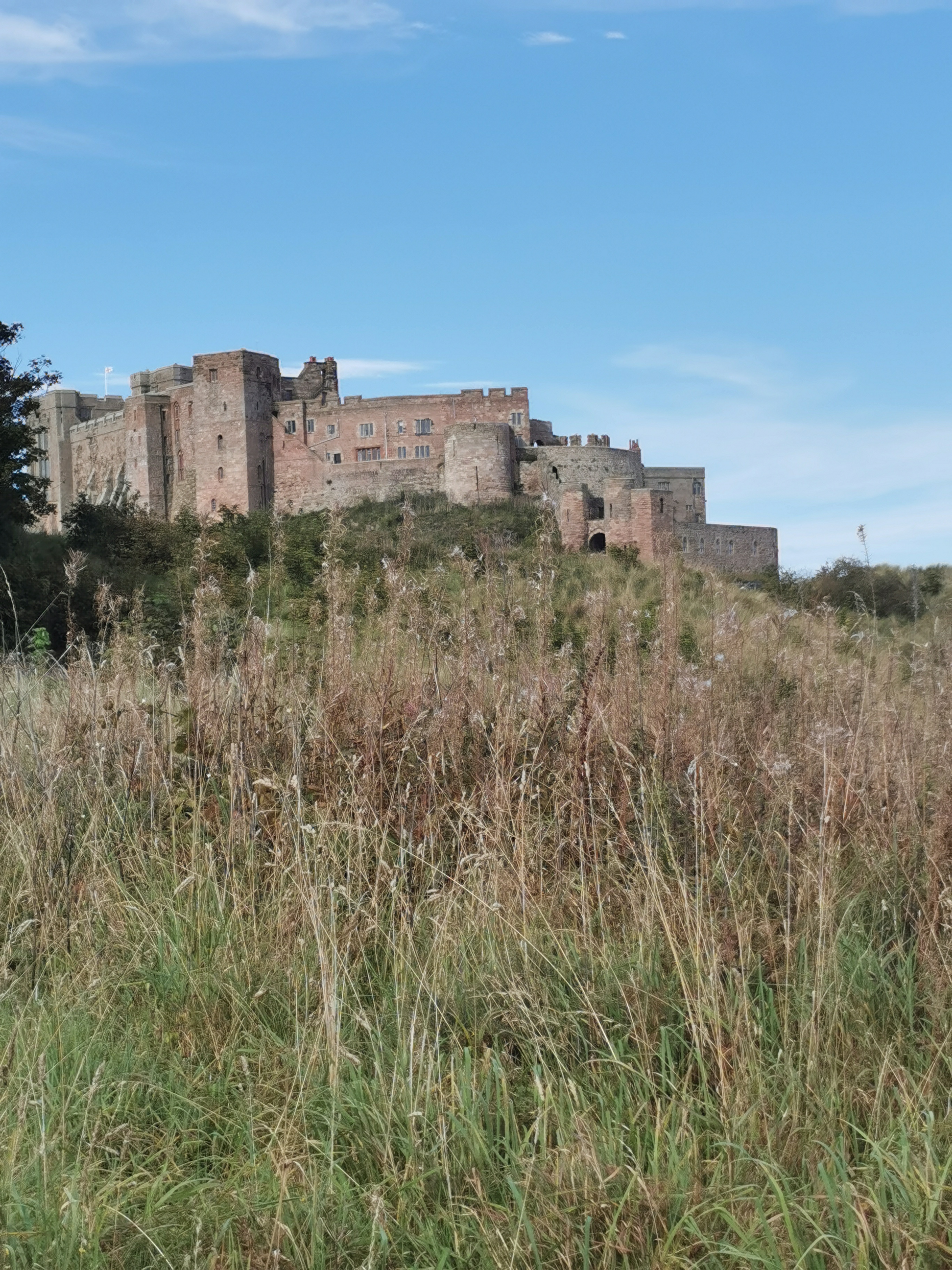
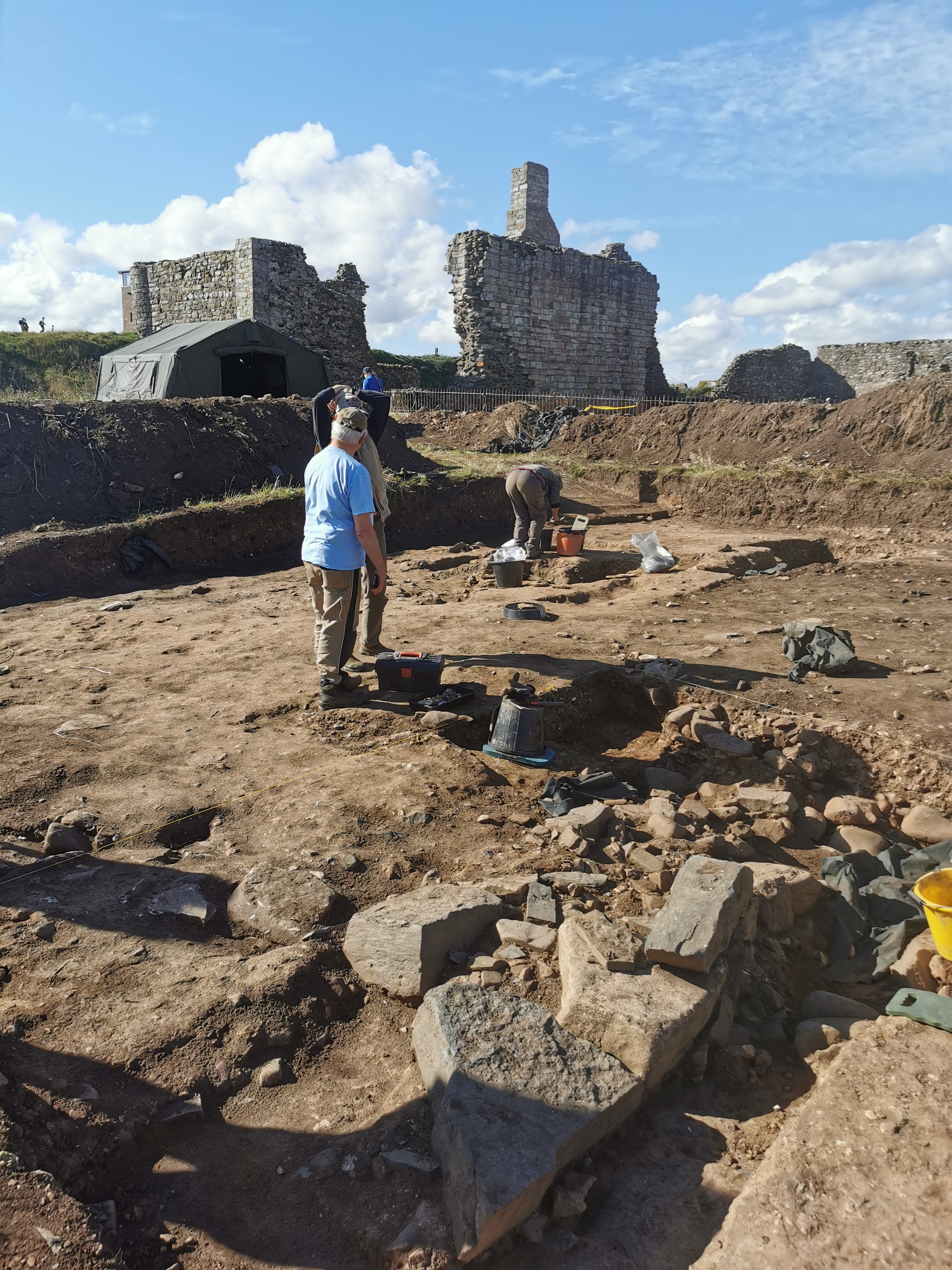
Day 1 – look at this year’s excavation site and also, finds recording
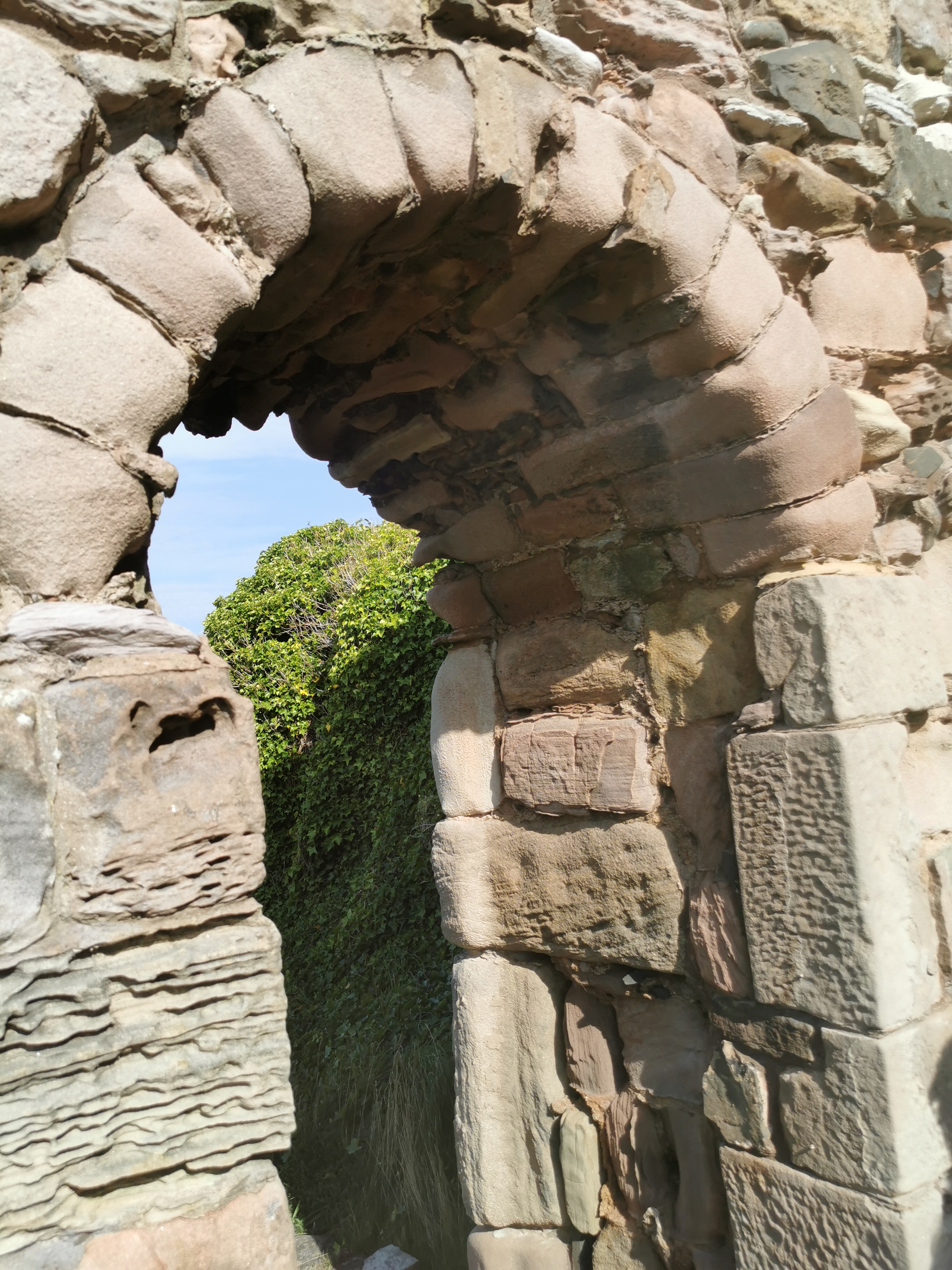
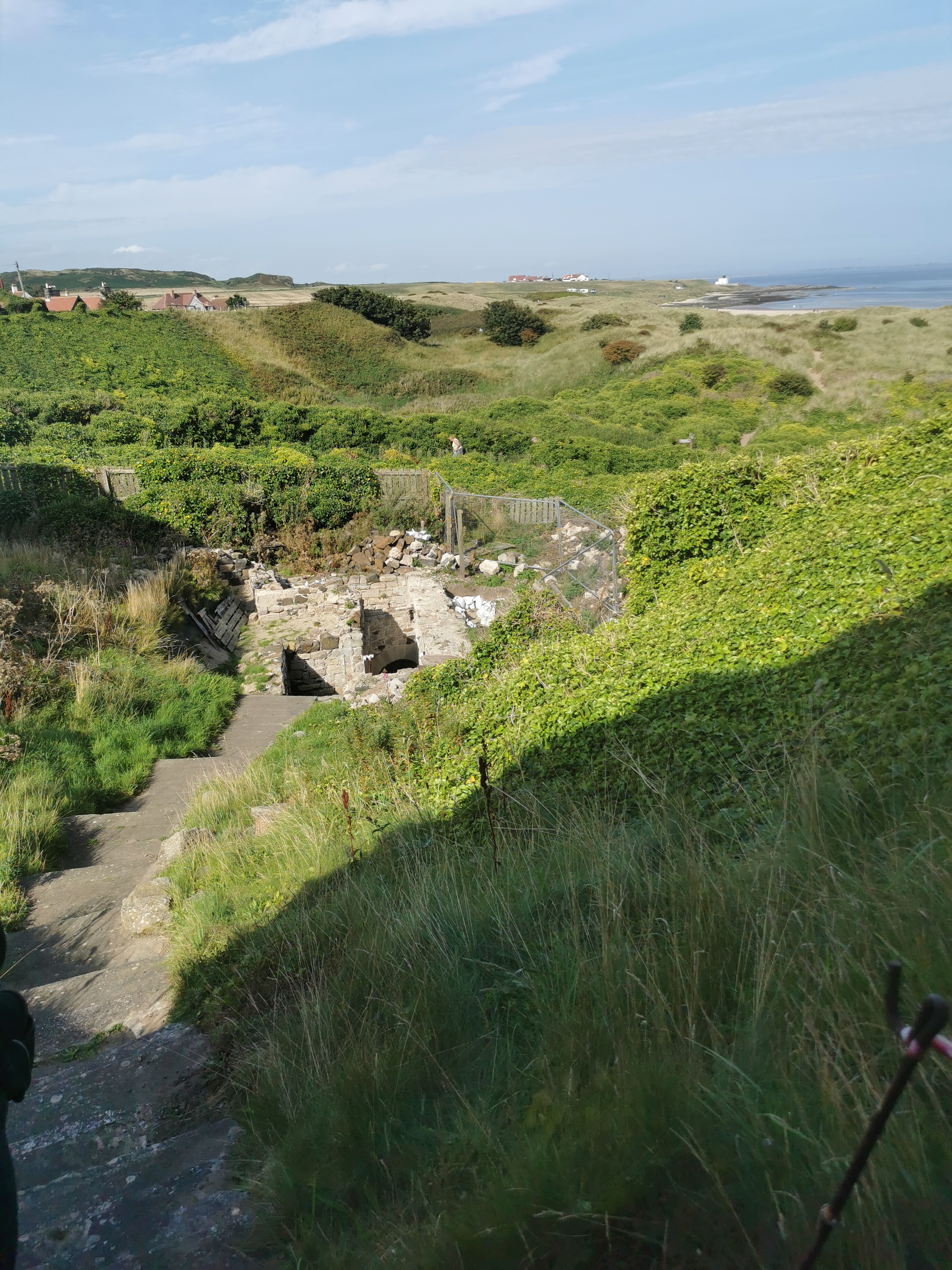
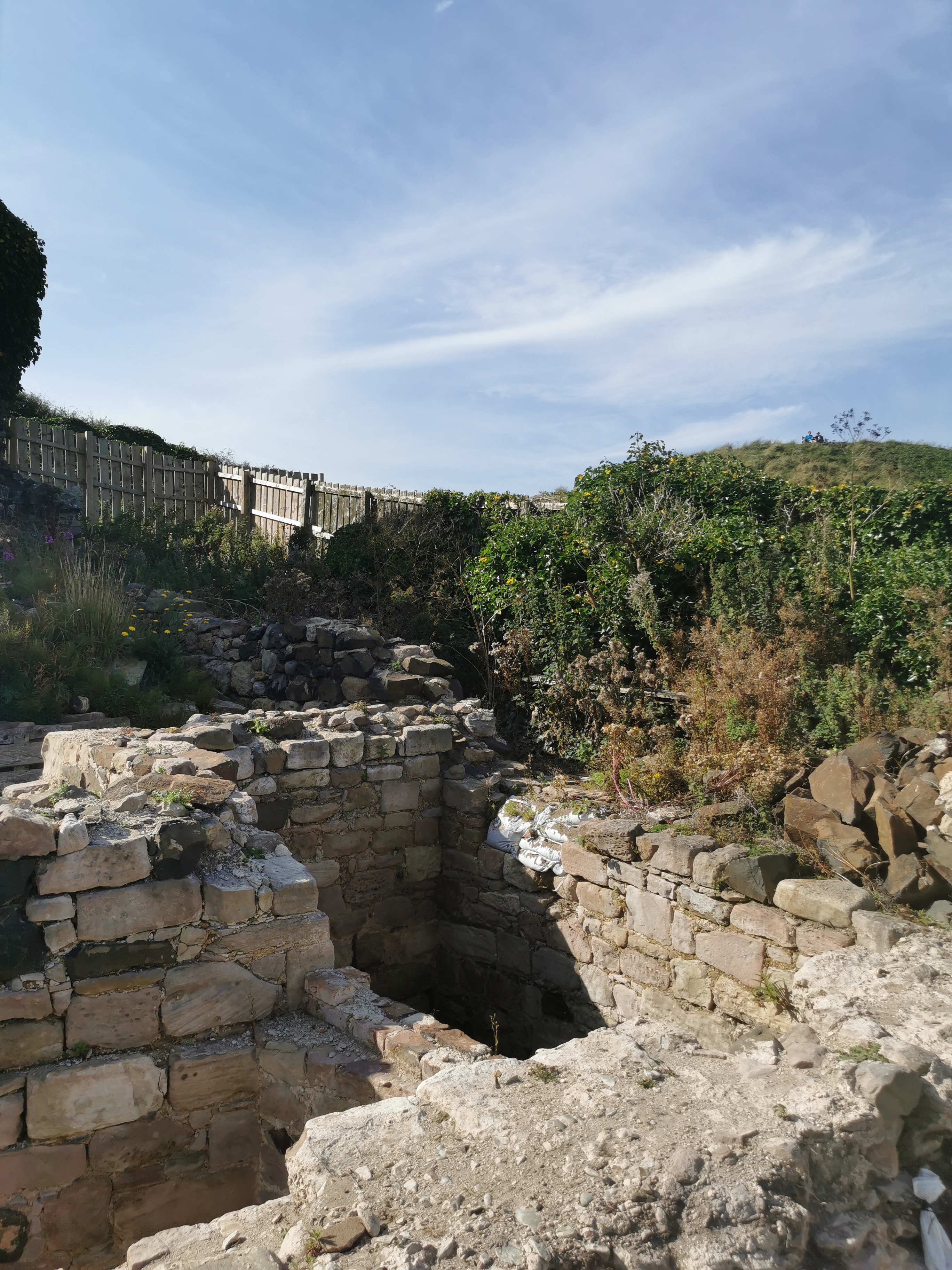
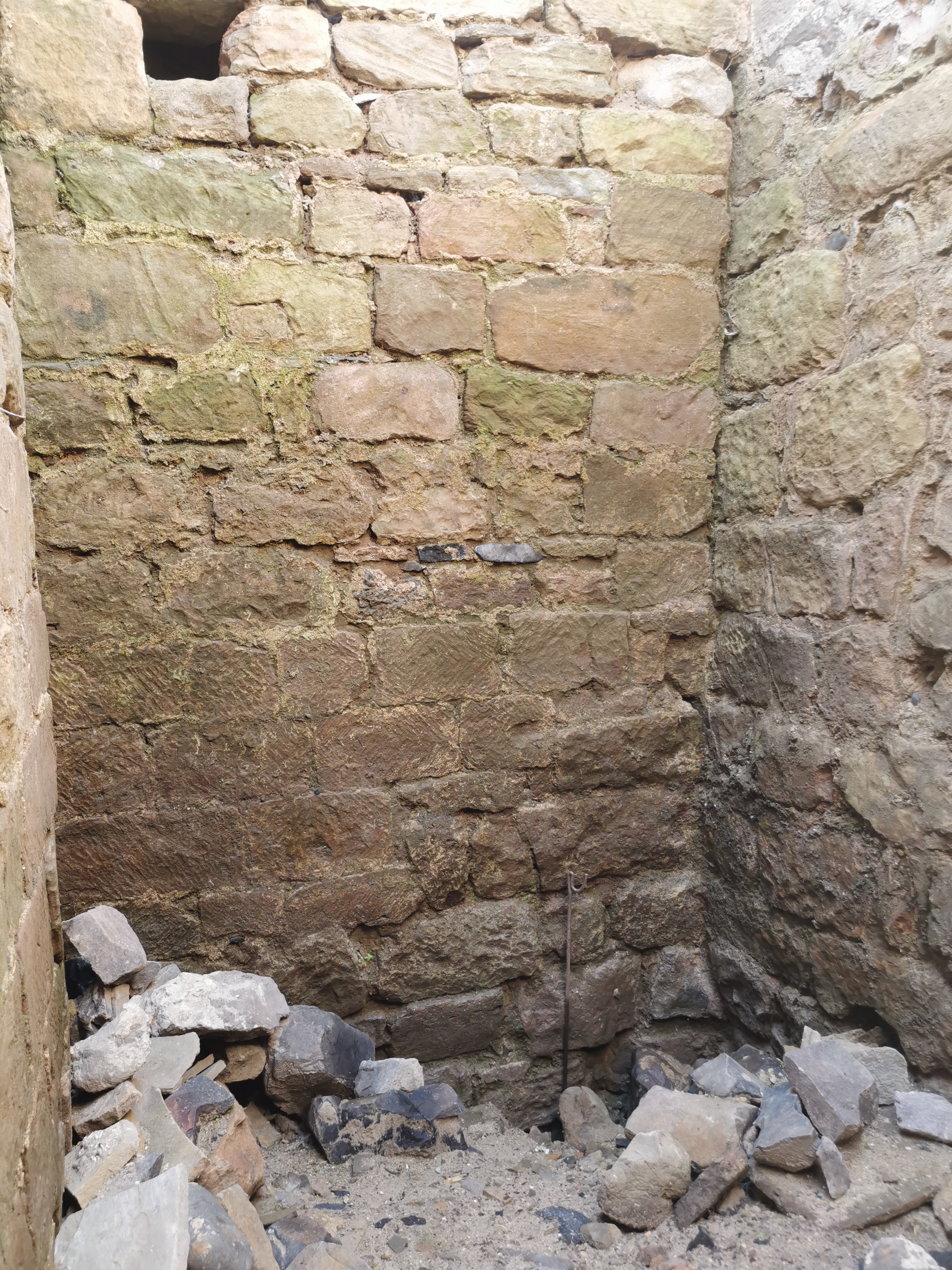
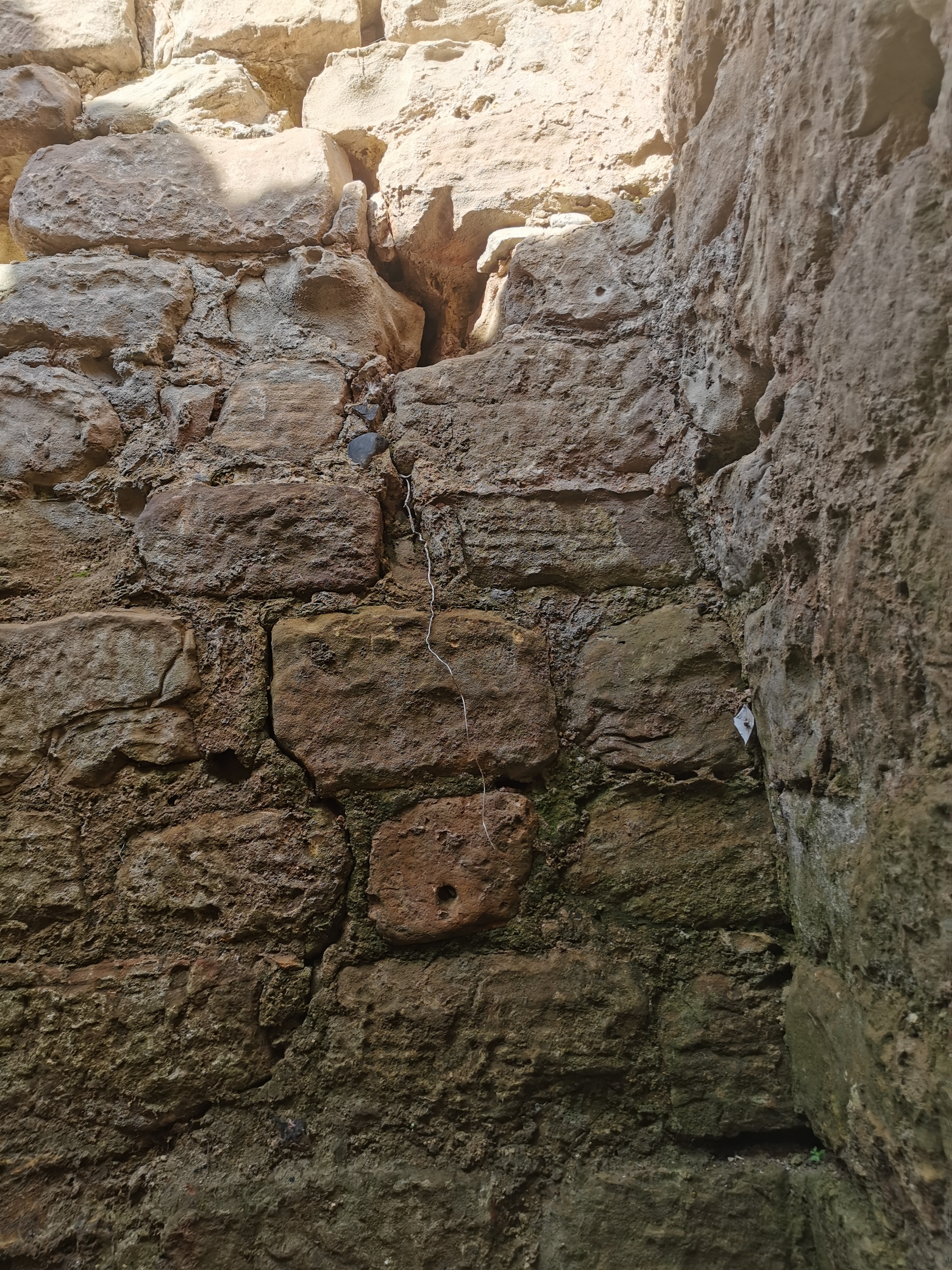
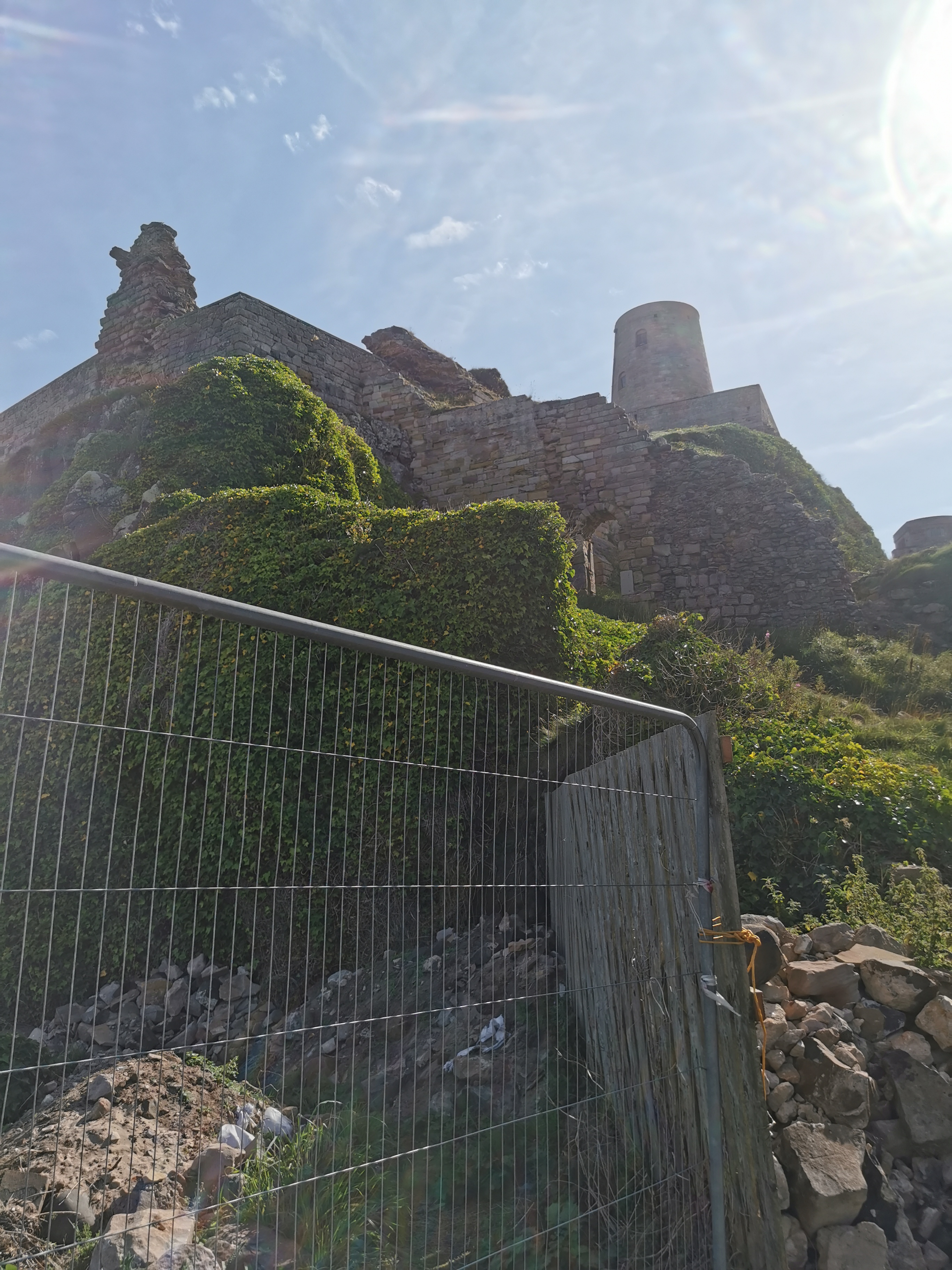
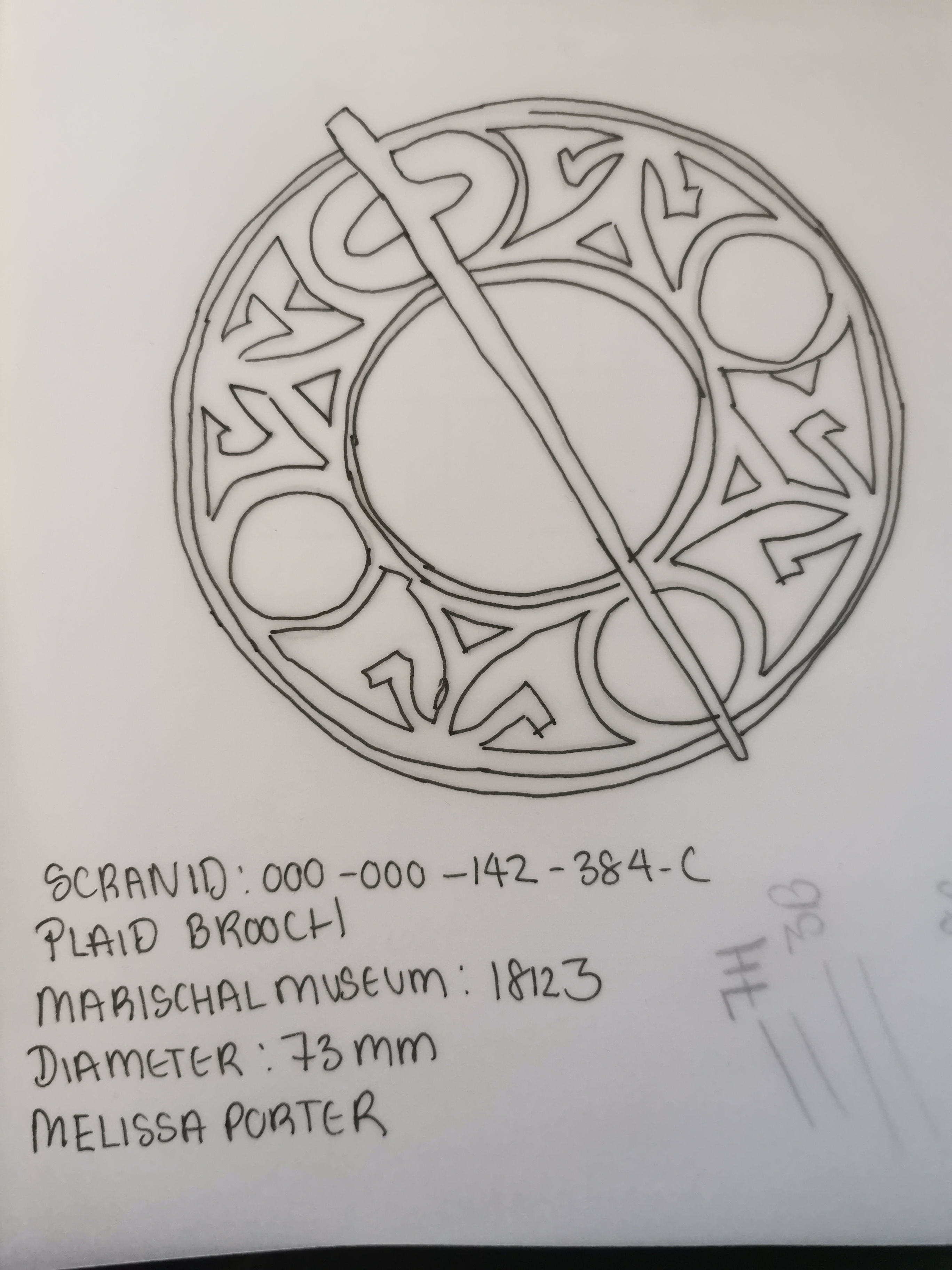
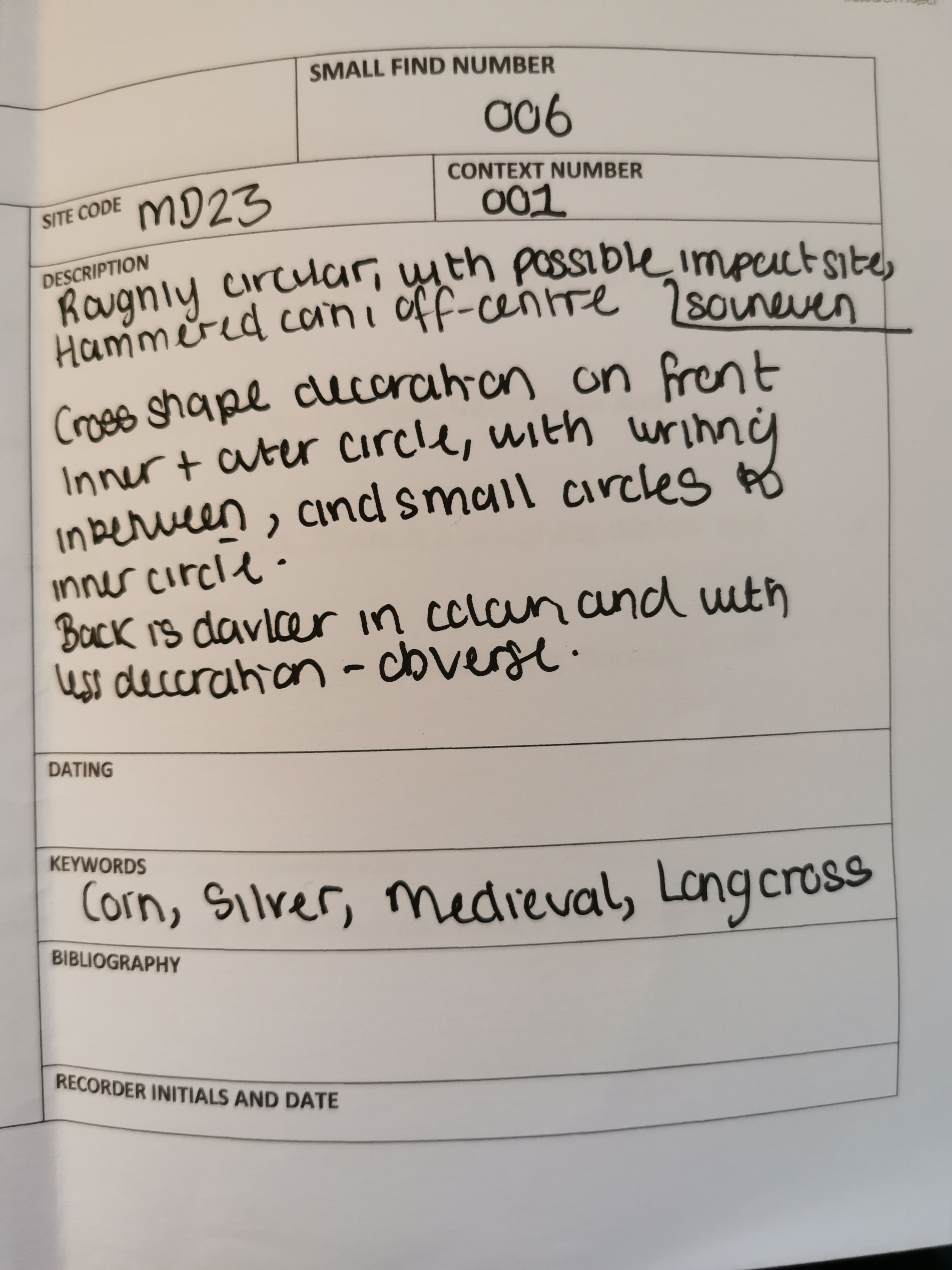
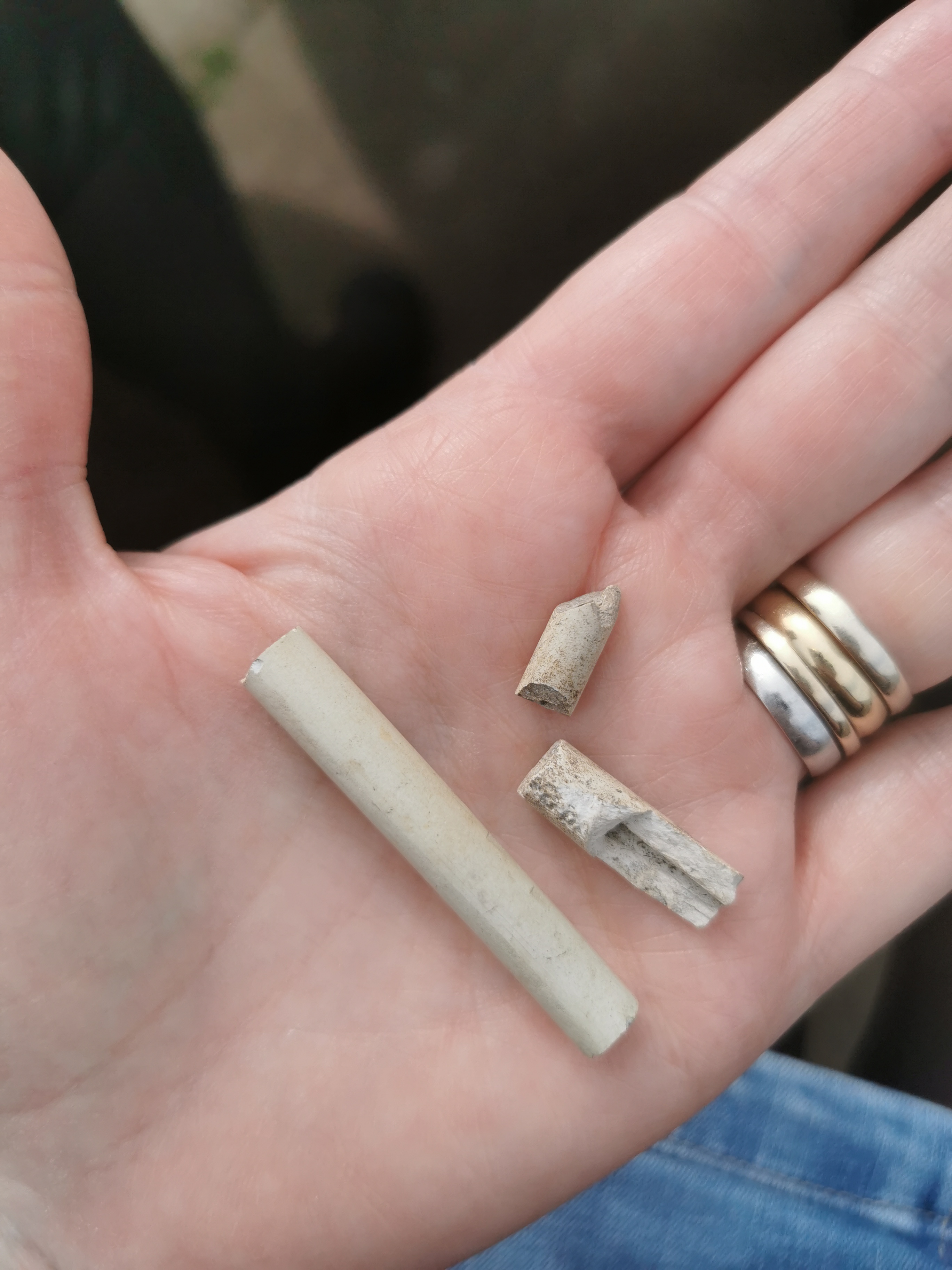
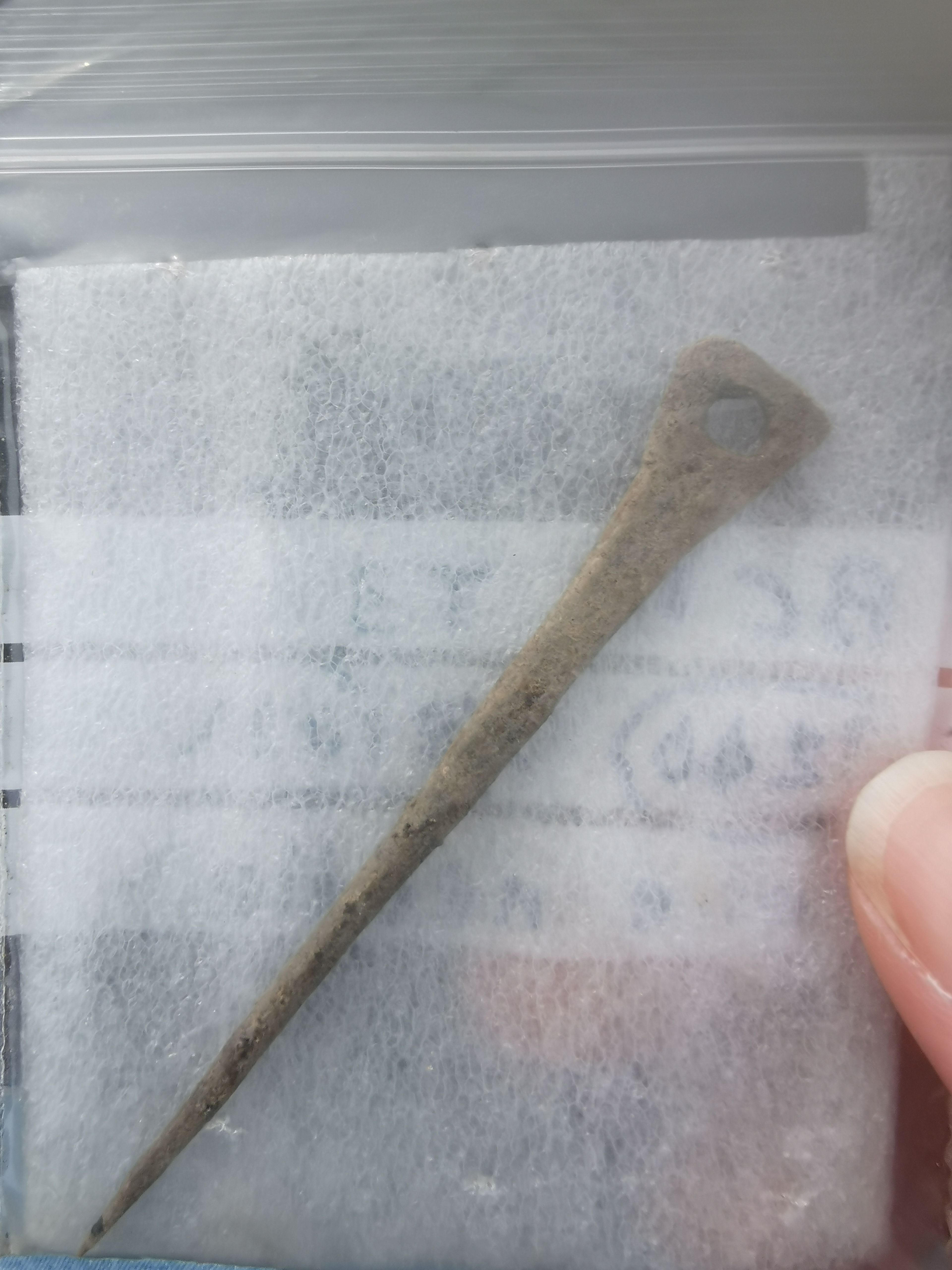
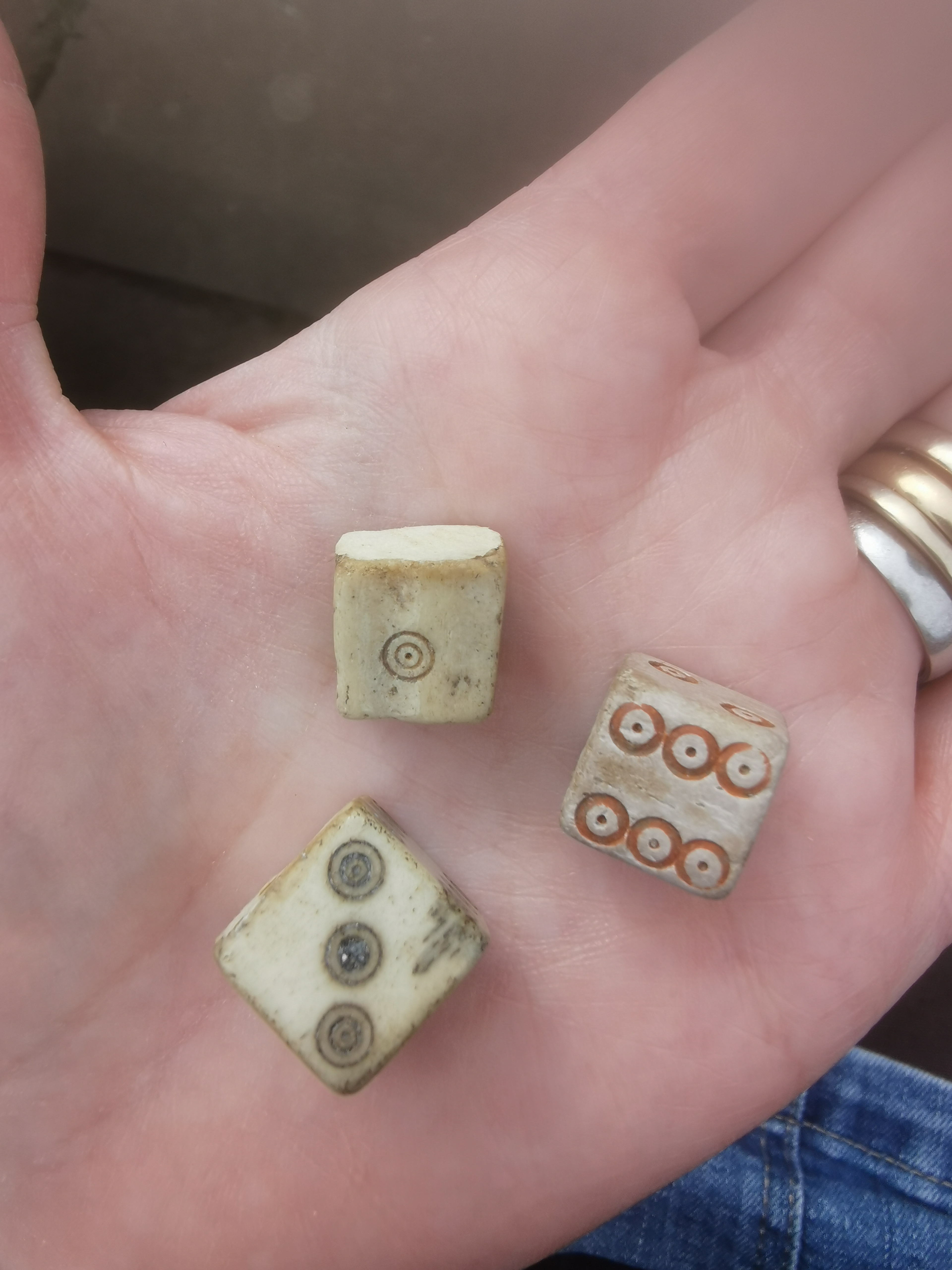
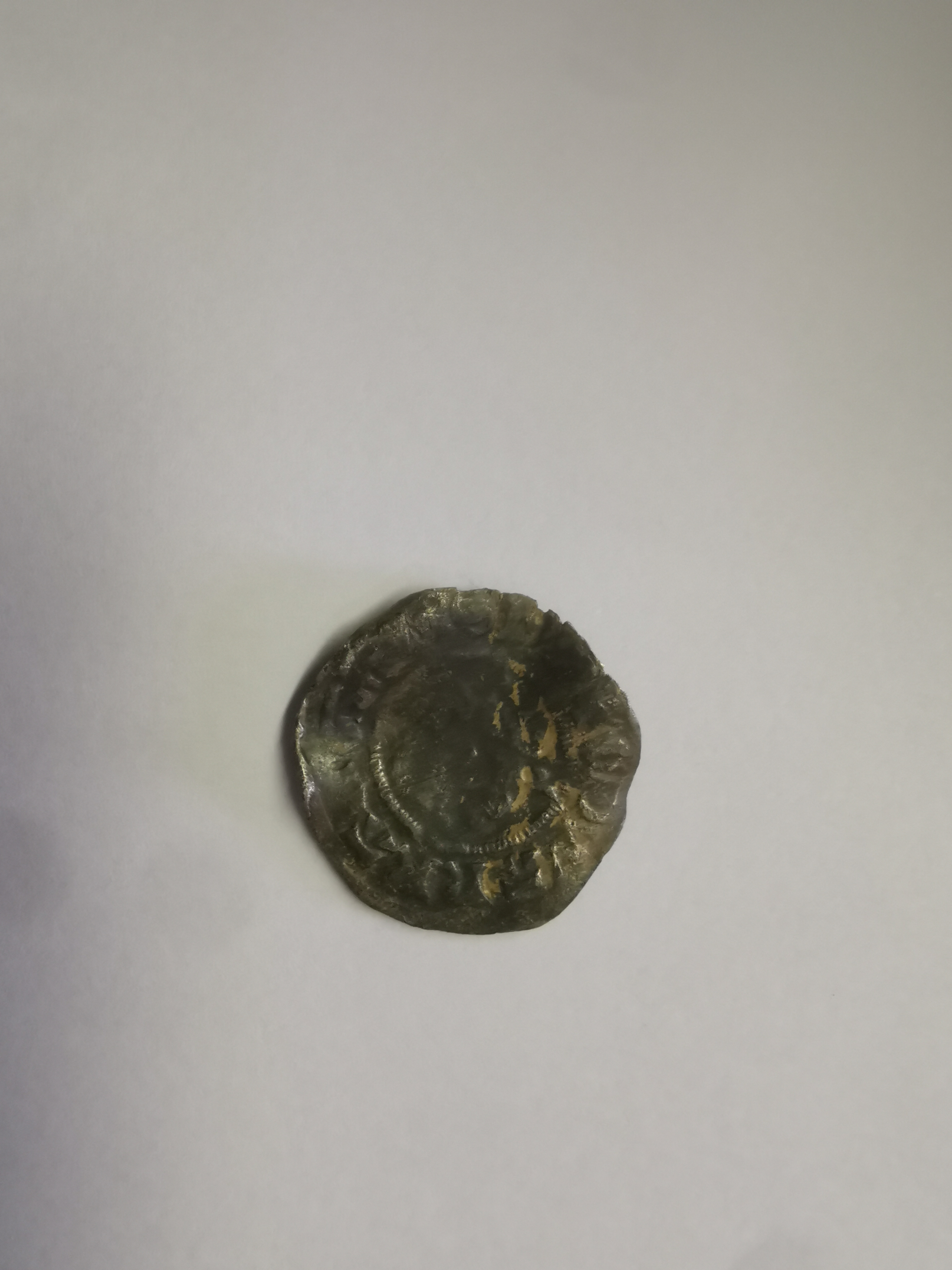
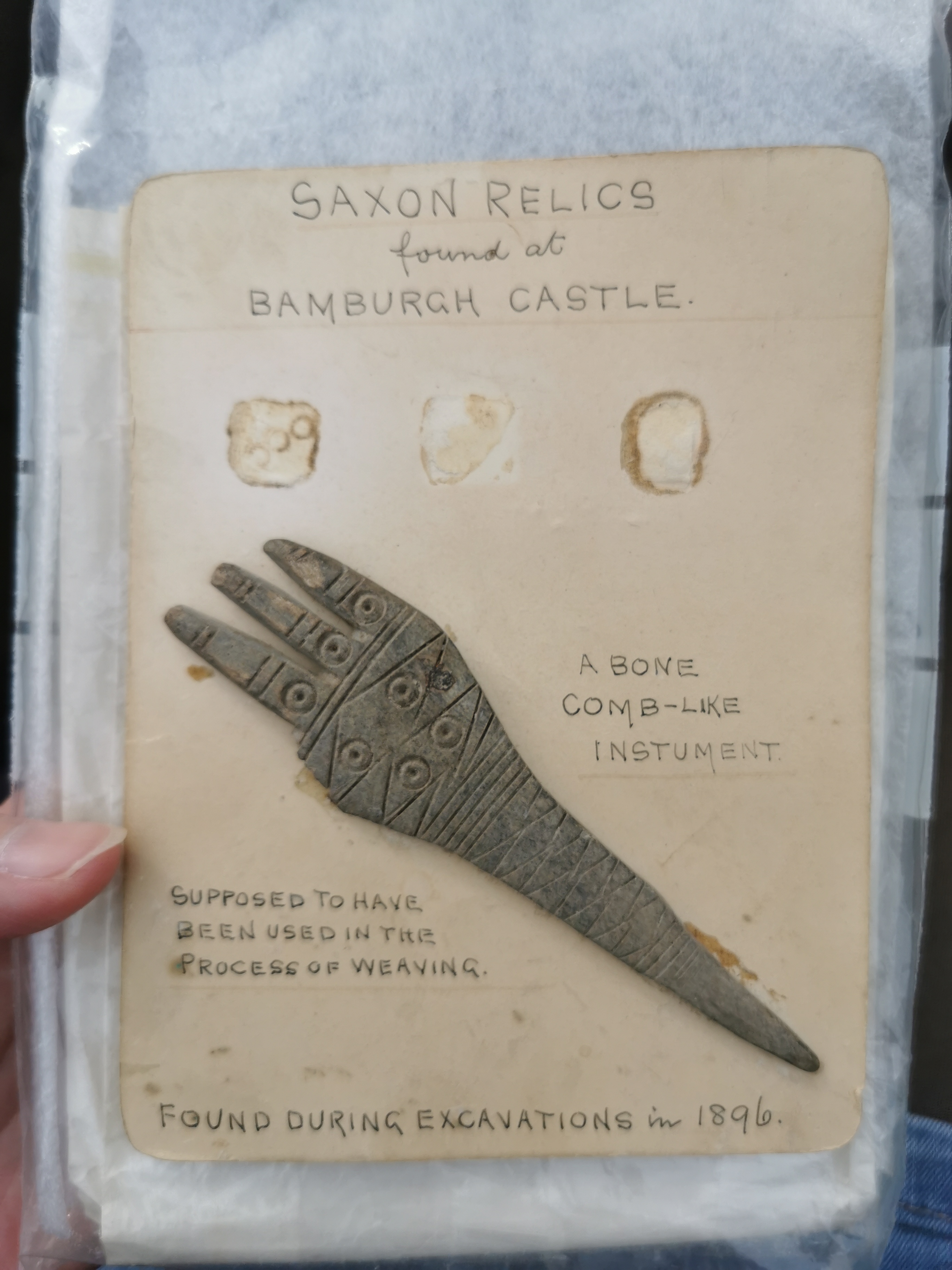
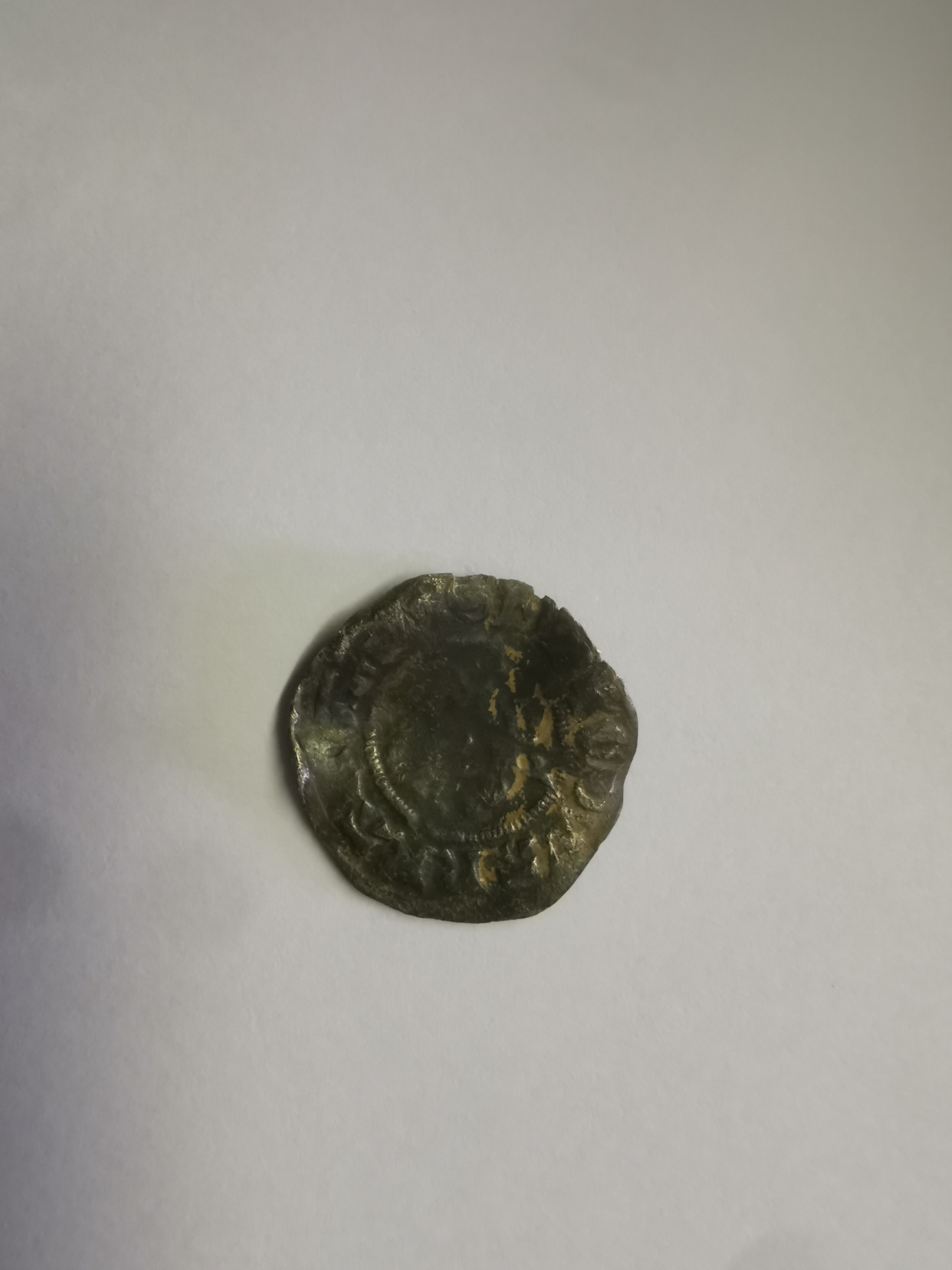
Learning how to record finds did involve some experimenting with pencils and pen width – it’s important to get the right sort of pencil and pen!
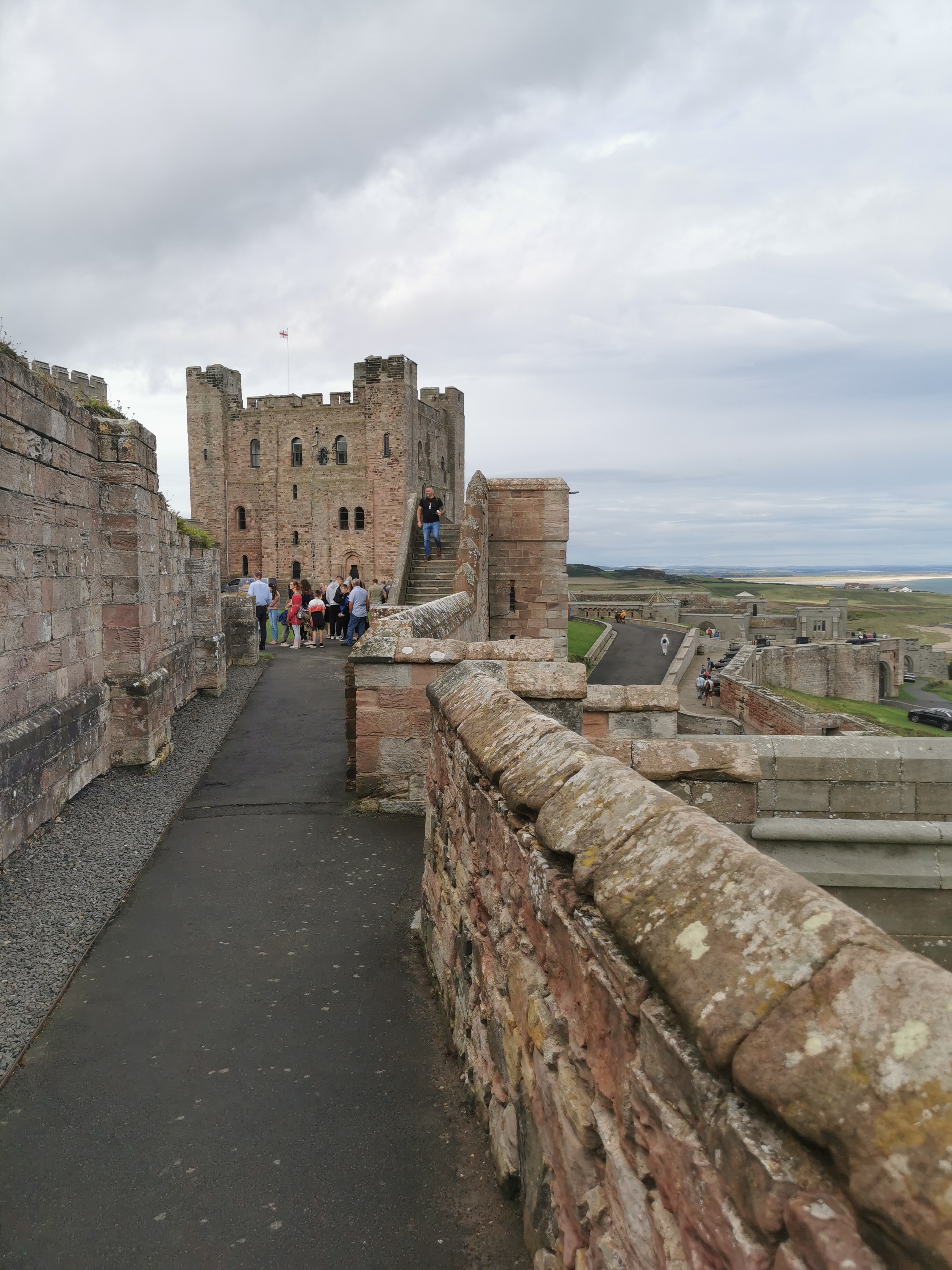
Day 2 – tour of Bamburgh Castle interior (including the Last Kingdom exhibition) and the chapel, and getting my hands wet with some environmental sampling
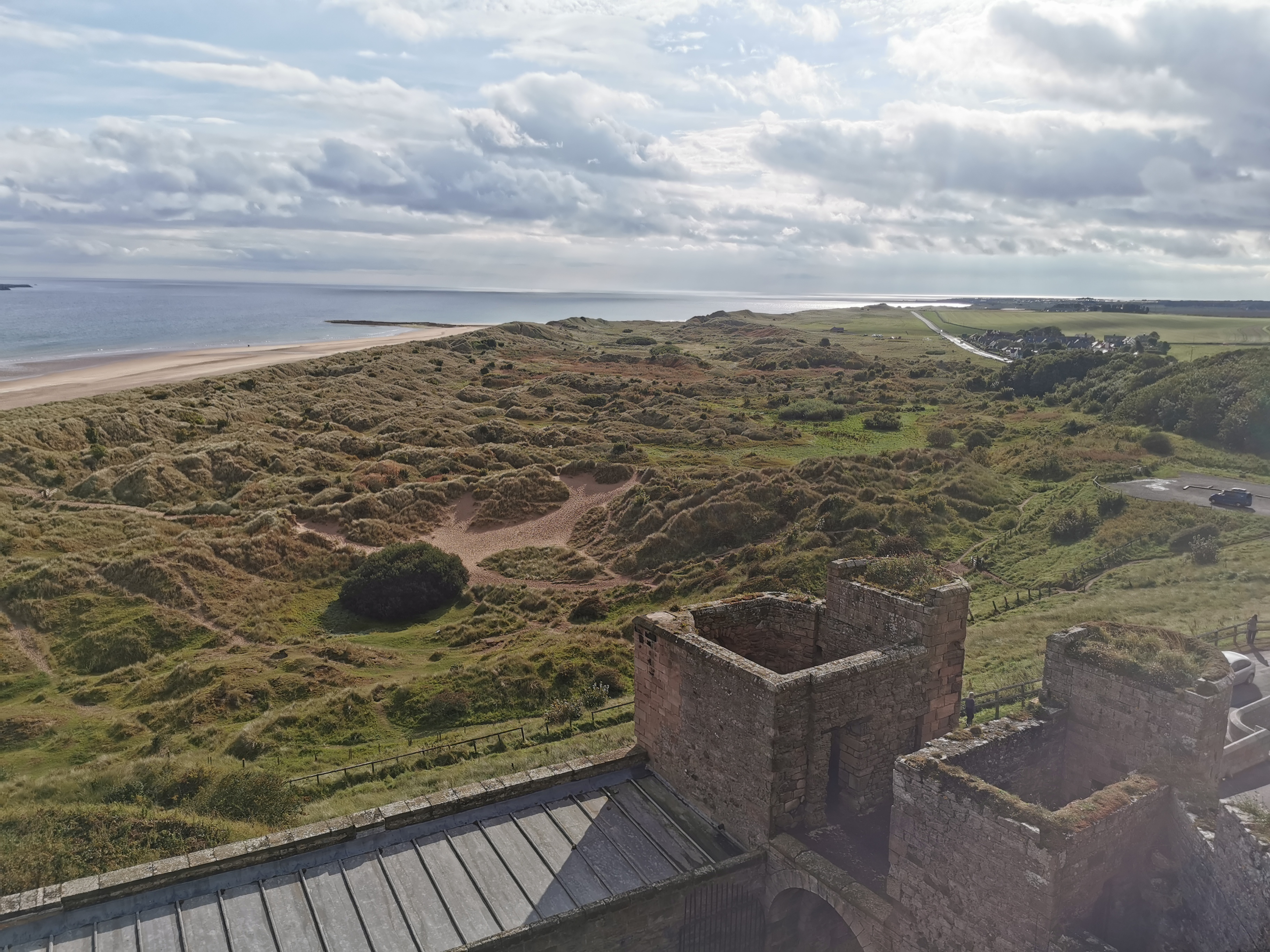
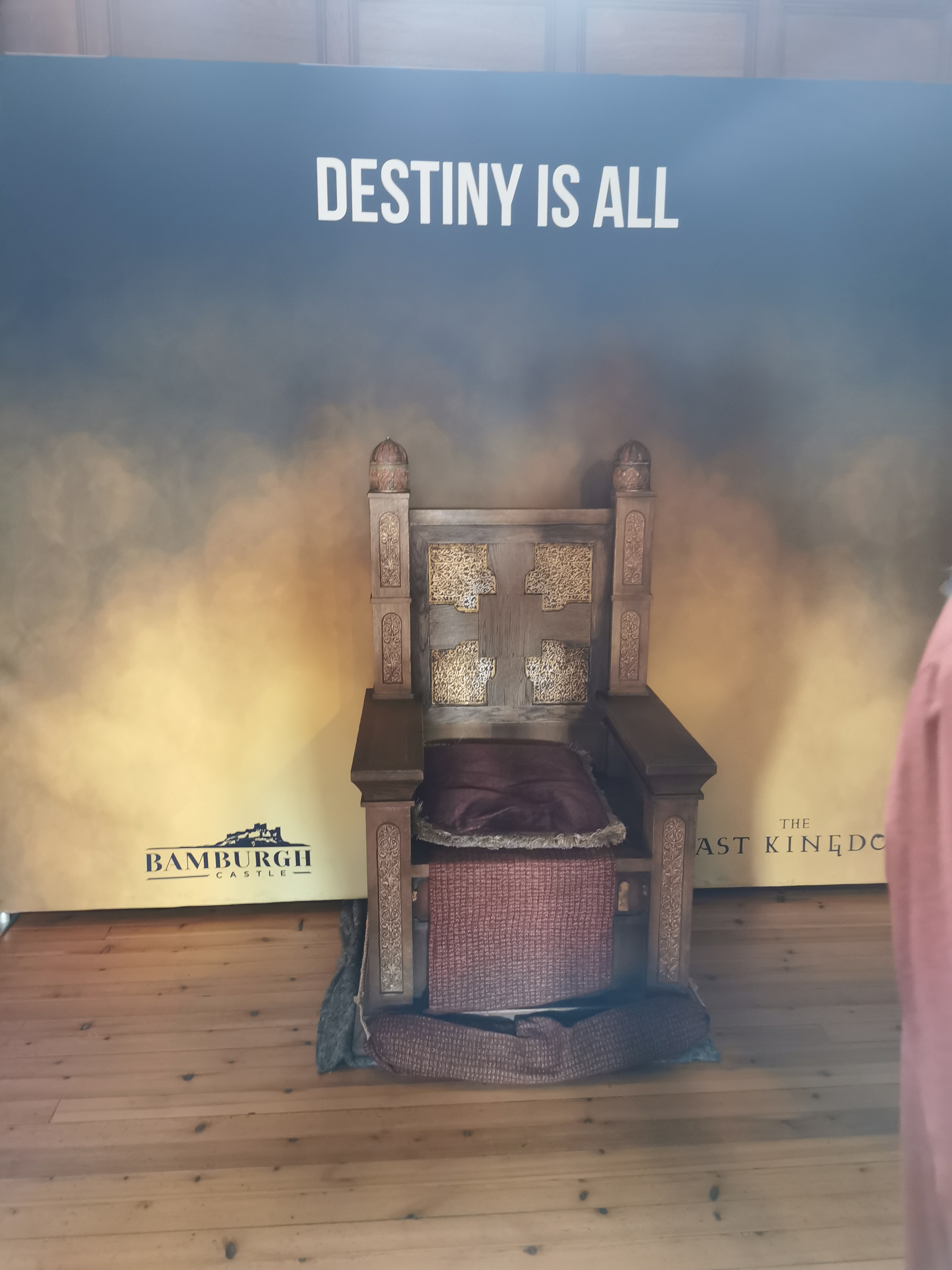
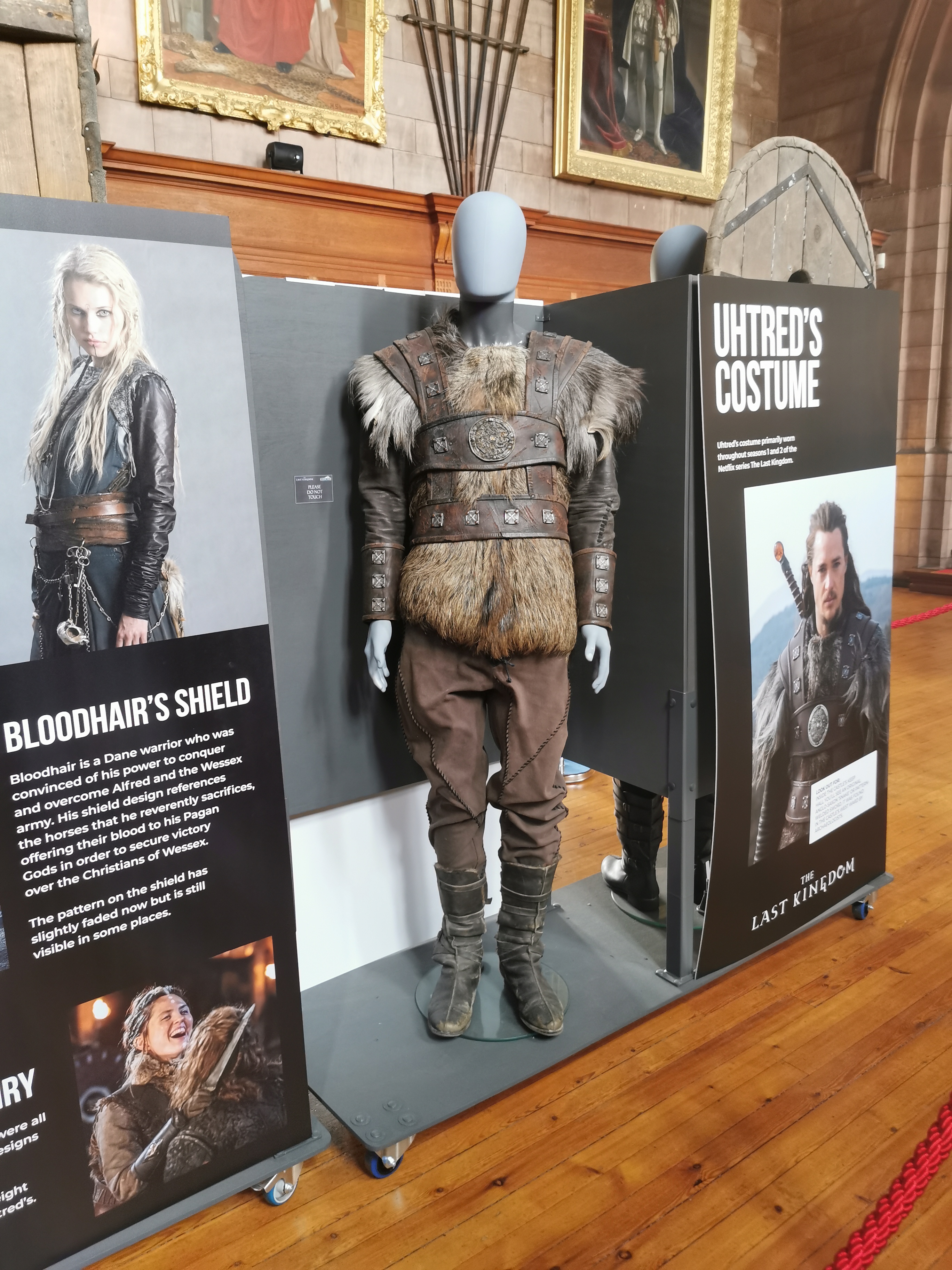
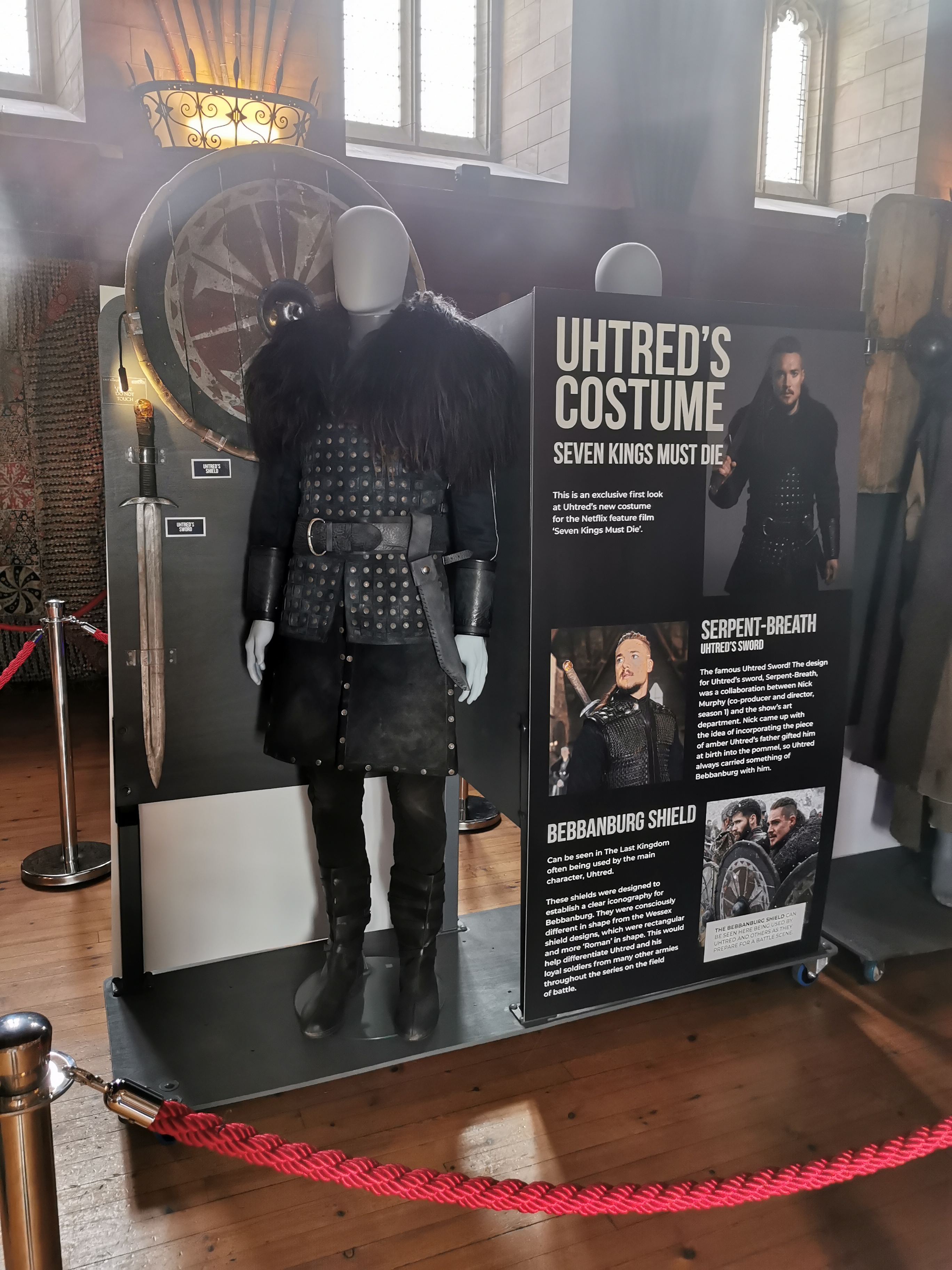
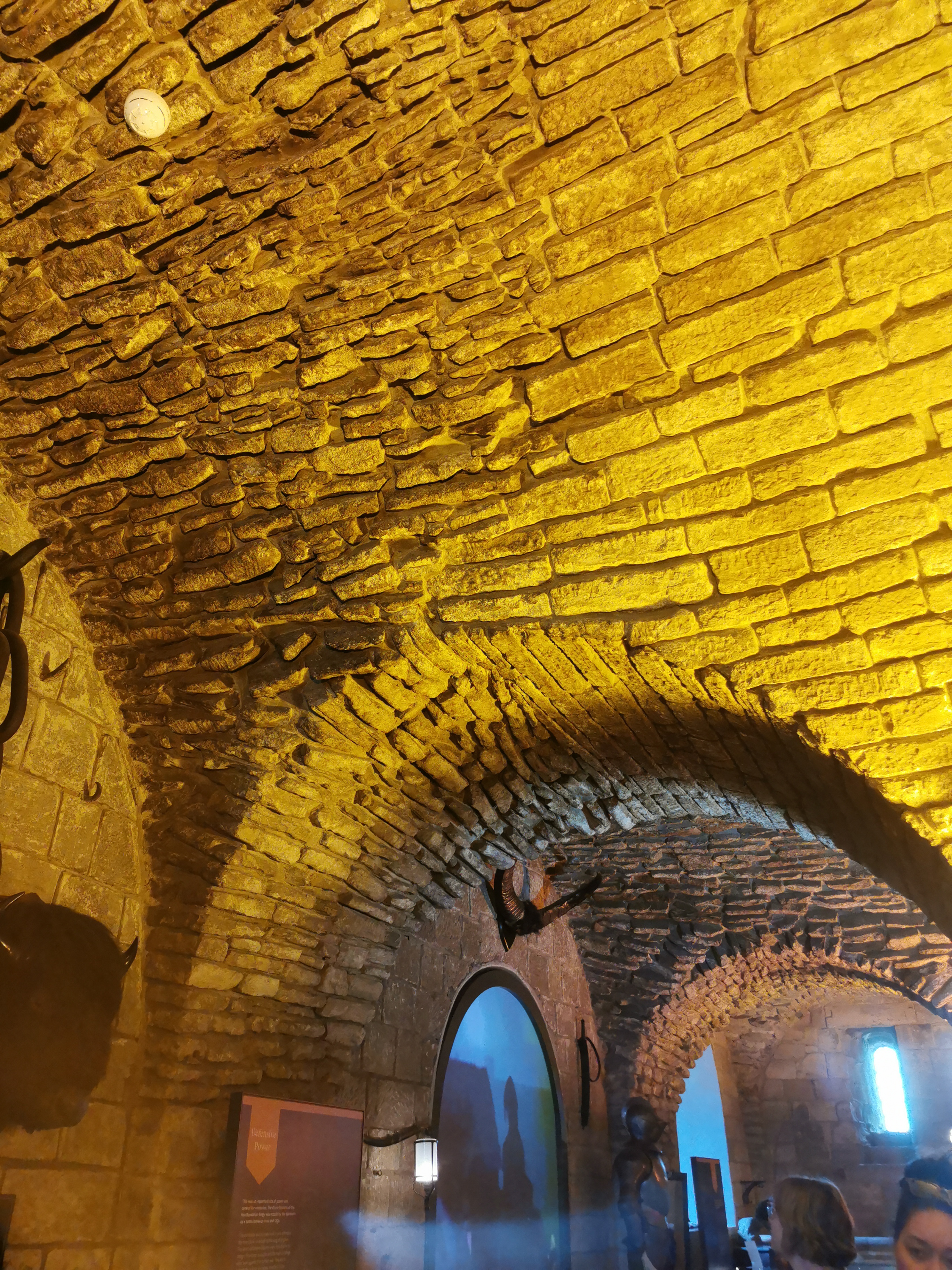
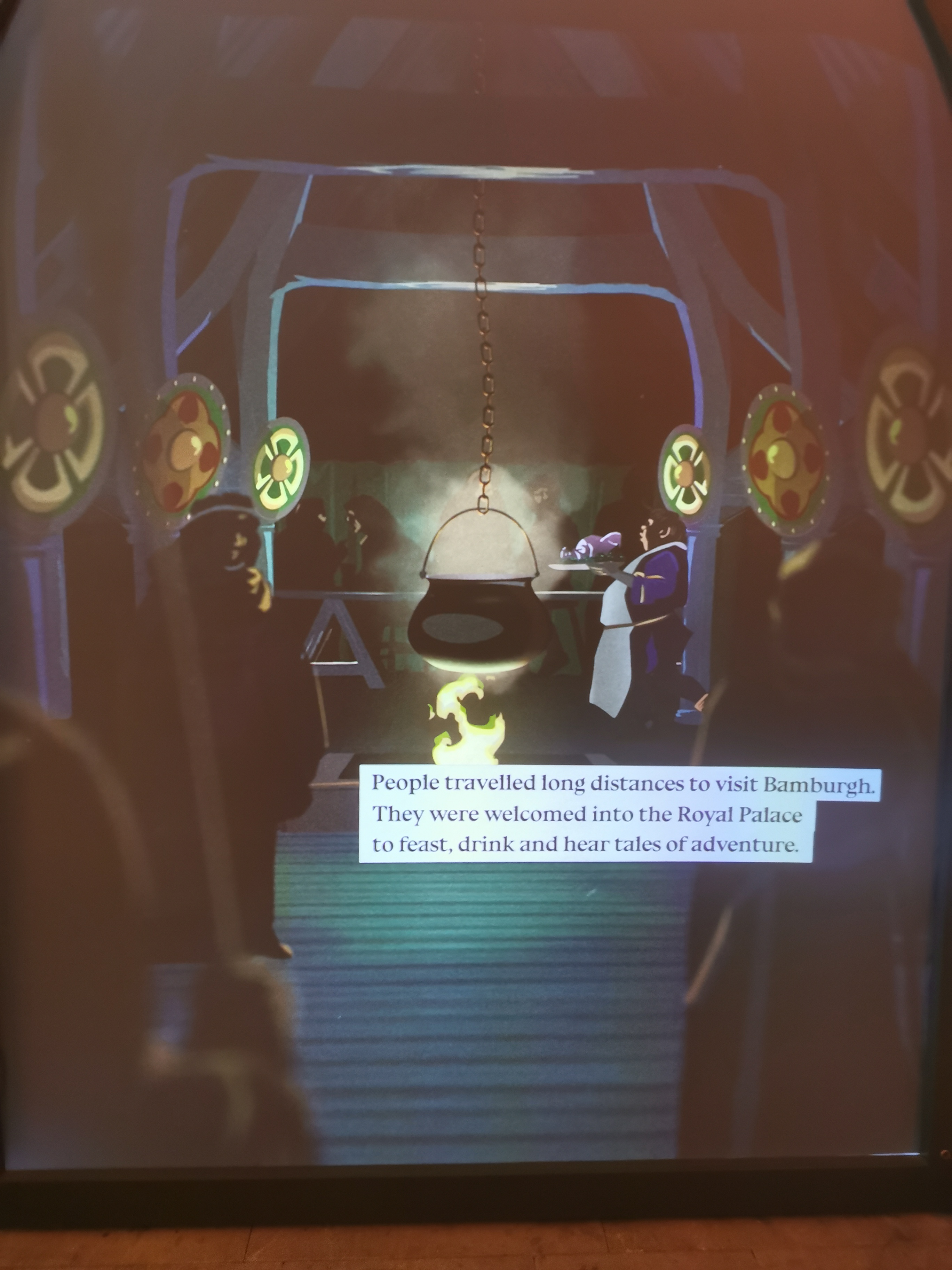
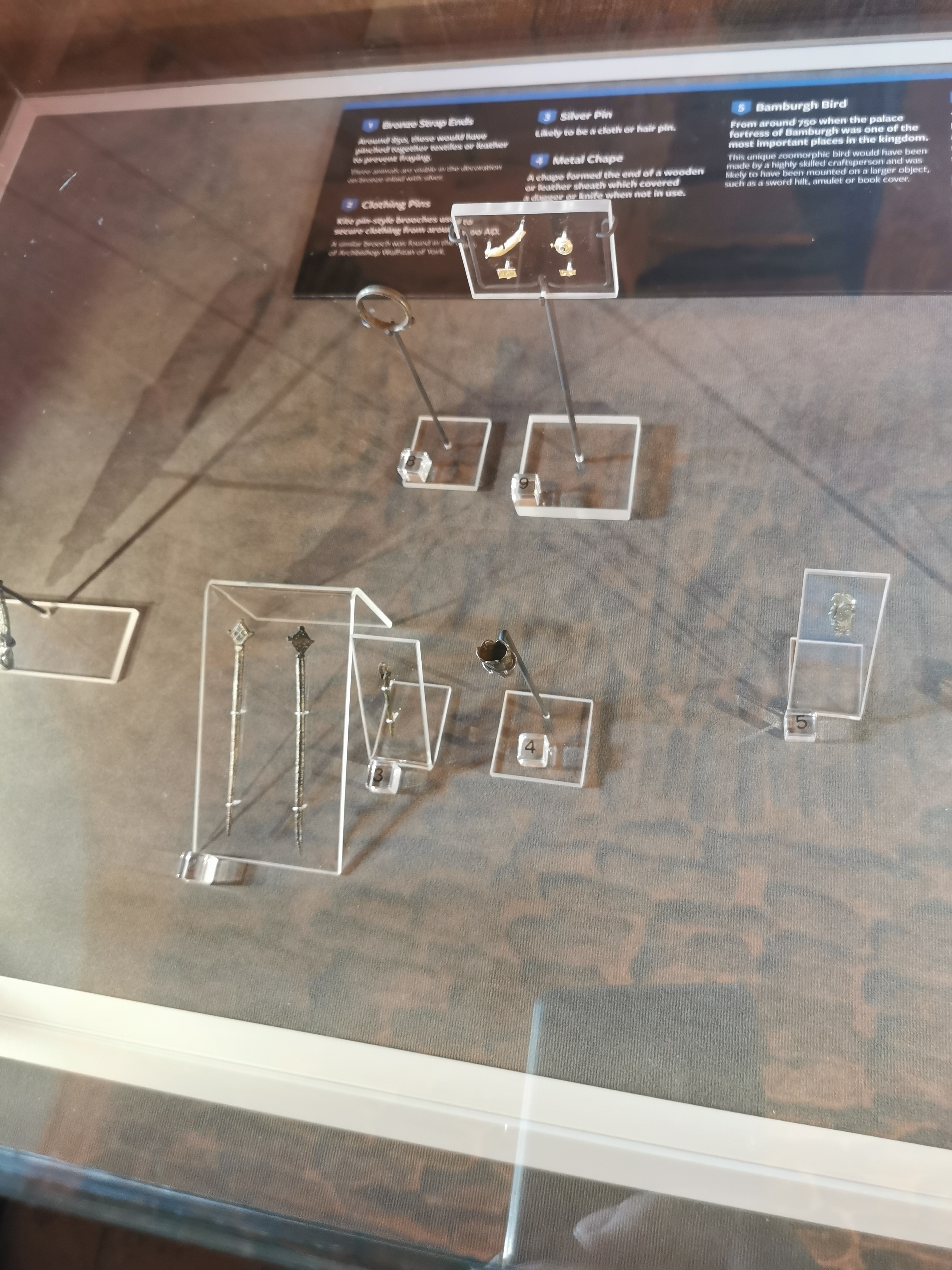
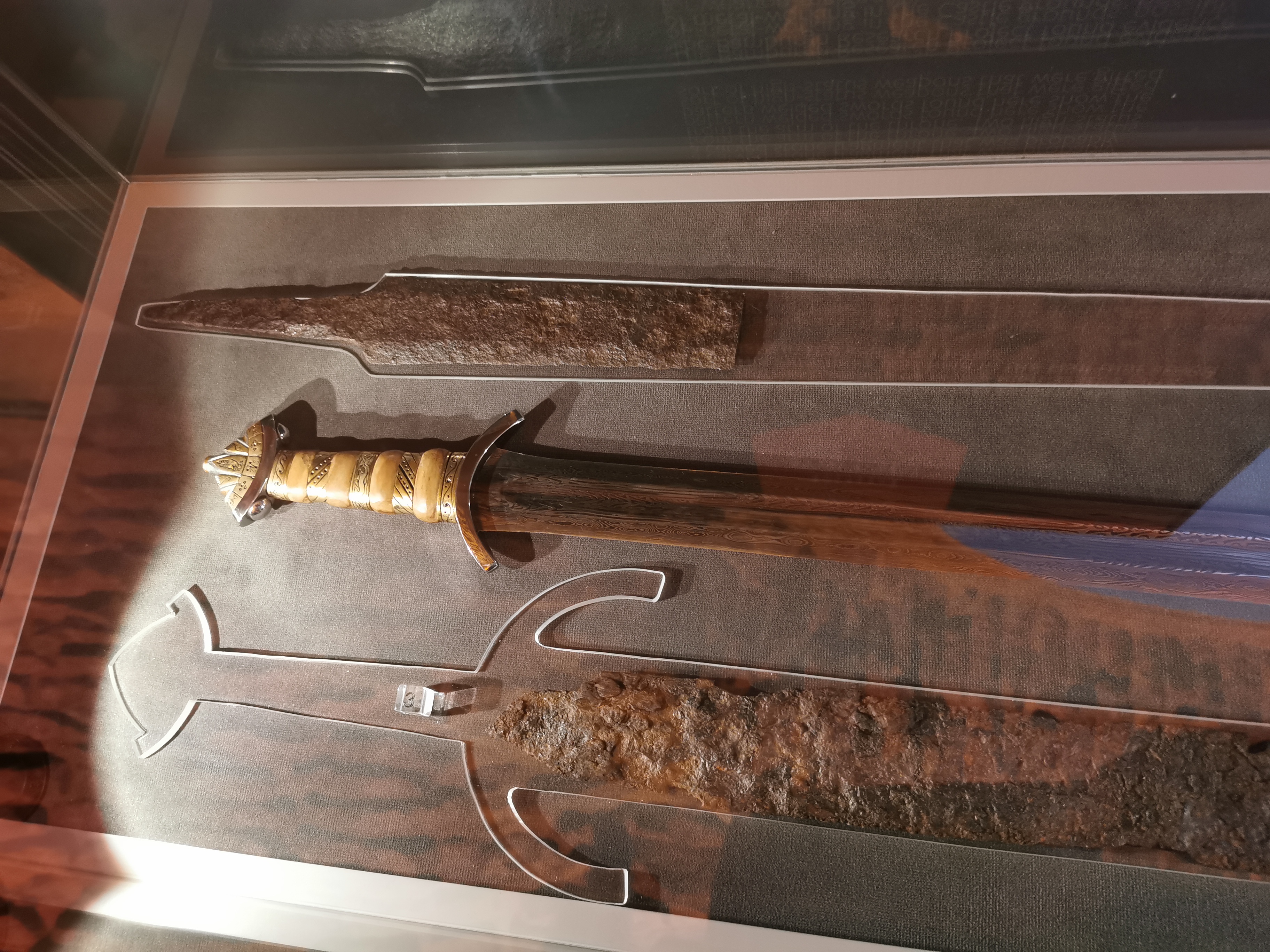
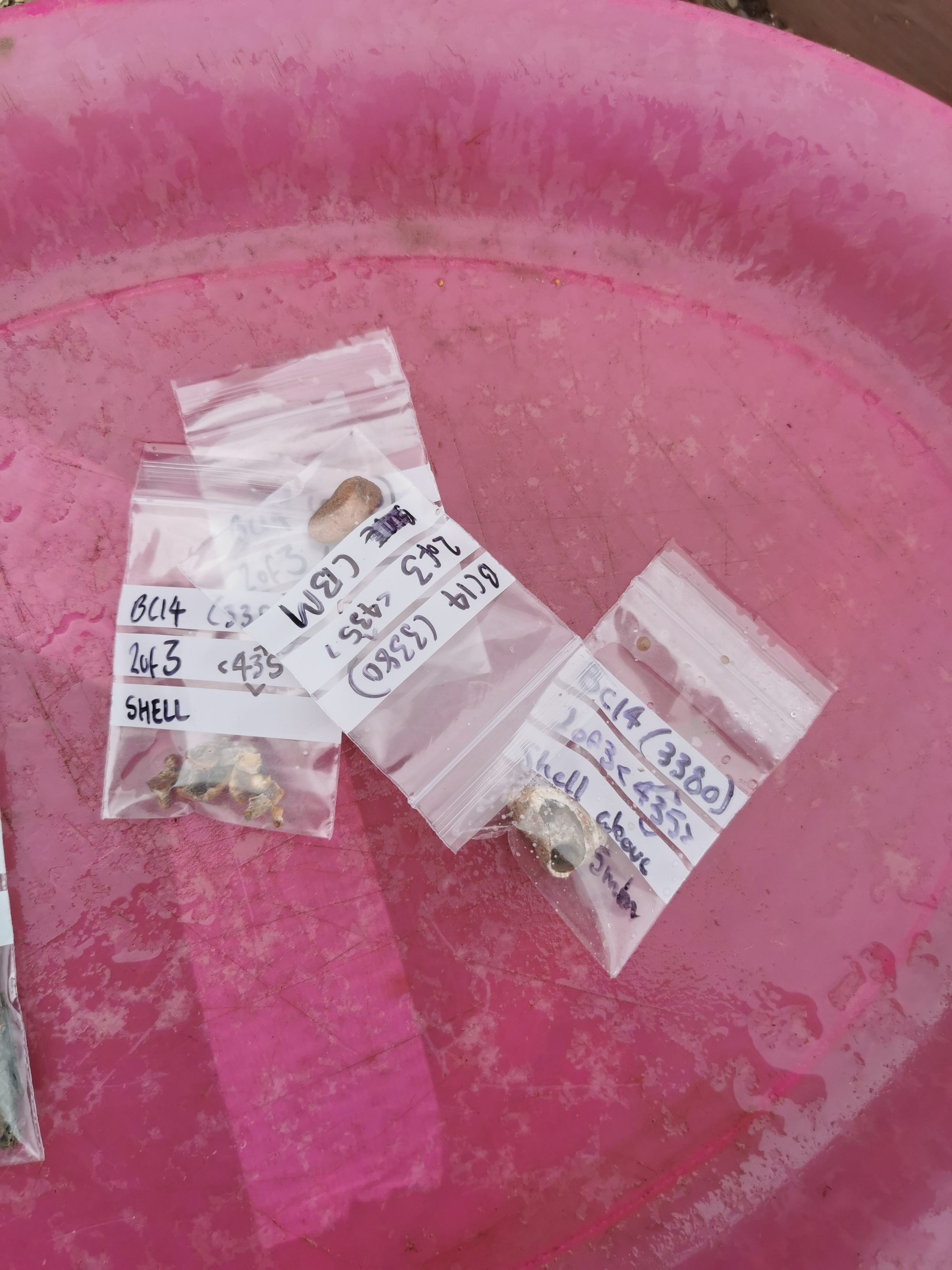
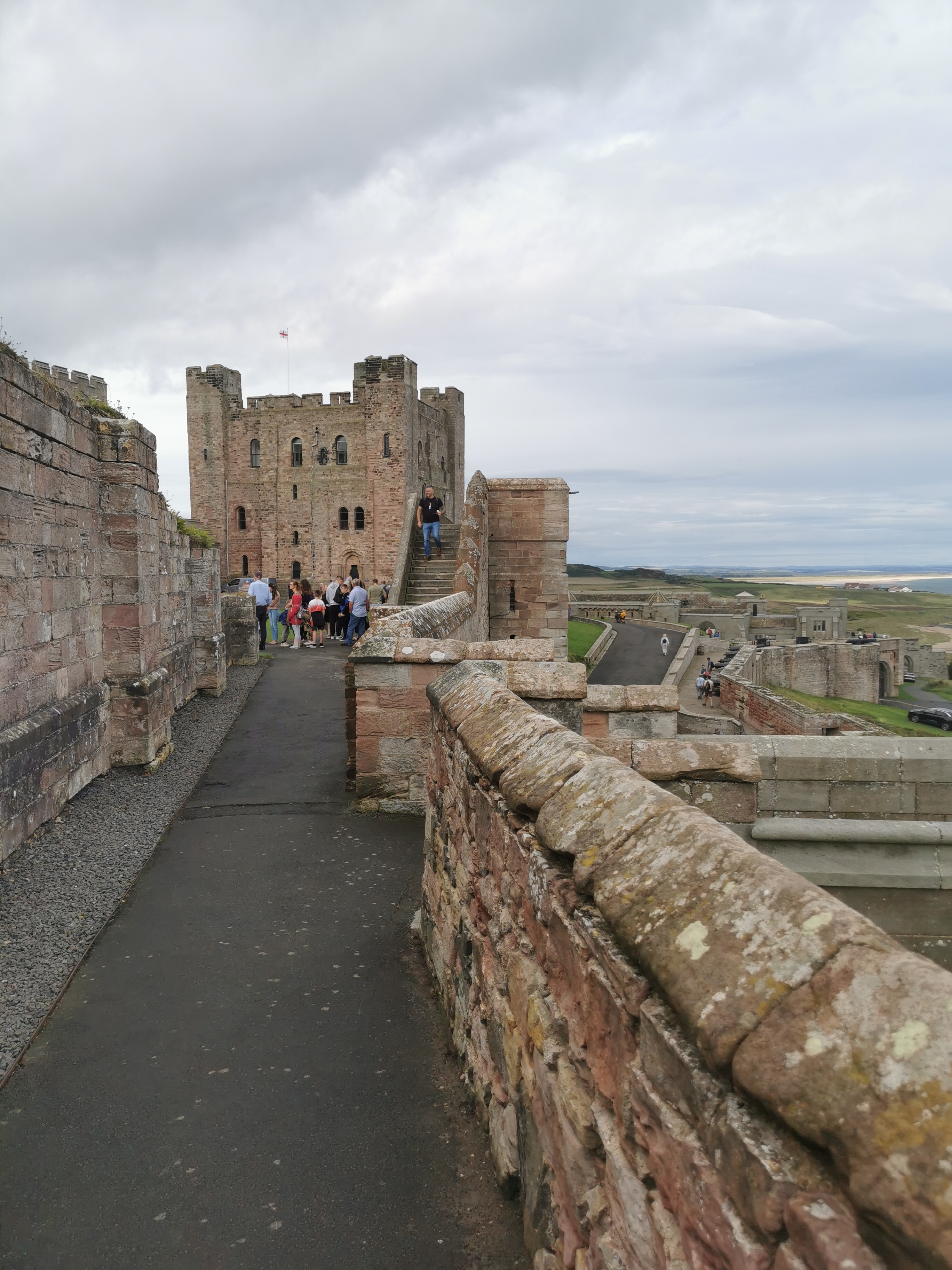
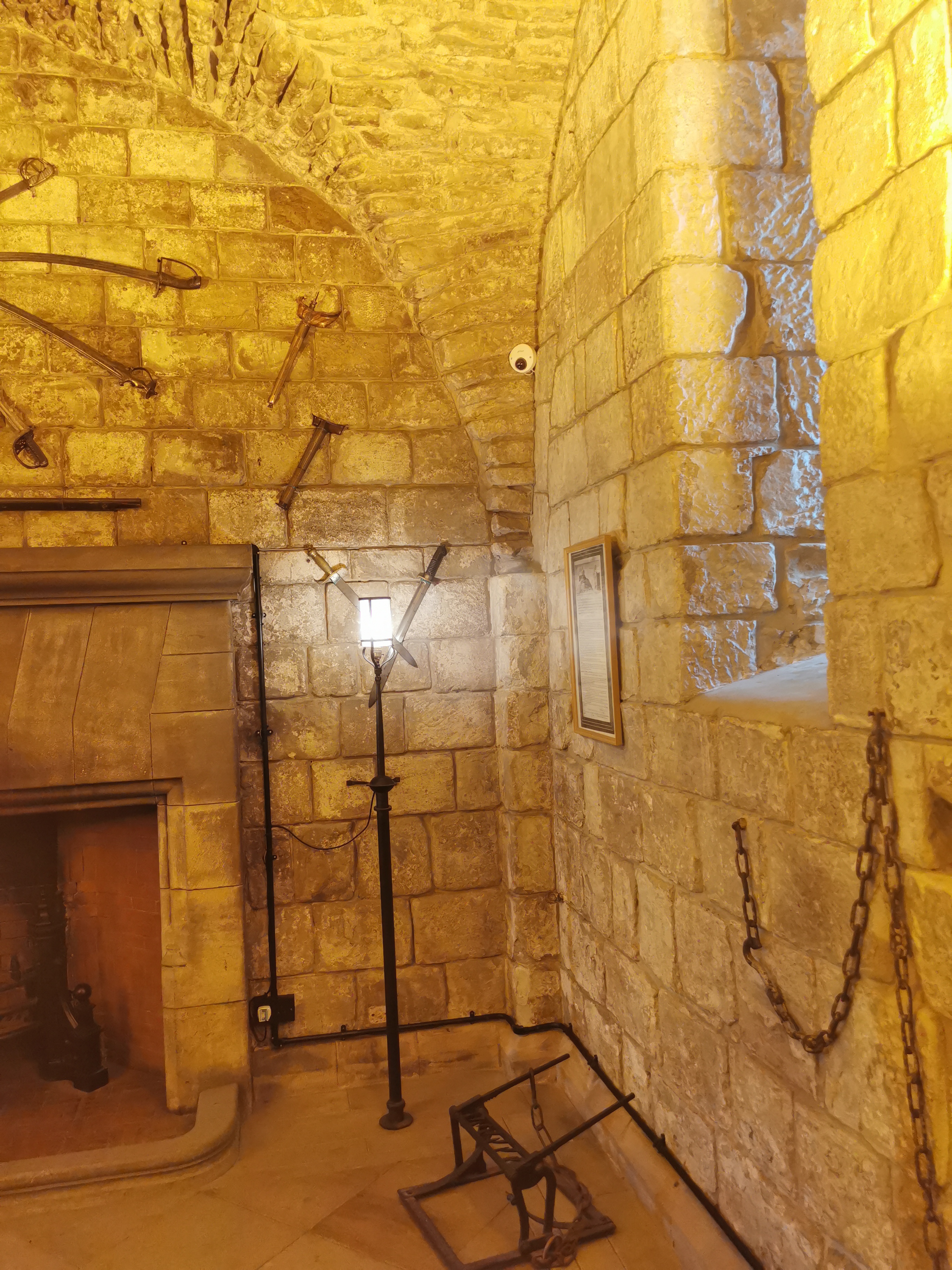
I didn’t take many photos of my wet hands:) In true ‘historian’ style, I did not enjoy getting my hands dirty and wet:)
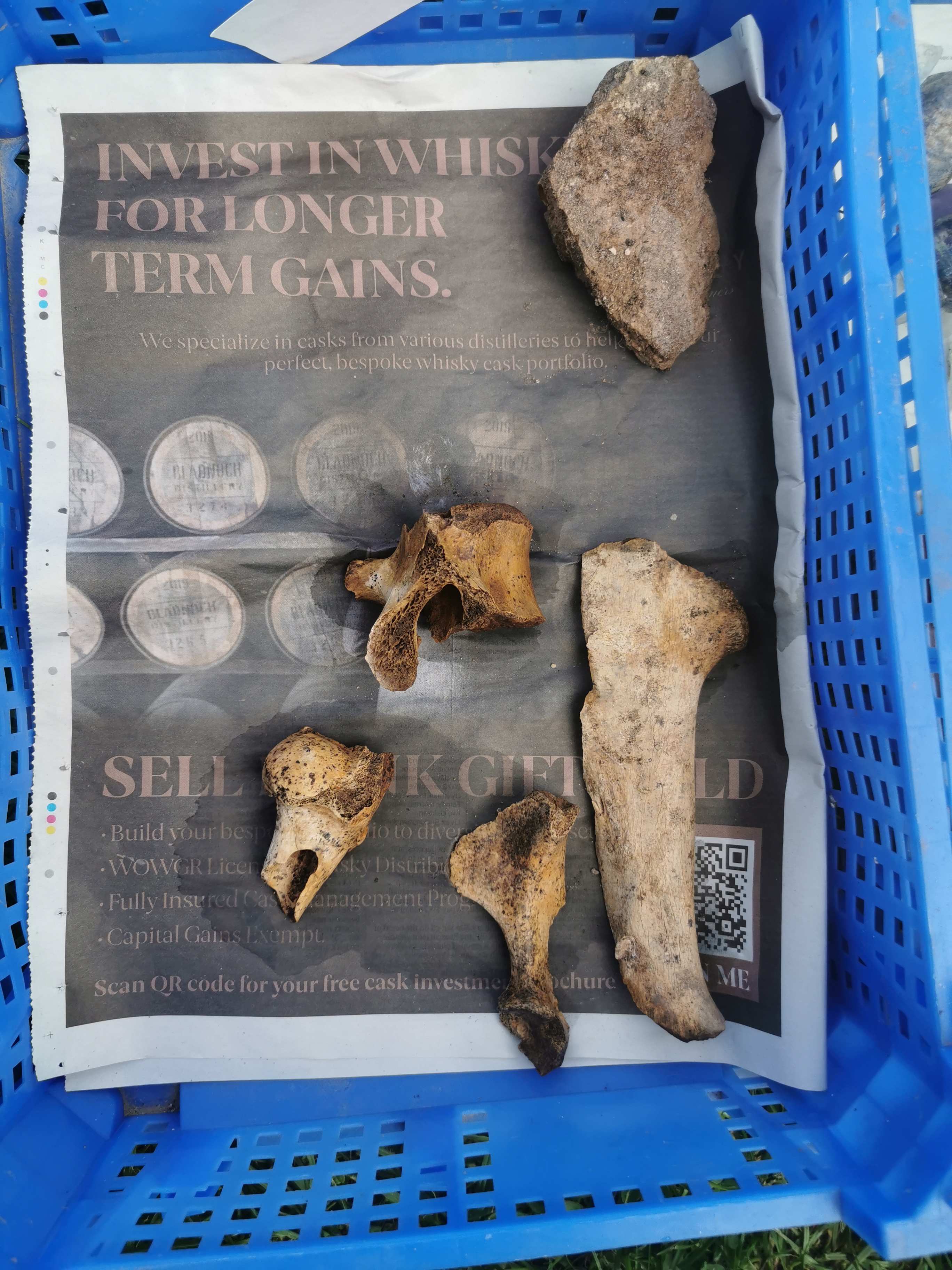
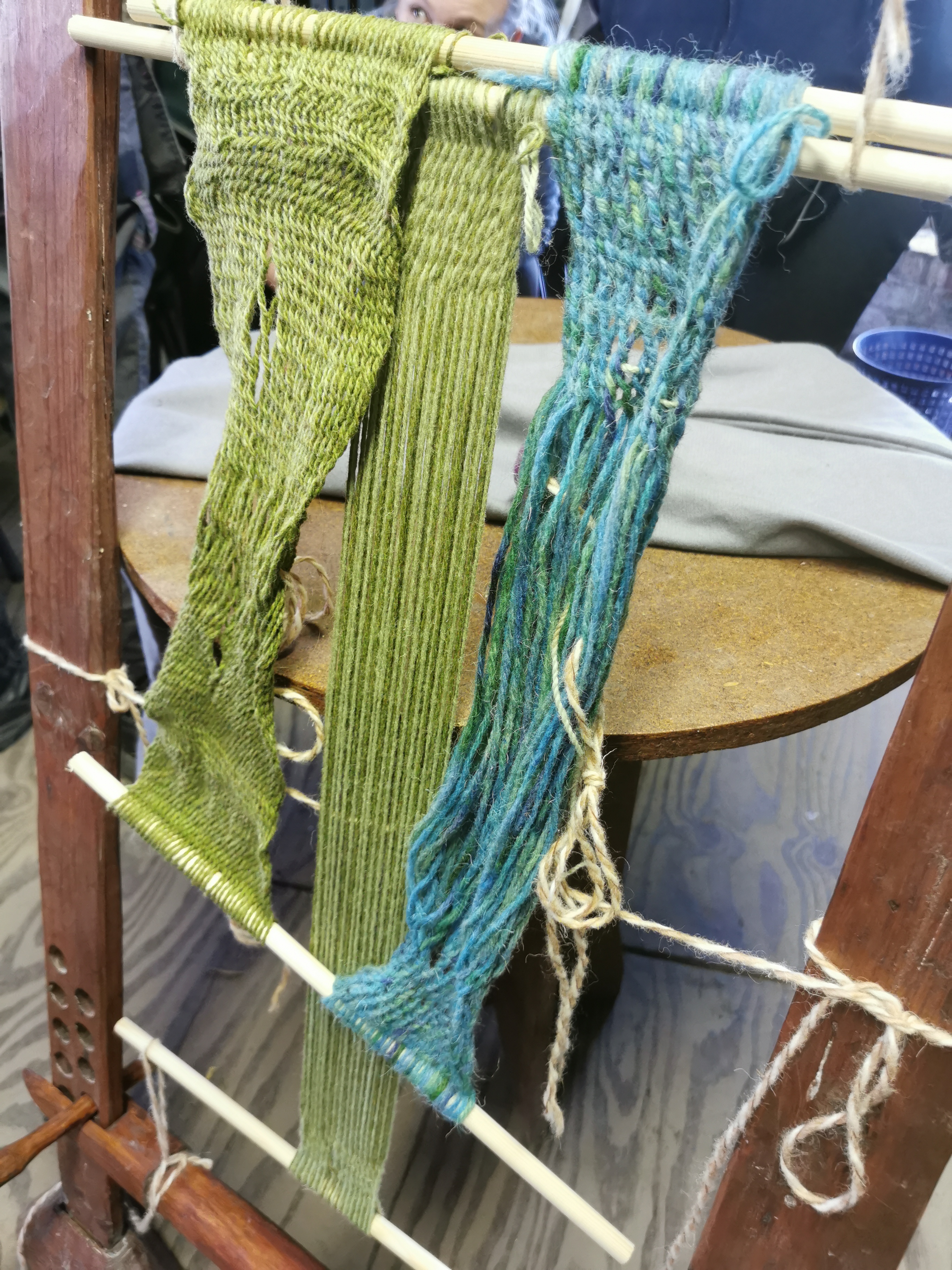
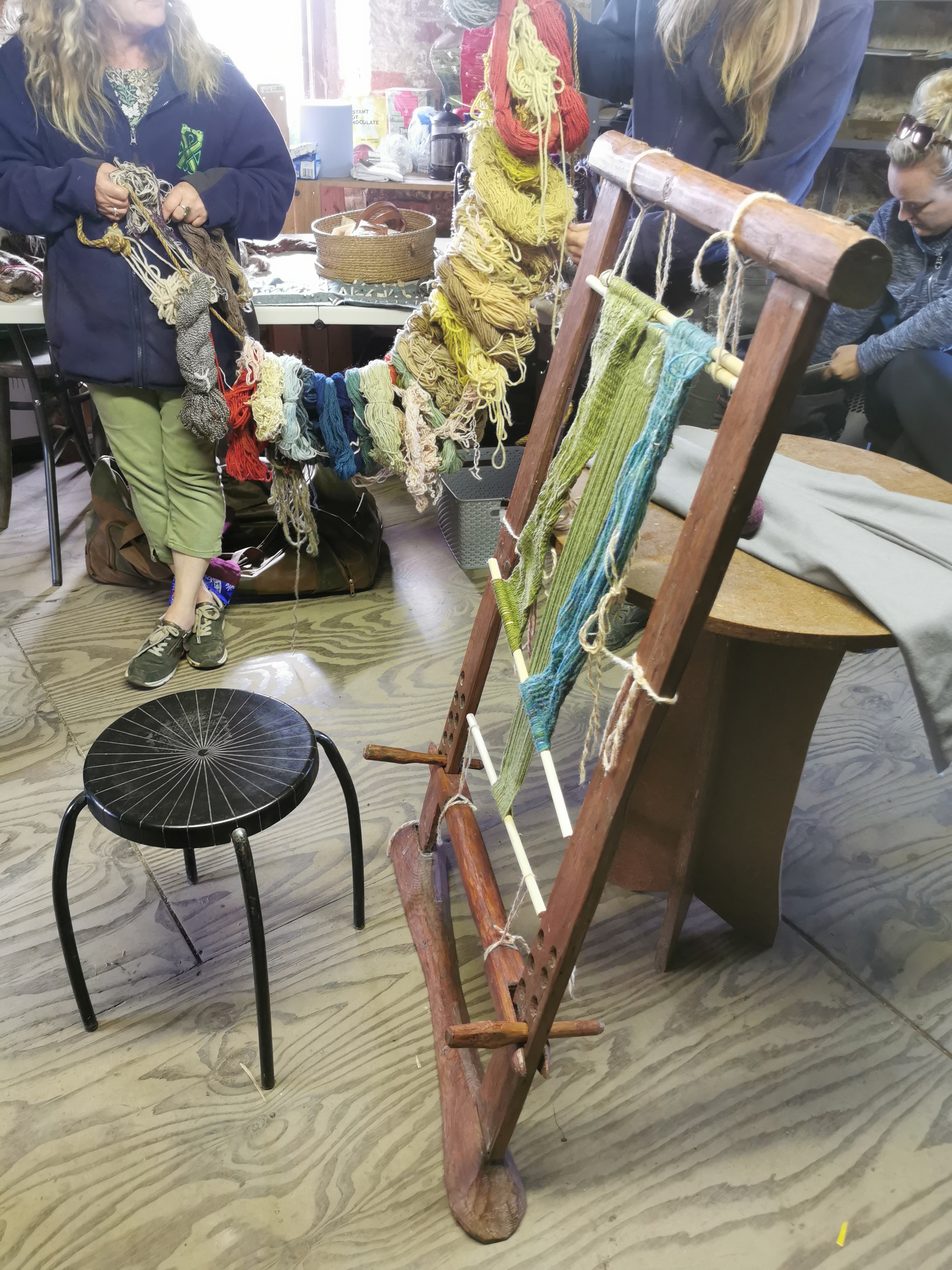
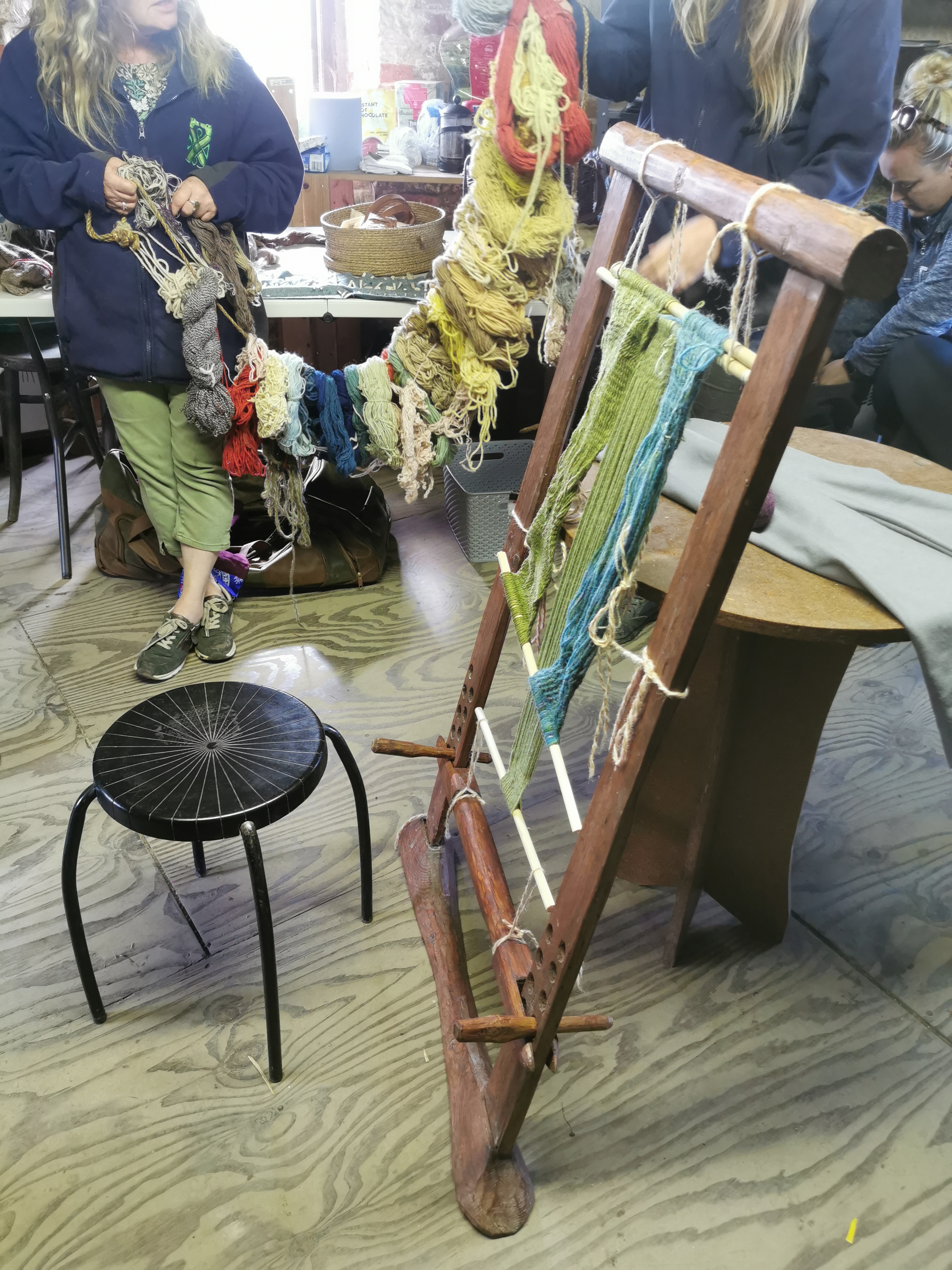
Day 3 Processing and cleaning finds and a talk about Saxon textiles as well as a demo – bone is animal bone!
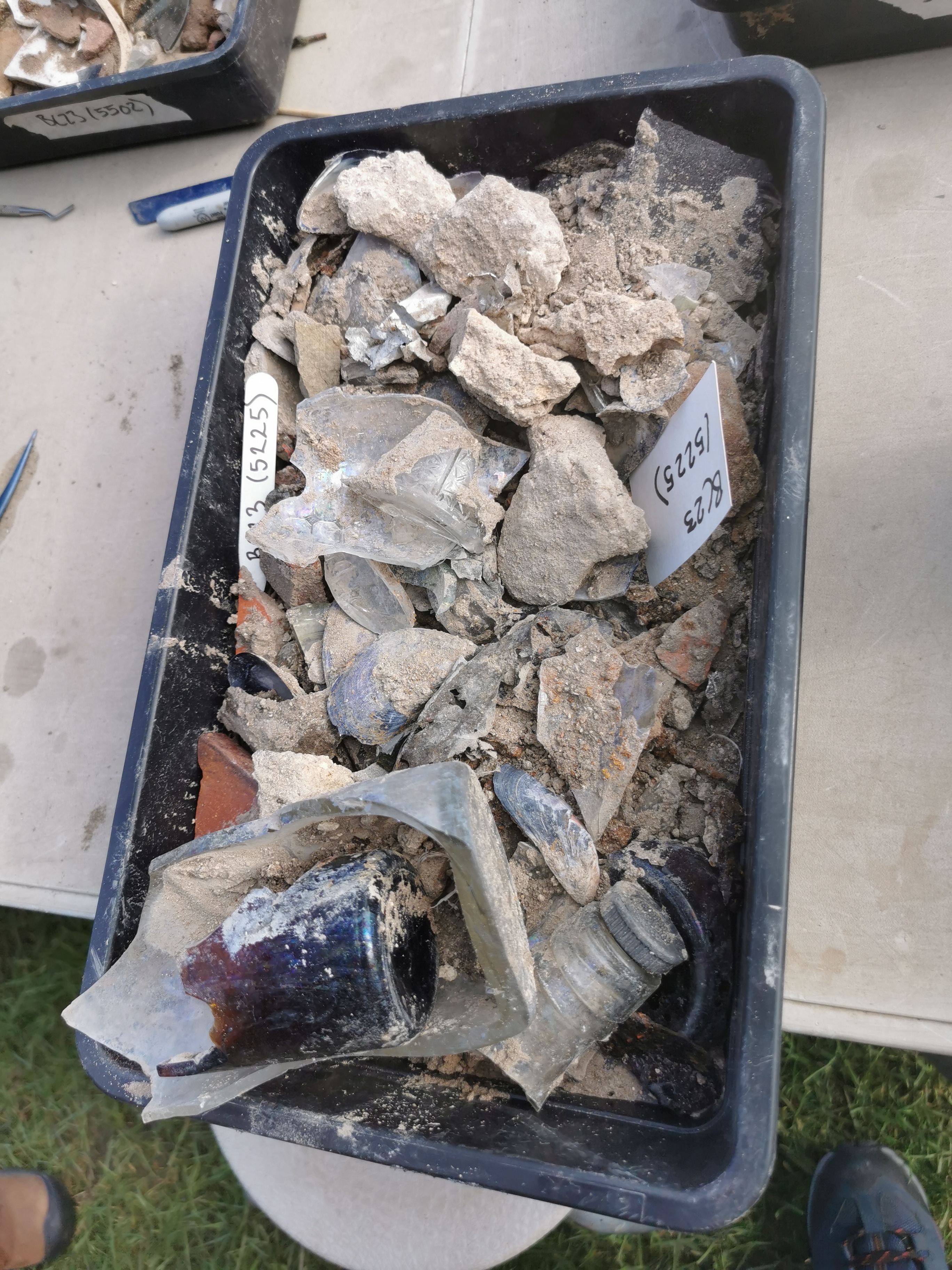
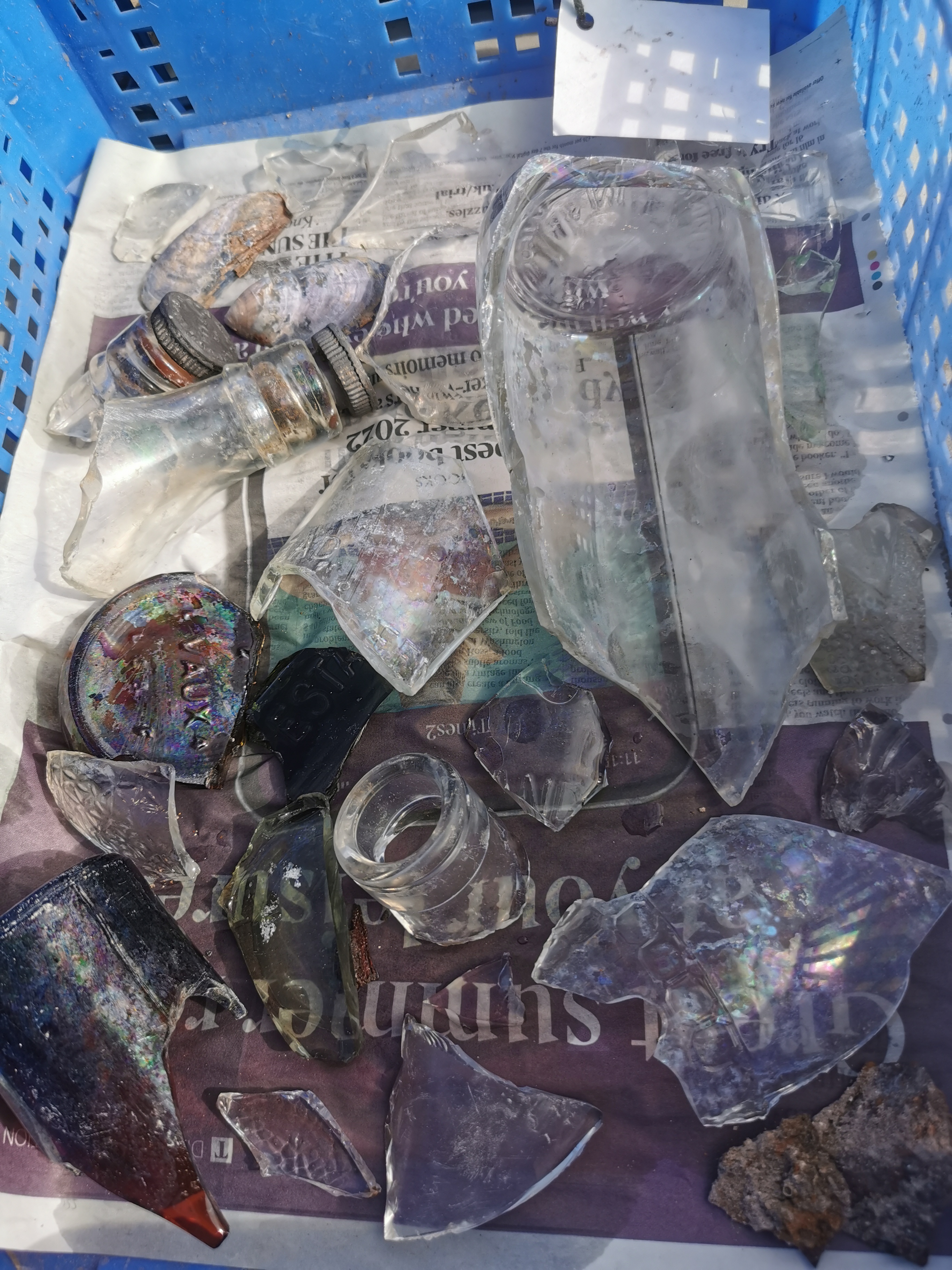
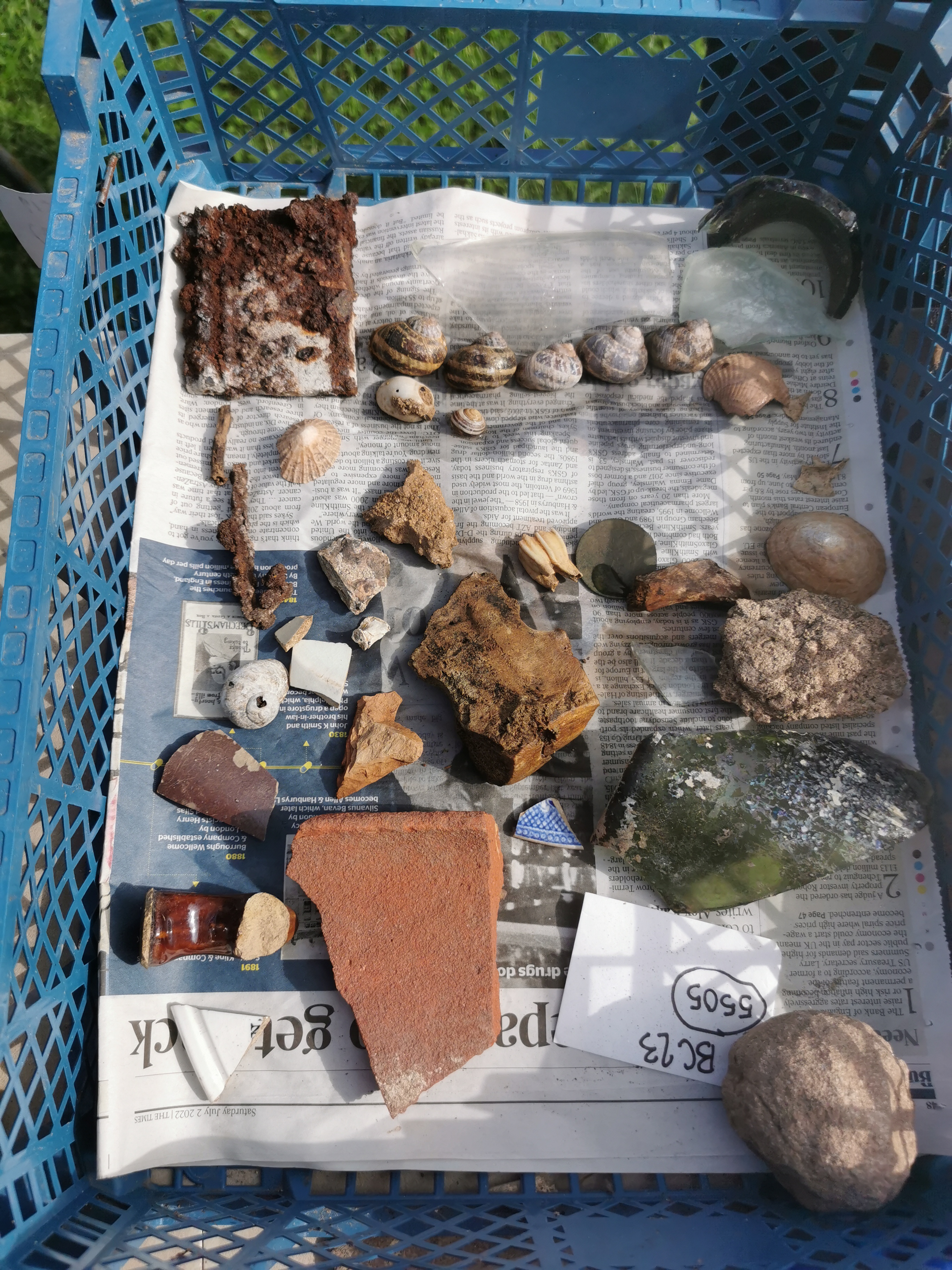
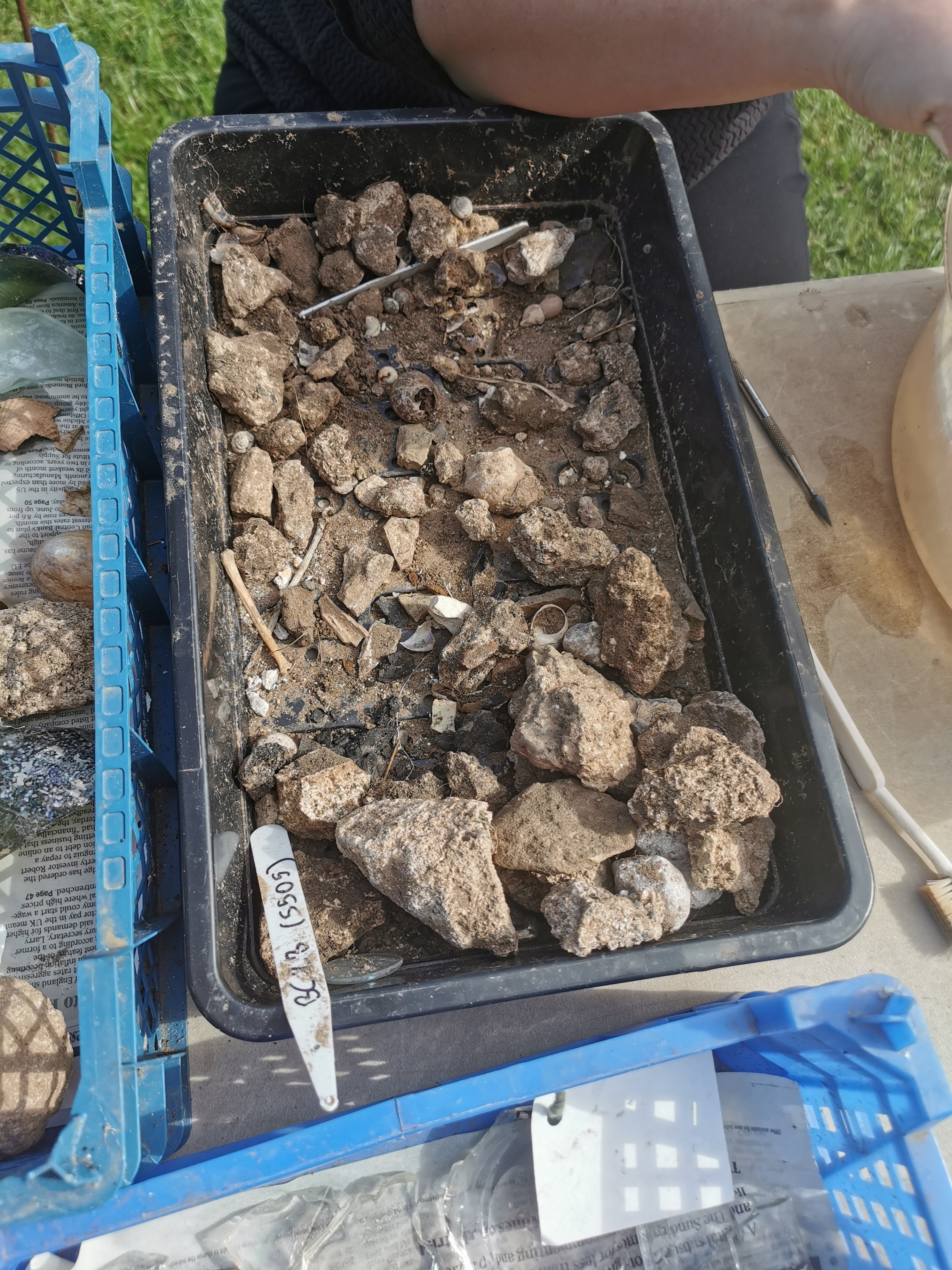
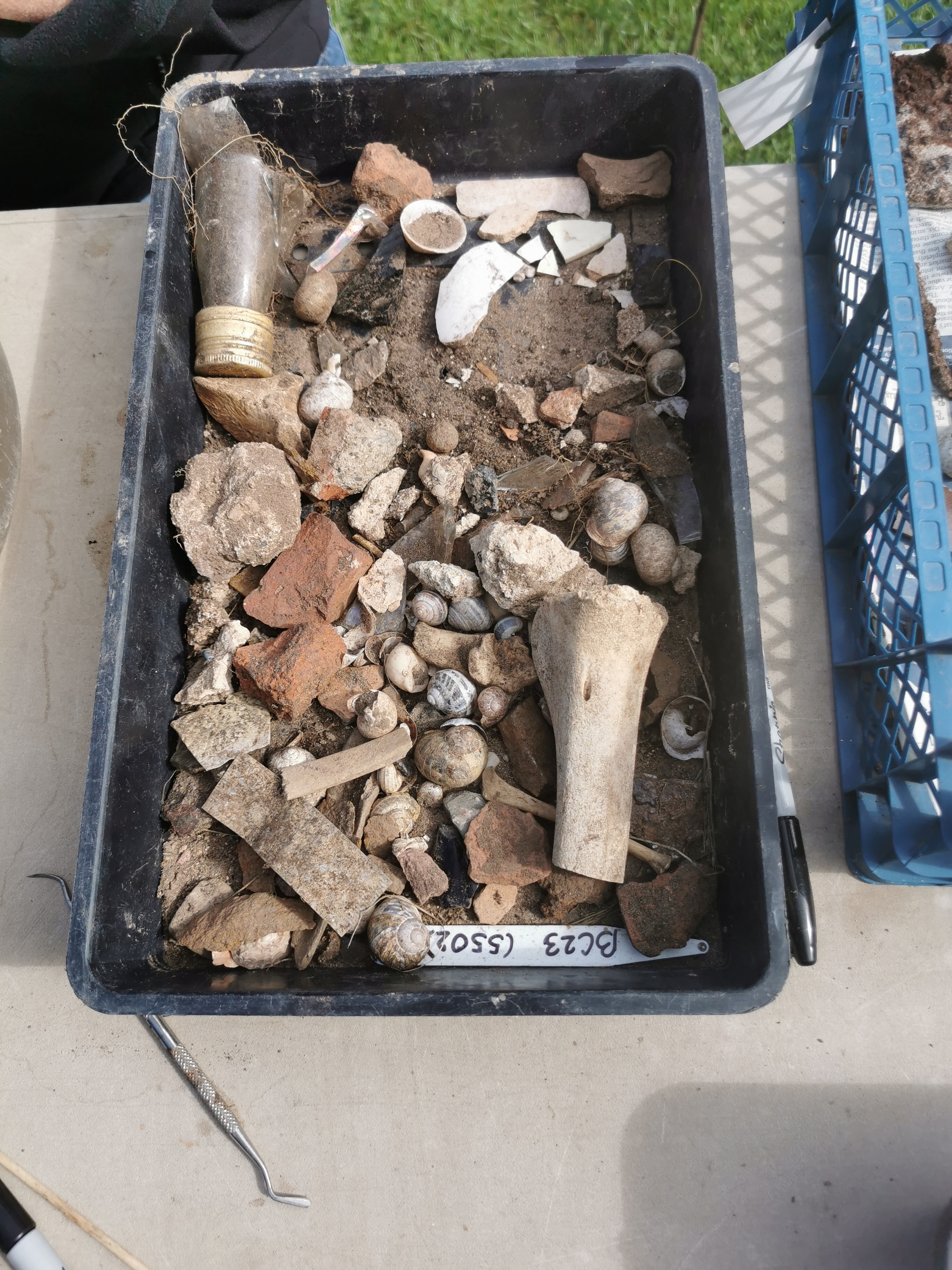
You can really tell the difference between the early medieval finds and those from a more ‘modern’ layer. I did clean a lot of glass – I would say they were discarded milk bottles:) I forgot to take many pictures during the textiles talk but it was fascinating, and alas, I’ve been told that toggles are only found from the 1300s so I need to rewrite a bit of my current writing project.
Day 4 Site visits to Lindisfarne/Holy Island and Ad Gefrin/Yeavering
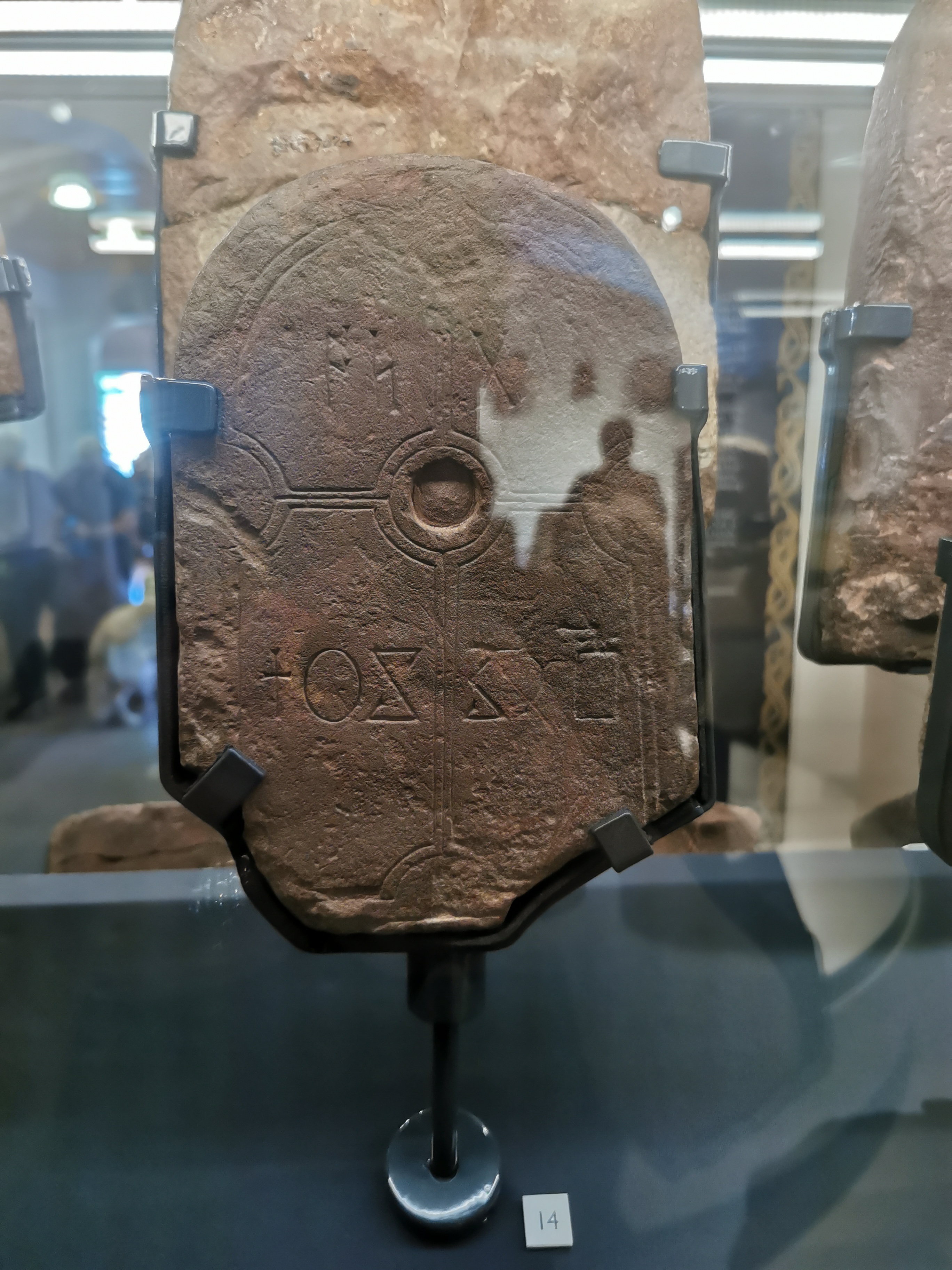
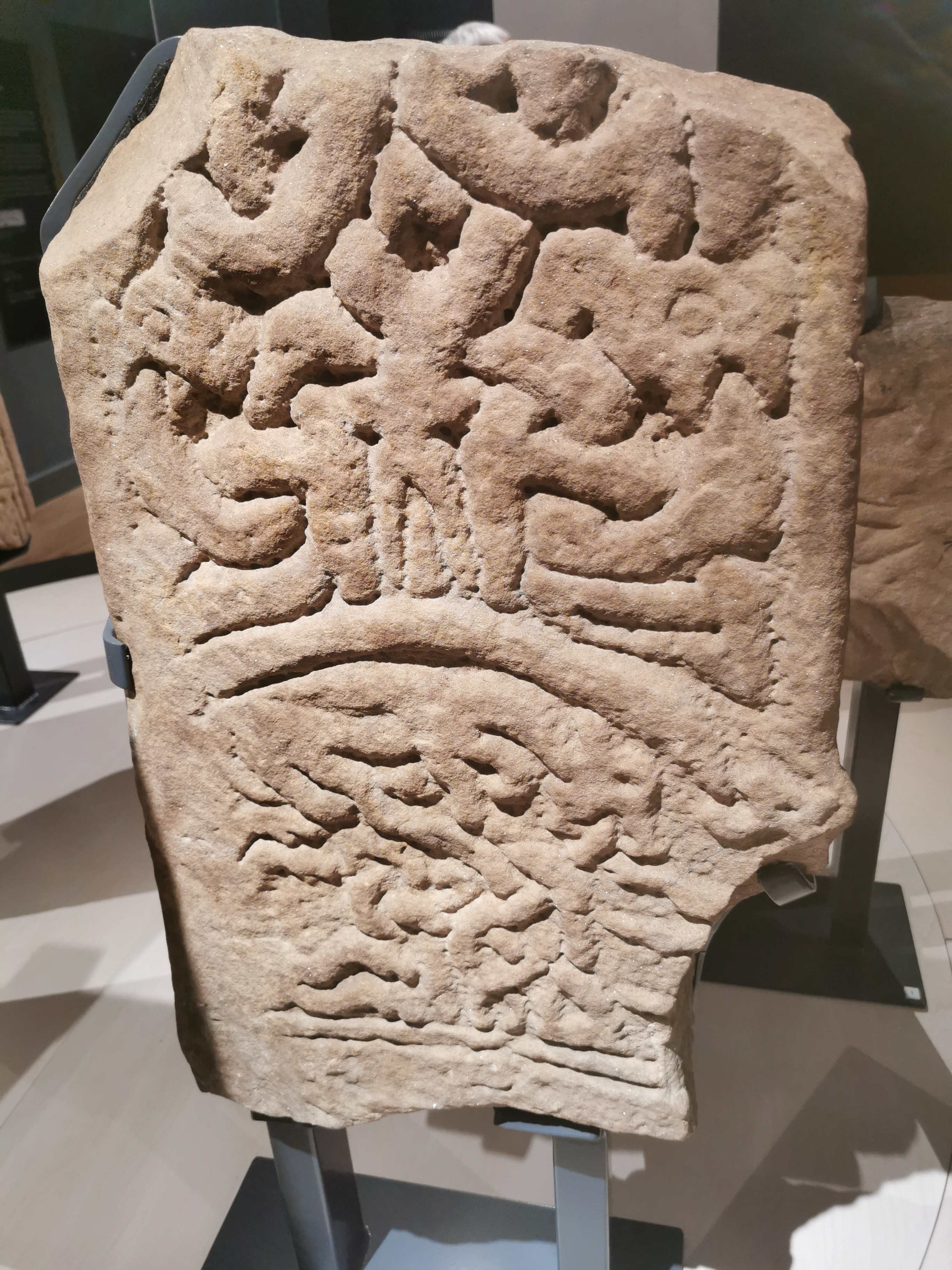
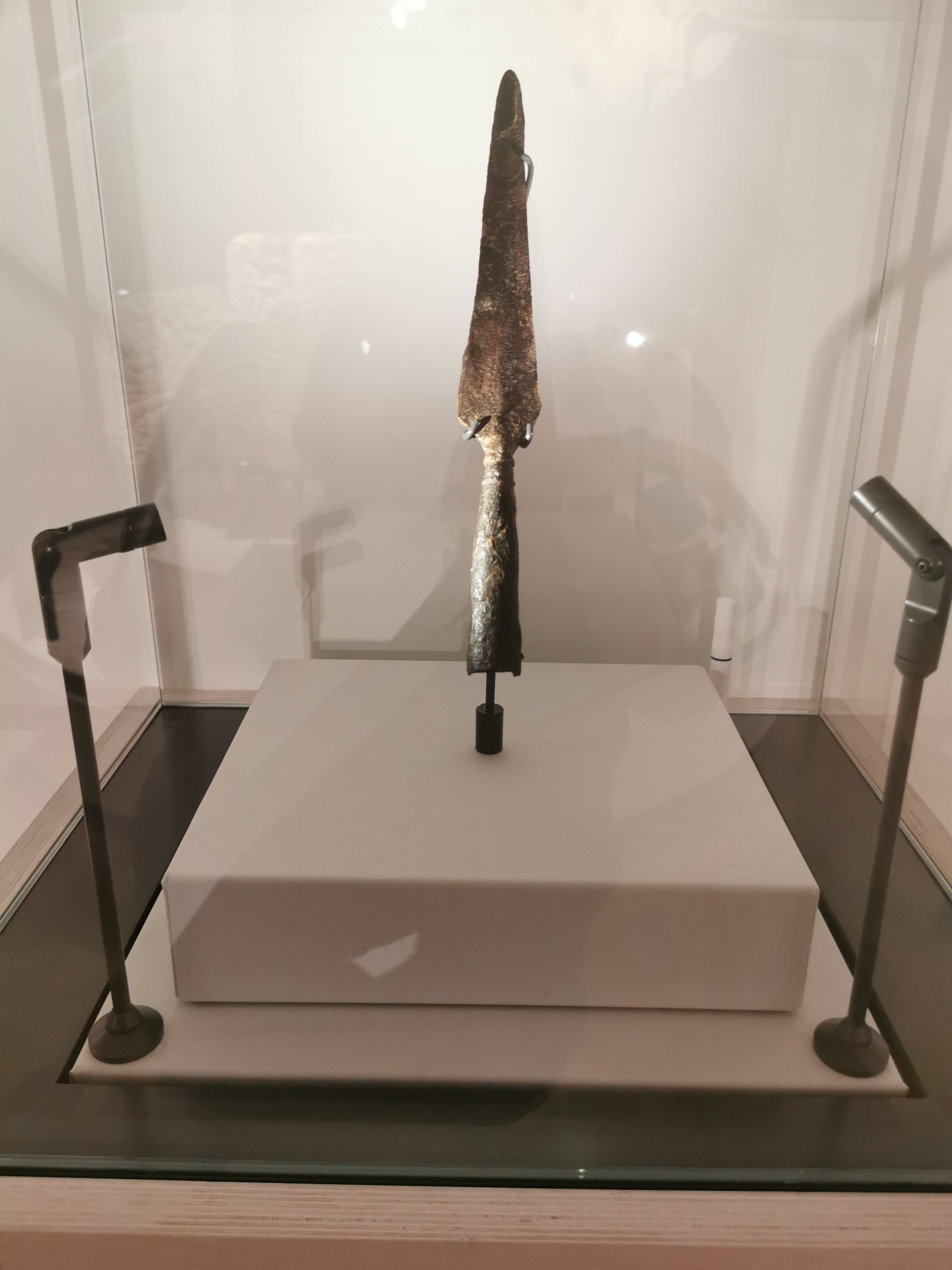
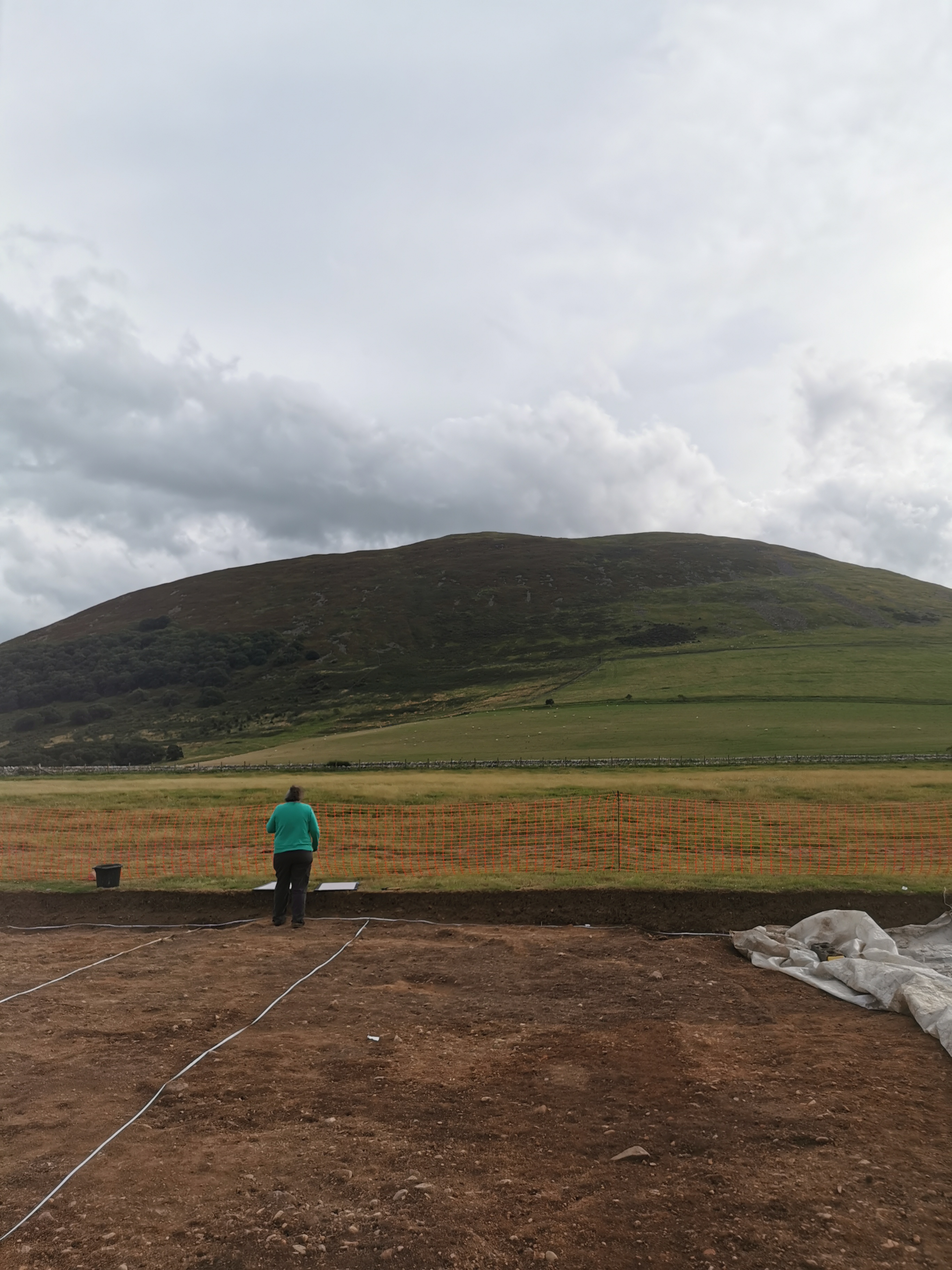
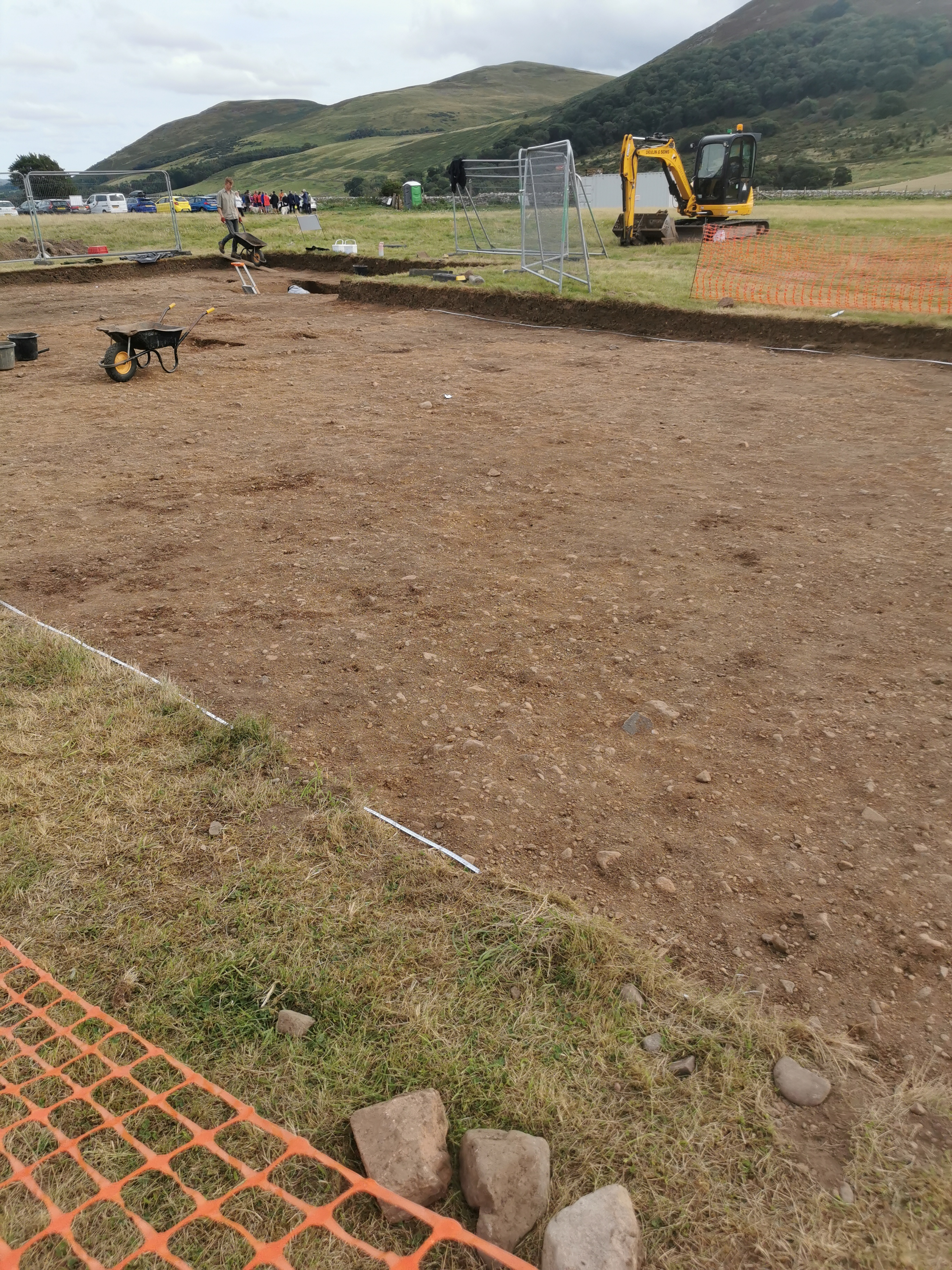
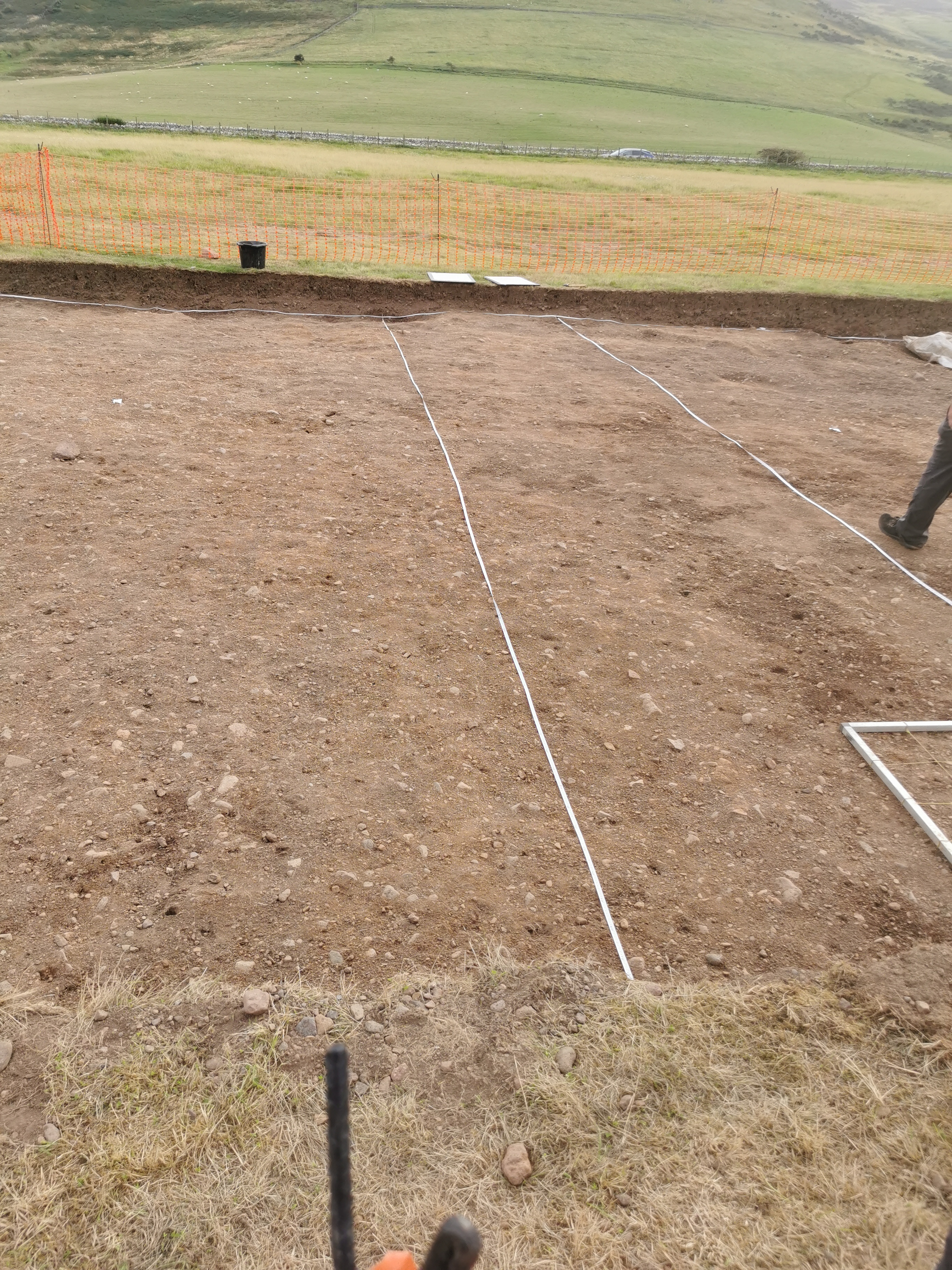
Thank you to the teams excavating at the two locations for sharing their experiences with us. You can find details of the two excavations online. Lindisfarne Dig Ventures. Ad Gefrin Trust. Lindisfarne is the site close to the ruined priory in the background. Ad Gefrin is essentially a field in a beautiful valley with the hill, Yeavering Bell, looking down on it. I also took a quick stroll through the museum at Lindisfarne Priory.
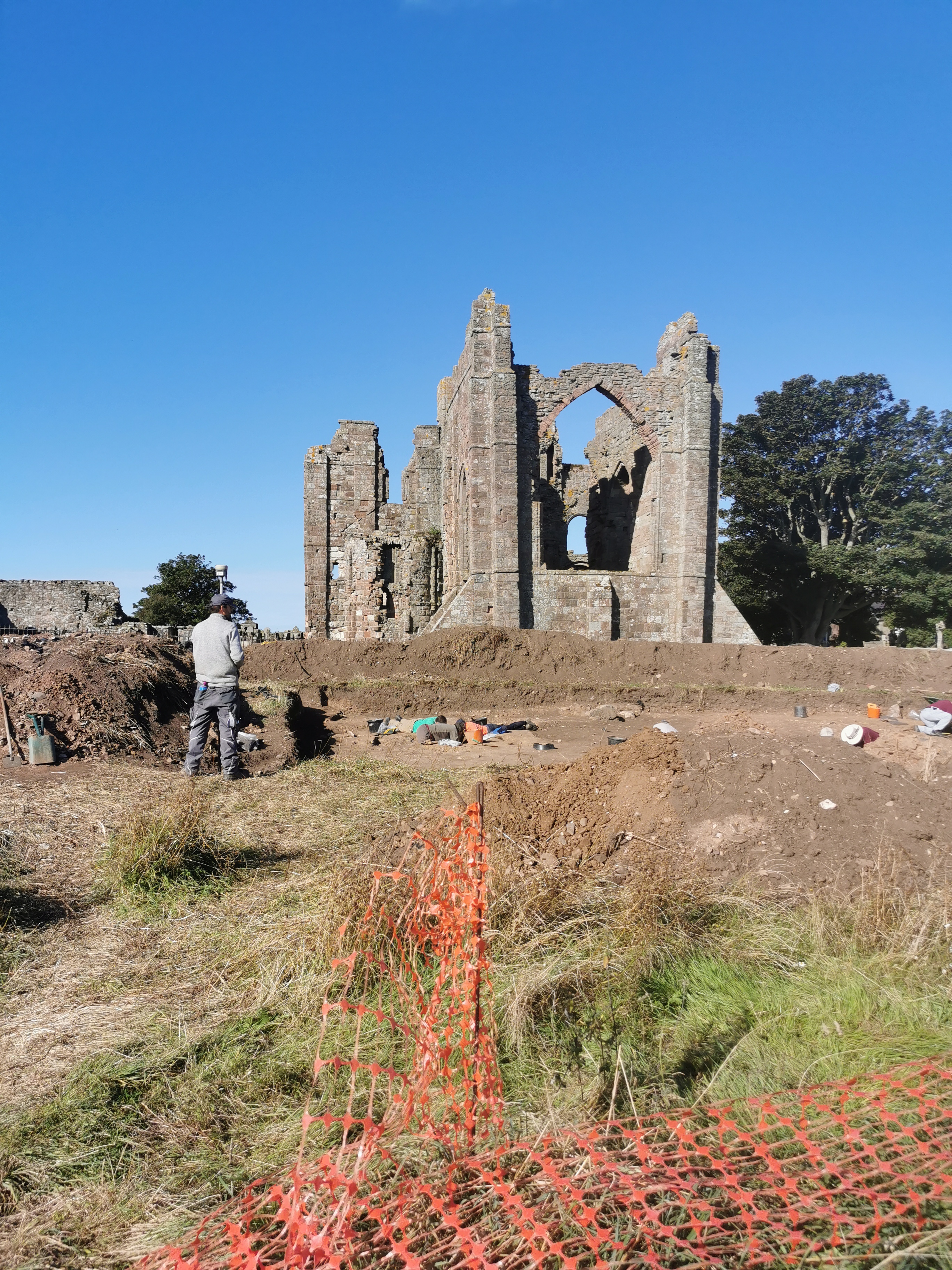
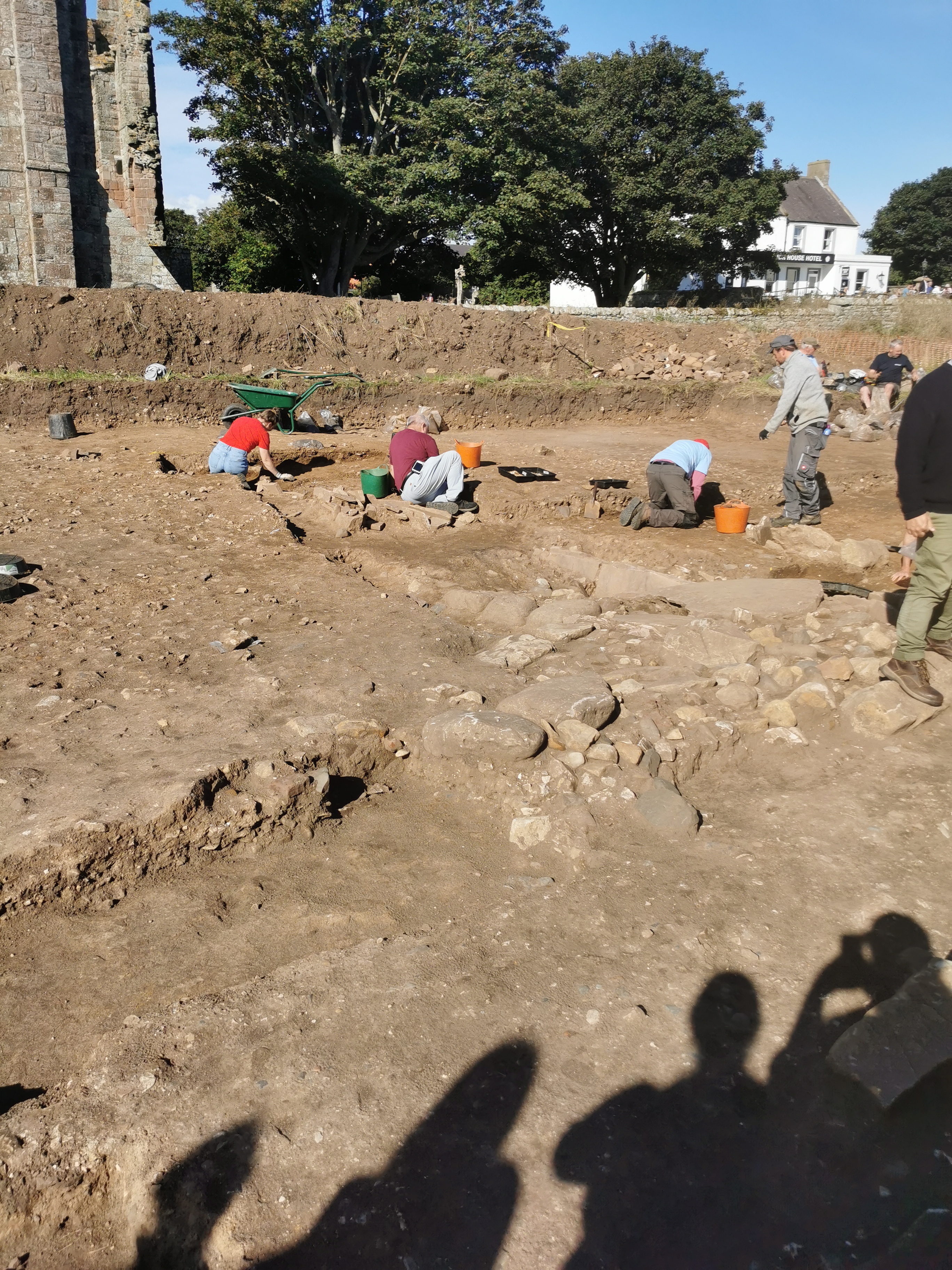
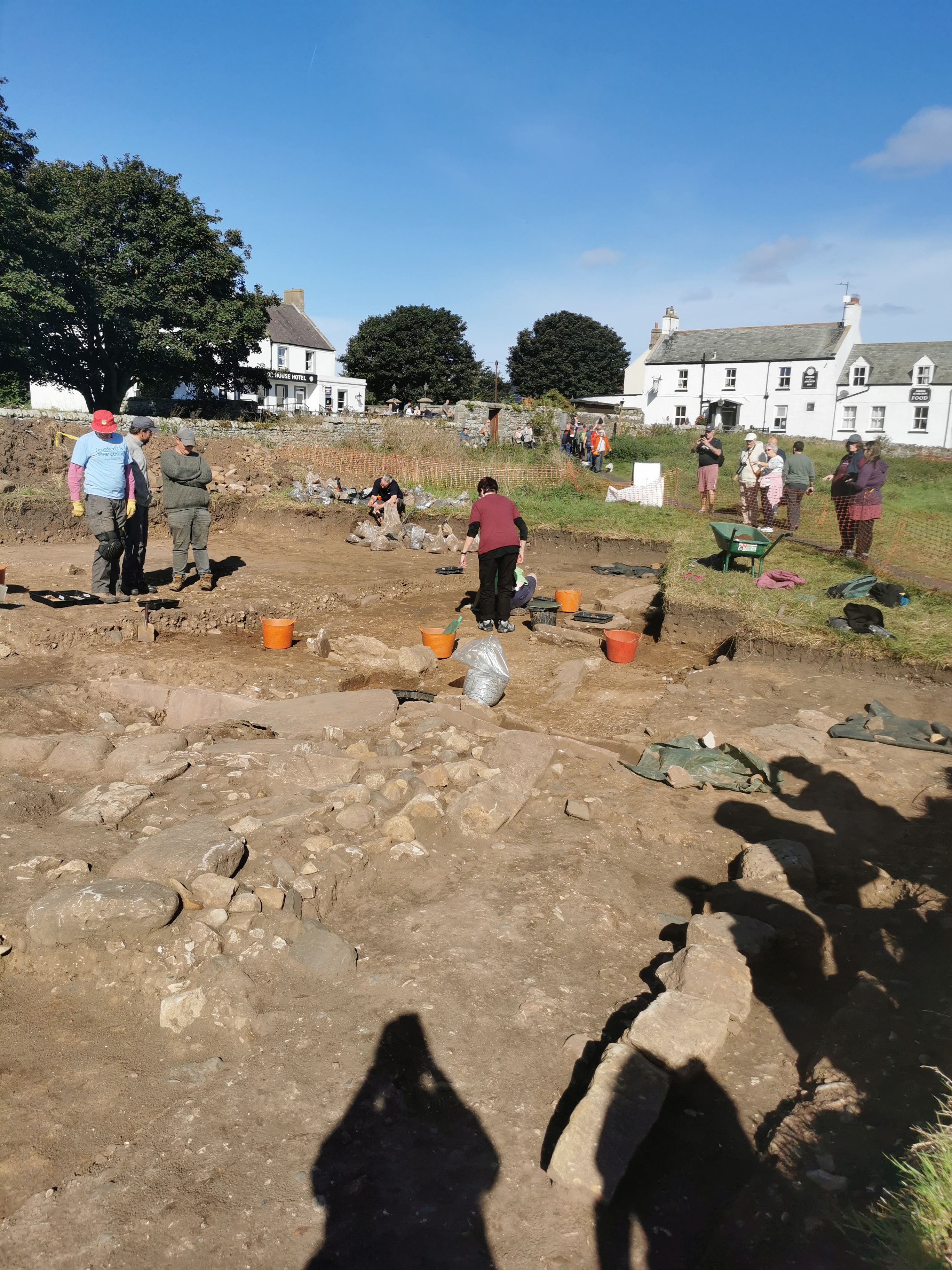
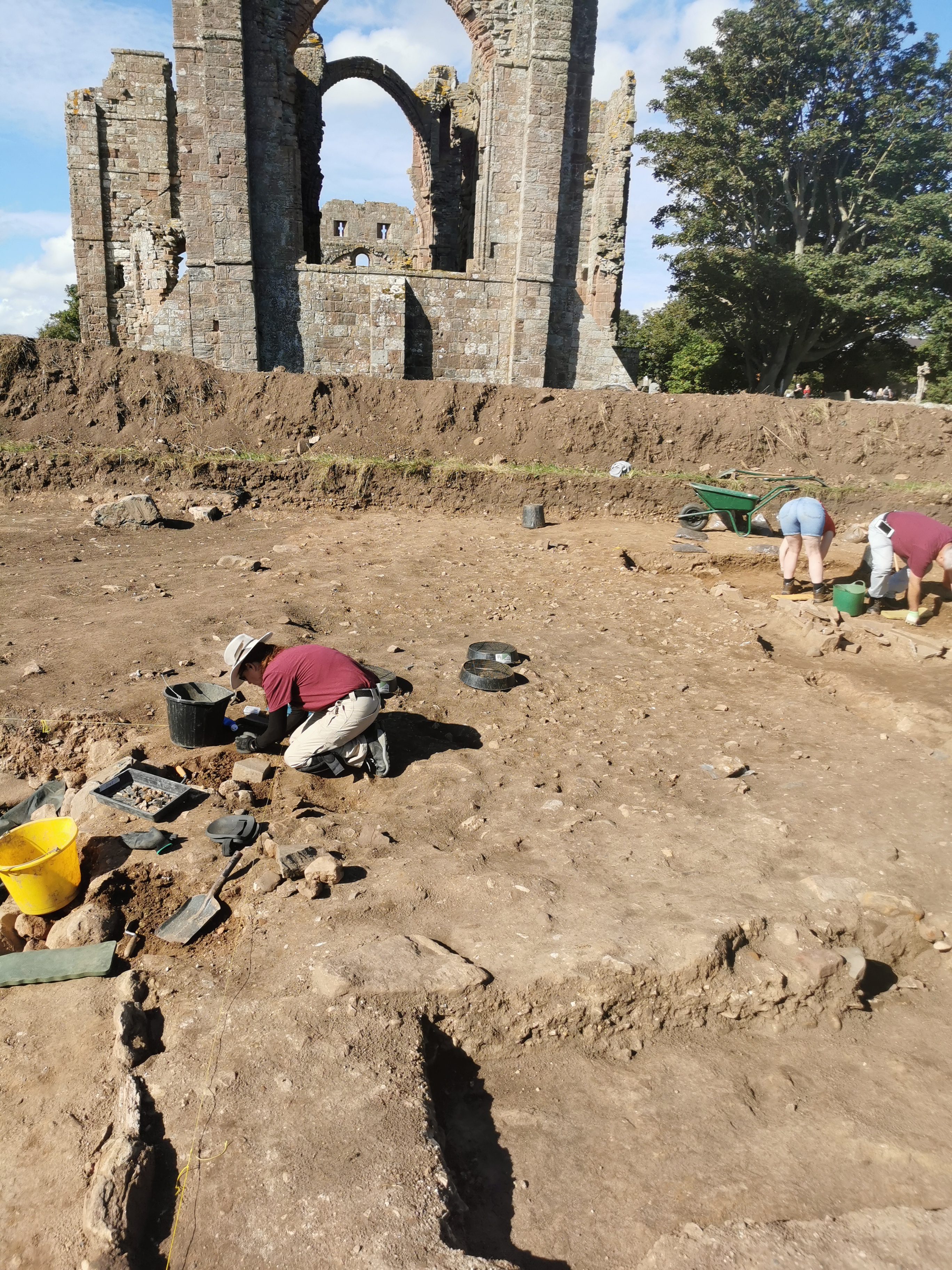
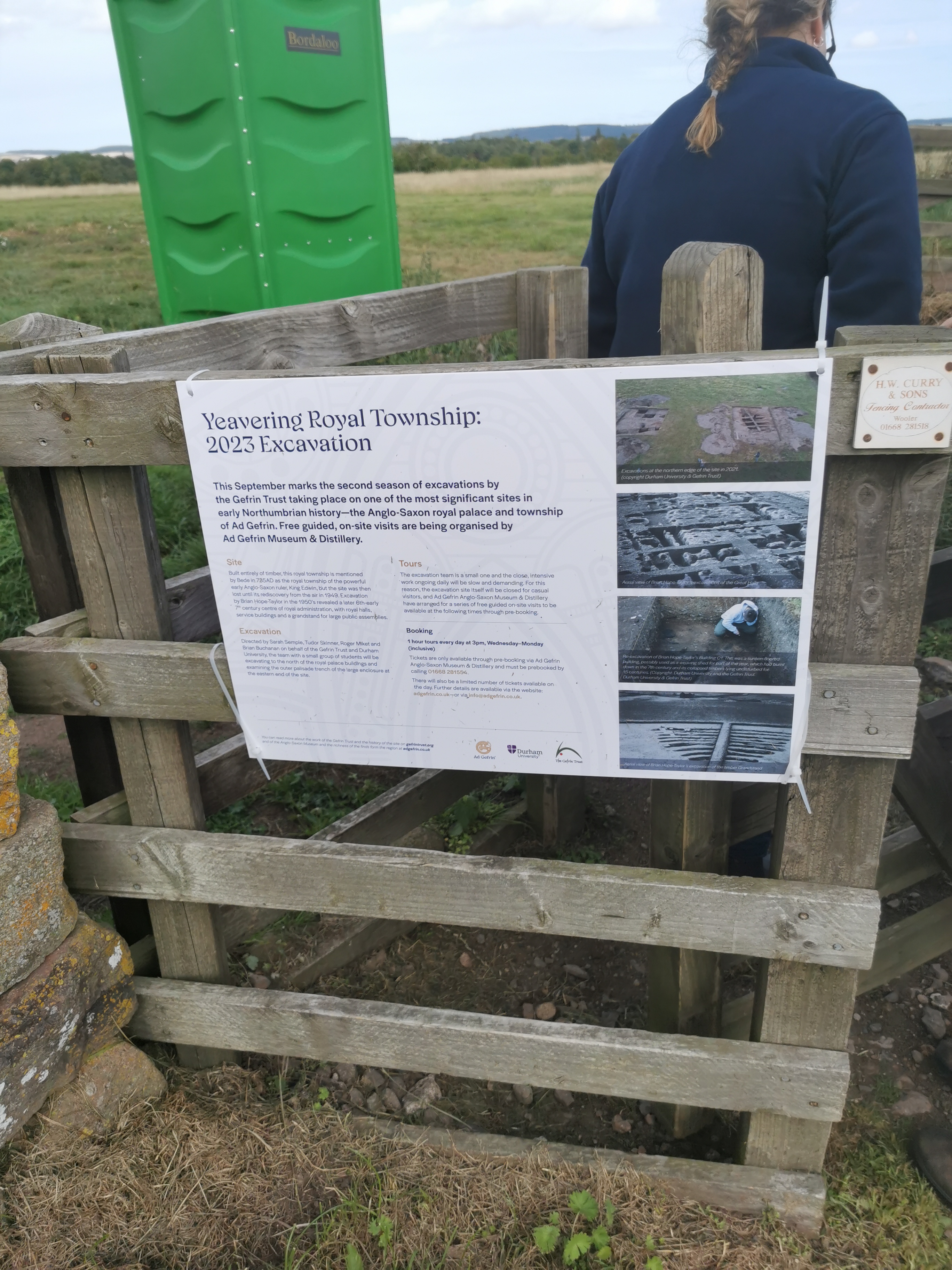
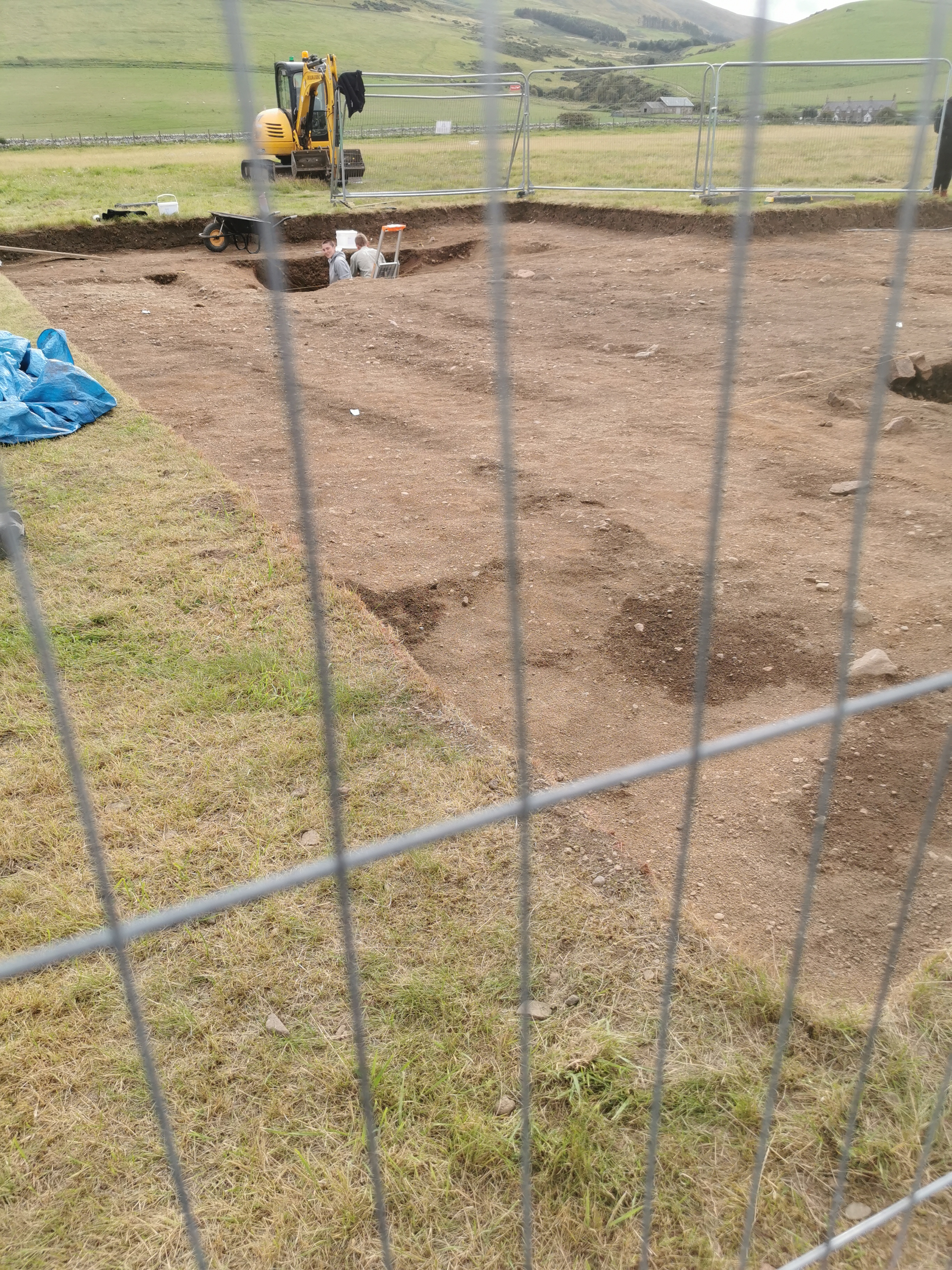
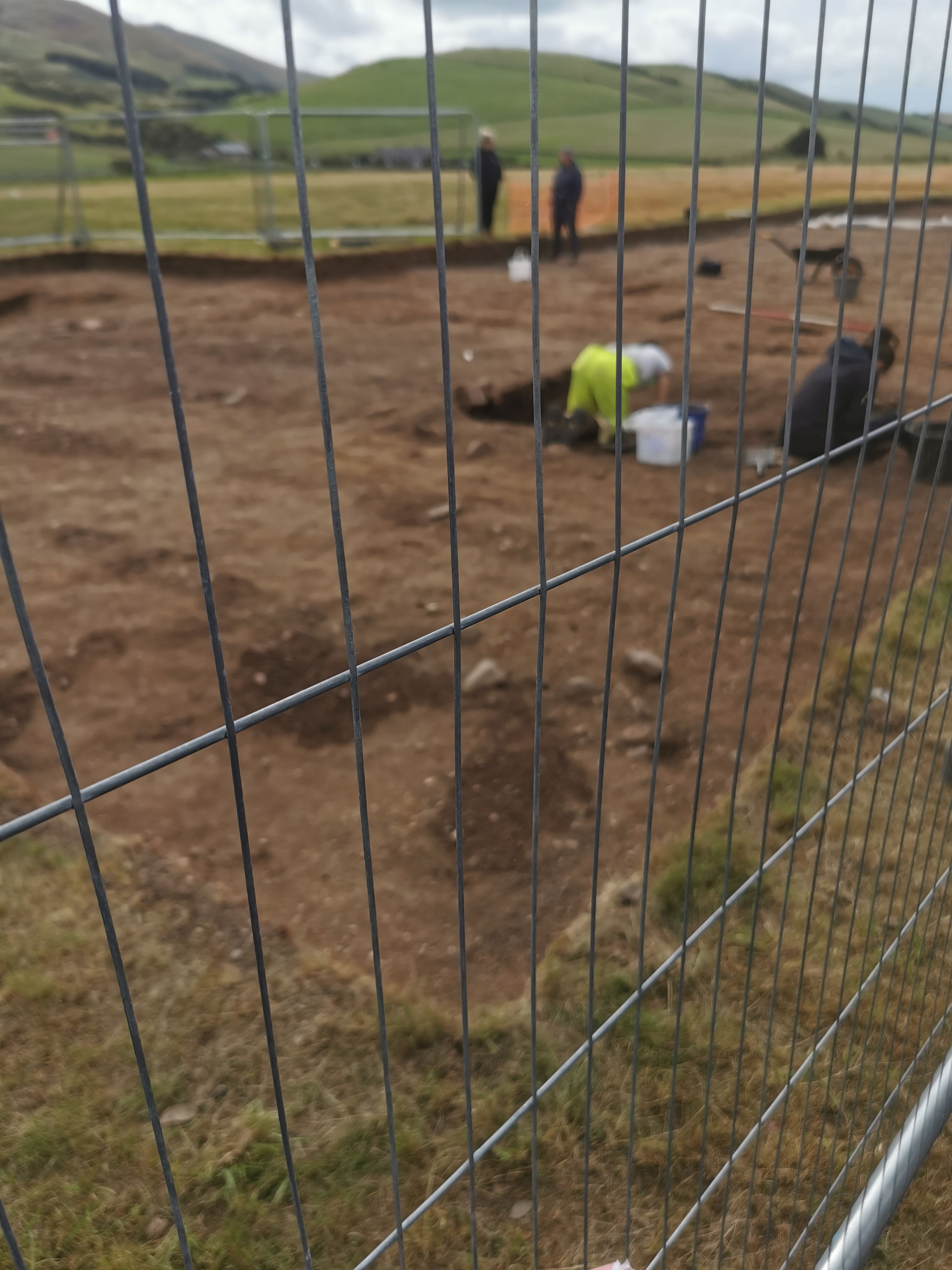
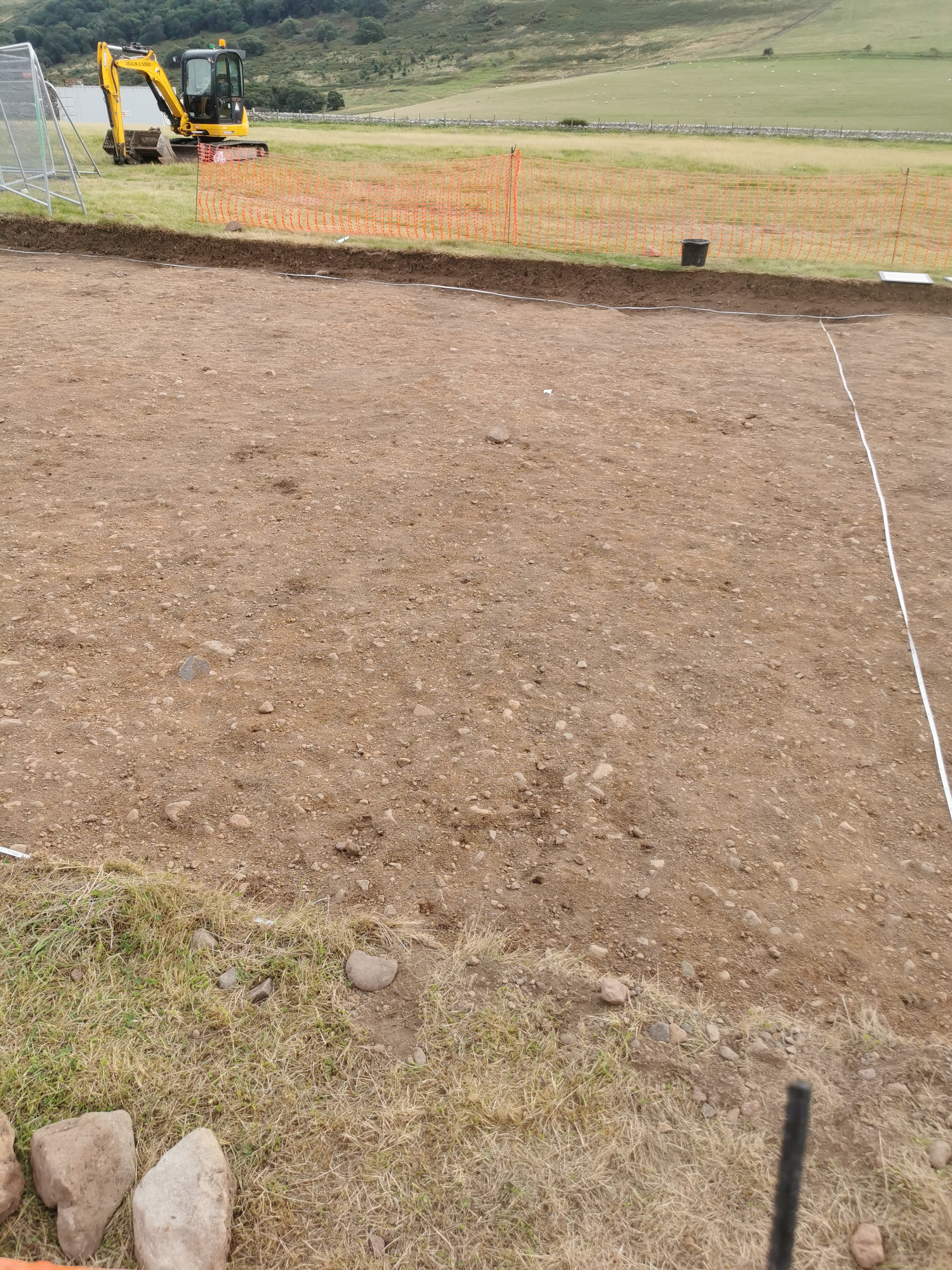
Day 5 Visit to the Bowl Hole, St Aidan’s Church and a talk by an osteoarchaeologist
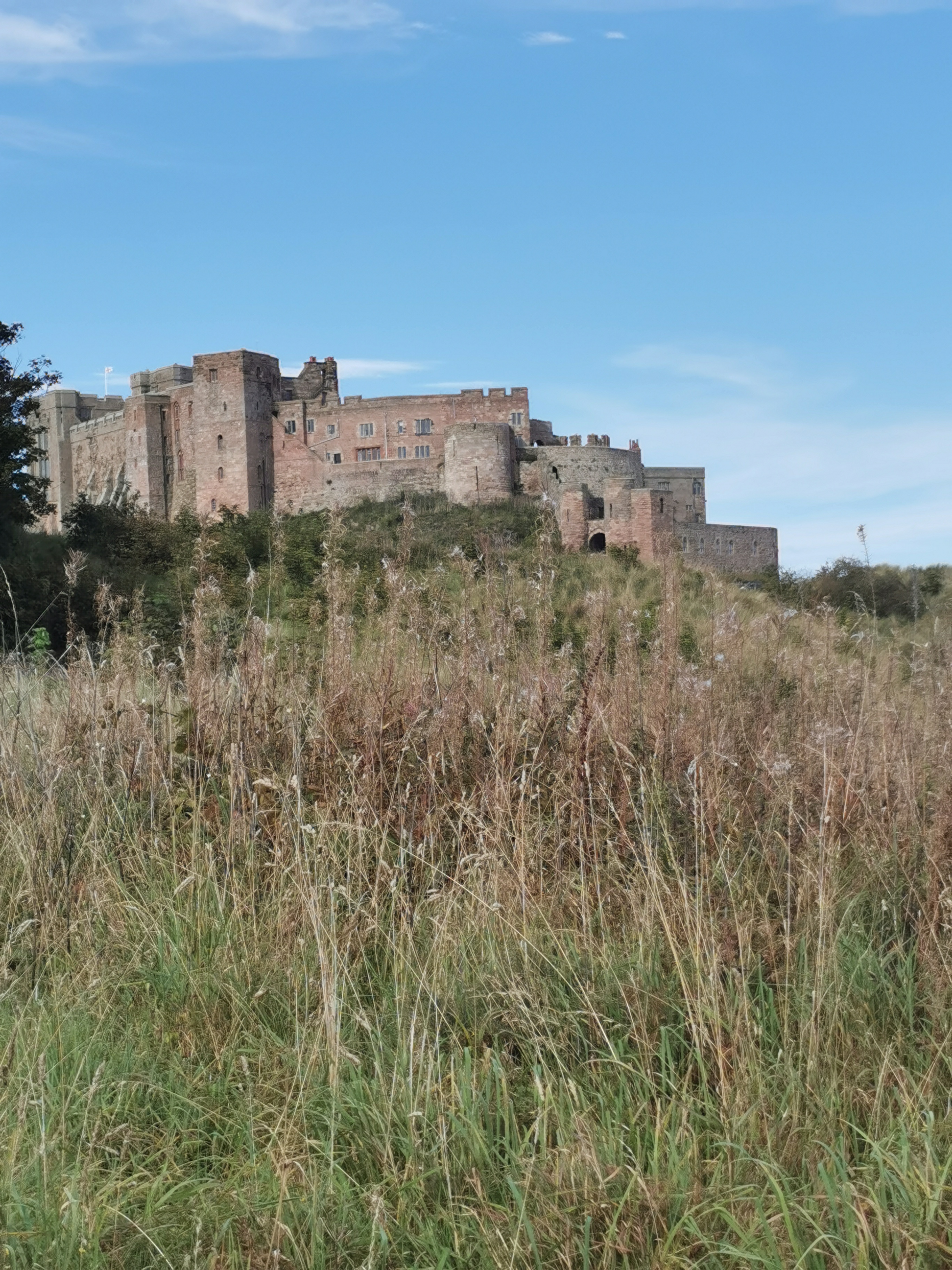
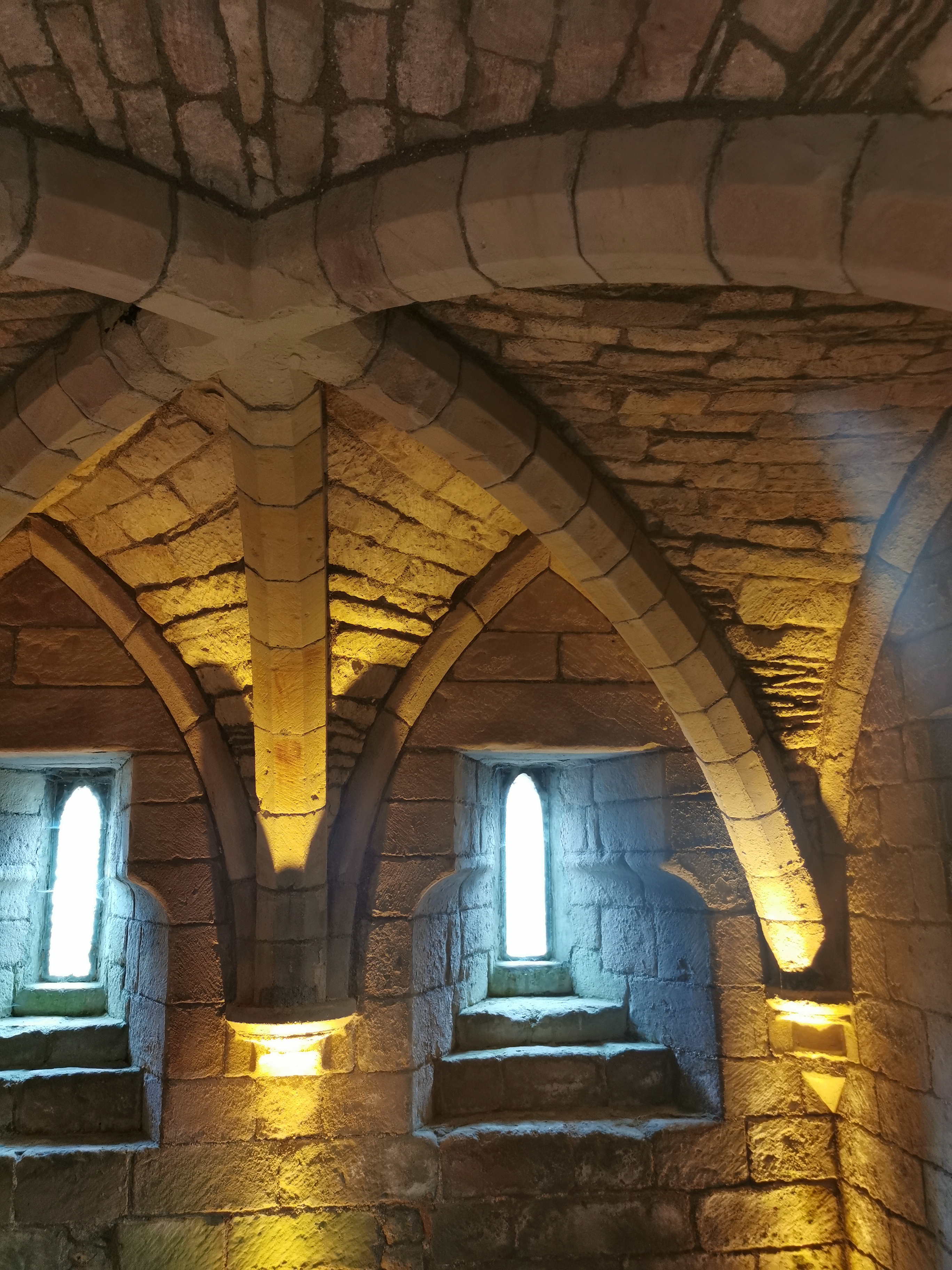
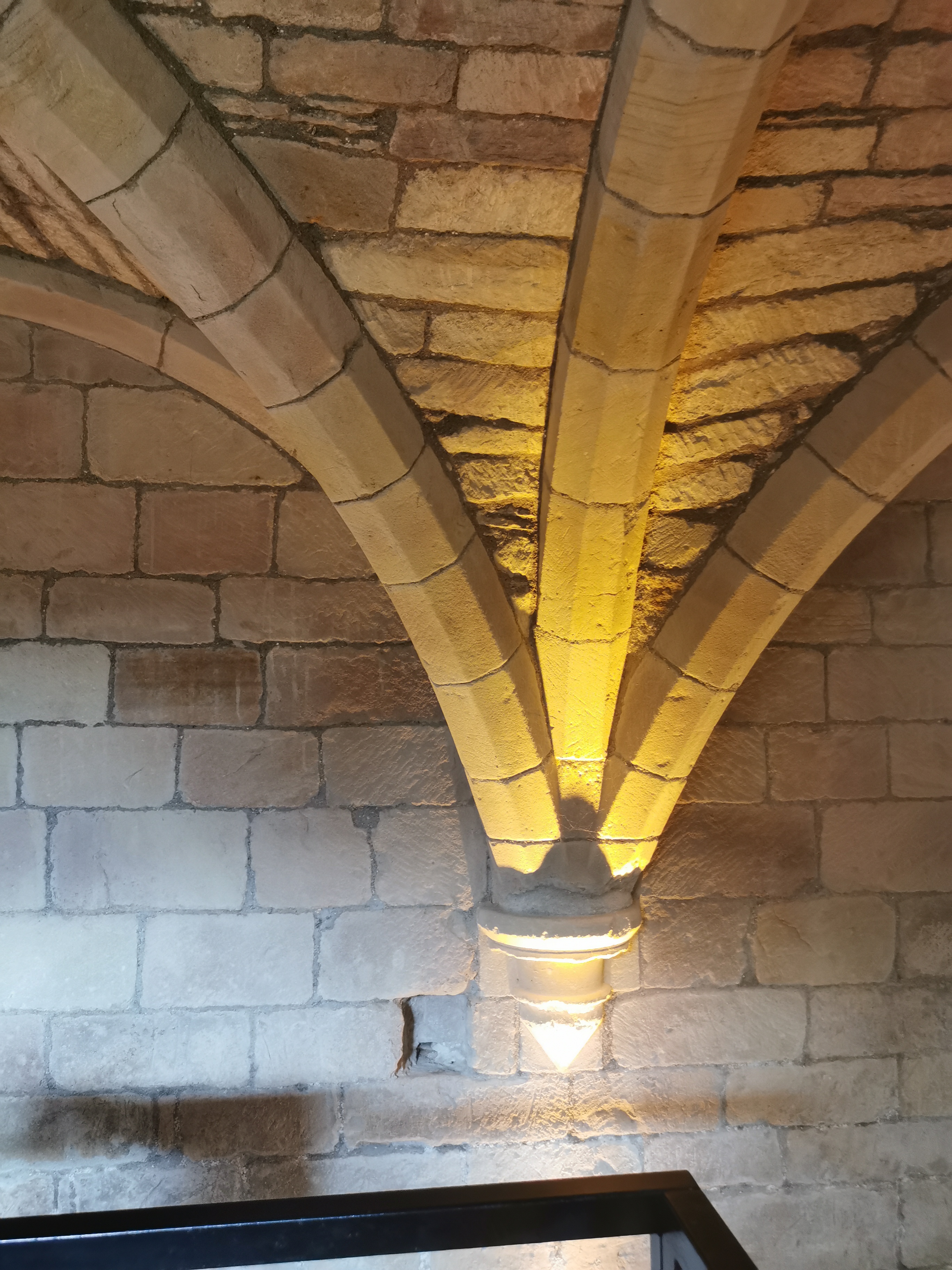
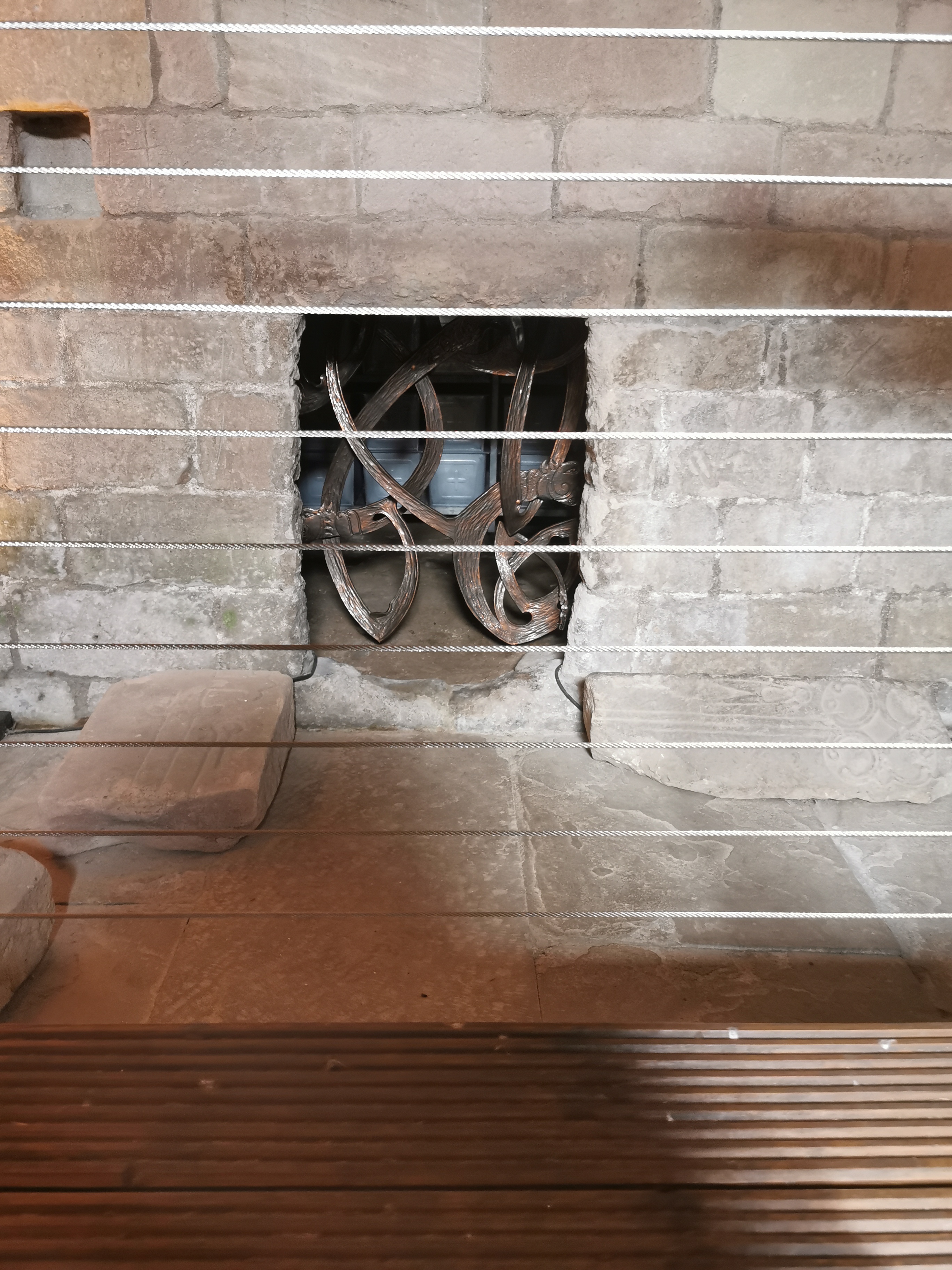
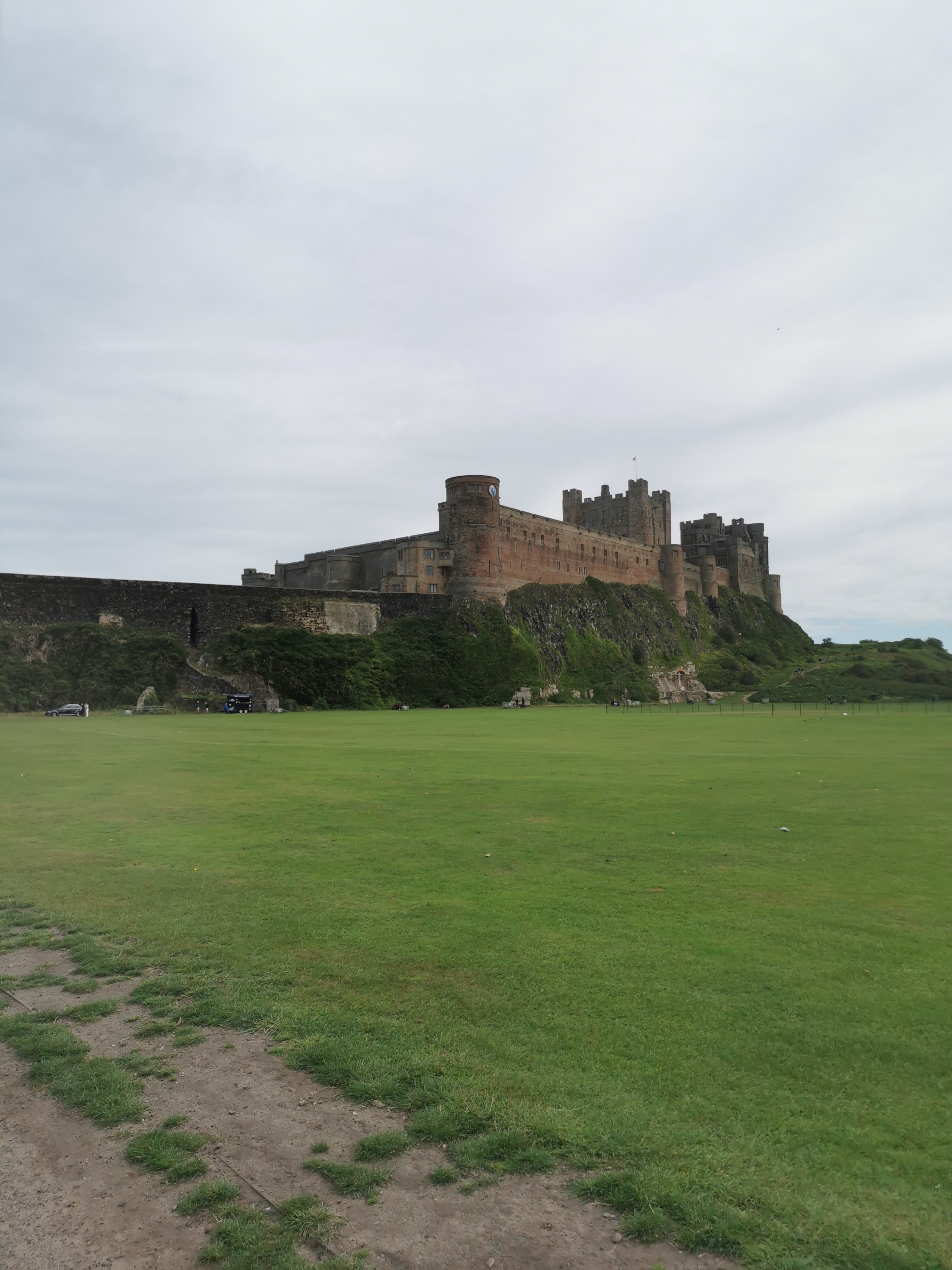
The well-known Bamburgh Bones were discovered in the Bowl Hole – there’s little to see there now but overgrown weeds but the view from the Bowl Hole to the castle is important. The skeletons excavated from the Bowl Hole have now been interred in St Aidan’s Church in the village. You can visit the database for the Bamburgh Bones and learn about the individual skeletons. I’ve not included any photos from the osteoarchaeologist because I was too busy making notes, but it was fascinating to discover what can be discovered about the lives people led from their bones.
It was a fabulous week. Being allowed to ask as many questions as I wanted was fantastic, and I’d like to thank my fellow students, the Bamburgh Research Project Team, Dig Ventures, the Ad Gefrin Trust and all the specialists who shared their knowledge with us for contributing to the amazing experience.
 MJ Porter