
Why do I do this to myself!!! It’s a 300 year gap!!!

Sometimes, sometimes, I wonder why I make my life so difficult!

Let me explain.

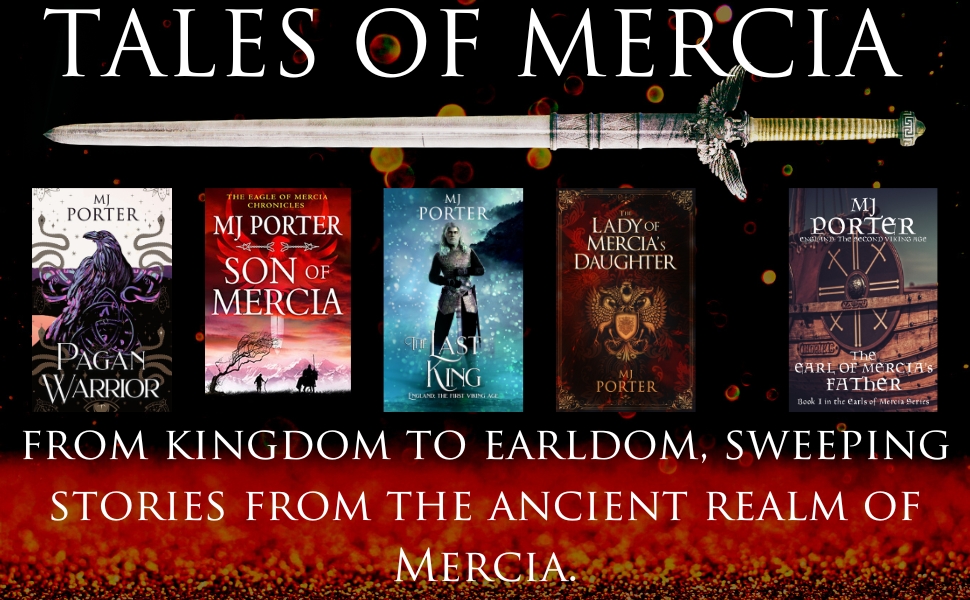
So, for my dissertation, I was going to study the early years of Iceland and compare them with the developments in the Danelaw, only then I got sidetracked by Leofwine, Ealdorman of the Hwicce, and from him grew both my dissertation and The Earls of Mercia series following the Ealdorman through the years from 994-1067 (eventually). And I should have been happy. Only, someone mentioned that they really wanted to know what happened between Alfred and Æthelred II and so the Brunanburh series was born.

King Penda of Mercia

Now, I have no one to blame for my next project, Hædfeld (now Pagan Warrior), because it was my idea but, but, well the battle of Hædfeld was entirely my own idea but it takes place in 632/3 and that brings a whole load of new problems. I know the time period vaguely, and I’ve studied the old Northumbrian Supremacy, Mercian Supremacy and finally, the Wessex Supremacy, but I feel as though I’ve wandered into an entirely different minefield of pseudo-facts and facts. I know I only have myself to blame, but it’s made me realise how easy it is to forget the great period that the Saxon period covers. Starting somewhere in the fifth century and running to the eleventh, that’s nearly 600 years.

Now, put it into context, if I was trying to do that with this year, I’d be going all the way back to the 1400s and the War of the Roses and the end of the Hundred Years War. That’s a huge period! Think of all the facts and pseudo-facts we know about that huge chunk of time.

Still, I can’t deny that I’m very excited about bringing the rascally Penda to life, and maybe one day, I’ll turn my attention to that Offa as well. Time will tell.

(Please note this is a historic blog post that I’ve left on the blog for information. It’s interesting to see how I felt about the trilogy now known as the Gods and Kings trilogy and featuring Penda the pagan, when I first started it).

Curious about how the trilogy developed then check out the Gods and Kings series page on the blog.
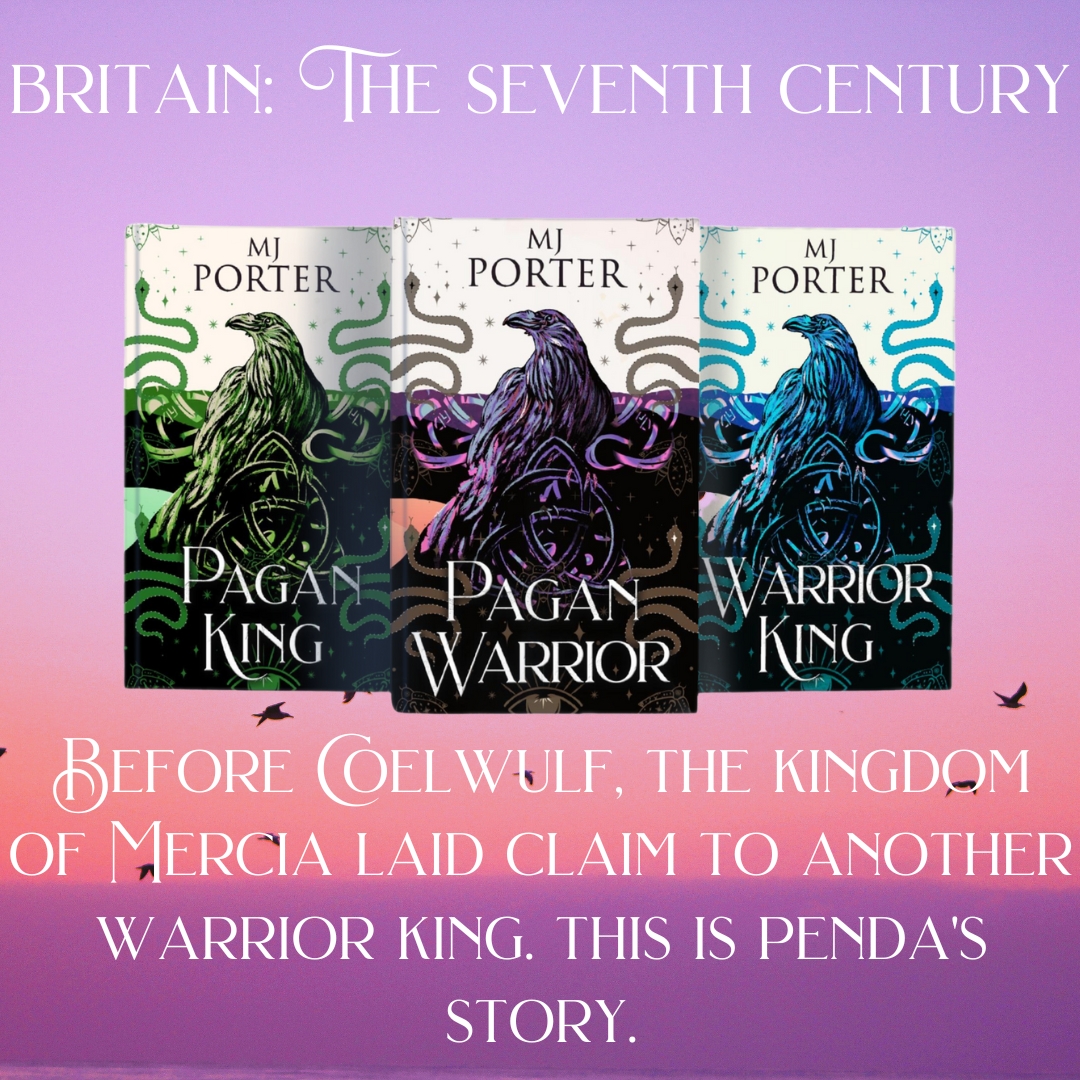
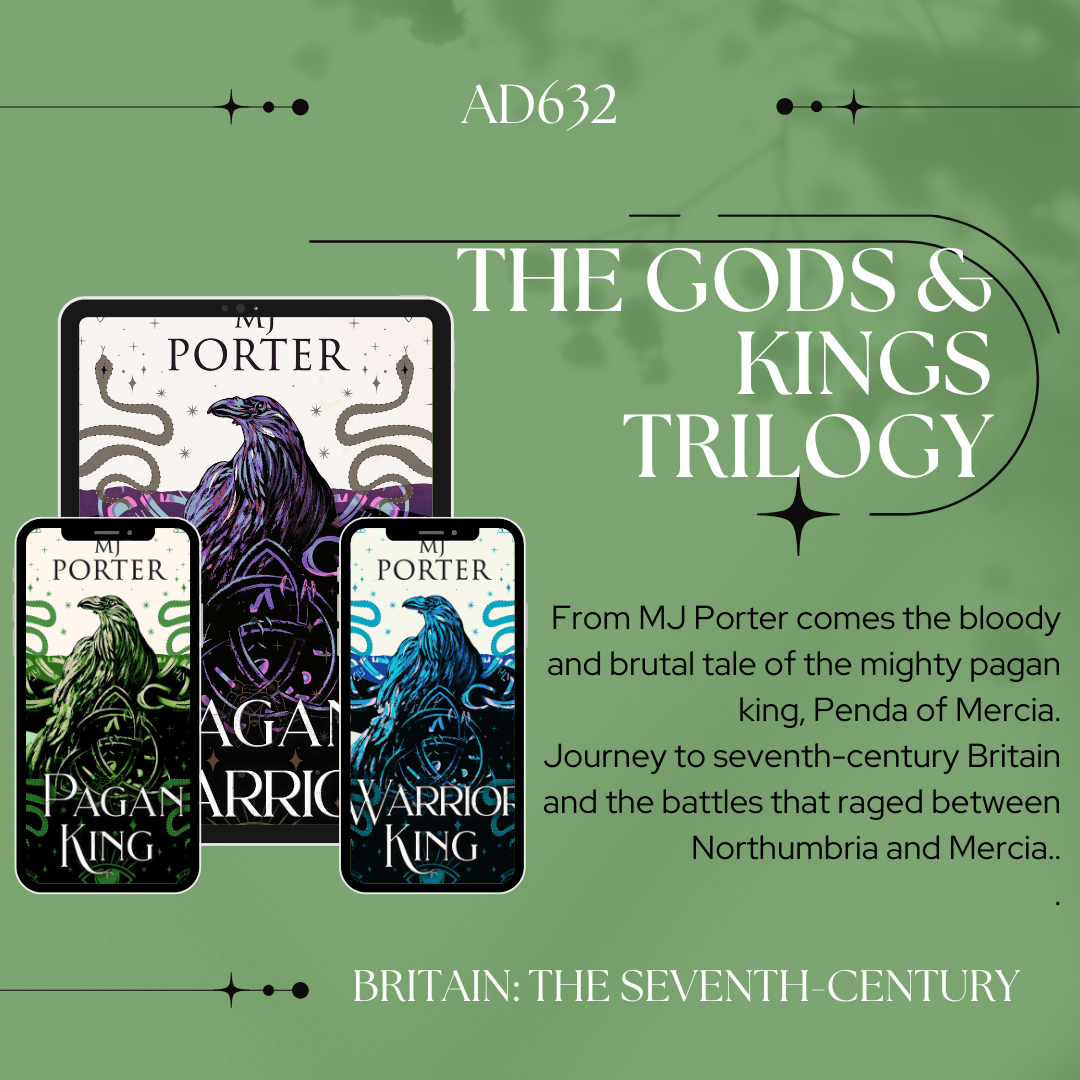
Image showing the three books in the Gods and Kings trilogy
Gods and Kings Trilogy

Saxon Royal Charters from 1006-1013 #TheEarlsofMercia #histfic #non-fiction

Royal charters from 1006-1013

There are only 8 surviving charters for this period in history. They are from 1007, 1009, 1012 and 1013. It’s said that the missing years are due to interruptions caused by invasions of ‘Viking raiders’. This certainly applies to 1010-11 and 1006 when the Anglo-Saxon Chronicle recounts tales of Viking incursions.


As is so often the case, this lack is frustrating because something monumental seems to happen at the King Æthelred’s court between 1009-1012. For a start, the number of ealdormen begins to increase, and second, the, until then, rigidly enforced precedence of the ealdormen crumbles away, and one ealdorman, Eadric of Mercia, comes out on top and Ælfric of Hampshire (who I imagine as a little doddery by now – but I may be doing him a disservice) seems to fall down the rankings, as does Leofwine of Mercia.


By this stage, it’s assumed that both Eadric and Uhtred of Northumbria (the other ealdorman who rises in precedence during this period) are related to Æthelred as they’ve both married one of his daughters.


But there seems an inherent contradiction in this because whilst the ling may be seen to be rewarding his ealdormen with marriage into his family, his own sons from his first marriage don’t seem to be getting any additional authority. This is slightly speculation on my part, but it seems clear to me that Æthelred preferred his sons-in-law to his own sons. Obviously, he now had two sons by his new wife, Emma of Normandy, and although they were only very young, he may have been trying to ensure their inheritance of the throne over and above their older half-brothers.


I appreciate that this is all speculation from only a handful of charters, but it provides a fascinating insight into the character of Æthelred if he really was so unprepared to give his sons any formal authority. Surely, in his times of trouble, when the Viking raiders attacked relentlessly and he was growing steadily older, it would have been an acceptable use of his older sons to use them as battle commanders?

Certainly, later in the 1010s the sons seem to come into their own, and must have had command and fighting experience somewhere. The king proved to be very resistant to leading his own men into battle (apart from the Battle of Chester in 1000) so I wonder why he wouldn’t chose his elder sons who he hoped would never inherit?


But that’s just my ponderings and something I’m going to explore in The Earls of Mercia Book 3.

Check out The Earls of Mercia series page for more information.

(Please note this is a historic blog post from 2014. I’ve left it in place because it’s kind of interesting to see what I was thinking back then.)

Posts