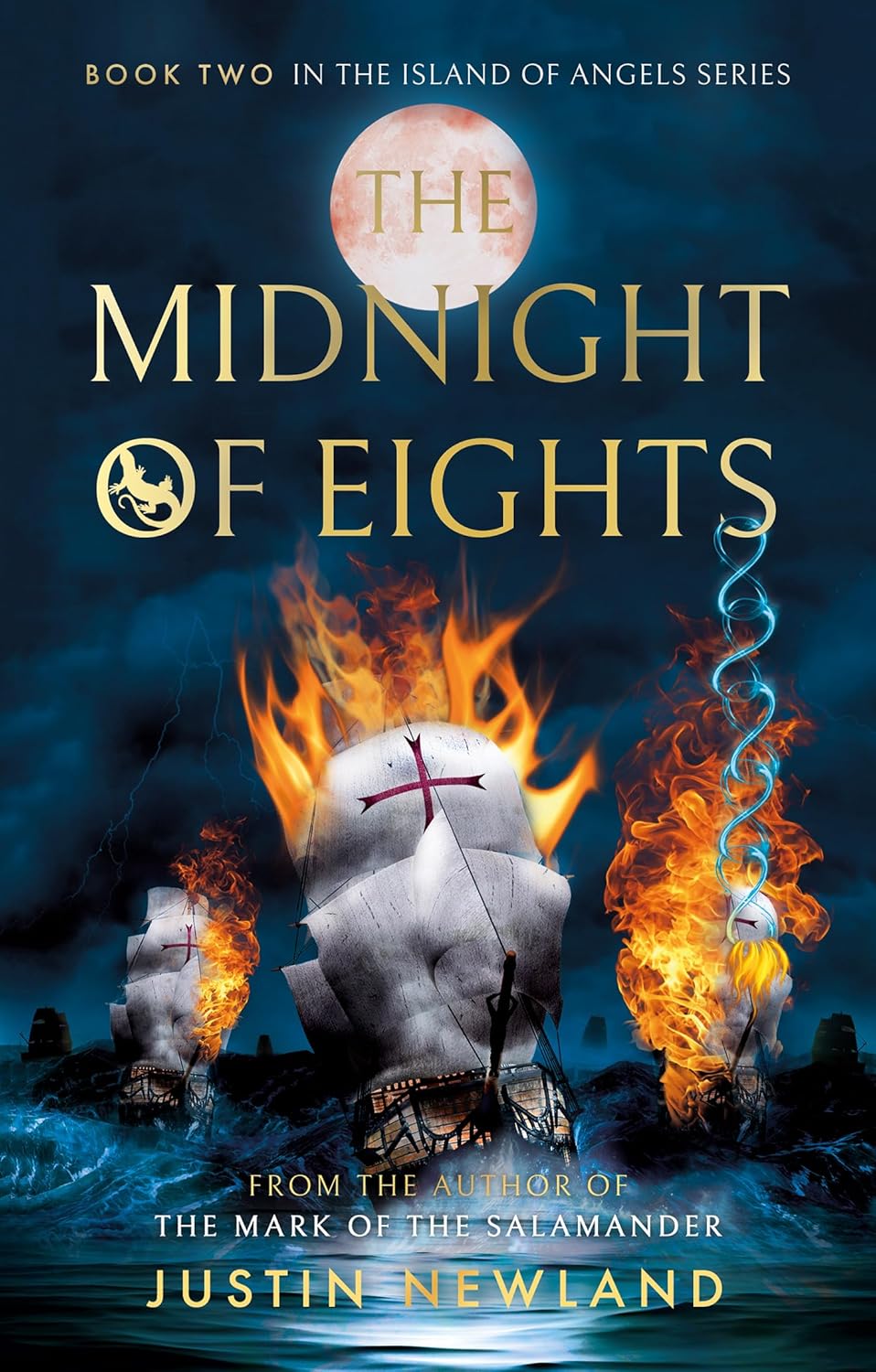
I’m delighted to welcome Justin Newland and his book, The Midnight of Eights, to the blog #HistoricalFiction #ElizabethanFiction #AgeOfDiscovery #BlogTour #TheCoffeePotBookClub

I’m delighted to welcome Justin Newland and his book, The Midnight of Eights, The Island of Angels series, to the blog with a guest post.

Guest Post

My novel, The Midnight of Eights, is set in Elizabethan times, and explores England’s coming of age in that period. This guest post muses on the state of religion in England in the Tudor era.

King Henry VIII ruled in England. He had not yet divorced himself from his first wife, Catherine of Aragon, nor from the Vatican in Rome. After Martin Luther posted his 95 theses or complaints about the Catholic Church, Henry wrote a tract condemning Luther. For his efforts, Pope Leo X in 1521 bestowed on him the title of FIDEI DEFENSOR or ‘Defender of the Faith’, which is abbreviated to F. D.  It’s one of many ironies in history that, even today, the English monarch, who by law is forbidden to marry a Catholic, let alone become one and remain monarch, still bears the same title, inherited from Henry VIII. You can find it engraved on every coin of the realm. Look for yourself.

Soon after Henry VIII’s break with Rome in 1532, he ordered the Dissolution of the Monasteries. Between 1536 and 1539, the ruby heart was ripped out of England, because, despite their many failings at the time, the monasteries did succour to and aid the poor. The Dissolution helped break the Papacy’s strangle-hold on the English court – for better or for worse. And, with none of its officers, the monks and priests, to represent it, the Catholic religion was exiled from England’s shores. Henry’s other great reform at the time was the ‘Act of Treaty’ (1527-1536) which for the first time allowed ordinary people to own property.

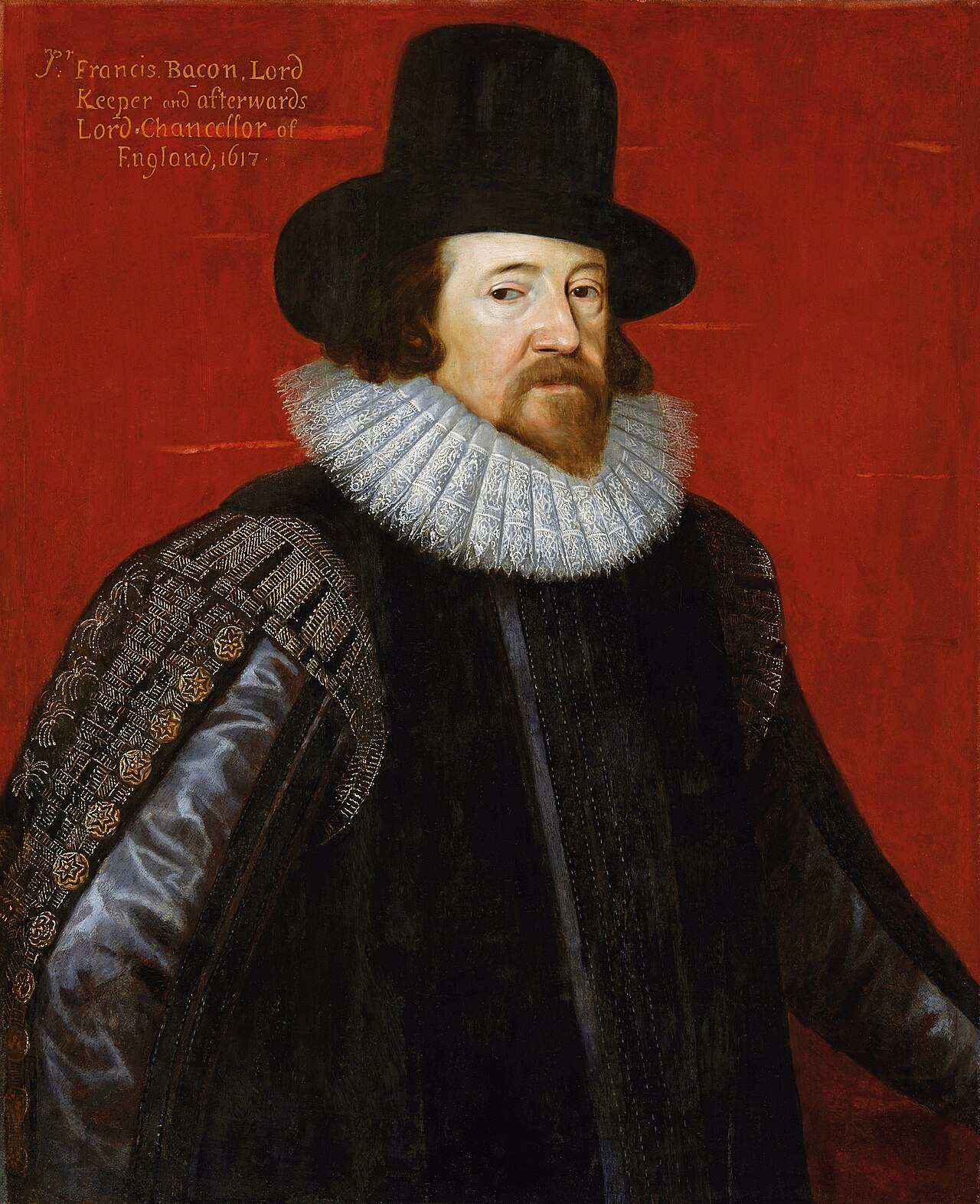
The positive aspect of the break from Rome was that it brought a gradual deliverance from the dogmatism of the Catholic Church, releasing new and liberated ways of thinking. For example, this led to the beginnings of the great English scientific tradition (e.g. Francis Bacon, the father of empiricism, was born in 1561) and to the beginnings of secular theatre (all theatre up to this point had been religious in nature, the ‘Mysteries’ for example).

However, the break with Rome brought other difficulties to an English people increasingly edgy about religion. While Henry remained a Catholic (he had simply displaced the Pope as Head of the Church), his son Edward VI, on his accession in 1547, did change the country’s religion to Protestantism. Cranmer’s English prayer book was published in 1549 to uphold that fact. By 1552, it was illegal to hold any religious service other than a Protestant one. Then another switch – in 1553 Edward died and Mary succeeded. Mary was a staunch Catholic. To make matters worse, she went ahead and married the heir to the Spanish throne, Philip. Fired by the spirit of the Inquisition, she burned Cranmer and 270 Protestants at the stake. The English people never forgave her. She died childless in 1558. Elizabeth succeeded. England switched back to Protestantism.

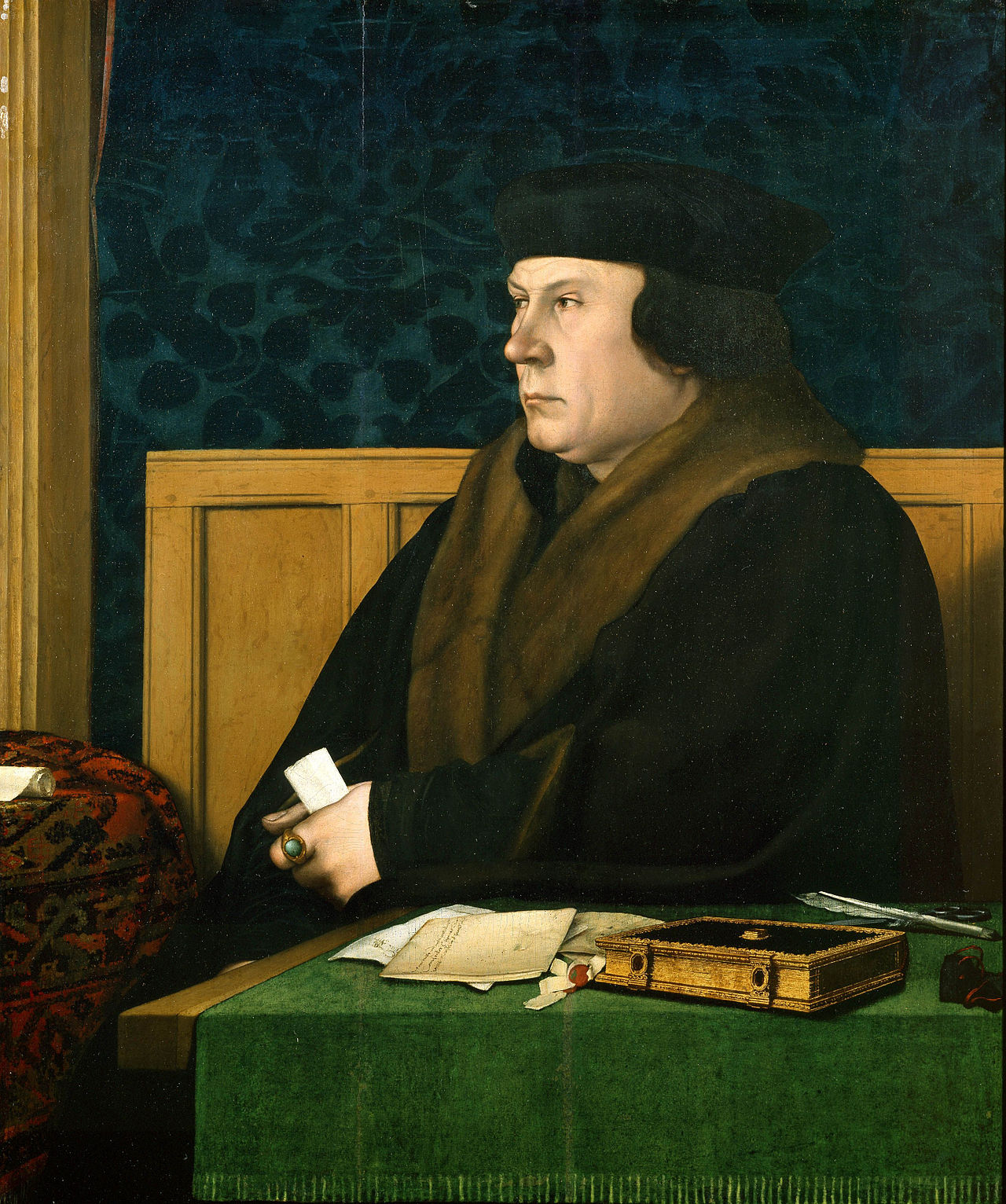
So in the space of 11 years, from 1547 to 1558, England’s religion had changed from Catholic to Protestant, not once – but twice. No wonder there was a paranoia in people around these times. Look at their portraits, say of Holbein’s portrait of Thomas Cromwell. They are austere, taut, puritan – full of fire and brimstone, and plenty of inner self-disciple. Both men and ladies wore odd-shaped hats that covered their ears. During this fraught eleven years, ordinary people could never be sure that their religious beliefs were not going to cost them or their friends and family their lives. There was little certainty.

Elizabeth ascended to the throne in 1558. What she managed to do, though, was to marry both contending parties of Catholicism and Protestantism, and in such a way that satisfied her subjects. She wisely refused to stand as Head of the newly formed Anglican Church, which she left vacant. Instead, she decided that it should be governed by a Synod of Bishops. She also created a High Church and a Low Church. The High adopted the Roman Catholic Rite, and to this day involves mass said in Latin and so on. The Low Church is Protestant. It involves simple worship in the vernacular with few sacraments.

Elizabeth was some lady, as we know. But consider this. Her father was a serial killer and had murdered her mother, Anne Boleyn. Yet she still did what she did over many years.

Gloriana, yes! That is some inner belief! 

Justin Newland
Here’s the Blurb

1580.

Nelan Michaels docks at Plymouth after sailing around the world aboard the Golden Hind. He seeks only to master his mystical powers – the mark of the salamander, that mysterious spirit of fire – and reunite with his beloved Eleanor.

After delivering a message to Francis Walsingham, he’s recruited into the service of the Queen’s spymaster, where his astral abilities help him to predict and thwart future plots against the realm.

But in 1588, the Spanish Armada threatens England’s shores.

So how could the fledgling navy of a small, misty isle on the edge of mainland Europe repulse the greatest fleet in the world?

Was the Queen right when she claimed it was divine intervention, saying, ‘He blew with His winds, and they were scattered!’?

Or was it an entirely different intervention – the extraordinary conjunction of coincidences that Nelan’s astral powers brought to bear on that fateful Midnight of Eights?
Buy Link

Universal Link:

This title is available on #KindleUnlimited

Meet the Author

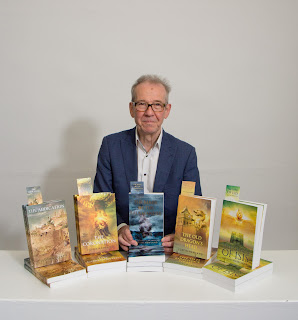
Justin Newland’s novels represent an innovative blend of genres from historical adventure to supernatural thriller and magical realism.

Undeterred by the award of a Maths Doctorate, he conceived his debut novel, The Genes of Isis (ISBN 9781789014860, Matador, 2018), an epic fantasy set under Ancient Egyptian skies.

His second book, The Old Dragon’s Head (ISBN 9781789015829, Matador, 2018), and is set in Ming Dynasty China in the shadows of the Great Wall.

Set during the Great Enlightenment, The Coronation (ISBN 9781838591885, Matador, 2019)speculates on the genesis of the most important event in the modern world – the Industrial Revolution.

The Abdication (ISBN 9781800463950, Matador, 2021) is a mystery thriller in which a young woman confronts her faith in a higher purpose and what it means to abdicate that faith.

The Mark of the Salamander (ISBN 9781915853271, Book Guild, 2023), is the first in a two-book series, The Island of Angels. Set in the Elizabethan era, it tells the epic tale of England’s coming of age.

The latest is The Midnight of Eights (ISBN 9781835740 330, Book Guild, 2024), the second in The Island of Angels series, which charts the uncanny coincidences of time and tide that culminated in the repulse of the Spanish Armada.

His work in progress is The Spirit of the Times which explores the events of the 14th Century featuring an unlikely cast of the Silk Road, Genghis Khan, the Black Plague, and a nursery rhyme that begins ‘Ring a-ring a-roses’.

Author, speaker and broadcaster, Justin gives talks to historical associations and libraries, appears on LitFest panels, and enjoys giving radio interviews. He lives with his partner in plain sight of the Mendip Hills in Somerset, England.
Connect with the Author

Follow The Midnight of Eights blog tour with The Coffee Pot Book Club

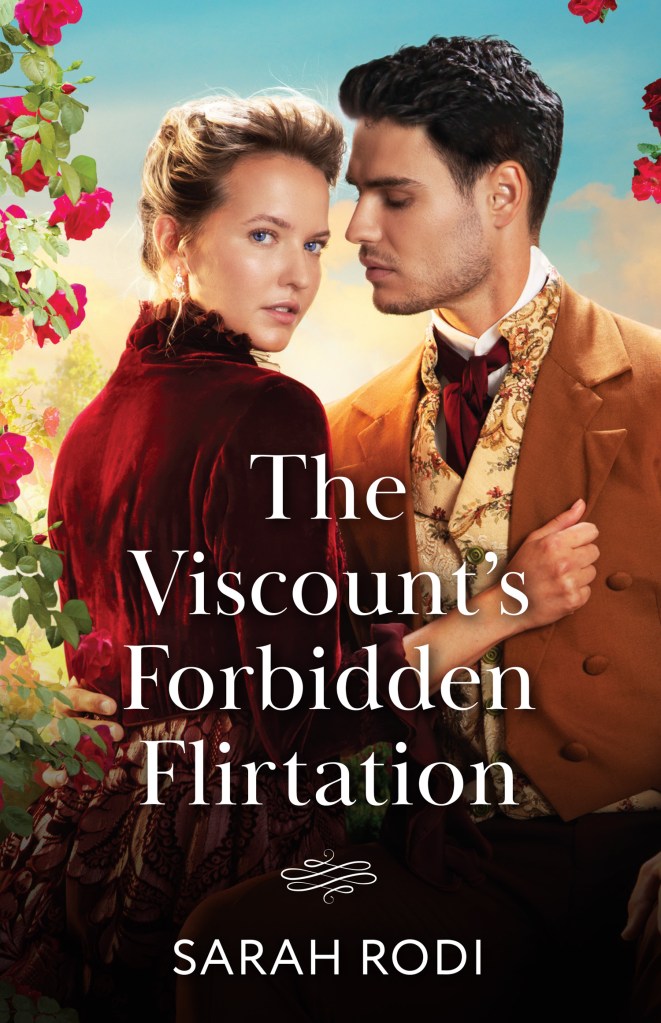
It’s happy publication day to The Viscount’s Forbidden Flirtation by Sarah Rodi #historicalromance #newrelease #blogtour #Mills&Boon

Here’s the blurb

Lieutenant Colonel Ezra Hart finds himself in urgent need of a wife—inheriting the viscountcy relies on it! But while he’s dutifully spinning the Season’s jewels around Society’s ballrooms he finds himself desiring the one woman he shouldn’t covet…

French émigrée Seraphine Mounier is as beguiling as she is vivacious, but Ezra knows she has no interest in the marriage mart. What’s worse, she represents the very enemy he fought at Waterloo. As an undeniable connection sparks, resisting Seraphine seems one battle Ezra’s destined to lose!

Purchase Links 

https://www.amazon.co.uk/Viscounts-Forbidden-Flirtation-Season-Historical-ebook/dp/B0DFDTH464

https://www.amazon.com/Viscounts-Forbidden-Flirtation-Season-Historical-ebook/dp/B0DFDTH464

Meet the author

Sarah Rodi has always been a hopeless romantic. She grew up watching old, romantic movies recommended by her grandad, or devouring love stories from the local library. Sarah lives in the village of Cookham in Berkshire, where she enjoys walking along the River Thames with her husband, her two daughters and their dog. She has been a magazine journalist for over 20 years, but it has been her lifelong dream to write romance for Mills & Boon. Sarah believes everyone deserves to find their happy ever after. You can contact her via @sarahrodiedits or sarahrodiedits@gmail.com or at sarahrodi.com

Author image for Sarah Rodi

Connect with Sarah

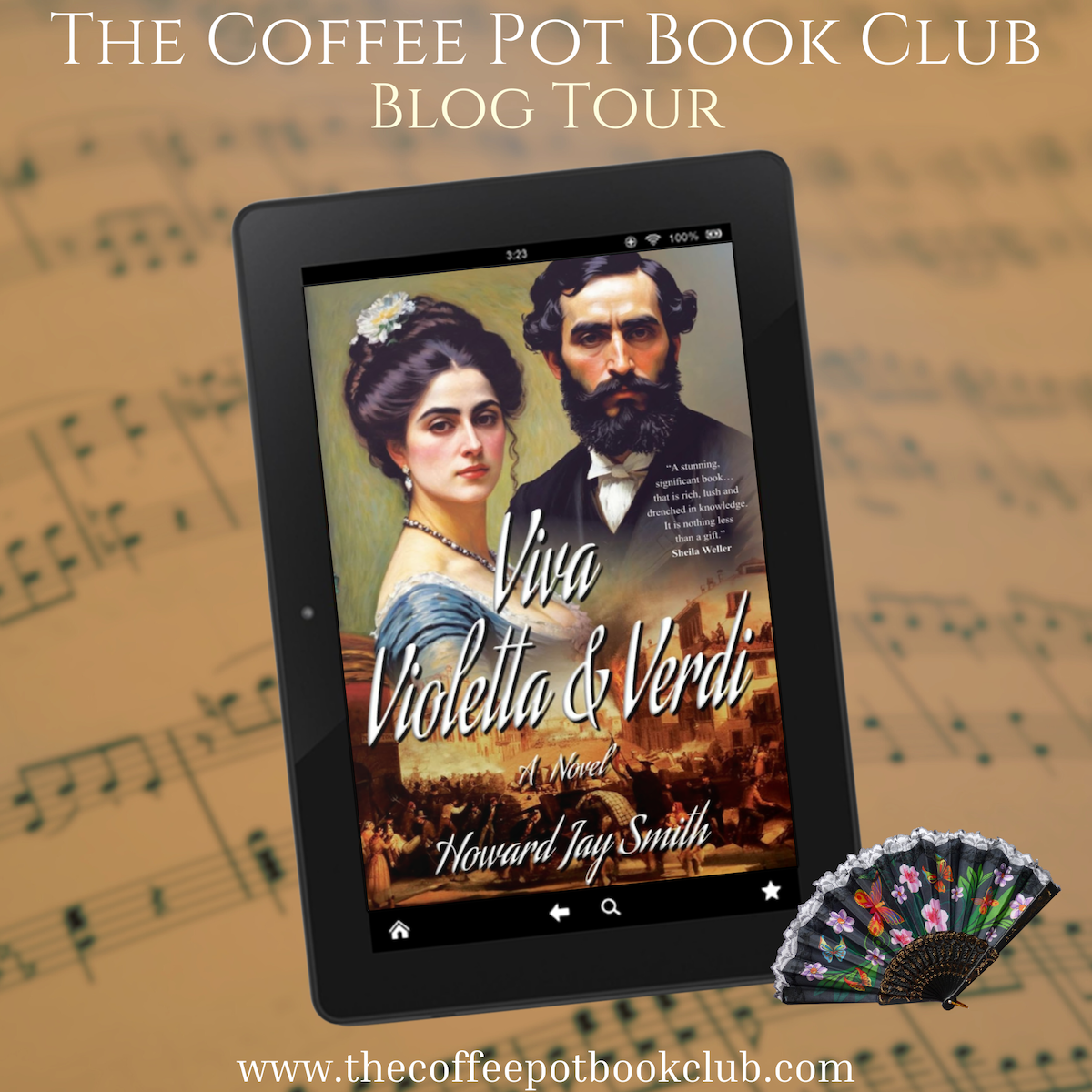
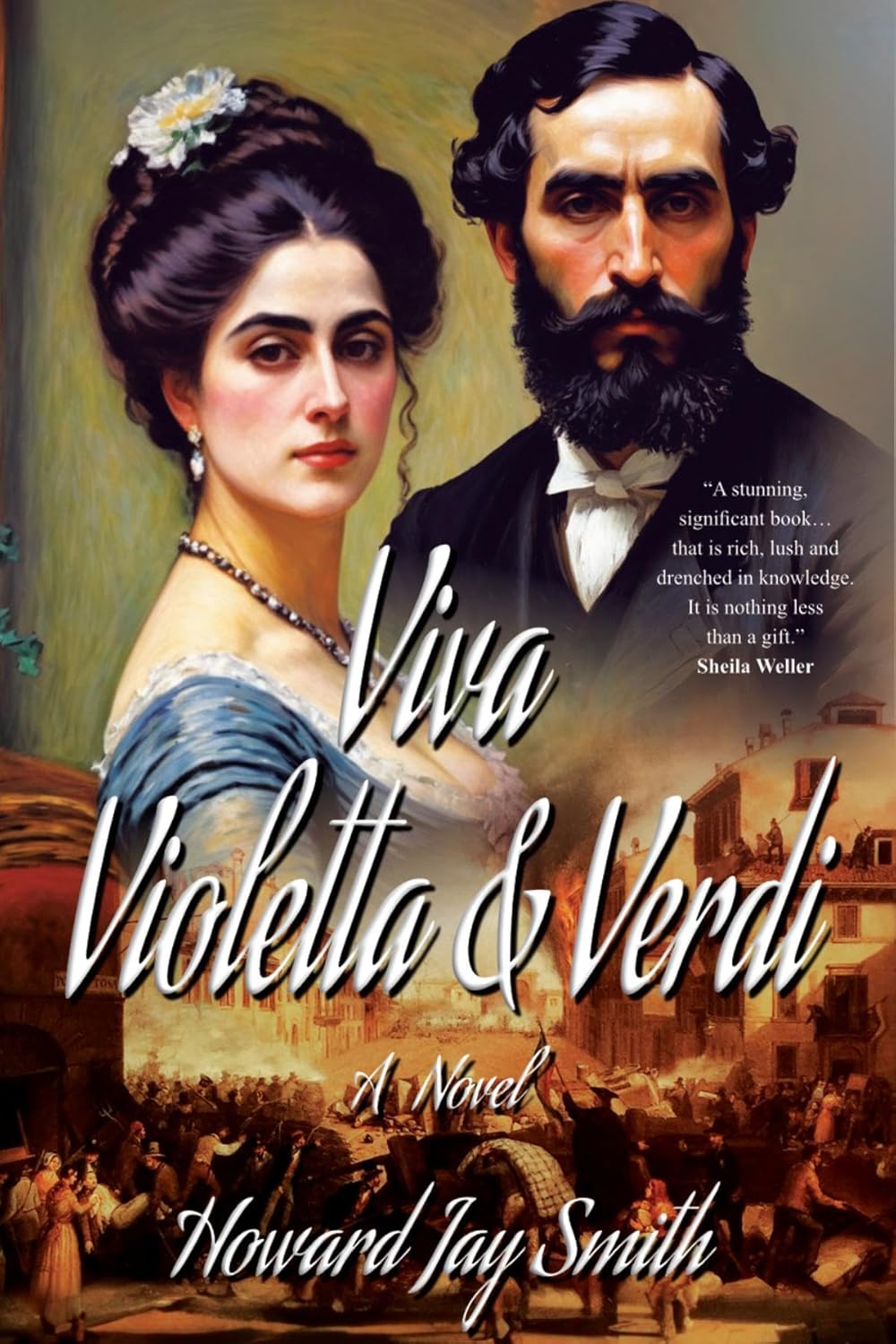
I’m delighted to welcome Howard Jay Smith and his book, Viva Violetta & Verdi, to the blog #HistoricalFiction #BiographicalHistoricalFiction #Verdi #ClassicalMusic #BlogTour #TheCoffeePotBook Club

I’m delighted to welcome Howard Jay Smith and his new book, Viva Violetta & Verdi, to the blog with a prologue.

Prologue

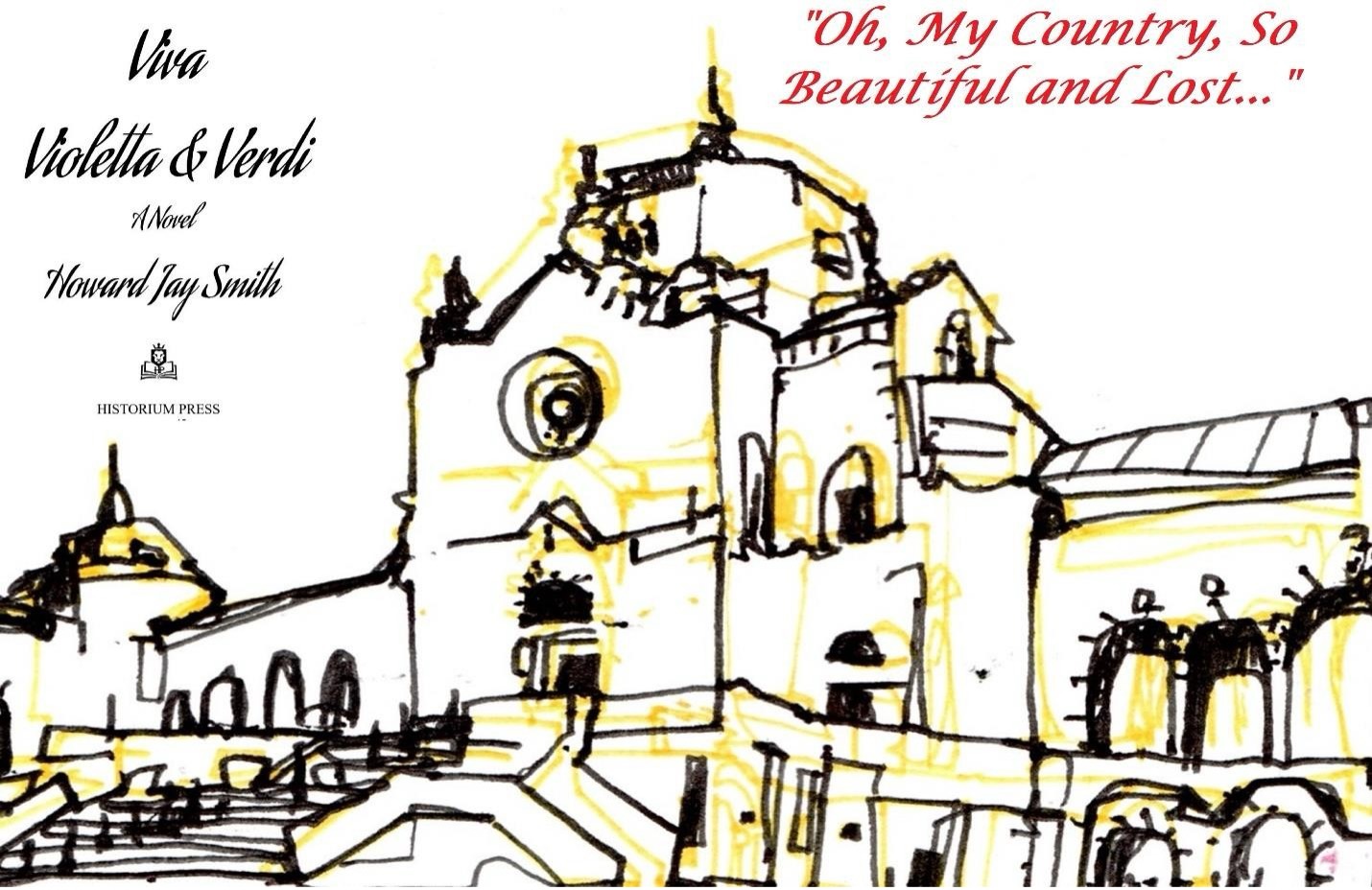
Oh, My Country, So Beautiful And Lost

Milan, February 27, 1901

On the morning of Verdi’s funeral, I awoke well before dawn. After a double shot of espresso and a cornetto, one freshly baked and served up by my daughter-in-law, Luisa, I dressed in my black mourning suit. At my age, this was an exercise I engaged in with an all too familiar regularity.

Then with the necessary assistance of my silver-handled cane, I left my bedroom suite and headed down the marble stairs to the entryway foyer of our home, Casa di Trevi, on the Via Vittorio Veneto. Tap, step, step. Tap, step, step – a rhythm and beat that had been my companion for over three decades. Tap, step, step.

There, waiting by the coat rack was Luisa, whom I had known since she was thirteen. A pugnacious and steely eyed woman, she greeted me with a warmth that never flagged, “Buongiorno papà.”

I nodded and thanked her for the coffee. “And Tre?” I asked referring to my son, whom we all called by his nickname.

“He left an hour ago,” she replied as she helped me into my black overcoat and then handed

me my top hat.

As I settled the hat onto my head, Luisa stepped back and gave me that “look,” that glare, the one which every man who has ever been married, knows only too well.

“What?” I asked as I glanced in the hallway mirror. Save for a few flecks of grey in my otherwise neatly trimmed beard, the reflected image of my hair came back to me as black as the night I was about to step out into. Despite my age, I was fortunate that my hair, save for a few grey streaks, still retained its natural color.

“Just this,” she said. From a pocket buried in the many folds of her housedress, Luisa pulled a patch to which she had already added a tri-colored ribbon of red, white and green. She pinned it to the band of my top hat and then kissed me on both cheeks. “Now you are ready, papà. Viva Verdi.”

“Viva la rivoluzione,” I replied as I looked in the mirror and nodded my approval.

“Viva la rivoluzione,” repeated Luisa as she opened the front door.

I stepped out into the chill of that February morning. The streets of Milan were still deserted at this hour. Later, though, news reports would hold that some four-hundred thousand mourners would gather along the funeral route to view the carriage carrying Verdi’s coffin along with that of his wife, who had preceded him in death by some three years. The procession would travel the two miles from the Cimitero Monumentale to the Piazza Michelangelo Buonarroti and their final resting place at the Casa di Riposo per Musicisti.

One reporter from Corriere della Sera would even remark that the crowd for Verdi’s funeral procession was the largest gathering of humans in a single place since Napoleon invaded Russia in 1812. That event some 89 years ago occurred a year before Verdi and I were born just days apart in Busseto, a small village in the Duchy of Parma some 65 miles southeast of here. And although today Verdi is considered not only the quintessential Italian composer but the quintessential Italian, our birth records in the Busseto town hall archives are written in French, for they ruled our home territory.

Yes, liberami, save me. There is no one else alive today who has known Giuseppe Verdi longer than I. Today it is time to put my friend to rest in the soil of an Italian nation that did not exist when we were born and to remember all the sacrifices our beloveds made in blood to achieve those victories.

Here’s the Blurb

A Love Affair Inspiring the World’s Most Unforgettable Operas:

Experience the intense, lifelong love affair between Giuseppe Verdi and Giuseppina Strepponi, the brilliant and seductive soprano who shaped his legacy. As his muse, lover, and wife, Strepponi was the inspiration behind Verdi’s most iconic works, including La Traviata and Aida. Her influence was pivotal, as she became the architect of his creative triumphs and the heart of his operatic genius.

Set against the backdrop of Italy’s Risorgimento, this sweeping novel intertwines their turbulent relationship with the nation’s fierce struggle for independence. Through the heartbreak of three brutal wars, Verdi and Strepponi’s passion, betrayal, and artistic ambition come alive, mirroring the era’s fiery spirit.

Rich with themes of love, power, food, wine, and unrelenting passion, Viva Violetta & Verdi is an unforgettable exploration of art, resilience, and the enduring bond that transformed both an artist and a nation.

Praise for Violetta & Verdi:

“A stunning, significant book…that is rich, lush and drenched in knowledge. It is nothing less than a gift.” – Sheila Weller

“Smith’s historic drama embraces universal themes of class and religious persecution, and weaves gorgeous language with an intimate knowledge of Italian food, music, and political hypocrisy that contemporary readers will find irresistible.” – ​Jessica Keener

“Viva Violetta & Verdi is a well-researched love letter to Verdi; fans are sure to love.” – Leslie Zemeckis

“Perfection. You are right there, inhaling and breathing in the words, the smell, and each piece of music. Bravo. It is both a love song and a love letter to the irrefutable power of Verdi’s muse, Violetta.” – Amy Ferris

Buy Link

Universal Link:

Meet the Author

Howard Jay Smith is an award-winning writer from Santa Barbara, California.

VIVA VIOLETTA & VERDI, is his third novel in his series on great composers, including BEETHOVEN IN LOVE; OPUS 139 and MEETING MOZART: FROM THE SECRET DIARIES OF LORENZO DA PONTE.

His other books include OPENING THE DOORS TO HOLLYWOOD (Random House) and JOHN GARDNER: AN INTERVIEW (New London Press). He was recently awarded a Profant Foundation for the Arts Fellowship for Excellence in Writing.

Smith is a former two-time Bread Loaf Scholar and three-time Washington, D.C. Commission for the Arts Fellow, who taught for many years in the UCLA Extension Writer’s Program and has lectured nationally. His articles have appeared in the Washington Post, American Heritage Magazine, the Beethoven Journal, Horizon Magazine, Fig Tree Press, the Journal of the Writers Guild of America, the Ojai Quarterly, and numerous trade publications. While an executive at the ABC Television, Embassy TV, and Academy Home Entertainment he worked on numerous film, television, radio and commercial projects.

He serves on the board of directors of the Santa Barbara Symphony and is a member of the American Beethoven Society.

Connect with the Author

Follow Viva Violetta & Verdi blog tour with The Coffee Pot Book Club

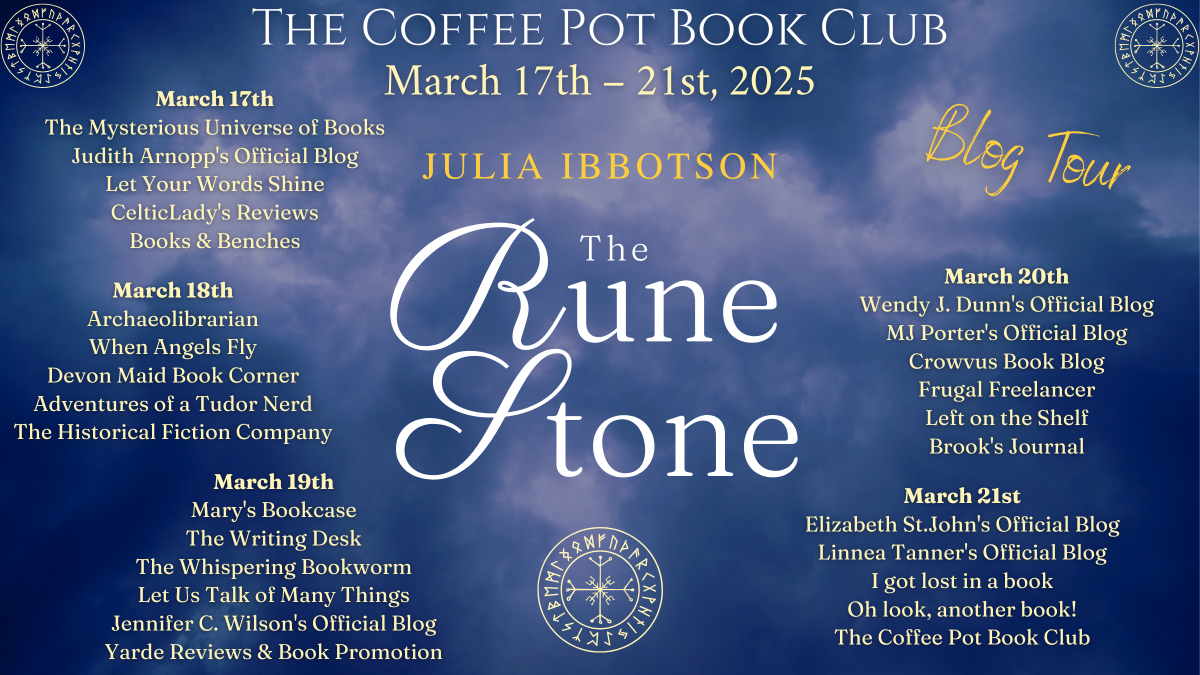
I’m delighted to welcome Julia Ibbotson and her book, The Rune Stone, to the blog #medieval #TimeTravel #Romance #Mystery #BlogTour #TheCoffeePotBookClub

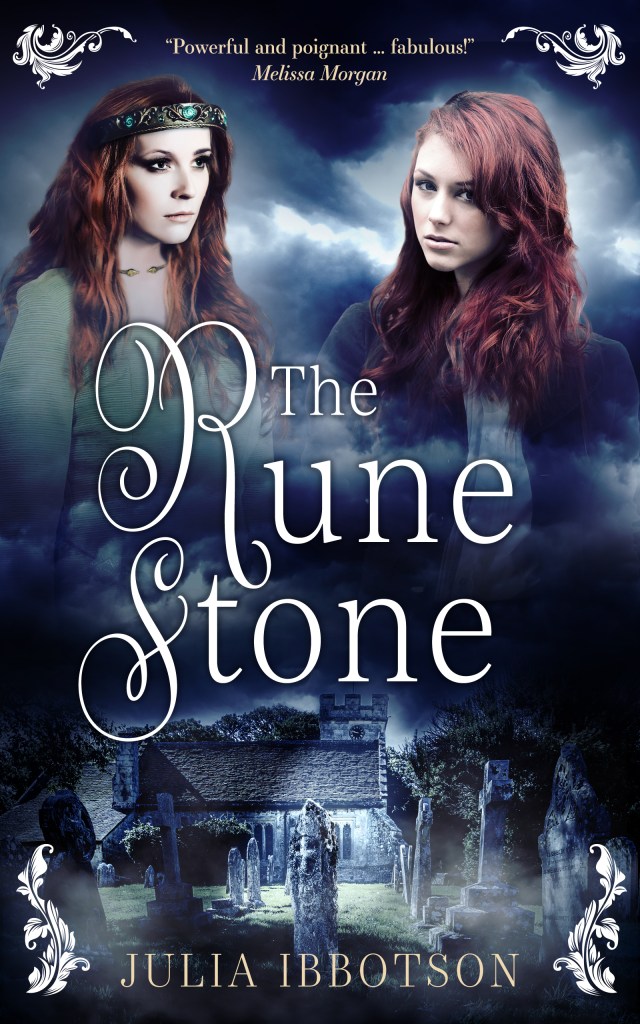
I’m delighted to welcome Julia Ibbotson and her book, The Rune Stone, book 3 in the Dr DuLac series (but can be read as a standalone), to the blog.

Blurb

A haunting time-slip mystery of runes and romance

When Dr Viv DuLac, medievalist and academic, finds a mysterious runic inscription on a Rune Stone in the graveyard of her husband’s village church, she unwittingly sets off a chain of circumstances that disturb their quiet lives in ways she never expected.

She, once again, feels the echoes of the past resonate through time and into the present. Can she unlock the secrets of the runes in the life of the 6th century Lady Vivianne and in Viv’s own life?

Again, lives of the past and present intertwine alarmingly as Viv desperately tries to save them both, without changing the course of history.

For fans of Barbara Erskine, Pamela Hartshorne, Susanna Kearsley, Christina Courtenay.


Praise for Julia Ibbotson:

(for A Shape on the Air) “In the best Barbara Erskine tradition …I would highly recommend this novel” –Historical Novel Society

(for the series) “Julia does an incredible job of setting up the idea of time-shift so that it’s believable and makes sense” – book tour reviewer

(for The Rune Stone) “beautifully written”, “absorbing and captivating”, “fully immersive”, “wonderfully written characters”, “a skilled story teller” – Amazon reviewers

“Dr Ibbotson has created living, breathing characters that will remain in the reader’s mind long after the book is read … The characters are brought to life beautifully with perfect economy of description … fabulous!” – Melissa Morgan

“A rich and evocative time-slip novel that beautifully and satisfyingly concludes this superb trilogy. The story is woven seamlessly and skilfully between the past and the present and the reader is drawn deeply into both worlds.  Her portrayal of the 6th century and its way of life are authoritative, vivid and memorable.” – Kate Sullivan

Buy Link

Universal Link

This title is available to read on #KindleUnlimited

Meet the Author

Julia Ibbotson is fascinated by the medieval world and the concept of time. She is the author of historical mysteries with a frisson of romance. Her books are evocative of time and place, well-researched and uplifting page-turners. Her current series focuses on early medieval time-slip/dual-time mysteries. Julia read English at Keele University, England, specialising in medieval language / literature / history, and has a PhD in socio-linguistics.

After a turbulent time in Ghana, West Africa, she became a school teacher, then a university academic and researcher. Her break as an author came soon after she joined the RNA’s New Writers’ Scheme in 2015, with a three-book deal from Lume Books for a trilogy (Drumbeats) set in Ghana in the 1960s. She has published five other books, including A Shape on the Air, an Anglo-Saxon timeslip mystery, and its two sequels The Dragon Tree and The Rune Stone.

Her work in progress is a new series of Anglo-Saxon mystery romances, beginning with Daughter of Mercia, where echoes of the past resonate across the centuries. Her books will appeal to fans of Barbara Erskine, Pamela Hartshorne, Susanna Kearsley, and Christina Courtenay. Her readers say: ‘Julia’s books captured my imagination’, ‘beautiful storytelling’, ‘evocative and well-paced storylines’, ‘brilliant and fascinating’ and ‘I just couldn’t put it down’.

Connect with the Author
Website BookBub

Follow The Rune Stone blog tour with The Coffee Pot Book Club

Check out the details for The Dragon Tree.

Posts

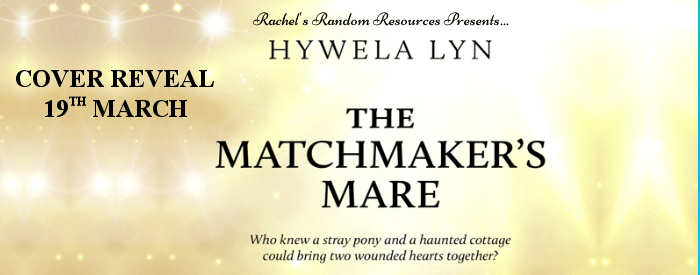
I’m excited to be taking part in the cover reveal for The Matchmaker’s Mare by Hywela Lyn #coverreveal #blogtour #romance

Here’s the blurb

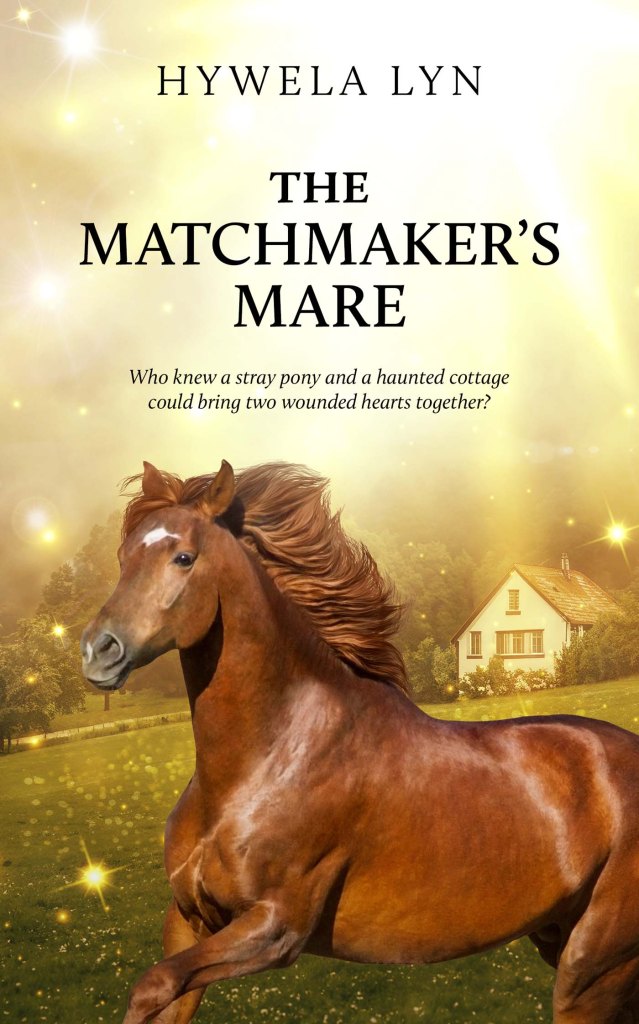
When Megan Johnson inherits an old cottage in the Welsh countryside, she seizes the opportunity to cut ties with her past life, after a broken romance. Her nearest neighbour, a horse trainer, is also something of an enigma. Single dad Glyn Phillips does his best to balance his love of horses and hard work, with his devotion to his son. When he meets his new neighbour, he knows he should resist any attraction. A feisty pony mare which mysteriously appears on his land adds to his problems, but another, larger problem lies ahead. Two matchmaking spirits find their carefully laid plans may not go as smoothly as they hope.

Book cover image for The Matchmaker's Mare by Hywela Lyn showing a chestnut horse galloping towards the reader with a small cottage in the background and shimmering yellow lights.

Pre-order Links 

https://www.amazon.co.uk/Matchmakers-Mare-Hywela-Lyn-ebook/dp/B0DYF6L15C

https://www.amazon.com/Matchmakers-Mare-Hywela-Lyn-ebook/dp/B0DYF6L15C

Publication Date: 5th May

Meet the author

Award-winning author, Hywela Lyn spent most of her life in Wales, whose beautiful landscapes and wealth. of myths and legends inspired her to write. A horse and dog lover, she weaves romantic Science Fiction adventures and fantasy romances set in Wales, past and present. She loves dreaming up characters who overcome the odds, and go on to find deep and enduring love. However difficult the journey, in the end love will always win. She  hopes her stories will truly take you ‘out of this world’.

Her penname, Hywela Lyn is a combination of her first two names. (She has always been known by her second name ‘Lyn’ and thought it was time her Welsh first name was used as well!) She is a member of The Romantic Novelists’ Association, and her local writing group, Chiltern Writers. Beloved Enemy, the third book in her Destiny Trilogy, was shortlisted in the Paranormal category of the prestigious Romantic Novelists Association RoNA awards and was a Runner up in the RONE Awards in 2017. When not writing or reading, she can usually be found outdoors with horses or her little dog – or just eating chocolate!

Author image for Hywela Lyn