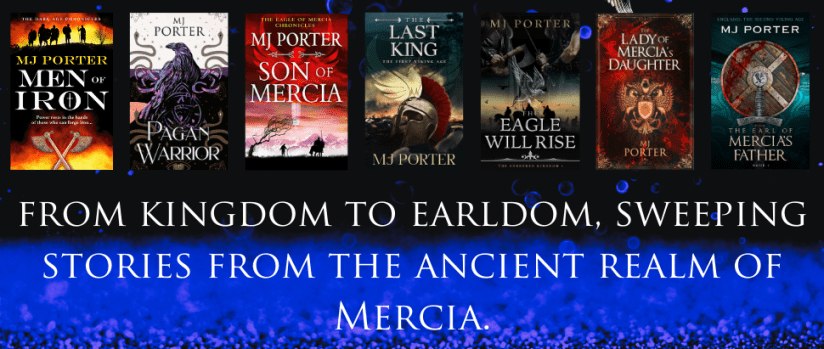

Journey to the 540s in what would become Saxon England
The ‘Dark Ages.’
As a bit of a history nerd, I’m not always comfortable with the term ‘Dark Ages’ for my books, mostly because the ‘real’ Dark Ages took place between about 410 and 600 in England, and so, until NOW, my books haven’t strictly fallen into that category. (Also, as a very literal child, I entirely mistook what was meant by the Dark Ages, and I was always perplexed as to why it was so damn dark.)
Admittedly, many apply the term to almost all of the period of Saxon England, which is somewhat incorrect (and indeed it was once applied to the entire Middle Ages). The idea of the Dark Ages stems from a belief there was no scientific or cultural advancement during this period (according to Wiki), but particularly in regards to England, it references the lack of surviving written records from the period.
Archaeology is massively changing this interpretation, and there is now an accepted view that much can be understood about the era, just not in the way ‘historians’ might think – the merging of archaeology and history (and other sciences) is rewriting the period. We’re no longer entirely reliant on two sources, Gildas, and his De Excidio et Conquestu Britanniae – On The Ruin of Britain, or Bede, and his Historia ecclesiastica gentis Anglorum – History of the English People (as well as a few ‘odd’ earlier sources. You can read about these in a blog post here The End of Roman Britain which I originally wrote for my Masters). It might be impossible to apply dates for everything, but it is possible to postulate what was actually happening during these ‘lost’ two hundred years, even if much of our knowledge must rely on finds from graves.
A new trilogy
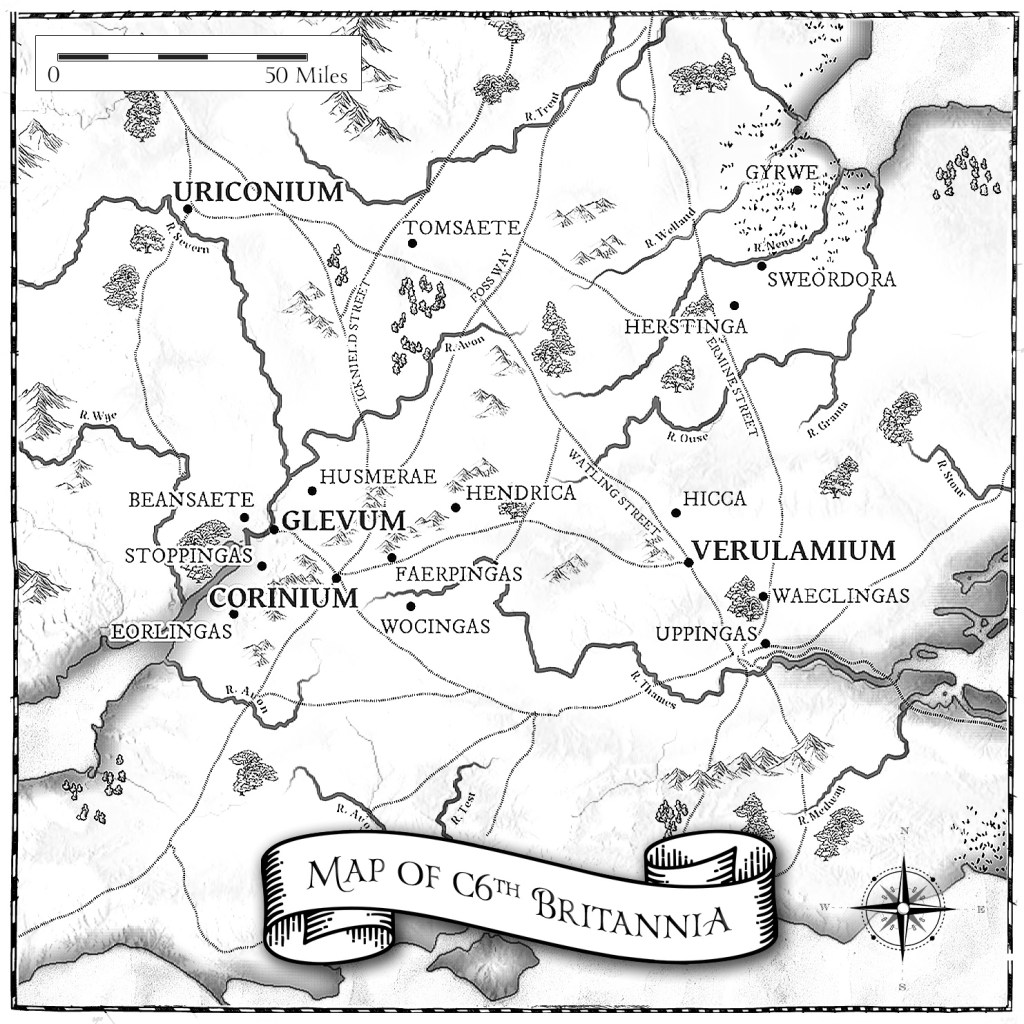
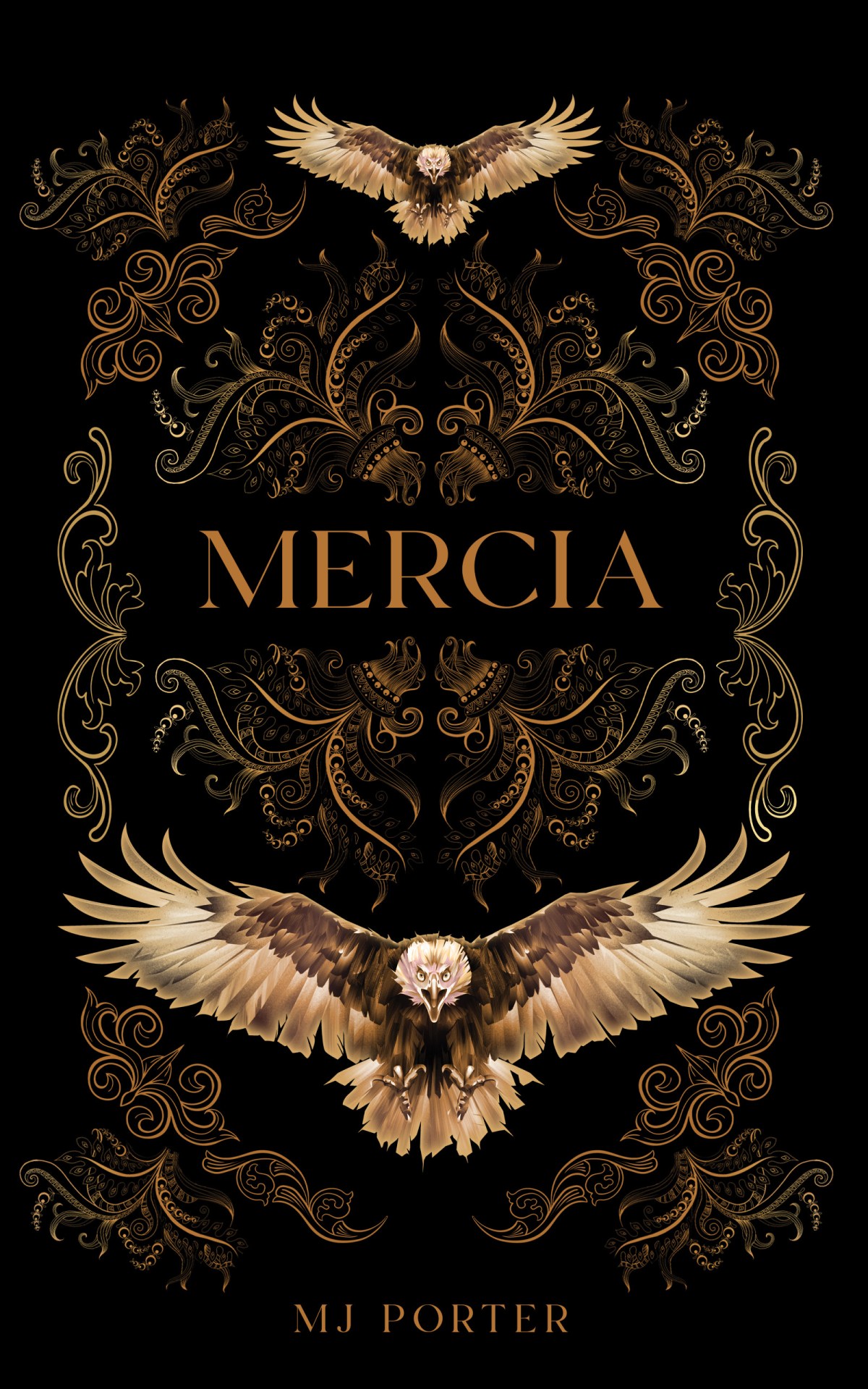
And this is where my new trilogy enters stage left. This period fascinates me. I’ve been reading extensively about it for some time, and eventually managed to convince my editor to let me tell ‘a‘ story of what ‘might‘ have been happening in this period. It can’t be based on any ‘named’ historical individuals (well, apart from one or two I’ve snuck in there as fictional creations) but it can attempt to populate this complex and little-understood period with people who lived and breathed, and I’m so excited to share it, and ALL my research with my readers. And guess what, it’s about what was Mercia before it was Mercia.
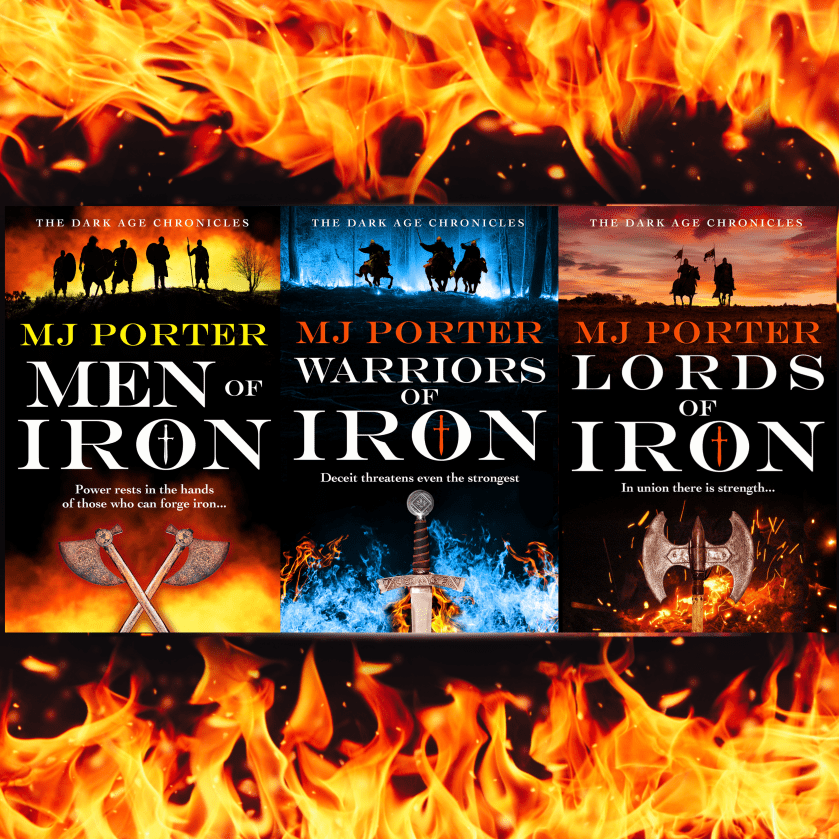
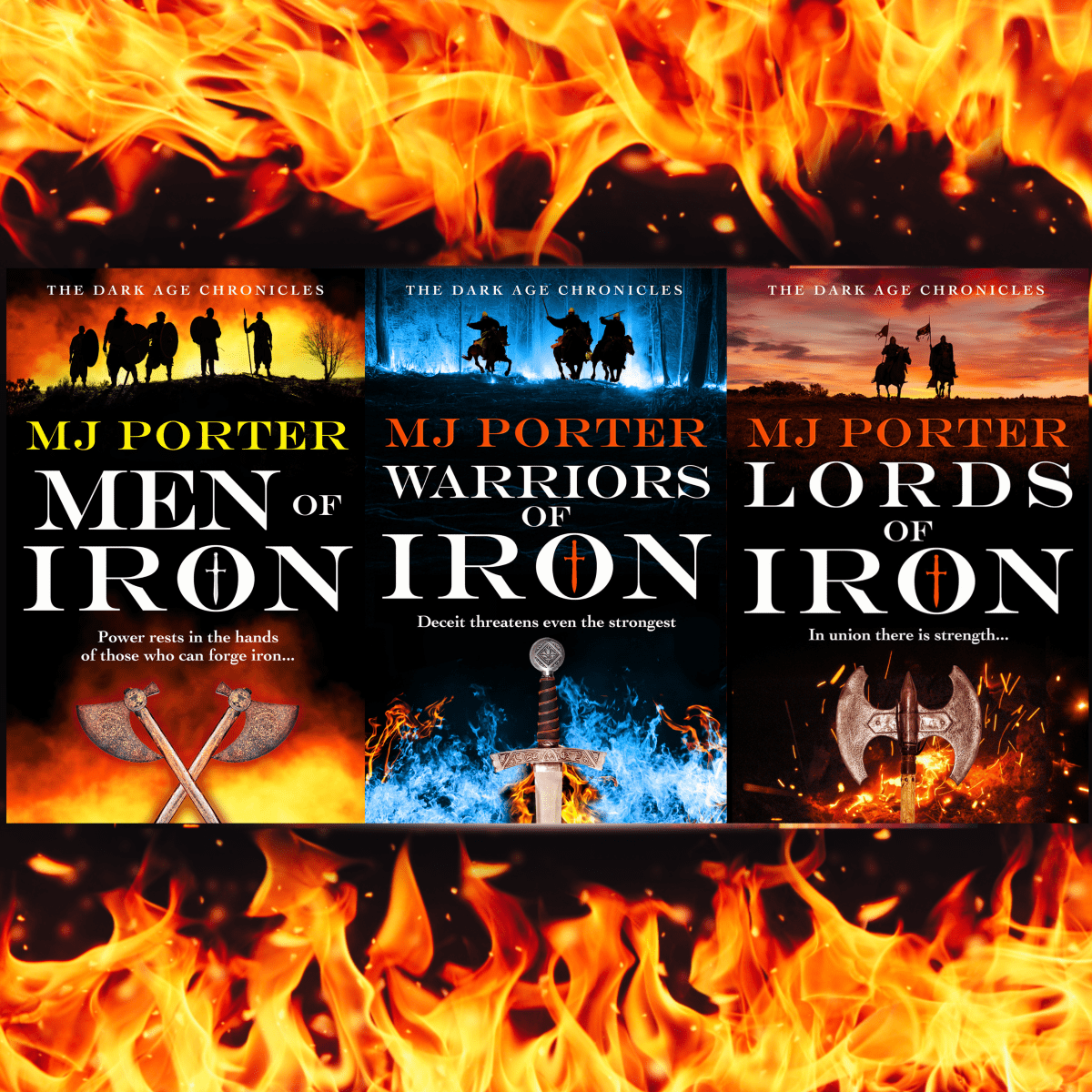
Here’s the blurb for the first book in the trilogy, introducing Wærmund and Meddi, my warrior and seeress.
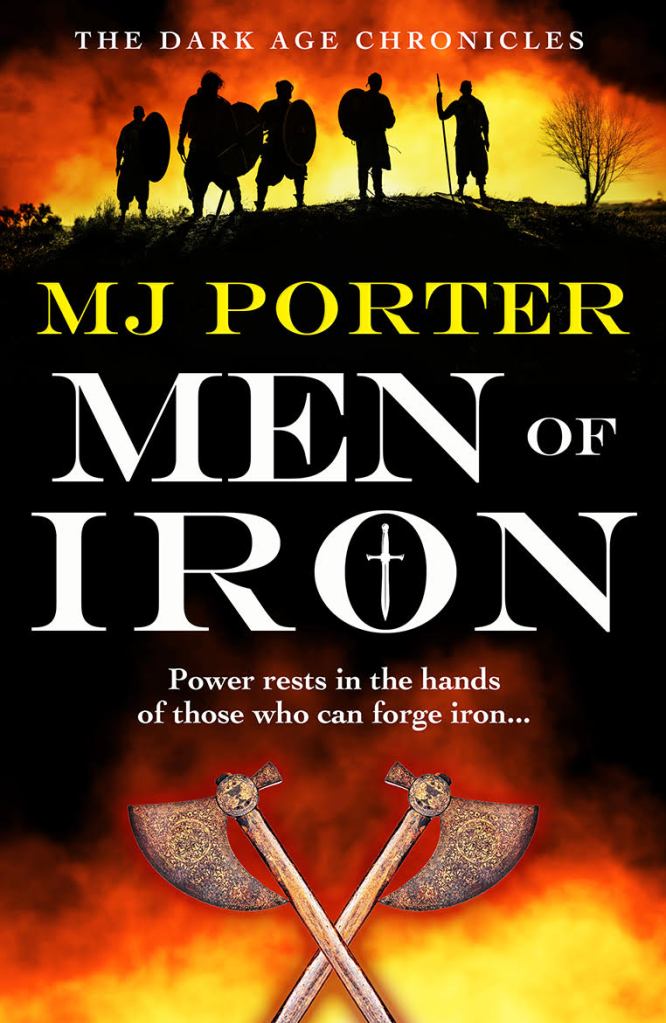
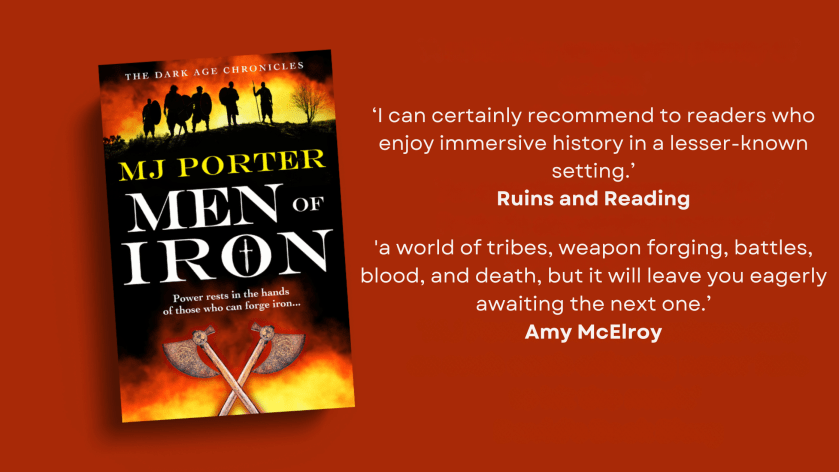
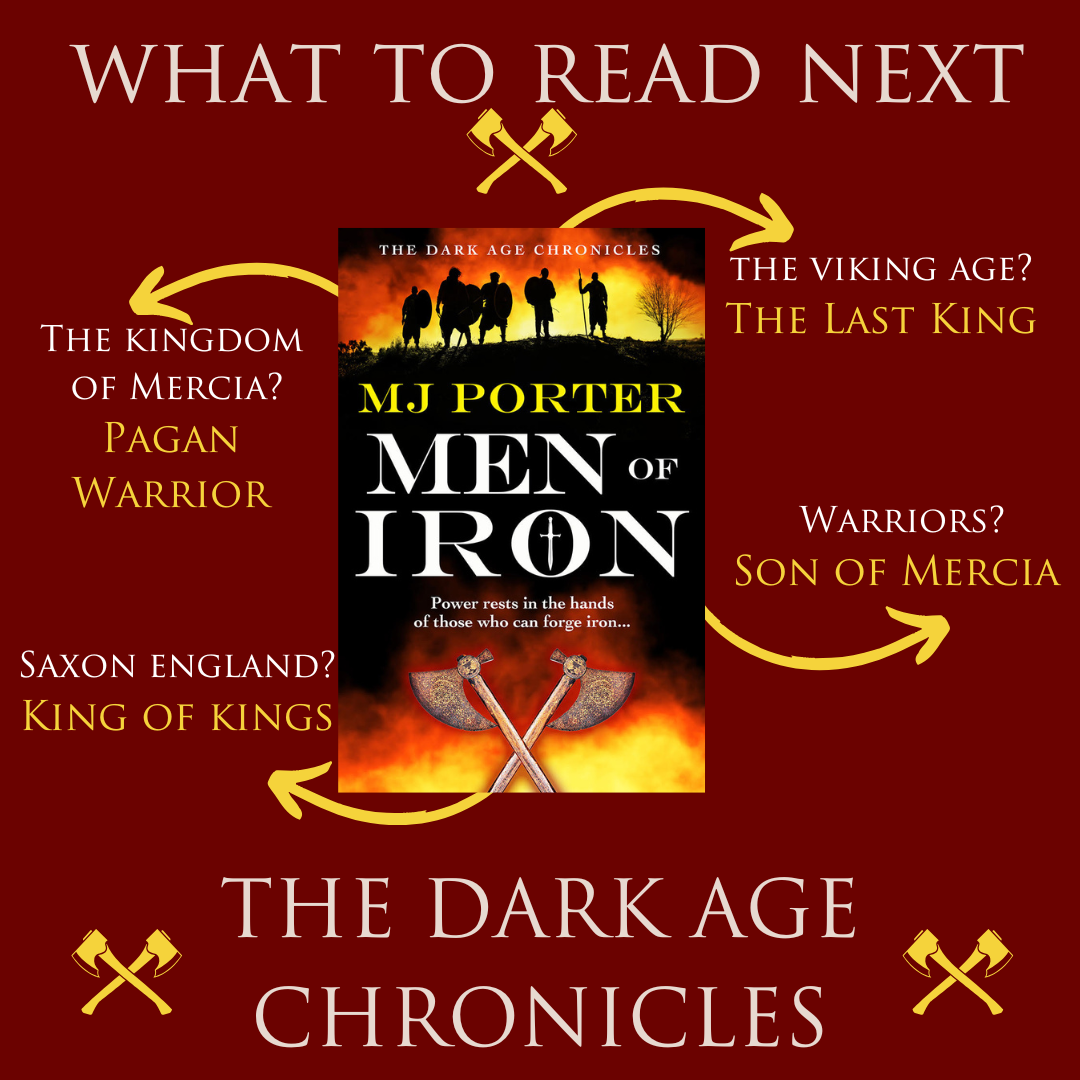
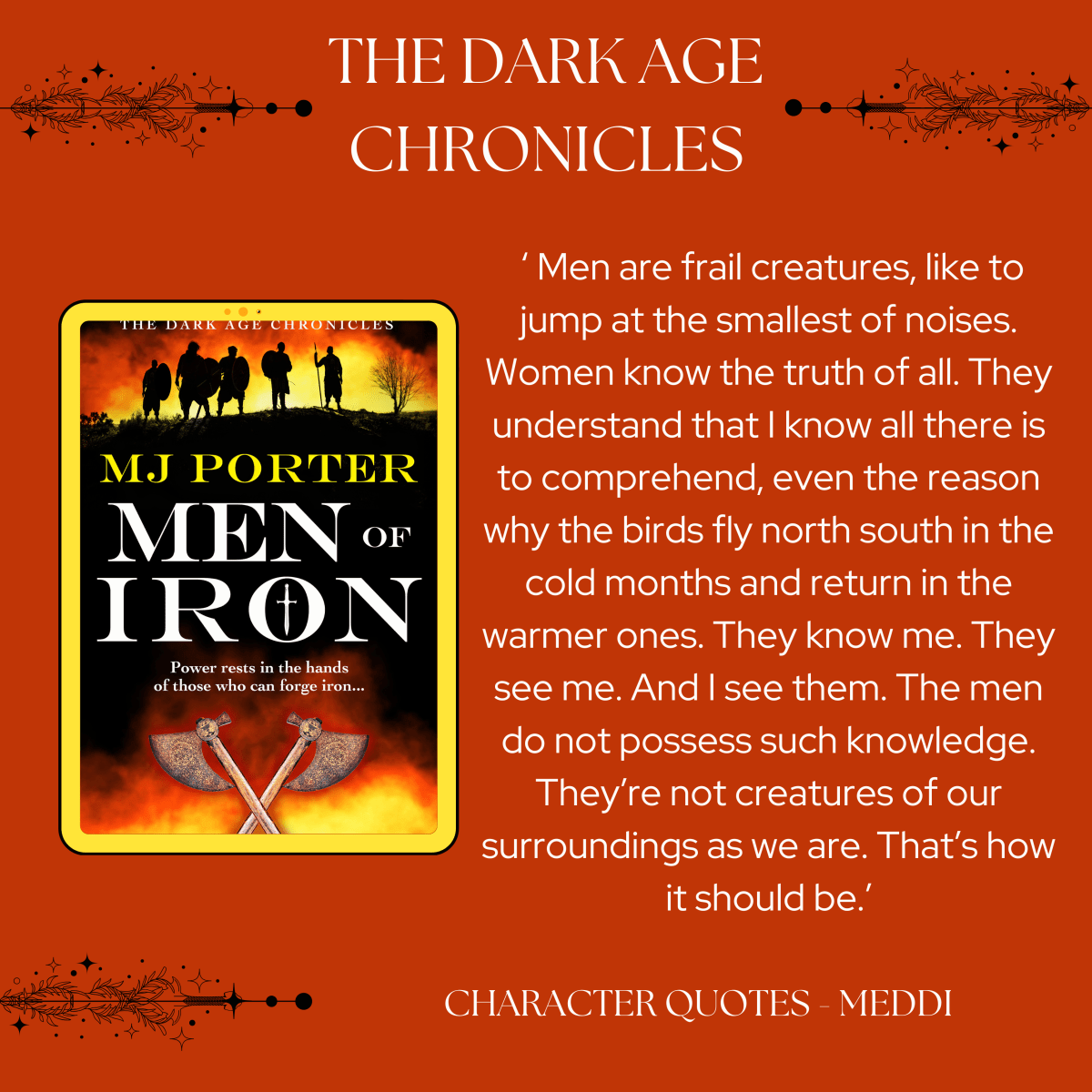
Men of Iron
After the legends of Arthur, yet before the Saxon kingdom of Mercia, a tribal age of iron and rust ruled.
Britain AD540.
In the western hinterland of Roman Britannia, Meddi, the seeress of the Eorlingas tribe, can only obtain vengeance when her husband’s dead and her ancestral villa returned to her.
With her brother, Madog, as leader, they unite and stand strong against those who seek the riches of their villa. They must harness the power of the lost magiks of iron to make weapons to mercilessly oppose those who seek to challenge and fight to rule.
Meanwhile in the east, Warmund, a young warrior of Saxon descent, has exacted the ultimate revenge against his brother. Startled by his own ruthlessness, he knows his father will pursue him to exact retribution. He and his band of miscreant warriors must flee westwards and forge a new future by earning coin from those too weak to protect themselves.
Meddi and Wærmund are set to collide in a world of iron and rust.
Purchase Link
https://books2read.com/Men-of-Iron
You can listen to me introduce Men of Iron here.
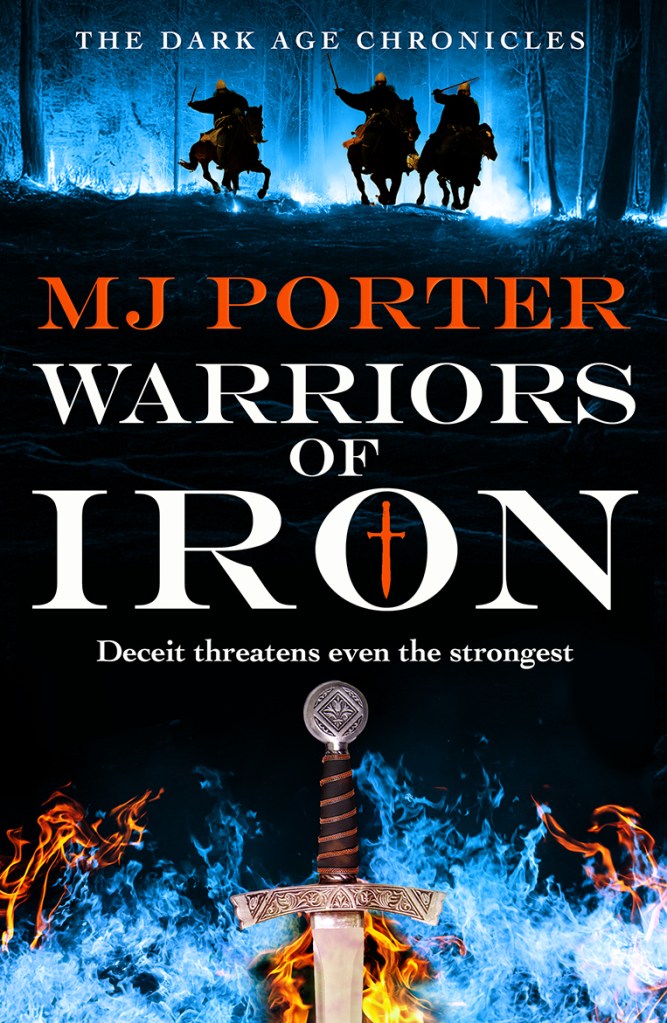
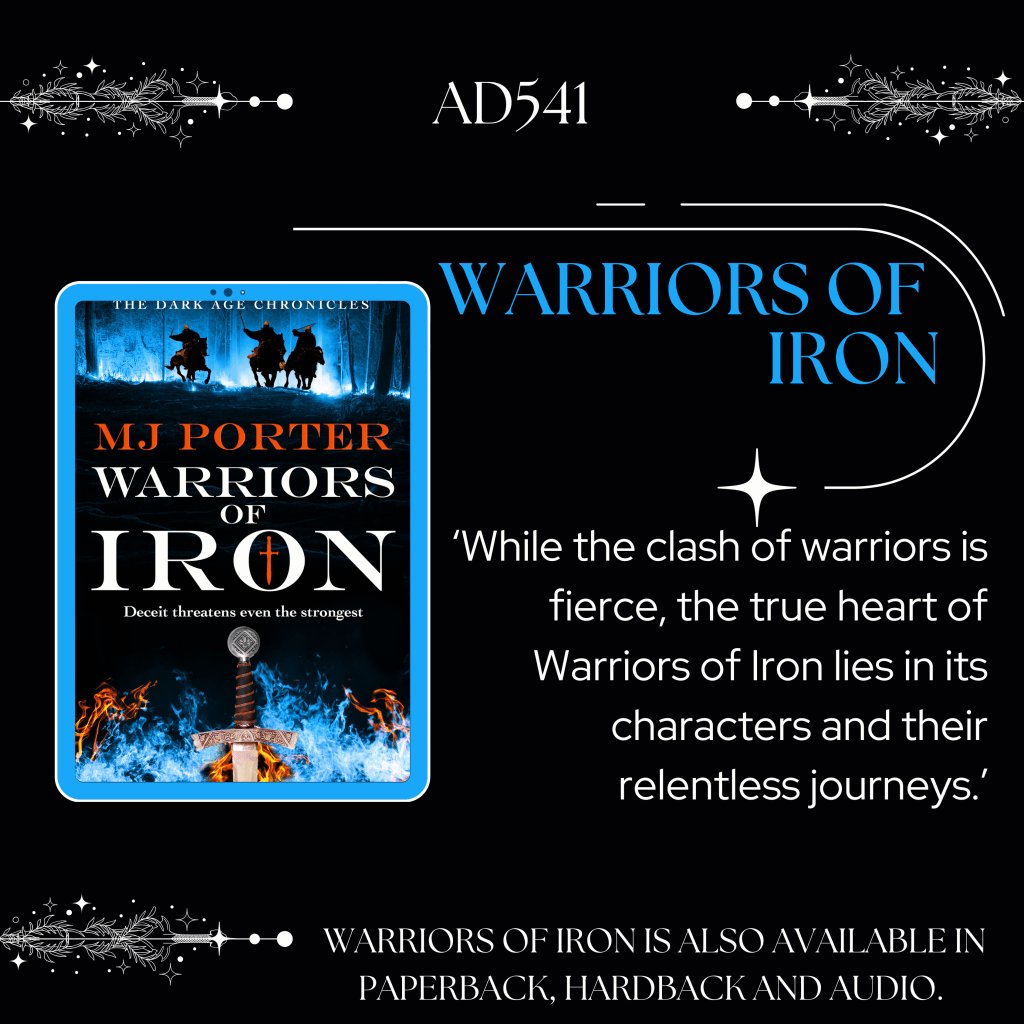
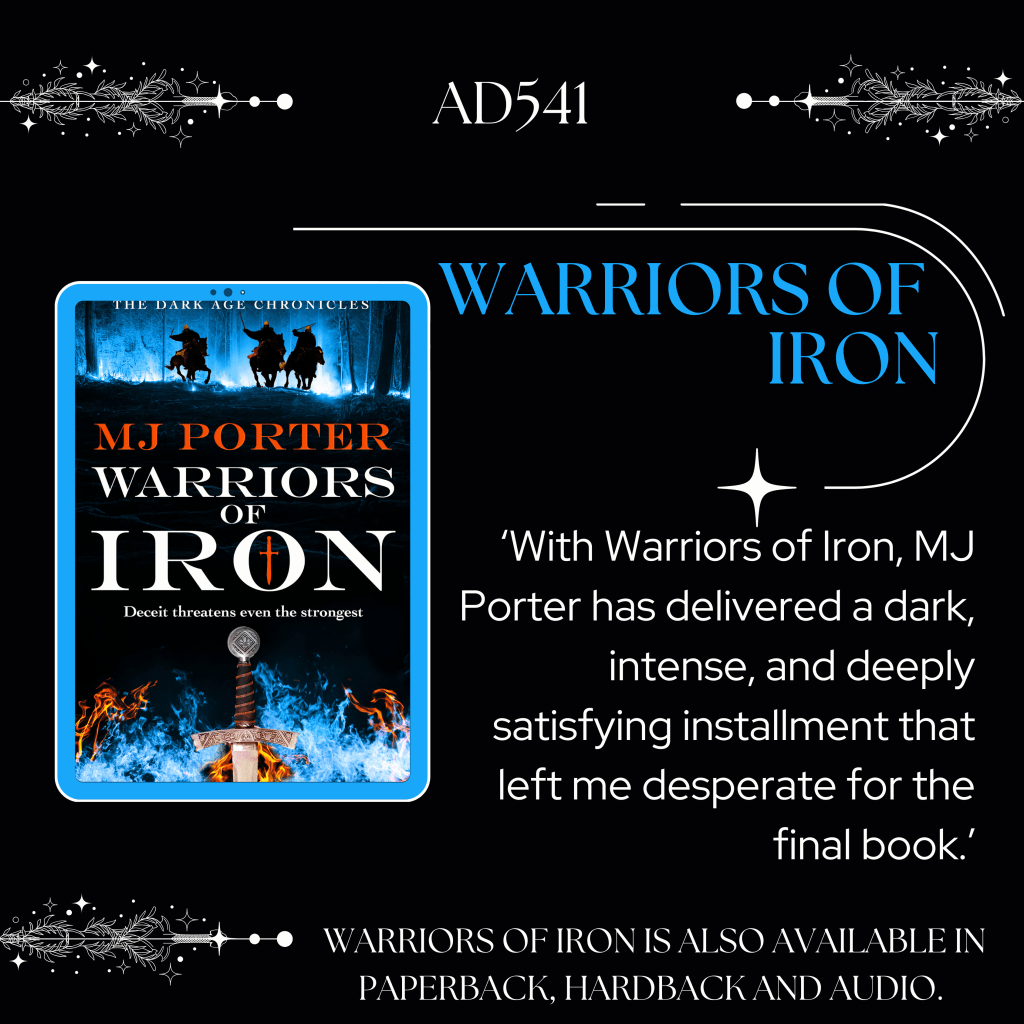
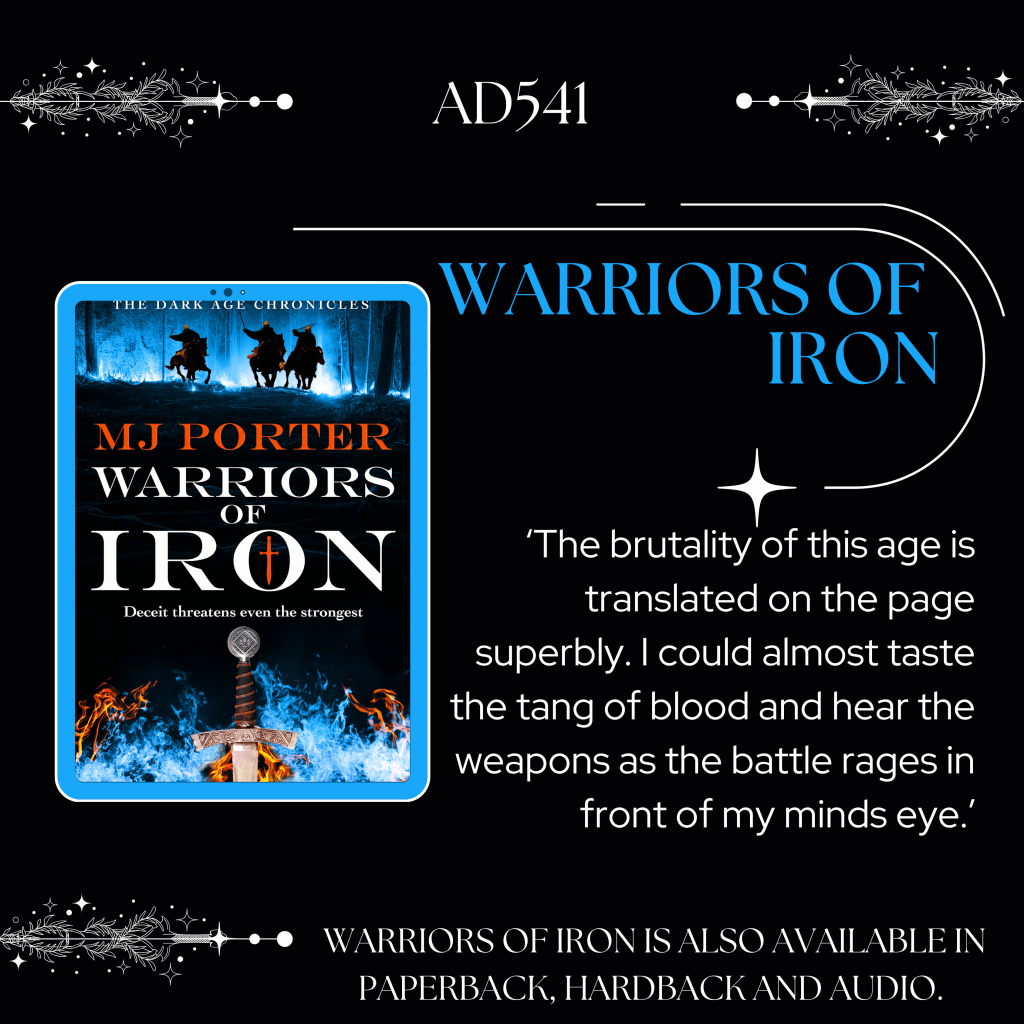
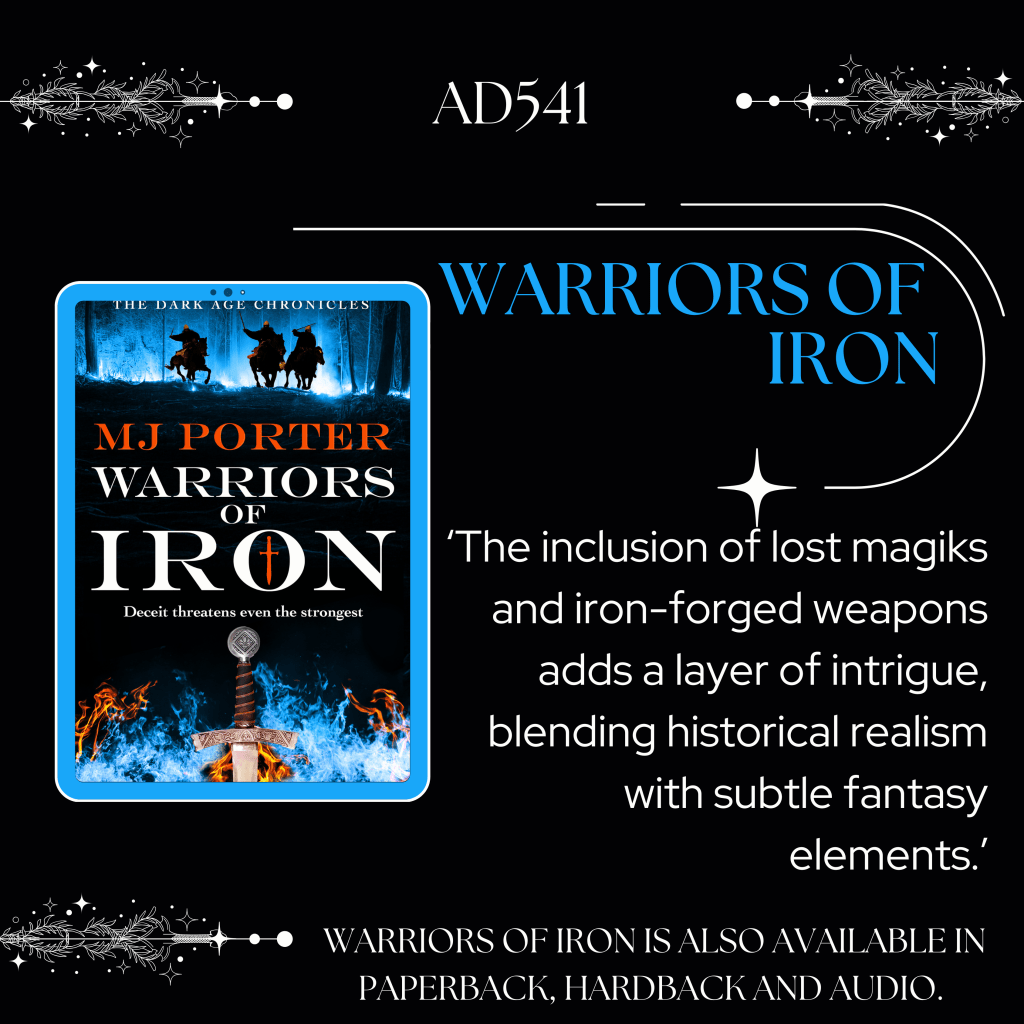
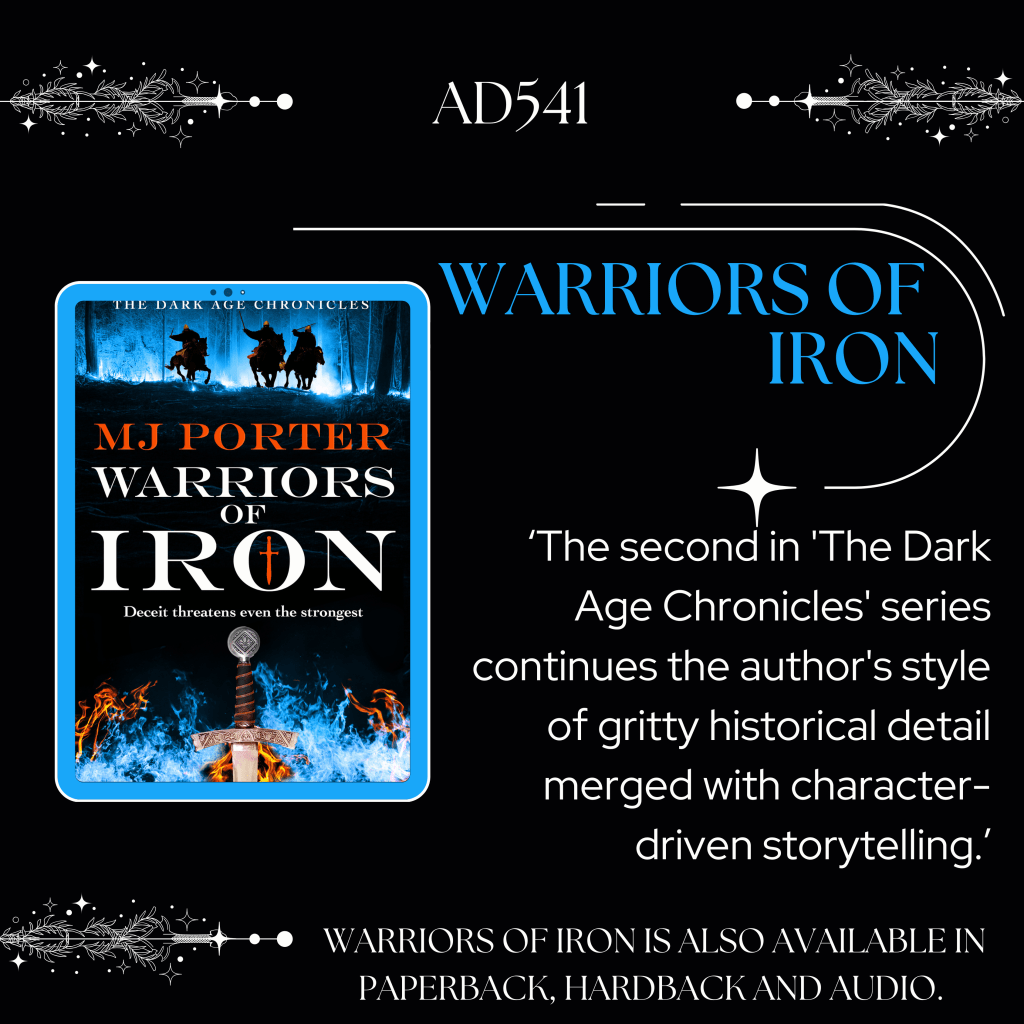
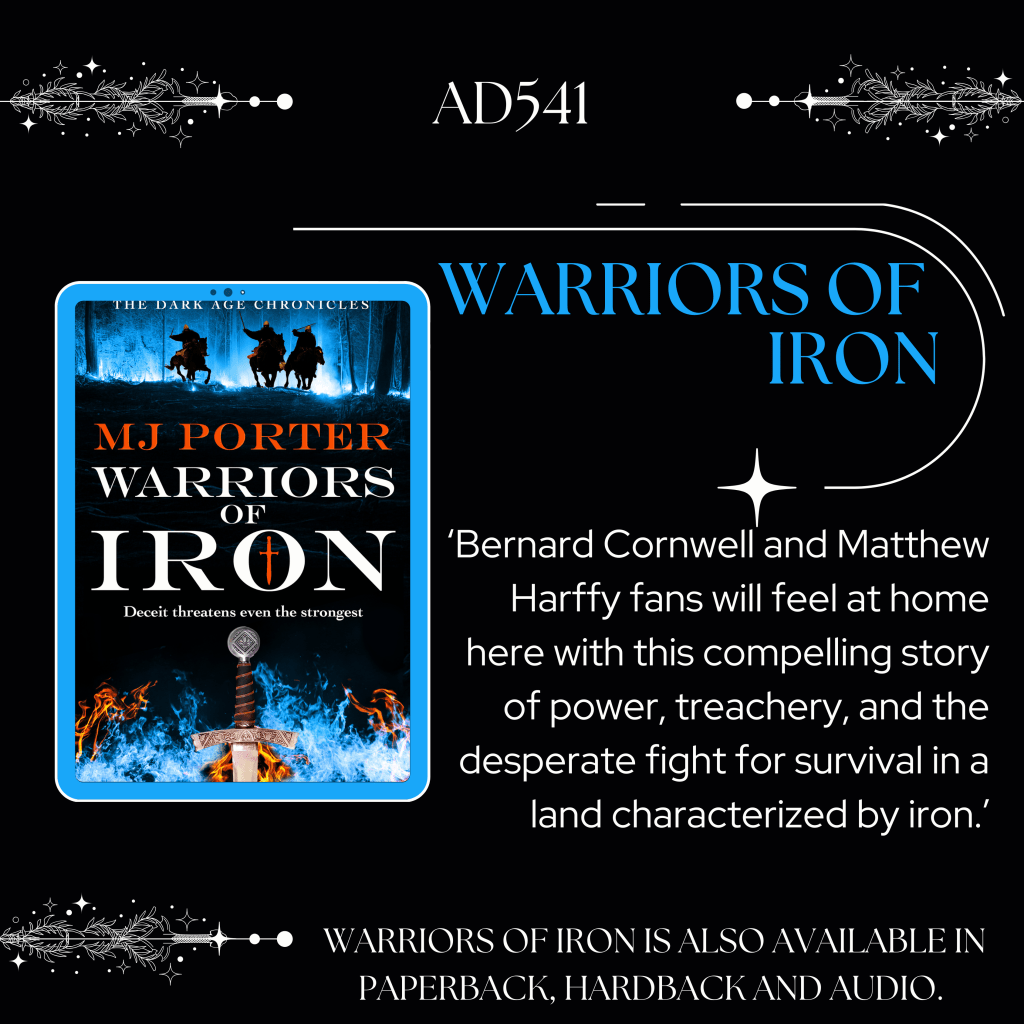
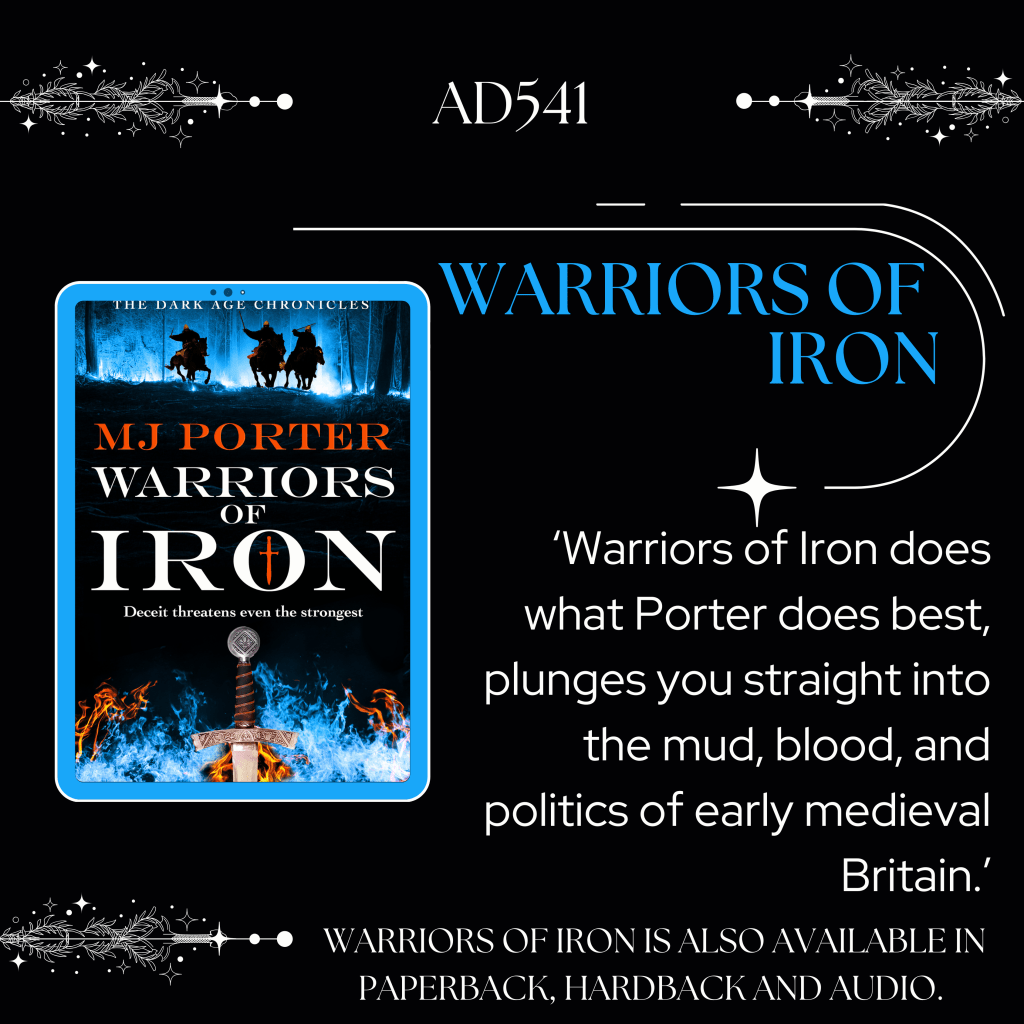
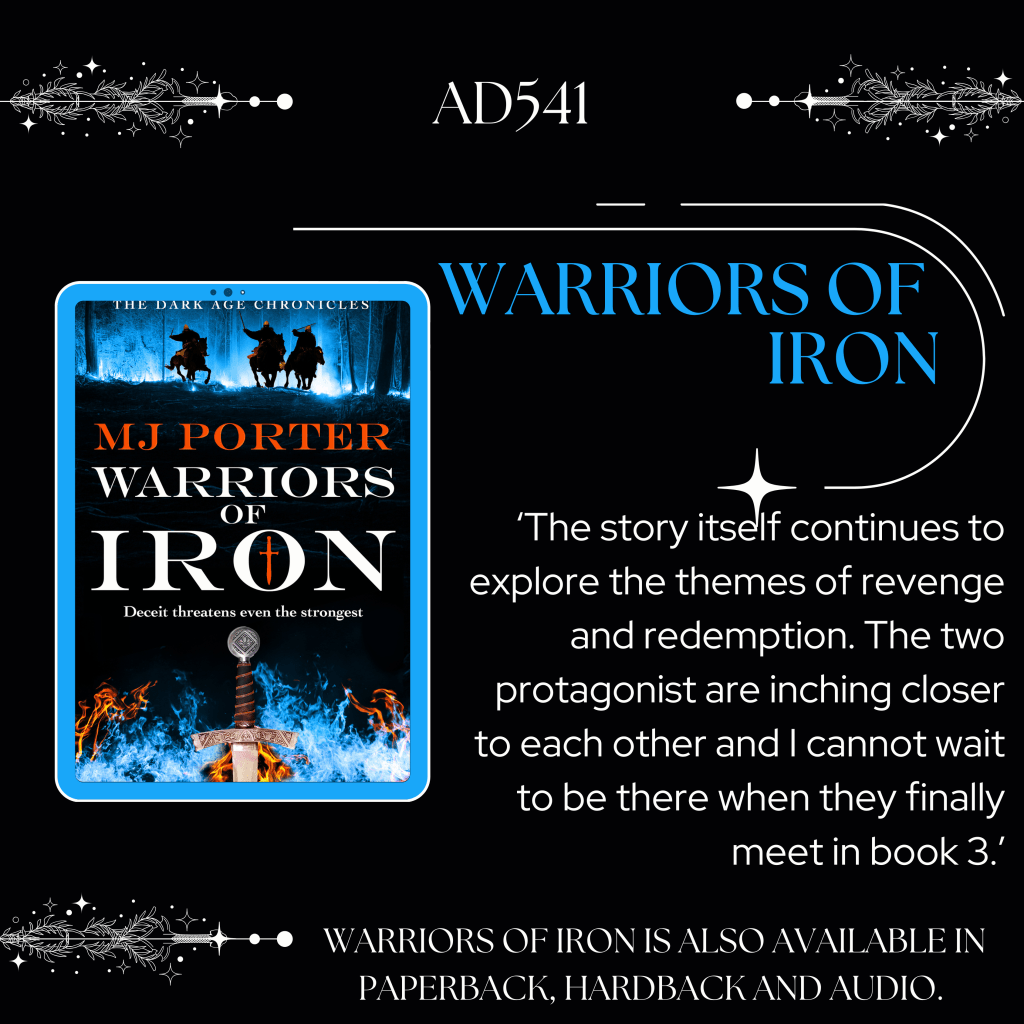
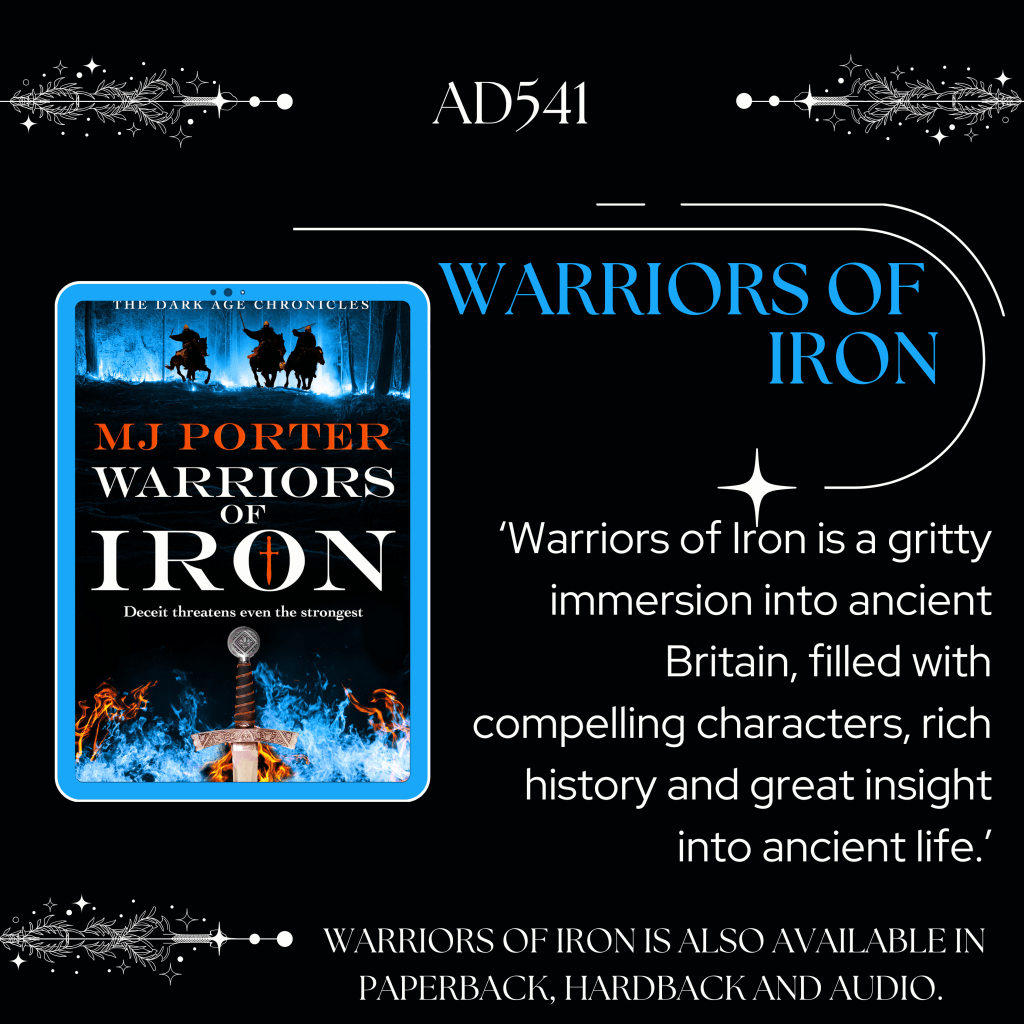
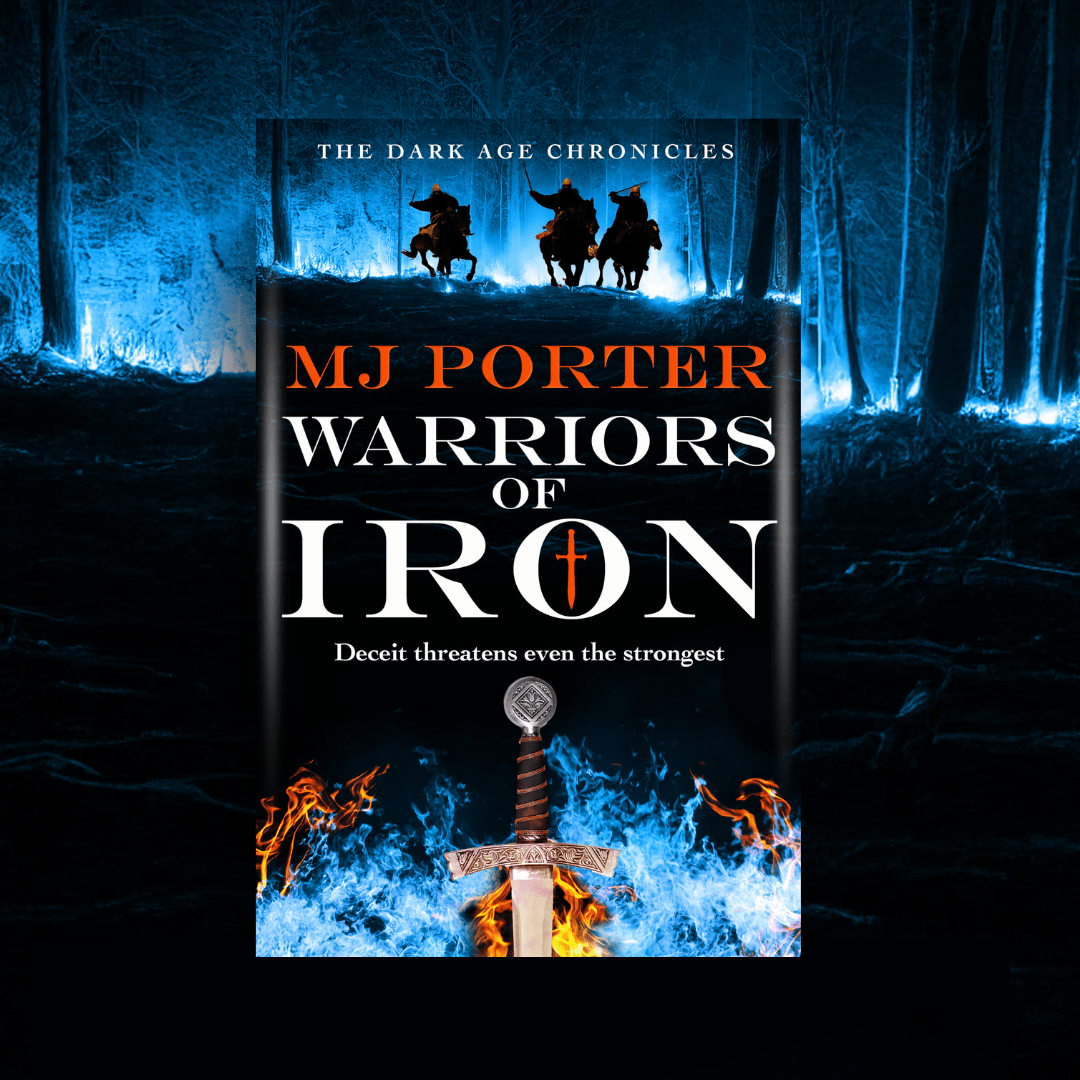
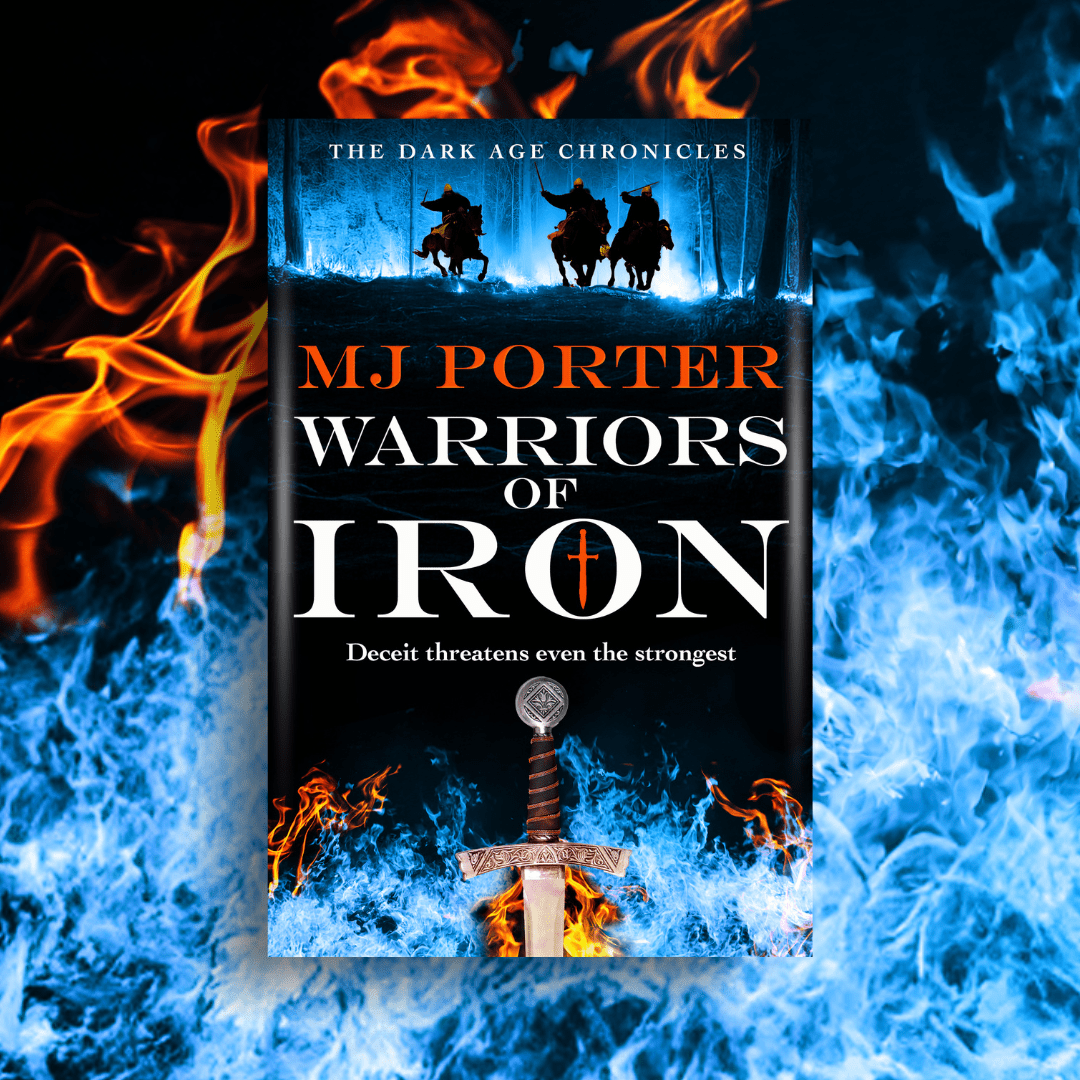
Warriors of Iron
During Britannia’s tribal age only the strongest prevail…
Britain AD541
Seeress Meddi has been restored to her rightful position of influence within the Eorlingas tribe. But a heavy cloud hangs over the tribe’s survival with the escape of the treacherous Elen who seeks to exact a bloody vengeance following Meddi’s reinstatement and her downfall.
Meddi knows Elen will return to settle the blood feud and the tribe must be ready to face this deadly threat with iron. They must toil day and night to harness the power of the lost magiks to make the weapons needed to overpower Elen.
Meanwhile, Wærmund, a warrior of Saxon descent, has escaped his enforced captivity and vows vengeance against his captors. He too hungers for the promise of sharp blades and travels West to find those who can fashion iron into blades sharp enough to kill. But when a lone woman befriends the band of warriors, promising him even more than that, he’s beguiled by her tale of deceit amongst her own tribe, so reminiscent of his own.
Unbeknown, Meddi and Wærmund share a common enemy and one who is just as belligerent as they are…
Purchase Link
https://books2read.com/WarriorsofIron
You can listen to me introduce Warriors of Iron here.
You can listen to me attempting to correctly pronounce the character names here.
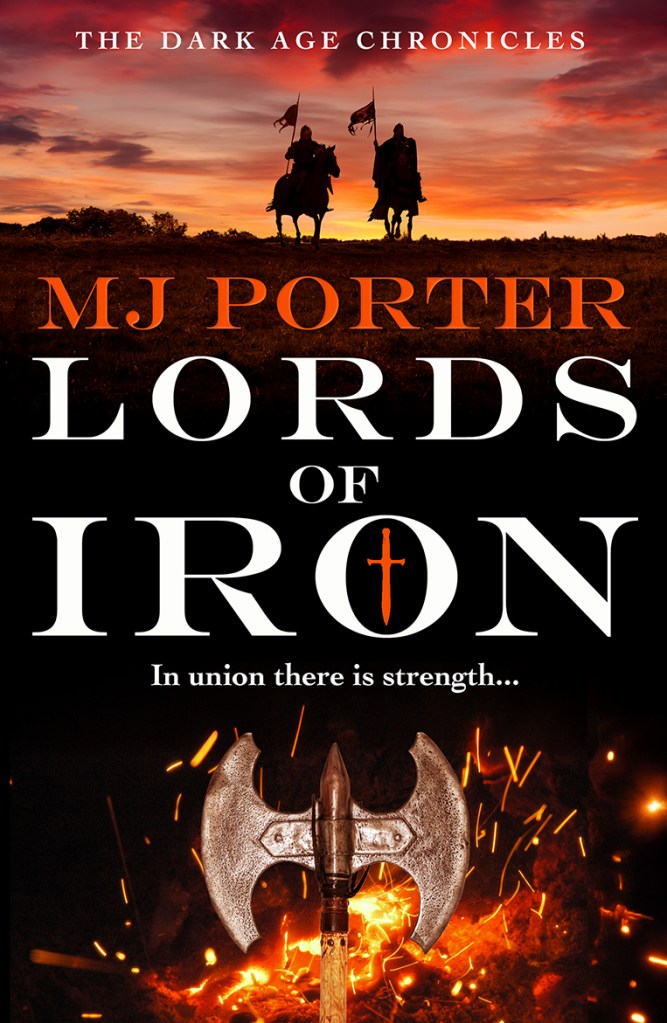
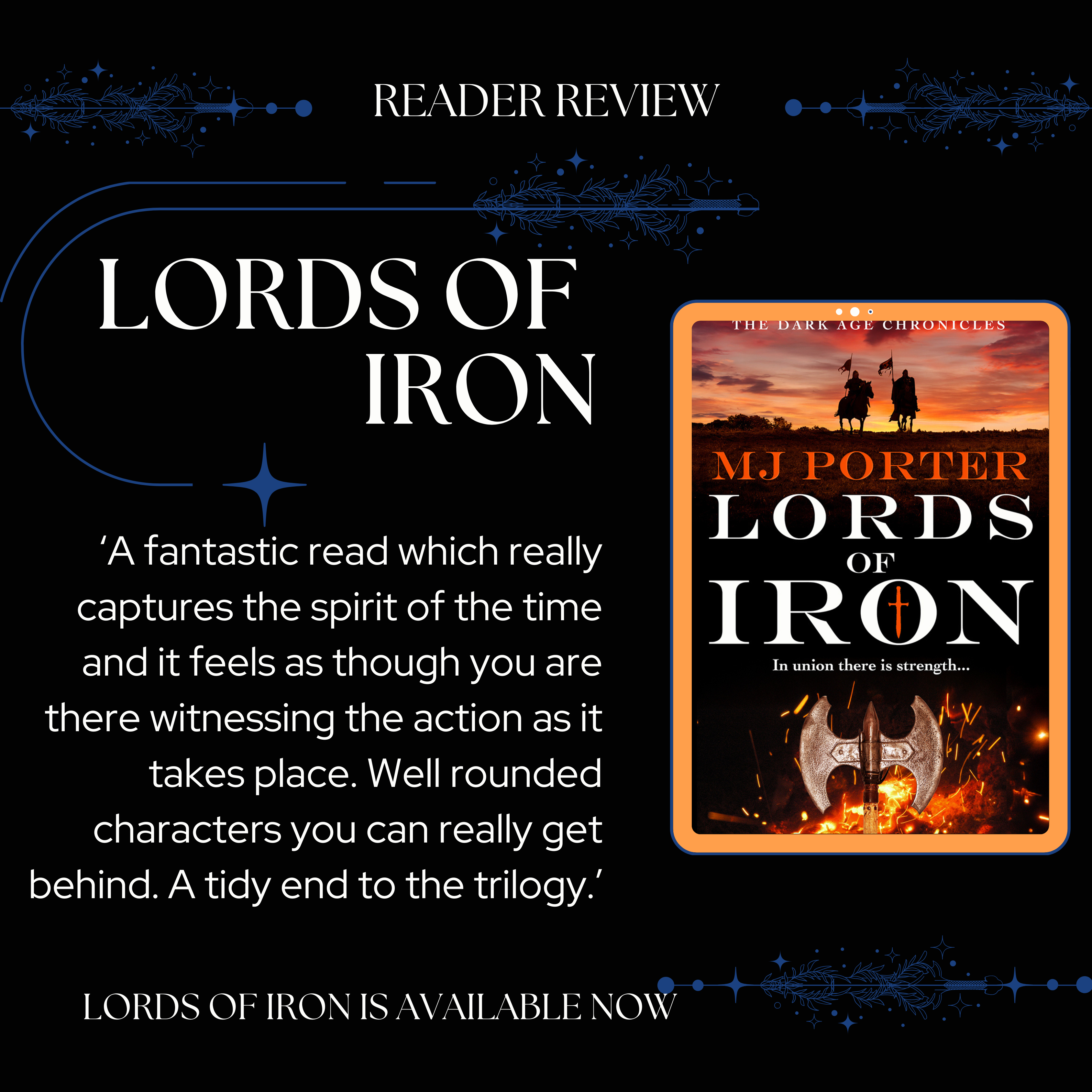
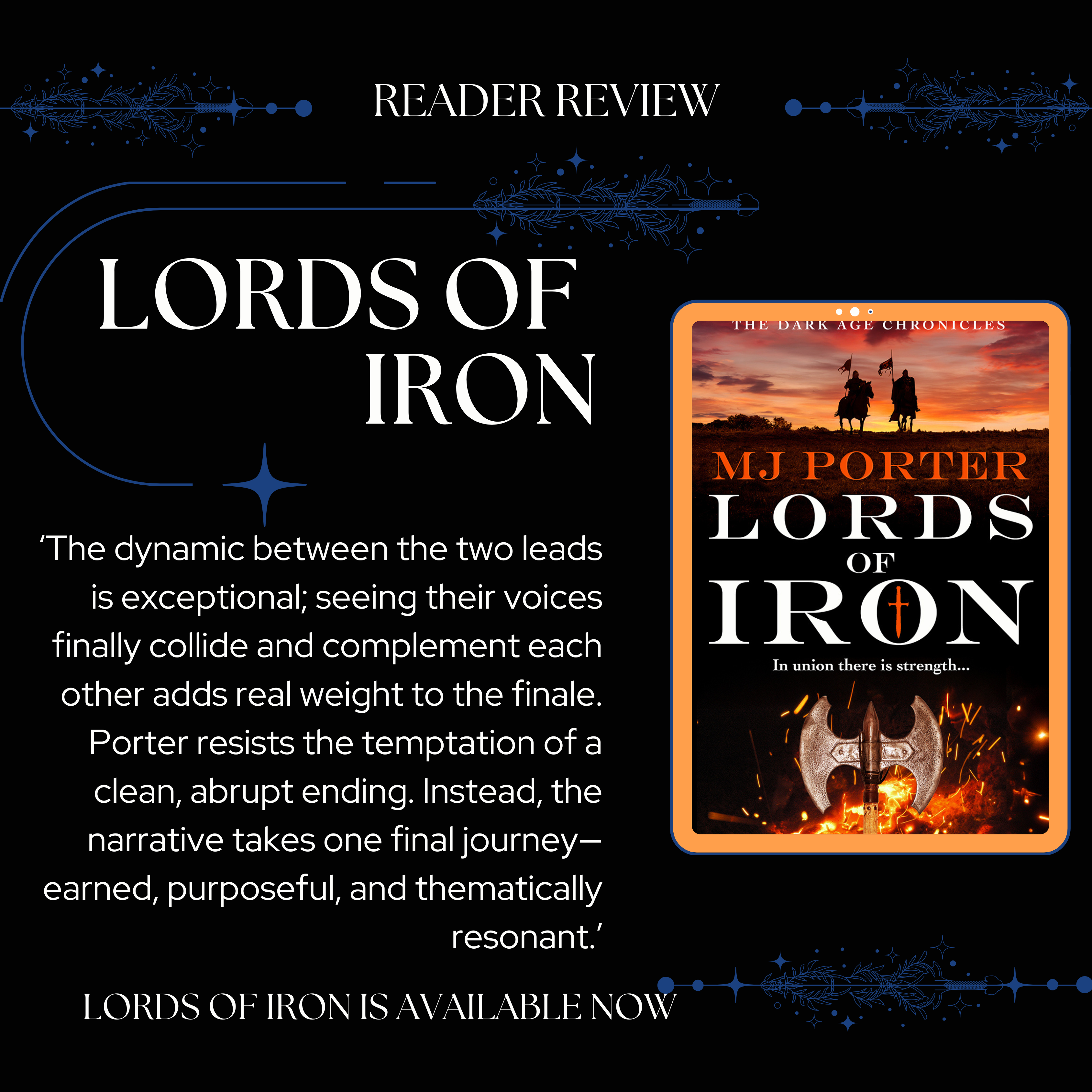
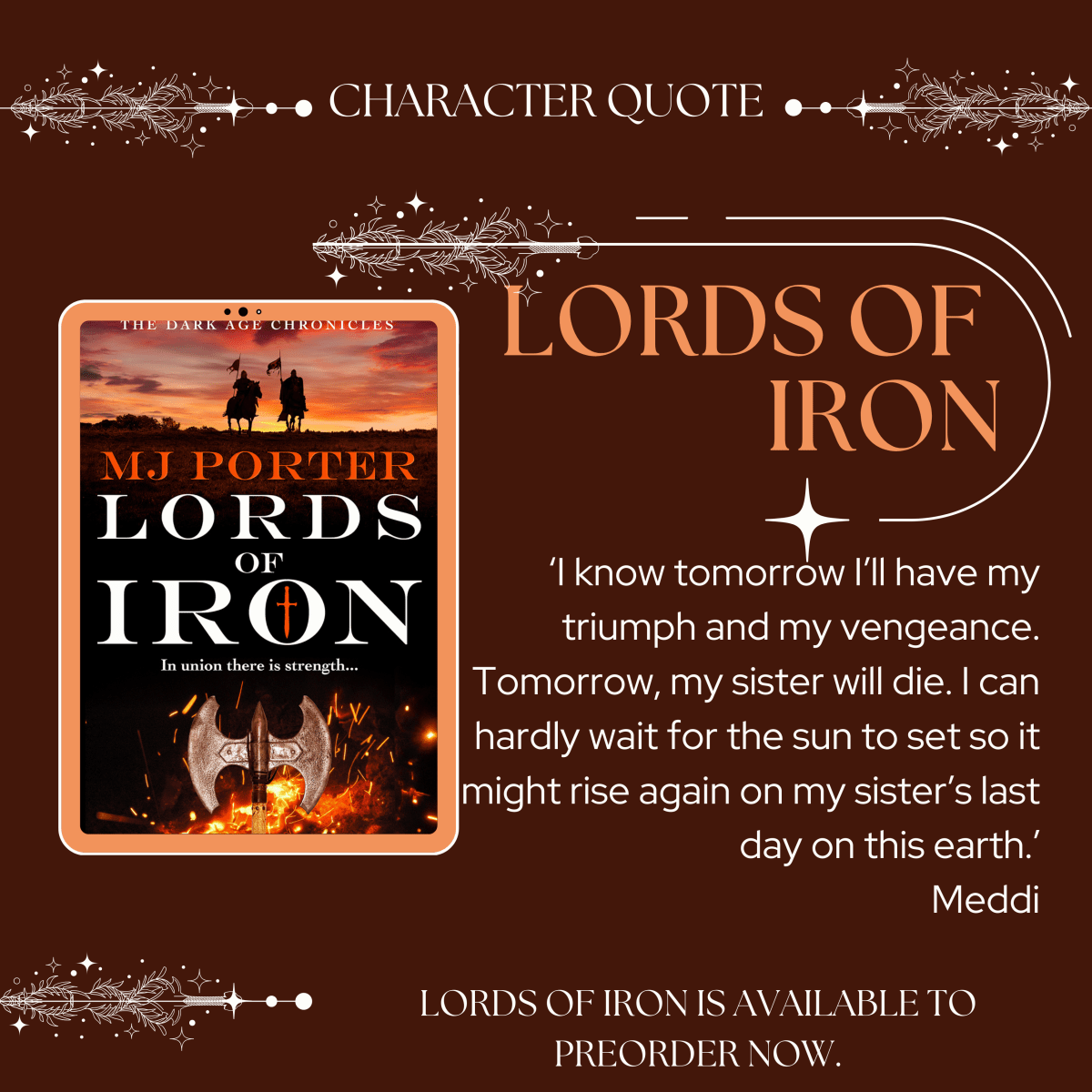
Lords of Iron
During Britannia’s tribal age, vengeance is brutal, bloody and will come for even those who think themselves invincible.
Britain AD541
Family feuds must be settled, whatever the cost. Both Seeress Meddi of the Eorlingas and Wærmund of the Gyrwe have old scores to settle. Meddi for her tribe to survive and thrive, and Waermund to cast himself from his father’s shadow once and for all.
But unbeknownst, Meddi and Wærmund share a common enemy who threatens them both – the elusive Elen and her ally is someone Wærmund has travelled the breadth of Britannia to outrun.
United in their hatred of Elen, Meddi and Waermund must defeat powerful enemies with the sharpest blades and the magik of iron to overawe them and gain much-needed vengeance for past wrongs inflicted against them.
In the stunning conclusion to the Dark Age Chronicles Meddi and Wærmund will finally collide in a world of iron and rust. Will they triumph or will their legacy be nothing but ash?
Read about Meddi, the seeress of the Eorlingas
Check out the original (very long) author notes from Men of Iron
Learn about Wærmund, my Saxon warrior
I’m talking about the research books and resources I used here
Learn about battle standards




I really hope this appeals to you. And now to get super nerdy (you thought I’d been nerdy enough, didn’t you), and point you in the direction of where my research has been focused (book recommendations).
Sources for the fifth and sixth centuries in what would become England
Gildas On the Ruin of Britain (De Excidio et Conquestu Britanniae) – an English translation can be found on the web here. I think most people know this from the translation in the Arthurian Period Sources collection (with green covers). This is a sixth century source, although it has a complex manuscript tradition and no one agrees on the date of composition
Bede’s Ecclesiastical History (Historia ecclesiastica gentis Anglorum) – an English translation can be found on the web here and here. I have the 1969 edition. This is an eighth century source, with a firm end date in 732 for Bede’s words. There are continuations written after his death.
The Annals Cambriae or the Welsh Annals – an English translation can be found on the web here. Again, not a contemporary source, but believed to be older than the first surviving twelfth century copy.
Historia Brittonum, once attributed to Nennius – and English translation can be found on the web here. Both The Annals Cambriae and Historia Brittonum can be found in Arthurian Period Sources Volume 8, which if you’re lucky, you can find second hand or in your local academic library. Again, not a contemporary source, but often cited as one. There are arguments about when it was first written as it survives in an eleventh century copy.
The Anglo-Saxon Chronicles – there are lots of readily available copies of this resource on the web and elsewhere as well as the academic translations (and sometimes not translations) undertaken by historians and linguists and available from Boydell and Brewer. I prefer the Michael Swanton edition, which I picked up second hand. Do remember, this source was first compiled in the 890s. It’s not a contemporary record. Check out Pauline Stafford’s fabulous summary of much of this work in After Alfred: Anglo Saxon Chronicles and Chronicles, 900-1150.
Secondary Reading
This period has a number of excellent books available to read. However, you will discover that authors are often coming ‘at it’ from a Roman perspective or an early Saxon one, and this impacts how information is presented and arguments formulated. There are also many archaeological books available, and so there are books from an historical angle, and also from an archaeological one.
There are a number of authors who give a ‘good’ and ‘well-rounded’ account, but be wary as these are their own opinions and authors will take the same alleged ‘facts’, argue about whether they are ‘facts’ or not and then draw their own conclusions, depending on whether they accept the facts or not. That doesn’t negate any opinion, and never think there is a ‘right’ and ‘wrong’ answer because new research is constantly shedding new light on the era. Even books a few decades old might not reflect current academic thought. Also, this era is enmeshed with the early Arthurian legend. Tread carefully, but remember the name of Arthur is a powerful selling point, and it might be somewhat vaguely applied to book titles to help them sell. Don’t always dismiss them if you, like me, think of Arthur merely as a later literary creation.
Max Adams The First Kingdom – a book I find very readable, but it is stuffed with information and it might be a bit too ‘heavy’ for an introduction to the period, I realise, having spoken to a few others who’ve read it. But, Max has a lovely style and does very succinctly summarise arguments. And, I would also recommend all of his books on the period. The Kings in the North is a very readable account and might give new students to this era, a good introduction to Northumbria in the seventh century, and so could be an excellent place to start, and then work backwards.
Max Adams In the Land of Giants – a fascinating ‘walk’ through the landscape of the era. I’m reading this at the moment.
Robin Fleming The Material Fall of Roman Britain 300-525CE – academic in nature but also fascinating, especially the chapter on Living with Little Corpses (which I know sounds terrible but is so interesting).
Robin Fleming Britain After Rome – I’ve just discovered this. It’s an incredibly readable account of what the archaeology is revealing about the period. It is, unfortunately, only available in paperback or hardback and not ebook.
Paul Gething and Edoardo Albert The Perfect Sword: Forging the Dark Ages – a book I’m reading right now, having purchased it when it was first released.
Ronald Hutton Pagan Britain – I’ve only dipped in and out of this but the writing style is very engaging and I hope to read even more of it. This has revealed that it’s not only the Dark Ages that are being rewritten by modern archaeology, but also the Iron Age. Very exciting.
DP Kirby The Earliest English Kings – a book I first read at uni. Again, it’s more about the Saxons, so there’s almost nothing about the era before the first ‘kings’ but it remains one of the most informative books about the earliest English kingdoms I’ve ever read, and again, it does give new enthusiasts an ‘easy in’ to the period.
Dennis Riley Anglo-Saxon Metalworking Tools and Anglo-Saxon Iron Smelting – a very important resource for me. These short guides are filled with photos and the outcomes of experimental blacksmithing.
Gareth Williams – The Treasures from Sutton Hoo (Gareth also knows a great deal about the Watlington Hoard (The two-emperor coins) that inspired me to write about Coelwulf. How I’d love to get him in a room and ask him hundreds of questions.
Archaeology books and site reports
Eddie Price Frocester – A Romano-British Settlement I got a bit lucky with this. I think it’s perhaps out of print so check libraries or places like Abebooks (link).
Gavin Speed Towns in the Dark? Urban Transformations from late Roman Britain to Anglo-Saxon England
Talks and other artefacts available online
Bark Shield Reconstruction
https://www.britishmuseum.org/blog/how-make-iron-age-shield-out-bark
http://thethegns.blogspot.com/2014/07/the-shield-from-bidford-on-avon-grave.html
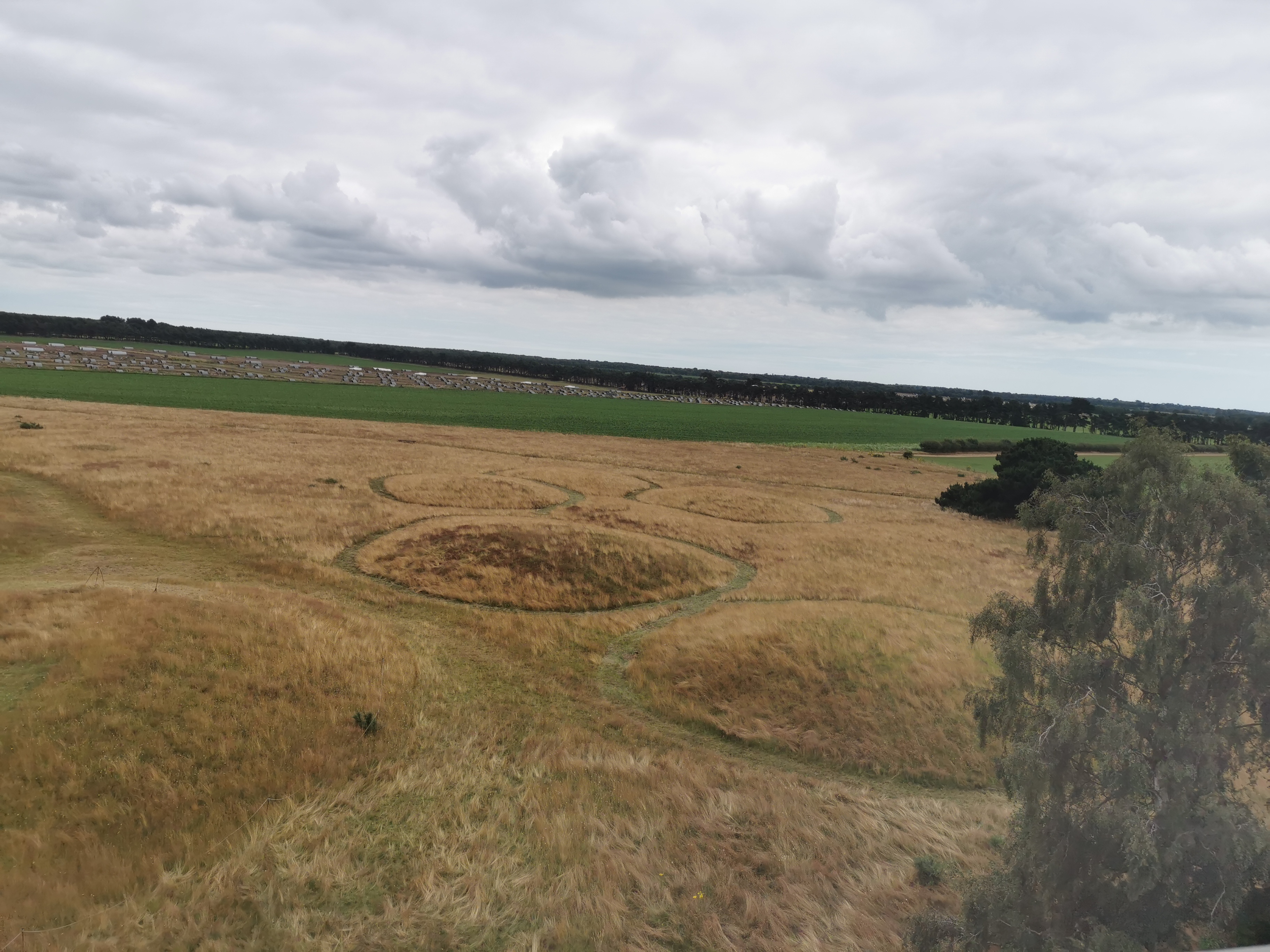
Sutton Hoo – a National Trust Property (a few photos from my visit in July 2024). There are also more photos on my blog post here.
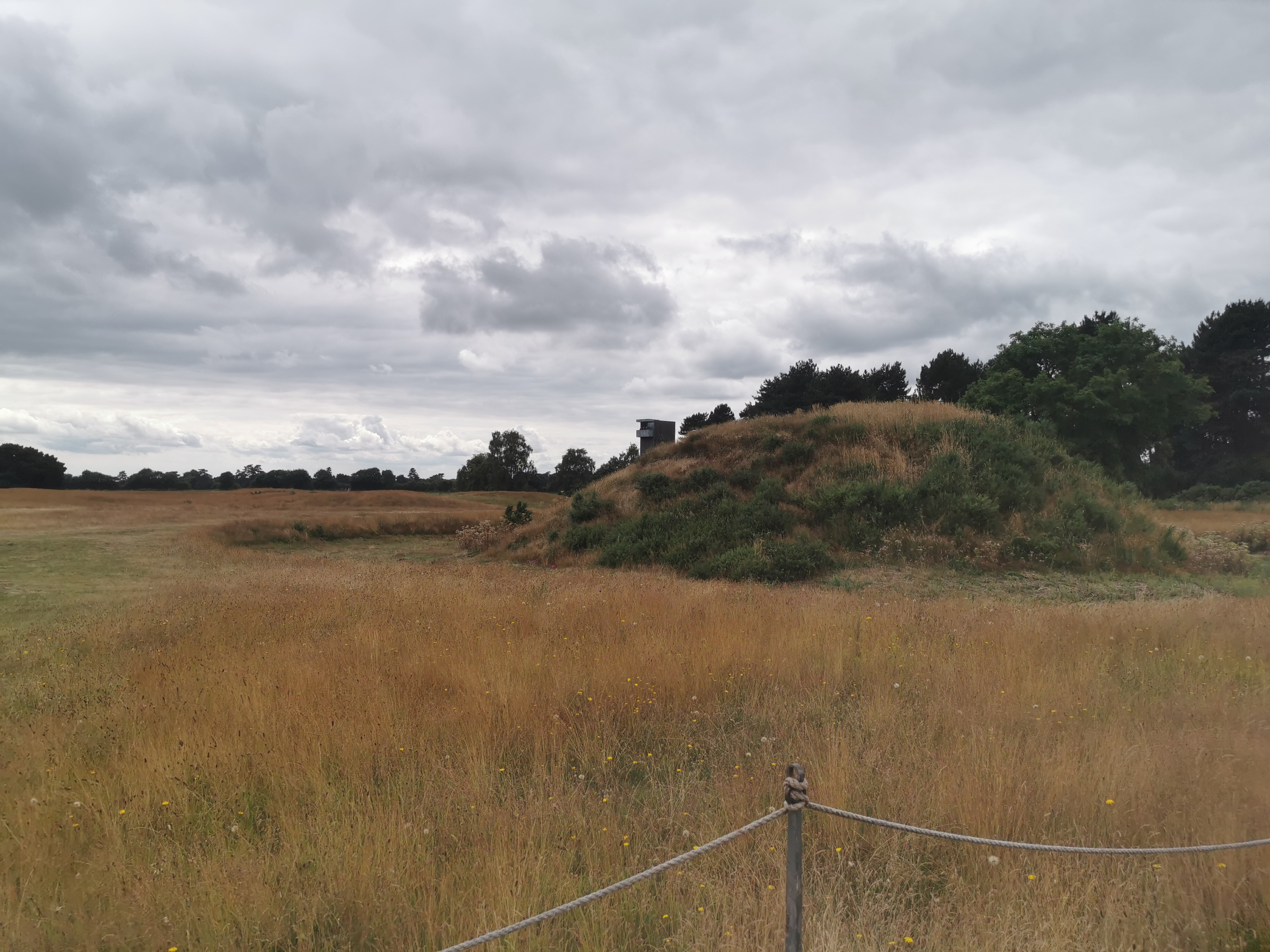
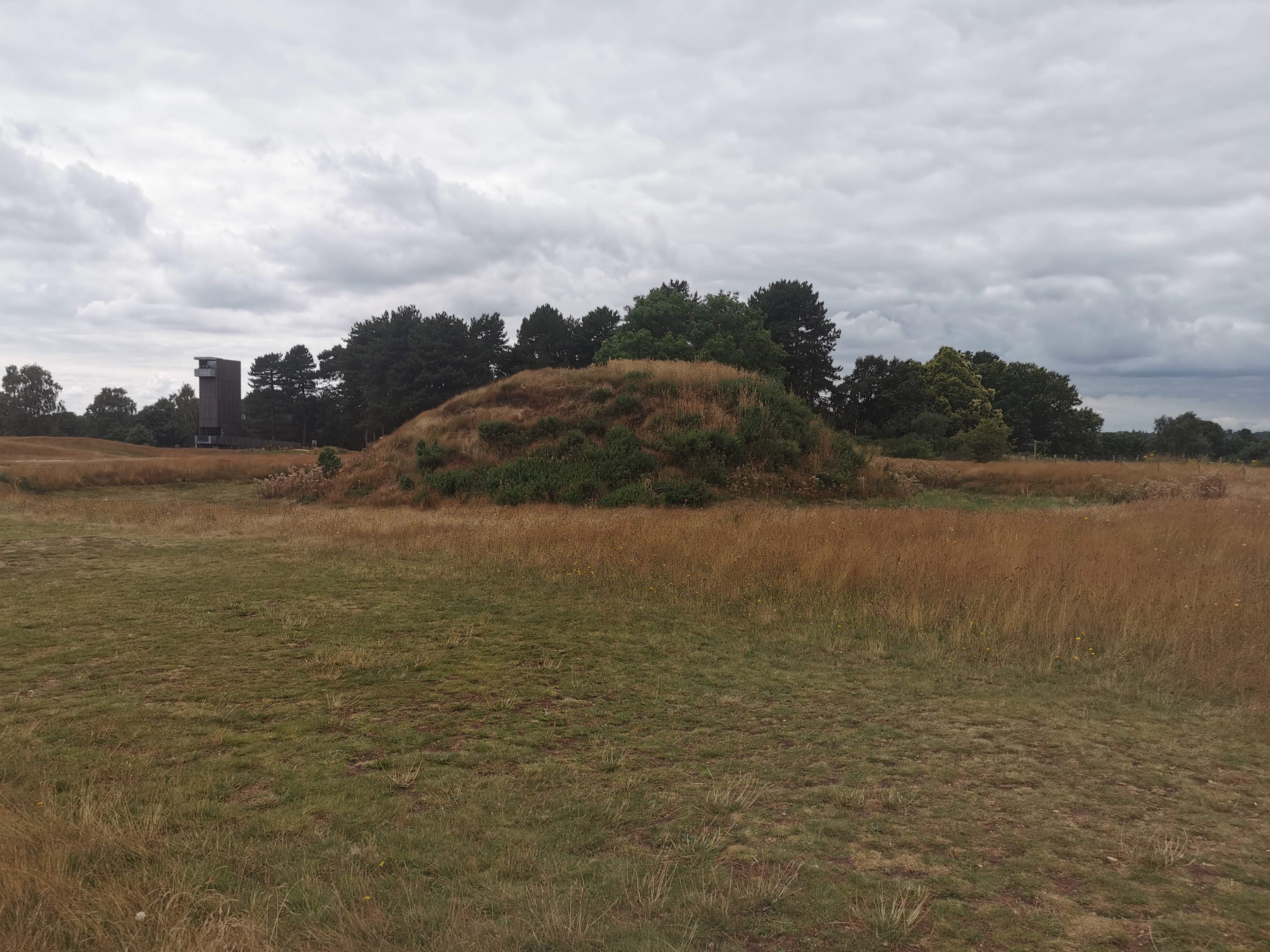

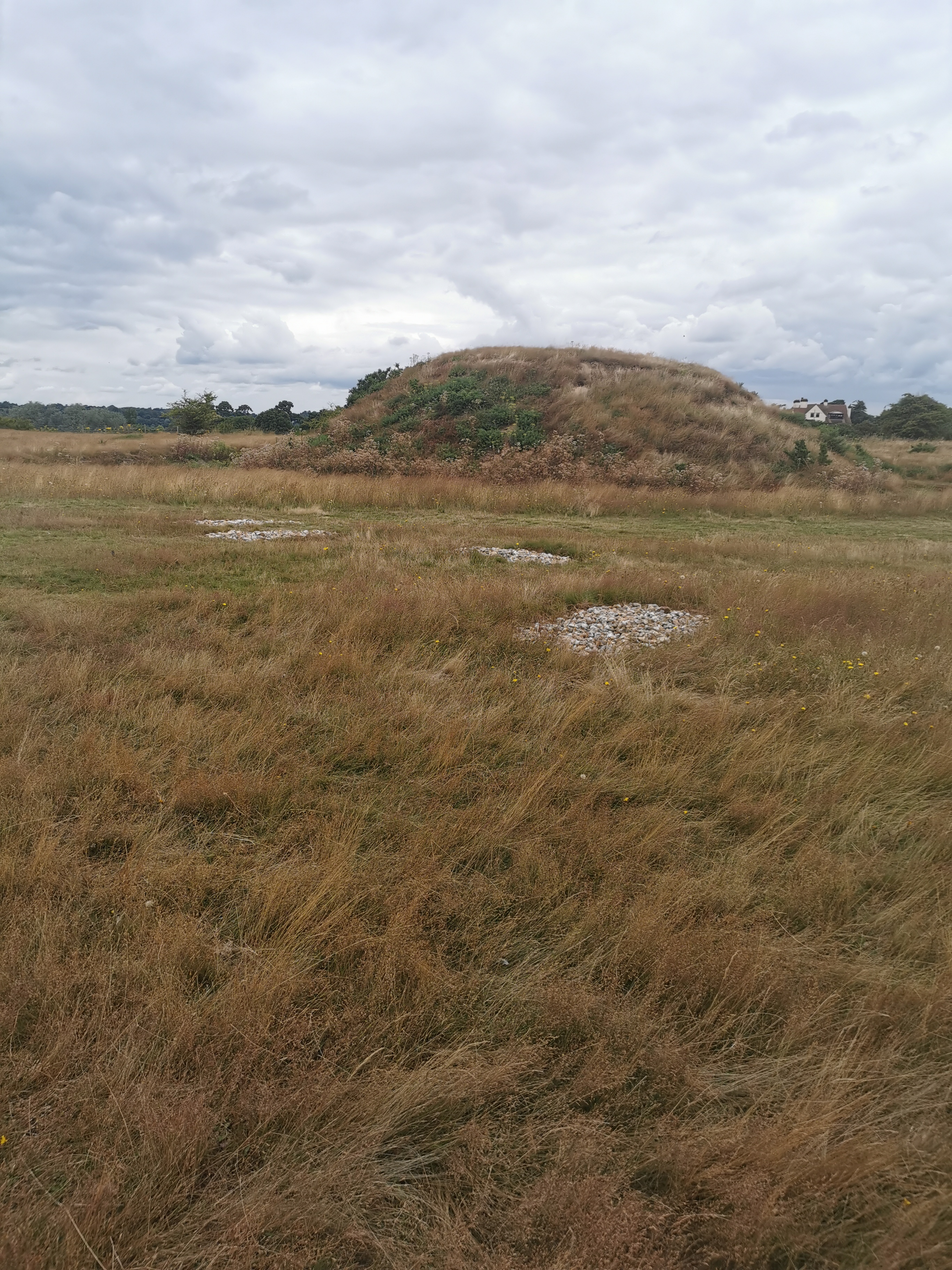
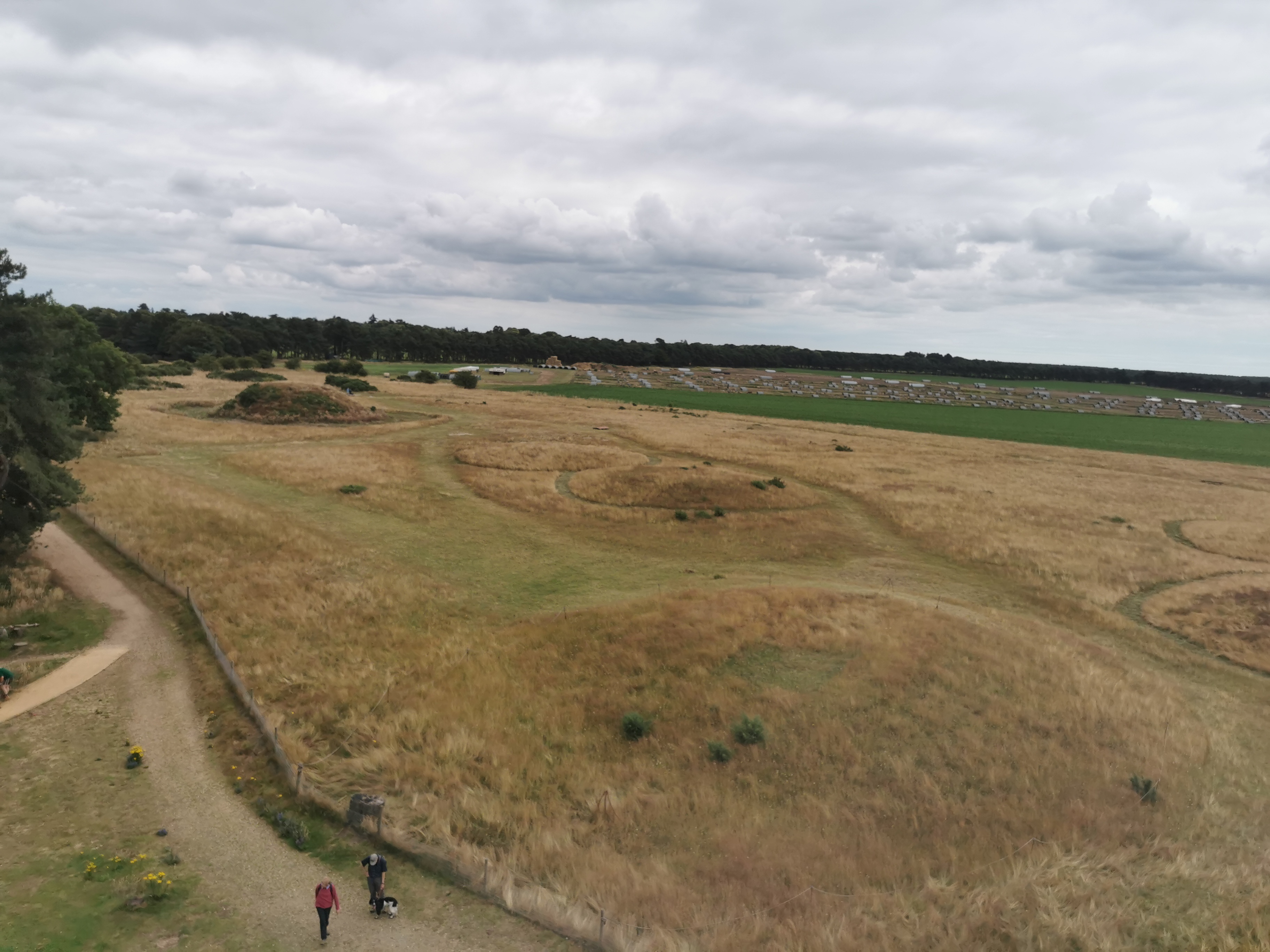
Chedworth Roman Villa -a National Trust Property (a few photos from my visit in September 2024).
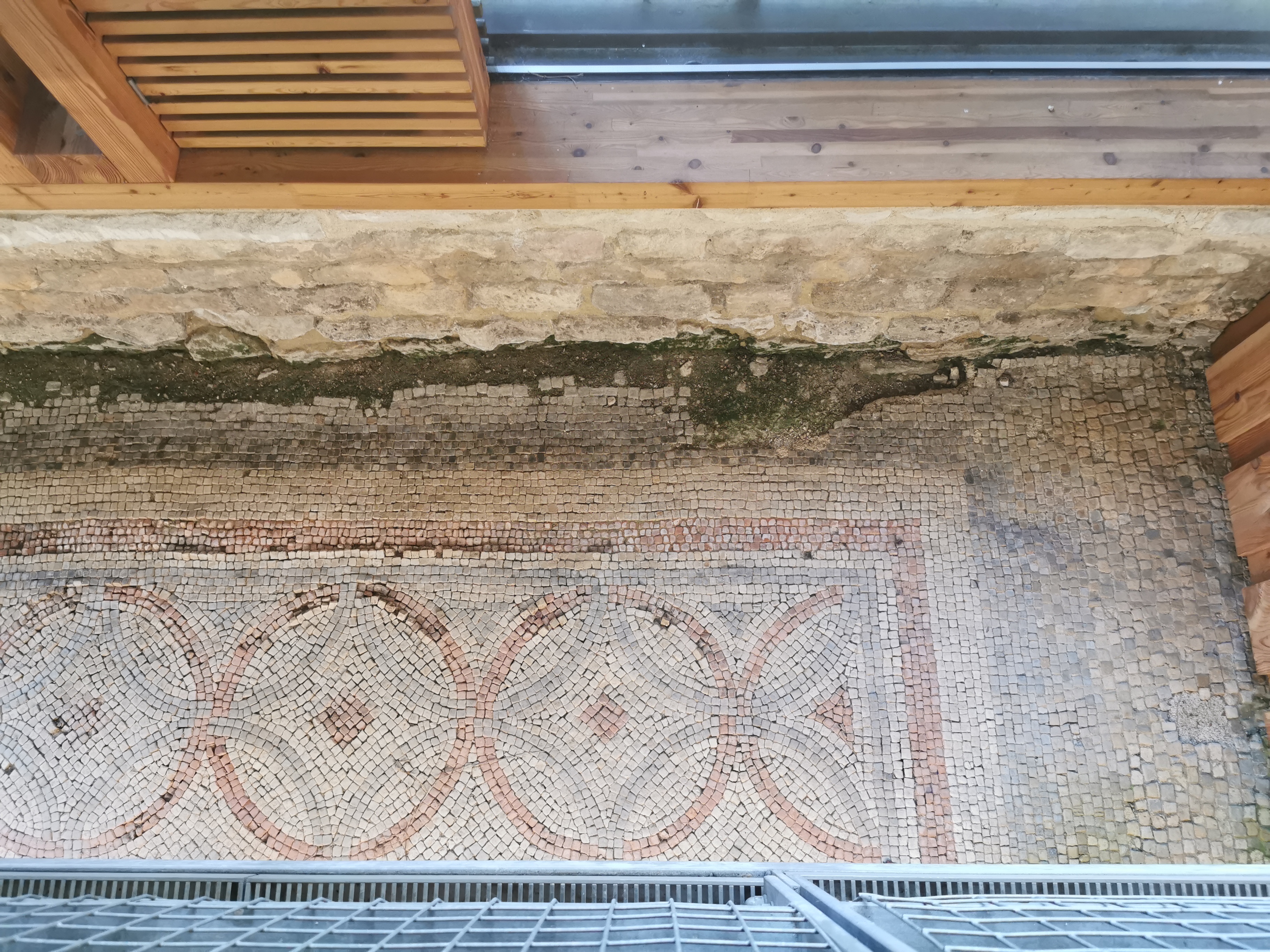
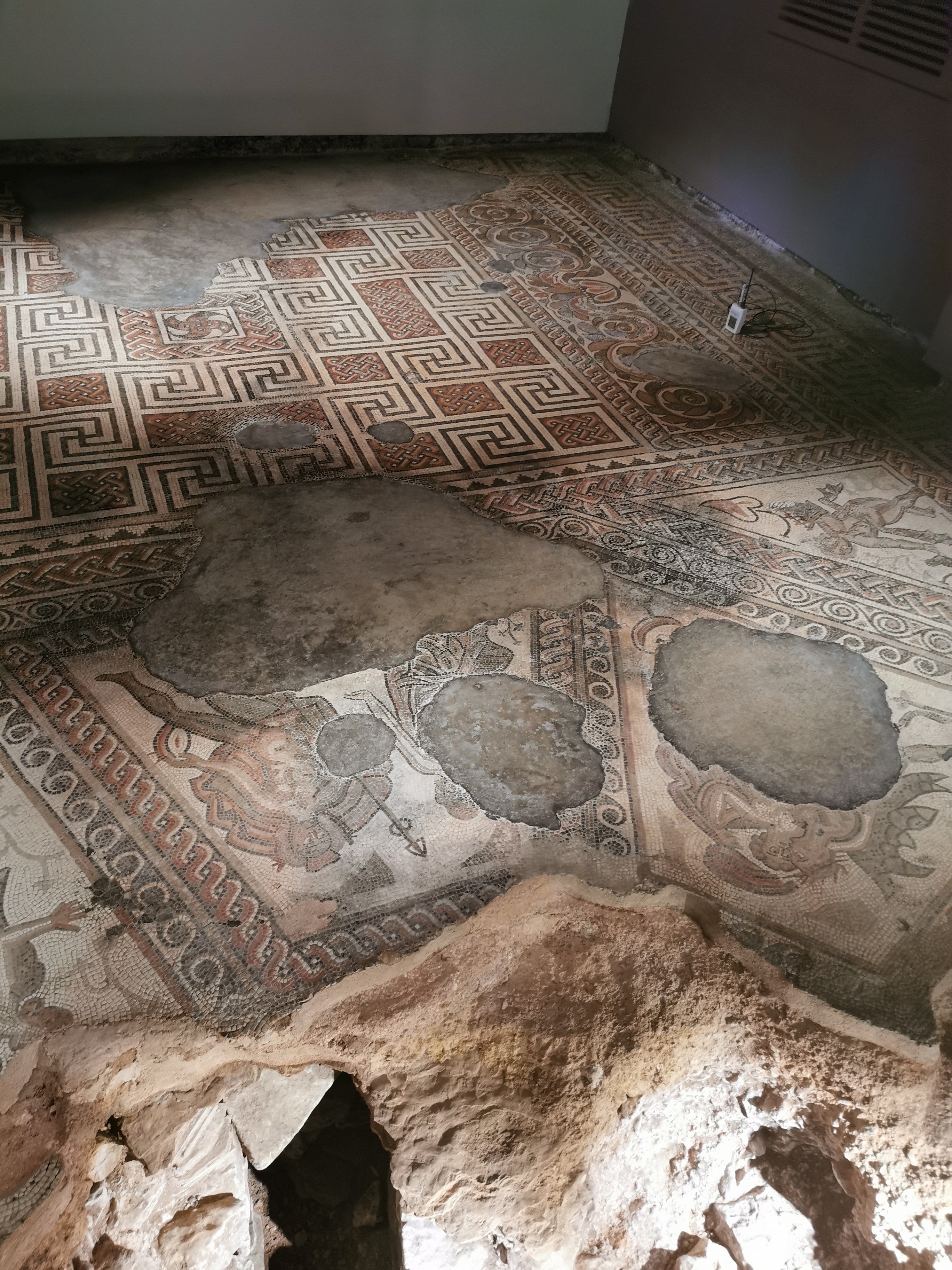
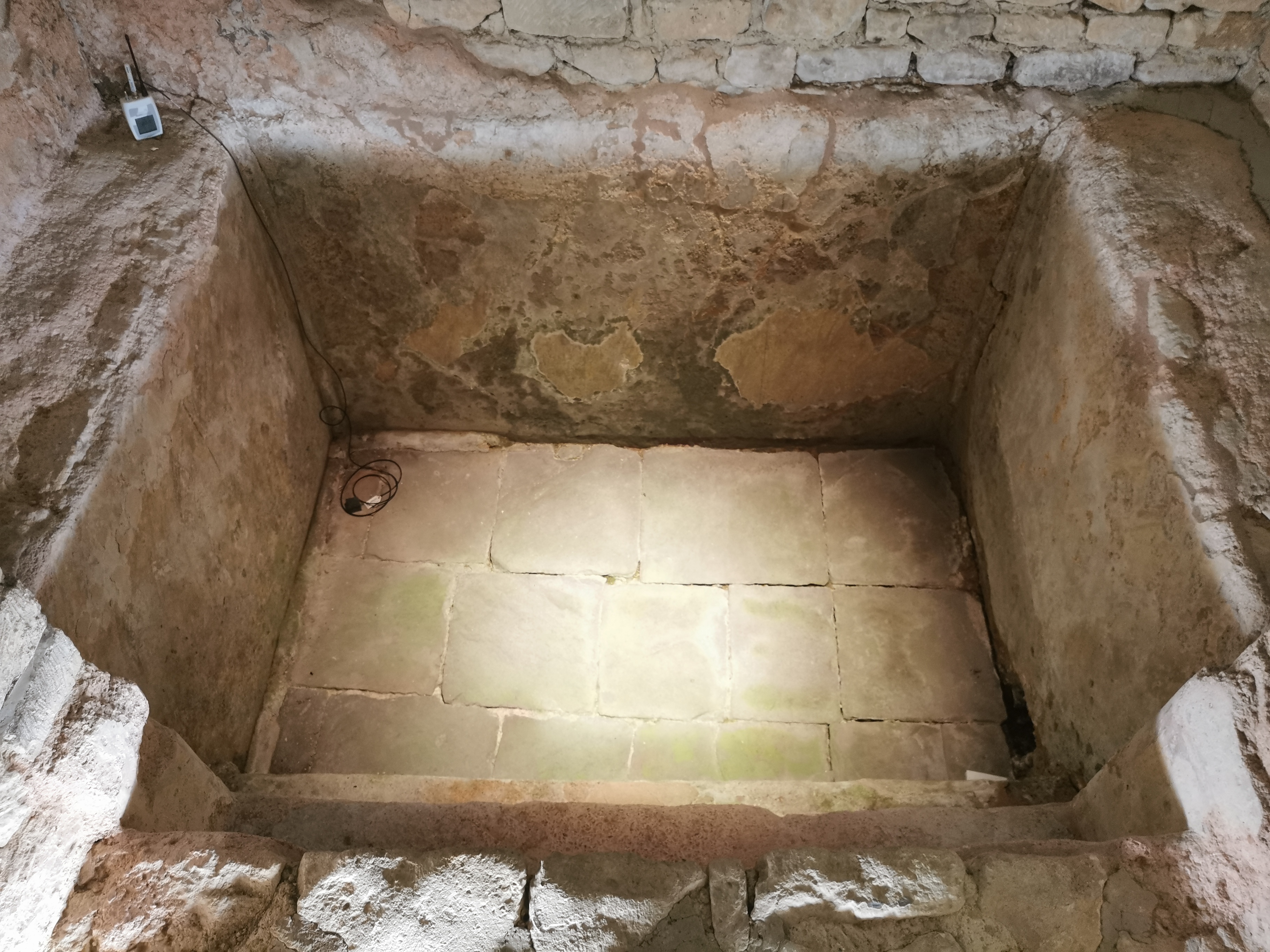
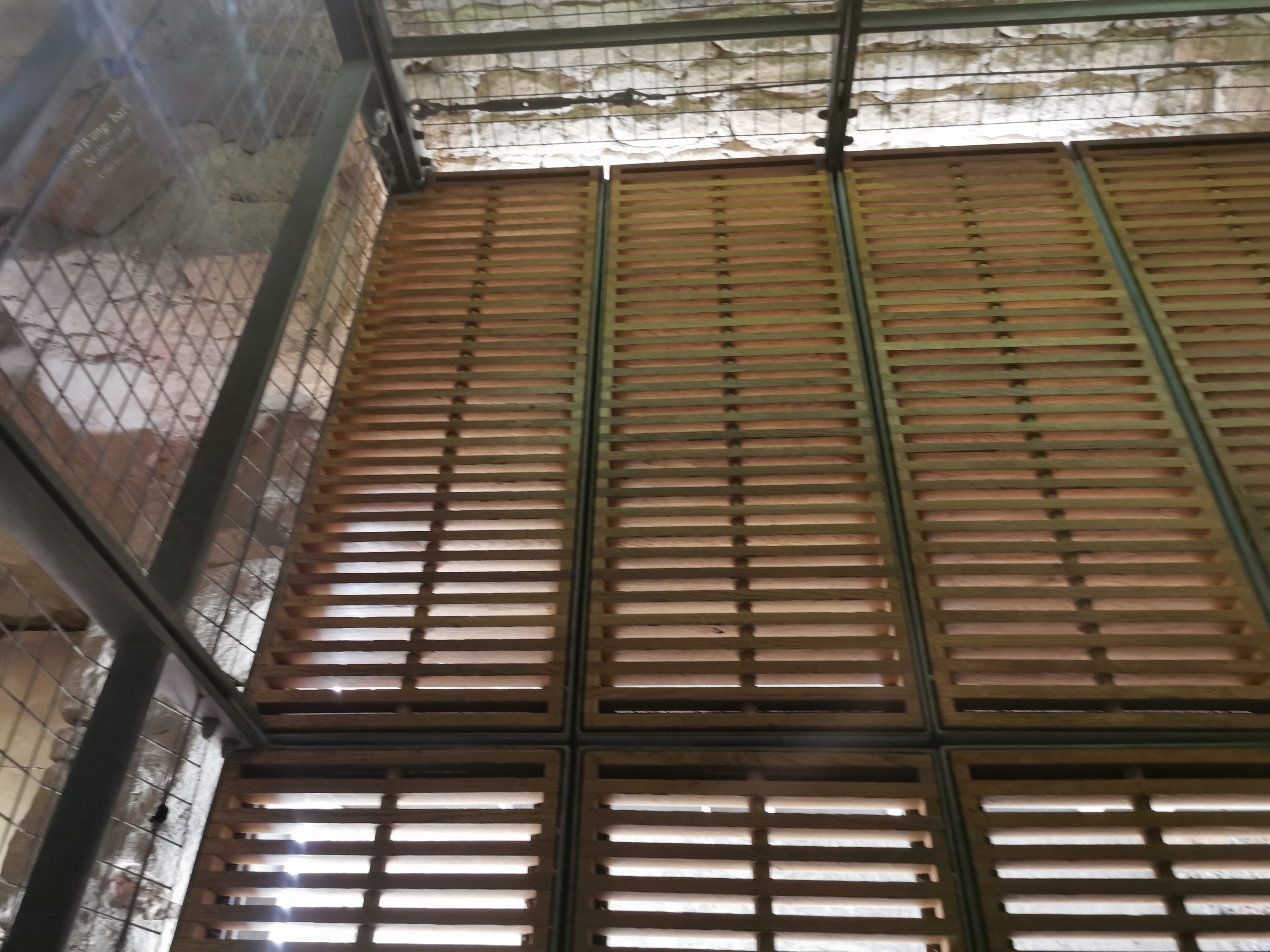
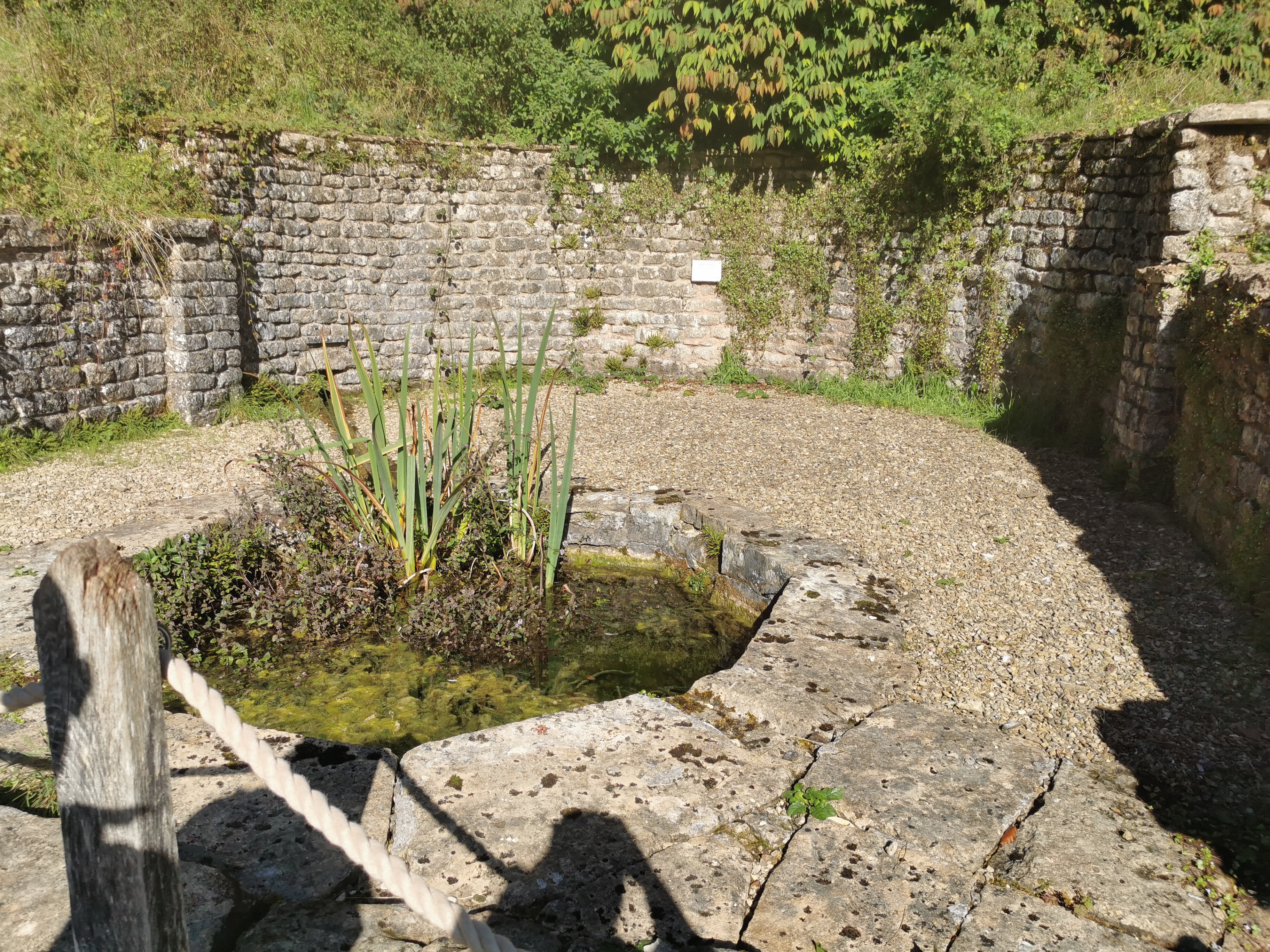
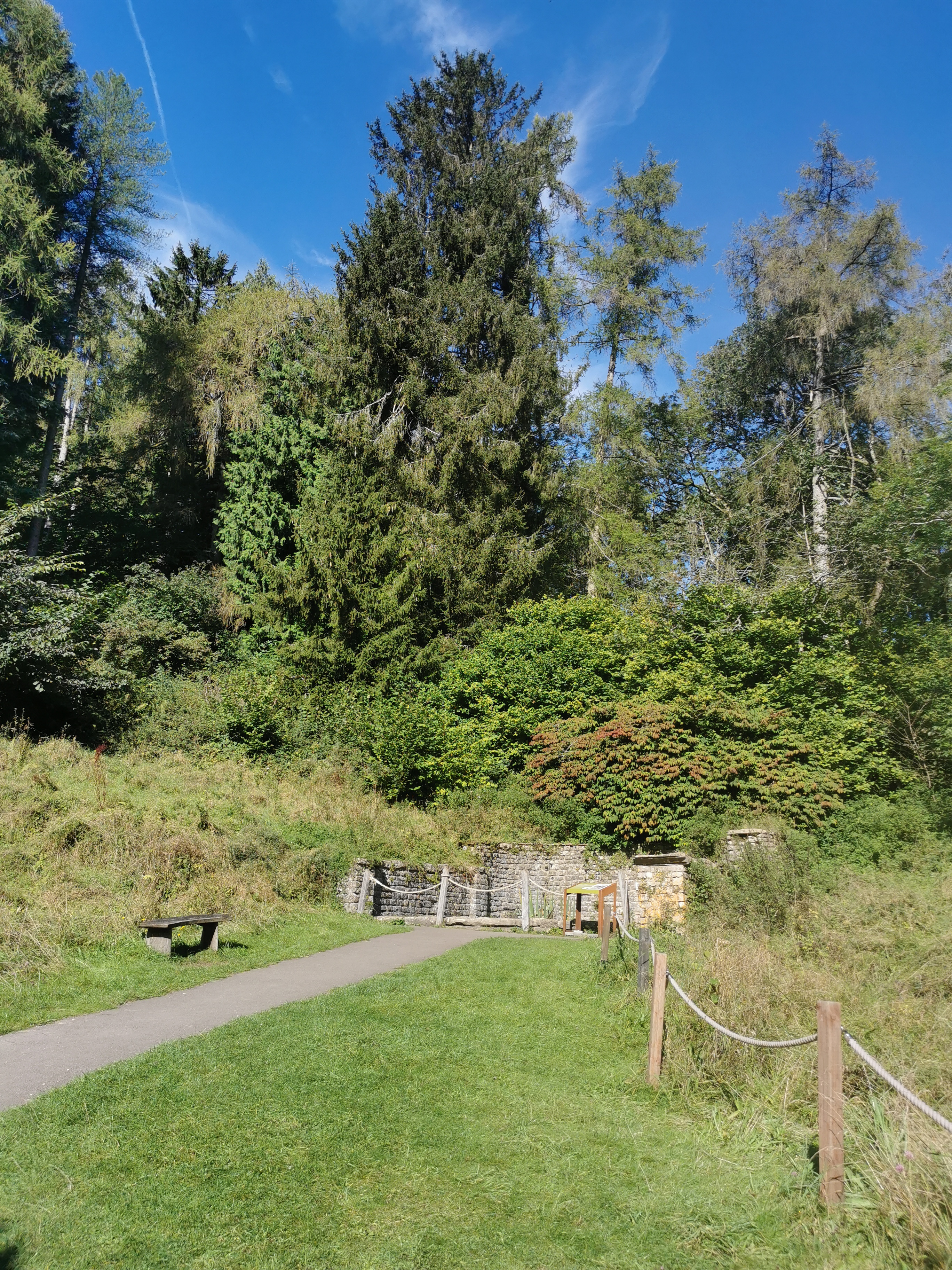

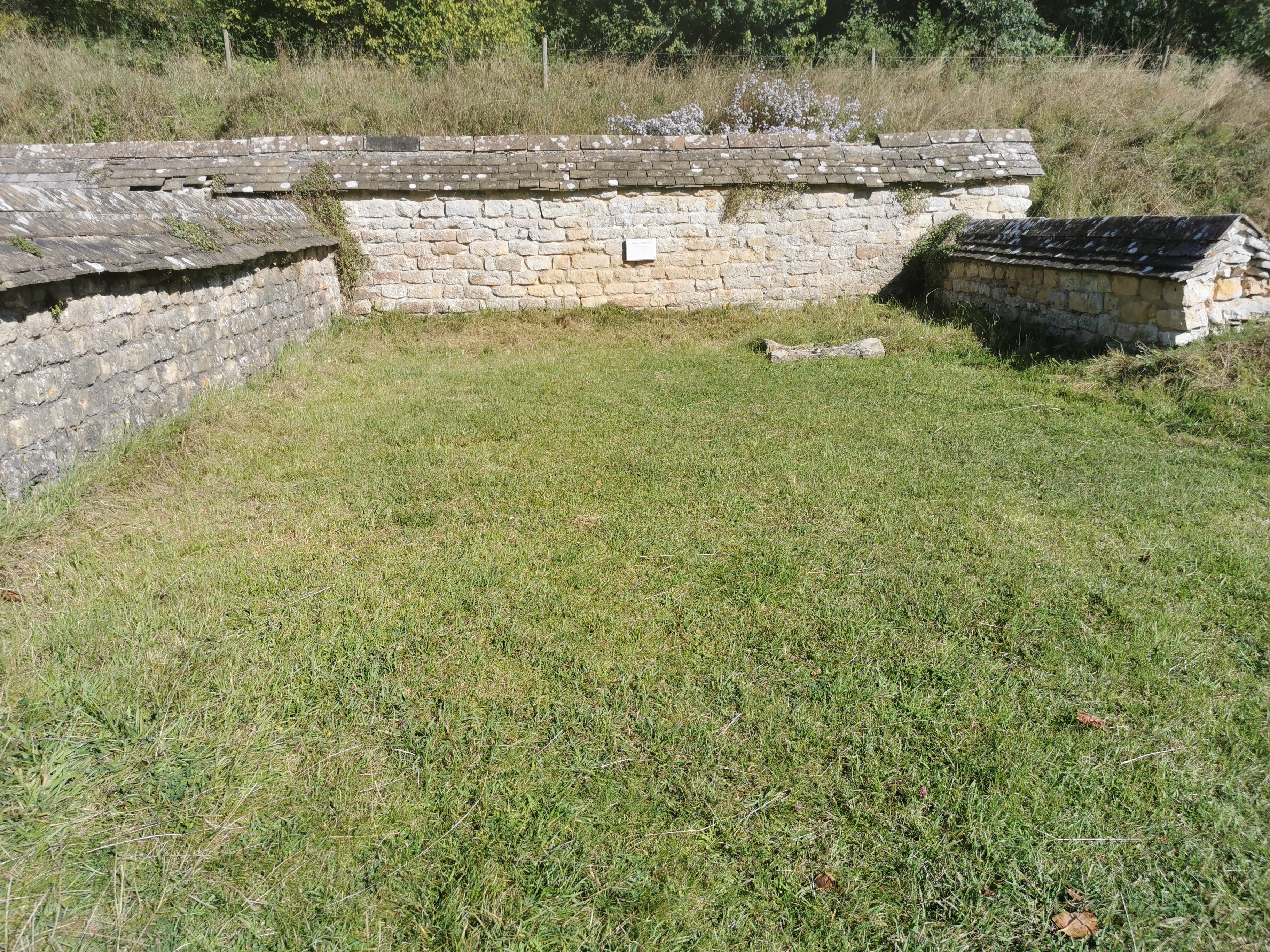
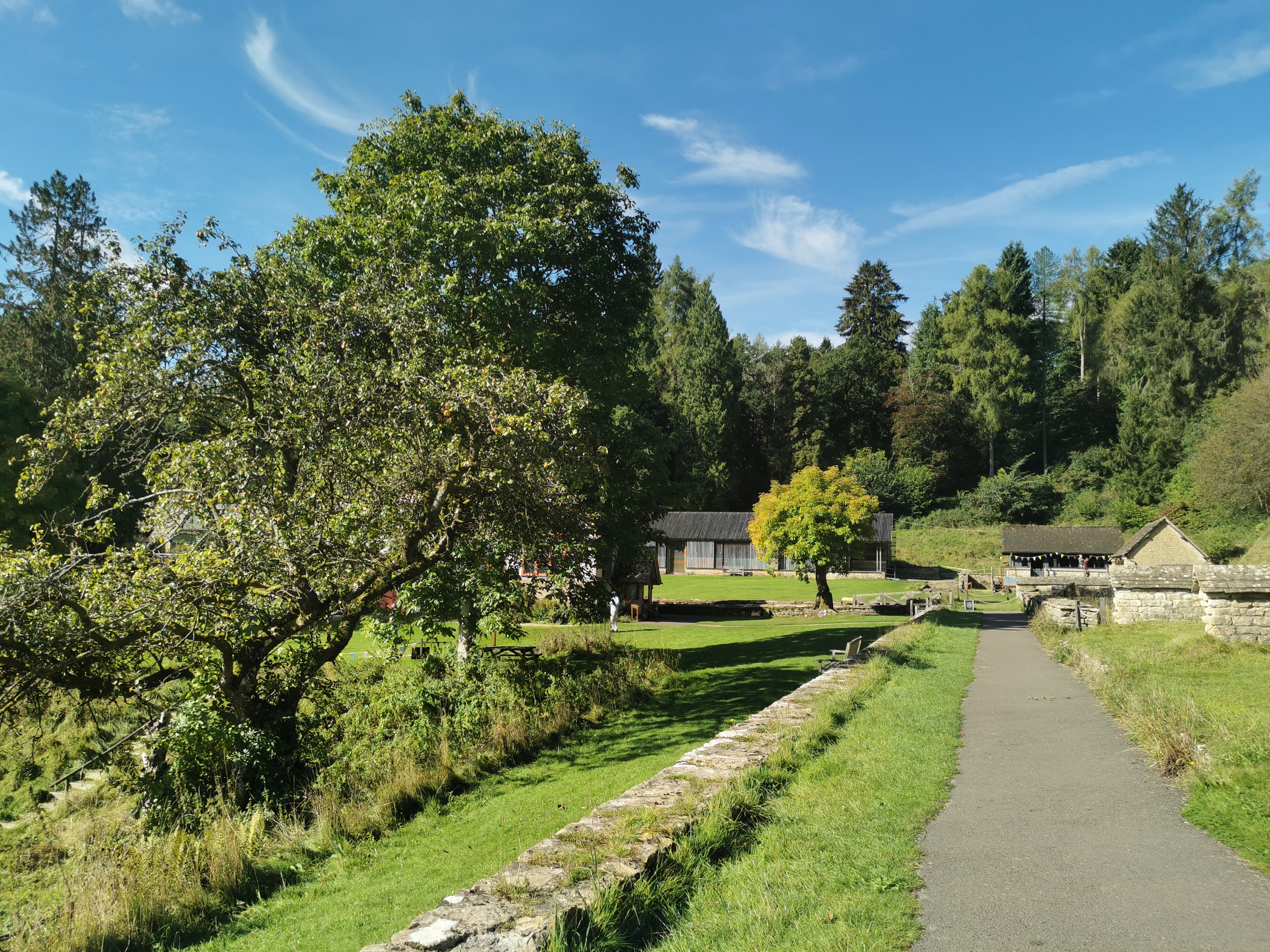
Great Witcombe Roman Villa (currently closed due to maintenance issues) I’ve been doing some research on the site, and it appears that concerns about the fabric of Great Witcombe have been ongoing for quite some time. Hopefully, one day, it will reopen. You can see more here.
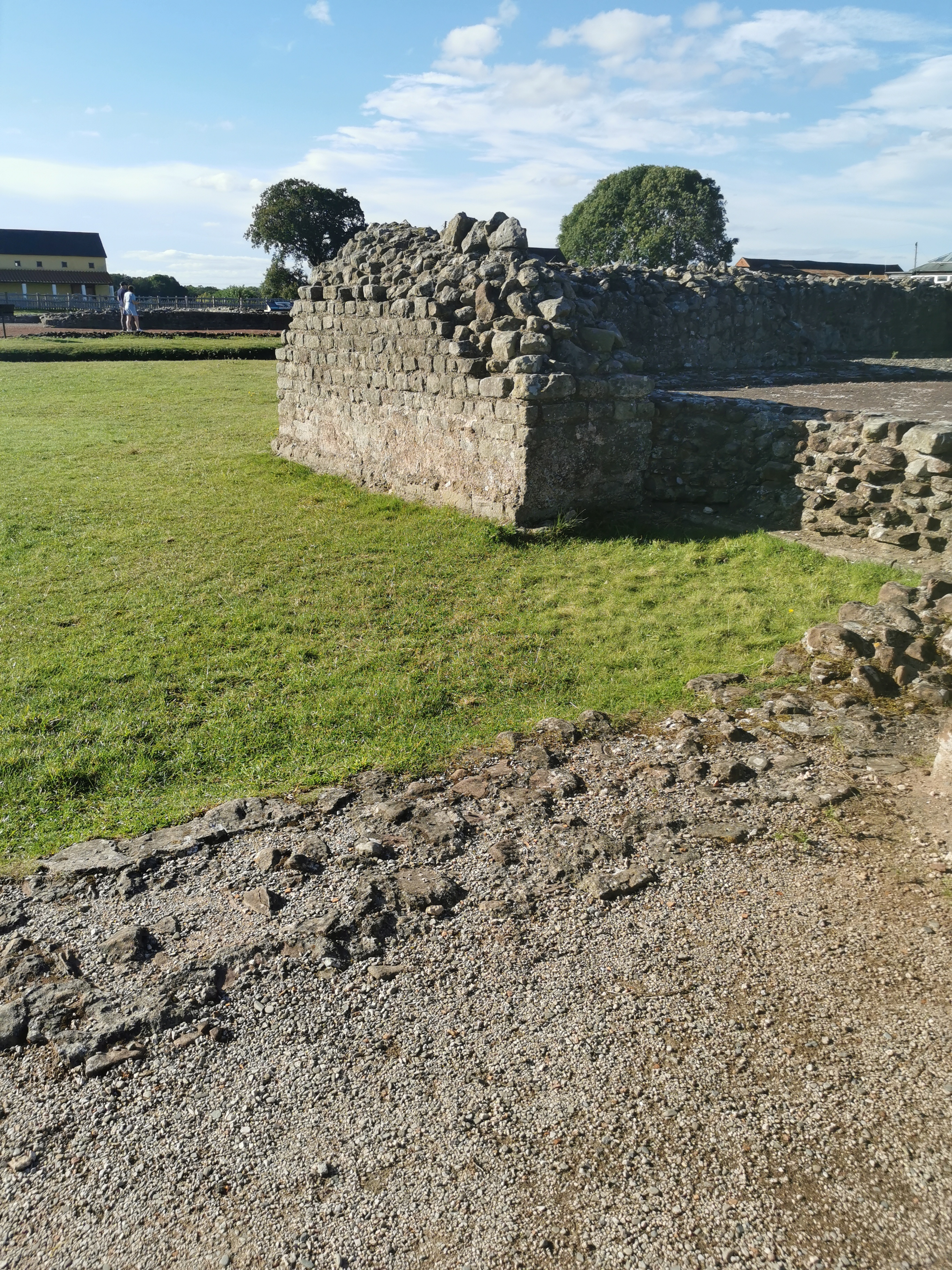
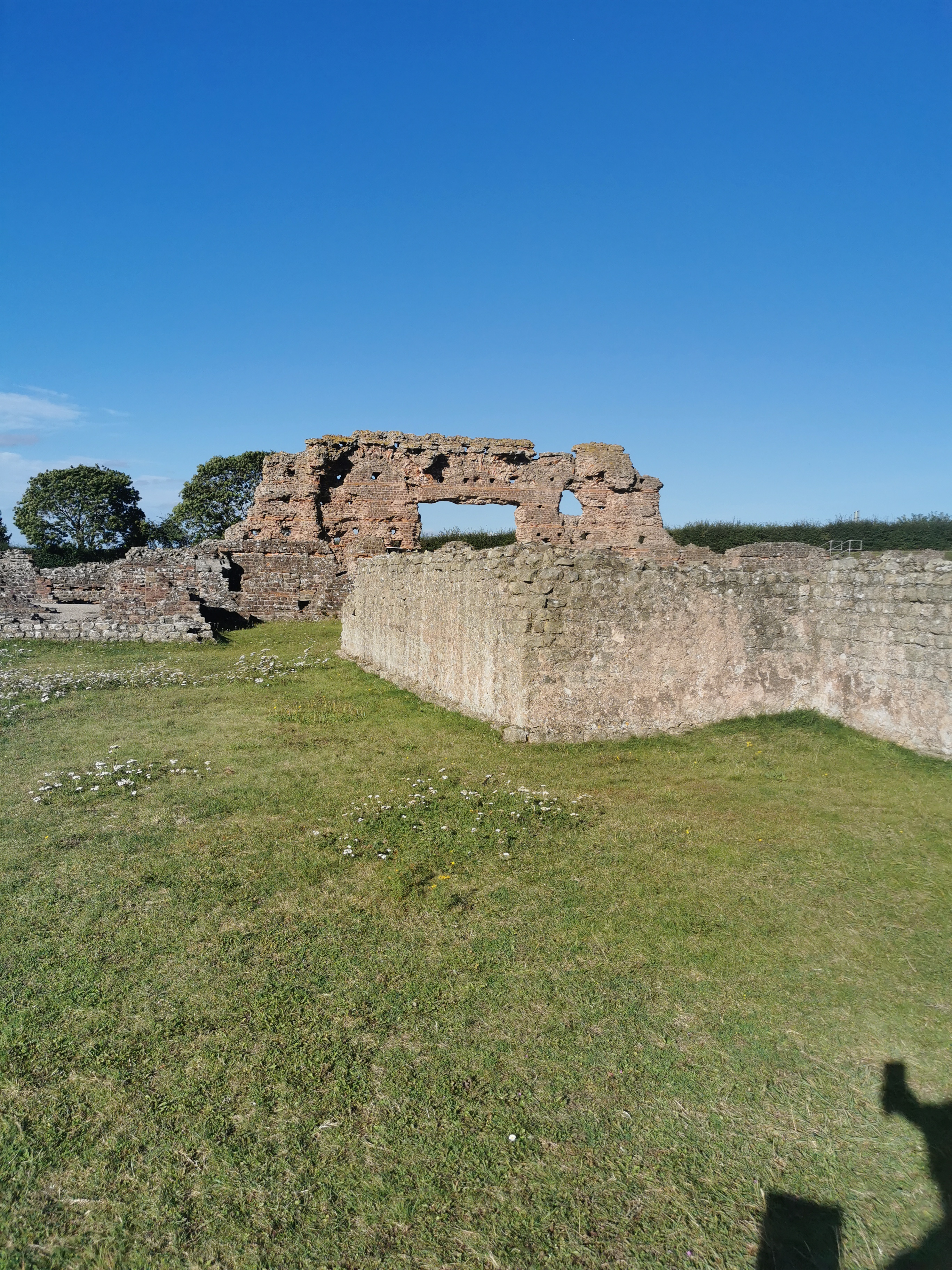
Wroxeter Roman City (photos from my visit in September 2024 – I really enjoyed the reconstructed villa).
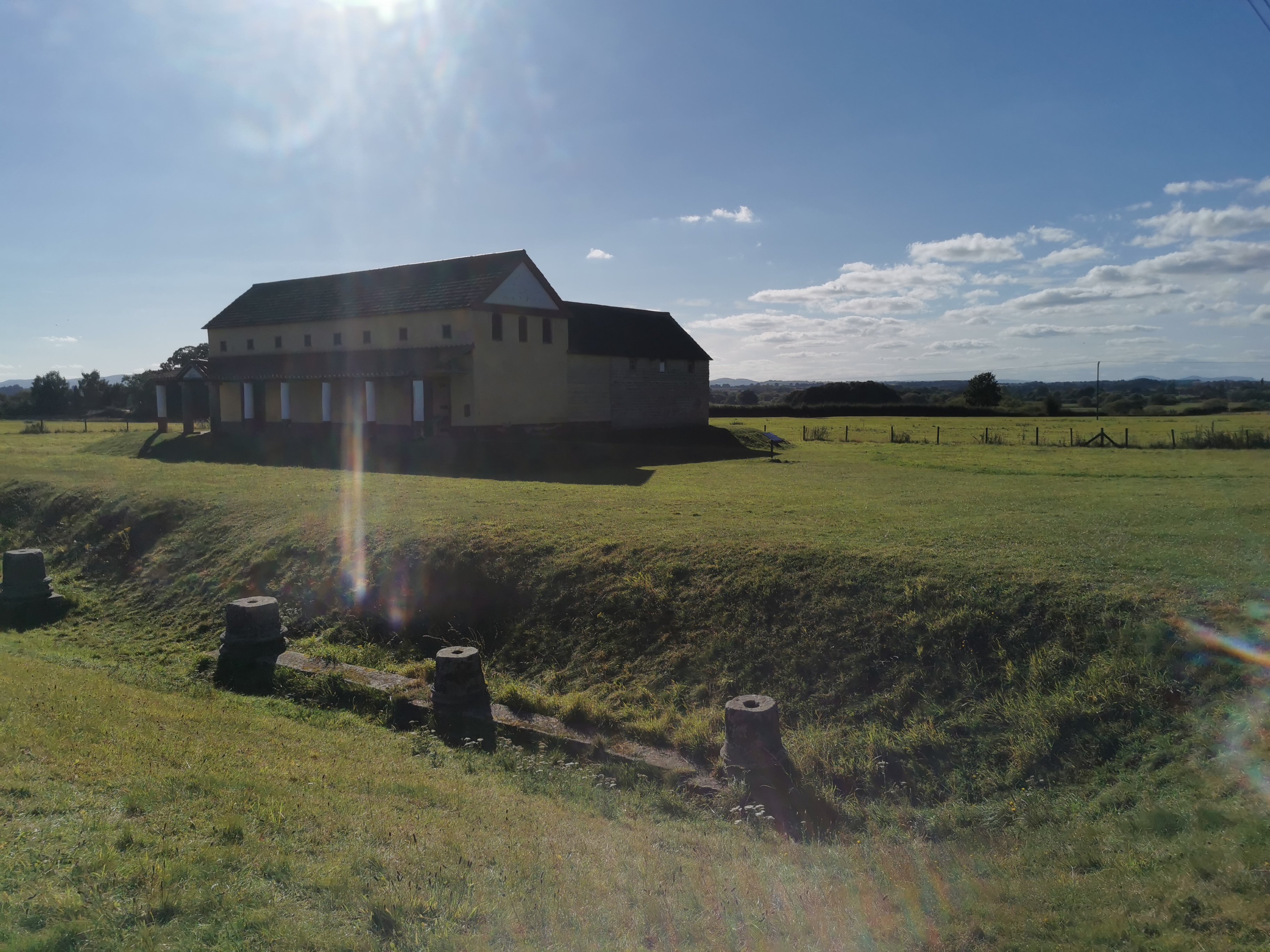
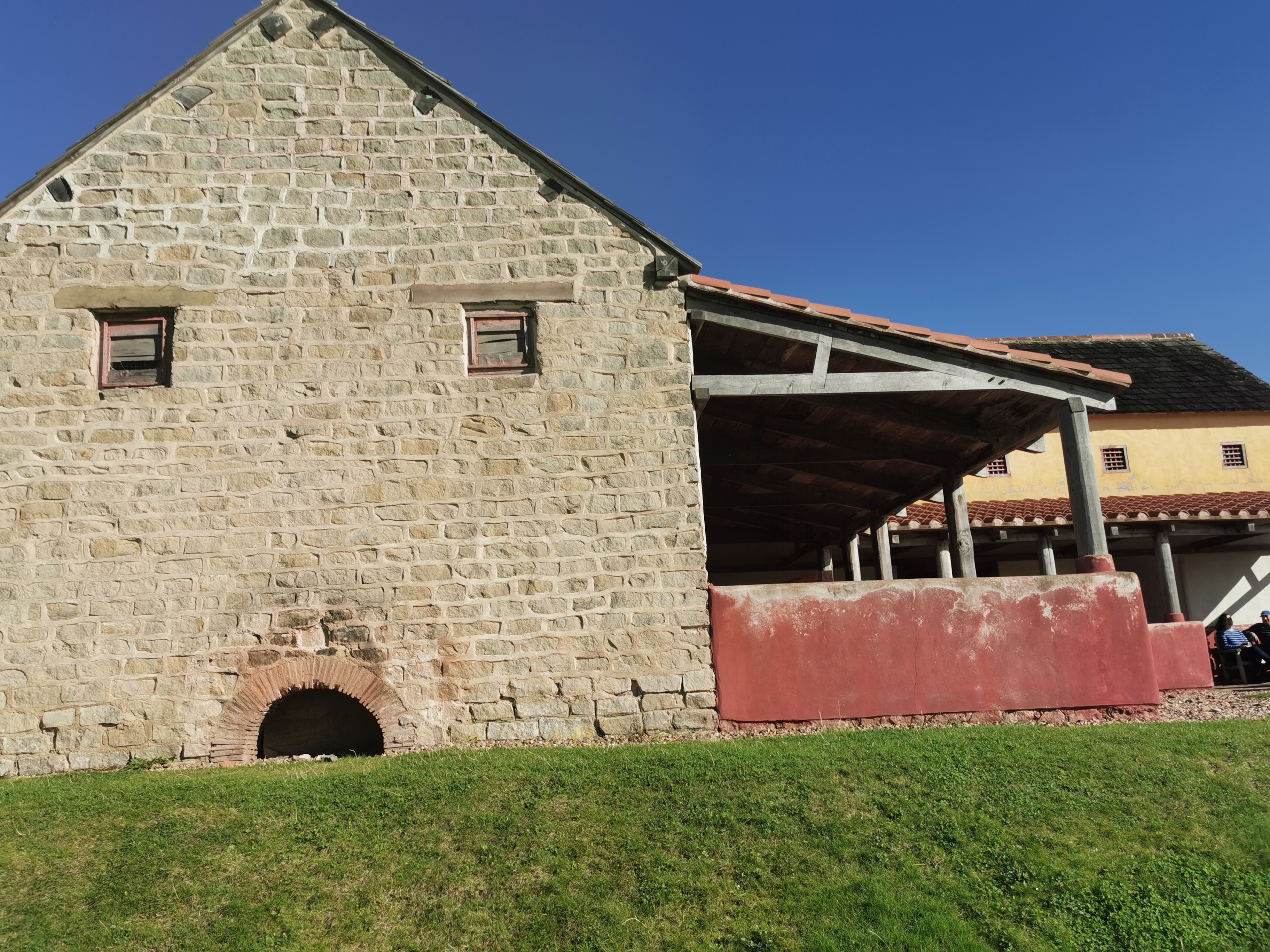

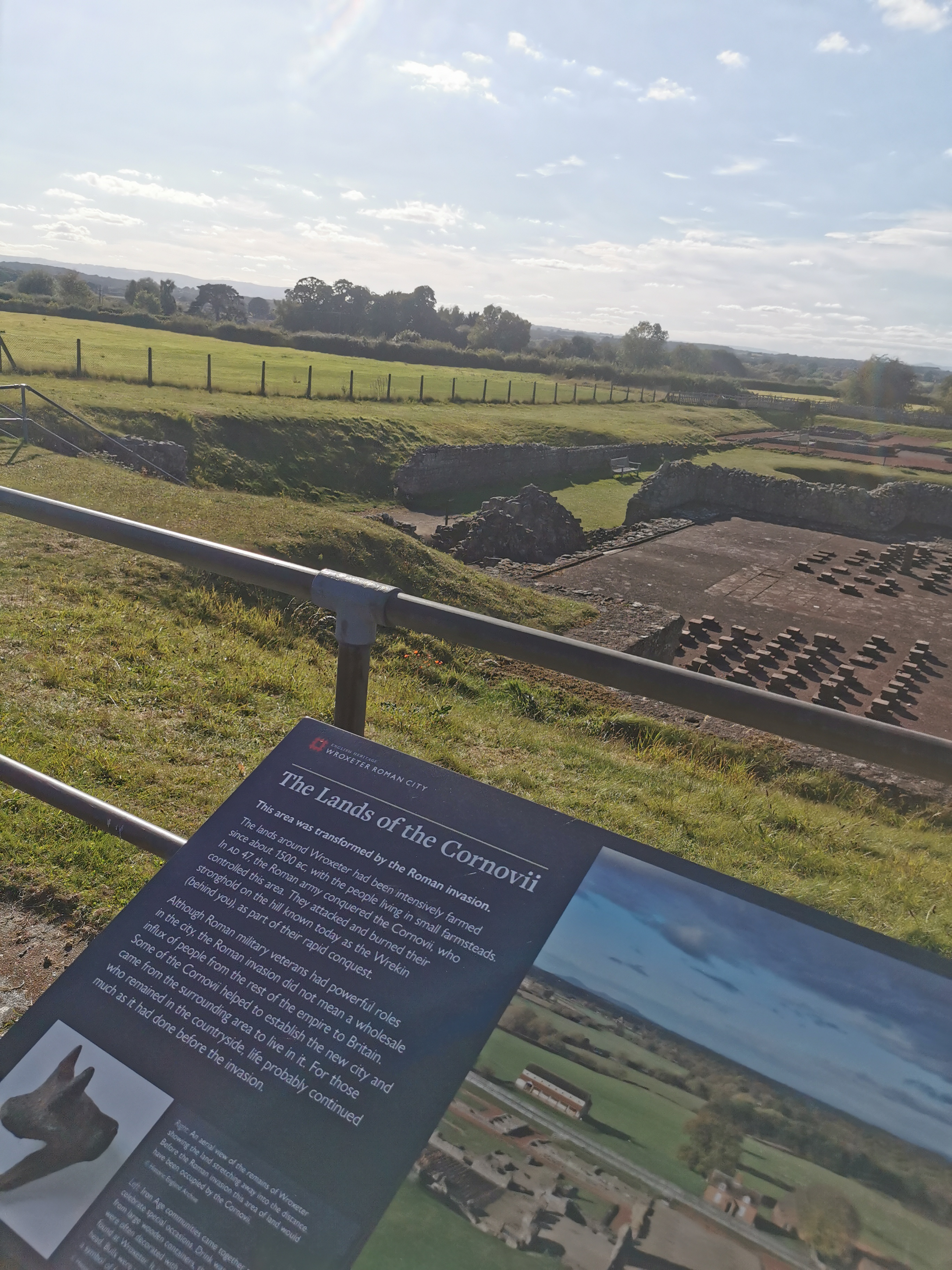
If you would like to order a signed copy, then check out my new bookshop.



 MJ Porter